Nolvadex
Italy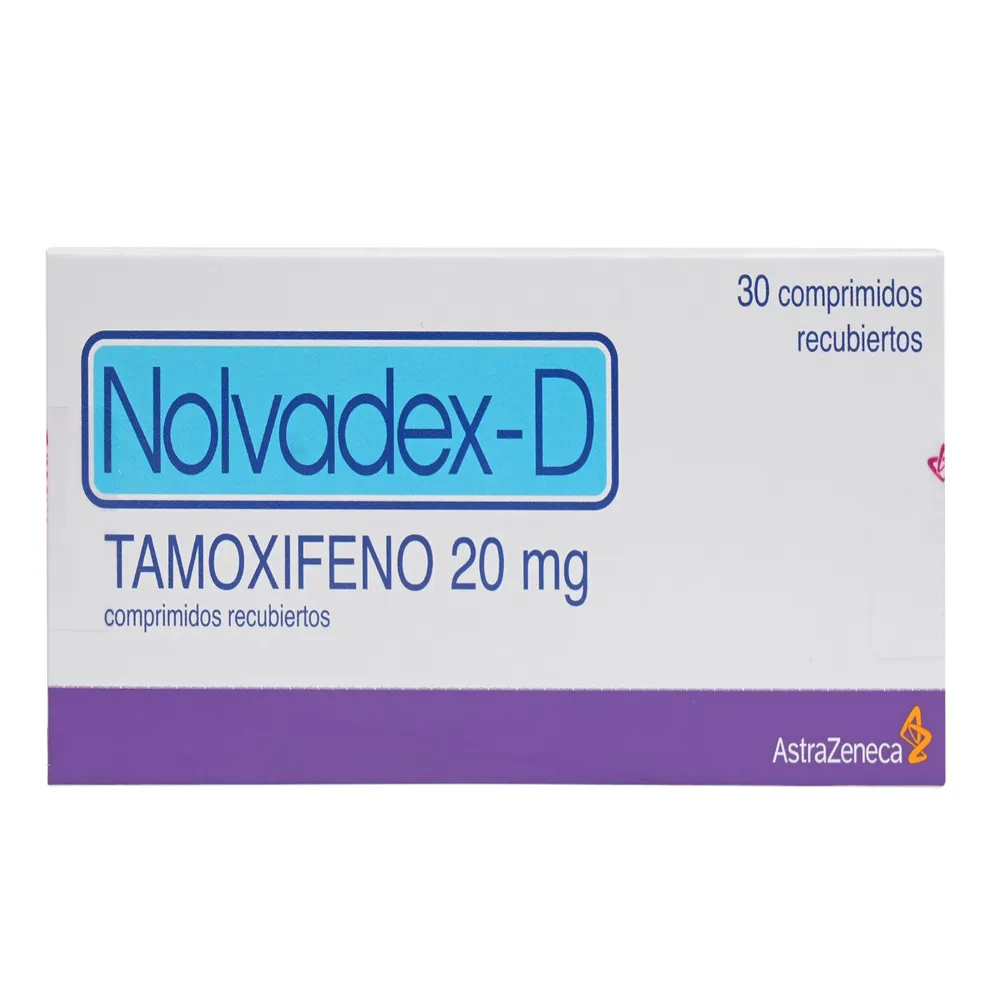
Table of Contents
Patient Information Leaflet
NOLVADEX 10 mg film-coated tablets, 20 mg film-coated tablets
tamoxifene
Please read this leaflet carefully before taking this medicine, because it contains
important information for you.
- Keep this leaflet. You may need to read it again.
- If you have any questions, ask your doctor or pharmacist.
- This medicine has been prescribed for you only. Do not give it to others, even if their symptoms are the same as yours, as it may be harmful.
- If you experience any side effect, including those not listed in this leaflet, tell your doctor or pharmacist. See section 4.
Contents of this leaflet:
- What Nolvadex is and what it is used for
- What you need to know before taking Nolvadex
- How to take Nolvadex
- Possible side effects
- How to store Nolvadex
- Contents of the pack and other information
1. What Nolvadex is and what it is used for
Nolvadex contains tamoxifene, which belongs to a class of medicines called "anti-estrogens".
Estrogens are substances naturally present in the body, known as "sex hormones".
Nolvadex works by blocking the effects of estrogens on your body.
Nolvadex is indicated:
- in the treatment of breast cancer;
- in men, for the prevention and treatment of breast enlargement (gynecomastia) and breast pain (mastalgia) caused by medicines called anti-androgens, used in the treatment of prostate cancer (prostatic carcinoma), a gland in men that produces seminal fluid.
Contact your doctor if you do not feel better or if you feel worse.
2. What you need to know before taking Nolvadex
Do not take Nolvadex
- If you are allergic to tamoxifen or to any of the other ingredients of this medicine (listed in section 6).
- If you are pregnant (see 'Pregnancy and breastfeeding').
- If you are undergoing preventive therapy because you are at high risk of developing breast cancer.
- If you have a specific type of breast cancer (ductal carcinoma in situ) and require concomitant anticoagulant therapy, or if you have previously had a blood clot in a blood vessel (deep vein thrombosis or pulmonary embolism).
Warnings and precautions
Talk to your doctor before taking Nolvadex:
- If you have low levels of white blood cells (leucopenia) or platelets (thrombocytopenia), your doctor will ask you to undergo periodic blood tests.
- If you experience unusual vaginal bleeding, either during treatment with Nolvadex or at any time after stopping it. Your doctor will ask you to undergo periodic gynaecological examinations, as changes in the uterus (endometrium) may occur, some of which may be serious and could include cancer.
- If you have previously had a lack of blood flow to the brain (stroke), stroke-like events, or diseases caused by the formation and dislodgement of blood clots (thromboembolic events), or if you have had uterine cancer, as these conditions may recur during treatment with Nolvadex (see section 4. Possible side effects).
- If you have a specific type of breast cancer (ductal carcinoma in situ). The decision to start tamoxifen therapy should be discussed with your doctor, weighing together the potential risks and benefits.
- If you have a history of hereditary angioedema, as Nolvadex may cause or worsen symptoms of hereditary angioedema. If you experience symptoms such as swelling of the face, lips, tongue and/or throat with difficulty swallowing or breathing, contact your doctor immediately.
- If you have heart problems, including disturbances in heart rhythm (arrhythmia), including a condition called long QT syndrome (prolongation of the QT interval), as the risk of heart rhythm disturbances may increase during treatment with Nolvadex.
If you are hospitalised, inform the medical staff that you are being treated with Nolvadex.
During breast reconstruction surgery (weeks or years after breast cancer surgery), Nolvadex may increase the risk of blood clots forming in the small blood vessels of the tissue flap used to shape the new breast, which could lead to complications.
Pay particular attention with Nolvadex:
- Severe skin reactions, including Stevens-Johnson syndrome and toxic epidermal necrolysis, have been reported in association with Nolvadex treatment. Stop treatment with Nolvadex and consult your doctor immediately if you notice any of the symptoms related to these severe skin reactions described in section 4.
For athletes
Using this medicine without a therapeutic need constitutes doping and may result in a positive doping test.
Children and adolescents
The use of Nolvadex in children is not recommended, as safety and efficacy have not been established.
Other medicines and Nolvadex
Tell your doctor if you are taking, have recently taken, or might take any other medicines.
In particular, inform your doctor if you are taking:
- paroxetine, fluoxetine (examples of antidepressants);
- bupropion (an antidepressant or smoking cessation aid);
- quinidine (e.g., used in the treatment of cardiac arrhythmias);
- cinacalcet (for the treatment of parathyroid gland dysfunction);
- cytotoxic drugs (used in cancer treatment), as they may increase the risk of blood clot formation;
- medicines that may affect heart rhythm.
Your doctor will perform frequent blood tests if you are taking anticoagulant medicines of the dicoumarol type (e.g., warfarin). Tamoxifen can significantly increase the activity of these medicines.
The use of tamoxifen in combination with another breast cancer treatment medicine (aromatase inhibitor) as adjuvant therapy has not shown better efficacy compared to tamoxifen alone.
In some studies, reduced efficacy of tamoxifen has been reported when administered concomitantly with certain SSRI antidepressants (e.g., paroxetine).
Pregnancy and breastfeeding
Pregnancy
If you are pregnant, suspect you may be pregnant, plan to become pregnant, or are breastfeeding, consult your doctor or pharmacist before taking this medicine.
Do not take Nolvadex if you are pregnant (see section 2. Do not take Nolvadex); avoid pregnancy and, if sexually active, use barrier contraception (e.g., condom or diaphragm) or other non-hormonal contraceptive methods during treatment with Nolvadex and for nine months after stopping treatment, as there may be risks to the baby.
Consult your doctor for advice on contraception.
If you are premenopausal, your doctor will perform careful tests before starting treatment to rule out the possibility of an existing pregnancy.
Breastfeeding
The use of Nolvadex during breastfeeding is not recommended, as limited data suggest that Nolvadex and its active metabolites are excreted and may accumulate over time in breast milk. Your doctor will decide whether to discontinue breastfeeding or Nolvadex treatment.
Driving and using machines
Do not drive or operate machinery if you notice that your abilities are impaired. Nolvadex may cause fatigue.
Nolvadex contains lactose
If your doctor has diagnosed you with an intolerance to certain sugars, contact them before taking this medicine.
Nolvadex contains sodium
This medicine contains less than 1 mmol (23 mg) of sodium per tablet, i.e., essentially 'sodium-free'.
3. How to take Nolvadex
Take this medicine exactly as instructed by your doctor or pharmacist. If you have any doubts, consult your doctor or pharmacist.
The recommended dose for the treatment of breast cancer is 20 to 40 mg given in one or two daily doses.
The recommended dose for the prevention and treatment of breast enlargement and breast pain caused by antiandrogenic medicines used in the treatment of prostate cancer is 20 mg once daily.
You must follow your doctor's instructions regarding the method and frequency of taking the tablets. The tablets should be swallowed whole with a glass of water, preferably at approximately the same time each day.
If you take more Nolvadex than you should
If you accidentally take too much Nolvadex, contact your doctor immediately or go to the nearest hospital.
If you forget to take Nolvadex
If you forget to take a dose, take it as soon as you remember.
Do not take a double dose to make up for the forgotten tablet.
If you stop taking Nolvadex
If you have any questions about using this medicine, consult your doctor or pharmacist.
Treatment with tamoxifen must not be stopped, even if your health condition improves, unless instructed by your doctor.
4. Possible side effects
Like all medicines, this medicine can cause side effects, although not everyone experiences them.
Experience with Nolvadex in women is extensive. Although experience in men is much more limited, the overall profile of side effects appears similar, except for events specific to the female sex.
Stop treatment with tamoxifen and contact your doctor immediately if any of the following symptoms occur:
- difficulty breathing;
- swelling of the face, lips, tongue or throat, difficulty swallowing or breathing (angioedema). Nolvadex can cause or worsen symptoms of hereditary angioedema;
- swelling of the hands, feet or ankles;
- hives;
- flat, red rash on the trunk, target-shaped or circular, often with central blisters, skin peeling, mouth, throat, nose, genital or eye ulcers. These serious skin reactions may be preceded by fever and flu-like symptoms [Stevens-Johnson syndrome, toxic epidermal necrolysis] – these side effects are rare.
Contact your doctor immediately if you experience any of the following symptoms:
- facial numbness or weakness in arms or legs, or changes in speech or vision, which could indicate reduced blood flow to the brain (stroke);
- chest pain or shortness of breath (dyspnea), which could be symptoms of a blood clot in the pulmonary artery (pulmonary embolism);
- abdominal pain or abnormal vaginal bleeding, which could indicate a possible uterine tumour;
- cough and shortness of breath, which could be symptoms of lung inflammation (interstitial pneumonia), characterized by fever, cough, breathlessness, increased white blood cells, a type of blood cell (neutrophilia).
During treatment with tamoxifen, as with any other medicine, side effects may occur with the following frequencies:
Very common (may affect more than 1 in 10 people)
- nausea
- fluid retention causing swelling
- vaginal bleeding
- vaginal discharge
- skin rash
- hot flushes
- fatigue
- depression
Common (may affect up to 1 in 10 people)
- decreased number of red blood cells in the blood (anaemia)
- clouding of the lens of the eye, which focuses images (cataract)
- disease of the retina, the innermost layer of the eye (retinopathy)
- allergic reactions
- high levels of fats in the blood (triglycerides)
- leg cramps
- muscle pain (myalgia)
- benign growths in the uterus (uterine fibroids)
- sudden onset of weakness, paralysis of arms or legs, sudden difficulty speaking or walking, difficulty holding objects, or problems thinking, which may be due to reduced blood flow to the brain (e.g. stroke)
- headache
- dizziness
- sensory disturbances (including numbness and altered taste)
- itching of external genitalia
- changes in the endometrium, the lining of the uterus (including hyperplasia and polyps)
- hair loss (alopecia)
- vomiting
- diarrhoea
- constipation
- changes in liver enzyme levels
- fatty liver (steatosis)
- formation and dislodging of blood clots in blood vessels (including deep vein thrombosis, microvascular thrombosis and pulmonary embolism)
Uncommon (may affect up to 1 in 100 people)
- decreased number of platelets (thrombocytopenia)
- decreased number of white blood cells (leucopenia)
- visual disturbances
- inflammation of the pancreas, a gland in the body (pancreatitis)
- increased calcium in the blood (hypercalcaemia) in patients with tumours that have spread to the bones
- tumour of the endometrium, the lining of the uterus (endometrial cancer)
- inflammation of the lungs (interstitial pneumonia) characterized by fever, cough, breathlessness, increased white blood cells
- severe liver disease (cirrhosis)
Rare (may affect up to 1 in 1,000 people)
- decreased number of a type of white blood cells (neutropenia)
- severe decrease in white blood cells (agranulocytosis)
- changes in the transparent membrane covering the eye (cornea)
- disease of the optic nerve, the nerve that transmits images from the eye to the brain (optic neuropathy)
- tumour of the uterus
- growths (polyps) in the vagina
- worsening of a tumour (tumour flare)
- endometriosis (when cells normally found only in the lining of the uterus are present in other parts of the body, usually in nearby organs)
- enlargement of ovarian cysts
- severe inflammation of the optic nerve, the nerve that transmits images from the eye to the brain (optic neuritis)
- inflammation of the liver (hepatitis)
- bile retention (cholestasis)
- liver abnormalities
- liver damage (hepatocellular)
- death of liver cells (hepatic necrosis)
- allergic reaction characterized by swelling of the face, lips and throat (angioedema)
- inflammation of blood vessels with formation of swellings and skin spots (cutaneous vasculitis)
- disease of the immune system characterized by formation of swellings under the skin (bullous pemphigoid)
- allergic reaction characterized by skin rash (erythema multiforme)
Very rare (may affect up to 1 in 10,000 people)
- disease of the immune system affecting the skin with formation of redness, lesions, hair loss (cutaneous lupus erythematosus)
- disease caused by accumulation in the blood of certain liver proteins, porphyrins, leading to formation of blisters, lesions turning into crusts and cysts on the skin (porphyria cutanea tarda)
- skin rash characterized by redness, swelling and/or blistering after radiotherapy (radiation recall reaction)
Other side effects reported in the literature include: dizziness, depression, confusion and fatigue.
Results from a large 5-year study involving approximately 13,000 women at high risk of developing breast cancer showed an increased incidence of the following adverse reactions in women treated with tamoxifen compared to untreated women: uterine cancer (endometrial adenocarcinoma and uterine sarcoma), pulmonary embolism, deep vein thrombosis, stroke, cataract formation and cataract surgery. Some cases of uterine malignant tumours, cerebral stroke and pulmonary embolism were fatal.
Uterine fibroids, endometriosis and other endometrial changes including hyperplasia and polyps have been reported.
Interstitial pneumonia may occur, which can present with the same symptoms as pneumonia, such as dyspnoea and cough.
Reporting of side effects
If you experience any side effect, including those not listed in this leaflet, talk to your doctor or pharmacist. You can also report side effects directly via the national reporting system at https://www.aifa.gov.it/content/segnalazioni-reazioni-avverse.
By reporting side effects, you can help provide more information on the safety of this medicine.
5. How to store Nolvadex
Do not store above 30°C.
Keep the medicine in the original packaging to protect it from light.
Keep the medicine out of the sight and reach of children.
Do not use this medicine after the expiry date which is stated on the packaging after EXP. The
expiry date refers to the last day of that month.
Do not dispose of any medicine via wastewater or household waste. Ask your pharmacist how to
dispose of medicines you no longer use. This will help protect the environment.
6. Package contents and other information
What Nolvadex contains
Nolvadex 10 mg film-coated tablets
- The active substance is tamoxifene citrate equivalent to 10 mg of tamoxifene.
- The other ingredients are lactose monohydrate (see section 2. Nolvadex contains lactose), maize starch, gelatin, sodium croscarmellose, magnesium stearate, hypromellose, macrogol 300, titanium dioxide.
Nolvadex 20 mg film-coated tablets
- The active substance is tamoxifene citrate equivalent to 20 mg of tamoxifene.
- The other ingredients are lactose monohydrate (see section 2. Nolvadex contains lactose), maize starch, gelatin, sodium croscarmellose, magnesium stearate, hypromellose, macrogol 300, titanium dioxide.
Description of the appearance of Nolvadex and contents of the pack
Nolvadex is presented as white film-coated tablets.
Nolvadex 10 mg film-coated tablets are available in blisters of 30 tablets.
Nolvadex 20 mg film-coated tablets are available in blisters of 20 tablets.
Marketing Authorisation Holder and Manufacturer
AstraZeneca S.p.A.
Viale Decumano 39, 20157 Milan, Italy
Manufacturer
AstraZeneca AB
Gärtunavägen
Södertälje, 152 57
Sweden