Nepexto
Italy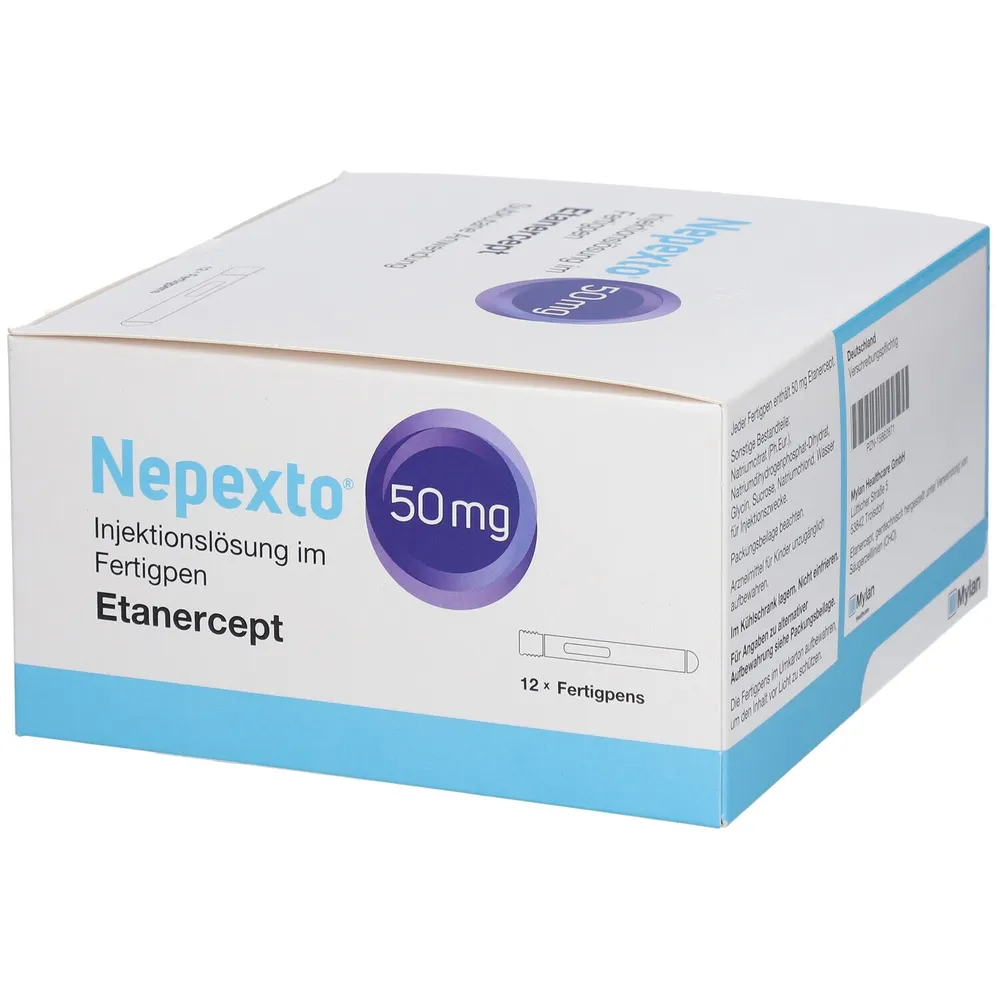
Table of Contents
- Package leaflet: Information for the user
- Nepexto 25 mg solution for injection in pre-filled syringe, 50 mg solution for injection in pre-filled syringe
- 1. What Nepexto is and what it is used for
- 2. What you should know before using Nepexto
- 3. How to use Nepexto
- 4. Possible side effects
- 5. How to store Nepexto
- 6. Package contents and other information
- 7. Instructions for Use
- Package leaflet: Information for the user
- Nepexto 50 mg solution for injection in pre-filled pen
- 1. What Nepexto is and what it is used for
- 2. What you should know before using Nepexto
- 3. How to use Nepexto
- 4. Possible side effects
- 5. How to store Nepexto
- 6. Package contents and other information
- 7. Instructions for Use
Package leaflet: Information for the user
Nepexto 25 mg solution for injection in pre-filled syringe, 50 mg solution for injection in pre-filled syringe
etanercept
Please read this leaflet carefully before using this medicine because it contains important information for you.
- Keep this leaflet. You may need to read it again.
- Your doctor will provide you with a Patient Safety Card containing important safety information you should be aware of before and during treatment with Nepexto.
- If you have any questions, consult your doctor, pharmacist, or nurse.
- This medicine has been prescribed for you or your child. Do not give it to other people, even if their symptoms appear to be the same as yours or your child's, as it may be harmful.
- If you experience any side effects, including those not listed in this leaflet, consult your doctor or pharmacist. See section 4.
Contents of this leaflet:
- What Nepexto is and what it is used for
- What you need to know before using Nepexto
- How to use Nepexto
- Possible side effects
- How to store Nepexto
- Contents of the pack and other information
- Instructions for use
1. What Nepexto is and what it is used for
Nepexto contains the active substance etanercept.
Nepexto is a medicine made from two human proteins that blocks the activity of another protein in the body which causes inflammation. This medicine works by reducing the inflammation associated with certain diseases.
In adults (aged 18 years and older), Nepexto can be used to treat:
- Rheumatoid arthritis (a long-term autoimmune disease that primarily affects the joints), moderate to severe;
- Psoriatic arthritis (an inflammatory type of arthritis that can affect any joint in the body);
- Severe axial spondyloarthritis (a type of chronic inflammatory arthritis affecting the spine and/or sacroiliac joints), including ankylosing spondylitis (a type of arthritis affecting the spine);
- Moderate to severe psoriasis (raised, red, scaly patches on the skin).
In all these cases, Nepexto is usually used when commonly used treatments have not worked well enough or are not suitable for you.
For rheumatoid arthritis, this medicine is usually used in combination with methotrexate, although it may also be used alone if treatment with methotrexate is not suitable for you. Whether used alone or in combination with methotrexate, Nepexto can slow down joint damage caused by rheumatoid arthritis and improve your ability to carry out normal daily activities.
For patients with psoriatic arthritis affecting multiple joints, this medicine can improve the ability to perform normal daily activities.
For patients with painful or swollen joints in multiple symmetric locations (e.g., hands, wrists, and feet), this medicine can slow down structural damage to these joints caused by the disease.
Nepexto is also prescribed for the treatment of the following conditions in children and adolescents:
- For the following types of juvenile idiopathic arthritis, when treatment with methotrexate has not provided a sufficiently good response or is not appropriate:
- Polyarticular juvenile idiopathic arthritis (rheumatoid factor positive or negative) and extended oligoarticular juvenile idiopathic arthritis in patients from 2 years of age and weighing at least 62.5 kg;
- Psoriatic arthritis in patients from 12 years of age and weighing at least 62.5 kg;
- For enthesitis-related arthritis in patients from 12 years of age and weighing at least 62.5 kg, or when commonly used treatments have not provided a sufficiently good response or are not appropriate;
- Severe psoriasis in patients from 6 years of age and weighing at least 62.5 kg who have had an inadequate response to (or cannot undergo) phototherapy or other systemic therapies.
2. What you should know before using Nepexto
Do not use Nepexto
- if you or the child are allergic to etanercept or to any of the other components of Nepexto (listed in section 6). If allergic reactions such as chest tightness, shortness of breath, dizziness or rash occur in you or the child, do not inject any more Nepexto and contact your doctor immediately;
- if you or the child have or are at risk of developing a serious blood infection called sepsis. If in doubt, contact your doctor;
- if you or the child have any type of infection. If in doubt, contact your doctor.
Warnings and precautions
Talk to your doctor before using Nepexto.
- Allergic reactions: if you or the child experience allergic reactions such as chest tightness, shortness of breath, dizziness or rash, do not inject this medicine and contact your doctor immediately.
- Infections/surgery: if you or the child develop a new infection or are about to undergo any major surgical procedure, your doctor may wish to monitor treatment with this medicine.
- Infections/diabetes: inform your doctor if you or the child have a history of recurrent infections or have diabetes or other conditions that increase the risk of infection.
- Infections/monitoring: inform your doctor of any recent travel outside Europe. If you or the child develop symptoms of an infection such as fever, chills or cough, inform your doctor immediately. Your doctor may decide to continue monitoring you or the child for signs of infection after you or the child have stopped taking Nepexto.
- Tuberculosis: since cases of tuberculosis have been reported in patients treated with Nepexto, your doctor will check you for signs and symptoms of tuberculosis
before starting treatment with this medicine. This may include a thorough
medical history, a chest X-ray and a tuberculin skin test. The results of these tests must be
recorded in the Patient Record Card. It is very important that you inform your doctor if you or the
child have ever had tuberculosis or have been in close contact with someone who has
tuberculosis. If symptoms of tuberculosis (such as persistent cough, weight loss, weakness,
low-grade fever) or any other infection appear during or after treatment, inform your
doctor immediately.
- Hepatitis B: inform your doctor if you or the child have or have had hepatitis B. Your doctor must perform a test for hepatitis B before you or the child start treatment with this medicine. Treatment with Nepexto can cause reactivation of hepatitis B in patients with previous infection with hepatitis B virus. In such cases, you must stop using this medicine.
- Hepatitis C: inform your doctor if you or the child have hepatitis C. Your doctor may decide to monitor treatment with this medicine if the infection worsens.
- Blood disorders: seek immediate medical attention if you or the child experience any signs or symptoms such as persistent fever, sore throat, bruising, bleeding or paleness. These symptoms may indicate potentially life-threatening blood disorders that may require discontinuation of treatment with Nepexto.
- Nervous system and eye disorders: inform your doctor if you or the child have multiple sclerosis, optic neuritis (inflammation of the optic nerves) or transverse myelitis (inflammation of the spinal cord). Your doctor will assess whether the use of this medicine is appropriate.
- Congestive heart failure: inform your doctor if you or the child have a history of congestive heart failure (a condition in which the heart muscle does not pump blood as it should), as this medicine must be used with caution in such cases.
- Tumours: inform your doctor if you have or have ever had lymphoma (a type of blood cancer) or any other tumour before taking this medicine. Patients with long-standing, severe rheumatoid arthritis may be at increased risk of developing lymphoma compared to the general population. Children and adults using this medicine may have an increased risk of developing lymphoma or other tumours. Some children and adolescent patients treated with etanercept or other medicines acting similarly to etanercept have developed tumours, including unusual types, sometimes with fatal outcome. Some patients receiving Nepexto have developed skin tumours. Inform your doctor if you or the child develop any changes in the appearance of the skin or skin growths.
- Chickenpox: inform your doctor if you or the child are exposed to chickenpox while using this medicine. Your doctor will assess whether preventive treatment for chickenpox is appropriate.
- Alcohol abuse: this medicine must not be used to treat hepatitis related to alcohol abuse. Inform your doctor if you or the child have a history of alcohol abuse.
- Wegener’s granulomatosis: this medicine is not recommended for the treatment of Wegener’s granulomatosis, a rare inflammatory disease. If you or the child have Wegener’s granulomatosis, consult your doctor.
- Anti-diabetic medicines: inform your doctor if you or the child have diabetes or are taking medicines to treat diabetes. Your doctor may decide whether it is necessary to reduce the dose of anti-diabetic medicine for you or the child while taking this medicine.
Children and adolescents
- Vaccinations: if possible, children should be up to date with all vaccinations before starting Nepexto. Some vaccines, such as oral polio vaccine, must not be taken while receiving this medicine. Consult your doctor before you or the child receive any vaccine.
Nepexto must not be used in children and adolescents weighing less than 62.5 kg.
Nepexto is generally not recommended for use in children under 2 years of age with polyarticular or extended oligoarticular juvenile idiopathic arthritis, in children under 12 years of age with enthesitis-related arthritis or psoriatic arthritis, or in children under 6 years of age with psoriasis.
Other medicines and Nepexto
Inform your doctor or pharmacist if you or the child are using, have recently used or might use any other medicines (including sulfasalazine), even those not requiring a prescription.
You or the child must not use Nepexto together with medicines containing the active substances anakinra or abatacept.
Pregnancy and breastfeeding
Nepexto should be used during pregnancy only if clearly necessary. If you are pregnant, suspect you may be pregnant, or are planning a pregnancy, consult your doctor.
If you have received Nepexto during pregnancy, the newborn may be at increased risk of infection. Furthermore, one study indicated a higher number of birth defects in mothers who received etanercept during pregnancy compared to mothers who did not receive this medicine or other similar medicines (TNF antagonists), although no specific pattern of birth defects was observed. Another study did not show an increased risk of birth defects when mothers received etanercept during pregnancy. Your doctor will help you decide whether the benefits of treatment outweigh the potential risks to the baby.
Consult your doctor if you wish to breastfeed while being treated with Nepexto. It is important to inform the child's paediatricians and other healthcare professionals about the use of Nepexto during pregnancy and breastfeeding before the child receives any vaccine.
Driving and using machines
Nepexto is not expected to affect the ability to drive vehicles or operate machinery.
Nepexto contains sodium
This medicine contains less than 1 mmol (23 mg) of sodium per dose, i.e. it is essentially “sodium-free”.
3. How to use Nepexto
Use this medicine exactly as prescribed by your doctor. If you have any doubts, consult your
doctor or pharmacist.
If you feel that the effect of Nepexto is too strong or too weak, contact your doctor or
pharmacist.
Use in adults
Rheumatoid arthritis, psoriatic arthritis, and axial spondyloarthritis, including ankylosing spondylitis
The usual dose is 25 mg administered twice weekly, or 50 mg once weekly, by subcutaneous injection.
However, your doctor may prescribe a different dosing schedule for Nepexto.
Plaque psoriasis
The usual dose is 25 mg administered twice weekly, or 50 mg administered once weekly.
Alternatively, a dose of 50 mg twice weekly may be given for up to 12 weeks, followed by 25 mg twice weekly or 50 mg once weekly.
Your doctor will decide how long you should continue treatment with Nepexto and whether, based on your response, further treatment is needed. If Nepexto has not improved your condition after 12 weeks, your doctor may advise you to stop treatment.
Use in children and adolescents
The dose and dosing frequency in children or adolescents will depend on body weight and the condition being treated.
Your doctor will determine the correct dose for the child and prescribe an appropriate etanercept dosage.
Nepexto must not be used in children and adolescents weighing less than 62.5 kg.
Other etanercept-containing medicines with pharmaceutical formulations appropriate for children are available.
For polyarticular or extended oligoarticular juvenile idiopathic arthritis in patients aged 2 years and older, or for enthesitis-related arthritis or psoriatic arthritis in patients aged 12 years and older, the usual dose is 0.4 mg of etanercept per kg of body weight (up to a maximum of 25 mg), administered twice weekly, or 0.8 mg of etanercept per kg of body weight (up to a maximum of 50 mg), administered once weekly.
For psoriasis in patients aged 6 years and older, the usual dose is 0.8 mg of etanercept per kg of body weight (up to a maximum of 50 mg), administered once weekly. If Nepexto has not improved the child's condition after 12 weeks, the doctor may advise you to stop treatment with this medicine.
Method and route of administration
Nepexto is administered by subcutaneous injection (subcutaneous use).
Detailed instructions on how to prepare and inject Nepexto are provided in section 7,
“Instructions for use”.
Do not mix the solution with other medicines.
To help you remember, it may be helpful to write down in your diary on which day(s) of the week Nepexto should be used.
If you use more Nepexto than you should
If you have used more Nepexto than you should have (either by injecting too much at one time or by using it too frequently), contact a doctor or pharmacist immediately. Always keep the medicine carton with you, even if it is empty.
If you forget to take Nepexto
If you miss a dose, administer it as soon as you remember, unless the next dose is scheduled for the following day, in which case you should skip the missed dose. Then continue administering the medicine on the originally scheduled day(s). If you remember the missed dose on the day the next dose is due, do not take a double dose (two doses on the same day) to make up for the missed dose.
If you stop treatment with Nepexto
After stopping treatment, your disease symptoms may return.
If you have any questions about the use of this medicine, consult your doctor or pharmacist.
4. Possible side effects
Like all medicines, this medicine can cause side effects, although not everyone will experience them.
Allergic reactions
If any of the following side effects occur, do not inject Nepexto again. Contact your doctor immediately or go to the nearest hospital emergency department.
- Difficulty swallowing or breathing
- Swelling of the face, throat, hands, or feet
- Feeling nervous or anxious, palpitations, sudden redness of the skin and/or sensation of warmth
- Severe skin rash, itching, hives (raised red or pale patches on the skin that often itch)
Severe allergic reactions are rare. However, any of the symptoms listed above may indicate an allergic reaction to this medicine; therefore, you must seek immediate medical attention.
Serious side effects
If you or the child notice any of the following symptoms, urgent medical treatment may be needed:
- symptoms of serious infections, such as high fever which may be accompanied by cough, shortness of breath, chills, weakness, or presence of a warm, red, tender, painful area on the skin or joints;
- symptoms of blood disorders, such as bleeding, bruising, or paleness;
- symptoms of nerve disorders, such as numbness or tingling, changes in vision, eye pain, or sudden onset of weakness in one arm or leg;
- symptoms of heart failure or worsening heart failure, such as fatigue or shortness of breath during activity, swelling of the ankles, a feeling of fullness in the neck or abdomen, shortness of breath at night or cough, bluish discoloration of fingernails or lips;
- symptoms of tumours: tumours may affect any part of the body, including skin and blood, and possible symptoms depend on the type and location of the tumour. These may include weight loss, fever, swelling (with or without pain), persistent cough, or presence of cysts or skin growths;
- symptoms of autoimmune reactions (where antibodies are produced that may damage normal body tissues), such as pain, itching, weakness, breathing problems, changes in thinking, sensation, or vision;
- symptoms of lupus or lupus-like syndrome, such as changes in body weight, persistent rash, fever, joint or muscle pain, or fatigue;
- symptoms of inflammation of blood vessels, such as pain, fever, redness or warmth of the skin, or itching.
These side effects are rare or uncommon but are serious conditions (some of which may rarely lead to death). If any of these symptoms occur, contact your doctor immediately or go to the nearest hospital emergency department.
The known side effects of etanercept include those listed below, grouped by decreasing frequency.
- Very common (may affect more than 1 in 10 people): infections (including colds, sinusitis, bronchitis, urinary tract infections, and skin infections); injection site reactions (including bleeding, bruising, redness, itching, pain, and swelling) (these occur less frequently after the first month of treatment; some patients have developed a reaction at a recently used injection site); and headache.
- Common (may affect up to 1 in 10 people): allergic reactions; fever; itching; antibodies directed against normal tissue (formation of autoantibodies).
- Uncommon (may affect up to 1 in 100 people): serious infections (including pneumonia, deep skin infections, joint infections, blood infections, and infections at various sites); worsening of congestive heart failure; low red blood cell count, low white blood cell count, low neutrophil count (a type of white blood cell); reduced platelet count in the blood; skin tumour (excluding melanoma); localized swelling of the skin (angioedema); urticaria (raised red or pale itchy skin patches); eye inflammation; psoriasis (new onset or worsening); inflammation of blood vessels affecting more than one organ; elevated liver enzymes in the blood (in patients also treated with methotrexate, the frequency of increased liver enzymes in the blood is common); cramps and abdominal pain, diarrhoea, weight loss, or blood in the stools (signs of intestinal problems).
- Rare (may affect up to 1 in 1,000 people): severe allergic reactions (including severe localized swelling of the skin and breathing difficulties); lymphoma (a type of blood cancer); leukaemia (a cancer affecting blood and bone marrow); melanoma (a type of skin cancer); decreased counts of platelets, red blood cells, and white blood cells together; nervous system disorders (with severe muscle weakness and signs and symptoms similar to multiple sclerosis, or inflammation of the nerves of the eye or spinal cord); tuberculosis; new onset of congestive heart failure; seizures; lupus or lupus-like syndrome (symptoms may include persistent rash, fever, joint pain, and fatigue); skin rash that may lead to blistering and severe skin peeling; lichenoid reactions (itchy reddish/violaceous skin rash and/or whitish-grey thread-like lines on mucous membranes); liver inflammation caused by the immune system (autoimmune hepatitis; in patients also treated with methotrexate, the frequency is uncommon); immune disorder that may affect the lungs, skin, and lymph nodes (sarcoidosis); lung inflammation or scarring (in patients also treated with methotrexate, the frequency of lung inflammation or scarring is uncommon); damage to the tiny filters within the kidneys leading to reduced kidney function (glomerulonephritis).
- Very rare (may affect up to 1 in 10,000 people): inability of the bone marrow to produce essential blood cells.
- Not known (frequency cannot be estimated from available data): Merkel cell carcinoma (a type of skin cancer); Kaposi's sarcoma, a rare form of cancer associated with human herpesvirus 8 infection. Kaposi's sarcoma most commonly presents with purple skin lesions; excessive activation of white blood cells involved in inflammation (macrophage activation syndrome); reactivation of hepatitis B (a liver infection); worsening of a condition called dermatomyositis (muscle inflammation and weakness accompanied by skin rash).
Additional side effects in children and adolescents
The side effects and their frequency in children and adolescents are similar to those described above.
Reporting of side effects
If you experience any side effect, including those not listed in this leaflet, talk to your doctor or pharmacist. You can also report side effects directly via the national reporting system detailed in Annex V. By reporting side effects, you can help provide more information on the safety of this medicine.
5. How to store Nepexto
Keep this medicine out of the sight and reach of children.
Do not use this medicine after the expiry date which is stated on the carton and on the pre-filled syringe after "Exp.". The expiry date refers to the last day of that month.
Store in a refrigerator (2°C – 8°C). Do not freeze.
Keep the pre-filled syringes in their outer packaging to protect the medicine from light.
Nepexto may be stored outside the refrigerator for one single period not exceeding 4 weeks at a maximum temperature of 25°C; after this period it must not be returned to the refrigerator. If not used within 4 weeks outside the refrigerator, Nepexto must be discarded. It is recommended to record the date when Nepexto is removed from the refrigerator and the date by which Nepexto must be discarded (no more than 4 weeks outside the refrigerator).
Inspect the solution inside the syringe. The solution should be from clear to opalescent, colourless to yellow, and may contain small white or nearly transparent protein particles. This appearance is normal. Do not use this solution if it shows changes in colour, appears cloudy, or if particles different from those described are visible. If you have any doubts about the appearance of the solution, contact your pharmacist.
Do not dispose of any medicine via wastewater or household waste. Ask your pharmacist how to dispose of medicines no longer in use. This will help protect the environment.
6. Package contents and other information
What Nepexto contains
The active substance is etanercept. Each pre-filled syringe contains 25 mg or 50 mg of etanercept.
The other excipients are: sodium citrate, disodium hydrogen phosphate dihydrate, glycine, sucrose, sodium chloride, and water for injection.
Description of the appearance of Nepexto and contents of the pack
Nepexto is supplied as a pre-filled syringe containing a solution for injection, ranging from clear to opalescent and from colourless to yellow.
Nepexto 25 mg is available in packs of 4 and 12 pre-filled syringes, in a multiple pack containing 2 packs of 4 pre-filled syringes, and in a multiple pack containing 2 packs of 12 pre-filled syringes.
Nepexto 50 mg is available in packs containing 4 or 12 pre-filled syringes.
Not all pack sizes may be marketed.
Marketing Authorisation Holder
Biosimilar Collaborations Ireland Limited
Unit 35/36
Grange Parade,
Baldoyle Industrial Estate,
Dublin 13
DUBLIN
Ireland
D13 R20R
Manufacturer
Biosimilar Collaborations Ireland Limited
Block B, The Crescent Building, Santry Demesne
Dublin
D09 C6X8
Ireland
For further information about this medicine, please contact the local representative of the Marketing Authorisation Holder:
België/Belgique/Belgien Lietuva
Biocon Biologics Belgium BV Biosimilar Collaborations Ireland Limited
Tél/Tel: 0080008250910 Tel: 0080008250910
България Luxembourg/Luxemburg
Biosimilar Collaborations Ireland Limited Biocon Biologics France S.A.S
Тел: 0080008250910 Tél/Tel: 0080008250910
Česká republika Magyarország
Biocon Biologics Germany GmbH Biosimilar Collaborations Ireland Limited
Tel: 0080008250910 Tel.: 0080008250910
Danmark Malta
Biocon Biologics Finland OY Biosimilar Collaborations Ireland Limited
Tlf: 0080008250910 Tel.: 0080008250910
Deutschland Nederland
Biocon Biologics Germany GmbH Biocon Biologics France S.A.S
Tel: 0080008250910 Tel: 0080008250910
Eesti Norge
Biosimilar Collaborations Ireland Limited Biocon Biologics Finland OY
Tel: 0080008250910 Tlf: +47 800 62 671
Ελλάδα Österreich
Biocon Biologics Greece ΜΟΝΟΠΡΟΣΩΠΗ Ι.Κ.Ε Biocon Biologics Germany GmbH
Τηλ.: 0080008250910 Tel: 0080008250910
España Polska
Biocon Biologics Spain S.L. Biosimilar Collaborations Ireland Limited
Tel: 0080008250910 Tel: 0080008250910
France Portugal
Biocon Biologics France S.A.S Biocon Biologics Spain S.L.
Tel: 0080008250910 Tel: 0080008250910
Hrvatska România
Biocon Biologics Germany GmbH Biosimilar Collaborations Ireland Limited
Tel: 0080008250910 Tel: 0080008250910
Ireland Slovenija
Biosimilar Collaborations Ireland Limited Biosimilar Collaborations Ireland Limited
Tel: 1800 777 794 Tel: 0080008250910
Ísland Slovenská republika
Biocon Biologics Finland OY Biocon Biologics Germany GmbH
Sími: +345 800 4316 Tel: 0080008250910
Italia Suomi/Finland
Biocon Biologics Spain S.L. Biocon Biologics Finland OY
Tel: 0080008250910 Puh/Tel: 99980008250910
Κύπρος Sverige
Biosimilar Collaborations Ireland Limited Biocon Biologics Finland OY
Τηλ: 0080008250910 Tel: 0080008250910
Latvija
Biosimilar Collaborations Ireland Limited
Tel: 0080008250910
More detailed information on this medicine is available on the European Medicines Agency website: http://www.ema.europa.eu.
7. Instructions for Use
This section is divided into the following subsections:
Introduction
Step 1: Preparing for Injection
Step 2: Choosing the Injection Site
Step 3: Injecting the Nepexto Solution
Step 4: Disposal of Materials
The following instructions explain how to prepare and inject Nepexto. Read the instructions for use before starting to use Nepexto and each time you renew your prescription. There may be new information.
- Do not attempt to administer an injection to yourself unless your doctor or nurse has shown you how to do so.
The solution must not be mixed before use with any other medicine.
Not included in the package:
- alcohol swab
- gauze pad and adhesive plaster
- sharps container for disposal of sharp objects
Parts of the Device

Step 1: Preparing for Injection
Choose a clean, well-lit, flat surface and have all necessary items within reach.
- Remove the box containing the pre-filled syringes from the refrigerator and place it on the flat work surface. Take out one pre-filled syringe and place it on the work surface. Do not shake the pre-filled syringe of Nepexto. Return the box containing any remaining pre-filled syringes to the refrigerator. See section 5 for instructions on how to store Nepexto. If you have any questions about storage, contact your doctor, nurse, or pharmacist for further instructions.
- Inspect the solution:
- examine the medicine through the barrel of the syringe;
- the medicine should range from clear to opalescent, colourless to yellow, and may contain small white or almost transparent protein particles;
- do not use the solution if it shows changes in colour, appears cloudy, or if particles other than those described are visible.
- Allow the medicine to reach room temperature. Remove one pre-filled syringe from the refrigerated box and let it stand at room temperature for 15–30 minutes before administering the injection. This step is important because it makes the medicine easier and more comfortable to inject.
- Do not remove the needle cap until you are ready to inject.
- Do not use other heat sources, such as a microwave or hot water, to warm the injectable solution.
- Prepare the other materials needed for the injection. These include an alcohol swab, cotton ball, or gauze pad.
- Wash your hands thoroughly with soap and warm water.
Step 2: Choosing the Injection Site
- The three recommended injection sites are: (1) the central anterior part of the thighs; (2) the abdomen; and (3) the outer area of the upper arms (see Figure 1). If injecting into the abdomen, maintain a distance of at least 5 cm from the navel. For self-injection, do not use the outer area of the upper arms.
- A different site should be used for each new injection. Each new injection should be administered at least 3 cm away from a previous injection site. Do not inject into areas where the skin is tender, bruised, red, or hardened. Avoid areas with scars or stretch marks (it may be helpful to record the locations of previous injection sites).
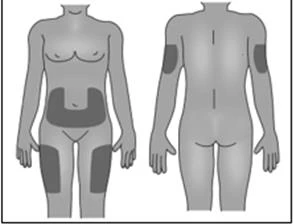
- If you have psoriasis, do not inject directly into raised, thick, red, or scaly patches of skin (“psoriatic skin lesions”).
Step 3: Injecting the Solution
- Clean the skin at the injection site with an alcohol-soaked swab, using a circular motion. DO NOT touch this area again before the injection.
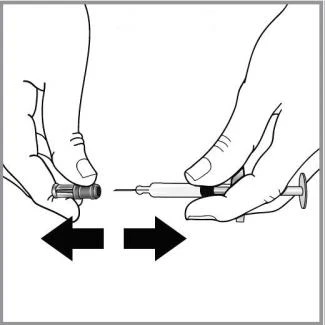
- Pick up the pre-filled syringe from the flat work surface. Remove the needle cap by firmly pulling it straight off the syringe (see Figure 2). Do not rotate or bend the needle cap when removing it, to avoid damaging the needle.
When the needle cap is removed, a drop of liquid may remain at the tip of the needle; this is normal. Do not touch the needle or allow it to come into contact with any surface. Do not touch or press the plunger. This could cause leakage of the liquid.
- Once the cleaned skin area has dried, pinch and firmly hold the skin with one hand. With the other hand, hold the syringe like a pencil.
- With a quick, short motion, insert the needle completely into the skin at an angle between 45° and 90° (see Figure 3). With experience, you will find the angle that is most comfortable for you. Be careful not to insert the needle too slowly or with excessive force.
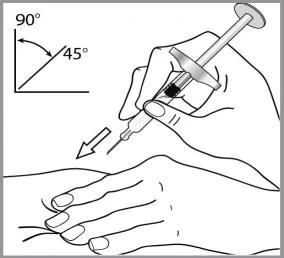
- Once the needle is fully inserted into the skin, release the skin. With your free hand, hold the syringe near the base to stabilize it. Then push the plunger slowly and steadily to inject the entire solution (see Figure 4).
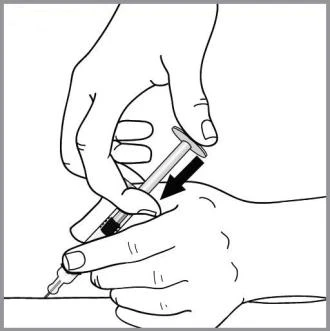
- When the syringe is empty, remove the needle from the skin, taking care to maintain the same angle used during insertion. Mild bleeding at the injection site may occur. You may apply gentle pressure with a cotton ball or gauze pad to the injection site for 10 seconds. Do not rub the injection site. If needed, cover the injection site with a bandage.
Step 4: Disposal of Materials
The pre-filled syringe is for single use only. The syringe and needle must NEVER be reused. NEVER recap the needle. Dispose of needles and syringes as instructed by your doctor, nurse, or pharmacist (see Figure 5).
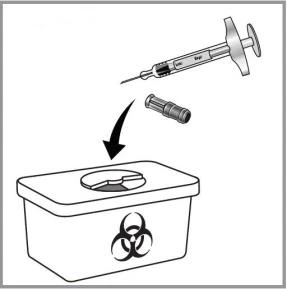
If you have any doubts or need further information, consult your doctor, nurse, or pharmacist.
Package leaflet: Information for the user
Nepexto 50 mg solution for injection in pre-filled pen
etanercept
Please read this leaflet carefully before using this medicine because it contains important information for you.
- Keep this leaflet. You may need to read it again.
- Your doctor will provide you with the Patient Information Card containing important safety information you should know before and during treatment with Nepexto.
- If you have any questions, consult your doctor, pharmacist, or nurse.
- This medicine has been prescribed for you or your child. Do not give it to other people, even if their symptoms are the same as yours or your child's, as it may be harmful.
- If you experience any adverse reaction, including those not listed in this leaflet, contact your doctor or pharmacist. See section 4.
Contents of this leaflet:
- What Nepexto is and what it is used for
- What you need to know before using Nepexto
- How to use Nepexto
- Possible side effects
- How to store Nepexto
- Contents of the pack and other information
- Instructions for use
1. What Nepexto is and what it is used for
Nepexto contains the active substance etanercept.
Nepexto is a medicine made from two human proteins that blocks the activity of another protein in the human body which causes inflammation. This medicine works by reducing the inflammation associated with certain diseases.
In adults (aged 18 years and older), Nepexto can be used to treat:
- Rheumatoid arthritis (a long-term autoimmune disease that mainly affects the joints), moderate to severe;
- Psoriatic arthritis (an inflammatory type of arthritis that can affect any joint in the body);
- Severe axial spondyloarthritis (a type of chronic inflammatory arthritis affecting the spine and/or sacroiliac joints), including ankylosing spondylitis (a type of arthritis affecting the spine);
- Moderate to severe psoriasis (raised, red, scaly patches on the skin).
Nepexto is usually prescribed when commonly used treatments have not worked well enough or are not suitable for you. For rheumatoid arthritis, this medicine is usually used in combination with methotrexate, although it may also be used alone if treatment with methotrexate is not suitable for you. Whether used alone or with methotrexate, Nepexto can slow down joint damage caused by rheumatoid arthritis and improve your ability to carry out everyday activities.
For patients with psoriatic arthritis affecting multiple joints, this medicine can improve your ability to carry out everyday activities.
For patients with symmetrical swelling or pain in multiple joints (for example, hands, wrists, and feet), this medicine can slow down structural damage to these joints caused by the disease.
Nepexto is also prescribed for the treatment of the following conditions in children and adolescents:
- The following types of juvenile idiopathic arthritis, when treatment with methotrexate has not provided an adequate response or is not appropriate:
- Polyarthritis (rheumatoid factor positive or negative) and extended oligoarthritis in patients from 2 years of age and weighing at least 62.5 kg;
- Psoriatic arthritis in patients from 12 years of age and weighing at least 62.5 kg.
- Enthesitis-related arthritis in patients from 12 years of age and weighing at least 62.5 kg, or when commonly used treatments have not provided an adequate response or are not appropriate;
- Severe psoriasis in patients from 6 years of age and weighing at least 62.5 kg who have had an inadequate response to (or cannot receive) phototherapy or other systemic therapies.
2. What you should know before using Nepexto
Do not use Nepexto
- if you or the child are allergic to etanercept or to any of the other components of Nepexto (listed in section 6). If you or the child experience allergic reactions such as chest tightness, shortness of breath, dizziness, or skin rash, do not inject any more Nepexto and contact your doctor immediately.
- if you or the child have or are at risk of developing a serious blood infection called sepsis. If in doubt, contact your doctor;
- if you or the child have any type of infection. If in doubt, contact your doctor.
Warnings and precautions
Talk to your doctor before using Nepexto.
- Allergic reactions: if you or the child experience allergic reactions such as chest tightness, shortness of breath, dizziness, or skin rash, do not inject this medicine and contact your doctor immediately.
- Infections/surgery: if you or the child develop a new infection or are about to undergo any major surgical procedure, your doctor may wish to monitor your treatment with this medicine.
- Infections/diabetes: inform your doctor if you or the child have a history of recurrent infections or suffer from diabetes or other conditions that increase the risk of infection.
- Infections/monitoring: inform your doctor about any recent travel outside Europe. If you or the child develop symptoms of an infection such as fever, chills, or cough, inform your doctor immediately. Your doctor may decide to continue monitoring you or the child for signs of infection after you or the child have stopped taking Nepexto.
- Tuberculosis: cases of tuberculosis have been reported in patients treated with Nepexto. Your doctor will check you for signs and symptoms of tuberculosis before starting treatment with this medicine. This may include a thorough medical history, a chest X-ray, and a tuberculin skin test. The results of these tests must be recorded in the Patient Record Card. It is very important that you inform your doctor if you or the child have ever had tuberculosis or have been in close contact with someone who has tuberculosis. If symptoms of tuberculosis (such as persistent cough, weight loss, weakness, low-grade fever) or any other infection appear during or after treatment, inform your doctor immediately.
- Hepatitis B: inform your doctor if you or the child have or have had hepatitis B. Your doctor must perform a hepatitis B test before you or the child start treatment with this medicine. Treatment with Nepexto can cause reactivation of hepatitis B in patients with previous hepatitis B virus infection. In such cases, you must stop using this medicine.
- Hepatitis C: inform your doctor if you or the child have hepatitis C. Your doctor may consider it appropriate to monitor treatment with this medicine if the infection worsens.
- Blood disorders: seek immediate medical attention if you or the child experience any signs or symptoms such as persistent fever, sore throat, bruising, bleeding, or paleness. These symptoms may indicate potentially life-threatening blood disorders that may require discontinuation of treatment with Nepexto.
- Nervous system and eye disorders: inform your doctor if you or the child have multiple sclerosis, optic neuritis (inflammation of the optic nerves), or transverse myelitis (inflammation of the spinal cord). Your doctor will assess whether this medicine is an appropriate treatment.
- Congestive heart failure: inform your doctor if you or the child have a history of congestive heart failure (a condition in which the heart muscle does not pump blood properly), as this medicine must be used with caution in such cases.
- Tumors: inform your doctor if you have or have ever had lymphoma (a type of blood cancer) or any other tumor before taking this medicine. Patients with long-standing severe rheumatoid arthritis may have a higher risk of developing lymphoma than the general population. Children and adults using this medicine may have an increased risk of developing lymphoma or other tumors. Some children and adolescent patients treated with etanercept or other medicines that work like etanercept have developed tumors, including unusual types, sometimes with fatal outcomes. Some patients receiving Nepexto have developed skin tumors. Inform your doctor if you or the child develop any changes in the appearance of the skin or skin growths.
- Chickenpox (varicella): inform your doctor if you or the child are exposed to chickenpox while using this medicine. Your doctor will assess whether preventive treatment for chickenpox is appropriate.
- Alcohol abuse: this medicine must not be used to treat hepatitis related to alcohol abuse. Inform your doctor if you or the child have a history of alcohol abuse.
- Wegener's granulomatosis: this medicine is not recommended for the treatment of Wegener's granulomatosis, a rare inflammatory disease. If you or the child have Wegener's granulomatosis, consult your doctor.
- Anti-diabetic medicines: inform your doctor if you or the child have diabetes or are taking medicines to treat diabetes. Your doctor may decide whether it is necessary to reduce the dose of anti-diabetic medicine for you or the child while taking this medicine.
Children and adolescents
- Vaccinations: if possible, children should be up to date with all vaccinations before starting Nepexto. Some vaccines, such as the oral polio vaccine, must not be taken while using this medicine. Consult your doctor before you or the child receive any vaccine.
Nepexto must not be used in children and adolescents weighing less than 62.5 kg.
Nepexto is generally not recommended for use in children with polyarticular or extended oligoarticular juvenile idiopathic arthritis under 2 years of age, or in children with enthesitis-related arthritis or psoriatic arthritis under 12 years of age, or in children with psoriasis under 6 years of age.
Other medicines and Nepexto
Inform your doctor or pharmacist if you or the child are using, have recently used, or might use any other medicines (including sulfasalazine), even those not requiring a prescription.
You or the child must not use Nepexto together with medicines containing the active substances anakinra or abatacept.
Pregnancy and breastfeeding
Nepexto should be used during pregnancy only if clearly necessary. If you are pregnant, suspect you may be pregnant, or are planning to become pregnant, consult your doctor.
If you have received Nepexto during pregnancy, the newborn may be at increased risk of infection. Furthermore, one study indicated a higher number of birth defects in mothers who received etanercept during pregnancy compared to mothers who did not receive this medicine or other similar medicines (TNF antagonists), although no specific pattern of birth defects was identified. Another study did not show an increased risk of birth defects when mothers received etanercept during pregnancy. Your doctor will help you decide whether the benefits of treatment outweigh the potential risks to the baby.
Consult your doctor if you wish to breastfeed while being treated with Nepexto. It is important to inform the child's pediatrician and other healthcare professionals about the use of Nepexto during pregnancy and breastfeeding before the child receives any vaccine.
Driving and using machines
Nepexto is not expected to affect the ability to drive or use machinery.
Nepexto contains sodium
This medicine contains less than 1 mmol (23 mg) of sodium per dose, i.e., essentially “sodium-free”.
3. How to use Nepexto
Use this medicine exactly as instructed by your doctor. If you have any doubts, consult your
doctor or pharmacist.
If you think that the effect of Nepexto is too strong or too weak,
contact your doctor or pharmacist.
Use in adults
Rheumatoid arthritis, psoriatic arthritis, and axial spondyloarthritis, including ankylosing spondylitis
The usual dose is 25 mg administered twice weekly, or 50 mg once weekly, by subcutaneous injection.
However, your doctor may prescribe a different dosing schedule for Nepexto.
Plaque psoriasis
The usual dose is 25 mg administered twice weekly, or 50 mg administered once weekly.
Alternatively, a dose of 50 mg twice weekly may be administered for up to 12 weeks, followed by a dose of 25 mg twice weekly or 50 mg once weekly.
Your doctor will decide how long you should take Nepexto and whether, based on your response, further treatment is needed. If after 12 weeks Nepexto has no effect on your condition, your doctor may advise you to stop treatment.
Use in children and adolescents
The dose and dosing frequency in children or adolescents will depend on body weight and the condition being treated.
Your doctor will determine the correct dose for the child and will prescribe an appropriate etanercept dosage.
Nepexto must not be used in children and adolescents weighing less than 62.5 kg.
Other etanercept-containing medicines with pharmaceutical formulations suitable for children are available.
For polyarticular juvenile idiopathic arthritis or extended oligoarticular juvenile idiopathic arthritis in patients aged 2 years and older, or enthesitis-related arthritis or psoriatic arthritis in patients aged 12 years and older, the usual dose is 0.4 mg of etanercept per kg of body weight (up to a maximum of 25 mg) administered twice weekly, or 0.8 mg of etanercept per kg of body weight (up to a maximum of 50 mg) administered once weekly.
For psoriasis in patients aged 6 years and older, the usual dose is 0.8 mg of etanercept per kg of body weight (up to a maximum of 50 mg), administered once weekly. If Nepexto has no effect on the child's condition after 12 weeks, the doctor may advise you to discontinue treatment with this medicine.
Method and route of administration
Nepexto is administered by subcutaneous injection (subcutaneous use).
Detailed instructions on how to prepare and inject Nepexto are provided in section 7, Instructions for use.
Do not mix the solution with other medicines.
To help you remember, it may be helpful to write in your diary on which day(s) of the week Nepexto should be used.
If you use more Nepexto than you should
If you have used more Nepexto than you should (either by injecting too much at one time or by using it too frequently), contact a doctor or pharmacist immediately. Always keep the medicine carton with you, even if it is empty.
If you forget to take Nepexto
If you miss a dose, take it as soon as you remember, unless the next dose is scheduled for the following day, in which case you should skip the missed dose. Then continue administering the medicine on your regularly scheduled day(s). If you remember on the day the next dose is due, do not take a double dose (two doses on the same day) to make up for the missed dose.
If you stop treatment with Nepexto
After stopping treatment, disease symptoms may return.
If you have any further questions about the use of this medicine, consult your doctor or pharmacist.
4. Possible side effects
Like all medicines, this medicine can cause side effects, although not everyone gets them.
Allergic reactions
If any of the following side effects occur, do not inject Nepexto again. Contact your doctor immediately, or go to the nearest hospital emergency department.
- Difficulty swallowing or breathing
- Swelling of the face, throat, hands or feet
- Feeling nervous or anxious, palpitations, sudden redness of the skin and/or feeling of warmth
- Severe rash, itching, hives (raised red or pale patches on the skin which often itch)
Severe allergic reactions are rare. However, any of the symptoms listed above may indicate an allergic reaction to this medicine; therefore, you must seek immediate medical attention.
Serious side effects
If you notice any of the following effects, you or the child may require urgent medical treatment.
- symptoms of serious infections, such as high fever which may be accompanied by cough, shortness of breath, chills, weakness, or presence of a warm, red, tender, painful area on the skin or joints;
- symptoms of blood disorders, such as bleeding, bruising or paleness;
- symptoms of nerve disorders, such as numbness or tingling, changes in vision, eye pain, or sudden onset of weakness in one arm or leg;
- symptoms of heart failure or worsening heart failure, such as fatigue or shortness of breath during activity, swelling of the ankles, a feeling of fullness in the neck or abdomen, shortness of breath at night or cough, bluish coloration of fingernails or lips;
- symptoms of tumors: tumors may affect any part of the body, including skin and blood, and possible symptoms depend on the type and location of the tumor. These symptoms may include weight loss, fever, swelling (with or without pain), persistent cough, presence of cysts or skin growths;
- symptoms of autoimmune reactions (where antibodies are produced that may damage normal body tissues), such as pain, itching, weakness, breathing problems, changes in thinking, sensation or vision;
- symptoms of lupus or lupus-like syndrome, such as changes in body weight, persistent rash, fever, joint or muscle pain, or fatigue;
- symptoms of inflammation of blood vessels, such as pain, fever, redness or warmth of the skin, or itching.
These side effects are rare or uncommon but represent serious conditions (some of which may, in rare cases, lead to death). If any of these symptoms occur, contact your doctor immediately or go to the nearest hospital emergency department.
Known side effects of etanercept include those listed below, grouped by decreasing frequency:
- Very common (may affect more than 1 in 10 people): infections (including colds, sinusitis, bronchitis, urinary tract infections and skin infections); injection site reactions (including bleeding, bruising, redness, itching, pain and swelling) (these occur less frequently after the first month of treatment; some patients have developed a reaction at a recently used injection site); and headache.
- Common (may affect up to 1 in 10 people): allergic reactions; fever; itching; antibodies directed against normal tissue (formation of autoantibodies).
- Uncommon (may affect up to 1 in 100 people): serious infections (including pneumonia, deep skin infections, joint infections, blood infections and infections at various sites); worsening of congestive heart failure; low red blood cell count, low white blood cell count, low neutrophil count (a type of white blood cell); reduced number of platelets in the blood; skin tumor (excluding melanoma); localized swelling of the skin (angioedema); hives (raised red or pale patches on the skin which often itch); eye inflammation; psoriasis (new onset or worsening); inflammation of blood vessels affecting more than one organ; elevated liver enzymes in the blood (in patients also being treated with methotrexate, the frequency of increased liver enzymes in the blood is common); cramps and abdominal pain, diarrhea, weight loss or blood in the stool (signs of intestinal problems).
- Rare (may affect up to 1 in 1,000 people): severe allergic reactions (including severe localized swelling of the skin and breathing difficulties); lymphoma (a type of blood cancer); leukemia (a cancer affecting blood and bone marrow); melanoma (a type of skin cancer); combined reduction in the number of platelets, red blood cells and white blood cells; nervous system disorders (with severe muscle weakness and signs and symptoms similar to multiple sclerosis, or inflammation of the eye or spinal cord nerves); tuberculosis; new onset of congestive heart failure; seizures; lupus or lupus-like syndrome (symptoms may include persistent rash, fever, joint pain and fatigue); skin rash which may lead to blistering and severe skin peeling; lichenoid reactions (itchy reddish-purple rash and/or thin whitish-grey lines on mucous membranes); liver inflammation caused by the immune system (autoimmune hepatitis; in patients also being treated with methotrexate, the frequency is uncommon); immune disorder that may affect the lungs, skin and lymph nodes (sarcoidosis); lung inflammation or scarring (in patients also being treated with methotrexate, the frequency of lung inflammation or scarring is uncommon); damage to the tiny filters within the kidneys leading to reduced kidney function (glomerulonephritis).
- Very rare (may affect up to 1 in 10,000 people): inability of the bone marrow to produce essential blood cells.
- Not known (frequency cannot be estimated from available data): Merkel cell carcinoma (a type of skin cancer); Kaposi's sarcoma, a rare form of cancer associated with human herpesvirus 8 infection. Kaposi's sarcoma typically presents with purple skin lesions; excessive activation of white blood cells involved in inflammation (macrophage activation syndrome); reactivation of hepatitis B (a liver infection); worsening of a condition called dermatomyositis (muscle inflammation and weakness accompanied by skin rash).
Additional side effects in children and adolescents
The side effects and their frequency observed in children and adolescents are similar to those described above.
Reporting of side effects
If you experience any side effect, including those not listed in this leaflet, talk to your doctor or pharmacist. You may also report side effects directly via the national reporting system listed in Annex V. By reporting side effects, you can help provide more information on the safety of this medicine.
5. How to store Nepexto
Keep this medicine out of the sight and reach of children.
Do not use this medicine after the expiry date which is stated on the carton and on the pre-filled pen after “Exp.”. The expiry date refers to the last day of that month.
Store in a refrigerator (2°C – 8°C). Do not freeze.
Keep the pre-filled pen in the outer carton to protect the medicine from light.
After removing a pen from the refrigerator, wait approximately 30 minutes to allow the
Nepexto solution in the pen to reach room temperature. Do not heat it in any other way. Use it immediately.
Nepexto may be stored outside the refrigerator at a maximum temperature of 25°C for up to 4 weeks only once; after this period it must not be returned to the refrigerator. If not used within 4 weeks outside the refrigerator, Nepexto must be discarded. It is recommended to record the date when Nepexto is taken out of the refrigerator and the date by which Nepexto must be discarded (no more than 4 weeks outside the refrigerator).
Inspect the solution inside the pen. The solution should be from clear to opalescent, colourless to yellow, and may contain small white or almost transparent protein particles. This is the normal appearance of Nepexto. Do not use this solution if it shows changes in colour, appears cloudy, or if particles other than those described are visible. If you have any doubts about the appearance of the solution, consult your pharmacist.
Do not dispose of medicines via wastewater or household waste. Ask your pharmacist how to dispose of medicines you no longer use. This will help protect the environment.
6. Package contents and other information
What Nepexto contains
- The active substance is etanercept. Each pre-filled pen contains 50 mg of etanercept.
- The other excipients are: sodium citrate, sodium dihydrogen phosphate dihydrate, glycine, sucrose, sodium chloride and water for injection.
Description of the appearance of Nepexto and contents of the pack
Nepexto is supplied as a pre-filled pen containing a solution for injection that ranges from clear to
opalescent and from colourless to yellow.
Nepexto is available in packs of 4 or 12 pre-filled pens. Not all pack sizes may be marketed.
Marketing Authorisation Holder
Biosimilar Collaborations Ireland Limited
Unit 35/36
Grange Parade,
Baldoyle Industrial Estate,
Dublin 13
DUBLIN
Ireland
D13 R20R
Manufacturer
Biosimilar Collaborations Ireland Limited
Block B, The Crescent Building, Santry Demesne
Dublin
D09 C6X8
Ireland
For further information about this medicinal product, please contact the local representative of the Marketing Authorisation Holder:
België/Belgique/Belgien Lietuva
Biocon Biologics Belgium BV Biosimilar Collaborations Ireland Limited
Tél/Tel: 0080008250910 Tel: 0080008250910
България Luxembourg/Luxemburg
Biosimilar Collaborations Ireland Limited Biocon Biologics France S.A.S
Тел: 0080008250910 Tél/Tel: 0080008250910
Česká republika Magyarország
Biocon Biologics Germany GmbH Biosimilar Collaborations Ireland Limited
Tel: 0080008250910 Tel.: 0080008250910
Danmark Malta
Biocon Biologics Finland OY Biosimilar Collaborations Ireland Limited
Tlf: 0080008250910 Tel.: 0080008250910
Deutschland Nederland
Biocon Biologics Germany GmbH Biocon Biologics France S.A.S
Tel: 0080008250910 Tel: 0080008250910
Eesti Norge
Biosimilar Collaborations Ireland Limited Biocon Biologics Finland OY
Tel: 0080008250910 Tlf: +47 800 62 671
Ελλάδα Österreich
Biocon Biologics Greece ΜΟΝΟΠΡΟΣΩΠΗ Ι.Κ.Ε Biocon Biologics Germany GmbH
Τηλ.: 0080008250910 Tel: 0080008250910
España Polska
Biocon Biologics Spain S.L. Biosimilar Collaborations Ireland Limited
Tel: 0080008250910 Tel: 0080008250910
France Portugal
Biocon Biologics France S.A.S Biocon Biologics Spain S.L.
Tel: 0080008250910 Tel: 0080008250910
Hrvatska România
Biocon Biologics Germany GmbH Biosimilar Collaborations Ireland Limited
Tel: 0080008250910 Tel: 0080008250910
Ireland Slovenija
Biosimilar Collaborations Ireland Limited Biosimilar Collaborations Ireland Limited
Tel: 1800 777 794 Tel: 0080008250910
Ísland Slovenská republika
Biocon Biologics Finland OY Biocon Biologics Germany GmbH
Sími: +345 800 4316 Tel: 0080008250910
Italia Suomi/Finland
Biocon Biologics Spain S.L. Biocon Biologics Finland OY
Tel: 0080008250910 Puh/Tel: 99980008250910
Κύπρος Sverige
Biosimilar Collaborations Ireland Limited Biocon Biologics Finland OY
Τηλ: 0080008250910 Tel: 0080008250910
Latvija
Biosimilar Collaborations Ireland Limited
Tel: 0080008250910
More detailed information on this medicinal product is available on the website of the European Medicines Agency: http://www.ema.europa.eu .
7. Instructions for Use
Read the instructions for use before starting to use Nepexto and each time you renew your prescription.
There may be new information.
- Do not attempt to give yourself an injection unless your doctor or nurse has shown you how to do so.
Not included in the package:
- alcohol swab
- gauze pad and adhesive bandage
- sharps disposal container
Parts of the Device
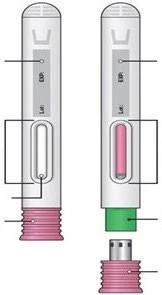
A. Preparation for Injection
Choose a clean, well-lit, comfortable flat surface and have everything you need within easy reach.
- Remove the box of Nepexto containing the pre-filled pens from the refrigerator and place it on the flat work surface. Take out one pre-filled pen and place it on the work surface. Do not shake the pre-filled pen. Return the box containing any remaining pre-filled pens to the refrigerator. Never recap the needle. See section 5 for instructions on how to store Nepexto. If you have any questions about storage, contact your doctor, nurse, or pharmacist for further instructions.
- Do not use the pre-filled pen after the expiry date.
- Do not use the pre-filled pen if it has been dropped on a hard surface (components inside the pre-filled pen may have broken).
- Do not use the pre-filled pen if the needle cap is missing or not securely attached.
- Inspect the solution: view the medicine through the inspection window.
- The medicine should be from clear to opalescent, colourless to yellow, and may contain small white or nearly transparent protein particles.
- Do not use the solution if it shows changes in colour, appears cloudy, or if particles other than those described are visible.
- Allow the medicine to reach room temperature. Remove one pre-filled pen from the refrigerated box and let it sit at room temperature for at least 30 minutes before administering the injection. This step is important because it makes the medicine easier and more comfortable to inject.
- Do not remove the needle cap until you are ready for injection.
- Do not use heat sources such as a microwave or hot water to warm Nepexto.
- Choose an injection site: the pre-filled pen is for subcutaneous injection.
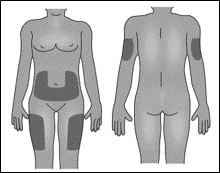
The injection should be administered in the thigh, abdomen, or upper arm (see figure on the right).
Rotate the injection site with each injection.
If injecting in the abdomen, stay at least 5 cm away from the navel.
- Do not inject into areas that are red, hardened, bruised, or painful.
- Do not inject into scars or stretch marks.
- If you have psoriasis, try to avoid injecting into swollen, thickened, red, or scaly areas of skin.
B. Steps for Injection
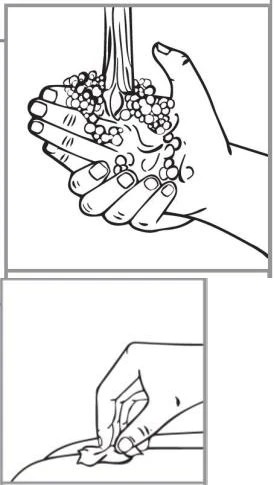
Step 1:
Wash your hands thoroughly with soap and water.
Step 2:
Clean the injection site skin with an alcohol swab.
See point 4. “Choose an injection site” for instructions on selecting the injection site.
- Do not touch this area again before the injection.
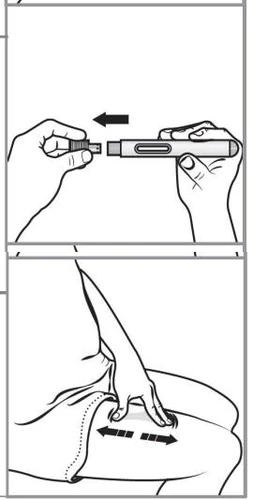
Step 3:
Remove the needle cap by pulling it straight off and dispose of it in a trash can or sharps disposal container.
- Do not twist or bend the needle cap when removing it to avoid damaging the needle.
- Never recap the needle.
Step 4:
Gently stretch the skin at the cleaned injection site.
Hold the pre-filled pen at approximately 90 degrees to the skin.
- Do not pinch the skin.
- Stretching the skin creates a firm surface.
Step 5:
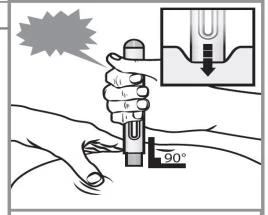
Firmly press the pre-filled pen down onto the site to start the injection.
When the injection starts, the device will make a clicking sound.
Continue to hold the pre-filled pen firmly pressed against the site.
The device will make a second click.
Step 6:
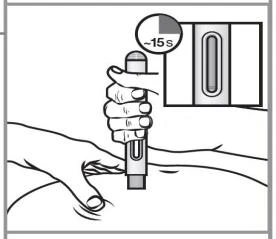
After the second click, slowly count to 15 to ensure the injection is complete.
- Do not release pressure on the injection site before the injection is complete.
- Do not move the pre-filled pen during the injection.
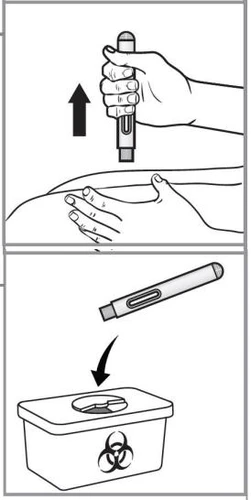
Step 7:
Remove the empty pen from the skin.
The needle shield will fully cover the needle.
Check the pink plunger in the viewing window to confirm that the full dose has been delivered.
Disposal:
Dispose of the used pen in an approved sharps disposal container.
Check with your healthcare provider on how to properly dispose of the sharps container once it is full.
Sharps disposal containers may be purchased at your local pharmacy.
- Do not throw the sharps disposal container into household waste.
- Do not recycle it.
- Always keep the sharps disposal container out of sight and reach of children.
C. Care of the Injection Site
If you notice a drop of blood at the injection site, press a cotton ball or gauze pad over the injection site.
- Do not rub the injection site.
If needed, cover the injection site with an adhesive bandage.
If you have any doubts or need further information, consult your doctor,
nurse, or pharmacist.