Myrelez
Italy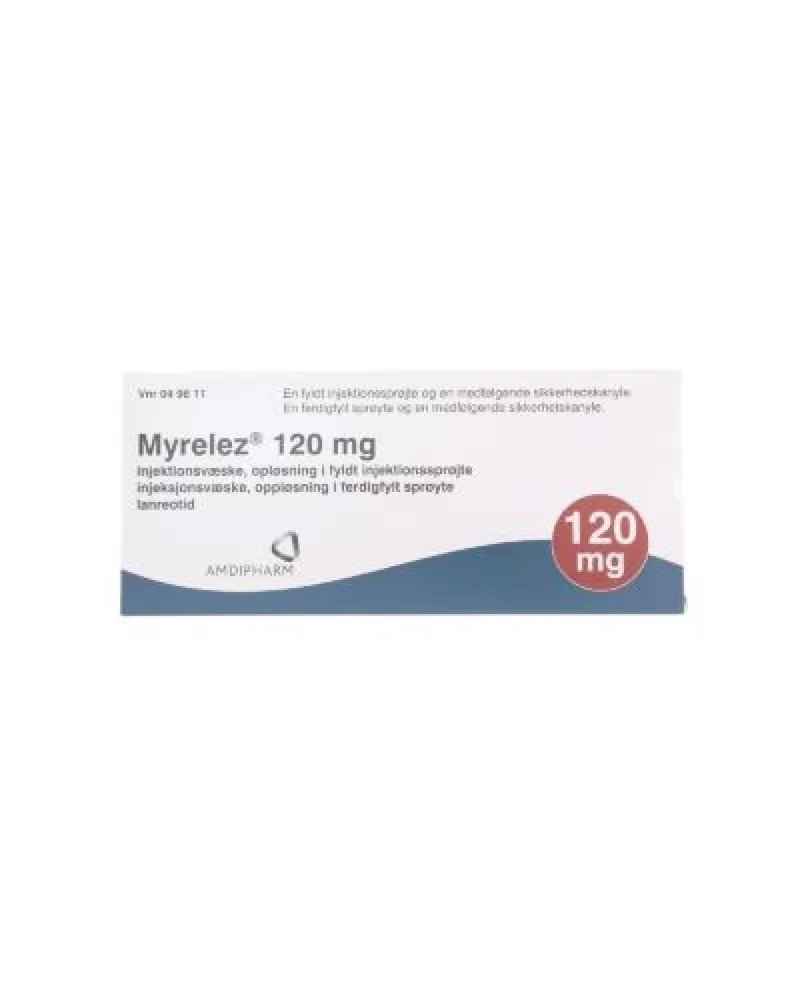
Table of Contents
- Patient Information Leaflet: Information for the User
- Myrelez 60 mg solution for injection in pre-filled syringe
- 1. What Myrelez is and what it is used for
- 2. What you need to know before using Myrelez
- 3. How to use Myrelez
- 4. Possible side effects
- 5. How to store Myrelez
- 6. Package contents and other information
Patient Information Leaflet: Information for the User
Myrelez 60 mg solution for injection in pre-filled syringe
Myrelez 90 mg solution for injection in pre-filled syringe
Myrelez 120 mg solution for injection in pre-filled syringe
Lanreotide
Generic medicine
Please read this leaflet carefully before using this medicine because it contains important information for you.
- Keep this leaflet. You may need to read it again.
- If you have any questions, ask your doctor, pharmacist, or nurse.
- This medicine has been prescribed for you only. Do not give it to other people, even if they have the same symptoms as yours, because it could be harmful.
- If you experience any side effects, including those not listed in this leaflet, contact your doctor, pharmacist, or nurse. See section 4.
Contents of this leaflet
- What Myrelez is and what it is used for
- What you need to know before using Myrelez
- How to use Myrelez
- Possible side effects
- How to store Myrelez
- Contents of the pack and other information
1. What Myrelez is and what it is used for
Myrelez contains the active substance lanreotide, which belongs to a group of medicines called
"growth hormone inhibitors". It is similar to another substance (a hormone) called "somatostatin".
Lanreotide reduces the levels of certain hormones in the body, such as growth hormone (GH) and
insulin-like growth factor-I (IGF-I), and inhibits the release of certain hormones in the gastrointestinal
tract and intestinal secretions. It also has an effect on certain types of tumour (called neuroendocrine tumours) at an advanced stage in the intestine and pancreas, by blocking or delaying their
growth.
Myrelez is used for:
- Treatment of acromegaly (a condition in which the body produces too much growth hormone)
- Treatment of symptoms such as hot flushes and diarrhoea that sometimes occur in patients with neuroendocrine tumours (NET)
- Treatment and control of the growth of certain advanced-stage tumours of the intestine and pancreas, called gastroenteropancreatic neuroendocrine tumours or GEP-NETs. It is used when these tumours cannot be surgically removed.
2. What you need to know before using Myrelez
Do not use Myrelez:
- If you are allergic to lanreotide, somatostatin, or to medicines of the same family (somatostatin analogues), or to any of the other ingredients of this medicine (listed in section 6).
Warnings and precautions
Talk to your doctor, pharmacist, or nurse before using Myrelez:
- If you have diabetes, because Myrelez may alter blood glucose levels. Your doctor may monitor your blood glucose levels and adjust your anti-diabetic treatment during therapy with Myrelez.
- If you have gallstones, as Myrelez may lead to the formation of gallstones in the gallbladder. In this case, periodic monitoring may be required. Your doctor may decide to discontinue treatment with lanreotide if complications due to gallstones occur.
- If you have thyroid function disorders, because Myrelez may slightly reduce thyroid function.
- If you have cardiac disorders, because bradycardia (a slowing of the heart rate) may occur during treatment with Myrelez. Caution is required when starting treatment with Myrelez in patients with bradycardia.
If any of the above apply to you, consult your doctor or pharmacist before using Myrelez.
Children
Myrelez is not recommended for use in children.
Other medicines and Myrelez
Inform your doctor or pharmacist if you are taking, have recently taken, or might take any other medicines.
Particular caution is required when administering concomitantly with:
- Cyclosporine (a medicine that reduces the immune response, used, for example, following organ transplantation or for autoimmune diseases)
- Bromocriptine (a dopamine agonist used in the treatment of certain types of brain tumors and in Parkinson's disease, or to prevent lactation after childbirth)
- Medicines that induce bradycardia (reduction in heart rate, e.g., beta-blockers).
Your doctor may consider a possible adjustment of the dosage of these medicines.
Pregnancy and breastfeeding
If you are pregnant, think you may be pregnant, are planning to become pregnant, or are breastfeeding, consult your doctor or pharmacist before taking this medicine.
In such cases, Myrelez should be administered only if strictly necessary.
Driving and using machines
It is unlikely that Myrelez will affect your ability to drive or operate machinery. However, dizziness may occur as a side effect. If you experience this, you should exercise caution when driving or operating machinery.
3. How to use Myrelez
Use this medicine exactly as instructed by your doctor. If you have any doubts, consult your
doctor or pharmacist.
Recommended dose
Treatment of acromegaly
The recommended dose is one injection every 28 days. Your doctor may adjust the injection dose
using one of the three available strengths of Myrelez (60, 90 or 120 mg).
If your condition is well controlled with treatment, your doctor may recommend changing the frequency of
Myrelez 120 mg injections to one injection every 42 or 56 days. Any dose adjustment will depend on your
symptoms and response to the medicine.
Your doctor will also decide how long you should be treated.
Treatment of symptoms associated with neuroendocrine tumours (such as hot flushes and diarrhoea)
The recommended dose is one injection every 28 days. Your doctor may adjust the injection dose
using one of the three available strengths of Myrelez (60, 90 or 120 mg).
If your condition is well controlled with treatment, your doctor may recommend changing the frequency of
Myrelez 120 mg injections to one injection every 42 or 56 days.
Your doctor will also decide how long you should be treated.
Treatment of advanced intestinal and pancreatic tumours, known as gastroenteropancreatic
neuroendocrine tumours or GEP-NETs. To be used when these tumours cannot be surgically
removed.
The recommended dose is 120 mg every 28 days. Your doctor will also decide how long you should be
treated with Myrelez to control the tumour.
Method of administration
Myrelez must be administered by deep subcutaneous injection.
If the injection is given by a healthcare professional or by another trained person (family member or friend),
it must be administered into the upper outer quadrant of the buttock (see figures in section B6 below).
For self-administration, after appropriate training, the injection must be administered into the upper outer
thigh (see figures in section B6 below).
The decision regarding self-administration or administration by another trained person must be made by
your doctor. If you have any doubts about how to administer this injection, contact your doctor or healthcare
professional at any time for advice or further training.
INSTRUCTIONS FOR USE
Warning: Read all instructions carefully before starting the injection. This is a deep subcutaneous
injection requiring a specific technique different from standard subcutaneous injections.
Detailed and updated information on the instructions for use of this medicine is available by scanning the
QR Code on the Package Leaflet with a smartphone/device.
The same information is also available at the following URL:
https://www.advanzpharma.com/patient-information-video-ita
A. Contents of the pack
The following instructions explain how to prepare the pre-filled syringe/needle and how to administer Myrelez.
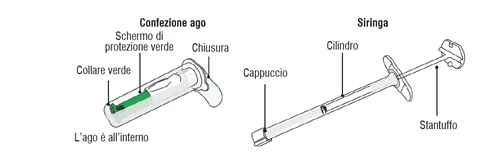
The content of the pre-filled syringe is a semisolid phase with a gel-like appearance, varying in viscosity and
colour from white to pale yellow. The supersaturated solution may also contain microbubbles that may disappear
during injection. These variations are normal and do not affect the quality of the product.
B. Before you start
B1. Remove Myrelez from the refrigerator 30 minutes before administration. This allows the lanreotide
solution to reach room temperature, thereby minimising discomfort from cold medication. Keep the
laminated pouch sealed until shortly before injection.
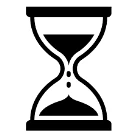
30 Minutes
B2. Before opening the pouch, check that it is intact and that the medicine has not expired. The expiry date
is printed on the outer carton and on the pouch. Do not use if the medicine is expired or if the pouch is
damaged.
B3. Wash your hands with soap and dry them thoroughly before starting.
B4. Choose a clean surface for preparation.
B5. Choose an injection site – the sites are shown below.
B6. Make sure to clean the injection site
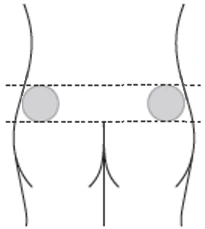
When administering the
injection to someone else :
inject into the upper outer
quadrant of the buttock.
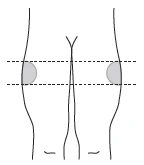
For self-administration :
inject into the upper outer
part of the thigh.
Alternate the injection site between the right and left side each time you administer a Myrelez injection.
Avoid areas with moles, scar tissue, red or irregular-looking skin. The injection site cannot be changed once
the needle is inserted.
B7. Open the pouch and take out the pre-filled syringe.
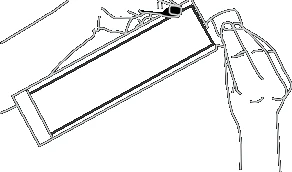
After opening the protective laminated pouch, the product must be administered immediately.
C. Prepare the syringe
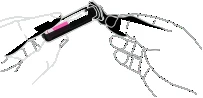
C1: Open the needle package
Hold the needle package and
remove the seal.
Caution: do not touch the open
end of the needle package. This
must remain clean.
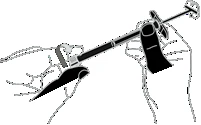
C2: Remove the cap from the
syringe
With one hand, hold the syringe
barrel (not the plunger).
With the other hand, remove the
cap by twisting it off.
C3: Insert the end of the
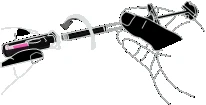
syringe into the open end of the
needle package
Hold the needle package with
one hand.
With the other hand, hold the
syringe barrel (not the plunger)
and screw the syringe clockwise
onto the needle until the syringe
and needle are fully locked. Ensure
the needle package is aligned
with the syringe barrel during
screwing.
They are fully locked when no
further turning is possible.
Important: Hold the syringe firmly to prevent medication leakage.
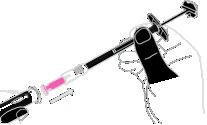
C4: Remove the needle from the
package
Hold the syringe barrel (not the
plunger).
Remove the needle from the
package without rotating or
twisting it to ensure the syringe
is securely attached to the safety
needle.
Caution: From this point onward, the needle is partially exposed.
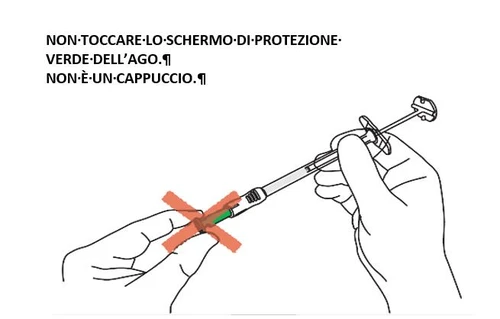
- NEVER TOUCH OR ATTEMPT TO REMOVE THE GREEN NEEDLE SHIELD
- THE GREEN NEEDLE SHIELD IS NOT A REMOVABLE CAP OR NEEDLE COVER.
- THE GREEN NEEDLE SHIELD WILL AUTOMATICALLY RETRACT DURING NEEDLE INSERTION.
- THE GREEN NEEDLE SHIELD WILL AUTOMATICALLY COVER AND LOCK THE NEEDLE AFTER INJECTION IS COMPLETED.
- THE GREEN NEEDLE SHIELD IS AN AUTOMATIC SAFETY LOCK MECHANISM.
D. Administering the injection
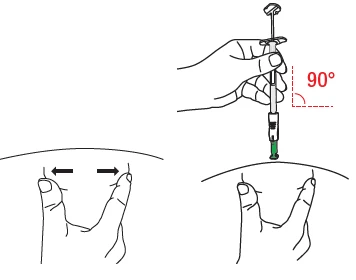
D1: Position the syringe
To determine the correct site,
refer to section B.
Stretch the skin around the
injection area between your thumb
and index finger to flatten it. Do
not pinch the skin.
Hold the lower part of the syringe
barrel (not the plunger) with the
other hand.
Position the syringe at a 90-degree
angle to the skin.
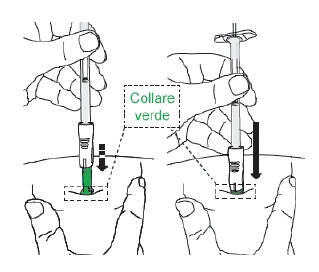
D2: Insert the needle
Without bending or applying
pressure to the skin at the injection
site, press the needle firmly against
the skin.
Insert the needle completely into
the skin perpendicularly (at a 90-degree angle). The green needle shield will retract and the safety
mechanism will activate.
Continue inserting the needle
until only the collar of the green
needle shield is visible.
Note: Maintain this position until
the injection is complete. Avoid
pulling the needle backward/outward,
as the safety mechanism may
activate prematurely.
Do not press the plunger at this stage. Keep the syringe in position for the next step.
Note: During injection, maintain pressure on the needle to prevent the safety mechanism from covering and locking the needle prematurely.
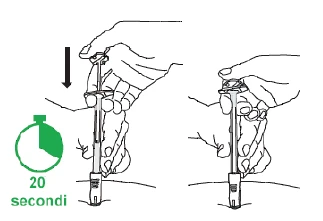
D3: Press the top of the plunger
Release the injection site that was flattened with your hand.
Move your hand from the skin to the plunger.
Press the plunger slowly but steadily,
with firm and continuous pressure, until the tip touches the syringe barrel (it is easier to depress the plunger with your dominant hand).
The medicine is denser and more difficult to inject than expected.
Inject the full dose and give a final push to ensure no further plunger movement is possible.
This should take approximately 20 seconds.
E. Remove and dispose of the syringe
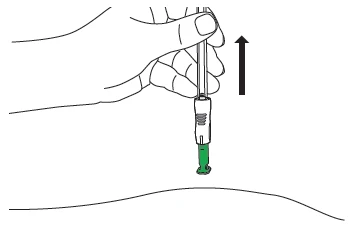
E1: Remove from the skin
Lift the syringe vertically away
from the body.
The green needle shield will cover
the needle.
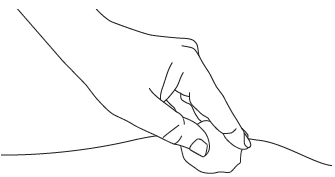
E2: Apply light pressure
Apply light pressure to the
injection site with a dry cotton ball
or sterile gauze to prevent possible
bleeding.
Do not rub or massage the
injection site after administration.
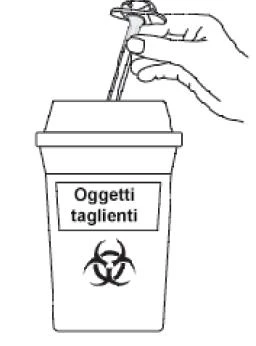
E3: Disposal
Dispose of the used syringe and needle according to local laws and regulations or as instructed by your
doctor.
Needles are not reusable.
Do not dispose of the syringe or needle in household waste.
If you use more Myrelez than you should
If you have injected more Myrelez than prescribed, inform your doctor.
If you have injected or been given too much Myrelez, you may experience additional or more severe
adverse effects (see section 4 "Possible side effects").
If you forget to use Myrelez
As soon as you realise you have missed an injection, contact your healthcare provider, who will advise you
on the timing of your next injection. Do not administer additional injections on your own to make up for a
missed dose without first discussing it with your healthcare provider.
If you stop using Myrelez
Missing more than one dose or stopping Myrelez treatment prematurely may compromise the success of
therapy. Discuss this with your doctor before stopping treatment.
If you have any questions about using this medicine, consult your doctor or pharmacist.
4. Possible side effects
Like all medicines, this medicine can cause side effects, although not everyone will experience them.
Contact your doctor immediately if you notice any of the following side effects:
- Unusual thirst or tiredness, dry mouth. These may be signs that you have high blood sugar levels or are developing diabetes.
- Feeling hungry, shaky, sweating abnormally, or confused. These may be signs of low blood sugar levels. The frequency of these side effects is common and may affect up to 1 in 10 people.
Contact your doctor immediately if you notice:
- Facial redness or swelling, or the development of spots or skin rashes
- A heavy feeling in the chest and shortness or wheezing in breathing
- Feeling faint, possibly due to a drop in blood pressure. These may be symptoms of an allergic reaction. The frequency of these side effects is unknown; frequency cannot be estimated from the available data.
Other side effects
Contact your doctor or pharmacist if you notice any of the following additional side effects.
The most common expected side effects are gastrointestinal disorders, gallbladder problems, and injection site reactions. The side effects that may occur with Myrelez are listed below according to their frequency.
Very common: may affect more than 1 in 10 people:
- Diarrhoea, loose stools, abdominal pain
- Gallstones and other gallbladder problems. You may experience symptoms such as sudden and severe abdominal pain, high fever, jaundice (yellowing of the skin and whites of the eyes), chills, loss of appetite, skin itching.
Common: may affect up to 1 in 10 people:
- Weight loss
- Lack of energy
- Slowed heart rate
- Feeling extremely tired
- Decreased appetite
- Generalised weakness
- Excess fat in the stools
- Dizziness, headache
- Hair loss or reduced body hair growth
- Pain affecting muscles, ligaments, tendons, and bones
- Reactions at the injection site, such as pain or hardening of the skin
- Abnormal liver and pancreas function tests, changes in blood sugar levels
- Nausea, vomiting, constipation, flatulence, bloating or stomach discomfort, indigestion
- Bile duct dilation (enlargement of the bile ducts between the liver, gallbladder, and intestine). You may experience symptoms such as stomach pain, nausea, jaundice, and fever
Uncommon: may affect up to 1 in 100 people:
- Hot flushes
- Difficulty sleeping
- Change in stool colour
- Changes in blood levels of sodium and alkaline phosphatase
Not known: frequency cannot be estimated from the available data:
- Severe and sudden pain in the lower abdomen. This may be a sign of inflammation of the pancreas (pancreatitis)
- Abscess at the injection site which may appear fluid-filled when pressed (redness, pain, warmth, and swelling, possibly associated with fever)
- Inflammation of the gallbladder (cholecystitis) – you may experience symptoms such as sudden and severe pain in the upper right or central abdomen, pain spreading to the shoulder or back, abdominal tenderness, nausea, vomiting, and high fever
- Pain in the upper part of the abdomen, fever, chills, yellowing of the skin and eyes (jaundice), nausea, vomiting, clay-coloured stools, dark urine, fatigue – these may be signs of inflammation of the bile duct (cholangitis).
Since Myrelez may alter blood sugar levels, your doctor may wish to monitor your blood sugar levels, especially at the beginning of treatment.
Similarly, since gallbladder problems may occur with this type of medicine, your doctor may want to check your gallbladder at the start of Myrelez therapy and periodically during treatment.
Contact your doctor or pharmacist if you notice any of the adverse events described above.
Reporting of side effects
If you experience any side effect, including those not listed in this leaflet, talk to your doctor or pharmacist. You can also report side effects directly via the national reporting system at: https://www.aifa.gov.it/content/segnalazioni-reazioni-avverse .
By reporting side effects, you can help provide more information on the safety of this medicine.
5. How to store Myrelez
Keep this medicine out of the sight and reach of children.
Do not use this medicine after the expiry date which is stated on the carton and label after
Exp. The expiry date refers to the last day of the month.
After opening the protective aluminium pouch, the product must be administered
immediately.
Store Myrelez in the refrigerator (2°C - 8°C) in the original packaging to protect the medicine
from light.
Once removed from the refrigerator, the product remaining in the sealed pouch may be returned to
the refrigerator (the number of temperature excursions must not exceed three times) for continued storage and subsequent use, provided that it has been stored for no more than 72 hours in total at a maximum temperature of 40°C.
Each syringe is individually packaged.
Do not dispose of medicines via wastewater or household waste. Ask your pharmacist how to dispose of medicines no longer required. This will help protect the environment.
6. Package contents and other information
What Myrelez contains
- The active substance is lanreotide (60 mg, 90 mg or 120 mg)
- The other components are water for injections and glacial acetic acid (for pH adjustment).
Description of the appearance of Myrelez and package contents
Myrelez is a viscous injectable solution in a 0.5 mL semi-transparent plastic pre-filled syringe,
together with a single-use needle with a safety device. It is a semi-solid formulation with a colour ranging from
white to pale yellow.
Each pre-filled syringe is packaged in an aluminium pouch and a cardboard box.
Box containing one 0.5 mL syringe and one safety needle (1.2 mm x 20 mm).
Multiple pack containing 3 boxes, each containing one 0.5 mL syringe and one safety needle (1.2 mm x 20 mm).
Not all pack sizes may be marketed.
Marketing Authorisation Holder and Manufacturer
Marketing Authorisation Holder
Amdipharm Limited
Unit 17
Northwood House
Northwood Crescent
Northwood
Dublin 9
D09 V504
Ireland
Manufacturer
Pharmathen S.A
Dervenakion 6,
Pallini Attiki, 15351,
Greece
Pharmathen International S.A
Industrial Park Sapes,
Rodopi Prefecture, Block No 5,
Rodopi 69300,
Greece
Concessionaire for sales:
Advanz Pharma Italia S.r.l.
E-mail: [email protected]