Momentact
Italy
Table of Contents
- Package leaflet: Information for the user
- MOMENTACT 400 mg film-coated tablets
- 1. What Momentact is and what it is used for
- 2. What you should know before taking Momentact
- 3. How to take Momentact
- 4. Possible side effects
- 5. How to store Momentact
- 6. Package Contents and Other Information
- Package leaflet: Information for the user
- MOMENTACT 400 mg soft capsules
- 1. What Momentact is and what it is used for
- 2. What you should know before taking Momentact
- 3. How to take Momentact
- 4. Possible side effects
- 5. How to store Momentact
- 6. Package contents and other information
- Package leaflet: information for the user
- MOMENTACT 400 mg oral suspension sachets
- 1. What Momentact is and what it is used for
- 2. What you should know before taking Momentact
- 3. How to take Momentact
- 4. Possible side effects
- 5. How to store Momentact
- 6. Package contents and other information
Package leaflet: Information for the user
MOMENTACT 400 mg film-coated tablets
Ibuprofen
Read this leaflet carefully before taking this medicine because it contains important information for you.
Always take this medicine exactly as described in this leaflet or as your doctor or pharmacist has told you to.
- Keep this leaflet. You may need to read it again.
- If you need more information or advice, contact your pharmacist.
- If you experience any side effects, including those not listed in this leaflet, talk to your doctor or pharmacist. See section 4.
- Talk to your doctor if you do not notice improvement or if your symptoms worsen after 3 days of treatment.
Contents of this leaflet:
- What Momentact is and what it is used for
- What you need to know before taking Momentact
- How to take Momentact
- Possible side effects
- How to store Momentact
- Contents of the pack and other information
1. What Momentact is and what it is used for
Momentact contains ibuprofen, a medicine belonging to the class of analgesic-anti-inflammatory drugs,
that is, medicines that fight pain and inflammation.
Momentact is used in adults and adolescents from the age of 12 to treat:
- pains of various origin and nature (headache, toothache, neuralgia, osteo-articular and muscular pain, menstrual pain) and to help reduce symptoms of fever and flu-like conditions.
Consult a doctor if you do not feel better or feel worse after 3 days of treatment.
2. What you should know before taking Momentact
Do not take Momentact
- If you are allergic to ibuprofen and/or to any of the other ingredients of this medicine (listed in section 6).
- If you are allergic to other anti-rheumatic medicines (e.g. acetylsalicylic acid, etc.), medicines used to treat joint or muscle pain (see section “Other medicines and Momentact”), or if you are allergic to any of the other ingredients of this medicine.
- If the patient is a child under 12 years of age.
- If you are in the last 3 months of pregnancy or are breastfeeding (see section “Pregnancy, breastfeeding and fertility”).
- If you suffer from stomach or intestinal diseases (e.g., active or severe gastroduodenal ulcer).
- If you have previously experienced bleeding or perforation of the stomach or intestine after taking medicines.
- If you have previously had two or more separate episodes of stomach ulcer or bleeding.
- If you have severe heart disease.
- If you have severe liver or kidney disease.
- If you have lost a large amount of fluids (severe dehydration) due to vomiting, diarrhoea, or insufficient fluid intake.
Warnings and precautions – Take special care with Momentact
What you should know before taking Momentact
Signs of an allergic reaction to this medicine, including breathing difficulties, swelling of the face and neck (angioedema), and chest pain, have been reported with ibuprofen. Stop taking Momentact immediately and contact your doctor or emergency medical services right away if you notice any of these signs.
Skin reactions
Severe skin reactions have been reported during treatment with ibuprofen, including exfoliative dermatitis, erythema multiforme, Stevens-Johnson syndrome, toxic epidermal necrolysis, drug reaction with eosinophilia and systemic symptoms (DRESS), and acute generalized exanthematous pustulosis (AGEP). Stop taking Momentact and consult your doctor immediately if you notice any symptoms related to these severe skin reactions described in section 4.
Talk to your doctor or pharmacist before taking Momentact:
-
If you have experienced episodes of breathing difficulties (bronchospasm) after taking acetylsalicylic acid (aspirin) or other anti-inflammatory medicines.
-
If you suffer from asthma, runny nose (chronic rhinitis), nasal polyps (nasal polyposis), or inflammation of the nasal mucosa (sinusitis), or if you have or have had allergies, as you may develop breathing difficulties (bronchospasm), skin redness with itching (urticaria), or swelling of the skin and throat (angioedema), especially if you have previously had allergic reactions after using other medicines for joint or muscle pain, fever, or inflammation (NSAIDs).
-
If you are taking other anti-inflammatory medicines, including selective COX-2 inhibitors (an enzyme involved in inflammatory processes), as the risk of ulcers and bleeding may increase (see section “Other medicines and Momentact”).
-
If you are elderly or have had ulcers, especially if the ulcer was associated with bleeding or perforation (see section “Do not take Momentact”), as the risk of bleeding, ulceration, or perforation is higher with higher doses of anti-inflammatory medicines. In such cases, treatment should be started with the lowest available dose, and you may need to consult your doctor for a medicine that protects the stomach (misoprostol or proton pump inhibitors). This should also be considered if you are taking low-dose acetylsalicylic acid or other medicines that may increase the risk of stomach and/or intestinal diseases (see section “Other medicines and Momentact”).
-
If you have had or currently suffer from chronic bowel diseases (ulcerative colitis, Crohn’s disease), as these may worsen (see section 4 “Possible side effects”).
-
If you have had stomach or intestinal diseases related to medicine use, and especially if you are elderly, inform your doctor of any unusual intestinal symptoms (particularly bleeding), especially during the initial stages of treatment.
-
If you are taking other medicines that increase the risk of stomach or intestinal ulcer or bleeding, such as oral corticosteroids (e.g. cortisone), anticoagulants (e.g. warfarin), antidepressants (serotonin reuptake inhibitors), or antiplatelet agents (e.g. acetylsalicylic acid). See also section “Other medicines and Momentact”. If gastrointestinal bleeding or ulceration occurs in patients taking Momentact, treatment should be discontinued.
-
If you have high blood pressure and your medicines are not effectively lowering it, or if you have heart or cerebrovascular or peripheral circulatory diseases, or think you may be at risk for these conditions (e.g. if you have high blood pressure, diabetes, high cholesterol, or if you smoke).
-
If you have high blood pressure and/or heart disease, as fluid retention, increased blood pressure, and swelling may occur after treatment with NSAIDs. NSAIDs may reduce the effectiveness of medicines used to lower blood pressure (see section “Other medicines and Momentact”).
-
If you have lost a significant amount of fluids, or if you develop swelling, heart problems, or high blood pressure.
-
If you have reduced kidney function, heart or liver dysfunction, or if you are elderly or taking medicines for high blood pressure, as you may be more prone to kidney problems. Additionally, habitual concurrent use of multiple painkillers may further increase this risk.
-
If you suffer from heart disease.
-
If you suffer from liver disease (hepatic dysfunction).
-
If you are elderly, as the risk of bleeding, ulcers, and perforations is higher than in other patients.
-
If you have a blood clotting disorder or are taking medicines to make your blood thinner (anticoagulants) (see section “Other medicines and Momentact”).
-
If you suffer from a disease affecting multiple organs and tissues (systemic lupus erythematosus) or a connective tissue disease present in many parts of the body, such as bones and cartilage, as symptoms of “aseptic meningitis” have been observed in rare cases in patients treated with ibuprofen. Although this is more likely to occur in patients with systemic lupus erythematosus or related connective tissue disorders, it has also been observed in patients without concomitant chronic diseases.
-
If you are taking medicines to treat pain, heart disease, or high blood pressure (see section “Other medicines and Momentact”).
-
If you plan to become pregnant (see section “Pregnancy, breastfeeding and fertility”).
-
If you have difficulty conceiving or are undergoing fertility investigations (see section “Pregnancy, breastfeeding and fertility”).
-
If you have an infection – see section “Infections” below.
Anti-inflammatory/pain-relieving medicines such as ibuprofen may be associated with a small increased risk of heart attack or stroke, especially when used at high doses. Do not exceed the recommended dose or duration of treatment.
You should discuss treatment with your doctor or pharmacist before taking Momentact if you have:
- heart problems, including heart attack, angina (chest pain), or history of heart attack, coronary bypass surgery, peripheral arterial disease (poor circulation in legs or feet due to narrowed or blocked arteries), or any type of stroke (including ‘mini-stroke’ or “TIA”, transient ischemic attack);
- high blood pressure, diabetes, high cholesterol, family history of heart disease or stroke, or if you are a smoker. Medicines like Momentact can:
- be associated with the development of kidney diseases, even severe ones (such as renal papillary necrosis, analgesic nephropathy, and renal failure); therefore, your doctor will monitor your kidney function;
- cause eye disorders; therefore, periodic eye examinations are recommended during prolonged treatment. Discontinue treatment with Momentact if visual disturbances occur.
Infections
Momentact may mask symptoms of infections such as fever and pain. Therefore, Momentact could delay appropriate treatment of the infection, increasing the risk of complications. This has been observed in bacterial pneumonia and bacterial skin infections related to chickenpox. If you take this medicine while having an infection and infection symptoms persist or worsen, consult your doctor immediately.
Adolescents
If the adolescent is dehydrated, there is a risk of developing kidney disease.
Other medicines and Momentact
Inform your doctor or pharmacist if you are taking, have recently taken, or might take any other medicine.
Momentact may affect or be affected by other medicines. For example:
Do not take Momentact together with acetylsalicylic acid (e.g. aspirin) or other anti-inflammatory medicines.
Consult your doctor before using Momentact with other medicines, particularly:
- corticosteroids (medicines used to treat inflammation, such as cortisone);
- medicines with anticoagulant effects (i.e. substances that thin the blood and prevent clot formation, e.g. aspirin/acetylsalicylic acid, warfarin, ticlopidine);
- medicines that lower blood pressure (ACE inhibitors such as captopril, beta-blockers such as atenolol, angiotensin II receptor antagonists such as losartan). Momentact may reduce the effect of these medicines. If you are being treated with these medicines, are elderly, or have kidney disease, your doctor may ask you to have blood tests;
- selective serotonin reuptake inhibitors (medicines used to treat depression), as they may increase the risk of injury or bleeding. Your doctor may therefore prescribe a medicine to protect your stomach;
- acetylsalicylic acid, COX-2 inhibitors, or other NSAIDs (medicines used to treat inflammation), as they may increase the risk of unwanted effects on the stomach and intestine;
- lithium (a medicine used to treat mental illness) or phenytoin (a medicine used to treat epilepsy). During treatment with these medicines, your doctor may ask you to have blood tests;
- methotrexate, a medicine used to treat cancer or rheumatoid arthritis;
- moclobemide, a medicine used to treat depression;
- aminoglycosides (antibiotic medicines);
- cardiac glycosides (medicines used to treat certain heart conditions). Medicines like Momentact may worsen heart disease;
- colestyramine (a medicine used to lower blood lipids);
- cyclosporines (medicines used if you have had an organ transplant), as medicines like Momentact may increase the risk of kidney damage;
- herbal extracts such as Ginkgo biloba, as when taken together with medicines like Momentact, they may increase the risk of gastrointestinal bleeding;
- mifepristone (a medicine used in women to induce abortion);
- quinolone antibiotics (medicines used to treat infections), as when taken together with medicines like Momentact, there may be an increased risk of seizures;
- sulfonylureas, medicines used to treat diabetes; if concurrent treatment is necessary, your doctor may order blood tests;
- tacrolimus, a medicine used to prevent and treat organ transplant rejection; concomitant administration with Momentact may increase the risk of kidney damage;
- zidovudine and ritonavir, medicines used to treat AIDS; if concurrent treatment is necessary, your doctor may order blood tests;
- probenecid, a medicine used to treat gout;
- CYP2C9 inhibitors, such as voriconazole and fluconazole (medicines used to treat fungal infections);
- bisphosphonates, medicines used to treat bone diseases, as they may increase gastrointestinal side effects;
- oxpentifylline, a medicine used to treat leg ulcers, as it may increase gastrointestinal side effects;
- baclofen, a medicine used to relax muscles.
Other medicines may also affect or be affected by treatment with Momentact. Therefore, always consult your doctor or pharmacist before using Momentact with other medicines.
Momentact and alcohol
Do not drink alcohol during treatment with Momentact, as it may increase the risk of unwanted effects.
Pregnancy, breastfeeding and fertility
If you are pregnant, think you may be pregnant, plan to become pregnant, or are breastfeeding, consult your doctor or pharmacist before taking this medicine.
Pregnancy
Do not take Momentact during the last 3 months of pregnancy, as it may cause serious heart, lung, and kidney problems in the fetus or cause complications during delivery. It may affect your and your baby’s tendency to bleed and delay or prolong labour more than expected. You should not take MOMENTACT during the first 6 months of pregnancy unless absolutely necessary and advised by your doctor.
If treatment is needed during this period or while trying to conceive, the lowest possible dose for the shortest possible time should be used. If taken for more than a few days from the 20th week of pregnancy onwards, Momentact may cause kidney problems in the fetus, leading to low levels of amniotic fluid surrounding the baby (oligohydramnios), or may cause narrowing of a blood vessel (ductus arteriosus) in the baby’s heart. If treatment for more than a few days is required, your doctor may recommend additional monitoring.
Breastfeeding
Ibuprofen passes into breast milk; therefore, do not take Momentact if you are breastfeeding.
Fertility
If you have difficulty conceiving or are undergoing fertility investigations, discontinue use of Momentact, as this medicine may temporarily impair fertility.
Driving and using machines
Normally, Momentact does not affect the ability to drive or use machinery. However, if you perform an activity requiring alertness, be cautious if you experience drowsiness, dizziness, or depression during treatment with Momentact.
Momentact contains:
- Lactose: if your doctor has diagnosed you with an intolerance to certain sugars, contact him before taking this medicine.
- Sodium: this medicine contains less than 1 mmol (23 mg) of sodium per dose, i.e. essentially ‘sodium-free’.
3. How to take Momentact
Take this medicine exactly as stated in this leaflet or as directed by your doctor or pharmacist. If you have any doubts, consult your doctor or pharmacist.
Adults and adolescents over 12 years of age: The recommended dose is 1 tablet two to three times daily.
Take the capsule with a glass of water.
Momentact can be taken on an empty stomach. However, in individuals with gastric intolerance issues, it is preferable to take the medicine with food.
If there is no noticeable improvement after three days of treatment, consult your doctor.
Consult your doctor if you have noticed any recent changes in the characteristics of your condition.
The lowest effective dose for the shortest duration necessary to relieve symptoms should be used.
If you have an infection, contact your doctor immediately if symptoms (e.g., fever and pain) persist or worsen (see section 2).
Do not exceed 3 capsules per day without medical advice. If you are elderly, adhere to the lower recommended dosages.
If you suffer from kidney and/or liver or heart disease, consult your doctor, who will determine the appropriate dose for you.
If you have severe liver disease, do not take Momentact.
Use in the elderly
Consult your doctor, who will determine the appropriate dose for you by reducing the recommended dose, especially if you have kidney and/or liver disorders.
Use in adolescents
Consult your doctor if use of the medicine is required for more than 3 days in an adolescent, or if symptoms worsen.
If you take more Momentact than you should
If you have taken more Momentact than recommended, or if your child has accidentally ingested this medicine, contact a doctor or the nearest hospital immediately to obtain advice on potential risks and necessary actions.
Symptoms of overdose may include nausea, stomach pain, vomiting (possibly with traces of blood), headache, tinnitus, confusion, and uncontrolled eye movements. At high doses, drowsiness, chest pain, palpitations, loss of consciousness, seizures (especially in children), weakness, dizziness, blood in urine, low blood potassium levels, feeling cold, and breathing difficulties may occur.
Additionally, prothrombin time/INR may be prolonged, likely due to interference with circulating coagulation factors.
Asthma may worsen in patients with asthma.
If you take an excessive dose (overdose) of ibuprofen, the following symptom may commonly occur: a state of deep sleep with reduced response to normal stimuli (lethargy). Symptoms of overdose may appear within 4–6 hours after taking ibuprofen. Rarely, the following may occur: lowering of body temperature (hypothermia), kidney-related effects, gastrointestinal bleeding, loss of consciousness (coma), temporary interruption of breathing (apnea), diarrhea, reduced activity of the nervous system (central nervous system depression), and reduced respiratory activity (respiratory depression).
Additionally, disorientation, agitation, fainting, low blood pressure (hypotension), decreased or increased heart rate (bradycardia or tachycardia) may also occur.
If you take significantly high doses of ibuprofen, severe kidney and liver damage may occur.
If you have any doubts about using Momentact, consult your doctor or pharmacist.
If you forget to take Momentact
Do not take a double dose to make up for the missed tablet.
4. Possible side effects
Like all medicines, Momentact can cause side effects, although not everybody experiences them.
The side effects of this medicine can be minimized if you use the lowest dose among those recommended and only for the duration necessary to control your symptoms.
If you develop a stomach ulcer, bleeding of the stomach and/or intestines, or skin and/or mucosal lesions, you must stop treatment with Momentact and consult your doctor. These side effects are usually more common in elderly patients.
The use of Momentact may cause side effects that are generally mild or moderate, or more serious allergic-type reactions, although rarely.
If you experience any of the following symptoms, STOP using Momentact IMMEDIATELY and seek medical advice from your doctor or the nearest hospital, where you will receive appropriate and specific treatment:
- skin rashes or lesions,
- mucosal lesions,
- signs of allergic reaction, even severe (erythema, itching, urticaria, asthma, swelling of the skin and mucous membranes, anaphylactic shock),
- skin peeling,
- flat, red spots on the trunk, often target-shaped or circular, sometimes with central blisters, skin desquamation, ulcers in the mouth, throat, nose, genitals, and eyes. These severe skin reactions may be preceded by fever and flu-like symptoms (exfoliative dermatitis, erythema multiforme, toxic epidermal necrolysis, Stevens-Johnson syndrome),
- widespread rash, high body temperature, and swollen lymph nodes (DRESS syndrome),
- widespread, red, scaly rash with bumps under the skin and blisters, accompanied by fever. Symptoms usually appear at the beginning of treatment (generalized acute exanthematous pustulosis),
- visual disturbances,
- liver disease (hepatic dysfunction),
- bleeding, ulceration, and perforation of the stomach and intestines, which may be fatal, particularly in the elderly. In case of an allergic reaction as listed above, go to hospital immediately, as immediate access to appropriate emergency equipment, medications, and trained personnel is necessary. Rarely, serious adverse reactions, sometimes fatal, have been reported following ibuprofen use, even in the absence of known allergy.
The risk of experiencing such symptoms is higher during the initial stages of treatment: in most cases, the reaction occurs within the first month of therapy.
Additionally, you may experience other side effects that have also been reported with other medicines similar to Momentact, listed below by frequency:
Common (may affect up to 1 in 10 people)
- dizziness
- malaise
- fatigue
Uncommon (may affect up to 1 in 100 people)
- inflammation of the stomach (gastritis)
- insomnia, anxiety
- numbness of limbs or other body parts, drowsiness
- nasal congestion (rhinitis)
- difficulty breathing (bronchospasm, dyspnea)
- temporary interruption of breathing (apnea)
- hearing impairment
- ringing in the ears (tinnitus)
- vertigo
- liver disorders (altered liver function)
- inflammation of the liver (hepatitis)
- yellowing of the skin and eyes (jaundice)
- kidney diseases (impaired kidney function and toxic nephropathy in various forms, including interstitial nephritis, nephrotic syndrome, and renal failure)
- hypersensitivity reactions such as skin rash, urticaria, itching, red spots on the skin (purpura), swelling of the skin and mucous membranes (angioedema), asthma, difficulty breathing (bronchospasm or dyspnea), asthma attacks with low blood pressure
- skin reactions to light (photosensitivity)
Rare (may affect up to 1 in 1,000 people)
- reduction in blood cells: reduced white blood cells (leukopenia, neutropenia, agranulocytosis), red blood cells (hemolytic anemia, aplastic anemia), platelets (thrombocytopenia)
- depression, confusion, hallucinations
- inflammation of the optic nerve (optic neuritis)
- inflammation of the meninges, the membranes covering the brain (aseptic meningitis), especially in patients with pre-existing autoimmune disorders (see section “Warnings and precautions”), with symptoms such as neck stiffness, headache, nausea, vomiting, fever, or disorientation
- eye disorders with visual disturbances and optic nerve pathology (toxic optic neuropathy)
- swelling due to fluid accumulation in tissues
- disease that may affect various organs and tissues of the body (lupus erythematosus)
- worsening of inflammation caused by an existing infection (e.g., development of necrotizing fasciitis)
Very rare (may affect up to 1 in 10,000 people)
- inflammation of the pancreas, a gland involved in digestive processes (pancreatitis)
- awareness of your own heartbeat (palpitations)*
- heart disease (heart failure) *
- heart attack (myocardial infarction) *
- accumulation of fluid around the lungs (acute pulmonary edema) *
- liver disease (hepatic failure)
- hypertension*
- severe allergic reactions, which may include symptoms such as swelling of the face, tongue, and throat making breathing difficult, rapid heartbeat, severe and rapidly developing allergic reaction that can be fatal (anaphylaxis), severe skin rash or skin exfoliation (toxic epidermal necrolysis, Stevens-Johnson syndrome, erythema multiforme)
- severe skin infections and soft tissue disorders may occur during varicella infection
*These adverse effects tend to resolve upon discontinuation of treatment
Not known (frequency cannot be estimated from available data)
- stomach heaviness
- nausea
- vomiting
- diarrhea
- flatulence
- constipation
- difficulty digesting
- stomach pain
- heartburn
- blood in stools
- blood in vomit
- lesions inside the mouth
- worsening of inflammatory bowel diseases (colitis, Crohn's disease)
- increased risk of heart attack (myocardial infarction) or stroke (cerebral ischemia)
- high blood pressure
- severe heart disease (heart failure)
- a severe skin reaction known as DRESS syndrome may occur. Symptoms of DRESS include: skin rash, fever, swollen lymph nodes, and increased eosinophils (a type of white blood cell)
- a widespread, red, scaly rash with pustules under the skin and blisters, mainly affecting skin folds, trunk, and upper limbs, accompanied by fever at the beginning of treatment (generalized acute exanthematous pustulosis). Stop using Momentact if you develop these symptoms and contact your doctor immediately. See also section 2.
- chest pain, which may be a sign of a potentially serious allergic reaction called Kounis syndrome.
Reporting of side effects
If you experience any side effect, including those not listed in this leaflet, please consult your doctor. You may also report side effects directly via the national reporting system at https://www.aifa.gov.it/content/segnalazioni-reazioni-avverse .
By reporting side effects, you can help provide more information on the safety of this medicine.
5. How to store Momentact
This medicine does not require any special storage temperature.
Keep this medicine out of the sight and reach of children.
Do not use this medicine after the expiry date stated on the packaging after "Exp.".
The expiry date refers to the last day of that month.
Do not dispose of medicines via wastewater or household waste. Ask your pharmacist how to dispose of medicines you no longer use. This will help protect the environment.
6. Package Contents and Other Information
What Momentact Contains
- The active substance is ibuprofen 400 mg.
- The other ingredients are pregelatinized starch, sodium carboxymethylstarch, sodium carmellose, povidone, microcrystalline cellulose, precipitated silica, talc, sodium lauryl sulfate, lactose monohydrate, hypromellose, titanium dioxide, Macrogol 4000 (see section "Momentact contains lactose and sodium").
Description of the Appearance of Momentact and Pack Contents
Momentact is presented as film-coated tablets for oral use.
Each pack contains 6, 12, 16, 18, 20, 24, 26, 28, or 30 film-coated tablets.
Not all pack sizes may be marketed.
Marketing Authorization Holder and Manufacturer
Marketing Authorization Holder
Angelini Pharma S.p.A.
Viale Amelia, 70
00181 Rome, Italy
Manufacturer
A.C.R.A.F. S.p.A., Via Vecchia del Pinocchio, 22 - 60131 Ancona, Italy
N D E S
There are several types of pain, of various origins and natures, which more or less frequently affect everyone, such as headache and toothache, muscular and joint pain, and menstrual pain.
One of the most common types of pain is certainly headache. If you suffer from headaches, it is important to identify the factors that may trigger them and try to prevent them (irregular eating habits, certain foods, smoking, alcohol, stress, excessive physical exertion, overexposure to sunlight, excessively loud noises, overly strong perfumes, etc.).
Menstrual pain, sometimes very intense, can be treated with painkillers that work by reducing the amount of prostaglandins—substances produced by the uterus and considered primarily responsible for the discomfort.
By scanning the QR code on the package or visiting http://leaflet.angelini.it/L04, you can access the updated, multilingual package leaflet.
Package leaflet: Information for the user
MOMENTACT 400 mg soft capsules
Ibuprofen
Please read this leaflet carefully before taking this medicine because it contains important information for you.
Always take this medicine exactly as described in this leaflet or as your doctor or pharmacist has instructed you.
- Keep this leaflet. You may need to read it again.
- If you need more information or advice, consult your pharmacist.
- If you experience any side effects, including those not listed in this leaflet, contact your doctor or pharmacist. See section 4.
- Contact your doctor if you do not notice any improvement or if your symptoms worsen after 3 days of treatment.
Contents of this leaflet:
- What Momentact is and what it is used for
- What you need to know before taking Momentact
- How to take Momentact
- Possible side effects
- How to store Momentact
- Contents of the pack and other information
1. What Momentact is and what it is used for
Momentact contains ibuprofen, a medicine belonging to the class of analgesic-anti-inflammatory drugs,
that is, medicines that fight pain and inflammation.
Momentact is used in adults and adolescents from 12 years of age for the treatment of:
- pain of various origin and nature (headache, toothache, neuralgia, osteo-articular and muscular pain, menstrual pain) and to help reduce symptoms of fever and flu-like conditions.
Consult your doctor if you do not feel better or if you feel worse after 3 days of treatment.
2. What you should know before taking Momentact
Do not take Momentact
- If you are allergic to ibuprofen and/or to any of the other ingredients of this medicine (listed in section 6).
- If you are allergic to other anti-rheumatic medicines (e.g. acetylsalicylic acid, etc.), medicines used to treat joint or muscle pain (see section “Other medicines and Momentact”), or if you are allergic to any of the other ingredients of this medicine.
- If the patient is a child under 12 years of age.
- If you are in the last 3 months of pregnancy or are breastfeeding (see section “Pregnancy, breastfeeding and fertility”).
- If you suffer from stomach or intestinal diseases (e.g., active or severe gastroduodenal ulcer).
- If you have previously experienced bleeding or perforation of the stomach or intestines following the use of medicines.
- If you have previously had two or more separate episodes of stomach ulcer or bleeding.
- If you have severe heart disease.
- If you have severe liver or kidney disease.
- If you have lost a large amount of fluids (severe dehydration) due to vomiting, diarrhoea, or insufficient fluid intake.
Warnings and precautions – Be especially careful with Momentact
What you should know before taking Momentact
Signs of an allergic reaction to this medicine, including breathing difficulties, swelling of the face and neck area (angioedema), and chest pain, have been reported with ibuprofen. Immediately stop taking Momentact and contact your doctor or emergency medical services if you notice any of these signs.
Skin reactions
Serious skin reactions have been reported during treatment with ibuprofen, including exfoliative dermatitis, erythema multiforme, Stevens-Johnson syndrome, toxic epidermal necrolysis, drug reaction with eosinophilia and systemic symptoms (DRESS), and acute generalized exanthematous pustulosis (AGEP). Stop taking Momentact and consult your doctor immediately if you notice any symptoms related to these serious skin reactions described in section 4.
Talk to your doctor or pharmacist before taking Momentact:
-
If you have previously experienced breathing difficulties (bronchospasm) after taking acetylsalicylic acid (aspirin) or other anti-inflammatory medicines.
-
If you suffer from asthma, runny nose (chronic rhinitis), nasal polyps (nasal polyposis), or inflammation of the nasal mucosa (sinusitis), or if you suffer/have suffered from allergies, as you may develop breathing difficulties (bronchospasm), skin redness with itching (urticaria), or swelling of the skin and throat (angioedema), especially if you have previously had allergic reactions after using other medicines used to treat joint or muscle pain, fever, or inflammation (NSAIDs).
-
If you are taking other anti-inflammatory medicines, including selective COX-2 inhibitors (an enzyme involved in inflammatory processes), as the risk of ulcers and bleeding may increase (see section “Other medicines and Momentact”).
-
If you are elderly or have previously suffered from ulcers, especially if the ulcer was associated with bleeding or perforation (see section “Do not take Momentact”), as the risk of bleeding, ulceration, or perforation is higher with high doses of anti-inflammatory medicines. In these cases, treatment should be started with the lowest available dose, and you may need to consult your doctor for a prescription of a medicine that protects the stomach (misoprostol or proton pump inhibitors). This possibility should also be considered if you are taking low doses of acetylsalicylic acid or medicines that may increase the risk of stomach and/or intestinal diseases (see section “Other medicines and Momentact”).
-
If you have suffered from or currently suffer from chronic intestinal diseases (ulcerative colitis, Crohn’s disease), as these may worsen (see section 4 “Possible side effects”).
-
If you have previously had stomach or intestinal diseases related to medicine use, and especially if you are elderly, you should inform your doctor of any unusual intestinal symptoms (especially bleeding), particularly during the initial stages of treatment.
-
If you are taking other medicines that increase the risk of stomach and/or intestinal ulcer or bleeding, such as oral corticosteroids (e.g. cortisone), anticoagulants (e.g. warfarin), antidepressants (serotonin reuptake inhibitors), or antiplatelet agents (e.g. acetylsalicylic acid). See also section “Other medicines and Momentact”. If gastrointestinal bleeding or ulceration occurs in patients taking Momentact, treatment must be discontinued.
-
If you have high blood pressure and your medicines are not effectively lowering it, and/or you have heart or cerebrovascular or peripheral circulatory diseases, or think you may be at risk for these conditions (e.g. if you have high blood pressure, diabetes, high cholesterol, or if you smoke).
-
If you suffer from high blood pressure and/or heart disease, as fluid retention, increased blood pressure, and swelling have been observed following treatment with NSAIDs. NSAIDs may reduce the effectiveness of medicines used to lower blood pressure (see section “Other medicines and Momentact”).
-
If you have lost a significant amount of fluids, or if you develop swelling, heart problems, or high blood pressure.
-
If you have reduced kidney function, heart or liver dysfunction, or if you are elderly or taking medicines for high blood pressure, as you may be more prone to kidney problems. Additionally, habitual concurrent use of multiple painkillers may further increase this risk.
-
If you suffer from heart disease.
-
If you suffer from liver disease (hepatic dysfunction).
-
If you are elderly, as the risk of bleeding, ulcers, and perforations is increased compared to other patients.
-
If you suffer from a blood clotting disorder or are taking medicines to make your blood thinner (anticoagulants) (see section “Other medicines and Momentact”).
-
If you suffer from a disease that can affect multiple organs and tissues in the body (systemic lupus erythematosus) or a connective tissue disease present in many parts of the body, such as bones and cartilage, as symptoms of “aseptic meningitis” have been observed in rare cases in patients treated with ibuprofen. Although this is more likely to occur in patients with systemic lupus erythematosus and related connective tissue disorders, it has also been observed in patients without concomitant chronic diseases.
-
If you are taking medicines to treat pain, heart disease, or high blood pressure (see section “Other medicines and Momentact”).
-
If you intend to become pregnant (see section “Pregnancy, breastfeeding and fertility”).
-
If you have difficulty becoming pregnant or are undergoing fertility investigations (see section “Pregnancy, breastfeeding and fertility”).
-
If you have an infection – see section “Infections” below.
Anti-inflammatory/pain-relief medicines such as ibuprofen may be associated with a small increased risk of heart attack or stroke, especially when administered at high doses. Do not exceed the recommended dose or duration of treatment.
You should discuss treatment with your doctor or pharmacist before taking Momentact if you have:
- heart problems, including heart attack, angina (chest pain), or a history of heart attack, coronary bypass surgery, peripheral arterial disease (poor circulation in legs or feet due to narrowed or blocked arteries), or any type of stroke (including ‘mini-stroke’ or “TIA”, transient ischemic attack);
- high blood pressure, diabetes, high cholesterol, a family history of heart disease or stroke, or if you are a smoker. Medicines like Momentact can:
- be associated with the development of kidney diseases, even severe ones (such as renal papillary necrosis, analgesic nephropathy, and renal failure); therefore, your doctor will monitor your kidney function;
- cause eye disturbances; therefore, periodic eye examinations are recommended during prolonged treatment. If you experience visual disturbances, stop treatment with Momentact.
Infections
Momentact may mask symptoms of infections such as fever and pain. Therefore, Momentact could delay appropriate treatment of the infection, potentially increasing the risk of complications. This has been observed in bacterial pneumonia and bacterial skin infections related to chickenpox. If you take this medicine while having an infection and the symptoms persist or worsen, consult your doctor immediately.
Adolescents
If the adolescent is dehydrated, there is a risk of developing kidney disease.
Other medicines and Momentact
Tell your doctor or pharmacist if you are taking, have recently taken, or might take any other medicines.
Momentact may affect or be affected by other medicines. For example:
Do not take Momentact together with acetylsalicylic acid (e.g. aspirin) or other anti-inflammatory medicines.
Consult your doctor before using Momentact with other medicines, particularly:
- corticosteroids (medicines used to treat inflammation, such as cortisone);
- medicines with anticoagulant effects (i.e. substances that thin the blood and prevent clot formation, e.g. aspirin/acetylsalicylic acid, warfarin, ticlopidine);
- medicines that lower high blood pressure (ACE inhibitors such as captopril, beta-blockers such as atenolol, angiotensin II receptor antagonists such as losartan). Momentact may reduce the effect of these medicines. If you are taking these medicines, are elderly, or have kidney disease, your doctor may ask you to have blood tests;
- selective serotonin reuptake inhibitors (medicines used to treat depression), as they may increase the risk of injury or bleeding. Your doctor may therefore prescribe a medicine to protect your stomach;
- acetylsalicylic acid, COX-2 inhibitors, or other NSAIDs (medicines used to treat inflammation), as they may increase the risk of adverse effects on the stomach and intestines;
- lithium (a medicine used to treat mental illnesses) or phenytoin (a medicine used to treat epilepsy). During treatment with these medicines, your doctor may ask you to have blood tests;
- methotrexate, a medicine used to treat cancer or rheumatoid arthritis;
- moclobemide, a medicine used to treat depression;
- aminoglycosides (antibiotic medicines);
- cardiac glycosides (medicines used to treat certain heart conditions). Medicines like Momentact may worsen heart disease;
- cholestyramine (a medicine used to lower blood lipids);
- cyclosporines (medicines used if you have had an organ transplant), as medicines like Momentact may increase the risk of kidney damage;
- herbal extracts such as Ginkgo biloba, as when taken together with medicines like Momentact, they may increase the risk of gastrointestinal bleeding;
- mifepristone (a medicine used in women to induce abortion);
- quinolone antibiotics (medicines used to treat infections), as when taken together with medicines like Momentact, there may be an increased risk of seizures;
- sulphonamides, medicines used to treat diabetes; if concurrent treatment is necessary, your doctor may order blood tests;
- tacrolimus, a medicine used to prevent and treat organ transplant rejection; concurrent administration with Momentact may increase the risk of kidney damage;
- zidovudine and ritonavir, medicines used to treat AIDS; if concurrent treatment is necessary, your doctor may order blood tests;
- probenecid, a medicine used to treat gout;
- CYP2C9 inhibitors, such as voriconazole and fluconazole (medicines used to treat fungal infections);
- bisphosphonates, medicines used to treat bone diseases, as they may increase gastrointestinal adverse effects;
- oxpentifylline, a medicine used to treat leg ulcers, as it may increase gastrointestinal adverse effects;
- baclofen, a medicine used to relax muscles. Some other medicines may also affect or be affected by treatment with Momentact. Therefore, always consult your doctor or pharmacist before using Momentact with other medicines.
Momentact and alcohol
Do not drink alcohol during treatment with Momentact, as it may increase the risk of adverse effects.
Pregnancy, breastfeeding and fertility
If you are pregnant, think you may be pregnant, are planning to become pregnant, or are breastfeeding, consult your doctor or pharmacist before taking this medicine.
Pregnancy
Do not take Momentact during the last 3 months of pregnancy, as it may cause serious problems to the heart, lungs, and kidneys of the unborn baby or cause complications during delivery. It may affect your and your baby’s tendency to bleed and delay or prolong labour more than expected. You should not take MOMENTACT during the first 6 months of pregnancy unless absolutely necessary and advised by your doctor.
If treatment is needed during this period or while trying to conceive, the lowest possible dose should be used for the shortest possible time. If taken for more than a few days from the 20th week of pregnancy onwards, Momentact may cause kidney problems in the unborn baby, leading to low levels of amniotic fluid surrounding the baby (oligohydramnios), or may cause narrowing of a blood vessel (ductus arteriosus) in the baby’s heart. If treatment is required for more than a few days, your doctor may recommend additional monitoring.
Breastfeeding
Ibuprofen passes into breast milk; therefore do not take Momentact if you are breastfeeding.
Fertility
If you have difficulty becoming pregnant or are undergoing fertility investigations, discontinue use of Momentact, as this medicine may temporarily impair your fertility.
Driving and use of machinery
Normally, Momentact does not affect the ability to drive or use machinery. However, if you perform an activity requiring alertness, be cautious if you experience drowsiness, dizziness, or depression during treatment with Momentact.
Momentact contains:
- Sorbitol (E420): this medicine contains 23.46 mg of sorbitol per dose, equivalent to 23.46 mg/1180 mg. The additive effect of co-administered medicines containing sorbitol (or fructose) and daily dietary intake of sorbitol (or fructose) should be considered. The sorbitol content in oral medicines may alter the bioavailability of other co-administered oral medicines;
- Ponceau 4R (E124): a dye that may cause allergic reactions.
3. How to take Momentact
Take this medicine exactly as stated in this leaflet or as instructed by your doctor or pharmacist. If you have any doubts, consult your doctor or pharmacist.
Adults and adolescents over 12 years of age: the recommended dose is 1 soft capsule two to three times daily.
Momentact can be taken on an empty stomach. However, in individuals with gastric intolerance issues, it is preferable to take the medicine with food.
If there is no noticeable improvement after three days of treatment, consult your doctor.
Consult your doctor if you have noticed any recent changes in the characteristics of your condition.
The lowest effective dose for the shortest duration necessary to relieve symptoms should be used.
If you have an infection, seek immediate medical advice should symptoms (e.g. fever and pain) persist or worsen (see section 2).
Do not exceed 3 soft capsules per day without medical advice. If you are elderly, adhere to the lower doses indicated above.
If you suffer from kidney and/or liver or heart disease, consult your doctor, who will determine the appropriate dose for you.
If you have severe liver disease, do not take Momentact.
Use in the elderly
Consult your doctor, who will determine the appropriate dose for you by reducing the recommended dose, especially if you have kidney and/or liver disorders.
Use in adolescents
Consult your doctor if use of the medicine is required for more than 3 days in adolescents, or if symptoms worsen.
If you take more Momentact than you should
If you have taken more Momentact than you should, or if your child has accidentally ingested this medicine, always contact a doctor or the nearest hospital for advice regarding potential risks and necessary actions.
Symptoms of overdose may include nausea, stomach ache, vomiting (possibly with traces of blood), headache, tinnitus, confusion, and uncontrolled eye movements. At high doses, drowsiness, chest pain, palpitations, loss of consciousness, seizures (particularly in children), weakness, dizziness, blood in the urine, low blood potassium levels, feeling cold, and breathing difficulties may occur.
In addition, prothrombin time/INR may be prolonged, likely due to interference with circulating coagulation factors.
Exacerbation of asthma may occur in asthmatic patients.
If you take an excessive dose (overdose) of ibuprofen, you may more commonly experience: a state of deep sleep with reduced response to normal stimuli (lethargy). Symptoms of overdose may appear within 4–6 hours after taking ibuprofen. Rarely, the following may occur: lowered body temperature (hypothermia), kidney effects, gastrointestinal bleeding, loss of consciousness (coma), temporary interruption of breathing (apnea), diarrhoea, reduced activity of the nervous system (central nervous system depression), and reduced respiratory activity (respiratory depression).
Additionally, you may experience: disorientation, excited state, fainting, low blood pressure (hypotension), decreased or increased heart rate (bradycardia or tachycardia).
If significantly high doses of ibuprofen are taken, severe kidney and liver damage may occur.
If you have any doubts about how to use Momentact, consult your doctor or pharmacist.
If you forget to take Momentact
Do not take a double dose to make up for the missed capsule.
4. Possible side effects
Like all medicines, Momentact can cause side effects, although not everyone gets them.
The side effects of this medicine can be minimized by using the lowest dose among those recommended and only for the duration necessary to control your symptoms.
If you develop an ulcer, bleeding of the stomach and/or intestine, or skin and/or mucosal lesions, you must stop treatment with Momentact and consult your doctor. These side effects are usually more frequent in elderly patients.
The use of Momentact may cause side effects, generally mild or moderate, or more serious allergic reactions, although rarely.
If you experience any of the following symptoms, STOP using Momentact IMMEDIATELY and consult your doctor or go to the nearest hospital, where you will receive appropriate and specific treatment:
-
skin rashes or lesions,
-
mucosal lesions,
-
signs of an allergic reaction, even severe (erythema, itching, urticaria, asthma, swelling of the skin and mucous membranes, anaphylactic shock),
-
skin peeling,
-
flat, red, target-shaped or circular spots on the trunk, often with central blisters, skin peeling, ulcers in the mouth, throat, nose, genitals, and eyes. These severe skin rashes may be preceded by fever and flu-like symptoms (exfoliative dermatitis, erythema multiforme, toxic epidermal necrolysis, Stevens-Johnson syndrome),
- widespread rash, high body temperature, and swollen lymph nodes (DRESS syndrome),
- widespread, red, scaly rash with bumps under the skin and blisters, accompanied by fever. Symptoms usually appear at the beginning of treatment (generalized pustular eruption).
-
visual disturbances,
-
liver disease (hepatic dysfunction),
-
gastrointestinal bleeding, ulceration, and perforation, which may be fatal, particularly in elderly patients. In case of an allergic reaction as described above, go to hospital immediately, since immediate access to appropriate equipment, medications, and trained personnel for emergency treatment is required, as serious, sometimes fatal, adverse reactions have been reported following ibuprofen use, even in the absence of known allergy.
The risk of experiencing such symptoms is higher during the initial stages of therapy: in most cases, the reaction occurs within the first month of treatment.
Additionally, you may experience other side effects reported with other medicines similar to Momentact, listed below by frequency:
Common (may affect up to 1 in 10 people)
- dizziness
- malaise
- fatigue
Uncommon (may affect up to 1 in 100 people)
- inflammation of the stomach (gastritis)
- insomnia, anxiety
- numbness of limbs or other body parts, drowsiness
- nasal congestion (rhinitis)
- difficulty breathing (bronchospasm, dyspnea)
- temporary interruption of breathing (apnea)
- hearing impairment
- ringing in the ears (tinnitus)
- vertigo
- liver disorders (altered liver function)
- inflammation of the liver (hepatitis)
- yellowing of the skin and eyes (jaundice)
- kidney diseases (impaired kidney function and toxic nephropathy in various forms, including interstitial nephritis, nephrotic syndrome, and renal failure)
- hypersensitivity reactions such as skin rash, urticaria, itching, red spots on the skin (purpura), swelling of the skin and mucous membranes (angioedema), asthma, difficulty breathing (bronchospasm or dyspnea), asthma attacks with low blood pressure
- skin reactions to light (photosensitivity)
Rare (may affect up to 1 in 1,000 people)
- reduction in blood cell counts: reduction in white blood cells (leukopenia, neutropenia, agranulocytosis), red blood cells (hemolytic anemia, aplastic anemia), platelets (thrombocytopenia)
- depression, confusion, hallucinations
- inflammation of the optic nerve (optic neuritis)
- inflammation of the meninges, the membranes covering the brain (aseptic meningitis, especially in patients with pre-existing autoimmune disorders; see section “Warnings and precautions”), with symptoms such as neck stiffness, headache, nausea, vomiting, fever, or disorientation
- eye disorders with visual disturbances and optic nerve pathology (toxic optic neuropathy)
- swelling due to fluid accumulation in tissues
- disease that may affect various organs and tissues of the body (lupus erythematosus)
- worsening of inflammation caused by an existing infection (e.g., development of necrotizing fasciitis)
Very rare (may affect up to 1 in 10,000 people)
- inflammation of the pancreas, a gland involved in digestive processes (pancreatitis)
- sensation of feeling your own heartbeat (palpitations)*
- heart disease (heart failure)*
- heart attack (myocardial infarction)*
- accumulation of fluid around the lungs (acute pulmonary edema)*
- liver disease (liver failure)
- hypertension*
- severe allergic reactions, which may include symptoms such as swelling of the face, tongue, and throat making breathing difficult, rapid heartbeat, severe and rapidly developing allergic reaction that can be fatal (anaphylaxis), severe skin rash or skin peeling (toxic epidermal necrolysis, Stevens-Johnson syndrome, erythema multiforme)
- Severe skin infections and soft tissue disorders may occur during varicella infection
*These adverse effects tend to resolve upon discontinuation of treatment
Frequency not known (cannot be estimated from available data)
- sensation of stomach fullness
- nausea
- vomiting
- diarrhea
- flatulence
- constipation
- difficulty digesting
- abdominal pain
- heartburn
- blood in stools
- blood in vomit
- lesions inside the mouth
- worsening of inflammatory bowel diseases (colitis, Crohn’s disease)
- increased risk of heart attack (myocardial infarction) or stroke (cerebral ischemia)
- high blood pressure
- severe heart disease (heart failure)
- a severe skin reaction known as DRESS syndrome may occur. Symptoms of DRESS include: skin rash, fever, swollen lymph nodes, and increased eosinophils (a type of white blood cell)
- a widespread, red, scaly rash with pustules under the skin and blisters, mainly localized in skin folds, trunk, and upper limbs, accompanied by fever at the beginning of treatment (generalized pustular eruption). Stop using Momentact if you develop these symptoms and contact your doctor immediately. See also section 2.
- chest pain, which may be a sign of a potentially serious allergic reaction called Kounis syndrome.
Reporting of side effects
If you experience any side effect, including those not listed in this leaflet, consult your doctor. You may also report side effects directly via the national reporting system at https://www.aifa.gov.it/content/segnalazioni-reazioni-avverse
By reporting side effects, you can help provide more information on the safety of this medicine.
5. How to store Momentact
Do not store above 25°C.
Keep this medicine out of the sight and reach of children.
Do not use this medicine after the expiry date stated on the packaging after Exp.
The expiry date refers to the last day of that month.
Do not dispose of any medicine via wastewater or household waste. Ask your pharmacist how to dispose of medicines you no longer use. This will help protect the environment.
6. Package contents and other information
What Momentact contains
- The active substance is ibuprofen 400 mg.
- The other ingredients are Macrogol 600, potassium hydroxide, gelatin, sorbitol (E420) liquid partially dehydrated (see section "Momentact contains sorbitol"), purified water, Ponceau 4R (E124) (see section "Momentact contains Ponceau 4R (E124)"), lecithin, fractionated coconut oil.
Description of the appearance of Momentact and contents of the pack
Momentact is available as soft capsules for oral use.
Each pack contains 10 or 20 soft capsules.
Not all pack sizes may be marketed.
Marketing Authorisation Holder and Manufacturer
Marketing Authorisation Holder
Angelini Pharma S.p.A.
Viale Amelia, 70
00181 Rome, Italy
Manufacturer
Catalent Germany Eberbach GmbH
Gammelsbacher Str. 2, 69412
Eberbach/Baden, Germany.
N D E S
There are several types of pain, of varying origin and nature, which more or less frequently affect everyone, such as headache and toothache, muscle and joint pain, and menstrual pain.
One of the most common types of pain is certainly headache. If you suffer from headaches, it is important to identify the factors that may trigger them and try to prevent them (irregular eating habits, specific foods, smoking, alcohol, stress, excessive physical exertion, excessive sun exposure, loud noises, overly strong perfumes, etc.).
Menstrual pain, sometimes even severe, can be treated with painkillers that work by reducing the amount of prostaglandins—substances produced by the uterus and considered primarily responsible for this discomfort.
By scanning the QR code on the package or visiting the website http://leaflet.angelini.it/L05, it is possible to access the updated, multilingual patient information leaflet.
Package leaflet: information for the user
MOMENTACT 400 mg oral suspension sachets
Ibuprofen
Please read this entire leaflet carefully before taking this medicine, as it contains important information for you.
Always take this medicine exactly as described in this leaflet or as your doctor or pharmacist has instructed you.
- Keep this leaflet. You may need to read it again.
- If you need further information or advice, consult your pharmacist.
- If you experience any of the side effects, including those not listed in this leaflet, contact your doctor or pharmacist. See section 4.
- Consult your doctor if you do not notice improvement or if your symptoms worsen after 3 days of treatment.
Contents of this leaflet:
- What Momentact is and what it is used for
- What you need to know before taking Momentact
- How to take Momentact
- Possible side effects
- How to store Momentact
- Contents of the pack and other information
1. What Momentact is and what it is used for
Momentact contains ibuprofen, a medicine belonging to the class of analgesic-anti-inflammatory drugs,
that is, medicines which combat pain and inflammation.
Momentact is used in adults and adolescents aged 12 years and older for:
- Treatment of pain of various origin and nature (headache, toothache, neuralgia, osteo-articular and muscular pain, menstrual pain);
- Relief of symptoms associated with fever and flu-like conditions.
Consult your doctor if you do not feel better or if you feel worse after 3 days of treatment.
2. What you should know before taking Momentact
Do not take Momentact
- If you are allergic to ibuprofen and/or any of the other ingredients of this medicine (listed in section 6).
- If you are allergic to other anti-rheumatic medicines (e.g. acetylsalicylic acid, etc.), or medicines used to treat joint or muscle pain (see section “Other medicines and Momentact”).
- If the patient is a child under 12 years of age.
- If you are in the last 3 months of pregnancy or are breastfeeding (see section “Pregnancy, breastfeeding and fertility”).
- If you suffer from stomach or intestinal diseases (e.g., active or severe gastroduodenal ulcer).
- If you have previously experienced stomach or intestinal bleeding or perforation following the use of medicines.
- If you have previously had two or more separate episodes of stomach ulcer or bleeding.
- In case of severe heart disease (severe heart failure).
- In case of severe liver or kidney disease.
- If you have lost a significant amount of fluids (severe dehydration) due to vomiting, diarrhoea, or insufficient fluid intake.
Warnings and precautions – Be especially careful with Momentact
What you should know before taking Momentact
Signs of an allergic reaction to this medicine, including breathing difficulties, swelling of the face and neck (angioedema), and chest pain, have been reported with ibuprofen. Immediately stop taking Momentact and contact your doctor or emergency medical services if you notice any of these symptoms.
Skin reactions
Serious skin reactions have been reported during treatment with ibuprofen, including exfoliative dermatitis, erythema multiforme, Stevens-Johnson syndrome, toxic epidermal necrolysis, drug reaction with eosinophilia and systemic symptoms (DRESS), and acute generalized exanthematous pustulosis (AGEP). Stop taking Momentact and consult your doctor immediately if you notice any symptoms related to these serious skin reactions described in section 4.
Consult your doctor or pharmacist before taking Momentact:
- If you have experienced episodes of breathing difficulties (bronchospasm) after taking acetylsalicylic acid (aspirin) or other anti-inflammatory medicines.
- If you suffer from asthma, runny nose (chronic rhinitis), nasal polyps (nasal polyposis), inflammation of the mucous membrane of the paranasal sinuses (sinusitis), or suffer from/have suffered from allergies, as you may develop breathing difficulties (bronchospasm), skin redness with itching (urticaria), or swelling of the skin and throat (angioedema), especially if you have previously had allergic reactions after using other medicines used to treat joint or muscle pain, fever, or inflammation (NSAIDs).
- If you are taking other anti-inflammatory medicines, including selective COX-2 inhibitors (an enzyme involved in inflammatory processes), as the risk of ulcers and bleeding may increase (see section “Other medicines and Momentact”).
- If you are elderly or have previously suffered from ulcers, especially if the ulcer was associated with bleeding or perforation (see section “Do not take Momentact”), as the risk of bleeding, ulceration, or perforation is higher, particularly with higher doses of anti-inflammatory medicines. In such cases, treatment should be started with the lowest available dose, and you may need to consult your doctor for a medicine that protects the stomach (misoprostol or proton pump inhibitors). This possibility should also be considered if you are taking low-dose acetylsalicylic acid or other medicines that may increase the risk of stomach and/or intestinal diseases (see section “Other medicines and Momentact”).
- If you have suffered from or currently suffer from chronic intestinal diseases (ulcerative colitis, Crohn’s disease), as these may worsen (see section 4 “Possible side effects”).
- If you have previously had stomach or intestinal problems related to medicine use, and especially if you are elderly, inform your doctor of any unusual intestinal symptoms (especially bleeding), particularly during the initial stages of treatment.
- If you are taking other medicines that increase the risk of stomach or intestinal ulceration or bleeding, such as oral corticosteroids (e.g. cortisone), anticoagulants (e.g. warfarin), antidepressants (selective serotonin reuptake inhibitors), or antiplatelet agents (e.g. acetylsalicylic acid). See also section “Other medicines and Momentact”. If gastrointestinal bleeding or ulceration occurs in patients taking Momentact, treatment should be discontinued.
- If you have high blood pressure and your medicines are not effectively lowering it, and/or you have heart or circulatory diseases affecting the brain or other areas, or think you may be at risk for such diseases (e.g. if you have high blood pressure, diabetes, high cholesterol, or smoke).
- If you have high blood pressure and/or heart diseases, as fluid retention, increased blood pressure, and swelling have been observed following treatment with NSAIDs. NSAIDs may reduce the effectiveness of medicines used to lower blood pressure (see section “Other medicines and Momentact”).
- If you have lost a significant amount of fluids, or if swelling, heart problems, or high blood pressure occur.
- If you have reduced kidney function, heart or liver dysfunction, or if you are elderly or taking medicines for high blood pressure, as you may be more prone to kidney problems. Additionally, the habitual concurrent use of multiple painkillers may further increase this risk.
- If you suffer from a blood clotting disorder or are taking medicines that slow blood clotting (anticoagulants) (see section “Other medicines and Momentact”).
- If you suffer from a disease affecting multiple organs and tissues (systemic lupus erythematosus) or a connective tissue disease present in many parts of the body, such as bones and cartilage, as symptoms of “aseptic meningitis” have been observed in rare cases in patients treated with ibuprofen. Although this is more likely to occur in patients with systemic lupus erythematosus or related connective tissue disorders, it has also been observed in patients without concomitant chronic diseases.
- If you are taking medicines to treat pain, heart diseases, or high blood pressure (see section “Other medicines and Momentact”).
- If you are planning to become pregnant (see section “Pregnancy, breastfeeding and fertility”).
- If you have difficulty conceiving or are undergoing fertility investigations (see section “Pregnancy, breastfeeding and fertility”).
- If you have an infection – see section “Infections” below.
Anti-inflammatory/pain-relieving medicines such as ibuprofen may be associated with a small increased risk of heart attack or stroke, especially when administered at high doses. Do not exceed the recommended dose or duration of treatment.
You should discuss treatment with your doctor or pharmacist before taking Momentact if you have:
- Heart problems, including heart attack, angina (chest pain), history of heart attack, coronary bypass surgery, peripheral arterial disease (poor circulation to legs or feet due to narrowed or blocked arteries), or any type of stroke (including ‘mini-stroke’ or “TIA”, transient ischemic attack);
- High blood pressure, diabetes, high cholesterol, family history of heart disease or stroke, or if you are a smoker.
Medicines such as Momentact may:
- Be associated with the development of kidney diseases, even severe ones (such as renal papillary necrosis, analgesic nephropathy, and renal failure); therefore, your doctor will monitor your kidney function;
- Cause eye disorders; therefore, periodic eye examinations are recommended in case of prolonged treatment. If visual disturbances occur, discontinue treatment with Momentact.
Infections
Momentact may mask symptoms of infections such as fever and pain. Therefore, Momentact could delay appropriate treatment of the infection, potentially increasing the risk of complications. This has been observed in bacterial pneumonia and bacterial skin infections associated with chickenpox. If you take this medicine while having an infection and symptoms persist or worsen, consult your doctor immediately.
Adolescents
If an adolescent is dehydrated, there is a risk of developing kidney disease.
Other medicines and Momentact
Inform your doctor or pharmacist if you are taking, have recently taken, or might take any other medicine.
Momentact may affect or be affected by other medicines. For example:
Do not take Momentact together with acetylsalicylic acid (e.g. aspirin) or other anti-inflammatory medicines (such as COX-2 inhibitors or other NSAIDs).
Consult your doctor before using Momentact with other medicines, particularly:
- Corticosteroids (medicines used to treat inflammation, such as cortisone);
- Medicines with anticoagulant effects (i.e. substances that slow blood clotting, e.g. aspirin/acetylsalicylic acid, warfarin, ticlopidine, heparin, dicumarol);
- Medicines that lower high blood pressure (diuretics, ACE inhibitors such as captopril, beta-blockers such as atenolol, angiotensin II receptor antagonists such as losartan). Momentact may reduce the effect of these medicines. If you are being treated with these medicines, are elderly, or have kidney disease, your doctor may advise you to drink adequate fluids to avoid dehydration and may request blood tests;
- Selective serotonin reuptake inhibitors (medicines used to treat depression), as they may increase the risk of injury or bleeding. Your doctor may therefore prescribe a medicine to protect your stomach;
- Lithium (a medicine used to treat mental illnesses) or phenytoin (a medicine used to treat epilepsy). During treatment with these medicines, your doctor may request blood tests;
- Methotrexate, a medicine used to treat cancer or rheumatoid arthritis;
- Moclobemide, a medicine used to treat depression;
- Aminoglycosides (antibiotic medicines);
- Cardiac glycosides (medicines used to treat certain heart conditions). Medicines such as Momentact may worsen heart diseases;
- Cholestyramine (a medicine used to lower blood lipids);
- Cyclosporine (a medicine used after organ transplantation), as medicines such as Momentact may increase the risk of kidney damage;
- Herbal extracts such as Ginkgo biloba, as when taken together with medicines like Momentact, they may increase the risk of gastrointestinal bleeding;
- Mifepristone (a medicine used in women to induce abortion);
- Quinolone antibiotics (medicines used to treat infections), as when taken together with medicines like Momentact, there may be an increased risk of seizures;
- Sulfonylureas, medicines used to treat diabetes; if concomitant treatment is necessary, your doctor may request blood tests;
- Tacrolimus, a medicine used to prevent and treat organ transplant rejection; concomitant administration with Momentact may increase the risk of kidney damage;
- Zidovudine and ritonavir, medicines used to treat AIDS; if concomitant treatment is necessary, your doctor may request blood tests;
- Probenecid, a medicine used to treat gout;
- CYP2C9 inhibitors, such as voriconazole and fluconazole (medicines used to treat fungal infections);
- Bisphosphonates, medicines used to treat bone diseases, as they may increase gastrointestinal side effects;
- Pentoxifylline (oxypentifylline), a medicine used to treat leg ulcers, as it may increase gastrointestinal side effects;
- Baclofen, a medicine used to relax muscles.
Other medicines may also affect or be affected by treatment with Momentact. Therefore,
always consult your doctor or pharmacist before using Momentact with other medicines.
Momentact and alcohol
Do not drink alcohol during treatment with Momentact, as it may increase the risk of possible side effects.
Pregnancy, breastfeeding and fertility
If you are pregnant, suspect you may be pregnant, are planning a pregnancy, or are breastfeeding, consult your doctor or pharmacist before taking this medicine.
Pregnancy
Do not take Momentact during the last 3 months of pregnancy, as it may cause serious problems to the heart, lungs, and kidneys of the unborn baby or cause complications during childbirth. It may affect the tendency of you and your baby to bleed and may delay or prolong labour more than expected. You should not take MOMENTACT during the first 6 months of pregnancy unless absolutely necessary and advised by your doctor.
If treatment is needed during this period or while trying to conceive, the lowest possible dose for the shortest possible time should be used. If taken for more than a few days from the 20th week of pregnancy onwards, Momentact may cause kidney problems in the fetus, leading to low levels of amniotic fluid surrounding the baby (oligohydramnios), or may cause narrowing of a blood vessel (ductus arteriosus) in the baby’s heart. If treatment for more than a few days is required, your doctor may recommend additional monitoring.
Breastfeeding
Ibuprofen passes into breast milk; therefore, do not take Momentact if you are breastfeeding.
Fertility
If you have difficulty conceiving or are undergoing fertility investigations, discontinue use of Momentact, as this medicine may temporarily impair fertility.
Driving and use of machinery
Normally, Momentact does not affect the ability to drive or use machinery. However, if you engage in activities requiring alertness, be cautious if you experience drowsiness, dizziness, or depression during treatment with Momentact.
Momentact contains:
Propyl and methyl parahydroxybenzoate: may cause allergic reactions (including delayed reactions).
Sucrose: If your doctor has diagnosed you with an intolerance to certain sugars, consult him before taking this medicine.
Sodium: This medicine contains less than 1 mmol (23 mg) of sodium per dose, i.e. it is essentially “sodium-free.”
3. How to take Momentact
Take this medicine exactly as stated in this leaflet or as directed by your doctor or pharmacist. If you have any doubts, consult your doctor or pharmacist.
Consult your doctor if you have noticed any recent changes in the characteristics of your condition.
Adults and adolescents aged 12 years and older: The recommended dose is 1 sachet, two to three times a day.
Before use, gently press the sachet between your fingers to homogenize its contents.
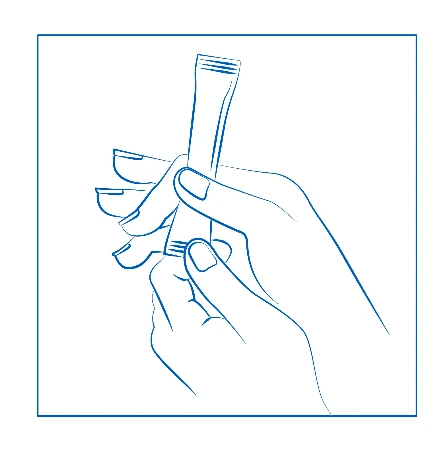
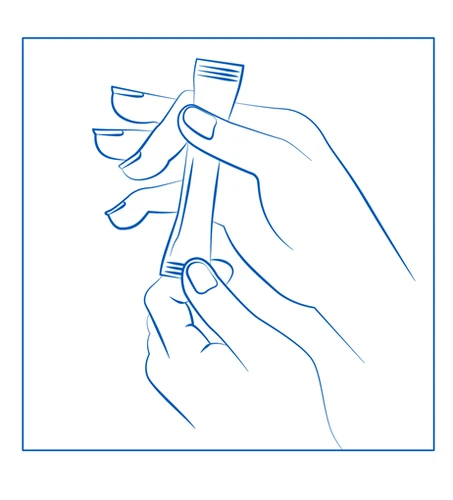
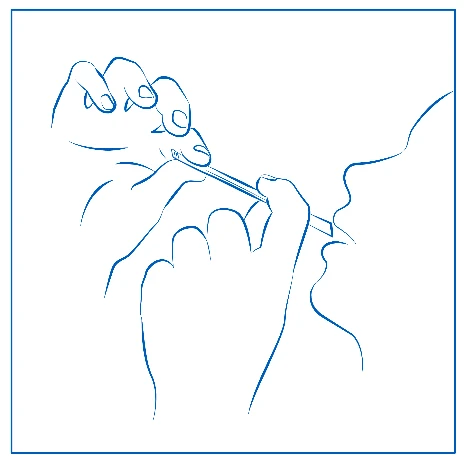
Once opened, take the product by pouring it directly into the mouth without drinking water, gently squeezing from the bottom to ensure complete emptying.
Momentact may be taken on an empty stomach. However, in individuals with gastric intolerance issues, it is preferable to take the medicine with food.
If there is no noticeable improvement after three days of treatment, consult your doctor.
The lowest effective dose for the shortest necessary duration should be used to relieve symptoms.
If you have an infection, contact your doctor immediately if symptoms (e.g., fever and pain) persist or worsen (see section 2).
Do not exceed 3 sachets per day. If you are elderly, adhere to the lower doses indicated above.
If you suffer from kidney and/or liver or heart disease, consult your doctor, who will determine the appropriate dose for you.
If you have severe liver disease, do not take Momentact.
Use in the elderly
Consult your doctor, who will determine the appropriate dose for you by reducing the recommended dose, especially if you have kidney and/or liver disorders.
Use in adolescents
Consult your doctor if the medicine needs to be used for more than 3 days in an adolescent, or if symptoms worsen.
If you take more Momentact than you should
If you have taken more Momentact than recommended or if your child has accidentally ingested this medicine, contact a doctor or the nearest hospital immediately for advice on potential risks and necessary actions.
If you take an excessive dose (overdose) of ibuprofen, you may commonly experience the following symptoms: nausea, vomiting, stomach pain, deep sleep with reduced response to normal stimuli (lethargy), drowsiness, headache, dizziness, ringing in the ears (tinnitus), uncontrolled body movements (convulsions), and loss of consciousness.
Symptoms of overdose may appear within 4–6 hours after taking ibuprofen.
Rarely, you may experience: uncontrolled eye movements (nystagmus), lowered body temperature (hypothermia), kidney-related effects, gastrointestinal bleeding, deep loss of consciousness (coma), temporary interruption of breathing (apnea), diarrhea, reduced activity of the nervous system (central nervous system depression), and reduced respiratory activity (respiratory depression).
Additionally, you may also experience: disorientation, excitatory state, fainting, low blood pressure (hypotension), decreased or increased heart rate (bradycardia or tachycardia).
In cases of severe poisoning, metabolic acidosis (increased acid levels in the blood) may occur.
Overdose symptoms may include nausea, stomach pain, vomiting (possibly with blood traces), headache, ringing in the ears, confusion, and uncontrolled eye movements.
At high doses, drowsiness, chest pain, palpitations, loss of consciousness, seizures (especially in children), weakness, dizziness, blood in the urine, low blood potassium levels, feeling cold, and breathing difficulties may occur.
Furthermore, prothrombin time/INR may be prolonged, likely due to interference with circulating coagulation factors. Exacerbation of asthma may occur in asthmatic patients.
Taking significantly high doses of ibuprofen may cause severe kidney and liver damage.
If you have any doubts about the use of Momentact, consult your doctor or pharmacist.
If you forget to take Momentact
Do not take a double dose to make up for the missed dose.
4. Possible side effects
Like all medicines, Momentact can cause side effects, although not everyone gets them. The side effects of this medicine can be minimized by using the lowest dose among those recommended and by using the medicine only for as long as necessary to control your symptoms.
If you develop a stomach ulcer, gastrointestinal bleeding and/or intestinal lesions, or skin and/or mucosal lesions, you must stop treatment with Momentact and consult your doctor. These side effects are usually more common in elderly patients.
The use of Momentact may cause side effects that are generally mild or moderate, as well as more serious reactions, including allergic reactions, although these are rare.
If you experience any of the following symptoms, STOP using Momentact IMMEDIATELY and consult your doctor or go to the nearest hospital, where you will receive appropriate and specific treatment:
- skin rashes or lesions,
- mucosal lesions,
- signs of allergic reaction, even severe (erythema, itching, urticaria, asthma, swelling of the skin and mucous membranes, anaphylactic shock),
- skin peeling,
- flat, red, target-shaped or circular spots on the trunk, often with central blisters, skin desquamation, ulcers in the mouth, throat, nose, genitals, and eyes. These severe skin rashes may be preceded by fever and flu-like symptoms (exfoliative dermatitis, erythema multiforme, toxic epidermal necrolysis, Stevens-Johnson syndrome),
- widespread rash, high body temperature, and swollen lymph nodes (DRESS syndrome),
- widespread, red, scaly rash with bumps under the skin and blisters, accompanied by fever. Symptoms usually appear at the beginning of treatment (generalized exanthematous pustulosis),
- vision disturbances,
- liver disease (hepatic dysfunction),
- bleeding, ulcers, and perforation of the stomach and intestines, which can be fatal, particularly in elderly patients.
In case of an allergic reaction as described above, go to hospital immediately, since immediate access to appropriate equipment, emergency medications, and trained personnel is essential. Severe, sometimes fatal, adverse reactions have been reported following the use of ibuprofen, even in the absence of known allergies. The risk of experiencing such symptoms is higher during the initial stages of treatment: in most cases, the reaction occurs within the first month of treatment.
Additionally, you may experience other side effects that have also been reported with other medicines similar to Momentact, listed below according to frequency:
Common (may affect up to 1 in 10 people)
- dizziness
- malaise
- fatigue
Uncommon (may affect up to 1 in 100 people)
- inflammation of the stomach (gastritis)
- insomnia, anxiety
- numbness of limbs or other body parts (paresthesia), drowsiness
- inflammation of the nasal mucosa (rhinitis), difficulty breathing (bronchospasm, dyspnea)
- temporary interruption of breathing (apnea)
- vision disturbances
- hearing impairment
- ringing in the ears (tinnitus)
- vertigo
- liver disorders (altered liver function)
- inflammation of the liver (hepatitis)
- yellowing of the skin and eyes (jaundice)
- kidney diseases (impaired kidney function and toxic nephropathy in various forms, including interstitial nephritis, nephrotic syndrome, and renal failure)
- hypersensitivity reactions such as skin rash, urticaria, itching, red spots on the skin (purpura), swelling of the skin and mucous membranes (angioedema), asthma, difficulty breathing (bronchospasm or dyspnea), asthma attacks possibly associated with low blood pressure
- skin reactions to light (photosensitivity)
- allergic skin rash (erythema)
Rare (may affect up to 1 in 1,000 people)
- reduction in blood cells: reduction in white blood cells (leukopenia, neutropenia, agranulocytosis), red blood cells (hemolytic anemia, aplastic anemia), platelets (thrombocytopenia)
- reduced blood clotting ability
- depression, confusion, hallucinations
- inflammation of the optic nerve (optic neuritis)
- inflammation of the meninges, the membranes covering the brain (aseptic meningitis, especially in patients with pre-existing autoimmune disorders; see section “Warnings and precautions”), with symptoms such as neck stiffness, headache, nausea, vomiting, fever, or disorientation
- eye disorders with visual disturbances and optic nerve pathology (toxic optic neuropathy)
- swelling due to fluid accumulation in tissues
- lupus-like syndrome (a disease that may affect various organs and tissues of the body)
- worsening of inflammation caused by an existing infection (e.g., development of necrotizing fasciitis)
- elevated blood nitrogen levels
- abnormal liver function tests (increased transaminases, increased alkaline phosphatase)
- abnormal blood tests (reduced hemoglobin, reduced hematocrit, prolonged bleeding time, decreased blood calcium, increased blood uric acid)
Very rare (may affect up to 1 in 10,000 people)
- inflammation of the pancreas, a gland involved in digestive processes (pancreatitis)
- awareness of your own heartbeat (palpitations)
- heart disease (heart failure)
- heart attack (myocardial infarction)
- presence of fluid in the lungs (acute pulmonary edema)
- liver disease (liver failure)
- hypertension
- severe allergic reactions, which may include symptoms such as severe asthma, swelling of the face, tongue, and throat making breathing difficult, rapid heartbeat, severe and rapidly developing allergic reaction that can be fatal (anaphylaxis), severe skin rash or skin exfoliation (toxic epidermal necrolysis, Stevens-Johnson syndrome, erythema multiforme)
- worsening of skin infections caused by chickenpox
- skin infection and soft tissue pathology
Not known (frequency cannot be estimated from available data)
-
Peptic ulcer, gastrointestinal bleeding
-
sensation of stomach fullness,
-
nausea,
-
vomiting,
-
diarrhea,
-
flatulence,
-
constipation,
-
difficulty digesting,
-
abdominal pain,
-
heartburn,
-
blood in stools,
-
blood in vomit,
-
lesions inside the mouth,
-
worsening of inflammatory bowel diseases (colitis, Crohn's disease),
-
increased risk of sudden reduction in blood circulation to the brain (stroke),
-
allergic reactions, anaphylaxis
-
drug reaction with eosinophilia and systemic symptoms (DRESS syndrome): a severe skin reaction known as DRESS syndrome may occur. Symptoms of DRESS include skin rash, fever, swollen lymph nodes, and increased eosinophils (a type of white blood cell).
-
a widespread, red, scaly rash with pustules under the skin and blisters, mainly affecting skin folds, trunk, and upper limbs, accompanied by fever at the beginning of treatment (generalized exanthematous pustulosis). Stop using Momentact if you develop these symptoms and contact your doctor immediately. See also section 2.
-
chest pain, which may be a sign of a potentially severe allergic reaction called Kounis syndrome.
Reporting of side effects
If you experience any side effect, including those not listed in this leaflet, please inform your doctor. You may also report side effects directly via the national reporting system at https://www.aifa.gov.it/content/segnalazioni-reazioni-avverse
By reporting side effects, you can help provide more information on the safety of this medicine.
5. How to store Momentact
This medicine does not require any special storage temperature.
Keep this medicine out of the sight and reach of children.
Do not use this medicine after the expiry date stated on the packaging after "Exp".
The expiry date refers to the last day of that month.
Do not dispose of any medicine via wastewater or household waste. Ask your pharmacist how to dispose of medicines you no longer use. This will help protect the environment.
6. Package contents and other information
What Momentact contains
- The active substance is ibuprofen 400 mg.
- The other ingredients are cetyl alcohol, sucrose, xanthan gum, sucrose monopalmitate, anhydrous colloidal silica, citric acid monohydrate, disodium edetate dihydrate, methyl 4-hydroxybenzoate, simethicone emulsion, propyl 4-hydroxybenzoate, red orange flavor, purified water.
Description of the appearance of Momentact and contents of the pack
Momentact is presented in single-dose sachets containing a fluid, homogeneous, white to slightly yellow suspension for oral use.
Each pack contains 6, 8, 10, 12, 16, 18, 20, 24 or 30 unit-dose sachets of 10 ml.
Not all pack sizes may be marketed.
Marketing Authorization Holder and Manufacturer
Marketing Authorization Holder
Angelini Pharma S.p.A.
Viale Amelia, 70
00181 Rome
Manufacturer
Aziende Chimiche Riunite Angelini Francesco S.p.A.,
Via Vecchia del Pinocchio, 22 - 60131 Ancona
N D E S
There are several types of pain, of various origins and nature, which more or less frequently affect everyone, particularly headache and toothache, muscular and joint pain, and menstrual pain.
One of the most common types of pain is certainly headache. If suffering from headache, it is important to identify the factors that may trigger it and try to prevent them (irregular eating habits, specific foods, smoking, alcohol, stress, excessive physical exertion, prolonged sun exposure, excessively loud noises, overly strong perfumes, etc.).
Menstrual pain, which can sometimes be quite intense, can be treated with painkillers that work by reducing the amount of prostaglandins—substances produced by the uterus and considered primarily responsible for this discomfort.