Momendol
Italy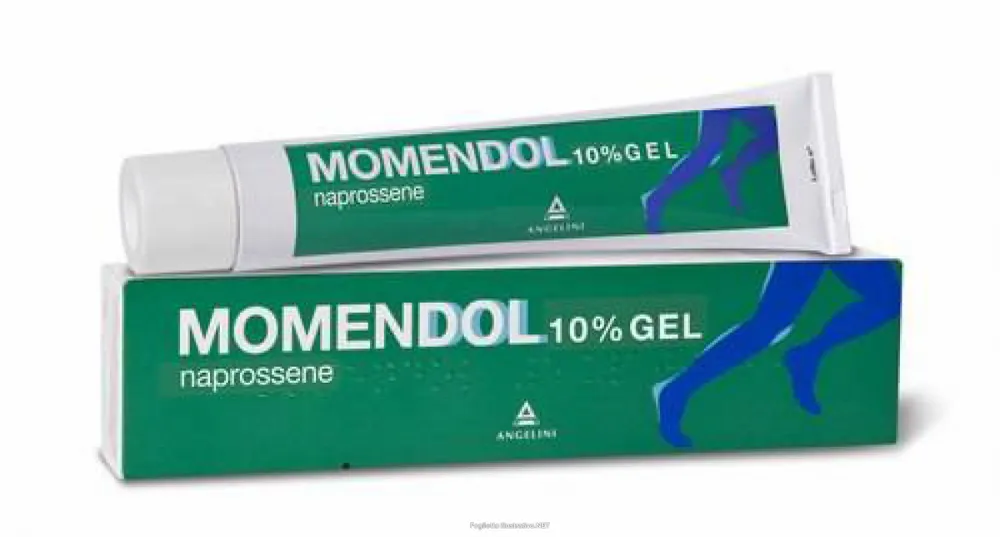
Table of Contents
- Patient Information Leaflet: Instructions for the User
- MOMENDOL 220 mg Soft Capsules
- 1. What Momendol is and what it is used for
- 2. What you should know before taking Momendol
- 3. How to take Momendol
- 4. Possible side effects
- 5. How to store Momendol
- 6. Package contents and other information
- PACKAGE LEAFLET: INFORMATION FOR THE USER
- MOMENDOL 220 mg film-coated tablets
- 1. WHAT MOMENDOL IS AND WHAT IT IS USED FOR
- 2. WHAT YOU SHOULD KNOW BEFORE TAKING MOMENDOL
- 3. HOW TO TAKE MOMENDOL
- 4. POSSIBLE SIDE EFFECTS
- 5. HOW TO STORE MOMENDOL
- 6. PACK CONTENTS AND OTHER INFORMATION
- Package leaflet: information for the user
- MOMENDOL 10% gel
- 2. What MOMENDOL GEL is and what it is used for
- 2. What you need to know before using MOMENDOL GEL
- 3. How to use MOMENDOL GEL
- 5. How to store MOMENDOL GEL
- 6. Package contents and other information
- INSTRUCTION LEAFLET: INFORMATION FOR THE USER
- MOMENDOL 5% gel
- 3. What MOMENDOL GEL is and what it is used for
- 2. What you need to know before using MOMENDOL GEL
- 3. How to use MOMENDOL GEL
- 5. How to store MOMENDOL GEL
- 6. Package contents and other information
Patient Information Leaflet: Instructions for the User
MOMENDOL 220 mg Soft Capsules
sodium naproxen
Please read all of this leaflet carefully before taking this medicine because it contains important information for you.
Always take this medicine exactly as described in this leaflet or as your doctor or pharmacist has instructed.
- Keep this leaflet. You may need to read it again.
- If you need more information or advice, consult your pharmacist.
- If you experience any side effects, including those not listed in this leaflet, contact your doctor or pharmacist. See section 4.
- Contact your doctor if you do not notice improvement or if your symptoms worsen after 7 days of treatment for pain or 3 days of treatment for fever.
Contents of this leaflet
- What Momendol is and what it is used for
- What you need to know before taking Momendol
- How to take Momendol
- Possible side effects
- How to store Momendol
- Package contents and other information
1. What Momendol is and what it is used for
Momendol contains naproxen, a medicine belonging to the class of analgesic-anti-inflammatory drugs,
i.e. medicines that fight pain and inflammation.
Momendol is used in adults and adolescents from the age of 16 for the short-term treatment of:
mild to moderate pain such as headache, joint and muscular pain (e.g. backache,
stiff neck), toothache, and menstrual pain;
fever.
Consult your doctor if you do not feel better or if you feel worse.
Do not extend Momendol treatment for:
more than 7 days for pain;
more than 3 days for fever.
2. What you should know before taking Momendol
Do not take Momendol
if you are allergic to naproxen or to any of the other ingredients of this medicine (listed in
section 6);
if you are allergic to substances chemically related to naproxen;
if you suffer from allergic conditions such as asthma, urticaria, runny nose (rhinitis), nasal polyps,
skin and mucosal swelling (angioedema);
if you have previously experienced allergic reactions caused by acetylsalicylic acid, painkillers, anti-inflammatory drugs, or medications used to treat rheumatic conditions;
if you have had gastrointestinal or other types of bleeding (e.g. cerebrovascular);
if you have previously experienced stomach or intestinal bleeding or perforation following the use of medications;
if you have had two or more separate episodes of stomach ulcer or bleeding;
if you have suffered from inflammation of the stomach lining (e.g. congestive gastropathy, atrophic gastritis);
if you currently have an active gastric or duodenal ulcer;
if you suffer from inflammatory bowel diseases (e.g. ulcerative colitis, Crohn’s disease);
if you are under 16 years of age;
if you are pregnant or breastfeeding (see section “Pregnancy and breastfeeding”);
if you have severe heart disease;
if you have severe liver or kidney disease;
if you are taking diuretics (medications for treating high blood pressure) at high doses (see section “Other medicines and Momendol”);
if you currently have bleeding or are taking anticoagulant medicines (medicines that thin the blood) and are at risk of bleeding.
Warnings and precautions
In general, adverse effects can be minimized by using the lowest effective dose for the shortest duration necessary to control symptoms, especially in elderly patients.
Talk to your doctor or pharmacist before taking Momendol if:
you are taking other anti-inflammatory medicines (including selective COX-2 inhibitors and some NSAIDs), as they may cause a slight increase in the risk of heart attack (myocardial infarction) or reduced blood flow to the brain (stroke) (see section “Other medicines and Momendol”);
you have high blood pressure and/or non-severe heart disease, as fluid retention, increased blood pressure, and swelling may occur following NSAID treatment;
you suspect you have an infection;
you are elderly, have known non-severe kidney, liver, or heart problems, or are taking anti-inflammatory medicines long-term; in such cases, your doctor may advise starting treatment with the lowest dose and possibly using stomach-protective medicines concurrently;
you regularly consume large amounts of alcohol;
you intend to take Momendol for abdominal pain;
you have previously experienced non-severe stomach and/or intestinal problems due to a medicine;
you are taking anti-inflammatory medicines (oral corticosteroids), blood-thinning medicines (anticoagulants such as warfarin), or antidepressants (selective serotonin reuptake inhibitors);
you are taking Aspirin/acetylsalicylic acid to prevent blood clots.
- Serious skin reactions, including exfoliative dermatitis, Stevens-Johnson syndrome, toxic epidermal necrolysis, and drug reaction with eosinophilia and systemic symptoms (DRESS), have been reported in association with Momendol. If you notice any of the symptoms related to these serious skin reactions described in section 4, stop treatment with Momendol and consult your doctor immediately.
Stop treatment with Momendol and contact your doctor or pharmacist if, while taking Momendol, you:
experience vision disturbances;
develop an infection or notice worsening of an existing infection;
notice prolonged bleeding time from a wound;
develop sudden, severe abdominal pain;
experience any unusual stomach and/or intestinal symptoms (especially bleeding), particularly during the first days of treatment;
develop skin or mucosal changes or any other sign of hypersensitivity, particularly during the first month of treatment, which could indicate serious allergic reactions (exfoliative dermatitis, Stevens-Johnson syndrome, toxic epidermal necrolysis).
Your doctor will monitor your kidney function:
- if you are elderly;
- if you have diseases impairing kidney function and urine production (diuresis);
- if you are taking diuretics (medicines used to treat high blood pressure that increase urine output);
- if you have recently undergone surgery leading to hypovolemia (reduced blood volume).
During treatment with Momendol, your doctor will closely monitor you:
- if you have disorders affecting blood clotting;
- if you are taking medicines that may affect blood clotting.
Children and adolescents
Momendol may be used in adolescents aged 16 years and older.
Other medicines and Momendol
Inform your doctor or pharmacist if you are taking, have recently taken, or might take any other medicine.
Do not combine naproxen with:
lithium, a medicine used to treat mental disorders;
anti-inflammatory medicines such as corticosteroids (e.g. cortisone) and NSAIDs;
anticoagulants (such as warfarin or dicoumarol) or antiplatelet agents (such as acetylsalicylic acid or ticlopidine), medicines used to thin the blood;
as these may increase the risk of injury or bleeding. Your doctor may therefore prescribe a medicine to protect your stomach.
Also do not combine naproxen with cyclosporine, tacrolimus (medicines administered after organ transplantation), or methotrexate (a medicine used to treat cancer), as the toxicity of these medicines may be increased.
Use with caution when combining naproxen with:
hydantoin derivatives (medicines used to treat epilepsy) or sulfonamides (medicines used to treat infections);
sulfonylureas (medicines used to treat diabetes);
loop diuretics and thiazide diuretics (medicines used to treat high blood pressure);
beta-blockers (medicines used to treat high blood pressure);
ACE inhibitors and angiotensin II antagonists (medicines used to treat high blood pressure);
probenecid (a medicine used to treat gout);
digoxin (a medicine used to treat heart failure).
Laboratory tests
Momendol may alter the results of blood and urine tests. Inform your doctor or laboratory technician that you are taking Momendol before undergoing such tests, as it may be necessary to stop naproxen treatment 72 hours prior to testing.
Pregnancy, breastfeeding, and fertility
Pregnancy
Do not take Momendol if you are pregnant, as it may harm the fetus or cause problems during delivery.
NSAIDs can cause kidney and heart problems in the fetus. They may affect the tendency of both mother and baby to bleed and may delay or prolong labor beyond the expected time. From the 20th week of pregnancy, NSAIDs may cause kidney problems in the fetus, reducing amniotic fluid levels surrounding the baby (oligohydramnios), or cause narrowing of a blood vessel (ductus arteriosus) in the baby’s heart.
Breastfeeding
Do not take Momendol if you are breastfeeding.
Fertility
Discontinue use of Momendol if you have fertility problems or are undergoing fertility investigations. If you suspect or are planning a pregnancy, consult your doctor or pharmacist before taking this medicine.
Driving and using machines
Due to possible drowsiness, dizziness, vertigo, or insomnia, Momendol may impair your ability to drive or operate machinery.
In such cases, avoid these activities or any others requiring special alertness.
Momendol contains
Sorbitol: Sorbitol is a source of fructose. If your doctor has told you that you (or your child) have an intolerance to certain sugars, or if you have been diagnosed with hereditary fructose intolerance, a rare genetic condition in which patients cannot metabolize fructose, consult your doctor before you (or your child) take this medicine.
Sodium: This medicine contains less than 1 mmol (23 mg) of sodium per capsule, i.e. it is essentially “sodium-free”.
3. How to take Momendol
Take this medicine exactly as stated in this leaflet or as instructed by your doctor or
pharmacist. If you have any doubts, consult your doctor or pharmacist.
Dosage
Adults and adolescents over 16 years: the recommended dose is 1 capsule every 8–12 hours.
To achieve a better effect, you may start treatment with 2 capsules on the first day, followed by 1
capsule after 8–12 hours.
Do not exceed 3 capsules in 24 hours.
If you are elderly or suffer from kidney disease (mild to moderate renal insufficiency), do not exceed 2
capsules in 24 hours.
Do not exceed the recommended doses without medical advice.
When and for how long
Take the medicine preferably with food (after breakfast, lunch, or dinner). Do not use Momendol for
more than 7 days for pain or for more than 3 days for fever.
Consult your doctor if pain or fever persists or worsens.
How to take
Swallow the capsule whole with water or another drink.
If you take more Momendol than you should
In case of accidental ingestion/overdose of Momendol, contact your doctor immediately or go to the nearest
hospital. Take this leaflet with you.
You may experience drowsiness, stomach burning, diarrhoea, nausea, vomiting, somnolence, increased
blood sodium levels, increased blood acidity, seizures, abdominal pain, dizziness, disorientation, gastric
haemorrhage, impaired liver function, coagulation disorders (hypoprothrombinemia), renal dysfunction,
breathing difficulties (apnoea).
Note for healthcare professional: in case of overdose, prompt administration of an adequate amount of
activated charcoal and gastric emptying are indicated.
If you forget to take Momendol
Do not take a double dose to make up for the forgotten capsule.
4. Possible side effects
Like all medicines, this medicine can cause side effects, although not everyone gets them.
The use of Momendol may cause side effects that are generally mild or moderate (nausea, vomiting, diarrhoea, flatulence, constipation, dyspepsia (difficulty in digestion), abdominal pain), or more serious allergic-type reactions.
If you develop a stomach ulcer, or experience gastrointestinal bleeding with melena (passing black stools), haematemesis (vomiting blood), and/or intestinal bleeding, or skin and/or mucosal lesions, you must stop treatment with Momendol and consult your doctor.
Additionally, if you experience any of the following symptoms, STOP using Momendol IMMEDIATELY and contact your doctor or go to the nearest hospital, where you will receive appropriate and specific treatment:
- skin rashes or lesions
- mucosal lesions
- signs of allergic reaction (erythema, itching, urticaria)
- skin peeling
- severe skin rash or skin exfoliation (toxic epidermal necrolysis, Stevens–Johnson syndrome)
- bleeding, ulceration, and perforation of the stomach and intestines, which may be fatal, particularly in elderly patients
- visual disturbances
- oedema, hypertension, and heart failure
The risk of experiencing these symptoms is higher during the initial stages of treatment. In most cases, the reaction occurs within the first month of treatment.
Side effects can be minimized by using the lowest effective dose for the shortest duration necessary to control symptoms.
You may also experience additional side effects listed below, categorized by frequency:
Common (may affect up to 1 in 10 people)
- nausea
- indigestion (dyspepsia)
- vomiting
- heartburn (pyrosis)
- stomach pain (gastralgia)
- excessive gas (flatulence)
- headache (cephalaea)
- drowsiness
- dizziness
- lightheadedness
Uncommon (may affect up to 1 in 100 people)
- diarrhoea
- constipation
- sleep disorders, insomnia, and somnolence
- excitement
- visual disturbances
- ringing in the ears (tinnitus)
- hearing disorders
- allergic reactions with swelling and angioedema
- chills
- skin rash
- itching
- swelling (oedema)
- bruising (ecchymosis)
- reduced kidney function
Rare (may affect up to 1 in 1,000 people)
- stomach or intestinal ulcer
- bleeding from the stomach or intestine
- perforation of the stomach or intestine
- blood in vomit (haematemesis)
- mouth ulcers (ulcerative stomatitis)
- worsening of colitis
- worsening of chronic inflammatory bowel disease (Crohn’s disease)
- kidney inflammation (glomerulonephritis)
- weakness and muscle pain (myalgia)
- fever
- increased or decreased blood glucose levels
Very rare (may affect up to 1 in 10,000 people)
- inflammation inside the mouth (stomatitis), aphthous ulcers
- inflammatory disease of the colon and intestine (colitis), pancreas (pancreatitis), and oesophagus (oesophagitis)
- yellowing of the skin (jaundice)
- liver inflammation (hepatitis)
- reduced liver function
- decreased haemoglobin, the substance that carries oxygen in the blood (aplastic or haemolytic anaemia)
- reduced platelet count in the blood (thrombocytopenia)
- decreased number of white blood cells (granulocytopenia, leucopenia), up to complete absence (agranulocytosis)
- increased number of blood cells called eosinophils (eosinophilia)
- difficulty breathing (dyspnoea, asthma), eosinophilic pneumonia, alveolitis
- sensitivity to light (photosensitivity)
- hair loss (alopecia)
- skin rash with blisters (vesicular eruption) or with nodules, pustules, or red spots
- red, target-like skin patches (erythema multiforme)
- redness and blisters (fixed erythema)
- inflammatory reaction with small purplish papules (lichen planus)
- sweating
- systemic lupus erythematosus (chronic autoimmune disease)
- rapid heartbeat (tachycardia)
- swelling (oedema) and inflammation of blood vessels (vasculitis)
- high blood pressure (hypertension)
- heart failure (serious heart disease)
- kidney failure
- kidney inflammation or damage with loss of protein and blood in urine
- increased potassium levels in blood
- increased creatinine levels in blood
- symptoms such as fever, drowsiness, headache, light sensitivity in patients with immune system disorders (meningitis-like symptoms), and seizures
- cognitive disorders
- thirst and malaise
- depression, difficulty concentrating and thinking
- inflammation of the front part of the optic nerve (papillitis)
- inflammation of the back part of the optic nerve (retrobulbar optic neuritis)
- swelling of the optic disc in the back of the eye (papilloedema)
- hearing loss
Not known: frequency cannot be determined from available data
Stop taking Momendol and contact your doctor immediately if you notice any of the following side effects:
- Widespread skin rash, high body temperature, elevated liver enzymes, blood abnormalities (eosinophilia), swollen lymph nodes, and involvement of other organs (drug reaction with eosinophilia and systemic symptoms, also known as DRESS). See also section 2.
- A distinct allergic skin reaction known as drug-induced fixed eruption, which usually recurs at the same site(s) upon re-exposure to the medicine and may appear as round or oval patches with redness and swelling of the skin, skin rash with blisters (urticaria), and itching sensation.
inflammation of the stomach (gastritis)
Other side effects reported with medicines similar to Momendol, and which may therefore also be potential side effects of Momendol:
- allergic reactions, even severe ones.
The characteristic symptoms of a severe allergic reaction include: sudden and severe drop in blood pressure, rapid or slow heartbeat, unusual fatigue or weakness, anxiety, restlessness, loss of consciousness, difficulty breathing or swallowing, itching, urticaria with or without skin swelling, skin redness, nausea, vomiting, abdominal pain with cramps, diarrhoea.
Medicines similar to Momendol may be associated with a small increased risk of heart attack ("myocardial infarction") or stroke.
Reporting of side effects
If you experience any side effect, including those not listed in this leaflet, talk to your doctor. You can also report side effects directly via the national reporting system at https://www.aifa.gov.it/content/segnalazioni-reazioni-avverse
By reporting side effects, you can help provide more information on the safety of this medicine.
5. How to store Momendol
Do not store above 25°C.
Keep this medicine out of the sight and reach of children.
Do not use this medicine after the expiry date stated on the pack after Exp. The expiry date refers to the last day of that month.
Do not dispose of medicines via wastewater or household waste. Ask your pharmacist how to dispose of medicines you no longer use. This will help protect the environment.
6. Package contents and other information
What Momendol contains
The active substance is naproxen. Each capsule contains 220 mg of sodium naproxen, equivalent to 200 mg
of naproxen.
The other ingredients are macrogol 600, lactic acid, gelatin, sorbitol /special glycerol (see section “Momendol contains sorbitol”), brilliant blue (E133), lecithin, medium-chain triglycerides, purified water.
Description of the appearance of Momendol and package contents
Momendol is presented as soft blue capsules, filled with a transparent to slightly blue liquid.
It is available in packages containing 10, 12, 20, 24, or 30 soft capsules.
Not all pack sizes may be marketed.
Marketing Authorization Holder and Manufacturer
Angelini Pharma S.p.A.
Viale Amelia, 70 - 00181 Rome
Catalent Italy S.p.A. - Via Nettunense km 20,100 - 04011 Aprilia (LT)
Aziende Chimiche Riunite Angelini Francesco - A.C.R.A.F. S.p.A. - Via Vecchia del Pinocchio, 22 - 60131
Ancona
N D E S
There are several types of pain, varying in frequency and intensity, that everyone may experience at some point, particularly headache, joint and muscle pain, toothache, and menstrual pain.
One of the most common types of pain is certainly headache (or cephalalgia), which may sometimes be a symptom of other conditions, such as cervical headache. If you suffer from headaches, it is important to identify potential triggering factors and try to prevent them (poor dietary habits, specific foods, smoking, alcohol, stress, excessive physical exertion, prolonged sun exposure, loud noises, strong perfumes, etc.).
Menstrual pain (or dysmenorrhea) is a very common condition, usually accompanied by mood changes (sadness, irritability), breast tenderness, and a general feeling of fatigue. Menstrual pain, which can sometimes be severe, can be treated with analgesics that work by reducing the levels of prostaglandins—substances produced by the uterus and considered primarily responsible for this condition.
PACKAGE LEAFLET: INFORMATION FOR THE USER
MOMENDOL 220 mg film-coated tablets
naproxen sodium
Read this leaflet carefully before taking this medicine because it contains
important information for you.
Always take this medicine exactly as described in this leaflet or as your
doctor or pharmacist has instructed you.
- Keep this leaflet. You may need to read it again.
- If you need more information or advice, consult your pharmacist.
- If you experience any side effects, including those not listed in this leaflet, contact your doctor or pharmacist. See section 4.
- Contact your doctor if you do not notice improvement or if your symptoms worsen after 7 days of treatment for pain and after 3 days of treatment for fever.
Contents of this leaflet:
- What MOMENDOL is and what it is used for
- What you need to know before taking MOMENDOL
- How to take MOMENDOL
- Possible side effects
- How to store MOMENDOL
- Contents of the pack and other information
1. WHAT MOMENDOL IS AND WHAT IT IS USED FOR
Momendol belongs to the class of non-steroidal anti-inflammatory analgesic-antirheumatic drugs,
medicines which combat pain, inflammation, fever, and are useful in the symptomatic treatment of
rheumatic diseases.
Momendol is used for the short-term symptomatic treatment of mild to moderate pain, such as
muscle and joint pain (e.g., backache, torticollis), headache, toothache, and menstrual pain.
Momendol may also be used for the treatment of fever.
Consult your doctor if you do not feel better or feel worse after 7 days of treatment for pain, or
after 3 days of treatment for fever.
2. WHAT YOU SHOULD KNOW BEFORE TAKING MOMENDOL
Do not take MOMENDOL
- If you are allergic to sodium naproxen or to any of the other ingredients of this medicine (listed in section 6), or to other substances chemically related to it.
- If you suffer from allergic reactions such as asthma, urticaria, rhinitis, nasal polyps, angioedema, or allergic reactions induced by acetylsalicylic acid, analgesics, anti-inflammatory and/or anti-rheumatic drugs.
- If you have a history of gastrointestinal bleeding or perforation, active or recurrent peptic ulcer, chronic inflammatory bowel diseases (ulcerative colitis, Crohn's disease), severe hepatic insufficiency, severe heart failure, severe renal insufficiency (creatinine clearance <30 ml/min), angioedema, during intensive therapy with diuretics, in
subjects with active bleeding or at risk of bleeding while on anticoagulant therapy (See
"Other medicines and MOMENDOL" and "Warnings and precautions").
- During pregnancy, starting from the third trimester, and during breastfeeding (See "Pregnancy, breastfeeding and fertility").
- The medicine must not be administered to children under 12 years of age.
- When MOMENDOL is used in hypertensive patients and/or in patients with reduced cardiac and/or renal function. During treatment with MOMENDOL, diuresis and renal function should be closely monitored, especially in elderly patients, patients with heart failure or chronic renal insufficiency, and patients on diuretic therapy, following major surgical procedures involving significant blood loss.
- If you have heart problems, a history of stroke, or think you may be at risk for these conditions (e.g., if you have high blood pressure, diabetes, high cholesterol, or smoke), you should discuss your treatment with your doctor or pharmacist.
- When MOMENDOL is used in patients with severe heart failure, worsening of the condition may occur.
- When MOMENDOL is used in patients with a history of gastrointestinal disorders or hepatic insufficiency and in patients with current or previous allergic manifestations, as the product may cause bronchospasm, asthma, or other allergic phenomena in these individuals. Particular caution is advised in such cases.
- MOMENDOL must be discontinued at the first appearance of skin rash, mucosal lesions, or any other sign of allergy and/or hypersensitivity.
- If visual disturbances occur, treatment with MOMENDOL must be suspended.
- Because naproxen, like any other anti-inflammatory drug, may mask concomitant symptoms of infectious diseases.
- Because, in isolated cases, worsening of infections-related inflammation has been reported in temporal association with the use of anti-inflammatory drugs.
- When used in elderly patients, who generally have some degree of impaired renal, hepatic, and cardiac function, since this group of patients is at higher risk of developing adverse effects related to the use of anti-inflammatory drugs. Prolonged use of anti-inflammatory drugs in the elderly is not recommended.
- Because naproxen inhibits platelet aggregation and may prolong bleeding time. Patients with coagulation disorders or receiving medications that interfere with coagulation must be carefully monitored during MOMENDOL intake.
- When MOMENDOL is used by habitual consumers of high daily doses of alcohol, there is a high risk of stomach bleeding.
- The use of this product should be avoided in cases of gastrointestinal origin pain. It is well known that patients taking anti-inflammatory drugs may experience stomach or intestinal bleeding.
- In asthmatic patients, the product is generally contraindicated.
- When MOMENDOL is used in combination with other drugs requiring caution, see "Other medicines and MOMENDOL".
- Serious skin reactions, including Stevens-Johnson syndrome, toxic epidermal necrolysis, drug reaction with eosinophilia and systemic symptoms (DRESS), have been reported in association with Momendol. If you notice any of the symptoms related to
these serious skin reactions, described in section 4, stop treatment with
Momendol and contact your doctor immediately.
Children and adolescents
Below the age of 16, it is advisable to consult your doctor.
Other medicines and MOMENDOL
Tell your doctor or pharmacist if you are taking, have recently taken, or might take any other
medicine:
Aspirin/acetylsalicylic acid for prevention of blood clot formation.
The concomitant use of naproxen with other anti-inflammatory drugs or corticosteroids is not recommended, as it increases the risk of gastric and duodenal ulcers and bleeding.
Naproxen enhances the anticoagulant effect of coumarin-type anticoagulants (e.g., warfarin,
dicoumarol) by prolonging prothrombin time and reducing platelet aggregation.
The combination of naproxen and lithium should be avoided; if necessary, closer monitoring of plasma lithium levels and dose adjustment are recommended.
Due to naproxen's high plasma protein binding, caution is advised when used concomitantly with hydantoins or sulfonamides.
Particular caution should also be exercised in patients receiving cyclosporine,
tacrolimus, sulfonylureas, loop diuretics, methotrexate, beta-blockers, ACE inhibitors, probenecid,
thiazide diuretics, and digoxin.
Naproxen may alter bleeding time (which may remain prolonged up to 4 days after discontinuation of therapy), creatinine clearance (may decrease), blood urea nitrogen, and blood levels of creatinine and potassium (may increase), and liver function tests (transaminases may rise).
Naproxen may cause false positives in urinary 17-ketosteroid assays and may interfere with urinary 5-hydroxyindoleacetic acid determinations.
Treatment with naproxen should be discontinued at least 72 hours before performing adrenal cortical function tests.
MOMENDOL with food and drinks
MOMENDOL should preferably be taken after a meal.
Pregnancy, breastfeeding and fertility
If you are pregnant, suspect you may be pregnant, planning a pregnancy, or breastfeeding, consult your doctor or pharmacist before taking this medicine.
Pregnancy
Do not take Momendol during the last three months of pregnancy, as it may harm the fetus or cause problems during delivery.
It may cause kidney and heart problems in the fetus. It may affect your and your baby's tendency to bleed and delay or prolong labor beyond expected duration. During the first six months of pregnancy, MOMENDOL should not be administered unless absolutely necessary and only after consulting your doctor and evaluating with him the risk/benefit ratio in your individual case.
If treatment is needed during this period or during attempts to conceive, the lowest possible dose for the shortest possible time should be used. From week 20 of
pregnancy, MOMENDOL may cause kidney problems in the fetus if taken for more than a few days, thereby reducing the levels of amniotic fluid surrounding the baby (oligohydramnios) or causing constriction of a blood vessel (ductus arteriosus) in the baby's heart. If treatment is required for more than a few days, your doctor may recommend additional monitoring.
Consult your doctor if you suspect you are pregnant or plan to become pregnant.
MOMENDOL, like other NSAIDs, is contraindicated during the third trimester of pregnancy.
Breastfeeding
Since NSAIDs are excreted in breast milk, as a precautionary measure their use is contraindicated during breastfeeding.
Fertility
MOMENDOL belongs to a class of medicines (NSAIDs, non-steroidal anti-inflammatory drugs) that may cause fertility problems in women. This effect is reversible upon discontinuation of treatment.
Driving and use of machines
Normally, taking this medicine does not affect or only negligibly affects the ability to drive and use machinery. However, caution should be exercised by those performing activities requiring alertness, if during treatment they experience drowsiness, dizziness, or depression.
MOMENDOL contains:
- lactose: if your doctor has diagnosed you with an intolerance to certain sugars, contact him before taking this medicine.
- sodium: This medicine contains 23 mg of sodium (a main component of table salt) per tablet. This corresponds to 1.15% of the maximum daily dietary intake recommended for an adult.
3. HOW TO TAKE MOMENDOL
Take this medicine exactly as stated in this leaflet or as directed by your doctor or pharmacist. If you have any doubts, consult your doctor or pharmacist.
The recommended dose is:
Adults and adolescents over 16 years of age: 1 film-coated tablet every 8–12 hours.
If necessary, a better effect may be achieved on the first day by starting with 2 film-coated tablets, followed by 1 film-coated tablet after 8–12 hours.
Elderly patients and patients with mild to moderate renal impairment must not exceed 2 film-coated tablets in 24 hours.
Use in children and adolescents
For individuals under 16 years of age, it is recommended to consult a doctor.
Momendol is contraindicated in children under 12 years of age.
Swallow the film-coated tablets whole with water.
Momendol should preferably be taken after a meal.
Do not take the medicine for more than 7 days for pain, or for more than 3 days for fever.
Consult your doctor if fever or pain persists or worsens.
If you take more MOMENDOL than you should
Signs of overdose include drowsiness, gastric burning, diarrhoea, nausea, vomiting, somnolence, increased blood sodium levels, metabolic acidosis, and seizures.
In case of accidental or intentional overdose, contact your doctor immediately and follow the standard measures required in such cases. Bring this patient information leaflet with you.
Gastric emptying and usual supportive measures are recommended.
Prompt administration of an adequate dose of activated charcoal (activated charcoal is a medicine; ask your pharmacist if needed) may reduce absorption of the medicine.
If you forget to take MOMENDOL
Do not take a double dose to make up for the missed tablet.
4. POSSIBLE SIDE EFFECTS
Like all medicines, this medicine can cause side effects, although not everyone experiences them.
The side effects most commonly observed are of a gastrointestinal nature.
With NSAIDs and naproxen, the following side effects have been reported:
Common (may affect up to 1 in 10 people):
- Headache, drowsiness, dizziness
- Nausea, dyspepsia, vomiting, heartburn, stomach ache, flatulence.
Uncommon (may affect up to 1 in 100 people):
- Allergic reaction (including facial swelling and angioedema)
- Sleep disorders, excitement
- Vision disturbances
- Tinnitus, hearing disturbances
- Bruising
- Diarrhoea, constipation
- Skin rash/itching
- Abnormal kidney function
- Chills, oedema (including peripheral oedema).
Rare (may affect up to 1 in 1,000 people):
- Peptic ulcer, gastrointestinal perforation or bleeding, sometimes fatal, particularly in elderly patients, haematemesis, ulcerative stomatitis, worsening of colitis and worsening of Crohn's disease.
Very rare (may affect up to 1 in 10,000 people):
- Haemolytic or aplastic anaemia, thrombocytopenia, granulocytopenia
- Meningitis-like reaction
- Tachycardia, oedema, hypertension, and heart failure have been observed in association with NSAID treatment
- Dyspnoea, asthma
- Colitis, stomatitis. Gastritis has been observed less frequently
- Jaundice, hepatitis, reduced liver function
- Photosensitivity, alopecia, bullous disorders including Stevens-Johnson syndrome and toxic epidermal necrolysis
- Increased blood pressure.
Stop taking Momendol and contact your doctor immediately if you notice any of the following side effects:
Not known: frequency cannot be estimated from the available data
- Widespread skin rash, high body temperature, increased liver enzymes, blood abnormalities (eosinophilia), swollen lymph nodes and involvement of other organs (drug reaction with eosinophilia and systemic symptoms, also known as DRESS). See also section 2.
- A distinct skin allergic reaction known as fixed drug eruption, which usually recurs at the same site or sites upon re-exposure to the medicine and may appear as round or oval patches with redness and skin swelling, skin rash with blisters (urticaria), itching. As with other anti-inflammatory medicines, anaphylactic or anaphylactoid reactions may occur in patients with or without prior exposure to drugs of the same class.
The characteristic symptoms of an anaphylactic reaction are: severe and sudden hypotension,
accelerated or slowed heart rate, unusual fatigue or weakness, anxiety, agitation, loss of consciousness, breathing or swallowing difficulties, itching, urticaria with or without angioedema, skin redness, nausea, vomiting, cramp-like abdominal pain, diarrhoea.
Medicines such as MOMENDOL may be associated with a small increased risk of heart attack ("myocardial infarction") or stroke.
Reporting of side effects
If you experience any side effect, including those not listed in this leaflet, talk to your doctor or pharmacist. You can also report side effects directly via the national reporting system at https://www.aifa.gov.it/content/segnalazioni-reazioni-avverse. By reporting side effects, you can help provide more information on the safety of this medicine.
5. HOW TO STORE MOMENDOL
Keep this medicine out of the sight and reach of children.
Do not use MOMENDOL after the expiry date stated on the carton. The expiry date refers to the last day of that month.
Store in the original packaging to protect it from light and moisture.
Do not dispose of medicines via wastewater or household waste. Ask your pharmacist how to dispose of medicines you no longer use. This will help protect the environment.
6. PACK CONTENTS AND OTHER INFORMATION
What MOMENDOL contains
The active substance is naproxen 200 mg (equivalent to sodium naproxen 220 mg).
The other components are: Tablet core: monohydrate lactose, corn starch, microcrystalline cellulose, povidone (K25), sodium carboxymethyl starch, colloidal hydrated silica, magnesium stearate. Film coating: hypromellose, macrogol 400, titanium dioxide (E 171), talc.
Description of the appearance of MOMENDOL and pack contents
MOMENDOL is a white, round, biconvex film-coated tablet.
Aluminum/PVC blisters containing 12 or 24 film-coated tablets (1-2 blisters each containing 12 film-coated tablets).
Not all pack sizes may be marketed.
Marketing Authorization Holder and Manufacturer
Marketing Authorization Holder:
Angelini Pharma S.p.A.
Viale Amelia 70,
00181 Rome
Italy
Tel: +39 06 780531
Fax: +39 06 78053291
Manufacturer and final controller:
Aziende Chimiche Riunite Angelini Francesco - A.C.R.A.F. S.p.A.
Via Vecchia del Pinocchio, 22 – 60131 Ancona, Italy
Tel: +39 071 8091
Fax: +39 071 809440
Manufacturer and final controller:
Famar Italia S.p.A.
Via Zambeletti, 25
20021 Baranzate di Bollate (MI)
Italy
This medicinal product is authorized in the Member States of the EEA under the following names:
GERMANY MOMENDOL 220 mg Film Tablets
ITALY MOMENDOL 220 mg film-coated tablets
PORTUGAL MOMENDOL 220 mg film-coated tablet
This leaflet was last approved on
The updated multilingual package leaflet can be read via the QR Code on the carton or at the following address: http://leaflet.angelini.it/L08
Package leaflet: information for the user
MOMENDOL 10% gel
naproxen
Read this leaflet carefully before using this medicine
because it contains important information for you.
Always use this medicine exactly as described in this leaflet or as your doctor or
pharmacist has told you to do.
- Keep this leaflet. You may need to read it again.
- Talk to your pharmacist if you need more information or advice.
- If you experience any of the side effects, including those not listed in this leaflet, contact your doctor or pharmacist. See section 4.
- Contact your doctor if you do not notice any improvement or if your symptoms worsen after 7 days.
Contents of this leaflet:
- What MOMENDOL GEL is and what it is used for
- What you need to know before using MOMENDOL GEL
- How to use MOMENDOL GEL
- Possible side effects
- How to store MOMENDOL GEL
- Package contents and other information
2. What MOMENDOL GEL is and what it is used for
Momendol gel belongs to the class of topical non-steroidal anti-inflammatory analgesics.
Momendol gel is used for the local treatment of muscular and joint pain, such as: muscle pain (myalgia), lower back pain, torticollis, inflammation of a synovial bursa near a joint or tendon (bursitis), tendon inflammation (tendinitis), inflammation of the synovial sheath surrounding tendons (tenosynovitis), inflammation of tissues around a joint (periarthritis), muscle strains, contusions, and hematomas.
Momendol gel can also be used as an adjunct in rehabilitation following trauma and/or orthopedic surgery.
Consult your doctor if you do not feel better or if you feel worse after 7 days.
2. What you need to know before using MOMENDOL GEL
Do not use MOMENDOL GEL
- if you are allergic to naproxen or to any of the other ingredients of this medicine (listed in section 6),
- during the third trimester of pregnancy (see "Pregnancy and breastfeeding").
Warnings and precautions
Talk to your doctor or pharmacist before using Momendol gel
- if you have allergic reactions such as asthma, urticaria, rhinitis, nasal polyps, angioedema, or anaphylactic reactions induced by acetylsalicylic acid and/or other non-steroidal anti-inflammatory drugs,
- if you are using other medicines that require caution; see the next section “Other medicines and Momendol gel”. The product must not be applied to eyes, mucous membranes, wounds and/or skin lesions.
To avoid possible hypersensitivity or photosensitization reactions, do not expose yourself to direct sunlight, including sunbeds, sunlamps or solariums, during treatment and for two weeks afterwards (see “Possible side effects”).
Discontinue treatment in case of skin rash or skin irritation.
This medicine contains a fragrance containing D-Limonene. D-Limonene may cause allergic reactions.
Other medicines and MOMENDOL GEL
Tell your doctor or pharmacist if you are taking, have recently taken or might take any other medicines.
MOMENDOL GEL with food, drink and alcohol
No influence.
Pregnancy and breastfeeding
Ask your doctor or pharmacist for advice before taking any medicine.
The risk of harmful effects on the fetus and/or the infant cannot be excluded. Therefore, during breastfeeding, Momendol gel should only be used at the doctor's discretion and when strictly necessary. Momendol gel must not be used during the third trimester of pregnancy.
Oral forms (e.g. tablets) of Momendol may cause adverse effects in the fetus. It is not known whether the same risk applies to Momendol gel when applied to the skin.
If you are pregnant, suspect you may be pregnant, planning a pregnancy, or breastfeeding, consult your doctor or pharmacist before using this medicine.
Do not use Momendol gel during the last three months of pregnancy. Do not use Momendol gel during the first six months of pregnancy unless clearly necessary and advised by your doctor.
If treatment is needed during this period, use the lowest dose for the shortest possible time.
Driving and using machines
Momendol gel does not affect the ability to drive or operate machinery.
3. How to use MOMENDOL GEL
Always use this medicine exactly as stated in this leaflet or as instructed by your doctor or pharmacist. If you have any doubts, consult your doctor or pharmacist.
Apply Momendol gel to the painful area twice daily, gently massaging until completely absorbed.
The use of Momendol gel is not recommended in children under 12 years of age due to lack of safety and efficacy data in pediatric patients.
Do not use the medicine for more than 7 days. Do not exceed the recommended doses.
Consult your doctor or pharmacist if pain persists or worsens.
If you use more MOMENDOL GEL than you should
Cases of overdose have not been reported.
Contact your doctor or pharmacist if you have used the medicine more often than recommended or in case of accidental ingestion.
If you have any doubts about how to use this medicine, consult your doctor or pharmacist.
- 4. Possible side effects Like all medicines, Momendol gel can cause side effects, although not everybody experiences them. Frequency not known (frequency cannot be estimated from the available data):
- skin redness (erythema),
- itching (pruritus),
- skin irritation,
- sensation of warmth or burning,
- skin rash at the site of application (contact dermatitis),
- blister formation (bullous eruption),
- photosensitivity reaction,
- hypersensitivity reaction,
- warmth at the site of application.
Prolonged use of topical medicines may lead to sensitization phenomena. In such cases, discontinue treatment, consult your doctor, and report what occurred.
Reporting of side effects
If you experience any side effect, including those not listed in this leaflet, consult your doctor or pharmacist. You can also report side effects directly via the national reporting system at https://www.aifa.gov.it/content/segnalazioni-reazioni-avverse. By reporting side effects, you can help provide more information on the safety of this medicine.
5. How to store MOMENDOL GEL
Keep this medicine out of the sight and reach of children.
Do not use this medicine after the expiry date stated on the label and on the carton. The expiry date refers to the last day of that month.
This medicine does not require any special storage temperature.
Store in the original packaging with the cap closed to protect the medicine from light and evaporation.
Do not dispose of any medicine via wastewater or household waste. Ask your pharmacist how to dispose of medicines no longer in use. This will help protect the environment.
6. Package contents and other information
What MOMENDOL GEL contains
The active substance is naproxen at a concentration of 10% (1 g of product contains 100 mg of
naproxen).
The other components are: isopropyl alcohol, triethanolamine, glycerol, hydroxyethylcellulose, sodium
hydroxide, fragrance containing menthol and eucalyptol, purified water.
Description of the appearance of MOMENDOL GEL and contents of the pack
Momendol gel is a transparent, homogeneous gel, colourless to slightly yellow, with a slight fragrance.
Each pack contains a tube of 50 g or 100 g of gel.
Not all pack sizes may be marketed.
Marketing Authorisation Holder and Manufacturer:
Marketing Authorisation Holder
Angelini Pharma S.p.A.
Tel 0039 06 780531
Viale Amelia, 70 - 00181 Rome (Italy)
Fax 0039 06 78053291
Manufacturer:
Aziende Chimiche Riunite Angelini Francesco - A.C.R.A.F. S.p.A.
Via Vecchia del Pinocchio, 22 - 60131 Ancona (Italy)
Tel 0039 071 8091
Fax 0039 071 809440
This medicinal product is authorised in the Member States of the European Economic Area under the
following names:
PORTUGAL: MOMENDOL 100 mg/g (10%) GEL
By scanning the QR Code on the carton or visiting the website http://leaflet.angelini.it/L09, it is possible to access the updated, multilingual package leaflet.
INSTRUCTION LEAFLET: INFORMATION FOR THE USER
MOMENDOL 5% gel
naproxen
Read this leaflet carefully before using this medicine
because it contains important information for you.
Always use this medicine exactly as described in this leaflet or as your doctor or
pharmacist has told you to do.
- Keep this leaflet. You may need to read it again.
- Talk to your pharmacist if you need further information or advice.
- If you experience any of the side effects, including those not listed in this leaflet, talk to your doctor or pharmacist. See section 4.
- Talk to your doctor if you do not notice improvement or if you experience worsening of symptoms after 7 days.
Contents of this leaflet:
- What MOMENDOL GEL is and what it is used for
- What you need to know before using MOMENDOL GEL
- How to use MOMENDOL GEL
- Possible side effects
- How to store MOMENDOL GEL
- Contents of the pack and other information
3. What MOMENDOL GEL is and what it is used for
Momendol 5% gel is a non-steroidal medicinal product with analgesic, anti-inflammatory and anti-rheumatic properties, which relieves pain and inflammation affecting muscles and joints. The presence of glucuronoglucosaminoglycan in the gel facilitates the absorption of bruises and hematomas.
Momendol 5% gel is supplied as a tube containing gel for external use. Each tube contains 50 g of gel. Momendol 5% gel is applied locally to relieve pain caused by trauma such as contusions, sprains, muscle strains, dislocations, bruises, hematomas, localized edema and traumatic infiltrations, etc.; or inflammatory conditions such as torticollis, lumbago, fibromyositis, tendinitis, bursitis, tenosynovitis, periarthritis, phlebitis, etc.
Momendol 5% gel may be used as an adjunct in the treatment of arthritic and rheumatic conditions (osteoarthritis, rheumatoid arthritis, ankylosing spondylitis).
Consult your doctor if you do not feel better or if you feel worse after 7 days.
2. What you need to know before using MOMENDOL GEL
Do not use MOMENDOL GEL
- If you are hypersensitive to the components or to other substances closely related from a chemical point of view (e.g. acetylsalicylic acid, etc.)
- In patients undergoing treatment with coumarin-type anticoagulants (warfarin, dicoumarol, etc.).
- If you are in the last 3 months of pregnancy.
Warnings and precautions
Consult your doctor or pharmacist before using Momendol gel.
- The product must not be applied on wounds or skin lesions.
- In pediatric age, Momendol 5% gel should be used only after consulting a doctor and evaluating with him the risk/benefit ratio in your specific case. The application of the product does not alter
the ability to drive or operate machinery. To avoid possible hypersensitivity reactions or
photosensitization, avoid exposure to direct sunlight, including sunbeds, during treatment and for the two weeks following
Other medicines and MOMENDOL GEL
Inform your doctor or pharmacist if you are taking, have recently taken, or might take any other
medicine. Do not use Momendol 5% gel if you are undergoing treatment with coumarin-type
anticoagulants (warfarin, dicoumarol, etc.).
MOMENDOL GEL with food, drinks and alcohol
No influence.
Pregnancy, breastfeeding and fertility
Ask your doctor or pharmacist for advice before taking any medicine.
Oral forms (e.g. tablets) of Momendol may cause adverse effects in the fetus. It is not known whether the same risk applies to Momendol 5% gel when used on the skin.
If you are pregnant, suspect you may be pregnant, planning a pregnancy, or breastfeeding, ask your doctor or pharmacist for advice before using this medicine.
Do not use Momendol 5% gel during the last 3 months of pregnancy. Do not use Momendol 5% gel during the first 6 months of pregnancy unless clearly necessary and advised by your doctor.
If treatment is needed during this period, use the lowest dose for the shortest possible time.
Driving and operating machinery
Momendol gel does not affect the ability to drive vehicles or operate machinery.
3. How to use MOMENDOL GEL
Always use this medicine exactly as described in this leaflet or as instructed by your doctor or pharmacist. If you have any doubts, consult your doctor or pharmacist.
Apply 2–3 times a day. Spread the gel over the affected area and gently massage until completely absorbed. Apply the medicine as needed, at any time of day.
Caution: Use only for short treatment periods. Do not exceed three applications per day unless specifically instructed by a doctor.
Consult your doctor if symptoms recur frequently or if you have noticed any recent changes in their characteristics.
If you use more MOMENDOL GEL than you should
Cases of overdose have not been reported.
If you have used the medicine more often than recommended or if accidental ingestion occurs, contact your doctor or pharmacist. In such cases, contact your doctor immediately or go to the nearest hospital. Bring this leaflet with you.
If you have any doubts about how to use this medicine, consult your doctor or pharmacist.
- 4. Possible side effects
Like all medicines, Momendol 5% gel can cause side effects, although not everybody will experience them.
With some topical or transdermal non-steroidal anti-inflammatory drugs (NSAIDs), propionic acid derivatives, skin-related adverse reactions have been reported, such as erythema, pruritus, irritation, sensation of warmth or burning, and contact dermatitis. Cases of blistering eruptions of varying severity have also been reported. Photosensitivity reactions are possible. If this occurs, discontinue treatment and consult your doctor. Following the instructions in this leaflet reduces the risk of side effects.
These side effects are usually temporary. However, if they occur, it is advisable to consult your doctor or pharmacist. It is important to inform your doctor or pharmacist about any side effects not described in this leaflet.
Prolonged use of topical medicines may lead to hypersensitivity reactions. In such cases, discontinue treatment, consult your doctor, and report what occurred.
Reporting of side effects
If you experience any side effect, including those not listed in this leaflet, consult your doctor or pharmacist. You may also report side effects directly via the national reporting system at: https://www.aifa.gov.it/content/segnalazioni-reazioni-avverse. By reporting side effects, you can help provide more information on the safety of this medicine.
5. How to store MOMENDOL GEL
Keep this medicine out of the sight and reach of children.
Do not use this medicine after the expiry date stated on the label and carton. The expiry date refers to the last day of that month.
This medicine does not require any special storage temperature.
Store in the original packaging with the cap closed to protect the medicine from light and evaporation.
Do not dispose of any medicine via wastewater or household waste. Ask your pharmacist how to dispose of medicines no longer used. This will help protect the environment.
6. Package contents and other information
What MOMENDOL GEL contains
The active substances are sodium naproxen 5.482 g (equivalent to naproxen 4.983 g) and glucuronyl
glucosaminoglycan 0.200 g (anticoagulant activity compared to Heparin 20-40 IU/mg). The other
components are: Isopropyl alcohol; Glycerol; Hydroxyethylcellulose; Mentholated fragrance; Demineralized water.
Description of the appearance of MOMENDOL GEL and contents of the pack
Momendol 5% gel is presented as a tube containing gel for external use.
Each pack contains one 50 g tube of gel.
It is possible that not all pack sizes are marketed.
Marketing Authorization Holder and Manufacturer:
Marketing Authorization Holder
Angelini Pharma S.p.A.
Viale Amelia, 70 - 00181 Rome (Italy)
Manufacturer:
Aziende Chimiche Riunite Angelini Francesco - A.C.R.A.F. S.p.A.
Via Vecchia del Pinocchio, 22 - 60131 Ancona (Italy)