Minirin/DDAVP
Italy
Table of Contents
- Package leaflet: Information for the user
- Minirin/DDAVP 50 mcg/ml nasal spray, solution
- 1. What Minirin/DDAVP nasal spray, solution is and what it is used for
- 2. What you need to know before using Minirin/DDAVP nasal spray, solution
- 3. How to use Minirin/DDAVP nasal spray, solution
- 4. Possible side effects
- 5. How to store Minirin/DDAVP nasal spray, solution
- 6. Package contents and other information
- Package leaflet: information for the user
- Minirin/DDAVP 50 mcg/ml nasal spray, solution
- 1. What Minirin/DDAVP nasal spray, solution is and what it is used for
- 2. What you need to know before using Minirin/DDAVP nasal spray, solution
- 3. How to use Minirin/DDAVP nasal spray, solution
- Instructions for use
- 4. Possible side effects
- 5. How to store Minirin/DDAVP nasal spray, solution
- 6. Package contents and other information
- Package leaflet: information for the user
- Minirin/DDAVP 60 mcg sublingual tablets, 120 mcg sublingual tablets, 240 mcg sublingual tablets
- 1. What Minirin/DDAVP sublingual tablets are and what they are used for
- 2. What you need to know before using Minirin/DDAVP sublingual tablets
- 3. How to use Minirin/DDAVP sublingual tablets
- 4. Possible side effects
- 5. How to store Minirin/DDAVP sublingual tablets
- 6. Package contents and other information
- Package leaflet: information for the user
- Minirin/DDAVP 4 mcg/ml injectable solution
- 1. What Minirin/DDAVP injectable solution is and what it is used for
- 2. What you should know before using Minirin/DDAVP injectable solution
- 4. Possible side effects
- 5. How to store Minirin/DDAVP injectable solution
- 6. Packaging contents and other information
Package leaflet: Information for the user
Minirin/DDAVP 50 mcg/ml nasal spray, solution
Desmopressin
Please read this leaflet carefully before using this medicine because it contains important information for you.
- Keep this leaflet. You may need to read it again.
- If you have any questions, ask your doctor or pharmacist.
- This medicine has been prescribed for you only. Do not give it to other people, even if their symptoms are the same as yours, as it could be harmful.
- If any adverse reaction occurs, including those not listed in this leaflet, contact your doctor or pharmacist. See section 4.
Contents of this leaflet:
- What Minirin/DDAVP nasal spray, solution is and what it is used for
- What you need to know before using Minirin/DDAVP nasal spray, solution
- How to use Minirin/DDAVP nasal spray, solution
- Possible side effects
- How to store Minirin/DDAVP nasal spray, solution
- Contents of the pack and other information
1. What Minirin/DDAVP nasal spray, solution is and what it is used for
Minirin/DDAVP belongs to a group of medicines called vasopressin analogues, which temporarily reduce the amount of urine produced by the body.
It is indicated, only when oral administration is not possible, for:
- treatment of pituitary, idiopathic or symptomatic diabetes insipidus (a condition causing continuous urine production and intense thirst)
- treatment of polyuria (excessive urine production) and polydipsia (persistent, intense thirst) of reversible or permanent post-surgical origin
- differential diagnosis of diabetes insipidus
- renal function tests.
2. What you need to know before using Minirin/DDAVP nasal spray, solution
There are restrictions, warnings, and general precautions applicable to all patients prescribed Minirin/DDAVP, as well as additional restrictions, warnings, and precautions that apply under certain conditions and depend on the use of the medicine.
General restrictions (all patients):
➔ Do not use Minirin/DDAVP
- if you are allergic to the active substance or to any of the other ingredients of this medicine (listed in section 6)
- if you suffer from habitual or psychogenic polydipsia (persistent and excessive thirst)
- if you have confirmed or suspected heart failure and other conditions requiring treatment with diuretic medicines (medicines that increase urine production)
- if you have moderate or severe renal impairment
- if you have low levels of sodium in the blood (hyponatremia)
- if you have syndrome of inappropriate ADH secretion (antidiuretic hormone, which reduces urine production).
General warnings and precautions (all patients)
Minirin/DDAVP should only be used in patients in whom oral pharmaceutical forms cannot be administered.
Exercise particular caution to avoid decreased sodium levels in the blood if any of the following apply to you:
- if you have lower than normal serum sodium levels
- if you suffer from diseases characterized by fluid and electrolyte imbalance (e.g. calcium, magnesium), such as systemic infections, fever, gastroenteritis
- if you suffer from asthma, epilepsy, migraine, heart failure, or arterial hypertension (high blood pressure)
- if you suffer from cystic fibrosis
- if you are a patient at risk of increased intracranial pressure (a condition about which your doctor will inform you)
- if you are being treated with tricyclic antidepressants or selective serotonin reuptake inhibitors, chlorpromazine (antipsychotic), carbamazepine (antiepileptic), or certain antidiabetic sulfonylureas, particularly chlorpropamide, and non-steroidal anti-inflammatory drugs (NSAIDs), as these may enhance the antidiuretic effect (reduction in urine volume) and increase the risk of fluid retention (see section “Taking Minirin/DDAVP with other medicines”).
Additional warnings and precautions:
In addition to the general restrictions, warnings, and precautions:
Conditions requiring your particular attention
All patients must adhere to fluid intake restriction during treatment with this medicine, as failure to limit fluid intake may cause fluid retention and low sodium levels in the blood, with symptoms such as headache, nausea/vomiting, weight gain, and, in severe cases, seizures.
➔ If these symptoms occur, contact your doctor urgently (see section 4)
All patients and, where applicable, their caregivers must be thoroughly instructed about fluid restriction.
If you are using Minirin/DDAVP for renal function tests:
- fluid intake must be limited to the minimum required to satisfy thirst and must not exceed 0.5 L from 1 hour before up to 8 hours after administration of the medicine. In infants:
- fluid intake during the two meals following Minirin/DDAVP administration should be reduced by 50% compared to usual intake, to avoid fluid overload.
If you have nasal mucosa alterations due to scarring, fluid accumulation (edema), or other conditions, the use of Minirin/DDAVP is not recommended.
Before starting treatment, your doctor will evaluate any possible severe bladder dysfunction or obstruction.
➔ If you are in any of the above-mentioned conditions or are unsure, consult your doctor or pharmacist before using Minirin/DDAVP.
Use in children
Administration in children must be carried out under close supervision by an adult to ensure correct dosage.
Renal function tests in children under 1 year of age must only be performed in a hospital setting under medical supervision.
Taking Minirin/DDAVP with other medicines
Inform your doctor if you are taking, have recently taken, or might take any other medicines, including those without a prescription.
Some medicines may alter the effect of Minirin/DDAVP or have their effect altered by Minirin/DDAVP:
- Indomethacin, an anti-inflammatory medicine that may increase the extent but not the duration of response to desmopressin.
- Tricyclic antidepressants or selective serotonin reuptake inhibitors (antidepressants), chlorpromazine (antipsychotic), carbamazepine (antiepileptic), clofibrate (lipid-lowering agent), as well as certain antidiabetic sulfonylureas, particularly chlorpropamide, and non-steroidal anti-inflammatory drugs (NSAIDs), as these medicines may enhance the antidiuretic effect of desmopressin (reduction in urine volume) and thus increase the risk of water retention and decreased blood sodium levels (hyponatremia).
- Glibenclamide (antidiabetic), which instead reduces the antidiuretic effect of desmopressin.
Pregnancy, breastfeeding, and fertility
If you are pregnant, suspect you may be pregnant, planning to become pregnant, or breastfeeding, consult your doctor or pharmacist before using this medicine.
You must not use Minirin/DDAVP nasal spray during pregnancy or if you are planning a pregnancy, as it may be harmful to your baby. See section 2, “Minirin/DDAVP nasal spray solution contains chlorobutanol”.
Driving and operating machinery
This medicine normally does not affect, or affects only negligibly, the ability to drive vehicles or operate machinery.
For those engaged in sports activities
Using this medicine without therapeutic need constitutes doping and may result in a positive anti-doping test.
Minirin/DDAVP contains chlorobutanol.
Chlorobutanol may increase the risk of heart rhythm problems. You must not use Minirin/DDAVP nasal spray during pregnancy or if you are planning a pregnancy. This is because chlorobutanol may affect fertility and may be harmful to your baby.
3. How to use Minirin/DDAVP nasal spray, solution
Use this medicine exactly as directed by your doctor or pharmacist. If you have any doubts,
consult your doctor or pharmacist.
Minirin/DDAVP should only be used in patients who cannot take oral formulations, and
treatment must always be initiated at the lowest dose ( see section 2 “Warnings and
precautions” ). Your doctor will determine the appropriate dosage and duration of treatment.
Fluid intake must be restricted (see section 2 “Warnings and precautions” ).
It is recommended to empty the bladder immediately before administering the medicine.
The recommended doses are:
- Therapeutic use: ➢ Diabetes insipidus, post-surgical polyuria and polydipsia
- Adults : 1-2 sprays per nostril (10-20 mcg) once or twice daily.
- Children : from 1 spray in one nostril (5 mcg) once or twice daily to 1 spray per nostril (10 mcg) once or twice daily.
- Diagnostic use: ➢ Differential diagnosis of diabetes insipidus
- Children and adults : 2 sprays per nostril (20 mcg). ➢ Renal function tests
- Infants (up to 1 year of age): 1 spray per nostril (10 mcg)
- Children (1 to 15 years): 2 sprays per nostril (20 mcg)
- Adults : 4 sprays per nostril (40 mcg). It is recommended to administer 2 sprays per nostril (20 mcg) consecutively, followed approximately 5 minutes later by the remaining 2 sprays per nostril (20 mcg). Urine collected within one hour after administration of Minirin/DDAVP must be discarded. During the following 8 hours, two urine samples should be collected for osmolality testing.
Instructions for use
Before using Minirin/DDAVP, read these instructions carefully.
Before first use of Minirin/DDAVP:
- Prime the pump by pressing it 4 times or until a spray appears, holding the bottle slightly tilted as shown in figure at point 2.
- Remove the protective cap.

- Check that the tip of the tube
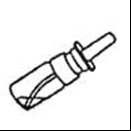
inside the bottle is immersed in
the liquid.
- If the spray has not been used for one week, re-prime the pump by pressing it one or more times until a spray appears, holding the bottle slightly tilted as shown in figure at point 2. Once primed, the pump delivers one dose with each press.
- Blow your nose and tilt your head

slightly backward during insertion
of the applicator into the nostril.
- When a higher dose is required, spray alternately into both nostrils.
- Replace the cap after use. Always store the bottle in an upright position.

If you have any doubts about correctly administering the dose, do not administer the medicine until the next scheduled dose.
If you use more Minirin/DDAVP than you should
➔ In case of ingestion/overdose of Minirin/DDAVP, contact your doctor immediately or go to the nearest hospital.
If you forget to use Minirin/DDAVP
Do not take a double dose to make up for the missed dose.
If you stop treatment with Minirin/DDAVP
If you have any questions about using this medicine, consult your doctor or pharmacist.
4. Possible side effects
Like all medicines, this medicine can cause side effects, although not everyone gets them.
The following are side effects that may occur with the use of this medicine:
Very common (occurs in more than 1 in 10 people)
- Nasal congestion, rhinitis
- Increased body temperature
Common (occurs in less than 1 in 10 people)
- Insomnia, emotional lability, nightmares, nervousness, aggression
- Headache
- Nosebleeds (epistaxis), upper respiratory tract infection
- Gastroenteritis, nausea, abdominal pain
Uncommon (occurs in less than 1 in 100 people)
- Low blood sodium levels (hyponatraemia)
- Menstrual-type uterine cramps
- Cardiac ischaemia (reduced or insufficient blood flow to the heart)
- Vomiting
- Facial flushing
Not known (frequency cannot be estimated from the available data)
- Allergic reactions
- Dehydration
- Confusional state
- Convulsions, coma, dizziness, somnolence
- Hypertension (high blood pressure)
- Dyspnoea (difficulty breathing)
- Diarrhoea
- Itching, skin rashes, urticaria
- Muscle spasms
- Fatigue, peripheral oedema (fluid accumulation), chest pain, chills
- Weight gain
Description of selected adverse reactions:
The most serious adverse reaction associated with desmopressin is hyponatraemia and, in severe cases, its complications, e.g. convulsions and coma. The cause of potential hyponatraemia is the anticipated antidiuretic effect (see section 2 "Warnings and precautions").
Paediatric population:
Hyponatraemia is reversible and in children has often occurred in relation to changes in daily habits affecting fluid intake and/or sweating. In children, particular attention must be paid to the precautions outlined in section 2 "Warnings and precautions".
Other special populations:
Children, elderly patients, and patients with serum sodium levels at the lower end of the normal range may have an increased risk of developing hyponatraemia (see section 2 "Warnings and precautions").
Following the instructions provided in this leaflet reduces the risk of side effects.
Reporting of side effects
If you experience any side effects, including those not listed in this leaflet, talk to your doctor or pharmacist.
Side effects can also be reported directly via the national reporting system at https://www.aifa.gov.it/content/segnalazioni-reazioni-avverse.
Reporting side effects helps provide more information on the safety of this medicine.
5. How to store Minirin/DDAVP nasal spray, solution
Store in a refrigerator (between +2°C and +8°C) in an upright position with the protective cap applied to the nasal applicator.
The product may be stored for 4 weeks at temperatures below 25°C in its original intact packaging, after which it must be immediately discarded. Always keep the product in a dry place, protected from sources of heat.
After first opening, the product can be stored for 2 months in the refrigerator.
After each use, always replace the protective cap on the nasal applicator.
Do not use this medicinal product after the expiry date stated on the carton. The expiry date refers to the last day of that month.
The stated expiry date applies to the product stored correctly in its original intact packaging.
Keep this medicinal product out of the sight and reach of children.
Do not dispose of any medicinal product via wastewater or household waste. Ask your pharmacist how to dispose of medicines no longer required. This will help protect the environment.
6. Package contents and other information
What Minirin/DDAVP nasal spray, solution contains
- The active substance is desmopressin. 1 ml contains 0.05 mg of desmopressin acetate, equivalent to 44.5 mcg of desmopressin.
- The other components are sodium chloride, chlorobutanol, hydrochloric acid 1M, purified water.
Description of the appearance of Minirin/DDAVP nasal spray, solution and contents of the pack
50 mcg/ml nasal spray solution – 2.5 ml spray bottle (25 spray doses of 5 mcg each) of desmopressin acetate hydrate, with automatic metering pump and nasal applicator.
Marketing Authorization Holder:
Ferring S.p.A. - Via C. Imbonati, 18 - 20159 Milan, Italy
Manufacturer:
Ferring GmbH - Wittland 11, 24109 Kiel (Germany)
Package leaflet: information for the user
Minirin/DDAVP 50 mcg/ml nasal spray, solution
desmopressin
Please read this leaflet carefully before using this medicine because it contains important information for you.
- Keep this leaflet. You may need to read it again.
- If you have any questions, ask your doctor or pharmacist.
- This medicine has been prescribed for you only. Do not give it to other people, even if their symptoms are the same as yours, as it could be harmful.
- If you experience any side effects, including those not listed in this leaflet, talk to your doctor or pharmacist. See section 4.
Contents of this leaflet:
- What Minirin/DDAVP nasal spray, solution is and what it is used for
- What you need to know before using Minirin/DDAVP nasal spray, solution
- How to use Minirin/DDAVP nasal spray, solution
- Possible side effects
- How to store Minirin/DDAVP nasal spray, solution
- Contents of the pack and other information
1. What Minirin/DDAVP nasal spray, solution is and what it is used for
Minirin/DDAVP belongs to a group of medicines called vasopressin analogues, which temporarily reduce the amount of urine produced by the body.
It is indicated, only when oral administration is not possible, for:
- treatment of pituitary, idiopathic or symptomatic diabetes insipidus (a condition causing continuous urine production and intense thirst)
- treatment of polyuria (excessive urine production) and polydipsia (intense and persistent thirst) of reversible or permanent post-surgical origin
- differential diagnosis of diabetes insipidus
- renal function tests.
2. What you need to know before using Minirin/DDAVP nasal spray, solution
There are restrictions, warnings, and general precautions applicable to all patients prescribed Minirin/DDAVP, as well as additional restrictions, warnings, and precautions that apply under certain conditions and depend on the use of the medicine.
General restrictions (all patients):
➔ Do not use Minirin/DDAVP
- if you are allergic to the active substance or to any of the other components of this medicine (listed in section 6)
- if you suffer from habitual or psychogenic polydipsia (excessive and persistent thirst)
- if you have confirmed or suspected heart failure and other conditions requiring treatment with diuretic medicines (medicines that increase urine production)
- if you have moderate or severe kidney failure
- if you have low levels of sodium in the blood (hyponatremia)
- if you have syndrome of inappropriate ADH secretion (antidiuretic hormone, which reduces urine production).
General warnings and precautions (all patients)
Minirin/DDAVP should only be used in patients in whom administration of oral dosage forms is not possible.
Exercise particular caution to avoid lowering sodium levels in the blood if any of the following applies to you:
- if you have serum sodium levels below normal
- if you suffer from diseases characterized by fluid and electrolyte imbalance (e.g. calcium, magnesium), such as systemic infections, fever, gastroenteritis
- if you suffer from asthma, epilepsy, migraine, heart failure, or arterial hypertension (high blood pressure)
- if you suffer from cystic fibrosis
- if you are a patient at risk of increased intracranial pressure (a condition about which your doctor will inform you)
- if you are being treated with tricyclic antidepressants or selective serotonin reuptake inhibitors, chlorpromazine (an antipsychotic), carbamazepine (an antiepileptic), or certain antidiabetic sulfonylureas, particularly chlorpropamide, and non-steroidal anti-inflammatory drugs (NSAIDs), as these may enhance the antidiuretic effect (reduction in urine volume) and increase the risk of fluid retention (see section “Taking Minirin/DDAVP with other medicines”).
Additional warnings and precautions:
In addition to the general restrictions, warnings, and precautions:
Conditions requiring special attention
All patients must adhere to fluid intake restrictions during treatment with this medicine, because failure to limit fluid intake may cause fluid retention and low sodium levels in the blood, whose symptoms include headache, nausea/vomiting, weight gain, and, in severe cases, seizures.
➔ If these symptoms occur, contact your doctor urgently (see section 4)
All patients, and where applicable their caregivers, must be carefully instructed about reducing fluid intake.
If you are using Minirin/DDAVP for renal function tests:
- fluid intake must be limited to the minimum required to satisfy thirst and must not exceed 0.5 L from 1 hour before up to 8 hours after administration of the medicine. In infants:
- fluid intake during the two meals following Minirin/DDAVP administration should be reduced by 50% compared to usual intake, in order to avoid water overload.
If you have nasal mucosa alterations due to scarring, fluid accumulation (edema), or other conditions, the use of Minirin/DDAVP is not recommended.
Before starting treatment, your doctor will assess any severe bladder dysfunction or obstruction.
➔ If you are in any of the above-mentioned conditions or are unsure, consult your doctor or pharmacist before using Minirin/DDAVP.
Use in children
Administration in children must be carried out under strict supervision by an adult to ensure correct dosing.
Renal function tests in children under 1 year of age must be performed only in a hospital setting under medical supervision.
Taking Minirin/DDAVP with other medicines
Inform your doctor if you are taking, have recently taken, or might take any other medicines, including those not requiring a prescription.
Some medicines may alter the effect of Minirin/DDAVP, or their effect may be altered by Minirin/DDAVP:
- Indomethacin, an anti-inflammatory medicine, which may increase the extent but not the duration of response to desmopressin.
- Tricyclic antidepressants or selective serotonin reuptake inhibitors (antidepressants), chlorpromazine (antipsychotic), carbamazepine (antiepileptic), clofibrate (a lipid-lowering agent), certain antidiabetic sulfonylureas, particularly chlorpropamide, and non-steroidal anti-inflammatory drugs (NSAIDs), as these medicines may enhance the antidiuretic effect of desmopressin (reduction in urine volume) and thus increase the risk of water retention and decreased blood sodium levels (hyponatremia).
- Glibenclamide (antidiabetic), which instead reduces the antidiuretic effect of desmopressin.
Pregnancy, breastfeeding, and fertility
If you are pregnant, suspect you may be pregnant, plan to become pregnant, or are breastfeeding, consult your doctor or pharmacist before using this medicine.
Driving and using machines
This medicine normally does not affect, or has a negligible effect on, the ability to drive vehicles or operate machinery.
For those engaged in sports activities
Using this medicine without therapeutic need constitutes doping and may result in a positive anti-doping test.
3. How to use Minirin/DDAVP nasal spray, solution
Use this medicine exactly as directed by your doctor or pharmacist. If you have any doubts, consult your doctor or pharmacist.
Minirin/DDAVP should only be used in patients in whom oral dosage forms cannot be administered, and treatment must always be initiated at the lowest dose (see section 2 “Warnings and precautions”). Your doctor will determine the appropriate dosage and duration of treatment.
Fluid intake must be restricted (see section 2 “Warnings and precautions”).
It is recommended to empty the bladder immediately before administering the medicine.
Recommended doses are:
-
Therapeutic use:
➢ Diabetes insipidus, postoperative polyuria and polydipsia- Adults: 1-2 sprays into each nostril (10-20 mcg), once or twice daily.
- Children: from 1 spray into one nostril (5 mcg) once or twice daily up to 1 spray into each nostril (10 mcg) once or twice daily.
-
Diagnostic use:
➢ Differential diagnosis of diabetes insipidus- Children and adults: 2 sprays into each nostril (20 mcg).
➢ Renal function tests - Infants (up to 1 year of age): 1 spray into each nostril (10 mcg).
- Children (1 to 15 years): 2 sprays into each nostril (20 mcg).
- Adults: 4 sprays into each nostril (40 mcg). It is recommended to administer 2 sprays consecutively into each nostril (20 mcg), followed by the remaining 2 sprays into each nostril (20 mcg) after approximately 5 minutes. Urine collected within one hour after administration of Minirin/DDAVP must be discarded. During the following 8 hours, two urine samples should be collected for osmolality testing.
- Children and adults: 2 sprays into each nostril (20 mcg).
Instructions for use
Before using Minirin/DDAVP, read these instructions carefully.
Before using Minirin/DDAVP for the first time:
- Prime the pump by pressing it 4 times or until a spray appears, holding the bottle slightly tilted as shown in figure at point 2. 7. Remove the protective cap.

- Check that the end of the tube
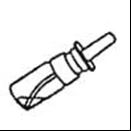
inside the bottle is immersed in the
liquid.
- If the spray has not been used for one week, re-prime the pump by pressing it one or more times until a spray appears, holding the bottle slightly tilted as shown in figure at point 2. Once primed, the pump delivers one dose with each press.
- Blow your nose and tilt your head slightly

backward while inserting the applicator into the nostril.
- When a higher dose is required, spray alternately into both nostrils.

- Replace the cap after use. Always store the bottle in an upright position.
If you have any doubts about the correct administration of the dose, do not administer the medication and wait until the next scheduled dose.
If you take more Minirin/DDAVP than you should
➔ In case of ingestion/overdose of Minirin/DDAVP, contact your doctor immediately or go to the nearest hospital.
If you forget to take Minirin/DDAVP
Do not take a double dose to make up for the missed dose.
If you stop treatment with Minirin/DDAVP
If you have any questions about using this medicine, consult your doctor or pharmacist.
4. Possible side effects
Like all medicines, this medicine can cause side effects, although not everyone gets them.
The following are the side effects that may occur with the use of this medicine:
Very common (affects more than 1 in 10 people)
- Nasal congestion, rhinitis
- Increased body temperature
Common (affects less than 1 in 10 people)
- Insomnia, emotional lability, nightmares, nervousness, aggression
- Headache
- Nosebleeds (epistaxis), upper respiratory tract infection
- Gastroenteritis, nausea, abdominal pain
Uncommon (affects less than 1 in 100 people)
- Low blood sodium levels (hyponatremia)
- Menstrual-type uterine spasms
- Cardiac ischemia (reduced or insufficient blood flow to the heart)
- Vomiting
- Facial flushing
Not known (frequency cannot be estimated from the available data)
- Allergic reactions
- Dehydration
- Confusional state
- Convulsions, coma, dizziness, somnolence
- Hypertension (high blood pressure)
- Dyspnea (difficulty breathing)
- Diarrhea
- Itching, skin rashes, urticaria
- Muscle spasms
- Fatigue, peripheral edema (fluid accumulation), chest pain, chills
- Weight gain
Description of selected adverse reactions:
The most serious adverse reaction associated with desmopressin is hyponatremia and, in severe cases, its complications such as convulsions and coma. The cause of potential hyponatremia is the anticipated antidiuretic effect (see section 2 “Warnings and precautions”).
Paediatric population:
Hyponatremia is reversible and in children has often occurred in relation to changes in daily habits affecting fluid intake and/or sweating. In children, particular attention must be paid to the precautions indicated in section 2 “Warnings and precautions”.
Other special populations:
Children, elderly patients, and patients with serum sodium levels at the lower end of the normal range may have an increased risk of developing hyponatremia (see section 2 “Warnings and precautions”).
Following the instructions provided in this leaflet reduces the risk of side effects.
Reporting of side effects
If you experience any side effect, including those not listed in this leaflet, talk to your doctor or pharmacist.
Side effects can also be reported directly via the national reporting system at www.agenziafarmaco.gov.it/it/responsabili.
Reporting side effects helps provide more information on the safety of this medicine.
5. How to store Minirin/DDAVP nasal spray, solution
Store in the refrigerator (between +2°C and +8°C) in an upright position with the protective cap applied to the nasal pump.
The product may be stored for 4 weeks at temperatures below 25°C in its original intact packaging, after which it must be immediately discarded. Always keep the product in a dry place, protected from sources of heat.
After first opening, the product can be stored for 2 months in the refrigerator.
After use, always replace the protective cap on the nasal pump.
Do not use this medicine after the expiry date stated on the carton. The expiry date refers to the last day of that month.
The stated expiry date applies to the product in its original intact packaging when stored correctly.
Keep this medicine out of the sight and reach of children.
Do not dispose of any medicine via wastewater or household waste. Ask your pharmacist how to dispose of medicines you no longer use. This will help protect the environment.
6. Package contents and other information
What Minirin/DDAVP nasal spray, solution contains
- The active substance is desmopressin. 1 ml contains 0,05 mg of desmopressin acetate, equivalent to 44.5 mcg of desmopressin.
- The other components are sodium chloride, chlorobutanol, hydrochloric acid 1M, purified water.
Description of the appearance of Minirin/DDAVP nasal spray, solution and package contents
50 mcg/ml nasal spray solution – 2.5 ml spray bottle (25 spray doses of 5 mcg each) of
desmopressin acetate hydrate, with automatic metering pump and nasal applicator.
Marketing Authorization Holder:
Ferring S.p.A. – Via Senigallia 18/2 – 20161 Milan, Italy
Manufacturer:
Ferring GmbH - Wittland 11, 24109 Kiel (Germany)
Package leaflet: information for the user
Minirin/DDAVP 60 mcg sublingual tablets, 120 mcg sublingual tablets, 240 mcg sublingual tablets
Desmopressin
Please read this leaflet carefully before using this medicine, as it contains
important information for you.
- Keep this leaflet. You may need to read it again.
- If you have any questions, consult your doctor or pharmacist.
- This medicine has been prescribed for you only. Do not give it to others, even if their symptoms are the same as yours, as it could be harmful.
- If you experience any side effect, including those not listed in this leaflet, consult your doctor or pharmacist. See section 4.
Contents of this leaflet:
- What Minirin/DDAVP sublingual tablets are and what they are used for
- What you need to know before taking Minirin/DDAVP sublingual tablets
- How to take Minirin/DDAVP sublingual tablets
- Possible side effects
- How to store Minirin/DDAVP sublingual tablets
- Contents of the pack and other information
1. What Minirin/DDAVP sublingual tablets are and what they are used for
Minirin/DDAVP belongs to a group of medicines called vasopressin analogues, which
temporarily reduce the amount of urine produced by the body.
It is indicated for:
- treatment of central diabetes insipidus (a condition causing continuous urine production and intense thirst)
- primary nocturnal enuresis (involuntary loss of urine during the night) in children over 5 years of age who have normal urine concentrating ability.
2. What you need to know before using Minirin/DDAVP sublingual tablets
There are general restrictions, warnings, and precautions applicable to all patients prescribed Minirin/DDAVP, as well as additional restrictions, warnings, and precautions that apply under certain conditions and depend on the use of the medicine.
General restrictions (all patients):
➔ Do not use Minirin/DDAVP
- if you are hypersensitive (allergic) to the active substance or to any of the other ingredients of this medicine (listed in section 6)
- if you suffer from habitual or psychogenic polydipsia (excessive and persistent thirst)
- if you have confirmed or suspected heart failure and other conditions requiring treatment with diuretic medicines (medicines that increase urine production)
- if you have moderate or severe renal insufficiency
- if you have low levels of sodium in the blood (hyponatraemia)
- if you have the syndrome of inappropriate ADH secretion (antidiuretic hormone, which reduces urine production)
General warnings and precautions (all patients)
Exercise particular caution to avoid reduced sodium levels in the blood if any of the
following apply to you:
- if you have serum sodium levels below normal
- if you suffer from diseases characterized by fluid and electrolyte imbalances (e.g. calcium, magnesium), such as systemic infections, fever, gastroenteritis
- if you suffer from asthma, epilepsy, or migraine
- if you suffer from cardiovascular disorders (coronary insufficiency, arterial hypertension)
- if you suffer from cystic fibrosis
- if you are a patient at risk of increased intracranial pressure (a condition your doctor will inform you about)
- if you are being treated with tricyclic antidepressants, selective serotonin reuptake inhibitors, chlorpromazine (antipsychotic), carbamazepine (antiepileptic), or certain antidiabetic sulfonylureas, particularly chlorpropamide, and non-steroidal anti-inflammatory drugs (NSAIDs), as these may enhance the antidiuretic effect (reduction in urine volume) and increase the risk of fluid retention (see section “Taking Minirin/DDAVP with other medicines”).
Additional warnings and precautions:
In addition to the general restrictions, warnings, and precautions:
Conditions requiring special attention
All patients must adhere to fluid intake restrictions during treatment with this medicine.
Unrestricted fluid intake may cause fluid retention and low sodium levels in the blood, whose symptoms include headache, nausea/vomiting, weight gain, and, in severe cases, seizures.
➔ If these symptoms occur, contact your doctor urgently (see section 4).
All patients, and where applicable their caregivers, must be carefully instructed about fluid restriction, including alcoholic beverages.
Before starting treatment, your doctor will assess for any severe bladder dysfunction or obstruction.
In the treatment of primary nocturnal enuresis:
Fluid intake must be minimized starting 1 hour before administration and continuing up to 8 hours after taking the medicine, and only in quantities sufficient to satisfy thirst.
➔ If you are in any of the above-mentioned conditions or are unsure, consult your doctor or pharmacist before using Minirin/DDAVP.
Elderly patients
Treatment in patients over 65 years of age is not recommended.
Your doctor will evaluate serum sodium levels before starting treatment, 3 days after initiation of treatment or after dose increase, and periodically during treatment as deemed necessary.
Taking Minirin/DDAVP with other medicines
Inform your doctor if you are taking, have recently taken, or might take any other medicines, including those without a prescription.
Some medicines may alter the effect of Minirin/DDAVP or may have their effect altered by Minirin/DDAVP:
- Tricyclic antidepressants and selective serotonin reuptake inhibitors (antidepressants), chlorpromazine (antipsychotic), carbamazepine (antiepileptic), certain antidiabetic sulfonylureas, particularly chlorpropamide, and non-steroidal anti-inflammatory drugs (NSAIDs), as these medicines may enhance the antidiuretic effect of desmopressin (reducing urine volume) and thereby increase the risk of water retention and low blood sodium (hyponatraemia).
- Glibenclamide (antidiabetic), which instead reduces the antidiuretic effect of desmopressin.
- Loperamide (anti-diarrhoeal) and other medicines that slow intestinal motility may increase the antidiuretic effect of desmopressin.
Minirin/DDAVP with food
Food intake may reduce the intensity and duration of the antidiuretic effect of Minirin/DDAVP tablets when used at low doses.
Pregnancy, breastfeeding, and fertility
If you are pregnant, suspect you may be pregnant, are planning a pregnancy, or are breastfeeding, consult your doctor or pharmacist before using this medicine.
Driving and using machines
This medicine normally does not affect or affects only negligibly the ability to drive vehicles or operate machinery.
For those engaged in sports activities
Using this medicine without therapeutic need constitutes doping and may result in a positive anti-doping test.
3. How to use Minirin/DDAVP sublingual tablets
Use this medicine exactly as directed by your doctor or pharmacist. If you have
any doubts, consult your doctor or pharmacist.
Place the tablet under the tongue. It will dissolve without the need for water.
Fluid intake should be restricted ( see section 2 “Warnings and precautions” ).
If signs of fluid retention and/or hyponatraemia occur (headache, nausea/vomiting, weight gain,
and in severe cases, seizures), your doctor will interrupt treatment until you are
fully recovered. When treatment is restarted, fluid intake must be limited as much as possible.
If an adequate clinical response has not been achieved after 4 weeks of establishing the appropriate dose,
your doctor will decide whether treatment should be discontinued.
It is recommended to empty the bladder immediately before administering the medicine.
The optimal dosage must be individually adjusted for each patient.
Recommended doses are:
- Diabetes insipidus in adults and children:
- The daily sublingual dose ranges between 120 mcg and 720 mcg.
- The recommended starting dose is 60 mcg three times daily.
- In most cases, the optimal maintenance dose is 60–120 mcg three times daily. Your doctor will evaluate how to adjust the dose based on your response to treatment.
- Primary nocturnal enuresis in adults and children over 5 years of age:
- The recommended starting dose is 120 mcg in the evening before bedtime, after emptying the bladder.
- If this is not effective, your doctor will decide whether to increase the dose up to 240 mcg.
Minirin/DDAVP is indicated for treatment periods up to 3 months. The need to continue
treatment must be re-evaluated by your doctor after a treatment-free period of at least one
week.
INSTRUCTIONS FOR USE
Each tablet is contained in a child-resistant safety blister.
See enclosed instructions for its use.
Note: There is only one opening point on the blister.
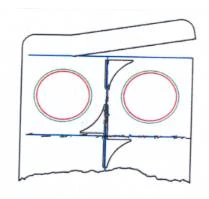
Figure 1. Facing the printed side of the blister, completely remove the upper tab by pulling to the left.
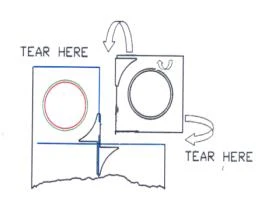
Figure 2. Follow the perforation to remove the first tablet from its cavity.
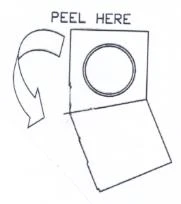
Figure 3. Each cavity has an unsealed, liftable corner indicated by an arrow. To release the product, lift and tear open this corner.
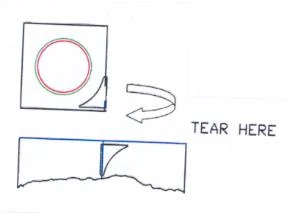
Figure 4. To access the next tablet, completely remove the cavity including the remaining small protective triangle.
If the tablet accidentally breaks into two or three pieces, take the broken fragments as instructed.
If the tablet breaks into more than three pieces, leave them in the blister and take a new tablet.
If you have any doubts about correctly taking the prescribed dose, do not take the medicine until the next scheduled dose.
If you take more Minirin/DDAVP than you should
➔ In case of overdose or accidental ingestion of Minirin/DDAVP, contact your doctor immediately or go to the nearest hospital.
If you forget to take Minirin/DDAVP
Do not take a double dose to make up for the missed dose.
If you stop treatment with Minirin/DDAVP
If you have any questions about using this medicine, consult your doctor or pharmacist.
4. Possible side effects
Like all medicines, Minirin/DDAVP can cause side effects, although not everyone experiences them.
The following are side effects that may occur with the use of this medicine:
Adults
Very common (occurs in more than 1 in 10 people)
- Headache
Common (occurs in less than 1 in 10 people)
- Low sodium levels in the blood (hyponatraemia)
- Dizziness
- Hypertension (high blood pressure)
- Nausea, abdominal pain, diarrhoea, constipation, vomiting
- Bladder and urethral disorders
- Oedema (fluid accumulation)
- Fatigue
Uncommon (occurs in less than 1 in 100 people)
- Insomnia
- Somnolence
- Paresthesia (altered sensation in certain parts of the body)
- Visual disturbances
- Vertigo
- Palpitations
- Orthostatic hypotension (drop in blood pressure when moving from sitting to standing position)
- Dyspnoea (difficulty breathing)
- Dyspepsia (digestive discomfort), flatulence, abdominal distension and bloating
- Sweating, pruritus, rash, urticaria
- Muscle spasms, myalgia (muscle pain)
- Malaise
- Chest pain
- Influenza-like syndrome
- Weight gain
- Increased liver enzymes
- Low potassium levels in the blood (hypokalaemia)
Rare (occurs in less than 1 in 1,000 people)
- Confusional state
- Allergic dermatitis
Not known (frequency cannot be estimated from the available data)
- Allergic reactions
- Dehydration
- High sodium levels in the blood (hypernatraemia)
- Seizures, asthenia (weakness), coma
Children and adolescents
Common (occurs in less than 1 in 10 people)
- Headache
Uncommon (occurs in less than 1 in 100 people)
- Emotional lability, aggression
- Abdominal pain, nausea, vomiting, diarrhoea
- Bladder and urethral disorders
- Peripheral oedema (fluid accumulation), fatigue
Rare (occurs in less than 1 in 1,000 people)
- Anxiety symptoms, nightmares, mood swings
- Somnolence
- Hypertension
- Irritability
Not known (frequency cannot be estimated from the available data)
- Allergic reactions
- Low sodium levels in the blood (hyponatraemia)
- Abnormal behaviour, emotional disorders, depression, hallucinations, insomnia
- Attention disorders, psychomotor hyperactivity, seizures
- Nosebleeds (epistaxis)
- Allergic dermatitis, rash, sweating, urticaria
Description of selected adverse reactions:
The most serious adverse reaction with desmopressin is hyponatraemia, which may cause headache,
abdominal pain, nausea, vomiting, weight gain, dizziness, confusion, malaise, memory impairment,
vertigo, falls, water intoxication, and in severe cases, seizures and coma. The underlying cause of
potential hyponatraemia is the premature antidiuretic effect (see section 2 “Warnings and precautions”).
In adults, the risk of hyponatraemia increases with higher doses of desmopressin, and the risk is
higher in women.
Paediatric population:
Hyponatraemia is reversible and in children has often occurred in relation to changes in usual daily
behaviours affecting fluid intake and/or sweating. Particular attention should be paid to the
precautions outlined in section 2 “Warnings and precautions” in children.
Other special populations:
Children, elderly patients, and patients with serum sodium levels at the lower end of the normal range
may have an increased risk of developing hyponatraemia (see section 2 “Warnings and precautions”).
Following the instructions provided in this leaflet reduces the risk of side effects.
Reporting of side effects
If you experience any side effect, including those not listed in this leaflet, please inform your doctor or pharmacist.
You can also report side effects directly via the national reporting system at https://www.aifa.gov.it/content/segnalazioni-reazioni-avverse
By reporting side effects, you can help provide more information on the safety of this medicine.
5. How to store Minirin/DDAVP sublingual tablets
No special storage conditions required. Store in the original packaging to protect from moisture and light.
Do not use this medicine after the expiry date stated on the packaging. The expiry date refers to the last day of that month.
The indicated expiry date applies to the product in its original, unopened packaging and properly stored.
Keep this medicine out of the sight and reach of children.
Do not dispose of any medicine via wastewater or household waste. Ask your pharmacist how to dispose of medicines no longer in use. This will help protect the environment.
6. Package contents and other information
What Minirin/DDAVP sublingual tablets contain
- The active substance is desmopressin:
- One tablet of Minirin/DDAVP 60 mcg contains 67 mcg of desmopressin acetate, equivalent to 60 mcg of free desmopressin base
- One tablet of Minirin/DDAVP 120 mcg contains 135 mcg of desmopressin acetate, equivalent to 120 mcg of free desmopressin base
- One tablet of Minirin/DDAVP 240 mcg contains 270 mcg of desmopressin acetate, equivalent to 240 mcg of free desmopressin base
- The other components are gelatin, mannitol E421, anhydrous citric acid.
Description of the appearance of Minirin/DDAVP sublingual tablets and pack contents
Minirin/DDAVP 60 mcg:
Round, white, sublingual oral tablet with a drop-shaped symbol on one side.
Minirin/DDAVP 120 mcg:
Round, white, sublingual oral tablet with a symbol of two drops on one side.
Minirin/DDAVP 240 mcg:
Round, white, sublingual oral tablet with a symbol of three drops on one side.
Pack sizes: 10, 30, 100 tablets.
Not all pack sizes may be marketed.
Marketing Authorization Holder
Ferring S.p.A. - Via C. Imbonati, 18 - 20159 Milan, Italy
Manufacturer
Ferring GmbH - Wittland 11, 24109 Kiel, Germany
Package leaflet: information for the user
Minirin/DDAVP 4 mcg/ml injectable solution
Desmopressin
Please read this leaflet carefully before using this medicine because it contains important information for you.
- Keep this leaflet. You may need to read it again.
- If you have any questions, ask your doctor, pharmacist, or nurse.
- This medicine has been prescribed for you only. Do not give it to others, even if their symptoms are the same as yours, as it could be harmful.
- If you experience any side effects, including those not listed in this leaflet, consult your doctor, pharmacist, or nurse. See section 4.
Contents of this leaflet:
- What Minirin/DDAVP injectable solution is and what it is used for
- What you need to know before using Minirin/DDAVP injectable solution
- How to use Minirin/DDAVP injectable solution
- Possible side effects
- How to store Minirin/DDAVP injectable solution
- Contents of the pack and other information
1. What Minirin/DDAVP injectable solution is and what it is used for
Minirin/DDAVP belongs to a group of medicines called vasopressin analogues, which temporarily reduce the amount of urine produced by the body and increase the production of certain clotting factors that allow normal blood coagulation and prevent bleeding.
It is indicated for:
- the treatment of pituitary diabetes insipidus, idiopathic or symptomatic (a disease causing continuous urine production and intense thirst);
- the treatment of post-surgical polyuria (excessive urine production) and polydipsia (intense and persistent thirst), whether reversible or permanent;
- the prevention or treatment of haemorrhagic episodes (excessive bleeding) following dental extractions, surgical procedures or trauma in patients with:
mild or moderate haemophilia A (an inherited disorder characterised by the lack of a protein called coagulation factor VIII, which causes coagulation problems and is responsible for abnormal, excessive bleeding);
von Willebrand disease (an inherited disorder characterised by the lack of a protein called von Willebrand factor, which causes coagulation problems and is responsible for abnormal, excessive bleeding); - the differential diagnosis of diabetes insipidus;
- renal function tests.
(N.B. Renal diabetes insipidus is not responsive to treatment with Minirin/DDAVP injectable solution).
2. What you should know before using Minirin/DDAVP injectable solution
There are restrictions, warnings and precautions that apply to all patients prescribed this medicine, as well as additional warnings and precautions that apply under certain conditions and depend on how the medicine is used.
General restrictions (all patients)
➔ Do not use Minirin/DDAVP injectable solution:
- if you are allergic to the active substance or to any of the other ingredients of this medicine (listed in section 6);
- if you suffer from habitual or psychogenic polydipsia (excessive and persistent thirst);
- if you have confirmed or suspected heart failure or other conditions requiring treatment with diuretic medicines (medicines that increase urine production);
- if you have certain heart diseases (uncompensated heart failure or unstable angina pectoris);
- if you have von Willebrand disease type IIB, in which Factor VIII is abnormal and administration of desmopressin may cause platelet aggregation (clotting of platelets) and thrombocytopenia (low platelet count);
- if you have low levels of sodium in the blood (hyponatremia);
- if you suffer from a disease causing inappropriate secretion of the antidiuretic hormone vasopressin: consult your doctor to find out whether you have one of these conditions.
General warnings and precautions
Use particular caution to avoid worsening water retention and consequent fluid overload if any of the following apply to you:
- if you have diseases characterized by fluid or electrolyte imbalance (such as systemic infections, fever, gastroenteritis);
- in case of excessive bleeding;
- if you suffer from asthma, epilepsy, migraine, heart failure, high blood pressure (arterial hypertension);
- if you have cystic fibrosis;
- in children under two years of age and in elderly patients;
- if you are a patient at risk of increased intracranial pressure (a condition your doctor will inform you about);
- if you are being treated with diuretic medicines (see section “Other medicines and Minirin/DDAVP injectable solution”);
- patients with known risk factors and history of thrombosis, thrombophilia, and cardiovascular disease;
- if you have moderate to severe renal impairment (creatinine clearance below 50 ml/min);
- if you have bladder dysfunction or urinary tract obstruction.
Additional warnings and precautions
All patients must adhere to fluid intake restrictions during treatment with this medicine. Unrestricted fluid intake may cause fluid retention and low sodium levels in the blood, with symptoms such as headache, nausea/vomiting, weight gain, and, in severe cases, seizures.
➔ If these symptoms occur, contact your doctor immediately (see section 4).
All patients, and where applicable their caregivers, must be carefully instructed about fluid restriction.
If you are using Minirin/DDAVP injectable solution for kidney function tests and differential diagnosis of diabetes insipidus:
- fluid intake must be limited and should not exceed 0.5 L from 1 hour before up to 8 hours after administration of the medicine;
- in infants, fluid intake during the two meals following administration of the medicine should be reduced by 50% compared to usual intake, to avoid fluid overload. Renal concentration tests in children under 1 year of age must be performed only in a hospital setting under close medical supervision.
If you are using Minirin/DDAVP injectable solution for hemostatic use:
- fluid intake must be drastically reduced, and administration of the medicine must be discontinued if any of the following occur: persistent headache, nausea, body weight increase exceeding 5%, blood sodium levels below 130 mmol/L or plasma osmolality below 270 mOsm/kg body weight;
- particular attention must be paid to the risk of fluid retention;
- bleeding time, blood pressure, and pulse rate must be monitored regularly.
Children
Administration in children who may be at higher risk of fluid retention and hyponatremia must be done cautiously and under strict medical supervision, and under the close supervision of an adult to ensure correct dosing. Particular caution is required when using this medicine in children under two years of age.
Other medicines and Minirin/DDAVP injectable solution
Inform your doctor if you are taking, have recently taken, or might take any other medicines.
Pay particular attention when desmopressin is administered concomitantly with other medicines that may alter water and/or sodium balance, such as:
- opioids;
- antidepressants (tricyclics and selective serotonin reuptake inhibitors);
- non-steroidal anti-inflammatory drugs (NSAIDs);
- chlorpromazine (antipsychotic), carbamazepine (antiepileptic), and certain antidiabetic sulfonylureas, as concomitant use may increase the risk of fluid retention/hyponatremia;
- fibrates (medicines used to lower triglyceride and cholesterol levels in the blood).
Pregnancy and breastfeeding
Pregnancy
The risk of harmful effects on the child following desmopressin administration cannot be excluded.
Therefore, use of this medicine during pregnancy should be reserved, at the physician’s discretion, for cases of absolute necessity.
Breastfeeding
This medicine should be used in breastfeeding mothers only if clearly needed and under medical supervision.
Driving and use of machines
This medicine does not affect or has a negligible effect on the ability to drive or use machinery.
For those engaged in sports
Using this medicine without therapeutic need constitutes doping and may lead to a positive anti-doping test.
This medicine contains less than 1 mmol of sodium (23 mg) per dose, i.e. it is essentially sodium-free.
3. How to use Minirin/DDAVP injectable solution
Use this medicine exactly as prescribed by your doctor or pharmacist. If you have any doubts, consult your doctor, pharmacist, or nurse.
Therapeutic use:
Diabetes insipidus, post-surgical polyuria and polydipsia
Minirin/DDAVP injectable solution may be administered subcutaneously, intramuscularly, or intravenously.
Adults:
0.25–1 ml (1–4 mcg), once or twice daily.
Children:
0.06–0.12 ml (0.24–0.48 mcg), once or twice daily.
Your doctor will determine the appropriate dosage on an individual basis.
In post-surgical polyuria and polydipsia, the dose should be adjusted according to changes in urinary osmolality.
For fractional dosing, use 1 ml insulin-type syringes, but use needles suitable for intramuscular or intravenous administration when the route is not subcutaneous.
Mild to moderate haemophilia A and von Willebrand disease
0.1 ml (0.4 mcg/kg), diluted in 30 ml of isotonic saline solution and administered intravenously 60–90 minutes before surgery. Healthcare professionals will administer the medicine taking into account your clinical condition.
Diagnostic use:
Differential diagnosis of diabetes insipidus
Children and Adults:
0.5 ml (2 mcg) administered subcutaneously or intramuscularly.
The inability to produce concentrated urine after fluid restriction, followed by the ability to produce concentrated urine after administration of the medicine, confirms a diagnosis of central (pituitary) diabetes insipidus. Persistent inability to produce concentrated urine after administration of the medicine suggests nephrogenic diabetes insipidus.
Renal function tests
Infants:
0.1 ml (0.4 mcg) administered subcutaneously or intramuscularly.
Children and Adults:
0.5 ml (2 mcg) administered subcutaneously or intramuscularly.
It is recommended to empty the bladder immediately before administration of the medicine. In normal infants, a urinary concentration of 600 mOsm/kg should be achieved within 5 hours after administration of this medicine.
In children and adults with normal renal function, urinary concentrations above 700 mOsm/kg can be expected within 5–9 hours after administration of the medicine. If you have any doubts about the use of this medicine, consult your doctor, pharmacist, or nurse.
If you take more Minirin/DDAVP injectable solution than you should
Overdose increases the risk of fluid retention and hyponatremia (low sodium levels).
➔ In case of accidental ingestion/overdose of Minirin/DDAVP injectable solution, contact your doctor immediately or go to the nearest hospital.
If you forget to take Minirin/DDAVP injectable solution
Do not take a double dose to make up for the missed dose.
If you stop treatment with Minirin/DDAVP injectable solution
If you have any doubts about using this medicine, consult your doctor, pharmacist, or nurse.
4. Possible side effects
Like all medicines, this medicine can cause side effects, although not everybody gets them. The following are the side effects that may occur with the use of this medicine.
Commonly reported side effects (may affect up to 1 in 10 users):
- Headache
- Increased heart rate (tachycardia)
- Flushing
- Low blood pressure (hypotension)
- Nausea
- Abdominal pain
- Fatigue
- Asthenia
- Pallor
- Stomach discomfort, nausea
Rarely reported side effects (may affect up to 1 in 1,000 users):
- Sensation of dizziness and unsteadiness
- Uterine spasms of a menstrual type
Very rarely reported side effects (may affect up to 1 in 10,000 users):
- Low sodium levels in the blood (hyponatremia)
Side effects with unknown frequency:
- Hypersensitivity reactions including anaphylactic reaction and other serious allergic conditions
- Water intoxication (intoxication due to excessive fluid intake; a clinical condition characterized by overhydration with severe hyponatremia)
- Weight gain
- Confusional state
- Coma
- Loss of consciousness
- Hyponatremic encephalopathy
- Cerebral edema
- Seizures
- Myocardial infarction
- Angina pectoris
- Chest pain
- Deep vein thrombosis
- Cardiovascular events and disorders (infarction)
- Cerebral thrombosis
- Hypertension
- Dyspnea
- Pulmonary embolism
- Vomiting
- Maculopapular rash (skin eruption with flat and raised lesions less than 1 cm in size)
- Erythematous rash (skin eruption in the form of erythema)
- Macular rash (skin eruption with flat lesions less than 1 cm in size)
- Urticaria
- Erythema
- Pruritus
- Rash (skin eruption)
- Generalized edema or local edema (peripheral, facial)
- Injection/infusion site reactions including swelling, pain, leukocyte diapedesis (migration of white blood cells out of blood vessels following an inflammatory reaction), erythema, bruising, and nodules
- Chills
- Malaise
Unrestricted fluid intake during treatment may cause fluid retention and low sodium levels in the blood, the symptoms of which include headache, nausea/vomiting, weight gain, and, in severe cases, seizures.
Following the instructions provided in this leaflet reduces the risk of side effects.
Reporting of side effects
If you experience any side effect, including those not listed in this leaflet, talk to your doctor, pharmacist, or nurse. You can also report side effects directly via the national reporting system at the following website:
http://www.agenziafarmaco.gov.it/content/come-segnalare-una-sospetta-reazione-avversa
By reporting side effects, you can help provide more information on the safety of this medicine.
5. How to store Minirin/DDAVP injectable solution
Store in the refrigerator (between +2°C and +8°C).
Do not use this medicinal product after the expiry date stated on the packaging. The expiry date refers to the last day of that month.
The stated expiry date applies to the product if it is stored unopened and correctly stored.
Keep this medicinal product out of the sight and reach of children.
Do not dispose of any medicinal product via wastewater or household waste. Ask your pharmacist how to dispose of medicines no longer used. This will help protect the environment.
6. Packaging contents and other information
What Minirin/DDAVP injectable solution contains
- The active substance is desmopressin. 1 ml contains 4 micrograms (mcg) of desmopressin acetate hydrate, equivalent to 3.56 mcg of desmopressin.
- The other components are sodium chloride, hydrochloric acid, water for injections.
Description of the appearance of Minirin/DDAVP injectable solution and pack contents
Injectable solution for subcutaneous, intramuscular, or intravenous use.
10 vials of 1 ml each.
Marketing Authorization Holder
Ferring S.p.A. – Via Senigallia 18/2 – 20161 Milan, Italy
Manufacturer
Rechon Life Science AB - Soldattorpsvagen 5, SE-20061 Limhamn (Sweden)
Ferring GmbH - Wittland 11, 24109 Kiel (Germany)
Final Checker
Ferring GmbH - Wittland 11, 24109 Kiel (Germany)
The following information is intended exclusively for physicians or healthcare professionals:
Mild or moderate haemophilia A and von Willebrand's disease
(information relevant to healthcare personnel)
0.1 ml (0.4 mcg/kg) to be diluted in 30 ml of isotonic saline solution and administered intravenously
60 - 90 minutes before surgical intervention.
Infuse the first 5 ml over 5 minutes and, if the patient does not develop tachycardia or facial flushing, complete
the infusion more rapidly.
Minirin/DDAVP injectable solution does not reduce bleeding time in thrombocytopenias.
Desmopressin, the active substance in Minirin/DDAVP injectable solution, in addition to increasing plasma
concentration of Factor VIII, also induces release into circulation of plasminogen activator (PA), resulting in
increased fibrinolytic activity.
Check Factor VIII concentration before and 20 minutes after infusion of Minirin/DDAVP
injectable solution for an approximate assessment.
The critical haemostatic level should be evaluated using the same criteria applied during treatment with
blood-derived products, bearing in mind that Factor VIII concentration does not reach its peak 20
minutes after administration, but continues to rise over 1 - 2 hours.
Additional doses of Minirin/DDAVP injectable solution may be administered at 12-hour intervals,
monitoring Factor VIII concentration, as in some patients a reduced response to subsequent doses may occur.
If, after the initial assessment at 20 minutes, a sufficient Factor VIII concentration has not been achieved,
a supplementary dose of blood-derived products should be administered, with Factor VIII concentration rechecked 6
hours after infusion.
It is advisable to implement antifibrinolytic therapy (tranexamic acid) before, during, and after treatment with
Minirin/DDAVP injectable solution.
For further clarification, if a haematology specialist is not immediately available, it is recommended to contact the nearest haemophilia centre.