Methotrexate Teva
Italy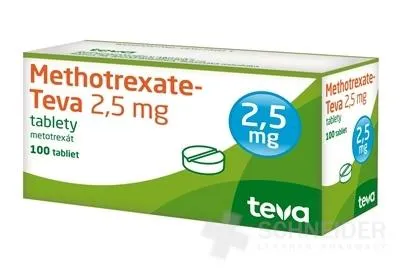
Table of Contents
- Patient Information Leaflet
- Metotressato Teva 25 mg/ml solution for injection, 100 mg/ml solution for injection
- 1. What Metotrexato Teva is and what it is used for
- 2. What you need to know before using Metotressato Teva
- 3. How to use Metotressato Teva
- 4. Possible side effects
- 5. How to store Metotressato Teva
- 6. Package contents and other information
Patient Information Leaflet
Metotressato Teva 25 mg/ml solution for injection, 100 mg/ml solution for injection
Generic medicine
Please read all of this leaflet carefully before you use this medicine, because it contains important information for you.
- Keep this leaflet. You may need to read it again.
- If you have any questions, ask your doctor, pharmacist, or nurse.
- This medicine has been prescribed for you only. Do not pass it on to other people, even if their symptoms are the same as yours, as it may be harmful.
- If you experience any adverse reactions, including those not listed in this leaflet, contact your doctor, pharmacist, or nurse. See section 4.
Contents of this leaflet
- What Metotressato Teva is and what it is used for
- What you need to know before using Metotressato Teva
- How to use Metotressato Teva
- Possible side effects
- How to store Metotressato Teva
- Contents of the pack and other information
1. What Metotrexato Teva is and what it is used for
Metotrexato Teva contains methotrexate, a substance capable of inhibiting the growth of certain tumours.
This medicinal product is used in the treatment of tumours such as choriocarcinoma, destructive chorionadenoma,
and hydatidiform or vesicular mole.
It is also used alone or in combination with other medicines for the treatment of tumours affecting:
- connective tissue (sarcomas);
- blood and lymphatic system (lymphomas, and in particular acute leukaemia, lymphoblastic leukaemia in children, and stage III and IV lymphosarcoma in children);
- head and neck (cervicofacial carcinomas);
- breast;
- lung;
- uterine cervix.
2. What you need to know before using Metotressato Teva
Do not use Metotressato Teva
- if you are allergic to the active substance or to any of the other ingredients of this medicine (listed in section 6);
- if you have or have had severe impairment of liver function (severe hepatic insufficiency);
- if you have or have had severe impairment of kidney function (severe renal insufficiency);
- if you have or have had severe blood disorders (such as bone marrow hypoplasia, thrombocytopenia, severe anemia, leukopenia);
- if you are an alcoholic;
- if you currently have an infectious disease;
- if you have a disease affecting your immune system (immunodeficiency syndrome);
- if you are pregnant or breastfeeding (see section “Pregnancy, breastfeeding and fertility”);
- if you have lesions or wounds in the mouth or on the lining of the stomach or intestine (ulcers);
- if you are due to receive vaccination with live vaccines (see section “Warnings and precautions”).
Warnings and precautions
Talk to your doctor, pharmacist, or nurse before using Metotressato Teva.
Metotressato Teva must be administered only by a physician experienced in the use of antineoplastic agents, who is therefore familiar with the characteristics of this medicine.
Inform your doctor if:
- you have problems with your liver or kidneys;
- you have chronic liver infections (e.g. hepatitis B or C), as these infections may reactivate, worsen, or lead to death;
- you have bone marrow disorders resulting in reduced numbers of white blood cells, red blood cells, and platelets in the blood;
- you have signs or symptoms of an ongoing infection (e.g. fever);
- you have lesions or ulcers in the mucosa of the stomach or duodenum (peptic ulcer);
- you suffer from inflammatory bowel disease (ulcerative colitis);
- you have inflammation of the mouth (ulcerative stomatitis);
- you are dehydrated or have conditions that may cause dehydration (vomiting, diarrhea, and stomatitis);
- you are very elderly or very young and/or debilitated;
- you have tumor lysis syndrome, i.e. disorders due to rapid death of tumor cells;
- you have a deficiency of folic acid (a vitamin) or similar substances;
- you have recently undergone or are currently undergoing radiotherapy;
- you have patchy hair loss (alopecia);
- you have diabetes;
- you are severely overweight;
- you have abnormal fluid accumulation in the abdomen or pleura (the cavity between the lungs and chest wall);
- you have lung problems;
- you experience headache, back pain, neck stiffness, fever, seizures, paralysis, loss of muscle coordination (ataxia), irritability, confusion, drowsiness, dementia, coma, or any other signs of brain problems;
- you develop skin or mucosal lesions or are diagnosed with bone necrosis;
- you develop swollen lymph nodes. This may be a sign of lymphoma development, which usually resolves after discontinuation of treatment with Metotressato Teva.
Please be aware that during treatment with this medicine, symptoms of toxicity (which may be fatal) or serious adverse reactions (such as increased risk of bacterial infections) may occur, and your doctor may decide to reduce the dose or discontinue treatment. In case of severe bone marrow suppression, blood or platelet transfusions may be required.
If during treatment you experience adverse effects such as diarrhea, mouth inflammation, vomiting, muscle cramps, skin reactions, cough, or difficulty breathing, inform your doctor immediately, as treatment interruption (see also section 4 “Stop taking the medicine and contact your doctor immediately”) and supportive therapy may be necessary. Inform your doctor if you experience these symptoms.
Furthermore, during treatment with Metotressato Teva, your doctor will regularly examine your mouth and throat to check for mucosal lesions.
If you, your partner, or your caregiver notice the onset or worsening of neurological symptoms, including generalized muscle weakness, visual disturbances, changes in thinking, memory, and orientation, leading to confusion and personality changes, contact your doctor immediately, as these may be symptoms of a very rare and serious brain infection called progressive multifocal leukoencephalopathy (PML).
The toxicity associated with methotrexate use increases in cases of dehydration, reduced renal excretion of the drug, folic acid deficiency (B-group vitamins), or concomitant radiotherapy. As a preventive measure to reduce the risk of dehydration, it is recommended to drink plenty of water during treatment with Metotressato Teva. Your doctor may also prescribe sodium bicarbonate or other alkalinizing agents (to reduce urine acidity).
Metotressato Teva may reduce the immune system's response and affect the response to vaccinations, potentially making them less effective. In addition, vaccination with live vaccines should be avoided during treatment with this medicine, as you may develop infections.
If you develop lung-related symptoms during treatment with Metotressato Teva, contact your doctor immediately, as treatment interruption and specific tests may be necessary.
Methotrexate may make your skin more sensitive to sunlight. Avoid sun exposure or use of sunbeds or sunlamps without medical advice. To protect your skin from strong sunlight, wear appropriate clothing or use a high-protection sunscreen.
Renal function
Methotrexate may cause kidney damage, which could lead to acute renal failure. If your doctor detects kidney problems during treatment with this medicine, they may consider reducing the dose or interrupting treatment until your kidney function improves or returns to normal.
Hepatic function
Methotrexate may cause liver abnormalities, such as transient and asymptomatic increases in certain liver enzymes and changes in liver function tests, which may require treatment interruption. Persistent liver problems or decreased serum albumin levels may indicate severe liver toxicity. You may need a thorough liver examination (biopsy) to rule out serious conditions (tissue changes, fibrosis, or cirrhosis), especially after prolonged use of the medicine.
Laboratory tests
Even when methotrexate is used at low doses, serious adverse effects may occur. To detect them early, your doctor must perform monitoring tests and laboratory examinations.
Due to the potential suppressive effect of Metotressato Teva on bone marrow function, which may occur suddenly at any time and even at low doses, periodic blood tests may be necessary during oncological therapy with this medicine.
Before starting treatment:
Your doctor will perform blood tests to ensure you have an adequate number of blood cells. Your blood will also be analyzed to check liver function and to detect hepatitis. Additionally, serum albumin (a blood protein), liver function, and kidney function will be monitored. Your doctor may also check for tuberculosis and may perform a chest X-ray or pulmonary function test. Your doctor may prescribe additional tests if deemed necessary.
During treatment:
Depending on your health status before starting methotrexate and your response to the drug, your doctor may periodically prescribe the following checks:
- blood tests / complete blood count with blood cell counts and measurement of serum methotrexate levels;
- blood and urine tests to monitor liver and kidney function, detect possible toxic effects, and determine whether treatment interruption is needed;
- examination of the oral cavity and pharynx for mucosal changes such as inflammation or ulceration;
- imaging studies to monitor liver condition;
- respiratory monitoring and, if necessary, pulmonary function tests.
Additionally, if high doses are administered over long periods, more in-depth tests may be required to assess bone marrow function (aspiration) and liver health (biopsy).
It is very important that you attend all scheduled examinations.
If any of these tests yield significant results, your doctor will adjust your treatment accordingly.
Children
Children must be closely monitored to determine the optimal dose of this medicine and to detect possible adverse effects early.
Elderly
Elderly patients receiving methotrexate must be closely monitored by a physician so that potential adverse effects can be detected as early as possible.
Age-related impairment of liver and kidney function and low body reserves of folic acid in older age require a relatively low dose of methotrexate.
Other medicines and Metotressato Teva
Inform your doctor or pharmacist if you are taking, have recently taken, or might take any other medicines.
Some medicines may increase the toxic effects of methotrexate when taken simultaneously.
Your doctor will carefully evaluate the medicines you are taking and exercise particular caution when administering this medicine concurrently with:
- non-steroidal anti-inflammatory drugs (NSAIDs), including salicylates (e.g. aspirin) and phenylbutazone;
- phenytoin and diphenylhydantoins, used to treat epilepsy;
- leucovorin (folinic acid) and vitamin preparations containing folic acid;
- hepatotoxic drugs (such as leflunomide, azathioprine, retinoids, and sulfasalazine);
- probenecid, used to reduce blood levels of uric acid;
- antibiotics such as penicillins, sulfonamides, tetracyclines, pristinamycin, chloramphenicol, ciprofloxacin, and other folate antagonist antibiotics (such as trimethoprim, sulfamethoxazole). Penicillins and sulfonamides may reduce methotrexate excretion, potentially increasing adverse effects;
- proton pump inhibitors (such as omeprazole, pantoprazole, lansoprazole), used to protect the gastric mucosa;
- cisplatin, mercaptopurine, cytarabine, and L-asparaginase, used to treat certain types of cancer;
- theophylline, used to treat certain respiratory diseases (asthma);
- para-aminobenzoic acid, essential for protein metabolism;
- triamterene, used to lower blood pressure by increasing urine production;
- amiodarone, used to treat heart rhythm abnormalities;
- metamizole (also known as novaminsulfone or dipyrone), used to treat acute pain and/or fever.
Medicines with pharmacological activity similar to methotrexate, such as pyrimethamine (a medicine used to treat and prevent malaria), must not be taken together with this medicine.
Inform your doctor if you have recently received a transfusion of concentrated red blood cells (erythrocytes), if you are undergoing radiotherapy, or if you are receiving psoriasis or mycosis fungoides treatment involving xanthotoxin (a medicine) and ultraviolet radiation.
If you are due to receive anesthesia with nitrous oxide, inform your doctor that you are being treated with Metotressato Teva.
Metotressato Teva and alcohol
Avoid alcohol during treatment with this medicine, as it may increase the toxic effects of the medicine on the liver.
Pregnancy, breastfeeding and fertility
If you are pregnant, suspect you may be pregnant, are planning a pregnancy, or are breastfeeding, consult your doctor or pharmacist before using this medicine.
Pregnancy
Do not use Metotressato Teva during pregnancy. Methotrexate may cause birth defects, harm the fetus, or lead to spontaneous abortion. It is associated with malformations of the skull, face, heart and blood vessels, brain, and limbs. Therefore, it is very important that pregnant patients or those planning pregnancy are not treated with methotrexate.
In women of childbearing age, pregnancy must be ruled out before starting treatment, for example by performing a pregnancy test.
Do not use Metotressato Teva if you are trying to become pregnant. During treatment with methotrexate and for at least 6 months after completion of treatment, you must avoid pregnancy by using an effective contraceptive method throughout this period (see also section “Warnings and precautions”).
If you become pregnant during treatment or suspect you are pregnant, contact your doctor as soon as possible. If you become pregnant during treatment, you will be advised about the risk of harmful effects on the baby due to the treatment.
If you wish to become pregnant, you should consult your doctor, who will refer you to a specialist before the planned start of treatment.
Breastfeeding
Metotressato Teva passes into breast milk and may cause serious adverse effects in the infant. Discontinue breastfeeding if you need to start treatment with this medicine (see also section “Do not use Metotressato Teva”).
Fertility
Metotressato Teva may impair fertility in men, causing oligospermia (reduced sperm count), and in women (menstrual disorders).
Male fertility
Methotrexate may have a genotoxic effect, i.e. it may cause genetic mutations. Methotrexate may affect sperm production, which is associated with the possibility of birth defects. During treatment with methotrexate and for at least 3 months after completion of treatment, you must avoid fathering a child or donating semen. Since treatment with methotrexate at higher doses commonly used in cancer therapy may cause infertility and genetic mutations, male patients receiving methotrexate doses exceeding 30 mg/week should consider sperm preservation before starting treatment (see also section “Warnings and precautions”).
Driving and using machines
If you need to drive or operate machinery, consult your doctor first, as Metotressato Teva may affect your ability to drive or operate machinery due to possible adverse effects (e.g. dizziness and/or fatigue).
Metotressato Teva contains sodium
Metotressato Teva 25 mg/ml injectable solution
- 2 ml vial: contains less than 1 mmol (23 mg) of sodium per 2 ml, i.e. essentially “sodium-free”.
- 20 ml vial: contains approximately 93 mg of sodium (main component of table salt) per 20 ml. This corresponds to 4.6% of the maximum daily dietary intake recommended for an adult.
Metotressato Teva 100 mg/ml injectable solution
- 10 ml vial: contains approximately 101 mg of sodium (main component of table salt) per 10 ml. This corresponds to 5.06% of the maximum daily dietary intake recommended for an adult.
- 50 ml vial: contains approximately 506 mg of sodium (main component of table salt) per 50 ml. This corresponds to 25.3% of the maximum daily dietary intake recommended for an adult.
3. How to use Metotressato Teva
Use this medicine exactly as directed by your doctor or pharmacist. If you have
any doubts, consult your doctor or pharmacist.
This medicine must be administered in a hospital or clinic under the supervision of
experienced physicians.
Administration may be performed intramuscularly, intravenously, intrathecally, intra-arterially, or
intraventricularly, depending on the type of tumour to be treated.
Your doctor may decide to administer methotrexate alone or in combination with other
medicines or other types of therapy (radiotherapy or surgery).
Your doctor will determine the dose and frequency of administration of this medicine based on the type and
severity of the disease or your individual condition.
In case of high-dose administration, you will also be given calcium leucovorin to alleviate
the adverse effects of Metotressato Teva.
Dosage
Your doctor will carefully evaluate the prescribed dose, as incorrect dosing has occasionally led to fatal cases of poisoning.
The dose administered to you will be determined according to the disease being treated, the route of administration, your general health, age, body weight, and body surface area.
If you use more Metotressato Teva than you should
Symptoms of overdose caused by excessive administration of the medicine via the intrathecal route are generally: headache, nausea and vomiting, epileptic seizures or convulsions, acute toxic encephalopathy, cerebellar displacement (cerebellar herniation), increased intracranial pressure, death.
Your doctor will perform periodic checks to monitor methotrexate levels in your blood.
Calcium folinate is the antidote used to counteract the immediate toxic effects of methotrexate; in addition, other supportive therapies may be required, such as blood transfusions and renal dialysis, hydration and urinary alkalinization, rapid drainage of cerebrospinal fluid, and ventriculolumbar perfusion.
If you stop treatment with Metotressato Teva
Do not stop treatment with Metotressato Teva without consulting your doctor. If you have any
doubts about using this medicine, consult your doctor, pharmacist, or nurse.
4. Possible side effects
Like all medicines, this medicine can cause side effects, although not everybody will get them.
Stop taking the medicine and contact your doctor immediately if you experience:
- widespread infection affecting the whole body (sepsis);
- reactivation of a pre-existing hepatitis B infection;
- worsening of a pre-existing hepatitis C infection;
- lymphoma (blood cancer);
- severe allergic reactions (anaphylactoid reactions);
- paralysis of one side of the body (hemiparesis), of a group of muscles (paresis), or of the lower part of the body (paraplegia);
- brain diseases (encephalopathy/leukoencephalopathy, arachnoiditis);
- temporary or permanent loss of vision, severe visual disturbances;
- interstitial pneumonia;
- stomach and intestinal ulcers and bleeding, intestinal perforation;
- non-infectious peritonitis (inflammation of the membrane lining the abdominal organs);
- acute inflammation of the liver (acute hepatitis);
- severe skin reactions such as rash and ulceration of the skin, redness, blisters, pustules, necrosis or peeling of the skin (Stevens-Johnson syndrome, toxic epidermal necrolysis, skin ulceration);
- increased risk of bone fractures, death of bone tissue (osteonecrosis);
- fetal malformations or fetal death, miscarriage.
Other possible side effects include:
Very common (may affect more than 1 in 10 people)
- excessive decrease in the number of blood cells called platelets (thrombocytopenia);
- reduction in white blood cells in the blood (leucopenia);
- abdominal pain;
- inflammation of the mouth (stomatitis);
- nausea;
- loss of appetite;
- vomiting;
- inflammation of the mucous membranes (mucositis);
- increased levels of liver enzymes.
Common (may affect up to 1 in 10 people)
- herpes zoster infections;
- impaired bone marrow function responsible for blood cell production (bone marrow depression);
- excessive decrease in red blood cells (anaemia);
- reduction in the number of all blood cells (pancytopenia);
- headache;
- sensations of numbness, tingling, or reduced sensitivity to stimulation (paraesthesia/ hypoesthesia);
- pneumonia;
- severe form of pneumonia, sometimes fatal (interstitial pneumonia);
- erythematous rash;
- itching (pruritus);
- feeling unwell (malaise);
- reduced muscle strength (asthenia).
Very rare with low-dose methotrexate.
Uncommon (may affect up to 1 in 100 people)
- infections, even severe (sometimes fatal);
- lower urinary tract infection (cystitis);
- vaginal infection;
- increased susceptibility to infections (increased infection sensitivity);
- tumour originating in the lymphatic system (lymphoma, including reversible lymphoma); reduced activity of the bone marrow producing blood cells (bone marrow failure);
- severe allergic reactions (anaphylactic reaction, anaphylactoid reaction);
- diabetes mellitus;
- dizziness (vertigo);
- partial loss of motor function on one side of the body (hemiparesis);
- seizures;
- progressive brain disease of varying severity (encephalopathy/leukoencephalopathy);
- inflammation of blood vessels (vasculitis);
- chronic disease characterised by progressive loss of lung function (pulmonary fibrosis);
- fluid accumulation in the cavity between the lungs and the inner chest wall (pleural effusion);
- lesions and wounds in the intestinal mucosa (intestinal ulcer);
- gastrointestinal bleeding;
- diarrhoea;
- inflammation of the pancreas (pancreatitis);
- excessive fat accumulation in the liver (hepatic steatosis);
- development of scar tissue in the liver (hepatic fibrosis);
- severe impairment of liver function (liver cirrhosis);
- urticaria;
- sunburn-like reactions due to increased skin sensitivity to sunlight (photosensitivity);
- severe skin reactions such as Stevens-Johnson syndrome and toxic epidermal necrolysis (Lyell's syndrome);
- pigmentary abnormalities;
- hair loss (alopecia);
- joint pain (arthralgia);
- localized pain in one or more muscles (myalgia);
- reduced bone density (osteoporosis);
- impaired kidney function (renal failure, nephropathy);
- difficulty urinating (dysuria);
- lesions in the vagina (vaginal ulceration);
- fetal malformation;
- fever;
- decreased levels of albumin in the blood.
Rare (may affect up to 1 in 1,000 people)
- excessive inflammatory response of the body to a systemic infection (sepsis);
- inflammation of the pharynx (pharyngitis);
- inflammation of the gum tissue (gingivitis);
- abnormally large red blood cells due to vitamin B12 or folic acid deficiency (megaloblastic anaemia);
- mood changes;
- temporary impairment of cognitive functions;
- partial loss of muscle mobility (paresis);
- speech disorders (dysarthria and aphasia);
- drowsiness;
- eye irritation;
- visual disturbances;
- blurred vision;
- hypotension;
- blood clot formation (thromboembolic events including arterial thrombosis, cerebral thrombosis, thrombophlebitis, deep vein thrombosis, pulmonary embolism, retinal vein thrombosis);
- inflammation of the small intestine (enteritis);
- passage of blood in the stool (melena);
- lesions in the stomach and intestine (gastrointestinal ulcer);
- liver toxicity causing liver damage (hepatotoxicity);
- impaired liver function (acute hepatitis);
- a rare rheumatic disease called rheumatoid nodulosis;
- appearance of bruises (ecchymoses);
- acne;
- erythema multiforme;
- skin lesions and wounds (skin ulcer);
- flare-up of a chronic inflammatory skin disease called psoriasis;
- painful shedding of psoriatic plaques;
- miscarriage;
- nodule formation;
- stress fractures.
Lesions may worsen following exposure to sunlight.
Very rare (may affect up to 1 in 10,000 people)
- Pneumocystis jirovecii pneumonia;
- infection caused by a bacterium of the genus Nocardia (nocardiosis);
- infection caused by a fungus of the genus Histoplasma (histoplasmosis);
- lung infection caused by a fungus of the genus Cryptococcus (cryptococcosis);
- liver infection (hepatitis due to herpes simplex);
- disseminated herpes simplex infection;
- deep infection of hair follicles (furuncle);
- metabolic disturbances resulting from the destruction of tumour cells, leading to the release of substances into the blood (tumour lysis syndrome);
- lymphoproliferative disorders (excessive growth of white blood cells);
- inadequate production in the bone marrow of all types of blood cells (aplastic anaemia);
- severe reduction in the number of white blood cells in the blood (neutropenia);
- enlarged lymph nodes (lymphadenopathy);
- decreased levels of gammaglobulins in the blood (hypogammaglobulinaemia);
- loss of sexual desire;
- sensory disturbances (unusual cranial sensations);
- cranial nerve disorders (cranial nerve disorder);
- eye inflammation (conjunctivitis);
- loss of vision, even transient (blindness);
- inflammatory disease affecting the membrane surrounding the heart called pericardium (pericarditis);
- excess fluid accumulation in the membrane surrounding the heart (pericardial effusion);
- lung disease resulting from damage to the tissue lining the pulmonary alveoli (interstitial lung disease);
- vomiting blood (haematemesis);
- reduced liver volume due to decreased number and size of its constituent cells (hepatic atrophy);
- death of liver cells leading to loss of liver function (hepatic necrosis);
- dilation of superficial capillaries, becoming visible on the skin (telangiectasia);
- changes in nitrogen levels (azotemia) in the blood;
- presence of blood in the urine (haematuria);
- impotence;
- infertility;
- lower than normal sperm count (oligospermia);
- vaginal discharge;
- disturbances in egg (oogenesis) or sperm (spermatogenesis) formation;
- death, sudden death.
Not known (frequency cannot be estimated from the available data)
- bone damage in the jaw/mandible (secondary to excessive growth of white blood cells);
- skin redness and exfoliation/exfoliative dermatitis;
- infection (including fatal sepsis);
- cytomegalovirus infection (including cytomegalovirus pneumonia);
- reactivation of hepatitis B infection;
- worsening of hepatitis C infection;
- decrease in the number of a type of white blood cells in the blood called granulocytes (agranulocytosis);
- increase in the number of a type of white blood cells in the blood called eosinophils (eosinophilia);
- increased pressure of the fluid surrounding the brain and spinal cord (increased intracranial pressure), brain damage (neurotoxicity), inflammation of the membranes surrounding the brain (arachnoiditis);
- paralysis of the lower part of the body (paraplegia);
- lack of response to stimuli (stupor), movement coordination disorders (ataxia), dementia;
- inflammation of the lung alveoli (alveolitis), difficulty breathing (dyspnoea), chest pain, lack of oxygen in the body (hypoxia), cough;
- intestinal perforation, inflammation of the membrane lining the abdominal organs (non-infectious peritonitis), inflammation of the tongue (glossitis);
- liver problems (liver failure);
- drug reaction with eosinophilia and systemic symptoms, characterised by an increase in a type of white blood cells (eosinophils) in the blood (eosinophilia) and systemic symptoms;
- skin irritation (dermatitis), red spots on the skin (petechiae);
- presence of protein in the urine (proteinuria);
- fetal death;
- problems with genitals and urinary tract (urogenital dysfunction);
- swelling (oedema);
- chills, fatigue;
- reactions at the injection site;
- necrosis (death of cellular tissue) at the injection site.
Description of selected adverse reactions following intrathecal administration of methotrexate
The acute form is acute inflammation of the meninges (arachnoiditis), presenting with headache, back or shoulder pain, neck stiffness, and fever.
The subacute form may present with partial and generally transient loss of muscle mobility (paresis), partial loss of motor function in the upper or lower limbs (paraparesis), complete loss of motor function in the lower limbs (paraplegia), or total loss of motor function (paralysis), and cerebellar dysfunction.
The chronic form is leukoencephalopathy, of variable severity, presenting with irritability, confusion, lack of coordination of voluntary muscles (ataxia), marked increase in muscle tone (spasticity), occasional seizure episodes, dementia, drowsiness, coma, and rarely death.
Reporting of side effects
If you experience any side effect, including those not listed in this leaflet, talk to your doctor or pharmacist. You can also report side effects directly via the national reporting system at: https://www.aifa.gov.it/content/segnalazioni-reazioni-avverse.
By reporting side effects, you can help provide more information on the safety of this medicine.
5. How to store Metotressato Teva
Keep this medicine out of the sight and reach of children.
Store below 25°C and in the original packaging to protect the medicine from light.
Do not use this medicine after the expiry date stated on the carton after “Exp.”. The expiry date refers to the last day of that month.
Do not dispose of any medicine via wastewater or household waste. Ask your pharmacist how to dispose of medicines you no longer use. This will help protect the environment.
6. Package contents and other information
What Metotressato Teva contains
Metotressato Teva 25 mg/ml injectable solution
- The active substance is methotrexate. Each ml of solution contains 25 mg of methotrexate. A 2 ml vial contains 50 mg of methotrexate. A 20 ml vial contains 500 mg of methotrexate.
- The other components are sodium chloride, sodium hydroxide, diluted hydrochloric acid, water for injections.
Metotressato Teva 100 mg/ml injectable solution
- The active substance is methotrexate. Each ml of solution contains 100 mg of methotrexate. A 10 ml vial contains 1 g of methotrexate. A 50 ml vial contains 5 g of methotrexate.
- The other components are sodium hydroxide, diluted hydrochloric acid, water for injections.
Description of the appearance of Metotressato Teva and contents of the pack
Metotressato Teva 25 mg/ml injectable solution
Metotressato Teva is packaged in a 2 ml or 20 ml glass vial.
Metotressato Teva 100 mg/ml injectable solution
Metotressato Teva is packaged in a 10 ml or 50 ml glass vial.
Marketing Authorisation Holder and Manufacturer
Marketing Authorisation Holder
Teva Italia S.r.l. - Piazzale Luigi Cadorna, 4 – 20123 Milan, Italy
Manufacturer
Pharmachemie B.V. - Swensweg, 5 - Haarlem 2031GA, (The Netherlands)