Lyrica
Italy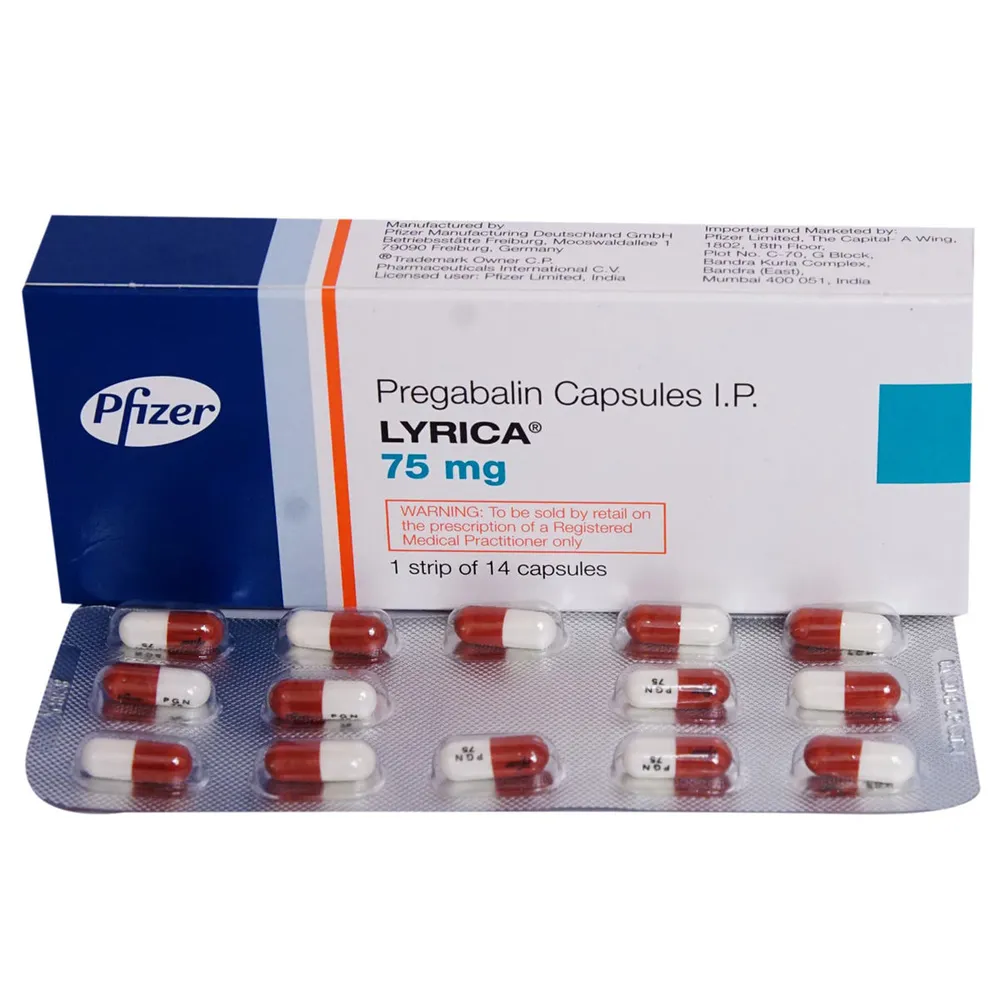
Table of Contents
- Package leaflet: Information for the user
- Lyrica 25 mg hard capsules, 50 mg hard capsules, 75 mg hard capsules, 100 mg hard capsules, 150 mg hard capsules, 200 mg hard capsules, 225 mg hard capsules, 300 mg hard capsules
- 1. What Lyrica is and what it is used for
- 2. What you need to know before taking Lyrica
- 3. How to take Lyrica
- 4. Possible side effects
- 5. How to store Lyrica
- 6. Contents of the pack and other information
- Package leaflet: information for the user
- Lyrica 20 mg/mL oral solution
- 1. What Lyrica is and what it is used for
- 2. What you should know before taking Lyrica
- 3. How to take Lyrica
- Instructions for use
- Lyrica is for oral use only.
- 4. Possible side effects
- 5. How to store Lyrica
- 6. Package contents and other information
- Package leaflet: information for the user
- Lyrica 25 mg orodispersible tablets, 75 mg orodispersible tablets, 150 mg orodispersible tablets
- 1. What Lyrica is and what it is used for
- 2. What you need to know before taking Lyrica
- 3. How to take Lyrica
- 4. Possible side effects
- 5. How to store Lyrica
- 6. Contents of the pack and other information
Package leaflet: Information for the user
Lyrica 25 mg hard capsules, 50 mg hard capsules, 75 mg hard capsules, 100 mg hard capsules, 150 mg hard capsules, 200 mg hard capsules, 225 mg hard capsules, 300 mg hard capsules
pregabalin
Please read this leaflet carefully before taking this medicine because it contains
important information for you.
- Keep this leaflet. You may need to read it again.
- If you have any questions, ask your doctor or pharmacist.
- This medicine has been prescribed for you only. Do not give it to other people, even if they have the same symptoms as you, because it may be harmful.
- If you experience any side effect, including those not listed in this leaflet, contact your doctor or pharmacist. See section 4.
Contents of this leaflet
- What Lyrica is and what it is used for
- What you need to know before taking Lyrica
- How to take Lyrica
- Possible side effects
- How to store Lyrica
- Contents of the pack and other information
1. What Lyrica is and what it is used for
Lyrica belongs to a group of medicines used to treat epilepsy, neuropathic pain, and Generalized Anxiety Disorder (GAD) in adults.
Peripheral and central neuropathic pain: Lyrica is used to treat chronic pain caused by damage to the nervous system. Various conditions can cause peripheral neuropathic pain, such as diabetes or herpes zoster. Pain sensations may be described as heat, burning, throbbing, shooting pain, stabbing pain, sharp pain, cramping, discomfort, tingling, numbness, or prickling. Peripheral and central neuropathic pain may also be associated with mood swings, sleep disturbances, and fatigue (tiredness), and can impact physical and social activities and overall quality of life.
Epilepsy: Lyrica is used to treat certain types of epilepsy in adults (partial seizures with or without secondary generalization). Your doctor will prescribe Lyrica to help manage your epilepsy when your current treatment is not adequately controlling your seizures. You will need to take Lyrica in addition to your existing therapy. Lyrica is not used alone, but must always be used in combination with other anti-epileptic treatments.
Generalized Anxiety Disorder: Lyrica is used to treat Generalized Anxiety Disorder (GAD). Symptoms of Generalized Anxiety Disorder are characterized by excessive and prolonged anxiety and worry that are difficult to control. Generalized Anxiety Disorder may also cause restlessness or a feeling of being tense or on edge, easy fatigue (tiredness), difficulty concentrating or mental blankness, irritability, muscle tension, or sleep disturbances. These conditions are different from the everyday stress and pressures of normal life.
2. What you need to know before taking Lyrica
Do not take Lyrica
If you are allergic to pregabalin or to any of the other ingredients of this medicine (listed in
section 6).
Warnings and precautions
Talk to your doctor or pharmacist before taking Lyrica.
- In some patients treated with Lyrica, symptoms suggestive of allergic reactions have been reported. These symptoms include swelling of the face, lips, tongue and throat, as well as widespread skin rash. If any of these reactions occur, contact your doctor immediately.
- Serious skin reactions, including Stevens-Johnson syndrome and toxic epidermal necrolysis, have been reported in association with pregabalin treatment. Stop taking pregabalin and contact your doctor immediately if you experience any symptoms related to these serious skin reactions, described in section 4.
- Lyrica has been associated with dizziness and somnolence, which may increase the risk of accidental injuries (falls) in elderly patients. Therefore, you should exercise caution until you become familiar with the effects this medicine may have on you.
- Lyrica may cause blurred vision, vision loss, or other visual disturbances, many of which are transient. If you experience any visual disturbances, contact your doctor immediately.
- In some diabetic patients who gain weight during pregabalin treatment, it may be necessary to adjust diabetes medications.
- Some side effects, such as somnolence, may be more common because patients with spinal cord injury may be taking other medicines to treat, for example, pain or spasticity, which have side effects similar to those of pregabalin, and the severity of these effects may increase when these medicines are taken together.
- Cases of heart failure have been reported in some patients treated with Lyrica; most of these patients were elderly with cardiovascular disease. If you have a history of cardiovascular disease before starting treatment with this medicine, you must inform your doctor.
- Cases of renal failure have been reported in some patients treated with Lyrica. If you notice a decrease in urination during treatment with Lyrica, inform your doctor, as this condition may improve upon discontinuation of the medicine.
- A small number of patients treated with antiepileptic medicines such as Lyrica have experienced suicidal thoughts and self-harming behaviors (harming oneself). If you have thoughts of this kind at any time, contact your doctor immediately.
- When Lyrica is used together with other medicines that may cause constipation (such as certain types of pain medications), gastrointestinal problems (e.g., constipation, bowel obstruction or paralysis) may occur. Inform your doctor if you experience constipation, especially if you are prone to this problem.
- Before taking this medicine, inform your doctor if you have a history of alcohol, prescription medicine, or illegal substance abuse or dependence, as this may indicate that you are at higher risk of becoming dependent on Lyrica.
- Cases of seizures have been reported when taking Lyrica or immediately after stopping it. If seizures occur, contact your doctor immediately.
- Cases of reduced brain function (encephalopathy) have occurred in some patients taking Lyrica when they have other conditions. Inform your doctor if you have a history of other serious medical conditions, including liver or kidney disease.
- Cases of breathing difficulties have occurred. If you have neurological disorders, respiratory disorders, impaired kidney function, or are over 65 years of age, your doctor may prescribe a different dosing regimen. Inform your doctor if you experience breathing difficulties or shallow breathing.
Dependence
Some people may become dependent on Lyrica (i.e., feel the need to continue taking the medicine). You may experience withdrawal symptoms when you stop using Lyrica (see section 3, “How to take Lyrica” and “If you stop taking Lyrica”). If you are concerned about the possibility of developing dependence on Lyrica, talk to your doctor.
If you notice any of the following signs while taking Lyrica, you may have developed dependence on the medicine:
- You feel the need to take the medicine longer than recommended by your doctor
- You feel the need to take a higher dose than recommended
- You are using the medicine for reasons different from those for which it was prescribed
- You have made repeated unsuccessful attempts to stop or control the use of the medicine
- When you stop taking the medicine, you feel unwell and feel better when you start taking it again
If you notice any of these signs, talk to your doctor to discuss the best treatment approach for you, including when and how to safely discontinue the medicine.
Children and adolescents
The safety and efficacy of pregabalin in children and adolescents (under 18 years of age) have not been established, and therefore pregabalin should not be used in this age group.
Other medicines and Lyrica
Inform your doctor or pharmacist if you are taking, have recently taken, or might take any other medicines.
Lyrica and other medicines may affect each other (interaction). When Lyrica is taken together with other medicines that have sedative effects (including opioids), Lyrica may enhance these effects and may cause respiratory failure, coma, and death. The intensity of dizziness, somnolence, and reduced concentration may increase if Lyrica is taken together with medicines containing:
Oxycodone – (used as an analgesic)
Lorazepam – (used for the treatment of anxiety)
Alcohol
Lyrica may be taken together with oral contraceptives.
Lyrica with food, drinks and alcohol
Lyrica capsules may be taken with or without food.
It is advisable not to drink alcohol during treatment with Lyrica.
Pregnancy and breastfeeding
Lyrica should not be taken during pregnancy or while breastfeeding, unless your doctor has advised otherwise.
The use of pregabalin during the first 3 months of pregnancy may cause congenital malformations in the newborn requiring medical treatment. In a study examining data from women in Nordic countries who took pregabalin during the first 3 months of pregnancy, 6 out of 100 babies had such congenital malformations, compared with 4 out of 100 babies born to women not treated with pregabalin in the study. Facial abnormalities (oro-facial clefts), eye, nervous system (including the brain), kidney, and genital abnormalities have been reported.
Women of childbearing potential must use an effective method of contraception. If you are pregnant, suspect you may be pregnant, are planning a pregnancy, or are breastfeeding, consult your doctor or pharmacist before taking this medicine.
Driving and using machines
Lyrica may cause dizziness, somnolence, and reduced concentration. You should not drive, operate complex machinery, or engage in potentially hazardous activities until you have determined whether this medicine affects your ability to perform these tasks.
Lyrica contains lactose monohydrate
If your doctor has told you that you have an intolerance to certain sugars, contact him or her before taking this medicine.
Lyrica contains sodium
This medicine contains less than 1 mmol (23 mg) of sodium per hard capsule, i.e., it is essentially “sodium-free”.
3. How to take Lyrica
Take this medicine exactly as your doctor has told you. If you are unsure, consult your doctor or pharmacist. Do not take more medicine than prescribed.
Your doctor will determine the dose appropriate for you.
Lyrica is for oral use only.
Peripheral and central neuropathic pain, epilepsy, or Generalized Anxiety Disorder:
- Take the number of capsules prescribed by your doctor.
- The appropriate dose for you and your condition generally ranges between 150 mg and 600 mg per day.
- Your doctor will instruct you to take Lyrica two or three times a day. If you take the medicine twice daily, take Lyrica once in the morning and once in the evening, always approximately at the same time. If you take the medicine three times a day, take Lyrica once in the morning, once in the afternoon, and once in the evening, always approximately at the same time.
If you feel that the effect of Lyrica is too strong or too weak, talk to your doctor or pharmacist.
If you are elderly (aged over 65 years), you can normally take Lyrica unless you have kidney problems.
Your doctor may prescribe you a different dosage regimen and/or dose if you have kidney problems.
Swallow the capsule whole with water.
Continue taking Lyrica until your doctor tells you to stop treatment.
If you take more Lyrica than you should
Contact your doctor immediately or go immediately to the nearest hospital. Bring the Lyrica capsule packaging with you. You may feel drowsy, confused, agitated, and restless because you have taken more Lyrica than you should. Seizures and loss of consciousness (coma) have also been reported.
If you forget to take Lyrica
It is important to take Lyrica capsules regularly every day at the same time. If you forget to take a dose, take it as soon as you remember, unless it is almost time for your next dose. In that case, skip the missed dose and take the next dose at the scheduled time. Do not take a double dose to make up for a forgotten dose.
If you stop taking Lyrica
Do not stop taking Lyrica suddenly. If you wish to stop taking Lyrica, speak to your doctor first. Your doctor will advise you on how to do this.
If treatment is to be stopped, discontinuation should be done gradually over a period of at least 1 week.
You should know that after stopping long-term or short-term treatment with Lyrica, you may experience certain unwanted effects, known as withdrawal symptoms. These symptoms include sleep disturbances, headache, nausea, anxiety, diarrhoea, flu-like symptoms, seizures, restlessness, depression, suicidal thoughts or self-harming thoughts, pain, sweating, and dizziness. These effects may occur more frequently or severely if you have taken Lyrica for a longer period of time. If you experience withdrawal symptoms, contact your doctor.
If you have any doubts about how to use this medicine, consult your doctor or pharmacist.
4. Possible side effects
Like all medicines, this medicine can cause side effects, although not everyone gets them.
Very common: may occur in more than 1 in 10 people:
Dizziness, drowsiness, headache.
Common: may occur in up to 1 in 10 people:
- Increased appetite
- Feeling of excitement, confusion, disorientation, decreased interest in sex, irritability.
- Attention disturbances, clumsiness, memory impairment, memory loss, tremor, difficulty speaking, tingling sensation, numbness, sedation, lethargy, insomnia, fatigue, feeling strange.
- Blurred vision, double vision.
- Vertigo, balance disorders, falls.
- Dry mouth, constipation, vomiting, flatulence, diarrhoea, nausea and abdominal swelling.
- Difficulty in erection.
- Swelling of the body, including hands and feet.
- Feeling of drunkenness, abnormalities in gait.
- Weight gain.
- Muscle cramps, joint pain, back pain, limb pain.
- Sore throat.
Uncommon: may occur in up to 1 in 100 people:
- Loss of appetite, weight loss, low blood sugar levels, high blood sugar levels.
- Altered self-perception, restlessness, depression, agitation, mood swings, difficulty finding words, hallucinations, abnormal dreams, panic attacks, apathy, aggression, euphoric mood, mental impairment, difficulty in thinking, increased interest in sex, sexual problems including inability to achieve orgasm, delayed ejaculation.
- Visual disturbances, eye movement abnormalities, visual alterations including tubular vision and flashes of light, jerky movements, reduced reflexes, increased activity, dizziness upon standing, skin sensitivity, loss of taste, burning sensation, tremor during movement, reduced consciousness, loss of consciousness, fainting, increased sensitivity to noise, feeling of malaise.
- Dry eyes, eye swelling, eye pain, eye weakness, watery eyes, eye irritation.
- Heart rhythm disorders, increased heart rate, low blood pressure, high blood pressure, changes in heart rhythm, heart failure.
- Vasomotor disturbances (flushing), hot flushes.
- Breathing difficulties, dry nose, nasal congestion.
- Increased saliva production, heartburn, loss of sensation around the mouth.
- Sweating, rash, chills, fever.
- Muscle contractions, joint swelling, muscle stiffness, pain including muscle pain, neck pain.
- Breast pain.
- Difficulty or painful urination, incontinence.
- Weakness, thirst, chest tightness.
- Abnormalities in blood test results and liver function tests (increased serum creatine phosphokinase, increased alanine aminotransferase, increased aspartate aminotransferase, decreased platelet count, neutropenia, increased creatinine, decreased potassium levels).
- Hypersensitivity, facial swelling, itching, urticaria, runny nose, nosebleeds, cough, snoring.
- Painful menstrual cycles.
- Cold hands and feet.
Rare: may occur in up to 1 in 1,000 people:
- Smell disturbances, sensation of oscillation in the visual field, altered depth perception, visual brightness, vision loss.
- Dilated pupils, strabismus.
- Cold sweats, throat tightness, tongue swelling.
- Pancreatitis.
- Swallowing difficulties.
- Slowed or reduced body movement.
- Difficulty writing properly.
- Fluid accumulation in the abdomen.
- Presence of fluid in the lungs.
- Seizures.
- Electrocardiogram (ECG) abnormalities corresponding to heart rhythm disorders.
- Muscle damage.
- Breast secretions, abnormal breast growth, breast enlargement in men.
- Interrupted menstrual cycles.
- Kidney failure, reduced urine volume, urinary retention.
- Reduced white blood cell count.
- Inappropriate behaviour, suicidal behaviour, suicidal thoughts.
- Allergic reactions, which may include difficulty breathing, eye inflammation (keratitis), and a severe skin reaction characterised by reddish, flat spots on the trunk, often target-shaped or circular, sometimes with central blisters, skin peeling, mouth ulcers, ulcers of the throat, nose, genitals and eyes. These serious skin rashes may be preceded by fever and flu-like symptoms (Stevens-Johnson syndrome, toxic epidermal necrolysis).
- Jaundice (yellowing of the skin and eyes)
- Parkinsonism, i.e. symptoms resembling Parkinson’s disease such as tremor, bradykinesia (reduced ability to move), and rigidity (muscle stiffness).
Very rare: may occur in up to 1 in 10,000 people:
- Liver failure.
- Hepatitis (inflammation of the liver).
Not known: frequency cannot be estimated from the available data
- Becoming dependent on Lyrica (“drug dependence”).
After stopping short- or long-term treatment with Lyrica, you should be aware that you may experience certain side effects known as withdrawal effects (see “If you stop taking Lyrica”).
If you experience swelling of the face or tongue, or skin redness with the onset of blisters and skin peeling, seek immediate medical advice.
Some side effects, such as drowsiness, may be more common because patients with spinal cord injury may be taking other medicines to treat, for example, pain or spasticity, which have side effects similar to those of pregabalin, and the severity of these effects may increase when these medicines are taken together.
The following adverse reaction has been reported during the post-marketing phase of the medicine: breathing difficulties, shallow breathing.
Reporting of side effects
If you experience any side effects, including those not listed in this leaflet, talk to your doctor or pharmacist. You can also report side effects directly via the national reporting system listed in Annex V.
Reporting side effects can help provide more information on the safety of this medicine.
5. How to store Lyrica
Keep this medicine out of the sight and reach of children.
Do not use this medicine after the expiry date stated on the carton or bottle. The expiry date refers to the last day of that month.
This medicine does not require any special storage conditions.
Do not dispose of medicines via wastewater or household waste. Ask your pharmacist how to dispose of medicines you no longer use. This will help protect the environment.
6. Contents of the pack and other information
What Lyrica contains
The active substance is pregabalin. Each hard capsule contains 25 mg, 50 mg, 75 mg, 100 mg, 150 mg,
200 mg, 225 mg or 300 mg of pregabalin.
The excipients are: monohydrate lactose, maize starch, talc, gelatin, titanium dioxide (E171),
sodium lauryl sulfate, colloidal anhydrous silica, black ink (containing shellac, black iron oxide
(E172), propylene glycol, potassium hydroxide) and purified water.
The 75 mg, 100 mg, 200 mg, 225 mg and 300 mg capsules also contain red iron oxide (E172).
| Description of the appearance of Lyrica and contents of the pack | |
| Capsules 25 mg | White capsules, marked with the characters “VTRS” on the cap and “PGN 25” on the body of the capsule. |
| Capsules 50 mg | White capsules, marked with the characters “VTRS” on the cap and “PGN 50” on the body of the capsule. The body of the capsule has a black band. |
| Capsules 75 mg | White and orange capsules, marked with the characters “VTRS” on the cap and “PGN 75” on the body of the capsule. |
| Capsules 100 mg | Orange capsules, marked with the characters “VTRS” on the cap and “PGN 100” on the body of the capsule. |
| Capsules 150 mg | White capsules, marked with the characters “VTRS” on the cap and “PGN 150” on the body of the capsule. |
| Capsules 200 mg | Light orange capsules, marked with the characters “VTRS” on the cap and “PGN 200” on the body of the capsule. |
| Capsules 225 mg | White and light orange capsules, marked with the characters “VTRS” on the cap and “PGN 225” on the body of the capsule. |
| Capsules 300 mg | White and orange capsules, marked with the characters “VTRS” on the cap and “PGN 300” on the body of the capsule. |
Lyrica is available in eight PVC packages with one side coated in aluminium: a pack containing 14 capsules with 1 blister, a pack containing 21 capsules with 1 blister, a pack containing 56 capsules with 4 blisters, a pack containing 70 capsules with 5 blisters, a pack containing 84 capsules with 4 blisters, a pack containing 100 capsules with 10 blisters, a pack containing 112 capsules with 8 blisters, and a pack containing 100 capsules x 1 in the form of unit-dose divisible blisters.
Lyrica is also available in an HDPE bottle containing 200 capsules for the 25 mg, 75 mg, 150 mg and 300 mg strengths.
It is possible that not all pack sizes are marketed.
Marketing Authorisation Holder and Manufacturer
Marketing Authorisation Holder:
Upjohn EESV, Rivium Westlaan 142, 2909 LD Capelle aan den IJssel, The Netherlands
Manufacturer
Pfizer Manufacturing Deutschland GmbH, Betriebsstätte Freiburg, Mooswaldallee 1, 79090 Freiburg, Germany
or
Mylan Hungary Kft., Mylan utca 1, Komárom 2900, Hungary.
or
MEDIS INTERNATIONAL a.s., výrobní závod Bolatice Průmyslová 961/16 747 23 Bolatice
Czech Republic
For further information on this medicinal product, please contact the local representative of the Marketing Authorisation Holder:
België/Belgique/Belgien Lietuva
Viatris Viatris UAB
Tél/Tel: +32 (0)2 658 61 00 Tel: +370 52051288
България Luxembourg/Luxemburg
Майлан ЕООД Viatris
Тел.: +359 2 44 55 400 Tél/Tel: +32 (0)2 658 61 00
(Belgique/Belgien)
Česká republika Magyarország
Viatris CZ s.r.o. Viatris Healthcare Kft.
Tel: +420 222 004 400 Tel.: + 36 1 465 2100
Danmark Malta
Viatris ApS V.J. Salomone Pharma Limited
Tlf: +45 28 11 69 32 Tel: (+356) 21 220 174
Deutschland Nederland
Viatris Healthcare GmbH Mylan Healthcare BV
Tel: +49 (0)800 0700 800 Tel: +31 (0)20 426 3300
Eesti Norge
Viatris OÜ Viatris AS
Tel: +372 6363 052 Tlf: +47 66 75 33 00
Ελλάδα Österreich
Viatris Hellas Ltd Viatris Austria GmbH
Τηλ: +30 2100 100 002 Tel: +43 1 86390
España Polska
Viatris Pharmaceuticals, S.L. Viatris Healthcare Sp. z o.o.
Tel: +34 900 102 712 Tel.: +48 22 546 64 00
France Portugal
Viatris Santé Viatris Healthcare, Lda.
Tél: +33 (0)4 37 25 75 00 Tel: +351 21 412 72 00
Hrvatska România
Viatris Hrvatska d.o.o. BGP Products SRL
Tel: + 385 1 23 50 599 Tel: +40 372 579 000
Ireland Slovenija
Viatris Limited Viatris d.o.o.
Tel: +353 1 8711600 Tel: +386 1 236 31 80
Ísland Slovenská republika
Icepharma hf. Viatris Slovakia s.r.o.
Sími: +354 540 8000 Tel: +421 2 32 199 100
Italia Suomi/Finland
Viatris Pharma S.r.l. Viatris Oy
Tel: +39 02 612 46921 Puh/Tel: +358 20 720 9555
Κύπρος Sverige
GPA Pharmaceuticals Ltd Viatris AB
Τηλ: +357 22863100 Tel: +46 (0)8 630 19 00
Latvija United Kingdom (Northern Ireland)
Viatris SIA Mylan IRE Healthcare Limited
Tel: +371 676 055 80 Tel: +353 18711600
More detailed information on this medicinal product is available on the website of the European Medicines Agency, http://www.ema.europa.eu .
Package leaflet: information for the user
Lyrica 20 mg/mL oral solution
pregabalin
Please read this leaflet carefully before taking this medicine because it contains
important information for you.
- Keep this leaflet. You may need to read it again.
- If you have any questions, ask your doctor or pharmacist.
- This medicine has been prescribed for you only. Do not give it to others, even if they have the same symptoms as you, because it could be harmful.
- If you experience any side effects, including those not listed in this leaflet, contact your doctor or pharmacist. See section 4.
Contents of this leaflet
- What Lyrica is and what it is used for
- What you need to know before taking Lyrica
- How to take Lyrica
- Possible side effects
- How to store Lyrica
- Contents of the pack and other information
1. What Lyrica is and what it is used for
Lyrica belongs to a group of medicines used to treat epilepsy, neuropathic pain, and Generalized Anxiety Disorder (GAD) in adults.
Peripheral and central neuropathic pain: Lyrica is used to treat chronic pain caused by damage to the nervous system. Various diseases can cause peripheral neuropathic pain, such as diabetes or herpes zoster. Pain sensations may be described as heat, burning, throbbing, shooting pain, stabbing pain, sharp pain, cramping pain, discomfort, tingling, numbness, or prickling. Peripheral and central neuropathic pain may also be associated with mood swings, sleep disturbances, and fatigue (tiredness), and can impact physical and social activities and overall quality of life.
Epilepsy: Lyrica is used to treat certain types of epilepsy in adults (partial seizures with or without secondary generalization originating from a specific area of the brain). Your doctor will prescribe Lyrica to help manage your epilepsy when your current treatment is not adequately controlling your seizures. You will need to take Lyrica in addition to your existing therapy. Lyrica is not used as monotherapy but must always be used in combination with other antiepileptic treatments.
Generalized Anxiety Disorder: Lyrica is used for the treatment of Generalized Anxiety Disorder (GAD). Symptoms of Generalized Anxiety Disorder are characterized by excessive and prolonged anxiety and worry that are difficult to control. Generalized Anxiety Disorder may also cause restlessness or a feeling of being tense or "on edge", easy fatigability, difficulty concentrating or memory lapses, irritability, muscle tension, or sleep disturbances. These conditions are different from the everyday stress and pressures of daily life.
2. What you should know before taking Lyrica
Do not take Lyrica
If you are allergic to pregabalin or to any of the other ingredients of this medicine (listed in
section 6).
Warnings and precautions
Talk to your doctor or pharmacist before taking Lyrica.
- In some patients treated with Lyrica, symptoms indicating allergic reactions have been reported. These symptoms include swelling of the face, lips, tongue, and throat, as well as widespread skin rash. If any of these reactions occur, you must contact your doctor immediately.
- Serious skin rashes, including Stevens-Johnson syndrome and toxic epidermal necrolysis, have been reported in association with pregabalin treatment. Stop using pregabalin and contact your doctor immediately if you develop any of the symptoms related to these serious skin reactions described in section 4.
- Lyrica has been associated with dizziness and drowsiness, which may increase the risk of accidental injuries (falls) in elderly patients. Therefore, you should exercise caution until you are familiar with the effects this medicine may have on you.
- Lyrica may cause blurred vision, loss of vision, or other visual disturbances, many of which are temporary. If you experience any visual disturbance, contact your doctor immediately.
- In some diabetic patients who gain weight during pregabalin treatment, adjustments to diabetes medications may be necessary.
- Some side effects, such as drowsiness, may be more common because patients with spinal cord injury may be taking other medicines to treat, for example, pain or spasticity, which have similar side effects to pregabalin, and the severity of these effects may increase when these medicines are taken together.
- Cases of heart failure have been reported in some patients treated with Lyrica; most of these patients were elderly with cardiovascular diseases. If you have a history of cardiovascular disease before starting treatment with this medicine, you must inform your doctor.
- Cases of renal failure have been reported in some patients treated with Lyrica. If during treatment with Lyrica you notice a decrease in urination, inform your doctor, as this condition may improve after discontinuation of the medicine.
- Some patients treated with antiepileptic medicines such as Lyrica have experienced suicidal thoughts and self-harming thoughts (hurting oneself), or have displayed suicidal behavior. If at any time you have such thoughts or display such behavior, contact your doctor immediately.
- When Lyrica is used together with other medicines that may cause constipation (such as certain types of pain medications), gastrointestinal problems (e.g., constipation, intestinal obstruction or paralysis) may occur. Inform your doctor if you have constipation, especially if you are prone to this problem.
- Before taking this medicine, inform your doctor if you have a history of alcohol, prescription medicine, or illegal substance abuse or dependence, as this may indicate that you are at higher risk of becoming dependent on Lyrica.
- Seizures have been reported when taking Lyrica or immediately after stopping it. If seizures occur, contact your doctor immediately.
- Cases of reduced brain function (encephalopathy) have occurred in some patients taking Lyrica when they have other conditions. Inform your doctor if you have a history of other serious medical conditions, including liver or kidney diseases.
- Cases of breathing difficulties have occurred. If you suffer from nervous system disorders, respiratory disorders, renal impairment, or if you are over 65 years of age, your doctor may prescribe a different dosing regimen. Inform your doctor if you experience breathing difficulties or shallow breathing.
Dependence
Some people may become dependent on Lyrica (i.e., feel the need to continue taking the medicine). You may experience withdrawal symptoms when you stop using Lyrica (see section 3, “How to take Lyrica” and “If you stop taking Lyrica”). If you are concerned about the possibility of developing dependence on Lyrica, talk to your doctor.
If you notice any of the following signs while taking Lyrica, you may have developed dependence on the medicine:
- You feel the need to take the medicine longer than recommended by your doctor
- You feel the need to take a higher dose than recommended
- You are using the medicine for reasons different from those for which it was prescribed
- You have made repeated unsuccessful attempts to stop or control your use of the medicine
- When you stop taking the medicine, you feel unwell and feel better when you start taking it again
If you notice any of these signs, talk to your doctor to discuss the best treatment approach for you, including when it is appropriate to stop taking the medicine and how to do so safely.
Children and adolescents
The safety and efficacy of pregabalin in children and adolescents (under 18 years of age) have not been established, and therefore pregabalin should not be used in this age group.
Other medicines and Lyrica
Inform your doctor or pharmacist if you are taking, have recently taken, or might take any other medicines.
Lyrica and other medicines can interact with each other. When Lyrica is taken together with other medicines that have sedative effects (including opioids), Lyrica may enhance these effects and could cause respiratory depression, coma, and death. The intensity of dizziness, drowsiness, and reduced concentration may increase if Lyrica is taken together with other medicines containing:
Oxycodone – (used as an analgesic)
Lorazepam – (used for the treatment of anxiety)
Alcohol
Lyrica can be taken together with oral contraceptives.
Taking Lyrica with food, drinks, and alcohol
Lyrica can be taken with or without food.
It is advisable not to drink alcohol during treatment with Lyrica.
Pregnancy and breastfeeding
Lyrica should not be taken during pregnancy or while breastfeeding, unless your doctor has advised otherwise.
The use of pregabalin during the first 3 months of pregnancy may cause congenital malformations in the newborn requiring medical treatment. In a study examining data from women in Nordic countries who took pregabalin during the first 3 months of pregnancy, 6 out of 100 babies had such congenital malformations, compared to 4 out of 100 babies born to women not treated with pregabalin in the study. Facial abnormalities (oro-facial clefts), eye, nervous system (including the brain), kidney, and genital abnormalities have been reported.
Women of childbearing age must use an effective method of contraception. If you are pregnant, suspect you may be pregnant, are planning a pregnancy, or are breastfeeding, consult your doctor or pharmacist before taking this medicine.
Driving and using machines
Lyrica may cause dizziness, drowsiness, and reduced concentration. You should not drive, operate complex machinery, or engage in potentially hazardous activities until you are certain whether this medicine affects your ability to perform these tasks.
Lyrica contains methyl hydroxybenzoate and propyl hydroxybenzoate
Lyrica oral solution contains methyl hydroxybenzoate (E218) and propyl hydroxybenzoate (E216), which may cause allergic reactions (the reaction may be delayed).
Lyrica contains ethanol
Lyrica oral solution contains small amounts of ethanol (alcohol), less than 100 mg/mL.
Lyrica contains sodium
This medicine contains less than 1 mmol (23 mg) of sodium per maximum daily dose of 600 mg (30 mL), i.e., it is essentially “sodium-free”.
3. How to take Lyrica
Take this medicine exactly as your doctor has told you. If you have any doubts, consult your doctor or pharmacist. Do not take more medicine than prescribed.
Your doctor will determine the dose suitable for you.
Peripheral and central neuropathic pain, epilepsy, or Generalized Anxiety Disorder:
- Take the solution as directed by your doctor.
- The dose appropriate for you and your condition generally ranges between 150 mg (7.5 mL) and 600 mg (30 mL) per day.
- Your doctor will instruct you to take Lyrica two or three times a day. If you take the medicine twice daily, take Lyrica once in the morning and once in the evening, approximately at the same time each day. If you take the medicine three times a day, take Lyrica once in the morning, once in the afternoon, and once in the evening, always approximately at the same time.
If you feel that the effect of Lyrica is too strong or too weak, talk to your doctor or pharmacist.
If you are elderly (over 65 years of age), you can normally take Lyrica unless you have kidney problems.
Your doctor may prescribe you a different dosing schedule and/or a different dose if you have kidney problems. Continue taking Lyrica until your doctor tells you to stop treatment.
Administration:
Instructions for use
Lyrica is for oral use only.
- Open the bottle: Press down on the cap and turn it counterclockwise (Figure 1).
- Only upon first opening: A bottle adapter is supplied with the oral syringe. This is the device inserted into the bottle neck to facilitate withdrawal of the solution using the oral syringe. If the adapter is not already in place, remove the adapter and the 5 mL oral syringe from the plastic packaging. Place the bottle on a flat surface, insert the adapter into the neck of the bottle while keeping the surface flat, and press down firmly on the adapter (Figure 2).
- Push the plunger of the syringe down to the base of the syringe (toward its tip) to remove excess air. Attach the syringe to the adapter with a slight rotating motion (Figure 3).
- Invert the bottle (with the syringe attached) and draw the liquid into the syringe by pulling the plunger downward until just past the mark corresponding to the amount in milliliters (mL) prescribed by the doctor (Figure 4). Remove air bubbles from the syringe by pushing the plunger back to the correct measurement mark.
- Place the bottle upright again, with the syringe still attached to the adapter/bottle (Figure 5).
- Remove the syringe from the bottle/adapter (Figure 6).
- Empty the contents of the syringe directly into the mouth by pushing the plunger of the syringe down to the base of the syringe (Figure 7).
Note: Steps 4–7 may need to be repeated up to 3 times to achieve the total dose (Table 1).
[For example, for a 150 mg dose (7.5 mL), two withdrawals from the bottle will be required to obtain the full dose. Using the oral syringe, first withdraw 5 mL and empty the syringe contents directly into the mouth; then refill the oral syringe with 2.5 mL and empty the remaining contents into the mouth.]
- Rinse the syringe by drawing water into the syringe and pushing the plunger to the base of the syringe, repeating this at least three times (Figure 8).
- Replace the cap on the bottle (leaving the adapter in place in the neck of the bottle) (Figure 9).
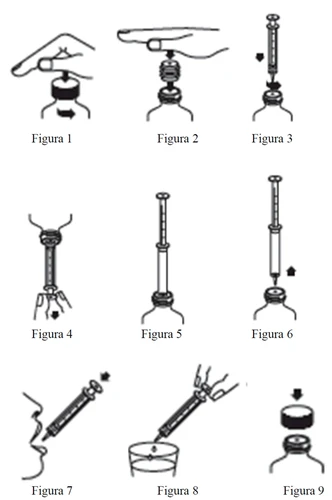
Figure 1 Figure 2 Figure 3
Figure 4 Figure 5 Figure 6
Figure 7 Figure 8 Figure 9
Table 1. Withdrawals using the oral syringe to administer the prescribed dose of Lyrica
| Dose of Lyrica (mg) | Total volume of solution (mL) | First syringe withdrawal (mL) | Second syringe withdrawal (mL) | Third syringe withdrawal (mL) |
|---|---|---|---|---|
| 25 | 1.25 | 1.25 | Not required | Not required |
| 50 | 2.5 | 2.5 | Not required | Not required |
| 75 | 3.75 | 3.75 | Not required | Not required |
| 100 | 5 | 5 | Not required | Not required |
| 150 | 7.5 | 5 | 2.5 | Not required |
| 200 | 10 | 5 | 5 | Not required |
| 225 | 11.25 | 5 | 5 | 1.25 |
| 300 | 15 | 5 | 5 | 5 |
If you take more Lyrica than you should
Contact your doctor immediately or go immediately to the nearest hospital. Take the
package or the bottle of Lyrica oral solution with you.
You may feel drowsy, confused, agitated, or restless if you have taken more Lyrica than you should.
Seizures and loss of consciousness (coma) have also been reported.
If you forget to take Lyrica
It is important to take Lyrica oral solution regularly every day at the same time. If you forget to take a dose,
take it as soon as you remember, unless it is almost time for your next dose. In this case, take the next dose
as scheduled. Do not take a double dose to make up for the missed dose.
If you stop taking Lyrica
Do not stop taking Lyrica suddenly. If you wish to stop taking Lyrica, speak to your doctor first.
Your doctor will advise you on how to do this. If treatment is to be discontinued, the withdrawal should be
done gradually over at least 1 week.
You should know that after stopping long-term or short-term treatment with Lyrica, you may experience
certain side effects, known as withdrawal effects. These effects include sleep disturbances, headache,
nausea, anxiety, diarrhoea, flu-like symptoms, seizures, restlessness, depression, suicidal thoughts or
self-harm, pain, sweating, and dizziness. These effects may occur more frequently or severely if you have
taken Lyrica for a longer period of time. If you experience withdrawal effects, you must contact your doctor.
If you have any doubts about the use of this medicine, consult your doctor or pharmacist.
4. Possible side effects
Like all medicines, this medicine can cause side effects, although not everybody gets them.
Very common: may affect more than 1 in 10 people:
Dizziness, drowsiness, headache.
Common: may affect up to 1 in 10 people:
- Increased appetite.
- Feeling of excitement, confusion, disorientation, decreased interest in sex, irritability.
- Attention disturbances, clumsiness, memory impairment, memory loss, tremor, difficulty speaking, tingling sensation, numbness, sedation, lethargy, insomnia, fatigue, feeling strange.
- Blurred vision, double vision.
- Vertigo, balance disorders, falls.
- Dry mouth, constipation, vomiting, flatulence, diarrhoea, nausea and abdominal swelling.
- Difficulty in erection.
- Swelling of the body, including hands and feet.
- Feeling of drunkenness, abnormalities in gait.
- Weight gain.
- Muscle cramps, joint pain, back pain, limb pain.
- Sore throat.
Uncommon: may affect up to 1 in 100 people:
-
Loss of appetite, weight loss, low blood sugar levels, high blood sugar levels.
-
Altered self-perception, restlessness, depression, agitation, mood swings, difficulty finding words, hallucinations, abnormal dreams, panic attacks, apathy, aggression, euphoric mood, mental impairment, difficulty in thinking, increased interest in sex, sexual problems including inability to reach orgasm, delayed ejaculation.
-
Vision changes, eye movement abnormalities, visual disturbances including tubular vision and flashes of light, jerky movements, reduced reflexes, increased activity, dizziness upon standing, skin sensitivity, loss of taste, burning sensation, tremor during movement, reduced consciousness, loss of consciousness, fainting, increased sensitivity to noise, feeling of malaise.
-
Dry eyes, eye swelling, eye pain, eye weakness, eye tearing, eye irritation.
-
Heart rhythm disorders, increased heart rate, low blood pressure, high blood pressure, changes in heart rhythm, heart failure.
-
Vasomotor disturbances (flushing), hot flushes.
-
Breathing difficulties, dry nose, nasal congestion.
-
Increased saliva production, heartburn, loss of sensation around the mouth.
-
Sweating, rash, chills, fever.
-
Muscle contractions, joint swelling, muscle stiffness, pain including muscle pain, neck pain.
-
Breast pain.
-
Difficulty or pain when urinating, incontinence.
-
Weakness, thirst, feeling of tightness in the chest.
-
Abnormalities in blood test results and liver function tests (increased blood creatine phosphokinase, increased alanine aminotransferase, increased aspartate aminotransferase, decreased platelet count, neutropenia, increased creatinine, decreased potassium levels).
-
Hypersensitivity, facial swelling, itching, urticaria, runny nose, nosebleeds, cough, snoring.
-
Painful menstrual cycles.
-
Cold hands and feet.
Rare: may affect up to 1 in 1,000 people:
- Smell abnormalities, sensation of oscillation in the visual field, altered depth perception, visual brightness, loss of vision.
- Dilated pupils, strabismus.
- Cold sweats, sensation of tightness in the throat, tongue swelling.
- Inflammation of the pancreas.
- Difficulty swallowing.
- Slowed or reduced body movement.
- Difficulty writing properly.
- Fluid accumulation in the abdomen.
- Fluid in the lungs.
- Seizures.
- Electrocardiogram (ECG) abnormalities corresponding to heart rhythm disorders.
- Muscle damage.
- Breast discharge, abnormal breast growth, breast growth in men.
- Disrupted menstrual cycles.
- Kidney failure, reduced urine volume, urinary retention.
- Decreased white blood cell count.
- Inappropriate behaviour, suicidal behaviour, suicidal thoughts.
- Allergic reactions, which may include difficulty breathing, eye inflammation (keratitis), and a severe skin reaction characterised by flat, reddish, non-elevated patches on the trunk, target-shaped or circular rashes, often with central blisters, skin peeling, mouth ulcers, ulcers in the throat, nose, genitals and eyes. These serious skin rashes
may be preceded by fever and flu-like symptoms (Stevens-Johnson syndrome, toxic epidermal necrolysis).
- Jaundice (yellowing of the skin and eyes).
- Parkinsonism, i.e. Parkinson's disease-like symptoms such as tremor, bradykinesia (reduced ability to move), and rigidity (muscle stiffness).
Very rare: may affect up to 1 in 10,000 people:
- Liver failure.
- Hepatitis (inflammation of the liver).
Not known: frequency cannot be estimated from the available data
- Becoming dependent on Lyrica (“drug dependence”).
After stopping short-term or long-term treatment with Lyrica, you should be aware that you may
experience certain side effects, known as withdrawal effects (see “If you stop taking Lyrica”).
If you experience swelling of the face or tongue, or if you develop skin redness with blistering and skin peeling, seek immediate medical advice.
Some side effects, such as drowsiness, may be more common because patients with spinal cord injury may be taking other medicines to treat, for example, pain or spasticity, which have side effects similar to those of Lyrica, and the severity of these effects may increase when these medicines are taken together.
The following adverse reaction has been reported during the post-marketing phase of the medicine:
breathing difficulties, shallow breathing.
Reporting of side effects
If you experience any side effects, including those not listed in this leaflet, talk to your doctor or pharmacist. You can also report side effects directly via the national reporting system listed in Annex V.
By reporting side effects, you can help provide more information on the safety of this medicine.
5. How to store Lyrica
Keep this medicine out of the sight and reach of children.
Do not use this medicine after the expiry date stated on the carton or bottle. The expiry date refers to the last day of that month.
This medicine does not require any special storage conditions.
Do not dispose of any medicine via wastewater or household waste. Ask your pharmacist how to dispose of medicines you no longer use. This will help protect the environment.
6. Package contents and other information
What Lyrica contains
The active substance is pregabalin. Each mL contains 20 mg of pregabalin.
The excipients are: methyl parahydroxybenzoate (E218), propyl parahydroxybenzoate (E216), sodium
dihydrogen phosphate anhydrous, disodium phosphate anhydrous (E339), sucralose (E955), artificial strawberry flavour
[containing small amounts of ethanol (alcohol)], purified water.
Description of the appearance of Lyrica and contents of the pack
Lyrica 20 mg/mL oral solution is a clear, colourless solution packed in a white bottle containing 473 mL of oral solution, in a cardboard carton. The carton also contains a 5 mL oral syringe and a press-in bottle adapter, wrapped in a transparent polyethylene pouch.
Marketing Authorisation Holder and Manufacturer
Marketing Authorisation Holder:
Upjohn EESV, Rivium Westlaan 142, 2909 LD Capelle aan den IJssel, The Netherlands
Manufacturer:
Viatris International Supply Point BV,
Terhulpsesteenweg 6A, 1560 Hoeilaart, Belgium
or
Mylan Hungary Kft., Mylan utca 1, Komárom, 2900, Hungary
For further information on this medicinal product, please contact the local representative of the Marketing Authorisation Holder:
België/Belgique/Belgien Lietuva
Viatris Viatris UAB
Tél/Tel: +32 (0)2 658 61 00 Tel: +370 52051288
България Luxembourg/Luxemburg
Майлан ЕООД Viatris
Тел.: +359 2 44 55 400 Tél/Tel: +32 (0)2 658 61 00
(Belgique/Belgien)
Česká republika Magyarország
Viatris CZ s.r.o. Viatris Healthcare Kft.
Tel: +420 222 004 400 Tel.: + 36 1 465 2100
Danmark Malta
Viatris ApS V.J. Salomone Pharma Limited
Tlf: +45 28 11 69 32 Tel: (+356) 21 220 174
Deutschland Nederland
Viatris Healthcare GmbH Mylan Healthcare BV
Tel: +49 (0)800 0700 800 Tel: +31 (0)20 426 3300
Eesti Norge
Viatris OÜ Viatris AS
Tel: +372 6363 052 Tlf: +47 66 75 33 00
Ελλάδα Österreich
Viatris Hellas Ltd Viatris Austria GmbH
Τηλ: +30 2100 100 002 Tel: +43 1 86390
España Polska
Viatris Pharmaceuticals, S.L. Viatris Healthcare Sp. z o.o.
Tel: +34 900 102 712 Tel.: +48 22 546 64 00
France Portugal
Viatris Santé Viatris Healthcare, Lda.
Tél: +33 (0)4 37 25 75 00 Tel: +351 21 412 72 00
Hrvatska România
Viatris Hrvatska d.o.o. BGP Products SRL
Tel: + 385 1 23 50 599 Tel: +40 372 579 000
Ireland Slovenija
Viatris Limited Viatris d.o.o.
Tel: +353 1 8711600 Tel: +386 1 236 31 80
Ísland Slovenská republika
Icepharma hf. Viatris Slovakia s.r.o.
Sími: +354 540 8000 Tel: +421 2 32 199 100
Italia Suomi/Finland
Viatris Pharma S.r.l. Viatris Oy
Tel: +39 02 612 46921 Puh/Tel: +358 20 720 9555
Κύπρος Sverige
GPA Pharmaceuticals Ltd Viatris AB
Τηλ: +357 22863100 Tel: +46 (0)8 630 19 00
Latvija United Kingdom (Northern Ireland)
Viatris SIA Mylan IRE Healthcare Limited
Tel: +371 676 055 80 Tel: +353 18711600
More detailed information on this medicinal product is available on the website of the European Medicines Agency, http://www.ema.europa.eu .
Package leaflet: information for the user
Lyrica 25 mg orodispersible tablets, 75 mg orodispersible tablets, 150 mg orodispersible tablets
pregabalin
Please read this leaflet carefully before taking this medicine because it contains
important information for you.
- Keep this leaflet. You may need to read it again.
- If you have any questions, ask your doctor or pharmacist.
- This medicine has been prescribed for you only. Do not give it to other people, even if their symptoms are the same as yours, as it may be harmful.
- If you experience any side effects, including those not listed in this leaflet, contact your doctor or pharmacist. See section 4.
Contents of this leaflet
- What Lyrica is and what it is used for
- What you need to know before taking Lyrica
- How to take Lyrica
- Possible side effects
- How to store Lyrica
- Contents of the pack and other information
1. What Lyrica is and what it is used for
Lyrica belongs to a group of medicines used to treat epilepsy, neuropathic pain, and generalized anxiety disorder (GAD) in adults.
Peripheral and central neuropathic pain: Lyrica is used to treat chronic pain caused by damage to the nervous system. Various diseases can cause peripheral neuropathic pain, such as diabetes or herpes zoster. Pain sensations may be described as heat, burning, pulsing, throbbing, shooting, stabbing, sharp, cramping, tingling, numbness, or prickling. Peripheral and central neuropathic pain may also be associated with mood swings, sleep disturbances, and fatigue (tiredness), and can impact physical and social activities and overall quality of life.
Epilepsy: Lyrica is used to treat certain types of epilepsy in adults (partial seizures with or without secondary generalization). Your doctor will prescribe Lyrica to help manage your epilepsy when your current treatment does not adequately control your condition. You will need to take Lyrica in addition to your ongoing treatment. Lyrica is not used as monotherapy but must always be used in combination with other antiepileptic treatments.
Generalized anxiety disorder: Lyrica is used to treat generalized anxiety disorder (GAD). Symptoms of GAD include excessive and persistent anxiety and worry that are difficult to control. GAD may also cause restlessness or a feeling of being tense or on edge, easy fatigability (tiredness), difficulty concentrating or mental blanks, irritability, muscle tension, or sleep disturbances. These conditions are different from the stress and pressures of everyday life.
2. What you need to know before taking Lyrica
Do not take Lyrica
If you are allergic to pregabalin or to any of the other ingredients of this medicine (listed in
section 6).
Warnings and precautions
Talk to your doctor or pharmacist before taking Lyrica.
- In some patients treated with Lyrica, symptoms indicating allergic reactions have been reported. These symptoms include swelling of the face, lips, tongue, and throat, and widespread skin rash. If any of these reactions occur, you must contact your doctor immediately.
- Serious skin rashes, including Stevens-Johnson syndrome and toxic epidermal necrolysis, have been reported in association with pregabalin treatment. Stop using pregabalin and contact your doctor immediately if you develop any of the symptoms related to these serious skin reactions described in section 4.
- Lyrica has been associated with dizziness and somnolence, which may increase the risk of accidental injuries (falls) in elderly patients. Therefore, you should exercise caution until you become familiar with the effects this medicine may have on you.
- Lyrica may cause blurred vision, loss of vision, or other visual disturbances, many of which are transient. If you experience any visual disturbance, you must contact your doctor immediately.
- In some diabetic patients who gain weight during pregabalin treatment, adjustment of diabetes medications may be necessary.
- Some side effects, such as somnolence, may be more common because patients with spinal cord injury may be taking other medicines simultaneously to treat, for example, pain or spasticity, which have similar side effects to pregabalin, and the severity of these effects may increase when these medicines are taken together.
- Cases of heart failure have been reported in some patients treated with Lyrica; most of these patients were elderly with cardiovascular disorders. If you have a history of heart disease, you must inform your doctor before starting treatment with this medicine.
- Cases of renal failure have been reported in some patients treated with Lyrica. If you notice a decrease in urination during treatment with Lyrica, inform your doctor, as this condition may improve by discontinuing the use of this medicine.
- Some patients treated with antiepileptic medicines such as Lyrica have experienced suicidal thoughts or self-harming thoughts (hurting oneself), or have exhibited suicidal behavior. If at any time you have such thoughts or exhibit such behavior, contact your doctor immediately.
- When Lyrica is used together with other medicines that may cause constipation (such as certain types of pain medications), gastrointestinal problems (e.g., constipation, bowel obstruction, or paralytic ileus) may occur. Inform your doctor if you experience constipation, especially if you are prone to this problem.
- Before taking this medicine, inform your doctor if you have a history of alcohol, prescription medicine, or illegal substance abuse or dependence, as this may indicate that you are at higher risk of becoming dependent on Lyrica.
- Seizures have been reported during treatment with Lyrica or shortly after discontinuation. If seizures occur, contact your doctor immediately.
- Cases of reduced brain function (encephalopathy) have occurred in some patients taking Lyrica when they have other conditions. Inform your doctor if you have a history of other serious medical conditions, including liver or kidney diseases.
- Cases of breathing difficulties have occurred. If you have nervous system disorders, respiratory disorders, impaired kidney function, or are over 65 years of age, your doctor may prescribe a different dosing regimen. Contact your doctor if you experience breathing difficulties or shallow breathing.
Dependence
Some people may become dependent on Lyrica (i.e., feel the need to continue taking the medicine). They may experience withdrawal symptoms when they stop using Lyrica (see section 3, “How to take Lyrica” and “If you stop taking Lyrica”). If you are concerned about possibly developing dependence on Lyrica, talk to your doctor.
If you notice any of the following signs while taking Lyrica, you may have developed dependence on the medicine:
- You feel the need to take the medicine for longer than recommended by your doctor
- You feel the need to take a higher dose than recommended
- You are using the medicine for reasons different from those for which it was prescribed
- You have made repeated unsuccessful attempts to stop or control the use of the medicine
- When you stop taking the medicine, you feel unwell and feel better when you start taking it again
If you notice any of these signs, talk to your doctor to discuss the best treatment approach for you, including when and how to safely discontinue use.
Children and adolescents
The safety and efficacy in children and adolescents (under 18 years of age) have not been established, and therefore pregabalin should not be used in this age group.
Other medicines and Lyrica
Inform your doctor or pharmacist if you are taking, have recently taken, or might take any other medicines.
Lyrica and some other medicines can interact with each other. When Lyrica is taken together with certain other medicines that have sedative effects (including opioids), Lyrica may enhance these effects and could cause respiratory failure, coma, and death. The intensity of dizziness, somnolence, and reduced concentration may increase if Lyrica is taken together with other medicines containing:
Oxycodone (used as an analgesic)
Lorazepam (used for the treatment of anxiety)
Alcohol
Lyrica can be taken together with oral contraceptives.
Lyrica with food, drinks, and alcohol
Lyrica orodispersible tablets can be taken with or without food.
It is advisable not to drink alcohol during treatment with Lyrica.
Pregnancy and breastfeeding
Lyrica must not be taken during pregnancy or while breastfeeding, unless your doctor has advised otherwise. Use of pregabalin during the first 3 months of pregnancy may cause congenital malformations in the newborn requiring medical treatment. In a study examining data from women in Nordic countries who took pregabalin during the first 3 months of pregnancy, 6 out of 100 babies had such congenital malformations, compared with 4 out of 100 babies born to women not treated with pregabalin in the study. Facial abnormalities (oro-facial clefts), eye, nervous system (including the brain), kidney, and genital abnormalities have been reported.
Women of childbearing potential must use an effective method of contraception. If you are pregnant, suspect you may be pregnant, planning to become pregnant, or are breastfeeding, consult your doctor or pharmacist before taking this medicine.
Driving and using machines
Lyrica may cause dizziness, somnolence, and reduced concentration. You should not drive, operate complex machinery, or engage in potentially hazardous activities until you have determined whether this medicine affects your ability to perform these tasks.
Lyrica contains sodium
This medicine contains less than 1 mmol (23 mg) of sodium per orodispersible tablet, i.e., essentially “sodium-free”.
3. How to take Lyrica
Take this medicine exactly as prescribed by your doctor. If you have any doubts, consult your doctor or pharmacist. Do not take more medicine than prescribed.
Your doctor will determine the dose suitable for you.
Lyrica is for oral use only.
The orodispersible tablet may disintegrate on the tongue before being swallowed.
The tablet may be taken with or without water.
Neuropathic pain (peripheral and central), epilepsy, or generalized anxiety disorder:
- Take the number of orodispersible tablets prescribed by your doctor.
- The dose appropriate for you and your condition generally ranges between 150 mg and 600 mg per day.
- Your doctor will instruct you to take Lyrica two or three times a day. If you take the medicine twice daily, take Lyrica once in the morning and once in the evening, approximately at the same time each day. If you take the medicine three times a day, take Lyrica once in the morning, once in the afternoon, and once in the evening, always approximately at the same time.
If you feel that the effect of Lyrica is too strong or too weak, talk to your doctor or pharmacist.
If you are elderly (over 65 years of age), you can usually take Lyrica as directed unless you have kidney problems.
If you have kidney problems, your doctor may prescribe a different dosing schedule and/or a different dose.
Continue taking Lyrica until your doctor tells you to stop treatment.
If you take more Lyrica than you should
Contact your doctor immediately or go immediately to the nearest emergency department. Bring the Lyrica orodispersible tablet packaging with you. If you have taken more Lyrica than prescribed, you may feel drowsy, confused, agitated, or restless. Seizures and loss of consciousness (coma) have also been reported.
If you forget to take Lyrica
It is important to take the orodispersible tablets of Lyrica regularly every day at the same time.
If you forget to take a dose, take it as soon as you remember, unless it is almost time for your next dose. In that case, skip the missed dose and take the next one as scheduled. Do not take a double dose to make up for a forgotten dose.
If you stop taking Lyrica
Do not stop taking Lyrica suddenly. If you wish to discontinue treatment with Lyrica, speak to your doctor first. Your doctor will advise you on how to do this. If treatment is to be stopped, the dose should be gradually reduced over a period of at least 1 week.
You should know that after stopping long-term or short-term treatment with Lyrica, you may experience certain side effects, known as withdrawal effects. These effects include sleep disturbances, headache, nausea, anxiety, diarrhoea, flu-like symptoms, seizures, nervousness, depression, suicidal thoughts or self-harming thoughts, pain, sweating, and dizziness. These effects may occur more frequently or be more severe if you have taken Lyrica for a longer period of time. If you experience withdrawal effects, contact your doctor.
If you have any questions about using this medicine, consult your doctor or pharmacist.
4. Possible side effects
Like all medicines, this medicine can cause side effects, although not everyone experiences them.
Very common: may occur in more than 1 in 10 people
Dizziness, drowsiness, headache.
Common: may occur in no more than 1 in 10 people
- Increased appetite.
- Feeling of excitement, confusion, disorientation, decreased interest in sex, irritability.
- Attention disturbances, clumsiness, memory impairment, memory loss, tremor, difficulty speaking, tingling sensation, numbness, sedation, lethargy, insomnia, fatigue, feeling strange.
- Blurred vision, double vision.
- Dizziness, balance disorders, falls.
- Dry mouth, constipation, vomiting, flatulence, diarrhoea, nausea and abdominal swelling.
- Difficulty in erection.
- Swelling of the body, including hands and feet.
- Feeling of drunkenness, abnormalities in gait.
- Weight gain.
- Muscle cramps, joint pain, back pain, limb pain.
- Sore throat.
Uncommon: may occur in no more than 1 in 100 people
- Loss of appetite, weight loss, low blood sugar levels, high blood sugar levels.
- Altered self-perception, restlessness, depression, agitation, mood swings, difficulty finding words, hallucinations, abnormal dreams, panic attacks, apathy, aggression, euphoric mood, mental impairment, thinking difficulties, increased interest in sex, sexual problems, including inability to reach orgasm, delayed ejaculation.
- Vision disturbances, eye movement abnormalities, visual disturbances including tunnel vision and flashes of light, jerky movements, reduced reflexes, increased activity, dizziness upon standing, skin sensitivity, loss of taste, burning sensation, tremor during movement, reduced consciousness, loss of consciousness, fainting, increased sensitivity to noise, feeling unwell.
- Dry eyes, eye swelling, eye pain, eye weakness, watery eyes, eye irritation.
- Heart rhythm disorders, increased heart rate, low blood pressure, high blood pressure, heart rate irregularities, heart failure.
- Flushing, hot flushes.
- Breathing difficulties, dry nose, nasal congestion.
- Increased saliva production, heartburn, loss of sensation around the mouth.
- Sweating, rash, chills, fever.
- Muscle contractions, joint swelling, muscle stiffness, pain including muscle pain, neck pain.
- Breast pain.
- Difficulty or painful urination, incontinence.
- Weakness, thirst, chest tightness.
- Abnormal blood test results and liver function tests (increased blood creatine phosphokinase, increased alanine aminotransferase, increased aspartate aminotransferase, reduced platelet count, neutropenia, increased blood creatinine, reduced blood potassium).
- Hypersensitivity, facial swelling, itching, urticaria, runny nose, nosebleeds, cough, snoring.
- Painful menstrual cycles.
- Cold hands and feet.
Rare: may occur in no more than 1 in 1,000 people
- Smell disturbances, sensation of oscillation in the visual field, altered depth perception, visual brightness, vision loss.
- Dilated pupils, strabismus.
- Cold sweats, throat tightness, tongue swelling.
- Pancreatitis.
- Difficulty swallowing.
- Slowed or reduced body movement.
- Difficulty writing properly.
- Fluid accumulation in the abdomen.
- Fluid in the lungs.
- Seizures.
- Electrocardiogram (ECG) abnormalities corresponding to heart rhythm disorders.
- Muscle damage.
- Breast discharge, abnormal breast growth, breast enlargement in men.
- Interrupted menstrual cycles.
- Kidney failure, reduced urine volume, urinary retention.
- Reduced white blood cell count.
- Inappropriate behaviour, suicidal behaviour, suicidal thoughts.
- Allergic reactions, which may include breathing difficulties, eye inflammation (keratitis), and a severe skin reaction characterised by reddish, non-elevated patches on the trunk, target-shaped or circular, often with central blisters, skin peeling, mouth, throat, nose, genital and eye ulcers. These severe skin rashes may be preceded by fever and flu-like symptoms (Stevens-Johnson syndrome, toxic epidermal necrolysis).
- Jaundice (yellowing of the skin and eyes).
- Parkinsonism, i.e. symptoms resembling Parkinson's disease such as tremor, bradykinesia (reduced movement ability), and rigidity (muscle stiffness).
Very rare: may occur in no more than 1 in 10,000 people
- Liver failure.
- Hepatitis (inflammation of the liver).
Not known: frequency cannot be estimated from the available data
- Becoming dependent on Lyrica (“drug dependence”).
After stopping short-term or long-term treatment with Lyrica, you should be aware that you may experience some side effects, known as withdrawal effects (see “If you stop taking Lyrica”).
If you experience swelling of the face or tongue, or skin redness with the onset of blisters or skin peeling, seek immediate medical advice.
Some side effects, such as drowsiness, may be more common because patients with spinal cord injury may be taking other medicines at the same time to treat, for example, pain or spasticity, which have similar side effects to pregabalin, and the severity of these effects may increase when these medicines are taken together.
The following adverse reaction has been reported during the post-marketing phase of the medicine:
breathing difficulties, shallow breathing.
Reporting of side effects
If you experience any side effects, including those not listed in this leaflet, talk to your doctor or pharmacist. You can also report side effects directly via the national reporting system listed in Annex V. Reporting side effects can help provide more information on the safety of this medicine.
5. How to store Lyrica
Keep this medicine out of the sight and reach of children.
Do not use this medicine after the expiry date stated on the carton. The expiry date refers to the last day of that month.
Store in the original packaging to protect the medicine from moisture.
After first opening the aluminium pouch, use within 3 months.
Do not dispose of any medicine via wastewater or household waste. Ask your pharmacist how to dispose of medicines you no longer use. This will help protect the environment.
6. Contents of the pack and other information
What Lyrica contains
The active substance is pregabalin. Each orodispersible tablet contains 25 mg, 75 mg or 150 mg of
pregabalin.
The other ingredients are: magnesium stearate (E470b), hydrogenated castor oil, glyceryl dibehenate,
talc (E553b), microcrystalline cellulose (E460), d-mannitol (E421), crospovidone (E1202), magnesium
aluminium metasilicate, sodium saccharin (E954), sucralose (E955), citrus flavour (flavours, arabic gum (E414), DL-alpha-tocopherol (E307), dextrin (E1400) and isomaltulose) and sodium stearyl fumarate
(E470a), see section 2 “ Lyrica contains sodium ”.
| Description of the appearance of Lyrica and contents of the pack | |
| 25 mg tablets | Round, smooth, white tablet marked with “VTLY” and “25” (approximately 6.0 mm in diameter and 3.0 mm thick). |
| 75 mg tablets | Round, smooth, white tablet marked with “VTLY” and “75” (approximately 8.3 mm in diameter and 4.8 mm thick). |
| 150 mg tablets | Round, smooth, white tablet marked with “VTLY” and “150” (approximately 10.5 mm in diameter and 6.0 mm thick). |
Lyrica is available in 3 PVC/PVDC packages with an aluminum-coated side and an aluminum bag containing 20, 60, or 200 orodispersible tablets: the pack of 20 tablets contains 2 blisters, the pack of 60 tablets contains 6 blisters, and the pack of 200 tablets contains 2 bags with 10 blisters each. Each blister contains 10 orodispersible tablets and can be divided into strips of two tablets each.
It is possible that not all pack sizes are marketed.
Marketing Authorization Holder and Manufacturer
Marketing Authorization Holder:
Upjohn EESV, Rivium Westlaan 142, 2909 LD Capelle aan den IJssel, The Netherlands.
Manufacturer:
Mylan Hungary Kft., Mylan utca 1, Komárom, 2900, Hungary
For further information about this medicinal product, please contact the local representative of the Marketing Authorization Holder:
België/Belgique/Belgien
Viatris
Tél/Tel: +32 (0)2 658 61 00
България
Майлан ЕООД
Тел.: +359 2 44 55 400
Česká republika
Viatris CZ s.r.o.
Tel: +420 222 004 400
Danmark
Viatris ApS
Tlf: +45 28 11 69 32
Deutschland
Viatris Healthcare GmbH
Tel: +49 (0)800 0700 800
Eesti
Viatris OÜ
Tel: +372 6363 052
Ελλάδα
Viatris Hellas Ltd
Τηλ.: +30 2100 100 002
España
Viatris Pharmaceuticals, S.L.
Tel: +34 900 102 712
France
Viatris Santé
Tél: +33 (0)4 37 25 75 00
Hrvatska
Viatris Hrvatska d.o.o.
Tel: + 385 1 23 50 599
Ireland
Viatris Limited
Tel: +353 1 8711600
Ísland
Icepharma hf.
Sími: +354 540 8000
Italia
Viatris Pharma S.r.l.
Tel: +39 02 612 46921
Κύπρος
GPA Pharmaceuticals Ltd
Τηλ: +357 22863100
Latvija
Viatris SIA
Tel: +371 676 055 80
Lietuva
Viatris UAB
Tel: +370 52051288
Luxembourg/Luxemburg
Viatris
Tél/Tel: +32 (0)2 658 61 00 (Belgique/Belgien)
Magyarország
Viatris Healthcare Kft.
Tel.: + 36 1 465 2100
Malta
V.J. Salomone Pharma Limited
Tel: (+356) 21 220 174
Nederland
Mylan Healthcare BV
Tel: +31 (0)20 426 3300
Norge
Viatris AS
Tlf: +47 66 75 33 00
Österreich
Viatris Austria GmbH
Tel: +43 1 86390
Polska
Viatris Healthcare Sp. z o.o.
Tel.: +48 22 546 64 00
Portugal
Viatris Healthcare, Lda.
Tel: +351 214 127 256
România
BGP Products SRL
Tel: +40 372 579 000
Slovenija
Viatris d.o.o.
Tel: +386 1 236 31 80
Slovenská republika
Viatris Slovakia s.r.o.
Tel: +421 2 32 199 100
Suomi/Finland
Viatris Oy
Puh./Tel: +358 20 720 9555
Sverige
Viatris AB
Tel: +46 (0)8 630 19 00
United Kingdom (Northern Ireland)
Mylan IRE Healthcare Limited
Tel: +353 1 8711600
More detailed information on this medicinal product is available on the website of the European Medicines Agency: http://www.ema.europa.eu.