Lutathera
Italy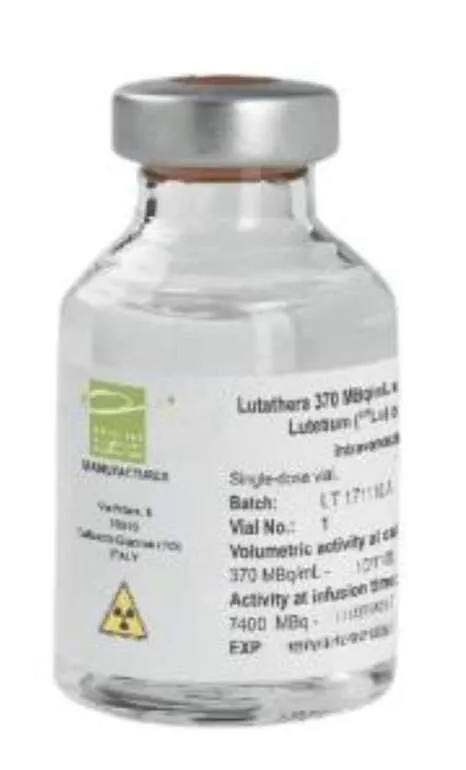
Table of Contents
- Patient Information Leaflet
- Lutathera 370 MBq/mL solution for infusion
- 1. What Lutathera is and what it is used for
- 2. What you should know before using Lutathera
- 3. How to use Lutathera
- 4. Possible side effects
- 5. How to store Lutathera
- 6. Package contents and other information
- The following information is intended for healthcare professionals only:
Patient Information Leaflet
Lutathera 370 MBq/mL solution for infusion
lutetium (Lu) oxodotreotide
Please read this leaflet carefully before using this medicine because it contains important information for you.
- Keep this leaflet. You may need to read it again.
- If you have any questions, ask your doctor or another healthcare professional who will supervise the procedure.
- If you experience any side effects, including those not listed in this leaflet, contact your doctor. See section 4.
Contents of this leaflet
- What Lutathera is and what it is used for
- What you need to know before using Lutathera
- How to use Lutathera
- Possible side effects
- How to store Lutathera
- Contents of the pack and other information
1. What Lutathera is and what it is used for
What Lutathera is
Lutathera contains lutetium (Lu) oxodotreotide. This medicinal product is a radiopharmaceutical for therapeutic use only.
What Lutathera is used for
Lutathera is used for the treatment of adults with certain tumours (gastroenteropancreatic neuroendocrine tumours) that cannot be completely removed by surgery, that have spread in the body (metastatic), and that are no longer responding to ongoing treatment.
How Lutathera works
For the medicine to be effective, tumour cells must have somatostatin receptors on their surface. Lutathera binds to these receptors and delivers radioactivity directly into tumour cells, causing their death.
Use of Lutathera involves exposure to small doses of radiation. Your doctor and the nuclear medicine specialist have determined that the benefits from the radiopharmaceutical procedure outweigh the risks associated with radiation exposure.
2. What you should know before using Lutathera
Lutathera must not be used
- if you are allergic to lutetium (Lu) oxodotreotide or to any of the other ingredients of this medicine (listed in section 6).
- if you are pregnant, think you may be pregnant, or are not certain that you are not pregnant.
- if your kidneys are severely damaged.
Warnings and precautions
Talk to your doctor before receiving Lutathera, as this medicine may cause:
- secondary blood cancer (myelodysplastic syndrome or acute leukaemia), which may occur rarely several years after completion of treatment with Lutathera.
If any of the following conditions apply to you, before or during treatment with Lutathera, inform your doctor or another healthcare professional:
- if you have experienced or develop weakness, fatigue, shortness of breath, poor concentration, infections, fever, bleeding, bruising more easily than normal, or difficulty stopping bleeding (signs and symptoms of myelosuppression).
- if you have had other types of cancer within the last 5 years, bone metastases, or have previously received anti-cancer treatment (chemotherapy) or radiotherapy.
- if you have or have had swollen feet and ankles, urinate too much or too little, have itching or breathing problems (signs and symptoms of chronic kidney disease).
- if you have or have had itchy yellow skin, yellowing of the whites of the eyes, nausea or vomiting, fatigue, loss of appetite, pain in the upper right part of the stomach (abdomen), dark or brown urine, or bleed or develop bruises more easily than normal (signs and symptoms of liver disease).
- if you experience shortness of breath, weakness, numbness, chest pain, palpitations, or abnormal heart rhythm (signs and symptoms of high levels of potassium in the blood, also known as hyperkalaemia).
- if you experience shortness of breath, difficulty breathing when lying down, or swelling of the feet or legs (signs and symptoms of heart failure).
- if your kidney or urinary tract is not properly developed.
- if you suffer from urinary incontinence.
Inform your doctor or another healthcare professional immediately if you experience any of the following symptoms after starting treatment with Lutathera:
- swelling of the face/throat and/or difficulty breathing (signs and symptoms of angioedema).
- hot flushes, diarrhoea, difficulty breathing with wheezing or coughing, dizziness, feeling lightheaded (signs and symptoms of neuroendocrine hormonal crisis), which may occur within the first 24 hours after administration of Lutathera.
- fatigue, loss of appetite, changes in heartbeat, difficulty thinking clearly (signs and symptoms of metabolic acidosis).
- muscle cramps, muscle weakness, confusion, or shortness of breath (signs and symptoms of tumour lysis syndrome). Treatment with Lutathera (lutetium (Lu) oxodotreotide) may cause tumour lysis syndrome due to the rapid breakdown of tumour cells. This may lead to abnormal blood test results, irregular heartbeat, kidney failure, or seizures within one week of treatment. Your doctor will prescribe blood tests to monitor for this syndrome.
Unless your doctor considers that the clinical benefit of treatment outweighs the possible risks, you will not be given this medicine:
- if you have previously received external beam radiotherapy to more than 25% of your bone marrow.
- if your heart is severely damaged.
- if your blood counts are severely abnormal.
- if your liver is severely damaged.
- if your tumour shows low expression of somatostatin receptors.
Before receiving Lutathera you must:
- drink plenty of water so that you urinate as frequently as possible during the first few hours after infusion.
Children and adolescents
The safety and efficacy of this medicine have not been established in children and adolescents under 18 years of age. If you are under 18 years of age, speak to your doctor or a nuclear medicine specialist.
Other medicines and Lutathera
Because of possible interference with treatment, inform your doctor or nuclear medicine specialist if you are taking, have recently taken, or might take any other medicines, including medicines without a prescription. These include in particular somatostatin analogues or glucocorticoids (also known as corticosteroids). If you are taking somatostatin analogues, you may be asked to interrupt and/or adjust your treatment for a short period of time.
Ask your doctor or pharmacist if you are unsure whether your medicine is one of those mentioned above.
Pregnancy, breastfeeding and fertility
If you are pregnant, suspect you may be pregnant, are planning a pregnancy, or are breastfeeding, consult your doctor or nuclear medicine specialist before administration of this medicine.
Lutathera must not be administered to pregnant women, as ionising radiation is harmful to the unborn child. Breastfeeding must be discontinued during treatment with this medicine. If it is essential to administer Lutathera while breastfeeding, the infant must be weaned prior to treatment.
You must inform your doctor and/or nuclear medicine specialist before administration of Lutathera if there is any possibility that you may be pregnant, if you have missed your menstrual period, or if you are breastfeeding.
If in doubt, it is important to consult the nuclear medicine specialist or another healthcare professional who will supervise the procedure.
Female patients must use an effective method of contraception during treatment with Lutathera and for 7 months after completing treatment.
Male patients must use an effective method of contraception during treatment with Lutathera and for 4 months after completing treatment.
If you are a woman who could become pregnant, your doctor or another healthcare professional will check whether you are pregnant and perform a pregnancy test, if necessary, before starting treatment with Lutathera.
If you become pregnant or think you may be pregnant after starting treatment with Lutathera, inform your doctor and/or nuclear medicine specialist immediately.
Radiation from the medicine may reduce fertility. If you wish to have children after treatment, genetic counselling is recommended. Before treatment, you may be offered sperm or oocyte preservation.
Driving and using machines
It is unlikely that Lutathera will affect your ability to drive or use machines. However, your general condition and possible adverse reactions to treatment should be considered before driving or operating machinery.
Lutathera contains sodium
This medicine contains up to 81.1 mg of sodium (a main component of cooking salt) per vial. This is equivalent to 4% of the maximum daily dietary intake recommended for an adult.
3. How to use Lutathera
There are strict regulations governing the use, handling, and disposal of radiopharmaceuticals. Lutathera must be used only in designated controlled areas. This product will be handled and administered exclusively by trained and qualified personnel who are able to use it safely. Such personnel will pay particular attention to ensuring safe use of this medicine and will keep you informed about the procedures performed.
How much Lutathera is administered
The recommended dose is 7,400 MBq (megabecquerel, a unit of radioactivity), administered as a single infusion approximately once every 8 weeks for a total of 4 times.
Administration of Lutathera and conduct of the procedure
Lutathera is administered directly into a vein.
Due to the radiation emitted by this medicine, during the administration procedure you will need to remain isolated from other patients who are not receiving the same treatment. Your doctor or another healthcare professional will inform you when you may leave the controlled area of the hospital.
In addition to Lutathera, you will receive an amino acid infusion to protect your kidneys. This may cause nausea and vomiting, so prior to the start of treatment you will also receive an injection of a medicine to help reduce these symptoms.
Duration of the administration procedure
The nuclear medicine specialist or another healthcare professional will inform you about the usual duration of the procedure.
The Lutathera infusion lasts 30 ±10 minutes, but the complete administration procedure will take approximately 5 hours. Your doctor will regularly monitor your condition during the infusion.
Monitoring during treatment
Treatment with Lutathera may affect blood cells, liver, and kidneys (see section 4). Therefore, your doctor will request periodic blood tests to check whether you are suitable to receive this treatment and to detect any side effects early during treatment. If necessary, your heart’s electrical activity will also be monitored before you are discharged from hospital (using a test called an electrocardiogram or ECG). Depending on the results of blood tests, your doctor may decide to delay, adjust, or stop treatment with this medicine, if necessary.
After administration of Lutathera
You will be asked to drink an adequate amount of water (e.g., one glass of water every hour) to help you urinate as frequently as possible on the day of infusion and the following day, and to try to empty your bowel daily, in order to eliminate the medicine from your body.
Because this medicine is radioactive, to minimize radiation exposure to others, you must follow the instructions described below, unless your doctor advises otherwise.
Based on current knowledge and experience in this field and on the properties of the medicine, the health risks for people living with you and for the general public are considered generally low.
Contact with other household members
You must limit close contact (less than 1 meter) with people living in your household for 7 days after treatment with Lutathera. You must sleep in a separate bedroom from others for 7 days after treatment with Lutathera.
Contact with children and/or pregnant women
After treatment with Lutathera, it is strongly recommended to limit close contact (less than 1 meter) with children and/or pregnant women to less than 15 minutes per day for 7 days. You must sleep in a separate bedroom from children and/or pregnant women for 15 days after treatment with Lutathera.
Use of toilets
It is strongly recommended to defecate every day and, if necessary, use a laxative. In addition, you should drink fluids frequently and try to urinate as often as possible on the day you receive treatment and the following day. Follow your doctor’s or another healthcare professional’s advice regarding the amount of fluid to drink.
Take special precautions to avoid contamination for 7 days after treatment (these apply to all patients, regardless of sex):
- Always sit down when using the toilet.
- It is essential to use toilet paper every time you use the toilet.
- Always wash your hands thoroughly after using the toilet.
- Flush all wipes and/or toilet paper down the toilet immediately after use.
- Flush all tissues or other materials containing bodily residues such as blood, urine, and feces down the toilet. Materials that cannot be disposed of in the toilet, such as sanitary pads and dressings, must be placed in separate plastic bags for waste disposal (according to the “Waste disposal recommendations” outlined below).
Showering and laundry
Take special precautions for 7 days after treatment:
- Take a shower every day.
- Wash underwear, nightwear, bed linens, and any clothing that has come into contact with sweat, blood, or urine separately from other family members’ laundry, using a standard washing cycle. There is no need to use bleach or extra rinse cycles.
Patients with reduced mobility
Patients who are bedridden or have limited mobility are usually assisted by caregivers. It is recommended that caregivers wear disposable gloves for 7 days following administration when assisting in the bathroom. Any special medical equipment that could become contaminated with body fluids (e.g., catheters, colostomy bags, bedpans, irrigation lines) must be emptied immediately into the toilet and then cleaned. Caregivers cleaning up vomit, blood, urine, or feces must wear plastic gloves, which should then be disposed of in a separate plastic bag for waste disposal (according to the “Waste disposal recommendations” outlined below).
Waste disposal recommendations
All waste materials must be placed in a separate plastic bag designated solely for this purpose. Keep these plastic waste bags separate from other household waste and out of reach of children and animals.
A member of hospital staff will inform you how and when to dispose of these waste bags.
Hospital admission and management of emergency situations
If, for any reason, you require emergency medical care or are unexpectedly hospitalized within 3 months after treatment, you must inform healthcare professionals about the type, date, and dosage of the radiopharmaceutical treatment you received. To facilitate this, always carry your hospital discharge letter with you.
Travel
For at least 3 months after treatment, always carry your hospital discharge letter with you when traveling.
Other precautions
Your doctor or another healthcare professional will inform you of any other specific precautions after you have received this medicine. If you have any questions, consult your doctor or the nuclear medicine specialist.
If you have been given more Lutathera than you should
Since you will receive only a single dose of Lutathera under carefully controlled conditions by a nuclear medicine specialist or another healthcare professional responsible for the procedure, overdose is unlikely. However, in the event of an overdose, you will receive appropriate treatment.
If you have further questions about the use of Lutathera, consult the nuclear medicine specialist or another healthcare professional responsible for the procedure.
4. Possible side effects
Like all medicines, this medicine can cause side effects, although not everyone gets them.
The side effects of Lutathera are mainly due to its radioactivity.
The most commonly observed side effect in patients treated with Lutathera is its impact on the
bone marrow. This may lead to a decrease in different types of blood cells, particularly red blood
cells (responsible for carrying oxygen from the lungs to various organs), platelets (special cells that help blood to clot), and other types of blood cells such as white blood cells (which help fight infections). This occurs in many patients but is frequently a transient phenomenon. However, in rare cases, the decrease in blood cells may last a long time and/or be permanent.
As a consequence of reduced levels of various blood cells, you may experience bleeding, fatigue, shortness of breath, and infections. If this occurs, your doctor may decide to delay, modify, or stop treatment.
Some side effects can be serious
If you experience any severe side effect, inform your doctor immediately.
Very common: may affect more than 1 in 10 people
- Bleeding or bruising more easily than normal or difficulty stopping bleeding (possible signs of low platelet levels) (thrombocytopenia)
- Infections with signs such as fever, sore throat, or mouth ulcers (possible signs of low white blood cell levels) (lymphopenia)
- Fatigue, weakness, pale skin, or shortness of breath (possible signs of low red blood cell levels) (anemia)
- Fatigue, weakness, pale skin, shortness of breath, bleeding or bruising more easily than normal or difficulty stopping bleeding, and infections with signs such as fever, chills, sore throat, or mouth ulcers (possible signs of low blood cell levels) (pancytopenia)
Common: may affect up to 1 in 10 people
- Bone marrow cancer leading to poorly formed or malfunctioning blood cells, with signs and symptoms of anemia, lymphopenia, neutropenia, and/or thrombocytopenia (myelodysplastic syndrome)
- Infections with signs such as fever, sore throat, or mouth ulcers (possible signs of low white blood cell levels) (leukopenia and neutropenia)
- Weight gain, fatigue, hair loss, muscle weakness, feeling cold (possible signs of thyroid failure) (secondary hypothyroidism)
- Thirst, low urine output, weight loss, dry and flushed skin, irritability (possible signs of dehydration)
- Brief and time-limited loss of consciousness followed by spontaneous recovery (syncope)
- Irregular heartbeat (change in the heart's electrical activity) (prolonged QT electrocardiogram)
- Dizziness, lightheadedness (possible signs of low blood pressure) (hypotension)
- Less frequent urination or very low urine output (possible signs of kidney problems) (renal failure and acute kidney injury)
Uncommon: may affect up to 1 in 100 people
- Sore throat, runny nose, difficult or painful breathing, and fever (possible signs of a respiratory tract infection)
- Cough, difficult or painful breathing, shortness of breath, chest pain during breathing, fever (possible symptoms of lower respiratory tract infection) (pneumonia)
- Skin rash with small fluid-filled blisters appearing on red skin, signs of a potentially severe viral infection (herpes zoster)
- Viral infection of the eye (ophthalmic herpes zoster)
- Staphylococcal infections
- Presence of bacteria in the blood (streptococcal bacteremia)
- Persistent fatigue, frequent or severe infections, easy bleeding, weight loss (possible symptoms of bone marrow cancer) (acute myeloid leukemia, acute leukemia, chronic myelomonocytic leukemia)
- Bone marrow cancer leading to poorly formed or malfunctioning blood cells, with signs and symptoms of anemia (refractory anemia with unilineage dysplasia)
- Anemia caused by kidney problems (nephrogenic anemia)
- Bone pain or fractures, fatigue, increased infections, changes in urination frequency, confusion, thirst, nausea or vomiting, weight loss (possible symptoms of bone marrow failure)
- Bleeding and/or bruising under the skin (possible signs of low platelet levels) (thrombocytopenic purpura)
- Skin rash, itching, hives, shortness of breath or difficulty breathing, wheezing or cough, dizziness, vertigo, changes in consciousness levels, hypotension with or without mild generalized itching, skin redness, swelling of the face/throat, bluish discoloration of lips, tongue, or skin (signs of severe allergic reaction) (hypersensitivity)
- Excessive thirst, high urine output, increased appetite with weight loss, fatigue (signs of high blood sugar levels) (diabetes mellitus)
- Facial flushing, sudden redness and warmth of the face sometimes mistaken for menopausal hot flashes, diarrhea, rapid heartbeat, wheezing, sudden drop in blood pressure (possible signs of carcinoid crisis)
- Nausea, sweating, weakness, dizziness, tremors, headache (signs of low blood sugar levels) (hypoglycemia)
- Rapid and shallow breathing, confusion, fatigue, headache, drowsiness, loss of appetite, jaundice, increased heart rate, possible signs of metabolic acidosis occurring when the body produces excessive acid or when the kidneys fail to remove enough acid from the body (metabolic acidosis)
- Seeing, hearing, or sensing things that do not exist (hallucination)
- Altered level of consciousness due to liver failure (possible signs of hepatic encephalopathy)
- Pressure on spinal cord nerves that may be caused by a tumor or other lesion (spinal cord compression)
- Irregular heartbeat (atrial fibrillation)
- Sudden, crushing chest pain, fatigue, irregular heartbeat (possible symptoms of heart attack) (myocardial infarction)
- Crushing chest pain (possible symptoms of heart problems) (angina pectoris)
- Collapse due to a heart problem, during which you may become breathless, pale, with cold sweats and dry mouth (cardiogenic shock)
- Dizziness, fainting upon standing, drop in blood pressure upon standing (orthostatic hypotension)
- Swelling and redness of a vein (sign of phlebitis)
- Chest pain, cough, hiccups, rapid breathing (signs of fluid accumulation between the layers of tissue lining the lungs and chest cavity) (pleural effusion)
- Abdominal swelling due to fluid accumulation (ascites)
- Constipation, bloated abdomen, abdominal pain (intestinal obstruction)
- Diarrhea, abdominal pain, fever (possible signs of colon inflammation) (colitis)
- Vomiting, belching, upper and lower abdominal pain, with or without nausea and vomiting (possible signs of pancreas inflammation) (acute pancreatitis)
- Vomiting blood (hematemesis)
- Acute abdominal pain and swelling due to fluid accumulation (hemorrhagic ascites)
- Abdominal pain, general malaise (ileus)
- Decreased levels of pancreatic enzymes in the blood (decreased pancreatic enzymes)
- Yellowing of the skin and eyes, nausea, loss of appetite, dark urine (signs of liver problems) (hepatocellular injury)
- Yellow eyes or skin (signs of liver problems) (cholestasis)
- Liver congestion (hepatic congestion)
- Liver failure (hepatic failure)
- Acute prerenal failure
- Death
- Clavicle fracture
Not known: frequency cannot be estimated from available data
- Swelling of the face/throat and/or difficulty breathing (signs and symptoms of angioedema)
Other possible side effects
Other side effects are listed below. If these side effects become severe, inform your doctor or another
healthcare professional.
Very common: may affect more than 1 in 10 people
- Loss of appetite
- Nausea
- Vomiting
- Fatigue (tiredness)
Common: may affect up to 1 in 10 people
- Excessive thirst, high urine output, increased appetite with weight loss (signs of high blood sugar levels) (hyperglycemia)
- Sleep disturbances
- Dizziness
- Taste disturbances (dysgeusia)
- Headache
- Feeling low in energy, fatigue (lethargy)
- Headache, dizziness (sign of high blood pressure) (hypertension)
- Flushing and hot flushes
- Shortness of breath, labored breathing (dyspnea)
- Swelling, feeling of fullness in the abdomen
- Diarrhea
- Stomach discomfort
- Constipation
- Upper stomach pain
- Indigestion, pain or discomfort in the upper middle abdomen (dyspepsia)
- Stomach discomfort, nausea (gastritis)
- Yellowing of the skin and eyes, possible symptoms of high levels of bile pigment (bilirubin) in the blood
- Hair loss (alopecia)
- Muscle, bone, or joint pain
- Muscle spasms
- Blood in the urine
- Abnormal urine test results (presence of serum proteins)
- Skin reaction such as redness, swelling, and pain at the injection site
- Swelling of hands, ankles, or feet (peripheral edema)
- Pain at the injection site
- Chills
- Fatigue, chills, sore throat, joint or muscle pain (influenza-like syndrome)
Uncommon: may affect up to 1 in 100 people
- Eye discharge with itching, redness, and swelling (signs of conjunctivitis)
- Painful and frequent urination (possible symptoms of bladder inflammation) (cystitis)
- Flu-like symptoms such as fatigue, chills, sore throat, joint or muscle pain (influenza)
- Weight gain, fatigue, hair loss, muscle weakness, feeling cold (signs of thyroid failure) (hypothyroidism)
- Bone and joint pain, excessive urination, abdominal pain, weakness, fatigue (signs of overactivity of the parathyroid gland) (hyperparathyroidism)
- Nausea, shortness of breath, irregular heartbeat, cloudy urine, fatigue and/or joint pain associated with abnormal blood test results—high levels of potassium, uric acid, and phosphorus and low levels of calcium (signs of tumor cell death) (tumor lysis syndrome)
- Excessive emotional stress, distress (anxiety)
- Disorientation
- A sensation like insects crawling on the skin (formication)
- Sensation of pins and needles (pricking, burning, tingling, or numbness) (paresthesia)
- Distorted sense of smell (parosmia)
- Drowsiness
- Eye problems
- Dizziness, with sensation of spinning (vertigo)
- Rapid or irregular heartbeat (palpitations)
- Redness and/or facial flushing due to blood vessel dilation (vasodilation)
- Cold hands and feet
- Pale skin (pallor)
- Sore throat (oropharyngeal pain)
- Increased sputum production
- Sensation of suffocation
- Dry mouth
- Flatulence
- Gastrointestinal pain
- Mouth sores with inflamed gums (stomatitis)
- Bright red blood in stools (hematochezia)
- Abdominal discomfort (abdominal discomfort)
- Rectal bleeding (rectal hemorrhage)
- Black stools (melena)
- Lower abdominal pain
- Skin rash
- Dry skin
- Facial swelling
- Excessive sweating (hyperhidrosis)
- Generalized itching
- Abnormal urine test results (presence of leukocytes)
- Involuntary loss of urine (urinary incontinence)
- Test result indicating kidney problems (decreased glomerular filtration rate)
- Kidney problems
- Kidney failure
- Abnormal hardening, swelling, or nodule of the skin at the injection site (injection site mass)
- Fatigue, chest discomfort, pain, palpitations (possible signs of heart problems) (chest discomfort)
- Chest pain
- Fever (pyrexia)
- Feeling of malaise (malaise)
- Pain
- Feeling of abnormality
- Weight loss
- Physical disability
During Lutathera treatment, you may also experience side effects from altered blood test results,
which may provide your doctor with information about how certain parts of your body are
functioning
Common: may affect up to 1 in 10 people
- Elevated levels of the following enzymes: gamma-glutamyl transferase, alanine aminotransferase, aspartate aminotransferase, alkaline phosphatase in the blood
- High blood creatinine levels
- Low levels of magnesium and sodium in the blood
Uncommon: may affect up to 1 in 100 people
- Elevated levels of the following enzymes: creatine phosphokinase in the blood, which may indicate damage to muscles or heart; lactate dehydrogenase in the blood, which provides information about the health of certain organs
- Low levels of potassium, phosphate, calcium, and albumin in the blood
- High levels of sodium, calcium, urea, glycated hemoglobin, catecholamines, and C-reactive protein in the blood
- Low red blood cell count (decreased hematocrit)
- Presence of protein in the urine
During treatment with Lutathera, you may also undergo medical/surgical procedures
Common
- Blood transfusion
Uncommon
- Drainage of fluid from the peritoneal cavity, the space between the abdominal wall and organs (abdominal cavity drainage)
- Filtering blood to remove harmful waste, excess salts, and water (dialysis)
- Stent placement
- Abscess drainage
- Insertion of a gastrointestinal tube
- Stem cell collection from the bone marrow (bone marrow harvest)
- Removal of polyps from inside the colon, also called the large intestine (polypectomy)
Reporting of side effects
If you experience any side effect, including those not listed in this leaflet, talk to your doctor or the
nuclear medicine specialist. You can also report side effects directly via the national reporting system
listed in Annex V. Reporting side effects helps provide more information on the safety of this
medicine.
5. How to store Lutathera
This medicinal product must not be stored by the user. This medicinal product is stored under the responsibility of a specialist in suitable premises. Storage of radiopharmaceuticals must comply with national regulations concerning radioactive products.
The following information is intended for specialists only:
- Keep this medicinal product out of the sight and reach of children.
- Lutathera must not be used after the expiry date and time stated on the label after EXP.
- Store below 25°C. Do not freeze.
- Store in the original packaging to protect from ionizing radiation (lead shielding).
6. Package contents and other information
What Lutathera contains
- The active substance is lutetium (¹⁷⁷Lu) oxodotreotide. 1 mL of infusion solution contains 370 MBq of lutetium (¹⁷⁷Lu) oxodotreotide at the date and time of calibration.
- The other components are: acetic acid, sodium acetate, gentisic acid, ascorbic acid, pentetic acid, sodium chloride, sodium hydroxide, water for injections (see section 2 “Lutathera contains sodium”).
Description of the appearance of Lutathera and contents of the pack
Lutathera is a clear, colourless to pale yellow infusion solution supplied in a Type I colourless transparent glass vial, closed with a bromobutyl rubber stopper and sealed with an aluminium cap.
Each vial contains a volume ranging from 20.5 mL to 25.0 mL of solution corresponding to an activity of 7,400 MBq at the date and time of infusion.
The vial is enclosed within a lead container for protective shielding.
Marketing Authorisation Holder
Advanced Accelerator Applications
8-10 Rue Henri Sainte-Claire Deville
92500 Rueil-Malmaison
France
Manufacturer
Advanced Accelerator Applications Ibérica, S.L.U.
Polígono Industrial la Cuesta – Sector 3
Parcelas 1 y 2 La Almunia de Doña Godina
50100 Zaragoza
Spain
Advanced Accelerator Applications (Italy) S.r.l
Via Ribes 5
Colleretto Giacosa (TO)
Italy
For further information about this medicinal product, please contact the local representative of the Marketing Authorisation Holder:
België/Belgique/Belgien Lietuva
Novartis Pharma N.V. SIA Novartis Baltics Lietuvos filialas
Tél/Tel: +32 2 246 16 11 Tel: +370 5 269 16 50
България Luxembourg/Luxemburg
Novartis Bulgaria EOOD Novartis Pharma N.V.
Тел: +359 2 489 98 28 Tél/Tel: +32 2 246 16 11
Česká republika Magyarország
Novartis s.r.o. Novartis Hungária Kft.
Tel: +420 225 775 111 Tel.: +36 1 457 65 00
Danmark Malta
Novartis Sverige AB Novartis Pharma Services Inc.
Tlf.: +46 8 732 32 00 Tel: +356 2122 2872
Deutschland Nederland
Novartis Pharma GmbH Novartis Pharma B.V.
Tel: +49 911 273 0 Tel: +31 88 04 52 111
Eesti Norge
SIA Novartis Baltics Eesti filiaal Novartis Sverige AB
Tel: +372 66 30 810 Tlf: +46 8 732 32 00
Ελλάδα Österreich
ΒΙΟΚΟΣΜΟΣ ΑΕΒΕ Novartis Pharma GmbH
Τηλ: +30 22920 63900 Tel: +43 1 86 6570
or
Novartis (Hellas) A.E.B.E.
Τηλ: +30 210 281 17 12
España Polska
Novartis Farmacéutica, S.A. Novartis Poland Sp. z o.o.
Tel: +34 93 306 42 00 Tel.: +48 22 375 4888
France Portugal
Novartis Pharma S.A.S. Novartis Farma - Produtos Farmacêuticos, S.A.
Tél: +33 1 55 47 66 00 Tel: +351 21 000 8600
Hrvatska România
Novartis Hrvatska d.o.o. Novartis Pharma Services Romania SRL
Tel. +385 1 6274 220 Tel: +40 21 31299 01
Ireland Slovenija
Novartis Ireland Limited Novartis Pharma Services Inc.
Tel: +353 1 260 12 55 Tel: +386 1 300 75 50
Ísland Slovenská republika
Novartis Sverige AB Novartis Slovakia s.r.o.
Sími: +46 8 732 32 00 Tel: +421 2 5542 5439
Italia Suomi/Finland
Novartis Farma S.p.A. Novartis Sverige AB
Tel: +39 02 96 54 1 Puh/Tel: +46 8 732 32 00
Κύπρος Sverige
ΒΙΟΚΟΣΜΟΣ ΑΕΒΕ Novartis Sverige AB
Τηλ: +30 22920 63900 Tel: +46 8 732 32 00
or
Novartis Pharma Services Inc.
Τηλ: +357 22 690 690
Latvija
SIA Novartis Baltics
Tel: +371 67 887 070
Other sources of information
More detailed information on this medicinal product is available on the website of the European Medicines Agency: https://www.ema.europa.eu.
The following information is intended for healthcare professionals only:
The complete Summary of Product Characteristics (SmPC) for Lutathera is provided as a
separate document within the medicinal product's packaging, with the aim of providing healthcare
professionals with additional scientific and practical information on the administration and use of this
radiopharmaceutical.
Refer to the SmPC.