Lorazepam EG
Italy
Table of Contents
- PACKAGE LEAFLET: INFORMATION FOR THE PATIENT
- LORAZEPAM EG 2 mg/ml oral drops, solution
- 1. What LORAZEPAM EG is and what it is used for
- 2. What you should know before taking LORAZEPAM EG
- 3. How to take LORAZEPAM EG
- 4. Possible side effects
- 5. How to store LORAZEPAM EG
- 6. Package contents and other information
- PATIENT INFORMATION LEAFLET
- LORAZEPAM EG 1 mg film-coated tablets, 2.5 mg film-coated tablets
- 1. What LORAZEPAM EG is and what it is used for
- 2. What you need to know before taking LORAZEPAM EG
- 3. How to take LORAZEPAM EG
- 4. Possible side effects
- 5. How to store LORAZEPAM EG
- 6. Package contents and other information
PACKAGE LEAFLET: INFORMATION FOR THE PATIENT
LORAZEPAM EG 2 mg/ml oral drops, solution
Generic medicine
Please read this leaflet carefully before taking this medicine, as it contains important information for you.
- Keep this leaflet. You may need to read it again.
- If you have any questions, ask your doctor or pharmacist.
- This medicine has been prescribed for you only. Do not give it to other people, even if their symptoms are the same as yours, as it may be harmful.
- If you experience any side effect, including those not listed in this leaflet, contact your doctor or pharmacist. See section 4.
Contents of this leaflet:
- What LORAZEPAM EG is and what it is used for
- What you need to know before taking LORAZEPAM EG
- How to take LORAZEPAM EG
- Possible side effects
- How to store LORAZEPAM EG
- Contents of the pack and other information
1. What LORAZEPAM EG is and what it is used for
LORAZEPAM EG contains the active substance lorazepam. Lorazepam belongs to a group of medicines called benzodiazepines and acts on the central nervous system by reducing anxiety (anxiolytic effect), promoting sleep that closely resembles normal sleep (hypnotic effect), improving mood, and reducing the intensity of emotional responses to psychological stress (tranquilizing effect).
LORAZEPAM EG is used for the short-term treatment of the following conditions when they are severe and cause significant distress in everyday life:
- Anxiety and emotional tension states associated with anxiety;
- Insomnia.
2. What you should know before taking LORAZEPAM EG
Do not take LORAZEPAM EG
- if you are allergic to lorazepam, to benzodiazepines, or to any of the other ingredients of this medicine (listed in section 6);
- if you suffer from a disease causing severe muscle weakness and easy fatigue (myasthenia gravis);
- if you have serious breathing problems (respiratory failure);
- if you have serious liver problems (hepatic insufficiency);
- if you suffer from episodes of interrupted breathing for several seconds during sleep (sleep apnoea);
- if you suffer from increased pressure inside the eye (narrow-angle glaucoma);
- if you are or think you may be pregnant and during breastfeeding (see section Pregnancy and breastfeeding).
Warnings and precautions
The duration of treatment with LORAZEPAM EG should be as short as possible. It is recommended not to
exceed 4 weeks for the treatment of insomnia and 8–12 weeks for the treatment of anxiety. The recommended
treatment duration includes the time needed for gradual dose reduction. See section 3 How to take LORAZEPAM EG.
Talk to your doctor or pharmacist before taking LORAZEPAM EG if you think any of the following
conditions apply to you (see also section 4 Possible side effects):
- if you have or have ever had breathing problems, because this medicine may reduce your natural ability to breathe. Breathing problems may also be associated with the following conditions:
- you suffer from heart problems (heart failure);
- you suffer from low blood pressure;
- you suffer from general breathing problems, or chronic inability to breathe adequately and regularly;
- you suffer from episodes of interrupted breathing for several seconds during sleep (sleep apnoea). If you have one of these conditions and need to start treatment with LORAZEPAM EG, your doctor will monitor you regularly;
- you suffer or have ever suffered from allergic reactions to benzodiazepines. This medicine may cause severe and rapidly occurring allergic reactions (anaphylactic reactions) or swelling of the face, tongue, and throat with difficulty swallowing and breathing (angioedema). Sometimes, these reactions can be fatal. If you experience one or more of these symptoms, go immediately to the nearest emergency room. In such cases, your doctor will advise you not to take lorazepam-containing medicines again and to continue treatment of your condition with other medicines;
- you have or have had problems with alcohol, drug, or medicine abuse and dependence, because LORAZEPAM EG may also cause dependence (see section Development of dependence);
- you suffer or have ever suffered from depression, because LORAZEPAM EG may worsen your condition and increase suicidal tendencies;
- you suffer or have ever suffered from psychotic disorders (mental illnesses characterised by severe cognitive, emotional, and behavioural symptoms);
- you have or have ever had liver problems (hepatic insufficiency), because this medicine could worsen your condition. Your doctor will advise you on the most appropriate dosage;
- you have or have ever had kidney problems (renal insufficiency). Your doctor will advise you on the most appropriate dosage.
Memory disturbances
After taking LORAZEPAM EG, you may have difficulty remembering events that occurred after taking the medicine. Therefore, it is advisable that you are able to sleep for 7–8 hours after taking this medicine.
Paradoxical reactions
LORAZEPAM EG may cause mental reactions and effects opposite to those expected, such as restlessness, agitation, irritability, aggressiveness, delusion, anger, nightmares, hallucinations, psychosis, behavioural changes, anxiety states, hostility, excitement, sleep disturbances/insomnia, sexual excitement, sedation, fatigue, drowsiness, loss of ability to coordinate movements, confusion, depression, unmasking of depression, dizziness, changes in libido, impotence, reduced orgasm (paradoxical effects). These effects are more frequent in children and elderly people. If you experience these effects, consult your doctor, who will advise you on the correct way to stop taking this medicine.
Development of tolerance
After repeated use of this medicine for several weeks, its effectiveness may decrease (tolerance). LORAZEPAM EG is recommended for short-term treatment only.
In addition, treatment with this medicine increases sensitivity to the effects of alcohol and other medicines that depress brain functions. Therefore, when taking LORAZEPAM EG, the concomitant use of alcohol and such medicines should be avoided or reduced.
Development of dependence
The use of benzodiazepines, including LORAZEPAM EG, may lead to dependence, which may manifest as an increasing need, desire, or excessive urge to take the medicine (psychic dependence), or the development of physical symptoms that decrease or disappear only after taking the medicine (physical dependence). The likelihood of developing physical and psychological dependence on this medicine increases with higher doses and longer duration of treatment.
You are more likely to develop dependence on LORAZEPAM EG if:
-
you have previously or currently used drugs;
-
you have previously or currently consumed alcohol frequently and/or in large quantities;
-
you have previously or currently had a tendency to take medicines in excessive amounts;
-
you suffer or have ever suffered from difficulties in relating to other people or to various life situations, even if you were not always aware of these difficulties. When you stop taking LORAZEPAM EG, especially abruptly, you may experience withdrawal symptoms such as:
-
severe symptoms (more likely after long-term high-dose use of LORAZEPAM EG): feeling detached or estranged from oneself or the external world, increased sensitivity to sound, numbness and tingling in the arms or legs, hypersensitivity to light, noise, and physical contact, hallucinations, delirium, epileptic seizures, convulsions. Seizures and convulsions may occur more easily if you are taking antidepressants together with LORAZEPAM EG;
-
other symptoms: headache, muscle pain, extreme anxiety, emotional tension, restlessness, confusion, irritability, dizziness, nausea, diarrhoea, loss of appetite, mood changes with tendency towards sadness, depression, insomnia, sweating, persistent ringing in the ears (tinnitus), involuntary body movements, vomiting, tingling sensations, perceptual disturbances, abdominal and muscle cramps, tremor, agitation, heightened awareness of heartbeat (palpitations), increased heart rate (tachycardia), panic attacks, vertigo, exaggerated reflexes, inability to recall recent events, significant increase in body temperature;
-
rebound symptoms: insomnia and anxiety. These are the same symptoms for which LORAZEPAM EG was prescribed, but if treatment is stopped abruptly, they may temporarily reappear in a more severe form than before starting treatment. In addition, you may experience mood changes, restlessness, anxiety, and sleep disturbances.
Do not stop taking LORAZEPAM EG suddenly. Consult your doctor or pharmacist, who will advise you on the
correct way to discontinue treatment with this medicine. See section 3 If you stop treatment with LORAZEPAM EG.
If you are elderly and/or have specific health conditions
If you are elderly and/or your general health condition is very weak, or if you suffer from significant brain diseases (especially cerebral arteriosclerosis), you are more sensitive to the effects of LORAZEPAM EG.
If you suffer from low blood pressure, this medicine may increase episodes of low blood pressure.
Therefore, it is advisable to use this medicine at the lowest possible dose or avoid its use altogether.
If you have serious liver problems
If you suffer from serious liver problems, with or without neurological symptoms such as mental confusion, altered consciousness, or coma, LORAZEPAM EG must not be used, as it could worsen your condition (see also section 2 Do not take LORAZEPAM EG).
Children and adolescents
The efficacy and safety of LORAZEPAM EG in children under 12 years of age are unknown. The doctor will decide whether LORAZEPAM EG can be administered to children based on their individual condition. The duration of treatment should be as short as possible.
Other medicines and LORAZEPAM EG
Tell your doctor or pharmacist if you are taking, have recently taken, or might take any other medicine.
Inform your doctor or pharmacist if you are taking any of the following medicines together with LORAZEPAM EG, as caution is required:
- medicines that strongly reduce all brain functions, such as:
- sedatives and sleep-inducing medicines (barbiturates, hypnotics/sedatives),
- medicines for treating certain mental illnesses (antipsychotics),
- medicines for treating anxiety (anxiolytics),
- medicines for treating depression (antidepressants),
- medicines for treating severe acute or chronic pain (narcotic analgesics),
- medicines for treating epileptic seizures (antiepileptics),
- anaesthetics. LORAZEPAM EG, when administered together with anaesthetics, may cause euphoria, increasing the risk of developing psychic dependence,
- medicines to counteract allergic reactions (sedating antihistamines);
- clozapine (a medicine used for thought disorders), because taking it together with LORAZEPAM EG may cause marked sedation, increased salivation, and loss of motor coordination;
- valproate (a medicine used for epileptic seizures), because it may enhance the effects of LORAZEPAM EG. In this case, your doctor may decide to halve the dose of LORAZEPAM EG;
- probenecid (a medicine used for gout), because it may enhance the effects of LORAZEPAM EG. In this case, your doctor may decide to halve the dose of LORAZEPAM EG;
- theophylline and aminophylline (medicines used for bronchial asthma), because they may reduce the effects of LORAZEPAM EG;
- loxapine (a medicine used for thought disorders), because taking it together with LORAZEPAM EG may cause a state characterised by excessive passivity and inertia towards events and people (e.g. inability to move and mutism), marked reduction in breathing rate, and low blood pressure;
- baclofen (a muscle relaxant medicine);
- caffeine (a substance mainly found in coffee, but also in many energy drinks), because it may reduce the effects of LORAZEPAM EG.
The concomitant use of LORAZEPAM EG and opioids (strong painkillers, medicines for substitution therapy, and some cough medicines) increases the risk of drowsiness, breathing difficulties (respiratory depression), coma, and may be life-threatening. For this reason, concomitant use should only be considered when no other therapeutic options are available.
However, if your doctor prescribes LORAZEPAM EG together with opioids, the dose and duration of concomitant therapy must be limited by your doctor.
Inform your doctor about all opioid medicines you are taking and carefully follow your doctor’s dosage recommendations. It may be helpful to inform friends or family members about the signs and symptoms listed above. Contact your doctor if you experience such symptoms.
LORAZEPAM EG and alcohol
Do not drink alcohol while taking LORAZEPAM EG, as it increases drowsiness and reduced consciousness caused by this medicine.
This may also severely impair your ability to drive vehicles and operate machinery (see section Driving and use of machines).
Pregnancy and breastfeeding
If you are pregnant, think you may be pregnant, are planning a pregnancy, or are breastfeeding, consult your doctor or pharmacist before taking this medicine.
Pregnancy
This medicine must not be taken during pregnancy, especially during the first 3 months, as it may cause congenital malformations in the foetus.
- If, for serious reasons, you take this medicine at high doses during the last 3 months of pregnancy, during the period before childbirth (labour), or during delivery, the newborn may experience the following symptoms:
- excessive reduction in motor activity,
- poor muscle tone,
- moderate reduction in breathing rate,
- low body temperature,
- breathing pauses lasting several seconds (apnoea),
- feeding difficulties,
- reduced cold resistance and consequent metabolic disturbances,
- yellow/yellowish skin and mucous membrane colouration (jaundice);
- if you take this medicine for a prolonged period during the late stages of pregnancy, the newborn may develop physical dependence or withdrawal symptoms shortly after birth (see section Development of dependence).
Breastfeeding
This medicine passes into breast milk. Your doctor will decide whether you may take LORAZEPAM EG during breastfeeding.
If you breastfeed while taking this medicine, the newborn may experience drowsiness and reduced ability to feed.
Driving and use of machinery
Do not drive or operate machinery if you experience drowsiness or dizziness during treatment with LORAZEPAM EG. LORAZEPAM EG may also cause amnesia, impaired concentration, and altered muscle function. Your alertness may be impaired, especially if you have not slept long enough after taking LORAZEPAM EG.
LORAZEPAM EG contains ethanol (alcohol)
This medicine contains 284 mg of alcohol (ethanol) per 20-drop dose. The amount in 20 drops is equivalent to less than 7 ml of beer or 3 ml of wine.
The amount of alcohol in this medicine does not appear to have an effect in adults and adolescents, and its effects in children are not evident. Some effects may occur in young children, for example, drowsiness.
The alcohol in this medicine may alter the effects of other medicines. Talk to your doctor or pharmacist if you are taking other medicines.
If you are alcohol-dependent, talk to your doctor before taking this medicine.
3. How to take LORAZEPAM EG
Take this medicine exactly as directed by your doctor or pharmacist. If you
have any doubts, consult your doctor.
Depending on your condition and illness, your doctor will advise you on the dose, how many times a day
to take the medicine, and the duration of treatment with LORAZEPAM EG, so that you take the
lowest possible dose for the shortest possible time.
If you need to increase the dose of this medicine, your doctor will advise you on how to proceed
gradually to avoid unwanted effects. When increasing the dose of LORAZEPAM EG, the evening dose should first be increased, followed, if necessary, by an increase in the morning dose.
LORAZEPAM EG should be taken orally.
Treatment of anxiety
The recommended duration of treatment should not exceed 8–12 weeks. This period includes the time needed to gradually reduce the dose of LORAZEPAM EG before stopping. Your doctor will decide whether treatment can continue beyond the recommended maximum period.
It is advisable not to exceed the maximum daily dose.
The recommended dose is 20 drops 2–3 times daily.
In severe cases, the recommended dose is 50 drops 3–4 times daily.
Treatment of insomnia
The recommended duration of treatment ranges from a few days up to a maximum of 4 weeks. This period
includes the time needed to gradually reduce the dose of LORAZEPAM EG before stopping. Your doctor will decide whether treatment can continue beyond the recommended maximum period.
It is advisable not to exceed the maximum daily dose.
The recommended dose is 20–40 drops, taken at bedtime.
If you are elderly and/or your general health condition is very weak
The recommended starting dose is 1 mg or 2 mg daily, divided into several doses.
If you have kidney or liver problems (renal or hepatic insufficiency)
Your doctor will determine the most appropriate dose for you on a case-by-case basis and will subject you to frequent monitoring.
Preparation of patients awaiting surgical procedures
Major surgery: the recommended dose is 2 mg–4 mg (40–80 drops) of LORAZEPAM EG, the evening before the procedure.
Minor surgery: the recommended dose is 2 mg–4 mg (40–80 drops) of LORAZEPAM EG, 1–2 hours before the procedure.
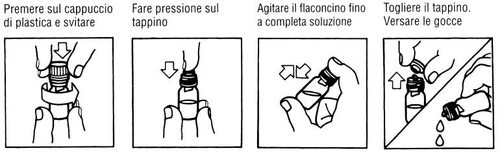
Instructions for use
- Press simultaneously on the plastic cap of the bottle and unscrew.
- Press the stopper to release the powder.
- Shake until a homogeneous solution is obtained.
- To dispense the drops, remove the stopper and turn the bottle upside down.
- To close the bottle, apply the cap by pressing and screwing simultaneously.
If you take more LORAZEPAM EG than you should
It is important that you never take more medicine than prescribed. Generally, there is no life-threatening risk if you accidentally take a higher dose than prescribed, unless you also consume alcohol or other medicines at the same time.
Symptoms
In mild cases, symptoms may include:
- blurred vision, drowsiness, disorientation, and reduced sensory function;
- speech impairment;
- mental confusion;
- continuous sleepiness and reduced response to normal stimuli. In more severe cases, when large quantities of the medicine are taken with suicidal intent or when this medicine is taken together with alcoholic beverages or other medicines that reduce consciousness and major brain functions, symptoms may include:
- loss of motor coordination;
- poor muscle tone;
- low blood pressure;
- excessive drowsiness;
- effects opposite to those expected from this medicine (paradoxical symptoms);
- reduction of all central nervous system functions;
- reduced heart function;
- reduced breathing;
- coma;
- death.
Treatment
Contact your doctor immediately or go to the nearest emergency room if you take more LORAZEPAM EG
than prescribed. If you are conscious, vomiting will be induced within one hour of taking the medicine; if you are unconscious, gastric lavage will be performed. If these measures are insufficient, activated charcoal may be administered to reduce absorption of LORAZEPAM EG, or flumazenil, a medicine that counteracts the effects of LORAZEPAM EG.
If you forget to take LORAZEPAM EG
Do not take a double dose to make up for the missed dose. If you think you have missed more than
one dose, consult your doctor.
If you stop taking LORAZEPAM EG
Do not stop taking LORAZEPAM EG suddenly, as doses must be gradually reduced. Your doctor will advise you on how to discontinue treatment.
If you stop taking LORAZEPAM EG or reduce the dose suddenly, you may temporarily develop withdrawal symptoms or rebound symptoms (see section 2 Development of dependence).
If you have any questions about the use of this medicine, consult your doctor or pharmacist.
4. Possible side effects
Like all medicines, this medicine can cause side effects, although not everyone will experience them.
Usually, side effects occur at the beginning of treatment and generally decrease in intensity or disappear with continued treatment or by reducing the dose.
Contact your doctor immediately if you experience any of the following side effects, as treatment with LORAZEPAM EG must be discontinued:
- paradoxical reactions (opposite effects to those expected) (see section 2 Paradoxical disorders), such as:
- depression or unmasking of pre-existing depression;
- restlessness;
- agitation;
- irritability;
- aggressiveness;
- feelings of disappointment;
- anger;
- nightmares;
- hallucinations;
- difficulty interpreting reality correctly and thought disturbances;
- behavioural changes;
- drowsiness, even during the day;
- loss of ability to coordinate movements;
- sleep disturbances;
- confusion;
- changes in sexual desire;
- fatigue.
Contact your doctor immediately if you experience any of the following side effects, as they may be serious:
- severe allergic reaction (anaphylactic shock);
- swelling of the face, tongue and throat, leading to difficulty swallowing and breathing;
- difficulty remembering events occurring after taking the medicine (anterograde amnesia) (see section 2 Memory disturbances);
- physical dependence on the medicine (see section 2 Development of dependence);
- psychological dependence on the medicine (see section 2 Development of dependence);
- withdrawal symptoms (see section 2 Development of dependence);
- rebound symptoms (see section 2 Development of dependence);
- coma;
- suicidal thoughts, suicide attempts;
- excessive use of LORAZEPAM EG (abuse) or of other similar medicines (benzodiazepines);
- severe decrease in white blood cell count, which may increase susceptibility to infections.
Contact your doctor if you experience any of the following side effects:
Common side effects (may affect up to 1 in 10 people):
- muscle weakness.
Uncommon side effects (may affect up to 1 in 100 people):
- nausea.
Side effects with unknown frequency (frequency cannot be determined from available data):
- reduction in all blood cells;
- reduced number of blood platelets;
- hypersensitivity reactions;
- a condition characterised by excessive secretion of antidiuretic hormone, causing water retention in the body and reduced sodium levels in the blood;
- changes in appetite;
- decreased sodium levels in the blood;
- disinhibition;
- disorientation;
- euphoria;
- reduced ability to experience emotions;
- altered movement coordination (extrapyramidal symptoms);
- difficulty articulating speech;
- tremors;
- dizziness;
- seizures/epileptic fits;
- amnesia;
- reduced attention and/or reduced concentration ability;
- reduced level of alertness;
- dysfunction of the autonomic nervous system;
- balance disorders;
- sensation of unsteadiness;
- headache;
- visual disturbances such as double vision or blurred vision;
- disturbances in eye function;
- lowered body temperature;
- reduced blood pressure;
- respiratory depression;
- temporary cessation of breathing for several seconds (apnea) or worsening of nocturnal apnea;
- worsening of chronic lung diseases with breathing difficulties;
- stomach and intestinal problems;
- constipation;
- allergic skin reactions;
- patchy hair loss (alopecia);
- yellow/yellowish discoloration of the skin and mucous membranes (jaundice);
- inability to completely empty the bladder (urinary retention);
- increased blood levels of bilirubin, transaminases and alkaline phosphatase (substances produced by the liver);
- falls.
Dry mouth and increased salivation have also been observed.
Reporting of side effects
If you experience any side effect, including those not listed in this leaflet, contact your doctor or pharmacist. You can also report side effects directly via the national reporting system at https://www.aifa.gov.it/content/segnalazioni-reazioni-avverse. Reporting side effects can help provide more information on the safety of this medicine.
5. How to store LORAZEPAM EG
Keep this medicine out of the sight and reach of children.
Do not use this medicine after the expiry date stated on the packaging after “Expiry”.
The expiry date refers to the last day of that month.
Do not store above 25°C.
After reconstitution of the solution, the drops must be stored at 2-8°C (in the refrigerator) and used within 20 days; any remaining product must be discarded.
Do not dispose of medicines via wastewater or household waste. Ask your pharmacist how to dispose of medicines no longer required. This will help protect the environment.
6. Package contents and other information
What LORAZEPAM EG contains
- The active substance is lorazepam. 1 ml of reconstituted solution (40 drops) contains 2 mg of lorazepam.
- The other components of the solution are: mannitol, ethanol, purified water.
Description of the appearance of LORAZEPAM EG and contents of the pack
LORAZEPAM EG is available in a glass vial with reservoir cap (containing the powder, i.e. 20 mg of lorazepam) and dropper. The vial is closed with a tamper-evident seal and an overcap.
Marketing Authorization Holder
EG S.p.A. Via Pavia, 6 - 20136 Milan
Manufacturers
Doppel Farmaceutici S.r.l., Via Volturno, 48 Quinto De’ Stampi - 20089 Rozzano – MI (Italy)
PATIENT INFORMATION LEAFLET
LORAZEPAM EG 1 mg film-coated tablets, 2.5 mg film-coated tablets
Generic medicine
Please read this leaflet carefully before taking this medicine because it contains important information for you.
- Keep this leaflet. You may need to read it again.
- If you have any questions, ask your doctor or pharmacist.
- This medicine has been prescribed for you only. Do not give it to others, even if their symptoms are the same as yours, as it could be harmful.
- If you experience any adverse reactions, including those not listed in this leaflet, contact your doctor or pharmacist. See section 4.
Contents of this leaflet:
- What LORAZEPAM EG is and what it is used for
- What you need to know before taking LORAZEPAM EG
- How to take LORAZEPAM EG
- Possible side effects
- How to store LORAZEPAM EG
- Package contents and other information
1. What LORAZEPAM EG is and what it is used for
LORAZEPAM EG contains the active substance lorazepam. Lorazepam belongs to a group of medicines called benzodiazepines and acts on the central nervous system by reducing anxiety (anxiolytic effect), promoting sleep that closely resembles normal sleep (hypnotic effect), improving mood, and reducing the intensity of emotional responses to psychological stress (tranquillizing effect).
LORAZEPAM EG is used for the short-term treatment of the following conditions when they are severe and cause distress in everyday life:
- anxiety and emotional tension associated with anxiety;
- insomnia.
2. What you need to know before taking LORAZEPAM EG
Do not take LORAZEPAM EG
- if you are allergic to lorazepam, benzodiazepines, or any of the other ingredients of this medicine (listed in section 6);
- if you suffer from a disease causing severe muscle weakness and easy fatigue (myasthenia gravis);
- if you have serious breathing problems (respiratory failure);
- if you have serious liver problems (hepatic insufficiency);
- if you suffer from episodes of interrupted breathing for several seconds during sleep (sleep apnea);
- if you suffer from increased pressure inside the eye (narrow-angle glaucoma);
- if you are or think you may be pregnant and during breastfeeding (see section Pregnancy and breastfeeding).
Warnings and precautions
The duration of treatment with LORAZEPAM EG should be as short as possible. It is recommended not to exceed 4 weeks for the treatment of insomnia and 8–12 weeks for the treatment of anxiety. The recommended treatment duration includes also the period needed for gradual dose reduction. See section 3 How to take LORAZEPAM EG.
Talk to your doctor or pharmacist before taking LORAZEPAM EG if you think any of the following conditions apply to you (also see section 4 Possible side effects):
- if you have or have ever had breathing problems, because this medicine can reduce your natural ability to breathe. Breathing problems may also be associated with the following conditions:
- you suffer from heart problems (heart failure);
- you suffer from low blood pressure;
- you suffer from general breathing problems, chronic inability to breathe adequately and regularly;
- you suffer from episodes of interrupted breathing for several seconds during sleep (sleep apnea). If you have any of these conditions and need to start treatment with LORAZEPAM EG, your doctor will monitor you regularly;
- you suffer or have ever suffered from allergic reactions to benzodiazepines. This medicine may cause severe and rapidly occurring allergic reactions (anaphylactic reactions) or swelling of the face, tongue, and throat with difficulty swallowing and breathing (angioedema). Sometimes, these reactions can be fatal. If one or more symptoms occur, go immediately to the nearest emergency room. In such cases, your doctor will advise you not to take lorazepam-containing medicines again and to continue treatment of your condition with other medicines;
- you have or have had problems with alcohol, drug, or medicine abuse and dependence, because LORAZEPAM EG may also cause dependence (see section Development of dependence);
- you suffer or have ever suffered from depression, because LORAZEPAM EG may worsen your condition and increase suicidal tendencies;
- you suffer or have ever suffered from psychotic disorders (mental disorders characterized by severe cognitive, emotional, and behavioral symptoms);
- you have or have ever had liver problems (hepatic insufficiency), because this medicine could worsen your condition. Your doctor will recommend the most appropriate dosage for your condition;
- you have or have ever had kidney problems (renal insufficiency). Your doctor will recommend the most appropriate dosage for your condition.
Memory disturbances
After taking LORAZEPAM EG, you may have difficulty remembering events that occurred after taking the medicine. Therefore, it is advisable that you are able to sleep for 7–8 hours after taking this medicine.
Paradoxical reactions
LORAZEPAM EG may cause mental reactions and effects opposite to those expected, such as restlessness, agitation, irritability, aggression, delusion, anger, nightmares, hallucinations, psychosis, behavioral changes, anxiety states, hostility, excitement, sleep disturbances/insomnia, sexual excitement, sedation, fatigue, drowsiness, loss of ability to coordinate movements, confusion, depression, unmasking of depression, dizziness, changes in libido, impotence, reduced orgasm (paradoxical effects). These effects are more frequent in children and elderly people. If you experience these effects, consult your doctor, who will advise you on the correct way to stop taking this medicine.
Development of tolerance
After repeated use of this medicine for several weeks, its effectiveness may decrease (tolerance). LORAZEPAM EG is recommended for short-term treatment only.
Furthermore, treatment with this medicine increases sensitivity to the effects of alcohol and other medicines that depress brain functions. Therefore, when taking LORAZEPAM EG, concomitant use of alcohol and such medicines should be avoided or reduced.
Development of dependence
The use of benzodiazepines, including LORAZEPAM EG, may lead to dependence, which may manifest as an increasing need, desire, or excessive urge to take the medicine (psychic dependence), or development of physical symptoms that decrease or disappear only after taking the medicine (physical dependence). The likelihood of developing psychic and physical dependence on this medicine increases with higher doses and longer treatment duration.
You are more likely to develop dependence on LORAZEPAM EG if:
-
you have previously or currently used drugs;
-
you have previously or currently consumed alcoholic beverages frequently and/or in large quantities;
-
you have previously or currently had a desire to take medicines in excessive amounts;
-
you suffer or have ever suffered from difficulties in relating to other people or life situations, even if you were not always aware of these difficulties. When stopping LORAZEPAM EG, especially abruptly, you may experience withdrawal symptoms such as:
-
severe symptoms (more likely after long-term use of high-dose LORAZEPAM EG): feeling detached or estranged from oneself or the external world, increased sensitivity to sound, numbness and tingling in the legs or arms, hypersensitivity to light, noise, and physical contact, hallucinations, delirium, epileptic seizures, convulsions. Seizures and convulsions may occur more easily if you are taking antidepressants together with LORAZEPAM EG;
-
other symptoms: headache, muscle pain, extreme anxiety, emotional tension, restlessness, confusion, irritability, dizziness, nausea, diarrhea, loss of appetite, mood changes with tendency toward sadness, depression, insomnia, sweating, persistent ringing in the ears (tinnitus), involuntary body movements, vomiting, tingling sensations, altered perceptions, abdominal and muscle cramps, tremor, agitation, heightened awareness of heartbeat (palpitations), increased heart rate (tachycardia), panic attacks, dizziness, exaggerated reflexes, inability to recall recent events, marked increase in body temperature;
-
rebound symptoms: insomnia and anxiety. These are the same symptoms for which you were prescribed LORAZEPAM EG, but if treatment is stopped abruptly, they may temporarily reappear in a more severe form than before starting treatment. Additionally, you may experience mood changes, restlessness, anxiety, and sleep disturbances.
Do not stop taking LORAZEPAM EG suddenly. Consult your doctor or pharmacist, who will advise you on the correct way to discontinue treatment with this medicine. See section 3 If you stop taking LORAZEPAM EG.
If you are elderly and/or suffer from specific health conditions
If you are elderly and/or your general health condition is very weak, or if you suffer from significant brain diseases (especially cerebral arteriosclerosis), you are more sensitive to the effects of LORAZEPAM EG.
If you suffer from low blood pressure, this medicine may increase the frequency of episodes of low blood pressure.
Therefore, it is recommended to use this medicine at the lowest possible dose or to avoid its use altogether.
If you have serious liver problems
If you suffer from serious liver problems, with or without brain-related symptoms such as mental confusion, altered level of consciousness, or coma, LORAZEPAM EG must not be used because it could worsen your condition (also see section 2 Do not take LORAZEPAM EG).
Children and adolescents
The efficacy and safety of LORAZEPAM EG in children under 12 years of age are unknown. Your doctor will decide whether LORAZEPAM EG can be administered to children based on their individual condition. The duration of treatment should be as short as possible.
Other medicines and LORAZEPAM EG
Inform your doctor or pharmacist if you are taking, have recently taken, or might take any other medicines.
Inform your doctor or pharmacist if you are taking any of the following medicines together with LORAZEPAM EG, as caution is required:
- medicines that cause strong depression of all brain functions, such as:
- sedatives and sleep-inducing medicines (barbiturates, hypnotics/sedatives),
- medicines for treating certain mental illnesses (antipsychotics),
- medicines for treating anxiety (anxiolytics),
- medicines for treating depression (antidepressants),
- medicines for treating severe acute or chronic pain (narcotic analgesics),
- medicines for treating epileptic seizures (antiepileptics),
- anesthetics. LORAZEPAM EG, when administered together with anesthetics, may cause euphoria, increasing the risk of developing psychic dependence,
- medicines for treating allergic reactions (sedating antihistamines);
- clozapine (a medicine used for thought disorders), because taking it together with LORAZEPAM EG may cause marked sedation, increased salivation, and loss of motor coordination;
- valproate (a medicine used for epileptic seizures), because it may enhance the effects of LORAZEPAM EG. In this case, your doctor may decide to halve the dose of LORAZEPAM EG;
- probenecid (a medicine used for gout), because it may enhance the effects of LORAZEPAM EG. In this case, your doctor may decide to halve the dose of LORAZEPAM EG;
- theophylline and aminophylline (medicines used for bronchial asthma), because they may reduce the effects of LORAZEPAM EG;
- loxapine (a medicine used for thought disorders), because taking it together with LORAZEPAM EG may cause a state characterized by excessive passivity and inertia toward events and people (e.g., inability to move and mutism), marked reduction in breathing rate, and low blood pressure;
- baclofen (a medicine used as a muscle relaxant);
- caffeine (a substance mainly found in coffee, but also in many energy drinks), because it may reduce the effects of LORAZEPAM EG. Concomitant use of LORAZEPAM EG and opioids (strong painkillers, medicines for substitution therapy, and some cough medicines) increases the risk of drowsiness, breathing difficulties (respiratory depression), coma, and can be life-threatening. For this reason, concomitant use should only be considered when no other therapeutic options are available. However, if your doctor prescribes LORAZEPAM EG together with opioids, the dose and duration of concomitant therapy must be limited by the doctor. Inform your doctor about all opioid medicines you are taking and follow the doctor’s dosage recommendations carefully. It may be helpful to inform friends or family members about the signs and symptoms listed above. Contact your doctor if these symptoms occur.
LORAZEPAM EG and alcohol
Do not drink alcohol while taking LORAZEPAM EG because alcohol increases drowsiness and reduced consciousness caused by this medicine.
This may also severely impair your ability to drive or operate machinery (see section Driving and use of machines).
Pregnancy and breastfeeding
If you are pregnant, suspect you may be pregnant, plan to become pregnant, or are breastfeeding, consult your doctor or pharmacist before taking this medicine.
Pregnancy
This medicine must not be taken during pregnancy, especially during the first 3 months, because it may cause congenital malformations in the fetus.
- If, for serious reasons, you take this medicine at high doses during the last 3 months of pregnancy, during the period before childbirth (labor), or during delivery, the newborn may show the following symptoms:
- excessive reduction in motor activity;
- poor muscle tone;
- moderate reduction in breathing rate;
- low body temperature;
- temporary suspension of breathing for several seconds (apnea);
- feeding difficulties;
- reduced resistance to cold and consequent metabolic disturbances;
- yellow/yellowish discoloration of the skin and mucous membranes (jaundice).
- If you take this medicine for a prolonged period during the last stage of pregnancy, the newborn may develop physical dependence or withdrawal symptoms immediately after birth (see section Development of dependence).
Breastfeeding
This medicine passes into breast milk. Your doctor will decide whether you can take LORAZEPAM EG during breastfeeding. If you breastfeed while taking this medicine, the newborn may experience drowsiness and reduced ability to feed.
Driving and use of machinery
Do not drive or operate machinery if you experience drowsiness or dizziness during treatment with LORAZEPAM EG. LORAZEPAM EG may also cause amnesia, impaired concentration, and altered muscle function. Your alertness may be impaired, especially if you have not slept long enough after taking LORAZEPAM EG.
LORAZEPAM EG contains lactose
This medicine contains lactose, a type of sugar. If your doctor has diagnosed you with an intolerance to certain sugars, contact him before taking this medicine.
3. How to take LORAZEPAM EG
Take this medicine exactly as directed by your doctor or pharmacist. If you have
any doubts, consult your doctor or pharmacist.
Depending on your condition and illness, your doctor will advise you on the appropriate dose, how many times a day
to take the medicine, and the duration of treatment with LORAZEPAM EG, aiming for you to take the
lowest possible dose for the shortest possible time.
If you need to increase the dose of this medicine, your doctor will advise you on how to proceed
gradually to avoid unwanted effects. When increasing the dose of LORAZEPAM
EG, the evening dose should be increased first, followed, if necessary, by an increase in the morning dose.
LORAZEPAM EG should be taken by mouth.
Treatment of anxiety
The recommended duration of treatment should not exceed 8–12 weeks. This period includes the time needed to gradually reduce the dose of LORAZEPAM EG before stopping treatment. Your doctor will decide whether treatment can continue beyond the maximum recommended period.
It is advised not to exceed the maximum daily dose.
The recommended dose is 2 or 3 tablets of 1 mg per day.
In severe cases, the recommended dose is 3 or 4 tablets of 2.5 mg per day.
Treatment of insomnia
The recommended duration of treatment ranges from a few days up to a maximum of 4 weeks. This period
includes the time needed to gradually reduce the dose of LORAZEPAM EG before stopping treatment. Your doctor will decide whether treatment can continue beyond the maximum recommended period.
It is advised not to exceed the maximum daily dose.
The recommended dose is 1 or 2 tablets of 1 mg, taken at bedtime.
In cases of persistent insomnia, the recommended dose is 1 or 2 tablets of 2.5 mg, taken at bedtime.
If you are elderly and/or in very poor general health
The recommended starting dose is 1 mg or 2 mg per day, divided into several doses.
If you have kidney or liver problems (renal or hepatic insufficiency)
Your doctor will determine the most appropriate dose for you on a case-by-case basis and will monitor you frequently.
Preparation of patients awaiting surgery
Major surgery: the recommended dose is 2 mg–4 mg of LORAZEPAM EG, taken the evening before surgery.
Minor surgery: the recommended dose is 2 mg–4 mg, taken 1–2 hours before surgery.
If you take more LORAZEPAM EG than you should
It is important that you never take more medicine than prescribed. In general, there are no life-threatening risks if you accidentally take a higher dose than prescribed, unless you also consume alcohol or other medicines at the same time.
Symptoms
In mild cases, symptoms may include:
- blurred vision, drowsiness, disorientation, and reduced sensory function;
- slurred speech;
- confusion;
- prolonged drowsiness and reduced response to normal stimuli.
In more severe cases, such as when large quantities are taken with suicidal intent or when this medicine is taken together with alcoholic beverages or other medicines that depress consciousness and major brain functions, symptoms may include:
- loss of motor coordination;
- reduced muscle tone;
- low blood pressure;
- excessive drowsiness;
- paradoxical reactions opposite to the expected effects of this medicine (paradoxical symptoms);
- depression of all functions of the central nervous system;
- reduced heart function;
- reduced respiration;
- coma;
- death.
Treatment
Contact your doctor immediately or go to the nearest emergency department if you take more LORAZEPAM EG
than prescribed. If you are conscious, vomiting will be induced within one hour of taking the medicine; if you are unconscious, gastric lavage will be performed. If these measures are insufficient, activated charcoal may be administered to reduce the absorption of LORAZEPAM
EG, or flumazenil, a medicine that counteracts the effects of LORAZEPAM EG.
If you forget to take LORAZEPAM EG
Do not take a double dose to make up for a missed dose. If you think you have missed more than one dose, consult your doctor.
If you stop taking LORAZEPAM EG
Do not stop taking LORAZEPAM EG suddenly, as doses must be gradually reduced. Your doctor will advise you on how to discontinue treatment.
If you stop taking LORAZEPAM EG or reduce the dose suddenly, you may temporarily develop withdrawal symptoms or rebound symptoms (see section 2 Dependence).
If you have any doubts about how to use this medicine, consult your doctor or pharmacist.
4. Possible side effects
Like all medicines, this medicine can cause side effects, although not everyone gets them.
Usually, side effects occur at the beginning of treatment and generally decrease in intensity or disappear with continued treatment or by reducing the dose.
Contact your doctor immediately if you experience any of the following side effects, because treatment with LORAZEPAM EG must be discontinued:
- paradoxical reactions (opposite to the expected effects) (see section 2, Paradoxical disorders), such as:
- depression or unmasking of pre-existing depression;
- restlessness;
- agitation;
- irritability;
- aggression;
- feelings of disappointment;
- anger;
- nightmares;
- hallucinations;
- difficulty interpreting reality correctly and thought disturbances;
- behavioural changes;
- drowsiness, even during the day;
- loss of ability to coordinate movements;
- sleep disturbances;
- confusion;
- changes in sexual desire;
- fatigue.
Contact your doctor immediately if you experience any of the following side effects, as they may be serious:
- severe allergic reaction (anaphylactic shock);
- swelling of the face, tongue and throat leading to difficulty in swallowing and breathing;
- difficulty remembering events after taking the medicine (anterograde amnesia) (see section 2, Memory disturbances);
- physical dependence on the medicine (see section 2, Development of dependence);
- psychological dependence on the medicine (see section 2, Development of dependence);
- withdrawal symptoms (see section 2, Development of dependence);
- rebound symptoms (see section 2, Development of dependence);
- coma;
- suicidal thoughts, suicide attempts;
- excessive use of LORAZEPAM EG (abuse) or of similar medicines (benzodiazepines);
- severe decrease in the number of white blood cells in the blood, which may increase susceptibility to infections.
Contact your doctor if you experience any of the following side effects:
Common side effects (may affect up to 1 in 10 people):
- muscle weakness.
Uncommon side effects (may affect up to 1 in 100 people):
- nausea.
Side effects with unknown frequency (frequency cannot be estimated from the available data):
- reduction in all blood cells;
- reduced number of platelets in the blood;
- hypersensitivity reactions;
- a condition characterised by excessive secretion of antidiuretic hormone, causing water retention in the body and reduced sodium levels in the blood;
- changes in appetite;
- decreased sodium levels in the blood;
- disinhibition;
- disorientation;
- euphoria;
- reduced ability to experience emotions;
- impaired movement coordination (extrapyramidal symptoms);
- difficulty in articulating speech;
- tremors;
- dizziness;
- seizures/epileptic fits;
- amnesia;
- reduced attention and/or reduced concentration ability;
- reduced level of alertness;
- malfunction of the autonomic nervous system, balance disorders;
- sensation of instability;
- headache;
- visual disturbances such as double vision or blurred vision;
- disturbances in eye function;
- lowering of body temperature;
- reduction in blood pressure;
- respiratory depression;
- temporary suspension of breathing for several seconds (apnoea) or worsening of nocturnal apnoea;
- worsening of chronic lung diseases with breathing difficulties;
- stomach and intestinal problems;
- constipation;
- skin allergic reactions;
- patchy hair loss (alopecia);
- yellow/yellowish discoloration of the skin and mucous membranes (jaundice);
- inability to completely empty the bladder (urinary retention);
- increased levels of bilirubin, transaminases and alkaline phosphatase in the blood (substances produced by the liver);
- falls.
Dry mouth and increased salivation have also been observed.
Reporting of side effects
If you experience any side effect, including those not listed in this leaflet, talk to your doctor or pharmacist. You can also report side effects directly via the national reporting system at http://www.agenziafarmaco.gov.it/content/come-segnalare-una-sospetta-reazione-avversa. By reporting side effects, you can help provide more information on the safety of this medicine.
5. How to store LORAZEPAM EG
Keep this medicine out of the sight and reach of children.
Do not use this medicine after the expiry date stated on the packaging after "Exp.".
The expiry date refers to the last day of that month.
Do not store above 25°C.
Do not dispose of any medicine via wastewater or household waste. Ask your pharmacist how to dispose of medicines you no longer use. This will help protect the environment.
6. Package contents and other information
What LORAZEPAM EG contains
- The active substance is lorazepam. Each film-coated tablet contains 1 mg or 2.5 mg of lorazepam.
- The other components are:
- core: monohydrate lactose, microcrystalline cellulose, potassium polacrilin, magnesium stearate;
- outer coating: hypromellose, macrogol 6000, titanium dioxide, talc.
Description of the appearance of LORAZEPAM EG and contents of the pack
1 mg tablets in blister packs containing 20 tablets.
2.5 mg tablets in blister packs containing 20 tablets.
It is possible that not all pack sizes are marketed.
Marketing Authorization Holder
EG S.p.A., Via Pavia, 6 - 20136 Milan
Manufacturers
Cosmo S.p.A., Via C. Colombo - Lainate (MI)
Doppel Farmaceutici s.r.l., Via Volturno, 48 Quinto De’ Stampi - 20089 Rozzano (MI)
Mipharm S.p.A., Via Bernardo Quaranta, 12 – 20141 Milan