Lorazepam Dorom
Italy
Table of Contents
- Patient Information Leaflet: Information for the patient
- Lorazepam Dorom 1 mg tablets, 2.5 mg tablets
- 1. What Lorazepam Dorom is and what it is used for
- 2. What you should know before taking Lorazepam Dorom
- 3. How to take Lorazepam Dorom
- 4. Possible side effects
- 5. How to store Lorazepam Dorom
- 6. Package contents and other information
- Patient information leaflet
- Lorazepam Dorom 2 mg/ml oral drops, solution
- 1. What Lorazepam Dorom is and what it is used for
- 2. What you should know before taking Lorazepam Dorom
- 3. How to take Lorazepam Dorom
- 4. Possible side effects
- 5. How to store Lorazepam Dorom
- 6. Package contents and other information
Patient Information Leaflet: Information for the patient
Lorazepam Dorom 1 mg tablets, 2.5 mg tablets
Equivalent medicine
Please read this leaflet carefully before taking this medicine because it contains important information for you.
- Keep this leaflet. You may need to read it again.
- If you have any questions, ask your doctor or pharmacist.
- This medicine has been prescribed for you only. Do not give it to other people, even if their symptoms are the same as yours, because it could be harmful.
- If you experience any side effects, including those not listed in this leaflet, talk to your doctor or pharmacist. See section 4.
Contents of this leaflet
- What Lorazepam Dorom is and what it is used for
- What you need to know before taking Lorazepam Dorom
- How to take Lorazepam Dorom
- Possible side effects
- How to store Lorazepam Dorom
- Contents of the pack and other information
1. What Lorazepam Dorom is and what it is used for
Lorazepam Dorom contains lorazepam, a substance belonging to a group of medicines called benzodiazepines, used to relieve severe emotional and psychological distress that causes significant discomfort and sometimes impairs normal daily activities.
This medicine is therefore indicated for the treatment of:
- anxiety, states of tension, and other disorders associated with anxiety (somatic or psychiatric);
- sleep disorders (insomnia).
2. What you should know before taking Lorazepam Dorom
Do not take Lorazepam Dorom
- if you are allergic to lorazepam, to other similar medicines (other benzodiazepines), or to any of the other ingredients of this medicine (listed in section 6);
- if you suffer from a disease causing muscle weakness and fatigue (myasthenia gravis);
- if you have severe breathing problems (severe respiratory insufficiency);
- if you have severe liver problems (severe hepatic insufficiency);
- if you have breathing difficulties during sleep (sleep apnea);
- if you are taking other medicines with central nervous system depressant effects (such as antipsychotics, antidepressants, hypnotics) or other medicines used to aid sleep, unless your doctor considers it strictly necessary;
- if you suffer from increased pressure inside the eye (narrow-angle glaucoma);
- during pregnancy;
- during breastfeeding;
- to treat a child (see also section “Warnings and precautions”);
- together with alcoholic beverages.
Warnings and precautions
Talk to your doctor or pharmacist before taking Lorazepam Dorom.
Do not stop, increase, or decrease the dose of this medicine without first consulting your doctor.
Avoid taking this medicine if you are taking drugs that depress the central nervous system (central nervous system depressants), unless absolutely necessary, as the concurrent use of these drugs may cause excessive sedation (profound sedation) or serious effects on breathing (respiratory depression).
Exercise particular caution and consult your doctor before taking Lorazepam Dorom:
- if you are elderly;
- if your respiratory capacity is impaired (chronic respiratory insufficiency). This medicine may reduce your spontaneous ability to breathe. Breathing problems may also be associated with the following conditions:
- you suffer from heart problems (heart failure);
- you suffer from low blood pressure;
- you suffer from general breathing problems, or chronic inability to breathe adequately and regularly, either during exertion or at rest. If you have any of these conditions and need to start treatment with lorazepam, your doctor will monitor you regularly.
- if you have or have ever had allergic reactions to benzodiazepines. This medicine may cause severe and rapidly occurring allergic reactions (anaphylactic reactions) or swelling of the face, tongue, and throat with difficulty swallowing and breathing (angioedema). Sometimes, these reactions can be fatal. If one or more of these symptoms occur, go immediately to the nearest emergency room. In such cases, your doctor will advise you not to take lorazepam-containing medicines again and to continue treatment of your condition with other medicines;
- if you have or have had problems with alcohol, drug, or medicine abuse and dependence, because lorazepam may also cause dependence (see section “Dependence and withdrawal”);
- if your liver function is impaired or if your kidney function is impaired; your doctor will recommend the most appropriate dosage for your condition;
- if you suffer from a psychotic illness (a serious mental condition in which a person loses touch with reality and the ability to think and judge clearly) or if you suffer from depression or anxiety states associated with depression. The use of benzodiazepines may cause existing depression to emerge or worsen, potentially leading to suicidal attempts.
Additionally, you must stop treatment and contact your doctor immediately if any of the following occur: behavioural disturbances such as restlessness, agitation, irritability, aggressiveness, feelings of frustration, anger, nightmares, hallucinations, psychosis and behavioural changes, anxiety states, hostility, excitement, sleep disturbances/insomnia, sexual excitement, sedation, fatigue, drowsiness, loss of muscle coordination, confusion, depression, dizziness, changes in libido, impotence, reduced orgasm. These reactions are more frequent in children and elderly patients (see section “Possible side effects”).
Treatment duration
Treatment duration should be as short as possible and should not exceed 4 weeks for insomnia and 8–12 weeks for anxiety treatment, including a gradual withdrawal period.
The treatment period may be extended following careful reassessment of your health status by your doctor.
Tolerance
After repeated use of this medicine for several weeks, a reduction in its effectiveness (tolerance) may occur. Lorazepam Dorom is recommended for short-term treatment only. Furthermore, treatment with this medicine increases sensitivity to the effects of alcohol and other medicines that depress brain functions. Therefore, concomitant use of alcohol and such medicines should be avoided or reduced.
Additionally, if after several weeks of treatment you feel that the medicine is no longer effective on your symptoms, consult your doctor.
Dependence, withdrawal, and abrupt discontinuation syndrome
During treatment with benzodiazepines such as lorazepam, there is a risk of developing dependence, i.e., an uncontrollable need to continue taking the medicine. This risk increases with higher doses and longer treatment duration. This phenomenon is more likely if you have previously abused drugs, medicines, or alcohol, or if you suffer or have suffered from difficulties in relating to other people or life situations.
If you develop dependence, you must avoid stopping treatment abruptly, as withdrawal symptoms may occur:
- headache, muscle pain, dizziness;
- extreme anxiety, tension, restlessness, confusion and irritability, mood changes with a tendency towards sadness;
- nausea, diarrhoea, and loss of appetite. In severe cases of withdrawal, derealization (feeling that things are unreal), depersonalization (feeling of detachment from the surrounding environment), intolerance to sound (hyperacusis), numbness and tingling in hands and feet, sensitivity to light, noise, and physical contact, hallucinations (seeing or hearing things that do not exist), loss of rational control, or epileptic seizures/convulsions (neurological disturbances causing sudden, uncontrolled movements) may also occur. Seizures or convulsions are more likely if you already suffer from such disorders or if you are concurrently taking other medicines that lower the seizure threshold, such as antidepressants.
Other symptoms include: depression, insomnia, sweating, persistent ringing in the ears (tinnitus), involuntary body movements, vomiting, tingling sensations, perceptual disturbances, abdominal and muscular cramps, tremor, agitation, heightened awareness of heartbeat (palpitations), increased heart rate (tachycardia), panic attacks, dizziness, exaggerated reflexes, inability to recall recent events, and significant increase in body temperature.
Withdrawal symptoms may occur even after discontinuation of treatment following only one week of therapy.
Withdraw withdrawal symptoms may also occur when switching from a long-acting benzodiazepine (such as lorazepam) to a short-acting one. Therefore, switching from one benzodiazepine to another is not recommended. Your doctor will advise you on the most appropriate treatment for your case.
It is important to know that after stopping treatment with this medicine, the same symptoms for which you were being treated (such as insomnia and anxiety) may reappear, sometimes even more intensely than before (rebound symptoms).
Since withdrawal or rebound symptoms are more likely with long-term treatment or high doses and when treatment is stopped abruptly, it is recommended to gradually reduce the dose until treatment is discontinued to minimize the occurrence of such symptoms (mood changes and sleep disturbances).
Amnesia
Benzodiazepines may cause anterograde amnesia (memory loss that does not affect past memories but severely impairs the ability to store new information) or other memory disturbances.
This phenomenon occurs more frequently several hours after taking the medicine; therefore, to reduce the risk, ensure you can sleep uninterrupted for 7–8 hours after taking Lorazepam Dorom.
If you are elderly and/or suffer from specific health conditions
If you are elderly and/or your general health condition is very weak, or if you suffer from significant brain diseases (especially cerebral arteriosclerosis), you are more sensitive to the effects of this medicine.
If you suffer from low blood pressure, this medicine may increase episodes of blood pressure drop.
Therefore, it is recommended to use the lowest possible dose of this medicine or to avoid its use altogether.
If you have severe liver problems
If you suffer from severe liver problems, with or without neurological symptoms such as mental confusion, altered consciousness, or coma, lorazepam should not be used, as it may worsen your condition (see also section 2 “Do not take Lorazepam Dorom”).
Children
The efficacy and safety of lorazepam in children under 12 years of age have not been established.
The use of benzodiazepines in children is not recommended unless your doctor considers it strictly necessary. In such cases, treatment duration should be as short as possible.
Other medicines and Lorazepam Dorom
Inform your doctor or pharmacist if you are taking, have recently taken, or might take any other medicines.
Exercise particular caution and inform your doctor if you are taking any of the following medicines, as they may increase or decrease the effect of lorazepam:
- other psychotropic drugs (used to treat a wide range of psychiatric and neurological disorders);
- barbiturates, antipsychotics (neuroleptics), such as clozapine or loxapine, and antidepressants used to treat mental disorders;
- hypnotics/sedatives used to promote sleep;
- anxiolytics used to treat anxiety;
- some strong painkillers (narcotic analgesics) which may cause excessive euphoria when taken with Lorazepam Dorom. This may increase your need to continue taking these medicines (dependence);
- antiepileptics used for epilepsy, such as valproate;
- anaesthetics used during surgical procedures;
- antihistamines with sedative effects used to treat allergies;
- medicines capable of inhibiting certain liver enzymes (especially cytochrome P450); your doctor will inform you if any of these are among the medicines you are taking;
- muscle relaxants such as baclofen or medicines for narcolepsy such as sodium oxybate;
- medicines for gout such as probenecid;
- medicines used for bronchial asthma, such as theophylline and aminophylline;
- medicines containing alcohol.
Concomitant use of Lorazepam Dorom and opioids (strong analgesics, substitution therapy medicines, or cough medicines) increases the risk of drowsiness, breathing difficulties (respiratory depression), coma, and may be life-threatening. Therefore, concomitant use should only be considered when no other treatment options are possible.
However, if your doctor prescribes Lorazepam Dorom together with opioids, the dose and duration of concomitant treatment should be as low and as short as possible, as determined by your doctor. Inform your doctor about all opioid medicines you are taking and strictly follow the recommended dose. It may be helpful to inform friends or family members to watch for the signs and symptoms listed above. Contact your doctor if you experience these symptoms.
Lorazepam Dorom with food, drinks, and alcohol
DO NOT consume alcohol during treatment with benzodiazepines. The sedative effect may be enhanced when the medicine is taken with alcohol.
This may also severely impair your ability to drive vehicles or operate machinery (see also section 2 “Driving and use of machinery”).
Inform your doctor or pharmacist if you consume caffeine (a substance mainly found in coffee, but also in many energy drinks), as it may reduce the effects of lorazepam.
Pregnancy and breastfeeding
If you are pregnant, suspect you may be pregnant, planning a pregnancy, or breastfeeding, consult your doctor or pharmacist before taking this medicine.
Pregnancy
This medicine must not be taken during pregnancy, especially during the first three months, as it may cause congenital malformations in the fetus (see section 2 “Do not take Lorazepam Dorom”).
If your doctor considers it strictly necessary for serious reasons and you must take Lorazepam Dorom in the late stages of pregnancy or during labour at high doses, your baby may experience the following symptoms:
- excessive reduction in motor activity;
- low body temperature (hypothermia);
- loss of muscle strength (hypotonia);
- breathing difficulties at birth, temporary cessation of breathing for several seconds (apnea);
- feeding problems;
- reduced cold tolerance and consequent metabolic disturbances;
- yellowish/yellow skin and mucous membrane discoloration (jaundice). If Lorazepam Dorom has been taken regularly during the late stages of pregnancy, your baby may show signs of physical dependence and withdrawal symptoms immediately after birth.
Breastfeeding
Do not take this medicine if you are breastfeeding, as lorazepam passes into breast milk (see section 2 “Do not take Lorazepam Dorom”).
Driving and use of machinery
Lorazepam Dorom may impair your ability to drive vehicles and operate machinery, as amnesia, sedation, reduced concentration, and muscle weakness may occur during treatment. Additionally, if you have not rested sufficiently, the risk of impaired attention is higher. Finally, remember that consuming alcohol during treatment with this medicine enhances the sedative effect of lorazepam, causing pronounced drowsiness and further reduction in attention.
Lorazepam Dorom tablets contain lactose: if your doctor has diagnosed you with an intolerance to certain sugars, contact him/her before taking this medicine.
Lorazepam Dorom 1 mg tablets contain sunset yellow FCF (E110): may cause allergic reactions.
3. How to take Lorazepam Dorom
Take this medicine exactly as your doctor or pharmacist has told you. If you are unsure, consult your doctor or pharmacist.
Depending on your condition and illness, your doctor will advise you on the correct dose, how many times a day to take the medicine, and for how long, so that you take the lowest possible dose for the shortest possible time.
You must continue taking this medicine for as long as your doctor tells you to.
During treatment, your doctor may adjust your dosage. If you need to increase the dose of this medicine, your doctor will advise you on how to do so gradually to avoid unwanted effects. When increasing the dose, first increase the evening dose, then, if necessary, also increase the morning dose.
Always follow the prescribed dosage carefully.
Anxiety, tension, and other anxiety-related disorders
Treatment duration should be as short as possible and generally should not exceed 8–12 weeks, including a gradual withdrawal period.
In certain cases, your doctor may decide to extend treatment after re-evaluating your health status.
The recommended dose for adults is 1 tablet of 1 mg, taken 1 to 3 times daily.
In severe cases, the recommended dose is ½ to 1 tablet of 2.5 mg, taken 1 to 3 times daily.
Insomnia
Treatment duration should be as short as possible, usually ranging from a few days to 2 weeks, up to a maximum of 4 weeks, including a gradual withdrawal period. In certain cases, your doctor may decide to extend treatment after re-evaluating your health status.
For the treatment of insomnia, the medicine should be taken in the evening.
The recommended dose for adults may range from 1 to 2.5 mg taken in the evening.
Elderly patients, debilitated patients, or those with liver or kidney problems
In these patients, the dose must be carefully determined by the doctor. If you are elderly and/or have very poor general health, the recommended initial dose is generally 1 to 2 mg per day.
Method of administration
The tablets should be swallowed with some liquid. Do not take with alcoholic beverages.
Use in children
This medicine should be used in children only when absolutely necessary and under close medical supervision.
If you take more Lorazepam Dorom than you should
In case of accidental ingestion or overdose, contact your doctor immediately or go to the nearest hospital emergency department.
Taking an excessive dose of lorazepam, especially together with other medicines that depress the central nervous system or with alcohol, may result in fatal outcomes.
Symptoms of overdose may include:
- marked slowing (depression) of the central nervous system, with symptoms ranging from temporary loss of sensory and intellectual functions (obnubilation) and difficulty speaking (dysarthria) to coma. In more severe cases, the following may occur:
- serious muscle problems (ataxia or hypotonia);
- low blood pressure (hypotension);
- excessive drowsiness;
- effects opposite to those expected from this medicine (paradoxical symptoms);
- reduced heart function;
- decreased activity of all central nervous system functions;
- breathing difficulties;
- coma;
- death.
If you forget to take Lorazepam Dorom
Do not take a double dose to make up for the missed dose.
If you stop taking Lorazepam Dorom
Do not stop treatment with Lorazepam Dorom suddenly or without first discussing it with your doctor, as withdrawal or rebound symptoms may occur (see section “Warnings and precautions”).
If you have any questions about how to use this medicine, ask your doctor or pharmacist.
4. Possible side effects
Like all medicines, this medicine can cause side effects, although not everybody gets them.
Stop taking this medicine and contact your doctor immediately if you experience:
depression and mental disorders such as restlessness, agitation, irritability, aggression, feelings of
disappointment, anger, nightmares, hallucinations (seeing and hearing things that do not exist), psychosis
(a serious mental condition in which a person loses touch with reality and the ability to think and
reason clearly), and behavioural changes, physical and psychological dependence on the medicine or
on other substances (leading to a need to use it excessively), withdrawal or rebound symptoms (see
section 2).
These reactions are more likely to occur in children and elderly people.
In addition, contact your doctor immediately or go to the nearest emergency department if you
experience:
- severe allergic reaction (anaphylactic shock);
- swelling of the face, tongue and throat leading to difficulty in swallowing and breathing;
- difficulty remembering events that occurred after taking the medicine (anterograde amnesia), which may also be accompanied by changes in behaviour;
- suicidal thoughts, suicide attempts.
To help you recognize some of the side effects, it may be helpful to inform a close relative or friend that
you are taking this medicine and ask them to read this leaflet. You may ask them to let you know if they
notice any changes in your behaviour.
Other side effects that may occur are:
Side effects very common (may affect more than 1 in 10 people):
- daytime drowsiness.
Side effects common (may affect up to 1 in 10 people):
- depression (pre-existing or emerging during treatment);
- loss of muscle coordination (ataxia);
- confusion;
- muscle weakness;
- fatigue.
Side effects uncommon (may affect up to 1 in 100 people):
- disturbances in libido;
- nausea.
Side effects with unknown frequency (frequency cannot be estimated from the available data):
- reduction in all blood cells (pancytopenia);
- reduction in the number of white blood cells (agranulocytosis);
- reduction in the number of blood platelets (thrombocytopenia);
- hypersensitivity reactions;
- syndrome characterized by excessive secretion of antidiuretic hormone, causing water retention in the body and low sodium levels in the blood (SIADH);
- decreased sodium levels in the blood (hyponatremia);
- changes in appetite;
- disinhibition;
- sleep disorder;
- disorientation;
- euphoria;
- coma;
- disturbances in the nervous centres controlling instinctive movements (extrapyramidal symptoms), tremors, difficulty in articulating speech (dysarthria);
- seizures/epileptic fits (and autonomic crises);
- amnesia;
- anterograde amnesia;
- reduced attention and/or reduced concentration capacity;
- reduced level of alertness;
- rebound effect;
- withdrawal syndrome;
- balance disorders, sensation of abnormality;
- headache;
- visual disturbances, double or blurred vision;
- dizziness;
- reduction in blood pressure (hypotension);
- respiratory depression;
- temporary suspension of breathing for several seconds (apnoea);
- worsening of pre-existing sleep apnoea;
- worsening of chronic lung diseases with breathing difficulties;
- constipation;
- stomach and intestinal problems;
- yellow/yellowish discoloration of the skin and mucous membranes (jaundice);
- skin allergic reactions, even very severe ones, allergic dermatitis;
- patchy hair loss (alopecia);
- inability to completely empty the bladder (urinary retention);
- lowering of body temperature;
- increased blood levels of bilirubin, transaminases and alkaline phosphatase (substances produced by the liver);
- falls and resulting injuries.
The following side effects occur at the beginning of treatment and usually disappear with continued
treatment:
- daytime drowsiness, reduced alertness, confusion;
- gradual reduction in intellectual and sensory responsiveness (emotional blunting);
- headache, dizziness;
- fatigue, muscle weakness, difficulty in controlling movements (ataxia);
- double vision.
Reporting of side effects
If you get any side effects, including those not listed in this leaflet, talk to your doctor or pharmacist. You
can also report side effects directly via the national reporting system at: https://www.aifa.gov.it/content/segnalazioni-reazioni-avverse.
Reporting side effects can help provide more information on the safety of this medicine.
5. How to store Lorazepam Dorom
Keep this medicine out of the sight and reach of children.
Do not store above 25°C.
Do not use this medicine after the expiry date stated on the packaging after “Exp.”.
The expiry date refers to the last day of that month.
Do not dispose of any medicine via wastewater or household waste. Ask your pharmacist how to
dispose of medicines no longer in use. This will help protect the environment.
6. Package contents and other information
What Lorazepam Dorom 1 mg tablets contain
- The active substance is lorazepam. One tablet contains 1 mg of lorazepam.
- The other components are: lactose monohydrate, pregelatinized starch, microcrystalline cellulose, polacrilin potassium, magnesium stearate, sunset yellow FCF (E110).
What Lorazepam Dorom 2.5 mg tablets contain
- The active substance is lorazepam. One tablet contains 2.5 mg of lorazepam.
- The other components are: lactose monohydrate, pregelatinized starch, microcrystalline cellulose, polacrilin potassium, magnesium stearate.
Description of the appearance of Lorazepam Dorom and contents of the pack
Lorazepam Dorom tablets are supplied in a box containing 20 tablets in blisters.
Marketing Authorization Holder and Manufacturer
Marketing Authorization Holder
Teva Italia S.r.l. - Piazzale Luigi Cadorna, 4 - 20123 Milan, Italy.
Manufacturer
ICE S.p.A. - Via Cantone Moretti, 29 - 10015 Ivrea (TO) - Italy
Patient information leaflet
Lorazepam Dorom 2 mg/ml oral drops, solution
Equivalent medicinal product
Please read this leaflet carefully before taking this medicine because it contains
important information for you.
- Keep this leaflet. You may need to read it again.
- If you have any questions, consult your doctor or pharmacist.
- This medicine has been prescribed for you only. Do not give it to others, even if their symptoms are the same as yours, as it could be dangerous.
- If you experience any adverse reaction, including those not listed in this leaflet, contact your doctor or pharmacist. See section 4.
Contents of this leaflet
- What Lorazepam Dorom is and what it is used for
- What you need to know before taking Lorazepam Dorom
- How to take Lorazepam Dorom
- Possible side effects
- How to store Lorazepam Dorom
- Package contents and other information
1. What Lorazepam Dorom is and what it is used for
Lorazepam Dorom contains lorazepam, a substance that belongs to a group of medicines
called benzodiazepines, used to relieve severe emotional and psychological distress
that causes significant discomfort and sometimes interferes with normal daily activities.
This medicine is therefore indicated for the treatment of:
- anxiety, states of tension, and other disorders associated with anxiety (somatic or psychiatric);
- sleep disorders (insomnia).
2. What you should know before taking Lorazepam Dorom
Do not take Lorazepam Dorom
- if you are allergic to lorazepam, to other similar medicines (other benzodiazepines), or to any of the other ingredients of this medicine (listed in section 6);
- if you suffer from a disease causing muscle weakness and fatigue (myasthenia gravis);
- if you have severe breathing problems (severe respiratory insufficiency);
- if you have severe liver problems (severe hepatic insufficiency);
- if you have breathing difficulties during sleep (sleep apnoea);
- if you are taking other medicines that have a calming effect on the central nervous system (such as antipsychotics, antidepressants, hypnotics) or other medicines used to promote sleep, unless your doctor considers it strictly necessary;
- if you suffer from increased pressure within the eye (narrow-angle glaucoma);
- during pregnancy;
- during breastfeeding;
- to treat a child (see also section “Warnings and precautions”);
- together with alcoholic beverages.
Warnings and precautions
Talk to your doctor or pharmacist before taking Lorazepam Dorom.
Do not stop, increase or decrease the dose of this medicine without first consulting your doctor.
Avoid taking this medicine if you are taking drugs that depress the central nervous system (calming effect on the brain), unless absolutely necessary, because the simultaneous use of these drugs could cause excessive sedation (deep sedation) or very serious effects on breathing (respiratory depression).
Exercise particular caution and consult your doctor before taking Lorazepam Dorom:
- if you are elderly;
- if your respiratory capacity is impaired (chronic respiratory insufficiency). This medicine may reduce your spontaneous ability to breathe. Breathing problems may also be associated with the following conditions:
- you suffer from heart problems (heart failure);
- you suffer from low blood pressure;
- you suffer from general breathing problems, chronic inability to breathe adequately and regularly, either during exertion or at rest; If you have any of these conditions and need to start treatment with lorazepam, your doctor will carry out regular medical checks;
- you have or have had allergic reactions to benzodiazepines. This medicine may cause severe and rapidly occurring allergic reactions (anaphylactic reactions) or swelling of the face, tongue and throat with difficulty swallowing and breathing (angioedema). Sometimes, these reactions can be fatal. As soon as one or more symptoms occur, go immediately to the nearest emergency room. In such cases, your doctor will advise you not to take lorazepam-containing medicines again and to continue treatment of your condition with other medicines;
- you have or have had problems with alcohol, drug or medicine abuse and dependence, because lorazepam may also cause dependence (see section “Dependence and withdrawal”);
- if your liver function is impaired or if your kidney function is impaired; your doctor will recommend the most appropriate dosage for your condition;
- if you suffer from a psychotic illness (a serious mental condition in which a person loses touch with reality and the ability to think and judge clearly) or if you suffer from depression or anxiety states associated with depression. Following the use of benzodiazepines, an existing depression may emerge or worsen, potentially leading to suicide attempts.
Additionally, you must stop treatment and inform your doctor immediately if any of the following occur:
behavioural disturbances such as restlessness, agitation, irritability, aggressiveness, feelings of disappointment, anger, nightmares, hallucinations, psychosis and behavioural changes, anxiety states, hostility, excitement, sleep disturbances/insomnia, sexual excitement, sedation, fatigue, drowsiness, loss of muscle coordination, confusion, depression, dizziness, changes in libido, impotence, reduced orgasm. These reactions are more frequent in children and elderly people (see section “Possible side effects”).
Duration of treatment
The duration of treatment should be as short as possible and should not exceed 4 weeks for the treatment of insomnia and 8–12 weeks for the treatment of anxiety, including a gradual withdrawal period.
The treatment period may be extended following careful reassessment of your health status by your doctor.
Tolerance
After repeated use of this medicine for several weeks, a decrease in its effectiveness (tolerance) may occur. The use of Lorazepam Dorom is recommended for short-term treatment only. Furthermore, treatment with this medicine increases sensitivity to the effects of alcohol and other medicines that depress brain functions. Therefore, the simultaneous intake of alcohol and such medicines should be avoided or reduced.
Moreover, if after several weeks of treatment with this medicine you feel that it no longer has an effect on your symptoms, consult your doctor.
Dependence, withdrawal and abrupt discontinuation syndrome
During the use of benzodiazepines, such as lorazepam, there may be a risk of developing dependence, i.e. an uncontrollable need to continue taking the medicine. This risk increases with higher doses and longer duration of treatment. This phenomenon is more likely if you have previously abused drugs, medicines or alcohol, or if you suffer or have suffered from difficulties in relating to other people or life situations.
If you develop dependence, you must avoid stopping treatment abruptly, as the following withdrawal symptoms may occur:
- headache, muscle pain, dizziness;
- extreme anxiety, tension, restlessness, confusion and irritability, mood changes with a tendency towards sadness;
- nausea, diarrhoea and loss of appetite. In severe cases of withdrawal, derealization (feeling that things are not real), depersonalization (feeling of detachment from the surrounding environment), sound intolerance (hyperacusis), numbness and tingling in hands and feet, sensitivity to light, noise and physical contact, hallucinations (seeing or hearing things that do not exist), loss of rational control, or epileptic seizures/convulsions (neurological disturbances causing sudden, uncontrollable movements) may also occur. Seizures or convulsions are more likely if you already suffer from such disorders or if you are simultaneously taking other medicines that lower the seizure threshold, such as antidepressants.
Other symptoms include: depression, insomnia, sweating, persistent ringing in the ears, involuntary body movements, vomiting, tingling sensations, altered perceptions, abdominal and muscular cramps, tremor, agitation, heightened awareness of heartbeat (palpitations), increased heart rate (tachycardia), panic attacks, vertigo, exaggerated reflexes, loss of ability to memorize recent events, significant increase in body temperature.
Withdrawal symptoms may occur even after discontinuation of the recommended treatment following only one week of therapy.
Withdrawal symptoms may also occur when switching from a long-acting benzodiazepine (such as lorazepam) to a short-acting one. Therefore, switching from one benzodiazepine to another is not recommended. Your doctor will advise you on the most appropriate treatment for your case.
It is important to know that at the end of treatment with this medicine, the same symptoms for which you were being treated (such as insomnia and anxiety) may reappear, sometimes even more intensely than before (rebound symptoms).
Since the onset of withdrawal or rebound symptoms is more likely with long-term treatment or high doses and when treatment is stopped abruptly, it is recommended to gradually reduce the dose until treatment is discontinued, in order to minimize the occurrence of such symptoms (mood changes and sleep disturbances).
Amnesia
Benzodiazepines may cause anterograde amnesia (memory loss that does not affect past memories but greatly limits the individual’s ability to memorize new information) or other memory disturbances.
This phenomenon occurs more frequently several hours after taking the medicine; therefore, to reduce the risk of this happening, ensure you can sleep uninterrupted for 7–8 hours after taking Lorazepam Dorom.
If you are elderly and/or suffer from specific health conditions
If you are elderly and/or your general health condition is very weak, or if you suffer from significant brain diseases (especially cerebral arteriosclerosis), you are more sensitive to the effect of this medicine. If you suffer from low blood pressure, this medicine may increase episodes of low blood pressure.
Therefore, it is advisable to use this medicine at the lowest possible dose or to avoid its use altogether.
If you have severe liver problems
If you suffer from severe liver problems, with or without cerebral symptoms such as mental confusion, altered level of consciousness or coma, lorazepam must not be used, as it could worsen your condition (see also section 2 “Do not take Lorazepam Dorom”).
Children
The efficacy and safety of lorazepam in children under 12 years of age are unknown. The use of benzodiazepines in children is not recommended unless the doctor considers it strictly necessary. In such cases, the duration of treatment should be as short as possible.
Other medicines and Lorazepam Dorom
Inform your doctor or pharmacist if you are taking, have recently taken or might take any other medicine.
Exercise particular caution and inform your doctor if you are taking any of the following medicines, as they may increase or decrease the effect of lorazepam:
- other psychotropic drugs (used to treat a wide range of psychiatric and neurological disorders);
- barbiturates, antipsychotics ( neuroleptics ), such as clozapine or loxapine, and antidepressants used to treat mental disorders;
- hypnotics/sedatives used to promote sleep;
- anxiolytics used to treat anxiety;
- some strong painkillers ( narcotic analgesics ) which may cause excessive well-being when taken with Lorazepam Dorom. This may increase your need to continue taking these medicines (dependence);
- antiepileptics used for epilepsy, such as valproate;
- anaesthetics used during surgical procedures;
- antihistamines with sedative effect used to treat allergies;
- medicines capable of inhibiting certain liver enzymes (especially cytochrome P450); your doctor will inform you if any of these are included among the medicines you are taking;
- muscle relaxants such as baclofen or medicines for narcolepsy such as sodium oxybate;
- medicines for gout such as probenecid;
- medicines used for bronchial asthma , such as theophylline and aminophylline; medicines containing alcohol.
The concomitant use of Lorazepam Dorom and opioids (strong analgesics, substitution therapy drugs or cough medicines) increases the risk of drowsiness, breathing difficulties (respiratory depression), coma and may be life-threatening. For this reason, concomitant use should only be considered when no other treatment options are possible.
However, if your doctor prescribes Lorazepam Dorom together with opioids, the dose and duration of concomitant treatment must be as low and as short as possible, as determined by your doctor. Inform your doctor about all opioid medicines you are taking and strictly follow the recommended dose. It may be helpful to inform friends or relatives to watch for the signs and symptoms listed above. Contact your doctor if you experience these symptoms.
Lorazepam Dorom with food, drinks and alcohol
DO NOT consume alcohol during treatment with benzodiazepines. The sedative effect may be increased when the medicine is taken with alcohol.
This may also lead to a serious impairment of the ability to drive vehicles and operate machinery (see also section 2 “Driving and use of machinery”).
Inform your doctor or pharmacist if you consume caffeine (a substance mainly found in coffee, but also in many energy drinks), as it may reduce the effects of Lorazepam Dorom.
Pregnancy and breastfeeding
If you are pregnant, suspect you may be pregnant, are planning a pregnancy, or are breastfeeding, consult your doctor or pharmacist before taking this medicine.
Pregnancy
This medicine must not be taken during pregnancy, especially during the first 3 months, as it may cause congenital malformations in the foetus (see section 2 “Do not take Lorazepam Dorom”).
If your doctor considers it strictly necessary for serious reasons and you have to take Lorazepam Dorom in the later stages of pregnancy or during labour at high doses, your baby may show the following symptoms:
- excessive reduction in motor activity;
- low body temperature (hypothermia);
- loss of muscle strength (hypotonia);
- breathing difficulties at birth, temporary suspension of breathing for several seconds (apnoea); feeding problems;
- reduced resistance to cold and consequent metabolic disturbances;
- yellow/yellowish skin and mucous membrane colouration (jaundice). If Lorazepam Dorom has been taken regularly during the later stages of pregnancy, your baby may show signs of physical dependence and withdrawal symptoms immediately after birth.
Breastfeeding
Do not take this medicine if you are breastfeeding, as lorazepam passes into breast milk (see section 2 “Do not take Lorazepam Dorom”).
Driving and use of machinery
Lorazepam Dorom may impair your ability to drive vehicles and operate machinery, as amnesia, sedation, reduced concentration and muscle weakness may occur during treatment. Furthermore, if you have not rested sufficiently, the risk of altered attention is higher. Finally, remember that alcohol consumption during treatment with this medicine enhances the sedative effect of lorazepam, causing strong drowsiness and further reduced attention.
Lorazepam Dorom oral drops, solution contains ethanol (alcohol)
This medicine contains 132.6 mg of alcohol (ethanol) per 0.25 ml dose (10 drops) or 663 mg of alcohol (ethanol) per 1.25 ml dose (50 drops), equivalent to 530.4 mg/ml.
The amount in 10 drops of this medicine is equivalent to less than 4 ml of beer or 2 ml of wine.
The amount in 50 drops of this medicine is equivalent to less than 20 ml of beer or 7 ml of wine.
The amount of alcohol in this medicine does not appear to have an effect on adults and adolescents, and its effects in children are not evident. Some effects may occur in young children, for example, feeling sleepy.
The alcohol in this medicine may alter the effects of other medicines. Talk to your doctor or pharmacist if you are taking other medicines.
If you are alcohol-dependent, talk to your doctor before taking this medicine.
3. How to take Lorazepam Dorom
Take this medicine exactly as directed by your doctor or pharmacist. If you have any doubts, consult your doctor or pharmacist.
Depending on your condition and illness, your doctor will advise you on the appropriate dose, how many times a day to take the medicine, and the duration of treatment, aiming for you to take the lowest possible dose for the shortest possible time.
You must continue taking this medicine until your doctor tells you to stop.
During treatment, your doctor may adjust the dosage. If you need to increase the dose of this medicine, your doctor will advise you on how to gradually increase it to avoid unwanted effects. When increasing the dose, the evening dose should be increased first, followed, if necessary, by an increase in the morning dose.
Always follow the prescribed dosage carefully.
10 drops (0.25 ml), 20 drops (0.5 ml), and 50 drops (1.25 ml) contain 0.5 mg, 1 mg, and 2.5 mg of lorazepam, respectively.
Anxiety, tension, and other anxiety-related disorders
Treatment duration should be as short as possible and generally should not exceed 8–12 weeks, including a gradual discontinuation period.
In certain cases, your doctor may decide to extend the treatment after re-evaluating your health condition.
The recommended dose for adults is 10–20 drops, 1–3 times daily.
In severe cases, the recommended dose is 20–50 drops, 1–3 times daily.
Insomnia
Treatment duration should be as short as possible, generally ranging from a few days to 2 weeks, up to a maximum of 4 weeks, including a gradual discontinuation period. In certain cases, your doctor may decide to extend the treatment after re-evaluating your health condition.
For the treatment of insomnia, the medicine should be taken in the evening.
The recommended dose for adults is 20–50 drops to be taken in the evening.
Elderly patients, debilitated patients, or those with liver or kidney problems
In these patients, the dose must be carefully determined by the doctor. If you are elderly and/or in very poor general health, the recommended initial dose is generally 1–2 mg per day.
Administration method
The drops must be diluted with a small amount of water.
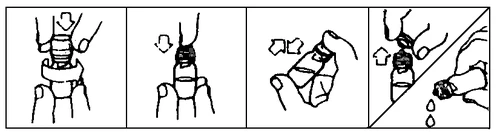
Instructions for using the bottle:
- To open the bottle, press down and simultaneously unscrew;
- Press on the plastic cap to release the powder, then shake until completely dissolved;
- To dispense the drops, remove the cap and invert the bottle;
- To close again, press down and simultaneously screw;
- To reopen, press down and simultaneously unscrew.
Use in children
This medicine should be used in children only when absolutely necessary and under close medical supervision.
If you take more Lorazepam Dorom than you should
In case of accidental ingestion or overdose of this medicine, contact your doctor immediately or go immediately to the nearest hospital.
Taking an excessive dose of lorazepam together with other medicines that depress the central nervous system or with alcohol may result in fatal outcomes.
Symptoms of overdose may include:
- marked slowing (depression) of the central nervous system, with symptoms ranging from temporary loss of sensory and intellectual functions (obnubilation), difficulty speaking (dysarthria), to coma. In more severe cases, the following may occur:
- serious muscle problems (ataxia or hypotonia);
- low blood pressure (hypotension);
- excessive drowsiness;
- effects opposite to those expected from this medicine (paradoxical symptoms);
- reduced heart function;
- decreased activity of all functions of the central nervous system;
- breathing difficulties;
- coma;
- death.
If you forget to take Lorazepam Dorom
Do not take a double dose to make up for a missed dose.
If you stop taking Lorazepam Dorom
Do not stop treatment with Lorazepam Dorom suddenly or without first discussing it with your doctor, as withdrawal or rebound symptoms may occur (see section “Warnings and precautions”).
If you have any questions about how to use this medicine, consult your doctor or pharmacist.
4. Possible side effects
Like all medicines, this medicine can cause side effects, although not everybody will experience them.
Stop taking the medicine and contact your doctor immediately if you experience:
depression and mental disorders such as restlessness, agitation, irritability, aggression, feelings of
disappointment, anger, nightmares, hallucinations (seeing or hearing things that are not real), psychosis
(a serious mental condition in which a person loses touch with reality and the ability to think and
reason clearly), changes in behaviour, physical and psychological dependence on the medicine or other
substances (leading to a need to use it excessively), withdrawal symptoms or rebound symptoms (see
section 2).
These reactions are more likely to occur in children and elderly patients.
In addition, contact your doctor immediately or go to the nearest emergency department if you
experience:
- severe allergic reaction (anaphylactic shock);
- swelling of the face, tongue and throat causing difficulty in swallowing and breathing;
- difficulty remembering events that occurred after taking the medicine (anterograde amnesia), which may also be accompanied by changes in behaviour;
- suicidal thoughts, suicide attempts.
To help you recognize some of the possible side effects, it may be helpful to inform a relative or close
friend that you are taking this medicine and ask them to read this leaflet. You may ask them to let you
know if they notice any changes in your behaviour.
Other possible side effects include:
Very common side effects (may affect more than 1 in 10 people):
- daytime drowsiness.
Common side effects (may affect up to 1 in 10 people):
- depression (pre-existing or emerging during treatment);
- loss of muscle coordination (ataxia);
- confusion;
- muscle weakness;
- fatigue.
Uncommon side effects (may affect up to 1 in 100 people):
- disturbances in libido;
- nausea.
Frequency not known (cannot be estimated from the available data):
- reduction in all blood cells (pancytopenia);
- reduction in the number of white blood cells (agranulocytosis);
- reduction in the number of blood platelets (thrombocytopenia);
- hypersensitivity reactions;
- a condition characterised by excessive secretion of antidiuretic hormone, causing water retention in the body and reduced sodium levels in the blood (SIADH);
- low sodium levels in the blood (hyponatremia);
- changes in appetite;
- disinhibition;
- sleep disturbances;
- disorientation;
- euphoria;
- coma;
- disturbances in the nervous centres controlling instinctive movements (extrapyramidal symptoms), tremors, difficulty in articulating speech (dysarthria);
- seizures/epileptic fits (and autonomic crises);
- amnesia;
- anterograde amnesia;
- reduced attention and/or reduced ability to concentrate;
- reduced level of alertness;
- rebound effect;
- withdrawal syndrome;
- balance disorders, sensation of abnormality;
- headache;
- visual disturbances, double or blurred vision;
- dizziness;
- reduction in blood arterial pressure (hypotension);
- respiratory depression;
- temporary suspension of breathing for several seconds (apnoea);
- worsening of pre-existing sleep apnoea;
- worsening of chronic lung diseases with breathing difficulties;
- constipation;
- stomach and intestinal problems;
- yellow or yellowish discoloration of the skin and mucous membranes (jaundice);
- allergic skin reactions, even very severe ones, allergic dermatitis;
- patchy hair loss (alopecia);
- inability to completely empty the bladder (urinary retention);
- lowering of body temperature;
- increased blood levels of bilirubin, transaminases and alkaline phosphatase (substances produced by the liver);
- falls and resulting injuries.
The following side effects occur at the beginning of treatment and usually disappear with continued
treatment:
- daytime drowsiness, reduced alertness, confusion;
- gradual reduction in intellectual and sensory responsiveness (emotional blunting);
- headache, dizziness;
- fatigue, muscle weakness, difficulty controlling movements (ataxia);
- double vision.
Reporting of side effects
If you experience any side effect, including those not listed in this leaflet, please contact your doctor or
pharmacist. You can also report side effects directly via the national reporting system at: https://www.aifa.gov.it/content/segnalazioni-reazioni-avverse.
By reporting side effects, you can help provide more information on the safety of this medicine.
5. How to store Lorazepam Dorom
Keep this medicine out of the sight and reach of children.
This medicine does not require any special storage conditions prior to reconstitution.
The solution must be used within 30 days after reconstitution and must be stored in the refrigerator. Any excess product should be discarded.
Do not use this medicine after the expiry date stated on the packaging after “Exp.”.
The expiry date refers to the last day of that month.
Do not dispose of medicines via wastewater or household waste. Ask your pharmacist how to dispose of medicines you no longer use. This will help protect the environment.
6. Package contents and other information
What Lorazepam Dorom 2 mg/ml oral drops, solution contains
- The active substance is lorazepam. 0.5 ml (20 drops) of solution contain 1 mg of lorazepam.
- The other components are: In the reservoir cap: mannitol. In the bottle: ethanol 96 percent, purified water.
Description of the appearance of Lorazepam Dorom and contents of the package
Lorazepam Dorom oral drops, solution is presented in a box containing a 10 ml bottle of solution with a dropper.
Marketing Authorization Holder and Manufacturer
Marketing Authorization Holder
Teva Italia S.r.l. - Piazzale Luigi Cadorna, 4 - 20123 Milan.
Manufacturer
ITC Production S.r.l. - Via Pontina Km 29 - 00071 Pomezia (RM)