Locoidon
Italy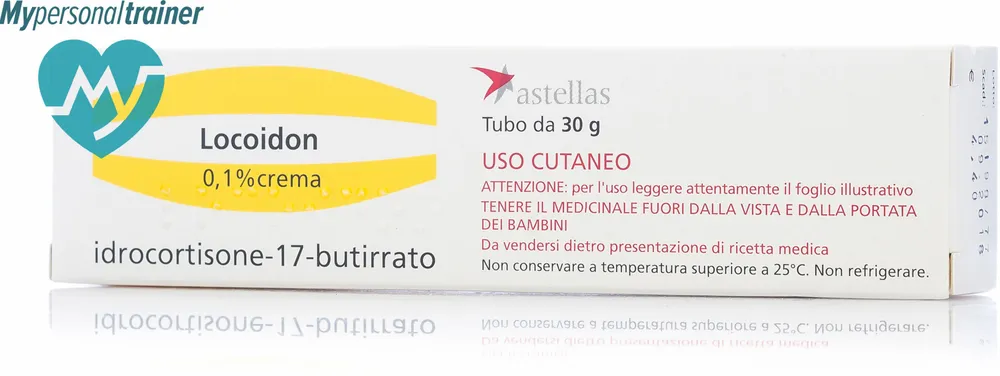
Table of Contents
- Package leaflet: Information for the user
- Locoidon 0.1% ointment
- 1. What Locoidon is and what it is used for
- 2. What you need to know before using Locoidon
- 3. How to use Locoidon
- Instructions for use
- 4. Possible side effects
- 5. How to store Locoidon
- 6. Package contents and other information
- Patient Information Leaflet: Information for the User
- Locoidon 0.1% cutaneous solution
- 1. What Locoidon is and what it is used for
- 2. What you need to know before using Locoidon
- 3. How to use Locoidon
- Instructions for use
- 4. Possible side effects
- 5. How to store Locoidon
- 6. Package contents and other information
- Package leaflet: information for the user
- Locoidon 0.1% Cutaneous Emulsion
- 1. What Locoidon is and what it is used for
- 2. What you must know before using Locoidon
- 3. How to use Locoidon
- 4. Possible side effects
- 5. How to store Locoidon
- 6. Package contents and other information
- Package leaflet: Information for the user
- Locoidon 0.1% cream
- 1. What Locoidon is and what it is used for
- 2. What you need to know before using Locoidon
- 3. How to use Locoidon
- 4. Possible side effects
- 5. How to store Locoidon
- 6. Package contents and other information
- Package leaflet: Information for the user
- Locoidon 0.1% hydrophilic cream
- 1. What Locoidon is and what it is used for
- 2. What you need to know before using Locoidon
- 3. How to use Locoidon
- 4. Possible side effects
- 5. How to store Locoidon
- 6. Contents of the pack and other information
Package leaflet: Information for the user
Locoidon 0.1% ointment
Hydrocortisone 17-butyrate
Please read all of this leaflet carefully before you start using this medicine because it contains important information for you.
- Keep this leaflet. You may need to read it again.
- If you have any questions, ask your doctor or pharmacist.
- This medicine has been prescribed for you only. Do not give it to other people, even if their symptoms are the same as yours, as it may be harmful to them.
- If you experience any side effects, including those not listed in this leaflet, tell your doctor or pharmacist. See section 4.
Contents of this leaflet:
- What Locoidon is and what it is used for
- What you need to know before using Locoidon
- How to use Locoidon
- Possible side effects
- How to store Locoidon
- Contents of the pack and other information
1. What Locoidon is and what it is used for
Locoidon is a topical ointment containing the active substance hydrocortisone 17-butyrate.
Hydrocortisone 17-butyrate belongs to a group of medicines called moderately potent corticosteroids, used to reduce inflammatory symptoms such as itching, redness and scaling that may occur in skin disorders.
Locoidon is indicated in adults and children over two years of age for local treatment of:
- skin diseases not caused by infections, but by inflammation or allergy. These conditions may arise acutely, subacutely (when symptoms develop more slowly), or chronically
- eczema (skin inflammations associated with itching) in various forms (atopic eczema, chronic eczema, contact eczema, infantile eczema, seborrheic eczema, etc.)
- psoriasis (chronic skin inflammation not always associated with itching)
- lichen planus (a disease presenting with skin and mucosal lesions)
- neurodermatitis (a skin disease characterized by chronic itching or scaling)
- dermatitis herpetiformis (a non-infectious disease characterized by the appearance of blisters/vesicles on the skin)
- intertrigo (a form of skin irritation due to constant rubbing of two body parts)
- sunburn
- radiation dermatitis
- non-infectious anogenital itching.
The ointment formulation of Locoidon is particularly suitable for chronic conditions in which the skin is very dry and tends to scale.
Consult your doctor if you do not feel better or if you feel worse.
2. What you need to know before using Locoidon
Do not use Locoidon
- if you are allergic to hydrocortisone 17-butyrate or to any of the other ingredients of this medicine (listed in section 6)
- if you have skin infections caused by bacteria, fungi, yeasts, or parasites
- if you have ulcerative skin lesions
- if you have common acne
- if you have rosacea (redness and inflammation of the facial skin)
- if you have perioral dermatitis (inflammation of the skin around the mouth)
- if the area of skin to be treated is affected by tuberculosis (an infectious disease)
- if you have viral infections (e.g., herpes, smallpox, chickenpox, etc.)
- if your child is under two years of age and suffers from diaper rash
Warnings and precautions
Talk to your doctor or pharmacist before and during treatment with Locoidon if:
- you experience blurred vision or other visual disturbances.
Do not use this medicine in the eyes.
Do not use this medicine on the eyelids.
Use Locoidon with caution on the skin of the face and genital areas.
Wash your hands after each application unless you are treating the hands themselves.
The risk of both local and systemic adverse effects increases when treating
intertriginous areas (irritation occurring when two skin surfaces rub together),
large skin areas, or when using occlusive dressings, as well as with frequent or
prolonged treatment.
Sudden discontinuation of treatment may lead to a severe relapse of the underlying
condition.
Occlusive dressing
The use of occlusive dressings during treatment with Locoidon is not recommended.
In particular, keep in mind that:
- you must not apply occlusive dressings if you suffer from atopic dermatitis (a type of skin inflammation)
- if you do apply an occlusive dressing, you may develop secondary infections (infections arising on pre-existing skin lesions) of bacterial or fungal origin. In such cases, your doctor will prescribe appropriate treatment and discontinue the occlusive dressing
- occlusive dressings are especially not recommended when Locoidon is used to treat large body surface areas. In particular, prolonged treatment of large body areas under occlusive dressings may lead to:
- systemic adverse effects (see section 4 “Possible side effects”)
- hormonal alterations that may cause disturbances in body temperature regulation (such as heat stroke) (see section 4 “Possible side effects”)
- plastic films may be flammable and may cause allergic reactions.
Prolonged treatment
With prolonged treatment, you may experience hypersensitivity reactions (see section 4
“Possible side effects”).
Children and adolescents
- Children may be more sensitive than adults to the adverse effects of topical corticosteroids, particularly hormonal disturbances, due to a higher potential for systemic absorption. Children may develop Cushing's syndrome (a condition characterized by a rounded "moon face", weight gain, fluid retention, reduced glucose tolerance and increased risk of diabetes, leg swelling, headache, etc.), growth retardation (in height and weight), and intracranial hypertension (increased blood pressure around the brain).
Particular caution is required in infantile dermatitis, including diaper rash.
Other medicines and Locoidon
Inform your doctor or pharmacist if you are taking, have recently taken, or might take any
other medicines.
In particular, inform your doctor if you are taking the following medicines, as they are incompatible with
Locoidon:
- medicines containing zinc oxide, mineral tar, or calamine (used to treat skin disorders)
- salicylic acid (a non-steroidal anti-inflammatory)
- detergents based on carbonate or bicarbonate.
Pregnancy, breastfeeding, and fertility
If you are pregnant, think you may be pregnant, are planning a pregnancy, or are breastfeeding,
please consult your doctor or pharmacist before using this medicine.
Use this product only when strictly necessary and under direct medical supervision.
This medicine may be used during breastfeeding under direct medical supervision,
avoiding direct application on the breast.
Driving and using machines
Locoidon does not affect or has negligible influence on the ability to drive vehicles and use machinery.
3. How to use Locoidon
Use this medicine exactly as instructed by your doctor or pharmacist. If you have any doubts, consult your doctor or pharmacist.
Adults
Apply the ointment 1–2 times daily.
No specific precautions or dosage adjustments are required when used in elderly patients.
Use in children
The recommended dose and frequency of application in children will be determined by the doctor.
In children, avoid applying large amounts, using under occlusive dressings, and prolonged use: treatment courses must not exceed 7 days.
Locoidon must not be used in children under 2 years of age with diaper rash.
Instructions for use
Use this medicine on limited areas of the body.
Apply a thin layer of Locoidon to the affected area of skin and gently rub it in.
In some cases, as directed by the physician, it may be necessary to use an occlusive dressing made of a waterproof transparent plastic sheet, which should be kept in place over the affected skin area for up to 3 days, depending on the nature, severity, and condition of the lesion.
If you use more Locoidon than you should
Symptoms
If you use excessive doses of topical corticosteroids for prolonged periods, hormonal disturbances may occur, leading to symptoms or clinical conditions such as:
- Cushing's syndrome (a condition characterized by a "moon face" appearance, weight gain, fluid retention, reduced glucose tolerance and increased risk of diabetes, leg swelling, headache, etc.)
- asthenia (weakness, fatigue)
- arterial hypertension (increased blood pressure)
- cardiac rhythm disturbances
- hypokalaemia (low potassium levels in the blood)
- metabolic alkalosis (accumulation in the blood of substances such as bicarbonate).
If you use an excessive dose of Locoidon, consult a doctor immediately or go to the nearest hospital. A reduced function of a gland called the adrenal gland may occur.
If you forget to use Locoidon
Do not use a double dose to make up for the missed dose.
If you stop using Locoidon
If you have any doubts about using this medicine, consult your doctor or pharmacist.
4. Possible side effects
Like all medicines, this medicine can cause side effects, although not everyone experiences them.
If you experience any of the following side effects during treatment, contact your doctor immediately, who will DISCONTINUE treatment with Locoidon:
- hormonal disturbances
- allergic reactions.
When using occlusive dressings and/or treating large body surface areas and/or prolonged treatments, generalized side effects may occur (such as increased blood pressure, decreased potassium levels in the blood, increased blood sugar levels, swelling of the legs, etc.).
Additionally, the following side effects may occur:
Locally may occur:
- burning sensation
- irritation
- dryness of the skin
- folliculitis (superficial infections of the follicle of the hair, the structure surrounding the hair root)
- hypertrichosis (excessive hair growth)
- hypopigmentation (appearance of lighter skin areas).
Furthermore, the following side effects may occur with the following frequency:
Rare (may affect up to 1 in 1,000 people):
- cutaneous atrophy, often irreversible, with thinning of the epidermis (skin thinning)
- dermatitis (skin inflammation) and eczema, including contact telangiectasia (permanent dilation of capillaries)
- purpura (red or purple skin patches)
- epidermal striae (red streaks on the skin)
- acne
- perioral dermatitis (inflammation of the skin around the mouth)
- depigmentation of the skin (loss of skin color)
- rebound effect (return of symptoms upon discontinuation of the drug)
Very rare (may affect up to 1 in 10,000 people):
- adrenal gland suppression (reduced production of certain hormones)
Frequency not known (cannot be estimated from the available data):
- skin infections
- hypersensitivity
- pruritus
- erythema
- rash
- pain at the application site
- blurred vision
Reporting of side effects
If you experience any side effect, including those not listed in this leaflet, consult your doctor. You may also report side effects directly via the national reporting system at https://www.aifa.gov.it/content/segnalazioni-reazioni-avverse. By reporting side effects, you can help provide more information on the safety of this medicine.
5. How to store Locoidon
Keep this medicine out of the sight and reach of children.
Store below 25°C.
Do not use this medicine after the expiry date stated on the carton after EXP. The expiry date refers to the last day of that month.
Do not dispose of medicines via wastewater or household waste. Ask your pharmacist how to dispose of medicines you no longer use. This will help protect the environment.
6. Package contents and other information
What Locoidon ointment contains
- The active substance is: hydrocortisone 17-butyrate (100 g of ointment contain 0.1 g of hydrocortisone 17-butyrate).
- The other component is: gel of liquid paraffin containing 5% polyethylene.
Description of the appearance of Locoidon and contents of the pack
Locoidon is an ointment containing 0.1% hydrocortisone 17-butyrate, supplied in 30 g tubes.
Marketing Authorization Holder
CHEPLAPHARM Arzneimittel GmbH
Ziegelhof 24
17489 Greifswald
Germany
Manufacturer
Temmler Italia S.r.l. - Via delle Industrie 2 - 20061 Carugate (Milan)
Patient Information Leaflet: Information for the User
Locoidon 0.1% cutaneous solution
Hydrocortisone 17-butyrate
Please read this leaflet carefully before using this medicine because it contains important information for you.
- Keep this leaflet. You may need to read it again.
- If you have any questions, consult your doctor or pharmacist.
- This medicine has been prescribed for you only. Do not give it to others, even if their symptoms are the same as yours, as it could be harmful.
- If you experience any side effects, including those not listed in this leaflet, consult your doctor or pharmacist. See section 4.
Contents of this leaflet:
- What Locoidon is and what it is used for
- What you need to know before using Locoidon
- How to use Locoidon
- Possible side effects
- How to store Locoidon
- Contents of the pack and other information
1. What Locoidon is and what it is used for
Locoidon is a topical cutaneous solution containing the active substance hydrocortisone 17-butyrate.
Hydrocortisone 17-butyrate belongs to a group of medicines called moderately potent corticosteroids, which are used to reduce inflammatory symptoms such as itching, redness and scaling that may occur in various skin disorders.
Locoidon is indicated in adults and children over two years of age for the local treatment of:
- skin diseases not caused by infections, but by inflammation or allergy. These conditions may arise in acute, subacute (when symptoms develop more slowly) or chronic forms
- eczemas (inflammatory skin conditions associated with itching) in their various forms (atopic eczema, chronic eczema, allergic eczema, contact eczema, infantile eczema, seborrhoeic eczema, etc.)
- psoriasis (a chronic inflammatory skin condition not always associated with itching, non-infectious and non-contagious)
- lichen planus (a disease characterized by skin and mucosal lesions)
- neurodermatitis (a skin condition characterized by chronic itching or scaling)
- dermatitis herpetiformis (a non-infectious disease characterized by the appearance of vesicles/blisters on the skin)
- intertrigo (a form of skin irritation caused by continuous friction between two body areas)
- solar erythema
- radiation dermatitis
- anogenital pruritus not caused by infections.
The formulation of Locoidon as a cutaneous solution is particularly suitable for application on hairy areas and skin covered with hair.
Consult your doctor if you do not feel better or if you feel worse.
2. What you need to know before using Locoidon
Do not use Locoidon
- if you are allergic to hydrocortisone 17-butyrate or to any of the other ingredients of this medicine (listed in section 6)
- if you have skin infections caused by bacteria, fungi, yeasts, or parasites
- if you have ulcerative skin lesions
- if you have common acne
- if you have rosacea (redness and inflammation of the facial skin)
- if you have perioral dermatitis (inflammation of the skin around the mouth)
- if the area of skin to be treated is affected by tuberculosis (an infectious disease)
- if you have viral infections (e.g. herpes, smallpox, chickenpox, etc.)
- if your child is under two years of age and suffers from diaper rash
Warnings and precautions
Talk to your doctor or pharmacist before and during use of Locoidon if
- you experience blurred vision or other visual disturbances.
Do not use this medicine in the eyes.
Do not use this medicine on the eyelids.
Use Locoidon with caution on the facial skin and genital areas.
Wash your hands after each application, unless you are using this medicine to treat the hands.
The risk of both local and systemic adverse effects increases when treating
intertriginous areas (irritation occurring when two skin surfaces rub together),
large skin areas, or when using occlusive dressings, as well as with frequent or
prolonged treatment.
Sudden discontinuation of treatment may lead to a severe relapse of the underlying
condition.
Occlusive dressing
The use of occlusive dressings during treatment with Locoidon is not recommended.
In particular, keep in mind that:
- you must not apply occlusive dressings if you suffer from atopic dermatitis (a form of skin inflammation)
- if you apply an occlusive dressing, you may develop secondary bacterial or fungal infections (infections arising on pre-existing skin lesions). In such cases, your doctor will prescribe appropriate treatment and discontinue the occlusive dressing
- the use of occlusive dressings is particularly not recommended when Locoidon is used to treat large body surface areas. In particular, prolonged treatment of large body areas under occlusive dressings may lead to:
- adverse effects (see section 4 “Possible side effects”)
- hormonal disturbances that may cause body temperature regulation problems (such as heat stroke) (see section 4 “Possible side effects”)
- plastic films may be flammable and may cause allergic reactions.
In case of prolonged treatment
During prolonged treatment, you may experience hypersensitivity reactions (see section 4
“Possible side effects”).
Children and adolescents
- Children may be more sensitive than adults to the adverse effects of topical corticosteroids, particularly hormonal disturbances, due to a higher likelihood of systemic absorption. Children may develop Cushing's syndrome (a condition characterized by a "moon face", weight gain, fluid retention, reduced glucose tolerance and increased risk of diabetes, leg swelling, headache, etc.), growth retardation (in height and weight), and intracranial hypertension (increased blood pressure around the brain).
Particular caution is required in childhood dermatitis, including diaper rash.
Other medicines and Locoidon
Inform your doctor or pharmacist if you are taking, have recently taken, or might take any
other medicine.
In particular, inform your doctor if you are taking the following medicines, as they are incompatible with
Locoidon:
- medicines containing zinc oxide, mineral tar, and calamine (used to treat skin disorders)
- salicylic acid (a non-steroidal anti-inflammatory)
- carbonated or bicarbonate-based cleansers.
Pregnancy, breastfeeding and fertility
If you are pregnant, think you may be pregnant, are planning to become pregnant, or are breastfeeding,
please consult your doctor or pharmacist before using this medicine.
Use this product only when strictly necessary and under direct medical supervision.
This medicine may be used during breastfeeding under direct medical supervision, avoiding
application directly on the breast.
Driving and using machines
Locoidon does not affect or has a negligible effect on the ability to drive and use machinery.
3. How to use Locoidon
Use this medicine exactly as instructed by your doctor or pharmacist. If you have any doubts, consult your doctor or pharmacist.
Adults
Apply the topical solution 1–2 times daily.
No specific precautions or dosage adjustments are required for use in elderly patients.
Use in children
The recommended dose and frequency of application in children will be determined by the doctor.
In children, avoid applying large amounts, using under occlusive dressings, and prolonged use: treatment courses must not exceed 7 days.
Locoidon must not be used in children under two years of age for diaper rash.
Instructions for use
Use this medicine on limited areas of the body. Apply a thin layer of Locoidon to the affected area of skin and gently massage it in.
In some cases, at the physician's discretion, it may be necessary to use an occlusive dressing with a transparent, waterproof plastic sheet, to be kept on the affected skin area for up to 3 days, depending on the nature, severity, and condition of the lesion.
If you use more Locoidon than you should
Symptoms
If you use an excessive dose of topical corticosteroids for prolonged periods, you may experience hormonal disturbances leading to symptoms or clinical conditions such as:
- Cushing's syndrome (a disorder characterized by a "moon face" appearance, weight gain, fluid retention, reduced glucose tolerance and increased risk of diabetes, leg swelling, headache, etc.)
- asthenia (weakness, fatigue)
- arterial hypertension (increased blood pressure)
- cardiac rhythm disturbances
- hypokalaemia (low potassium levels in the blood)
- metabolic alkalosis (accumulation in the blood of substances such as bicarbonate).
If you use an excessive dose of Locoidon, consult a doctor immediately or go to the nearest hospital. You may experience reduced function of a gland called the adrenal gland.
If you forget to use Locoidon
Do not use a double dose to make up for the missed dose.
If you stop using Locoidon
If you have any doubts about using this medicine, consult your doctor or pharmacist.
4. Possible side effects
Like all medicines, this medicine can cause side effects, although not everyone gets them.
If you experience the following side effects during treatment, consult your doctor immediately,
who will DISCONTINUE treatment with Locoidon:
- hormonal disturbances
- allergic reactions.
When using occlusive dressings and/or treating large body surface areas and/or prolonged treatments,
generalized side effects may occur (such as increased blood pressure, decreased potassium levels in the blood, elevated blood sugar levels, swelling of the legs, etc.).
Additionally, the following side effects may occur:
Locally, the following may occur:
- burning sensation
- irritation
- dryness of the skin
- folliculitis (superficial infections of the follicle of the hair, the structure surrounding the hair root)
- hypertrichosis (increased hair growth)
- hypopigmentation (appearance of lighter skin areas).
Furthermore, the following side effects may occur with the frequencies listed below:
Rare (may affect up to 1 in 1,000 people):
- cutaneous atrophy, often irreversible, with thinning of the skin
- dermatitis (inflammation of the skin) and eczema, including contact dermatitis
- telangiectasia (permanent dilation of capillaries)
- purpura (red patches on the skin)
- epidermal striae (red streaks on the skin)
- acne
- perioral dermatitis (inflammation of the skin around the mouth)
- depigmentation of the skin (skin discoloration)
- rebound effect (return of symptoms upon discontinuation of the medicine)
Very rare (may affect up to 1 in 10,000 people):
- adrenal gland suppression (reduced production of certain types of hormones)
Frequency not known (cannot be estimated from the available data):
- skin infections
- hypersensitivity
- pruritus
- erythema
- rash
- pain at the application site
- blurred vision
Reporting of side effects
If you experience any side effect, including those not listed in this leaflet, consult your doctor. You may also report side effects directly via the national reporting system at the website [insert address here]. By reporting side effects, you can help provide more information on the safety of this medicine.
5. How to store Locoidon
Keep this medicine out of the sight and reach of children.
Store below 25°C.
Do not use this medicine after the expiry date stated on the carton after EXP. The expiry date refers to the last day of that month.
Do not dispose of any medicine via wastewater or household waste. Ask your pharmacist how to dispose of medicines you no longer use. This will help protect the environment.
6. Package contents and other information
What Locoidon cutaneous solution contains
- The active substance is: hydrocortisone 17-butyrate (100 g of solution contain 0.1 g of hydrocortisone 17-butyrate)
- The other components are: glycerol; povidone; anhydrous citric acid, anhydrous sodium citrate, isopropyl alcohol; purified water.
Description of the appearance of Locoidon and contents of the pack
Locoidon is a 0.1% solution supplied in a 30 ml bottle.
Marketing Authorization Holder
CHEPLAPHARM Arzneimittel GmbH
Ziegelhof 24
17489 Greifswald
Germany
Manufacturer
Temmler Italia S.r.l. - Via delle Industrie 2 - 20061 Carugate (Milan)
Package leaflet: information for the user
Locoidon 0.1% Cutaneous Emulsion
Hydrocortisone 17-butyrate
Please read this leaflet carefully before using this medicine because it contains important information for you.
- Keep this leaflet. You may need to read it again.
- If you have any questions, consult your doctor or pharmacist.
- This medicine has been prescribed for you only. Do not give it to others, even if their symptoms are the same as yours, as it could be harmful.
- If you experience any adverse reaction, including those not listed in this leaflet, consult your doctor or pharmacist. See section 4.
Contents of this leaflet:
- What Locoidon is and what it is used for
- What you need to know before using Locoidon
- How to use Locoidon
- Possible side effects
- How to store Locoidon
- Package contents and other information
1. What Locoidon is and what it is used for
Locoidon is a cutaneous emulsion for topical use, containing the active substance hydrocortisone 17-butyrate.
Hydrocortisone 17-butyrate belongs to a group of medicines called moderately potent corticosteroids, used to reduce inflammatory symptoms such as itching, redness and scaling that may occur in skin disorders.
Locoidon is indicated in adults and children over two years of age for the local treatment of:
- skin diseases not caused by infection, but by inflammation or allergy. These conditions may present in acute, subacute (when symptoms develop more slowly) or chronic forms
- eczemas (skin inflammations associated with itching) in their various forms (atopic eczema, chronic eczema, allergic eczema, contact eczema, infantile eczema, seborrheic eczema, etc.)
- psoriasis (a chronic skin inflammation not always associated with itching)
- lichen planus (a disease characterized by skin and mucosal lesions)
- neurodermatitis (a skin condition characterized by chronic itching or scaling)
- dermatitis herpetiformis (a non-infectious disease characterized by the appearance of blisters/vesicles on the skin)
- intertrigo (a form of skin irritation caused by constant rubbing of two body surfaces)
- sunburn
- radiation dermatitis
- non-infectious anogenital itching.
Due to its skin adherence properties, the Locoidon cutaneous emulsion formulation is particularly suitable for application on hairy skin areas. Moreover, since it leaves no greasy residue and thanks to its excellent spreadability, it is suitable for treating exposed areas such as the face, hands and large skin surfaces.
Finally, due to its soothing effect, it is particularly appropriate for the treatment of acute, weeping skin conditions.
Consult your doctor if you do not feel better or if you feel worse.
2. What you must know before using Locoidon
Do not use Locoidon
- if you are allergic to hydrocortisone 17-butyrate or to any of the other ingredients of this medicine (listed in section 6)
- if you have skin infections caused by bacteria, fungi, yeasts or parasites
- if you have ulcerative skin lesions
- if you have common acne
- if you have rosacea (redness and inflammation of the facial skin)
- if you have perioral dermatitis (inflammation of the skin around the mouth)
- if the area of skin to be treated is affected by tuberculosis (an infectious disease)
- if you have viral infections (e.g. herpes, smallpox, chickenpox, etc.)
- if your child is under two years of age and suffers from diaper rash
Warnings and precautions
Consult your doctor or pharmacist before and during treatment with Locoidon if
- you experience blurred vision or other visual disturbances.
Do not use this medicine in the eyes.
Do not use this medicine on the eyelids.
Use Locoidon with caution on the facial skin and genital area.
Wash your hands after each application unless you are treating the hands themselves.
The risk of both local and systemic adverse effects increases when treating
intertriginous areas (irritation occurring when two skin surfaces rub together),
large skin areas, or when using occlusive dressings, as well as with frequent or
prolonged treatment.
Abrupt discontinuation of treatment may lead to a severe relapse of the
underlying condition.
Occlusive dressing
The use of occlusive dressings during treatment with Locoidon is not recommended.
In particular, please note the following:
- you must not apply an occlusive dressing if you suffer from atopic dermatitis (a form of skin inflammation)
- if you apply an occlusive dressing, you may develop secondary bacterial or fungal infections (infections arising on pre-existing skin lesions). In such cases, your doctor will prescribe appropriate treatment and advise discontinuation of the occlusive dressing
- the use of occlusive dressings is particularly not recommended when Locoidon is used to treat large body surface areas. In particular, prolonged treatment of large body areas under occlusive dressings may lead to:
- adverse effects (see section 4 “Possible side effects”)
- hormonal disturbances that may cause problems with body temperature regulation (such as heat stroke) (see section 4 “Possible side effects”)
- plastic films may be flammable and may cause allergic reactions.
Prolonged treatment
During prolonged treatment, you may experience hypersensitivity reactions (see section 4
“Possible side effects”).
Children and adolescents
Children may be more sensitive than adults to the adverse effects of topical corticosteroids, particularly hormonal disturbances, due to their increased propensity for greater absorption of the medicine. Children may develop Cushing's syndrome (a condition characterized by a "moon face", weight gain, fluid retention, reduced glucose tolerance and increased risk of diabetes, leg swelling, headache, etc.), growth retardation (in height and weight), and intracranial hypertension (increased blood pressure around the brain).
Particular caution is required in childhood dermatoses, including diaper rash.
Other medicines and Locoidon
Inform your doctor or pharmacist if you are taking, have recently taken, or might take any other medicines.
In particular, inform your doctor if you are taking the following medicines, as they are incompatible with Locoidon:
- medicines containing zinc oxide, mineral tar and calamine (used to treat skin disorders)
- salicylic acid (a non-steroidal anti-inflammatory)
- detergents based on carbonate or bicarbonate.
Pregnancy, breast-feeding and fertility
If you are pregnant, think you may be pregnant, planning a pregnancy, or are breast-feeding, consult your doctor or pharmacist before using this medicine.
Use this product only when strictly necessary and under direct medical supervision.
This medicine may be used during breast-feeding under direct medical supervision, avoiding application directly on the breast.
Driving and using machines
Locoidon does not affect, or has negligible effect on, the ability to drive and use machinery.
Locoidon cutaneous emulsion contains cetyl stearyl alcohol. It may cause local skin reactions (e.g. contact dermatitis).
Locoidon cutaneous emulsion contains parahydroxybenzoates. They may cause allergic reactions (including delayed reactions).
Locoidon cutaneous emulsion contains butylated hydroxytoluene (E321). It may cause local skin reactions (e.g. contact dermatitis) or irritation of the eyes and mucous membranes.
3. How to use Locoidon
Use this medicine exactly as directed by your doctor or pharmacist. If you have any doubts, consult your doctor or pharmacist.
Adults
Apply the cutaneous emulsion 1–2 times a day.
No specific precautions or dosage adjustments are required for elderly patients.
Use in children
The recommended dose and frequency of application in children will be determined by the doctor.
In children, avoid applying large amounts, using under occlusive dressings, or prolonged use: treatment courses must not exceed 7 days.
Locoidon must not be used in children under two years of age for diaper rash.
Instructions for use
Use this medicine only on limited areas of the body. Apply a thin layer of Locoidon to the affected area of skin, gently massaging it in.
Occasionally, at the doctor’s discretion, it may be necessary to use an occlusive dressing with a transparent, impermeable plastic sheet, which should be kept over the affected skin area for up to 3 days, depending on the nature, severity of the lesion, and your individual condition.
If you use more Locoidon than you should
Symptoms
If you use an excessive dose of topical corticosteroids for prolonged periods, you may experience hormonal disturbances leading to symptoms or clinical conditions such as:
- Cushing's syndrome (a condition characterized by a "moon face", weight gain, fluid retention, reduced glucose tolerance and increased risk of diabetes, leg swelling, headache, etc.)
- asthenia (weakness, fatigue)
- arterial hypertension (high blood pressure)
- cardiac rhythm disturbances
- hypokalaemia (low potassium levels in the blood)
- metabolic alkalosis (accumulation in the blood of substances such as bicarbonate).
If you use an excessive dose of Locoidon, consult a doctor immediately or go to the nearest hospital. You may experience reduced function of a gland called the adrenal gland.
If you forget to use Locoidon
Do not use a double dose to make up for the missed dose.
If you stop using Locoidon
If you have any doubts about using this medicine, consult your doctor or pharmacist.
4. Possible side effects
Like all medicines, this medicine can cause side effects, although not everybody will experience them.
If you experience any of the following side effects during treatment, contact your doctor immediately,
who will STOP treatment with Locoidon:
- hormonal disturbances
- allergic reactions.
If occlusive bandages are used and/or large body surface areas are treated and/or treatment is prolonged,
generalised side effects may occur (such as increased blood pressure, decreased potassium levels in the
blood, increased blood sugar levels, swelling of the legs, etc.).
In addition, the following side effects may occur:
Locally, the following may occur:
- burning sensation
- irritation
- dryness of the skin
- folliculitis (superficial infections of the follicle of the hair, the structure surrounding the hair root)
- hypertrichosis (excessive hair growth)
- hypopigmentation (appearance of lighter skin areas).
Furthermore, the following side effects may occur with the frequency described below:
Rare (may affect up to 1 in 1,000 people):
- cutaneous atrophy, often irreversible, with thinning of the skin
- dermatitis (inflammation of the skin) and eczema, including contact dermatitis
- telangiectasia (permanent dilation of capillaries)
- purpura (appearance of red spots on the skin)
- epidermal striae (red streaks on the skin)
- acne
- perioral dermatitis (inflammation of the skin around the mouth)
- depigmentation of the skin (loss of skin colour)
- rebound effect (return of symptoms upon discontinuation of the medicine)
Very rare (may affect up to 1 in 10,000 people):
- adrenal gland suppression (reduced production of certain types of hormones)
Frequency not known (cannot be estimated from the available data):
- skin infections
- hypersensitivity
- pruritus
- erythema
- rash
- pain at the application site
- blurred vision
Reporting of side effects
If you experience any side effect, including those not listed in this leaflet, please contact your doctor. You
can also report side effects directly via the national reporting system at the following website:
https://www.aifa.gov.it/content/segnalazioni-reazioni-avverse.
By reporting side effects, you can help provide more information on the safety of this medicine.
5. How to store Locoidon
Keep this medicine out of the sight and reach of children.
Store below 25°C.
Do not use this medicine after the expiry date stated on the carton after EXP. The expiry date refers to the last day of that month.
Do not dispose of medicines via wastewater or household waste. Ask your pharmacist how to dispose of medicines you no longer use. This will help protect the environment.
6. Package contents and other information
What Locoidon Cutaneous Emulsion contains
- The active substance is: hydrocortisone 17-butyrate (100 g of emulsion contain 0.1 g of hydrocortisone 17-butyrate)
- The other components are: cetyl stearyl alcohol; propyl parahydroxybenzoate, butyl parahydroxybenzoate; macrogol 25 cetostearyl ether; soft white paraffin; white vaseline; borage oil; butylhydroxytoluene (E321); propylene glycol; sodium citrate; anhydrous citric acid, purified water.
Description of the appearance of Locoidon and contents of the pack
Locoidon is a 0.1% cutaneous emulsion, supplied in a 30 ml bottle.
Marketing Authorization Holder
CHEPLAPHARM Arzneimittel GmbH
Ziegelhof 24
17489 Greifswald
Germany
Manufacturer
Temmler Italia S.r.l. - Via delle Industrie 2 - 20061 Carugate (Milan)
Package leaflet: Information for the user
Locoidon 0.1% cream
Hydrocortisone 17-butyrate
Please read this leaflet carefully before using this medicine because it contains important information for you.
- Keep this leaflet. You may need to read it again.
- If you have any questions, consult your doctor or pharmacist.
- This medicine has been prescribed for you only. Do not give it to others, even if their symptoms are the same as yours, as it may be harmful.
- If you experience any side effects, including those not listed in this leaflet, consult your doctor or pharmacist. See section 4.
Contents of this leaflet:
- What Locoidon is and what it is used for
- What you need to know before using Locoidon
- How to use Locoidon
- Possible side effects
- How to store Locoidon
- Contents of the pack and other information
1. What Locoidon is and what it is used for
Locoidon is a topical cream containing the active ingredient hydrocortisone 17-butyrate.
Hydrocortisone 17-butyrate belongs to a group of medicines called moderately potent corticosteroids, used to reduce inflammatory symptoms such as itching, redness, and scaling that may occur in various skin disorders.
Locoidon is indicated in adults and children over two years of age for local treatment of:
- skin diseases not caused by infection, but by inflammation or allergy. These conditions may arise acutely, subacutely (when symptoms develop more slowly), or chronically
- eczemas (skin inflammations associated with itching) in various forms (atopic eczema, chronic eczema, contact eczema, infantile eczema, seborrheic eczema, etc.)
- psoriasis (chronic skin inflammation not always associated with itching)
- lichen planus (a disease manifesting with skin and mucosal lesions)
- neurodermatitis (a skin condition characterized by chronic itching or scaling)
- dermatitis herpetiformis (a non-infectious disease characterized by the appearance of blisters/vesicles on the skin)
- intertrigo (a form of skin irritation caused by constant friction between two body parts)
- sunburn
- radiation dermatitis
- non-infectious anogenital itching
The formulation of Locoidon cream, thanks to its components with a balanced ratio between oily and aqueous phases, is particularly suitable as an emollient and soothing agent, and is therefore indicated in all acute, subacute, and chronic skin diseases (dermatoses) where topical corticosteroid treatment is appropriate.
Consult your doctor if you do not feel better or if you feel worse.
2. What you need to know before using Locoidon
Do not use Locoidon
- if you are allergic to hydrocortisone 17-butyrate or to any of the other ingredients of this medicine (listed in section 6)
- if you have skin infections caused by bacteria, fungi, yeasts, or parasites
- if you have ulcerative skin lesions
- if you have vulgar acne
- if you have rosacea (redness and inflammation of the facial skin)
- if you have perioral dermatitis (inflammation of the skin around the mouth)
- if the area of skin to be treated is affected by tuberculosis (an infectious disease)
- if you have viral infections (e.g. herpes, smallpox, chickenpox, etc.)
- if your child is under two years of age and suffers from diaper rash
Warnings and precautions
Talk to your doctor or pharmacist before and during treatment with Locoidon if
- you experience blurred vision or other visual disturbances.
Do not use this medicine in the eyes.
Do not use this medicine on the eyelids.
Use Locoidon with caution on the facial skin and genital area.
Wash your hands after each application unless you are using this medicine to treat the hands.
The risk of undesirable effects, both local and systemic, increases when treating
intertriginous areas (irritation occurring when two skin surfaces rub together),
large areas of skin, or when using occlusive dressings, as well as with frequent or
prolonged treatment.
Abrupt discontinuation of treatment may lead to a rebound of the underlying condition, even in a very severe form.
Occlusive dressing
The use of occlusive dressings during treatment with Locoidon is not recommended.
In particular, keep in mind that:
- you must not apply an occlusive dressing if you suffer from atopic dermatitis (a form of skin inflammation)
- if you do apply an occlusive dressing, you may develop secondary infections (infections arising on pre-existing skin lesions) of bacterial or fungal origin. In such cases, your doctor will prescribe appropriate treatment and discontinue the occlusive dressing
- the use of occlusive dressings is especially not recommended when Locoidon is used to treat large body surface areas. In particular, prolonged treatment of large body areas under occlusive dressing may lead to:
- undesirable effects (see section 4 “Possible side effects”)
- hormonal alterations that may cause disturbances in body temperature regulation (such as heat stroke) (see section 4 “Possible side effects”)
- plastic films may be flammable and may cause allergic reactions.
In case of prolonged treatment
With prolonged treatment, you may experience hypersensitivity reactions (see section 4
“Possible side effects”).
Children and adolescents
Children may be more sensitive than adults to the undesirable effects of topical corticosteroid medicines, especially hormonal disturbances, due to a higher propensity for drug absorption. Children may develop Cushing's syndrome (a condition characterized by a rounded "moon" face, weight gain, fluid retention, reduced glucose tolerance and increased risk of diabetes, leg swelling, headache, etc.), growth retardation (in height and weight), and intracranial hypertension (increased blood pressure around the brain).
Special caution is required in infantile dermatitis, including diaper rash.
Other medicines and Locoidon
Inform your doctor or pharmacist if you are taking, have recently taken, or might take any other medicines.
In particular, inform your doctor if you are taking the following medicines, as they are incompatible with Locoidon:
- medicines containing zinc oxide, coal tar, and calamine (used to treat skin disorders)
- salicylic acid (a non-steroidal anti-inflammatory)
- cleansers based on carbonate or bicarbonate.
Pregnancy, breastfeeding, and fertility
If you are pregnant, suspect you may be pregnant, planning to become pregnant, or breastfeeding, consult your doctor or pharmacist before using this medicine.
Use this product only when strictly necessary and under direct medical supervision.
This medicine may be used during breastfeeding under direct medical supervision, avoiding application directly on the breast.
Driving and using machines
Locoidon does not affect or has negligible influence on the ability to drive and use machinery.
Locoidon cream contains cetyl stearyl alcohol. It may cause localized skin reactions (e.g. contact dermatitis).
Locoidon cream contains parahydroxybenzoates. They may cause allergic reactions (including delayed reactions).
3. How to use Locoidon
Use this medicine exactly as directed by your doctor or pharmacist. If you have any doubts, consult your doctor or pharmacist.
Adults
Apply the cream 1–2 times daily.
Use in elderly patients does not require specific precautions or dosage adjustments.
Use in children
The recommended dose and frequency of application in children will be determined by the doctor.
In children, avoid applying large amounts, using under occlusive dressings, or prolonged use: treatment courses should not exceed 7 days.
Locoidon must not be used in children under two years of age with diaper rash.
Instructions for use
Use this medicine only on limited areas of the body.
Apply a thin layer of Locoidon to the affected area of skin, gently massaging it in.
Occasionally, at the doctor’s discretion, an occlusive dressing may be required, using a waterproof transparent plastic sheet, which should be left in place on the affected skin area for up to 3 days, depending on the nature, severity of the lesion, and individual circumstances.
If you use more Locoidon than you should
Symptoms
If you use an excessive dose of topical corticosteroids for prolonged periods, you may experience hormonal disturbances leading to symptoms or clinical conditions such as:
- Cushing's syndrome (a condition characterized by a rounded "moon-shaped" face, weight gain, fluid retention, reduced glucose tolerance and increased risk of diabetes, leg swelling, headache, etc.)
- asthenia (weakness, fatigue)
- arterial hypertension (increased blood pressure)
- cardiac rhythm disturbances
- hypokalaemia (low potassium levels in the blood)
- metabolic alkalosis (accumulation in the blood of substances such as bicarbonate).
If you use too much Locoidon, consult a doctor immediately or go to the nearest hospital. Reduced function of a gland called the adrenal gland may occur.
If you forget to use Locoidon
Do not use a double dose to make up for the missed dose.
If you stop treatment with Locoidon
If you have any doubts about using this medicine, consult your doctor or pharmacist.
4. Possible side effects
Like all medicines, this medicine can cause side effects, although not everybody will experience them.
If you experience any of the following side effects during treatment, consult your doctor immediately,
who will DISCONTINUE treatment with Locoidon:
- hormonal disturbances
- allergic reactions.
When using occlusive bandages and/or treating large body surface areas and/or prolonged treatments,
generalized side effects may occur (such as increased blood pressure, decreased potassium levels in
the blood, increased blood sugar levels, swelling of the legs, etc.).
Additionally, the following side effects may occur:
Locally the following may occur:
- burning sensation
- irritation
- dryness of the skin
- folliculitis (superficial infections of the follicle of the hair, the structure surrounding the hair root)
- hypertrichosis (excessive hair growth)
- hypopigmentation (appearance of lighter-colored skin areas).
Furthermore, the following side effects may occur with the frequencies listed below:
Rare (may affect up to 1 in 1,000 people):
- cutaneous atrophy, often irreversible, with thinning of the epidermis (thinning of the skin)
- dermatitis (inflammation of the skin) and eczema including telangiectasia (permanent dilation of capillaries)
- purpura (red or purple discolored patches on the skin)
- epidermal striae (red streaks or lines on the skin)
- acne
- perioral dermatitis (inflammation of the skin around the mouth)
- depigmentation of the skin (loss of skin color)
- rebound effect (reappearance of symptoms upon discontinuation of the medicine)
Very rare (may affect up to 1 in 10,000 people):
- adrenal gland suppression (reduced production of certain hormones)
Frequency not known (cannot be estimated from the available data):
- skin infections
- hypersensitivity
- pruritus
- erythema
- rash
- pain at the application site
- blurred vision
Reporting of side effects
If you experience any side effect, including those not listed in this leaflet, consult your doctor. You may
also report side effects directly via the national reporting system at https://www.aifa.gov.it/content/segnalazioni-reazioni-avverse. By reporting side effects, you can help provide more information on the safety of this medicine.
5. How to store Locoidon
Keep this medicine out of the sight and reach of children.
Store below 25°C. Do not refrigerate.
Do not use this medicine after the expiry date stated on the carton after EXP. The expiry date refers to the last day of that month.
Do not dispose of any medicine via wastewater or household waste. Ask your pharmacist how to dispose of medicines you no longer use. This will help protect the environment.
6. Package contents and other information
What Locoidon cream contains
- The active substance is: hydrocortisone 17-butyrate (100 g of cream contain 0.1 g of hydrocortisone 17-butyrate).
- The other components are: cetylstearyl alcohol; propyl parahydroxybenzoate; macrogol 25 cetostearyl ether; light liquid paraffin; soft white paraffin; benzyl alcohol, anhydrous citric acid, anhydrous sodium citrate, purified water.
Description of the appearance of Locoidon and contents of the pack
Locoidon is a 0.1% cream, supplied in a 30 g tube.
Marketing Authorisation Holder
CHEPLAPHARM Arzneimittel GmbH
Ziegelhof 24
17489 Greifswald
Germany
Manufacturer
Temmler Italia S.r.l. - Via delle Industrie 2 - 20061 Carugate (Milan)
Package leaflet: Information for the user
Locoidon 0.1% hydrophilic cream
Hydrocortisone 17-butyrate
Please read this leaflet carefully before using this medicine because it contains important information for you.
- Keep this leaflet. You may need to read it again.
- If you have any questions, consult your doctor or pharmacist.
- This medicine has been prescribed for you only. Do not give it to other people, even if their symptoms are the same as yours, because it could be harmful.
- If any adverse reaction occurs, including those not listed in this leaflet, contact your doctor or pharmacist. See section 4.
Contents of this leaflet:
- What Locoidon is and what it is used for
- What you need to know before using Locoidon
- How to use Locoidon
- Possible side effects
- How to store Locoidon
- Contents of the pack and other information
1. What Locoidon is and what it is used for
Locoidon is a topical cream containing the active substance hydrocortisone 17-butyrate.
Hydrocortisone 17-butyrate belongs to a group of medicines called moderately potent corticosteroids, used to reduce inflammatory symptoms such as itching, redness and scaling that may occur in skin disorders.
Locoidon is indicated in adults and children over two years of age for the local treatment of:
- skin diseases not caused by infection, but by inflammation or allergy. These conditions may arise acutely, subacutely (when symptoms develop more slowly) or chronically
- eczemas (skin inflammations associated with itching) in various forms (atopic eczema, chronic eczema, allergic eczema, contact dermatitis, infantile eczema, seborrhoeic eczema, etc.)
- psoriasis (chronic skin inflammation not always associated with itching)
- lichen planus (a disease manifesting with skin and mucosal lesions)
- neurodermatitis (a skin condition characterized by chronic itching or scaling)
- dermatitis herpetiformis (a non-infectious disease characterized by the appearance of blisters/vesicles on the skin)
- intertrigo (a form of skin irritation caused by continuous rubbing between two body parts)
- sunburn
- radiation dermatitis
- non-infectious anogenital itching.
Due to its high water content, the formulation of Locoidon hydrophilic cream is particularly suitable for acute or subacute conditions with marked exudation (i.e. characterized by fluid formation).
Consult your doctor if you do not feel better or if you feel worse.
2. What you need to know before using Locoidon
Do not use Locoidon
- if you are allergic to hydrocortisone 17-butyrate or to any of the other ingredients of this medicine (listed in section 6)
- if you have skin infections caused by bacteria, fungi, yeasts, or parasites
- if you have ulcerative skin lesions
- if you have common acne
- if you have rosacea (redness and inflammation of the facial skin)
- if you have perioral dermatitis (inflammation of the skin around the mouth)
- if the area of skin to be treated is affected by tuberculosis (an infectious disease)
- if you have viral infections (e.g. herpes, smallpox, chickenpox, etc.)
- if your child is under two years of age and suffers from diaper rash
Warnings and precautions
Talk to your doctor or pharmacist before and during treatment with Locoidon if
- you experience blurred vision or other visual disturbances.
Do not use this medicine in the eyes.
Do not use this medicine on the eyelids.
Use Locoidon with caution on the facial and genital skin.
Wash your hands after each application unless you are treating the hands themselves.
The risk of both local and systemic adverse effects increases when treating
intertriginous areas (irritation occurring when two skin surfaces rub together),
large skin areas, or when using occlusive dressings, as well as with frequent or
prolonged treatment.
Sudden discontinuation of treatment may lead to a severe rebound of the
underlying condition.
Occlusive dressing
The use of occlusive dressings during treatment with Locoidon is not recommended.
In particular, keep in mind that:
- you must not apply occlusive dressings if you suffer from atopic dermatitis (a form of skin inflammation)
- if you apply an occlusive dressing, you may develop secondary bacterial or fungal infections (infections arising on pre-existing skin lesions). In such cases, your doctor will prescribe appropriate treatment and discontinue the occlusive dressing
- the use of occlusive dressings is especially not recommended when Locoidon is used to treat large body surface areas. In particular, prolonged treatment of large body areas under occlusive dressings may lead to:
- adverse effects (see section 4 “Possible side effects”)
- hormonal disturbances that may cause problems with body temperature regulation (such as heat stroke) (see section 4 “Possible side effects”)
- plastic films may be flammable and may cause allergic reactions.
Prolonged treatment
During prolonged treatment, you may experience hypersensitivity reactions (see section 4
“Possible side effects”).
Children and adolescents
Children may be more sensitive than adults to the adverse effects of topical corticosteroids, especially hormonal disturbances, due to a higher potential for systemic absorption. Children may develop Cushing's syndrome (a condition characterized by a "moon face", weight gain, fluid retention, reduced glucose tolerance and increased risk of diabetes, leg swelling, headache, etc.), growth retardation (in height and weight), and intracranial hypertension (increased blood pressure around the brain).
Particular caution is required in childhood dermatitis, including diaper rash.
Other medicines and Locoidon
Tell your doctor or pharmacist if you are taking, have recently taken, or might take any other medicines.
In particular, inform your doctor if you are taking the following medicines, as they are incompatible with Locoidon:
- medicines containing zinc oxide, mineral tar, or calamine (used to treat skin disorders)
- salicylic acid (a non-steroidal anti-inflammatory)
- cleansers containing carbonate or bicarbonate.
Pregnancy, breastfeeding and fertility
If you are pregnant, think you may be pregnant, are planning to become pregnant, or are breastfeeding, consult your doctor or pharmacist before using this medicine.
Use this product only when strictly necessary and under direct medical supervision.
This medicine may be used during breastfeeding under direct medical supervision, avoiding application directly on the breast.
Driving and using machines
Locoidon does not affect or has negligible influence on the ability to drive vehicles or operate machinery.
Locoidon hydrophilic cream contains cetyl stearyl alcohol. It may cause localized skin reactions (e.g. contact dermatitis).
Locoidon hydrophilic cream contains parahydroxybenzoates. They may cause allergic reactions (including delayed reactions).
3. How to use Locoidon
Use this medicine exactly as instructed by your doctor or pharmacist. If you have any doubts, consult your doctor or pharmacist.
Adults
Apply the cream 1–2 times daily.
No specific precautions or dosage adjustments are required for use in elderly patients.
Use in children
The recommended dose and frequency of application in children will be determined by the doctor.
In children, avoid applying large amounts, using occlusive dressings, and prolonged use: treatment courses should not exceed 7 days.
Locoidon must not be used in children under two years of age for diaper rash.
Instructions for use
Use this medicine only on limited areas of the body. Apply a thin layer of Locoidon to the affected area of skin and gently massage.
Occasionally, as judged by the doctor, it may be necessary to use an occlusive dressing with a waterproof transparent plastic sheet, to be kept on the affected skin area for up to 3 days, depending on the nature, severity of the lesion, and individual circumstances.
If you use more Locoidon than you should
Symptoms
If you use an excessive dose of topical corticosteroids for prolonged periods, hormonal disturbances may occur, leading to symptoms or clinical conditions such as:
- Cushing's syndrome (a condition characterized by a "moon face" appearance, weight gain, fluid retention, reduced sugar tolerance and increased risk of diabetes, leg swelling, headache, etc.)
- asthenia (weakness, fatigue)
- arterial hypertension (increased blood pressure)
- cardiac rhythm disorders
- hypokalaemia (low potassium levels in the blood)
- metabolic alkalosis (accumulation in the blood of substances such as bicarbonate).
If you use too much Locoidon, consult a doctor immediately or go to the nearest hospital. A reduction in the function of a gland called the adrenal gland may occur.
If you forget to use Locoidon
Do not use a double dose to make up for the forgotten dose.
If you stop using Locoidon
If you have any doubts about using this medicine, consult your doctor or pharmacist.
4. Possible side effects
Like all medicines, this medicine can cause side effects, although not everybody will experience them.
If you experience any of the following side effects during treatment, contact your doctor immediately,
who will DISCONTINUE treatment with Locoidon:
- hormonal disturbances
- allergic reactions.
When using occlusive dressings and/or treating large body surface areas and/or prolonged treatments,
generalized side effects may occur (such as increased blood pressure, decreased potassium levels in
the blood, increased blood sugar levels, swelling of the legs, etc.).
In addition, the following side effects may occur:
Locally the following may occur:
- burning sensation
- irritation
- dryness of the skin
- folliculitis (superficial infections of the follicle of the hair, the structure surrounding the hair root)
- hypertrichosis (excessive hair growth)
- hypopigmentation (appearance of lighter skin areas).
Furthermore, the following side effects may occur with the frequencies listed below:
Rare (may affect up to 1 in 1,000 people):
- cutaneous atrophy, often irreversible, with thinning of the skin
- dermatitis (inflammation of the skin) and eczema including contact dermatitis
- telangiectasia (permanent dilation of capillaries)
- purpura (appearance of red or purple skin patches)
- epidermal striae (red streaks on the skin)
- acne
- perioral dermatitis (inflammation of the skin around the mouth)
- depigmentation of the skin (skin discoloration)
- rebound effect (reappearance of symptoms after abrupt discontinuation of the drug)
Very rare (may affect up to 1 in 10,000 people):
- adrenal gland suppression (reduced production of certain types of hormones)
Frequency not known (cannot be estimated from the available data):
- skin infections
- hypersensitivity
- pruritus (itching)
- erythema (redness)
- rash
- pain at the application site
- blurred vision
Reporting of side effects
If you experience any side effect, including those not listed in this leaflet, talk to your doctor. You can also
report side effects directly via the national reporting system at https://www.aifa.gov.it/content/segnalazioni-reazioni-avverse.
By reporting side effects, you can help provide more information on the safety of this medicine.
5. How to store Locoidon
Keep this medicine out of the sight and reach of children.
Store below 25°C. Do not refrigerate.
Do not use this medicine after the expiry date stated on the carton after EXP. The expiry date refers to the last day of that month.
Do not dispose of medicines via wastewater or household waste. Ask your pharmacist how to dispose of medicines you no longer use. This will help protect the environment.
6. Contents of the pack and other information
What Locoidon hydrophilic cream contains
- The active substance is: hydrocortisone 17-butyrate (100 g of cream contain 0.1 g of hydrocortisone 17-butyrate)
- The other components are: cetostearyl alcohol; propyl parahydroxybenzoate, butyl parahydroxybenzoate; macrogol 25 cetostearyl ether; light liquid paraffin; soft white paraffin; anhydrous citric acid; anhydrous sodium citrate; purified water.
Description of the appearance of Locoidon and contents of the pack
Locoidon is a 0.1% hydrophilic cream, supplied in a 30 g tube.
Marketing Authorization Holder
CHEPLAPHARM Arzneimittel GmbH
Ziegelhof 24
17489 Greifswald
Germany
Manufacturer
Temmler Italia S.r.l. - Via delle Industrie 2 - 20061 Carugate (Milan)