Lixidol
Italy
Table of Contents
- Package leaflet: Information for the patient
- Lixidol 10 mg film-coated tablets
- 1. What Lixidol is and what it is used for
- 2. What you should know before taking Lixidol
- 3. How to take Lixidol
- 4. Possible side effects
- 5. How to store Lixidol
- 6. Package contents and other information
- 1. What Lixidol is and what it is used for
- 2. What you should know before using/being administered Lixidol
- 3. How to use / how Lixidol will be administered
- 4. Possible side effects
- 5. How to store Lixidol
- 6. Package contents and other information
Package leaflet: Information for the patient
Lixidol 10 mg film-coated tablets
ketorolac tromethamine
Please read all of this leaflet carefully before taking this medicine because it contains important information for you.
- Keep this leaflet. You may need to read it again.
- If you have any questions, ask your doctor or pharmacist.
- This medicine has been prescribed for you only. Do not give it to others, even if their symptoms are the same as yours, as it may be harmful.
- If you experience any side effects, including those not listed in this leaflet, tell your doctor or pharmacist. See section 4.
Contents of this leaflet:
- What Lixidol is and what it is used for
- What you need to know before taking Lixidol
- How to take Lixidol
- Possible side effects
- How to store Lixidol
- Contents of the pack and other information
1. What Lixidol is and what it is used for
Lixidol contains the active substance ketorolac tromethamine, which belongs to a group of medicines known as non-steroidal anti-inflammatory drugs (NSAIDs) that work by reducing inflammation and pain.
Lixidol is indicated in adults and adolescents over the age of 16 only for the short-term (maximum 5 days) treatment of moderate pain following surgical intervention.
If you do not feel better or feel worse, speak to your doctor.
2. What you should know before taking Lixidol
Do not take Lixidol
- if you are allergic to ketorolac tromethamine or to any of the other ingredients of this medicine (listed in section 6);
- if you are allergic to other substances similar to ketorolac tromethamine;
- if you have previously experienced an allergic reaction after using acetylsalicylic acid (a medicine used to treat inflammation, pain, fever, and to thin the blood) and/or other non-steroidal anti-inflammatory drugs (NSAIDs). This is to avoid the risk of developing serious allergic reactions;
- if you suffer from nasal polyps (nodules forming inside the nose);
- if you suffer from angioedema (swelling of hands, feet, ankles, face, lips, tongue and/or throat);
- if you suffer from bronchospasm (narrowing of the bronchi causing severe breathing difficulties due to reduced airflow);
- if you suffer from asthma;
- if you currently have or have previously had active peptic ulcer (lesion of the stomach and the first part of the intestine);
- if you currently have or have previously had gastrointestinal bleeding, ulceration or perforation (bleeding, lesion or perforation of stomach and intestine);
- if you suffer from severe heart failure (severe reduction in heart function);
- if you have previously had, currently have, or are suspected of having brain bleeding, as ketorolac reduces blood coagulation and thus increases the risk of bleeding;
- if you suffer from hypovolemia (reduced blood volume in circulation);
- if you suffer from dehydration (severe loss of body water);
- if you suffer from moderate or severe renal insufficiency (moderate or severe reduction in kidney function);
- if you are at risk of renal insufficiency due to hypovolemia or dehydration;
- if you suffer from severe liver diseases (liver cirrhosis or severe hepatitis);
- if you suffer from hemorrhagic diathesis (you are prone to bleeding);
- if you have blood coagulation disorders;
- if you are taking or are being treated with the following medicines (see section “Other medicines and Lixidol”):
- other non-steroidal anti-inflammatory drugs (NSAIDs), including high-dose acetylsalicylic acid
- anticoagulants
- lithium salts
- probenecid
- pentoxifylline
- intensive diuretic therapy;
- as a preventive painkiller before and during surgical procedures, as it increases the risk of bleeding;
- if you have recently undergone or are about to undergo surgical procedures with a high risk of bleeding;
- in children and adolescents under 16 years of age;
- if you are more than 6 months pregnant, during labor, delivery, or while breastfeeding.
Warning:
Do not take Lixidol for mild or chronic pain.
The use of ketorolac may be associated with a high risk of severe gastrointestinal toxicity compared to other non-steroidal anti-inflammatory drugs (NSAIDs), especially when used outside the recommended indications (see section 1 “What Lixidol is and what it is used for”) and/or for prolonged periods.
Warnings and precautions
Talk to your doctor or pharmacist before taking Lixidol.
Skin adverse reactions such as reddish spots, generalized skin redness, ulcers, and widespread rash accompanied by flu-like symptoms including fever have been reported with the use of NSAIDs (see section 4). The rash may progress to widespread blisters or skin peeling. The highest risk of these severe skin reactions occurs within the first weeks of treatment, but they may develop up to several months after starting Lixidol (see section 4). If you experience any other serious adverse reaction while using Lixidol, you must not restart treatment with this medicine. If you develop a rash or these skin symptoms, stop using Lixidol and contact your doctor or seek immediate medical attention.
In particular, inform your doctor:
- if you have or suspect fertility problems (see section “Pregnancy, breastfeeding and fertility”);
- if you have/have had inflammation of the stomach or intestine, as treatment with Lixidol should only occur under strict medical supervision;
- if you have previously suffered from peptic ulcer (lesion of the stomach and the first part of the intestine), especially if complicated by bleeding or perforation, as there is a risk these conditions may recur, particularly with high doses of the medicine. In such cases, your doctor may prescribe medicines to protect your stomach and intestine (misoprostol or proton pump inhibitors) and/or start treatment with low doses of Lixidol (see section 2 “Do not take Lixidol”).
If you experience any stomach-related side effects, especially at the beginning of treatment, inform your doctor immediately, who will discontinue treatment with Lixidol (see section 4 “Possible side effects”);
- if you have previously suffered from severe chronic intestinal diseases (ulcerative colitis, Crohn’s disease), as these conditions may worsen;
- if you have previously suffered from asthma or are prone to asthma attacks, as this increases the risk of bronchospasm (narrowing of the bronchi causing severe breathing difficulties) or other, even severe, allergic reactions;
- if you have previously suffered from bronchospasm, nasal polyps (nodules forming inside the nose), or angioedema (swelling of hands, feet, ankles, face, lips, tongue and/or throat), as this increases the risk of allergic reactions. If you experience any allergic reaction, inform your doctor immediately, who will discontinue treatment with Lixidol (see section 4 “Possible side effects”);
- if you currently have or have previously had hypertension (high blood pressure) and/or mild-to-moderate heart failure (mild-to-moderate reduction in heart function), as this increases the risk of fluid retention and edema (swelling due to fluid accumulation);
- if you have heart disorders, or have had a heart attack or stroke (sudden blockage or rupture of a blood vessel in the brain), or think you may be at risk (e.g., if you have high blood pressure, diabetes, high cholesterol, or smoke);
- if you have mild reduction in kidney function and/or have previously had kidney diseases, as this increases the risk of kidney-related side effects;
- if you suffer from hypovolemia (reduced blood volume) and/or reduced blood flow to the kidneys, as this increases the risk of kidney-related side effects;
- if you currently have or have previously had impaired liver function. Increases in certain liver values may occur, which may be transient, remain unchanged, or progress with continued therapy. Your doctor will discontinue treatment if deemed appropriate (see section 4 “Possible side effects”).
Warning:
- Lixidol is not a simple painkiller and its use requires strict medical supervision.
- Before starting treatment with Lixidol, your doctor will ask whether you have previously had an allergic reaction to ketorolac, acetylsalicylic acid, and/or other non-steroidal anti-inflammatory drugs (NSAIDs).
Before taking this medicine, inform your doctor:
- if you are taking medicines that may cause stomach or intestinal problems (oral corticosteroids, selective serotonin reuptake inhibitors), medicines that promote fluid elimination in urine (diuretics), or medicines that interfere with blood coagulation (see section “Other medicines and Lixidol”).
If you are elderly (age 65 years or older) and/or debilitated
Use Lixidol with caution if you are elderly and/or debilitated, as you may be at increased risk of adverse effects, especially gastrointestinal bleeding and perforation, which can be fatal (see section 4 “Possible side effects”). Your doctor may consider reducing the dose and/or increasing the interval between doses (see section 3 “How to take Lixidol”). Your doctor may also prescribe medicines to protect your stomach and intestine (misoprostol or proton pump inhibitors). Additionally, if you are elderly and have kidney disorders, you may be at higher risk of kidney-related adverse effects.
Children and adolescents
Do not give Lixidol to children and adolescents under 16 years of age, as the safety and efficacy in children and adolescents under 16 years have not been established (see section “Do not take Lixidol”).
Other medicines and Lixidol
Inform your doctor or pharmacist if you are taking, have recently taken, or might take any other medicines.
In particular, inform your doctor if you are taking the following medicines.
Medicines not to be taken together with Lixidol (see section “Do not take Lixidol”)
- other non-steroidal anti-inflammatory drugs (NSAIDs), including acetylsalicylic acid and "selective cyclooxygenase-2 (COX-2) inhibitors" (a class of NSAIDs), as they may cause serious adverse effects when taken with Lixidol;
- anticoagulants (medicines used to thin the blood and prevent clot formation), including warfarin and low-dose heparin used for prevention, as they may cause bleeding;
- lithium salts (used to treat depression and mental disorders), as they may increase the toxicity of these medicines;
- probenecid (a medicine used to treat gout), as it increases the duration and amount of Lixidol in the blood, leading to increased side effects;
- pentoxifylline (a medicine that improves blood flow), as it may increase the risk of bleeding;
Medicines to be used with caution
- medicines that may increase the risk of stomach and intestinal side effects (lesions and bleeding), such as:
- oral corticosteroids (medicines for treating inflammation and allergies)
- selective serotonin reuptake inhibitors (medicines for treating anxiety and behavioral disorders)
- methotrexate (a medicine used in the treatment of certain tumors and autoimmune diseases)
- diuretics (such as furosemide) and medicines used to treat high blood pressure (angiotensin-converting enzyme inhibitors and angiotensin II receptor antagonists), as ketorolac reduces the effectiveness of these medicines. If you have kidney disorders (e.g., if you are dehydrated or an elderly person with kidney problems), the concurrent use of these medicines with Lixidol may lead to further worsening of kidney function, such as possible acute renal failure, usually reversible. In such cases, your doctor will take appropriate measures to rehydrate you and monitor your kidney function at the beginning and during treatment with Lixidol, especially if you are elderly.
Lixidol with food
Note that a high-fat meal may delay the effect of ketorolac by approximately 1 hour.
Pregnancy, breastfeeding and fertility
If you are planning a pregnancy, consult your doctor or pharmacist before taking this medicine.
- The use of NSAIDs around week 20 of pregnancy or later may harm the unborn child. If you need to take NSAIDs for more than 2 days between weeks 20 and 30 of pregnancy, your doctor may need to monitor the amount of fluid around the baby in the uterus.
- Do not take Lixidol around week 30 of pregnancy, as it may harm the baby.
Pregnancy
Do not take Lixidol if you are more than 6 months pregnant, during labor and delivery (see section “Do not take Lixidol”).
Your doctor may prescribe Lixidol during the first 6 months of pregnancy only if strictly necessary.
In such cases, your doctor will prescribe the lowest possible dose and the shortest possible duration of treatment.
Breastfeeding
Do not take Lixidol if you are breastfeeding (see section “Do not take Lixidol”).
Fertility
- The use of Lixidol, as with any medicine similar to Lixidol, is not recommended in women planning to become pregnant. Therefore, if you are of childbearing age, your doctor will advise you to rule out pregnancy and recommend the use of contraception (methods to prevent pregnancy) before and during treatment.
- If you have or suspect fertility problems, your doctor may advise you to discontinue treatment with Lixidol.
Driving and using machines
Lixidol may cause drowsiness, dizziness, insomnia, or depression; therefore, exercise caution when driving or operating machinery.
Lixidol contains lactose
If your doctor has diagnosed you with an intolerance to certain sugars, contact them before taking this medicine.
3. How to take Lixidol
Take this medicine exactly as directed by your doctor or pharmacist. If you have
any doubts, consult your doctor or pharmacist.
Using the lowest effective dose for the shortest duration necessary to control symptoms
reduces the risk of adverse effects.
Adults and adolescents over 16 years of age
- The recommended dose is 10 mg (1 tablet) every 4–6 hours, as directed by your doctor.
- Your doctor will appropriately reduce the dose if you weigh less than 50 kg.
- The maximum dose is 40 mg/day (4 tablets).
- Do not exceed the prescribed dose or duration of treatment, especially if you currently have or have previously had heart problems, or have experienced a heart attack or stroke.
- If you are switching to oral therapy with Lixidol, your doctor will advise you on the dose to take on the day of transition.
If you are elderly (age 65 years or older)
If you are elderly, your doctor will consider reducing the above-mentioned doses and increasing the dosing interval.
If you have had a history of ulcers
If you have had a history of ulcers, particularly if complicated by bleeding or perforation, your doctor will initiate treatment with low doses of Lixidol.
Duration of treatment
Do not exceed 5 days of treatment.
If you take more Lixidol than you should
If you take an excessive dose of Lixidol, contact your doctor immediately or go to the nearest hospital.
Symptoms
If you take an excessive dose of Lixidol, you may experience the following symptoms:
- erosive gastritis (inflammation of the stomach characterized by shedding of the stomach mucosa), stomach pain, peptic ulcer (stomach lesion), abdominal pain which resolve upon discontinuation of treatment
- gastrointestinal bleeding
- hypertension (high blood pressure)
- acute renal failure (reduced kidney function)
- respiratory depression (reduced and/or blocked breathing)
- coma
- severe allergic reactions.
Treatment
Your doctor will administer appropriate supportive therapy if necessary. In case of accidental ingestion, standard safety measures should be implemented (induction of vomiting, gastric lavage, administration of activated charcoal).
If you forget to take Lixidol
Do not take a double dose to make up for the missed dose.
If you stop taking Lixidol
If you have any doubts about the use of this medicine, consult your doctor or pharmacist.
Lixidol does not cause dependence. Withdrawal symptoms have not been observed following abrupt discontinuation of injectable Ketorolac.
4. Possible side effects
Like all medicines, this medicine can cause side effects, although not everybody gets them.
If you experience any of the following side effects, contact your doctor or go to the nearest hospital immediately:
Effects related to the body's defence system
-
Allergic reactions, such as: anaphylactic reactions (allergic reactions which may be fatal), bronchospasm (narrowing of the airways causing severe breathing difficulties due to reduced airflow), vasodilation (widening of blood vessels leading to a drop in blood pressure)
-
Flushing
-
Rash (skin eruptions)
-
Hypotension (low blood pressure)
-
Laryngeal edema (swelling of the throat)
-
Haematemesis (bleeding in the stomach, appearing as blood in vomit or dark material resembling coffee grounds)
-
Melena (sticky black stools or diarrhoea with blood)
-
Peptic ulcers, gastrointestinal ulcers, perforations or gastrointestinal bleeding
-
Pancreatitis (problems with the pancreas)
-
Worsening of ulcerative colitis or Crohn’s disease
-
Hepatitis (inflammation of the liver)
-
Cholestatic jaundice (yellowing of the skin and whites of the eyes)
Other side effects with unknown frequency (frequency cannot be estimated from available data) are listed below by affected body system:
Effects related to the blood
- Thrombocytopenia (reduced number of platelets in the blood)
- Purpura (appearance of red spots on the skin due to accumulation of blood under the skin)
- Epistaxis (nosebleeds)
Effects related to metabolism and nutrition
- Anorexia (weight loss)
- Hyperkalaemia (high levels of potassium in the blood)
- Hyponatraemia (low levels of sodium in the blood)
Effects related to the mind
- Abnormal thinking (thought disturbance)
- Depression
- Insomnia
- Anxiety
- Irritability
- Nervousness
- Psychotic reactions (mental disorders resulting in loss of contact with reality)
- Sleep disorders
- Hallucinations (perception of things that do not exist in reality)
- Euphoria
- Reduced concentration ability
- Lethargy (physical or mental sluggishness)
- Confusion
Effects related to the nervous system
- Headache
- Dizziness
- Seizures and hyperkinesia (uncontrolled body movements)
- Paresthesia (numbness in arms, legs or other parts of the body)
- Taste disturbances
Effects related to the eye
- Visual disturbances
- Swelling around the eyes
Effects related to the ear and labyrinth
- Tinnitus (ringing in the ears)
- Hearing loss
- Vertigo
Effects related to the heart
- Palpitations (awareness of increased heartbeat)
- Bradycardia (reduced heart rate, i.e. number of heartbeats per minute)
- Heart failure (reduced heart function)
- Edema (fluid accumulation)
Effects related to blood vessels
- Hypertension (high blood pressure)
- Vasodilation (widening of blood vessels leading to a drop in blood pressure)
- Hypotension (low blood pressure)
- Bruising (hematoma – accumulation of blood under the skin appearing as a discolored patch similar to a bruise)
- Flushing (hot flushes)
- Pallor
- Post-operative wound bleeding
- Blood clot formation, especially at high doses and with long-term treatment (arterial thrombotic events), which may lead, for example, to heart attack or stroke
Effects related to the respiratory system
- Pulmonary edema (fluid accumulation in the lungs)
- Dyspnea (shortness of breath)
- Asthma
Effects related to the mouth, stomach, intestines and pancreas
- Nausea
- Vomiting
- Diarrhea
- Flatulence (passing air from the intestine)
- Constipation
- Dyspepsia (stomach discomfort)
- Abdominal pain/discomfort
- Feeling of fullness
- Rectal bleeding
- Ulcerative stomatitis (oral cavity infections)
- Oesophagitis (inflammation of the oesophagus, the tube connecting the mouth to the stomach)
- Eructation
- Dry mouth
- Gastrointestinal ulceration
- Gastritis (inflammation of the stomach)
Effects related to the liver and biliary system
- Hepatic failure (reduced liver function)
Effects related to the skin and underlying tissue
- Angioedema
- Exfoliative dermatitis
- Increased sweating
- Maculopapular rash (skin eruption presenting as flat or raised red spots on the skin)
- Urticaria (red, itchy skin rashes)
- Itching
- Purpura (appearance of red spots on the skin due to accumulation of blood under the skin)
- Bullous reactions (including very rarely Stevens-Johnson syndrome, drug reaction with eosinophilia and systemic symptoms (DRESS), and toxic epidermal necrolysis)
Effects related to the muscles
- Myalgia (muscle pain)
Effects related to the kidneys and urinary tract
- Polyuria (excessive production and excretion of urine)
- Increased frequency of urination
- Oliguria (reduced urine output)
- Haemolytic uraemic syndrome (syndrome characterized by blood and kidney disorders)
- Kidney diseases (acute renal failure, interstitial nephritis, nephrotic syndrome)
- Urinary retention (inability of the urinary bladder to empty completely)
- Flank pain
- Increased creatinine in blood (a protein whose increase indicates reduced kidney function)
- Increased potassium in blood (a sign of reduced kidney function)
Effects related to the reproductive system
- Female infertility
Infections
- Aseptic meningitis (infection presenting, for example, with pain, drowsiness, fever, general malaise, headache, nausea, vomiting)
Effects related to various parts of the body
- Fatigue
- Fever
- Edema (swelling)
- Chest pain
- Excessive thirst
- Weight gain
Changes in blood test results
- Prolonged bleeding time
- Increased blood urea
- Increased blood creatinine and potassium
- Abnormal liver function tests
Reporting of side effects
If you experience any side effect, including those not listed in this leaflet, talk to your doctor or pharmacist. You can also report side effects directly via the national reporting system at https://www.aifa.gov.it/content/segnalazioni-reazioni-avverse .
By reporting side effects, you can help provide more information on the safety of this medicine.
5. How to store Lixidol
Keep this medicine out of the sight and reach of children.
Do not use this medicine after the expiry date stated on the packaging after Exp. The expiry date refers to the last day of that month.
Store in the original packaging to protect the medicine from light and moisture.
Do not dispose of any medicine via wastewater or household waste. Ask your pharmacist how to dispose of medicines you no longer use. This will help protect the environment.
6. Package contents and other information
What Lixidol contains
- The active substance is: ketorolac tromethamine (each tablet contains 10 mg of ketorolac tromethamine)
- The other components are: microcrystalline cellulose, lactose (see section “Lixidol contains lactose”), magnesium stearate, hypromellose, titanium dioxide, macrogol 8000.
Description of Lixidol appearance and package contents
Lixidol is presented as round, white to off-white tablets, engraved with "KET 10" on one side, packed in blisters
in a carton pack containing 10 tablets.
Marketing Authorisation Holder and Manufacturer
Marketing Authorisation Holder
Atnahs Pharma Netherlands B.V.
Copenhagen Towers
Ørestads Boulevard 108, 5.tv
DK-2300 København S
Denmark
Manufacturer
Atnahs Pharma Denmark ApS
Copenhagen Towers
Ørestads Boulevard 108, 5.tv
DK-2300 København S
Denmark
Package leaflet: information for the patient
Lixidol 30 mg/ml solution for injection
ketorolac tromethamine
Please read this leaflet carefully before you are given this medicine,
as it contains important information for you.
- Keep this leaflet. You may need to read it again.
- If you have any questions, ask your doctor or pharmacist.
- This medicine has been prescribed for you only. Do not give it to others, even if their symptoms are the same as yours, as it may be harmful.
- If you experience any side effects, including those not listed in this leaflet, inform your doctor or pharmacist. See section 4.
Contents of this leaflet:
- What Lixidol is and what it is used for
- What you need to know before being given Lixidol
- How Lixidol is administered
- Possible side effects
- How to store Lixidol
- Package contents and other information
1. What Lixidol is and what it is used for
Lixidol contains the active substance ketorolac tromethamine, which belongs to a group of medicines known as non-steroidal anti-inflammatory drugs (NSAIDs) that work by reducing inflammation and pain.
Lixidol can be administered intramuscularly (by injection into a muscle) or intravenously (by injection/infusion into a vein) and is indicated in adults and adolescents over 16 years of age:
- for the short-term treatment (maximum two days) of moderate to severe acute pain following surgery;
- for the treatment of pain due to renal colic (sudden, severe pain in the abdomen and back caused by the presence of kidney stones).
Additionally, Lixidol may be used intravenously in cases of major surgical procedures or very intense pain, as an adjunct to opioid analgesic therapy (other pain-relieving medicines).
Consult your doctor if you do not feel better or if you feel worse.
2. What you should know before using/being administered Lixidol
Do not use/you will not be administered Lixidol
- if you are allergic to ketorolac tromethamine or to any of the other ingredients of this medicine (listed in section 6);
- if you are allergic to other substances similar to ketorolac tromethamine;
- if you have previously experienced an allergic reaction after taking acetylsalicylic acid (a medicine used to treat inflammation, pain, fever and to thin the blood) and/or other non-steroidal anti-inflammatory drugs (NSAIDs). This is to avoid the risk of developing severe allergic reactions;
- if you suffer from nasal polyps (nodules forming inside the nose);
- if you suffer from angioedema (swelling of hands, feet, ankles, face, lips, tongue and/or throat);
- if you suffer from bronchospasm (narrowing of the bronchi causing severe breathing difficulty due to reduced airflow);
- if you suffer from asthma;
- if you currently have or have previously had active peptic ulcer (lesion of the stomach and the first part of the intestine);
- if you currently have or have previously had gastrointestinal bleeding, ulceration or perforation (bleeding, ulceration or perforation of the stomach and intestine);
- if you suffer from severe heart failure (severe reduction in heart function);
- if you have previously had, currently have or are suspected of having brain bleeding, as ketorolac reduces blood clotting and thus increases the risk of bleeding;
- if you suffer from hypovolemia (reduced blood volume in circulation);
- if you suffer from dehydration (severe loss of water from the body);
- if you suffer from moderate or severe renal insufficiency (moderate or severe reduction in kidney function);
- if you are at risk of renal failure due to hypovolemia or dehydration;
- if you suffer from severe liver diseases (liver cirrhosis or severe hepatitis);
- if you suffer from hemorrhagic diathesis (you are prone to bleeding);
- if you suffer from blood coagulation disorders;
- if you are taking or are being treated with the following medicines (see section “Other medicines and Lixidol”):
- other non-steroidal anti-inflammatory drugs (NSAIDs), including high-dose acetylsalicylic acid
- anticoagulants
- lithium salts
- probenecid
- pentoxifylline
- intensive diuretic therapy;
- as a preventive painkiller before and during surgical procedures, as it increases the risk of bleeding;
- if you have recently undergone or are about to undergo surgical procedures with a high risk of bleeding;
- in children and adolescents under 16 years of age;
- if you are more than 6 months pregnant, during labour, childbirth or breastfeeding.
Warning:
- Do not use/you will not be administered Lixidol for mild or chronic pain. The use of ketorolac may be associated with a high risk of severe gastrointestinal toxicity compared to other non-steroidal anti-inflammatory drugs (NSAIDs), especially when used outside the approved indications (see section 1 “What Lixidol is and what it is used for”) and/or for prolonged periods.
- Do not use/you will not be administered Lixidol via injection into the back (epidural or intrathecal injection). See section 3 “How to use/you will be administered Lixidol”.
Warnings and precautions
Talk to your doctor, pharmacist or nurse before using/being administered Lixidol.
Skin adverse reactions such as reddish spots, generalized skin redness, ulcers and widespread rash accompanied by flu-like symptoms including fever have been reported with the use of NSAIDs (see section 4). The rash may progress to widespread blisters or skin peeling. The highest risk of these serious skin reactions occurs within the first weeks of treatment, but they may develop up to several months after administration of Lixidol (see section 4). If you have experienced any other serious adverse reaction while using Lixidol, you must not restart treatment with this medicine. If you develop a rash or these skin symptoms, stop using Lixidol and contact your doctor or seek immediate medical help.
In particular, inform your doctor:
- if you have or think you have fertility problems (see section “Pregnancy, breastfeeding and fertility”);
- if you have/have had inflammation of the stomach and intestine, as treatment with Lixidol should only occur under strict medical supervision;
- if you have previously suffered from peptic ulcer (lesion of the stomach and the first part of the intestine), especially if complicated by bleeding or perforation, as there is a risk that these conditions may recur, particularly with high doses of the medicine. In such cases, your doctor may prescribe medicines to protect your stomach and intestine (misoprostol or proton pump inhibitors) and/or start treatment with low doses of Lixidol (see section 2 “Do not use/you will not be administered Lixidol”). If you experience any stomach-related side effects, especially at the beginning of treatment, inform your doctor immediately, who will discontinue treatment with Lixidol (see section 4 “Possible side effects”);
- if you have previously suffered from severe chronic bowel diseases (ulcerative colitis, Crohn’s disease), as these conditions may worsen;
- if you have previously suffered from asthma or are prone to asthma attacks, as this increases the risk of bronchospasm (narrowing of the bronchi causing severe breathing difficulty) or other allergic reactions, even severe ones;
- if you have previously suffered from bronchospasm, nasal polyps (nodules forming inside the nose), angioedema (swelling of hands, feet, ankles, face, lips, tongue and/or throat), as this increases the risk of allergic reactions. If you experience any allergic reaction, inform your doctor immediately, who will discontinue treatment with Lixidol (see section 4 “Possible side effects”);
- if you currently have or have previously had hypertension (high blood pressure) and/or mild-moderate heart failure (mild-moderate reduction in heart function), as this increases the risk of fluid retention and edema (swelling due to fluid accumulation);
- if you suffer from heart disorders, have had a heart attack or stroke (sudden blockage or rupture of a blood vessel in the brain), or think you may be at risk (e.g. if you have high blood pressure, diabetes, high cholesterol or smoke);
- if you suffer from mild reduction in kidney function and/or have previously suffered from kidney diseases, as this increases the risk of kidney-related side effects;
- if you suffer from hypovolemia (reduced blood volume in circulation) and/or reduced blood flow to the kidneys, as this increases the risk of kidney-related side effects;
- if you currently have or have previously had impaired liver function. Increases in certain liver values may occur, which may be transient, remain unchanged or progress during treatment. Your doctor will discontinue treatment if deemed appropriate (see section 4 “Possible side effects”).
Warning:
- Lixidol is not a simple painkiller and its use requires strict medical supervision.
- Before starting treatment with Lixidol, your doctor will ask you whether you have previously had an allergic reaction to ketorolac, acetylsalicylic acid and/or other non-steroidal anti-inflammatory drugs (NSAIDs).
Avoid being administered this medicine in the following cases:
-
if you are taking medicines that may cause stomach or intestinal problems, medicines that promote fluid elimination in urine (diuretics), and medicines that interfere with blood clotting (see section “Other medicines and Lixidol”);
If you are elderly (age 65 years or older) and/or debilitated
If you are elderly and/or debilitated, use Lixidol with caution, as you may have an increased frequency of side effects, especially bleeding and perforation of the stomach and intestine, which can be fatal (see section 4 “Possible side effects”).
These side effects occur mainly with high doses of the medicine; therefore, your doctor may reduce your dose and/or increase the interval between doses (see section 3 “How to use/you will be administered Lixidol”). Your doctor may also prescribe medicines to protect your stomach and intestine (misoprostol or proton pump inhibitors).
Additionally, if you are elderly and suffer from kidney disorders, you may have a higher risk of experiencing kidney-related side effects.
For athletes
The use of medicines containing ethanol may result in positive anti-doping tests depending on the blood alcohol concentration limits set by certain sports federations.
Children and adolescents
Do not use/you will not be administered Lixidol in children and adolescents under 16 years of age, as safety and efficacy in children and adolescents under 16 years of age have not been established (see section “Do not use/you will not be administered Lixidol”).
Other medicines and Lixidol
Inform your doctor or pharmacist if you are taking, have recently taken or might take any other medicine.
In particular, inform your doctor if you are taking the following medicines.
Medicines not to be taken together with Lixidol (see section “Do not use/you will not be administered Lixidol”) -
other non-steroidal anti-inflammatory drugs (NSAIDs), including acetylsalicylic acid and “selective cyclooxygenase-2 (COX-2) inhibitors” (a class of NSAIDs), as they may cause serious side effects when taken together with Lixidol;
-
anticoagulants (medicines used to thin the blood and prevent clot formation), including warfarin and low-dose heparin administered for preventive purposes, as they may cause bleeding;
-
lithium salts (used to treat depression and mental disorders), as they may increase the toxicity of these medicines;
-
probenecid (a medicine used to treat gout), as it increases the duration and amount of Lixidol in the blood, leading to an increase in side effects;
-
pentoxifylline (a medicine that improves blood flow), as it may increase the risk of bleeding;
Medicines to be used with caution
- medicines that may increase the risk of gastrointestinal side effects (lesions and bleeding), such as:
- oral corticosteroids (medicines used to treat inflammation and allergies)
- selective serotonin reuptake inhibitors (medicines used to treat anxiety and behavioural disorders)
- diuretics (such as furosemide) and medicines used to treat high blood pressure (angiotensin-converting enzyme inhibitors and angiotensin II antagonists), as ketorolac reduces the effectiveness of these medicines. If you have kidney disorders (e.g. if you are dehydrated or an elderly person with kidney problems), the concomitant administration of these medicines with Lixidol may lead to further worsening of kidney function, such as possible acute renal failure, usually reversible. In such cases, your doctor will implement appropriate rehydration therapy and monitor your kidney function at the beginning and during treatment with Lixidol, especially if you are elderly.
- methotrexate (a medicine used in the treatment of certain cancers and autoimmune diseases)
- painkillers (analgesics)
Incompatibilities
Do not mix Lixidol in a syringe containing the following medicines:
- morphine, meperidine (other medicines used to relieve pain)
- promethazine (a medicine used to treat allergic conditions)
- hydroxyzine (a medicine used to treat anxiety states).
Pregnancy, breastfeeding and fertility
If you are planning a pregnancy, ask your doctor or pharmacist for advice before using/being administered this medicine.
- The use of NSAIDs around week 20 of pregnancy or later may cause harm to the unborn child. If you need to take NSAIDs for more than 2 days between week 20 and week 30 of pregnancy, your doctor may need to monitor the amount of amniotic fluid around the baby.
- Do not take Lixidol around week 30 of pregnancy, as it may cause harm to the unborn child.
Pregnancy
Do not take Lixidol if you are more than 6 months pregnant, during labour and childbirth (see section “Do not use/you will not be administered Lixidol”).
Your doctor may prescribe Lixidol during the first 6 months of pregnancy only if strictly necessary.
In such cases, your doctor will prescribe the lowest possible dose and the shortest possible treatment duration.
Breastfeeding
Do not take Lixidol if you are breastfeeding (see section “Do not use/you will not be administered Lixidol”).
Fertility
- The use of Lixidol, as with any medicine similar to Lixidol, is not recommended in women who intend to become pregnant. Therefore, if you are of childbearing age, your doctor will advise you to rule out any possible pregnancy and recommend the use of contraception (methods to prevent pregnancy) before starting and during treatment.
- If you have or think you have fertility problems, your doctor may advise you to discontinue treatment with Lixidol.
Driving and using machines
Lixidol may cause drowsiness, dizziness, insomnia or depression; therefore, use caution when driving or operating machinery.
Lixidol contains ethanol
This medicine contains 100 mg of alcohol (ethanol) per ml, equivalent to 100 mg/ml (10% w/v). The amount in 1 ml of this medicine is equivalent to less than 3 ml of beer or 1 ml of wine.
The small amount of alcohol in this medicine will not produce significant effects.
Lixidol contains sodium
This medicine contains less than 1 mmol (23 mg) of sodium per dose, i.e. it is essentially ‘sodium-free’.
3. How to use / how Lixidol will be administered
INTRAMUSCULAR ADMINISTRATION (injection into a muscle)
Use this medicine exactly as instructed by your doctor or pharmacist. If you have any doubts, consult your doctor or pharmacist.
Using the lowest effective dose for the shortest duration necessary to control symptoms reduces the risk of adverse effects.
Adults and adolescents over 16 years of age
- For moderate to severe acute pain following surgery
- The recommended initial dose is 10 mg, followed by doses of 10–30 mg repeated every 4–6 hours, as directed by the doctor.
- Your doctor will appropriately reduce the dose if you weigh less than 50 kg.
- The maximum dose is 90 mg/day (3 injections).
- Do not exceed the dose or duration of treatment prescribed by your doctor, especially if you have or have had heart problems, or have experienced a heart attack or stroke.
- If you are switching to oral therapy with Lixidol, your doctor will indicate the appropriate dose for the day of transition.
- For renal colic pain
- The recommended dose is 30 mg (1 injection).
If you are elderly (age 65 years or older)
If you are elderly, your doctor will consider reducing the above doses and increasing the interval between doses.
In elderly patients, the maximum daily dose must not exceed 60 mg/day (2 injections).
If you have had peptic ulcer disease
If you have had peptic ulcer disease, particularly if complicated by bleeding or perforation, your doctor will initiate treatment with low doses of Lixidol.
Duration of treatment
Do not exceed 2 days of treatment.
INTRAVENOUS ADMINISTRATION (injection/infusion into a vein)
Intravenous use of this medicine is restricted to hospitals and healthcare facilities; therefore, Lixidol will be administered by healthcare professionals. If you have any doubts, consult your doctor.
Instructions for use
To open the vial, follow the instructions below:
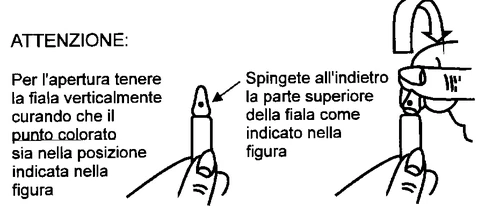
After opening the vial, withdraw the medicinal solution with a syringe and administer intramuscularly.
The injection must be performed under hygienic conditions.
Do not use Lixidol via injection into the back (epidural or intrathecal injection).
If you use / are administered more Lixidol than you should
If you take too much Lixidol, contact your doctor immediately or go to the nearest hospital.
Symptoms
If you take an excessive dose of Lixidol, you may experience the following symptoms:
- erosive gastritis (inflammation of the stomach characterized by shedding of the gastric mucosa), abdominal pain, peptic ulcer (stomach lesion), which resolve upon discontinuation of treatment
- gastrointestinal bleeding
- hypertension (high blood pressure)
- acute renal failure (reduced kidney function)
- respiratory depression (reduced and/or stopped breathing)
- coma
- severe allergic reactions.
Treatment
Your doctor will administer appropriate supportive therapy if necessary. In case of accidental ingestion, standard safety measures should be applied (induction of vomiting, gastric lavage, administration of activated charcoal).
If you forget to use Lixidol
Do not take a double dose to make up for the missed dose.
If you stop treatment with Lixidol
If you have any doubts about using this medicine, consult your doctor, pharmacist, or nurse.
Lixidol does not cause dependence. No withdrawal symptoms have been observed following abrupt discontinuation of injectable Ketorolac.
4. Possible side effects
Like all medicines, this medicine can cause side effects, although not everybody gets them.
The following are other side effects that may occur in patients treated with this medicine, listed according to the affected body system:
Effects related to the blood
- thrombocytopenia (reduced number of platelets in the blood)
- purpura (appearance of red spots on the skin due to blood accumulation under the skin)
- epistaxis (nosebleed).
If you experience any of the following side effects, consult your doctor immediately or go to the nearest hospital:
Effects related to the body's defence system
- allergic reactions, such as:
o anaphylactic reactions (severe allergic reactions)
o bronchospasm (narrowing of the airways causing severe breathing difficulties due to reduced airflow)
o vasodilation (widening of blood vessels leading to a drop in blood pressure)
o flushing
o rash (skin eruptions)
o hypotension (low blood pressure)
o laryngeal edema (swelling of the throat). - haematemesis (bleeding in the stomach, manifested by vomiting blood or dark material resembling coffee grounds)
- melena (sticky black stools or diarrhoea containing blood)
- peptic ulcers, ulcers or perforations or gastrointestinal bleeding
- pancreatitis (problems with the pancreas)
- worsening of ulcerative colitis or Crohn's disease
- hepatitis (inflammation of the liver)
- cholestatic jaundice (yellowing of the skin and whites of the eyes).
Other side effects with unknown frequency (frequency cannot be estimated from available data) are listed below by affected body system:
Effects related to metabolism and nutrition
- anorexia (weight loss)
- hyperkalaemia (high levels of potassium in the blood)
- hyponatraemia (low levels of sodium in the blood).
Effects related to the mind
- abnormal thinking (thought disturbance)
- depression
- insomnia
- anxiety
- irritability
- nervousness
- psychotic reactions (mental disorders resulting in loss of touch with reality)
- sleep disorders
- hallucinations (perception of things that do not exist in reality)
- euphoria
- reduced ability to concentrate
- lethargy (physical or mental sluggishness)
- confusion.
Effects related to the nervous system
- headache
- dizziness
- seizures and hyperkinesia (uncontrolled body movements)
- paraesthesia (numbness of arms, legs or other body parts)
- taste disturbances.
Effects related to the eye
- visual disturbances
- swelling around the eyes.
Effects related to the ear and labyrinth
- tinnitus (ringing in the ears)
- hearing loss
- vertigo.
Effects related to the heart
- palpitations (awareness of increased heartbeat)
- bradycardia (reduced heart rate, i.e. number of heartbeats per minute)
- heart failure (reduced heart function)
- oedema (fluid accumulation).
Effects related to blood vessels
- hypertension (high blood pressure)
- vasodilation (widening of blood vessels leading to a drop in blood pressure)
- hypotension (low blood pressure)
- haematomas (blood accumulation under the skin appearing as skin discolouration similar to a bruise)
- flushing (hot flushes)
- pallor
- post-operative wound bleeding
- blood clot formation, especially at high doses and with long-term treatment (arterial thrombotic events), which may lead, for example, to heart attack or stroke.
Effects related to the respiratory system
- pulmonary oedema (fluid accumulation in the lungs)
- dyspnoea (shortness of breath)
- asthma.
Effects related to the mouth, stomach, intestines and pancreas
- nausea
- vomiting
- diarrhoea
- flatulence (passing air from the intestine)
- constipation
- dyspepsia (indigestion)
- abdominal pain/discomfort
- feeling of fullness
- rectal bleeding
- ulcerative stomatitis (oral cavity infections)
- oesophagitis (inflammation of the oesophagus, the tube that carries food from the mouth to the stomach)
- eructation
- dry mouth
- gastrointestinal ulceration
- gastritis (inflammation of the stomach).
Effects related to the liver and biliary tract
- hepatic failure (reduced liver function).
Effects related to the skin and subcutaneous tissue
- angioedema
- exfoliative dermatitis
- increased sweating
- maculopapular rash (skin eruption appearing as flat or raised red spots on the skin)
- urticaria (red, itchy skin rashes)
- pruritus (itching)
- purpura (appearance of red spots on the skin due to blood accumulation under the skin)
- bullous reactions (including, very rarely, Stevens-Johnson syndrome, drug reaction with eosinophilia and systemic symptoms (DRESS), and toxic epidermal necrolysis).
Effects related to the muscles
- myalgia (muscle pain).
Effects related to the kidneys and urinary tract
- polyuria (excessive production and excretion of urine)
- increased frequency of urination
- oliguria (reduced urine excretion)
- haemolytic-uraemic syndrome (a syndrome characterised by blood and kidney disorders)
- kidney disorders (acute renal failure, interstitial nephritis, nephrotic syndrome)
- urinary retention (inability of the urinary bladder to empty completely)
- increased blood creatinine (a protein whose elevation indicates reduced kidney function)
- increased blood potassium (a sign of reduced kidney function).
Effects related to the reproductive system
- female infertility.
Infections
- aseptic meningitis (infection presenting, for example, with headache, drowsiness, fever, malaise, nausea, vomiting).
Effects related to various body parts and the site of administration
- fatigue
- fever
- injection site reactions
- oedema (swelling)
- chest pain
- excessive thirst
- weight gain.
Changes in blood test results
- prolonged bleeding time
- increased blood urea
- increased blood creatinine and potassium
- abnormal liver function tests.
Reporting of side effects
If you experience any side effect, including those not listed in this leaflet, talk to your doctor, pharmacist, or nurse. You can also report side effects directly via the national reporting system at https://www.aifa.gov.it/content/segnalazioni-reazioni-avverse.
By reporting side effects, you can help provide more information on the safety of this medicine.
5. How to store Lixidol
Keep this medicine out of the sight and reach of children.
Do not use this medicine after the expiry date which is stated on the carton after "Exp".
The expiry date refers to the last day of that month.
Store in the original packaging to protect the medicine from light.
Do not dispose of any medicine via wastewater or household waste. Ask your pharmacist how to dispose of
medicines you no longer use. This will help protect the environment.
6. Package contents and other information
What Lixidol contains
- The active substance is: ketorolac tromethamine (each 1 ml vial contains 30 mg of ketorolac tromethamine).
- The other components are: ethanol (see section “Lixidol contains alcohol”), sodium chloride (see section “Lixidol contains sodium”), water for injections.
Description of the appearance of Lixidol and pack contents
Lixidol is a clear solution for intramuscular use (by injection into a muscle) or for intravenous use (by injection/infusion into a vein). The solution is contained in a colorless glass vial.
It is available in packs of 3 vials of 1 ml each.
Marketing Authorization Holder and Manufacturer
Marketing Authorization Holder
Atnahs Pharma Netherlands B.V.
Copenhagen Towers
Ørestads Boulevard 108, 5.tv
DK-2300 København S
Denmark
Manufacturer
Atnahs Pharma Denmark ApS
Copenhagen Towers
Ørestads Boulevard 108, 5.tv
DK-2300 København S
Denmark
The following information is intended exclusively for physicians or healthcare professionals:
Caution: The injectable solution contains ethanol; therefore, it must not be administered by epidural or intrathecal routes.
For parenteral administration, the duration of treatment must not exceed 2 days when given as bolus injections, or 1 day when administered as continuous infusion.
Injections must be performed according to strict standards of sterilization, asepsis, and antisepsis.
The administered dose should be the lowest effective dose according to the severity of pain and the patient's response.
Lixidol is compatible with aminophylline, lidocaine, morphine, meperidine, dopamine, insulin, and heparin when mixed together in a solution within an intravenous infusion bag for intravenous administration; however, it must not be mixed with morphine, meperidine, promethazine, or hydroxyzine in the same syringe.
Ketorolac has been shown to reduce the need for concomitant opioid analgesic therapy when used for postoperative pain relief.
Intravenous administration
ADULTS
In conditions characterized by severe acute pain (e.g., initial treatment of postoperative pain), an initial dose of 10 mg is recommended, followed by doses of 10–30 mg, which may be repeated, if necessary, every 4–6 hours, using the lowest effective dose. If needed, treatment may continue at longer intervals; however, the total daily dose must not exceed 90 mg.
ELDERLY (≥ 65 years)
In elderly patients, the maximum daily dose must not exceed 60 mg/day.
CHILDREN
The safety and efficacy in children have not been established. Therefore, use of this medicinal product is contraindicated in patients under 16 years of age.
RENAL COLIC
The recommended dosage is one vial of 30 mg for intravenous administration.