Liferol
ItalyTable of Contents
- Package leaflet: Information for the patient
- LIFEROL 6 mcg/dose pressurized inhalation solution
- 1. What LIFEROL is and what it is used for
- 2. What you should know before taking LIFEROL
- 3. How to take LIFEROL
- 4. Possible side effects
- 5. How to store LIFEROL
- 6. Package contents and other information
- INSTRUCTIONS FOR USE OF YOUR INHALER
- Patient information leaflet
- LIFEROL 12 mcg/dose solution for pressurized inhalation
- 1. What LIFEROL is and what it is used for
- 2. What you should know before taking LIFEROL
- 3. How to take LIFEROL
- 4. Possible side effects
- 5. How to store LIFEROL
- 6. Contents of the pack and other information
- INSTRUCTIONS FOR USE OF YOUR INHALER
Package leaflet: Information for the patient
LIFEROL 6 mcg/dose pressurized inhalation solution
Formoterol fumarate
Please read this leaflet carefully before using this medicine because it contains important information for you.
- Keep this leaflet. You may need to read it again.
- If you have any questions, ask your doctor or pharmacist.
- This medicine has been prescribed for you only. Do not give it to others, even if their symptoms are the same as yours, because it could be harmful.
- If you experience any side effects, including those not listed in this leaflet, contact your doctor or pharmacist. See section 4.
Contents of this leaflet:
- What LIFEROL is and what it is used for
- What you need to know before using LIFEROL
- How to use LIFEROL
- Possible side effects
- How to store LIFEROL
- Contents of the pack and other information
1. What LIFEROL is and what it is used for
LIFEROL is an inhalation medicine that delivers its active ingredient directly into the lungs. LIFEROL is used for the treatment and prevention of symptoms such as cough, breathlessness, wheezing, and shortness of breath occurring in patients with obstructive pulmonary diseases such as asthma or chronic bronchitis, with or without emphysema. Its active ingredient, formoterol fumarate, belongs to a group of medicines called bronchodilators, which help you breathe better by relaxing spasms in the muscles of the airways in the lungs.
LIFEROL may also be used for the treatment and prevention of symptoms due to bronchospasm, such as breathlessness, wheezing, and shortness of breath, caused by allergy, exertion, or cold air.
Because the drug has a prolonged duration of action (up to 12 hours), a maintenance therapy consisting of two daily administrations can control the bronchospastic conditions commonly seen in chronic obstructive pulmonary diseases, both during the day and at night.
2. What you should know before taking LIFEROL
Do not take LIFEROL:
- if you are allergic (hypersensitive) to the active substance or to any of the other ingredients of this medicine (listed in section 6);
- if you are allergic to other medicines chemically similar to this one;
- if you are pregnant or breastfeeding;
- in children under 6 years of age.
Warnings and precautions
Talk to your doctor or pharmacist before taking LIFEROL if:
- you have serious heart problems, especially if you recently had a heart attack, have heart vessel diseases, or have severe weakness of the heart muscle (heart failure);
- you have heart rhythm disorders such as increased heart rate, heart valve defects, electrocardiogram abnormalities, or any other heart disease (such as third-degree atrioventricular block, idiopathic subaortic stenosis, obstructive hypertrophic cardiomyopathy, ischemic heart disease, or severe heart failure);
- you have an abnormal enlargement of the blood vessel wall (aneurysm);
- you suffer from high blood pressure (severe hypertension);
- you have high blood sugar levels (diabetes mellitus);
- you have low potassium levels in the blood (hypokalemia);
- your thyroid gland is overactive (severe hyperthyroidism);
- you have an enlarged prostate (prostatic hypertrophy);
- you have increased eye pressure with possible worsening of vision (glaucoma);
- you have tumors of the adrenal medulla (pheochromocytoma).
Other medicines and LIFEROL
Tell your doctor or pharmacist if you are taking, have recently taken, or might take any other medicines, because some medicines may interfere with the action of LIFEROL. This is particularly important if you are taking medicines:
- for heart rhythm disorders (antiarrhythmics such as quinidine, disopyramide, procainamide);
- sympathomimetics such as β-agonists or ephedrine (used to treat nasal congestion);
- called beta-blockers, used to treat heart conditions or glaucoma (increased pressure inside the eye), such as tablets or eye drops;
- with adrenergic action, used for example to treat low blood pressure;
- for treating symptoms of depression: monoamine oxidase inhibitors or tricyclic antidepressants;
- for treating allergic reactions (e.g. antihistamines such as terfenadine, astemizole, mizolastine);
- for treating bronchial asthma (e.g. theophylline, aminophylline, or steroids);
- used to increase urine production (diuretics such as thiazides and loop diuretics);
- called anticholinergics, used for example in urinary incontinence or to relieve muscle spasms;
- such as erythromycin, a medicine used to treat infections;
- such as digitalis glycosides;
- if you are scheduled for any surgical procedure and will receive halogenated anesthetics.
Other special warnings
LIFEROL must not be used (and is not sufficient) as first-line treatment for asthma.
Although LIFEROL may be prescribed as an add-on therapy when inhaled corticosteroids do not provide adequate control of asthma symptoms, patients must not start LIFEROL therapy during a severe acute asthma exacerbation, or if they have significant worsening or acutely deteriorating asthma.
If your doctor has prescribed steroid therapy for your breathing problems, it is very important that you continue to use these medicines regularly. Do not stop taking them or change the dose when starting LIFEROL.
Paradoxical bronchospasm
As with other inhaled therapies, paradoxical bronchospasm may occur. In such cases, treatment must be immediately discontinued and alternative therapy initiated.
Strict adherence to the recommended dosage is advised to avoid the occurrence of serious adverse effects, particularly of a cardiovascular nature.
V.7.0_2025_02
Since LIFEROL contains a small amount of alcohol, it is particularly important that you inform your doctor if you are taking:
- disulfiram (used in alcoholism);
- metronidazole (used for infections).
Pregnancy and breastfeeding
Do not use LIFEROL if you are pregnant or breastfeeding. If you suspect you may be pregnant or are planning a pregnancy, consult your doctor or pharmacist before taking this medicine.
Driving and using machines
LIFEROL may cause tremors or restlessness. Make sure you do not experience such side effects before driving or operating machinery.
LIFEROL contains ethanol
This medicine contains 7 mg of alcohol (ethanol) per dose, equivalent to 0.40 mg/kg per dose for 4 doses in adults, and equivalent to 1.39 mg/kg per dose for 4 doses in children.
The amount in 4 doses of this medicine is equivalent to less than 1 ml of beer or wine.
The small amount of alcohol in this medicine will not produce significant effects.
For those engaged in sports:
- using the drug without therapeutic need constitutes doping and may result in a positive anti-doping test;
3. How to take LIFEROL
Take this medicine exactly as directed by your doctor. If you have any doubts, consult your doctor or pharmacist.
The dose of LIFEROL you should take depends on the reason you are using this medicine.
If you are taking LIFEROL for asthma or chronic bronchitis
Your doctor will determine the correct dose based on the severity of your condition; take regularly only the prescribed dose.
The usual dose for ADULTS and CHILDREN over 6 years of age is 2–4 inhalations every 12 hours (twice daily). For more severe patients, your doctor may prescribe up to 2–4 additional inhalations per day.
If you are taking LIFEROL to prevent bronchospasm caused by allergy, exercise, or cold
The usual dose for ADULTS and CHILDREN over 6 years of age is 2 inhalations 15 minutes before the triggering event (e.g., before exercise or before exposure to a known allergen or cold air).
For more severe patients, 4 inhalations may be taken.
Method of administration
LIFEROL is a pressurized solution. Use LIFEROL by inhalation through the mouth; inhale deeply to ensure the medicine reaches inside the lungs.
For correct use of this medicine, refer to the section “Instructions for use of your inhaler” at the end of this leaflet.
V.7.0_2025_02
If you take more LIFEROL than you should
You may experience low or high blood pressure, changes in heart rhythm or electrocardiogram, sensation of palpitations, headache, tremors, drowsiness, feeling unwell, nausea and vomiting, and changes in certain blood parameters (hyperglycemia, hypokalemia). If you take more LIFEROL than you should, contact your doctor immediately or go to the nearest hospital, as appropriate measures may be required.
If you forget to take LIFEROL, take the missed dose as soon as you remember. If it is almost time for your next dose, do not take the missed dose; take only the next dose at the usual time.
Do not take a double dose to make up for a forgotten dose.
If you stop using LIFEROL
Do not stop or reduce the dose of LIFEROL or of any other medicine you are using for breathing problems just because you feel better and without talking to your doctor. It is very important to use this medicine regularly.
Do not increase the dose of LIFEROL without consulting your doctor. If you do not notice improvement, or if your asthma seems to worsen, or you experience more shortness of breath or increased breathlessness than usual, inform your doctor immediately. In such cases, your doctor will evaluate whether to adjust your treatment, for example by changing the dose or prescribing other medicines.
If you have any questions about the use of this medicine, consult your doctor or pharmacist.
4. Possible side effects
Like all medicines, this medicine can cause side effects, although not everyone will experience them.
Following the instructions contained in this leaflet reduces the risk of side effects.
Stop taking LIFEROL and contact your doctor immediately if the following symptoms of severe
allergic reactions occur: itching, sudden or gradual appearance of skin lesions such as discoloured spots
or widespread rash (exanthema, urticaria), swelling of the face, eyes, lips, or throat with breathing
difficulties (angioedema), and bronchospasm. These side effects are rare.
As with other inhaled medications, shortness of breath, cough, short and wheezing breathing
(paradoxical bronchospasm) may occur immediately after taking the dose. If this happens:
- stop using LIFEROL immediately;
- contact your doctor. This side effect is uncommon.
Inform your doctor if, during treatment with LIFEROL, you notice the following:
Common side effects (may affect up to 1 in 10 people)
- headache (cephalalgia), tremors;
- sensation of a pounding heartbeat (palpitations);
- worsening of asthma (in children aged 6 to 12 years), cough, and shortness of breath (dyspnea).
Uncommon side effects (may affect up to 1 in 100 people)
- agitation, anxiety, restlessness, sleep disturbances;
- dizziness;
- increased heart rate (tachycardia);
- breathing difficulties (bronchospasm and paradoxical bronchospasm), throat irritation; V.7.0_2025_02
- muscle cramps and muscle pain.
Rare side effects (may affect up to 1 in 1,000 people)
- low potassium levels in the blood (hypokalaemia);
- changes in heart rhythm (e.g., atrial fibrillation, supraventricular tachycardia, extrasystoles);
- nausea.
Very rare side effects (may affect up to 1 in 10,000 people)
- increased blood sugar levels (hyperglycaemia);
- taste disturbances;
- swelling in the legs (peripheral oedema), chest pain (angina pectoris), changes in electrocardiogram (prolongation of QTc interval);
- changes in blood pressure.
Side effects with unknown frequency (frequency cannot be estimated from available data)
- redness and swelling of the eyes;
- fatigue;
- increased levels of insulin, free fatty acids, glycerol, and ketone bodies in the blood.
Reporting of side effects
If you experience any side effect, including those not listed in this leaflet, please inform your doctor or
pharmacist. You may also report side effects directly via the national reporting system at
https://www.aifa.gov.it/content/segnalazioni-reazioni-avverse.
By reporting side effects, you can help provide more information on the safety of this medicine.
5. How to store LIFEROL
Keep this medicine out of the sight and reach of children.
The pressurised container must not be pierced, and even when empty, must not be exposed to heat sources,
must not be frozen, and must not be exposed to direct sunlight.
The unopened medicine should be stored at a temperature between 2 °C and 8 °C for a shelf life of up to 15 months.
After opening, store at a temperature not exceeding 30 °C and use within a maximum of 3 months.
Do not use this medicine after the expiry date stated on the carton after "Exp.". The expiry date refers to the last day of that month. This date applies to the product in intact packaging, correctly stored.
Do not dispose of any medicine via wastewater or household waste. Ask your pharmacist how to dispose of medicines no longer required. This will help protect the environment.
6. Package contents and other information
What LIFEROL contains
- The active substance is formoterol fumarate. Each actuation contains: 6 micrograms of formoterol fumarate.
V.7.0_2025_02
- The other components are: anhydrous ethanol, hydrochloric acid 1N, HFC 134a (norflurane).
- This medicinal product contains fluorinated greenhouse gases. Each 100-dose inhaler contains 7.143 g of norflurane (HFC-134a), equivalent to 0.010 tonnes of CO2 (global warming potential GWP = 1430).
Each 120-dose inhaler contains 8.163 g of norflurane (HFC-134a), equivalent to
0.012 tonnes of CO2 (global warming potential GWP = 1430).
Description of the appearance of LIFEROL and contents of the pack
This medicinal product is a pressurized solution for inhalation, available in a pressurized container with standard actuator. LIFEROL provides 100 or 120 doses.
Marketing Authorization Holder and Manufacturer
Marketing Authorization Holder
Master Pharma S.r.l., Via G. Chiesi 1, Parma.
Manufacturer
Chiesi Farmaceutici S.p.A., Via S. Leonardo 96, 43122 Parma - Italy
V.7.0_2025_02
INSTRUCTIONS FOR USE OF YOUR INHALER
LIFEROL is easy to use. Before using it, please read these instructions carefully, which explain what
to do and what to pay attention to. If necessary, contact your doctor for more detailed explanations.
The success of the treatment depends on correct use of the inhaler.
Inhaler function test: before using the inhaler for the first time, or if you have not used the
inhaler for three or more days, remove the mouthpiece cap by gently pressing the sides and release one puff into the air to ensure that your inhaler is working properly.
Opening the package
When you open the box, the actuator is closed with the mouthpiece cap.
Taking a dose of LIFEROL
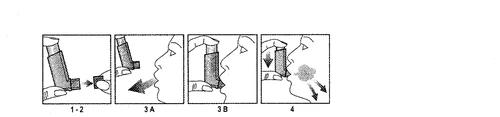
Figure 1–2 Remove the mouthpiece cap.
Hold the actuator between thumb and index finger, with the mouthpiece facing downwards.
Figure 3 a–b Breathe out fully (3a), then place the mouthpiece between closed lips (3b).
Figure 4 a–b–c Inhale slowly and deeply through the mouth only, and at the same time press once on the actuator with the index finger. After completing the inhalation, hold your breath as long as possible. After completing the prescribed number of inhalations, close the mouthpiece with the mouthpiece cap.
If the medicine is taken by a child, inhalations must be performed under adult supervision. It may be helpful to close the nostrils during inhalation.
Cleaning
The mouthpiece must always be kept clean. To clean it, remove the pressurized container and rinse the mouthpiece with lukewarm water.
V.7.0_2025_02
Patient information leaflet
LIFEROL 12 mcg/dose solution for pressurized inhalation
Formoterol fumarate
Please read this leaflet carefully before using this medicine, as it contains important information for you.
- Keep this leaflet. You may need to read it again.
- If you have any questions, ask your doctor or pharmacist.
- This medicine has been prescribed for you only. Do not give it to other people, even if they have the same symptoms as you, because it could be harmful.
- If you experience any side effects, including those not listed in this leaflet, consult your doctor or pharmacist. See section 4.
Contents of this leaflet:
- What LIFEROL is and what it is used for
- What you need to know before using LIFEROL
- How to use LIFEROL
- Possible side effects
- How to store LIFEROL
- Contents of the pack and other information
1. What LIFEROL is and what it is used for
LIFEROL is an inhaled medicine that delivers its active substance directly into the lungs. LIFEROL is used for the treatment and prevention of symptoms such as cough, shortness of breath, wheezing, and laboured breathing occurring in patients with obstructive pulmonary diseases such as asthma or chronic bronchitis, with or without emphysema. Its active ingredient, formoterol fumarate, belongs to a group of medicines called bronchodilators, which help you breathe better by relaxing spasms in the muscles of the airways of the lungs.
LIFEROL may also be used for the treatment and prevention of symptoms due to bronchospasm, such as shortness of breath, wheezing, and difficulty breathing, caused by allergy, physical exertion or cold exposure.
Since the drug has a prolonged duration of action (up to 12 hours), a maintenance therapy consisting of two daily administrations is able to control those forms of bronchospasm frequently encountered in chronic obstructive pulmonary diseases, both during the day and at night.
2. What you should know before taking LIFEROL
Do not take LIFEROL:
- if you are allergic (hypersensitive) to the active substance or to any of the other ingredients of this medicine (listed in section 6);
- if you are allergic to other medicines that are chemically similar;
- if you are pregnant or breastfeeding;
- in children under 6 years of age.
Warnings and precautions
Talk to your doctor or pharmacist before taking LIFEROL if:
- you have serious heart problems, especially if you have recently had a heart attack, heart vessel disease, or severe weakness of the heart muscle (heart failure);
- you have a heart rhythm disorder such as increased heart rate, heart valve defects, electrocardiogram abnormalities, or any other heart condition (e.g. third-degree atrioventricular block, idiopathic subaortic stenosis, obstructive hypertrophic cardiomyopathy, ischemic heart disease, or severe heart failure);
- you have an abnormal enlargement of the blood vessel wall (aneurysm);
- you suffer from high blood pressure (severe hypertension);
- you have high blood sugar levels (diabetes mellitus);
- you have low potassium levels in the blood (hypokalemia);
- your thyroid gland is overactive (severe hyperthyroidism);
- you have an enlarged prostate (prostatic hypertrophy);
- you have increased eye pressure with possible worsening of vision (glaucoma);
- you have tumors of the adrenal medulla (pheochromocytoma).
Other medicines and LIFEROL
Tell your doctor or pharmacist if you are taking, have recently taken, or might take any other medicines, because some medicines may interfere with the action of LIFEROL. This is particularly important if you are taking medicines:
- for heart rhythm disorders (antiarrhythmics such as quinidine, disopyramide, procainamide);
- sympathomimetics such as β-agonists or ephedrine (used to treat nasal congestion);
- called beta-blockers, used to treat heart conditions or glaucoma (increased pressure inside the eye), such as tablets or eye drops;
- that have adrenergic activity, used, for example, to treat low blood pressure;
- for treating symptoms of depression: monoamine oxidase inhibitors or tricyclic antidepressants;
- for treating allergic reactions (such as antihistamines like terfenadine, astemizole, mizolastine);
- for treating bronchial asthma (e.g. theophylline, aminophylline, or steroids);
- used to increase urine production (diuretics such as thiazides and loop diuretics);
- called anticholinergics, used, for example, for urinary incontinence or muscle spasms;
- such as erythromycin, a medicine used to treat infections;
- such as digitalis;
- if you are undergoing any surgical procedure and will receive halogenated anesthetics.
Other special warnings
LIFEROL must not be used (and is not sufficient) as first-line treatment for asthma.
Although LIFEROL may be prescribed as an add-on therapy when inhaled corticosteroids do not provide adequate control of asthma symptoms, patients should not start treatment with LIFEROL during a severe acute asthma exacerbation, or if they have significant worsening or acutely worsening asthma.
If your doctor has prescribed steroid therapy for your breathing problems, it is very important that you continue to use these medicines regularly. Do not stop or change the dose when starting LIFEROL.
Paradoxical bronchospasm
As with other inhaled therapies, paradoxical bronchospasm may occur. In such cases, treatment must be immediately discontinued and alternative therapy initiated.
It is recommended to strictly follow the recommended dosage to avoid the occurrence of serious adverse effects, especially of a cardiovascular nature.
V.7.0_2025_02
Since LIFEROL contains a small amount of alcohol, it is particularly important that you inform your doctor if you are taking:
- disulfiram (used in alcoholism);
- metronidazole (used for infections).
Pregnancy and breastfeeding
Do not use LIFEROL if you are pregnant or breastfeeding. If you suspect you are pregnant or are planning a pregnancy, consult your doctor or pharmacist before taking this medicine.
Driving and using machines
LIFEROL may cause tremors or restlessness. Make sure you do not experience these side effects before driving or operating machinery.
LIFEROL contains ethanol
This medicine contains 8.9 mg of alcohol (ethanol) per dose, equivalent to 0.25 mg/kg per dose for 2 doses in adults and 0.89 mg/kg per dose for 2 doses in children.
The amount in 2 doses of this medicine is equivalent to less than 1 ml of beer or wine.
The small amount of alcohol in this medicine will not produce significant effects.
For those engaged in sports:
- using the drug without therapeutic need constitutes doping and may result in a positive anti-doping test;
3. How to take LIFEROL
Take this medicine exactly as directed by your doctor. If you have any doubts, consult your doctor or pharmacist.
The dose of LIFEROL you should take depends on the reason for which you are using this medicine.
If you are taking LIFEROL for asthma or chronic bronchitis
Your doctor will determine the correct dose based on the severity of your condition; take regularly only the prescribed dose.
The usual dose for ADULTS and CHILDREN over 6 years of age is 1–2 inhalations every 12 hours (twice daily). For more severe patients, your doctor may prescribe an additional 1–2 inhalations per day.
If you are taking LIFEROL to prevent bronchospasm caused by allergy, exertion, or cold
The usual dose for ADULTS and CHILDREN over 6 years of age is 1 inhalation 15 minutes before the triggering event (e.g. before physical exertion, before exposure to a known allergen, or to cold).
For more severe patients, 2 inhalations may be taken.
Method of administration
LIFEROL is a pressurized solution. Use LIFEROL by inhalation through the mouth; inhale deeply to ensure the medicine reaches inside the lungs.
For correct use of this medicine, refer to the section "Instructions for use of your inhaler" at the end of this leaflet.
V.7.0_2025_02
If you take more LIFEROL than you should
Symptoms may include low or high blood pressure, changes in heart rhythm or electrocardiogram, sensation of pounding heartbeat, headache, tremors, drowsiness, feeling of discomfort or malaise, nausea and vomiting, and changes in certain blood parameters (hyperglycemia, hypokalemia). If you take more LIFEROL than prescribed, contact your doctor immediately or go to the nearest hospital, as appropriate measures may be necessary.
If you forget to take LIFEROL, take the missed dose as soon as you remember. If it is almost time for your next dose, do not take the missed dose; take only the next dose at the usual time.
Do not take a double dose to make up for a forgotten dose.
If you stop treatment with LIFEROL
Do not stop or reduce the dose of LIFEROL or of any other medicine you are using for breathing improvement just because you feel better and without first talking to your doctor. It is very important that you use this medicine regularly.
Do not increase the dose of LIFEROL without consulting your doctor. If you do not notice improvement, or if your asthma seems to worsen, or you experience increased shortness of breath or breathlessness, inform your doctor immediately. In such cases, your doctor will assess whether your treatment needs to be adjusted, for example by changing the dose or prescribing other medicines.
If you have any questions about the use of this medicine, consult your doctor or pharmacist.
4. Possible side effects
Like all medicines, this medicine can cause side effects, although not everybody gets them.
Following the instructions contained in this leaflet reduces the risk of side effects.
Stop taking LIFEROL and contact your doctor immediately if you experience the following symptoms
associated with severe allergic reactions: itching, sudden or gradual appearance of skin lesions such as
changes in skin colour in patches or widespread (rash, urticaria), swelling of the face, eyes, lips, throat with
breathing difficulties (angioedema), and bronchospasm. These side effects are rare.
As with other inhaled medicines, immediately after taking a dose, shortness of breath, cough, wheezing
( paradoxical bronchospasm ) may occur. If this happens:
- stop taking LIFEROL immediately ;
- contact your doctor. This side effect is not common.
Inform your doctor if, during treatment with LIFEROL, you notice the following:
Common side effects (may affect up to 1 in 10 people)
- headache (cephalalgia), tremor;
- sensation of heart racing (palpitations);
- worsening of asthma (in children aged 6 to 12 years), cough, and feeling of breathlessness (dyspnea).
Uncommon side effects (may affect up to 1 in 100 people)
- restlessness, anxiety, agitation, sleep disturbances;
- dizziness;
- increased heart rate (tachycardia);
- breathing difficulties (bronchospasm and paradoxical bronchospasm), throat irritation; V.7.0_2025_02
- muscle cramps and muscle pain.
Rare side effects (may affect up to 1 in 1,000 people)
- decrease in blood potassium levels (hypokalaemia);
- changes in heart rhythm (e.g.: atrial fibrillation, supraventricular tachycardia, extrasystoles);
- nausea.
Very rare side effects (may affect up to 1 in 10,000 people)
- increased blood sugar levels (hyperglycaemia);
- taste disturbance;
- swelling in the legs (peripheral oedema), chest pain (angina pectoris), changes in electrocardiogram (prolongation of QTc interval);
- changes in blood pressure.
Side effects with unknown frequency (frequency cannot be estimated from the available data)
- redness and swelling of the eyes;
- fatigue;
- increased levels of insulin, free fatty acids, glycerol, and ketone bodies in the blood.
Reporting of side effects
If you experience any side effects, including those not listed in this leaflet, please contact your doctor or
pharmacist. You may also report side effects directly via the national reporting system at
https://www.aifa.gov.it/content/segnalazioni-reazioni-avverse .
By reporting side effects, you can help provide more information on the safety of this medicine.
5. How to store LIFEROL
Keep this medicine out of the sight and reach of children.
The pressurised container must not be pierced, and even if empty, must not be exposed to heat sources,
must not be frozen, and must not be exposed to direct sunlight.
The unopened medicine should be stored at a temperature between 2 °C and 8 °C for a shelf life of
up to 15 months. After opening, store at a temperature not exceeding 30 °C and use within a maximum of 3
months.
Do not use this medicine after the expiry date stated on the packaging after "Exp.". The expiry date refers to the last day of that month. This date applies to the product in its original, unopened packaging, correctly stored.
Do not dispose of any medicine via wastewater or household waste. Ask your pharmacist how to dispose of medicines no longer in use. This will help protect the environment.
6. Contents of the pack and other information
What LIFEROL contains
- The active substance is formoterol fumarate. Each actuation contains: 12 micrograms of formoterol fumarate.
V.7.0_2025_02
- The other components are: anhydrous ethanol, hydrochloric acid 1N, HFC 134a (norflurane).
- This medicine contains fluorinated greenhouse gases. Each 100-actuation inhaler contains 9.087 g of norflurane (HFC-134a), equivalent to 0.013 tonnes of CO2 (global warming potential GWP = 1430).
Each 120-actuation inhaler contains 10.384 g of norflurane (HFC-134a), equivalent to
0.015 tonnes of CO2 (global warming potential GWP = 1430).
Description of the appearance of LIFEROL and contents of the pack
This medicine is a pressurized solution for inhalation, available in a pressurized container with a standard actuator. LIFEROL provides 100 or 120 actuations.
Marketing Authorization Holder and Manufacturer
Marketing Authorization Holder
Master Pharma S.r.l., Via G. Chiesi 1, Parma.
Manufacturer
Chiesi Farmaceutici S.p.A., Via S. Leonardo 96, 43122 Parma - Italy
V.7.0_2025_02
INSTRUCTIONS FOR USE OF YOUR INHALER
LIFEROL is easy to use. Before using it, carefully read the following instructions, which indicate what
to do and what to pay attention to.
The success of your treatment depends on correct use of the inhaler.
Inhaler function test: Before using the inhaler for the first time, or if you have not used the inhaler for
three or more days, remove the mouthpiece cover by gently pressing the sides and release one puff into the air to ensure your inhaler is working properly.
Opening the package
When you open the box, the actuator is closed with the protective cover.
Taking a dose of LIFEROL
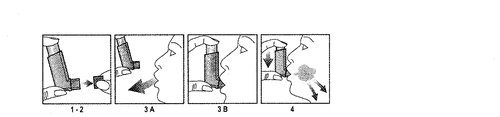
Figure 1–2 Remove the protective cover.
Hold the actuator between your thumb and index finger, with the mouthpiece at the bottom.
Figure 3 a–b Breathe out fully (3a), then place the mouthpiece in your mouth, closing your lips tightly around it (3b).
Figure 4 a–b–c Breathe in slowly and deeply through your mouth only, while pressing down once with your index finger on the actuator. After completing the inhalation, hold your breath as long as possible. After completing the prescribed number of inhalations, close the mouthpiece with the protective cover.
If the medicine is being used by a child, inhalations should be performed under adult supervision. It may be helpful to close the nostrils during inhalation.
Cleaning
The mouthpiece should always be kept clean. To clean it, remove the pressurized container and rinse the mouthpiece with lukewarm water.
V.7.0_2025_02