Lidocaine Grindex
Italy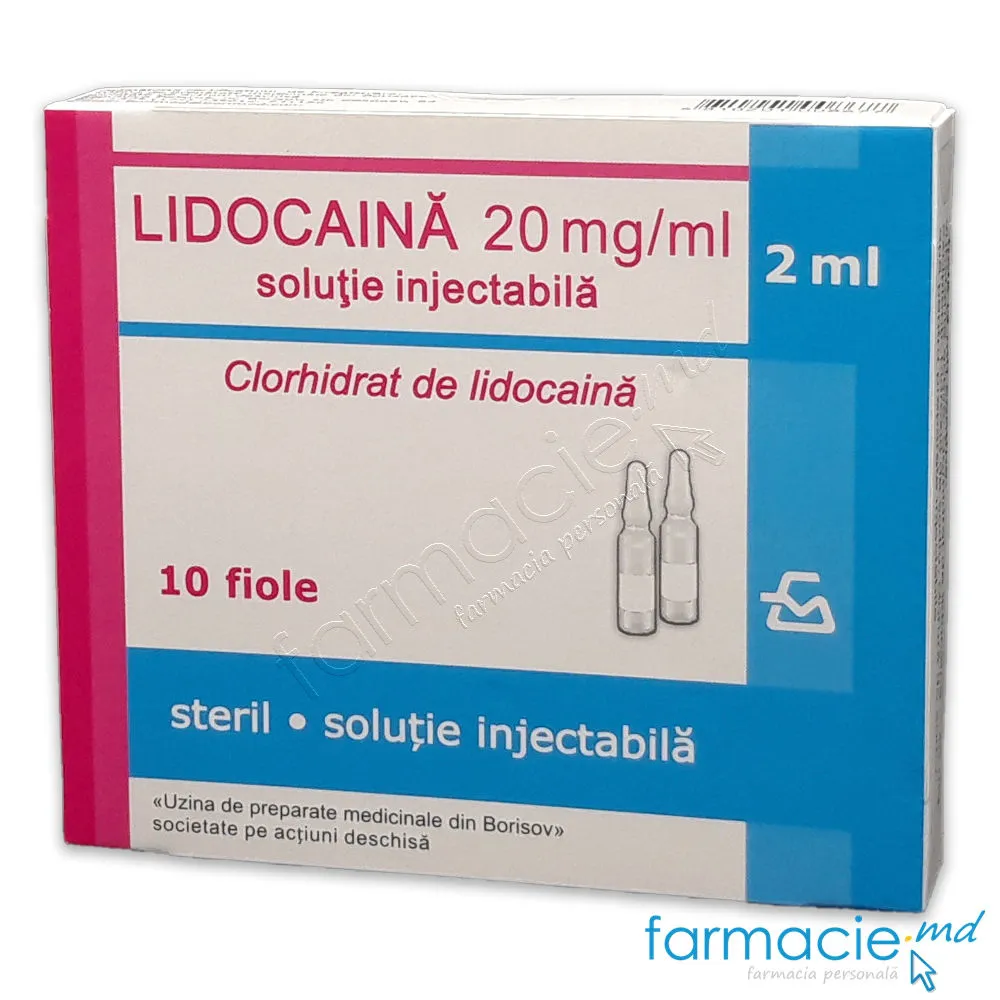
Table of Contents
- Package leaflet: Information for the patient
- Lidocaine Grindeks 10 mg/mL injection solution, 20 mg/mL injection solution
- 1. What Lidocaine Grindeks is and what it is used for
- 2. What you need to know before you are given Lidocaine Grindeks
- 3. How Lidocaine Grindeks will be administered to you
- 4. Possible side effects
- 5. How to store Lidocaine Grindeks
- 6. Package contents and other information
Package leaflet: Information for the patient
Lidocaine Grindeks 10 mg/mL injection solution, 20 mg/mL injection solution
lidocaine hydrochloride
equivalent medicine
Please read all of this leaflet carefully before you are given this medicine because
it contains important information for you.
- Keep this leaflet. You may need to read it again.
- If you have any questions, ask your doctor, pharmacist or nurse.
- If you experience any side effects, including those not listed in this leaflet, tell your doctor, pharmacist or nurse. See section 4.
Contents of this leaflet:
- What Lidocaine Grindeks is and what it is used for
- What you need to know before you are given Lidocaine Grindeks
- How Lidocaine Grindeks will be administered to you
- Possible side effects
- How to store Lidocaine Grindeks
- Contents of the pack and other information
1. What Lidocaine Grindeks is and what it is used for
Lidocaine Grindeks contains the active substance lidocaine, which is a local anaesthetic. It is used to
numb (anaesthetize) areas of the body during minor surgical procedures. It temporarily prevents
nerves from transmitting pain signals to the brain in the area where it is injected.
Lidocaine Grindeks 10 mg/mL can be used in adults and children over 1 year of age.
Lidocaine Grindeks 20 mg/mL can be used in adults.
2. What you need to know before you are given Lidocaine Grindeks
Do not be given Lidocaine Grindeks
- if you are allergic to lidocaine, to amide-type local anaesthetics, or to any of the other ingredients of this medicine (listed in section 6).
Do not use Lidocaine Grindeks for epidural anaesthesia if you have
- very low blood pressure
- a life-threatening condition in which, due to heart problems, the heart is unable to pump enough blood to meet the body's needs (cardiogenic shock)
- a life-threatening condition in which severe loss of blood or other fluids makes the heart unable to pump enough blood to meet the body's needs (hypovolemic shock).
Warnings and precautions
Talk to your doctor, pharmacist, or nurse before you are given Lidocaine Grindeks if:
- you are elderly or generally debilitated, as the dose should be reduced
- you have heart problems such as slow or irregular heartbeat (cardiac block, AV block)
- you have liver or kidney problems, as the dose should be reduced
- epidural anaesthesia is planned, as central nerve block may cause serious side effects
- the medicine is to be used in the eye, as in rare cases it may cause transient or permanent side effects
- the medicine is to be administered by direct infusion into the joint space (intra-articular infusion), as it may cause rapid loss of joint cartilage (chondrolysis)
- you suffer from a disease called acute porphyria.
Other medicines and Lidocaine Grindeks
Tell your doctor or pharmacist if you are taking, have recently taken, or might take any other medicines, including those obtained without a prescription.
Lidocaine Grindeks may affect or be affected by other medicines, such as:
- other local anaesthetics
- medicines for heart rhythm disorders (so-called antiarrhythmics)
- cimetidine (a medicine for gastric ulcer) and beta-blockers (medicines for high blood pressure, among others)
Pregnancy, breastfeeding and fertility
If you are pregnant, think you may be pregnant, planning to become pregnant, or are breastfeeding, consult your doctor before you are given this medicine.
Lidocaine crosses the placenta and reaches the foetus. However, there is no evidence that lidocaine causes harmful effects on the foetus, although the risk is not completely known.
Your doctor will assess the benefits and risks of using this medicine for short-term treatment during pregnancy and at the time of delivery. If the medicine is used in the cervix, your doctor will carefully monitor the baby's heartbeat.
Lidocaine passes into breast milk, but it is unlikely to have effects on the breastfed infant, so breastfeeding is possible after treatment with this medicine.
Driving and using machines
Depending on the dose and the area where Lidocaine Grindeks has been administered, it may temporarily affect your ability to drive or use machinery. You should not perform these activities until you have fully recovered normal function.
Lidocaine Grindeks contains sodium
10 mg/mL injectable solution
- 5 mL vial: this medicine contains less than 1 mmol of sodium (23 mg) per 5 mL vial, i.e. essentially "sodium-free".
- 10 mL vial: this medicine contains 27.8 mg of sodium (the main component of table/cooking salt) in each 10 mL vial. This corresponds to 1.4% of the maximum daily sodium intake recommended for an adult.
- 20 mL vial: This medicine contains 55.6 mg of sodium (the main component of table/cooking salt) per 20 mL vial. This corresponds to 2.8% of the maximum daily sodium intake recommended for an adult.
- 50 mL vial: This medicine contains 139 mg of sodium (the main component of table/cooking salt) per 50 mL vial. This corresponds to 7% of the maximum daily sodium intake recommended for an adult.
20 mg/mL injectable solution
- 2 mL vial: this medicine contains less than 1 mmol of sodium (23 mg) per 2 mL vial, i.e. essentially "sodium-free".
- 5 mL vial: this medicine contains less than 1 mmol of sodium (23 mg) per 5 mL vial, i.e. essentially "sodium-free".
- 10 mL vial: this medicine contains 23.8 mg of sodium (the main component of table/cooking salt) in each 10 mL vial. This corresponds to 1.2% of the maximum daily sodium intake recommended for an adult.
- 20 mL vial: This medicine contains 47.6 mg of sodium (the main component of table/cooking salt) per 20 mL vial. This corresponds to 2.4% of the maximum daily sodium intake recommended for an adult.
- 50 mL vial: This medicine contains 119 mg of sodium (the main component of table/cooking salt) per 50 mL vial. This corresponds to 6% of the maximum daily sodium intake recommended for an adult.
3. How Lidocaine Grindeks will be administered to you
Lidocaine Grindeks will be administered to you by a doctor. Depending on the type of anesthesia required, the area to be anesthetized, and the duration of the anesthetic effect, the medicine will be given as an injection into a vein, under the skin, or into the epidural space near the spinal cord.
The dose your doctor will administer depends on the type of pain relief you need. It also depends on your body build, age, physical condition, and the part of the body where the medicine is injected. The lowest possible dose needed to achieve the desired effect will be given.
Use in children and adolescents
This medicine can be used in children, and treatment will be individually adjusted for each child.
If you are given more Lidocaine Grindeks than you should
It is very unlikely that you will be given more solution than required, as the medicine is administered by medical personnel.
The staff caring for you are trained to manage serious side effects resulting from an overdose of the medicine. The first signs of lidocaine overdose are usually:
- seizures,
- dizziness or lightheadedness,
- nausea,
- numbness or tingling of the lips and mouth,
- vision problems.
If you experience any of these symptoms, or if you think you have been given too much medicine, inform your doctor or nurse immediately.
Administration of an excessive amount of the medicine may cause more severe side effects, such as disturbances in balance and coordination, hearing changes, euphoria, confusion, speech disturbances, pallor, sweating, tremors, effects on the heart and blood vessels, loss of consciousness, coma, and temporary respiratory arrest.
If you have any further questions about the use of this medicine, please consult your doctor or pharmacist.
4. Possible side effects
Like all medicines, this medicine can cause side effects, although not everyone gets them.
Very Common (may affect more than 1 in 10 people)
- Low blood pressure
- Nausea
Common (may affect up to 1 in 10 people)
- Increased blood pressure
- Dizziness
- Feeling of pins and needles (tingling)
- Decreased heart rate
- Vomiting
Uncommon (may affect up to 1 in 100 people)
- Signs of toxic reactions affecting the central nervous system, such as:
- Cramps
- Tongue numbness or tingling around the mouth
- Increased sensitivity to sounds
- Visual disturbances
- Tremor
- Feeling of intoxication
- Tinnitus
- Difficulty speaking
- Loss of consciousness
Rare (may affect up to 1 in 1,000 people)
- Allergic reactions with symptoms such as hives and rash, and in more severe cases, anaphylactic shock
- Irregular or stopped heartbeat (cardiac arrhythmias, cardiac arrest)
- Slowed or stopped breathing
- Changes in sensation or muscle weakness (neuropathy)
- Inflammation of a membrane surrounding the spinal cord (arachnoiditis), which may cause lower back pain, or pain, numbness, or weakness in the legs
- Double vision
Reporting of side effects
If you experience any side effect, including those not listed in this leaflet, please inform your doctor or nurse. You can also report side effects directly via the national reporting system at www.aifa.gov.it/content/segnalazioni-reazioni-avverse.
By reporting side effects, you can help provide more information on the safety of this medicine.
5. How to store Lidocaine Grindeks
Keep this medicine out of the sight and reach of children.
Do not use this medicine after the expiry date stated on the carton after "Exp". The expiry date refers to the last day of that month.
Do not freeze.
Do not use this medicine if you notice any particles in the vial or bottle.
The solution must be used immediately after opening.
Do not dispose of any medicine via wastewater or household waste. Ask your pharmacist how to dispose of medicines no longer used. This will help protect the environment.
6. Package contents and other information
What Lidocaine Grindeks contains
- The active substance is lidocaine hydrochloride.
10 mg/mL injectable solution
1 mL of injectable solution contains 10 mg of lidocaine hydrochloride.
A 5 mL vial contains 50 mg of lidocaine hydrochloride.
A 10 mL vial contains 100 mg of lidocaine hydrochloride.
A 20 mL vial contains 200 mg of lidocaine hydrochloride.
A 50 mL vial contains 500 mg of lidocaine hydrochloride.
20 mg/mL injectable solution
1 mL of injectable solution contains 20 mg of lidocaine hydrochloride.
A 2 mL vial contains 40 mg of lidocaine hydrochloride.
A 5 mL vial contains 100 mg of lidocaine hydrochloride.
A 10 mL vial contains 200 mg of lidocaine hydrochloride.
A 20 mL vial contains 400 mg of lidocaine hydrochloride.
A 50 mL vial contains 1,000 mg of lidocaine hydrochloride.
The other components are sodium chloride, sodium hydroxide (to adjust pH), and water for injectable preparations.
Description of the appearance of Lidocaine Grindeks and contents of the pack
Lidocaine Grindeks is a clear, particle-free, colourless or slightly yellowish solution.
10 mg/mL injectable solution
Vials
Clear, colourless type I borosilicate glass vials with a break point, available in 5 mL or 10 mL sizes, resistant to hydrolysis. The vials are marked with a coloured ring. Packs of 5 or 10 vials are presented in a cardboard box.
Vials
Type I transparent borosilicate glass vials of 2 mL, 5 mL or 10 mL, hydrolysis-resistant, with a break point. The vials are marked with a coloured ring. Packs of 5 or 10 vials are presented in a cardboard box.
Vials
Type I transparent borosilicate glass vials of 2 mL, 5 mL or 10 mL, hydrolysis-resistant, with a break point. The vials are marked with a coloured ring. Packs of 5 or 10 vials are presented in a cardboard box.
Vials
Type I transparent borosilicate glass vials of 2 mL, 5 mL or 10 mL, hydrolysis-resistant, with a break point. The vials are marked with a coloured ring. Packs of 5 or 10 vials are presented in a cardboard box.
Vials
Type I transparent borosilicate glass vials of 2 mL, 5 mL or 10 mL, hydrolysis-resistant, with a break point. The vials are marked with a coloured ring. Packs of 5 or 10 vials are presented in a cardboard box.
Vials
Type I transparent borosilicate glass vials of 2 mL, 5 mL or 10 mL, hydrolysis-resistant, with a break point. The vials are marked with a coloured ring. Packs of 5 or 10 vials are presented in a cardboard box.
Vials
Type I transparent borosilicate glass vials of 2 mL, 5 mL or 10 mL, hydrolysis-resistant, with a break point. The vials are marked with a coloured ring. Packs of 5 or 10 vials are presented in a cardboard box.
Vials
Type I transparent borosilicate glass vials of 2 mL, 5 mL or 10 mL, hydrolysis-resistant, with a break point. The vials are marked with a coloured ring. Packs of 5 or 10 vials are presented in a cardboard box.
Vials
Type I transparent borosilicate glass vials of 2 mL, 5 mL or 10 mL, hydrolysis-resistant, with a break point. The vials are marked with a coloured ring. Packs of 5 or 10 vials are presented in a cardboard box.
Vials
Type I transparent borosilicate glass vials of 2 mL, 5 mL or 10 mL, hydrolysis-resistant, with a break point. The vials are marked with a coloured ring. Packs of 5 or 10 vials are presented in a cardboard box.
Vials
Type I transparent borosilicate glass vials of 2 mL, 5 mL or 10 mL, hydrolysis-resistant, with a break point. The vials are marked with a coloured ring. Packs of 5 or 10 vials are presented in a cardboard box.
Vials
Type I transparent borosilicate glass vials of 2 mL, 5 mL or 10 mL, hydrolysis-resistant, with a break point. The vials are marked with a coloured ring. Packs of 5 or 10 vials are presented in a cardboard box.
Vials
Type I transparent borosilicate glass vials of 2 mL, 5 mL or 10 mL, hydrolysis-resistant, with a break point. The vials are marked with a coloured ring. Packs of 5 or 10 vials are presented in a cardboard box.
Vials
Type I transparent borosilicate glass vials of 2 mL, 5 mL or 10 mL, hydrolysis-resistant, with a break point. The vials are marked with a coloured ring. Packs of 5 or 10 vials are presented in a cardboard box.
Vials
Type I transparent borosilicate glass vials of 2 mL, 5 mL or 10 mL, hydrolysis-resistant, with a break point. The vials are marked with a coloured ring. Packs of 5 or 10 vials are presented in a cardboard box.
Vials
Type I transparent borosilicate glass vials of 2 mL, 5 mL or 10 mL, hydrolysis-resistant, with a break point. The vials are marked with a coloured ring. Packs of 5 or 10 vials are presented in a cardboard box.
Vials
Type I transparent borosilicate glass vials of 2 mL, 5 mL or 10 mL, hydrolysis-resistant, with a break point. The vials are marked with a coloured ring. Packs of 5 or 10 vials are presented in a cardboard box.
Vials
Type I transparent borosilicate glass vials of 2 mL, 5 mL or 10 mL, hydrolysis-resistant, with a break point. The vials are marked with a coloured ring. Packs of 5 or 10 vials are presented in a cardboard box.
Vials
Type I transparent borosilicate glass vials of 2 mL, 5 mL or 10 mL, hydrolysis-resistant, with a break point. The vials are marked with a coloured ring. Packs of 5 or 10 vials are presented in a cardboard box.
Vials
Type I transparent borosilicate glass vials of 2 mL, 5 mL or 10 mL, hydrolysis-resistant, with a break point. The vials are marked with a coloured ring. Packs of 5 or 10 vials are presented in a cardboard box.
Vials
Type I transparent borosilicate glass vials of 2 mL, 5 mL or 10 mL, hydrolysis-resistant, with a break point. The vials are marked with a coloured ring. Packs of 5 or 10 vials are presented in a cardboard box.
Vials
Type I transparent borosilicate glass vials of 2 mL, 5 mL or 10 mL, hydrolysis-resistant, with a break point. The vials are marked with a coloured ring. Packs of 5 or 10 vials are presented in a cardboard box.
Vials
Type I transparent borosilicate glass vials of 2 mL, 5 mL or 10 mL, hydrolysis-resistant, with a break point. The vials are marked with a coloured ring. Packs of 5 or 10 vials are presented in a cardboard box.
Vials
Type I transparent borosilicate glass vials of 2 mL, 5 mL or 10 mL, hydrolysis-resistant, with a break point. The vials are marked with a coloured ring. Packs of 5 or 10 vials are presented in a cardboard box.
Vials
Type I transparent borosilicate glass vials of 2 mL, 5 mL or 10 mL, hydrolysis-resistant, with a break point. The vials are marked with a coloured ring. Packs of 5 or 10 vials are presented in a cardboard box.
Vials
Type I transparent borosilicate glass vials of 2 mL, 5 mL or 10 mL, hydrolysis-resistant, with a break point. The vials are marked with a coloured ring. Packs of 5 or 10 vials are presented in a cardboard box.
Vials
Type I transparent borosilicate glass vials of 2 mL, 5 mL or 10 mL, hydrolysis-resistant, with a break point. The vials are marked with a coloured ring. Packs of 5 or 10 vials are presented in a cardboard box.
Vials
Type I transparent borosilicate glass vials of 2 mL, 5 mL or 10 mL, hydrolysis-resistant, with a break point. The vials are marked with a coloured ring. Packs of 5 or 10 vials are presented in a cardboard box.
Vials
Type I transparent borosilicate glass vials of 2 mL, 5 mL or 10 mL, hydrolysis-resistant, with a break point. The vials are marked with a coloured ring. Packs of 5 or 10 vials are presented in a cardboard box.
Vials
Type I transparent borosilicate glass vials of 2 mL, 5 mL or 10 mL, hydrolysis-resistant, with a break point. The vials are marked with a coloured ring. Packs of 5 or 10 vials are presented in a cardboard box.
Vials
Type I transparent borosilicate glass vials of 2 mL, 5 mL or 10 mL, hydrolysis-resistant, with a break point. The vials are marked with a coloured ring. Packs of 5 or 10 vials are presented in a cardboard box.
Vials
Type I transparent borosilicate glass vials of 2 mL, 5 mL or 10 mL, hydrolysis-resistant, with a break point. The vials are marked with a coloured ring. Packs of 5 or 10 vials are presented in a cardboard box.
Vials
Type I transparent borosilicate glass vials of 2 mL, 5 mL or 10 mL, hydrolysis-resistant, with a break point. The vials are marked with a coloured ring. Packs of 5 or 10 vials are presented in a cardboard box.
Vials
Type I transparent borosilicate glass vials of 2 mL, 5 mL or 10 mL, hydrolysis-resistant, with a break point. The vials are marked with a coloured ring. Packs of 5 or 10 vials are presented in a cardboard box.
Vials
Type I transparent borosilicate glass vials of 2 mL, 5 mL or 10 mL, hydrolysis-resistant, with a break point. The vials are marked with a coloured ring. Packs of 5 or 10 vials are presented in a cardboard box.
Vials
Type I transparent borosilicate glass vials of 2 mL, 5 mL or 10 mL, hydrolysis-resistant, with a break point. The vials are marked with a coloured ring. Packs of 5 or 10 vials are presented in a cardboard box.
Vials
Type I transparent borosilicate glass vials of 2 mL, 5 mL or 10 mL, hydrolysis-resistant, with a break point. The vials are marked with a coloured ring. Packs of 5 or 10 vials are presented in a cardboard box.
Vials
Type I transparent borosilicate glass vials of 2 mL, 5 mL or 10 mL, hydrolysis-resistant, with a break point. The vials are marked with a coloured ring. Packs of 5 or 10 vials are presented in a cardboard box.
Vials
Type I transparent borosilicate glass vials of 2 mL, 5 mL or 10 mL, hydrolysis-resistant, with a break point. The vials are marked with a coloured ring. Packs of 5 or 10 vials are presented in a cardboard box.
Vials
Type I transparent borosilicate glass vials of 2 mL, 5 mL or 10 mL, hydrolysis-resistant, with a break point. The vials are marked with a coloured ring. Packs of 5 or 10 vials are presented in a cardboard box.
Vials
Type I transparent borosilicate glass vials of 2 mL, 5 mL or 10 mL, hydrolysis-resistant, with a break point. The vials are marked with a coloured ring. Packs of 5 or 10 vials are presented in a cardboard box.
Vials
Type I transparent borosilicate glass vials of 2 mL, 5 mL or 10 mL, hydrolysis-resistant, with a break point. The vials are marked with a coloured ring. Packs of 5 or 10 vials are presented in a cardboard box.
Vials
Type I transparent borosilicate glass vials of 2 mL, 5 mL or 10 mL, hydrolysis-resistant, with a break point. The vials are marked with a coloured ring. Packs of 5 or 10 vials are presented in a cardboard box.
Vials
Type I transparent borosilicate glass vials of 2 mL, 5 mL or 10 mL, hydrolysis-resistant, with a break point. The vials are marked with a coloured ring. Packs of 5 or 10 vials are presented in a cardboard box.
Vials
Type I transparent borosilicate glass vials of 2 mL, 5 mL or 10 mL, hydrolysis-resistant, with a break point. The vials are marked with a coloured ring. Packs of 5 or 10 vials are presented in a cardboard box.
Vials
Type I transparent borosilicate glass vials of 2 mL, 5 mL or 10 mL, hydrolysis-resistant, with a break point. The vials are marked with a coloured ring. Packs of 5 or 10 vials are presented in a cardboard box.
Vials
Type I transparent borosilicate glass vials of 2 mL, 5 mL or 10 mL, hydrolysis-resistant, with a break point. The vials are marked with a coloured ring. Packs of 5 or 10 vials are presented in a cardboard box.
Vials
Type I transparent borosilicate glass vials of 2 mL, 5 mL or 10 mL, hydrolysis-resistant, with a break point. The vials are marked with a coloured ring. Packs of 5 or 10 vials are presented in a cardboard box.
Vials
Type I transparent borosilicate glass vials of 2 mL, 5 mL or 10 mL, hydrolysis-resistant, with a break point. The vials are marked with a coloured ring. Packs of 5 or 10 vials are presented in a cardboard box.
Vials
Type I transparent borosilicate glass vials of 2 mL, 5 mL or 10 mL, hydrolysis-resistant, with a break point. The vials are marked with a coloured ring. Packs of 5 or 10 vials are presented in a cardboard box.
Vials
Type I transparent borosilicate glass vials of 2 mL, 5 mL or 10 mL, hydrolysis-resistant, with a break point. The vials are marked with a coloured ring. Packs of 5 or 10 vials are presented in a cardboard box.
Vials
Type I transparent borosilicate glass vials of 2 mL, 5 mL or 10 mL, hydrolysis-resistant, with a break point. The vials are marked with a coloured ring. Packs of 5 or 10 vials are presented in a cardboard box.
Vials
Type I transparent borosilicate glass vials of 2 mL, 5 mL or 10 mL, hydrolysis-resistant, with a break point. The vials are marked with a coloured ring. Packs of 5 or 10 vials are presented in a cardboard box.
Vials
Type I transparent borosilicate glass vials of 2 mL, 5 mL or 10 mL, hydrolysis-resistant, with a break point. The vials are marked with a coloured ring. Packs of 5 or 10 vials are presented in a cardboard box.
Vials
Type I transparent borosilicate glass vials of 2 mL, 5 mL or 10 mL, hydrolysis-resistant, with a break point. The vials are marked with a coloured ring. Packs of 5 or 10 vials are presented in a cardboard box.
Vials
Type I transparent borosilicate glass vials of 2 mL, 5 mL or 10 mL, hydrolysis-resistant, with a break point. The vials are marked with a coloured ring. Packs of 5 or 10 vials are presented in a cardboard box.
Vials
Type I transparent borosilicate glass vials of 2 mL, 5 mL or 10 mL, hydrolysis-resistant, with a break point. The vials are marked with a coloured ring. Packs of 5 or 10 vials are presented in a cardboard box.
Vials
Type I transparent borosilicate glass vials of 2 mL, 5 mL or 10 mL, hydrolysis-resistant, with a break point. The vials are marked with a coloured ring. Packs of 5 or 10 vials are presented in a cardboard box.
Vials
Type I transparent borosilicate glass vials of 2 mL, 5 mL or 10 mL, hydrolysis-resistant, with a break point. The vials are marked with a coloured ring. Packs of 5 or 10 vials are presented in a cardboard box.
Vials
Type I transparent borosilicate glass vials of 2 mL, 5 mL or 10 mL, hydrolysis-resistant, with a break point. The vials are marked with a coloured ring. Packs of 5 or 10 vials are presented in a cardboard box.
Vials
Type I transparent borosilicate glass vials of 2 mL, 5 mL or 10 mL, hydrolysis-resistant, with a break point. The vials are marked with a coloured ring. Packs of 5 or 10 vials are presented in a cardboard box.
Vials
Type I transparent borosilicate glass vials of 2 mL, 5 mL or 10 mL, hydrolysis-resistant, with a break point. The vials are marked with a coloured ring. Packs of 5 or 10 vials are presented in a cardboard box.
Vials
Type I transparent borosilicate glass vials of 2 mL, 5 mL or 10 mL, hydrolysis-resistant, with a break point. The vials are marked with a coloured ring. Packs of 5 or 10 vials are presented in a cardboard box.
Vials
Type I transparent borosilicate glass vials of 2 mL, 5 mL or 10 mL, hydrolysis-resistant, with a break point. The vials are marked with a coloured ring. Packs of 5 or 10 vials are presented in a cardboard box.
Vials
Type I transparent borosilicate glass vials of 2 mL, 5 mL or 10 mL, hydrolysis-resistant, with a break point. The vials are marked with a coloured ring. Packs of 5 or 10 vials are presented in a cardboard box.
Vials
Type I transparent borosilicate glass vials of 2 mL, 5 mL or 10 mL, hydrolysis-resistant, with a break point. The vials are marked with a coloured ring. Packs of 5 or 10 vials are presented in a cardboard box.
Vials
Type I transparent borosilicate glass vials of 2 mL, 5 mL or 10 mL, hydrolysis-resistant, with a break point. The vials are marked with a coloured ring. Packs of 5 or 10 vials are presented in a cardboard box.
Vials
Type I transparent borosilicate glass vials of 2 mL, 5 mL or 10 mL, hydrolysis-resistant, with a break point. The vials are marked with a coloured ring. Packs of 5 or 10 vials are presented in a cardboard box.
Vials
Type I transparent borosilicate glass vials of 2 mL, 5 mL or 10 mL, hydrolysis-resistant, with a break point. The vials are marked with a coloured ring. Packs of 5 or 10 vials are presented in a cardboard box.
Vials
Type I transparent borosilicate glass vials of 2 mL, 5 mL or 10 mL, hydrolysis-resistant, with a break point. The vials are marked with a coloured ring. Packs of 5 or 10 vials are presented in a cardboard box.
Vials
Type I transparent borosilicate glass vials of 2 mL, 5 mL or 10 mL, hydrolysis-resistant, with a break point. The vials are marked with a coloured ring. Packs of 5 or 10 vials are presented in a cardboard box.
Vials
Type I transparent borosilicate glass vials of 2 mL, 5 mL or 10 mL, hydrolysis-resistant, with a break point. The vials are marked with a coloured ring. Packs of 5 or 10 vials are presented in a cardboard box.
Vials
Type I transparent borosilicate glass vials of 2 mL, 5 mL or 10 mL, hydrolysis-resistant, with a break point. The vials are marked with a coloured ring. Packs of 5 or 10 vials are presented in a cardboard box.
Vials
Type I transparent borosilicate glass vials of 2 mL, 5 mL or 10 mL, hydrolysis-resistant, with a break point. The vials are marked with a coloured ring. Packs of 5 or 10 vials are presented in a cardboard box.
Vials
Type I transparent borosilicate glass vials of 2 mL, 5 mL or 10 mL, hydrolysis-resistant, with a break point. The vials are marked with a coloured ring. Packs of 5 or 10 vials are presented in a cardboard box.
Vials
Type I transparent borosilicate glass vials of 2 mL, 5 mL or 10 mL, hydrolysis-resistant, with a break point. The vials are marked with a coloured ring. Packs of 5 or 10 vials are presented in a cardboard box.
Vials
Type I transparent borosilicate glass vials of 2 mL, 5 mL or 10 mL, hydrolysis-resistant, with a break point. The vials are marked with a coloured ring. Packs of 5 or 10 vials are presented in a cardboard box.
Vials
Type I transparent borosilicate glass vials of 2 mL, 5 mL or 10 mL, hydrolysis-resistant, with a break point. The vials are marked with a coloured ring. Packs of 5 or 10 vials are presented in a cardboard box.
Vials
Type I transparent borosilicate glass vials of 2 mL, 5 mL or 10 mL, hydrolysis-resistant, with a break point. The vials are marked with a coloured ring. Packs of 5 or 10 vials are presented in a cardboard box.
Vials
Type I transparent borosilicate glass vials of 2 mL, 5 mL or 10 mL, hydrolysis-resistant, with a break point. The vials are marked with a coloured ring. Packs of 5 or 10 vials are presented in a cardboard box.
Vials
Type I transparent borosilicate glass vials of 2 mL, 5 mL or 10 mL, hydrolysis-resistant, with a break point. The vials are marked with a coloured ring. Packs of 5 or 10 vials are presented in a cardboard box.
Vials
Type I transparent borosilicate glass vials of 2 mL, 5 mL or 10 mL, hydrolysis-resistant, with a break point. The vials are marked with a coloured ring. Packs of 5 or 10 vials are presented in a cardboard box.
Vials
Type I transparent borosilicate glass vials of 2 mL, 5 mL or 10 mL, hydrolysis-resistant, with a break point. The vials are marked with a coloured ring. Packs of 5 or 10 vials are presented in a cardboard box.
Vials
Type I transparent borosilicate glass vials of 2 mL, 5 mL or 10 mL, hydrolysis-resistant, with a break point. The vials are marked with a coloured ring. Packs of 5 or 10 vials are presented in a cardboard box.
Vials
Type I transparent borosilicate glass vials of 2 mL, 5 mL or 10 mL, hydrolysis-resistant, with a break point. The vials are marked with a coloured ring. Packs of 5 or 10 vials are presented in a cardboard box.
Vials
Type I transparent borosilicate glass vials of 2 mL, 5 mL or 10 mL, hydrolysis-resistant, with a break point. The vials are marked with a coloured ring. Packs of 5 or 10 vials are presented in a cardboard box.
Vials
Type I transparent borosilicate glass vials of 2 mL, 5 mL or 10 mL, hydrolysis-resistant, with a break point. The vials are marked with a coloured ring. Packs of 5 or 10 vials are presented in a cardboard box.
Vials
Type I transparent borosilicate glass vials of 2 mL, 5 mL or 10 mL, hydrolysis-resistant, with a break point. The vials are marked with a coloured ring. Packs of 5 or 10 vials are presented in a cardboard box.
Vials
Type I transparent borosilicate glass vials of 2 mL, 5 mL or 10 mL, hydrolysis-resistant, with a break point. The vials are marked with a coloured ring. Packs of 5 or 10 vials are presented in a cardboard box.
Vials
Type I transparent borosilicate glass vials of 2 mL, 5 mL or 10 mL, hydrolysis-resistant, with a break point. The vials are marked with a coloured ring. Packs of 5 or 10 vials are presented in a cardboard box.
Vials
Type I transparent borosilicate glass vials of 2 mL, 5 mL or 10 mL, hydrolysis-resistant, with a break point. The vials are marked with a coloured ring. Packs of 5 or 10 vials are presented in a cardboard box.
Vials
Type I transparent borosilicate glass vials of 2 mL, 5 mL or 10 mL, hydrolysis-resistant, with a break point. The vials are marked with a coloured ring. Packs of 5 or 10 vials are presented in a cardboard box.
Vials
Type I transparent borosilicate glass vials of 2 mL, 5 mL or 10 mL, hydrolysis-resistant, with a break point. The vials are marked with a coloured ring. Packs of 5 or 10 vials are presented in a cardboard box.
Vials
Type I transparent borosilicate glass vials of 2 mL, 5 mL or 10 mL, hydrolysis-resistant, with a break point. The vials are marked with a coloured ring. Packs of 5 or 10 vials are presented in a cardboard box.
Vials
Type I transparent borosilicate glass vials of 2 mL, 5 mL or 10 mL, hydrolysis-resistant, with a break point. The vials are marked with a coloured ring. Packs of 5 or 10 vials are presented in a cardboard box.
Vials
Type I transparent borosilicate glass vials of 2 mL, 5 mL or 10 mL, hydrolysis-resistant, with a break point. The vials are marked with a coloured ring. Packs of 5 or 10 vials are presented in a cardboard box.
Vials
Type I transparent borosilicate glass vials of 2 mL, 5 mL or 10 mL, hydrolysis-resistant, with a break point. The vials are marked with a coloured ring. Packs of 5 or 10 vials are presented in a cardboard box.
Vials
Type I transparent borosilicate glass vials of 2 mL, 5 mL or 10 mL, hydrolysis-resistant, with a break point. The vials are marked with a coloured ring. Packs of 5 or 10 vials are presented in a cardboard box.
Vials
Type I transparent borosilicate glass vials of 2 mL, 5 mL or 10 mL, hydrolysis-resistant, with a break point. The vials are marked with a coloured ring. Packs of 5 or 10 vials are presented in a cardboard box.
Vials
Type I transparent borosilicate glass vials of 2 mL, 5 mL or 10 mL, hydrolysis-resistant, with a break point. The vials are marked with a coloured ring. Packs of 5 or 10 vials are presented in a cardboard box.
Vials
Type I transparent borosilicate glass vials of 2 mL, 5 mL or 10 mL, hydrolysis-resistant, with a break point. The vials are marked with a coloured ring. Packs of 5 or 10 vials are presented in a cardboard box.
Vials
Type I transparent borosilicate glass vials of 2 mL, 5 mL or 10 mL, hydrolysis-resistant, with a break point. The vials are marked with a coloured ring. Packs of 5 or 10 vials are presented in a cardboard box.
Vials
Type I transparent borosilicate glass vials of 2 mL, 5 mL or 10 mL, hydrolysis-resistant, with a break point. The vials are marked with a coloured ring. Packs of 5 or 10 vials are presented in a cardboard box.
Vials
Type I transparent borosilicate glass vials of 2 mL, 5 mL or 10 mL, hydrolysis-resistant, with a break point. The vials are marked with a coloured ring. Packs of 5 or 10 vials are presented in a cardboard box.
Vials
Type I transparent borosilicate glass vials of 2 mL, 5 mL or 10 mL, hydrolysis-resistant, with a break point. The vials are marked with a coloured ring. Packs of 5 or 10 vials are presented in a cardboard box.
Vials
Type I transparent borosilicate glass vials of 2 mL, 5 mL or 10 mL, hydrolysis-resistant, with a break point. The vials are marked with a coloured ring. Packs of 5 or 10 vials are presented in a cardboard box.
Vials
Type I transparent borosilicate glass vials of 2 mL, 5 mL or 10 mL, hydrolysis-resistant, with a break point. The vials are marked with a coloured ring. Packs of 5 or 10 vials are presented in a cardboard box.
Vials
Type I transparent borosilicate glass vials of 2 mL, 5 mL or 10 mL, hydrolysis-resistant, with a break point. The vials are marked with a coloured ring. Packs of 5 or 10 vials are presented in a cardboard box.
Vials
Type I transparent borosilicate glass vials of 2 mL, 5 mL or 10 mL, hydrolysis-resistant, with a break point. The vials are marked with a coloured ring. Packs of 5 or 10 vials are presented in a cardboard box.
Vials
Type I transparent borosilicate glass vials of 2 mL, 5 mL or 10 mL, hydrolysis-resistant, with a break point. The vials are marked with a coloured ring. Packs of 5 or 10 vials are presented in a cardboard box.
Vials
Type I transparent borosilicate glass vials of 2 mL, 5 mL or 10 mL, hydrolysis-resistant, with a break point. The vials are marked with a coloured ring. Packs of 5 or 10 vials are presented in a cardboard box.
Vials
Type I transparent borosilicate glass vials of 2 mL, 5 mL or 10 mL, hydrolysis-resistant, with a break point. The vials are marked with a coloured ring. Packs of 5 or 10 vials are presented in a cardboard box.
Vials
Type I transparent borosilicate glass vials of 2 mL, 5 mL or 10 mL, hydrolysis-resistant, with a break point. The vials are marked with a coloured ring. Packs of 5 or 10 vials are presented in a cardboard box.
Vials
Type I transparent borosilicate glass vials of 2 mL, 5 mL or 10 mL, hydrolysis-resistant, with a break point. The vials are marked with a coloured ring. Packs of 5 or 10 vials are presented in a cardboard box.
Vials
Type I transparent borosilicate glass vials of 2 mL, 5 mL or 10 mL, hydrolysis-resistant, with a break point. The vials are marked with a coloured ring. Packs of 5 or 10 vials are presented in a cardboard box.
Vials
Type I transparent borosilicate glass vials of 2 mL, 5 mL or 10 mL, hydrolysis-resistant, with a break point. The vials are marked with a coloured ring. Packs of 5 or 10 vials are presented in a cardboard box.
Vials
Type I transparent borosilicate glass vials of 2 mL, 5 mL or 10 mL, hydrolysis-resistant, with a break point. The vials are marked with a coloured ring. Packs of 5 or 10 vials are presented in a cardboard box.
Vials
Type I transparent borosilicate glass vials of 2 mL, 5 mL or 10 mL, hydrolysis-resistant, with a break point. The vials are marked with a coloured ring. Packs of 5 or 10 vials are presented in a cardboard box.
Vials
Type I transparent borosilicate glass vials of 2 mL, 5 mL or 10 mL, hydrolysis-resistant, with a break point. The vials are marked with a coloured ring. Packs of 5 or 10 vials are presented in a cardboard box.
Vials
Type I transparent borosilicate glass vials of 2 mL, 5 mL or 10 mL, hydrolysis-resistant, with a break point. The vials are marked with a coloured ring. Packs of 5 or 10 vials are presented in a cardboard box.
Vials
Type I transparent borosilicate glass vials of 2 mL, 5 mL or 10 mL, hydrolysis-resistant, with a break point. The vials are marked with a coloured ring. Packs of 5 or 10 vials are presented in a cardboard box.
Vials
Type I transparent borosilicate glass vials of 2 mL, 5 mL or 10 mL, hydrolysis-resistant, with a break point. The vials are marked with a coloured ring. Packs of 5 or 10 vials are presented in a cardboard box.
Vials
Type I transparent borosilicate glass vials of 2 mL, 5 mL or 10 mL, hydrolysis-resistant, with a break point. The vials are marked with a coloured ring. Packs of 5 or 10 vials are presented in a cardboard box.
Vials
Type I transparent borosilicate glass vials of 2 mL, 5 mL or 10 mL, hydrolysis-resistant, with a break point. The vials are marked with a coloured ring. Packs of 5 or 10 vials are presented in a cardboard box.
Vials
Type I transparent borosilicate glass vials of 2 mL, 5 mL or 10 mL, hydrolysis-resistant, with a break point. The vials are marked with a coloured ring. Packs of 5 or 10 vials are presented in a cardboard box.
Vials
Type I transparent borosilicate glass vials of 2 mL, 5 mL or 10 mL, hydrolysis-resistant, with a break point. The vials are marked with a coloured ring. Packs of 5 or 10 vials are presented in a cardboard box.
Vials
Type I transparent borosilicate glass vials of 2 mL, 5 mL or 10 mL, hydrolysis-resistant, with a break point. The vials are marked with a coloured ring. Packs of 5 or 10 vials are presented in a cardboard box.
Vials
Type I transparent borosilicate glass vials of 2 mL, 5 mL or 10 mL, hydrolysis-resistant, with a break point. The vials are marked with a coloured ring. Packs of 5 or 10 vials are presented in a cardboard box.
Vials
Type I transparent borosilicate glass vials of 2 mL, 5 mL or 10 mL, hydrolysis-resistant, with a break point. The vials are marked with a coloured ring. Packs of 5 or 10 vials are presented in a cardboard box.
Vials
Type I transparent borosilicate glass vials of 2 mL, 5 mL or 10 mL, hydrolysis-resistant, with a break point. The vials are marked with a coloured ring. Packs of 5 or 10 vials are presented in a cardboard box.
Vials
Type I transparent borosilicate glass vials of 2 mL, 5 mL or 10 mL, hydrolysis-resistant, with a break point. The vials are marked with a coloured ring. Packs of 5 or 10 vials are presented in a cardboard box.
Vials
Type I transparent borosilicate glass vials of 2 mL, 5 mL or 10 mL, hydrolysis-resistant, with a break point. The vials are marked with a coloured ring. Packs of 5 or 10 vials are presented in a cardboard box.
Vials
Type I transparent borosilicate glass vials of 2 mL, 5 mL or 10 mL, hydrolysis-resistant, with a break point. The vials are marked with a coloured ring. Packs of 5 or 10 vials are presented in a cardboard box.
Vials
Type I transparent borosilicate glass vials of 2 mL, 5 mL or 10 mL, hydrolysis-resistant, with a break point. The vials are marked with a coloured ring. Packs of 5 or 10 vials are presented in a cardboard box.
Vials
Type I transparent borosilicate glass vials of 2 mL, 5 mL or 10 mL, hydrolysis-resistant, with a break point. The vials are marked with a coloured ring. Packs of 5 or 10 vials are presented in a cardboard box.
Vials
Type I transparent borosilicate glass vials of 2 mL, 5 mL or 10 mL, hydrolysis-resistant, with a break point. The vials are marked with a coloured ring. Packs of 5 or 10 vials are presented in a cardboard box.
Vials
Type I transparent borosilicate glass vials of 2 mL, 5 mL or 10 mL, hydrolysis-resistant, with a break point. The vials are marked with a coloured ring. Packs of 5 or 10 vials are presented in a cardboard box.
Vials
Type I transparent borosilicate glass vials of 2 mL, 5 mL or 10 mL, hydrolysis-resistant, with a break point. The vials are marked with a coloured ring. Packs of 5 or 10 vials are presented in a cardboard box.
Vials
Type I transparent borosilicate glass vials of 2 mL, 5 mL or 10 mL, hydrolysis-resistant, with a break point. The vials are marked with a coloured ring. Packs of 5 or 10 vials are presented in a cardboard box.
Vials
Type I transparent borosilicate glass vials of 2 mL, 5 mL or 10 mL, hydrolysis-resistant, with a break point. The vials are marked with a coloured ring. Packs of 5 or 10 vials are presented in a cardboard box.
Vials
Type I transparent borosilicate glass vials of 2 mL, 5 mL or 10 mL, hydrolysis-resistant, with a break point. The vials are marked with a coloured ring. Packs of 5 or 10 vials are presented in a cardboard box.
Vials
Type I transparent borosilicate glass vials of 2 mL, 5 mL or 10 mL, hydrolysis-resistant, with a break point. The vials are marked with a coloured ring. Packs of 5 or 10 vials are presented in a cardboard box.
Vials
Type I transparent borosilicate glass vials of 2 mL, 5 mL or 10 mL, hydrolysis-resistant, with a break point. The vials are marked with a coloured ring. Packs of 5 or 10 vials are presented in a cardboard box.
Vials
Type I transparent borosilicate glass vials of 2 mL, 5 mL or 10 mL, hydrolysis-resistant, with a break point. The vials are marked with a coloured ring. Packs of 5 or 10 vials are presented in a cardboard box.
Vials
Type I transparent borosilicate glass vials of 2 mL, 5 mL or 10 mL, hydrolysis-resistant, with a break point. The vials are marked with a coloured ring. Packs of 5 or 10 vials are presented in a cardboard box.
Vials
Type I transparent borosilicate glass vials of 2 mL, 5 mL or 10 mL, hydrolysis-resistant, with a break point. The vials are marked with a coloured ring. Packs of 5 or 10 vials are presented in a cardboard box.
Vials
Type I transparent borosilicate glass vials of 2 mL, 5 mL or 10 mL, hydrolysis-resistant, with a break point. The vials are marked with a coloured ring. Packs of 5 or 10 vials are presented in a cardboard box.
Vials
Type I transparent borosilicate glass vials of 2 mL, 5 mL or 10 mL, hydrolysis-resistant, with a break point. The vials are marked with a coloured ring. Packs of 5 or 10 vials are presented in a cardboard box.
Vials
Type I transparent borosilicate glass vials of 2 mL, 5 mL or 10 mL, hydrolysis-resistant, with a break point. The vials are marked with a coloured ring. Packs of 5 or 10 vials are presented in a cardboard box.
Vials
Type I transparent borosilicate glass vials of 2 mL, 5 mL or 10 mL, hydrolysis-resistant, with a break point. The vials are marked with a coloured ring. Packs of 5 or 10 vials are presented in a cardboard box.
Vials
Type I transparent borosilicate glass vials of 2 mL, 5 mL or 10 mL, hydrolysis-resistant, with a break point. The vials are marked with a coloured ring. Packs of 5 or 10 vials are presented in a cardboard box.
Vials
Type I transparent borosilicate glass vials of 2 mL, 5 mL or 10 mL, hydrolysis-resistant, with a break point. The vials are marked with a coloured ring. Packs of 5 or 10 vials are presented in a cardboard box.
Vials
Type I transparent borosilicate glass vials of 2 mL, 5 mL or 10 mL, hydrolysis-resistant, with a break point. The vials are marked with a coloured ring. Packs of 5 or 10 vials are presented in a cardboard box.
Vials
Type I transparent borosilicate glass vials of 2 mL, 5 mL or 10 mL, hydrolysis-resistant, with a break point. The vials are marked with a coloured ring. Packs of 5 or 10 vials are presented in a cardboard box.
Vials
Type I transparent borosilicate glass vials of 2 mL, 5 mL or 10 mL, hydrolysis-resistant, with a break point. The vials are marked with a coloured ring. Packs of 5 or 10 vials are presented in a cardboard box.
Vials
Type I transparent borosilicate glass vials of 2 mL, 5 mL or 10 mL, hydrolysis-resistant, with a break point. The vials are marked with a coloured ring. Packs of 5 or 10 vials are presented in a cardboard box.
Vials
Type I transparent borosilicate glass vials of 2 mL, 5 mL or 10 mL, hydrolysis-resistant, with a break point. The vials are marked with a coloured ring. Packs of 5 or 10 vials are presented in a cardboard box.
Vials
Type I transparent borosilicate glass vials of 2 mL, 5 mL or 10 mL, hydrolysis-resistant, with a break point. The vials are marked with a coloured ring. Packs of 5 or 10 vials are presented in a cardboard box.
Vials
Type I transparent borosilicate glass vials of 2 mL, 5 mL or 10 mL, hydrolysis-resistant, with a break point. The vials are marked with a coloured ring. Packs of 5 or 10 vials are presented in a cardboard box.
Vials
Type I transparent borosilicate glass vials of 2 mL, 5 mL or 10 mL, hydrolysis-resistant, with a break point. The vials are marked with a coloured ring. Packs of 5 or 10 vials are presented in a cardboard box.
Vials
Type I transparent borosilicate glass vials of 2 mL, 5 mL or 10 mL, hydrolysis-resistant, with a break point. The vials are marked with a coloured ring. Packs of 5 or 10 vials are presented in a cardboard box.
Vials
Type I transparent borosilicate glass vials of 2 mL, 5 mL or 10 mL, hydrolysis-resistant, with a break point. The vials are marked with a coloured ring. Packs of 5 or 10 vials are presented in a cardboard box.
Vials
Type I transparent borosilicate glass vials of 2 mL, 5 mL or 10 mL, hydrolysis-resistant, with a break point. The vials are marked with a coloured ring. Packs of 5 or 10 vials are presented in a cardboard box.
Vials
Type I transparent borosilicate glass vials of 2 mL, 5 mL or 10 mL, hydrolysis-resistant, with a break point. The vials are marked with a coloured ring. Packs of 5 or 10 vials are presented in a cardboard box.
Vials
Type I transparent borosilicate glass vials of 2 mL, 5 mL or 10 mL, hydrolysis-resistant, with a break point. The vials are marked with a coloured ring. Packs of 5 or 10 vials are presented in a cardboard box.
Vials
Type I transparent borosilicate glass vials of 2 mL, 5 mL or 10 mL, hydrolysis-resistant, with a break point. The vials are marked with a coloured ring. Packs of 5 or 10 vials are presented in a cardboard box.
Vials
Type I transparent borosilicate glass vials of 2 mL, 5 mL or 10 mL, hydrolysis-resistant, with a break point. The vials are marked with a coloured ring. Packs of 5 or 10 vials are presented in a cardboard box.
Vials
Type I transparent borosilicate glass vials of 2 mL, 5 mL or 10 mL, hydrolysis-resistant, with a break point. The vials are marked with a coloured ring. Packs of 5 or 10 vials are presented in a cardboard box.
Vials
Type I transparent borosilicate glass vials of 2 mL, 5 mL or 10 mL, hydrolysis-resistant, with a break point. The vials are marked with a coloured ring. Packs of 5 or 10 vials are presented in a cardboard box.
Vials
Type I transparent borosilicate glass vials of 2 mL, 5 mL or 10 mL, hydrolysis-resistant, with a break point. The vials are marked with a coloured ring. Packs of 5 or 10 vials are presented in a cardboard box.
Vials
Type I transparent borosilicate glass vials of 2 mL, 5 mL or 10 mL, hydrolysis-resistant, with a break point. The vials are marked with a coloured ring. Packs of 5 or 10 vials are presented in a cardboard box.
Vials
Type I transparent borosilicate glass vials of 2 mL, 5 mL or 10 mL, hydrolysis-resistant, with a break point. The vials are marked with a coloured ring. Packs of 5 or 10 vials are presented in a cardboard box.
Vials
Type I transparent borosilicate glass vials of 2 mL, 5 mL or 10 mL, hydrolysis-resistant, with a break point. The vials are marked with a coloured ring. Packs of 5 or 10 vials are presented in a cardboard box.
Vials
Type I transparent borosilicate glass vials of 2 mL, 5 mL or 10 mL, hydrolysis-resistant, with a break point. The vials are marked with a coloured ring. Packs of 5 or 10 vials are presented in a cardboard box.
Vials
Type I transparent borosilicate glass vials of 2 mL, 5 mL or 10 mL, hydrolysis-resistant, with a break point. The vials are marked with a coloured ring. Packs of 5 or 10 vials are presented in a cardboard box.
Vials
Type I transparent borosilicate glass vials of 2 mL, 5 mL or 10 mL, hydrolysis-resistant, with a break point. The vials are marked with a coloured ring. Packs of 5 or 10 vials are presented in a cardboard box.
Vials
Type I transparent borosilicate glass vials of 2 mL, 5 mL or 10 mL, hydrolysis-resistant, with a break point. The vials are marked with a coloured ring. Packs of 5 or 10 vials are presented in a cardboard box.
Vials
Type I transparent borosilicate glass vials of 2 mL, 5 mL or 10 mL, hydrolysis-resistant, with a break point. The vials are marked with a coloured ring. Packs of 5 or 10 vials are presented in a cardboard box.
Vials
Type I transparent borosilicate glass vials of 2 mL, 5 mL or 10 mL, hydrolysis-resistant, with a break point. The vials are marked with a coloured ring. Packs of 5 or 10 vials are presented in a cardboard box.
Vials
Type I transparent borosilicate glass vials of 2 mL, 5 mL or 10 mL, hydrolysis-resistant, with a break point. The vials are marked with a coloured ring. Packs of 5 or 10 vials are presented in a cardboard box.
Vials
Type I transparent borosilicate glass vials of 2 mL, 5 mL or 10 mL, hydrolysis-resistant, with a break point. The vials are marked with a coloured ring. Packs of 5 or 10 vials are presented in a cardboard box.
Vials
Type I transparent borosilicate glass vials of 2 mL, 5 mL or 10 mL, hydrolysis-resistant, with a break point. The vials are marked with a coloured ring. Packs of 5 or 10 vials are presented in a cardboard box.
Vials
Type I transparent borosilicate glass vials of 2 mL, 5 mL or 10 mL, hydrolysis-resistant, with a break point. The vials are marked with a coloured ring. Packs of 5 or 10 vials are presented in a cardboard box.
Vials
Type I transparent borosilicate glass vials of 2 mL, 5 mL or 10 mL, hydrolysis-resistant, with a break point. The vials are marked with a coloured ring. Packs of 5 or 10 vials are presented in a cardboard box.
Vials
Type I transparent borosilicate glass vials of 2 mL, 5 mL or 10 mL, hydrolysis-resistant, with a break point. The vials are marked with a coloured ring. Packs of 5 or 10 vials are presented in a cardboard box.
Vials
Type I transparent borosilicate glass vials of 2 mL, 5 mL or 10 mL, hydrolysis-resistant, with a break point. The vials are marked with a coloured ring. Packs of 5 or 10 vials are presented in a cardboard box.
Vials
Type I transparent borosilicate glass vials of 2 mL, 5 mL or 10 mL, hydrolysis-resistant, with a break point. The vials are marked with a coloured ring. Packs of 5 or 10 vials are presented in a cardboard box.
Vials
Type I transparent borosilicate glass vials of 2 mL, 5 mL or 10 mL, hydrolysis-resistant, with a break point. The vials are marked with a coloured ring. Packs of 5 or 10 vials are presented in a cardboard box.
Vials
Type I transparent borosilicate glass vials of 2 mL, 5 mL or 10 mL, hydrolysis-resistant, with a break point. The vials are marked with a coloured ring. Packs of 5 or 10 vials are presented in a cardboard box.
Vials
Type I transparent borosilicate glass vials of 2 mL, 5 mL or 10 mL, hydrolysis-resistant, with a break point. The vials are marked with a coloured ring. Packs of 5 or 10 vials are presented in a cardboard box.
Vials
Type I transparent borosilicate glass vials of 2 mL, 5 mL or 10 mL, hydrolysis-resistant, with a break point. The vials are marked with a coloured ring. Packs of 5 or 10 vials are presented in a cardboard box.
Vials
Type I transparent borosilicate glass vials of 2 mL, 5 mL or 10 mL, hydrolysis-resistant, with a break point. The vials are marked with a coloured ring. Packs of 5 or 10 vials are presented in a cardboard box.
Vials
Type I transparent borosilicate glass vials of 2 mL, 5 mL or 10 mL, hydrolysis-resistant, with a break point. The vials are marked with a coloured ring. Packs of 5 or 10 vials are presented in a cardboard box.
Vials
Type I transparent borosilicate glass vials of 2 mL, 5 mL or 10 mL, hydrolysis-resistant, with a break point. The vials are marked with a coloured ring. Packs of 5 or 10 vials are presented in a cardboard box.
Vials
Type I transparent borosilicate glass vials of 2 mL, 5 mL or 10 mL, hydrolysis-resistant, with a break point. The vials are marked with a coloured ring. Packs of 5 or 10 vials are presented in a cardboard box.
Vials
Type I transparent borosilicate glass vials of 2 mL, 5 mL or 10 mL, hydrolysis-resistant, with a break point. The vials are marked with a coloured ring. Packs of 5 or 10 vials are presented in a cardboard box.
Vials
Type I transparent borosilicate glass vials of 2 mL, 5 mL or 10 mL, hydrolysis-resistant, with a break point. The vials are marked with a coloured ring. Packs of 5 or 10 vials are presented in a cardboard box.
Vials
Type I transparent borosilicate glass vials of 2 mL, 5 mL or 10 mL, hydrolysis-resistant, with a break point. The vials are marked with a coloured ring. Packs of 5 or 10 vials are presented in a cardboard box.
Vials
Type I transparent borosilicate glass vials of 2 mL, 5 mL or 10 mL, hydrolysis-resistant, with a break point. The vials are marked with a coloured ring. Packs of 5 or 10 vials are presented in a cardboard box.
Vials
Type I transparent borosilicate glass vials of 2 mL, 5 mL or 10 mL, hydrolysis-resistant, with a break point. The vials are marked with a coloured ring. Packs of 5 or 10 vials are presented in a cardboard box.
Vials
Type I transparent borosilicate glass vials of 2 mL, 5 mL or 10 mL, hydrolysis-resistant, with a break point. The vials are marked with a coloured ring. Packs of 5 or 10 vials are presented in a cardboard box.
Vials
Type I transparent borosilicate glass vials of 2 mL, 5 mL or 10 mL, hydrolysis-resistant, with a break point. The vials are marked with a coloured ring. Packs of 5 or 10 vials are presented in a cardboard box.
Vials
Type I transparent borosilicate glass vials of 2 mL, 5 mL or 10 mL, hydrolysis-resistant, with a break point. The vials are marked with a coloured ring. Packs of 5 or 10 vials are presented in a cardboard box.
Vials
Type I transparent borosilicate glass vials of 2 mL, 5 mL or 10 mL, hydrolysis-resistant, with a break point. The vials are marked with a coloured ring. Packs of 5 or 10 vials are presented in a cardboard box.
Vials
Type I transparent borosilicate glass vials of 2 mL, 5 mL or 10 mL, hydrolysis-resistant, with a break point. The vials are marked with a coloured ring. Packs of 5 or 10 vials are presented in a cardboard box.
Vials
Type I transparent borosilicate glass vials of 2 mL, 5 mL or 10 mL, hydrolysis-resistant, with a break point. The vials are marked with a coloured ring. Packs of 5 or 10 vials are presented in a cardboard box.
Vials
Type I transparent borosilicate glass vials of 2 mL, 5 mL or 10 mL, hydrolysis-resistant, with a break point. The vials are marked with a coloured ring. Packs of 5 or 10 vials are presented in a cardboard box.
Vials
Type I transparent borosilicate glass vials of 2 mL, 5 mL or 10 mL, hydrolysis-resistant, with a break point. The vials are marked with a coloured ring. Packs of 5 or 10 vials are presented in a cardboard box.
Vials
Type I transparent borosilicate glass vials of 2 mL, 5 mL or 10 mL, hydrolysis-resistant, with a break point. The vials are marked with a coloured ring. Packs of 5 or 10 vials are presented in a cardboard box.
Vials
Type I transparent borosilicate glass vials of 2 mL, 5 mL or 10 mL, hydrolysis-resistant, with a break point. The vials are marked with a coloured ring. Packs of 5 or 10 vials are presented in a cardboard box.
Vials
Type I transparent borosilicate glass vials of 2 mL, 5 mL or 10 mL, hydrolysis-resistant, with a break point. The vials are marked with a coloured ring. Packs of 5 or 10 vials are presented in a cardboard box.
Vials
Type I transparent borosilicate glass vials of 2 mL, 5 mL or 10 mL, hydrolysis-resistant, with a break point. The vials are marked with a coloured ring. Packs of 5 or 10 vials are presented in a cardboard box.
Vials
Type I transparent borosilicate glass vials of 2 mL, 5 mL or 10 mL, hydrolysis-resistant, with a break point. The vials are marked with a coloured ring. Packs of 5 or 10 vials are presented in a cardboard box.
Vials
Type I transparent borosilicate glass vials of 2 mL, 5 mL or 10 mL, hydrolysis-resistant, with a break point. The vials are marked with a coloured ring. Packs of 5 or 10 vials are presented in a cardboard box.
Vials
Type I transparent borosilicate glass vials of 2 mL, 5 mL or 10 mL, hydrolysis-resistant, with a break point. The vials are marked with a coloured ring. Packs of 5 or 10 vials are presented in a cardboard box.
Vials
Type I transparent borosilicate glass vials of 2 mL, 5 mL or 10 mL, hydrolysis-resistant, with a break point. The vials are marked with a coloured ring. Packs of 5 or 10 vials are presented in a cardboard box.
Vials
Type I transparent borosilicate glass vials of 2 mL, 5 mL or 10 mL, hydrolysis-resistant, with a break point. The vials are marked with a coloured ring. Packs of 5 or 10 vials are presented in a cardboard box.
Vials
Type I transparent borosilicate glass vials of 2 mL, 5 mL or 10 mL, hydrolysis-resistant, with a break point. The vials are marked with a coloured ring. Packs of 5 or 10 vials are presented in a cardboard box.
Vials
Type I transparent borosilicate glass vials of 2 mL, 5 mL or 10 mL, hydrolysis-resistant, with a break point. The vials are marked with a coloured ring. Packs of 5 or 10 vials are presented in a cardboard box.
Vials
Type I transparent borosilicate glass vials of 2 mL, 5 mL or 10 mL, hydrolysis-resistant, with a break point. The vials are marked with a coloured ring. Packs of 5 or 10 vials are presented in a cardboard box.
Vials
Type I transparent borosilicate glass vials of 2 mL, 5 mL or 10 mL, hydrolysis-resistant, with a break point. The vials are marked with a coloured ring. Packs of 5 or 10 vials are presented in a cardboard box.
Vials
Type I transparent borosilicate glass vials of 2 mL, 5 mL or 10 mL, hydrolysis-resistant, with a break point. The vials are marked with a coloured ring. Packs of 5 or 10 vials are presented in a cardboard box.
Vials
Type I transparent borosilicate glass vials of 2 mL, 5 mL or 10 mL, hydrolysis-resistant, with a break point. The vials are marked with a coloured ring. Packs of 5 or 10 vials are presented in a cardboard box.
Vials
Type I transparent borosilicate glass vials of 2 mL, 5 mL or 10 mL, hydrolysis-resistant, with a break point. The vials are marked with a coloured ring. Packs of 5 or 10 vials are presented in a cardboard box.
Vials
Type I transparent borosilicate glass vials of 2 mL, 5 mL or 10 mL, hydrolysis-resistant, with a break point. The vials are marked with a coloured ring. Packs of 5 or 10 vials are presented in a cardboard box.
Vials
Type I transparent borosilicate glass vials of 2 mL, 5 mL or 10 mL, hydrolysis-resistant, with a break point. The vials are marked with a coloured ring. Packs of 5 or 10 vials are presented in a cardboard box.
Vials
Type I transparent borosilicate glass vials of 2 mL, 5 mL or 10 mL, hydrolysis-resistant, with a break point. The vials are marked with a coloured ring. Packs of 5 or 10 vials are presented in a cardboard box.
Vials
Type I transparent borosilicate glass vials of 2 mL, 5 mL or 10 mL, hydrolysis-resistant, with a break point. The vials are marked with a coloured ring. Packs of 5 or 10 vials are presented in a cardboard box.
Vials
Type I transparent borosilicate glass vials of 2 mL, 5 mL or 10 mL, hydrolysis-resistant, with a break point. The vials are marked with a coloured ring. Packs of 5 or 10 vials are presented in a cardboard box.
Vials
Type I transparent borosilicate glass vials of 2 mL, 5 mL or 10 mL, hydrolysis-resistant, with a break point. The vials are marked with a coloured ring. Packs of 5 or 10 vials are presented in a cardboard box.
Vials
Type I transparent borosilicate glass vials of 2 mL, 5 mL or 10 mL, hydrolysis-resistant, with a break point. The vials are marked with a coloured ring. Packs of 5 or 10 vials are presented in a cardboard box.
Vials
Type I transparent borosilicate glass vials of 2 mL, 5 mL or 10 mL, hydrolysis-resistant, with a break point. The vials are marked with a coloured ring. Packs of 5 or 10 vials are presented in a cardboard box.
Vials
Type I transparent borosilicate glass vials of 2 mL, 5 mL or 10 mL, hydrolysis-resistant, with a break point. The vials are marked with a coloured ring. Packs of 5 or 10 vials are presented in a cardboard box.
Vials
Type I transparent borosilicate glass vials of 2 mL, 5 mL or 10 mL, hydrolysis-resistant, with a break point. The vials are marked with a coloured ring. Packs of 5 or 10 vials are presented in a cardboard box.
Vials
Type I transparent borosilicate glass vials of 2 mL, 5 mL or 10 mL, hydrolysis-resistant, with a break point. The vials are marked with a coloured ring. Packs of 5 or 10 vials are presented in a cardboard box.
Vials
Type I transparent borosilicate glass vials of 2 mL, 5 mL or 10 mL, hydrolysis-resistant, with a break point. The vials are marked with a coloured ring. Packs of 5 or 10 vials are presented in a cardboard box.
Vials
Type I transparent borosilicate glass vials of 2 mL, 5 mL or 10 mL, hydrolysis-resistant, with a break point. The vials are marked with a coloured ring. Packs of 5 or 10 vials are presented in a cardboard box.
Vials
Type I transparent borosilicate glass vials of 2 mL, 5 mL or 10 mL, hydrolysis-resistant, with a break point. The vials are marked with a coloured ring. Packs of 5 or 10 vials are presented in a cardboard box.
Vials
Type I transparent borosilicate glass vials of 2 mL, 5 mL or 10 mL, hydrolysis-resistant, with a break point. The vials are marked with a coloured ring. Packs of 5 or 10 vials are presented in a cardboard box.
Vials
Type I transparent borosilicate glass vials of 2 mL, 5 mL or 10 mL, hydrolysis-resistant, with a break point. The vials are marked with a coloured ring. Packs of 5 or 10 vials are presented in a cardboard box.
Vials
Type I transparent borosilicate glass vials of 2 mL, 5 mL or 10 mL, hydrolysis-resistant, with a break point. The vials are marked with a coloured ring. Packs of 5 or 10 vials are presented in a cardboard box.
Vials
Type I transparent borosilicate glass vials of 2 mL, 5 mL or 10 mL, hydrolysis-resistant, with a break point. The vials are marked with a coloured ring. Packs of 5 or 10 vials are presented in a cardboard box.
Vials
Type I transparent borosilicate glass vials of 2 mL, 5 mL or 10 mL, hydrolysis-resistant, with a break point. The vials are marked with a coloured ring. Packs