Leustatin
Italy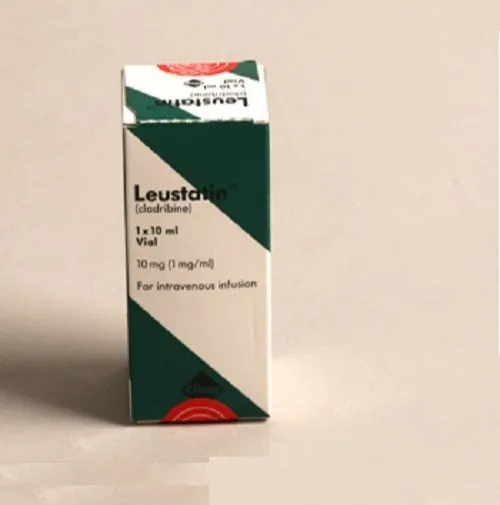
Table of Contents
PACKAGE LEAFLET: INFORMATION FOR THE USER
LEUSTATIN 10 mg/10 ml solution for infusion
Cladribine
THERAPEUTIC PHARMACOLOGICAL CATEGORY
Antimetabolites, purine analogues
THERAPEUTIC INDICATIONS
- LEUSTATIN is indicated for the treatment of patients with hairy cell leukemia (HCL).
- LEUSTATIN is indicated for the treatment of patients with B-cell chronic lymphocytic leukemia (CLL) who have not responded, or whose disease has progressed during or after treatment with at least one standard therapeutic regimen containing an alkylating agent.
CONTRAINDICATIONS
Hypersensitivity to the active substance or to any of the excipients.
PRECAUTIONS FOR USE
LEUSTATIN is a potent antineoplastic agent and may cause severe toxic effects such as
myelosuppression, persistent lymphopenia, and opportunistic infections.
It must be administered under close supervision by qualified and experienced clinicians
in the use of antineoplastic drugs.
CHRONIC LYMPHOCYTIC LEUKEMIA
Patients who have shown disease progression during treatment with fludarabine are unlikely to respond to treatment with cladribine. Therefore, the use of LEUSTATIN in these patients is not recommended.
Serious adverse reactions (e.g., respiratory infections, pneumonia, and viral skin infections), including fatal infections (e.g., sepsis), have been reported (see “Undesirable effects”).
Any concomitant infections must be resolved prior to initiating treatment with LEUSTATIN.
Patients with a positive Coombs test should be closely monitored for possible hemolysis.
Patients with a high white blood cell count should be treated with allopurinol and adequately hydrated to reduce the potential effects of tumor lysis syndrome.
Patients with concomitant herpes infections should be treated with acyclovir.
Elderly patients should be treated after individual assessment and with careful monitoring of hematological counts and renal and hepatic function. The risk requires case-by-case evaluation.
At any time during or after treatment, inform your doctor or nurse immediately if you:
experience blurred vision, loss of vision, or diplopia, difficulty speaking, weakness in one arm or leg, changes in gait or balance problems, persistent numbness, decreased sensation, or loss of sensation, memory loss, or confusion. These may be symptoms of a serious and potentially life-threatening brain disease known as progressive multifocal leukoencephalopathy (PML).
If you had these symptoms before treatment with cladribine, inform your doctor of any changes in these symptoms.
Bone marrow suppression
The suppressive effect of LEUSTATIN on bone marrow activity, including decreased neutrophil and platelet counts and anemia, should always be considered. This is usually reversible and appears to be dose-dependent.
Suppression of bone marrow activity is particularly evident during the first month following treatment.
Hematological parameters in patients should therefore be monitored regularly during and after treatment (particularly during the first 2 months) to assess the extent of hematopoietic depression. Caution is advised in patients with severe bone marrow dysfunction of any origin (see section UNDESIRABLE EFFECTS).
Due to the prolonged immunosuppression associated with the use of nucleoside analogues such as LEUSTATIN, there is a potential risk of secondary malignancies. Primary hematological neoplasms are also a risk factor for the development of secondary tumors.
HAIRY CELL LEUKEMIA
During and after treatment, hematological parameters in patients should be monitored regularly (particularly during the first 2 months) to assess the extent of hematopoietic depression.
CHRONIC LYMPHOCYTIC LEUKEMIA
During the first two cycles of treatment with LEUSTATIN, hematological parameters reach their lowest values, typically observed during the second cycle. Toxicity does not appear to increase with subsequent treatment cycles. Monitoring of hematological parameters during treatment with LEUSTATIN is recommended.
Neurotoxicity
With the use of very high doses (4 to 9 times those recommended for HCL), signs of irreversible neurological toxicity (paraparesis/tetraparesis) have occurred. Neurotoxicity appears to be dose-related; however, in patients treated with the recommended doses (0.09 mg/kg/day for 7 days), signs of neurotoxicity are rarely observed.
The physician should consider reducing or discontinuing treatment if signs of neurotoxicity occur.
Fever/Infections
HAIRY CELL LEUKEMIA
In clinical studies, febrile episodes associated with the use of LEUSTATIN were observed in approximately 72% (89/124) of patients.
Most febrile episodes occurred during the first month of treatment and were not associated with a documented infection.
CHRONIC LYMPHOCYTIC LEUKEMIA
Episodes of hyperthermia were reported in 22–24% of patients during the first treatment cycle and in less than 3% during subsequent cycles. A total of 32.5% of patients (40/123) reported at least one infection during the first cycle. Infections occurring in at least 5% of cases were: respiratory tract infections (8.9%), pneumonia (7.3%), bacterial infections (5.7%), and viral skin infections (5.7%).
Approximately 70% of patients reported at least one infection during the entire clinical trial period, including treatment and follow-up.
Since most febrile episodes occurred in neutropenic patients, these patients should be closely monitored during the first month and treated with antibiotics if clinically indicated.
Febrile episodes should be evaluated with appropriate laboratory and radiological investigations.
The physician should carefully evaluate the risks and benefits of administering the drug to patients with active infections. Since fever may be accompanied by increased fluid loss, patients should be adequately hydrated (see “Undesirable effects”).
Tumor lysis syndrome
Rare cases of tumor lysis syndrome have been reported in patients with other malignant hematological disorders with high tumor burden treated with cladribine.
Effect on hepatic and renal function
Acute renal failure has occurred in some patients treated with high doses of LEUSTATIN.
As there are no adequate data on the treatment of patients with hepatic or renal impairment, caution should be exercised when administering LEUSTATIN to such patients.
As with other potent chemotherapeutic agents, monitoring of liver and kidney function should be performed, especially in patients with concomitant renal and/or hepatic dysfunction. In case of renal toxicity, discontinuation of treatment should be considered (see “Undesirable effects”).
Laboratory tests
During and after treatment, blood tests should be monitored regularly to assess the extent of bone marrow suppression.
Important information on some excipients
LEUSTATIN contains sodium.
This medicinal product contains 38.2 mg of sodium (a main component of table salt) per vial. This corresponds to 1.91% of the maximum daily dietary intake recommended for an adult.
This should be taken into account in individuals with impaired renal function or those on a low-sodium diet.
INTERACTIONS
Inform your doctor or pharmacist if you have recently taken any other medicines, including those without a prescription.
Particular caution is required when LEUSTATIN is administered after or in combination with other myelotoxic drugs.
After administration of LEUSTATIN, particular caution should be exercised before initiating other immunosuppressive or myelosuppressive therapies.
Due to similar intracellular metabolism, cross-resistance may occur with other nucleotide analogues such as fludarabine or 2’-deoxycoformycin. Therefore, concomitant administration of nucleotide analogues with cladribine is not recommended.
As interactions may occur with drugs undergoing intracellular phosphorylation, such as antiviral agents or adenosine uptake inhibitors (e.g., didanosine, tenofovir, adefovir), concomitant use with cladribine is not recommended.
SPECIAL WARNINGS
Pregnancy and breastfeeding
Inform your doctor or pharmacist before taking any medicine.
LEUSTATIN must not be used during pregnancy.
Women of childbearing potential must use an effective contraceptive method during treatment with LEUSTATIN and for 6 months after the last dose of LEUSTATIN.
If LEUSTATIN is administered during pregnancy, or if a patient becomes pregnant during treatment, she must be informed of the potential risks to the fetus. Women of childbearing potential should be advised to avoid pregnancy.
LEUSTATIN is teratogenic in mice and rabbits.
It is not known whether the drug is excreted in breast milk. Breastfeeding must not be initiated during treatment with LEUSTATIN and for 6 months after the last dose of LEUSTATIN.
Men receiving LEUSTATIN should be advised not to father a child until 6 months after the last dose of LEUSTATIN. Family planning should be discussed with patients on a case-by-case basis.
Carcinogenesis/Mutagenesis
No carcinogenicity studies in animals have been conducted with cladribine. However, based on the demonstrated genotoxicity of cladribine, potential carcinogenicity cannot be excluded.
Cladribine has shown chromosomal effects when tested in vivo in the micronucleus test in mice and in vitro in CHO-WBL cells.
Effects on the ability to drive and use machines
Given the clinical condition of patients and the safety profile of LEUSTATIN, caution should be exercised if a patient undertakes activities requiring attention and vigilance.
DOSAGE, METHOD AND DURATION OF ADMINISTRATION
HAIRY CELL LEUKEMIA
The recommended dosage is a single treatment cycle lasting 7 consecutive days, with continuous intravenous infusion of 0.09 mg/kg/day of cladribine. Deviations from this dosing schedule are not recommended.
Patients who do not respond after the first treatment cycle are unlikely to benefit from further treatment.
CHRONIC LYMPHOCYTIC LEUKEMIA
The recommended dose is 0.12 mg/kg/day (4.8 mg/m²/day) administered as a continuous 2-hour intravenous infusion for 5 consecutive days every 28 days.
Patients who respond should be treated for up to a maximum of 6 treatment cycles with LEUSTATIN.
In non-responding patients, it is recommended not to exceed two treatment cycles.
The contents of the LEUSTATIN vial must be diluted with an appropriate diluent before administration.
Since the preparation does not contain any bacteriostatic or bactericidal preservative, the solution must be prepared under aseptic conditions and with appropriate environmental precautions.
Children:
The safety and efficacy of LEUSTATIN in children has not been established.
INSTRUCTIONS FOR USE
LEUSTATIN must be diluted with an appropriate diluent before administration. Since the drug does not contain any antimicrobial or bacteriostatic preservative, the preparation of the solution must be performed using aseptic techniques and appropriate environmental precautions.
Parenteral products should be visually inspected, whenever possible, before use to detect particulate matter or discoloration.
When LEUSTATIN is stored at low temperatures, a precipitate may form: this can be redissolved by leaving the vials at room temperature for a while and then shaking vigorously. Do not heat and do not use microwaves.
Particular attention is required to ensure sterility of the prepared solutions.
Once diluted, LEUSTATIN solutions must be administered within a short time or stored in a refrigerator (2°C–8°C) for no more than 8 hours before use.
LEUSTATIN vials are for single use only. Any unused residue must be properly discarded.
The potential risks associated with the use of cytotoxic agents are well known, and appropriate precautions must be taken during the handling and administration of LEUSTATIN. The use of disposable gloves and protective clothing is recommended. If LEUSTATIN comes into contact with the skin or mucous membranes, wash the affected areas immediately with abundant water.
HAIRY CELL LEUKEMIA
Preparation of the daily dose
Withdraw the required dose of LEUSTATIN (0.09 mg/kg or 0.09 ml/kg) and transfer it into an infusion bag containing 100 to 500 ml of physiological saline solution. Start the intravenous infusion and continue for 24 hours. Repeat this procedure daily for 7 consecutive days.
The use of 5% dextrose as diluent is not recommended, as it causes degradation of cladribine.
The diluted solution of LEUSTATIN, in standard PVC infusion bags, is chemically and physically stable at room temperature and under normal fluorescent lighting for at least 24 hours.
CHRONIC LYMPHOCYTIC LEUKEMIA
Preparation of the daily dose
Withdraw the required dose of LEUSTATIN (0.12 mg/kg or 4.8 mg/m²) and transfer it into an infusion bag containing 100 to 500 ml of physiological saline solution. Start the intravenous infusion and continue for 2 hours. Repeat this procedure daily for 5 consecutive days.
The use of 5% dextrose as diluent is not recommended, as it causes degradation of cladribine.
OVERDOSE
Signs and symptoms of overdose may include nausea, vomiting, diarrhea, severe myelosuppression (including anemia, thrombocytopenia, leukopenia, and agranulocytosis), acute renal failure, irreversible neurotoxicity (paraparesis/tetraparesis), and the onset of Guillain-Barré and Brown-Séquard syndromes. Acute, irreversible neuro- and nephrotoxicity have been described in individual patients treated with a dose ≥ 4 times the recommended dose for hairy cell leukemia.
There are no specific antidotes.
In case of overdose, discontinue treatment with LEUSTATIN, closely observe the patient, and implement appropriate supportive therapies (blood transfusions, dialysis, hemofiltration, anti-infective therapy, etc.).
The hematological profile of patients who have received an overdose of cladribine should be monitored regularly.
In case of accidental ingestion/overdose of LEUSTATIN, contact your doctor immediately or go to the nearest hospital.
If you have any doubts about the use of LEUSTATIN, consult your doctor or pharmacist.
UNDESIRABLE EFFECTS
Like all medicines, LEUSTATIN can cause adverse effects, although not everyone experiences them.
Hairy cell leukemia (HCL)
The safety of LEUSTATIN was evaluated in 576 patients with hairy cell leukemia (HCL) treated with LEUSTATIN in two clinical trials. These patients received at least one dose of LEUSTATIN and provided safety data.
The most frequently reported adverse drug reactions (ADRs) (frequency ≥10%) were: pyrexia (33%), fatigue (31%), nausea (22%), rash (16%), headache (14%), and infusion site reactions (11%).
Table 1 presents cumulative safety data from the reporting of adverse reactions with LEUSTATIN in patients treated for HCL in clinical trials and during post-marketing experience (therapy not specific to indication). Adverse reactions are listed below by system organ class and frequency according to MedDRA. Frequency is categorized as: very common (≥ 1/10), common (≥ 1/100 to < 1/10), uncommon (≥ 1/1,000 to < 1/100), rare (≥ 1/10,000 to < 1/1,000), very rare (< 1/10,000), and not known (frequency cannot be estimated from the available data).
Table 1: Adverse drug reactions in HCL clinical trials and post-marketing experience
| System organ classification | Adverse drug reactions | |||
| Frequency | ||||
| Very common (≥ 1/10) | Common (from ≥ 1/100 to < 1/10) | Uncommon (from ≥ 1/1,000 to < 1/100) | Rare (from ≥ 1/10,000 to < 1/1,000) | |
| Infections and infestations | Septic shocka | Opportunistic infectionsa | ||
| Benign, malignant and unspecified neoplasms (including cysts and polyps) | Secondary tumoursa,l, Haematological primary tumoursa,l | |||
| Haematopoietic and lymphatic system disorders | Haemolytic anaemiaa,b, Anaemia, Febrile neutropenia | Myelosuppression with prolonged pancytopeniaa, Aplastic anaemiaa, Hyper-eosinophiliaa, Myelodysplastic syndromea | ||
| Immune system disorders | Hypersensitivitya | |||
| Metabolism and nutrition disorders | Tumour lysis syndromea | |||
| Psychiatric disorders | Confusiona,c, Anxiety, Insomnia | |||
| Nervous system disorders | Headache | Dizziness | Decreased level of consciousnessa, Neurological toxicitya,d | |
| Eye disorders | Conjunctivitisa | |||
| Cardiac disorders | Tachycardia, Myocardial ischaemia | Heart failure, Arrhythmia | ||
| Respiratory, thoracic and mediastinal disorders | Pulmonary interstitial infiltratesa,e, Breath sounds | |||
| abnormal, Cough, Dyspnoeaf, Rales | ||||
| Gastrointestinal disorders | Nausea | Abdominal paing, Constipation, Diarrhoea, Flatulence, Vomiting | ||
| Hepatobiliary disorders | Increased bilirubin levelsa, Increased transaminase levelsa | |||
| Skin and subcutaneous tissue disorders | Rashh | Urticariaa, Bruising, Hyperhidrosis, Petechiae, Pruritus | Stevens-Johnson syndromea | |
| Musculoskeletal and connective tissue disorders | Arthralgia, Myalgia, Paini | |||
| Renal and urinary disorders | Renal failurea,j | |||
| General disorders and administration site conditions | Administration site reactionsk, Fatigue, Pyrexia | Asthenia, Chills, Loss of appetite, Malaise, Muscle weakness, Peripheral oedema | ||
| Injury, poisoning and procedural complications | Contusion | |||
Events reported as ADRs during post-marketing experience.
Hemolytic anemia includes autoimmune hemolytic anemia.
Confusion includes disorientation.
Neurological toxicity includes peripheral sensory neuropathy, motor neuropathy (paralysis), polyneuropathy, and paraparesis.
Pulmonary interstitial infiltrates include pulmonary infiltration, interstitial lung disease, pneumonia, and pulmonary fibrosis.
Dyspnea includes dyspnea, exertional dyspnea, and wheezing.
Abdominal pain includes abdominal distress, abdominal pain, and pain in the lower and upper abdominal tract.
Rash includes erythema, skin rashes, and rash (macular, maculopapular, papular, pruritic, pustular, and erythematous).
Pain includes pain, back pain, chest pain, arthritic pain, bone pain, and pain in extremities.
Renal failure includes acute renal failure and renal impairment.
Administration site reactions include reactions at the administration site, reactions at the catheter insertion site (cellulitis, erythema, hemorrhage, and pain), and infusion site reactions (erythema, edema, and pain).
Secondary tumors are a potential risk due to prolonged immunosuppression associated with the use of nucleoside analogs such as LEUSTATIN. Primary hematological tumors are also a risk factor for secondary tumors.
The following safety data are based on a subgroup of 124 patients with hairy cell leukemia (HCL) enrolled in the main clinical study. Severe neutropenia was observed in 70% of patients and infections in 31% of patients during the first month. Fever was observed in 72% of patients. Most non-hematological adverse events were mild to moderate in severity. Most skin rashes were mild in nature.
Bone marrow suppression
Myelosuppression was frequently observed during the first month after initiation of LEUSTATIN therapy. Neutropenia (absolute neutrophil count < 500x10⁶/L) was observed in 69% of patients, whereas this finding was present in 25% of cases prior to the start of treatment. Severe anemia (hemoglobin < 8.5 g/dL) was also observed in 41% of patients (12% at baseline), and thrombocytopenia (platelets < 20x10⁹/L) in 15% of patients (5% at baseline).
Lymphocyte subset analysis indicates that treatment with LEUSTATIN is associated with a prolonged reduction in CD4 count and a transient reduction in CD8 count.
The clinical significance of prolonged CD4 reduction is unclear.
Prolonged bone marrow hypocellularity (<35%) has been observed.
Fever/Infections
Fever was a frequently observed adverse event during the first month of the study. During this period, 12% of patients experienced fever (t ≥ 40°C). Documented infections occurred in less than one-third of all febrile episodes.
Of the 124 patients studied, 11 had a documented infection in the month prior to treatment. In the month following treatment, 31% of patients had a documented infection: 13.7% had a bacterial infection, 6.5% a viral infection, and 6.5% a fungal infection. Seventy percent of these patients were treated empirically with antibiotics.
During the first month, serious infections (septicemia, pneumonia) were reported in 7% of patients. During the second month, the overall rate of documented infections was 8%; these infections were mild or moderate, and no systemic infections occurred.
After the third month, the monthly incidence of infections was equal to or lower than that observed in the months immediately preceding LEUSTATIN therapy.
Among the 124 patients, there were 6 deaths. Of these, one was due to infection, two to pre-existing cardiac disorders, two to persistent leukemia with infectious complications, and one to disease progression after treatment with another chemotherapeutic agent.
B-cell chronic lymphocytic leukemia (CLL)
The safety of LEUSTATIN was evaluated in 266 patients with B-cell chronic lymphocytic leukemia (CLL) treated with LEUSTATIN in two main clinical studies. These patients received at least one injection of LEUSTATIN and provided safety data.
Based on aggregated safety data from CLL clinical studies, the most frequently reported adverse drug reactions (ADRs) (frequency ≥10%) were: pyrexia (28%), fatigue (22%), administration site reactions (21%), and headache (11%).
Table 2 presents cumulative safety data derived from reporting of adverse drug reactions following the use of LEUSTATIN in patients treated for CLL in clinical studies and during post-marketing experience (therapy not specific to indication).
Adverse reactions are listed below by system organ class and frequency group. Frequency is categorized as: very common (≥ 1/10), common (≥ 1/100 to < 1/10), uncommon (≥ 1/1,000 to < 1/100), rare (≥ 1/10,000 to < 1/1,000), very rare (< 1/10,000), and not known (frequency cannot be estimated from the available data).
Table 2: Adverse drug reactions in CLL clinical studies and post-marketing phase
| System Organ Class | Adverse Drug Reactions | ||
| Frequency | |||
| Very Common (≥ 1/10) | Common (from ≥ 1/100 to < 1/10) | Uncommon (from ≥ 1/1,000 to < 1/100) | |
| Infections and infestations | Septic shocka, Bacteraemia, Cellulitis, Localized infection, Pneumonia | Opportunistic infectionsa, Herpes infections (Herpes retinitis, Herpes zoster)a | |
| Benign, malignant and unspecified neoplasms (including cysts and polyps) | Secondary tumoursa,k, Haematological primary tumoursa,k | ||
| Haematopoietic and lymphatic system disorders | Haemolytic anaemiaa,b, Anaemia, Thrombocytopenia (with bleeding or purpura) | Myelosuppression with prolonged pancytopeniaa, Aplastic anaemiaa, Hyper-eosinophiliaa, Myelodysplastic syndromea | |
| Immune system disorders | Hypersensitivitya | ||
| Metabolism and nutrition disorders | Tumour lysis syndromea | ||
| Psychiatric disorders | Confusiona,c | ||
| Nervous system disorders | Headache | Decreased level of consciousnessa, Neurotoxicitya,d | |
| Eye disorders | Conjunctivitisa | ||
| Cardiac disorders | Phlebitis | ||
| Respiratory, thoracic and mediastinal disorders | Pulmonary interstitial infiltratesa,e, Abnormal breath sounds, Cough, Dyspnoeaf, Rales | ||
| Gastrointestinal disorders | Diarrhoea, Nausea, Vomiting | ||
| Hepatobiliary disorders | Increased bilirubin levelsa, Increased transaminase levelsa | ||
| Skin and subcutaneous tissue disorders | Urticariaa, Hyperhidrosis, Purpura, Rashg | Stevens-Johnson syndromea | |
| Musculoskeletal and connective tissue disorders | Painh | ||
| Renal and urinary disorders | Renal failurea,i | ||
| General disorders and administration site conditions | Administration site reactionsj, Fatigue, Pyrexia | Asthenia, Crepitations, Localized oedema, Muscle weakness, Peripheral oedema, Oedema | |
Reported events as ADRs during post-marketing experience.
Haemolytic anaemia includes autoimmune haemolytic anaemia.
Confusion includes disorientation.
Neurological toxicity includes peripheral sensory neuropathy, motor neuropathy (paralysis),
polyneuropathy and paraparesis.
Pulmonary interstitial infiltrates include pulmonary infiltration, interstitial lung disease,
pneumonia and pulmonary fibrosis.
Dyspnoea includes dyspnoea, exertional dyspnoea and wheezing.
Rash includes rash (maculopapular, pruritus and pustular) and erythema.
Pain includes pain, arthralgia, back pain, bone pain, musculoskeletal pain
and extremity pain.
Renal failure includes acute renal failure and renal impairment.
Administration site reactions include reactions at the administration site, reactions at the catheter insertion site (erythema and infection) and infusion site reactions (cellulitis, erythema, irritation, oedema, pain, infection and phlebitis).
Secondary tumours are a potential risk due to prolonged immunosuppression
associated with the use of nucleoside analogues such as LEUSTATIN. Primary haematological tumours are also a risk factor for secondary tumours.
Bone marrow suppression
Patients with CLL treated with LEUSTATIN showed greater myeloinhibition at the beginning
of therapy compared to patients with HCL; an increase in myeloinhibition was
observed during Cycles 1 and 2 of treatment, reaching nadir values in Cycle 2.
The percentage of patients with haemoglobin levels < 8.5 g/dl was 16.9% before
treatment, 37.9% in Cycle 1 and 46.1% in Cycle 2. The percentage of patients with
platelet count < 20x10⁹/L was 4% before treatment, 20.2% in Cycle 1 and 22.5% in Cycle 2. The absolute neutrophil count was < 500x10⁹/L in
18.5% of patients before treatment, in 56.5% of patients in Cycle 1, in 61.8% in Cycle 2, in 59.3% in Cycle 3 and in 55.9% in Cycle 4. There appears to be no cumulative toxicity following administration of multiple treatment cycles. Among the marked biochemical abnormalities observed during the study, some were pre-existing, resolved spontaneously, or were associated with death due to concomitant diseases.
Fever/Infections
During the first treatment cycle, 23.6% of patients experienced febrile episodes and 32.5% had at least one documented infection. Infections observed in more than 5% of treated patients during Cycle 1 were: respiratory infections/inflammations (8.9%); pneumonia (7.3%); bacterial infections (5.6%); viral skin infections (5.7%). From Cycle 2 to Cycle 9, 71.3% of patients experienced at least one infection. Infections observed in more than 10% of treated patients were: pneumonia (28.7%); bacterial infections (21.8%); viral skin infections (20.8%); upper respiratory tract infections (12.9%); other intestinal infections/inflammations (12.9%); oral candidiasis (11.9%); urinary tract infections (11.9%); other skin infections (11.9%). Overall, 72.4% of patients experienced at least one infection during treatment with LEUSTATIN. Of these, 32.6% were receiving concomitant immunosuppressive therapy (prednisone).
Safety data following IV/SC administration in patients with Multiple Sclerosis
Although the use of cladribine cannot be recommended for indications other than Hairy Cell Leukaemia or Chronic Lymphocytic Leukaemia, nor can subcutaneous administration be recommended, data are available from studies aimed at evaluating the potential efficacy of the drug in Multiple Sclerosis.
In two studies using the IV route, cladribine was infused at doses ranging from
0.087 to 0.1 mg/kg/day for 7 days, repeated every 4–6 months.
Cumulative doses therefore ranged between 2.8 and 3.65 mg/kg. Additionally, in three studies using the SC route, cladribine was administered at doses between 0.07 and 0.14 mg/kg/day for 5 days, repeated every 2–6 months.
Cumulative doses therefore ranged between 0.7 and 2.1 mg/kg.
The safety profile observed reflects the expected lymphocytotoxic and bone marrow suppressive effects and is consistent with the safety profile associated with the IV route currently recommended for the treatment of CLL and HCL.
In these studies, most of the most frequently reported events, including serious adverse events, were typically associated with the underlying disease. Most occurred with similar frequency in placebo- and cladribine-treated patients. Injection site inflammation and pain were observed. Subjects treated with cladribine showed a higher incidence of upper respiratory tract infections, purpura, hypertonia and muscle weakness compared to placebo-treated patients. The difference in incidence of muscle weakness between the two groups was mainly due to results from a single investigator, except for a higher incidence of thrombocytopenia after re-treatment (8%) compared to initial treatment (4%). No differences were observed in the adverse event profile between the first treatment cycle and subsequent cycles in 78 patients treated with more than one cycle of cladribine.
Less common but clinically relevant adverse events included those due to immunosuppression and impaired immune function (pneumonia, aplastic anaemia, pancytopenia, thrombocytopenia, Herpes Simplex and Zoster), occurring either exclusively or with increased severity in patients who received a dose of 2.8 mg/kg or higher, particularly when the total dose was administered over a short period (e.g., 4 months).
Paediatric population
The safety and efficacy of LEUSTATIN in children have not been established.
Following the instructions provided in the package leaflet reduces the risk of adverse effects.
Reporting of adverse effects
If any adverse effect occurs, including those not listed in this leaflet, consult your doctor or pharmacist. Adverse effects can also be reported directly via the national reporting system at www.agenziafarmaco.gov.it/it/responsabili. Reporting adverse effects contributes to providing more information on the safety of this medicinal product.
EXPIRY DATE AND STORAGE
Expiry date: see date on the packaging.
The expiry date refers to the product in unopened packaging, correctly stored.
Warning: do not use the medicinal product after the expiry date stated on the packaging.
LEUSTATIN vials must be stored refrigerated (2°C–8°C) and protected from light.
Freezing does not adversely affect the solution. If frozen, allow to thaw at room temperature. Do not heat or use microwaves. Once thawed, the LEUSTATIN vial is stable until the expiry date provided it is stored in the refrigerator. Do not refreeze.
After dilution, solutions containing LEUSTATIN must be used promptly or stored refrigerated (2°C–8°C) for a maximum of 8 hours.
Medicinal products must not be disposed of via wastewater or household waste. Ask your pharmacist how to dispose of medicines no longer in use. This will help protect the environment.
Keep this medicinal product out of the reach and sight of children.
COMPOSITION
Each 10 ml vial contains: active substance: cladribine 10 mg.
Excipients: sodium chloride; phosphoric acid and/or disodium phosphate heptahydrate; water for injections.
PHARMACEUTICAL FORM AND CONTENT
Infusion solution.
7 vials of 10 ml
MARKETING AUTHORISATION HOLDER
Atnahs Pharma Netherlands B.V.
Copenhagen Towers
Ørestads Boulevard 108, 5.tv
DK-2300 Copenhagen
Denmark
MANUFACTURER
JANSSEN PHARMACEUTICA N.V., Turnhoutseweg 30, B-2340 Beerse, Belgium
REVISION OF THE PACKAGE LEAFLET BY THE ITALIAN MEDICINES AGENCY