Lamivudine Aurobindo
Italy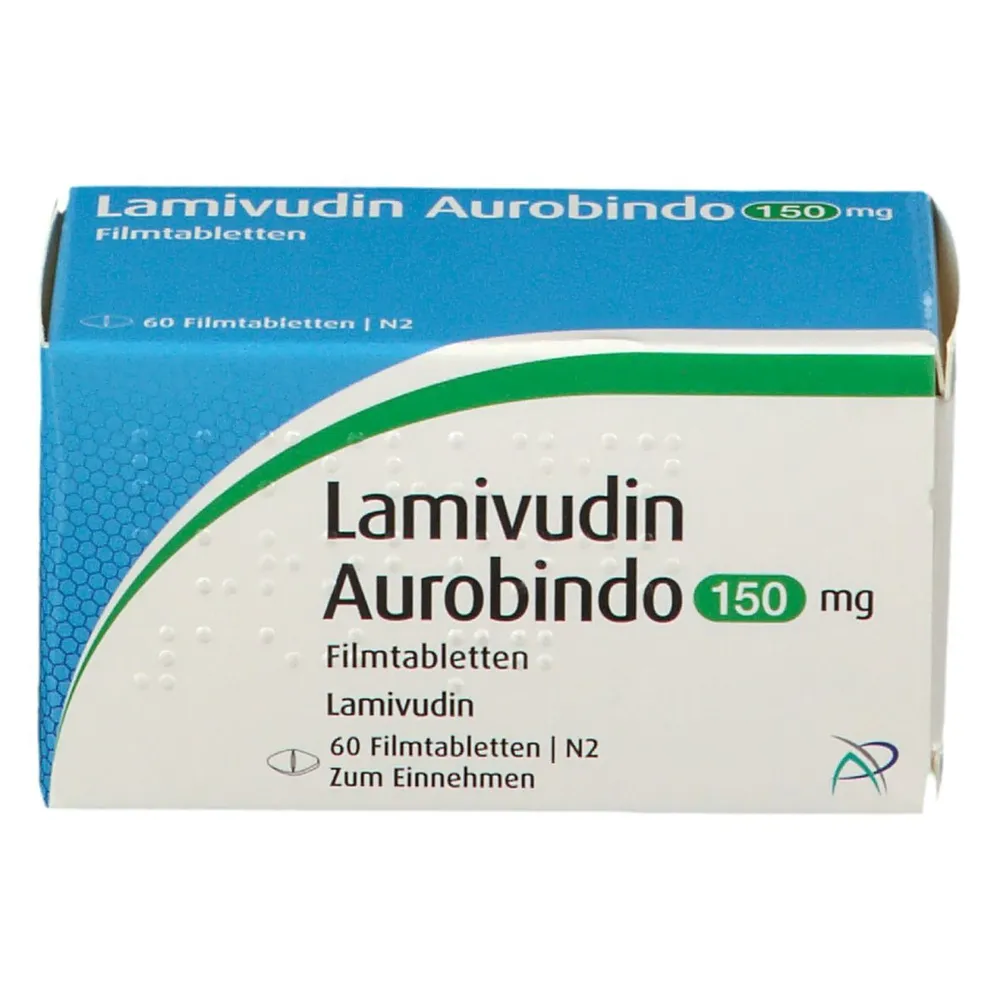
Table of Contents
- Patient Information Leaflet: Information for the User
- Lamivudine Aurobindo 150 mg Film-coated Tablets
- 1. What Lamivudine Aurobindo is and what it is used for
- 2. What you need to know before taking Lamivudine Aurobindo
- 3. How to take Lamivudine Aurobindo
- 4. Possible side effects
- 5. How to store Lamivudine Aurobindo
- 6. Package contents and other information
- Package leaflet: Information for the user
- Lamivudina Aurobindo 300 mg film-coated tablets
- 1. What Lamivudine Aurobindo is and what it is used for
- 2. What you should know before taking Lamivudine Aurobindo
- 3. How to take Lamivudine Aurobindo
- 4. Possible side effects
- 5. How to store Lamivudine Aurobindo
- 6. Package contents and other information
Patient Information Leaflet: Information for the User
Lamivudine Aurobindo 150 mg Film-coated Tablets
Generic Medicine
Please read all of this leaflet carefully before taking this medicine because it contains important information for you.
- Keep this leaflet. You may need to read it again.
- If you have any questions, ask your doctor or pharmacist.
- This medicine has been prescribed for you only. Do not give it to other people, even if their symptoms are the same as yours, as it may be harmful.
- If you experience any side effects, including those not listed in this leaflet, contact your doctor or pharmacist. See section 4.
Contents of this leaflet:
- What Lamivudine Aurobindo is and what it is used for
- What you need to know before taking Lamivudine Aurobindo
- How to take Lamivudine Aurobindo
- Possible side effects
- How to store Lamivudine Aurobindo
- Contents of the pack and other information
1. What Lamivudine Aurobindo is and what it is used for
Lamivudine Aurobindo is used to treat HIV (human immunodeficiency virus) infection in adults and children.
The active substance of Lamivudine Aurobindo is lamivudine. Lamivudine Aurobindo is a type of medicine
known as an antiretroviral. It belongs to a group of medicines called nucleoside reverse transcriptase inhibitors (NRTIs).
Lamivudine Aurobindo does not completely cure HIV infection; it reduces the amount of virus
in the body and keeps it at a low level. It also increases the CD4 cell count in your blood.
CD4 cells are a type of white blood cell that are important in helping your body fight infections.
Not all people respond to treatment with Lamivudine Aurobindo in the same way. Your doctor will
monitor the effectiveness of the treatment.
2. What you need to know before taking Lamivudine Aurobindo
Do not take Lamivudine Aurobindo
- if you are allergic to lamivudine or to any of the other ingredients of this medicine (listed in section 6).
Talk to your doctor if you think this applies to you.
Warnings and precautions
Some people taking Lamivudine Aurobindo or other combination treatments for HIV are at higher risk of serious side effects. You should be aware of the following additional risks:
- if you have previously had liver disease, including hepatitis B or C (if you have had hepatitis B infection, do not stop taking Lamivudine Aurobindo without medical advice, as hepatitis may return);
- if you are severely overweight (particularly if you are a woman);
- if you or your child has kidney problems, the dose may need to be adjusted.
Talk to your doctor if any of these situations apply to you. You may require additional monitoring, including blood tests, while taking this medicine. See section 4 for more information.
Be alert to important symptoms
Some people taking medicines for HIV infection develop other conditions that may be serious. It is important that you are aware of the signs and symptoms to watch for while taking Lamivudine Aurobindo.
Please read the information “Other possible side effects of combination therapy for HIV” in section 4 of this leaflet.
Protecting others
HIV infection spreads through sexual contact with an infected person or through exposure to infected blood (e.g. by sharing injecting needles). You may still transmit HIV while taking this medicine, although the risk is reduced due to the antiretroviral therapy effect.
Discuss with your doctor the necessary precautions to avoid transmitting the infection to others.
Other medicines and Lamivudine Aurobindo
Tell your doctor or pharmacist if you are taking, have recently taken, or might take any other medicines, including herbal remedies or other medicines purchased without a prescription.
Remember to inform your doctor or pharmacist if you start taking a new medicine while on Lamivudine Aurobindo.
The following medicines must not be used with Lamivudine Aurobindo:
- medicines (usually liquid formulations) containing sorbitol and other sweeteners (such as xylitol, mannitol, lactitol or maltitol), if taken regularly;
- other medicines containing lamivudine (used for the treatment of HIV infection or hepatitis B);
- emtricitabine (used for the treatment of HIV infection);
- high doses of co-trimoxazole, an antibiotic;
- cladribine (used to treat hairy cell leukemia).
Inform your doctor if you are being treated with any of these medicines.
Pregnancy, breastfeeding and fertility
If you are pregnant, think you might be pregnant, are planning a pregnancy, or are breastfeeding, consult your doctor before taking this medicine.
Pregnancy
If you are pregnant, suspect you may be pregnant, or are planning a pregnancy, discuss with your doctor the risks and benefits of taking Lamivudine Aurobindo for you and your baby.
Lamivudine Aurobindo and similar medicines may cause side effects in unborn children.
If you have taken Lamivudine Aurobindo during pregnancy, your doctor may regularly request blood tests and other diagnostic examinations to monitor your baby's development. In children whose mothers took NRTIs during pregnancy, the benefit of protection against HIV has outweighed the risk of side effects.
Breastfeeding
Women who are HIV-positive must not breastfeed, as HIV infection can be passed to the baby through breast milk.
A small amount of lamivudine components may also pass into breast milk.
If you are breastfeeding or considering breastfeeding:
Contact your doctor immediately.
Driving and using machines
It is unlikely that Lamivudine Aurobindo will affect your ability to drive or operate machinery.
3. How to take Lamivudine Aurobindo
Take this medicine exactly as your doctor or pharmacist has told you. If you
have any doubts, consult your doctor or pharmacist.
Swallow the tablets with a little water. Lamivudine Aurobindo may be taken with or without food.
If you are unable to swallow the tablet, you may break it and mix it with a small amount of food or drink, and take the entire dose immediately.
Stay in regular contact with your doctor.
Lamivudine Aurobindo helps control your condition. You must continue taking it every day to prevent your disease from worsening. However, you may still develop other infections and illnesses related to HIV infection.
Stay in contact with your doctor and do not stop taking Lamivudine Aurobindo without your doctor’s advice.
How much medicine to take
Adults, adolescents and children weighing at least 25 kg:
The recommended dose of Lamivudine Aurobindo is 300 mg daily. This may be taken either as one 150 mg tablet twice daily (leaving approximately 12 hours between doses), or as two 150 mg tablets once daily, as advised by your doctor.
Children weighing at least 20 kg but less than 25 kg:
The recommended dose of Lamivudine Aurobindo is 225 mg daily. This may be given either as 75 mg (half of a 150 mg tablet) in the morning and 150 mg (one full 150 mg tablet) in the evening, or as 225 mg (one and a half 150 mg tablets) once daily, as advised by your doctor.
Children weighing at least 14 kg but less than 20 kg:
The recommended dose of Lamivudine Aurobindo is 150 mg daily. This may be given as 75 mg (half of a 150 mg tablet) twice daily (leaving approximately 12 hours between doses) or as 150 mg (one 150 mg tablet) once daily, as advised by your doctor.
An oral solution may also be available for the treatment of children over 3 months of age or for individuals requiring lower doses or who are unable to take tablets.
If you or your child have kidney problems, the dose may need to be adjusted.
Talk to your doctor if any of these situations apply to you or your child.
If you take more Lamivudine Aurobindo than you should
Accidentally taking an excessive dose of Lamivudine Aurobindo is unlikely to cause serious problems.
However, if you do take an overdose, inform your doctor or pharmacist, or contact the Emergency Department of your nearest hospital for further advice.
If you forget to take Lamivudine Aurobindo
If you forget to take your dose, take it as soon as you remember. Then continue with your regular treatment schedule.
Do not take a double dose to make up for a forgotten tablet.
If you have any doubts about how to use this medicine, ask your doctor or pharmacist.
4. Possible side effects
During HIV therapy, an increase in body weight and in blood lipid and glucose levels may occur. This is partly related to the recovery of health status and lifestyle, and in the case of blood lipids, sometimes to the HIV medicines themselves. Your doctor will monitor these changes.
Like all medicines, this medicine can cause side effects, although not everybody gets them.
When you are being treated for HIV, it may be difficult to determine whether a symptom is an unwanted effect of Lamivudine Aurobindo, of other medicines you are taking, or an effect of the HIV disease itself.
For this reason, it is important to inform your doctor about any changes in your health status.
In addition to the side effects listed below for Lamivudine Aurobindo, other conditions may develop during combination therapy for HIV.
It is important to read the information provided later in this section under "Other possible side effects of combination therapy for HIV".
Common side effects
These may affect up to 1 in 10 people:
- headache;
- feeling unwell (nausea);
- unwellness (vomiting);
- diarrhoea;
- stomach pain;
- tiredness, lack of energy;
- fever (high temperature);
- general feeling of being unwell;
- muscle pain and discomfort;
- joint pain;
- difficulty sleeping (insomnia);
- cough;
- irritated or runny nose;
- rash;
- hair loss (alopecia).
Uncommon side effects
These may affect up to 1 in 100 people:
Uncommon side effects that may show up in blood tests:
- reduced number of cells involved in blood clotting ( thrombocytopenia );
- low number of red blood cells ( anemia ) or low number of white blood cells ( neutropenia );
- increased levels of liver enzymes.
Rare side effects
These may affect up to 1 in 1,000 people:
- severe allergic reaction causing swelling of the face, tongue, or throat, which may lead to difficulty swallowing or breathing;
- inflammation of the pancreas ( pancreatitis );
- breakdown of muscle tissue;
- liver disorders such as jaundice, enlarged liver or fatty liver, inflammation ( hepatitis ).
A rare side effect that may show up in blood tests is:
- increased levels of an enzyme called amylase.
Very rare side effects
These may affect up to 1 in 10,000 people:
- lactic acidosis (excess lactic acid in the blood);
- tingling or numbness in the arms, legs, hands, or feet.
A very rare side effect that may show up in blood tests is:
- inability of the bone marrow to produce new red blood cells ( pure red cell aplasia ).
If you experience side effects
If any of the side effects worsen or cause you concern, or if you notice any side effect not listed in this leaflet, inform your doctor or pharmacist.
Other possible side effects of combination therapy for HIV
Combination therapy including Lamivudine Aurobindo may lead to the development of other conditions during HIV treatment.
Old infections may reappear
People with advanced-stage HIV infection (AIDS) have a weakened immune system and are more likely to develop serious infections (opportunistic infections). When these people start treatment, they may find that previously hidden old infections reappear, causing signs and symptoms of inflammation. These symptoms are likely due to the body's immune system, which, as it becomes stronger, starts fighting these infections.
After starting treatment for HIV infection, autoimmune disorders (a condition occurring when the immune system attacks the body's healthy tissues) may also occur, in addition to opportunistic infections. Autoimmune disorders may occur several months after starting treatment. If you notice any signs of infection or other symptoms such as muscle weakness, weakness starting in the hands and feet and moving up toward the trunk, palpitations, tremor, or hyperactivity, inform your doctor immediately for appropriate treatment.
If you experience any signs of infection while taking Lamivudine Aurobindo:
Inform your doctor immediately. Do not take any other medicines for infection without medical advice.
You may have bone problems
Some people taking combination therapy for HIV develop a condition called osteonecrosis. With this condition, part of the bone tissue dies due to reduced blood supply to the bone. People are more likely to develop this condition:
- if they have been on combination therapy for a long time;
- if they are also taking anti-inflammatory medicines called corticosteroids;
- if they drink alcohol;
- if their immune system is very weak;
- if they are overweight.
Signs of osteonecrosis include:
- stiffness in the joints;
- pain (particularly in the hip, knee, or shoulder);
- difficulty moving. If you notice any of these symptoms: Inform your doctor.
Reporting of side effects
If you experience any side effect, including those not listed in this leaflet, talk to your doctor or pharmacist. You can also report side effects directly via the national reporting system at https://www.aifa.gov.it/content/segnalazioni-reazioni-avverse.
By reporting side effects, you can help provide more information on the safety of this medicine.
5. How to store Lamivudine Aurobindo
Keep this medicine out of the sight and reach of children.
Do not use this medicine after the expiry date which is stated on the label and on the carton after EXP.
The expiry date refers to the last day of that month.
Store below 30 °C.
Do not dispose of any medicine via wastewater or household waste. Ask your pharmacist how to dispose of
medicines you no longer use. This will help protect the environment.
6. Package contents and other information
What Lamivudina Aurobindo contains
- The active substance is lamivudine. Each film-coated tablet contains 150 mg of lamivudine.
- The other components are: Tablet core: Microcrystalline cellulose (E460), Sodium starch glycolate (Type A), Magnesium stearate (E572). Film coating: Hypromellose (E464), Macrogol (400), Titanium dioxide (E171) and Polysorbate 80 (E433)
Description of the appearance of Lamivudina Aurobindo and package contents
Film-coated tablet.
White to off-white film-coated tablets, rhomboidal in shape, marked with "Z" and "25" separated by a score line on one side and smooth with a score line on the other side. The tablet can be divided into two equal doses.
Lamivudina Aurobindo film-coated tablets are available in blister packs and in HDPE bottles.
Pack sizes:
Blister pack: 1, 14, 30, 60, 120 and 500 tablets.
HDPE bottle: 60 and 500 tablets.
Not all pack sizes may be marketed.
Marketing Authorization Holder
Aurobindo Pharma (Italia) S.r.l.
Via S. Giuseppe 102
21047 Saronno (VA)
Italy
Manufacturer:
APL Swift Services (Malta) Limited
HF26, Hal Far Industrial Estate, Hal Far,
Birzebbugia, BBG 3000
Malta
Milpharm Limited
Ares, Odyssey Business Park, West End Road,
South Ruislip HA4 6QD.
United Kingdom
This medicinal product is authorized in the Member States of the European Economic Area under the following names:
France Lamivudine Arrow 150 mg comprimé pelliculé sécable
Germany Lamivudin Aurobindo 150 mg Filmtabletten
Italy Lamivudina Aurobindo
Netherlands Lamivudine Aurobindo 150 mg filmomhulde tabletten
Portugal Lamivudina Aurobindo 150 mg
Romania Lamivudine Aurobindo 150 mg comprimate filmate
United Kingdom Lamivudine Aurobindo 150 mg film-coated tablets
Package leaflet: Information for the user
Lamivudina Aurobindo 300 mg film-coated tablets
Generic medicine
Please read this leaflet carefully before taking this medicine as it contains important information for you.
- Keep this leaflet. You may need to read it again.
- If you have any questions, ask your doctor or pharmacist.
- This medicine has been prescribed for you only. Do not give it to others, even if they have the same symptoms as you, because it could be harmful.
- If any adverse reaction occurs, including any not listed in this leaflet, contact your doctor, pharmacist, or nurse. See section 4.
Contents of this leaflet:
- What Lamivudina Aurobindo is and what it is used for
- What you need to know before taking Lamivudina Aurobindo
- How to take Lamivudina Aurobindo
- Possible side effects
- How to store Lamivudina Aurobindo
- Contents of the pack and other information
1. What Lamivudine Aurobindo is and what it is used for
Lamivudine Aurobindo is used to treat HIV (human immunodeficiency virus) infection in adults and children.
The active substance of Lamivudine Aurobindo is lamivudine. Lamivudine Aurobindo is a type of medicine known as an antiretroviral and belongs to a group of medicines called nucleoside reverse transcriptase inhibitors (NRTIs).
Lamivudine Aurobindo does not completely cure HIV infection; it reduces the amount of virus in the body and keeps it at a low level. It also increases the CD4 cell count in your blood.
CD4 cells are a type of white blood cells that are important in helping your body fight infections.
Not all people respond to treatment with Lamivudine Aurobindo in the same way. Your doctor will monitor the effectiveness of the treatment.
2. What you should know before taking Lamivudine Aurobindo
Do not take Lamivudine Aurobindo
- if you are allergic to lamivudine or to any of the other ingredients of this medicine (listed in section 6). Consult your doctor if you think this applies to you. Warnings and precautions Some people taking Lamivudine Aurobindo or other combination treatments for HIV are at higher risk of serious side effects. You should be aware of the following additional risks:
- if you have previously had liver disease, including hepatitis B or C (if you have had hepatitis B infection, do not stop taking Lamivudine Aurobindo without medical advice, as hepatitis may recur);
- if you are severely overweight (particularly if you are female);
- if you have kidney problems, your dose may need to be adjusted.
Talk to your doctor if any of these situations apply to you.
You may need additional monitoring, including blood tests, while taking this medicine.
See section 4 for more information.
Be alert to important symptoms
Some people taking medicines for HIV infection develop other conditions that may be serious. It is important that you are aware of the signs and symptoms to watch for while taking Lamivudine Aurobindo.
Please read the information “Other possible side effects of combination therapy for HIV” in section 4 of this leaflet.
Protecting others
HIV infection spreads through sexual contact with someone who is infected or through exposure to infected blood (e.g. by sharing injecting needles). You may still transmit HIV while taking this medicine, although the risk is reduced due to the effect of antiretroviral therapy.
Discuss with your doctor the necessary precautions to avoid transmitting the infection to others.
Other medicines and Lamivudine Aurobindo
Inform your doctor or pharmacist if you are taking, have recently taken, or might take any other medicines, including herbal remedies or other medicines purchased without a prescription.
Remember to inform your doctor or pharmacist if you start taking a new medicine while on Lamivudine Aurobindo.
The following medicines must not be used with Lamivudine Aurobindo:
- medicines (usually liquid formulations) containing sorbitol and other sweeteners (such as xylitol, mannitol, lactitol or maltitol), if taken regularly;
- other medicines containing lamivudine (used for the treatment of HIV infection or hepatitis B);
- emtricitabine (used for the treatment of HIV infection);
- high doses of co-trimoxazole, an antibiotic;
- cladribine (used to treat hairy cell leukemia).
Inform your doctor if you are being treated with any of these medicines.
Pregnancy, breastfeeding and fertility
If you are pregnant, think you may be pregnant, are planning to become pregnant, or are breastfeeding, consult your doctor before taking this medicine.
Pregnancy
If you are pregnant, think you may be pregnant, or are planning a pregnancy, discuss with your doctor the risks and benefits of taking Lamivudine Aurobindo for you and your baby.
Lamivudine Aurobindo and similar medicines may cause side effects in unborn children.
If you have taken Lamivudine Aurobindo during pregnancy, your doctor may regularly perform blood tests and other diagnostic examinations to monitor your baby's development. In children whose mothers took NRTIs during pregnancy, the benefit of protection against HIV has outweighed the risk of side effects.
Breastfeeding
Women with HIV must not breastfeed because HIV infection can be passed to the baby through breast milk.
A small amount of the components of Lamivudine Aurobindo may also pass into breast milk.
If you are breastfeeding or considering breastfeeding:
Contact your doctor immediately.
Driving and using machines
Lamivudine Aurobindo is unlikely to affect your ability to drive or operate machinery.
3. How to take Lamivudine Aurobindo
Take this medicine exactly as your doctor or pharmacist has told you. If you have
any doubts, consult your doctor or pharmacist.
Swallow the tablets with a glass of water. Lamivudine Aurobindo may be taken with or without food.
If you are unable to swallow the tablet, you may crush it and mix it with a small amount of food or liquid, and take the entire dose immediately.
Stay in regular contact with your doctor.
Lamivudine Aurobindo helps control your condition. You must continue taking it every day to prevent your disease from worsening. However, you may still develop other infections and illnesses related to HIV infection.
Keep in touch with your doctor and do not stop taking Lamivudine Aurobindo without consulting your doctor.
How much medicine to take
Children weighing at least 25 kg:
The recommended dose of Lamivudine Aurobindo is 300 mg once daily.
A 150 mg Lamivudine Aurobindo tablet is also available for the treatment of children from 3 months of age who weigh less than 25 kg.
An oral solution may also be available for treating children over 3 months of age or for patients who require lower doses or who cannot take tablets.
If you have kidney problems, your dose may need to be adjusted.
Talk to your doctor if any of these situations apply to you.
If you take more Lamivudine Aurobindo than you should
Accidentally taking an overdose of Lamivudine Aurobindo is unlikely to cause serious problems.
However, if you do take an overdose, inform your doctor or pharmacist, or contact the emergency department of your nearest hospital for further advice.
If you forget to take Lamivudine Aurobindo
If you forget to take your dose, take it as soon as you remember. Then continue with your regular dosing schedule. Do not take a double dose to make up for the missed dose.
If you have any questions about the use of this medicine, ask your doctor or pharmacist.
4. Possible side effects
During HIV treatment, increases in body weight, lipid levels, and blood glucose may occur. This is partly related to the recovery of health status and lifestyle, and in the case of blood lipids, sometimes to the HIV medications themselves. Your doctor will monitor these changes.
Like all medicines, this medicine can cause side effects, although not everybody gets them.
When undergoing HIV treatment, it may be difficult to determine whether a symptom is an unwanted effect of Lamivudine Aurobindo, of other medicines you are taking, or a consequence of HIV disease itself.
For this reason, it is important to inform your doctor of any changes in your health status
In addition to the side effects listed below for Lamivudine Aurobindo, other conditions may develop during combination therapy for HIV.
It is important to read the information provided later in this section under "Other possible side effects of combination therapy for HIV".
Common side effects
These may affect up to 1 in 10 people :
- headache;
- feeling unwell ( nausea );
- malaise ( vomiting );
- diarrhoea;
- stomach pain;
- fatigue, lack of energy;
- fever (high temperature);
- general feeling of being unwell;
- muscle pain and discomfort;
- joint pain;
- difficulty sleeping ( insomnia );
- cough;
- irritated or runny nose;
- rash;
- hair loss ( alopecia ).
Uncommon side effects
These may affect up to 1 in 100 people :
Uncommon side effects that may appear in blood tests:
- reduction in the number of cells involved in blood clotting (thrombocytopenia);
- low red blood cell count (anaemia) or low white blood cell count (neutropenia);
- increased levels of liver enzymes.
Rare side effects
These may affect up to 1 in 1,000 people :
- severe allergic reaction causing swelling of the face, tongue, or throat, which may cause difficulty swallowing or breathing;
- inflammation of the pancreas ( pancreatitis );
- breakdown of muscle tissue;
- liver disorders such as jaundice, enlarged liver or fatty liver, inflammation ( hepatitis ).
A rare side effect that may appear in blood tests is:
- increased levels of an enzyme called amylase.
Very rare side effects
These may affect up to 1 in 10,000 people :
- lactic acidosis (excess lactic acid in the blood);
- tingling or numbness in the arms, legs, hands, or feet.
A very rare side effect that may appear in blood tests is:
- inability of the bone marrow to produce new red blood cells ( pure red cell aplasia ).
If you experience side effects
If any of the side effects worsen or cause you concern, or if you notice any side effects not listed in this leaflet, inform your doctor or pharmacist .
Other possible side effects of combination therapy for HIV
Combination therapy including Lamivudine Aurobindo may lead to the development of other conditions during HIV treatment.
Old infections may reappear
People with advanced HIV infection (AIDS) have a weakened immune system and are more likely to develop serious (opportunistic) infections. When these individuals start treatment, previously hidden infections may reappear, causing signs and symptoms of inflammation. These symptoms are likely due to the immune system, which, as it becomes stronger, begins to fight these infections.
After starting treatment for HIV infection, autoimmune disorders (conditions that occur when the immune system attacks the body's healthy tissues) may also occur in addition to opportunistic infections. Autoimmune disorders may occur several months after starting treatment. If you notice any signs of infection or other symptoms such as muscle weakness, weakness starting in the hands and feet and moving up toward the trunk, palpitations, tremor, or hyperactivity, inform your doctor immediately for appropriate treatment.
If you experience any signs of infection while taking Lamivudine Aurobindo:
Inform your doctor immediately . Do not take any other medicines for the infection without consulting your doctor.
You may develop bone problems
Some people receiving combination therapy for HIV may develop a condition called osteonecrosis. With this condition, part of the bone tissue dies due to reduced blood supply to the bone. People are more likely to develop this condition if:
- they have been on combination therapy for a long time;
- they are also taking anti-inflammatory medicines called corticosteroids;
- they drink alcohol;
- their immune system is severely weakened;
- they are overweight.
Signs of osteonecrosis include:
- stiffness in the joints;
- pain (particularly in the hip, knee, or shoulder);
- difficulty moving. If you notice any of these symptoms: Inform your doctor.
Reporting of side effects
If you experience any side effect, including those not listed in this leaflet, talk to your doctor or pharmacist. You can also report side effects directly via the national reporting system at: https://www.aifa.gov.it/content/segnalazioni-reazioni-avverse .
By reporting side effects, you can help provide more information on the safety of this medicine.
5. How to store Lamivudine Aurobindo
Keep this medicine out of sight and reach of children.
Do not use this medicine after the expiry date which is stated on the label and on the carton after EXP.
The expiry date refers to the last day of that month.
Store below 30 °C.
Do not dispose of medicines via wastewater or household waste. Ask your pharmacist how to dispose of
medicines you no longer use. This will help protect the environment.
6. Package contents and other information
What Lamivudina Aurobindo contains
- The active substance is lamivudine. Each film-coated tablet contains 300 mg of lamivudine.
- The other components are: Tablet core: Microcrystalline cellulose (E460), Sodium starch glycolate (Type A), Magnesium stearate (E572). Tablet coating: Hypromellose (E424), Macrogol 400, Titanium dioxide (E171), Polysorbate 80 (E433) and Iron oxide black (E172).
Description of the appearance of Lamivudina Aurobindo and package contents
Film-coated tablet.
Grey, film-coated, rhomboid-shaped tablets marked “Z26” on one side and smooth on the other side.
Lamivudina Aurobindo film-coated tablets are available in blisters and in HDPE bottles.
Pack sizes:
Blisters: 1, 14, 30, 60, 120 and 500 tablets.
HDPE bottles: 30 and 500 tablets.
Not all pack sizes may be marketed.
Marketing Authorization Holder
Aurobindo Pharma (Italia) S.r.l.
Via S. Giuseppe 102
21047 Saronno (VA)
Italy
Manufacturer:
APL Swift Services (Malta) Limited
HF26, Hal Far Industrial Estate, Hal Far,
Birzebbugia, BBG 3000
Malta
Milpharm Limited
Ares, Odyssey Business Park, West End Road,
South Ruislip HA4 6QD
United Kingdom
This medicinal product is authorized in the European Economic Area countries under the following names:
France Lamivudine Arrow 300 mg film-coated tablet
Germany Lamivudin Aurobindo 300 mg Filmtabletten
Italy Lamivudina Aurobindo
Netherlands Lamivudine Aurobindo 300 mg filmomhulde tabletten
Portugal Lamivudina Aurobindo 300 mg
Spain Lamivudina Aurovitas 300 mg comprimidos recubiertos con película EFG
United Kingdom Lamivudine Aurobindo 300 mg film-coated tablets