Lamisil
Italy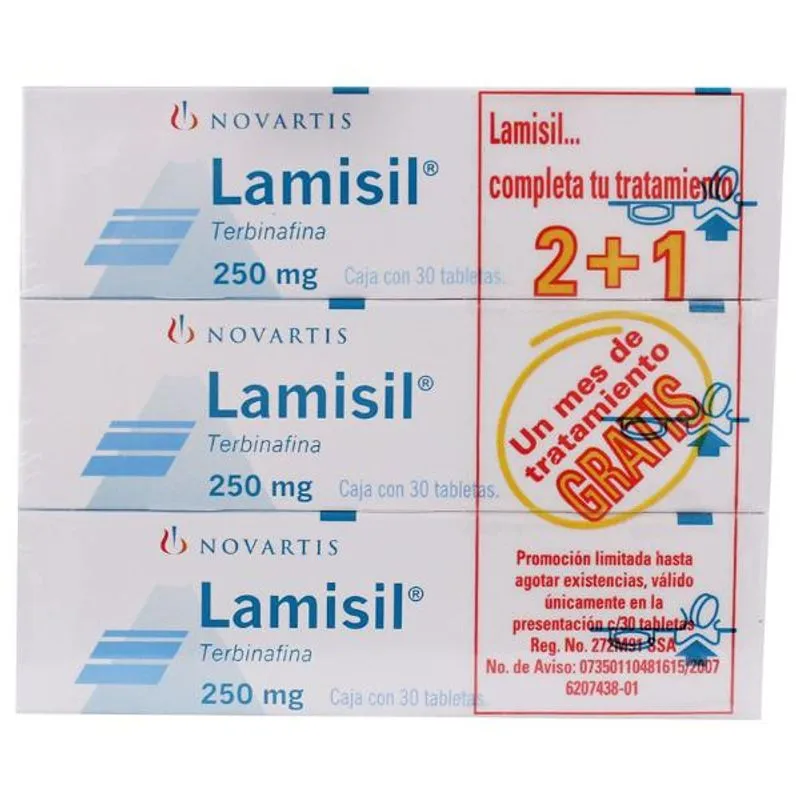
Table of Contents
- Package leaflet: Information for the patient
- Lamisil 1% cream
- 1. What Lamisil is and what it is used for
- 2. What you need to know before using Lamisil
- 3. How to use Lamisil
- 4. Possible side effects
- 5. How to store Lamisil
- 6. Package contents and other information
- Patient Information Leaflet
- Lamisil 250 mg tablets
- 1. What Lamisil is and what it is used for
- 2. What you need to know before taking Lamisil
- 3. How to take Lamisil
- 4. Possible side effects
- 5. How to store Lamisil
- 6. Package contents and other information
Package leaflet: Information for the patient
Lamisil 1% cream
terbinafine hydrochloride
Please read this leaflet carefully before using this medicine because it contains important information for you.
- Keep this leaflet. You may need to read it again.
- If you have any questions, ask your doctor or pharmacist.
- This medicine has been prescribed for you only. Do not give it to others, even if their symptoms are the same as yours, as it could be harmful.
- If you experience any side effects, including those not listed in this leaflet, consult your doctor or pharmacist. See section 4.
Contents of this leaflet:
- What Lamisil is and what it is used for
- What you need to know before using Lamisil
- How to use Lamisil
- Possible side effects
- How to store Lamisil
- Contents of the pack and other information
1. What Lamisil is and what it is used for
Lamisil contains the active substance terbinafine, which belongs to a group of medicines known as
"broad-spectrum antifungals". Lamisil is used to treat fungal infections and acts against a wide
range of fungi.
Lamisil is indicated for the treatment of:
- skin, nail, scalp, etc. infections caused by fungi called "dermatophytes"
- skin infections caused by yeasts such as Candida
- Pityriasis versicolor, a superficial fungal infection of the skin also known as "tinea versicolor".
2. What you need to know before using Lamisil
Do not use Lamisil
- if you are allergic to terbinafine or to any of the other ingredients of this medicine (listed in section 6)
- if you are pregnant or breastfeeding (see section “Pregnancy and breastfeeding”)
- if the patient is a child under 12 years of age.
Warnings and precautions
Talk to your doctor or pharmacist before using Lamisil.
Take particular care:
- Do not swallow Lamisil, as it is for external use only.
- Do not apply the cream near the eyes, as it may be irritating. In case of contact, rinse the eyes thoroughly with running water.
Children
Lamisil must not be used in children under 12 years of age.
Other medicines and Lamisil
Tell your doctor or pharmacist if you are using, have recently used, or might use any other medicines.
To date, no interactions with other medicines are known when terbinafine is used locally on the skin.
Pregnancy and breastfeeding
If you are pregnant, suspect you may be pregnant, planning a pregnancy, or are breastfeeding, consult your doctor or pharmacist before using this medicine.
Pregnancy
There is no clinical experience with terbinafine in pregnant women. If you are pregnant, your doctor will prescribe Lamisil only if clearly necessary.
Breastfeeding
Do not use Lamisil while breastfeeding, as terbinafine passes into breast milk. Also, take care to prevent the newborn from coming into contact with skin areas treated with the medicine, including the breast.
Driving and using machines
Lamisil does not affect the ability to drive or operate machinery.
Lamisil contains cetyl alcohol and stearyl alcohol
Cetyl alcohol and stearyl alcohol may cause local skin reactions (e.g. contact dermatitis).
Lamisil contains benzyl alcohol
This medicine contains 1 g/100 g of benzyl alcohol.
Benzyl alcohol may cause allergic reactions and mild local irritation.
3. How to use Lamisil
Use this medicine exactly as instructed by your doctor. If you have any doubts, consult your doctor or pharmacist.
Lamisil can be applied to the skin once or twice daily, depending on the condition being treated. Your doctor will tell you how many times a day you should apply Lamisil.
- Clean and thoroughly dry the infected areas before applying the cream.
- Apply a thin layer of cream to the infected area and the surrounding skin, and gently massage it in.
- If infections are located in skin folds (e.g. under the breasts, between fingers, between buttocks, or in the groin area), you may protect the affected area with a gauze dressing, especially during the night.
Use in adults
Treatment of Tinea corporis, Tinea cruris
Apply Lamisil once daily for 1 week.
Treatment of Tinea pedis (infection between the toes)
Apply Lamisil once daily for 1 week.
Treatment of cutaneous candidiasis
Apply Lamisil once or twice daily for 1 week.
Treatment of Pityriasis versicolor
Apply Lamisil once or twice daily for 2 weeks.
Improvement of the condition is usually noticeable within a few days. Irregular use or premature discontinuation of treatment may increase the risk of relapse.
In particularly severe cases, your doctor may decide to extend your treatment.
Contact your doctor if you do not notice any improvement after two weeks of treatment.
Use in children
Lamisil must not be used in children under 12 years of age.
If you use more Lamisil than you should
In case of accidental ingestion or overdose, contact your doctor immediately or go to the nearest hospital.
After application to the skin, the amount of terbinafine that reaches the bloodstream is very low, so overdose is unlikely. However, if more than 300 mg of terbinafine hydrochloride is accidentally ingested, the following adverse effects may occur:
- headache
- nausea
- stomach pain
- dizziness
The doctor will treat accidental ingestion or overdose of Lamisil according to your condition.
If you forget to use Lamisil
Do not apply a double dose to make up for a missed dose.
If you stop using Lamisil
Do not stop Lamisil abruptly, as the infection may recur.
If you have any questions about the use of this medicine, consult your doctor or pharmacist.
4. Possible side effects
Like all medicines, this medicine can cause side effects, although not everybody gets them.
Common side effects (may affect up to 1 in 10 people)
- skin peeling
- itching
Uncommon side effects (may affect up to 1 in 100 people)
- skin lesions
- crusts
- skin alteration
- skin spots
- erythema
- burning sensation
- pain
- pain and irritation at the application site
Rare side effects (may affect up to 1 in 1,000 people)
- eye irritation
- dry skin
- skin reactions characterized by, for example, redness, itching and blistering (contact dermatitis and eczema)
- worsening of infection
Side effects of unknown frequency (frequency cannot be determined from available data)
- skin rash
- hypersensitivity
Allergic reactions occur rarely, but in such cases treatment with Lamisil must be discontinued.
Reporting of side effects
If you experience any side effects, including those not listed in this leaflet, talk to your doctor or pharmacist.
You can also report side effects directly via the national reporting system at http://www.aifa.gov.it/content/segnalazioni-reazioni-avverse.
By reporting side effects, you can help provide more information on the safety of this medicine.
5. How to store Lamisil
This medicine does not require any special storage conditions.
Keep this medicine out of the sight and reach of children.
Do not use this medicine after the expiry date stated on the packaging after "Exp:".
The expiry date refers to the last day of that month.
Do not dispose of any medicine via wastewater or household waste. Ask your pharmacist how to
dispose of medicines you no longer use. This will help protect the environment.
6. Package contents and other information
What Lamisil contains
- The active substance is terbinafine hydrochloride. One gram of cream contains 10 mg of terbinafine hydrochloride, equivalent to 8.8 mg of terbinafine base.
- The other ingredients are sodium hydroxide, benzyl alcohol, sorbitan monostearate, cetyl palmitate, cetyl alcohol, stearyl alcohol, polysorbate 60, isopropyl myristate, demineralized water.
Description of the appearance of Lamisil and contents of the pack
Each pack of Lamisil 1% cream contains one 20 g tube of 1% cream.
Marketing Authorization Holder
Novartis Farma S.p.A.
Viale Luigi Sturzo 43
20154 Milan MI
Italy
Manufacturer
Novartis Farma S.p.A.
Via Provinciale Schito 131
80058 Torre Annunziata NA
Italy
Novartis Farma S.p.A.
Viale Luigi Sturzo 43
20154 Milan MI
Italy
Novartis Farmacéutica SA
Gran Via de les Corts Catalanes, 764
08013 Barcelona
Spain
Patient Information Leaflet
Lamisil 250 mg tablets
terbinafine
Please read this leaflet carefully before taking this medicine because it contains
important information for you.
- Keep this leaflet. You may need to read it again.
- If you have any questions, ask your doctor or pharmacist.
- This medicine has been prescribed for you only. Do not give it to other people, even if their symptoms are the same as yours, because it could be harmful.
- If you experience any side effect, including those not listed in this leaflet, contact your doctor or pharmacist. See section 4.
Contents of this leaflet:
- What Lamisil is and what it is used for
- What you need to know before taking Lamisil
- How to take Lamisil
- Possible side effects
- How to store Lamisil
- Contents of the pack and other information
1. What Lamisil is and what it is used for
Lamisil contains the active substance terbinafine, which belongs to a group of medicines known as
"antifungals". Lamisil is used to treat fungal infections and works by destroying a wide range of
fungi.
Lamisil is therefore indicated for the treatment of:
- fungal infections of the nails caused by fungi known as "dermatophytes"
- tinea capitis, a fungal infection of the scalp
- fungal infections of the skin caused by fungi known as "dermatophytes" (Tinea corporis, Tinea cruris, Tinea pedis) and by yeasts such as Candida (Candida albicans), when the doctor has decided that oral treatment is appropriate.
Unlike Lamisil cream, Lamisil tablets are not effective in the treatment of Pityriasis
versicolor, a superficial skin infection also known as "tinea versicolor".
2. What you need to know before taking Lamisil
Do not take Lamisil
- if you are allergic to terbinafine or to any of the other ingredients of this medicine (listed in section 6)
- if you are breastfeeding (see section “Pregnancy and breastfeeding”)
- if the patient is a child under 2 years of age
- if you have liver problems (active or chronic liver disease).
Warnings and precautions
Talk to your doctor or pharmacist before taking Lamisil.
Inform your doctor before taking Lamisil:
- if you have a skin disease called psoriasis or systemic lupus erythematosus (an autoimmune disease), as these conditions may worsen during treatment with Lamisil
- if you have kidney problems.
If you are elderly, your doctor will assess whether you have liver or kidney problems before prescribing Lamisil.
Be especially careful during treatment with Lamisil and inform your doctor immediately:
- if you experience persistent nausea without a known cause, loss of appetite, fatigue, vomiting, abdominal pain, yellowing of the skin, mucous membranes and eyes, dark urine and pale stools, as these are signs of liver problems. Your doctor will assess your condition and decide whether to stop treatment with Lamisil
- if you develop skin reactions (rash) that progressively worsen. Your doctor will assess your condition and decide whether to stop treatment with Lamisil
- if you experience changes in blood characteristics detectable by blood tests (e.g. reduction in white blood cells, platelets and red blood cells). Your doctor will assess your condition and decide whether to adjust the dose or discontinue treatment with Lamisil
- if you are taking other medicines (see section “Other medicines and Lamisil”).
During treatment with Lamisil, your doctor will periodically monitor your liver function.
Children
Lamisil must not be administered to children under 2 years of age.
Other medicines and Lamisil
Inform your doctor or pharmacist if you are taking, have recently taken or might take any other medicines.
Be especially careful when taking Lamisil with the following medicines:
- cimetidine (used to treat gastric and duodenal ulcers)
- fluconazole and ketoconazole (used to treat fungal infections)
- amiodarone (used to treat heart rhythm disorders)
- rifampicin (an antibiotic used to treat bacterial infections)
- antidepressants (used to treat depression)
- beta-blockers (used to treat high blood pressure)
- selective serotonin reuptake inhibitors
- antiarrhythmics (used to treat heart rhythm disorders)
- monoamine oxidase B inhibitors
- desipramine (used to treat depression)
- dextromethorphan (used to treat cough)
- caffeine (when administered intravenously)
- ciclosporin (used to prevent transplant rejection)
Lamisil tablets also have a negligible interaction with:
- terfenadine (used for allergies)
- triazolam (used to promote sleep and reduce anxiety)
- tolbutamide (used to treat diabetes)
- oral contraceptives.
Lamisil with food and drink
You may take Lamisil on an empty stomach or after meals.
Pregnancy and breastfeeding
If you are pregnant, think you may be pregnant, planning to become pregnant, or breastfeeding, consult your doctor or pharmacist before taking this medicine.
Pregnancy
If you are pregnant or think you might be, inform your doctor. Lamisil will be prescribed only if clearly necessary and under direct medical supervision.
Breastfeeding
Do not take Lamisil while breastfeeding, as terbinafine may pass into breast milk.
Driving and using machines
Lamisil may cause dizziness. If this occurs, avoid driving or operating machinery.
Lamisil contains sodium
This medicine contains less than 1 mmol (23 mg) of sodium per tablet, i.e. essentially ‘sodium-free’.
3. How to take Lamisil
Take this medicine exactly as instructed by your doctor. If you have any doubts, consult your doctor or pharmacist.
The duration of treatment depends on the type and severity of the condition. Your doctor will tell you how long to take Lamisir.
Take the tablets by mouth with water, either on an empty stomach or after meals. Take the tablets at approximately the same time each day.
The tablets are divisible, allowing administration to children according to their body weight.
Use in adults
The recommended dose is 1 tablet of 250 mg once daily.
Use in children weighing more than 20 kg
The 250 mg tablets do not allow treatment of children weighing less than 20 kg.
The recommended doses are shown in the table below.
| Daily dose | |
| Body weight | Dose |
| 20-40 kg | 125 mg once daily (half a 250 mg tablet) |
| Greater than 40 kg | 250 mg once daily (1 tablet of 250 mg) |
Treatment of skin infections
Recommended duration of treatment
- Tinea pedis (infection between the toes, on the sole of the foot, and/or moccasin type): 2 - 6 weeks
- Tinea corporis, Tinea cruris: 2 - 4 weeks
- Cutaneous candidiasis: 2 - 4 weeks
Complete disappearance of signs and symptoms of the disease may occur several weeks after
healing from the fungal infection.
Treatment of scalp infections
Treatment of Tinea capitis
Take Lamisil for 2 – 4 weeks.
Treatment of fungal nail infections
For most patients, the treatment duration ranges between 6 and 12 weeks:
- Fingernail infection: 6 weeks
- Toenail infection: 12 weeks
Some patients with reduced nail growth may require a longer treatment duration.
Complete disappearance of signs and symptoms of the infection may take several months after
stopping treatment, until a new nail has fully grown.
Use in elderly patients
If you are elderly, always consult your doctor, who will evaluate whether you have liver or
kidney problems before prescribing Lamisil.
Use in patients with impaired liver function
If you have liver problems, you must not take Lamisil (see section “Do not take Lamisil”).
Use in patients with impaired kidney function
Lamisil is not recommended for patients with kidney problems.
If you take more Lamisil than you should
In case of accidental ingestion of an excessive dose of Lamisil, inform your doctor immediately
or go to the nearest hospital.
After ingestion of an excessive dose of Lamisil (up to 5 g), the following adverse effects have been reported:
- headache
- nausea
- upper abdominal pain
- dizziness
In case of overdose, your doctor will treat your condition according to your symptoms.
If you forget to take Lamisil
Do not take a double dose to make up for the missed dose.
If you stop taking Lamisil
If you have any doubts about using this medicine, consult your doctor or pharmacist.
4. Possible side effects
Like all medicines, this medicine can cause side effects, although not everyone gets them.
Very common side effects (may affect more than 1 in 10 people)
- decreased appetite
- headache
- feeling of abdominal bloating
- difficulty in digestion
- nausea
- abdominal pain
- diarrhoea
- skin rash
- urticaria
- joint and muscle pain
Common side effects (may affect up to 1 in 10 people)
- depression
- reduced or loss of taste
- dizziness
- visual disturbances
- reduced vision
- fatigue
Uncommon side effects (may affect up to 1 in 100 people)
- reduction in red blood cells in the blood (anaemia)
- anxiety
- tingling and reduced sensitivity to stimuli
- ringing or buzzing in the ears (tinnitus)
- skin reactions due to sunlight exposure
- fever
- weight loss due to reduced taste
Rare side effects (may affect up to 1 in 1,000 people)
- liver failure
- inflammation of the liver (hepatitis)
- yellowing of the skin, mucous membranes and eyes (jaundice)
- bile retention (cholestasis)
- increased liver enzymes
Very rare side effects (may affect up to 1 in 10,000 people)
- neutropenia (reduced number of neutrophils in the blood)
- agranulocytosis (reduced number of granulocytes in the blood)
- thrombocytopenia (reduced number of platelets in the blood)
- pancytopenia (reduced number of all blood cells)
- severe allergic reactions, even after the first dose (anaphylactoid reactions) and angioedema (swelling of the face, lips, mouth, tongue or throat, which may cause breathing or swallowing difficulties)
- cutaneous and systemic lupus erythematosus, an autoimmune disease
- various types of allergic reactions, even severe, characterized by redness, itching, skin peeling and blistering (Stevens-Johnson syndrome, toxic epidermal necrolysis, acute generalized exanthematous pustulosis, erythema multiforme, toxic skin eruption, exfoliative dermatitis and bullous dermatitis)
- skin rashes resembling psoriasis or worsening of psoriasis
- hair loss
Side effects of unknown frequency (cannot be estimated from the available data)
- severe allergic reactions that may be life-threatening (anaphylactic reactions and serum sickness-like reactions)
- reduced or loss of smell, even permanent
- hearing loss
- alteration of hearing
- inflammation of blood vessels
- inflammation of the pancreas
- drug-induced skin rash with high levels of eosinophils in the blood and systemic symptoms
- skin disorders characterized by marked sensitivity to sunlight (photosensitivity)
- reactions to sunlight and skin rash after sun exposure
- severe muscle damage associated with destruction of muscle tissue
- influenza-like syndrome
- increased blood levels of an enzyme called creatine phosphokinase
Reporting of side effects
If you experience any side effect, including those not listed in this leaflet, please inform your doctor or pharmacist. You can also report side effects directly via the national reporting system at http://www.aifa.gov.it/content/segnalazioni-reazioni-avverse.
By reporting side effects, you can help provide more information on the safety of this medicine.
5. How to store Lamisil
Keep this medicine out of the sight and reach of children.
Keep the blister in the outer packaging to protect the medicine from light.
Do not use this medicine after the expiry date stated on the pack after “Exp.”. The expiry date refers to the last day of that month.
Do not dispose of medicines via wastewater or household waste. Ask your pharmacist how to dispose of medicines you no longer use. This will help protect the environment.
6. Package contents and other information
What Lamisil contains
- The active substance is terbinafine hydrochloride. Each tablet contains 281.250 mg of terbinafine hydrochloride, equivalent to 250 mg of terbinafine base.
- The other components are magnesium stearate, anhydrous colloidal silica, hypromellose, sodium carboxymethylamido A, microcrystalline cellulose.
Description of the appearance of Lamisil and package contents
Each Lamisil 250 mg tablet pack contains 8 or 14 tablets of 250 mg for oral use.
Marketing Authorization Holder
Novartis Farma S.p.A.
Viale Luigi Sturzo 43
20154 Milan MI
Italy
Manufacturer
Novartis Farma S.p.A.
Viale Luigi Sturzo 43
20154 Milan MI
Italy
Novartis Farma S.p.A.
Via Provinciale Schito 131
80058 Torre Annunziata NA
Italy
Lek d.d., PE PROIZVODNJA LENDAVA
Trimlini 2D, Lendava,
Slovenia
Novartis Farmacéutica SA
Gran Via de les Corts Catalanes, 764
08013 Barcelona
Spain