KYNMOBI
Italy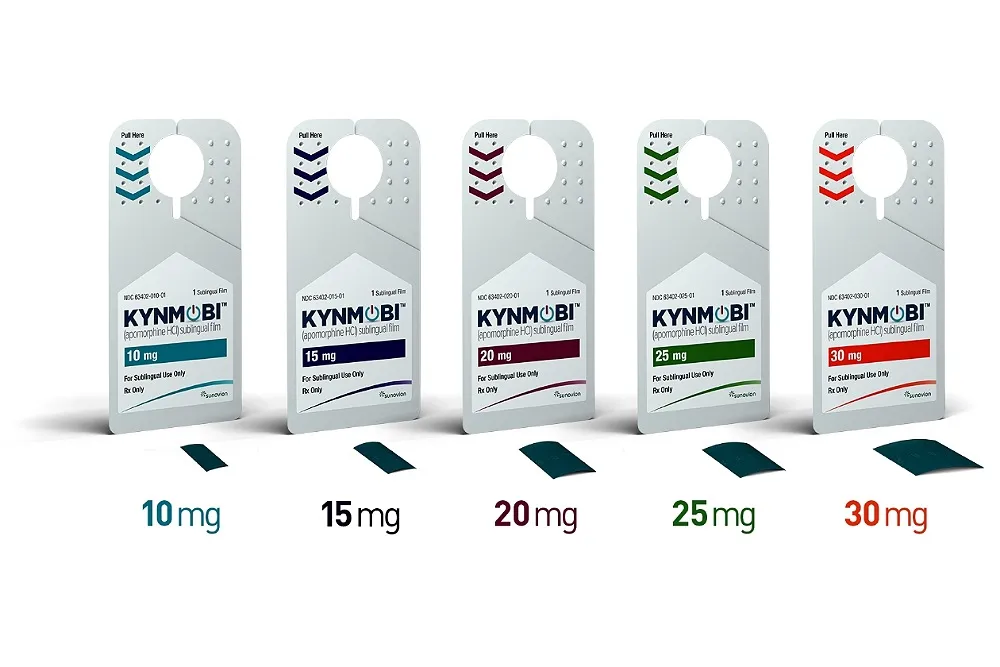
Table of Contents
- PACKAGE LEAFLET
- Package leaflet: information for the patient
- Kynmobi 10 mg sublingual film, 15 mg sublingual film, 20 mg sublingual film, 25 mg sublingual film, 30 mg sublingual film
- 1. What Kynmobi is and what it is used for
- 2. What you need to know before taking Kynmobi
- 3. How to take Kynmobi
- 4. Possible side effects
- 5. How to store Kynmobi
- 6. Package contents and other information
PACKAGE LEAFLET
Package leaflet: information for the patient
Kynmobi 10 mg sublingual film, 15 mg sublingual film, 20 mg sublingual film, 25 mg sublingual film, 30 mg sublingual film
apomorphine hydrochloride
Kynmobi 10 mg sublingual film
Kynmobi 15 mg sublingual film
Kynmobi 20 mg sublingual film
Kynmobi 25 mg sublingual film
Kynmobi 30 mg sublingual film
Starting treatment pack
apomorphine hydrochloride
Please read this leaflet carefully before taking this medicine, as it contains
important information for you.
- Keep this leaflet. You may need to read it again.
- If you have any questions, ask your doctor or pharmacist.
- This medicine has been prescribed for you only. Do not give it to others, even if their symptoms are the same as yours, as it could be harmful.
- If you experience any adverse reactions, including those not listed in this leaflet, consult your doctor or pharmacist. See section 4.
Contents of this leaflet
- What Kynmobi is and what it is used for
- What you need to know before taking Kynmobi
- How to take Kynmobi
- Possible side effects
- How to store Kynmobi
- Contents of the pack and other information
Step-by-step instructions
1. What Kynmobi is and what it is used for
Kynmobi is a medicine placed under the tongue (sublingual film), containing the active substance apomorphine hydrochloride. It is used, as needed, in combination with other orally administered (by mouth) Parkinson’s disease medications, to reduce the duration of "OFF" episodes—periods during the day when Parkinson's symptoms worsen significantly. Parkinson’s disease is a progressive disorder of the nervous system that causes tremors and impairs movement.
2. What you need to know before taking Kynmobi
Do not take Kynmobi
- if you are allergic to apomorphine hydrochloride or to any of the other ingredients of this medicine (listed in section 6).
- if you are taking certain medicines for nausea, known as 5HT3 antagonists, including ondansetron, granisetron, dolasetron, palonosetron and alosetron.
- if you have a psychotic disorder, a medical term describing various mental illnesses causing abnormal thoughts and perceptions; people affected by psychosis lose touch with reality.
- if you have dementia.
- if you have mouth ulcers (also known as aphthous ulcers), which are small, superficial sores on the soft tissues inside the mouth that may make eating and speaking uncomfortable.
- if you have liver problems.
- if you have difficulty breathing.
Warnings and precautions
Talk to your doctor or pharmacist before taking Kynmobi
- if you have lung problems.
- if you have heart problems.
- if you have liver problems.
- if you often experience nausea (feeling unwell) or vomiting.
- if you have low blood pressure, feel faint, or experience dizziness when standing up. Rise slowly from a sitting or lying position after taking Kynmobi.
- if you are taking any medicine for high blood pressure.
- if you or a family member is known to have an abnormality on the electrocardiogram (ECG) called “long QT syndrome”.
- if you suffer from a mental illness with symptoms such as hallucinations, delusional thoughts, confusion, or loss of contact with reality.
Oral irritation is a very common side effect of Kynmobi. Inform your doctor
if any of the following signs or symptoms occur:
- redness
- mouth sores (ulceration)
- dry mouth, lips, or tongue
- swelling
- mouth pain or pain when swallowing
These signs and symptoms may resolve if treatment with Kynmobi is stopped.
Talk to your doctor if you, a family member, or caregiver notice that you are
developing an urge or craving to behave in an unusual way and are unable to resist
the impulse, desire, or temptation to carry out activities that could harm you or
others. These behaviors are known as “impulse control disorders” and may
include: pathological gambling, excessive eating or spending, abnormally increased
sexual desire, or increased sexual thoughts or sensations. Such behaviors have
been observed in patients treated with other medicines for Parkinson’s disease.
Your doctor may need to reassess your treatment.
Some patients may develop withdrawal-like symptoms, leading to an impulsive urge to take high doses of Kynmobi and other medicines used to treat Parkinson’s disease.
Kynmobi may cause neuroleptic malignant syndrome (a nervous system disorder usually caused by antipsychotic medicines). This condition causes high fever, mental confusion, changes in breathing and heart rate, and muscle rigidity.
When the dose of Kynmobi is reduced or treatment is stopped, withdrawal symptoms may occur, such as: loss of interest, anxiety, depression, fatigue, sweating, panic attacks, insomnia, irritability, and pain.
This medicine may cause penile erections. If erections become prolonged and painful, consult your doctor.
Children and adolescents
Kynmobi must not be used in children and adolescents under 18 years of age.
Other medicines and Kynmobi
Inform your doctor or pharmacist if you are taking, have recently taken, or might take any other medicines.
Tell your doctor if you are taking:
- domperidone, a medicine used to prevent nausea,
- medicines used to lower blood pressure or treat heart disease, such as sublingual nitroglycerin. Blood pressure may drop and cause dizziness. You should lie down before and after taking sublingual nitroglycerin.
- medicines such as clozapine, used to treat mental illnesses.
- certain medicines that affect heart rate.
- medicines that may affect electrolyte (salt) levels in the body.
- other medicines for Parkinson’s disease.
Kynmobi and alcohol
You must not drink alcohol while taking this medicine.
Pregnancy and breastfeeding
If you are pregnant, suspect you may be pregnant, planning to become pregnant, or breastfeeding, consult your doctor or pharmacist before taking this medicine.
Kynmobi is not recommended if you are pregnant. You should use effective contraception if there is a possibility you could become pregnant.
It is not known whether Kynmobi passes into breast milk. Consult your doctor, who will advise whether you should discontinue breastfeeding or stop treatment with Kynmobi, taking into account the benefit of therapy for you and the benefit of breastfeeding for the infant.
Driving and using machines
Kynmobi may cause dizziness, lightheadedness, or drowsiness. Do not drive or operate machinery if any of these side effects occur.
Kynmobi contains metabisulfite
Kynmobi contains metabisulfite, which may rarely cause severe hypersensitivity reactions and bronchospasm, with symptoms such as rash or itching, difficulty breathing, swelling of the eyelids, face or lips, or swelling or redness of the tongue. If these side effects occur, go immediately to the nearest hospital.
This medicine contains less than 1 mmol (23 mg) of sodium per sublingual film, i.e., it is essentially “sodium-free.”
3. How to take Kynmobi
Take this medicine exactly as instructed by your doctor. If you have any doubts, consult your doctor or pharmacist.
Starting dose:
A starter pack is available, containing 2 sublingual films for each dosage strength.
This pack is generally used by the doctor to determine the appropriate dose for you.
Your doctor will decide which dose of Kynmobi you should take and how often. You may not need to use all the sublingual films in the starter pack (for example, if your appropriate dose is 20 mg, the 25 mg and 30 mg films will not be needed).
Maintenance dose:
The recommended dose of Kynmobi depends on your individual needs and will be determined by your doctor. You must not take more than one Kynmobi film per “OFF” episode. You may take Kynmobi up to 5 times a day, but not more frequently than once every 2 hours.
Do not use more than 5 films per day. The maximum daily dose of Kynmobi is 150 mg.
This medicine must be placed under the tongue and must be taken whole. Do not cut, chew or swallow it. For detailed instructions, see the “Step-by-step instructions” in this leaflet.
If you take more Kynmobi than you should
If you take more Kynmobi than prescribed, inform your doctor or pharmacist or go to hospital immediately. Take the medicine packaging and this leaflet with you. This will help the doctor understand what you have taken.
If you stop taking Kynmobi
Do not stop treatment with Kynmobi unless your doctor tells you to, as your symptoms may worsen.
If you have any questions about how to use this medicine, ask your doctor or pharmacist.
4. Possible side effects
Like all medicines, this medicine can cause side effects, although not everyone experiences them.
Tell your doctor as soon as possible if you notice any of the following side effects:
Very common: may affect more than 1 in 10 people
- Feeling sleepy
- Yawning
- Feeling unwell
- Pain, redness, lesions, or changes in sensation in the mouth, lips, or tongue
Common: may affect up to 1 in 10 people
- Hearing, seeing, or sensing things that are not there, or smelling or tasting things that are not real
- Abnormal, uncontrollable, involuntary movements
- Shortness of breath
- Oral thrush (Candida – a yeast infection in the mouth)
- Feeling dizzy
- Headache
- Fainting
- Blurred vision
- Drop in blood pressure when standing up, which may cause dizziness, lightheadedness, or fainting
- Low blood pressure
- Sudden feeling of warmth
- High blood pressure
- Runny nose
- Vomiting
- Swelling or dryness of the mouth, lips, tongue, or gums
- Nausea
- Excessive sweating
- Cold sweats
- Feeling lack of energy or tiredness
- Feeling unwell
- Feeling cold
- Chills
- Falls
- Rash
Uncommon: may affect up to 1 in 100 people
- Psychotic disorder: a medical term describing various mental illnesses causing abnormal thoughts and perceptions; people with psychosis lose touch with reality
- Cardiac arrest
- Irregular or slow heartbeat
- Allergic reaction. Signs may include rash, hives, itching, flushing, drop in blood pressure, or sensation of throat tightness
- Uncontrollable urge and impulsive desire to take high doses of Kynmobi and other medicines used to treat Parkinson’s disease
- Recurrent and involuntary thoughts, ideas, or sensations leading to repetitive behaviors
- Red, swollen sores at the corners of the mouth
- Decreased appetite
- Anxiety
- Feeling confused
- Excessive salivation
- Sudden sleepiness
- Excessively watery or teary eyes
- Rapid reddening of the neck, upper chest, or face
- Paleness
- Constipation
- Indigestion
- Belching
- Difficulty or discomfort in swallowing
- Tooth discoloration or decay
- Spontaneous erection
- Feeling of intoxication
- Increased vitamin B6
- Agitation
- Swelling of arms and legs
- Positive Coombs test
- Haemolytic anaemia, an abnormal breakdown of red blood cells in blood vessels or other parts of the body
- Reduced platelet count, increasing the risk of bleeding or bruising
Rare: may affect up to 1 in 1,000 people
- Eosinophilia: an abnormal increase in certain white blood cells in the blood or body tissues
Not known (frequency cannot be estimated from available data):
- Inability to resist the impulse to carry out harmful behaviors, which may include pathological gambling, repetitive and senseless actions, increased sexual interest, compulsive shopping, or excessive spending
- Aggressiveness
Reporting of side effects
If you experience any side effect, including those not listed in this leaflet, tell your doctor or pharmacist. You may also report side effects directly via the national reporting system at https://www.aifa.gov.it/content/segnalazioni-reazioni-avverse .
By reporting side effects, you can help provide more information on the safety of this medicine.
5. How to store Kynmobi
Keep this medicine out of the sight and reach of children.
Do not use this medicine after the expiry date stated on the sachet and the carton after
Exp. The expiry date refers to the last day of that month.
Do not store above 25 °C. Keep the medicine in the sachet to protect it from light and moisture.
Keep Kynmobi in the sachet until it is time to take it.
Do not dispose of any medicine via wastewater or household waste. Ask your pharmacist how to dispose of medicines you no longer use. This will help protect the environment.
6. Package contents and other information
What Kynmobi contains
- The active substance is apomorphine hydrochloride.
- The other components are: disodium edetate (E385), FD&C Blue #1 (E133), glycerol (E422), glycerol monostearate (E471), hydroxyethylcellulose 250 G and 250 L (E1525), hydroxypropylcellulose (E463), maltodextrin, levomenthol, pyridoxine hydrochloride (to adjust pH), sodium hydroxide (E524) (to adjust pH), sodium metabisulfite (E223) (see section 2), sucralose (E955), white ink (shellac (E904), anhydrous ethanol (E1510), isopropyl alcohol, butyl alcohol, propylene glycol (E1520), concentrated ammonia solution (E527), purified water, potassium hydroxide (E525), titanium dioxide (E171)).
Description of the appearance of Kynmobi and contents of the pack
Kynmobi orodispersible film is a rectangular film, blue to green in colour, with a white number printed on it indicating the dosage (e.g., “10” means 10 mg).
Kynmobi is available in the following pack sizes:
The starter pack contains 10 orodispersible films, with 2 orodispersible films for each strength of 10 mg, 15 mg, 20 mg, 25 mg, and 30 mg.
Packs containing 15 or 30 orodispersible films.
Not all pack sizes may be marketed.
Marketing Authorisation Holder and Manufacturer
Marketing Authorisation Holder
Bial - Portela & Cª, S.A.
Av. da Siderurgia Nacional
4745-457 S. Mamede do Coronado
Portugal
e-mail: [email protected]
Manufacturer
Tesa Labtec GmbH
Heykenaukamp 10
21147 Hamburg
Germany
Step-by-step instructions
Taking Kynmobi
Your doctor has instructed you to take 10 mg, 15 mg, 20 mg, 25 mg, or 30 mg. Follow steps 1 to 7 to take Kynmobi.
Step 1
Drink water. Every time, drink water before taking Kynmobi to moisten your mouth. This will help the film dissolve more easily (see Figure A).
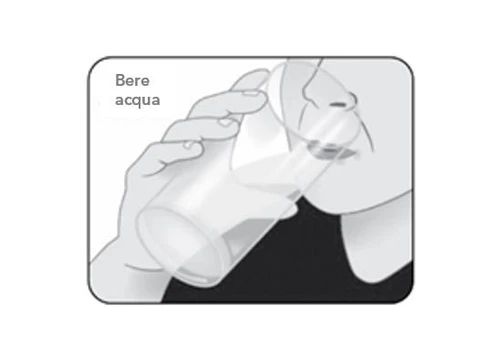
Figure A
Step 2
Open the Kynmobi pouch.
Hold the pouch flaps between the thumb and index finger of both hands. Make sure to place your fingers directly on the raised areas of each flap. Gently pull the flaps apart to open the pouch (see Figure B).
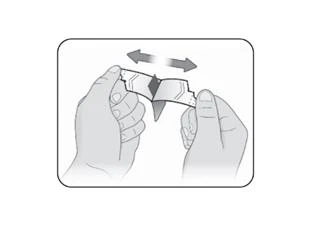
Figure B
Step 3
Remove Kynmobi from the pouch.
Handle Kynmobi by the outer edges using your fingers and remove the entire film from the pouch (see Figure C).
Kynmobi must be taken whole.
Discard Kynmobi if it is broken or pieces are missing. Take a new Kynmobi as your dose.
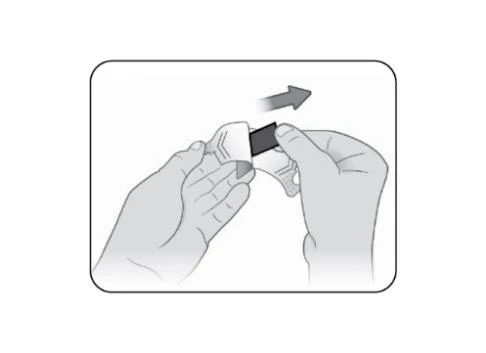
Figure C
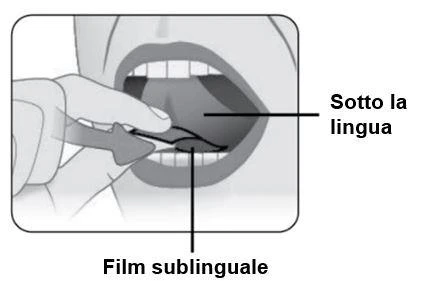
Step 4
Place the entire Kynmobi film under the tongue.
Place Kynmobi under your tongue as far back as possible (see Figure D). Close your mouth.

Figure D
Step 5
Hold Kynmobi under the tongue until it is completely dissolved (see Figure E).
- Do not chew or swallow Kynmobi.
- Do not swallow saliva or speak while Kynmobi is dissolving, as this may affect the absorption of the medicine in Kynmobi.
Figure E
Step 6
Open your mouth and check whether Kynmobi has completely dissolved.
Dissolution of Kynmobi may take approximately 3 minutes. Once Kynmobi has completely dissolved, you may swallow.