Koselugo
Italy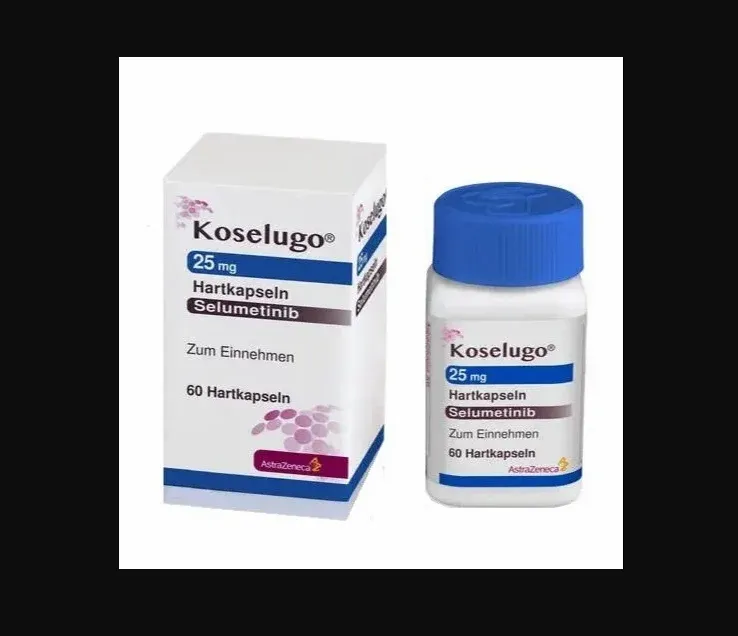
Table of Contents
- Package leaflet: Information for the patient
- Koselugo 10 mg hard capsules, 25 mg hard capsules
- 1. What Koselugo is and what it is used for
- 2. What you should know before taking Koselugo
- 3. How to take Koselugo
- 4. Possible side effects
- 5. How to store Koselugo
- 6. Package contents and other information
- Patient Information Leaflet
- Koselugo 5 mg granules in open capsule, 7.5 mg granules in open capsule
- 1. What Koselugo is and what it is used for
- 2. What you need to know before taking Koselugo
- 3. How to take Koselugo
- 4. Possible side effects
- 5. How to store Koselugo
- 6. Package contents and other information
Package leaflet: Information for the patient
Koselugo 10 mg hard capsules, 25 mg hard capsules
selumetinib
This medicinal product is subject to additional monitoring. This will allow rapid identification of new safety information. You can help by reporting any side effects you experience while taking this medicine. See the end of section 4 for information on how to report side effects.
Please read all of this leaflet carefully before taking this medicine, as it contains important information for you.
- Keep this leaflet. You may need to read it again.
- If you have any questions, ask your doctor, pharmacist, or nurse.
- This medicine has been prescribed for you only. Do not give it to others, even if they have the same symptoms as you, because it may be harmful.
- If you experience any side effect, including those not listed in this leaflet, contact your doctor, pharmacist, or nurse. See section 4.
Contents of this leaflet
- What Koselugo is and what it is used for
- What you need to know before taking Koselugo
- How to take Koselugo
- Possible side effects
- How to store Koselugo
- Contents of the pack and other information
1. What Koselugo is and what it is used for
What Koselugo is and how it works
Koselugo contains the active substance selumetinib.
Selumetinib is a type of medicine called a MEK inhibitor. It works by blocking certain proteins involved in the growth of tumour cells.
Koselugo is expected to reduce tumours that grow along nerves, known as plexiform neurofibromas.
These tumours are caused by a genetic condition called neurofibromatosis type 1 (NF1).
What Koselugo is used for
Koselugo capsules are used to treat adults and children aged 3 years and older who have plexiform neurofibromas that cannot be completely removed by surgery.
If you have any questions about how Koselugo works or why this medicine has been prescribed for you, please consult your doctor.
2. What you should know before taking Koselugo
Do not take Koselugo:
- if you are allergic to selumetinib or to any of the other ingredients of this medicine (listed in section 6)
- if you have severe liver disease
If you are unsure, consult your doctor, pharmacist, or nurse before taking Koselugo.
Warnings and precautions
Talk to your doctor, pharmacist, or nurse before and during treatment with Koselugo:
- if you have eye problems
- if you have heart problems
- if you have liver problems
- if you are taking supplements containing vitamin E
- if you are unable to swallow the capsule whole
If any of the conditions listed above apply to you or if you have any doubts, consult your doctor, pharmacist, or nurse before taking this medicine.
Eye problems
Koselugo may cause eye problems (see section 4 “Possible side effects”).
Contact your doctor immediately if you experience blurred vision or any other changes in vision during treatment. Your doctor will perform an eye examination if you develop any worsening or new vision problems while taking this medicine.
Heart problems
Koselugo may reduce the amount of blood pumped by the heart (see section 4 “Possible side effects”). Your doctor will monitor your heart function before and during treatment with Koselugo.
Liver problems
Koselugo may increase levels of certain liver enzymes in the blood (see section 4 “Possible side effects”). Your doctor will perform blood tests before and during treatment to monitor your liver function.
Vitamin E supplements
Koselugo capsules contain vitamin E, which may increase the risk of bleeding. Therefore, you must inform your doctor if you are taking other medicines that increase the risk of bleeding, such as:
- acetylsalicylic acid (also known as aspirin) for pain and inflammation
- anticoagulant medicines (blood thinners) such as warfarin or other medicines used to prevent blood clots
- supplements that may increase the risk of bleeding, such as vitamin E
Difficulty swallowing capsules
Talk to your doctor if you think you may have difficulty swallowing the capsules whole (see section 3 “How to take Koselugo”).
Skin, nail, and hair problems
Koselugo may cause skin rash, nail infection, hair thinning, or changes in hair color (see section 4 “Possible side effects”). Inform your doctor if any of these symptoms cause you problems during treatment.
Children under 3 years of age
Do not administer Koselugo capsules to children under 3 years of age, as it has not been studied in this age group.
Other medicines and Koselugo
Inform your doctor or pharmacist if you are taking, have recently taken, or might take any other medicines. This includes herbal remedies, supplements, and over-the-counter medicines.
Koselugo may affect how some medicines work. In addition, some medicines may affect how Koselugo works. Inform your doctor if you are taking any of the following medicines:
- clarithromycin or erythromycin (used to treat bacterial infections)
- carbamazepine or phenytoin (used to treat seizures and epilepsy)
- digoxin (used to treat heart failure)
- fexofenadine (used to treat allergy symptoms)
- fluconazole or itraconazole (used to treat fungal infections)
- ketoconazole (used to treat Cushing's syndrome)
- furosemide (used to treat fluid retention by increasing urine production)
- methotrexate (used to treat certain types of cancer, psoriasis, or rheumatoid arthritis)
- omeprazole (used to treat acid reflux or stomach ulcers)
- rifampicin (used to treat tuberculosis (TB) and certain other bacterial infections)
- St. John’s wort (Hypericum perforatum), a herbal remedy (used to treat mild depression and other conditions)
- ticlopidine (used to prevent blood clots)
Inform your doctor or pharmacist if you are taking or have recently taken any of the above medicines or any other medicines, including those without a prescription.
Koselugo with food and drink
Do not drink grapefruit juice while taking Koselugo, as it may affect how the medicine works.
Pregnancy – information for women
Koselugo is contraindicated during pregnancy. It may cause harm to the fetus.
If you suspect or are planning a pregnancy, consult your doctor before taking this medicine. Your doctor may require you to take a pregnancy test before starting treatment.
You must not become pregnant while taking this medicine. If you are able to become pregnant, you must use effective contraception. See “Contraception – information for women and men” below.
If you become pregnant during treatment, inform your doctor immediately.
Pregnancy – information for men
If your partner becomes pregnant while you are taking this medicine, inform your doctor immediately.
Contraception – information for women and men
If you are sexually active, you must use effective contraception while taking this medicine and for at least 1 week after the last dose. It is not known whether Koselugo may interfere with the effectiveness of hormonal contraceptives. Inform your doctor if you are using a hormonal contraceptive, as your doctor may recommend adding a non-hormonal contraceptive method.
Breast-feeding
Do not breast-feed while taking Koselugo. It is not known whether Koselugo passes into breast milk.
Driving and using machines
Koselugo may cause side effects that affect your ability to drive or operate machinery. Do not drive or operate machinery if you feel tired or if you have vision problems (such as blurred vision).
3. How to take Koselugo
Take this medicine exactly as prescribed by your doctor or pharmacist. If
you have any doubts, consult your doctor or pharmacist.
Dosage
Your doctor will calculate the correct dose for you based on your height and weight. Your doctor will tell
you how many Koselugo capsules to take.
Your doctor may prescribe a lower dose if you have liver problems (hepatic impairment).
Your doctor may reduce the dose if you develop certain side effects while taking Koselugo
(see section 4 “Possible side effects”), or may temporarily or permanently stop treatment.
How to take it
- Take Koselugo twice daily, approximately 12 hours apart, with or without food.
- Swallow the capsules whole with water.
- Do not chew, crush, or open the capsules.
- If you have or think you may have difficulty swallowing the capsules whole, speak with your doctor before starting treatment.
Koselugo is also available as an opening capsule containing granules. Koselugo granules may be prescribed for children aged 1 year to less than 7 years and for older patients with swallowing difficulties.
If you feel unwell
If you feel unwell (vomit) at any time after taking Koselugo, do not take an extra dose. Take the next dose at the scheduled time.
If you take more Koselugo than you should
If you have taken more Koselugo than prescribed, contact your doctor or pharmacist immediately.
If you forget to take Koselugo
What you should do if you forget to take a dose of Koselugo depends on how long it is until your next dose.
- If more than 6 hours remain before your next dose, take the missed dose. Then take the next dose at the scheduled time.
- If less than 6 hours remain before your next dose, skip the missed dose. Then take the next dose at the scheduled time.
Do not take a double dose (two doses at the same time) to make up for a forgotten dose.
If you stop taking Koselugo
Do not stop taking Koselugo unless instructed by your doctor.
If you have any questions about how to use this medicine, ask your doctor, pharmacist, or
nurse.
4. Possible side effects
Like all medicines, this medicine can cause side effects, although not everybody will experience them.
Possible serious side effects
Problems with the eyes (vision)
Koselugo can cause eye problems. Immediately inform your doctor if you experience blurred vision (a common side effect which may affect up to 1 in 10 people) or any other changes in vision during treatment. Your doctor may ask you to stop taking this medicine or refer you to a specialist if you develop symptoms including:
- blurred vision
- loss of vision
- black spots in vision (floaters)
- other changes in vision (such as reduced vision)
Inform your doctor if you notice any of the serious side effects described above.
Other side effects
The following side effects have been reported in clinical studies with children treated with Koselugo. Inform your doctor or pharmacist if you notice any of the side effects listed below.
Very common (may affect more than 1 in 10 people)
- feeling unwell (vomiting), feeling sick (nausea)
- diarrhoea
- inflammation of the mouth (stomatitis)
- skin and nail problems – signs may include dry skin, rash, redness around the nails, acne-like rash, and inflammation of hair follicles of the skin
- thinning of hair (alopecia), change in hair colour
- feeling tired, weak, or lacking energy
- fever (pyrexia)
- swelling of hands or feet (peripheral oedema)
- a slight decrease in the amount of blood the heart pumps (reduced ejection fraction) – signs may include shortness of breath or swelling in the legs, ankles, or feet
- high blood pressure (hypertension)
- reduced level of albumin, an essential blood protein (detected in blood tests)
- reduced haemoglobin, the protein that carries oxygen in red blood cells (detected in blood tests)
- increased enzymes (detected in blood tests) suggesting liver stress, kidney damage, or destruction of muscle tissue
Common (may affect up to 1 in 10 people)
- dry mouth
- swelling of the face (facial oedema)
- shortness of breath (dyspnoea)
The following side effects have been reported in a clinical study with adult patients treated with Koselugo. Inform your doctor or pharmacist if you notice any of the side effects listed below:
Very common (may affect more than 1 in 10 people)
- feeling unwell (vomiting), feeling sick (nausea)
- diarrhoea
- inflammation of the mouth (stomatitis)
- constipation
- skin and nail problems – signs may include dry skin, rash, redness around the nails, acne-like rash, and inflammation of hair follicles of the skin
- thinning of hair (alopecia), change in hair colour
- feeling tired, weak, or lacking energy
- swelling of hands or feet (peripheral oedema)
- reduced haemoglobin, the protein that carries oxygen in red blood cells (detected in blood tests)
- increased enzymes (detected in blood tests) suggesting liver stress or kidney damage
Common (may affect up to 1 in 10 people)
- dry mouth
- fever (pyrexia)
- swelling of the face (facial oedema)
- shortness of breath (dyspnoea)
- reduced level of albumin, an essential blood protein (detected in blood tests)
- a slight decrease in the amount of blood the heart pumps (reduced ejection fraction) – signs may include shortness of breath or swelling in the legs, ankles, or feet
- high blood pressure (hypertension)
- increased enzymes (detected in blood tests) suggesting destruction of muscle tissue
Reporting of side effects
If you experience any side effects, including those not listed in this leaflet, talk to your doctor or pharmacist. You can also report side effects directly via the national reporting system listed in Annex V. By reporting side effects, you can help provide more information on the safety of this medicine.
5. How to store Koselugo
Keep this medicine out of the sight and reach of children.
Do not use this medicine after the expiry date stated on the bottle and carton after
Exp. The expiry date refers to the last day of that month.
Do not store above 30 °C.
Store in the original bottle to protect the medicine from moisture and light.
Keep the bottle tightly closed.
Do not dispose of any medicine via wastewater or household waste. Ask your pharmacist how to
dispose of medicines you no longer use. This will help protect the environment.
6. Package contents and other information
What Koselugo contains
The active substance is selumetinib. Each Koselugo 10 mg hard capsule contains 10 mg of selumetinib (as hydrogen sulfate). Each Koselugo 25 mg hard capsule contains 25 mg of selumetinib (as hydrogen sulfate).
The other excipients contained in Koselugo 10 mg hard capsules are:
- capsule contents: vitamin E polyethylene glycol succinate (D-alpha-tocopheryl polyethylene glycol succinate)
- capsule shell: hypromellose (E464), carrageenan (E407), potassium chloride (E508), titanium dioxide (E171), carnauba wax (E903)
- printing ink: standard shellac (E904), black iron oxide (E172), propylene glycol (E1520) and ammonium hydroxide (E527).
The other excipients contained in Koselugo 25 mg hard capsules are:
- capsule contents: vitamin E polyethylene glycol succinate (D-alpha-tocopheryl polyethylene glycol succinate)
- capsule shell: hypromellose (E464), carrageenan (E407), potassium chloride (E508), titanium dioxide (E171), indigo carmine aluminium lake (E132), yellow iron oxide (E172), carnauba wax (E903), maize starch
- printing ink: red iron oxide (E172), yellow iron oxide (E172), indigo carmine aluminium lake (E132), carnauba wax (E903), standard shellac (E904), glyceryl monooleate.
Description of the appearance of Koselugo and contents of the pack
Koselugo 10 mg hard capsule is an opaque, white to off-white hard capsule with a central band, printed with “SEL 10” in black ink.
Koselugo 25 mg hard capsule is an opaque blue hard capsule with a central band, printed with “SEL 25” in black ink.
Koselugo is supplied in white plastic bottles, sealed with a white (10 mg) or blue (25 mg) child-resistant closure, containing 60 hard capsules and a silica gel desiccant. Do not remove the desiccant from the bottle and do not ingest it.
Marketing Authorisation Holder
AstraZeneca AB
SE-151 85 Södertälje
Sweden
Manufacturer
AstraZeneca AB
Karlebyhusentrén Astraallén
SE-152 57 Södertälje
Sweden
For further information about this medicinal product, please contact the local representative of the Marketing Authorisation Holder:
België/Belgique/Belgien Lietuva
Alexion Pharma Belgium UAB AstraZeneca Lietuva
Tel: +32 800 200 31 Tel: +370 5 2660550
България Luxembourg/Luxemburg
АстраЗенека България ЕООД Alexion Pharma Belgium
Тел.: +359 24455000 Tél/Tel: +32 800 200 31
Česká republika Magyarország
AstraZeneca Czech Republic s.r.o. AstraZeneca Kft.
Tel: +420 222 807 111 Tel.: +36 1 883 6500
Danmark Malta
AstraZeneca A/S Associated Drug Co. Ltd
Tlf.: +45 43 66 64 62 Tel: +356 2277 8000
Deutschland Nederland
AstraZeneca GmbH AstraZeneca BV
Tel: +49 40 809034100 Tel: +31 85 808 9900
Eesti Norge
AstraZeneca AstraZeneca AS
Tel: +372 6549 600 Tlf: +47 21 00 64 00
Ελλάδα Österreich
AstraZeneca A.E. AstraZeneca Österreich GmbH
Τηλ: +30 210 6871500 Tel: +43 1 711 31 0
España Polska
Alexion Pharma Spain, S.L.U. AstraZeneca Pharma Poland Sp. z o.o.
Tel: +34 93 272 30 05 Tel.: +48 22 245 73 00
Portugal
France
Alexion Pharma Spain, S.L. - Sucursal em
Alexion Pharma France SAS
Portugal
Tél: +33 1 47 32 36 21
Tel: +34 93 272 30 05
Hrvatska România
AstraZeneca d.o.o. AstraZeneca Pharma SRL
Tel: +385 1 4628 000 Tel: +40 21 317 60 41
Ireland Slovenija
AstraZeneca Pharmaceuticals (Ireland) AstraZeneca UK Limited
DAC Tel: +386 1 51 35 600
Tel: +353 1609 7100
Ísland Slovenská republika
Vistor hf. AstraZeneca AB, o.z.
Sími: +354 535 7000 Tel: +421 2 5737 7777
Italia Suomi/Finland
Alexion Pharma Italy srl AstraZeneca Oy
Tel: +39 02 7767 9211 Puh/Tel: +358 10 23 010
Κύπρος Sverige
Αλέκτωρ Φαρµακευτική Λτδ AstraZeneca AB
Τηλ: +357 22490305 Tel: +46 8 553 26 000
Latvija
SIA AstraZeneca Latvija
Tel: +371 67377100
This medicinal product has been granted a marketing authorisation “under conditional approval”. This means that additional data on this medicinal product are required. The European Medicines Agency will review new information on this medicinal product at least annually and this patient information leaflet will be updated if necessary.
Further sources of information
More detailed information on this medicinal product is available on the European Medicines Agency website: https://www.ema.europa.eu .
Patient Information Leaflet
Koselugo 5 mg granules in open capsule, 7.5 mg granules in open capsule
selumetinib
This medicinal product is subject to additional monitoring. This will allow for rapid identification of new safety information. You can help by reporting any side effects you experience while taking this medicine. See the end of section 4 for information on how to report side effects.
Please read this leaflet carefully before taking this medicine because it contains important information for you.
- Keep this leaflet. You may need to read it again.
- If you have any questions, ask your doctor, pharmacist, or nurse.
- This medicine has been prescribed for you only. Do not give it to others, even if their symptoms are the same as yours, as it may be harmful.
- If you experience any side effect, including those not listed in this leaflet, contact your doctor, pharmacist, or nurse. See section 4.
Contents of this leaflet
- What Koselugo is and what it is used for
- What you need to know before taking Koselugo
- How to take Koselugo
- Possible side effects
- How to store Koselugo
- Contents of the pack and other information
1. What Koselugo is and what it is used for
What Koselugo is and how it works
Koselugo contains the active substance selumetinib.
Selumetinib is a type of medicine called a MEK inhibitor. It works by blocking certain proteins involved in the growth of tumour cells.
Koselugo is expected to reduce tumours growing along the nerves, called plexiform neurofibromas.
These tumours are caused by a genetic condition known as neurofibromatosis type 1 (NF1).
What Koselugo is used for
Koselugo granules are used to treat children aged 1 year to less than 7 years and older patients with swallowing difficulties who have plexiform neurofibromas that cannot be completely removed by surgery.
If you have any questions about how Koselugo works or why this medicine has been prescribed for you, please consult your doctor.
2. What you need to know before taking Koselugo
Do not take Koselugo
- if you are allergic to selumetinib or to any of the other ingredients of this medicine (listed in section 6)
- if you have severe liver disease
Contact your doctor, pharmacist, or nurse without taking Koselugo if you fall into any of these
categories.
Warnings and precautions
Contact your doctor, pharmacist, or nurse before and during treatment with Koselugo if you have
any of the following three conditions:
Eye problems
Koselugo may cause eye problems (see section 4 “Possible side effects”).
Inform your doctor immediately if you experience blurred vision or any other changes in vision during treatment. Your doctor will perform an eye examination if you develop any worsening or new vision problems while taking this medicine.
Heart problems
Koselugo may reduce the amount of blood pumped by the heart (see section 4 “Possible side effects”). Your doctor will monitor your heart function before and during treatment with Koselugo.
Liver problems
Koselugo may increase the levels of certain liver enzymes in the blood (see section 4 “Possible side effects”). Your doctor will perform blood tests before and during treatment to monitor your liver function.
If any of the conditions described above apply to you or if you have any doubts, contact your doctor, pharmacist, or nurse before taking this medicine.
Skin, nail, and hair problems
Koselugo may cause rash, nail infections, hair thinning, or changes in hair color (see section 4 “Possible side effects”). Inform your doctor if any of these symptoms cause you problems during treatment.
Children under 1 year of age
Do not administer Koselugo granules to children under 1 year of age, as it has not been studied in this age group.
Other medicines and Koselugo
Inform your doctor or pharmacist if you are taking, have recently taken, or might take any other medicines. This includes herbal medicines, supplements, and over-the-counter medications.
Koselugo may affect how some medicines work. In addition, some medicines may affect how Koselugo works. Inform your doctor if you are taking any of the following medicines:
- clarithromycin or erythromycin (used to treat bacterial infections)
- carbamazepine or phenytoin (used to treat seizures and epilepsy)
- digoxin (used to treat heart failure)
- fexofenadine (used to treat allergy symptoms)
- fluconazole or itraconazole (used to treat fungal infections)
- ketoconazole (used to treat Cushing's syndrome)
- furosemide (used to treat fluid retention by increasing urine production)
- methotrexate (used to treat certain types of cancer, psoriasis, or rheumatoid arthritis)
- omeprazole (used to treat acid reflux or stomach ulcers)
- rifampicin (used to treat tuberculosis (TB) and certain other bacterial infections)
- St. John’s wort (Hypericum perforatum), a herbal remedy (used to treat mild depression and other conditions)
- ticlopidine (used to prevent blood clots)
Inform your doctor or pharmacist if you are taking or have recently taken any of the
medicines listed above or any other medicine, including those without a prescription.
Koselugo granules with food and drink
Koselugo granules are administered with food, but certain foods affect how this medicine works. Do not administer Koselugo granules in water, milk, vegetable puree, or any juice, fruit puree, or jam containing grapefruit or bitter oranges, as they may affect this medicine.
Do not drink grapefruit juice while taking Koselugo, as it may affect how the medicine works.
Pregnancy – information for women
Koselugo is contraindicated during pregnancy. It may cause harm to the fetus.
If you suspect or are planning a pregnancy, consult your doctor before taking this medicine. Your doctor may ask you to perform a pregnancy test before starting treatment.
You must not become pregnant while taking this medicine. If you can become pregnant, you must use effective contraception. See “Contraception – information for women and men” below.
If you become pregnant during treatment, inform your doctor immediately.
Pregnancy – information for men
If your partner becomes pregnant while you are taking this medicine, inform your doctor immediately.
Contraception – information for women and men
If you are sexually active, you must use effective contraception while taking this medicine and for at least 1 week after the last dose. It is unknown whether Koselugo may interfere with the effectiveness of hormonal contraceptives. Inform your doctor if you are taking a hormonal contraceptive, as your doctor may recommend adding a non-hormonal contraceptive method.
Breastfeeding
Do not breastfeed while taking Koselugo. It is not known whether Koselugo passes into breast milk.
Driving and using machines
Koselugo may cause side effects that affect your ability to drive or operate machinery. Do not drive or operate machinery if you feel tired or have vision problems (such as blurred vision).
3. How to take Koselugo
Take this medicine exactly as your doctor or pharmacist has told you. If
you have any doubts, consult your doctor or pharmacist.
How much to take
Your doctor will calculate the correct dose for you based on your height and weight. Your doctor will
tell you how many Koselugo capsules to take.
Your doctor may prescribe you a lower dose if you have liver problems (hepatic impairment).
Your doctor may reduce the dose if you develop certain side effects while taking Koselugo
(see section 4 “Possible side effects”), or your doctor may temporarily interrupt or permanently stop
treatment.
How to take the granules
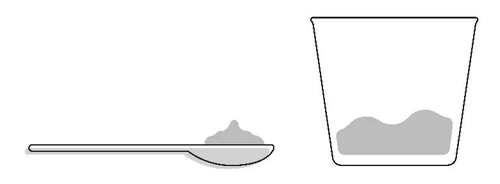
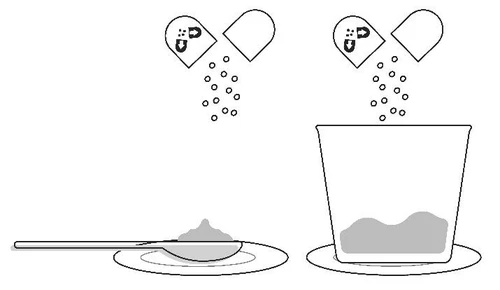
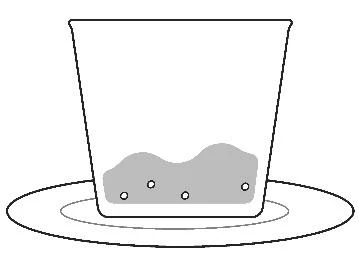
Koselugo granules are sprinkled onto soft foods or mixed with them. The granules are provided in
a special capsule that can be opened. These capsules must not be swallowed. Detailed instructions
and corresponding images for administering the granules are provided in this document.
- Open the capsules carefully.
- Sprinkle all the granules contained inside onto a small amount (1 to 3 teaspoons) of soft food (e.g., creamy yogurt, fruit sauce, fruit puree, or fruit jam). Alternatively, you may mix the Koselugo granules with soft food.
- Do not use the granules with water, milk, vegetable puree, or any juice, fruit puree, or jam containing grapefruit or bitter oranges, as these may affect how this medicine works.
- Once sprinkled or mixed, the granules must be swallowed within 30 minutes. They must not be stored for later use.
- Take Koselugo granules twice daily, approximately 12 hours apart.
- The empty capsule shells of Koselugo granules must not be swallowed, chewed, or dissolved. Empty capsule shells must be discarded after use.
Koselugo is also available as hard capsules in higher strengths. Children aged 3 years and older who
are able to swallow capsules may be prescribed Koselugo hard capsules.
If you feel unwell
If you feel unwell (vomit) at any time after taking Koselugo, do not take an additional dose. Take the
next dose at the scheduled time.
If you take more Koselugo than you should
If you have taken more Koselugo than you should, contact your doctor or pharmacist immediately.
If you forget to take Koselugo
What to do if you forget to take a dose of Koselugo depends on how long it is until your next dose.
- If more than 6 hours remain before your next dose, take the missed dose. Then take the next dose at the scheduled time.
- If less than 6 hours remain before your next dose, skip the missed dose. Then take the next dose at the scheduled time.
Do not take a double dose (two doses at the same time) to make up for a forgotten dose.
If you stop taking Koselugo
Do not stop treatment with Koselugo unless instructed by your doctor.
If you have any questions about how to use this medicine, ask your doctor, pharmacist, or
nurse.
4. Possible side effects
Like all medicines, this medicine can cause side effects, although not everyone gets them.
Possible serious side effects
Eye or vision problems
Koselugo can cause eye problems. Inform your doctor immediately if you experience blurred vision (a common side effect which may affect up to 1 in 10 people) or any other changes in vision during treatment. Your doctor may ask you to stop taking this medicine or refer you to a specialist if you develop symptoms including:
- blurred vision
- loss of vision
- black spots in your vision (floaters)
- other changes in vision (such as reduced vision)
Inform your doctor if you notice any of the serious side effects described above.
Other side effects
Inform your doctor or pharmacist if you notice any of the side effects listed below:
Very common (may affect more than 1 in 10 people)
- feeling unwell (vomiting), feeling sick (nausea)
- diarrhoea
- inflammation of the mouth (stomatitis)
- skin and nail problems – signs may include dry skin, rash, redness around the nails, acne-like rash, and inflammation of hair follicles in the skin
- thinning of hair (alopecia), change in hair colour
- feeling tired, weak, or lacking energy
- fever (pyrexia)
- swelling of hands or feet (peripheral oedema)
- a slight decrease in the amount of blood the heart pumps (reduced ejection fraction) – signs may include shortness of breath or swelling in the legs, ankles, or feet
- high blood pressure (hypertension)
- reduced level of albumin, an essential blood protein (detected in blood tests)
- reduced haemoglobin, the protein that carries oxygen in red blood cells (detected in blood tests)
- increased enzyme levels (detected in blood tests) indicating stress on the liver, kidney damage, or destruction of muscle tissue
Common (may affect up to 1 in 10 people)
- dry mouth
- swelling of the face (facial oedema)
- shortness of breath (dyspnoea)
The following side effects have been reported in clinical studies of adult patients receiving Koselugo. Inform your doctor or pharmacist if you notice any of the following side effects:
Very common (may affect more than 1 in 10 people)
- feeling unwell (vomiting), feeling sick (nausea)
- diarrhoea
- inflammation of the mouth (stomatitis)
- constipation
- skin and nail problems – signs may include dry skin, rash, redness around the nails, acne-like rash, and inflammation of hair follicles in the skin
- thinning of hair (alopecia), change in hair colour
- feeling tired, weak, or lacking energy
- swelling of hands or feet (peripheral oedema)
- reduced haemoglobin, the protein that carries oxygen in red blood cells (detected in blood tests)
- increased enzyme levels (detected in blood tests) indicating stress on the liver or kidney damage
Common (may affect up to 1 in 10 people)
- dry mouth
- fever (pyrexia)
- swelling of the face (facial oedema)
- shortness of breath (dyspnoea)
- reduced level of albumin, an essential blood protein (detected in blood tests)
- a slight decrease in the amount of blood the heart pumps (reduced ejection fraction) – signs may include shortness of breath or swelling in the legs, ankles, or feet
- high blood pressure (hypertension)
- increased enzyme levels (detected in blood tests) indicating destruction of muscle tissue
Reporting of side effects
If you get any side effects, including ones not listed in this leaflet, talk to your doctor, pharmacist, or nurse. You can also report side effects directly via the national reporting system listed in Annex V. By reporting side effects, you can help provide more information on the safety of this medicine.
5. How to store Koselugo
Keep this medicine out of the sight and reach of children.
Do not use this medicine after the expiry date stated on the vial and the outer carton after
Exp. The expiry date refers to the last day of that month.
Do not store above 25°C.
Store in the original vial to protect the medicine from moisture and light.
Keep the vial tightly closed.
Do not dispose of any medicine via wastewater or household waste. Ask your pharmacist how to
dispose of medicines you no longer use. This will help protect the environment.
6. Package contents and other information
What Koselugo contains
The active substance is selumetinib. Koselugo 5 mg granules in open capsule contains 5 mg of
selumetinib (as hydrogen sulfate). Koselugo 7.5 mg granules in open capsule contains 7.5 mg
of selumetinib (as hydrogen sulfate).
The other excipients contained in the 5 mg granules in open capsule are:
- granules: glyceryl dibehenate, stearoyl macrogol glycerides, hypromellose acetate succinate, stearic acid
- capsule shell: hypromellose (E464), titanium dioxide (E171), yellow iron oxide (E172), printing ink
- printing ink: shellac (E904), propylene glycol (E1520), concentrated ammonia solution (E527), black iron oxide (E172) and potassium hydroxide (E525).
The other excipients contained in the 7.5 mg granules in open capsule are:
- granules: glyceryl dibehenate, stearoyl macrogol glycerides, hypromellose acetate succinate, stearic acid
- capsule shell: hypromellose (E464), titanium dioxide (E171), red iron oxide (E172), printing ink
- printing ink: shellac (E904), propylene glycol (E1520), concentrated ammonia solution (E527), black iron oxide (E172) and potassium hydroxide (E525).
Description of the appearance of Koselugo and the contents of the pack
Koselugo 5 mg granules in open capsule is a capsule with a yellow cap and a white body. "sel 5" is printed on the cap and an image of a sprinkle capsule indicating the opening is printed on the body.
Koselugo 7.5 mg granules in open capsule is a capsule with a pink cap and a white body. "sel 7.5" is printed on the cap and an image of a sprinkle capsule indicating the opening is printed on the body.
Koselugo granules in open capsule are supplied in white plastic bottles, sealed with a child-resistant closure, containing 60 capsules and a silica gel desiccant. Do not remove the desiccant from the bottle and do not ingest it.
Marketing Authorization Holder
AstraZeneca AB
SE-151 85 Södertälje
Sweden
Manufacturer
AstraZeneca AB
Gärtunavägen
152 57 Södertälje
Sweden
For further information about this medicinal product, please contact the local representative of the Marketing Authorization Holder:
België/Belgique/Belgien Lietuva
Alexion Pharma Belgium UAB AstraZeneca Lietuva
Tel: +32 800 200 31 Tel: +370 5 2660550
България Luxembourg/Luxemburg
АстраЗенека България ЕООД Alexion Pharma Belgium
Тел.: +359 24455000 Tél/Tel: +32 800 200 31
Česká republika Magyarország
AstraZeneca Czech Republic s.r.o. AstraZeneca Kft.
Tel: +420 222 807 111 Tel.: +36 1 883 6500
Danmark Malta
AstraZeneca A/S Associated Drug Co. Ltd
Tlf.: +45 43 66 64 62 Tel: +356 2277 8000
Deutschland Nederland
AstraZeneca GmbH AstraZeneca BV
Tel: +49 40 809034100 Tel: +31 85 808 9900
Eesti Norge
AstraZeneca AstraZeneca AS
Tel: +372 6549 600 Tlf: +47 21 00 64 00
Ελλάδα Österreich
AstraZeneca A.E. AstraZeneca Österreich GmbH
Τηλ: +30 210 6871500 Tel: +43 1 711 31 0
España Polska
Alexion Pharma Spain, S.L.U. AstraZeneca Pharma Poland Sp. z o.o.
Tel: +34 93 272 30 05 Tel.: +48 22 245 73 00
Portugal
France
Alexion Pharma Spain, S.L. - Sucursal em
Alexion Pharma France SAS
Portugal
Tél: +33 1 47 32 36 21
Tel: +34 93 272 30 05
Hrvatska România
AstraZeneca d.o.o. AstraZeneca Pharma SRL
Tel: +385 1 4628 000 Tel: +40 21 317 60 41
Ireland Slovenija
AstraZeneca Pharmaceuticals (Ireland) AstraZeneca UK Limited
DAC Tel: +386 1 51 35 600
Tel: +353 1609 7100
Ísland Slovenská republika
Vistor hf. AstraZeneca AB, o.z.
Sími: +354 535 7000 Tel: +421 2 5737 7777
Italia Suomi/Finland
Alexion Pharma Italy srl AstraZeneca Oy
Tel: +39 02 7767 9211 Puh/Tel: +358 10 23 010
Κύπρος Sverige
Αλέκτωρ Φαρµακευτική Λτδ AstraZeneca AB
Τηλ: +357 22490305 Tel: +46 8 553 26 000
Latvija
SIA AstraZeneca Latvija
Tel: +371 67377100
This medicinal product has been granted a marketing authorization under "conditional approval". This means that additional data on this medicinal product are required. The European Medicines Agency will review new information on this medicinal product at least annually, and this package leaflet will be updated as necessary.
Other sources of information
More detailed information on this medicinal product is available on the website of the European Medicines Agency: https://www.ema.europa.eu .