Ketorolac Accord
Italy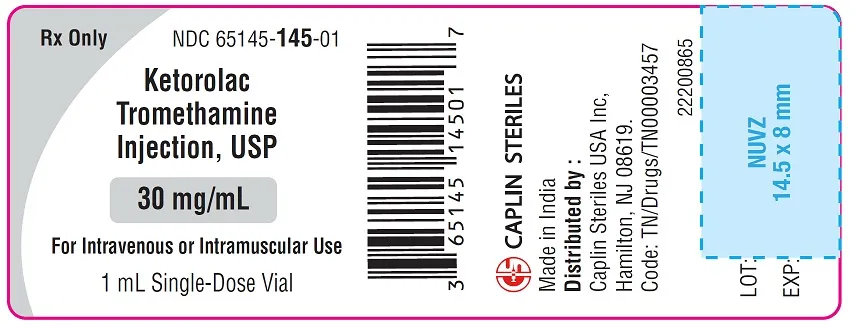
Table of Contents
- Package leaflet: Information for the patient
- Ketorolac Accord 30 mg/ml injection solution
- 1. What Ketorolac Accord is and what it is used for
- 2. What you need to know before taking Ketorolac Accord
- 3. How to take Ketorolac Accord
- 4. Possible side effects
- 5. How to store Ketorolac Accord
- 6. Package contents and other information
- Patient information leaflet: information for the patient
- Ketorolac Accord 20 mg/ml oral drops, solution
- 1. What Ketorolac Accord is and what it is used for
- 2. What you need to know before taking Ketorolac Accord
- 3. How to take Ketorolac Accord
- 4. Possible side effects
- 5. How to store Ketorolac Accord
- 6. Package contents and other information
Package leaflet: Information for the patient
Ketorolac Accord 30 mg/ml injection solution
Ketorolac tromethamine
Generic medicine
Please read all of this leaflet carefully before you start using this medicine because it contains important information for you.
- Keep this leaflet. You may need to read it again.
- If you have any questions, ask your doctor, pharmacist, or nurse.
- This medicine has been prescribed for you only. Do not give it to other people, even if they have the same symptoms as you, because it could be harmful.
- If you experience any side effects, including those not listed in this leaflet, talk to your doctor, pharmacist, or nurse. See section 4.
Contents of this leaflet:
- What Ketorolac Accord is and what it is used for
- What you need to know before using Ketorolac Accord
- How to use Ketorolac Accord
- Possible side effects
- How to store Ketorolac Accord
- Contents of the pack and other information
1. What Ketorolac Accord is and what it is used for
This medicine contains the active substance ketorolac tromethamine, which belongs to a group of
medicines called non-steroidal anti-inflammatory drugs ("NSAIDs"), used to reduce pain caused by
inflammation.
Ketorolac Accord is indicated for the treatment:
- of short-term (up to two days) moderate to severe acute pain following surgical procedures (postoperative pain);
- of pain caused by renal colic.
This medicine is also used, when administered intravenously, in addition to opioid or opioid-like painkillers (opioid analgesics), for the treatment of severe pain or in cases of prolonged surgical procedures (major surgery).
2. What you need to know before taking Ketorolac Accord
Do not take Ketorolac Accord
- if you are allergic to ketorolac or to any of the other ingredients of this medicine (listed in section 6);
- if you have previously had an allergic reaction after taking acetylsalicylic acid (aspirin), medicines that block the synthesis of inflammatory substances (prostaglandins), and/or other non-steroidal anti-inflammatory drugs (NSAIDs);
- if you suffer from nasal polyps, a respiratory disease characterized by the presence of nasal polyps;
- if you have swelling of the face, lips, mouth, tongue, or throat that may cause difficulty in swallowing and breathing (angioedema);
- if you have difficulty breathing (bronchospasm);
- if you suffer from asthma;
- if you have skin irritation (urticaria) or nasal congestion (rhinitis);
- if you currently have, have previously had, or suspect you may have a stomach or intestinal problem (active peptic ulcer, gastrointestinal bleeding or perforation);
- if you have a serious heart condition (severe heart failure);
- if you have or suspect you have had a brain hemorrhage (stroke), or if you have had one in the past;
- if you have undergone high-risk surgical procedures for bleeding or incomplete control of blood loss (incomplete hemostasis);
- if you have any other bleeding disorders;
- if you have kidney problems (moderate to severe renal insufficiency with serum creatinine levels greater than 442 μmol/L), or if you are at risk of kidney problems due to reduced blood volume (hypovolemia) or fluid deficiency (dehydration);
- if you have a severe liver disease (liver cirrhosis or severe hepatitis);
- if you have a tendency to bleed (hemorrhagic diathesis) or a condition due to a blood coagulation defect;
- if you are taking acetylsalicylic acid (aspirin), other non-steroidal anti-inflammatory drugs (NSAIDs), medicines for mood disorders (lithium salts), medicines used to reduce blood uric acid levels (probenecid), medicines to eliminate fluids via urine (diuretics), or medicines to prevent blood clot formation in blood vessels (anticoagulants, e.g., pentoxifylline) (see section “Other medicines and Ketorolac Accord”);
- for prevention of pain (analgesia) before or during surgical procedures, as this medicine increases the risk of bleeding;
- if the person using this medicine is a child or adolescent under 16 years of age;
- if you are in the last 3 months of pregnancy, near or during childbirth;
- if you are breastfeeding.
In addition, this medicine must not be used:
- when pain is mild or chronic in nature;
- by epidural or intrathecal injection, as it contains ethyl alcohol.
Warnings and precautions
Talk to your doctor, pharmacist, or nurse before using Ketorolac Accord.
Take Ketorolac Accord under direct medical supervision, as this medicine must not be used for the
treatment of mild or chronic pain. Your doctor will prescribe the lowest effective dose and the shortest
duration of treatment appropriate for your condition, in order to minimize the occurrence of adverse effects.
Inform your doctor if you have recently undergone or are about to undergo surgery on your stomach or intestinal tract before receiving/using Ketorolac Accord, as Ketorolac Accord may occasionally impair wound healing in the intestine following surgery.
Avoid consecutive or simultaneous use with other non-steroidal anti-inflammatory drugs (NSAIDs).
This medicine will be administered at the lowest possible doses and for the shortest possible duration to reduce the occurrence of adverse effects.
Take this medicine with great caution and under strict medical supervision:
-
if you currently have or have previously had stomach or intestinal disorders (peptic ulcer, gastrointestinal bleeding, ulcerative colitis, Crohn’s disease);
-
if you are elderly or debilitated, as this increases the risk of stomach or intestinal injury or bleeding, which may be life-threatening. In such cases, your doctor may decide to reduce the dose or increase the interval between doses (see section “How to take Ketorolac Accord”);
-
if you currently have or are predisposed to bronchial inflammatory disease known as bronchial asthma, as you may experience respiratory crises (bronchospasm) or allergic reactions;
-
if you have previously experienced swelling of the face, lips, mouth, tongue, or throat causing difficulty in swallowing and breathing (angioedema), asthma, bronchospasm, or respiratory problems (complete or partial aspirin-sensitive triad syndrome), as you may develop severe, potentially life-threatening allergic reactions;
-
if you currently have or have previously had heart problems (congestive heart failure, chronic ischemic heart disease, cardiac decompensation), high blood pressure (hypertension), reduced blood flow to the legs (peripheral arterial disease), or reduced oxygen supply to the brain (cerebrovascular disease), or if you think you may be at risk for these conditions (e.g., if you have high blood pressure, diabetes, high cholesterol levels, or if you smoke). In such cases, your risk of heart attack or stroke may increase;
-
if you currently have or have previously had certain kidney problems (nephrotoxicity, renal hypoperfusion, glomerulonephritis, interstitial nephritis, papillary necrosis, nephrotic syndrome, acute renal failure, reduced kidney function);
-
if you are a woman with fertility problems and are planning a pregnancy, as this medicine may interfere with fertility.
Pay special attention and inform your doctor if you experience any of the following during treatment:
- swelling of the face, lips, mouth, tongue, or throat causing difficulty in swallowing and breathing (angioedema), difficulty breathing (bronchospasm), allergic reactions (hypersensitivity), or a respiratory disease characterized by nasal polyps (complete or partial aspirin-sensitive triad syndrome), as you may develop severe, potentially life-threatening allergic reactions;
- liver problems;
- a serious, potentially fatal skin reaction (exfoliative dermatitis, Stevens-Johnson syndrome, or toxic epidermal necrolysis).
Stop treatment with this medicine and contact your doctor immediately if:
- you develop symptoms of an allergic reaction;
- you experience bleeding (hemorrhages) or ulcers in the stomach or intestine;
- you develop skin problems characterized by irritation, peeling, blistering, or bleeding of the lips, eyes, mouth, nose, or genitals.
During treatment with Ketorolac, minor transient increases in certain liver function tests and elevations in transaminase levels may occur. These abnormalities may be transient, remain stable, or progress with continued therapy. If significant increases in transaminases occur along with symptoms of liver damage, such as loss of appetite, yellowing of the skin or eyes (jaundice), dark urine, itching, or abdominal pain, stop treatment and consult your doctor immediately.
Cases of bruising (hematomas) after surgery (post-operative period) and bleeding from surgical wounds following the use of Ketorolac Accord during or after surgical procedures (peri-operative period) have been reported. Therefore, inform your doctor if you are scheduled for tonsillectomy, prostate surgery (prostate resection), or cosmetic surgery.
Ketorolac Accord may cause stomach and intestinal problems, especially when used for prolonged periods without observing proper warnings and precautions.
For athletes: The use of medicines containing ethyl alcohol may lead to a positive result in anti-doping tests, depending on the alcohol concentration limits set by certain sports federations.
Children and adolescents
This medicine must not be used in children and adolescents under 16 years of age.
Other medicines and Ketorolac Accord
Inform your doctor, pharmacist, or nurse if you are taking, have recently taken, or might take any other medicines.
Do not take this medicine if you are taking:
- non-steroidal anti-inflammatory drugs (NSAIDs), acetylsalicylic acid (aspirin), as they increase the risk of adverse effects of Ketorolac Accord;
- lithium salts (used to treat depression), probenecid (used to promote urinary excretion of uric acid), diuretics (used to eliminate fluids via urine), or medicines to prevent blood clot formation in blood vessels (anticoagulants, e.g., pentoxifylline).
If you are taking any of the following medicines, inform your doctor, as they may interact with Ketorolac Accord:
- corticosteroids, medicines used to treat inflammatory conditions, as they increase the risk of gastrointestinal toxicity from Ketorolac Accord;
- anticoagulants (e.g., warfarin, heparin, dextran, antiplatelet agents, aspirin, pentoxifylline), medicines used to prevent blood clot formation in blood vessels, or selective serotonin reuptake inhibitors (SSRIs), medicines used to treat mood disorders, as they may increase bleeding time and the risk of gastrointestinal bleeding;
- lithium, used to treat depression and similar disorders, or methotrexate, a chemotherapeutic agent, as their toxicity may increase;
- antihypertensives or diuretics, medicines used to control blood pressure or heart conditions, as Ketorolac Accord may reduce their effectiveness. In such cases, the risk of developing kidney problems (acute renal failure) may increase if kidney function is already impaired (e.g., in elderly or dehydrated patients). In this case, consult your doctor, as dose adjustments, increased fluid intake, and kidney function monitoring may be required;
- Ketorolac injectable solution may interact with furosemide, reducing its diuretic effect; therefore, particular caution is required in patients with heart failure;
- probenecid, a medicine used to promote urinary excretion of uric acid.
Pregnancy, breastfeeding, and fertility
If you are pregnant, think you may be pregnant, planning to become pregnant, or breastfeeding, consult your doctor or pharmacist before using this medicine.
Pregnancy
Do not take Ketorolac Accord during the last 3 months of pregnancy, as it may harm the fetus or cause complications during childbirth. It may cause kidney and heart problems in the fetus. It may affect your and your baby’s tendency to bleed and may delay or prolong labor beyond the expected duration.
You should not take Ketorolac Accord during the first 6 months of pregnancy unless absolutely necessary and under medical advice. If treatment is required during this period or during attempts to conceive, the lowest possible dose for the shortest possible time should be used.
From the 20th week of pregnancy, Ketorolac Accord may cause kidney problems in the fetus if taken for more than a few days, leading to reduced levels of amniotic fluid surrounding the baby (oligohydramnios) or narrowing of a blood vessel (ductus arteriosus) in the baby’s heart. If treatment is required for more than a few days, your doctor may recommend additional monitoring.
Breastfeeding
Do not use this medicine if you are breastfeeding, as it passes into breast milk.
Fertility
Ketorolac Accord may cause fertility problems in women. Therefore, if you are planning a pregnancy, inform your doctor, as this medicine may reduce fertility.
Your doctor will advise you on appropriate contraceptive measures.
Driving and use of machinery
This medicine may cause drowsiness, dizziness, vertigo, sleep disturbances (insomnia), or mood disorders (depression). If you experience any of these effects, avoid driving or operating machinery.
Ketorolac Accord contains ethanol and sodium
- This medicine contains 12.7% v/v ethanol (alcohol), i.e., up to 100 mg per dose, equivalent to 2.5 ml of beer or 1.1 ml of wine per dose. It may be harmful to alcoholics. This should be considered in pregnant or breastfeeding women, children, and high-risk groups such as patients with liver disease or epilepsy.
- This medicine contains less than 23 mg (1 mmol) of sodium per vial, i.e., it is essentially 'sodium-free'.
3. How to take Ketorolac Accord
Take this medicine exactly as your doctor, pharmacist, or nurse has told you. If you have any doubts, consult your doctor, pharmacist, or nurse.
This medicine will be administered to you by a doctor or nurse as an injection into the muscle (intramuscular) or into a vein (intravenous). The intravenous injection may only be given in hospitals and other medical facilities.
Ketorolac Accord must not be administered by epidural or intrathecal route.
Do not use this medicine for longer than 2 days if the dose is given all at once (bolus administration), or for longer than 1 day if the dose is administered by infusion (continuous infusion).
Use in adults
The recommended initial dose for intramuscular or intravenous administration is 10 mg, followed by doses of 10–30 mg every 4–6 hours. Your doctor will determine the appropriate dose based on your condition. The maximum dose is 90 mg per day.
If your body weight is less than 50 kg, the dose should be reduced.
For renal colic, the recommended dose is one 30 mg vial, administered intramuscularly or intravenously.
Use in elderly patients (over 65 years of age)
Your doctor will determine the dose, possibly considering a reduction of the above-mentioned dosage. However, the maximum dose must not exceed 60 mg per day.
Use in children and adolescents
Do not give this medicine to children and adolescents under 16 years of age. The safety and efficacy in children have not been established.
If you take more Ketorolac Accord than you should
After administration of an excessive dose of this medicine, abdominal pain, nausea, vomiting, increased breathing rate (hyperventilation), stomach or intestinal problems (peptic ulcer, erosive gastritis, gastrointestinal bleeding), kidney problems, and severe allergic reactions (anaphylactoid reactions) may occur. Rare cases of increased blood pressure (hypertension), impaired lung function (respiratory depression), and coma have been reported. Your doctor will decide on appropriate treatment.
In case of accidental overdose or ingestion, contact your doctor immediately or go to the nearest hospital Emergency Department.
If you forget to take Ketorolac Accord
Do not take a double dose to make up for the missed dose.
If you have any doubts about how to use this medicine, consult your doctor, pharmacist, or nurse.
4. Possible side effects
Like all medicines, this medicine can cause side effects, although not everybody will experience them.
The side effects that may occur with Ketorolac Accord are:
Not known (frequency cannot be estimated from the available data)
- infection of the central nervous system (aseptic meningitis);
- reduction in the number of platelets (thrombocytopenia), nosebleeds (epistaxis);
- severe allergic reactions (anaphylactic/anaphylactoid reactions), allergic reactions (hypersensitivity reactions): difficulty in breathing (bronchospasm), dilation of blood vessels (vasodilation), flushing, skin rash, reduction in blood pressure (hypotension), swelling of the throat (laryngeal edema);
- loss of appetite (anorexia), increased potassium levels in the blood (hyperkalemia), reduced sodium levels in the blood (hyponatremia);
- abnormal thoughts, mood disturbances (depression), sleep disorders (insomnia), feelings of worry or fear (anxiety), nervousness, mental disorders (psychotic reactions), abnormal dreams, hallucinations, sensation of well-being (euphoria), difficulty concentrating, drowsiness, stupor, confusion;
- headache (cephalalgia), dizziness, seizures, disturbances in sensation of arms, legs or other body parts (paraesthesia), increased motor activity (hyperkinesia), taste disturbances;
- visual disturbances;
- ringing in the ears (tinnitus), hearing loss, vertigo;
- increased awareness of heartbeat (palpitations), reduced heart rate (bradycardia), swelling in various parts of the body due to fluid retention (edema), heart disorders (heart failure), increased blood pressure (hypertension), dilation of blood vessels (vasodilation), reduced blood pressure (hypotension), bruising (haematomas), sudden sensation of heat (hot flushes), pale skin (pallor), bleeding from surgical wounds after operations (post-operative wound bleeding), heart attack, stroke;
- accumulation of fluid in the lungs (pulmonary edema), difficulty breathing (dyspnoea), asthma;
- stomach or intestinal disorders (peptic ulcers, perforation or bleeding from the stomach or intestine which may be life-threatening), nausea, vomiting, diarrhoea, passage of gas from the intestine (flatulence), constipation, indigestion (dyspepsia), abdominal pain/discomfort, feeling of fullness, passage of black stools (melena), rectal bleeding, vomiting blood (haematemesis), inflammation of the mouth (stomatitis and ulcerative stomatitis), inflammation of the oesophagus (oesophagitis), belching, inflammation of the pancreas (pancreatitis), dry mouth, worsening of intestinal inflammation (colitis and Crohn's disease), inflammation of the stomach (gastritis);
- liver problems (hepatitis, liver failure), reduced bile flow from the liver to the intestine with yellowing of the skin (cholestatic jaundice);
- swelling of the face, lips, mouth, tongue or throat which may cause difficulty in swallowing and breathing (angioedema), skin lesions (exfoliative dermatitis, Stevens-Johnson syndrome, toxic epidermal necrolysis), increased sweating, red spots on the skin (maculopapular rash), itching, rupture of capillaries under the skin (purpura), appearance of blisters on the skin (bullous reactions), skin irritation (urticaria);
- muscle pain (myalgia);
- increased urine production (polyuria), frequent passage of small amounts of urine (pollakiuria), reduced urine output (oliguria), kidney problems (acute renal failure), blood and kidney disorders (haemolytic-uremic syndrome), inflammation of the kidneys (interstitial nephritis), inability of the bladder to empty (urinary retention), loss of protein in the urine (nephrotic syndrome), flank pain with or without presence of blood in the urine (haematuria) or increased/decreased levels of non-protein nitrogen in the blood (azotemia), increased creatinine and potassium;
- female infertility;
- fatigue (asthenia), fever, injection site reactions, swelling (edema), chest pain (thoracic pain), excessive thirst;
- laboratory test abnormalities: prolonged bleeding time, increased serum urea, increased creatinine, abnormalities in liver function tests.
Reporting of side effects
If you experience any side effect, including those not listed in this leaflet, tell your doctor or pharmacist.
You can also report side effects directly via the Italian Medicines Agency (Agenzia Italiana del Farmaco) website: https://www.aifa.gov.it/content/segnalazioni-reazioni-avverse .
By reporting side effects, you can help provide more information on the safety of this medicine.
5. How to store Ketorolac Accord
Keep this medicine out of the sight and reach of children.
Do not use this medicine after the expiry date stated on the packaging after “Exp.”. The expiry date refers to the last day of that month.
Store in the original packaging to protect the medicine from light.
Do not dispose of medicines via wastewater or household waste. Ask your pharmacist how to dispose of medicines you no longer use. This will help protect the environment.
6. Package contents and other information
What Ketorolac Accord contains
- The active substance is ketorolac tromethamine: each vial contains 30 mg of ketorolac tromethamine.
- The other components are: ethanol, sodium chloride, sodium hydroxide, water for injections.
Description of the appearance of Ketorolac Accord and contents of the pack
Carton pack containing 3 vials of 1 ml each.
Marketing Authorization Holder
Accord Healthcare S.L.U.
World Trade Center,
Moll de Barcelona,
s/n, Edifici Est 6ª planta,
08039 Barcelona,
Spain
Manufacturer
Doppel Farmaceutici S.r.l. - Via Volturno, 48 - Quinto de’ Stampi (Rozzano) - Milano
Patient information leaflet: information for the patient
Ketorolac Accord 20 mg/ml oral drops, solution
Ketorolac tromethamine
Generic medicine
Please read this leaflet carefully before taking this medicine because it contains important information for you.
- Keep this leaflet. You may need to read it again.
- If you have any questions, ask your doctor, pharmacist, or nurse.
- This medicine has been prescribed for you only. Do not give it to other people, even if they have the same symptoms as yours, because it may be harmful.
- If you experience any adverse reaction, including those not listed in this leaflet, contact your doctor, pharmacist, or nurse. See section 4.
Contents of this leaflet:
- What Ketorolac Accord is and what it is used for
- What you need to know before taking Ketorolac Accord
- How to take Ketorolac Accord
- Possible side effects
- How to store Ketorolac Accord
- Contents of the pack and other information
1. What Ketorolac Accord is and what it is used for
This medicine contains the active substance ketorolac tromethamine, which belongs to a group of
medicines called non-steroidal anti-inflammatory drugs ("NSAIDs"), used to reduce pain caused by
inflammation.
Ketorolac Accord is indicated only for the short-term treatment (up to five days) of moderate post-operative pain following surgical procedures (post-operative pain).
2. What you need to know before taking Ketorolac Accord
Do not take Ketorolac Accord
- if you are allergic to ketorolac or to any of the other ingredients of this medicine (listed in section 6);
- if you have previously had an allergic reaction after taking acetylsalicylic acid (aspirin), medicines that block the synthesis of inflammatory substances (prostaglandins), and/or other non-steroidal anti-inflammatory drugs (NSAIDs);
- if you suffer from nasal polyps, a respiratory disease characterized by the presence of nasal polyps;
- if you have swelling of the face, lips, mouth, tongue, or throat that may cause difficulty in swallowing and breathing (angioedema);
- if you have breathing difficulties (bronchospasm);
- if you suffer from asthma;
- if you have skin irritation (urticaria) or nasal congestion (rhinitis);
- if you currently have, have had, or suspect you may have a stomach or intestinal problem (active peptic ulcer, gastrointestinal bleeding or perforation);
- if you have a serious heart condition (severe heart failure);
- if you have or suspect you have had a brain hemorrhage (stroke), or if you have had one in the past;
- if you have undergone high-risk surgical procedures for bleeding or incomplete control of bleeding (incomplete hemostasis);
- if you have any other bleeding disorders;
- if you have kidney problems (moderate or severe renal impairment with serum creatinine levels greater than 442 μmol/L) or are at risk of kidney problems due to reduced blood volume (hypovolemia) or fluid deficiency (dehydration);
- if you have a serious liver disease (liver cirrhosis or severe hepatitis);
- if you have a tendency to bleed (hemorrhagic diathesis) or a disorder due to a blood clotting defect;
- if you are taking acetylsalicylic acid (aspirin), other non-steroidal anti-inflammatory drugs, medicines for mood disorders (lithium salts), medicines used to reduce uric acid levels in the blood (probenecid), medicines to eliminate fluids through urine (diuretics), or medicines to prevent blood clot formation in blood vessels (anticoagulants, e.g., pentoxifylline) (see section “Other medicines and Ketorolac Accord”);
- for prevention of pain (analgesia) before or during surgical procedures, as this medicine increases the risk of bleeding;
- if the person taking this medicine is a child or adolescent under 16 years of age;
- if you are in the last 3 months of pregnancy, near or during childbirth;
- if you are breastfeeding.
In addition, this medicine must not be used for mild or chronic pain.
Warnings and precautions
Talk to your doctor or pharmacist before taking Ketorolac Accord.
Take Ketorolac Accord under direct medical supervision because this medicine must not be used for the
treatment of mild or chronic pain. Your doctor will prescribe the lowest effective dose and shortest duration
appropriate for your condition, in order to minimize the occurrence of adverse effects.
Inform your doctor if you have recently undergone or are about to undergo surgery on the stomach or intestinal tract before receiving/using Ketorolac Accord, as Ketorolac Accord may sometimes impair wound healing in the intestine following surgery.
Avoid consecutive or simultaneous use of other non-steroidal anti-inflammatory drugs (NSAIDs).
Take this medicine at the lowest possible dose and for the shortest duration necessary to reduce the risk of adverse effects.
Take this medicine with great caution and under close medical supervision:
- if you currently have or have previously had stomach or intestinal disorders (peptic ulcer, gastrointestinal bleeding, ulcerative colitis, Crohn’s disease);
- if you are elderly or debilitated, as this increases the risk of stomach or intestinal injury or bleeding, which may be life-threatening. In such cases, your doctor may decide to reduce the dose or increase the interval between doses (see section “How to take Ketorolac Accord”);
- if you currently have or are predisposed to bronchial inflammatory disease called bronchial asthma, as you may experience respiratory attacks (bronchospasm) or allergic reactions;
- if you have previously experienced swelling of the face, lips, mouth, tongue, or throat that may cause difficulty in swallowing and breathing (angioedema), asthma, bronchospasm, or respiratory problems (complete or partial aspirin-exacerbated respiratory disease), as you may develop severe, potentially life-threatening allergic reactions;
- if you currently have or have previously had heart problems (congestive heart failure, chronic ischemic heart disease, cardiac decompensation), high blood pressure (hypertension), reduced blood flow to the legs (peripheral arterial disease), or reduced oxygen supply to the brain (cerebrovascular disease), or if you think you may be at risk of these conditions (e.g., if you have high blood pressure, diabetes, high cholesterol levels, or if you smoke). In these cases, the risk of heart attack or stroke may increase;
- if you currently have or have previously had certain kidney problems (nephrotoxicity, renal hypoperfusion, glomerulonephritis, interstitial nephritis, papillary necrosis, nephrotic syndrome, acute renal failure, reduced kidney function);
- if you are a woman with fertility problems and are planning a pregnancy, as this medicine may interfere with fertility.
Pay special attention and inform your doctor if, during treatment, you experience:
- swelling of the face, lips, mouth, tongue, or throat that may cause difficulty in swallowing and breathing (angioedema), difficulty breathing (bronchospasm), allergic reactions (hypersensitivity), or a respiratory disease characterized by nasal polyps (complete or partial aspirin-exacerbated respiratory disease), as you may develop severe, potentially life-threatening allergic reactions;
- liver problems;
- a severe, potentially fatal skin reaction (exfoliative dermatitis, Stevens-Johnson syndrome, or toxic epidermal necrolysis).
Stop treatment with this medicine and contact your doctor immediately if:
- you develop symptoms of an allergic reaction;
- you experience bleeding (hemorrhages), or ulcers in the stomach or intestine;
- you develop skin problems characterized by irritation, peeling, blisters, or bleeding of the lips, eyes, mouth, nose, or genitals.
During treatment with Ketorolac, minor transient increases in some liver function tests and elevations in transaminase levels may occur. These abnormalities may be transient, remain unchanged, or progress with continued therapy. If significant increases in transaminases occur along with symptoms of liver damage, such as loss of appetite, yellowing of the skin or eyes (jaundice), dark urine, itching, or abdominal pain, stop treatment and consult your doctor.
Cases of bruising (hematomas) after surgery (post-operative period) and bleeding from surgical wounds following the use of injectable Ketorolac Accord during or after surgical procedures (peri-operative period) have been reported. Therefore, inform your doctor if you are scheduled for tonsillectomy, prostate surgery (prostate resection), or cosmetic surgery.
Ketorolac Accord may cause stomach and intestinal problems, especially when used for prolonged periods without observing proper warnings and precautions.
Children and adolescents
This medicine must not be used in children and adolescents under 16 years of age.
Other medicines and Ketorolac Accord
Inform your doctor or pharmacist if you are taking, have recently taken, or might take any other medicines.
Do not take this medicine if you are taking:
- non-steroidal anti-inflammatory drugs (NSAIDs), acetylsalicylic acid (aspirin), as they increase the risk of adverse effects of Ketorolac Accord;
- lithium salts (used to treat depression), probenecid (used to promote uric acid excretion in urine), diuretics (used to eliminate fluids in urine), or medicines to prevent blood clot formation in blood vessels (anticoagulants, e.g., pentoxifylline).
If you are taking any of the following medicines, inform your doctor, as they may interact with Ketorolac Accord:
- corticosteroids, medicines used to treat inflammatory conditions, as they increase the risk of gastrointestinal toxicity of Ketorolac Accord;
- anticoagulants (e.g., warfarin, heparin, dextrans, antiplatelet agents, aspirin, pentoxifylline), medicines used to prevent blood clot formation in blood vessels, or selective serotonin reuptake inhibitors (SSRIs), medicines used to treat mood disorders, as they may increase bleeding time and the risk of gastrointestinal bleeding;
- lithium, used to treat depression and similar disorders, or methotrexate, a chemotherapeutic agent, as their toxicity may increase;
- antihypertensives or diuretics, medicines used to control blood pressure or heart conditions, as Ketorolac Accord may reduce their effectiveness. In this case, the risk of developing kidney problems (acute renal failure) may increase if kidney function is already impaired (e.g., if you are elderly or dehydrated). In such cases, consult your doctor, as dose adjustments, increased fluid intake, and monitoring of kidney function may be required;
- probenecid, a medicine used to promote uric acid excretion in urine.
Pregnancy, breastfeeding, and fertility
If you are pregnant, think you may be pregnant, are planning a pregnancy, or are breastfeeding, consult your doctor or pharmacist before taking this medicine.
Pregnancy
Do not take Ketorolac Accord during the last 3 months of pregnancy, as it may harm the fetus or cause complications during childbirth. It may cause kidney and heart problems in the fetus. It may affect your and your baby’s tendency to bleed and may delay or prolong labor.
You should not take Ketorolac Accord during the first 6 months of pregnancy unless absolutely necessary and under medical advice. If treatment is required during this period or during attempts to conceive, the lowest possible dose for the shortest possible duration should be used.
From the 20th week of pregnancy, Ketorolac Accord may cause kidney problems in the fetus if taken for more than a few days, leading to reduced levels of amniotic fluid surrounding the baby (oligohydramnios) or causing constriction of a blood vessel (ductus arteriosus) in the baby’s heart. If treatment for more than a few days is required, your doctor may recommend additional monitoring.
Breastfeeding
Do not take this medicine if you are breastfeeding, as it passes into breast milk.
Fertility
Ketorolac Accord may cause fertility problems in women. Therefore, if you are planning a pregnancy, inform your doctor, as this medicine may reduce fertility.
Your doctor will advise you on appropriate contraceptive measures.
Driving and using machines
This medicine may cause drowsiness, dizziness, vertigo, sleep disturbances (insomnia), or mood disorders (depression). If you experience these effects, avoid driving or operating machinery.
Ketorolac Accord contains methyl parahydroxybenzoate and propyl parahydroxybenzoate
This medicine contains methyl parahydroxybenzoate and propyl parahydroxybenzoate, which may cause allergic reactions (including delayed-type reactions).
3. How to take Ketorolac Accord
Take this medicine exactly as your doctor or pharmacist has told you. If you are unsure, consult your doctor or pharmacist.
Do not take this medicine for more than 5 days
Use in adults
The recommended dose is 10 mg (10 drops), every 4–6 hours. Your doctor will determine the appropriate dose according to your condition. The maximum dose is 40 mg per day. Do not exceed the maximum recommended dose.
If your body weight is less than 50 kg, the dose should be reduced.
Use in elderly patients (over 65 years of age)
Your doctor will determine the dose, possibly considering a reduction of the dosage indicated above.
Use in children and adolescents
Do not administer this medicine to children and adolescents under 16 years of age. The safety and efficacy in children have not been established.
If you take more Ketorolac Accord than you should
Taking an excessive dose of this medicine may cause abdominal pain, nausea, vomiting, increased breathing rate (hyperventilation), stomach or intestinal problems (peptic ulcer, erosive gastritis, gastrointestinal bleeding), kidney problems, and severe allergic reactions (anaphylactoid reactions). Rare cases of increased blood pressure (hypertension), impaired lung function (respiratory depression), and coma have been reported. Your doctor will decide on appropriate treatment.
If you accidentally take too much of this medicine, contact your doctor immediately or go to the nearest hospital emergency department.
If you forget to take Ketorolac Accord
Do not take a double dose to make up for the forgotten dose.
If you have any doubts about how to use this medicine, consult your doctor or pharmacist.
4. Possible side effects
Like all medicines, this medicine can cause side effects, although not everybody will get them.
The side effects that may occur with Ketorolac Accord are:
Not known (frequency cannot be estimated from the available data)
- central nervous system infection (aseptic meningitis);
- reduced number of platelets (thrombocytopenia), nosebleeds (epistaxis);
- severe allergic reactions (anaphylactic/anaphylactoid reactions), allergic reactions (hypersensitivity reactions): difficulty in breathing (bronchospasm), widening of blood vessels (vasodilation), flushing, skin rash, reduction in blood pressure (hypotension), swelling of the throat (laryngeal edema);
- loss of appetite (anorexia), increased potassium levels in the blood (hyperkalemia), reduced sodium levels in the blood (hyponatremia);
- abnormal thoughts, mood disturbances (depression), sleep disorders (insomnia), feelings of worry or fear (anxiety), nervousness, mental disorders (psychotic reactions), abnormal dreams, hallucinations, feeling of well-being (euphoria), difficulty in concentrating, drowsiness, stupor, confusion;
- headache (cephalalgia), dizziness, seizures, disturbance in sensation of legs, arms or other body parts (paresthesia), increased motor activity (hyperkinesia), taste disturbances;
- visual disturbances;
- ringing in the ears (tinnitus), hearing loss, vertigo;
- increased awareness of heartbeat (palpitations), reduced heart rate (bradycardia), swelling in various parts of the body due to fluid accumulation (edema), heart disorders (heart failure), increased blood pressure (hypertension), widening of blood vessels (vasodilation), reduced blood pressure (hypotension),
bruising (hematomas), sudden sensation of heat (hot flushes), paleness of the skin (pallor),
bleeding from surgical wounds after operations (post-operative wound bleeding), heart attack,
stroke;
- accumulation of fluid in the lungs (pulmonary edema), difficulty in breathing (dyspnea), asthma;
- stomach or intestinal disorders (peptic ulcers, perforation or bleeding from the stomach or intestine which may be life-threatening), nausea, vomiting, diarrhea, passage of intestinal gas (flatulence), constipation, digestive difficulties (dyspepsia), abdominal pain/discomfort, feeling of fullness, passage of dark stools (melena), rectal bleeding, vomiting blood (hematemesis), inflammation of the mouth (stomatitis and ulcerative stomatitis), inflammation of the esophagus (esophagitis), belching, inflammation of the pancreas (pancreatitis), dry mouth, worsening of intestinal inflammation (colitis and Crohn's disease), inflammation of the stomach (gastritis);
- liver problems (hepatitis, hepatic failure), reduced bile flow from liver to intestine with yellowing of the skin (cholestatic jaundice);
- swelling of the face, lips, mouth, tongue or throat which may cause difficulty in swallowing and breathing (angioedema), skin lesions (exfoliative dermatitis, Stevens-Johnson syndrome, toxic epidermal necrolysis), increased sweating, red spots on the skin (maculopapular rash), itching, rupture of capillaries under the skin (purpura), appearance of blisters on the skin (bullous reactions), skin irritation (urticaria);
- muscle pain (myalgia);
- increased urine production (polyuria), frequent passage of small amounts of urine (pollakiuria), reduced urine output (oliguria), kidney problems (acute renal failure), blood and kidney problems (hemolytic-uremic syndrome), inflammation of the kidneys (interstitial nephritis), inability of the bladder to empty (urinary retention), loss of protein in the urine (nephrotic syndrome), flank pain with or without presence of blood in the urine (hematuria) or increase/decrease in non-protein nitrogen levels in the blood (azotemia), increased creatinine and potassium levels;
- female infertility;
- tiredness (asthenia), fever, injection site reactions, swelling (edema), chest pain (thoracic pain), excessive thirst;
- laboratory test abnormalities: prolonged bleeding time, increased serum urea, increased creatinine, abnormalities in liver function tests.
Reporting of side effects
If you experience any side effect, including those not listed in this leaflet, please inform your doctor or pharmacist. You can also report side effects directly via the Italian Medicines Agency (Agenzia Italiana del Farmaco) website: https://www.aifa.gov.it/content/segnalazioni-reazioni-avverse .
By reporting side effects, you can help provide more information on the safety of this medicine.
5. How to store Ketorolac Accord
Keep this medicine out of the sight and reach of children.
Do not use this medicine after the expiry date stated on the pack after "Exp". The expiry date refers to the last day of that month.
Store in the original packaging to protect the medicine from light.
The product should be used within 4 months of first opening the bottle.
Do not dispose of any medicine via wastewater or household waste. Ask your pharmacist how to dispose of medicines you no longer use. This will help protect the environment.
6. Package contents and other information
What Ketorolac Accord contains
- The active substance is ketorolac tromethamine: 1 ml of solution contains 20 mg of ketorolac tromethamine.
- The other components are: citric acid monohydrate, sodium dihydrogen phosphate monobasic, sodium methylparahydroxybenzoate, sodium propylparahydroxybenzoate, purified water q.s.
Description of the appearance of Ketorolac Accord and package contents
Packaging containing one vial with 10 ml of solution.
Marketing Authorization Holder
Accord Healthcare S.L.U.
World Trade Center,
Moll de Barcelona,
s/n, Edifici Est 6ª planta,
08039 Barcelona,
Spain
Manufacturer
Doppel Farmaceutici S.r.l. - Via Martiri della Foibe, 1 - 29016 Cortemaggiore (PC)