Kestine
Italy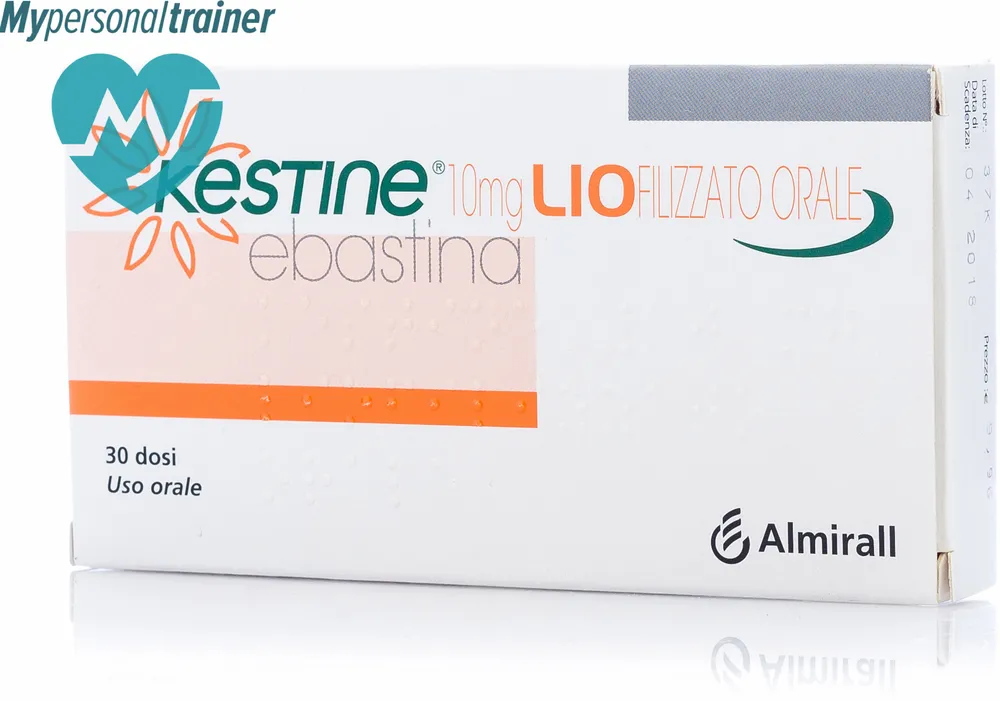
Table of Contents
- Package leaflet: Information for the user
- KESTINE 10 mg film-coated tablets
- 1. WHAT KESTINE IS AND WHAT IT IS USED FOR
- 2. WHAT YOU NEED TO KNOW BEFORE TAKING KESTINE
- 3. HOW TO TAKE KESTINE
- 4. POSSIBLE ADVERSE REACTIONS
- 5. HOW TO STORE KESTINE
- 6. PACKAGING CONTENTS AND OTHER INFORMATION
- KESTINE 20 mg film-coated tablets
- 1. WHAT KESTINE IS AND WHAT IT IS USED FOR
- 2. WHAT YOU NEED TO KNOW BEFORE TAKING KESTINE
- 3. HOW TO TAKE KESTINE
- 4. POSSIBLE ADVERSE REACTIONS
- 5. HOW TO STORE KESTINE
- 6. PACK CONTENTS AND OTHER INFORMATION
- KESTINE 10 mg oral lyophilisate
- 1. WHAT KESTINE IS AND WHAT IT IS USED FOR
- 2. WHAT YOU SHOULD KNOW BEFORE TAKING KESTINE
- 3. HOW TO TAKE KESTINE
- 4. POSSIBLE ADVERSE REACTIONS
- 5. HOW TO STORE KESTINE
- 6. PACKAGING CONTENTS AND OTHER INFORMATION
- KESTINE 20 mg oral lyophilisate
- 1. WHAT KESTINE IS AND WHAT IT IS USED FOR
- 2. WHAT YOU NEED TO KNOW BEFORE TAKING KESTINE
- 3. HOW TO TAKE KESTINE
- 4. POSSIBLE ADVERSE REACTIONS
- 5. HOW TO STORE KESTINE
- 6. PACK CONTENTS AND OTHER INFORMATION
- KESTINE 1 mg/ml syrup
- 1. WHAT KESTINE IS AND WHAT IT IS USED FOR
- 2. WHAT YOU NEED TO KNOW BEFORE TAKING KESTINE
- 3. HOW TO TAKE KESTINE
- 4. POSSIBLE ADVERSE REACTIONS
- 5. HOW TO STORE KESTINE
- 6. CONTENTS OF THE PACKAGE AND OTHER INFORMATION
Package leaflet: Information for the user
KESTINE 10 mg film-coated tablets
Ebastine
Please read all of this leaflet carefully before you start taking this medicine because it contains important information for you.
- Keep this leaflet. You may need to read it again.
- If you have any questions, ask your doctor or pharmacist.
- This medicine has been prescribed for you only. Do not give it to other people, even if their symptoms are the same as yours, as it may be harmful.
- If you experience any side effects, including those not listed in this leaflet, tell your doctor or pharmacist. See section 4.
Contents of this leaflet:
- What KESTINE is and what it is used for
- What you need to know before taking KESTINE
- How to take KESTINE
- Possible side effects
- How to store KESTINE
- Contents of the pack and other information
1. WHAT KESTINE IS AND WHAT IT IS USED FOR
KESTINE contains the active substance ebastine, an antihistamine for systemic use (with effects throughout the body).
Ebastine is indicated in adults and adolescents over 12 years of age for the symptomatic treatment of:
- Allergic rhinitis (inflammation of the nasal mucosa of allergic origin), seasonal or perennial, with or without allergic conjunctivitis.
- Urticaria (a skin condition).
2. WHAT YOU NEED TO KNOW BEFORE TAKING KESTINE
Do not take KESTINE
- If you are allergic to ebastine or to any of the other ingredients of this medicine (listed in section 6).
- In case of severe hepatic impairment (reduced liver function).
The use of KESTINE is contraindicated during pregnancy and breastfeeding (see “Pregnancy,
breastfeeding and fertility”).
Do not administer KESTINE to children under 12 years of age (see “Children and
adolescents”).
Warnings and precautions
Talk to your doctor or pharmacist before taking KESTINE.
Exercise caution when using KESTINE if:
- You have a condition that could increase the risk of cardiac problems, such as prolonged QT interval syndrome (a disorder affecting the heart's electrical activity which may lead to irregular heartbeats) or hypokalaemia (low potassium levels in the blood).
- You are being treated with medicines known to increase the QT interval.
- You are being treated with azole antifungal agents, such as ketoconazole and itraconazole, or macrolide antibiotics, such as erythromycin (see “Other medicines and KESTINE”).
- You are being treated with anti-tuberculosis drugs such as rifampicin (see “Other medicines and KESTINE”).
- You have renal impairment (reduced kidney function).
- You have mild or moderate hepatic impairment (reduced liver function) (see section 3 “How to take KESTINE”).
Children and adolescents
The use of KESTINE is not recommended in children under 12 years of age (see “Do not take
KESTINE”).
Other medicines and KESTINE
Inform your doctor or pharmacist if you are taking, have recently taken, or might take any other medicines.
Use KESTINE with caution when taken together with:
- Ketoconazole (an antifungal medicine) or erythromycin (an antibiotic), both known to prolong the QT interval. This combination may increase ebastine blood levels and result in a greater QT interval prolongation than with ketoconazole or erythromycin alone (see “Warnings and precautions”).
- Rifampicin (an anti-tuberculosis medicine). This combination may lead to lower blood concentrations of KESTINE and therefore reduce its effectiveness.
KESTINE with food and alcohol
Taking ebastine with food does not interfere with its clinical effect.
No interactions between ebastine and alcohol have been reported.
Pregnancy and breastfeeding
Inform your doctor or pharmacist if you are taking, have recently taken, or may take any other medicines.
Pregnancy
Do not take KESTINE during pregnancy (see “Do not take KESTINE”). There is limited data on the use of ebastine in pregnant women.
Breastfeeding
It is not known whether ebastine is excreted in human milk.
Do not take KESTINE during breastfeeding (see “Do not take KESTINE”).
Driving and using machines
Ebastine, at recommended doses, has not produced negative effects on driving or operating machinery. Nevertheless, assess your response to ebastine before performing complex tasks, as drowsiness and dizziness may occur (see section 4 “Possible side effects”).
KESTINE 10 mg film-coated tablets contain lactose. If your doctor has diagnosed you with an intolerance to certain sugars, contact him or her before taking this medicine.
3. HOW TO TAKE KESTINE
Take this medicine exactly as directed by your doctor or pharmacist.
If you have any doubts, consult your doctor or pharmacist.
Adults and children aged 12 years and over
Allergic rhinitis
The recommended dose is 10 mg taken orally once daily.
In patients with more severe symptoms, including perennial allergic rhinitis, a single daily dose of 20 mg may provide greater benefit.
Urticaria
The recommended dose is 10 mg taken orally once daily.
Take KESTINE during or regardless of meals.
Mild to moderate hepatic impairment
Do not exceed a daily dose of 10 mg (see “Warnings and precautions”).
If you take more KESTINE than you should
In studies using high doses of up to 100 mg administered once daily, no clinically significant signs or symptoms were observed.
There is no specific antidote for ebastine. Gastric lavage, monitoring of vital functions—including ECG (electrocardiogram)—and symptomatic treatment may be necessary.
If you have taken an excessive amount of this medicine, contact your doctor immediately or go to the nearest hospital.
If you forget to take KESTINE
Do not take a double dose to make up for the missed dose.
If you have any questions about how to use this medicine, consult your doctor or pharmacist.
4. POSSIBLE ADVERSE REACTIONS
Like all medicines, this medicine can cause adverse reactions, although not everybody gets them.
The following adverse reactions may occur with the use of KESTINE:
Very common adverse reactions (may affect more than 1 in 10 people)
- Headache.
Common adverse reactions (may affect up to 1 in 10 people)
- Drowsiness.
- Dry mouth.
Rare adverse reactions (may affect up to 1 in 1,000 people)
- Hypersensitivity reactions (such as anaphylaxis and angioedema).
- Nervousness, insomnia.
- Dizziness, dysaesthesia (sensory disturbance), hypoesthesia (reduced sensitivity), taste disturbance (dysgeusia).
- Palpitations, tachycardia (increased heart rate).
- Vomiting, abdominal pain, nausea, digestive problems.
- Liver problems, abnormalities in liver function tests (increased transaminases, gamma-GT, alkaline phosphatase and bilirubin).
- Urticaria (skin condition), rash (sudden reddening of the skin), dermatitis (skin inflammation).
- Menstrual disorders.
- Edema (fluid retention), asthenia (weakness, lack of energy).
Reporting of adverse reactions
If you experience any adverse reaction, including those not listed in this leaflet, talk to your doctor or pharmacist. You can also report adverse reactions directly via the national reporting system at the following website:
http://www.agenziafarmaco.gov.it/it/responsabili.
By reporting adverse reactions, you can help provide more information on the safety of this medicine.
5. HOW TO STORE KESTINE
Keep this medicine out of the sight and reach of children.
Do not use this medicine after the expiry date stated on the packaging. The expiry date refers to the last day of that month and applies to the product in its original, unopened packaging, properly stored.
Protect from light.
Do not store above 30°C.
Do not dispose of any medicine via wastewater or household waste. Ask your pharmacist how to dispose of medicines you no longer use. This will help protect the environment.
6. PACKAGING CONTENTS AND OTHER INFORMATION
What KESTINE contains
Each film-coated tablet contains:
Active substance: Ebastine 10 mg.
Other components:
- Core: Microcrystalline cellulose, Lactose, Pregelatinized corn starch, Sodium croscarmellose, Magnesium stearate.
- Coating: Hypromellose, Macrogol 6000, Titanium dioxide.
Description of the appearance of KESTINE and packaging contents
Film-coated tablets, white and round in shape.
Pack sizes: 5, 10, 15, 20 and 30 film-coated 10 mg tablets in blisters.
Not all pack sizes may be marketed.
Marketing Authorization Holder
Almirall S.A
Ronda General Mitre, 151
08022 Barcelona
Spain
Manufacturer
Industrias Farmacéuticas Almirall S.A., Ctra. Nacional II, km 593 – 08740 Sant Andreu de la Barca –
Barcelona (SPAIN).
Package leaflet: information for the user
KESTINE 20 mg film-coated tablets
Ebastine
Please read this leaflet carefully before taking this medicine because it contains
important information for you.
- Keep this leaflet. You may need to read it again.
- If you have any questions, ask your doctor or pharmacist.
- This medicine has been prescribed for you only. Do not give it to others, even if their symptoms are the same as yours, as it could be harmful.
- If you experience any adverse reactions, including those not listed in this leaflet, contact your doctor or pharmacist. See section 4.
Contents of this leaflet:
- What KESTINE is and what it is used for
- What you need to know before taking KESTINE
- How to take KESTINE
- Possible side effects
- How to store KESTINE
- Contents of the pack and other information
1. WHAT KESTINE IS AND WHAT IT IS USED FOR
KESTINE contains the active substance ebastine, a systemic antihistamine (with effects throughout the body).
Ebastine is indicated in adults and adolescents over 12 years of age for the symptomatic treatment of allergic rhinitis (allergy-related inflammation of the nasal mucosa), seasonal or perennial, with or without associated allergic conjunctivitis.
2. WHAT YOU NEED TO KNOW BEFORE TAKING KESTINE
Do not take KESTINE
- If you are allergic to ebastine or to any of the other ingredients of this medicine (listed in section 6).
- In case of severe hepatic insufficiency (severely reduced liver function).
The use of KESTINE is contraindicated during pregnancy and breastfeeding (see "Pregnancy,
breastfeeding and fertility").
Do not administer KESTINE to children under 12 years of age (see "Children and
adolescents").
Warnings and precautions
Talk to your doctor or pharmacist before taking KESTINE.
Exercise caution when using KESTINE if:
- You have a condition that could increase the risk of heart problems, such as QT interval prolongation syndrome (a disorder affecting the heart's electrical activity that may lead to irregular heartbeats) or hypokalaemia (low potassium levels in the blood).
- You are taking medicines that cause QT interval prolongation.
- You are taking antifungal azole medications, such as ketoconazole and itraconazole, or macrolide antibiotics, such as erythromycin (see "Other medicines and KESTINE").
- You are taking anti-tuberculosis drugs such as rifampicin (see "Other medicines and KESTINE").
- You have renal impairment (reduced kidney function).
- You have mild or moderate hepatic insufficiency (reduced liver function) (see section 3 "How to take KESTINE").
Children and adolescents
The use of KESTINE is not recommended in children under 12 years of age (see "Do not take
KESTINE").
Other medicines and KESTINE
Inform your doctor or pharmacist if you are taking, have recently taken, or might take any other medicines.
Use KESTINE with caution when taken together with:
-
Ketoconazole (an antifungal drug) or erythromycin (an antibiotic), both known to prolong the QT interval. This combination leads to increased levels of
ebastine in the blood and a greater QT interval prolongation than that observed
with ketoconazole or erythromycin taken alone (see "Warnings and precautions"). -
Rifampicin (an anti-tuberculosis drug). This combination may result in lower blood concentrations of KESTINE and therefore a reduced therapeutic effect.
KESTINE with food and alcohol
Taking ebastine with food does not interfere with its clinical effect.
No interactions between ebastine and alcohol have been reported.
Pregnancy and breastfeeding
Inform your doctor or pharmacist if you are taking, have recently taken, or might take any other medicines.
Pregnancy
Do not take KESTINE during pregnancy (see "Do not take KESTINE"). There is limited data on the use of ebastine in pregnant women.
Breastfeeding
It is not known whether ebastine is excreted in human milk.
Do not take KESTINE during breastfeeding (see "Do not take KESTINE").
Driving and using machines
Ebastine, at the recommended doses, has not produced negative effects on driving or operating machinery. Nevertheless, assess your individual response to ebastine before performing complex tasks, as drowsiness and dizziness may occur (see section 4 "Possible side effects").
KESTINE 20 mg film-coated tablets contain lactose. If your doctor has diagnosed you with an intolerance to certain sugars, contact him or her before taking this medicine.
3. HOW TO TAKE KESTINE
Take this medicine exactly as directed by your doctor or pharmacist.
If you have any doubts, consult your doctor or pharmacist.
Adults and children aged 12 years and over
Allergic rhinitis
The recommended dose is 20 mg taken orally once daily.
In patients with less severe symptoms, a single daily dose of 10 mg is recommended.
Take KESTINE during or regardless of meals.
Mild to moderate hepatic impairment
Do not exceed a daily dose of 10 mg (see “Warnings and precautions”).
If you take more KESTINE than you should
In studies using high doses, up to 100 mg administered once daily, no clinically significant signs or symptoms were observed.
There is no specific antidote for ebastine. Gastric lavage, monitoring of vital functions—including an ECG (electrocardiogram)—and symptomatic treatment may be necessary.
If you take an excessive dose of this medicine, contact your doctor immediately or go to the nearest hospital.
If you forget to take KESTINE
Do not take a double dose to make up for the missed dose.
If you have any questions about the use of this medicine, consult your doctor or pharmacist.
4. POSSIBLE ADVERSE REACTIONS
Like all medicines, this medicine can cause adverse reactions, although not everybody experiences them.
The following adverse reactions may occur with the use of KESTINE:
Very common adverse reactions (may affect more than 1 in 10 people)
- Headache.
Common adverse reactions (may affect up to 1 in 10 people)
- Somnolence (drowsiness).
- Dry mouth.
Rare adverse reactions (may affect up to 1 in 1,000 people)
- Hypersensitivity reactions (such as anaphylaxis and angioedema).
- Nervousness, insomnia.
- Dizziness, dysaesthesia (sensory disturbance), hypoesthesia (reduced sensation), taste disturbances (dysgeusia).
- Palpitations, tachycardia (increased heart rate).
- Vomiting, abdominal pain, nausea, digestive problems.
- Liver problems, abnormalities in liver function tests (increased transaminases, gamma-GT, alkaline phosphatase and bilirubin).
- Urticaria (hives), rash (sudden reddening of the skin), dermatitis (skin inflammation).
- Menstrual disorders.
- Edema (fluid retention), asthenia (weakness, lack of strength).
Reporting of adverse reactions
If you experience any adverse reaction, including those not listed in this leaflet, please contact your doctor or pharmacist. You may also report adverse reactions directly through the national reporting system at the following website:
http://www.agenziafarmaco.gov.it/it/responsabili.
By reporting adverse reactions, you can help provide more information on the safety of this medicine.
5. HOW TO STORE KESTINE
Keep this medicine out of sight and reach of children.
Do not use this medicine after the expiry date stated on the packaging. The expiry date refers to the last day of that month and to the product in its original, unopened packaging stored under the recommended conditions.
Do not store above 30°C.
Do not dispose of any medicine via wastewater or household waste. Ask your pharmacist how to dispose of medicines no longer in use. This will help protect the environment.
6. PACK CONTENTS AND OTHER INFORMATION
What KESTINE contains
Each film-coated tablet contains:
Active substance: Ebastine 20 mg.
Other components:
- Core: Microcrystalline cellulose, Lactose, Pregelatinized maize starch, Sodium croscarmellose, Magnesium stearate.
- Coating: Hypromellose, Macrogol 6000, Titanium dioxide.
Description of KESTINE’s appearance and pack contents
Film-coated tablets, white in colour and round in shape.
Pack sizes of 5, 10, 15, 20, 30 film-coated 20 mg tablets in blister packs.
Not all pack sizes may be marketed.
Marketing Authorization Holder
Almirall S.A
Ronda General Mitre, 151
08022 Barcelona
Spain
Manufacturer
Industrias Farmacéuticas Almirall S.A., Ctra. Nacional II, km 593 – 08740 Sant Andreu de la Barca –
Barcelona (SPAIN).
Package leaflet: Information for the user
KESTINE 10 mg oral lyophilisate
Ebastine
Please read this leaflet carefully before taking this medicine, as it contains
important information for you.
- Keep this leafleaflet. You may need to read it again.
- If you have any questions, ask your doctor or pharmacist.
- This medicine has been prescribed for you only. Do not give it to others, even if their symptoms are the same as yours, as it could be harmful.
- If you experience any adverse reaction, including those not listed in this leaflet, consult your doctor or pharmacist. See section 4.
Contents of this leaflet:
- What KESTINE is and what it is used for
- What you need to know before taking KESTINE
- How to take KESTINE
- Possible side effects
- How to store KESTINE
- Contents of the pack and other information
1. WHAT KESTINE IS AND WHAT IT IS USED FOR
KESTINE contains the active substance ebastine, an antihistamine for systemic use (with effects throughout the body).
Ebastine is indicated in adults and adolescents over 12 years of age for the symptomatic treatment of:
- Allergic rhinitis (inflammation of the nasal mucosa of allergic origin), seasonal or perennial, with or without allergic conjunctivitis.
- Urticaria (a skin condition).
2. WHAT YOU SHOULD KNOW BEFORE TAKING KESTINE
Do not take KESTINE
- If you are allergic to ebastine or any of the other ingredients of this medicine (listed in section 6).
- If you have hepatic insufficiency (severe decrease in liver function).
The use of KESTINE is contraindicated during pregnancy and breastfeeding (see "Pregnancy,
breastfeeding and fertility").
Do not administer KESTINE to children under 12 years of age (see "Children and
adolescents").
Warnings and precautions
Talk to your doctor or pharmacist before taking KESTINE.
Exercise caution when using KESTINE if:
-
You have a condition that could lead to cardiac risk, such as QT interval prolongation syndrome (a disorder affecting the heart's electrical activity that may cause
irregular heartbeats) or hypokalaemia (decreased potassium levels in the blood). -
You are taking medicines that increase the QT interval.
-
You are taking antifungal azole medications, such as ketoconazole and itraconazole, or macrolide antibiotics, such as erythromycin (see "Other medicines and KESTINE").
-
You are taking anti-tuberculosis medications such as rifampicin (see "Other medicines and KESTINE").
-
You have renal insufficiency (reduced kidney function).
-
You have mild or moderate hepatic insufficiency (reduced liver function) (see section 3 "How to take KESTINE").
Children and adolescents
The use of KESTINE is not recommended in children under 12 years of age (see "Do not take
KESTINE").
Other medicines and KESTINE
Inform your doctor or pharmacist if you are taking, have recently taken, or might take
any other medicines.
Take KESTINE with caution in combination with:
- Ketoconazole (an antifungal medicine) or erythromycin (an antibiotic), both known to prolong the QT interval. This combination leads to increased levels of ebastine in the blood and a greater QT interval prolongation than that observed with ketoconazole or erythromycin taken alone (see "Warnings and precautions").
- Rifampicin (an anti-tuberculosis medicine). This combination may result in lower blood concentrations of KESTINE and therefore reduced effectiveness of the medicine.
KESTINE with food and alcohol
Taking ebastine with food does not interfere with its clinical effect.
No interactions between ebastine and alcohol have been reported.
Pregnancy and breastfeeding
Inform your doctor or pharmacist if you are taking, have recently taken, or might take
any other medicines.
Pregnancy
Do not take KESTINE during pregnancy (see "Do not take KESTINE"). Limited data are available on the use of ebastine in pregnant women.
Breastfeeding
It is not known whether ebastine is excreted in human milk.
Do not take KESTINE during breastfeeding (see "Do not take KESTINE").
Driving and using machines
Ebastine, at the recommended doses, has not produced negative effects on driving or the use of
machinery. Nevertheless, assess your response to ebastine before performing complex tasks, as drowsiness and dizziness may occur (see section 4 "Possible side effects").
KESTINE 10 mg oral lyophilisate contains a source of phenylalanine (aspartame). It may be harmful if you have phenylketonuria (an amino acid metabolism disorder).
3. HOW TO TAKE KESTINE
Take this medicine exactly as directed by your doctor or pharmacist.
If you have any doubts, consult your doctor or pharmacist.
Adults and children aged 12 years and over
Allergic rhinitis
The recommended dose is 10 mg taken orally once daily, following exactly the instructions below.
In patients with more severe symptoms, including perennial allergic rhinitis, a single daily dose of 20 mg may provide greater benefit.
Urticaria
The recommended dose is 10 mg taken orally once daily, following exactly the instructions below.
Take KESTINE during or apart from meals.
Mild or moderate hepatic impairment
Do not exceed a daily dose of 10 mg (see "Warnings and precautions").
INSTRUCTIONS FOR USE
- Remove the oral lyophilisate from its blister only when ready to take it.
- Do not press on the oral lyophilisate to remove it from the blister. Open the blister with dry hands immediately before use, carefully lifting the unsealed edge of one of the cavities (Figure 1).
- Pull and detach the foil (Figure 2).
- Gently push the oral lyophilisate out from underneath without touching it (Figure 3).
- Carefully take the oral lyophilisate (Figure 4).
- Take the oral lyophilisate immediately after opening the blister. Place the medicine on the tongue, where it will dissolve rapidly, then swallow with saliva. Do not drink water or other liquids.
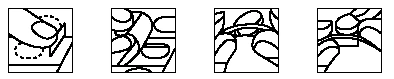
Figure 1 Figure 2 Figure 3 Figure 4
If you take more KESTINE than you should
In studies conducted with high doses, up to 100 mg administered once daily, no clinically significant signs or symptoms were observed.
There is no specific antidote for ebastine. Gastric lavage, monitoring of vital functions—including ECG (electrocardiogram)—and symptomatic treatment may be required.
If you take an excessive dose of this medicine, contact your doctor immediately or go to the nearest hospital.
If you forget to take KESTINE
Do not take a double dose to make up for the missed dose.
If you have any doubts about how to use this medicine, consult your doctor or pharmacist.
4. POSSIBLE ADVERSE REACTIONS
Like all medicines, this medicine can cause adverse reactions, although not everybody will experience them.
The following adverse reactions may occur with the use of KESTINE:
Very common adverse reactions (may affect more than 1 in 10 people)
- Headache.
Common adverse reactions (may affect up to 1 in 10 people)
- Drowsiness.
- Dry mouth.
Rare adverse reactions (may affect up to 1 in 1,000 people)
- Hypersensitivity reactions (such as anaphylaxis and angioedema).
- Nervousness, insomnia.
- Dizziness, dysaesthesia (sensory disturbance), hypoesthesia (reduced sensitivity), taste disturbance (dysgeusia).
- Palpitations, tachycardia (increased heart rate).
- Vomiting, abdominal pain, nausea, digestive problems.
- Liver problems, abnormalities in liver function tests (increased transaminases, gamma-GT, alkaline phosphatase and bilirubin).
- Urticaria (skin condition), rash (sudden reddening of the skin), dermatitis (skin inflammation).
- Menstrual disorders.
- Edema (fluid retention), asthenia (weakness, lack of strength).
Reporting of adverse reactions
If you experience any adverse reaction, including those not listed in this leaflet, talk to your doctor or pharmacist.
You can also report adverse reactions directly via the national reporting system at the website
http://www.agenziafarmaco.gov.it/it/responsabili.
By reporting adverse reactions, you can help provide more information on the safety of this medicine.
5. HOW TO STORE KESTINE
Keep this medicine out of the sight and reach of children.
Do not use this medicine after the expiry date stated on the pack. The expiry date refers to the last day of that month and to the product in its original, unopened packaging, properly stored.
No special storage precautions are required.
Do not dispose of medicines via wastewater or household waste. Ask your pharmacist how to dispose of medicines you no longer use. This will help protect the environment.
6. PACKAGING CONTENTS AND OTHER INFORMATION
What KESTINE contains
Each oral lyophilisate tablet contains:
Active substance: Ebastine 10 mg.
Other components: Gelatin, mannitol, aspartame, peppermint flavouring.
Description of the appearance of KESTINE and packaging contents
Oral lyophilisate, white in colour and tablet-shaped.
Pack sizes of 10, 20, 30, 50 and 100 lyophilisate tablets of 10 mg, in blisters contained in a cardboard carton.
Not all pack sizes may be marketed.
Marketing Authorisation Holder
Almirall S.A
Ronda General Mitre, 151
08022 Barcelona
Spain
Manufacturer
- Industrias Farmacéuticas Almirall S.A. Ctra. Nal.II, Km 593; 08740 Sant Andreu de la Barca - Barcelona (SPAIN).
- Catalent UK Swindon Zydis Ltd, Frankland Road, Blagrove Swindon, Wiltshire, SN5 8RU, UK.
Package leaflet: information for the user
KESTINE 20 mg oral lyophilisate
Ebastine
Please read this leaflet carefully before taking this medicine because it contains important information for you.
- Keep this leaflet. You may need to read it again.
- If you have any questions, consult your doctor or pharmacist.
- This medicine has been prescribed for you only. Do not give it to other people, even if their symptoms are the same as yours, as it may be harmful.
- If you experience any adverse reaction, including those not listed in this leaflet, consult your doctor or pharmacist. See section 4.
Contents of this leaflet:
- What KESTINE is and what it is used for
- What you need to know before taking KESTINE
- How to take KESTINE
- Possible side effects
- How to store KESTINE
- Contents of the pack and other information
1. WHAT KESTINE IS AND WHAT IT IS USED FOR
KESTINE contains the active substance ebastine, an antihistamine for systemic use (with effects throughout the body).
Ebastine is indicated in adults and adolescents over 12 years of age for the symptomatic treatment of allergic rhinitis (inflammation of the nasal mucosa of allergic origin), seasonal or perennial, with or without associated allergic conjunctivitis.
2. WHAT YOU NEED TO KNOW BEFORE TAKING KESTINE
Do not take KESTINE
- If you are allergic to ebastine or to any of the other ingredients of this medicine (listed in section 6).
- If you have severe hepatic impairment (severely reduced liver function).
The use of KESTINE is contraindicated during pregnancy and breastfeeding (see "Pregnancy,
breastfeeding and fertility").
Do not administer KESTINE to children under 12 years of age (see "Children and
adolescents").
Warnings and precautions
Talk to your doctor or pharmacist before taking KESTINE.
Use KESTINE with caution if:
- You have a condition that could increase the risk of heart problems, such as long QT syndrome (a disorder affecting the heart's electrical activity that may lead to irregular heartbeats) or hypokalaemia (low potassium levels in the blood).
- You are taking medicines known to prolong the QT interval.
- You are taking antifungal azole medications such as ketoconazole and itraconazole, or macrolide antibiotics such as erythromycin (see "Other medicines and KESTINE").
- You are taking anti-tuberculosis medicines such as rifampicin (see "Other medicines and KESTINE").
- You have renal impairment (reduced kidney function).
- You have mild or moderate hepatic impairment (reduced liver function) (see section 3 "How to take KESTINE").
Children and adolescents
The use of KESTINE is not recommended in children under 12 years of age (see "Do not take
KESTINE").
Other medicines and KESTINE
Tell your doctor or pharmacist if you are taking, have recently taken, or might take any other medicines.
Use KESTINE with caution when taken together with:
- Ketoconazole (an antifungal medicine) or erythromycin (an antibiotic), both known to prolong the QT interval. This combination may increase ebastine blood levels and cause a greater QT interval prolongation than with ketoconazole or erythromycin alone (see "Warnings and precautions").
- Rifampicin (an anti-tuberculosis medicine). This combination may lead to lower blood concentrations of KESTINE and thus reduce its effectiveness.
KESTINE with food and alcohol
Taking ebastine with food does not interfere with its clinical effect.
No interactions between ebastine and alcohol have been reported.
Pregnancy and breastfeeding
Inform your doctor or pharmacist if you are taking, have recently taken, or might take any other medicines.
Pregnancy
Do not take KESTINE during pregnancy (see "Do not take KESTINE"). Limited data are available on the use of ebastine in pregnant women.
Breastfeeding
It is not known whether ebastine is excreted in human milk.
Do not take KESTINE during breastfeeding (see "Do not take KESTINE").
Driving and using machines
Ebastine, at the recommended doses, has not produced negative effects on driving or operating machinery. Nevertheless, assess your individual response to ebastine before performing complex tasks, as drowsiness and dizziness may occur (see section 4 "Possible side effects").
KESTINE 20 mg oral lyophilisate contains a source of phenylalanine (aspartame). It may be harmful if you have phenylketonuria (an amino acid metabolism disorder).
3. HOW TO TAKE KESTINE
Take this medicine exactly as directed by your doctor or pharmacist.
If you have any doubts, consult your doctor or pharmacist.
Adults and children over 12 years of age
Allergic rhinitis
The recommended dose is 20 mg taken orally once daily, following exactly the instructions below.
In patients with milder symptoms, a once-daily dose of 10 mg is recommended.
Take KESTINE during or apart from meals.
Mild or moderate hepatic impairment
Do not exceed a daily dose of 10 mg (see “Warnings and precautions”).
INSTRUCTIONS FOR USE
- Remove the oral lyophilisate from its blister only when ready to take it.
- Do not press on the oral lyophilisate to remove it from the blister. Open the blister with dry hands immediately before use, carefully lifting the unsealed edge of one of the blisters (Figure 1).
- Peel off and remove the foil (Figure 2).
- Gently push the oral lyophilisate out from underneath without touching it (Figure 3).
- Carefully take the oral lyophilisate (Figure 4).
- Take the oral lyophilisate immediately after opening the blister. Place the medicine on the tongue, where it will dissolve rapidly, then swallow with saliva. Do not drink water or other liquids.
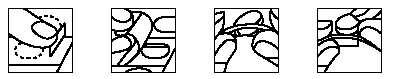
Figure 1 Figure 2 Figure 3 Figure 4
If you take more KESTINE than you should
In studies using high doses, up to 100 mg administered once daily, no clinically significant signs or symptoms have been observed.
There is no specific antidote for ebastine. Gastric lavage, monitoring of vital functions—including an ECG (electrocardiogram)—and symptomatic treatment may be required.
If you take more than the prescribed amount of this medicine, contact your doctor immediately or go to the nearest hospital.
If you forget to take KESTINE
Do not take a double dose to make up for the missed dose.
If you have any questions about the use of this medicine, consult your doctor or pharmacist.
4. POSSIBLE ADVERSE REACTIONS
Like all medicines, this medicine can cause adverse reactions, although not everyone experiences them.
The following adverse reactions may occur with the use of KESTINE:
Very common adverse reactions (may affect more than 1 in 10 people)
- Headache.
Common adverse reactions (may affect up to 1 in 10 people)
- Somnolence.
- Dry mouth.
Rare adverse reactions (may affect up to 1 in 1,000 people)
- Hypersensitivity reactions (such as anaphylaxis and angioedema).
- Nervousness, insomnia.
- Dizziness, dysaesthesia (sensory disturbance), hypoesthesia (reduced sensitivity), taste disturbances (dysgeusia).
- Palpitations, tachycardia (increased heart rate).
- Vomiting, abdominal pain, nausea, digestive problems.
- Liver problems, abnormalities in liver function tests (increased transaminases, gamma-GT, alkaline phosphatase and bilirubin).
- Urticaria (skin condition), rash (sudden reddening of the skin), dermatitis (skin inflammation).
- Menstrual disorders.
- Edema (fluid retention), asthenia (weakness, lack of strength).
Reporting of adverse reactions
If you experience any adverse reaction, including those not listed in this leaflet, consult your doctor or pharmacist. You may also report adverse reactions directly through the national reporting system at the website
http://www.agenziafarmaco.gov.it/it/responsabili.
By reporting adverse reactions, you can help provide more information on the safety of this medicine.
5. HOW TO STORE KESTINE
Keep this medicine out of the sight and reach of children.
Do not use this medicine after the expiry date stated on the packaging. The expiry date refers to
the last day of that month and applies to the product in its original, unopened packaging,
correctly stored.
No special storage precautions are required.
Do not dispose of any medicine via wastewater or household waste. Ask your pharmacist how to
dispose of medicines no longer required. This will help protect the environment.
6. PACK CONTENTS AND OTHER INFORMATION
What KESTINE contains
Each oral lyophilisate tablet contains:
Active substance: Ebastine 20 mg.
Other components: Gelatin, mannitol (E421), aspartame (E951), peppermint flavour.
Description of the appearance of KESTINE and pack contents
Oral lyophilisate, white tablet-shaped lyophilised tablets.
Pack sizes of 10, 20, 30, 50 and 100 lyophilised 20 mg tablets in blister packs contained in a cardboard carton.
Not all pack sizes may be marketed.
Marketing Authorisation Holder
Almirall S.A
Ronda General Mitre, 151
08022 Barcelona
Spain
Manufacturer
- Industrias Farmacéuticas Almirall S.A. Ctra. Nal.II, Km 593; 08740 Sant Andreu de la Barca - Barcelona (SPAIN).
- Catalent UK Swindon Zydis Ltd, Frankland Road, Blagrove Swindon, Wiltshire, SN5 8RU, UK.
Package leaflet: information for the user
KESTINE 1 mg/ml syrup
Ebastine
Please read this leaflet carefully before taking this medicine because it contains
important information for you.
- Keep this leaflet. You may need to read it again.
- If you have any questions, ask your doctor or pharmacist.
- This medicine has been prescribed for you only. Do not give it to others, even if their symptoms are the same as yours, as it may be harmful.
- If you experience any side effects, including those not listed in this leaflet, contact your doctor or pharmacist. See section 4.
Contents of this leaflet:
- What KESTINE is and what it is used for
- What you need to know before taking KESTINE
- How to take KESTINE
- Possible side effects
- How to store KESTINE
- Contents of the pack and other information
1. WHAT KESTINE IS AND WHAT IT IS USED FOR
KESTINE contains the active substance ebastine, an antihistamine for systemic use (with effects throughout the body).
Ebastine is indicated in adults and children over 6 years of age for the symptomatic treatment of:
- Allergic rhinitis (inflammation of the nasal mucosa of allergic origin), seasonal or perennial, with or without accompanying allergic conjunctivitis.
- Urticaria (a skin condition).
2. WHAT YOU NEED TO KNOW BEFORE TAKING KESTINE
Do not take KESTINE
- If you are allergic to ebastine or to any of the other ingredients of this medicine (listed in section 6).
- In case of severe hepatic insufficiency (severely reduced liver function).
The use of KESTINE is contraindicated during pregnancy and breastfeeding (see "Pregnancy,
breastfeeding and fertility").
Do not administer KESTINE to children under 6 years of age (see "Children and
adolescents").
Warnings and precautions
Talk to your doctor or pharmacist before taking KESTINE.
Exercise caution when using KESTINE if:
- You have a condition that could increase the risk of heart problems, such as long QT syndrome (a disorder affecting the heart's electrical activity which may lead to irregular heartbeats) or hypokalaemia (low potassium levels in the blood).
- You are taking medicines that are known to increase the QT interval.
- You are taking antifungal azole medications, such as ketoconazole and itraconazole, or macrolide antibiotics, such as erythromycin (see "Other medicines and KESTINE").
- You are taking anti-tuberculosis medicines such as rifampicin (see "Other medicines and KESTINE").
- You suffer from renal impairment (reduced kidney function).
- You suffer from mild or moderate hepatic insufficiency (reduced liver function) (see section 3 "How to take KESTINE").
Children and adolescents
The use of KESTINE is not recommended in children under 6 years of age (see "Do not take
KESTINE").
Other medicines and KESTINE
Inform your doctor or pharmacist if you are taking, have recently taken, or might take any other
medicines.
Take KESTINE with caution when used in combination with:
- Ketoconazole (an antifungal medicine) or erythromycin (an antibiotic), both known to prolong the QT interval. This combination may increase ebastine blood levels and cause greater QT interval prolongation than with ketoconazole or erythromycin alone (see "Warnings and precautions").
- Rifampicin (an anti-tuberculosis medicine). This combination may lead to lower blood concentrations of KESTINE and therefore reduce its effectiveness.
KESTINE with food and alcohol
Taking ebastine with food does not interfere with its clinical effect.
No interactions between ebastine and alcohol have been reported.
Pregnancy and breastfeeding
Inform your doctor or pharmacist if you are taking, have recently taken, or might take any other
medicines.
Pregnancy
Do not take KESTINE during pregnancy (see "Do not take KESTINE"). Limited data are available on the use of ebastine in pregnant women.
Breastfeeding
It is not known whether ebastine is excreted in human milk.
Do not take KESTINE during breastfeeding (see "Do not take KESTINE").
Driving and using machines
Ebastine, at the recommended doses, has not produced negative effects on driving or operating
machinery. Nevertheless, assess your response to ebastine before performing complex tasks, as drowsiness and dizziness may occur (see section 4 "Possible side effects").
KESTINE 1 mg/ml syrup contains liquid sorbitol. If your doctor has diagnosed you with an intolerance to certain sugars, consult him/her before taking this medicine.
KESTINE 1 mg/ml syrup contains hydrogenated polyoxyl 40 castor oil. It may cause gastrointestinal disturbances and diarrhoea.
KESTINE 1 mg/ml syrup contains sodium propyl p-hydroxybenzoate and sodium methyl p-
hydroxybenzoate. These may cause allergic reactions (including delayed reactions) and, rarely, bronchospasm (a breathing problem).
3. HOW TO TAKE KESTINE
Take this medicine exactly as directed by your doctor or pharmacist.
If you have any doubts, consult your doctor or pharmacist.
Adults and children over 12 years of age
Allergic rhinitis
The recommended dose is 10 mg (10 ml) taken orally once daily.
In patients with more severe symptoms, including perennial allergic rhinitis, a single daily dose of 20 mg
once daily may provide greater benefit.
Urticaria
The recommended dose is 10 mg (10 ml) taken orally once daily.
Mild or moderate hepatic impairment
Do not exceed a daily dose of 10 mg (10 ml) (see “Warnings and precautions”).
Children aged 6 to 11 years
The recommended dose is 5 mg (5 ml) taken orally once daily.
Method of administration
Insert the syringe dosing device into the bottle and draw up the solution to the indicated dose.
Take the syrup orally, either directly or mixed with water, with or without food.
If you take more KESTINE than you should
In studies using high doses, up to 100 mg administered once daily, no clinically significant signs or symptoms were observed.
There is no specific antidote for ebastine. Gastric lavage, monitoring of vital functions—including ECG (electrocardiogram)—and symptomatic treatment may be necessary.
If you have taken an excessive amount of this medicine, contact your doctor immediately or go to the nearest hospital.
If you forget to take KESTINE
Do not take a double dose to make up for the missed dose.
If you have any questions about the use of this medicine, consult your doctor or pharmacist.
4. POSSIBLE ADVERSE REACTIONS
Like all medicines, this medicine can cause adverse reactions, although not everybody experiences them.
The following adverse reactions may occur with the use of KESTINE:
Very common adverse reactions (may affect more than 1 in 10 people)
- Headache.
Common adverse reactions (may affect up to 1 in 10 people)
- Drowsiness.
- Dry mouth.
Rare adverse reactions (may affect up to 1 in 1,000 people)
- Hypersensitivity reactions (such as anaphylaxis and angioedema).
- Nervousness, insomnia.
- Dizziness, dysaesthesia (sensory disturbance), hypoesthesia (reduced sensation), altered taste (dysgeusia).
- Palpitations, tachycardia (increased heart rate).
- Vomiting, abdominal pain, nausea, digestive problems.
- Liver problems, abnormalities in liver function tests (increased transaminases, gamma-GT, alkaline phosphatase and bilirubin).
- Urticaria (skin condition), rash (sudden reddening of the skin), dermatitis (skin inflammation).
- Menstrual disorders.
- Edema (fluid retention), asthenia (weakness, lack of strength).
Reporting of adverse reactions
If you experience any adverse reaction, including those not listed in this leaflet, please contact your doctor or pharmacist. You can also report adverse reactions directly via the national reporting system at the website
http://www.agenziafarmaco.gov.it/it/responsabili.
By reporting adverse reactions, you can help provide more information on the safety of this medicine.
5. HOW TO STORE KESTINE
Keep this medicine out of the sight and reach of children.
Do not use this medicine after the expiry date stated on the packaging. The expiry date refers to the last day of that month and to the product in its original sealed packaging, properly stored.
Do not use more than 30 days after the first opening.
Store the product in its original packaging to protect it from light.
Do not dispose of any medicine via wastewater or household waste. Ask your pharmacist how to dispose of medicines you no longer use. This will help protect the environment.
6. CONTENTS OF THE PACKAGE AND OTHER INFORMATION
What KESTINE contains
1 ml of syrup contains:
Active substance: Ebastine 1 mg
Other components: Lactic acid (E270), Polyoxyl 40 hydrogenated castor oil, Neohesperidin
dihydrochalcone (E 959), Anethole, Sodium methyl p-hydroxybenzoate (E219) and Sodium propyl p-
hydroxybenzoate (E217), Glycerol (E422), Liquid sorbitol (E420), Purified water.
Description of the appearance of KESTINE and contents of the pack
Syrup, colourless liquid.
120 ml bottle of syrup with a 5 ml oral dosing syringe.
Marketing Authorization Holder
Almirall S.A
Ronda General Mitre, 151
08022 Barcelona
Spain
Manufacturer
Industrias Farmacéuticas Almirall S.A., Carretera Nacional II, km. 593, 08740 Sant Andreu de la Barca
(SPAIN).