Jayempi
ItalyTable of Contents
- Package leaflet: Information for the user
- Jayempi 10 mg/mL oral suspension
- 1. What Jayempi is and what it is used for
- 2. What you need to know before taking Jayempi
- 3. How to take Jayempi
- 4. Possible side effects
- 5. How to store Jayempi
- 6. Package contents and other information
- The following information is intended exclusively for healthcare professionals:
Package leaflet: Information for the user
Jayempi 10 mg/mL oral suspension
azathioprine
Read this entire leaflet carefully before taking this medicine because it contains important information for you.
- Keep this leaflet. You may need to read it again.
- If you have any questions, ask your doctor, pharmacist, or nurse.
- This medicine has been prescribed for you only. Do not pass it on to other people, even if their symptoms are the same as yours, as it may be harmful.
- If you experience any side effects, including those not listed in this leaflet, tell your doctor, pharmacist, or nurse. See section 4.
Contents of this leaflet
- What Jayempi is and what it is used for
- What you need to know before taking Jayempi
- How to take Jayempi
- Possible side effects
- How to store Jayempi
- Contents of the pack and other information
1. What Jayempi is and what it is used for
Jayempi 10 mg/mL oral suspension contains the active substance azathioprine. It belongs to a group
of medicines called immunosuppressants.
These medicines reduce the activity of the immune system (the body's defences).
Jayempi is used for:
- preventing the body from rejecting an organ transplant. For this purpose, Jayempi is usually used in combination with other immunosuppressants;
- treating certain chronic diseases in which the immune system reacts against the body. Jayempi is generally used in combination with steroids or other anti-inflammatory medicines. These diseases include:
- severe rheumatoid arthritis or chronic polyarthritis (chronic, long-term inflammation of several joints) that cannot be controlled with other medicines;
- chronic inflammatory bowel diseases (intestinal disorders such as Crohn’s disease and ulcerative colitis);
- chronic hepatitis (autoimmune hepatitis), a liver disease;
- systemic lupus erythematosus (a disease in which the immune system attacks various organs);
- dermatomyositis (worsening of muscle inflammation associated with skin rash);
- polyarteritis nodosa (inflammation of blood vessels);
- pemphigus vulgaris and bullous pemphigoid (diseases characterized by blistering skin rash);
- Behçet’s disease (recurrent inflammation, mainly affecting the eyes and oral and genital mucous membranes);
- refractory autoimmune haemolytic anaemia (a blood disorder characterized by destruction of red blood cells);
- chronic refractory idiopathic thrombocytopenic purpura (bleeding under the skin due to platelet damage and reduced platelet count);
- treating relapsing multiple sclerosis;
- treating generalized myasthenia gravis (a disease affecting the nerves and causing muscle weakness). In some cases, at the beginning of treatment, Jayempi is administered together with a steroid.
2. What you need to know before taking Jayempi
Do not take Jayempi
- if you are allergic to azathioprine, to another medicine called mercaptopurine, or to any of the other ingredients of this medicine (listed in section 6);
- if you are breastfeeding;
- if you have recently received a vaccination containing a live vaccine such as those against tuberculosis (BCG), varicella, MMR (measles-mumps-rubella), or yellow fever.
Warnings and precautions
Talk to your doctor, pharmacist, or nurse before taking Jayempi:
- if you have a severe infection;
- if you have severe liver disease;
- if you have a bone marrow or pancreatic disorder;
- if you have a condition known as Lesch-Nyhan syndrome (an inherited deficiency of the enzyme hypoxanthine-guanine phosphoribosyltransferase);
- if you have a condition in which your body produces insufficient amounts of an enzyme called thiopurine methyltransferase (TPMT) or NUDT15 (Nudix hydrolase 15);
- if you are taking medicines such as mesalazine, olsalazine, or sulfasalazine (used to treat inflammatory bowel disease);
- if you are taking medicines that affect bone marrow function (for blood cell production), such as penicillamine or cytotoxic medicines.
If during treatment you notice unexplained bruising or bleeding, or have signs of infection, contact your doctor immediately.
Infections
Treatment with Jayempi increases the risk of infections, and existing infections may become more severe (see also section 4).
You must avoid any contact with people who have chickenpox or shingles, as chickenpox (caused by the varicella zoster virus, VZV) can have serious consequences while taking Jayempi.
Inform your doctor if you come into contact with anyone who has chickenpox or shingles.
Your doctor will decide whether you need antiviral treatment and whether to stop treatment with Jayempi.
Blood tests
During the first 8 weeks of treatment, you must have a blood test at least once a week to monitor your blood cell counts. More frequent blood tests may be needed if:
- you are taking high doses of Jayempi;
- you are elderly;
- you have kidney or liver problems.
After 8 weeks, a full blood count should be checked once a month or at least every 3 months.
TPMT and NUDT15 gene variants
If you have inherited variants of the TPMT and/or NUDT15 genes (genes involved in the breakdown of azathioprine in the body), you have a higher risk of infections and hair loss; therefore, your doctor may prescribe a lower dose.
Your doctor may also ask you to have a test to check your body’s ability to break down the medicine. After these tests, your doctor may adjust your dose.
Vitamin B3 deficiency (pellagra)
Inform your doctor immediately if you experience diarrhea, pigmented skin rash, memory problems, difficulty thinking, or other cognitive changes, as these symptoms may indicate vitamin B3 deficiency (nicotinic acid deficiency/pellagra).
Liver damage
Treatment with Jayempi may affect the liver, and your doctor will regularly monitor your liver function. Inform your doctor if you develop symptoms of liver damage (see section 4 “Possible side effects”).
Taking Jayempi may increase the risk of:
- developing a serious condition called macrophage activation syndrome (excessive activation of white blood cells associated with inflammation), which usually occurs in people with certain types of arthritis;
- developing tumors, especially if you are receiving high-dose or long-term immunosuppressive therapy;
- developing skin cancer due to sun exposure. Therefore, you should avoid unnecessary exposure to sunlight and UV rays, wear protective clothing, and use sunscreen (minimum sun protection factor (SPF) 30);
- lymphoproliferative disorders (conditions in which the body produces white blood cells called lymphocytes uncontrollably). In treatments involving multiple immunosuppressants (including thiopurines such as azathioprine), this disorder can be fatal;
- viral infections of the lymphatic system (Epstein-Barr virus-related lymphoproliferative disorders), especially when multiple immunosuppressants are administered simultaneously.
Other medicines and Jayempi
Tell your doctor or pharmacist if you are taking, have recently taken, or might take any other medicines. This is because Jayempi may affect how some medicines work. In addition, some medicines may affect how Jayempi works:
- ribavirin, used to treat viral infections
- allopurinol, oxypurinol, or thiopurinol, or other xanthine oxidase inhibitors such as febuxostat (used mainly to treat gout)
- mesalazine, olsalazine, and sulfasalazine (treatments for chronic inflammatory bowel diseases such as Crohn’s disease)
- anticoagulants such as warfarin
- ACE inhibitors (such as enalapril, lisinopril, perindopril, and ramipril, used to treat high blood pressure or heart failure)
- trimethoprim with sulfamethoxazole (antibiotic)
- cimetidine (treatment for gastrointestinal ulcers)
- indometacin (treatment for rheumatoid arthritis)
- penicillamine (mainly used to treat rheumatoid arthritis)
- cytotoxic medicines (for cancer treatment, such as methotrexate)
- vaccinations with live vaccines during treatment with Jayempi can be harmful and must be avoided
- atracurium or suxamethonium chloride used as muscle relaxants during surgery
- infliximab (used to treat inflammatory conditions such as rheumatoid arthritis, ulcerative colitis, Crohn’s disease, and psoriasis)
Before undergoing surgery, inform your doctor that you are taking azathioprine, as muscle relaxants used during anesthesia may interact with azathioprine.
Pregnancy, breastfeeding, and fertility
If you are pregnant, think you may be pregnant, planning to become pregnant, or breastfeeding, consult your doctor or pharmacist before taking this medicine.
Women taking Jayempi or female partners of men taking Jayempi must not become pregnant during treatment and for 6 months afterwards. Both men and women taking Jayempi must use effective contraception during treatment and for 6 months after stopping. Intrauterine devices are not suitable for contraception in women taking Jayempi (or in women whose male partners take Jayempi).
If you are planning a pregnancy, consult your doctor.
If you are pregnant, take Jayempi only if your doctor tells you to do so. If you are pregnant or suspect you are pregnant, you must inform your doctor immediately.
Inform your doctor immediately if you experience severe itching without a skin rash during pregnancy. You may also experience nausea and loss of appetite along with itching, which may indicate a condition called cholestasis of pregnancy (a liver disorder during pregnancy). This condition may harm the unborn child.
In newborns of mothers who took azathioprine during pregnancy, changes in blood counts may occur. Regular blood count monitoring is recommended during pregnancy.
Do not breastfeed during treatment with Jayempi. This is because small amounts may pass into breast milk.
Driving and using machines
Do not drive or operate machinery if you experience or feel dizzy while taking this medicine.
Jayempi contains sodium benzoate (E211)
This medicine contains 1.5 mg of sodium benzoate (E211) per mL. Sodium benzoate may increase jaundice (yellowing of the skin and eyes) in newborns (up to 4 weeks of age).
Jayempi contains sodium
This medicine contains less than 1 mmol of sodium (23 mg) per dose, i.e., essentially “sodium-free”.
3. How to take Jayempi
Take this medicine exactly as prescribed by your doctor or pharmacist. If you
have any doubts, consult your doctor or pharmacist.
Dosage
The dose of Jayempi depends on your body weight, the condition being treated, how well it is controlled,
and your overall health. Your doctor will determine the correct dose for you and may adjust it during
treatment. Your doctor will inform you how long you should continue taking the medicine.
To prevent organ rejection after transplantation, the usual initial dose is 5 mg per kg of body weight
per day; after several weeks or months, the dose is then reduced to 1–4 mg per kg of body weight per day.
For other conditions, the dose is usually between 1 and 3 mg per kg of body weight per day.
Liver/kidney disease
If you have kidney or liver disease, your dose may be reduced.
Use in children
The dose for children and adolescents is the same as for adults.
The safety and efficacy of azathioprine in children have not yet been established for the treatment of
chronic joint inflammation (juvenile idiopathic arthritis) and multiple sclerosis. Therefore, in children,
the use of Jayempi for these conditions is not recommended.
Use in elderly patients
A reduced dose may be necessary.
Jayempi with food and drinks
Jayempi should be taken at least one hour before or two hours after meals or milk consumption. If you
have any doubts, consult your doctor or pharmacist.
You should drink some water after each dose of Jayempi. This helps ensure that the entire dose of the
medicine enters the digestive system.
Handling
The package contains one 200 mL medicine vial, a cap, a vial adapter, and two dosing syringes (one 3 mL syringe and one 10 mL syringe). Always use the syringes provided to take the medicine.
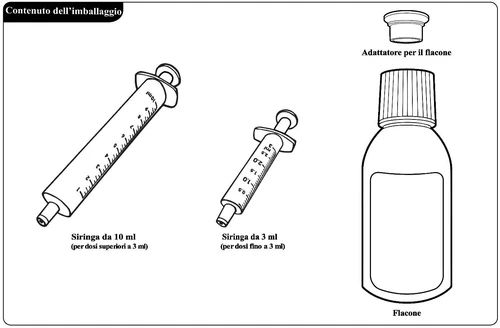
- The smaller oral dosing syringe, 3 mL, is marked from 0.5 mL to 3 mL with minor graduations every 0.1 mL. It is used to measure doses up to 30 mg, in 1 mg (0.1 mL) increments. For example:
- if the prescribed dose is 14 mg, use the 3 mL syringe and draw up a volume of 1.4 mL;
- if the prescribed dose is 26 mg, use the 3 mL syringe and draw up a volume of 2.6 mL.
- The larger oral dosing syringe, 10 mL, is marked from 1 mL to 10 mL with minor graduations every 0.25 mL. It is used to measure doses above 30 mg, in 2.5 mg (0.25 mL) increments. For example:
- if the prescribed dose is 32 mg, use the 10 mL syringe and draw up a volume of 3.25 mL;
- if the prescribed dose is 54 mg, use the 10 mL syringe and draw up a volume of 5.5 mL;
- if the prescribed dose is 140 mg, use the 10 mL syringe twice to draw up a dose of 10.0 mL followed by another 4.0 mL (14 mL in total).
It is important to use the correct dosing syringe for administering the medicine. Your doctor or
pharmacist will advise you which syringe to use based on the prescribed dose.
When taking the medicine or administering it to a child or another person, wash your hands before and
after. Clean up any spills immediately. To reduce the risk of contact with the medicine, wear disposable
gloves when handling Jayempi.
If Jayempi comes into accidental contact with the skin, eyes, or nose, immediately and thoroughly wash
the affected area with soap and water.
Follow the instructions below when using the medicine:
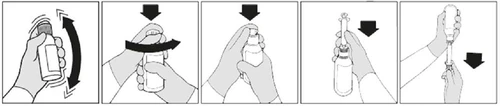
Figure 1 Figure 2 Figure 3 Figure 4 Figure 5
- Put on disposable gloves before handling Jayempi.
- Shake the vial well to thoroughly mix the medicine (Figure 1).
- Remove the vial cap (Figure 2), place the adapter firmly into the vial opening, and leave it in place for subsequent doses (Figure 3).
- Insert the tip of the dosing syringe into the adapter’s opening (Figure 4). Your doctor or pharmacist will tell you which syringe to use.
- Invert the vial (Figure 5).
- Pull back the syringe plunger to draw the medicine from the vial into the syringe. Pull the plunger until the mark corresponding to the prescribed dose is reached (Figure 5). If you are unsure about the amount of medicine to draw into the syringe, always consult your doctor or nurse.
- Return the vial to an upright position and carefully remove the syringe from the adapter, holding it by the barrel rather than the plunger.
- Gently place the tip of the syringe into the mouth and inside the cheek.
- Slowly and gently push the plunger to gradually release the medicine into the cheek area and swallow it. DO NOT push the plunger forcefully or spray the medicine to the back of the mouth or throat, as it may cause choking.
- Remove the syringe from the mouth.
- Swallow the oral suspension dose and drink some water, ensuring no medicine remains in the mouth.
- Replace the cap on the vial, leaving the adapter in place. Make sure the cap is tightly closed.
- Wash the syringe with cold or warm tap water and rinse thoroughly. Hold the syringe under running water and move the plunger up and down several times to ensure the inside is clean. Allow the syringe to dry completely before using it again for the next dose. Store the syringe in a clean place with the medicine.
Repeat the above steps for each dose, according to the instructions provided by your doctor or
pharmacist.
If you take more Jayempi than you should
If you take more Jayempi than prescribed, contact your doctor or go to hospital immediately.
Bring the medicine packaging with you.
The most likely effect of an overdose is bone marrow suppression, which peaks 9–14 days after ingestion.
Bone marrow suppression reduces blood cell counts and, in severe cases, can lead to dangerous
infections and other serious effects. Some symptoms of bone marrow suppression include fatigue,
mouth and throat ulcers, fever and infections, and unexplained bruising and bleeding.
If you forget to take Jayempi
Do not take a double dose to make up for a missed dose. Take the next dose as scheduled.
If you have missed more than one dose, consult your doctor.
If you stop treatment with Jayempi
Treatment with Jayempi must always be carried out under close medical supervision. Consult your
doctor if you intend to discontinue or stop treatment.
If you have any questions about the use of this medicine, consult your doctor, pharmacist, or
nurse.
4. Possible side effects
Like all medicines, this medicine can cause side effects, although not everyone gets them.
If you experience any of the serious side effects listed below, stop taking Jayempi and contact your doctor
or go to hospital immediately:
- allergic reaction, signs of which may include: general fatigue, dizziness, feeling unwell (nausea), discomfort (vomiting) or diarrhoea, high temperature (fever), tremors or chills, skin redness, skin nodules or rash, muscle or joint pain, change in urine colour (kidney problems), chest pain, shortness of breath or leg swelling (heart problems), confusion, mental disorientation or weakness (caused by low blood pressure).
- blood and bone marrow problems; symptoms include weakness, fatigue, paleness, tendency to bruise easily, unusual bleeding or infections (these are very common side effects that may affect more than 1 in 10 people).
- reversible swelling of the brain with symptoms including severe headache, vision changes, seizures, confusion and reduced consciousness, with or without high blood pressure (posterior reversible encephalopathy syndrome or PRES).
If you experience any of the following side effects, contact your doctor or go to hospital
immediately:
- you have a fever or notice signs of infection such as headache and body aches, cough or difficulty breathing (similar to a chest infection);
- you come into contact with someone who has chickenpox or shingles;
- you notice any of the following reactions: black (tarry) stools, blood in the stools, abdominal pain or yellowing of the skin and whites of the eyes;
- you notice easy bruising or unusual bleeding;
- you feel extremely tired;
- you notice nodules anywhere on your body;
- you notice any skin changes, for example blisters or peeling;
- you experience a sudden worsening of your general health.
Other side effects include:
Very common (may affect more than 1 in 10 people)
- low white blood cell count in blood tests (leucopenia), which may lead to infection
- infections in transplant patients taking Jayempi in combination with other immunosuppressants
Common (may affect up to 1 in 10 people)
- low platelet count in the blood (thrombocytopenia), which may cause easy bruising or bleeding
- nausea, occasionally accompanied by vomiting
Uncommon (may affect up to 1 in 100 people)
- low red blood cell count (anaemia), which may cause fatigue, headache, shortness of breath during physical activity, dizziness and paleness
- inflammation of the pancreas, especially in transplant patients and patients with inflammatory bowel disease
- infections in patients not taking other immunosuppressants in combination with azathioprine
- hypersensitivity reactions. In very rare cases, fatal hypersensitivity reactions have occurred
- liver problems, which may cause pale stools, dark urine, itching and yellowing of the skin and eyes
- biliary obstruction
- worsening of liver function test results
Liver damage and biliary obstruction are dose-dependent and usually resolve after discontinuation of treatment.
Rare (may affect up to 1 in 1,000 people)
- various types of tumours, including blood, lymph node and skin cancers (malignant disorders of the blood system such as acute myeloid leukaemia and myelodysplasias, typical of immune system suppression)
- reduction in the number of certain white or red blood cells (agranulocytosis, aplastic anaemia, erythroid hypoplasia), reduction in all blood cells (pancytopenia), increased presence in the blood of abnormally large, immature red blood cells (megaloblastic anaemia) and small red blood cells
- Although blood count changes usually occur early in treatment, they may also appear later during therapy. Therefore, regular blood count monitoring is recommended throughout long-term treatment, even in patients who remain stable
- severe liver damage which may be potentially life-threatening, particularly in patients on long-term treatment (e.g. liver damage, non-cirrhotic portal hypertension, portal-sinusoidal vascular disease). Inform your doctor if you experience any of the following symptoms: yellowing of the skin and whites of the eyes (jaundice), easy bruising, abdominal discomfort, loss of appetite, fatigue, nausea or vomiting. In some cases, stopping Jayempi treatment may improve symptoms
- hair loss. In many cases, this may improve even while continuing azathioprine. The relationship between hair loss and azathioprine use is not clear
Very rare (may affect up to 1 in 10,000 people)
- anaemia due to increased destruction of red blood cells (haemolytic anaemia)
- severe skin reactions with blistering and peeling of the skin, especially on the limbs, in the mouth, eyes and genital area, associated with poor general condition and fever (Stevens-Johnson syndrome, toxic epidermal necrolysis). Multiple reactions of probable allergic origin have been reported. Signs of such hypersensitivity reactions may include feeling unwell, dizziness, drowsiness, nausea (feeling of discomfort), vomiting, diarrhoea, fever, chills, rash, vasculitis, muscle and joint pain, low blood pressure, kidney and liver problems, and blockage of the bile duct (biliary obstruction). In very rare cases, fatal hypersensitivity reactions have been reported
- improvement of pneumonia after discontinuation of Jayempi treatment
- severe inflammatory diseases of the colon (colitis, diverticulitis) and intestinal perforation in transplant patients
- severe diarrhoea in patients with inflammatory bowel disease
- gastrointestinal disturbance causing diarrhoea, abdominal pain (stomach ache), constipation, nausea and vomiting
- a particular type of lymphoma (hepatosplenic T-cell lymphoma)
- a disease of the brain's white matter (PML), caused by the JC virus
If you have nausea with occasional vomiting, your doctor may advise you to take Jayempi after meals to reduce these symptoms. Inform your doctor if you experience severe diarrhoea or nausea and vomiting.
Not known (frequency cannot be estimated from the available data)
- Vitamin B3 deficiency (pellagra) associated with pigmented skin rash, diarrhoea, memory loss, impaired reasoning and cognitive changes
- you may develop a skin rash (red, pink or purple raised and painful nodules), particularly on arms, hands, fingers, face and neck, which may also be accompanied by fever (Sweet’s syndrome, also known as acute febrile neutrophilic dermatosis)
- sensitivity to sunlight which may cause skin discolouration or rash
- inflammation of a salivary gland (sialoadenitis)
- tremor
Reporting of side effects
If you experience any side effect, including those not listed in this leaflet, talk to your doctor, pharmacist or nurse. You can also report side effects directly via the national reporting system listed in Annex V. By reporting side effects, you can help provide more information on the safety of this medicine.
5. How to store Jayempi
- Keep this medicine out of the sight and reach of children.
- Do not use this medicine after the expiry date stated on the carton and bottle after "Exp.". The expiry date refers to the last day of that month.
- Do not store above 25 °C.
- Keep the bottle tightly closed to prevent degradation of the medicine and reduce the risk of accidental spillage.
- After first opening of the bottle, discard any unused contents after 12 weeks.
Do not dispose of medicines via wastewater or household waste. Ask your pharmacist how to dispose of medicines you no longer use. This will help protect the environment.
6. Package contents and other information
What Jayempi contains
The active substance is azathioprine. 1 mL of suspension contains 10 mg of azathioprine.
The other ingredients are sodium benzoate (E211), sucralose (E955), banana flavour, citric acid monohydrate, microcrystalline cellulose and sodium carboxymethylcellulose, xanthan gum and purified water. See section 2 “Jayempi contains sodium benzoate” and “Jayempi contains sodium”.
Description of the appearance of Jayempi and contents of the pack
Jayempi is a yellow, viscous oral suspension. It is supplied in 200 mL amber glass bottles with a child-resistant closure. Each pack contains one bottle, a bottle adapter and two dosing syringes (one 3 mL graduated syringe and one 10 mL graduated syringe).
Your doctor or pharmacist will advise you which syringe to use depending on the prescribed dose.
Marketing Authorisation Holder and Manufacturer
Lipomed GmbH
Hegenheimer Strasse 2
79576 Weil am Rhein
Germany
More detailed information on this medicinal product is available on the European Medicines Agency website: http://www.ema.europa.eu
The following information is intended exclusively for healthcare professionals:
To measure the dose in mL according to the prescribed dosage regimen, two oral syringes are included in the package: one of 3 mL and one of 10 mL. The oral syringes are graduated in increments of 0.1 mL (1 mg) and 0.25 mL (2.5 mg), respectively.
The following table shows, by age and weight ranges and corresponding doses, the conversion from dose (mg) to volume (mL) using the two oral syringes.
Table 1. Conversion from dose (mg) to volume (mL) using the two oral syringes
Dose†
Age Weight*
1 mg/kg 2 mg/kg 3 mg/kg 4 mg/kg 5 mg/kg
(Years) (Kg)
mg mL mg mL mg mL mg mL mg mL
0 3.3 3.3 0.3 6.6 0.7 9.9 1.0 13.2 1.3 16.5 1.7
1 month 4.5 4.5 0.5 9.0 0.9 13.5 1.4 18.0 1.8 22.5 2.3
2 months 5.6 5.6 0.6 11.2 1.1 16.8 1.7 22.4 2.2 28.0 2.8
3 months 6.4 6.4 0.6 12.8 1.3 19.2 1.9 25.6 2.6 32.0 3.25
4 months 7.0 7.0 0.7 14.0 1.4 21.0 2.1 28.0 2.8 35.0 3.50
5 months 7.5 7.5 0.8 15.0 1.5 22.5 2.3 30.0 3.0 37.5 3.75
6 months 7.9 7.9 0.8 15.8 1.6 23.7 2.4 31.6 3.25 39.5 4.00
1.0 9.6 9.6 1.0 19.2 1.9 28.8 2.9 38.4 3.75 48.0 4.75
1.5 10.9 10.9 1.1 21.8 2.2 32.7 3.25 43.6 4.25 54.5 5.50
2.0 12.2 12.2 1.2 24.4 2.4 36.6 3.75 48.8 5.00 61.0 6.00
3.0 14.3 14.3 1.4 28.6 2.9 42.9 4.25 57.2 5.75 71.5 7.25
4.0 16.3 16.3 1.6 32.6 3.25 48.9 5.00 65.2 6.50 81.5 8.25
5.0 18.3 18.3 1.8 36.6 3.75 54.9 5.50 73.2 7.25 91.5 9.25
6.0 20.5 20.5 2.1 41.0 4.00 61.5 6.25 82.0 8.25 102.5 10.25
7.0 22.9 22.9 2.3 45.8 4.50 68.7 7.00 91.6 9.25 114.5 11.50
8.0 25.4 25.4 2.5 50.8 5.00 76.2 7.50 101.6 10.25 127.0 12.75
9.0 28.1 28.1 2.8 56.2 5.50 84.3 8.50 112.4 11.25 140.5 14.00
10.0 31.2 31.2 3.0 62.4 6.25 93.6 9.25 124.8 12.50 156.0 15.50
12.0 38.2 38.2 3.75 76.4 7.75 114.6 11.50 152.8 15.25 191.0 19.00
15.0 55.5 55.5 5.50 111.0 11.00 166.5 16.75 222.0 22.25 277.5 27.75
18.0 67.0 67.0 6.75 134.0 13.50 201.0 20.00 268.0 26.75 335.0 33.50
*50th percentile for male children and adolescents extrapolated from WHO growth curves (0–10 years) and UK growth curves (11–18 years).
† Doses equal to or less than 30 mg should be drawn up using the 3 mL oral syringe with 0.1 mL graduations. Doses greater than 30 mg should be drawn up using the 10 mL oral syringe with 0.25 mL graduations (cells with grey background).
The healthcare professional must instruct the patient or caregiver which syringe to use to ensure correct volume administration.
ANNEX IV
SCIENTIFIC CONCLUSIONS AND REASONS FOR THE VARIATION OF THE TERMS OF THE MARKETING AUTHORISATION(S)
Scientific conclusions
Taking into account the evaluation by the Pharmacovigilance and Risk Assessment Committee (PRAC) of the Periodic Safety Update Report(s) (PSUR) for azathioprine, the scientific conclusions of the PRAC are as follows:
Cardiac dysfunction (within the context of hypersensitivity reactions)
Based on available data in the literature regarding cardiac dysfunction (within the context of hypersensitivity reactions), including seven cases with a close temporal relationship, positive response upon discontinuation (de-challenge) and/or upon re-exposure (re-challenge), and considering a plausible mechanism of action, the PRAC considers that a causal relationship between azathioprine and cardiac dysfunction (within the context of hypersensitivity reactions) constitutes at least a reasonable possibility. The PRAC concluded that the product information for medicinal products containing azathioprine should be amended accordingly.
Pregnancy-related cholestasis (intrahepatic cholestasis of pregnancy)
Based on available data in the literature and spontaneous reports regarding pregnancy-related cholestasis, including eight cases with a close temporal relationship and positive response upon discontinuation (de-challenge), and considering a plausible mechanism of action, the PRAC considers that a causal relationship between azathioprine and pregnancy-related cholestasis constitutes at least a reasonable possibility. The PRAC concluded that the product information for medicinal products containing azathioprine should be amended accordingly.
Pellagra/nicotinic acid deficiency
Based on available data in the literature regarding pellagra, including eight cases reported in the literature with a close temporal relationship and positive response upon discontinuation (de-challenge), and considering a plausible mechanism of action, the PRAC considers that a causal relationship between azathioprine and pellagra constitutes at least a reasonable possibility. The PRAC concluded that the product information for medicinal products containing azathioprine should be amended accordingly.
Posterior reversible encephalopathy syndrome (PRES)
Based on available data in the literature and spontaneous reports regarding posterior reversible encephalopathy syndrome, including several cases with a close temporal relationship and positive response upon discontinuation (de-challenge), and considering a plausible mechanism of action, the PRAC considers that a causal relationship between azathioprine and posterior reversible encephalopathy syndrome constitutes at least a reasonable possibility. The PRAC concluded that the product information for medicinal products containing azathioprine should be amended accordingly.
Sialadenitis
Based on available data in the literature regarding sialadenitis, including five cases with a close temporal relationship and positive response upon discontinuation (de-challenge) and/or upon re-exposure (re-challenge), the PRAC considers that a causal relationship between azathioprine and sialadenitis constitutes at least a reasonable possibility. The PRAC concluded that the product information for medicinal products containing azathioprine should be amended accordingly.
Tremor
Based on available data in the literature and spontaneous reports regarding tremor, including several cases with a close temporal relationship and positive response upon discontinuation (de-challenge) and/or upon re-exposure (re-challenge), the PRAC considers that a causal relationship between azathioprine and tremor constitutes at least a reasonable possibility. The PRAC concluded that the product information for medicinal products containing azathioprine should be amended accordingly.
Pharmacological interaction between azathioprine and allopurinol
Based on data from spontaneous reports regarding the interaction between azathioprine and allopurinol, the PRAC considers that existing wording needs to be revised. The PRAC concluded that the product information for medicinal products containing azathioprine should be amended accordingly.
Having reviewed the PRAC recommendation, the Committee for Human Medicinal Products (CHMP) agrees with the general conclusions and the rationale of the recommendation.
Reasons for the variation of the terms of the marketing authorisation(s)
Based on the scientific conclusions for azathioprine, the CHMP considers that the benefit-risk balance of the medicinal product(s) containing azathioprine remains favourable, subject to the proposed changes to the product information.
The CHMP recommends the variation of the terms of the marketing authorisation(s).