Isosorbide mononitrate EG
Italy
Table of Contents
- Patient Information Leaflet
- ISOSORBIDE MONONITRATE EG 20 mg Tablets, 40 mg Tablets
- 1. What ISOSORBIDE MONONITRATE EG is and what it is used for
- 2. What you need to know before taking ISOSORBIDE MONONITRATE EG
- 3. How to take ISOSORBIDE MONONITRATE EG
- 4. Possible side effects
- 5. How to store ISOSORBIDE MONONITRATE EG
- 6. Package contents and other information
- Package leaflet: Information for the patient
- ISOSORBIDE MONONITRATO EG 50 mg Prolonged-Release Hard Capsules
- 1. What ISOSORBIDE MONONITRATE EG is and what it is used for
- 2. What you need to know before taking ISOSORBIDE MONONITRATE EG
- 3. How to take ISOSORBIDE MONONITRATE EG
- 4. Possible side effects
- 5. How to store ISOSORBIDE MONONITRATE EG
- 6. Package contents and other information
- Patient Information Leaflet
- ISOSORBIDE MONONITRATE EG 60 mg prolonged-release tablets
- 1. What ISOSORBIDE MONONITRATE EG is and what it is used for
- 2. What you need to know before taking ISOSORBIDE MONONITRATE EG
- 3. How to take ISOSORBIDE MONONITRATE EG
- 4. Possible side effects
- 5. How to store ISOSORBIDE MONONITRATE EG
- 6. Package contents and other information
Patient Information Leaflet
ISOSORBIDE MONONITRATE EG 20 mg Tablets, 40 mg Tablets
Generic medicine
Please read this leaflet carefully before taking this medicine because it contains important information for you.
- Keep this leaflet. You may need to read it again.
- If you have any questions, ask your doctor or pharmacist.
- This medicine has been prescribed for you only. Do not give it to others, even if they have the same symptoms as yours, because it could be harmful.
- If you experience any adverse reactions, including those not listed in this leaflet, consult your doctor or pharmacist. See section 4.
Contents of this leaflet:
- What ISOSORBIDE MONONITRATE EG is and what it is used for
- What you need to know before taking ISOSORBIDE MONONITRATE EG
- How to take ISOSORBIDE MONONITRATE EG
- Possible side effects
- How to store ISOSORBIDE MONONITRATE EG
- Contents of the pack and other information
1. What ISOSORBIDE MONONITRATE EG is and what it is used for
ISOSORBIDE MONONITRATE EG contains the active substance isosorbide mononitrate, which belongs to a group of medicines called "organic nitrates". "Organic nitrates" are vasodilator medicines used in heart diseases that relax blood vessels, thereby improving blood flow to the heart.
ISOSORBIDE MONONITRATE EG is indicated
- for maintenance therapy in heart disease characterized by obstruction of the coronary arteries, the blood vessels supplying blood to the heart (coronary insufficiency);
- for the prevention of angina pectoris attacks (heart disease manifesting as chest pain);
- for treatment following a heart attack (myocardial infarction) and for maintenance therapy in conditions where the heart fails to pump an adequate amount of blood (chronic myocardial insufficiency), either alone or in combination with medicines that increase the heart's contractile force (cardiotonics) and medicines used to treat high blood pressure (diuretics).
ISOSORBIDE MONONITRATE EG is not indicated for the treatment of sudden attacks of chest pain (acute angina pectoris attacks).
2. What you need to know before taking ISOSORBIDE MONONITRATE EG
Do not take ISOSORBIDE MONONITRATE EG if
- you are allergic to isosorbide mononitrate, organic nitrates, or any of the other ingredients of this medicine (listed in section 6);
- you are currently having a heart attack;
- you suffer from severe circulatory problems (acute circulatory failure, shock, circulatory collapse);
- your heart suddenly fails to pump an adequate amount of blood (cardiogenic shock), unless sufficient blood pressure is maintained;
- you have very low blood pressure (severe arterial hypotension);
- you suffer from thickening of the heart muscle with obstruction to normal blood flow (obstructive hypertrophic cardiomyopathy);
- you have a lower than normal circulating blood volume (severe hypovolemia);
- you suffer from inflammation of the pericardium, the lining around the heart (constrictive pericarditis);
- you have fluid accumulation around the heart (cardiac tamponade);
- you suffer from increased blood pressure in the blood vessels of the lungs (primary pulmonary hypertension);
- you are taking medicines for erectile dysfunction (e.g., sildenafil, tadalafil, vardenafil) (see section “Other medicines and ISOSORBIDE MONONITRATE EG”);
- you are taking riociguat, a medicine used to treat pulmonary hypertension (see section “Other medicines and ISOSORBIDE MONONITRATE EG”).
Warnings and precautions
Talk to your doctor or pharmacist before taking ISOSORBIDE MONONITRATE EG.
In particular, inform your doctor:
- if you have a condition characterized by high pressure inside the eye (glaucoma);
- if you have a marked decrease in red blood cell levels (severe anemia);
- if your thyroid gland produces excessive amounts of hormones (hyperthyroidism);
- if you have sustained a head injury (cranial trauma);
- in case of bleeding in the brain (cerebral hemorrhage);
- if you have narrowing of the aorta (aortic stenosis) or reduced function of a heart valve (mitral stenosis);
- if you suffer from low blood pressure upon sudden standing from a sitting position (orthostatic hypotension);
- if you suffer from increased pressure in the brain (intracranial hypertension);
- if you have severe kidney problems (renal failure);
- if you suffer from disease of the blood vessels supplying the heart (coronary artery disease), as this may lead to a condition with insufficient oxygen supply to the heart (myocardial hypoxia);
- if you are taking medicines used to treat high blood pressure (calcium antagonists); as they may enhance the blood pressure-lowering effect of this medicine (hypotension);
- if you suffer from headaches (cephalalgia). Isosorbide Mononitrate EG may cause headaches, especially at the beginning of treatment, which can be severe in sensitive individuals. Your doctor will prescribe lower doses of the medicine to prevent this;
- if you suffer from blood circulation disorders (ischemia), heart damage (myocardial damage), or impaired heart function (advanced congestive heart failure), as these conditions may worsen with the use of Isosorbide Mononitrate EG;
- if you notice a bluish discoloration of the skin and mucous membranes (cyanosis), in the absence of lung disease (pneumopathy). In such cases, a specific test (monitoring of methemoglobin levels) should be performed, especially during high-dose treatments (see section “If you take more ISOSORBIDE MONONITRATE EG than you should”).
- Avoid increasing the dosage and avoid using this medicine at high doses or for prolonged treatments, as this may lead to reduced or lost effectiveness over time (tolerance).
Other medicines and ISOSORBIDE MONONITRATE EG
Tell your doctor or pharmacist if you are taking, have recently taken, or might take any other medicines.
In particular, inform your doctor if you are taking the following medicines, as they may enhance the blood pressure-lowering effect (hypotension) of ISOSORBIDE MONONITRATE EG:
- medicines that lower blood pressure (e.g., beta-blockers, vasodilators, diuretics, calcium antagonists, ACE inhibitors);
- medicines for mental disorders and/or depression (neuroleptics and tricyclic antidepressants);
- medicines used to treat erectile dysfunction (e.g., sildenafil, vardenafil, and tadalafil). Concurrent use of ISOSORBIDE MONONITRATE EG with these medicines may be life-threatening;
- riociguat, a medicine used to treat pulmonary hypertension. Pay special attention if you are taking:
- dihydroergotamine, a medicine used to treat headache (cephalalgia);
- norepinephrine, used to treat low blood pressure;
- acetylcholine, a medicine used during certain surgical procedures;
- histamine, a medicine used for diagnostic purposes (allergy testing).
ISOSORBIDE MONONITRATE EG with food, drinks and alcohol
Consuming alcohol at the same time may impair reaction abilities and reduce reflexes; therefore, avoid using alcohol concurrently (see section “Driving and use of machinery”).
Pregnancy and breastfeeding
If you are pregnant, think you may be pregnant, plan to become pregnant, or are breastfeeding, consult your doctor or pharmacist before taking this medicine.
If you are pregnant or breastfeeding, this medicine should be used only if clearly needed and under direct medical supervision.
Driving and use of machinery
ISOSORBIDE MONONITRATE EG may impair your ability to drive or operate machinery.
This effect may be enhanced by alcohol consumption.
ISOSORBIDE MONONITRATE EG contains lactose
If your doctor has diagnosed you with an intolerance to certain sugars, contact him before taking this medicine.
ISOSORBIDE MONONITRATE EG 40 mg tablets contain sunset yellow FCF (E110).
It may cause allergic reactions.
3. How to take ISOSORBIDE MONONITRATE EG
Take this medicine exactly as directed by your doctor or pharmacist. If you have
any doubts, consult your doctor or pharmacist.
The tablets should be taken after meals with some liquid, without chewing them.
Unless otherwise prescribed by your doctor, the recommended dose is as follows:
ISOSORBIDE MONONITRATE EG 20 mg tablets
1 tablet three times daily. The dose may be increased to 2 tablets three times daily.
ISOSORBIDE MONONITRATE EG 40 mg tablets
1 tablet 2–3 times daily.
If you experience headache or low blood pressure, your doctor may instruct you to start treatment with
lower doses (half a tablet of ISOSORBIDE MONONITRATE EG in the morning and evening).
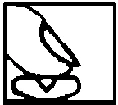
The tablet can be divided into equal parts.
To divide the tablet, place the tablet on a hard surface with the score side facing upwards.
Apply slight pressure on the tablet with your thumb; the tablet will break into two equal parts
(see figure).
If you take more ISOSORBIDE MONONITRATE EG than you should
- If you accidentally take too much ISOSORBIDE MONONITRATE EG, you may experience the following symptoms: reduced blood pressure (value less than and/or equal to 90 mmHg);
- paleness;
- sweating;
- weak pulse;
- increased heart rate (tachycardia);
- dizziness, including dizziness upon standing;
- headache (cephalalgia);
- weakness (asthenia);
- dizziness;
- nausea;
- vomiting;
- diarrhoea;
- drowsiness;
- flushing;
- increased blood levels of a substance called methaemoglobin (methaemoglobinaemia) and bluish discoloration of the skin and mucous membranes (cyanosis), accompanied by increased respiratory rate, anxiety, loss of consciousness, and heart function block.
If you have taken an excessive dose of ISOSORBIDE MONONITRATE EG, contact your doctor immediately or go to the nearest hospital.
If you forget to take ISOSORBIDE MONONITRATE EG
Do not take a double dose to make up for the forgotten tablet.
If you stop taking ISOSORBIDE MONONITRATE EG
Do not stop this medicine without consulting your doctor.
If you have any questions about how to use this medicine, consult your doctor or pharmacist.
4. Possible side effects
Like all medicines, this medicine can cause side effects, although not everyone gets them.
Following the instructions contained in this leaflet reduces the risk of side effects.
Very common (may affect more than 1 in 10 people)
- Headache (cephalaea). If you experience this effect, inform your doctor, who may start your treatment with gradually increasing doses. Headache usually disappears during continued treatment.
Common (may affect up to 1 in 10 people)
- Nausea. At the beginning of treatment or when doses are increased, the following may occur:
- Dizziness (including postural dizziness, which worsens with position);
- Drowsiness;
- Increased heart rate (reflex tachycardia);
- Drop in blood pressure upon sudden standing from a sitting position (orthostatic hypotension);
- Weakness (asthenia), which generally disappear during continued treatment.
Uncommon (may affect up to 1 in 100 people)
- Worsening of chest pain (angina pectoris);
- Severe drop in blood pressure (circulatory collapse), sometimes accompanied by slow and irregular heartbeat (brady-arrhythmia) and fainting (syncope);
- Vomiting;
- Diarrhea;
- Allergic skin reactions (e.g. allergic dermatitis);
- Flushing.
Very rare (may affect up to 1 in 10,000 people):
- Burning sensation in the chest (pyrosis);
- Muscle pain (myalgia).
Not known (frequency cannot be estimated from the available data)
- Low blood pressure (hypotension);
- Skin inflammation with peeling of the skin (exfoliative dermatitis);
- Swelling of the face, lips, mouth, tongue or throat, which may cause difficulty in breathing and swallowing (angioedema);
- Reduction or loss of the therapeutic effect of this medicine or of other organic nitrates (development of tolerance).
During treatment with isosorbide mononitrate, a temporary reduction in blood oxygen levels may occur due to disturbances in blood circulation, which may cause heart problems (myocardial hypoxia). In addition, nausea, vomiting, agitation, pallor and excessive sweating due to a severe drop in blood pressure may occur.
Reporting of side effects
If you experience any side effect, including those not listed in this leaflet, talk to your doctor or pharmacist. You can also report side effects directly via the national reporting system at https://www.aifa.gov.it/content/segnalazioni-reazioni-avverse. By reporting side effects, you can help provide more information on the safety of this medicine.
5. How to store ISOSORBIDE MONONITRATE EG
Keep this medicine out of the sight and reach of children.
Do not use this medicine after the expiry date stated on the pack after "Exp".
The expiry date refers to the last day of that month.
Do not dispose of any medicine via wastewater or household waste. Ask your pharmacist how to dispose of medicines you no longer use. This will help protect the environment.
6. Package contents and other information
What ISOSORBIDE MONONITRATE EG 20 mg tablets contain
- The active substance is isosorbide mononitrate. Each tablet contains 20 mg of isosorbide mononitrate.
- The other components are lactose, talc, anhydrous colloidal silica, maize starch, microcrystalline cellulose, aluminium stearate.
What ISOSORBIDE MONONITRATE EG 40 mg tablets contain
- The active substance is isosorbide mononitrate. Each tablet contains 40 mg of isosorbide mononitrate.
- The other components are lactose, talc, anhydrous colloidal silica, maize starch, microcrystalline cellulose, aluminium stearate, sunset yellow FCF (E110).
Description of the appearance of ISOSORBIDE MONONITRATE EG and contents of the pack
ISOSORBIDE MONONITRATE EG 20 mg tablets
Pack of 50 tablets for oral use.
ISOSORBIDE MONONITRATE EG 40 mg tablets
Pack of 30 tablets for oral use.
Marketing Authorization Holder
EG S.p.A.
Via Pavia, 6
20136 Milan
Italy
Manufacturer
MIPHARM S.p.A.
Via B. Quaranta, 12
20141 Milan
Italy
Package leaflet: Information for the patient
ISOSORBIDE MONONITRATO EG 50 mg Prolonged-Release Hard Capsules
Generic medicine
Please read this leaflet carefully before taking this medicine, as it contains important information for you.
- Keep this leaflet. You may need to read it again.
- If you have any questions, consult your doctor or pharmacist.
- This medicine has been prescribed for you only. Do not give it to others, even if their symptoms are the same as yours, as it could be harmful.
- If you experience any adverse reaction, including those not listed in this leaflet, contact your doctor or pharmacist. See section 4.
Contents of this leaflet:
- What ISOSORBIDE MONONITRATO EG is and what it is used for
- What you need to know before taking ISOSORBIDE MONONITRATO EG
- How to take ISOSORBIDE MONONITRATO EG
- Possible side effects
- How to store ISOSORBIDE MONONITRATO EG
- Contents of the pack and other information
1. What ISOSORBIDE MONONITRATE EG is and what it is used for
ISOSORBIDE MONONITRATE EG contains the active substance isosorbide mononitrate, which belongs to a group of medicines called "organic nitrates". "Organic nitrates" are vasodilator medicines used in heart diseases that relax blood vessels, thereby improving blood flow to the heart.
ISOSORBIDE MONONITRATE EG is indicated
- for maintenance therapy in heart disease characterized by obstruction of the coronary arteries, the blood vessels supplying blood to the heart (coronary insufficiency);
- for the prevention of angina pectoris attacks (a heart condition characterized by chest pain);
- for treatment following a heart attack (myocardial infarction) and maintenance therapy in conditions where the heart fails to pump an adequate amount of blood (chronic myocardial insufficiency), also in combination with medicines able to increase the heart's force of contraction (cardiotonics) and medicines used to treat high blood pressure (diuretics). ISOSORBIDE MONONITRATE EG is not indicated for sudden attacks of chest pain (angina pectoris attacks).
2. What you need to know before taking ISOSORBIDE MONONITRATE EG
Do not take ISOSORBIDE MONONITRATE EG if
- you are allergic to isosorbide mononitrate, organic nitrates, or any of the other ingredients of this medicine (listed in section 6);
- you are currently having a heart attack;
- you suffer from severe circulatory problems (acute circulatory failure, shock, circulatory collapse);
- your heart suddenly fails to pump an adequate amount of blood (cardiogenic shock), unless sufficient blood pressure is maintained;
- you have very low blood pressure (severe arterial hypotension);
- you suffer from thickening of the heart muscle causing obstruction to normal blood flow (obstructive hypertrophic cardiomyopathy);
- you have a lower than normal volume of circulating blood (severe hypovolemia);
- you suffer from inflammation of the pericardium, the sac surrounding the heart (constrictive pericarditis);
- you have fluid accumulation around the heart (cardiac tamponade);
- you suffer from increased blood pressure in the blood vessels of the lungs (primary pulmonary hypertension);
- you are taking medicines for erectile dysfunction (e.g. sildenafil, tadalafil, vardenafil) (see section “Other medicines and ISOSORBIDE MONONITRATE EG”);
- you are taking riociguat, a medicine used to treat pulmonary hypertension (see section “Other medicines and ISOSORBIDE MONONITRATE EG”).
Warnings and precautions
Talk to your doctor or pharmacist before taking ISOSORBIDE MONONITRATE EG.
In particular, inform your doctor:
- if you have a condition characterized by high pressure inside the eye (glaucoma);
- if you have a marked decrease in red blood cells (severe anemia);
- if your thyroid gland produces excessive amounts of hormones (hyperthyroidism);
- if you have sustained a head injury (cranial trauma);
- in case of bleeding in the brain (cerebral hemorrhage);
- if you have narrowing of the aorta (aortic stenosis) or reduced function of a heart valve (mitral sten游戏副本
3. How to take ISOSORBIDE MONONITRATE EG
Take this medicine exactly as directed by your doctor or pharmacist. If you have
any doubts, consult your doctor or pharmacist.
The capsules should be taken with some liquid, without chewing them.
Unless otherwise prescribed by your doctor, the recommended dose is one capsule in the morning.
If you take more ISOSORBIDE MONONITRATE EG than you should
If you accidentally take too much ISOSORBIDE MONONITRATE EG, you may experience the
following symptoms:
- drop in blood pressure (value less than and/or equal to 90 mmHg)
- paleness;
- sweating;
- weak pulse;
- increased heart rate (tachycardia);
- dizziness, including dizziness upon standing up;
- headache;
- weakness (asthenia);
- dizziness;
- nausea;
- vomiting;
- diarrhoea;
- drowsiness;
- flushing;
- increase
- in blood levels of a substance called methaemoglobin (methaemoglobinaemia) and bluish discoloration of the skin and mucous membranes (cyanosis), accompanied by increased respiratory rate, anxiety, loss of consciousness, and cardiac arrest.
If you have taken an excessive dose of ISOSORBIDE MONONITRATE EG, contact your
doctor immediately or go to the nearest hospital.
If you forget to take ISOSORBIDE MONONITRATE EG
Do not take a double dose to make up for the missed capsule.
If you stop taking ISOSORBIDE MONONITRATE EG
Do not stop taking this medicine without first consulting your doctor.
If you have any questions about how to use this medicine, consult your doctor or pharmacist.
4. Possible side effects
Like all medicines, this medicine can cause side effects, although not everybody gets them. Following the instructions contained in this leaflet reduces the risk of side effects.
Very common (may affect more than 1 in 10 people)
- Headache (cephalalgia). If you experience this effect, inform your doctor, who may start you on gradually increasing doses. Headache usually disappears during continued treatment.
Common (may affect up to 1 in 10 people)
- Nausea. At the beginning of treatment or when the dose is increased, you may experience:
- Dizziness (including postural dizziness, which worsens with position);
- Drowsiness;
- Increased heart rate (reflex tachycardia);
- Drop in blood pressure following sudden change from sitting to standing position (orthostatic hypotension);
- Weakness (asthenia), which generally disappear during continued treatment.
Uncommon (may affect up to 1 in 100 people)
- Worsening of chest pain (angina pectoris);
- Severe drop in blood pressure (circulatory collapse), sometimes accompanied by slow and irregular heartbeat (bradyarrhythmia) and fainting (syncope);
- Vomiting;
- Diarrhoea;
- Allergic skin reactions (e.g. allergic dermatitis);
- Flushing.
Very rare (may affect up to 1 in 10,000 people)
- Burning sensation in the chest (pyrosis);
- Muscle pain (myalgia).
Not known (frequency cannot be estimated from the available data)
- Low blood pressure (hypotension);
- Skin inflammation with skin peeling (exfoliative dermatitis);
- Swelling of the face, lips, mouth, tongue or throat, which may cause difficulty in breathing and swallowing (angioedema);
- Reduced or lost therapeutic effect of this medicine or of other organic nitrates (development of tolerance).
During treatment with isosorbide mononitrate, a temporary reduction in blood oxygen levels may occur due to disturbances in blood circulation, which may cause heart problems (myocardial hypoxia). In addition, nausea, vomiting, agitation, pallor and excessive sweating may occur due to a severe drop in blood pressure.
Reporting of side effects
If you experience any side effect, including those not listed in this leaflet, talk to your doctor or pharmacist. You can also report side effects directly via the national reporting system at https://www.aifa.gov.it/content/segnalazioni-reazioni-avverse. Reporting side effects can help provide more information on the safety of this medicine.
5. How to store ISOSORBIDE MONONITRATE EG
Keep this medicine out of the sight and reach of children.
Do not store above 30°C.
Do not use this medicine after the expiry date stated on the pack after “Exp”.
The expiry date refers to the last day of that month.
Do not dispose of any medicine via wastewater or household waste. Ask your pharmacist how to dispose of
medicines no longer required. This will help protect the environment.
6. Package contents and other information
What ISOSORBIDE MONONITRATE EG contains
The active substance is isosorbide mononitrate. Each capsule contains 50 mg of isosorbide mononitrate.
- The other ingredients are sucrose, maize starch, shellac, ethylcellulose, talc, povidone K30, sugar spheres.
- The ingredients of the capsule shell are gelatin, titanium dioxide (E 171), erythrosine (E 127), red iron oxide (E 172), black iron oxide (E 172), yellow iron oxide (E 172).
Description of the appearance of ISOSORBIDE MONONITRATE EG and package contents
Pack containing 30 prolonged-release hard capsules.
Marketing Authorization Holder
EG S.p.A.
Via Pavia, 6
20136 Milan
Italy
Manufacturer
Doppel Farmaceutici S.r.l.
Via Volturno n. 48
20089 Quinto De' Stampi
Rozzano (MI)
Italy
STADA Arzneimittel AG
Stadastrasse 2
18, 61118 Bad Vilbel
Germany
Patient Information Leaflet
ISOSORBIDE MONONITRATE EG 60 mg prolonged-release tablets
Generic medicine
Please read this leaflet carefully before taking this medicine because it contains important information for you.
- Keep this leaflet. You may need to read it again.
- If you have any questions, consult your doctor or pharmacist.
- This medicine has been prescribed for you only. Do not give it to others, even if they have the same symptoms as you, because it could be harmful.
- If you experience any side effects, including those not listed in this leaflet, contact your doctor or pharmacist. See section 4.
Contents of this leaflet:
- What ISOSORBIDE MONONITRATE EG is and what it is used for
- What you need to know before taking ISOSORBIDE MONONITRATE EG
- How to take ISOSORBIDE MONONITRATE EG
- Possible side effects
- How to store ISOSORBIDE MONONITRATE EG
- Contents of the pack and other information
1. What ISOSORBIDE MONONITRATE EG is and what it is used for
ISOSORBIDE MONONITRATE EG contains the active substance isosorbide mononitrate, which belongs to a group of medicines called "organic nitrates". Organic nitrates are vasodilator medicines used in heart diseases that relax blood vessels, thereby improving blood flow to the heart.
ISOSORBIDE MONONITRATE EG is indicated
- for maintenance therapy of heart disease characterized by obstruction of the coronary arteries, the blood vessels supplying blood to the heart (coronary insufficiency);
- for prevention of angina pectoris attacks (heart disease manifesting as chest pain);
- for treatment following a heart attack (myocardial infarction) and maintenance therapy in conditions where the heart is unable to pump an adequate amount of blood (chronic myocardial insufficiency), also in combination with medicines that increase the force of heart contraction (cardiotonics) and medicines used to treat high blood pressure (diuretics).
ISOSORBIDE MONONITRATE EG is not indicated for the treatment of sudden attacks of chest pain (acute angina pectoris attacks).
2. What you need to know before taking ISOSORBIDE MONONITRATE EG
Do not take ISOSORBIDE MONONITRATE EG if
- you are allergic to isosorbide mononitrate, organic nitrates, or any of the other ingredients of this medicine (listed in section 6);
- you are currently experiencing a heart attack;
- you have severe circulatory problems (acute circulatory failure, shock, circulatory collapse);
- your heart suddenly fails to pump an adequate amount of blood (cardiogenic shock), unless sufficient blood pressure is maintained;
- you have very low blood pressure (severe arterial hypotension);
- you suffer from thickening of the heart muscle causing obstruction to normal blood flow (obstructive hypertrophic cardiomyopathy);
- you have a lower than normal volume of circulating blood (severe hypovolemia);
- you have inflammation of the pericardium, the sac surrounding the heart (constrictive pericarditis);
- you have fluid accumulation around the heart (cardiac tamponade);
- you suffer from increased blood pressure in the pulmonary blood vessels (primary pulmonary hypertension);
- you are taking medicines for erectile dysfunction (e.g. sildenafil, tadalafil, vardenafil) (see section “Other medicines and ISOSORBIDE MONONITRATE EG”);
- you are taking riociguat, a medicine used to treat pulmonary hypertension (see section “Other medicines and ISOSORBIDE MONONITRATE EG”).
Warnings and precautions
Talk to your doctor or pharmacist before taking ISOSORBIDE MONONITRATE EG.
In particular, inform your doctor:
- if you have a condition characterized by high pressure inside the eye (glaucoma);
- if you have a marked decrease in red blood cell levels (severe anemia);
- if your thyroid gland produces excessive amounts of hormones (hyperthyroidism);
- if you have sustained a head injury (head trauma);
- in case of bleeding in the brain (cerebral hemorrhage);
- if you have narrowing of the aorta (aortic stenosis) or reduced function of a heart valve (mitral stenosis);
- if you suffer from low blood pressure upon sudden standing from a sitting position (orthostatic hypotension);
- if you suffer from increased pressure in the brain (intracranial hypertension);
- if you have severe kidney problems (renal failure);
- if you have disease of the blood vessels supplying the heart (coronary artery disease), as this may lead to a condition where the heart receives insufficient oxygen (myocardial hypoxia);
- if you are taking medicines used to treat high blood pressure (calcium antagonists), as they may enhance the blood pressure-lowering effect of this medicine (hypotension);
- if you suffer from headaches (cephalalgia). Isosorbide Mononitrate EG may cause headaches, especially at the beginning of treatment, which may be severe in sensitive individuals. Your doctor will prescribe a lower dose to help prevent this;
- if you have circulatory problems (ischemia), heart damage (myocardial damage), or impaired heart function (advanced congestive heart failure), as these conditions may worsen with the use of Isosorbide Mononitrate EG;
- if you notice a bluish discoloration of the skin and mucous membranes (cyanosis), in the absence of lung disease (pneumopathy). In such cases, a specific test (monitoring of methemoglobin levels) should be performed, especially during high-dose treatment (see section “If you take more ISOSORBIDE MONONITRATE EG than you should”).
- Avoid increasing the dose and avoid using this medicine at high doses or for prolonged treatments, as this may lead to reduced or lost effectiveness over time (tolerance).
Other medicines and ISOSORBIDE MONONITRATE EG
Tell your doctor or pharmacist if you are taking, have recently taken, or might take any other medicine.
In particular, inform your doctor if you are taking the following medicines, as they may enhance the blood pressure-lowering effect (hypotension) of ISOSORBIDE MONONITRATE EG:
- medicines that lower blood pressure (e.g. beta-blockers, vasodilators, diuretics, calcium antagonists, ACE inhibitors);
- medicines for mental disorders and/or depression (neuroleptics and tricyclic antidepressants);
- medicines used to treat erectile dysfunction (e.g. sildenafil, vardenafil, and tadalafil). Concurrent use of ISOSORBIDE MONONITRATE EG with these medicines may be life-threatening;
- riociguat, a medicine used to treat pulmonary hypertension.
Pay particular attention if you are taking:
- dihydroergotamine, a medicine used to treat headache (cephalalgia);
- norepinephrine, used to treat low blood pressure;
- cetiedil, a medicine used during certain surgical procedures;
- histamine, a medicine used for diagnostic purposes (allergy testing).
ISOSORBIDE MONONITRATE EG with food, drinks and alcohol
Consuming alcohol at the same time may impair reaction abilities and reduce reflexes; therefore, avoid using alcohol concurrently (see section “Driving and using machines”).
Pregnancy and breastfeeding
If you are pregnant, think you may be pregnant, planning to become pregnant, or are breastfeeding, consult your doctor or pharmacist before taking this medicine.
If you are pregnant or breastfeeding, this medicine should only be used if clearly needed and under direct medical supervision.
Driving and using machines
ISOSORBIDE MONONITRATE EG may impair your ability to drive or operate machinery.
This effect may be worsened by alcohol consumption.
ISOSORBIDE MONONITRATE EG contains lactose
If your doctor has diagnosed you with an intolerance to certain sugars, contact him or her before taking this medicine.
3. How to take ISOSORBIDE MONONITRATE EG
Take this medicine exactly as directed by your doctor or pharmacist. If you are unsure, consult your doctor or pharmacist.
The tablets should be taken after meals with some liquid, without chewing them.
The recommended dose is
1 tablet daily, taken in the morning, unless otherwise prescribed by your doctor. Do not chew the tablets; take them with half a glass of water after meals. To facilitate swallowing, the tablet may be divided into 2 parts.
If you experience headache or low blood pressure, your doctor may advise you to start treatment with a lower dose and gradually increase it. If you have chest pain with a feeling of tightness, especially in the morning, your doctor may prescribe one 40 mg tablet in the morning and one 20 mg tablet in the evening.
If you need to divide the tablet, place it on a hard surface with the scored side facing upwards. Apply slight pressure with your thumb to break the tablet into two equal parts.
If you take more ISOSORBIDE MONONITRATE EG than you should
If you accidentally take too high a dose of ISOSORBIDE MONONITRATE EG, you may experience the following symptoms:
- low blood pressure (value less than or equal to 90 mmHg);
- paleness;
- sweating;
- weak pulse;
- increased heart rate (tachycardia);
- dizziness, including dizziness upon standing;
- headache (cephalalgia);
- weakness (asthenia);
- nausea;
- vomiting;
- diarrhoea;
- drowsiness;
- flushing;
- increase
- in blood levels of a substance called methaemoglobin (methaemoglobinaemia) and bluish discoloration of the skin and mucous membranes (cyanosis), accompanied by increased respiratory rate, anxiety, loss of consciousness, and cardiac arrest.
If you have taken an excessive dose of ISOSORBIDE MONONITRATE EG, contact your doctor immediately or go to the nearest hospital.
If you forget to take ISOSORBIDE MONONITRATE EG
Do not take a double dose to make up for the forgotten tablet.
If you stop taking ISOSORBIDE MONONITRATE EG
Do not stop this medicine without first consulting your doctor.
4. Possible side effects
Like all medicines, this medicine can cause side effects, although not everybody gets them. Following the instructions contained in this leaflet reduces the risk of side effects.
Very common (may affect more than 1 in 10 people)
- Headache (cephalaea). If you experience this effect, inform your doctor, who may start your treatment with gradually increasing doses. Headache usually disappears during continued treatment.
Common (may affect up to 1 in 10 people)
- Nausea. At the beginning of treatment or when doses are increased, the following may occur:
- Dizziness (including postural dizziness, which worsens with position);
- Drowsiness;
- Increased heart rate (reflex tachycardia);
- Drop in blood pressure upon sudden change from sitting to standing position (orthostatic hypotension);
- Weakness (asthenia), which usually disappear during continued treatment.
Uncommon (may affect up to 1 in 100 people)
- Worsening of chest pain (angina pectoris);
- Severe drop in blood pressure (circulatory collapse), sometimes accompanied by slow and irregular heartbeat (bradyarrhythmia) and fainting (syncope);
- Vomiting;
- Diarrhea;
- Allergic skin reactions (e.g. allergic dermatitis);
- Flushing.
Very rare (may affect up to 1 in 10,000 people)
- Burning sensation in the chest (pyrosis);
- Muscle pain (myalgia).
Not known (frequency cannot be estimated from the available data)
- Low blood pressure (hypotension);
- Skin inflammation with skin peeling (exfoliative dermatitis);
- Swelling of the face, lips, mouth, tongue or throat, which may cause breathing or swallowing difficulties (angioedema);
- Reduced or lost therapeutic effect of this medicine or other organic nitrates (development of tolerance).
During treatment with isosorbide mononitrate, a temporary reduction in blood oxygen levels may occur due to disturbances in blood circulation, potentially causing heart problems (myocardial hypoxia). Additionally, nausea, vomiting, agitation, pallor and excessive sweating due to severe drop in blood pressure may occur.
Reporting of side effects
If you experience any side effect, including those not listed in this leaflet, talk to your doctor or pharmacist. You can also report side effects directly via the national reporting system at https://www.aifa.gov.it/content/segnalazioni-reazioni-avverse. Reporting side effects helps provide more information on the safety of this medicine.
5. How to store ISOSORBIDE MONONITRATE EG
Keep this medicine out of the sight and reach of children.
Do not use this medicine after the expiry date stated on the carton after "Exp".
The expiry date refers to the last day of that month.
Do not dispose of any medicine via wastewater or household waste. Ask your pharmacist how to dispose of medicines you no longer use. This will help protect the environment.
6. Package contents and other information
What ISOSORBIDE MONONITRATE EG contains
The active substance is isosorbide mononitrate. Each tablet contains 60 mg of isosorbide mononitrate.
- The other components are stearic acid, carnauba wax, hypromellose, lactose monohydrate, magnesium stearate, anhydrous colloidal silica, talc, titanium dioxide (E 171), macrogol 4000, yellow iron oxide (E 172).
Description of the appearance of ISOSORBIDE MONONITRATE EG and contents of the pack
Pack containing 30 prolonged-release tablets for oral use.
Marketing Authorization Holder
EG S.p.A.
Via Pavia, 6
20136 Milan
Italy
Manufacturer
Lamp S. Prospero S.p.A.
S. Prospero S/Secchia
Modena
Italy