Isoptin
Italy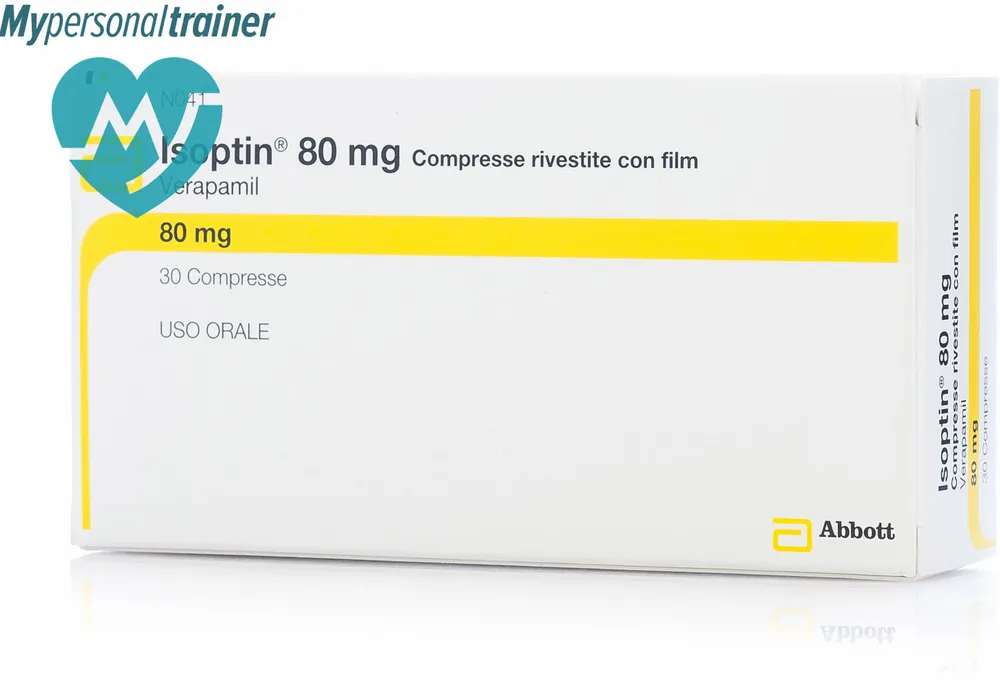
Table of Contents
- Package leaflet: Information for the patient
- ISOPTIN 5 mg/2 ml injection solution for intravenous use
- 1. What ISOPTIN is and what it is used for
- 2. What you should know before using ISOPTIN
- 3. How to use ISOPTIN
- 4. Possible side effects
- 5. How to store ISOPTIN
- 6. Package contents and other information
- ISOPTIN 180 mg Prolonged-Release Tablets
- 1. What ISOPTIN is and what it is used for
- 2. What you need to know before taking ISOPTIN
- 3. How to take ISOPTIN
- 4. Possible adverse reactions
- 5. How to store ISOPTIN
- 6. Package contents and other information
- Patient Information Leaflet
- ISOPTIN 80 mg Film-coated Tablets
- 1. What ISOPTIN is and what it is used for
- 2. What you need to know before taking ISOPTIN
- 3. How to take ISOPTIN
- 4. Possible side effects
- 5. How to store ISOPTIN
- 6. Package contents and other information
- Patient information leaflet
- ISOPTIN 240 mg Prolonged-Release Tablets
- 1. What ISOPTIN is and what it is used for
- 2. What you need to know before taking ISOPTIN
- 3. How to take ISOPTIN
- 4. Possible side effects
- 5. How to store ISOPTIN
- 6. Package contents and other information
- Patient information leaflet
- ISOPTIN 120 mg Prolonged-Release Tablets
- 1. What ISOPTIN is and what it is used for
- 2. What you should know before taking ISOPTIN
- 3. How to take ISOPTIN
- 4. Possible side effects
- 5. How to store ISOPTIN
- 6. Package contents and other information
- ISOPTIN 120 mg Prolonged-Release Tablets
- 1. What ISOPTIN is and what it is used for
- 2. What you need to know before taking ISOPTIN
- 3. How to take ISOPTIN
- 4. Possible side effects
- 5. How to store ISOPTIN
- 6. Package contents and other information
Package leaflet: Information for the patient
ISOPTIN 5 mg/2 ml injection solution for intravenous use
Verapamil hydrochloride
Please read this leaflet carefully before this medicine is administered to you because
it contains important information for you.
Keep this leaflet. You may need to read it again.
If you have any questions, ask your doctor or nurse.
This medicine has been prescribed for you only. Do not give it to other people, even if their symptoms
are the same as yours, as it may be harmful.
If you experience any side effects, including those not listed in this leaflet, tell your doctor or nurse.
See section 4.
Contents of this leaflet:
- What ISOPTIN is and what it is used for
- What you need to know before using ISOPTIN
- How to use ISOPTIN
- Possible side effects
- How to store ISOPTIN
- Contents of the pack and other information
1. What ISOPTIN is and what it is used for
ISOPTIN is a medicine that contains verapamil hydrochloride, an active substance belonging to a group
of medicines called calcium channel blockers (calcium antagonists).
ISOPTIN is used:
- to treat certain types of heart rhythm disorders (paroxysmal tachycardia; tachyarrhythmia; extrasystoles);
- in cases of heart vessel diseases (acute coronary insufficiency (anginal syndrome) and chronic coronary insufficiency).
2. What you should know before using ISOPTIN
Do not use ISOPTIN if:
- you are allergic to the active substance or to any of the other ingredients of this medicine (listed in section 6);
- you have recently had a myocardial infarction associated with a marked decrease in heart rate (bradycardia);
- you have severe circulatory problems due to reduced heart function (cardiogenic shock);
- you suffer from a condition in which the heart is weakened (overt heart failure);
- you have heart problems, for example reduced heart function (left ventricular contractile failure, heart failure with ejection fraction below 35%, pulmonary pressure above 20 mmHg);
- you have heart rhythm disorders such as complete AV block, partial AV block, incomplete bundle branch block, sick sinus syndrome (except in patients with an implanted artificial pacemaker), second- or third-degree AV block (except in patients with a functioning artificial pacemaker), atrial fibrillation/flutter in individuals with bypass tracts (Wolff-Parkinson-White syndrome or Lown-Ganong-Levine syndrome or short PR syndrome);
- you suffer from very low blood pressure (hypotension, systolic pressure < 90 mmHg; excluded are hypotensive states secondary to a critical reduction in systolic output due to tachycardia) (see also “Warnings and precautions”);
- you have a high heart rate (wide-complex ventricular tachycardia) or very low heart rate (marked bradycardia, < 50 beats/min);
- you are taking or have recently taken medicines called MAO inhibitors (used for depression), beta-blockers (used to treat heart rhythm disorders and lower blood pressure), quinidine (used for heart rhythm abnormalities), or medicines containing ivabradine (used for certain heart conditions);
- you have been administered a beta-blocking agent intravenously.
Warnings and precautions
Talk to your doctor before using ISOPTIN if:
- you have or have had heart problems, for example heart failure;
- you have heart rhythm disorders, such as slow, fast, or irregular heartbeats, or conditions that affect heart rhythm (Wolff-Parkinson-White syndrome or Lown-Ganong-Levine syndrome);
- you suffer from low blood pressure (hypotension);
- you have liver problems (hepatic insufficiency);
- you have kidney problems (renal insufficiency);
- you have muscle disorders such as myasthenia gravis, Lambert-Eaton syndrome, or Duchenne muscular dystrophy;
- you are scheduled for surgery with inhalational anaesthetics.
- if you are taking or have recently taken other antiarrhythmic drugs/beta-blockers, digoxin, statins, digitalis, quinidine, disopyramide, flecainide (see section “Other medicines and ISOPTIN”). In all these cases, your doctor will carefully evaluate whether treatment with ISOPTIN is suitable for you.
Paediatric population
No specific controlled studies have been conducted in paediatric patients. Therefore, extreme caution must be exercised when administering verapamil to individuals in this age group.
Other medicines and ISOPTIN
Do not use ISOPTIN if you are taking or have recently taken:
- medicines called MAO inhibitors (used for depression);
- beta-blockers (used to lower blood pressure), such as metoprolol, propranolol, or timolol eye drops;
- quinidine-like drugs (used for heart rhythm abnormalities);
- medicines containing ivabradine (used for certain heart conditions).
Inform your doctor or pharmacist if you are taking, have recently taken, or might take any other medicine. This is particularly important if you are taking:
- alpha-blocking agents (used to lower blood pressure), such as prazosin, terazosin;
- medicines used for heart rhythm disorders (antiarrhythmics), such as quinidine, flecainide, disopyramide, dronedarone;
- medicines used for heart problems, such as digoxin and digitoxin;
- medicines that lower blood pressure, such as diuretics, vasodilators, angiotensin-converting enzyme inhibitors, aliskiren;
- dabigatran etexilate and other direct oral anticoagulants, medicines used to prevent blood clots;
- aspirin (acetylsalicylic acid);
- medicines used to treat bronchial asthma, such as theophylline;
- medicines acting on the nervous system (barbiturates and benzodiazepines), used as sedatives or anxiolytics, such as phenobarbital, buspirone, midazolam;
- medicines used for epilepsy (antiepileptics) and seizures (anticonvulsants), such as carbamazepine, phenytoin;
- imipramine, a medicine used for depression (antidepressant);
- St. John’s wort, used for depression or anxiety;
- lithium, a medicine used for mood disorders;
- medicines used to lower blood sugar levels (antidiabetics), such as gliburide;
- medicines used for gout, such as colchicine or sulfinpyrazone;
- medicines used for infections, such as clarithromycin, erythromycin, rifampicin, and telithromycin;
- doxorubicin, a medicine used in cancer treatment;
- medicines known as immunosuppressants, such as cyclosporine, everolimus, sirolimus, tacrolimus;
- cimetidine, a medicine used to treat stomach ulcers;
- medicines used to reduce cholesterol levels in the blood (statins), such as atorvastatin, lovastatin, simvastatin;
- almotriptan, a medicine used for headaches;
- medicines used for HIV infection, such as ritonavir;
- medicines used to relax muscles (neuromuscular blocking agents – curare-like and depolarizing agents);
- dantrolene, a medicine used in malignant hyperthermia.
- metformin: verapamil may reduce the hypoglycaemic effect of metformin.
ISOPTIN with beverages
Do not drink grapefruit juice during treatment with ISOPTIN, as grapefruit juice can increase plasma concentrations of verapamil.
ISOPTIN and alcohol
If you drink alcohol while being treated with ISOPTIN, the time your body takes to eliminate alcohol is increased. This means that the risk of experiencing adverse effects is increased.
Pregnancy and breastfeeding
If you are pregnant, think you may be pregnant, are planning to become pregnant, or are breastfeeding, consult your doctor before taking this medicine, as ISOPTIN should be used only if strictly necessary and under close medical supervision in such conditions.
Driving and using machines
Since ISOPTIN may affect your ability to drive or operate machinery, do not drive, operate machinery, or perform activities requiring alertness until you know how this medicine affects you.
This is particularly important at the beginning of treatment with this medicine, when the dose is increased, or if you consume alcohol concurrently.
ISOPTIN 5 mg/2 ml injectable solution for intravenous use contains 34 mg of sodium (a main component of table salt) per dose (2 vials). This corresponds to 1.9% of the maximum daily recommended dietary intake for an adult.
3. How to use ISOPTIN
ISOPTIN will be administered to you exclusively by a qualified physician who is familiar with the proper way to use this medicine. The physician will determine the dose based on your condition. Furthermore, during treatment, the physician will monitor your blood pressure and electrocardiogram.
Adults and adolescents over 14 years of age
Acute therapy for angina attacks or tachyarrhythmias:
The recommended dose is 5–10 mg (1–2 vials), once daily. If necessary, the dose may be repeated 2–3 times daily.
Children up to 14 years of age
To promptly terminate paroxysmal supraventricular tachycardias and extrasystoles, the recommended dose is:
- newborns: 0.75–1 mg (0.3–0.4 ml);
- infants: 0.75–2 mg (0.3–0.8 ml);
- children: 1 to 5 years: 2–3 mg (0.8–1.2 ml);
- children: 6 to 14 years: 2.5–5 mg (1.0–2.0 ml).
If necessary, the above doses may be repeated after 2–5 minutes.
Method of administration
This medicine will be administered to you by slow intravenous injection (intravenous infusion).
The injection must be performed under continuous electrocardiographic and blood pressure monitoring.
If you use more ISOPTIN than you should
It is unlikely that excessive doses of ISOPTIN will be used, as this medicine is administered by a specialist. However, if this were to happen, the following may occur: lowering of blood pressure (hypotension) or blood pH (metabolic acidosis), increased blood glucose levels, loss of consciousness possibly accompanied by unresponsiveness to external stimuli (stupor), reduction or cessation of heartbeat, death. In such a case, contact your doctor or nurse immediately.
If you have any doubts about how to use this medicine, consult your doctor or nurse.
4. Possible side effects
Like all medicines, this medicine can cause side effects, although not everybody gets them.
Stop taking ISOPTIN immediately and contact your doctor if you experience any of the following:
- severe allergic reactions (hypersensitivity), such as swelling (angioedema) of the face, eyes, lips, tongue or throat, breathing difficulties;
- heart problems such as disturbances in heart rhythm (atrioventricular block, sinus arrest), heart failure, or absence of heart contraction (asystole);
- ileus, a bowel disorder characterized by abdominal swelling associated with pain, nausea, vomiting and inability to pass stools;
- severe skin rashes with redness, blistering and peeling, mouth, lip and skin ulcers (Stevens-Johnson syndrome, erythema multiforme);
- complete loss of muscle movement in arms and legs (tetraplegia).
Inform your doctor if you notice any of the following during treatment with ISOPTIN:
Common side effects (may affect up to 1 in 10 people)
- dizziness, headache;
- reduced heart rate (bradycardia);
- facial and neck redness (flushing), low blood pressure (hypotension);
- constipation, nausea;
- swelling of arms or legs (peripheral edema).
Uncommon side effects (may affect up to 1 in 100 people)
- sensation of pounding heartbeat (palpitations), increased heart rate (tachycardia);
- abdominal pain;
- fatigue.
Rare side effects (may affect up to 1 in 1,000 people)
- tingling sensation on the skin, altered sensation (paresthesia), tremors;
- somnolence;
- ringing in the ears (tinnitus);
- vomiting;
- excessive sweating (hyperhidrosis).
Other side effects (frequency cannot be determined from available data)
- difficulty breathing (bronchospasm, dyspnea);
- extrapyramidal symptoms including tremors, dizziness, headache, speech difficulties, amnesia, coma;
- kidney function disorders (renal failure);
- increased potassium levels in the blood (hyperkalemia);
- seizures, dizziness;
- abdominal discomfort, swollen gums (hyperplasia);
- patchy hair loss (alopecia);
- appearance of skin rash (cutaneous rash), appearance of small red spots on the skin (purpura), or spots with papules (maculopapular eruption), itching, urticaria;
- muscle weakness, joint pain (arthralgia) or muscle pain (myalgia);
- breast enlargement in males (gynecomastia), milk production from the breasts (galactorrhea), erectile dysfunction;
- increased prolactin levels, changes in liver function tests;
- altered glucose tolerance. In a small number of patients treated with verapamil, very serious adverse effects have been reported that may put the patient's life at risk (rapid increase in ventricular rate leading to atrial flutter or fibrillation in patients with accessory pathways and ectopic rhythms, severe hypotension or extreme bradycardia/asystole).
Reporting of side effects
If you experience any side effect, including those not listed in this leaflet, please inform your doctor or pharmacist. You may also report side effects directly via the national reporting system at https://www.aifa.gov.it/content/segnalazioni-reazioni-avverse.
By reporting side effects, you can help provide more information on the safety of this medicine.
5. How to store ISOPTIN
Keep this medicine out of the sight and reach of children.
Do not use this medicine after the expiry date stated on the packaging. The expiry date refers to the last day of that month.
Store this medicine at a temperature not exceeding 30°C. Protect this medicine from light.
Do not dispose of any medicine via wastewater or household waste. Ask your pharmacist how to dispose of medicines you no longer use. This will help protect the environment.
6. Package contents and other information
What ISOPTIN contains
The active substance is: verapamil hydrochloride.
One vial contains 5 mg of verapamil hydrochloride.
The other components are: water for injections, sodium chloride, hydrochloric acid.
Description of the appearance of ISOPTIN and contents of the pack
This medicinal product is available in packs of 5 vials containing 5 mg/2 ml.
Marketing Authorization Holder
Mylan Italia S.r.l.
Via Vittor Pisani, 20
20124 Milan, Italy
Manufacturer
FAMAR HEALTH CARE SERVICES MADRID S.A.U. - Alcorcón-Madrid (Spain)
AbbVie S.r.l. – Campoverde (LT) (Italy) (batch release only)
Patient Information Leaflet
ISOPTIN 180 mg Prolonged-Release Tablets
Verapamil hydrochloride
Please read this leaflet carefully before taking this medicine because it contains
important information for you.
Keep this leaflet. You may need to read it again.
If you have any questions, consult your doctor or pharmacist.
This medicine has been prescribed for you only. Do not give it to others, even if their symptoms
are the same as yours, because it could be harmful.
If you experience any adverse reaction, including those not listed in this leaflet,
consult your doctor or pharmacist. See section 4.
Contents of this leaflet:
- What ISOPTIN is and what it is used for
- What you need to know before taking ISOPTIN
- How to take ISOPTIN
- Possible side effects
- How to store ISOPTIN
- Contents of the pack and other information
1. What ISOPTIN is and what it is used for
ISOPTIN is a medicine containing verapamil hydrochloride, an active substance belonging to a group
of medicines called calcium channel blockers (calcium antagonists). Calcium channel blockers
alter the amount of calcium entering the heart muscle and blood vessel cells. This mechanism:
reduces the force and rate of heartbeats, allowing more oxygen to reach the heart and enabling blood to be pumped throughout the body more easily;
dilates blood vessels, thereby lowering blood pressure.
ISOPTIN is used:
- to treat high blood pressure (hypertension);
- to treat certain types of heart rhythm disorders (supraventricular tachyarrhythmias such as paroxysmal supraventricular tachycardia, atrial fibrillation and atrial flutter with rapid ventricular response, extrasystoles);
- in diseases affecting the heart's blood vessels (chronic coronary insufficiency);
- to treat the consequences caused by a heart attack;
- after a heart attack, to prevent a further heart attack, when there are no signs of heart failure and when the patient cannot take other medicines known as beta-blockers.
2. What you need to know before taking ISOPTIN
Do not take ISOPTIN, unless specifically instructed by your doctor, if:
- you are allergic to the active substance or to any of the other ingredients of this medicine (listed in section 6);
- you have recently had a myocardial infarction with a marked decrease in heart rate (bradycardia);
- you have severe circulatory problems due to reduced heart function (cardiogenic shock);
- you have heart problems, for example, reduced heart function (left ventricular contractile insufficiency, heart failure with ejection fraction below 35%, pulmonary pressure above 20 mmHg);
- you have heart rhythm disorders such as complete AV block, partial AV block, incomplete bundle branch block, sinoatrial node disease (except in patients with an artificial pacemaker), second- or third-degree AV block (except in patients with a functioning artificial pacemaker), atrial fibrillation/flutter in patients with bypass tracts (Wolff-Parkinson-White syndrome, Lown-Ganong-Levine syndrome, or short PR syndrome);
- you have a very high heart rate associated with electrocardiogram abnormalities (wide-complex ventricular tachycardia) or a very low heart rate (marked bradycardia, < 50 beats/min);
- you suffer from very low blood pressure (hypotension, systolic pressure < 90 mmHg) (see also “Warnings and precautions”);
- you are currently taking or have recently taken medicines called MAO inhibitors (used for depression), beta-blockers (used to treat heart rhythm disorders and lower blood pressure), quinidine (used for heart rhythm abnormalities), or medicines containing ivabradine (used for certain heart conditions).
Warnings and precautions
Talk to your doctor before taking ISOPTIN if:
- you have or have had heart problems (heart failure);
- you have or have had heart rhythm disorders, such as slow, fast, or irregular heartbeats, or conditions causing heart rhythm disturbances (Wolff-Parkinson-White syndrome or Lown-Ganong-Levine syndrome);
- you suffer from low blood pressure (hypotension);
- you have liver problems (hepatic insufficiency). Your doctor may recommend periodic tests to monitor liver function;
- you have kidney problems (renal insufficiency);
- you have muscle disorders such as myasthenia gravis, Lambert-Eaton syndrome, or Duchenne muscular dystrophy;
- you are currently taking or have recently taken statins (used to reduce blood cholesterol levels), digoxin, or beta-blockers such as timolol eye drops. In all these cases, your doctor will carefully evaluate whether treatment with ISOPTIN is suitable for you.
Other medicines and ISOPTIN
Do not take ISOPTIN if you are currently taking or have recently taken:
- medicines called MAO inhibitors (used for depression);
- beta-blockers (used to lower blood pressure), such as metoprolol, propranolol;
- quinidine (used for heart rhythm abnormalities);
- medicines containing ivabradine (used for certain heart conditions).
Inform your doctor or pharmacist if you are taking, have recently taken, or might take any other medicines. This is particularly important if you are taking:
- alpha-blockers (used to lower blood pressure), such as prazosin, terazosin;
- medicines used for heart rhythm disorders (antiarrhythmics), such as quinidine, flecainide, disopyramide, dronedarone;
- medicines used for heart problems, such as nitrates, digoxin, and digitoxin;
- medicines that lower blood pressure, such as diuretics, vasodilators, angiotensin-converting enzyme inhibitors, aliskiren;
- dabigatran etexilate and other direct oral anticoagulants, medicines used to prevent blood clots;
- aspirin (acetylsalicylic acid);
- medicines used to treat bronchial asthma, such as theophylline;
- medicines acting on the nervous system (barbiturates and benzodiazepines), used as sedatives or anxiolytics, such as phenobarbital, buspirone, midazolam;
- medicines used for epilepsy (antiepileptics) and seizures (anticonvulsants), such as carbamazepine, phenytoin;
- imipramine, a medicine used for depression (antidepressant);
- St. John’s wort, used for depression or anxiety;
- lithium, a medicine used for mood disorders;
- medicines used to lower blood sugar levels (antidiabetics), such as gliburide;
- medicines used for gout, such as colchicine or sulfinpyrazone;
- medicines used for infections, such as clarithromycin, erythromycin, rifampicin, and telithromycin;
- doxorubicin, a medicine used for cancer treatment;
- medicines known as immunosuppressants, such as cyclosporine, everolimus, sirolimus, tacrolimus;
- cimetidine, a medicine used for treating stomach ulcers;
- medicines used to reduce blood cholesterol levels (statins), such as atorvastatin, lovastatin, simvastatin;
- almotriptan, a medicine used for headaches;
- medicines used for HIV infection, such as ritonavir;
- medicines used to relax muscles (neuromuscular blocking agents – curare-like and depolarizing);
- dantrolene, a medicine used for malignant hyperthermia.
- metformin: verapamil may reduce the hypoglycemic effect of metformin.
ISOPTIN and beverages
Do not drink grapefruit juice during treatment with ISOPTIN, as grapefruit juice can increase plasma concentrations of verapamil.
ISOPTIN and alcohol
If you drink alcohol while being treated with ISOPTIN, the time your body takes to eliminate alcohol is prolonged. This means that the risk of experiencing adverse effects is increased.
Pregnancy and breastfeeding
If you are pregnant, suspect you may be pregnant, planning to become pregnant, or are breastfeeding, consult your doctor before taking this medicine, as ISOPTIN should only be used if strictly necessary or under close medical supervision during pregnancy or breastfeeding.
Driving and using machines
Since ISOPTIN may affect your ability to drive or operate machinery, do not drive, operate machinery, or perform activities requiring alertness until you know how this medicine affects you.
This is particularly important at the beginning of treatment with this medicine, when the dose is increased, or if you consume alcohol concurrently.
ISOPTIN 180 mg Prolonged-Release Tablets contain 27.85 mg of sodium (a main component of table salt) per tablet. This corresponds to 1.4% of the maximum daily intake recommended in an adult's diet.
3. How to take ISOPTIN
Take this medicine exactly as your doctor has instructed. Your doctor will determine the dose based on the reason you are taking this medicine. If you have any doubts, consult your doctor or pharmacist.
Adults
For moderate severity coronary insufficiency
The recommended dose is 1 tablet twice daily (1 in the morning and 1 in the evening).
Method of administration
Take the tablets orally with a glass of water, preferably during or immediately after meals.
The tablets must be swallowed whole and should not be sucked or chewed.
If you take more ISOPTIN than you should
Contact your doctor IMMEDIATELY or go to the nearest hospital. If you take high doses of this medicine, the following may occur: low blood pressure (hypotension) or low blood pH (metabolic acidosis), increased blood glucose levels, lack of motivation (apathy), reduced or stopped heartbeat, death.
If you forget to take ISOPTIN
If you forget to take your dose at the scheduled time, take it as soon as you remember. However, if it is almost time for your next dose, skip the missed dose. Do not take a double dose to make up for the forgotten dose.
If you stop taking ISOPTIN
It is important that you continue taking this medicine for the full duration prescribed by your doctor. Do not stop treatment just because you feel better, as your symptoms may return or worsen.
If you have any questions about how to use this medicine, consult your doctor or pharmacist.
4. Possible adverse reactions
Like all medicines, this medicine can cause adverse reactions, although not everyone experiences them.
Stop taking ISOPTIN immediately and contact your doctor if you experience any of the following conditions:
- severe allergic (hypersensitivity) reactions such as swelling (angioedema) of the face, eyes, lips, tongue, or throat, difficulty breathing;
- heart problems such as disturbances in rhythm (atrioventricular block, sinus arrest), heart failure, or absence of heart contraction (asystole);
- ileus, an intestinal disorder characterized by abdominal swelling associated with pain, nausea, vomiting, and inability to defecate;
- severe skin rashes with redness, blistering, and peeling, mouth, lip, and skin ulcerations (Stevens-Johnson syndrome, erythema multiforme);
- complete loss of muscle movement in the arms and legs (tetraplegia).
Inform your doctor if, during treatment with ISOPTIN, you notice the following:
Common adverse reactions (may affect up to 1 in 10 people)
- dizziness, headache;
- reduced heart rate (bradycardia);
- facial and neck redness (flushing), low blood pressure (hypotension);
- constipation, nausea;
- swelling of the arms or legs (peripheral edema).
Uncommon adverse reactions (may affect up to 1 in 100 people)
- sensation of pounding heartbeat (palpitations), increased heart rate (tachycardia);
- abdominal pain;
- fatigue.
Rare adverse reactions (may affect up to 1 in 1,000 people)
- tingling sensation on the skin, altered sensitivity (paresthesia), tremors;
- drowsiness;
- ringing in the ears (tinnitus);
- vomiting;
- excessive sweating (hyperhidrosis).
Other adverse reactions (frequency cannot be estimated from available data)
- difficulty breathing (bronchospasm, dyspnea);
- extrapyramidal symptoms including tremors, dizziness, headache, speech difficulties, amnesia, coma;
- kidney function disorders (renal failure);
- increased potassium levels in the blood (hyperkalemia);
- seizures, dizziness;
- abdominal discomfort, swollen gums (hyperplasia);
- patchy hair loss (alopecia);
- appearance of skin rash (cutaneous rash), appearance of small red spots on the skin (purpura), or lesions with papules (maculopapular eruption), itching, urticaria;
- muscle weakness, joint pain (arthralgia) or muscle pain (myalgia);
- breast enlargement in males (gynecomastia), milk production from the breasts (galactorrhea), erectile problems;
- increased prolactin levels, liver test abnormalities;
- impaired glucose tolerance.
Reporting of adverse reactions
If you experience any adverse reaction, including those not listed in this leaflet, talk to your doctor or pharmacist.
You may also report adverse reactions directly via the national reporting system at https://www.aifa.gov.it/content/segnalazioni-reazioni-avverse.
By reporting adverse reactions, you can help provide more information on the safety of this medicine.
5. How to store ISOPTIN
Keep this medicine out of the sight and reach of children.
Do not use this medicine after the expiry date stated on the packaging. The expiry date refers to the
last day of that month.
Store this medicine at a temperature not exceeding 25°C.
Do not dispose of any medicine via wastewater or household waste. Ask your pharmacist how to
dispose of medicines you no longer use. This will help protect the environment.
6. Package contents and other information
What ISOPTIN contains
The active substance is: verapamil hydrochloride.
One prolonged-release tablet contains 180 mg of verapamil hydrochloride.
The other components are: microcrystalline cellulose, iron oxide red E172, glycol waxes,
hypromellose, magnesium stearate, macrogol 400, macrogol 6000, povidone, sodium alginate, talc, titanium
dioxide E171.
Description of the appearance of ISOPTIN and contents of the pack
This medicine is available in packs containing 30 prolonged-release tablets.
Marketing Authorization Holder
Mylan Italia S.r.l.
Via Vittor Pisani, 20
20124 Milan
Manufacturer
AbbVie Deutschland GmbH & Co. KG – Ludwigshafen (Germany)
Famar A.V.E. Anthoussa Plant - Anthoussa Attiki (Greece)
AbbVie S.r.l. - Campoverde (LT) (lot release only)
Patient Information Leaflet
ISOPTIN 80 mg Film-coated Tablets
Verapamil hydrochloride
Please read this leaflet carefully before taking this medicine, as it contains
important information for you.
Keep this leaflet. You may need to read it again.
If you have any questions, ask your doctor or pharmacist.
This medicine has been prescribed for you only. Do not give it to other people, even if their symptoms
are the same as yours, as it may be harmful.
If you experience any side effect, including those not listed in this leaflet, contact your doctor or pharmacist. See section 4.
Contents of this leaflet:
- What ISOPTIN is and what it is used for
- What you need to know before taking ISOPTIN
- How to take ISOPTIN
- Possible side effects
- How to store ISOPTIN
- Contents of the pack and other information
1. What ISOPTIN is and what it is used for
ISOPTIN is a medicine containing verapamil hydrochloride, an active substance belonging to a group
of medicines called calcium channel blockers (calcium antagonists). Calcium channel blockers
alter the amount of calcium entering the heart and blood vessel muscle cells. This mechanism:
- alters the force and rate of the heartbeat. This allows more oxygen to reach the heart and enables blood to be pumped throughout the body more easily;
- dilates blood vessels, thereby lowering blood pressure.
ISOPTIN is used:
- to treat high blood pressure (hypertension);
- to treat certain types of heart rhythm disorders (supraventricular tachyarrhythmias such as paroxysmal supraventricular tachycardia, atrial fibrillation and atrial flutter with rapid ventricular response, extrasystoles);
- in diseases affecting the heart's blood vessels (acute and chronic coronary insufficiency);
- to treat the consequences caused by a heart attack.
2. What you need to know before taking ISOPTIN
Do not take ISOPTIN, unless specifically instructed by your doctor, if:
- you are allergic to the active substance or to any of the other ingredients of this medicine (listed in section 6);
- you have recently had a myocardial infarction with a marked decrease in heart rate (bradycardia);
- you have severe circulatory problems due to reduced heart function (cardiogenic shock);
- you have heart problems, for example, reduced heart function (left ventricular contractile insufficiency, heart failure with ejection fraction below 35%, pulmonary pressure above 20 mmHg);
- you have heart rhythm disorders such as complete AV block, partial AV block, incomplete bundle branch block, sick sinus syndrome (except in patients with an implanted artificial pacemaker), second- or third-degree AV block (except in patients with a functioning artificial pacemaker), atrial fibrillation/flutter in individuals with bypass tracts (Wolff-Parkinson-White syndrome, Lown-Ganong-Levine syndrome, or short PR syndrome);
- you have a very high or very low heart rate associated with electrocardiogram abnormalities (wide-complex ventricular tachycardia) or very slow heart rate (marked bradycardia, < 50 beats/min);
- you suffer from very low blood pressure (hypotension (systolic pressure < 90 mm Hg)) (see also “Warnings and precautions”);
- you are currently taking or have recently taken medicines called MAO inhibitors (used for depression), beta-blockers (used to treat heart rhythm disorders and lower blood pressure), quinidine (used for heart rhythm abnormalities), or medicines containing ivabradine (used for certain heart conditions).
Warnings and precautions
Talk to your doctor before taking ISOPTIN if:
- you have or have had heart problems (heart failure);
- you have heart rhythm disorders, for example, slow, fast, or irregular heartbeats, or conditions that affect heart rhythm (Wolff-Parkinson-White syndrome or Lown-Ganong-Levine syndrome);
- you suffer from low blood pressure (hypotension);
- you have liver problems (hepatic insufficiency). Your doctor may recommend periodic tests to monitor liver function;
- you have kidney problems (renal insufficiency);
- you have muscle disorders such as severe myasthenia gravis, Lambert-Eaton syndrome, or Duchenne muscular dystrophy.
- you are currently taking or have recently taken statins (used to lower blood cholesterol levels), digoxin, or beta-blockers such as timolol eye drops. In all these cases, your doctor will carefully assess whether treatment with ISOPTIN is suitable for you.
Other medicines and ISOPTIN
Do not take ISOPTIN if you are currently taking or have recently taken:
- medicines called MAO inhibitors (used for depression);
- beta-blockers (used to lower blood pressure), such as metoprolol or propranolol;
- quinidine (used for heart rhythm abnormalities);
- medicines containing ivabradine (used for certain heart conditions).
Inform your doctor or pharmacist if you are taking, have recently taken, or might take any other medicine. This is particularly important if you are taking:
- alpha-blocking agents (used to lower blood pressure), such as prazosin, terazosin;
- medicines used for heart rhythm disorders (antiarrhythmics), such as quinidine, flecainide, disopyramide, dronedarone;
- medicines used for heart conditions, such as nitrates, digoxin, and digitoxin;
- medicines that lower blood pressure, such as diuretics, vasodilators, angiotensin-converting enzyme (ACE) inhibitors, aliskiren;
- dabigatran etexilate and other direct oral anticoagulants, medicines used to prevent blood clots;
- aspirin (acetylsalicylic acid);
- medicines used to treat bronchial asthma, such as theophylline;
- medicines acting on the central nervous system (barbiturates and benzodiazepines), used as sedatives or anxiolytics, such as phenobarbital, buspirone, midazolam;
- medicines used for epilepsy (antiepileptics) and seizures (anticonvulsants), such as carbamazepine, phenytoin;
- imipramine, a medicine used for depression (antidepressant);
- St. John’s wort, used for depression or anxiety;
- lithium, a medicine used for mood disorders;
- medicines used to lower blood sugar levels (antidiabetics), such as glibenclamide;
- medicines used for gout, such as colchicine or sulfinpyrazone;
- medicines used for infections, such as clarithromycin, erythromycin, rifampicin, and telithromycin;
- doxorubicin, a medicine used in cancer treatment;
- medicines known as immunosuppressants, such as cyclosporine, everolimus, sirolimus, tacrolimus;
- cimetidine, a medicine used to treat stomach ulcers;
- medicines used to lower blood cholesterol levels (statins), such as atorvastatin, lovastatin, simvastatin;
- almotriptan, a medicine used for headaches;
- medicines used for HIV infection, such as ritonavir;
- medicines used to relax muscles (neuromuscular blocking agents – curare-like and depolarizing agents);
- dantrolene, a medicine used in malignant hyperthermia.
- metformin: verapamil may reduce the hypoglycemic effect of metformine.
ISOPTIN and grapefruit juice
Do not drink grapefruit juice during treatment with ISOPTIN, as grapefruit juice may increase plasma concentrations of verapamil.
ISOPTIN and alcohol
If you drink alcohol while being treated with ISOPTIN, the time your body takes to eliminate alcohol is prolonged. This means the risk of experiencing adverse effects may increase.
Pregnancy and breastfeeding
If you are pregnant, suspect you may be pregnant, are planning a pregnancy, or are breastfeeding, consult your doctor before taking this medicine, as ISOPTIN should only be used if strictly necessary and under close medical supervision during these conditions.
Driving and using machines
Since ISOPTIN may affect your ability to drive or operate machinery, do not drive, operate machinery, or perform activities requiring alertness until you know how this medicine affects you.
This is particularly important at the beginning of treatment with this medicine, when the dose is increased, or if you consume alcohol concurrently.
ISOPTIN 80 mg Film-coated tablets contain less than 1 mmol (23 mg) of sodium per tablet, i.e., essentially 'sodium-free'.
3. How to take ISOPTIN
Take this medicine exactly as directed by your doctor, who will determine the dose based on the reason you are taking this medicine. If you have any doubts, consult your doctor or pharmacist.
The dose may range from 40 to 80 mg (½ to 1 coated tablet), up to three times daily.
Adults
The recommended dose is 1 coated tablet three times a day.
In recurrent tachyarrhythmias, ISOPTIN may also be administered at shorter intervals (1 tablet every 3–4 hours).
Adolescents
In adolescents, the dose is 1 coated tablet 2–3 times daily.
Method of administration
Take the tablets orally with a glass of water, preferably during or immediately after meals.
The tablets should be swallowed whole and must not be sucked or chewed.
The tablets are divisible.
If you take more ISOPTIN than you should, contact your doctor IMMEDIATELY or go to the nearest hospital. If you take excessive doses of this medicine, the following may occur: lowering of blood pressure (hypotension) or blood pH (metabolic acidosis), increased blood glucose levels, lack of motivation (apathy), reduced or stopped heartbeat, death.
If you forget to take ISOPTIN
If you forget to take your dose at the scheduled time, take it as soon as you remember. However, if it is almost time for your next dose, skip the missed dose. Do not take a double dose to make up for the forgotten dose.
If you stop taking ISOPTIN
It is important that you continue taking this medicine for the full duration of treatment prescribed by your doctor. Do not stop treatment just because you feel better, as your symptoms may return or worsen.
If you have any questions about how to use this medicine, consult your doctor or pharmacist.
4. Possible side effects
Like all medicines, this medicine can cause side effects, although not everybody gets them.
Stop taking ISOPTIN immediately and contact your doctor if you experience any of the following:
- severe allergic reactions (hypersensitivity) such as swelling (angioedema) of the face, eyes, lips, tongue or throat, difficulty breathing;
- heart problems such as disturbances in heart rhythm (atrioventricular block, sinus arrest), heart failure, or absence of heart contraction (asystole);
- ileus, a bowel condition characterized by abdominal swelling associated with pain, nausea, vomiting and inability to pass stools;
- severe skin rashes with redness, blistering and peeling, mouth, lip and skin ulcers (Stevens-Johnson syndrome, erythema multiforme);
- complete loss of muscle movement in arms and legs (tetraplegia).
Inform your doctor if you notice any of the following while being treated with ISOPTIN:
Common side effects (may affect up to 1 in 10 people)
-
dizziness, headache;
-
slow heart rate (bradycardia);
-
facial and neck redness (flushing), low blood pressure (hypotension);
-
constipation, nausea;
-
swelling of arms or legs (peripheral edema).
Uncommon side effects (may affect up to 1 in 100 people) -
sensation of pounding heartbeat (palpitations), increased heart rate (tachycardia);
-
abdominal pain;
-
fatigue.
Rare side effects (may affect up to 1 in 1,000 people) -
tingling sensation on the skin, altered sensation (paresthesia), tremors;
-
drowsiness;
-
ringing in the ears (tinnitus);
-
vomiting;
-
excessive sweating (hyperhidrosis).
Other side effects (frequency cannot be estimated from the available data)
- difficulty breathing (bronchospasm, dyspnea);
- extrapyramidal symptoms including tremors, dizziness, headache, difficulty speaking, amnesia, coma;
- kidney function disorders (renal failure);
- increased potassium levels in the blood (hyperkalemia);
- seizures, dizziness;
- abdominal discomfort, swollen gums (hyperplasia);
- patchy hair loss (alopecia);
- skin rash (cutaneous rash), appearance of small red spots on the skin (purpura), or rash with papules (maculopapular eruption), itching, urticaria;
- muscle weakness, joint pain (arthralgia) or muscle pain (myalgia);
- breast enlargement in males (gynecomastia), milk production from the breasts (galactorrhea), erectile problems;
- increased prolactin levels, changes in liver function tests;
- altered glucose tolerance.
Reporting of side effects
If you get any side effects, including those not listed in this leaflet, talk to your doctor or pharmacist.
You can also report side effects directly via the national reporting system at https://www.aifa.gov.it/content/segnalazioni-reazioni-avverse.
By reporting side effects, you can help provide more information on the safety of this medicine.
5. How to store ISOPTIN
Keep this medicine out of the sight and reach of children.
Do not use this medicine after the expiry date stated on the pack. The expiry date refers to the last day of that month.
This medicine does not require any special storage conditions.
Do not dispose of medicines via wastewater or household waste. Ask your pharmacist how to dispose of medicines you no longer use. This will help protect the environment.
6. Package contents and other information
What ISOPTIN contains
The active substance is: verapamil hydrochloride.
One film-coated tablet contains 80 mg of verapamil hydrochloride.
The other components are: calcium hydrogen phosphate dihydrate, microcrystalline cellulose, sodium croscarmellose, hypromellose, macrogol 6000, magnesium stearate, anhydrous colloidal silica, sodium lauryl sulfate, talc, titanium dioxide E171.
Description of the appearance of ISOPTIN and contents of the pack
This medicinal product is available in packs of 30 film-coated tablets.
Marketing Authorization Holder
Mylan Italia S.r.l.
Via Vittor Pisani, 20
20124 Milano
Manufacturer
AbbVie Deutschland GmbH & Co. KG – Ludwigshafen (Germany)
FAMAR A.V.E. Anthoussa - Anthoussa, Athens (Greece)
AbbVie S.r.l. - Campoverde (LT) (lot release only)
Patient information leaflet
ISOPTIN 240 mg Prolonged-Release Tablets
Verapamil hydrochloride
Please read this leaflet carefully before taking this medicine because it contains
important information for you.
Keep this leaflet. You may need to read it again.
If you have any questions, ask your doctor or pharmacist.
This medicine has been prescribed for you only. Do not give it to other people, even if their symptoms
are the same as yours, because it could be dangerous.
If you experience any side effect, including those not listed in this leaflet, contact your doctor or pharmacist. See section 4.
Contents of this leaflet:
- What ISOPTIN is and what it is used for
- What you need to know before taking ISOPTIN
- How to take ISOPTIN
- Possible side effects
- How to store ISOPTIN
- Contents of the pack and other information
1. What ISOPTIN is and what it is used for
ISOPTIN is a medicine containing verapamil hydrochloride, an active substance belonging to a group of medicines called calcium channel blockers (calcium antagonists). Calcium channel blockers alter the amount of calcium entering the heart and blood vessel muscle cells. This mechanism:
alters the force and rate of heartbeats, allowing more oxygen to reach the heart and enabling blood to be pumped throughout the body more easily;
dilates blood vessels, thereby lowering blood pressure.
ISOPTIN is used to treat high blood pressure (mild to moderate hypertension).
2. What you need to know before taking ISOPTIN
Do not take ISOPTIN, unless specifically instructed by your doctor, if:
- you are allergic to the active substance or to any of the other ingredients of this medicine (listed in section 6);
- you have recently had a myocardial infarction with a marked decrease in heart rate (bradycardia);
- you have severe circulatory problems due to reduced heart function (cardiogenic shock);
- you have heart problems, for example reduced heart function (contractile insufficiency of the left ventricle, heart failure with ejection fraction below 35%, pulmonary pressure above 20 mmHg);
- you have heart rhythm disorders such as complete AV block, partial AV block, incomplete bundle branch block, sick sinus syndrome (except in those who have an artificial pacemaker), second- or third-degree AV block (except in patients with a functioning artificial pacemaker), atrial fibrillation/flutter in patients with bypass tracts (if you have Wolff-Parkinson-White syndrome or Lown-Ganong-Levine syndrome or short PR syndrome);
- you have a high heart rate associated with electrocardiogram abnormalities (wide-complex ventricular tachycardia) or a very low heart rate (marked bradycardia, < 50 beats/min);
- you suffer from very low blood pressure (hypotension, systolic pressure < 90 mmHg) (see also "Warnings and precautions");
- you are taking or have recently taken medicines called MAO inhibitors (used for depression), beta-blockers (used to treat heart rhythm disorders and lower blood pressure), quinidine (used for heart rhythm abnormalities), or medicines containing ivabradine (used for certain heart diseases).
Warnings and precautions
Talk to your doctor before taking ISOPTIN if:
- you have or have had heart problems (heart failure);
- you have heart rhythm disorders, for example decreased, increased, or irregular heartbeats, or conditions causing heart rhythm disturbances (Wolff-Parkinson-White syndrome or Lown-Ganong-Levine syndrome);
- you suffer from low blood pressure (hypotension);
- you have liver problems (hepatic insufficiency). Your doctor may recommend periodic tests to monitor liver function;
- you have kidney problems (renal insufficiency);
- you have muscle disorders such as severe myasthenia gravis, Lambert-Eaton syndrome, or Duchenne muscular dystrophy;
- you are taking or have recently taken statins (used to reduce blood cholesterol levels), digoxin, or beta-blockers such as timolol eye drops. In all these cases, your doctor will carefully assess whether treatment with ISOPTIN is suitable for you.
Other medicines and ISOPTIN
Do not take ISOPTIN if you are taking or have recently taken:
- medicines called MAO inhibitors (used for depression);
- beta-blockers (used to lower blood pressure) such as metoprolol, propranolol;
- quinidine-like drugs (used for heart rhythm abnormalities);
- medicines containing ivabradine (used for certain heart diseases).
Inform your doctor or pharmacist if you are taking, have recently taken, or might take any other medicine. This is particularly important if you are taking:
- alpha-blocking agents (used to lower blood pressure) such as prazosin, terazosin;
- medicines used for heart rhythm (antiarrhythmics), such as quinidine, flecainide, disopyramide, dronedarone;
- medicines used for heart conditions, such as nitrates, digoxin, and digitoxin;
- medicines that lower blood pressure, such as diuretics, vasodilators, angiotensin-converting enzyme (ACE) inhibitors, aliskiren;
- dabigatran etexilate and other direct oral anticoagulants, medicines used to prevent blood clots;
- aspirin (acetylsalicylic acid);
- medicines used to treat bronchial asthma, such as theophylline;
- medicines acting on the nervous system (barbiturates and benzodiazepines), used as sedatives or anxiolytics, such as phenobarbital, buspirone, midazolam;
- medicines used for epilepsy (antiepileptics) and seizures (anticonvulsants), such as carbamazepine, phenytoin;
- imipramine, a medicine used for depression (antidepressant);
- St. John’s wort, used for depression or anxiety;
- lithium, a medicine used for mood disorders;
- medicines used to lower blood sugar levels (antidiabetics), such as gliburide;
- medicines used for gout, such as colchicine or sulfinpyrazone;
- medicines used for infections, such as clarithromycin, erythromycin, rifampicin, and telithromycin;
- doxorubicin, a medicine used to treat cancer;
- medicines known as immunosuppressants, such as cyclosporine, everolimus, sirolimus, tacrolimus;
- cimetidine, a medicine used to treat stomach ulcers;
- medicines used to reduce blood cholesterol levels (statins), such as atorvastatin, lovastatin, simvastatin;
- almotriptan, a medicine used for headaches;
- medicines used for HIV infection, such as ritonavir;
- medicines used to relax muscles (neuromuscular blocking agents – curare-like and depolarizing);
- dantrolene, a medicine used in malignant hyperthermia;
- metformin; verapamil may reduce the hypoglycemic effect of metformin.
ISOPTIN with beverages
Do not drink grapefruit juice during treatment with ISOPTIN, as grapefruit juice may increase plasma concentrations of verapamil.
ISOPTIN and alcohol
If you drink alcohol while being treated with ISOPTIN, the time your body takes to eliminate alcohol is increased. This means that the risk of experiencing adverse effects is increased.
Pregnancy and breastfeeding
If you are pregnant, suspect you may be pregnant, planning to become pregnant, or breastfeeding, consult your doctor before taking this medicine, as ISOPTIN should be used only if strictly necessary and under close medical supervision during these conditions.
Driving and using machines
Since ISOPTIN may affect your ability to drive or operate machinery, do not drive, operate machinery, or perform activities requiring alertness until you know how this medicine affects you.
This is particularly important at the beginning of treatment with this medicine, when the dose is increased, or if you consume alcohol concurrently.
ISOPTIN 240 mg Prolonged-release tablets contain 37.14 mg of sodium (the main component of table salt) per tablet. This corresponds to 1.9% of the maximum daily recommended dietary intake for an adult.
3. How to take ISOPTIN
Take this medicine exactly as your doctor has told you. Your doctor will decide the dose based on why you are taking this medicine. If you are unsure, consult your doctor or pharmacist.
Adults
The recommended dose is 240 mg of verapamil hydrochloride (1 tablet) per day.
If necessary, your doctor may adjust the dose as follows:
- 240 mg (1 tablet) in the morning plus 120 mg in the evening;
- 240 mg (1 tablet) every 12 hours.
Use in children and adolescents
The safety and efficacy of ISOPTIN 240 mg Prolonged-Release Tablets have not been established in individuals under 18 years of age.
Method of administration
Take the tablets orally with a glass of water, preferably during or immediately after meals.
The tablets must be swallowed whole and should not be sucked or chewed.
If you take more ISOPTIN than you should
Contact your doctor or go to the nearest hospital IMMEDIATELY. If you take excessive doses of this medicine, the following may occur: low blood pressure (hypotension) or low blood pH (metabolic acidosis), increased blood glucose levels, lack of motivation (apathy), reduced or stopped heartbeat, death.
If you forget to take ISOPTIN
If you forget to take your dose at the scheduled time, take it as soon as you remember. However, if it is almost time for your next dose, skip the missed dose. Do not take a double dose to make up for the forgotten dose.
If you stop taking ISOPTIN
It is important that you continue taking this medicine for the full duration prescribed by your doctor. Do not stop treatment just because you feel better, as your symptoms may return or worsen.
If you have any questions about how to use this medicine, consult your doctor or pharmacist.
4. Possible side effects
Like all medicines, this medicine can cause side effects, although not everyone gets them.
Stop taking ISOPTIN immediately and contact your doctor if you experience any of the following:
- severe allergic reactions (hypersensitivity), such as swelling (angioedema) of the face, eyes, lips, tongue, or throat, difficulty breathing;
- heart problems such as irregular heart rhythm (atrioventricular block, sinus arrest), heart failure, or absence of heart contraction (asystole);
- ileus, a bowel condition characterized by abdominal swelling associated with pain, nausea, vomiting, and inability to pass stools;
- severe skin rashes with redness, blistering, and skin peeling, mouth, lip, and skin ulcers (Stevens-Johnson syndrome, erythema multiforme);
- complete loss of muscle movement in arms and legs (tetraplegia).
Inform your doctor if you notice any of the following while taking ISOPTIN:
Common side effects (may affect up to 1 in 10 people)
- dizziness, headache;
- slow heart rate (bradycardia);
- facial and neck redness (flushing), low blood pressure (hypotension);
- constipation, nausea;
- swelling of the arms or legs (peripheral edema).
Uncommon side effects (may affect up to 1 in 100 people)
- sensation of pounding heartbeat (palpitations), increased heart rate (tachycardia);
- abdominal pain;
- fatigue.
Rare side effects (may affect up to 1 in 1,000 people)
- tingling sensation on the skin, altered sensation (paresthesia), tremors;
- drowsiness;
- ringing in the ears (tinnitus);
- vomiting;
- excessive sweating (hyperhidrosis).
Other side effects (frequency cannot be estimated from available data)
- difficulty breathing (bronchospasm, dyspnea);
- extrapyramidal symptoms including tremors, dizziness, headache, speech difficulties, amnesia, coma;
- kidney function disorders (renal failure);
- increased potassium levels in the blood (hyperkalemia);
- seizures, dizziness;
- abdominal discomfort, swollen gums (hyperplasia);
- patchy hair loss (alopecia);
- skin rash, appearance of small red spots on the skin (purpura), or rash with papules (maculopapular eruption), itching, urticaria;
- muscle weakness, joint pain (arthralgia) or muscle pain (myalgia);
- breast enlargement in males (gynecomastia), milk production from the breasts (galactorrhea), erectile problems;
- increased prolactin levels, liver function test abnormalities;
- impaired glucose tolerance.
Reporting of side effects
If you experience any side effect, including those not listed in this leaflet, talk to your doctor or pharmacist.
You can also report side effects directly via the national reporting system at https://www.aifa.gov.it/content/segnalazioni-reazioni-avverse.
By reporting side effects, you can help provide more information on the safety of this medicine.
5. How to store ISOPTIN
Keep this medicine out of the sight and reach of children.
Do not use this medicine after the expiry date stated on the packaging. The expiry date refers to the last day of that month.
Store this medicine at a temperature not exceeding 25°C.
Do not dispose of any medicine via wastewater or household waste. Ask your pharmacist how to dispose of medicines no longer required. This will help protect the environment.
6. Package contents and other information
What ISOPTIN contains
The active substance is: verapamil hydrochloride.
One prolonged-release tablet contains 240 mg of verapamil hydrochloride.
The other components are: microcrystalline cellulose, magnesium stearate, hypromellose, talc, titanium dioxide E171, macrogol 400, macrogol 6000, povidone, sodium alginate, glycol wax, quinoline yellow and indigo carmine aluminium lake E104+E132 (Green Lake E104/E132).
Description of the appearance of ISOPTIN and package contents
This medicinal product is available in packs of 30 prolonged-release tablets.
Marketing Authorization Holder
Mylan Italia S.r.l.
Via Vittor Pisani, 20
20124 Milan
Manufacturer
AbbVie Deutschland GmbH & Co. KG – Ludwigshafen (Germany)
Famar A.V.E. Anthoussa Plant - Anthoussa Attiki (Greece)
AbbVie S.r.l. - Campoverde (LT) (batch release only)
Patient information leaflet
ISOPTIN 120 mg Prolonged-Release Tablets
Verapamil hydrochloride
Please read this leaflet carefully before taking this medicine because it contains
important information for you.
Keep this leaflet. You may need to read it again.
If you have any questions, consult your doctor or pharmacist.
This medicine has been prescribed for you only. Do not give it to other people, even if their symptoms
are the same as yours, because it could be dangerous.
If you experience any adverse reaction, including those not listed in this leaflet, contact your doctor or pharmacist. See section 4.
Contents of this leaflet:
- What ISOPTIN is and what it is used for
- What you need to know before taking ISOPTIN
- How to take ISOPTIN
- Possible side effects
- How to store ISOPTIN
- Contents of the pack and other information
1. What ISOPTIN is and what it is used for
ISOPTIN is a medicine containing verapamil hydrochloride, an active substance belonging to a group
of medicines called calcium channel blockers (calcium antagonists). Calcium channel blockers
modify the amount of calcium entering the heart muscle cells and blood vessels. This mechanism:
reduces the force and rate of heartbeats, allowing more oxygen to reach the heart and enabling blood to be pumped throughout the body more easily;
dilates blood vessels, thereby lowering blood pressure.
ISOPTIN is used:
- to treat high blood pressure (hypertension);
- to treat certain types of heart rhythm disorders (supraventricular tachyarrhythmias such as paroxysmal supraventricular tachycardia, atrial fibrillation and flutter with rapid ventricular response, extrasystoles);
- in diseases affecting the heart's blood vessels (chronic coronary insufficiency);
- to treat the consequences caused by a heart attack;
- after a heart attack, to prevent a further heart attack, in patients without signs of heart failure who cannot take other medicines known as beta-blockers.
2. What you should know before taking ISOPTIN
Do not take ISOPTIN if:
- you are allergic to the active substance or to any of the other ingredients of this medicine (listed in section 6);
- you have recently had a myocardial infarction with a marked decrease in heart rate (bradycardia);
- you have a severe circulatory problem due to reduced heart function (cardiogenic shock);
- you have heart problems, for example reduced heart function (left ventricular contractile insufficiency, heart failure with ejection fraction less than 35%, pulmonary pressure above 20 mmHg);
- you have heart rhythm disorders such as complete AV block, partial AV block, incomplete bundle branch block, sinoatrial node disease (except in patients with an implanted artificial pacemaker), second- or third-degree AV block (except in patients with a functioning artificial pacemaker), atrial fibrillation/flutter in patients with bypass pathways (Wolff-Parkinson-White syndrome, Lown-Ganong-Levine syndrome, or short PR syndrome);
- you have a very high heart rate associated with electrocardiogram abnormalities (wide-complex ventricular tachycardia) or a very low heart rate (marked bradycardia, < 50 beats/min);
- you suffer from very low blood pressure (hypotension, systolic pressure < 90 mmHg) (see also "Warnings and precautions");
- you are currently taking or have recently taken medicines called MAO inhibitors (used for depression), beta-blockers (used to treat heart rhythm disorders and lower blood pressure), quinidine (used for heart rhythm abnormalities), or medicines containing ivabradine (used for certain heart conditions).
Warnings and precautions
Talk to your doctor before taking ISOPTIN if:
- you have or have had heart problems (heart failure);
- you have heart rhythm disorders, for example slow, fast, or irregular heartbeats, or conditions causing heart rhythm disturbances (Wolff-Parkinson-White syndrome or Lown-Ganong-Levine syndrome);
- you suffer from low blood pressure (hypotension);
- you have liver problems (hepatic insufficiency). Your doctor may recommend periodic tests to monitor liver function;
- you have kidney problems (renal insufficiency);
- you are currently taking or have recently taken statins (used to reduce cholesterol levels in the blood), digoxin, or beta-blockers such as timolol in eye drops.
- you have muscle disorders such as myasthenia gravis, Lambert-Eaton syndrome, or Duchenne muscular dystrophy. In all these cases, your doctor will carefully assess whether treatment with ISOPTIN is suitable for you.
Other medicines and ISOPTIN
Do not take ISOPTIN if you are currently taking or have recently taken:
- medicines called MAO inhibitors (used for depression);
- beta-blockers (used to lower blood pressure), such as metoprolol or propranolol;
- quinidine (used for heart rhythm abnormalities);
- medicines containing ivabradine (used for certain heart conditions). Inform your doctor or pharmacist if you are taking, have recently taken, or might take any other medicine. This is particularly important if you are taking:
- alpha-blockers (used to lower blood pressure), such as prazosin or terazosin;
- medicines used for heart rhythm disorders (antiarrhythmics), such as quinidine, flecainide, disopyramide, or dronedarone;
- medicines used for heart problems, such as nitrates, digoxin, or digitoxin;
- medicines that lower blood pressure, such as diuretics, vasodilators, angiotensin-converting enzyme inhibitors, or aliskiren;
- dabigatran etexilate and other direct oral anticoagulants, medicines used to prevent blood clots;
- aspirin (acetylsalicylic acid);
- medicines used to treat bronchial asthma, such as theophylline;
- medicines acting on the nervous system (barbiturates and benzodiazepines), used as sedatives or anxiolytics, such as phenobarbital, buspirone, or midazolam;
- medicines used for epilepsy (antiepileptics) and seizures (anticonvulsants), such as carbamazepine or phenytoin;
- imipramine, a medicine used for depression (antidepressant);
- St. John's wort, used for depression or anxiety;
- lithium, a medicine used for mood disorders;
- medicines used to lower blood sugar levels (antidiabetics), such as glyburide;
- medicines used for gout, such as colchicine or sulfinpyrazone;
- medicines used for infections, such as clarithromycin, erythromycin, rifampicin, or telithromycin;
- doxorubicin, a medicine used to treat cancer;
- medicines known as immunosuppressants, such as cyclosporine, everolimus, sirolimus, or tacrolimus;
- cimetidine, a medicine used to treat stomach ulcers;
- medicines used to reduce cholesterol levels in the blood (statins), such as atorvastatin, lovastatin, or simvastatin;
- almotriptan, a medicine used for headaches;
- medicines used for HIV infection, such as ritonavir;
- medicines used to relax muscles (neuromuscular blocking agents – curare-like and depolarizing agents);
- dantrolene, a medicine used for malignant hyperthermia;
- metformin; verapamil may reduce the hypoglycemic effect of metformin.
ISOPTIN with beverages
Do not drink grapefruit juice during treatment with ISOPTIN, as grapefruit juice can affect the absorption of this medicine.
ISOPTIN and alcohol
If you drink alcohol during treatment with ISOPTIN, the time your body takes to eliminate alcohol is increased. This means that the risk of experiencing adverse effects is higher.
Pregnancy and breastfeeding
If you are pregnant, suspect you may be pregnant, planning a pregnancy, or are breastfeeding, consult your doctor before taking this medicine, as ISOPTIN should only be used if strictly necessary and under close medical supervision during these conditions.
Driving and using machines
Since ISOPTIN may affect your ability to drive or operate machinery, do not drive, operate machinery, or perform activities requiring alertness until you know how this medicine affects you.
This is particularly important at the beginning of treatment with this medicine, when the dose is increased, or if you consume alcohol concurrently.
ISOPTIN 120 mg Prolonged-Release Tablets contain 37.14 mg of sodium (the main component of table salt) per 2 tablets. This corresponds to 1.9% of the maximum daily recommended dietary intake for an adult.
3. How to take ISOPTIN
Take this medicine exactly as directed by your doctor, who will determine the dose based on the reason you are taking this medicine. If you have any doubts, consult your doctor or pharmacist.
Adults
For moderately severe coronary insufficiency and for the prophylaxis of tachyarrhythmias, the recommended dose is 1 tablet twice daily (1 in the morning and 1 in the evening). If necessary, your doctor may increase the dose to 2 tablets twice daily.
Method of administration
Take the tablets by mouth (oral use) with a glass of water, preferably during or immediately after meals.
The tablets must be swallowed whole and must not be sucked or chewed.
If you take more ISOPTIN than you should, contact your doctor IMMEDIATELY or go to the nearest hospital. If you take high doses of this medicine, the following may occur: low blood pressure (hypotension) or low blood pH (metabolic acidosis), increased blood glucose levels, lack of motivation (apathy), reduced or stopped heartbeat, death.
If you forget to take ISOPTIN
If you forget to take your dose at the scheduled time, take it as soon as you remember. However, if it is almost time for your next dose, skip the missed dose. Do not take a double dose to make up for the forgotten dose.
If you stop taking ISOPTIN
It is important that you continue taking this medicine for the full duration prescribed by your doctor. Do not stop treatment just because you feel better, as your symptoms may return or worsen.
If you have any doubts about how to use this medicine, consult your doctor or pharmacist.
4. Possible side effects
Like all medicines, this medicine can cause side effects, although not everyone gets them.
Stop taking ISOPTIN immediately and contact your doctor if you experience any of the following conditions:
- severe allergic reactions (hypersensitivity) such as swelling (angioedema) of the face, eyes, lips, tongue, or throat, difficulty breathing;
- heart problems such as changes in heart rhythm (atrioventricular block, sinus arrest), heart failure, or absence of heart contractions (asystole);
- ileus, a bowel condition characterised by abdominal swelling associated with pain, nausea, vomiting, and inability to pass stools;
- severe skin rashes with redness, blistering, and skin peeling, mouth, lip, and skin ulcerations (Stevens-Johnson syndrome, erythema multiforme);
- complete loss of muscle movement in the arms and legs (tetraplegia).
Inform your doctor if, during treatment with ISOPTIN, you notice the following:
Common side effects (may affect up to 1 in 10 people)
- dizziness, headache;
- reduced heart rate (bradycardia);
- flushing of the face and neck (hot flushes), low blood pressure (hypotension);
- constipation, nausea;
- swelling of the legs or arms (peripheral oedema).
Uncommon side effects (may affect up to 1 in 100 people)
- sensation of heart pounding (palpitations), increased heart rate (tachycardia);
- abdominal pain;
- fatigue.
Rare side effects (may affect up to 1 in 1,000 people)
- tingling sensation on the skin, altered sensitivity (paraesthesia), tremors;
- drowsiness;
- ringing in the ears (tinnitus);
- vomiting;
- excessive sweating (hyperhidrosis).
Other side effects (frequency cannot be determined from available data)
- difficulty breathing (bronchospasm, dyspnoea);
- extrapyramidal symptoms including tremors, vertigo, headache, speech difficulties, amnesia, coma;
- kidney function disorders (renal failure);
- increased potassium levels in the blood (hyperkalaemia);
- seizures;
- vertigo;
- abdominal discomfort, swollen gums (hyperplasia);
- patchy hair loss (alopecia);
- development of skin rash (cutaneous rash), appearance of small red spots on the skin (purpura), or spots with papules (maculopapular rash), itching, urticaria;
- muscle weakness, joint or muscle pain;
- breast enlargement in males (gynaecomastia), milk production from the breasts (galactorrhoea), erectile problems;
- increased prolactin levels, changes in liver function tests;
- altered glucose tolerance.
Reporting of side effects
If you experience any side effect, including those not listed in this leaflet, talk to your doctor or pharmacist.
You can also report side effects directly via the national reporting system at https://www.aifa.gov.it/content/segnalazioni-reazioni-avverse.
By reporting side effects, you can help provide more information on the safety of this medicine.
5. How to store ISOPTIN
Keep this medicine out of the sight and reach of children.
Do not use this medicine after the expiry date stated on the packaging. The expiry date refers to the last day of that month.
Store this medicine at a temperature not exceeding 25°C.
Do not dispose of any medicine via wastewater or household waste. Ask your pharmacist how to dispose of medicines no longer required. This will help protect the environment.
6. Package contents and other information
What ISOPTIN contains
The active substance is: verapamil hydrochloride.
One prolonged-release tablet contains 120 mg of verapamil hydrochloride.
Microcrystalline cellulose, magnesium stearate, hypromellose, talc, titanium dioxide E171, polyethylene glycol 400 and polyethylene glycol 6000, povidone K30, sodium alginate, glycol wax.
Description of the appearance of ISOPTIN and contents of the pack
This medicinal product is available in packs of 30 and 60 prolonged-release tablets.
Marketing Authorization Holder
Mylan Italia S.r.l.
Via Vittor Pisani, 20
20124 Milan, Italy
Manufacturer
AbbVie Deutschland GmbH & Co. KG – Ludwigshafen (Germany)
Famar A.V.E. Anthoussa Plant – Anthoussa Attiki (Greece)
AbbVie S.r.l. - Campoverde (LT) (Italy) (batch release only)
Patient Information Leaflet
ISOPTIN 120 mg Prolonged-Release Tablets
Verapamil hydrochloride
Please read this leaflet carefully before taking this medicine because it contains
important information for you.
Keep this leaflet. You may need to read it again.
If you have any questions, ask your doctor or pharmacist.
This medicine has been prescribed for you only. Do not give it to other people, even if their symptoms
are the same as yours, as it may be harmful.
If you experience any side effect, including those not listed in this leaflet, contact your doctor or pharmacist. See section 4.
Contents of this leaflet:
- What ISOPTIN is and what it is used for
- What you need to know before taking ISOPTIN
- How to take ISOPTIN
- Possible side effects
- How to store ISOPTIN
- Contents of the pack and other information
1. What ISOPTIN is and what it is used for
ISOPTIN is a medicine containing verapamil hydrochloride, an active substance belonging to a group
of medicines called calcium channel blockers (calcium antagonists). Calcium channel blockers
alter the amount of calcium entering the heart muscle cells and blood vessels. This mechanism:
reduces the force and rate of heartbeats. This allows more oxygen to reach the heart
and enables blood to be pumped throughout the body more easily;
dilates blood vessels, thereby lowering blood pressure.
ISOPTIN is used:
- to treat high blood pressure (hypertension);
- to treat certain types of heart rhythm disorders (supraventricular tachyarrhythmias such as paroxysmal supraventricular tachycardia, atrial fibrillation and atrial flutter with rapid ventricular response, extrasystoles);
- in diseases affecting the heart's blood vessels (chronic coronary insufficiency);
- to treat complications arising from a heart attack;
- after a heart attack, to prevent a further heart attack, in patients without signs of heart failure and who cannot take other medicines called beta-blockers.
2. What you need to know before taking ISOPTIN
Do not take ISOPTIN if:
- you are allergic to the active substance or to any of the other ingredients of this medicine (listed in section 6);
- you have recently had a myocardial infarction with a marked decrease in heart rate (bradycardia);
- you have severe circulatory problems due to reduced heart function (cardiogenic shock);
- you have heart problems, for example reduced heart function (left ventricular contractile insufficiency, heart failure with ejection fraction less than 35%, pulmonary pressure above 20 mmHg);
- you have heart rhythm disorders such as complete AV block, partial AV block, incomplete bundle branch block, sinoatrial node disease (except in patients with an artificial pacemaker), second- or third-degree AV block (except in patients with a functioning artificial pacemaker), atrial fibrillation/flutter in patients with bypass tracts (Wolff-Parkinson-White syndrome, Lown-Ganong-Levine syndrome, or short PR syndrome);
- you have a very high heart rate associated with electrocardiogram abnormalities (wide-complex ventricular tachycardia) or a very low heart rate (marked bradycardia, < 50 beats/min);
- you suffer from very low blood pressure (hypotension, systolic pressure < 90 mmHg) (see also “Warnings and precautions”);
- you are taking or have recently taken medicines called MAO inhibitors (used for depression), beta-blockers (used to treat heart rhythm disorders and lower blood pressure), quinidine (used for heart rhythm abnormalities), or medicines containing ivabradine (used for certain heart diseases).
Warnings and precautions
Talk to your doctor before taking ISOPTIN if:
- you have or have had heart problems (heart failure);
- you have heart rhythm disorders, for example slow, fast, or irregular heartbeats, or conditions causing abnormal heart rhythms (Wolff-Parkinson-White syndrome or Lown-Ganong-Levine syndrome);
- you suffer from low blood pressure (hypotension);
- you have liver problems (hepatic insufficiency). Your doctor may recommend periodic tests to monitor liver function;
- you have kidney problems (renal insufficiency);
- you are taking or have recently taken statins (used to reduce cholesterol levels in the blood), digoxin, or beta-blockers such as timolol eye drops.
- you have muscle disorders such as myasthenia gravis, Lambert-Eaton syndrome, or Duchenne muscular dystrophy. In all these cases, your doctor will carefully evaluate whether treatment with ISOPTIN is suitable for you.
Other medicines and ISOPTIN
Do not take ISOPTIN if you are taking or have recently taken:
- medicines called MAO inhibitors (used for depression);
- beta-blockers (used to lower blood pressure) such as metoprolol or propranolol;
- quinidine-like drugs (used for heart rhythm abnormalities);
- medicines containing ivabradine (used for certain heart diseases).
Tell your doctor or pharmacist if you are taking, have recently taken, or might take any other medicine. This is particularly important if you are taking:
- alpha-blockers (used to lower blood pressure) such as prazosin, terazosin;
- medicines used for heart rhythm disorders (antiarrhythmics), such as quinidine, flecainide, disopyramide, dronedarone;
- medicines used for heart conditions, such as nitrates, digoxin, and digitoxin;
- medicines that lower blood pressure such as diuretics, vasodilators, angiotensin-converting enzyme inhibitors, aliskiren;
- dabigatran etexilate and other direct oral anticoagulants, medicines used to prevent blood clots;
- aspirin (acetylsalicylic acid);
- medicines used to treat bronchial asthma, such as theophylline;
- medicines acting on the nervous system (barbiturates and benzodiazepines), used as sedatives or anxiolytics, such as phenobarbital, buspirone, midazolam;
- medicines used for epilepsy (antiepileptics) and seizures (anticonvulsants), such as carbamazepine, phenytoin;
- imipramine, a medicine used for depression (antidepressant);
- St. John's wort, used for depression or anxiety;
- lithium, a medicine used for mood disorders;
- medicines used to lower blood sugar levels (antidiabetics), such as gliburide;
- medicines used for gout, such as colchicine or sulfinpyrazone;
- medicines used for infections, such as clarithromycin, erythromycin, rifampicin, and telithromycin;
- doxorubicin, a medicine used to treat cancer;
- medicines known as immunosuppressants, such as cyclosporine, everolimus, sirolimus, tacrolimus;
- cimetidine, a medicine used to treat stomach ulcers;
- medicines used to reduce cholesterol levels in the blood (statins), such as atorvastatin, lovastatin, simvastatin;
- almotriptan, a medicine used for headaches;
- medicines used for HIV infection, such as ritonavir;
- medicines used to relax muscles (neuromuscular blocking agents - curare-like and depolarizing);
- dantrolene, a medicine used in malignant hyperthermia;
- metformin; verapamil may reduce the hypoglycemic effect of metformin.
ISOPTIN with beverages
Do not drink grapefruit juice during treatment with ISOPTIN, as grapefruit juice may affect the absorption of this medicine.
ISOPTIN and alcohol
If you drink alcohol while being treated with ISOPTIN, the time your body takes to eliminate alcohol is increased. This means that the risk of experiencing adverse effects is increased.
Pregnancy and breastfeeding
If you are pregnant, suspect you may be pregnant, planning to become pregnant, or breastfeeding, consult your doctor before taking this medicine, as ISOPTIN should be used only if strictly necessary and under close medical supervision during these conditions.
Driving and using machines
Since ISOPTIN may affect your ability to drive or operate machinery, do not drive, operate machinery, or perform activities requiring alertness until you know how this medicine affects you.
This is particularly important at the beginning of treatment with this medicine, when the dose is increased, or if you consume alcohol concurrently.
ISOPTIN 120 mg Prolonged-Release Tablets contain 37.14 mg of sodium (the main component of table salt) per 2 tablets. This corresponds to 1.9% of the maximum recommended daily dietary intake for an adult.
3. How to take ISOPTIN
Take this medicine exactly as directed by your doctor, who will determine the dose according to the reason you are taking this medicine. If you have any doubts, consult your doctor or pharmacist.
Adults
For moderate severity coronary insufficiency and for the prophylaxis of tachyarrhythmias, the recommended dose is 1 tablet twice daily (1 in the morning and 1 in the evening). If necessary, your doctor may increase this dose to 2 tablets twice daily.
Method of administration
Take the tablets orally with a glass of water, preferably during or immediately after meals.
The tablets must be swallowed whole, without sucking or chewing them.
If you take more ISOPTIN than you should
Contact your doctor IMMEDIATELY or go to the nearest hospital. If you take high doses of this medicine, you may experience: low blood pressure (hypotension) or low blood pH (metabolic acidosis), increased blood glucose levels, lack of motivation (apathy), reduced or stopped heartbeat, death.
If you forget to take ISOPTIN
If you forget to take your dose at the scheduled time, take it as soon as you remember. However, if it is almost time for your next dose, skip the missed dose. Do not take a double dose to make up for the forgotten dose.
If you stop taking ISOPTIN
It is important that you continue taking this medicine for the full duration prescribed by your doctor. Do not stop treatment just because you feel better, as your symptoms may return or worsen.
If you have any questions about the use of this medicine, consult your doctor or pharmacist.
4. Possible side effects
Like all medicines, this medicine can cause side effects, although not everybody will experience them.
Stop taking ISOPTIN immediately and contact your doctor if you experience any of the following:
- severe allergic reactions (hypersensitivity) such as swelling (angioedema) of the face, eyes, lips, tongue, or throat, difficulty breathing;
- heart problems such as disturbances in heart rhythm (atrioventricular block, sinus arrest), heart failure, or absence of heart contraction (asystole);
- ileus, a bowel condition characterized by abdominal swelling associated with pain, nausea, vomiting, and inability to pass stools;
- severe skin rashes with redness, blistering, and peeling, mouth, lip, and skin ulcers (Stevens-Johnson syndrome, erythema multiforme);
- complete loss of muscle movement in arms and legs (tetraplegia).
Inform your doctor if, during treatment with ISOPTIN, you notice the following:
Common side effects (may affect up to 1 in 10 people)
- dizziness, headache;
- slow heart rate (bradycardia);
- facial and neck redness (flushing), low blood pressure (hypotension);
- constipation, nausea;
- swelling of arms or legs (peripheral edema).
Uncommon side effects (may affect up to 1 in 100 people)
-
sensation of pounding heartbeat (palpitations), increased heart rate (tachycardia);
-
abdominal pain;
-
fatigue.
Rare side effects (may affect up to 1 in 1,000 people) -
tingling sensation on the skin, altered sensation (paresthesia), tremors;
-
drowsiness;
-
ringing in the ears (tinnitus);
-
vomiting;
-
excessive sweating (hyperhidrosis).
Other side effects (frequency cannot be determined from available data) -
difficulty breathing (bronchospasm, dyspnea);
-
extrapyramidal symptoms including tremors, dizziness, headache, speech difficulties, amnesia, coma;
-
kidney function disorders (renal failure);
-
increased potassium levels in the blood (hyperkalemia);
-
seizures;
-
dizziness;
-
abdominal discomfort, swollen gums (hyperplasia);
-
patchy hair loss (alopecia);
-
skin rash (cutaneous rash), appearance of small red spots on the skin (purpura), or rash with raised spots (maculopapular eruption), itching, hives;
-
muscle weakness, joint or muscle pain;
-
breast enlargement in males (gynecomastia), milk production from the breasts (galactorrhea), erectile problems;
-
increased prolactin levels, changes in liver function tests;
-
impaired glucose tolerance.
Reporting of side effects
If you experience any side effect, including those not listed in this leaflet, talk to your doctor or pharmacist.
You can also report side effects directly via the national reporting system at https://www.aifa.gov.it/content/segnalazioni-reazioni-avverse.
By reporting side effects, you can help provide more information on the safety of this medicine.
5. How to store ISOPTIN
Keep this medicine out of the sight and reach of children.
Do not use this medicine after the expiry date stated on the packaging. The expiry date refers to the last day of that month.
Store this medicine at a temperature not exceeding 25°C.
Do not dispose of any medicine via wastewater or household waste. Ask your pharmacist how to dispose of medicines you no longer use. This will help protect the environment.
6. Package contents and other information
What ISOPTIN contains
The active substance is: verapamil hydrochloride.
One prolonged-release tablet contains 120 mg of verapamil hydrochloride.
Microcrystalline cellulose, magnesium stearate, hypromellose, talc, titanium dioxide E171, polyethylene glycol 400 and polyethylene glycol 6000, povidone K30, sodium alginate, glycol wax.
Description of the appearance of ISOPTIN and package contents
This medicinal product is available in packages containing 30 or 60 prolonged-release tablets.
Marketing Authorization Holder
Mylan Italia S.r.l.
Via Vittor Pisani, 20
20124 Milan, Italy
Manufacturer
AbbVie Deutschland GmbH & Co. KG – Ludwigshafen (Germany)
Famar A.V.E. Anthoussa Plant – Anthoussa Attiki (Greece)
AbbVie S.r.l. - Campoverde (LT) (Italy) (batch release only)