Iopamiro
Italy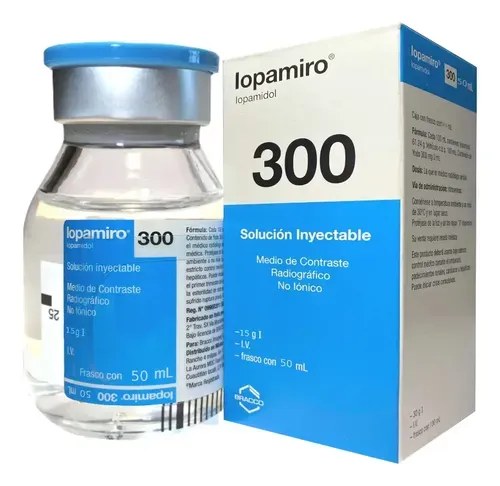
Table of Contents
- Package leaflet: Information for the patient
- IOPAMIRO 150 mgI/ml Injection solution, 300 mgI/ml Injection solution, 370 mgI/ml Injection solution
- 1. What Iopamiro is and what it is used for
- 2. What you should know before being given Iopamiro
- 3. How Iopamiro will be administered to you
- 4. Possible side effects
- 5. How to store Iopamiro
- 6. Package contents and other information
- The following information is intended exclusively for healthcare professionals:
Package leaflet: Information for the patient
IOPAMIRO 150 mgI/ml Injection solution, 300 mgI/ml Injection solution, 370 mgI/ml Injection solution
iopamidol
Please read this leaflet carefully before you are given this medicine
because it contains important information for you.
- Keep this leaflet. You may need to read it again.
- If you have any questions, ask your doctor.
- If you experience any side effects, including those not listed in this leaflet, tell your doctor. See section 4.
Contents of this leaflet:
- What Iopamiro is and what it is used for
- What you need to know before you are given Iopamiro
- How Iopamiro will be administered
- Possible side effects
- How to store Iopamiro
- Contents of the pack and other information
1. What Iopamiro is and what it is used for
Iopamiro is an iodine-containing contrast medium. The active substance in Iopamiro is iopamidol.
Iopamiro is used for diagnostic purposes during radiological examinations, as its absorption of X-rays enables the physician to better visualize blood vessels, urinary tract, joints, spinal canal, and organs undergoing radiological examination, allowing clearer identification of both normal structures and any pathological conditions present.
2. What you should know before being given Iopamiro
You will not be given Iopamiro if
- you are allergic to iopamidol, to other similar contrast media, or to any of the other ingredients of this medicine (listed in section 6)
- you have acute genital inflammation, or if you are pregnant (confirmed or suspected), as in this case you should not undergo radiological examinations of the genital tract (hysterosalpingography) (see section 2. Pregnancy and breastfeeding)
- you need to repeat, within a short time, a radiological examination with Iopamiro in the intrathecal space (the space around the spinal cord), as repeated administration of Iopamiro may cause adverse effects due to excessive dosing.
Warnings and precautions
Due to the possibility of even serious adverse effects, the use of iodinated contrast media should be limited to cases in which a contrast-enhanced radiological examination is clearly indicated.
In all the following conditions, due to an increased risk of serious adverse events, administration of the medicine must be preceded by a particularly careful assessment of the risk/benefit ratio.
Inform the radiologist and/or healthcare professionals if you suffer from bone marrow disease (Waldenström's macroglobulinemia, multiple myeloma), or from severe kidney or liver disease.
Inform your doctor if you have previously experienced allergic reactions, asthma, or severe adverse reactions during similar examinations.
If you have impaired heart function (congestive heart failure), your doctor will monitor you in the hours following the contrast radiological examination to rule out circulatory abnormalities (hemodynamic imbalances).
Allergic reactions may occur even several days after the contrast radiological examination; in such cases, you must contact your doctor immediately.
It is important to drink plenty of fluids before and after a radiological examination.
Adequate hydration is particularly important in children, elderly patients, and patients with severe systemic diseases or with severe impairment of liver or heart function, widespread tumor lesions (myelomatosis), diabetes, altered urine output (increased or decreased), or elevated blood uric acid levels.
Before undergoing an examination with Iopamiro, you should not restrict fluid intake, and any electrolyte or fluid imbalances in the blood should be corrected. Special attention should be paid to infants and children in this regard.
Inform your doctor before being given Iopamiro if you suffer from or have suffered from:
- allergy (hypersensitivity) to iodinated contrast media
- allergies (e.g. pollen allergy, food allergies), asthma
- high levels of calcium in the blood (hypercalcemia)
- thyroid diseases, a gland in the neck (hyperthyroidism, thyroid nodules)
- reduced kidney function (renal insufficiency)
- reduced kidney and liver function simultaneously
- diabetes (see section 2. Other medicines and Iopamiro)
- hardening of blood vessels (arteriosclerosis), blood clot formation (thrombosis)
- a red blood cell disorder (sickle cell anemia)
- a disease characterized by muscle weakness that may lead to paralysis (myasthenia gravis)
- severe heart and blood vessel diseases, including heart failure, high blood pressure (hypertension), and severe inflammation of blood vessels (thromboangiitis obliterans)
- severe systemic disease, embolism
- high blood pressure in the lungs (pulmonary hypertension)
- a disease characterized by the presence of an amino acid in the urine (homocystinuria)
- excessive production of hormones causing severe hypertension (pheochromocytoma)
- cerebrovascular diseases, transient ischemic attacks (TIA), recent episodes of stroke/cerebral infarction (blockage of blood vessels preventing blood flow to the brain), altered permeability of the blood-brain barrier, increased intracranial pressure, suspected intracranial tumors, abscesses, or hematomas/hemorrhage
- previous seizure episodes
- alcoholism, drug dependence
- if you have ever developed a severe skin rash or skin peeling, blisters and/or mouth ulcers after taking Iopamiro or another iodinated contrast medium.
Take special care with Iopamiro
Severe skin reactions, including Stevens-Johnson syndrome (SJS), toxic epidermal necrolysis (Lyell’s syndrome or TEN), and acute generalized exanthematous pustulosis (AGEP), have been reported during or following administration of Iopamiro.
Contact a doctor immediately if you notice any symptoms related to these severe skin reactions, as described in section 4.
Patients undergoing dialysis may receive contrast media such as Iopamiro, which is easily dialyzable.
After intravenous administration of Iopamiro, your doctor will monitor you for at least 30 minutes.
Allergies – If you have had previous allergies or allergic reactions during similar examinations, or if you suffer from asthma, your doctor may consider administering medications to prevent or minimize allergic reactions, such as antihistamines and/or corticosteroids.
Epilepsy: If you have previously suffered from epilepsy, continue your specific treatment.
Repeated procedures – If you have liver or kidney disease, your doctor will perform the examination only if absolutely necessary. In general, contrast examinations should not be repeated within 5–7 days.
During or immediately after the diagnostic procedure, a transient neurological disorder called encephalopathy may occur. Seek immediate medical attention if you notice any symptoms related to this condition, as described in section 4.
Children: Infants under one year of age, and especially newborns, are susceptible to electrolyte imbalances in the blood and circulatory disturbances. Pay close attention to the patient's condition and the doses to be used.
Thyroid dysfunction may occur after exposure to iopamidol. Particular attention must be paid to newborns, including those whose mothers received iopamidol during pregnancy, and to premature infants. Monitor the child's thyroid function.
Elderly: Elderly patients are considered at risk of adverse reactions due to excessive dosing of the contrast medium (see “Dosage, method and duration of administration”).
Other medicines and Iopamiro
Inform your doctor if you are currently using, have recently used, or might use any other medicines.
Concomitant use of Iopamiro and certain medicines may lead to adverse effects.
In particular, inform your doctor if you are taking:
- medicines for diabetes such as biguanides (metformin). Discontinue treatment immediately before the Iopamiro examination and do not resume until 48 hours after the examination. Your doctor will advise you when to restart treatment after blood tests have been performed
- medicines for heart conditions and/or high blood pressure (diuretics, ACE inhibitors, and/or beta-blockers)
- medicines for treating involuntary visceral contractions (papaverine)
- medicines to increase blood pressure (vasopressors)
- if you have recently taken cholecystographic contrast agents for diagnostic evaluation of your gallbladder
- medicines for psychiatric disorders (psychotropic drugs), pain (analgesics), nausea, allergies, and anxiety. Unless otherwise directed by your doctor, discontinue treatment 48 hours before the examination and do not resume until at least 24 hours after the examination
- medicines that modify the immune system response, such as interleukin-2 and interferon, as adverse reactions such as erythema, fever, or flu-like symptoms may occur.
Alcoholism or drug dependence may facilitate the passage of iodinated agents into brain tissue, potentially causing neurological disturbances.
If you are scheduled for thyroid function tests or laboratory tests for bilirubin, proteins, and inorganic substances (e.g., iron, copper, calcium, and phosphates) within two weeks after administration of the contrast medium, discuss this with your doctor, as results may be altered.
Iopamiro with beverages and alcohol
On the day of the examination, fluid intake should not be restricted, especially in infants and children.
Inform your doctor if you consume large amounts of alcohol before undergoing an Iopamiro examination.
Pregnancy, breastfeeding, and fertility
If you are pregnant, suspect you may be pregnant, planning to become pregnant, or breastfeeding, consult your doctor before undergoing an Iopamiro examination.
Pregnancy
Whenever possible, radiation exposure should be avoided during pregnancy; therefore, your doctor will carefully evaluate whether a radiological examination, with or without contrast medium, is necessary.
Radiological examination of the uterus and fallopian tubes with administration of Iopamiro into their cavities (hysterosalpingography) is contraindicated during pregnancy or in the presence of acute genital inflammation.
Breastfeeding
Iopamidol passes into human milk only to a small extent, and no reactions in the newborn have been reported. However, you should consider interrupting breastfeeding for 24 hours after administration of an iodinated contrast medium.
Fertility
No clinical studies on fertility have been conducted.
Driving and using machines
Before driving or operating machinery, check whether any adverse effects are present.
Iopamiro contains sodium
This medicine contains less than 1 mmol (23 mg) of sodium per dose, i.e., it is essentially “sodium-free”.
3. How Iopamiro will be administered to you
Iopamiro will be administered by a radiologist and/or healthcare professionals. Iopamiro may be injected into a vein, an artery, the intrathecal space (the space around the spinal cord), or into a body cavity.
The injected dose may vary depending on the route of administration, the type of examination, the technique used, as well as your age, body weight, and general condition.
The dose to be administered is strictly determined by the physician and/or radiology technician.
Use in children
In children, the dosage is based on body weight and age.
If you are given more Iopamiro than you should
It is highly unlikely that you will be given more Iopamiro than required, as your doctor will carefully monitor the procedure during the examination.
In case of overdose, your doctor will promptly initiate appropriate treatment to prevent any potential harm and ensure adequate fluid intake to facilitate elimination, which occurs almost entirely via the urine.
Iopamidol can be removed from the body through blood filtration and purification (hemodialysis).
To compensate for loss of water and electrolytes, fluids will be administered into a vein.
4. Possible side effects
Like all medicines, this medicine can cause side effects, although not everyone gets them.
The use of iodine-containing solutions may cause side effects, generally mild or moderate in severity and transient in nature. Rarely, more serious allergic-type reactions may occur, which can be fatal.
Immediately inform your doctor if you suddenly experience wheezing, difficulty breathing, swelling of the eyelids, face or lips, skin rash or itching (especially if widespread over the body). These are signs of an allergic reaction, which may be severe and may require immediate medical intervention.
Contact a doctor immediately if you notice any of the following symptoms:
- Flat red spots, circular or "target-like" in appearance, located on the trunk, often associated with central blisters, skin peeling, or ulcers affecting the mouth, throat, nose, genitals and eyes. These severe skin reactions may be preceded by fever and flu-like symptoms (Stevens-Johnson syndrome, toxic epidermal necrolysis).
- Widespread scaly red rash with subcutaneous swellings and blisters, associated with fever. Symptoms usually appear at the beginning of treatment (acute generalized exanthematous pustulosis). The frequency of these adverse reactions is unknown. Most adverse reactions occur within the first few minutes after administration, but sometimes they may occur 2–3 hours later, or more rarely up to 7 days after. Following intrathecal administration, most adverse reactions occur with a delay of several hours, usually after 24 hours from injection.
Symptoms of allergic (anaphylactoid or hypersensitivity) reactions may include:
- Localized or widespread swelling of the face or mucous membranes (localized or generalized angioedema), tongue swelling, laryngospasm or laryngeal edema, difficulty swallowing (dysphagia)
- Pharyngitis and sensation of throat tightness, pharyngolaryngeal pain, cough
- Conjunctivitis, rhinitis, sneezing
- Feeling of warmth, increased sweating, weakness (asthenia), dizziness
- Pallor, dyspnea, respiratory wheezing, bronchospasm, and moderate drop in blood pressure (moderate hypotension)
More severe reactions may involve:
- The heart and circulation, with symptoms such as:
- Flushing and low blood pressure (hypotension), and abnormally fast heartbeat (tachycardia)
- Shortness of breath (dyspnea) and agitation, loss of consciousness (syncope)
- Bluish or purplish discoloration of the skin and mucous membranes (cyanosis)
- The skin, with symptoms such as:
- Skin rash, redness, widespread blisters
- Urticaria and itching
- As with other contrast agents, severe skin reactions following iopamidol administration, although very rare, may include Stevens-Johnson syndrome, toxic epidermal necrolysis (Lyell’s syndrome), and erythema multiforme.
If you experience any of the symptoms listed above, your doctor will IMMEDIATELY STOP the administration of Iopamiro and initiate appropriate and specific treatment.
The following adverse reactions have also been reported with iopamidol, listed below according to their frequency depending on the route of administration.
Administration into a blood vessel (into a vein or an artery)
Possible side effects are listed below according to frequency:
Common (may affect up to 1 in 10 people)
- Headache, nausea
- Sensation of warmth
Uncommon (may affect up to 1 in 100 people)
- Dizziness, altered taste sensation
- Heart rhythm disturbances (cardiac arrhythmias such as extrasystoles, atrial fibrillation, ventricular tachycardia, ventricular fibrillation)
- High or low blood pressure (hypertension/hypotension), flushing
- Vomiting, diarrhea, abdominal pain, dry mouth
- Skin rash, urticaria, itching, erythema, increased sweating
- Back pain
- Chest pain or tightness, injection site pain, fever, feeling of cold
- Reduced kidney function (acute renal failure), increased blood creatinine (an indicator of kidney function)
Rare (may affect up to 1 in 1,000 people)
- Confusional state
- Numbness (paresthesia), muscle spasms
- Abnormally slow heartbeat (bradycardia)
- Fluid retention in the lungs (pulmonary edema), asthma, bronchospasm
- Swelling at the injection site
Not known (frequency cannot be estimated from available data)
- Reduced platelet production (thrombocytopenia)
- Increased acid levels in the blood (acidosis), reduced appetite (anorexia)
- Allergic reactions (anaphylactoid or hypersensitivity reactions)
- Coma, transient ischemic attack (TIA), transient loss of consciousness (syncope)
- Decreased level of consciousness or loss of consciousness, seizures, memory loss, paralysis
- Drowsiness, tremors
- Temporary loss of vision, visual disturbances, conjunctivitis, increased light sensitivity (photophobia), eye itching, increased tear production
- Hearing impairment
- Cardiorespiratory arrest, myocardial ischemia or infarction, impaired heart function (heart failure), chest pain due to temporary reduction in blood flow to the heart (angina pectoris), bluish or purplish discoloration of the skin and mucous membranes (cyanosis)
- Abnormally fast heartbeat (tachycardia)
- Circulatory collapse or shock
- Blood clot within a blood vessel blocking blood flow (thromboembolism), blood clot in an artery or vein (arterial thrombosis, venous thrombosis)
- Inflammation of a vein due to a blood clot (thrombophlebitis)
- Pallor
- Respiratory arrest, cessation of breathing (apnea)
- Respiratory failure, acute respiratory distress syndrome, respiratory distress, laryngeal enlargement (laryngeal edema), difficulty breathing (dyspnea), cough, nasal inflammation, sneezing
- Enlargement of the salivary glands, increased saliva production
- Fluid retention in the face and/or around the eyes
- Musculoskeletal pain, muscle weakness
- Muscle pain with abnormal sensations (compartment syndrome)
- Failure to produce urine (anuria), urinary retention, kidney damage (including acute renal failure and renal injury), reduced daily urine output (oliguria), presence of blood in the urine (hematuria), urinary incontinence
- Rigidity, pain, malaise
- Abnormal electrocardiogram (ST segment depression, increased T wave amplitude, QT interval prolongation)
- Decreased systolic blood pressure, imbalances in blood electrolytes
- Adverse reactions that may occur during the diagnostic procedure (coronary artery dissection, peripheral emboli, brachial plexus injury, pseudoaneurysm, bruising at the injection site)
- Heart attack caused by an allergic reaction
- Brain disease (encephalopathy) with symptoms including headache, vision difficulties, vision loss, confusion, seizures, loss of coordination, inability to move one side of the body, speech problems, and loss of consciousness
- Severe skin diseases (see beginning of this section)
- Skin necrosis following leakage of the medicine
- Facial edema
Children
Thyroid disorders have been reported in premature newborns.
Administration into the space around the spinal cord (intrathecal)
Possible side effects are listed below according to frequency:
Very common (may affect more than 1 in 10 people)
- Headache
Common (may affect up to 1 in 10 people)
- Flushing
- Nausea, vomiting
- Back pain, neck pain, extremity pain, sensation of heaviness
Uncommon (may affect up to 1 in 100 people)
- Skin rash, increased sweating
Not known (frequency cannot be estimated from available data)
- Inflammation of the membranes surrounding the brain and spinal cord (aseptic and bacterial meningitis, as a consequence of procedural risk)
- Increased acid levels in the blood (acidosis)
- Allergic reactions (anaphylactoid or hypersensitivity)
- Hallucinations, confusional state, disorientation
- Depression, anxiety, irritability
- Coma, transient loss of consciousness (syncope), decreased level of consciousness or loss of consciousness, seizures
- Memory disorder (amnesia)
- Paralysis
- Inflammation of the spinal cord (myelitis), irritation of the meninges (meningism), dizziness, altered limb sensitivity (paresthesia), reduced sensitivity (hypoesthesia)
- Dizziness, pain in the nerve roots, drowsiness
- Tremors, involuntary muscle contractions (muscle spasms)
- Temporary blindness, conjunctivitis, increased light sensitivity (photophobia), increased tear production, eye itching
- Hearing problems, ringing in the ears (tinnitus)
- Heart rhythm disturbances (arrhythmia), abnormally fast heartbeat (tachycardia), bluish or purplish discoloration of the skin and mucous membranes (cyanosis)
- Hypertension
- Respiratory arrest, apnea, respiratory failure, shortness of breath (dyspnea)
- Muscle weakness
- Kidney disease (acute renal failure), urinary retention, blood in the urine (hematuria), inability to control urination
- Fever, malaise, rigidity
- Brain disease (encephalopathy) with symptoms including headache, vision difficulties, vision loss, confusion, seizures, loss of coordination, inability to move one side of the body, speech problems, and loss of consciousness
Children
Thyroid disorders have been reported in premature newborns.
Use in a body cavity (intracavitary)
After injection of iodinated contrast medium, most reactions occur several hours later due to slow absorption from the site of administration and slow distribution throughout the body.
Effects on the pancreas
Rare cases of pancreatitis (inflammation of the pancreas) have been reported.
Allergic reactions (anaphylactoid or hypersensitivity)
Systemic hypersensitivity reactions are rare, usually mild and predominantly skin-related. However, the possibility of severe anaphylactoid reactions should still be considered.
In hysterosalpingography (a procedure allowing morphological assessment of the uterus and fallopian tubes), vasovagal reactions may occur during the procedure.
Additional adverse effects in children
The same adverse effects observed in adults may occur in children.
Reporting of adverse effects
If you experience any adverse effect, including those not listed in this leaflet, consult your doctor. You may also report adverse effects directly via the national reporting system at https://www.aifa.gov.it/content/segnalazioni-reazioni-avverse
By reporting adverse effects, you can help provide more information on the safety of this medicine.
5. How to store Iopamiro
Keep this medicine out of the sight and reach of children.
Store in the original packaging to protect the medicine from light.
Do not use this medicine after the expiry date stated on the packaging following
Exp.
The expiry date refers to the last day of that month.
Do not dispose of any medicine via wastewater or household waste. Ask your pharmacist
how to dispose of medicines no longer required. This will help protect the environment.
6. Package contents and other information
What Iopamiro contains
- The active substance is iopamidol.
- The other components are trometamol, sodium calcium edetate (see section 2. Iopamiro contains sodium), hydrochloric acid, water for injections.
Description of the appearance of Iopamiro and contents of the pack
Iopamiro is a clear, aqueous, injectable solution.
It is available in 10 ml vials and 30 ml, 50 ml, 100 ml, 200 ml, 250 ml, 500 ml bottles.
Not all pack sizes may be marketed.
Marketing Authorisation Holder and Manufacturer
Marketing Authorisation Holder
Bracco Imaging s.p.a. - Via E. Folli, 50 – 20134 Milano
Manufacturer
- Patheon Italia s.p.a. 2° trav. sx, Via Morolense 5 - 03013 Ferentino (FR)
- Bracco Imaging s.p.a., Bioindustry Park Via Ribes 5 - 10010 Colleretto Giacosa (TO)
The following information is intended exclusively for healthcare professionals:
Therapeutic Indications
Non-ionic, water-soluble contrast medium for diagnostic use.
Neuroradiology
- Myelography and radiculography
- Cisternography and ventriculography
- Angiography
- Cerebral arteriography
- Coronary arteriography
- Thoracic aortography
- Abdominal aortography
- Angiocardiography
- Selective visceral arteriography
- Peripheral arteriography
- Phlebography
- Digital subtraction angiography (D.S.A.)
- D.S.A. of cerebral arteries, peripheral arteries, and abdominal D.S.A.
- Intravenous urography
- Contrast enhancement in computed tomography (C.T.)
- Arthrography
- Fistulography
- Hysterosalpingography
Iopamiro 150 mgI/ml Injectable Solution is indicated in pediatric radiology and digital angiography.
Contraindications
Hypersensitivity to the active substance, to water-soluble contrast media, and/or to iodine, or to any of the excipients.
Intrathecal administration
Concomitant intrathecal administration of corticosteroids with iopamidol is contraindicated (see Interactions).
Due to the risk of overdose, immediate repetition of a myelographic examination that failed for technical reasons is contraindicated.
Hysterosalpingography
Examinations of the female genital tract are contraindicated in case of confirmed or suspected pregnancy and in the presence of acute inflammatory conditions (see section Special Warnings – Pregnancy and lactation).
Precautions for Use
Rarely, a vial of Iopamiro may be found to contain crystals. This phenomenon has been shown to indicate a damaged or otherwise defective container; therefore, use of such a vial is not recommended.
The use of contrast media should be limited to cases in which there is a clear clinical indication for the procedure.
Diagnostic procedures involving any radiopaque agent must be performed under the supervision of personnel with specific training and full knowledge of the particular procedure to be carried out.
Appropriate equipment must be available to manage any complications arising from the procedure and to provide emergency treatment in case of severe reactions to the contrast medium.
An intravenous access must be established during the examination to allow emergency treatment in case of severe reactions.
The use of contrast agents for cardiovascular angiographic procedures is permitted only in clinics, hospitals, or specialized centers where immediate access to resuscitation equipment and trained personnel is guaranteed.
For other contrast procedures commonly used in diagnostic practice, radiology departments—whether public or private—must have immediately available the necessary equipment and medications proven effective by experience (Ambu bag, oxygen, antihistamines, vasoconstrictors, corticosteroids, etc.).
Extreme care must be taken during injection of the contrast medium to prevent extravasation.
Perivascular leakage of the contrast medium may result in local tissue inflammation.
Adequate hydration of patients should be ensured before and after radiographic procedures. Patients with severe hepatic or myocardial insufficiency, myeloma, diabetes, polyuria or oliguria, hyperuricemia, as well as children, elderly patients, and those with severe systemic diseases should not be exposed to dehydration.
Iopamidol should be administered with caution in patients with symptomatic cerebrovascular disease, recent stroke or myocardial infarction, transient ischemic attacks (TIA), altered blood-brain barrier permeability, increased intracranial pressure, suspected intracranial tumors, abscesses or hematomas/hemorrhage, history of seizures, or alcoholism.
As with other contrast media, iopamidol may cause anaphylaxis or other allergic reactions such as nausea, vomiting, dyspnea, erythema, urticaria, and hypotension. Severe, occasionally fatal, reactions have been reported.
Particular caution is required in patients with a history of allergies, asthma, or adverse reactions during similar procedures; in these cases, the benefits must clearly outweigh the risks. Premedication with antihistamines or corticosteroids may be considered to prevent or minimize potential allergic reactions.
After administration of contrast medium, the risk of reactions leading to bronchospasm is higher in asthmatic patients, particularly in those taking beta-blockers.
After contrast medium administration, trained personnel, emergency medications, and resuscitation equipment must be readily available. All patients should be closely observed for at least 30 minutes.
Neuroradiology
In cases of obstructed cerebrospinal fluid flow (blockage), the contrast medium should be removed as completely as possible.
If seizures occur during the procedure, intravenous diazepam or sodium phenobarbital is recommended.
Intrathecal administration
A particularly careful risk/benefit assessment is required if the patient's history reveals epileptic disorders, presence of blood in the cerebrospinal fluid, or local or systemic infections with possible bacteremia.
In such cases, the operator must weigh the diagnostic necessity against potential risks to the patient.
After completion of cervical or cervico-lumbar region examinations:
- Elevate the end of the table to an angle of approximately 45° for about 2 minutes to allow caudal drainage of the contrast medium
- Elevate the head end of the stretcher to at least 30° before placing the patient on it
- Avoid excessive or overly active movements or stretching of the patient
- Keep the patient under close observation, calm, and with the head elevated, especially during the first few hours after the procedure
- The patient must remain supine and bedridden during this period
- Encourage oral fluid intake and, if tolerated, normal diet
Angiography
Advanced arteriosclerosis, hypertension, cardiac decompensation, severe systemic disease, recent cerebral embolism or thrombosis may increase the risk associated with the procedure.
During angiocardiographic procedures, particular attention must be paid to the condition of the right heart and pulmonary circulation. When iodinated contrast media are administered, right heart failure and pulmonary hypertension may lead to bradycardia and systemic hypotension.
Right heart angiography should be performed only when absolutely necessary.
During intracardiac and/or coronary arteriography, ventricular arrhythmias may occur, although not frequently.
In pediatric patients, injection into the right heart requires particular caution in cyanotic neonates with pulmonary hypertension and compromised cardiac function.
Intravascular injection of contrast medium may lead to pulmonary edema in patients with congestive heart failure.
In angiographic procedures, the possibility of plaque detachment, vessel wall damage, or perforation during catheter placement and contrast injection must be considered.
Test injections are recommended to confirm correct catheter positioning.
During aortic arch studies, particular attention should be paid to catheter tip placement.
Excessive pressure transmitted by the injector into the brachiocephalic vessels may cause hypotension, bradycardia, and central nervous system injury.
Vasospasm and subsequent cerebral ischemic events may be caused by intra-arterial contrast injection.
Even in abdominal angiography, excessive pressure from an automatic pump may cause renal infarction, spinal cord injury, retroperitoneal hemorrhage, intestinal infarction, and necrosis.
In peripheral arteriography, the use of Iopamiro 370 mgI/ml Injectable Solution may cause painful effects not observed with Iopamiro 300 mgI/ml Injectable Solution.
In patients undergoing peripheral angiography, the presence of a palpable pulse in the artery to be injected must be confirmed. Angiography should be performed with caution, if necessary, in patients with thromboangiitis obliterans or ascending infections associated with severe ischemia.
Particular caution is required in patients undergoing venography who have suspected phlebitis, severe ischemia, local infections, or complete venous occlusion.
It has been demonstrated in vitro that the inhibitory effects of non-ionic contrast media on hemostatic mechanisms are less pronounced than those of ionic contrast media at equal concentrations.
Dosage, Method, and Timing of Administration
Generally, the same iodine concentration and volume used for other iodine-based contrast media currently employed in radiology are appropriate.
As with other contrast media, the minimum dose required to achieve adequate visualization should be used.
Doses may be expressed as total volume (ml), per single injection, or per kilogram (kg) of body weight, especially in pediatric use.
Neuroradiology
| Myeloradikulography | Concentration (mg I/ml) | Recommended dose (ml) |
| Myelography | 300 | 5–15 |
| Cisternography and Ventriculography | 300 | 3–15 |
Angiography
| Concentration (mg I/ml) | Recommended dose (ml) | |
| Cerebral arteriography | 300 | 5-10 per bolus |
| Coronary arteriography | 370 | 8-15 per bolus |
| Angiocardiography | 370 | 1.0-1.2/kg |
| Thoracic aortography | 370 | 1.0-1.2/kg |
| Abdominal aortography | 370 | 1.0-1.2/kg |
| Selective visceral arteriography | 300-370 | according to the procedure |
| Peripheral arteriography | 300-370 | 40-50 |
| Digital subtraction angiography | 150-370 | according to the procedure |
| Phlebography | 300 | 30-50 |
Urography
The recommended dose for this type of examination is 30–50 ml in adults.
The low osmotic diuresis makes Iopamiro 370 mgI/ml Injectable Solution particularly suitable for use in patients with moderate renal insufficiency and in neonates.
Even in patients with severe renal insufficiency, a diagnostically valid nephrographic effect can be achieved.
Other types of examinations
| Concentration (mg I/ml) | Recommended dose (ml) | |
| CT contrast enhancement | 300-370 | 0.5-2/kg |
| Arthrography | 300 | 0.5-2/kg |
| Fistulography | 300 | 0.5-2/kg |
| Hysterosalpingography | 300-370 | 5-20 |
Regarding contrast enhancement in computed tomography (CT),
the contrast agent is administered intravenously and may be given either as a bolus, by infusion, or using both methods during the same examination.
Infusion administration is limited to older-generation CT equipment.
With spiral CT scanners and newer multi-slice CT systems, rapid bolus administration is preferred, especially for examinations aimed at arterial phase contrast enhancement.
With slower CT systems, infusion is preferred; with faster systems, rapid bolus injection is recommended.
In hysterosalpingography, as well as in arthrography and fistulography, the total dose to be injected depends on the patient's local and general anatomical and pathological conditions.
Use in the elderly: dosage reduction should be considered (see "Take particular care with Iopamiro").
Use in pediatrics (see “Take particular care with Iopamiro”): Iopamiro 150 mgI/ml Injectable solution is particularly indicated in pediatric radiology.
Iopamiro 370 mgI/ml Injectable solution is recommended for pediatric urography, especially in neonates, and in patients with renal insufficiency.
Method of administration
The non-ionic contrast agent should not remain in contact with blood in the syringe or intravascular catheters, which should be frequently flushed to minimize as much as possible the risk of coagulation and thromboembolic events during angiographic procedures.
Factors such as procedure duration, catheter and syringe materials, underlying disease status, and concomitant therapies may contribute to the development of thromboembolic events.
In patients with known or suspected hypersensitivity to contrast agents, pre-treatment sensitivity testing is not recommended, since severe or fatal reactions to contrast agents cannot be predicted by sensitivity tests.
Care must be taken during injection of contrast agents to avoid extravasation.
The contrast solution for intravascular and intrathecal use must be warmed to body temperature, as this improves tolerability.
Before use, inspect the product to ensure that the container and closure have not been damaged.
Withdrawal of the contrast solution from the vial must be performed under aseptic conditions using sterile syringes.
Intravascular, intrathecal, and/or catheter- and guidewire-based administration must follow strict aseptic procedures.
The vial, once opened, must be used immediately; any remaining contrast solution must not be reused.
If single-use devices are not employed, particular care must be taken to avoid residual contamination with traces of cleaning agents.
Iopamiro, like other iodinated contrast agents, may interact with metallic surfaces containing copper (e.g., brass); therefore, the use of accessories in which the product comes into direct contact with such surfaces should be avoided.
No medicinal product or contrast agent should be mixed with Iopamidol injectable solution.
Pharmaceutical form and contents
Injectable solution.
Clear aqueous solution in transparent glass vials.
| iodine content | iopamidol content | PH | viscosity cP | density | osmometric values at 37°C | |||
| mg I/ml | mg/ml | 20°C | 37°C | 20°C | 37°C | Osmolality (osmol.kg-1) | (atm) | |
| 150 | 306.2 | 7±0.5 | 2.3 | 1.5 | 1.170 | 1.160 | 0.342 | 8.7 |
| 300 | 612.4 | 7±0.5 | 8.8 | 4.7 | 1.335 | 1.328 | 0.616 | 15.7 |
| 370 | 755.3 | 7±0.5 | 20.9 | 9.4 | 1.415 | 1.405 | 0.796 | 20.3 |
Iopamiro is available in different strengths and pack sizes, allowing the healthcare professional
to select the most appropriate one for the examination to be performed.
- 150 mgI/ml injectable solution: 100 ml of solution contain 30.62 mg of iomeprol equivalent to 15,000 mg of iodine
- 300 mgI/ml injectable solution: 100 ml of solution contain 61.24 mg of iomeprol equivalent to 30,000 mg of iodine
- 370 mgI/ml injectable solution: 100 ml of solution contain 75.53 mg of iomeprol equivalent to 37,000 mg of iodine
Expiry and storage
Do not use Iopamiro after the expiry date stated on the packaging.
The expiry date refers to the last day of the month.
Store protected from light.
Overdose
Most of the adverse reactions (see section Undesirable effects) are not dose-dependent and therefore require therapeutic interventions as specified in the section Precautions for use.
In case of intentional or accidental administration of doses higher than normal, facilitate elimination, which occurs almost entirely via the urinary tract, by ensuring adequate hydration of the patient. In case of pre-existing renal insufficiency or if it develops after administration of the contrast medium, the substance can be easily removed by dialysis.
Do not exceed the doses indicated in the section Dosage, method and duration of administration in the package leaflet, as they may cause adverse reactions that could be life-threatening.
Iopamidol can be removed by haemodialysis, if necessary.
Management of overdose should include supportive measures for vital functions and prompt initiation of symptomatic therapy.
Intrathecal administration
Signs of overdose may include ascending hyperreflexia, tonic-clonic spasms progressing to sudden seizures, and, in cases of severe central involvement, hyperthermia, stupor and respiratory depression.