Inuver
ItalyTable of Contents
- Package leaflet: Information for the user
- INUVER 100/6 micrograms per dose pressurised solution for inhalation
- 1. What Inuver is and what it is used for
- 2. What you should know before taking Inuver
- 3. How to take Inuver
- 4. Possible side effects
- 5. How to store Inuver
- 6. Package contents and other information
- Package leaflet: Information for the user
- INUVER 100/6 micrograms per dose pressurized inhalation solution
- 1. What Inuver is and what it is used for
- 2. What you need to know before taking Inuver
- 3. How to take Inuver
- 4. Possible side effects
- 5. How to store Inuver
- 6. Package contents and other information
- Patient information leaflet
- INUVER 100 micrograms/6 micrograms for inhalation powder for
- 1. What INUVER is and what it is used for
- 2. What you should know before using INUVER
- 3. How to use INUVER
- 3. Fully open the cap.
- 4. Before inhaling, breathe out as much as possible.
- 1. Lift the inhaler, bring it to the level of your mouth and close your lips around
- 2. Breathe in quickly and deeply through the mouth.
- 3. If you need to take another dose, repeat the steps from point E.1 to
- 4. Possible side effects
- 5. How to store INUVER
- 6. Package contents and other information
- Patient Information Leaflet
- INUVER 100 micrograms/6 micrograms per inhalation powder for
- 1. What INUVER is and what it is used for
- 2. What you need to know before using INUVER
- 3. How to use INUVER
- 3. Fully open the cap.
- 4. Before inhaling, breathe out as much as possible.
- 1. Lift the inhaler, bring it to the level of your mouth and close your lips around
- 2. Breathe in quickly and deeply through your mouth.
- 3. If you need to take another dose, repeat the steps from point E.1 to
- 4. Possible side effects
- 5. How to store INUVER
- 6. Package contents and other information
- Patient Information Leaflet
- INUVER 200/6 micrograms per dose pressurised solution for inhalation
- 1. What INUVER is and what it is used for
- 2. What you need to know before using INUVER
- 3. How to use INUVER
- 4. Possible side effects
- 5. How to store INUVER
- 6. Package contents and other information
- Package leaflet: Information for the patient
- INUVER 200/6 micrograms per dose pressurized solution for inhalation
- 1. What INUVER is and what it is used for
- 2. What you need to know before using INUVER
- 3. How to use INUVER
- 4. Possible side effects
- 5. How to store INUVER
- 6. Package contents and other information
- Package leaflet: information for the patient
- INUVER 200 micrograms/6 micrograms for inhalation powder for inhalation
- 1. What INUVER is and what it is used for
- 2. What you should know before using INUVER
- 3. How to use INUVER
- INSTRUCTIONS FOR USE OF THE NEXTHALER INHALER
- 3. Fully open the cap.
- 4. Before inhaling, breathe out as much as possible.
- 2. Breathe in quickly and deeply through your mouth.
- 3. If you need to take another dose, repeat the steps from point E.1 to point
- 4. Possible side effects
- 5. How to store INUVER
- 6. Package contents and other information
Package leaflet: Information for the user
INUVER 100/6 micrograms per dose pressurised solution for inhalation
Beclometasone dipropionate / formoterol fumarate dihydrate
This treatment is intended for adults only.
Please read this leaflet carefully before using this medicine because it contains
important information for you.
- Keep this leaflet. You may need to read it again.
- If you have any questions, ask your doctor, pharmacist or nurse.
- This medicine has been prescribed for you only. Do not give it to other people, even if they have the same symptoms as yours, because it may be harmful.
- If you experience any side effect, including those not listed in this leaflet, tell your doctor, pharmacist or nurse.
Contents of this leaflet:
- What Inuver is and what it is used for
- What you need to know before using Inuver
- How to use Inuver
- Possible side effects
- How to store Inuver
- Contents of the pack and other information
1. What Inuver is and what it is used for
Inuver is a pressurised solution for inhalation containing two active substances which are inhaled through the mouth and released directly into the lungs.
The two active substances are beclometasone dipropionate and formoterol fumarate dihydrate.
Beclometasone dipropionate belongs to a group of medicines called corticosteroids, which exert an anti-inflammatory action by reducing swelling and irritation in the lungs.
Formoterol fumarate dihydrate belongs to a group of medicines called long-acting bronchodilators, which relax the muscles of the airways and help you breathe more easily.
Together, these two active substances make breathing easier, providing relief from symptoms such as shortness of breath, wheezing and cough in patients with asthma or COPD, and also help prevent asthma symptoms.
Asthma
Inuver is indicated for the regular treatment of asthma in adult patients in whom:
- asthma is not adequately controlled using inhaled corticosteroids and short-acting bronchodilators “as needed”, or
- asthma responds well to treatment with both inhaled corticosteroids and long-acting bronchodilators.
COPD
Inuver may also be used for the treatment of symptoms of severe chronic obstructive pulmonary disease (COPD) in adult patients. COPD is a chronic lung airway disease mainly caused by cigarette smoking.
2. What you should know before taking Inuver
Do not take Inuver
- If you are allergic or think you may be allergic to either of the active substances in Inuver, or if you are allergic to other medicines or inhaled preparations for the treatment of asthma, or to any of the excipients of Inuver (listed in section 6: Contents of the pack and other information), contact your doctor for advice.
Warnings and precautions
Talk to your doctor before taking Inuver:
- If you have heart problems, such as angina (chest pain or discomfort), if you have recently had a heart attack (myocardial infarction), if you have heart failure, if you have narrowing of the heart arteries (coronary artery disease), heart valve disorders or other known heart abnormalities, or if you have a condition called obstructive hypertrophic cardiomyopathy (also known as HOCM, a disease characterized by abnormal heart muscle).
- If you have narrowing of the arteries (also known as arteriosclerosis), if you have high blood pressure, or if you know you have an aneurysm (an abnormal dilation of blood vessel walls).
- If you have heart rhythm disorders such as a fast or irregular heartbeat, rapid pulse, or palpitations, or if you have been told that your electrocardiogram (ECG) is abnormal.
- If you have an overactive thyroid gland.
- If you have low levels of potassium in your blood.
- If you have any liver or kidney problems.
- If you have diabetes (inhaled high doses of formoterol may increase blood glucose levels, and therefore additional tests to monitor blood sugar levels may be needed when starting this inhaler and occasionally throughout treatment).
- If you have a tumour of the adrenal gland (called phaeochromocytoma).
- If you are due to undergo anaesthesia. Depending on the type of anaesthesia, you may need to stop treatment with Inuver at least 12 hours before the anaesthesia.
- If you are taking, or have taken, medicines to treat tuberculosis (TB), or if you have viral or fungal lung infections.
- If you need to avoid alcohol for any reason.
If you are in any of the above situations, always inform your doctor before using Inuver.
If you have or have had any medical conditions or allergies, or if you are unsure whether you can use Inuver, contact your doctor, an asthma nurse, or a pharmacist before using the inhaler.
Treatment with β-agonist medicines, such as formoterol contained in Inuver, may cause a serious decrease in blood potassium levels (hypokalaemia).
Particular caution is required in patients with severe asthma. This is because low oxygen levels in the blood and some other treatments that may be taken together with Inuver, such as medicines for heart problems or high blood pressure known as diuretics, or other medicines used in the treatment of asthma, may worsen the reduction in potassium levels. For this reason, your doctor may periodically monitor your blood potassium levels.
If you have taken high doses of inhaled corticosteroids for long periods of time, you may need higher doses of corticosteroids during stressful situations. Stressful situations include hospitalization following an accident, severe injuries, or before surgery. In such cases, your doctor may decide whether or not to increase your corticosteroid dosage and may prescribe steroid tablets or injectable steroids.
If you are admitted to hospital, remember to bring all your medicines and inhalation products, including Inuver, and any over-the-counter medicines or tablets, in their original packaging if possible.
Contact your doctor if you experience blurred vision or other visual disturbances.
Children and adolescents
Inuver must not be used in children and adolescents under 18 years of age until further data become available.
Other medicines and Inuver
Tell your doctor if you are taking or have recently taken any other medicines, including those obtained without a prescription.
Some medicines may increase the effects of Inuver, and your doctor may wish to monitor you closely if you are taking these medicines (including some medicines for the treatment of HIV: ritonavir, cobicistat).
Do not take this medicine together with beta-blockers.
If you use beta-blockers (including eye drops), the effect of formoterol may be reduced or blocked.
Conversely, concomitant use of other medicines containing beta-adrenergic agents (medicines that work similarly to formoterol) may enhance the effect of formoterol.
Taking Inuver with:
-
Medicines used to treat heart rhythm disorders (quinidine, disopyramide, procainamide), medicines used to treat allergic reactions (antihistamines), medicines used to treat symptoms of depression or mental disorders such as monoamine oxidase inhibitors (MAO-I) (e.g. phenelzine and isocarbazide), tricyclic antidepressants (e.g. amitriptyline and imipramine), and phenothiazines may cause
some changes in the electrocardiogram (ECG). They may also increase the risk of heart rhythm disorders (ventricular arrhythmias). -
Medicines used to treat Parkinson’s disease (L-dopa), medicines used to treat hypothyroidism (L-thyroxine), medicines containing oxytocin (which causes uterine contractions), and alcohol may reduce cardiac tolerance to beta-2-agonists such as formoterol.
-
Monoamine oxidase inhibitors (MAO-I), including drugs with similar properties such as furazolidone and procarbazine, used in the treatment of mental disorders, may cause an increase in blood pressure.
-
Medicines used to treat heart conditions (digoxin) may cause a decrease in blood potassium levels. This may increase the likelihood of developing heart rhythm abnormalities.
-
Other medicines used in the treatment of asthma (theophylline, aminophylline, or steroids) and diuretics may cause a decrease in blood potassium levels.
-
Some anaesthetics may increase the risk of heart rhythm abnormalities.
Pregnancy, breastfeeding, and fertility
There are no clinical data on the use of Inuver during pregnancy.
Inuver must not be used if you are pregnant, think you may be pregnant, are planning a pregnancy, or are breastfeeding, unless your doctor has specifically instructed you to take the medicine.
Driving and using machines
It is unlikely that Inuver will affect your ability to drive or operate machinery.
Inuver contains alcohol
Inuver contains 7 mg of alcohol (ethanol) per dose, which is equivalent to 0.20 mg/kg for a two-dose administration. The amount in two doses of this medicine is equivalent to that contained in less than 1 ml of wine or beer. The small amount of alcohol contained in this medicine will not produce any significant effects.
For those engaged in sports:
Using this medicine without therapeutic need constitutes doping and may lead to a positive anti-doping test.
3. How to take Inuver
Inuver is for inhalation use only.
Always use this medicine exactly as prescribed by your doctor or pharmacist. If you
have any doubts, consult your doctor or pharmacist.
Asthma
Your doctor will monitor you regularly to ensure you are taking the optimal dose
of Inuver. Your doctor will prescribe the lowest dose that provides adequate control of
your symptoms.
Inuver may be prescribed by your doctor in two different treatment regimens:
a) daily use of Inuver for asthma treatment together with a separate, fast-acting
“reliever” inhaler to treat sudden worsening of asthma symptoms such as
shortness of breath, wheezing and coughing
b) daily use of Inuver for asthma treatment and additional use of Inuver itself as
the reliever inhaler to treat sudden worsening of asthma symptoms such as
shortness of breath, wheezing and coughing
a) Use of Inuver together with another “reliever” medicine
Adults and elderly:
The recommended dose is one or two inhalations twice daily.
The maximum daily dosage is 4 inhalations.
Remember: You must always carry your fast-acting “reliever” inhaler with you to treat
worsening asthma symptoms or sudden asthma attacks.
b) Use of Inuver as the only inhaler for asthma
Adults and elderly:
The recommended dose is one inhalation in the morning and one inhalation in the evening.
You must also use Inuver as the reliever inhaler to treat sudden asthma symptoms.
If you experience asthma symptoms, take one inhalation and wait a few minutes.
If you do not feel better, take another inhalation.
No more than 6 “reliever” inhalations should be taken per day.
The maximum daily dose of Inuver is 8 inhalations.
If you feel you need more inhalations per day to control your asthma symptoms, consult your doctor. Your treatment may need to be changed.
Use in children and adolescents under 18 years of age:
Children and adolescents under 18 years of age must NOT use this medicine.
Chronic obstructive pulmonary disease (COPD)
Adults and elderly:
The recommended dose is two inhalations in the morning and two inhalations in the evening.
Patients at risk:
Dosage adjustment is not required in elderly patients. There is no available information on the use of
Inuver in patients with impaired hepatic or renal function.
Inuver is effective in the treatment of asthma at a beclometasone dipropionate dosage that
may be lower than that of other inhaled products containing beclometasone
dipropionate. If you previously used a different inhaled medicine containing
beclometasone dipropionate, your doctor will prescribe the exact dose of
Inuver needed to treat your asthma.
Do not increase the dose:
If you feel the medicine is not working well enough, always consult your doctor before increasing the dose.
If you take more Inuver than you should:
- An overdose of formoterol may cause the following effects: feeling unwell, malaise, rapid heartbeat, palpitations, heart rhythm disturbances, changes in the electrocardiogram (ECG), headache, tremors, drowsiness, excess acid in the blood, low potassium levels in the blood, and high blood glucose levels. Your doctor may perform blood tests to monitor your potassium and blood glucose levels.
- An overdose of beclometasone dipropionate may cause temporary adrenal gland dysfunction. These problems will resolve spontaneously within a few days, but your doctor may decide to monitor serum cortisol levels.
Contact your doctor if you experience any of these symptoms.
If you forget to take Inuver:
Take it as soon as you remember. If it is almost time for your next dose, do not take the missed dose; instead, take the next dose at the scheduled time. Do not double the dose.
If you stop using Inuver:
Do not reduce the dose or stop taking the medicine.
Even if you feel better, do not stop taking Inuver or reduce the dose without first talking to your doctor. It is very important that Inuver is used regularly, even when you have no symptoms.
If your breathing worsens:
- If you experience sudden worsening of breathlessness or develop wheezing (audible whistling breath) immediately after inhaling the medicine, stop using Inuver immediately and use your fast-acting “reliever” inhaler right away. Contact your doctor immediately. Your doctor will assess your symptoms and, if necessary, may decide to start a different treatment. See also section 4. “Possible side effects”.
If your asthma worsens:
If your symptoms worsen or become difficult to control (for example, if you are using your “reliever” inhaler or Inuver as a reliever more frequently), or if your “reliever” inhaler or Inuver does not relieve your symptoms, contact your doctor immediately. Your asthma may be worsening, and your doctor may decide to adjust your dose of Inuver or prescribe an alternative treatment.
If you have further questions about using this medicine, ask your doctor or pharmacist.
Method of administration:
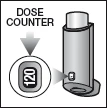
This medicine is contained in a pressurized canister inserted into a plastic inhaler with a mouthpiece. On the back of the inhaler is a dose counter, which displays the number of doses remaining. Each time the canister is pressed, a dose of medicine is released and the dose counter decreases by one. Be careful not to drop the inhaler, as this may cause the dose counter to decrease by one unit.
Checking the inhaler function
Before using the inhaler for the first time, or if the inhaler has not been used for 14 days or more, you must check that the inhaler is working properly.
- Remove the protective cap from the mouthpiece.
- Hold the inhaler upright with the mouthpiece pointing downward.
- Move the mouthpiece away and press firmly on the canister to release one dose.
- Check the dose counter. If using the inhaler for the first time, the number 120 should appear in the dose counter window.
How to use the inhaler
Whenever possible, remain standing or sit upright while inhaling.
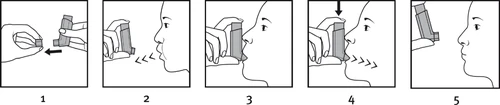
- Remove the protective cap from the mouthpiece and check that the mouthpiece is clean and free of dust, dirt, or any foreign objects.
- Breathe out as slowly and deeply as possible.
- Hold the canister vertically with the body of the inhaler uppermost, then place the mouthpiece between your lips, sealing your lips tightly around it. Do not bite the mouthpiece.
- Breathe in slowly and deeply through your mouth, and immediately after starting to inhale, press firmly on the top of the inhaler to release a dose. If you have weak hands, it may be easier to hold the inhaler with both hands: place your index fingers on the top of the inhaler and both thumbs on the base.
- Hold your breath for as long as possible, then remove the inhaler from your mouth and breathe out slowly. Do not breathe out into the inhaler.
If another dose is needed, keep the inhaler in an upright position for about half a minute and repeat steps 2 to 5.
IMPORTANT: Do not perform steps 2 to 5 too quickly.
After use, replace the protective cap and check the dose counter.
A new medicine pack must be obtained when the dose counter displays the number
20. Stop using the inhaler when the dose counter shows 0, as the amount of
medicine remaining in the device may not be sufficient to deliver a complete dose.
If you see a mist escaping from the inhaler or from the sides of your mouth after inhalation, this means Inuver did not reach your lungs as intended. Administer another dose by following the instructions and repeating steps 2 to 5.
To reduce the risk of developing a fungal infection in the mouth or throat, rinse your mouth with water, gargle, or brush your teeth after each inhalation.
If you think the effect of Inuver is too strong or too weak, inform your doctor or pharmacist.
If you have difficulty coordinating the inhaler activation with the start of inhalation, you may use the AeroChamber Plus™ spacer device. Ask your doctor, pharmacist, or nurse for information about this device.
It is important that you read the instruction leaflet provided with the AeroChamber Plus™ spacer device and carefully follow the instructions for its use and cleaning.
Cleaning
The inhaler should be cleaned once a week. During cleaning, do not remove the canister from the inhaler and do not use water or other liquids to clean the inhaler.
To clean the inhaler:
- Remove the protective cap from the mouthpiece by pulling it away from the inhaler.
- Wipe the inside and outside of the mouthpiece and the inhaler with a clean, dry cloth or tissue.
- Replace the protective cap on the mouthpiece.
4. Possible side effects
Like all medicines, this medicine can cause side effects, although not everyone gets them.
As with other inhaled treatments, there is a risk of worsening shortness of breath and wheezing immediately after using Inuver, a condition known as paradoxical bronchospasm. If this occurs, you must STOP using Inuver IMMEDIATELY and use your "rescue" fast-acting inhaler right away to treat symptoms of shortness of breath and wheezing. Contact your doctor immediately.
Inform your doctor immediately if you experience any hypersensitivity reactions such as skin allergy, itching, rash, skin redness, or swelling of the skin or mucous membranes, especially of the eyes, face, lips, and throat.
Other possible side effects are listed below by frequency.
Common (affects less than 1 in 10 people):
Fungal infections (of mouth and throat), headache, hoarseness, sore throat.
- Pneumonia (lung infection) in patients with COPD
Inform your doctor if you experience any of the following symptoms while taking INUVER, as they may be signs of a lung infection:
- Fever or chills;
- Increased mucus production, changes in mucus color;
- Worsening cough or greater breathing difficulties.
Uncommon (affects less than 1 in 100 people):
Palpitations, abnormally fast heartbeat, heart rhythm disorders, changes in electrocardiogram (ECG), flu-like symptoms, vaginal fungal infections, sinusitis, rhinitis, ear inflammation, throat irritation, cough and productive cough, asthma attacks.
Nausea, taste abnormalities or disturbances, lip burning, dry mouth, difficulty swallowing, indigestion, stomach discomfort, diarrhea.
Muscle pain and cramps, facial flushing, increased blood flow in certain body areas, excessive sweating, tremors, restlessness, dizziness, urticaria.
Changes in certain blood components: reduced number of white blood cells, increased number of blood platelets, reduced potassium levels in blood, increased blood sugar levels, increased insulin levels, free fatty acids and ketones in blood.
The following side effects have been reported as "uncommon" in patients with Chronic Obstructive Pulmonary Disease (COPD):
- Reduced blood cortisol levels; this is caused by the effect of corticosteroids on the adrenal glands.
- Irregular heartbeat.
Rare (affects less than 1 in 1,000 people):
Feeling of chest tightness, missed heartbeat (caused by premature ventricular contractions), increased or decreased blood pressure, kidney inflammation, persistent swelling of the skin and mucous membranes lasting for several days.
Very rare (affects less than 1 in 10,000 people):
Shortness of breath, worsening of asthma, decreased number of blood platelets, swelling of hands and feet.
Not known
Blurred vision.
Long-term, high-dose inhaled corticosteroid use may very rarely cause systemic effects:
These include adrenal gland function disorders (adrenal suppression), reduced bone mineral density (thinning of bones), growth retardation in children and adolescents, increased intraocular pressure (glaucoma), cataract.
Sleep disorders, depression, anxiety, restlessness, nervousness, hyperexcitability or irritability: these effects occur mainly in children, but their frequency is unknown.
Reporting of side effects
If you experience any side effect, including those not listed in this leaflet, talk to your doctor, pharmacist, or nurse.
You can also report side effects directly via the national reporting system at the following website:
http://www.agenziafarmaco.gov.it/content/come-segnalare-una-sospetta-reazione-avversa.
By reporting side effects, you can help provide more information on the safety of this medicine.
5. How to store Inuver
Keep this medicine out of the sight and reach of children.
Single pack containing one container with 120 actuations
Do not use Inuver for more than 3 months after the date of purchase from the pharmacy, and never use it after the
expiry date printed on the packaging and label.
Do not store the inhaler at temperatures above 25°C.
Double pack containing two containers of 120 actuations each
Before use: store the inhaler in the refrigerator (2 °C – 8 °C)
After first use: do not store the inhaler at temperatures above 25°C for longer than 3 months. Do not use this medicine after the expiry date stated on the box and
label. Do not freeze.
If the inhaler has been exposed to low temperatures, warm it with your hands for several minutes before use. Never heat it using artificial methods.
Caution: The container contains liquid under pressure. Do not expose it to temperatures above 50°C. Do not pierce the container.
Medicines must not be disposed of via wastewater or household waste. Ask your pharmacist how to dispose of medicines you no longer use. This will help protect the environment.
6. Package contents and other information
What Inuver contains
The active substances are: beclometasone dipropionate, formoterol fumarate dihydrate.
Each metered dose contains 100 micrograms of beclometasone dipropionate
and 6 micrograms of formoterol fumarate dihydrate.
This corresponds to an inhaled dose delivered from the mouthpiece of 84.6 micrograms of beclometasone
dipropionate and 5.0 micrograms of formoterol fumarate dihydrate.
The excipients are: anhydrous ethanol, hydrochloric acid, propellant: norflurane (HFC-134a).
Description of the appearance of Inuver and contents of the pack
Inuver is a pressurized solution in an aluminum container with a metering valve,
fitted into a polypropylene actuator with a plastic protective cap.
Each pack contains one pressurized container delivering 120 metered doses.
Not all pack sizes may be marketed.
Marketing Authorization Holder
Chiesi Farmaceutici S.p.A.
Via Palermo 26/A
43122 Parma
Italy
Responsible manufacturers for batch release
Chiesi Pharmaceuticals GmbH
Gonzagagasse 16/16
1010 Vienna-Austria
Chiesi S.A.S.
This medicinal product is authorized in the Member States of the European Economic Area under the
following names:
| Austria | Formodual |
| Belgium | Inuvair |
| France | Formodual |
| Germany | Kantos Master |
| Greece | Inuvair |
| Italy | Inuver |
| Luxembourg | Inuvair |
| Netherlands | Formodual |
| Poland | Formodual |
| Romania | Foster |
| Lithuania | Foster |
| Bulgaria | Foster |
| Denmark | Innovair |
| Finland | Innovair |
| Latvia | Foster |
| United Kingdom | Formodual |
| Slovenia | Formodual |
| Spain | Formodual |
| Hungary | Formodual |
| Norway | Inuxair |
| Sweden | Innovair |
| Cyprus | Foster |
| Estonia | Foster |
Package leaflet: Information for the user
INUVER 100/6 micrograms per dose pressurized inhalation solution
Beclometasone dipropionate / formoterol fumarate dihydrate
This treatment is intended for adults only.
Please read this leaflet carefully before using this medicine, as it contains
important information for you.
- Keep this leaflet. You may need to read it again.
- If you have any questions, consult your doctor, pharmacist, or nurse.
- This medicine has been prescribed for you only. Do not give it to others, even if they have the same symptoms as you, because it could be harmful.
- If you experience any adverse reaction, including those not listed in this leaflet, contact your doctor, pharmacist, or nurse.
Contents of this leaflet:
- What Inuver is and what it is used for
- What you need to know before using Inuver
- How to use Inuver
- Possible side effects
- How to store Inuver
- Package contents and other information
1. What Inuver is and what it is used for
Inuver is a pressurized solution for inhalation containing two active substances which are inhaled through the mouth and delivered directly into the lungs.
The two active substances are beclometasone dipropionate and formoterol fumarate dihydrate.
Beclometasone dipropionate belongs to a group of medicines called corticosteroids, which exert an anti-inflammatory action by reducing swelling and irritation in the lungs.
Formoterol fumarate dihydrate belongs to a group of medicines called long-acting bronchodilators, which relax the muscles of the airways and help you breathe more easily.
Together, these two active substances make breathing easier, providing relief from symptoms such as shortness of breath, wheezing and coughing in patients with asthma or COPD, and also help prevent asthma symptoms.
Asthma
Inuver is indicated for regular treatment of asthma in adult patients in whom:
- asthma is not adequately controlled using inhaled corticosteroids and short-acting bronchodilators used "as needed", or
- asthma is well controlled with treatment combining inhaled corticosteroids and long-acting bronchodilators.
COPD
Inuver may also be used for the treatment of symptoms of severe chronic obstructive pulmonary disease (COPD) in adult patients. COPD is a chronic lung airway disease primarily caused by cigarette smoking.
2. What you need to know before taking Inuver
Do not take Inuver
- If you are allergic or think you may be allergic to either of the active substances in Inuver, or if you are allergic to other medicines or inhaled preparations used to treat asthma, or to any of the excipients in Inuver (listed in section 6: Contents of the pack and other information), contact your doctor for advice.
Warnings and precautions
Talk to your doctor before taking Inuver:
- If you have heart problems, such as angina (chest pain or discomfort), if you have recently had a heart attack (myocardial infarction), if you have heart failure, if you have narrowing of the heart arteries (coronary artery disease), heart valve disorders or other known heart abnormalities, or if you have a condition called obstructive hypertrophic cardiomyopathy (also known as HOCM, a disease characterized by abnormal heart muscle).
- If you have narrowing of arteries (also called arteriosclerosis), if you have high blood pressure, or if you know you have an aneurysm (an abnormal dilation of blood vessel walls).
- If you have heart rhythm disorders such as rapid or irregular heartbeat, rapid pulse rate, or palpitations, or if you have been told that your heart tracing is abnormal.
- If you have an overactive thyroid gland.
- If you have lower than normal potassium levels in your blood.
- If you have any liver or kidney disorder.
- If you have diabetes (inhaling high doses of formoterol may increase blood glucose levels and therefore additional tests may be needed to monitor blood sugar levels when starting this inhaler and occasionally during treatment).
- If you have a tumor of the adrenal gland (called phaeochromocytoma).
- If you are due to undergo anesthesia. Depending on the type of anesthesia, you may need to stop treatment with Inuver at least 12 hours before anesthesia.
- If you are taking, or have taken, medicines to treat tuberculosis (TB), or if you have viral or fungal lung infections.
- If you need to avoid alcohol for any reason.
If you are in any of the situations listed above, always inform your doctor before using Inuver.
If you have or have had any medical conditions or allergies, or if you are unsure whether you can use Inuver, contact your doctor, an asthma nurse, or a pharmacist before using the inhaler.
Treatment with β-agonist medicines, such as formoterol contained in Inuver, may cause a severe decrease in blood potassium levels (hypokalaemia).
Particular caution is required in patients with severe asthma. This is because low oxygen levels in the blood and some other treatments taken together with Inuver—such as medicines for heart problems or high blood pressure known as diuretics, or other medicines used to treat asthma—can worsen the reduction in potassium levels. For this reason, your doctor may periodically monitor your blood potassium levels.
If you have taken high doses of inhaled corticosteroids for long periods of time, you may need higher doses of corticosteroids during stressful situations. Stressful situations include hospitalization following an accident, serious injury, or before surgery. In such cases, your doctor may decide whether or not to increase your corticosteroid dose and may prescribe steroid tablets or injectable steroids.
If you are admitted to hospital, remember to bring all your medicines and inhaled products, including Inuver, and any over-the-counter medicines or tablets, in their original packaging if possible.
Contact your doctor if you experience blurred vision or other visual disturbances.
Children and adolescents
Inuver must not be used in children and adolescents under 18 years of age until further data become available.
Other medicines and Inuver
Tell your doctor if you are taking or have recently taken any other medicines, including those obtained without a prescription.
Some medicines may increase the effects of Inuver, and your doctor may want to monitor you closely if you are taking these medicines (including some medicines used to treat HIV: ritonavir, cobicistat).
Do not take this medicine together with beta-blockers.
If you use beta-blockers (including eye drops), the effect of formoterol may be reduced or blocked.
Conversely, concomitant use of other medicines containing beta-adrenergic agents (medicines that work similarly to formoterol) may enhance the effect of formoterol.
Taking Inuver with:
-
Medicines used to treat heart rhythm disorders (quinidine, disopyramide, procainamide), medicines used to treat allergic reactions (antihistamines), medicines used to treat symptoms of depression or mental disorders such as monoamine oxidase inhibitors (MAO-I) (e.g. phenelzine and isocarboxazide), tricyclic antidepressants (e.g. amitriptyline and imipramine), phenothiazines may cause
some changes in the electrocardiogram (ECG, heart tracing). They may also increase the risk of heart rhythm disorders (ventricular arrhythmias). -
Medicines used to treat Parkinson’s disease (L-dopa), medicines used to treat hypothyroidism (L-thyroxine), medicines containing oxytocin (which causes uterine contractions), and alcohol may reduce cardiac tolerance to beta-2-agonists such as formoterol.
-
Monoamine oxidase inhibitors (MAO-I), including drugs with similar properties such as furazolidone and procarbazine, used to treat mental disorders, may cause an increase in blood pressure.
-
Medicines used to treat heart conditions (digoxin) may cause a decrease in blood potassium levels. This may increase the likelihood of heart rhythm abnormalities.
-
Other medicines used to treat asthma (theophylline, aminophylline, or steroids) and diuretics may cause a decrease in blood potassium levels.
-
Some anesthetics may increase the risk of heart rhythm abnormalities.
Pregnancy, breastfeeding, and fertility
There are no clinical data on the use of Inuver during pregnancy.
Inuver must not be used if you are pregnant, think you may be pregnant, are planning a pregnancy, or are breastfeeding, unless your doctor has specifically instructed you to take the medicine.
Driving and using machines
It is unlikely that Inuver will affect your ability to drive or operate machinery.
Inuver contains alcohol
Inuver contains 7 mg of alcohol (ethanol) per dose, equivalent to 0.20 mg/kg for a two-dose administration. The amount in two doses of this medicine is equivalent to that contained in less than 1 ml of wine or beer. The small amount of alcohol contained in this medicine will not produce significant effects.
For those engaged in sports activities:
Using this medicine without therapeutic need constitutes doping and may lead to a positive result in anti-doping tests.
3. How to take Inuver
Inuver is for inhalation use only.
Use this medicine exactly as directed by your doctor or pharmacist. If you
have any doubts, consult your doctor or pharmacist.
Asthma
Your doctor will monitor you regularly to ensure you are taking the optimal
dose of Inuver. Your doctor will prescribe the lowest dose that provides adequate control of
your symptoms.
Inuver may be prescribed by your doctor in two different treatment regimens:
a) daily use of Inuver for asthma treatment, together with a separate reliever inhaler
to treat sudden worsening of asthma symptoms, such as breathlessness, wheezing, and cough
b) daily use of Inuver for asthma treatment, plus additional use of Inuver to treat sudden
worsening of asthma symptoms, such as breathlessness, wheezing, and cough
a) Use of Inuver together with another reliever medicine
Adults and elderly:
The recommended dose is one or two inhalations twice daily.
The maximum daily dosage is four inhalations.
Remember: You must always carry your fast-acting reliever inhaler with you to treat
worsening asthma symptoms or sudden asthma attacks.
b) Use of Inuver as the only inhaler for asthma
Adults and elderly:
The recommended dose is one inhalation in the morning and one inhalation in the evening.
You must use Inuver also as a reliever inhaler to treat sudden asthma symptoms.
If you experience asthma symptoms, take one inhalation and wait a few minutes.
If you do not feel better, take another inhalation.
No more than 6 reliever inhalations should be taken per day.
The maximum daily dose of Inuver is 8 inhalations.
If you feel you need more inhalations per day to control your asthma symptoms, consult your doctor. Your treatment may need to be changed.
Use in children and adolescents under 18 years of age:
Children and adolescents under 18 years of age must not use this medicine.
Chronic obstructive pulmonary disease (COPD)
Adults and elderly:
The recommended dose is two inhalations in the morning and two inhalations in the evening.
Patients at risk:
Dose adjustment is not required in elderly patients. There is no available information on the use of
Inuver in patients with impaired hepatic or renal function.
Inuver is effective in the treatment of asthma at a beclometasone dipropionate dosage that
may be lower than that of other inhaled products containing beclometasone
dipropionate. If you previously used a different inhaled medicine containing beclometasone
dipropionate, your doctor will prescribe the exact dose of Inuver needed to treat your asthma.
Do not increase the dose:
If you feel the medicine is not very effective, always consult your doctor before increasing the dose.
If you use more Inuver than you should:
- An overdose of formoterol may cause the following effects: feeling unwell, malaise, rapid heartbeat, palpitations, heart rhythm disturbances, changes in the electrocardiogram (ECG), headache, tremor, drowsiness, excess acid in the blood, low potassium levels in the blood, and high blood glucose levels. Your doctor may perform blood tests to monitor your potassium and glucose levels.
- An overdose of beclometasone dipropionate may cause temporary disturbances of the adrenal glands. These problems will resolve spontaneously within a few days, but your doctor may decide to monitor your serum cortisol levels.
Contact your doctor if you experience any of these symptoms.
If you forget to take Inuver:
Take it as soon as you remember. If it is almost time for your next dose, do not take the missed dose, but take the next dose at the correct time. Do not double the dose.
If you stop using Inuver:
Do not reduce the dose or stop taking the medicine.
Even if you feel better, do not stop or reduce the dose of Inuver without talking to your doctor. It is very important that Inuver is used regularly, even when you have no symptoms.
If your breathing worsens:
- If you experience sudden worsening of breathlessness or develop wheezing (a clearly audible whistling sound when breathing) immediately after inhaling the medicine, stop using Inuver immediately and use your fast-acting reliever inhaler right away. Contact your doctor immediately. Your doctor will assess your symptoms and, if necessary, decide to start a different treatment. See also section 4. “Possible side effects”.
If your asthma worsens:
If your symptoms worsen or become difficult to control (for example, if you are using your reliever inhaler or Inuver as a reliever more frequently), or if your reliever inhaler or Inuver does not improve your symptoms, contact your doctor immediately. Your asthma may be worsening, and your doctor may decide to adjust your dose of Inuver or prescribe an alternative treatment.
If you have any further questions about the use of this product, ask your doctor or pharmacist.
Method of administration:
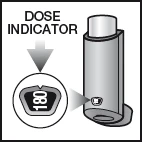
This medicine is contained in a pressurized canister inserted into a plastic inhaler with a mouthpiece. On the back of the inhaler there is a dose indicator, which shows the number of doses remaining. Each time you press the canister, the dose indicator decreases by a small amount. The number of remaining doses is displayed in increments of 20.
- Be careful not to drop the inhaler, as this may cause the dose counter to decrease by one unit.
Checking the inhaler function
Before using the inhaler for the first time, or if the inhaler has not been used for 14 days or more, you must check that the inhaler is working properly.
- Remove the protective cap from the mouthpiece.
- Hold the inhaler upright with the mouthpiece pointing downward.
- Point the mouthpiece away from you and press firmly on the canister to release one dose.
- Check the dose indicator. If you are using the inhaler for the first time, the number 180 should appear in the dose indicator window.
How to use the inhaler
Whenever possible, remain standing or sit upright when inhaling.
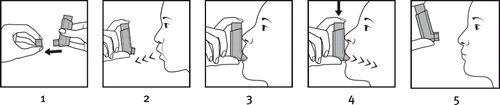
- Remove the protective cap from the mouthpiece and check that the mouthpiece is clean, free of dust, dirt, or any foreign objects.
- Breathe out as slowly and deeply as possible.
- Hold the canister vertically, with the body of the inhaler uppermost, and place the mouthpiece between your lips, sealing your lips firmly around it. Do not bite the mouthpiece.
- Breathe in slowly and deeply through your mouth, and immediately after starting to inhale, press firmly on the top of the inhaler to release one dose. If you have a weak grip, it may be easier to hold the inhaler with both hands: place your index fingers on the top of the inhaler and both thumbs on the base.
- Hold your breath as long as possible, then remove the inhaler from your mouth and breathe out slowly. Do not breathe out into the inhaler.
If another dose is needed, keep the inhaler in an upright position for about half a minute and repeat steps 2 to 5.
IMPORTANT: Do not perform steps 2 to 5 too quickly.
After use, replace the protective cap and check the dose indicator.
You must obtain a new medicine pack when the dose indicator shows the number 20. Stop using the inhaler when the dose indicator shows 0, as the amount of medicine remaining in the device may not be sufficient to deliver a complete dose.
If you see a mist escaping from the inhaler or from the sides of your mouth after inhalation, this means Inuver did not reach your lungs as intended. Administer another dose by following the instructions and repeating steps 2 to 5.
To reduce the risk of developing a fungal infection in the mouth or throat, rinse your mouth with water, gargle, or brush your teeth after each inhalation.
If you think the effect of Inuver is too strong or not strong enough, tell your doctor or pharmacist.
If you find it difficult to activate the inhaler while starting to inhale, you may use the AeroChamber Plus™ spacer device. Ask your doctor, pharmacist, or nurse for information about this device.
It is important that you read the instruction leaflet provided with the AeroChamber Plus™ spacer device and carefully follow the instructions for its use and cleaning.
Cleaning
The inhaler should be cleaned once a week. During cleaning, do not remove the canister from the inhaler and do not use water or other liquids to clean the inhaler.
To clean the inhaler:
- Remove the protective cap from the mouthpiece by pulling it away from the inhaler.
- Wipe the inside and outside of the mouthpiece and the inhaler with a clean, dry cloth or tissue.
- Replace the protective cap on the mouthpiece.
4. Possible side effects
Like all medicines, this medicine can cause side effects, although not everyone gets them.
As with other inhaled treatments, there is a risk of worsening shortness of breath and wheezing immediately after using Inuver, a condition known as paradoxical bronchospasm. If this occurs, you must STOP using Inuver IMMEDIATELY and use your "as-needed" fast-acting inhaler right away to treat symptoms of shortness of breath and wheezing. Contact your doctor immediately.
Inform your doctor immediately if you experience any signs of hypersensitivity such as skin allergy, itching, rash, skin redness, or swelling of the skin or mucous membranes, particularly around the eyes, face, lips, and throat.
Other possible side effects are listed below, grouped by frequency.
Common (affects less than 1 in 10 people):
Fungal infections (of mouth and throat), headache, hoarseness, sore throat.
- Pneumonia (lung infection) in patients with COPD
Inform your doctor if you experience any of the following symptoms while taking INUVER, as they may be signs of a lung infection:
- fever or chills;
- increased mucus production, change in mucus colour;
- increased coughing or worsening breathing difficulties.
Uncommon (affects less than 1 in 100 people):
Palpitations, unusually fast heartbeat, heart rhythm disorders, changes in electrocardiogram (ECG), flu-like symptoms, vaginal fungal infections, sinusitis, rhinitis, ear inflammation, throat irritation, cough and productive cough, asthma attacks.
Nausea, taste abnormalities or disturbances, lip burning, dry mouth, difficulty swallowing, indigestion, stomach discomfort, diarrhoea.
Muscle pain and cramps, facial flushing, increased blood flow in certain body areas, excessive sweating, tremors, restlessness, dizziness, urticaria.
Alterations in certain blood components: reduced white blood cell count, increased blood platelet count, reduced potassium levels in blood, increased blood sugar levels, increased insulin, free fatty acids and ketones in blood.
The following side effects have been reported as "uncommon" in patients with Chronic Obstructive Pulmonary Disease (COPD):
- Reduced blood cortisol levels; this is caused by the effect of corticosteroids on the adrenal glands.
- Irregular heartbeat.
Rare (affects less than 1 in 1,000 people):
Chest tightness, absence of heartbeat (caused by premature ventricular contractions), increased or decreased blood pressure, kidney inflammation, persistent swelling of the skin and mucous membranes lasting for several days.
Very rare (affects less than 1 in 10,000 people):
Shortness of breath, worsening of asthma, decreased blood platelet count, swelling of hands and feet.
Not known
Blurred vision.
Long-term, high-dose inhaled corticosteroid use may very rarely cause systemic effects:
These include adrenal gland function disorders (adrenal suppression), reduced bone mineral density (thinning of the bones), growth retardation in children and adolescents, increased intraocular pressure (glaucoma), cataract.
Sleep disorders, depression, anxiety, restlessness, nervousness, hyperexcitability or irritability: these effects occur mainly in children, but the frequency is unknown.
Reporting of side effects
If you experience any side effect, including those not listed in this leaflet, talk to your doctor, pharmacist, or nurse.
You can also report side effects directly via the national reporting system at:
http://www.agenziafarmaco.gov.it/content/come-segnalare-una-sospetta-reazione-avversa.
By reporting side effects, you can help provide more information on the safety of this medicine.
5. How to store Inuver
Keep this medicine out of the sight and reach of children.
Do not use Inuver more than 3 months after the date of purchase from the pharmacy and never use it after the expiry date stated on the packaging and label.
Do not store the inhaler at temperatures above 25°C.
If the inhaler has been exposed to low temperatures, warm it with your hands for a few minutes before use. Never warm the inhaler using artificial methods.
Caution: The container contains pressurised liquid. Do not expose it to temperatures above 50°C. Do not pierce the container.
Medicines should not be disposed of via wastewater or household waste. Ask your pharmacist how to dispose of medicines no longer in use. This will help protect the environment.
6. Package contents and other information
What Inuver contains
The active substances are: beclometasone dipropionate, formoterol fumarate dihydrate.
Each metered valve actuation contains 100 micrograms of beclometasone dipropionate
and 6 micrograms of formoterol fumarate dihydrate.
This corresponds to an inhaled dose delivered from the mouthpiece of 84.6 micrograms of beclometasone
dipropionate and 5.0 micrograms of formoterol fumarate dihydrate.
The excipients are: anhydrous ethanol, hydrochloric acid, propellant: norflurane (HFC-134a).
This medicinal product contains fluorinated greenhouse gases. Each inhaler contains 11.202 g of
norflurane (HFC-134a), equivalent to 0.016 tonnes of CO2 (global warming potential = 1430).
Description of the appearance of Inuver and contents of the pack
Inuver is a pressurized solution in an aluminum container with a metering valve, fitted into a polypropylene inhaler with a plastic protective cap.
Each pack contains one pressurized container providing 180 doses.
Marketing Authorization Holder
Chiesi Farmaceutici S.p.A.
Via Palermo 26/A
43122 Parma
Italy
Manufacturer responsible for batch release
Chiesi Farmaceutici S.p.A.
Via San Leonardo 96
43122 Parma
Italy
Alternative manufacturers responsible for batch release
Chiesi Pharmaceuticals GmbH
Gonzagagasse 16/16
1010 Vienna - Austria
Chiesi S.A.S.
2 rue des Docteurs Alberto et Paolo Chiesi
41260 La Chaussée Saint-Victor - France
This medicinal product is authorized in the Member States of the European Economic Area under the following names:
| Austria | Formodual |
| Belgium | Inuvair |
| France | Formodual |
| Germany | Kantos Master |
| Greece | Inuvair |
| Italy | Inuver |
| Luxembourg | Inuvair |
| Netherlands | Formodual |
| Poland | Formodual |
| Romania | Foster |
| Lithuania | Foster |
| Bulgaria | Foster |
| Denmark | Innovair |
| Finland | Innovair |
| Latvia | Foster |
| United Kingdom | Formodual |
| Slovenia | Formodual |
| Spain | Formodual |
| Hungary | Formodual |
| Norway | Inuxair |
| Sweden | Innovair |
| Cyprus | Foster |
| Estonia | Foster |
Patient information leaflet
INUVER 100 micrograms/6 micrograms for inhalation powder for
inhalation
For use in adults only
beclometasone dipropionate anhydrous/formoterol fumarate dihydrate
Please read this leaflet carefully before taking this medicine as it contains
important information for you.
- Keep this leaflet. You may need to read it again.
- If you have any questions, ask your doctor, nurse, or pharmacist.
- This medicine has been prescribed for you only. Do not give it to others, even if their symptoms are the same as yours, as it may be harmful.
- If you experience any side effect, including those not listed in this leaflet, talk to your doctor, nurse, or pharmacist.
Contents of this leaflet:
- What INUVER is and what it is used for
- What you need to know before using INUVER
- How to use INUVER
- Possible side effects
- How to store INUVER
- Contents of the pack and other information
1. What INUVER is and what it is used for
INUVER is a powder that is inhaled through the mouth and delivered directly into the lungs. It contains two active substances: beclometasone dipropionate anhydrous and formoterol fumarate dihydrate.
- Beclometasone dipropionate belongs to a group of medicines called corticosteroids, which have an anti-inflammatory action, reducing swelling and irritation in the lungs.
- Formoterol fumarate dihydrate belongs to a group of medicines called long-acting bronchodilators, which relax and widen the muscles of the airways, making it easier to breathe in and out.
These two active substances help breathing by relieving symptoms such as shortness of breath, wheezing and cough in patients with asthma or COPD, and also help prevent asthma symptoms.
Asthma
INUVER is used for the treatment of asthma in adults.
If you have been prescribed INUVER, it is likely that:
- your asthma is not adequately controlled using inhaled corticosteroids and short-acting bronchodilators “as needed”, or
- your asthma responds well to treatment with both corticosteroids and long-acting bronchodilators.
COPD
INUVER may also be used to treat symptoms of severe chronic obstructive pulmonary disease (COPD) in adult patients. COPD is a chronic lung airway disease mainly caused by cigarette smoking.
2. What you should know before using INUVER
Do not use INUVER
If you are allergic to anhydrous beclometasone dipropionate or to formoterol fumarate dihydrate, or to
any of the other ingredients of this medicine (listed in section 6).
Warnings and precautions
Consult your doctor before using INUVER if you have any of the following conditions:
- Heart problems, including any known heart disease and/or cardiac function disorders
- Heart rhythm disorders, such as increased or irregular heartbeat, rapid pulse or palpitations, or if you have been informed that your electrocardiogram (ECG) is abnormal
- High blood pressure
- Narrowing of the arteries (also known as arteriosclerosis), or if you know you have an aneurysm (an abnormal dilation of blood vessel walls)
- Overactive thyroid gland
- Low levels of potassium in the blood
- Any liver or kidney disorder
- Diabetes. If you inhale high doses of formoterol, blood glucose levels may increase; therefore, additional tests to monitor blood sugar levels may be necessary both when starting treatment with this inhaler and periodically throughout treatment.
- Tumour of the adrenal gland (called phaeochromocytoma)
- If you are due to undergo anaesthesia. Depending on the type of anaesthesia, it may be necessary to stop treatment with INUVER at least 12 hours before the procedure.
- If you are currently taking, have recently taken, or have been treated with medicines for tuberculosis (TB), or if you have known viral or fungal chest infections.
If any of the above conditions apply to you, always inform your doctor before using INUVER.
If you are unsure whether you can use INUVER, consult your doctor, an asthma nurse specialist, or pharmacist before using the inhaler.
Your doctor may decide to periodically check your blood potassium levels,
especially if your asthma is severe. Like many bronchodilators, INUVER may
cause a sudden drop in serum potassium levels (hypokalaemia). This may occur because reduced oxygen levels in the blood, associated with certain other treatments taken together with INUVER, can worsen the reduction in potassium levels.
If you have used high doses of inhaled corticosteroids for long periods of time,
you may require additional corticosteroids during periods of stress. Stressful situations
may include hospitalisation following an accident, serious injury, or the period before surgery. In such cases, your doctor will decide whether your corticosteroid dose should be increased and may prescribe steroid tablets or injectable steroids.
If hospitalisation is required,
remember to bring all your medicines and inhalers with you, including INUVER and any over-the-counter medicines or tablets, preferably in their original packaging.
Contact your doctor if you experience blurred vision or other visual disturbances.
Children and adolescents
This medicine must not be administered to children and adolescents under 18 years of age.
Other medicines and INUVER
Inform your doctor or pharmacist if you are taking, have recently taken, or might take any other medicines. This is important because
INUVER may alter
the effect of other medicines. In addition, other medicines may affect the activity of
INUVER.
In particular, consult your doctor or pharmacist if you are taking any of the following
medicines:
- Some medicines can increase the effects of INUVER, and your doctor may wish to monitor you closely if you are taking these (including certain medicines for the treatment of HIV: ritonavir, cobicistat).
- Beta-blockers. Beta-blockers are medicines used to treat various conditions, including heart problems, high blood pressure, or glaucoma (increased pressure in the eyes). If you are using beta-blockers (including eye drops), the effect of formoterol may be reduced or blocked.
- Beta-adrenergic drugs (medicines with activity similar to formoterol) may increase the effects of formoterol.
- Medicines used to treat heart rhythm disorders (quinidine, disopyramide, procainamide).
- Medicines used to treat allergic reactions (antihistamines, such as terfenadine).
- Medicines used to treat depression or mental disorders such as monoamine oxidase inhibitors (e.g. phenelzine and isocarboxazide), tricyclic antidepressants (e.g. amitriptyline and imipramine), or phenothiazines.
- Medicines used to treat Parkinson’s disease (L-dopa).
- Medicines used to treat an underactive thyroid (L-thyroxine).
- Medicines containing oxytocin (which causes uterine contractions).
- Medicines used to treat mental disorders such as monoamine oxidase inhibitors (MAOIs), including drugs with similar properties to furazolidone and procarbazine.
- Medicines used to treat heart disease (digoxin).
- Other medicines used to treat asthma (theophylline, aminophylline, or steroids).
- Diuretics ("water tablets").
Also inform your doctor or pharmacist if you are planning to use a general anaesthetic
for surgery or dental procedures.
Pregnancy and breastfeeding
There are no clinical data available on the use of INUVER during pregnancy.
If you are pregnant, suspect you may be pregnant, planning to become pregnant, or are breastfeeding,
please consult your doctor before using this medicine. INUVER should only be used during pregnancy if your doctor advises you to do so. Your doctor will decide whether you should stop taking INUVER during breastfeeding or whether you should continue taking INUVER but refrain from breastfeeding. Always follow your doctor's advice carefully.
Driving and using machines
It is unlikely that INUVER will affect your ability to drive or operate machinery.
However, if you experience side effects such as dizziness and/or tremor, your ability to drive or operate machinery may be impaired.
INUVER contains lactose monohydrate
Lactose contains small amounts of milk proteins, which may cause reactions in patients who are allergic. If your doctor has diagnosed you with an intolerance to certain sugars, please consult them before taking this medicine.
For athletes:
Using this medicine without a therapeutic need constitutes doping and may lead to a positive result in anti-doping tests.
3. How to use INUVER
Use this medicine exactly as directed by your doctor, nurse, or pharmacist. If you have any doubts, consult your doctor or pharmacist.
INUVER delivers an extrafine powder, allowing a greater proportion of the drug contained in each dose to reach the lungs. Therefore, your doctor may prescribe a lower dose of this inhaled medicine compared to what you previously used with other inhalers.
Asthma
Your doctor will monitor you regularly to ensure you are taking the correct dose of INUVER. Once your asthma is well controlled, your doctor may consider gradually reducing the dose of INUVER. Do not change the dose under any circumstances without first consulting your doctor.
INUVER may be prescribed by your doctor in two different treatment regimens:
a) daily use of INUVER for asthma maintenance, together with a separate "reliever" inhaler for treating sudden worsening of asthma symptoms such as breathlessness, wheezing, and cough
b) daily use of INUVER for asthma maintenance, plus additional use of INUVER itself as needed to treat sudden worsening of asthma symptoms such as breathlessness, wheezing, and cough
a) Use of INUVER together with another "reliever" medicine:
Adults and elderly:
The recommended dose is 1 or 2 inhalations twice daily.
The maximum daily dose is 4 inhalations.
Remember: Always carry your fast-acting "reliever" inhaler with you to treat worsening asthma symptoms or sudden asthma attacks.
b) Use of INUVER as the sole inhaler for asthma:
Adults and elderly:
The recommended dose is one inhalation in the morning and one inhalation in the evening.
You must also use INUVER as a "reliever" inhaler to treat sudden asthma symptoms.
If you experience asthma symptoms, take one inhalation and wait a few minutes.
If you do not feel better, take another inhalation.
Do not take more than 6 "reliever" inhalations per day.
The maximum daily dose of INUVER is 8 inhalations.
If you feel you need more inhalations per day to control your asthma symptoms, consult your doctor. Your treatment may need to be changed.
Do not increase the dose
If you feel the medicine is not working effectively, always consult your doctor before increasing the dose.
Chronic obstructive pulmonary disease (COPD)
Adults and elderly:
The recommended dose is 2 inhalations in the morning and 2 inhalations in the evening.
How to use INUVER:
INUVER is for inhalation use only.
If possible, stand or sit upright when taking your inhalation.
If you use more INUVER than you should
- Contact your doctor or the nearest hospital emergency department immediately for advice. Take the medicine with you so that healthcare professionals can see which drug you have taken.
- Side effects may occur. Inform your doctor if you notice any unusual symptoms, as further investigations or necessary therapeutic measures may be required.
If you forget to use INUVER
Take the missed dose as soon as you remember. If it is almost time for your next dose, skip the missed dose and take the next dose at the usual time. Do not take a double dose.
If you stop using INUVER:
Even if you feel better, do not stop using INUVER or reduce your dose without speaking to your doctor. It is very important to use INUVER every day as prescribed by your doctor, even when you have no symptoms.
If your breathing remains unchanged:
If your symptoms do not improve after inhaling INUVER, you may be using the device incorrectly. Please review the instructions for correct use of the device provided below and/or contact your doctor or nurse to ensure you are using it properly.
If asthma worsens:
If your symptoms worsen or are difficult to control (for example, if you are using your "reliever" inhaler or INUVER as a reliever more frequently), or if your "reliever" inhaler or INUVER do not relieve your symptoms, continue using INUVER but contact your doctor as soon as possible. Your doctor may decide to adjust your dose of INUVER or prescribe additional or alternative treatment.
If you have any questions about how to use this medicine, consult your doctor or pharmacist.
INSTRUCTIONS FOR USE OF THE NEXTHALER INHALER
A. Contents of the Package
For information on the contents of the package, see section 6. If the contents do not match what is described above, return the inhaler to the person who supplied it (e.g. pharmacist or doctor) and obtain a new one.
B. General Warnings and Precautions
- Do not remove the inhaler from its pouch unless you intend to use it immediately.
- Use the inhaler only as directed.
- Keep the inhaler cap closed until it is time to take your dose.
- When not in use, store the inhaler in a clean, dry place.
- Do not attempt to disassemble the Nexthaler inhaler for any reason.
C. Main Features of the Nexthaler Inhaler
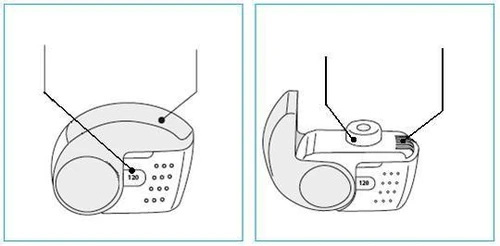

Air
Taking a dose from the Nexthaler inhaler requires only three simple steps: Opening, Inhaling, Closing.
D. Before Using a New Nexthaler Inhaler
- Open the pouch and remove the inhaler.
- Do not use the inhaler if the pouch is not sealed or is damaged – return it to your supplier and obtain a new one.
- Use the adhesive label on the packaging to write the date when the pouch was first opened.
- Check the inhaler.
- If the inhaler appears broken or damaged, return it to your supplier and obtain a new one.
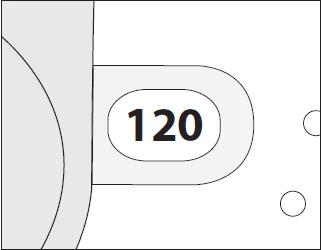
- Check the dose counter window. If the inhaler is new, the number “120” should appear in the dose counter window.
- Do not use a new inhaler if the number shown is less than “120” – return it to your supplier and obtain a new one.
E. How to Use the Nexthaler Inhaler
- If you are unsure whether you are receiving the dose correctly, contact your pharmacist or doctor.
- If you are unsure whether the dose counter has decreased by one unit after inhalation, wait until your next scheduled dose and take it as usual. Do not take a double dose.
E.1 Opening
1. Hold the inhaler firmly in an upright position.
2. Check the number of doses remaining: any number between “1” and “120” indicates that doses are still available.
- If the dose counter window shows “0”, no doses remain – the inhaler must be disposed of and a new one obtained.
3. Fully open the cap.
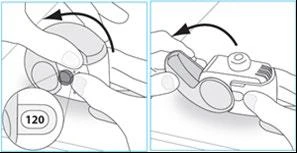
4. Before inhaling, breathe out as much as possible.
o Do not breathe through the inhaler.
E.2 Inhalation
Whenever possible, remain standing or sit in an upright position during
inhalation.
1. Lift the inhaler, bring it to the level of your mouth and close your lips around
the mouthpiece.
o Do not cover the air intake while holding the inhaler.
o Do not inhale through the air intake.
2. Breathe in quickly and deeply through the mouth.
o You may perceive a taste in your mouth while taking the dose.
o You may hear or feel a "click" while taking the dose.
o Do not breathe through your nose.
o Do not move your lips away from the inhaler during inhalation.
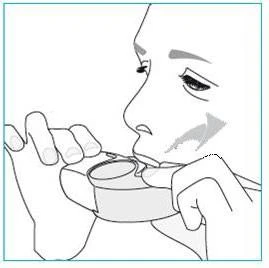
3. Remove the inhaler from your mouth.
4. Hold your breath for 5 or 10 seconds, or for as long as is comfortable for you.
5. Breathe out slowly.
o Do not breathe out through the inhaler.
E.3 Closing
1. Place the inhaler upright and fully close the cap.
2. Check that the dose counter has decreased by one number.
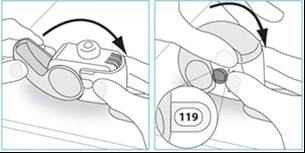
3. If you need to take another dose, repeat the steps from point E.1 to
point E.3.
F. Cleaning
- Cleaning the inhaler is normally not necessary.
- If needed, you can keep the inhaler clean after use by wiping it with a dry cloth or dry paper tissue.
- Do not clean the inhaler with water or other liquids. Always keep the device dry.
G. Storage and disposal
For information on storage conditions and disposal instructions,
see section 5.
4. Possible side effects
Like all medicines, this medicine can cause side effects, although not everybody gets them.
As with other inhaled treatments, there is a risk of worsening breathlessness, cough or wheezing immediately after using INUVER, a condition known as paradoxical bronchospasm. If this occurs, you must STOP using INUVER immediately and use your fast-acting “rescue” inhaler as soon as possible to treat the symptoms. You must contact your doctor immediately.
Inform your doctor immediately if you experience any allergic reactions, including skin allergies, skin itching, skin rash, skin redness, or swelling of the skin or mucous membranes, especially of the eyes, face, lips, and throat.
Further possible side effects of INUVER are listed below, grouped according to frequency.
Common (may affect up to 1 in 10 people):
- tremor
- pneumonia (lung infection) in patients with COPD
Inform your doctor if you develop any of the following symptoms while taking INUVER, as they could be signs of a lung infection:
- fever or chills
- increased mucus production, changes in mucus colour
- worsening cough or increased breathing difficulty
Uncommon (may affect up to 1 in 100 people):
- cold-like symptoms, sore throat
- fungal infections (of the mouth and throat). Rinsing the mouth or gargling with water and brushing teeth immediately after inhalation may help prevent these side effects
- worsening asthma symptoms, breathing difficulties
- hoarseness
- cough
- unusually rapid heartbeat
- unusually slow heartbeat
- tightness in the chest
- headache
- feeling unwell
- feeling tired or nervous
- changes in electrocardiogram (ECG)
- low cortisol levels in urine or blood
- high potassium levels in blood
- high blood glucose levels
- high blood lipid levels
Not known (frequency cannot be estimated from the available data):
- blurred vision
Side effects observed with similar inhaled medicines containing beclometasone dipropionate and/or formoterol include:
- palpitations
- irregular heartbeat
- taste disturbances or altered taste
- muscle pain and muscle cramps
- restlessness, dizziness
- feeling of anxiety
- sleep disorders
- decrease in blood potassium levels
- increase/decrease in blood pressure
Long-term and high-dose use of inhaled corticosteroids may lead to systemic effects, including:
- adrenal gland function disorders (adrenal suppression)
- thinning of the bones
- growth retardation in children and adolescents
- increased eye pressure (glaucoma), cataract
- rapid weight gain, particularly in the face and trunk
- sleep disturbances, depression or feelings of worry, agitation, nervousness, overexcitement or irritability. These effects are more likely to occur in children.
- Abnormal behaviour.
Reporting of side effects
If you experience any side effect, including those not listed in this leaflet, talk to your doctor or pharmacist.
You can also report side effects directly via the national reporting system at the following website: http://www.agenziafarmaco.gov.it/content/come-segnalare-una-sospetta-reazione-avversa .
By reporting side effects, you can help provide more information on the safety of this medicine.
5. How to store INUVER
Keep this medicine out of the sight and reach of children.
Do not use this medicine after the expiry date stated on the carton, pouch, and label after Exp. The expiry date refers to the last day of that month.
Store in the original packaging to protect the medicine from moisture. Remove the inhaler from its protective pouch only immediately before first use.
Before first opening the pouch:
This medicine does not require any special storage temperature.
After first opening the pouch:
Do not store above 25°C.
After first opening the pouch, the medicine must be used within 6 months.
Use the label on the carton to record the date the pouch was opened.
Do not dispose of any medicine via wastewater or household waste. Ask your pharmacist how to dispose of medicines you no longer use. This will help protect the environment.
6. Package contents and other information
What INUVER contains
The active substances are: beclometasone dipropionate anhydrous and formoterol fumarate dihydrate.
Each metered dose contains 100 micrograms of anhydrous beclometasone dipropionate and 6 micrograms of formoterol fumarate dihydrate. This corresponds to an inhaled dose delivered through the mouthpiece of 81.9 micrograms of anhydrous beclometasone dipropionate and 5 micrograms of formoterol fumarate dihydrate.
The other components are: lactose monohydrate (containing small amounts of milk proteins) and magnesium stearate.
Description of the appearance of INUVER and contents of the pack
This medicine is a white or almost white inhalation powder contained in a plastic inhaler called Nexthaler.
Each pack contains one, two, or three inhalers, each providing 120 inhalations.
Each inhaler is packaged in a sealed protective pouch (aluminum foil packaging).
Not all pack sizes may be marketed.
Marketing Authorization Holder
CHIESI FARMACEUTICI S.p.A.
Via Palermo 26/A
43122 Parma
Italy
Manufacturers
Chiesi Farmaceutici S.p.A.
Via San Leonardo 96
43122 Parma - Italy
Chiesi S.A.S.
2 rue des Docteurs Alberto et Paolo Chiesi
41260 La Chaussée Saint Victor - France
Chiesi Pharmaceuticals GmbH
Gonzagagasse 16/16
1010 Vienna – Austria
This medicinal product is authorized in the European Economic Area countries under the following names:
Belgium: Inuvair NEXThaler
Bulgaria: Foster NEXThaler
Cyprus: Foster NEXThaler
Denmark: Innovair Nexthaler
Estonia: Foster NEXThaler
Finland: Innovair nexthaler 100 mikrog/6 mikrog/annos inhalaatiojauhe
France: Formodual NEXThaler
Germany: KANTOS MASTER NEXThaler 100 Mikrogramm / 6 Mikrogramm pro Dosis Pulver zur Inhalation
Greece: Inuvair NEXThaler
Ireland: Fostair Nexthaler 100 micrograms/6 micrograms per metered dose inhalation powder
Italy: Inuver
Latvia: Foster NEXThaler 100 mikrogrami/6 mikrogrami devā inhalācijas pulveris
Lithuania: Foster
Luxembourg: Inuvair NEXThaler
Norway: Inuxair
Romania: Foster NEXThaler 100 micrograme/6 micrograme pe doză pulbere de inhalat
Spain: Formodual NEXThaler
Sweden: Innovair nexthaler
Up-to-date and detailed information on this product is available by scanning with a smartphone or another device the QR code included in the Package Leaflet and on the outer packaging.

The same information is also available at the following URL: https://qrco.de/Nexthaler100-6-120 .
Patient Information Leaflet
INUVER 100 micrograms/6 micrograms per inhalation powder for
inhalation
For use in adults only
beclometasone dipropionate anhydrous/formoterol fumarate dihydrate
Please read this leaflet carefully before using this medicine, as it contains
important information for you.
- Keep this leaflet. You may need to read it again.
- If you have any questions, ask your doctor, nurse, or pharmacist.
- This medicine has been prescribed for you only. Do not give it to other people, even if their symptoms are the same as yours, as it may be harmful.
- If you experience any side effect, including those not listed in this leaflet, contact your doctor, nurse, or pharmacist.
Contents of this leaflet:
- What INUVER is and what it is used for
- What you need to know before using INUVER
- How to use INUVER
- Possible side effects
- How to store INUVER
- Contents of the pack and other information
1. What INUVER is and what it is used for
INUVER is a powder that is inhaled through the mouth and delivered directly into the lungs. It contains two active substances: beclometasone dipropionate anhydrous and formoterol fumarate dihydrate.
- Beclometasone dipropionate belongs to a group of medicines called corticosteroids, which have an anti-inflammatory action, reducing swelling and irritation in the lungs.
- Formoterol fumarate dihydrate belongs to a group of medicines called long-acting bronchodilators, which relax and widen the muscles of the airways, thereby making it easier to breathe in and out.
These two active substances make breathing easier, providing relief from symptoms such as shortness of breath, wheezing and coughing in patients with asthma or chronic obstructive pulmonary disease (COPD), and also help prevent asthma symptoms.
Asthma
INUVER is used for the treatment of asthma in adults.
If you have been prescribed INUVER, it is likely that:
- your asthma is not adequately controlled using inhaled corticosteroids and short-acting bronchodilators "as needed", or
- your asthma responds well to treatment with both corticosteroids and long-acting bronchodilators.
COPD
INUVER may also be used to treat symptoms of severe chronic obstructive pulmonary disease (COPD) in adult patients. COPD is a chronic lung disease affecting the airways, primarily caused by cigarette smoking.
2. What you need to know before using INUVER
Do not use INUVER
If you are allergic to anhydrous beclometasone dipropionate or to anhydrous formoterol fumarate, or to any of the other ingredients of this medicine (listed in section 6).
Warnings and precautions
Consult your doctor before using INUVER if you have any of the following conditions:
- Heart problems, including any known heart disease and/or cardiac function disorders
- Heart rhythm disorders, such as increased or irregular heartbeat, rapid pulse or palpitations, or if you have been informed that your electrocardiogram (ECG) is abnormal
- High blood pressure
- Narrowing of the arteries (also known as arteriosclerosis), or if you know you have an aneurysm (an abnormal dilation of blood vessel walls)
- Overactive thyroid gland
- Low levels of potassium in the blood
- Any liver or kidney disorder
- Diabetes. If you inhale high doses of formoterol, blood glucose levels may increase; therefore, additional tests may be needed to monitor blood sugar levels both when starting treatment with this inhaler and periodically throughout treatment.
- Tumour of the adrenal gland (called phaeochromocytoma)
- If you are due to undergo anaesthesia. Depending on the type of anaesthesia, it may be necessary to stop treatment with INUVER at least 12 hours before the procedure.
- If you are currently taking, or have recently taken, medicines to treat tuberculosis (TB), or if you have known viral or fungal chest infections.
If you fall into any of the above categories, always inform your doctor before using INUVER.
If you are unsure whether you can use INUVER, consult your doctor, an asthma nurse specialist, or pharmacist before using the inhaler.
Your doctor may decide to periodically check your blood potassium levels, especially if your asthma is severe. Like many bronchodilators, INUVER may cause a sudden drop in serum potassium levels (hypokalaemia). This may occur because reduced oxygen levels in the blood, associated with other treatments taken alongside INUVER, can worsen the decrease in potassium levels.
If you have been taking high doses of inhaled corticosteroids for long periods, you may require additional corticosteroids during times of stress. Stressful situations may include hospitalisation following an accident, severe injuries, or the period before surgery. In such cases, your doctor will decide whether your corticosteroid dose should be increased and may prescribe steroid tablets or injectable steroids.
If hospitalisation is required, remember to bring all your medicines and inhalers with you, including INUVER, as well as any over-the-counter medicines or tablets, preferably in their original packaging.
Contact your doctor if you experience blurred vision or other visual disturbances.
Children and adolescents
This medicine must not be administered to children and adolescents under 18 years of age.
Other medicines and INUVER
Inform your doctor or pharmacist if you are taking, have recently taken, or might take any other medicines. This is important because INUVER may affect the action of other medicines. Likewise, other medicines may affect the action of INUVER.
In particular, consult your doctor or pharmacist if you are taking any of the following medicines:
- Some medicines may increase the effects of INUVER, and your doctor may wish to monitor you closely if you are taking these (including certain HIV treatments: ritonavir, cobicistat).
- Beta-blockers. Beta-blockers are medicines used to treat various conditions, including heart problems, high blood pressure, or glaucoma (increased pressure in the eyes). If you use beta-blockers (including eye drops), the effect of formoterol may be reduced or blocked.
- Beta-adrenergic drugs (medicines with effects similar to formoterol) may increase the effects of formoterol.
- Medicines used to treat heart rhythm disorders (quinidine, disopyramide, procainamide).
- Medicines used to treat allergic reactions (antihistamines, such as terfenadine).
- Medicines used to treat depression or mental disorders such as monoamine oxidase inhibitors (e.g. phenelzine and isocarboxazide), tricyclic antidepressants (e.g. amitriptyline and imipramine), or phenothiazines.
- Medicines used to treat Parkinson’s disease (L-dopa).
- Medicines used to treat an underactive thyroid (L-thyroxine).
- Medicines containing oxytocin (which causes uterine contractions).
- Medicines used to treat mental disorders such as monoamine oxidase inhibitors (MAOIs), including drugs with similar properties such as furazolidone and procarbazine.
- Medicines used to treat heart disease (digoxin).
- Other medicines used to treat asthma (theophylline, aminophylline, or steroids).
- Diuretics ("water tablets" or medicines to increase urination).
Also inform your doctor or pharmacist if you plan to use a general anaesthetic for surgery or dental procedures.
Pregnancy and breastfeeding
There are no clinical data available on the use of INUVER during pregnancy.
If you are pregnant, suspect you may be pregnant, planning to become pregnant, or are breastfeeding, consult your doctor before using this medicine. INUVER should only be used during pregnancy if your doctor advises you to do so. Your doctor will decide whether you should stop taking INUVER during breastfeeding or whether you should continue taking INUVER but stop breastfeeding. Always follow your doctor’s advice carefully.
Driving and using machines
It is unlikely that INUVER will affect your ability to drive or operate machinery.
However, if you experience side effects such as dizziness and/or tremor, your ability to drive or use machinery may be impaired.
INUVER contains monohydrate lactose
Lactose contains small amounts of milk proteins, which may cause reactions in allergic patients. If you have been diagnosed with an intolerance to certain sugars, consult your doctor before taking this medicine.
For those engaged in sports:
Using this medicine without therapeutic need constitutes doping and may lead to a positive anti-doping test.
3. How to use INUVER
Use this medicine exactly as directed by your doctor, nurse,
or pharmacist. If you have any doubts, consult your doctor or pharmacist.
INUVER delivers an extrafine powder, allowing a greater proportion of the drug contained
in the dose to reach the lungs. Therefore, your doctor may prescribe a lower dose of this
inhaled medicine compared to the doses you previously used with other inhalers.
Asthma
Your doctor will monitor you regularly to ensure you are taking the correct dose of INUVER.
Once your asthma is well controlled, your doctor may consider it appropriate to gradually
reduce the dose of INUVER. Under no circumstances should you change the dose without
first consulting your doctor.
INUVER may be prescribed by your doctor in two different treatment approaches:
a) daily use of INUVER for asthma treatment together with a separate "reliever" inhaler
for managing sudden worsening of asthma symptoms such as breathlessness, wheezing,
and coughing
b) daily use of INUVER for asthma treatment and additional use of INUVER itself as needed
to treat sudden worsening of asthma symptoms such as breathlessness, wheezing,
and coughing
a) Use of INUVER together with another "reliever" medicine:
Adults and elderly:
The recommended dose is 1 or 2 inhalations twice daily.
The maximum daily dose is 4 inhalations.
Remember: You must always carry your fast-acting "reliever" inhaler with you to treat
worsening asthma symptoms or sudden asthma attacks.
b) Use of INUVER as the sole inhaler for asthma:
Adults and elderly:
The recommended dose is one inhalation in the morning and one inhalation in the evening.
You must also use INUVER as a "reliever" inhaler to treat sudden asthma symptoms.
If you experience asthma symptoms, take one inhalation and wait a few minutes.
If you do not feel better, take another inhalation.
No more than 6 "reliever" inhalations should be taken per day.
The maximum daily dose of INUVER is 8 inhalations.
If you feel you need more inhalations per day to control your asthma symptoms, consult your
doctor. Your treatment may need to be changed.
Do not increase the dose
If you feel the medicine is not effective, always consult your doctor before increasing the dose.
Chronic obstructive pulmonary disease (COPD)
Adults and elderly:
The recommended dose is 2 inhalations in the morning and 2 inhalations in the evening.
How to use INUVER:
INUVER is for inhalation use only.
Whenever possible, stand or sit upright when taking your inhalation.
If you use more INUVER than you should
- Contact your doctor or the nearest hospital emergency department immediately for advice. Bring the medicine with you so healthcare professionals can see which drug you have taken.
- Undesirable effects may occur. Inform your doctor if you notice any unusual symptoms, as further investigations or necessary therapeutic measures may be required.
If you forget to use INUVER
Take the missed dose as soon as you remember. If it is almost time for your next dose, skip the
missed dose and take the next one at the correct time. Do not take a double dose.
If you stop using INUVER:
Even if you feel better, do not stop using INUVER or reduce your dose without first talking to
your doctor. It is very important that INUVER is used every day as prescribed by your doctor,
even when you have no symptoms.
If your breathing does not improve:
If your symptoms do not improve after inhaling INUVER, you may be using the device incorrectly.
Therefore, check the instructions for correct use of the device provided below and/or contact
your doctor or nurse to ensure you are using it properly.
If your asthma worsens:
If your symptoms worsen or become difficult to control (for example, if you are using your
"reliever" inhaler or INUVER as a reliever more frequently), or if your reliever inhaler or INUVER
does not relieve your symptoms, continue using INUVER but contact your doctor as soon as
possible. Your doctor may decide to adjust your dose of INUVER or prescribe additional or
alternative treatment.
If you have any questions about how to use this medicine, consult your doctor or pharmacist.
INSTRUCTIONS FOR USE OF THE NEXTHALER INHALER
A. Contents of the Package
For information on the contents of the package, see section 6. If the contents do not match what
is described above, return the inhaler to the person who supplied it (e.g. pharmacist or doctor)
and obtain a new one.
B. General Warnings and Precautions
- Do not remove the inhaler from its pouch unless you intend to use it immediately.
- Use the inhaler only as directed.
- Keep the inhaler cap closed until it is time to take your dose.
- When not in use, store the inhaler in a clean, dry place.
- Do not attempt to disassemble the Nexthaler inhaler for any reason.
C. Main Features of the Nexthaler Inhaler
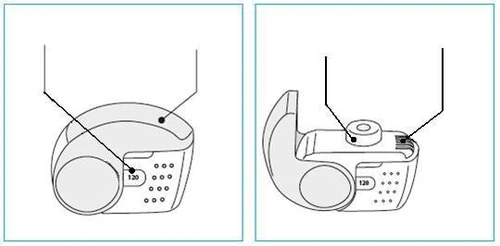

air
Taking a dose from the Nexthaler inhaler requires only three simple steps: Opening, Inhaling, Closing.
D. Before Using a New Nexthaler Inhalator
- Open the pouch and remove the inhaler.
- Do not use the inhaler if the pouch is not sealed or is damaged – return it to your supplier and obtain a new one.
- Use the adhesive label on the packaging to write the date of first opening of the pouch.
- Check the inhaler.
- If the inhaler appears broken or damaged, return it to your supplier and obtain a new one.
- Check the dose counter window. If the inhaler is new, the number “180” should appear in the dose counter window.
- Do not use a new inhaler if the number shown is less than “180” – return it to your supplier and obtain a new one.
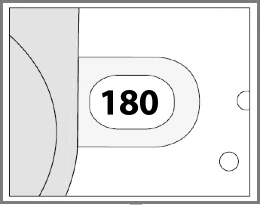
E. How to Use the Nexthaler Inhaler
- If you are unsure whether you are receiving the dose correctly, contact your pharmacist or doctor.
- If you are unsure whether the dose counter has decreased by one unit after inhalation, wait until your next scheduled dose and take it as usual. Do not take a double dose.
E.1 Opening
1. Hold the inhaler firmly in an upright position.
2. Check the number of doses remaining: any number between “1” and “180” indicates that doses are still available.
- If the dose counter window shows “0”, this means no doses remain – the inhaler must be disposed of and a new one obtained.
3. Fully open the cap.
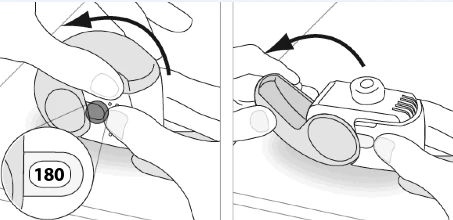
4. Before inhaling, breathe out as much as possible.
o Do not breathe through the inhaler.
E.2 Inhalation
Whenever possible, remain standing or sit in an upright position during
inhalation.
1. Lift the inhaler, bring it to the level of your mouth and close your lips around
the mouthpiece.
o Do not cover the air intake while holding the inhaler.
o Do not inhale through the air intake.
2. Breathe in quickly and deeply through your mouth.
o You may notice a taste in your mouth while inhaling the dose.
o You may hear or feel a "click" while inhaling the dose.
o Do not breathe through your nose.
o Do not remove your lips from the inhaler during inhalation.
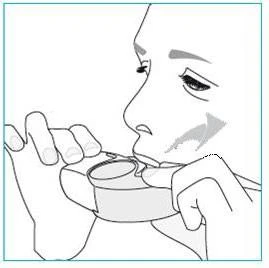
3. Remove the inhaler from your mouth.
4. Hold your breath for 5 or 10 seconds, or for as long as is comfortable.
5. Breathe out slowly.
o Do not breathe out through the inhaler.
E.3 CLOSING
1. Place the inhaler upright and fully close the cap.
2. Check that the dose counter has decreased by one number.
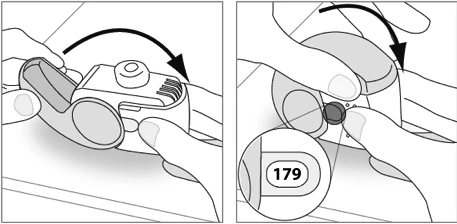
3. If you need to take another dose, repeat the steps from point E.1 to
point E.3.
F. Cleaning
- Usually there is no need to clean the inhaler.
- If necessary, you can keep the inhaler clean after use by wiping it with a dry cloth or dry paper tissue.
- Do not clean the inhaler with water or other liquids. Always keep the device dry.
G. Storage and disposal
For information on storage conditions and disposal instructions,
see section 5.
4. Possible side effects
Like all medicines, this medicine can cause side effects, although not everyone experiences them.
As with other inhaled treatments, there is a risk of worsening breathlessness, cough, or wheezing immediately after using INUVER; this event is known as paradoxical bronchospasm. If this occurs, you must STOP using INUVER immediately and use your rapid-acting “rescue” inhaler as soon as possible to treat the symptoms. You must contact your doctor immediately.
Inform your doctor immediately if you experience any allergic reactions, including skin allergies, skin itching, skin rash, skin redness, or swelling of the skin or mucous membranes, especially of the eyes, face, lips, and throat.
Below are further possible side effects of INUVER, listed in order of frequency.
Common (may affect up to 1 in 10 people):
- tremor
- pneumonia (lung infection) in patients with COPD
Inform your doctor if you develop any of the following symptoms while taking INUVER, as they could be signs of a lung infection:
- fever or chills
- increased mucus production, changes in mucus color
- worsening cough or increased breathing difficulties
Uncommon (may affect up to 1 in 100 people):
- cold-like symptoms, sore throat
- fungal infections (of the mouth and throat). Rinsing the mouth or gargling with water and brushing teeth immediately after inhalation may help prevent these side effects
- worsening asthma symptoms, breathing difficulties
- hoarseness
- cough
- unusually fast heartbeat
- unusually slow heartbeat
- tight chest pain
- headache
- feeling unwell
- feeling of fatigue or nervousness
- changes in electrocardiogram (ECG)
- low level of cortisol in urine or blood
- high level of potassium in blood
- high level of glucose in blood
- high level of fats in blood
Not known (frequency cannot be estimated from available data):
- blurred vision
Side effects observed with similar inhaled medicines containing beclometasone dipropionate and/or formoterol include:
- palpitations
- irregular heartbeat
- taste abnormalities or changes
- muscle pain and muscle cramps
- restlessness, dizziness
- feeling of anxiety
- sleep disorders
- decreased level of potassium in blood
- increase/decrease in blood pressure
Long-term and high-dose use of inhaled corticosteroids may lead to systemic effects, including:
- adrenal gland function disorders (adrenal suppression)
- thinning of the bones
- growth delay in children and adolescents
- increased eye pressure (glaucoma), cataract
- rapid weight gain, particularly in the face and trunk
- sleep disorders, depression or feelings of worry, agitation, nervousness, overexcitement, or irritability. These effects are more likely to occur in children.
- Abnormal behaviour.
Reporting of side effects
If you experience any side effect, including those not listed in this leaflet, talk to your doctor or pharmacist.
You can also report side effects directly via the national reporting system at the following website: http://www.agenziafarmaco.gov.it/content/come-segnalare-una-sospetta-reazione-avversa .
By reporting side effects, you can help provide more information on the safety of this medicine.
5. How to store INUVER
Keep this medicine out of the sight and reach of children.
Do not use this medicine after the expiry date stated on the carton, pouch, and label after Exp. The expiry date refers to the last day of that month.
Store in the original packaging to protect the medicine from moisture. Remove the inhaler from its protective pouch only immediately before first use.
Before first opening the pouch:
This medicine does not require any special storage temperature.
After first opening the pouch:
Do not store above 25°C.
After first opening the pouch, the medicine must be used within 6 months.
Use the label on the carton to write the date the pouch was opened.
Do not dispose of any medicine via wastewater or household waste. Ask your pharmacist how to dispose of medicines no longer in use. This will help protect the environment.
6. Package contents and other information
What INUVER contains
The active substances are: beclometasone dipropionate anhydrous and formoterol fumarate dihydrate.
Each metered dose contains 100 micrograms of anhydrous beclometasone dipropionate and 6 micrograms of formoterol fumarate dihydrate. This corresponds to an inhaled dose delivered through the mouthpiece of 81.9 micrograms of anhydrous beclometasone dipropionate and 5 micrograms of formoterol fumarate dihydrate.
The other components are: monohydrate lactose (which contains small amounts of milk proteins) and magnesium stearate.
Description of the appearance of INUVER and contents of the pack
This medicine is a white or almost white inhalation powder contained in a plastic inhaler device called Nexthaler.
Each pack contains one, two or three inhalers, each providing 180 inhalations.
Each inhaler is packaged in a sealed protective foil pouch (aluminum foil packaging).
Not all pack sizes may be marketed.
Marketing Authorization Holder
CHIESI FARMACEUTICI S.p.A.
Via Palermo 26/A
43122 Parma
Italy
Manufacturers
Chiesi Farmaceutici S.p.A.
Via San Leonardo 96
43122 Parma - Italy
Chiesi S.A.S.
2 rue des Docteurs Alberto et Paolo Chiesi
41260 La Chaussée Saint Victor - France
Chiesi Pharmaceuticals GmbH
Gonzagagasse 16/16
1010 Vienna – Austria
This medicinal product is authorized in the European Economic Area countries under the following names:
Belgium: Inuvair NEXThaler Greece: Inuvair NEXThaler
Bulgaria: Foster NEXThaler Ireland: Fostair Nexthaler 100 micrograms/6 micrograms per metered dose inhalation powder
Cyprus: Foster NEXThaler Italy: Inuver
Denmark: Innovair Nexthaler Latvia: Foster NEXThaler 100 mikrogrami/6 mikrogrami devā inhalācijas pulveris
Estonia: Foster NEXThaler Lithuania: Foster
Finland: Innovair nexthaler 100 mikrog/6 mikrog/annos inhalaatiojauhe
Luxembourg: Inuvair NEXThaler
France: Formodual NEXThaler Norway: Inuxair
Germany: KANTOS MASTER NEXThaler 100 Mikrogramm / 6 Mikrogramm pro Dosis Pulver zur Inhalation
Romania: Foster NEXThaler 100 micrograme/6 micrograme pe doză pulbere de inhalat
Spain: Formodual NEXThaler
Sweden: Innovair nexthaler
Up-to-date and detailed information on this product is available by scanning the QR code included in the Package Leaflet and on the outer packaging with a smartphone or other device.

The same information is also available at the following URL:
https://qrco.de/Nexthaler100-6-180.
Patient Information Leaflet
INUVER 200/6 micrograms per dose pressurised solution for inhalation
For inhalation
For use in adults only
beclometasone dipropionate/formoterol fumarate dihydrate
Please read this leaflet carefully before using this medicine because it contains important information for you.
- Keep this leaflet. You may need to read it again.
- If you have any questions, ask your doctor, pharmacist or nurse.
- This medicine has been prescribed for you only. Do not give it to other people, even if their symptoms are the same as yours, as it may be harmful.
- If you experience any side effects, including those not listed in this leaflet, tell your doctor, pharmacist or nurse. See section 4.
Contents of this leaflet:
- What INUVER is and what it is used for
- What you need to know before using INUVER
- How to use INUVER
- Possible side effects
- How to store INUVER
- Contents of the pack and other information
1. What INUVER is and what it is used for
INUVER is a pressurised solution for inhalation containing two active substances which are inhaled through the mouth and delivered directly into the lungs.
The two active substances are:
Beclometasone dipropionate, which belongs to a group of medicines called corticosteroids, which have an anti-inflammatory action that reduces swelling and irritation in the lungs.
Formoterol fumarate dihydrate, which belongs to a group of medicines called long-acting bronchodilators, relaxes the muscles of the airways, thus making breathing easier.
These two active substances together make breathing easier; they also help prevent asthma symptoms such as shortness of breath, wheezing and cough.
INUVER is used for the treatment of asthma in adults.
If you have been prescribed INUVER, it is likely because:
- your asthma is not adequately controlled using inhaled corticosteroids and short-acting bronchodilators used “as needed”, or
- your asthma responds well to treatment with both corticosteroids and long-acting bronchodilators.
2. What you need to know before using INUVER
Do not use INUVER:
- if you are allergic to beclometasone dipropionate or formoterol fumarate dihydrate or to any of the other ingredients of this medicine (listed in section 6).
Warnings and precautions
Consult your doctor, pharmacist, or nurse before using INUVER if you have any of the following conditions:
- heart problems, such as angina (chest pain, heart pain), heart failure, narrowed arteries, heart valve disorders, or other known heart abnormalities
- high blood pressure or if you know you have an aneurysm (an abnormal bulging of blood vessel walls)
- heart rhythm disorders such as rapid or irregular heartbeat, increased pulse rate, or palpitations, or if you have been told that your heart tracing is abnormal
- overactivity of the thyroid gland
- low levels of potassium in the blood
- any liver or kidney problems
- diabetes (if you inhale high doses of formoterol, blood glucose levels may rise. Additional blood tests to monitor blood sugar levels may therefore be necessary when you start using this medicine and periodically throughout treatment)
- tumour of the adrenal gland (called phaeochromocytoma)
- if you are due to undergo anaesthesia. Depending on the type of anaesthetic, it may be necessary to stop treatment with INUVER at least 12 hours before anaesthesia
- if you are taking, or have taken, medicines to treat tuberculosis (TB), or if you have known viral or fungal chest infections
- if you need to avoid alcohol for any reason
If you fall into any of the above categories, always inform your doctor before using INUVER.
If you have or have had any medical conditions or allergies, or if you are unsure whether you can use INUVER, consult your doctor, an asthma specialist nurse, or pharmacist before using this medicine.
Your doctor may decide to periodically monitor your blood potassium levels, especially if your asthma is severe. Like many bronchodilators, INUVER may cause a sudden drop in serum potassium levels (hypokalaemia). This may occur because reduced oxygen levels in the blood, associated with certain other treatments taken together with INUVER, can worsen the reduction in potassium levels.
If you inhale high doses of inhaled corticosteroids for long periods, you may require additional corticosteroids during times of stress. Stressful situations may include hospitalisation following an accident, serious injury, or the period before surgery. In such cases, your doctor may decide whether or not to increase your corticosteroid dose and may prescribe steroid tablets or injectable steroids.
If you need to be admitted to hospital, remember to bring all your medicines and inhalers with you, including INUVER, and any over-the-counter medicines or tablets, preferably in their original packaging.
Contact your doctor if you experience blurred vision or other visual disturbances.
Children and adolescents
INUVER must not be used in children and adolescents under 18 years of age.
Other medicines and INUVER
Inform your doctor, pharmacist, or nurse if you are taking, or have recently taken, any other medicines, including those obtained without a prescription. This is important because INUVER may affect the action of other medicines. In addition, other medicines may affect the activity of INUVER.
In particular, consult your doctor or pharmacist if you are taking any of the following medicines:
- Some medicines can increase the effects of INUVER, and your doctor may wish to monitor you closely if you are taking these medicines (including some HIV treatments: ritonavir, cobicistat).
- Beta-blockers. Beta-blockers are medicines used to treat various conditions, including heart problems, high blood pressure, or glaucoma (increased pressure in the eyes). If you use beta-blockers (including eye drops), the effect of formoterol may be reduced or blocked.
- Beta-adrenergic drugs (medicines with effects similar to formoterol) may increase the effects of formoterol.
- Medicines used to treat heart rhythm disorders (quinidine, disopyramide, procainamide).
- Medicines used to treat allergic reactions (antihistamines).
- Medicines used to treat symptoms of depression or mental disorders, such as monoamine oxidase inhibitors (e.g. phenelzine and isocarboxazide), tricyclic antidepressants (e.g. amitriptyline and imipramine), phenothiazines.
- Medicines used to treat Parkinson’s disease (L-dopa).
- Medicines used to treat an underactive thyroid (L-thyroxine).
- Medicines containing oxytocin (which causes uterine contractions).
- Medicines used to treat mental disorders such as monoamine oxidase inhibitors (MAOIs), including drugs with similar properties such as furazolidone and procarbazine.
- Medicines used to treat heart disease (digoxin).
- Other medicines used to treat asthma (theophylline, aminophylline, or steroids).
- Diuretics ("water pills").
Also inform your doctor or pharmacist if you intend to use a general anaesthetic for surgery or a dental procedure.
Pregnancy, breastfeeding and fertility
There are no clinical data available on the use of INUVER during pregnancy.
INUVER must not be used if you are pregnant, suspect you may be pregnant, are planning a pregnancy, or are breastfeeding, unless your doctor has specifically instructed you to do so.
Driving and using machines
It is unlikely that INUVER will affect your ability to drive or operate machinery.
INUVER contains alcohol
INUVER contains 9 mg of alcohol (ethanol) per dose, which is equivalent to 0.25 mg/kg for a two-dose administration. The amount of alcohol in two doses of this medicine is less than 1 ml of wine or beer. The small amount of alcohol in this medicine will not have any noticeable effects.
For those engaged in sports activities:
Using this medicine without therapeutic need constitutes doping and may result in a positive anti-doping test.
3. How to use INUVER
Use this medicine exactly as directed by your doctor or pharmacist. If you have
any doubts, consult your doctor or pharmacist.
Your doctor will monitor you regularly to ensure you are taking the optimal dose of
INUVER. Your doctor will prescribe the lowest dose that provides adequate control of your symptoms.
Dosage:
Adults and elderly
The recommended dose is 2 inhalations twice daily.
The maximum daily dose is 4 inhalations.
Remember: You must always carry your fast-acting “reliever” inhaler with you to treat worsening asthma symptoms or sudden asthma attacks.
Patients at risk:
Dose adjustment is not required if you are elderly. There is no available information on the use of
INUVER in patients with liver or kidney problems.
Use in children and adolescents under 18 years of age
Children and adolescents under 18 years of age MUST NOT take this medicine.
INUVER is effective in the treatment of asthma with a beclometasone dipropionate dosage that may be lower than that of other inhaled products containing this substance.
If you previously used a different inhaled medicine containing beclometasone dipropionate, your doctor will prescribe the exact dose of INUVER needed to treat your asthma.
Do not increase the dose
If you feel the medicine is not working well enough, always consult your doctor before increasing the dose.
If your asthma worsens
If your symptoms worsen or become difficult to control (for example, if you are using your “reliever” inhaler more frequently), or if your “reliever” inhaler does not improve your symptoms, contact your doctor immediately. Your asthma may be worsening, and your doctor may decide to change your dose of INUVER 200/6 micrograms per dose pressurised inhalation solution or prescribe an alternative treatment.
Method of administration
INUVER is for inhalation use only
This medicine is contained in a pressurised canister inserted into a plastic inhaler with a mouthpiece. On the back of the inhaler there is a dose counter indicating the number of doses remaining. Each time you press the canister, one dose is released and the dose counter decreases by one. Be careful not to drop the inhaler, as this may affect the accuracy of the dose counter.
Checking that the inhaler is working
Before using the inhaler for the first time, or if the inhaler has not been used for 14 days or more, you must check that it is working properly to ensure correct function.
- Remove the protective cap from the mouthpiece
- Hold the inhaler upright with the mouthpiece pointing downwards
- Move the mouthpiece away and firmly press the canister to release one dose
- Check the dose counter. If you are using the inhaler for the first time, the number 120 should appear in the dose counter window
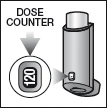
How to use the inhaler
Whenever possible, stand or sit upright when inhaling.
Before inhaling, check the dose counter window: any number between “1” and “120” indicates that doses remain. If the dose counter window shows “0”, no doses remain – the inhaler must be disposed of and a new one obtained.
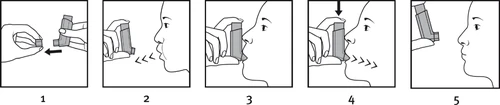
- Remove the protective cap from the mouthpiece and check that the mouthpiece is clean and free of dust, dirt, or any foreign objects.
- Breathe out as slowly and deeply as possible.
- Hold the canister vertically with the body of the inhaler upright, then place the mouthpiece between your lips, sealing your lips tightly around it. Do not bite the mouthpiece.
- Breathe in slowly and deeply through your mouth, and immediately after starting to inhale, press firmly on the top of the inhaler to release one dose. If you have weak hand strength, it may be easier to hold the inhaler with both hands: place your index fingers on top of the inhaler and both thumbs on the base.
- Hold your breath as long as possible, then remove the inhaler from your mouth and breathe out slowly. Do not breathe out into the inhaler.
If another dose is required, keep the inhaler upright for about half a minute and repeat steps 2 to 5.
Important: Do not perform steps 2 to 5 too quickly.
After use, replace the protective cap and check the dose counter.
To reduce the risk of developing a fungal infection in the mouth or throat, rinse your mouth or gargle with water, or brush your teeth after each inhalation.
A new pack of medicine should be obtained when the dose counter shows the number 20. Stop using the inhaler when the dose counter shows 0, as the remaining medicine in the device may not be sufficient to deliver a complete dose.
If you see a “mist” escaping from the inhaler or from the sides of your mouth, this means Inuver did not reach your lungs as intended. Administer another dose following the instructions, repeating steps 2 to 5.
If you think the effect of INUVER is too strong or not strong enough, consult your doctor or pharmacist.
If you find it difficult to press the inhaler while starting to inhale, you may use the AeroChamber Plus spacer device. Ask your doctor, pharmacist, or nurse for information about this device.
It is important that you read the instruction leaflet provided with your AeroChamber Plus spacer device and carefully follow the instructions on how to use and clean it.
Cleaning
The inhaler should be cleaned once a week.
During cleaning, do not remove the canister from the inhaler and do not use water or any other liquid to clean the inhaler.
To clean the inhaler:
- Remove the protective cap from the mouthpiece by pulling it away from the inhaler.
- Wipe the inside and outside of the mouthpiece and the inhaler with a clean, dry cloth or tissue.
- Replace the protective cap on the mouthpiece.
If you use more INUVER than you should
- Taking more formoterol than recommended may cause the following effects: feeling sick, nausea, rapid heartbeat, palpitations, heart rhythm disturbances, changes in the electrocardiogram (ECG), headache, tremor, drowsiness, excess acid in the blood, low blood potassium levels, and high blood glucose levels. Your doctor may carry out blood tests to monitor your potassium and glucose levels.
- Taking too much beclometasone dipropionate may cause temporary adrenal gland problems. These issues will resolve spontaneously within a few days. However, your doctor may decide to monitor your serum cortisol levels.
Contact your doctor if you experience any of these symptoms.
If you forget to use INUVER
Take it as soon as you remember. If it is almost time for your next dose, do not take the missed dose; instead, take the next dose at the correct time. Do not take a double dose to make up for a forgotten dose.
If you stop using INUVER
Even if you feel better, do not stop using INUVER or reduce your dose. If you intend to do so, discuss it with your doctor first. It is very important that INUVER is used regularly, even when you have no symptoms.
If you have any questions about how to use this medicine, consult your doctor or pharmacist.
4. Possible side effects
Like all medicines, this medicine can cause side effects, although not everyone experiences them.
As with other inhaled treatments, there is a risk of worsening breathlessness and wheezing immediately after using INUVER, an occurrence known as paradoxical bronchospasm. If this happens, you must STOP using INUVER IMMEDIATELY and use your "as-needed" rapid-acting inhaler as soon as possible to treat symptoms of breathlessness and wheezing. You must contact your doctor immediately.
Contact your doctor immediately if signs of hypersensitivity reactions occur, such as skin allergies, itching, rash, skin redness, or swelling of the skin or mucous membranes, particularly around the eyes, face, lips, and throat.
Below are other possible side effects listed in order of frequency.
Common (may affect up to 1 in 10 people):
- fungal infections (of the mouth and throat)
- headache
- hoarseness
- sore throat
Uncommon (may affect up to 1 in 100 people):
- palpitations, unusually fast heartbeat, and heart rhythm disturbances
- changes in electrocardiogram (ECG)
- increased blood pressure
- flu-like symptoms
- sinus inflammation
- rhinitis
- ear inflammation
- throat irritation
- cough and productive cough
- asthma attack
- vaginal fungal infections
- nausea
- taste abnormalities or altered taste
- lip burning
- dry mouth
- difficulty swallowing
- indigestion
- stomach discomfort
- diarrhoea
- muscle pain and cramps
- redness of the face and throat
- increased blood flow to certain body tissues
- excessive sweating
- tremor
- restlessness
- dizziness
- urticaria (hives)
- changes in certain blood components: either reduced white blood cell count, increased platelet count, reduced potassium levels in the blood, increased blood sugar levels, increased insulin levels, increased levels of free fatty acids and ketones in the blood
The following side effects have been reported with "uncommon" frequency in patients with chronic obstructive pulmonary disease (COPD):
- lung infection; inform your doctor if you notice any of the following symptoms: increased sputum (phlegm) production, change in sputum colour, fever, increased coughing, worsening breathing problems
- reduced cortisol levels in the blood: this is caused by the effect of corticosteroids on the adrenal gland
- irregular heartbeat
Rare (may affect up to 1 in 1,000 people):
- chest tightness
- absence of heartbeat (caused by ventricular contractions occurring too early)
- decreased blood pressure
- kidney inflammation
- persistent swelling of the skin and mucous membranes lasting for several days
Very rare (may affect up to 1 in 10,000 people):
- shortness of breath
- worsening of asthma
- reduced platelet count in the blood
- swelling of the hands and feet
Long-term, high-dose inhaled corticosteroid use may very rarely lead to systemic effects such as:
- adrenal gland function disorders (adrenal suppression)
- reduced bone mineral density (bone thinning)
- growth retardation in children and adolescents
- increased pressure inside the eyes (glaucoma)
- cataract
Not known (frequency cannot be estimated from the available data):
- sleep disorders
- depression or anxiety
- nervousness
- feeling of hyperexcitability or irritability
- blurred vision
These events are more likely in children, but their frequency is unknown.
Reporting of side effects
If you experience any side effect, including those not listed in this leaflet, talk to your doctor or pharmacist. You can also report side effects directly via the national reporting system at www.aifa.gov.it/content/segnalazioni-reazioni-avverse.
By reporting side effects, you can help provide more information on the safety of this medicine.
5. How to store INUVER
Keep this medicine out of the sight and reach of children.
For pharmacists:
Store in a refrigerator (2 °C – 8 °C) for up to 18 months.
For patients:
Do not use this medicine for more than 3 months after the date of purchase from the pharmacy and never use it after the expiry date stated on the carton and label following EXP. The expiry date refers to the last day of that month.
Do not store the inhaler at temperatures above 25°C.
If the inhaler has been exposed to low temperatures, warm it with your hands for a few minutes before use. Never warm it using artificial methods.
Warning: The container contains pressurised liquid. Do not expose it to temperatures above 50°C. Do not pierce the container.
Do not dispose of any medicine via wastewater or household waste. Ask your pharmacist how to dispose of medicines no longer used. This will help protect the environment.
6. Package contents and other information
What INUVER contains:
The active substances are: beclometasone dipropionate, formoterol fumarate dihydrate.
Each metered valve actuation delivers 200 micrograms of beclometasone dipropionate and 6 micrograms of formoterol fumarate dihydrate. This corresponds to an inhaled dose from the mouthpiece of 177.7 micrograms of beclometasone dipropionate and 5.1 micrograms of formoterol fumarate dihydrate.
The other components are: norflurane (HFC-134a), anhydrous ethanol, hydrochloric acid.
This medicinal product contains fluorinated greenhouse gases. Each inhaler contains 10.356 g of norflurane (HFC-134a), equivalent to 0.015 tonnes of CO2 (global warming potential = 1430).
Description of the appearance of INUVER and contents of the pack
INUVER is a pressurised inhalation solution contained in an aluminium canister coated internally, fitted with a metering valve, placed in a plastic inhaler device incorporating either a dose counter (120 actuations) or a dose indicator (180 actuations), and supplied with a plastic protective cap.
Each pack contains:
1 pressurised container (providing 120 inhalations)
2 pressurised containers (each providing 120 inhalations)
1 pressurised container (providing 180 inhalations)
Not all pack sizes may be marketed.
Marketing Authorisation Holder
Chiesi Farmaceutici S.p.A.
Via Palermo 26/A
43122 Parma - Italy
Responsible producer for batch release
Chiesi Farmaceutici S.p.A.
Via San Leonardo 96
43122 Parma - Italy
Alternative producers responsible for batch release
Chiesi Pharmaceuticals GmbH
Gonzagagasse 16/16
1010 Vienna - Austria
Chiesi S.A.S
2 rue des Docteurs Alberto et Paolo Chiesi
41260 La Chaussée Saint Victor - France
This medicinal product is authorised in the European Economic Area Member States under the following names:
| France, Spain, United Kingdom | Formodual |
| Germany | Kantos Master 200 Microgram/6 Microgram per Inhalation Pressurized Inhalation, Solution |
| Belgium, Luxembourg, Greece | Inuvair |
| Bulgaria, Lithuania, Latvia, Estonia, Cyprus, Romania | Foster |
| Italy | Inuver |
| Denmark, Finland | Innovair |
| Norway | Inuxair |
Package leaflet: Information for the patient
INUVER 200/6 micrograms per dose pressurized solution for inhalation
For inhalation use
For adult use only
beclometasone dipropionate/formoterol fumarate dihydrate
Please read this leaflet carefully before using this medicine as it contains important information for you.
- Keep this leaflet. You may need to read it again.
- If you have any questions, consult your doctor, pharmacist, or nurse.
- This medicine has been prescribed for you only. Do not give it to others, even if their symptoms are the same as yours, as it may be harmful.
- If you experience any adverse reaction, including those not listed in this leaflet, consult your doctor, pharmacist, or nurse. See section 4.
Contents of this leaflet:
- What INUVER is and what it is used for
- What you need to know before using INUVER
- How to use INUVER
- Possible side effects
- How to store INUVER
- Contents of the pack and other information
1. What INUVER is and what it is used for
INUVER is a pressurized inhalation solution containing two active substances which are inhaled through the mouth and delivered directly into the lungs.
The two active substances are:
Beclometasone dipropionate, which belongs to a group of medicines called corticosteroids, which have an anti-inflammatory action that reduces swelling and irritation in the lungs.
Formoterol fumarate dihydrate, which belongs to a group of medicines called long-acting bronchodilators; it relaxes the muscles of the airways, making breathing easier.
Together, these two active substances make breathing easier; they also help prevent asthma symptoms such as shortness of breath, wheezing and coughing.
INUVER is used for the treatment of asthma in adults.
If INUVER has been prescribed for you, it is likely because:
- your asthma is not adequately controlled using inhaled corticosteroids and short-acting bronchodilators used "as needed", or
- your asthma responds well to treatment with both corticosteroids and long-acting bronchodilators.
2. What you need to know before using INUVER
Do not use INUVER:
- if you are allergic to beclometasone dipropionate or formoterol fumarate dihydrate or to any of the other ingredients of this medicine (listed in section 6).
Warnings and precautions
Contact your doctor, pharmacist, or nurse before using INUVER if you have any of the
following conditions:
- heart problems, such as angina (chest pain), heart failure, narrowed arteries, heart valve problems, or other known heart abnormalities
- high blood pressure or if you know you have an aneurysm (an abnormal widening of blood vessel walls)
- heart rhythm disorders such as rapid or irregular heartbeat, increased pulse rate, or palpitations, or if you have been told that your electrocardiogram (ECG) is abnormal
- overactivity of the thyroid gland
- low levels of potassium in the blood
- any liver or kidney problems
- diabetes (if you inhale high doses of formoterol, blood glucose levels may increase. Additional blood tests to monitor blood sugar levels may therefore be needed when starting this medicine and periodically throughout treatment)
- tumour of the adrenal gland (called phaeochromocytoma)
- if you are due to undergo anaesthesia. Depending on the type of anaesthetic, you may need to stop treatment with INUVER at least 12 hours before anaesthesia
- if you are taking, or have recently taken, medicines to treat tuberculosis (TB), or if you have known viral or fungal infections in the chest
- if you need to avoid alcohol for any reason
If you fall into any of the above categories, always inform your doctor before using INUVER.
If you have or have had any medical conditions or allergies, or if you are unsure whether you can use INUVER,
please consult your doctor, asthma nurse specialist, or pharmacist before using this medicine.
Your doctor may decide to periodically check your blood potassium levels,
especially if your asthma is severe. Like many bronchodilators, INUVER may cause a sudden drop in serum potassium levels (hypokalaemia). This may occur because reduced oxygen levels in the blood, associated with certain other treatments taken together with INUVER, can worsen the reduction in potassium levels.
If you take high doses of inhaled corticosteroids for long periods of time, you may require additional corticosteroids during periods of stress. Stressful situations may include hospitalisation following an accident, severe injury, or the period before surgery. In such cases, your doctor may decide whether or not to increase your corticosteroid dose and may prescribe steroid tablets or injectable steroids.
If you need to be admitted to hospital, remember to bring all your medicines and inhalers with you, including INUVER, as well as any medicines or tablets purchased without a prescription, preferably in their original packaging.
Contact your doctor if you experience blurred vision or other visual disturbances.
Children and adolescents
INUVER must not be used in children and adolescents under 18 years of age.
Other medicines and INUVER
Inform your doctor, pharmacist, or nurse if you are taking, have recently taken, or might take any other medicines, including those obtained without a prescription. This is important because INUVER may affect the action of other medicines. In addition, other medicines may affect the activity of INUVER.
In particular, consult your doctor or pharmacist if you are taking any of the following medicines:
- Some medicines may increase the effects of INUVER, and your doctor may wish to monitor you closely if you are taking these (including certain HIV treatments: ritonavir, cobicistat).
- Beta-blockers. Beta-blockers are medicines used to treat various conditions, including heart problems, high blood pressure, or glaucoma (increased pressure in the eyes). If you use beta-blockers (including eye drops), the effect of formoterol may be reduced or blocked.
- Beta-adrenergic drugs (medicines with activity similar to formoterol) may increase the effects of formoterol.
- Medicines used to treat heart rhythm disorders (quinidine, disopyramide, procainamide).
- Medicines used to treat allergic reactions (antihistamines).
- Medicines used to treat symptoms of depression or mental disorders, such as monoamine oxidase inhibitors (e.g. phenelzine and isocarboxazide), tricyclic antidepressants (e.g. amitriptyline and imipramine), phenothiazines.
- Medicines for Parkinson’s disease (L-dopa).
- Medicines for underactive thyroid (L-thyroxine).
- Medicines containing oxytocin (which causes uterine contractions).
- Medicines for mental disorders such as monoamine oxidase inhibitors (MAOIs), including drugs with similar properties like furazolidone and procarbazine.
- Medicines for heart disease (digoxin).
- Other medicines used to treat asthma (theophylline, aminophylline, or steroids).
- Diuretics ("water tablets").
Also inform your doctor or pharmacist if you are planning to use a general anaesthetic for surgery or a dental procedure.
Pregnancy, breastfeeding and fertility
There are no clinical data available on the use of INUVER during pregnancy.
INUVER must not be used if you are pregnant, suspect you may be pregnant, are planning a pregnancy, or are breastfeeding, unless your doctor has specifically instructed you to do so.
Driving and using machines
INUVER is unlikely to affect your ability to drive or operate machinery.
INUVER contains alcohol
INUVER contains 9 mg of alcohol (ethanol) per dose, which is equivalent to 0.25 mg/kg for a two-dose inhalation. The amount of alcohol in two doses of this medicine is equivalent to less than 1 ml of wine or beer. The small amount of alcohol in this medicine will not have noticeable effects.
For those engaged in sports:
Using this medicine without therapeutic need constitutes doping and may result in a positive anti-doping test.
3. How to use INUVER
Use this medicine exactly as prescribed by your doctor or pharmacist. If you have any doubts, consult your doctor or pharmacist.
Your doctor will monitor you regularly to ensure you are taking the optimal dose of INUVER. Your doctor will prescribe the lowest dose that provides adequate control of your symptoms.
Dosage:
Adults and elderly
The recommended dose is 2 inhalations twice daily.
The maximum daily dose is 4 inhalations.
Remember: You must always carry your "reliever" fast-acting inhaler with you to treat worsening asthma symptoms or sudden asthma attacks.
Patients at risk:
Dosage adjustment is not required in elderly patients. There is no available information on the use of INUVER in patients with liver or kidney problems.
Use in children and adolescents under 18 years of age
Children and adolescents under 18 years of age MUST NOT take this medicine.
INUVER is effective in the treatment of asthma with a beclometasone dipropionate dosage that may be lower than that of other inhaled products containing this substance.
If you previously used a different inhaled medicine containing beclometasone dipropionate, your doctor will prescribe the exact dose of INUVER needed to treat your asthma.
Do not increase the dose
If you feel the medicine is not working well enough, always consult your doctor before increasing the dose.
If asthma worsens
If your symptoms worsen or become difficult to control (for example, if you are using your "reliever" inhaler more frequently), or if your "reliever" inhaler does not improve your symptoms, contact your doctor immediately. Your asthma may be worsening, and your doctor may decide to change your dose of INUVER 200/6 micrograms per dose pressurized solution for inhalation or prescribe an alternative treatment.
Method of administration
INUVER is for inhalation use only.
This medicine is contained in a pressurized canister inserted into a plastic inhaler device with a mouthpiece. On the back of the inhaler there is a dose indicator showing the number of doses remaining. Each time the canister is pressed, the dose indicator decreases by a small amount. The number of remaining doses is displayed in increments of 20.
Be careful not to drop the inhaler, as this may cause the counter to display an incorrect number of doses.
Checking the inhaler function
Before using the inhaler for the first time, or if it has not been used for 14 days or more, you must check that the inhaler is working properly.
- Remove the protective cap from the mouthpiece.
- Hold the inhaler upright with the mouthpiece pointing downwards.
- Move the mouthpiece aside and press firmly on the canister to release one dose.
- Check the dose indicator. If you are using the inhaler for the first time, the number "180" should appear in the dose indicator window.
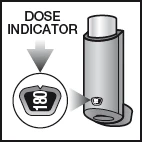
How to use the inhaler
Whenever possible, remain standing or sit upright when inhaling.
Before inhaling, check the dose counter window: any number between "1" and "180" indicates that doses remain. If the dose counter window shows "0", no doses remain – the inhaler must be discarded and a new one obtained.
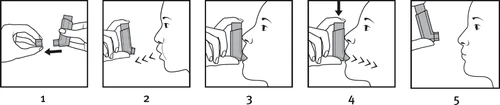
- Remove the protective cap from the mouthpiece and check that the mouthpiece is clean and free from dust, dirt, or any foreign objects.
- Breathe out as slowly and deeply as possible.
- Hold the canister vertically with the body of the inhaler upright, then place the mouthpiece between your lips, sealing your lips tightly around it. Do not bite the mouthpiece.
- Breathe in slowly and deeply through your mouth, and immediately after starting to inhale, press firmly on the top of the inhaler to release one dose. If you have a weak grip, it may be easier to hold the inhaler with both hands: place your index fingers on the top of the inhaler and both thumbs on the base.
- Hold your breath as long as possible, then remove the inhaler from your mouth and breathe out slowly. Do not breathe out into the inhaler.
If another dose is needed, keep the inhaler upright for about half a minute and repeat steps 2 to 5.
Important: Do not perform steps 2 to 5 too quickly.
After use, replace the protective cap and check the dose indicator.
To reduce the risk of developing a fungal infection in the mouth or throat, rinse your mouth with water, gargle, or brush your teeth after each inhalation.
A new inhaler should be obtained when the dose indicator shows the number 20. Stop using the inhaler when the dose indicator shows 0, as the amount of medicine remaining in the device may not be sufficient to deliver a complete dose.
If after inhalation you see a "mist" escaping from the inhaler or from the sides of your mouth, this means that Inuver did not reach your lungs properly. Administer another dose by repeating the steps from point 2.
If you think that the effect of INUVER is too strong or not strong enough, consult your doctor or pharmacist.
If you have difficulty coordinating the inhaler activation with the start of your inhalation, you may use the AeroChamber Plus spacer device. Ask your doctor, pharmacist, or nurse for information about this device.
It is important that you read the instruction leaflet provided with your AeroChamber Plus spacer device and carefully follow the instructions on how to use and clean it.
Cleaning
The inhaler should be cleaned once a week.
During cleaning, do not remove the canister from the inhaler and do not use water or any other liquid to clean the inhaler.
To clean the inhaler:
- Remove the protective cap from the mouthpiece by pulling it away from the inhaler.
- Wipe the inside and outside of the mouthpiece and the inhaler with a clean, dry cloth or tissue.
- Replace the protective cap on the mouthpiece.
If you use more INUVER than you should
- Taking more formoterol than prescribed may cause the following effects: feeling unwell, nausea, rapid heartbeat, palpitations, heart rhythm disturbances, changes in the electrocardiogram (ECG), headache, tremor, drowsiness, excess acid in the blood, low potassium levels in the blood, high blood glucose levels. Your doctor may perform blood tests to monitor your potassium and glucose levels.
- Taking too much beclometasone dipropionate may cause temporary adrenal gland problems. These issues resolve spontaneously within a few days, but your doctor may decide to monitor your serum cortisol levels.
Contact your doctor if you experience any of these symptoms.
If you forget to use INUVER
Take it as soon as you remember. If it is almost time for your next dose, do not take the missed dose; instead, take the next dose at the regular time. Do not take a double dose to make up for a forgotten dose.
If you stop using INUVER
Even if you feel better, do not stop using INUVER or reduce the dose without consulting your doctor. It is very important that INUVER is used regularly, even when you have no symptoms.
If you have any questions about the use of this medicine, consult your doctor or pharmacist.
4. Possible side effects
Like all medicines, this medicine can cause side effects, although not everyone experiences them.
As with other inhaled treatments, there is a risk of worsening breathlessness and wheezing immediately after using INUVER, an occurrence known as paradoxical bronchospasm. If this happens, you must STOP using INUVER immediately and use your "rescue" fast-acting inhaler as soon as possible to treat breathlessness and wheezing symptoms. You must contact your doctor immediately.
Contact your doctor immediately if you experience hypersensitivity reactions, such as skin allergies, itching, rash, skin redness, or swelling of the skin or mucous membranes, particularly affecting the eyes, face, lips, and throat.
Below are other possible side effects listed by frequency.
Common (may affect up to 1 in 10 people):
- fungal infections (of the mouth and throat)
- headache
- hoarseness
- sore throat
Uncommon (may affect up to 1 in 100 people):
- palpitations, unusually rapid heartbeat, and heart rhythm disturbances
- electrocardiogram (ECG) abnormalities
- increased blood pressure
- influenza-like symptoms
- sinus inflammation
- rhinitis
- ear inflammation
- throat irritation
- cough and productive cough
- asthma attack
- vaginal fungal infections
- nausea
- taste disturbances or altered taste
- lip burning
- dry mouth
- difficulty swallowing
- indigestion
- stomach discomfort
- diarrhea
- muscle pain and cramps
- facial and throat redness
- increased blood flow to certain body tissues
- excessive sweating
- tremor
- restlessness
- dizziness
- urticaria (hives)
- changes in certain blood components: either reduced white blood cell count, increased platelet count, reduced blood potassium levels, increased blood sugar levels, increased levels of insulin, free fatty acids, and ketones in the blood
The following side effects have been reported with "uncommon" frequency in patients with chronic obstructive pulmonary disease (COPD):
- lung infection; inform your doctor if you notice any of the following symptoms: increased sputum (phlegm) production, change in sputum colour, fever, increased coughing, worsening breathing problems
- reduced cortisol levels in the blood: caused by the corticosteroid effect on the adrenal gland
- irregular heartbeat
Rare (may affect up to 1 in 1,000 people):
- chest tightness
- absence of heartbeat (caused by premature ventricular contractions)
- decreased blood pressure
- kidney inflammation
- persistent swelling of the skin and mucous membranes lasting for several days
Very rare (may affect up to 1 in 10,000 people):
- shortness of breath
- worsening of asthma
- decreased platelet count in the blood
- swelling of the hands and feet
Long-term, high-dose inhaled corticosteroid use may very rarely lead to systemic effects, including:
- adrenal gland function disorders (adrenal suppression)
- reduced bone mineral density (bone thinning)
- growth retardation in children and adolescents
- increased pressure inside the eyes (glaucoma)
- cataract
Not known (frequency cannot be estimated from available data):
- sleep disorders
- depression or anxiety
- nervousness
- feeling of hyperexcitability or irritability
- blurred vision
These events are more likely in children, but their frequency is unknown.
Reporting of side effects
If you experience any side effect, including those not listed in this leaflet, talk to your doctor or pharmacist. You may also report side effects directly via the national reporting system at: www.aifa.gov.it/content/segnalazioni-reazioni-avverse.
By reporting side effects, you can help provide more information on the safety of this medicine.
5. How to store INUVER
Keep this medicine out of the sight and reach of children.
For pharmacists:
Store in a refrigerator (2 °C – 8 °C) for up to 18 months.
For patients:
Do not use this medicine for more than 3 months after the date of purchase from the pharmacy and never use it after the expiry date stated on the carton and label after EXP. The expiry date refers to the last day of that month.
Do not store the inhaler at temperatures above 25°C.
If the inhaler has been exposed to low temperatures, warm it with your hands for several minutes before use. Never warm it using artificial methods.
Warning: The container contains pressurised liquid. Do not expose to temperatures above 50°C. Do not pierce the container.
Do not dispose of medicines via wastewater or household waste. Ask your pharmacist how to dispose of medicines no longer in use. This will help protect the environment.
6. Package contents and other information
What INUVER contains:
The active substances are: beclometasone dipropionate, formoterol fumarate dihydrate.
Each metered valve actuation delivers 200 micrograms of beclometasone dipropionate and 6 micrograms of formoterol fumarate dihydrate. This corresponds to an inhaled dose from the mouthpiece of 177.7 micrograms of beclometasone dipropionate and 5.1 micrograms of formoterol fumarate dihydrate.
The other components are: norflurane (HFC-134a), anhydrous ethanol, hydrochloric acid.
This medicinal product contains fluorinated greenhouse gases. Each inhaler contains 14.239 g of norflurane (HFC-134a), equivalent to 0.020 tonnes of CO2 (global warming potential = 1430).
Description of the appearance of INUVER and contents of the pack
INUVER is a pressurized solution for inhalation contained in an aluminium canister coated internally with a metering valve, fitted into a plastic inhaler incorporating either a dose counter (120 actuations) or a dose indicator (180 actuations), with a plastic protective cap.
Each pack contains:
1 pressurized container (providing 120 inhalations)
2 pressurized containers (providing 120 inhalations each)
1 pressurized container (providing 180 inhalations)
Not all pack sizes may be marketed.
Marketing Authorization Holder
Chiesi Farmaceutici S.p.A.
Via Palermo 26/A
43122 Parma - Italy
Manufacturer responsible for batch release
Chiesi Farmaceutici S.p.A.
Via San Leonardo 96
43122 Parma - Italy
Alternative manufacturers responsible for batch release
Chiesi Pharmaceuticals GmbH
Gonzagagasse 16/16
1010 Vienna - Austria
Chiesi S.A.S
2 rue des Docteurs Alberto et Paolo Chiesi
41260 La Chaussée Saint Victor - France
This medicinal product is authorized in the Member States of the European Economic Area under the following names:
| France, Spain, United Kingdom | Formodual |
| Germany | Kantos Master 200 Micrograms/6 Micrograms per Inhalation Pressurized Inhalation, Solution |
| Belgium, Luxembourg, Greece | Inuvair |
| Bulgaria, Lithuania, Latvia, Estonia, Cyprus, Romania | Foster |
| Italy | Inuver |
| Denmark, Finland | Innovair |
| Norway | Inuxair |
Package leaflet: information for the patient
INUVER 200 micrograms/6 micrograms for inhalation powder for inhalation
For use in adults only
Anhydrous beclometasone dipropionate/formoterol fumarate dihydrate
Please read this leaflet carefully before using this medicine because it contains important information for you.
- Keep this leaflet. You may need to read it again.
- If you have any questions, ask your doctor, nurse, or pharmacist.
- This medicine has been prescribed for you only. Do not give it to other people, even if their symptoms are the same as yours, as it may be harmful.
- If you experience any side effect, including those not listed in this leaflet, talk to your doctor, nurse, or pharmacist. See section 4.
Contents of this leaflet
- What INUVER is and what it is used for
- What you need to know before using INUVER
- How to use INUVER
- Possible side effects
- How to store INUVER
- Contents of the pack and other information
1. What INUVER is and what it is used for
INUVER is a powder that is inhaled through the mouth and delivered directly into the lungs.
It contains two active substances: anhydrous beclometasone dipropionate and formoterol fumarate dihydrate.
- Beclometasone dipropionate belongs to a group of medicines called corticosteroids, which have an anti-inflammatory effect, reducing swelling and irritation in the lungs.
- Formoterol fumarate dihydrate belongs to a group of medicines known as long-acting bronchodilators. These medicines relax and widen the muscles of the airways, making it easier to breathe in and out.
Together, these two active substances make breathing easier and also help prevent asthma symptoms, such as shortness of breath, wheezing, and coughing.
INUVER is used for the treatment of asthma in adults.
If INUVER has been prescribed for you, it is likely because:
- your asthma is not adequately controlled using inhaled corticosteroids and short-acting bronchodilators used "as needed", or
1
- your asthma responds well to treatment with both corticosteroids and long-acting bronchodilators
2. What you should know before using INUVER
Do not use INUVER
if you are allergic to anhydrous beclometasone dipropionate or anhydrous formoterol fumarate or to any of the other ingredients of this medicine (listed in section 6).
Warnings and precautions
Do not take this medicine if you experience acute asthma symptoms, such as shortness of breath,
wheezing, or coughing, or if your asthma is worsening or for the treatment of acute asthma attacks.
To treat symptoms, you must use your "rescue" fast-acting inhaler, which you should always carry with you.
Contact your doctor before using INUVER if you have any of the following conditions:
- heart problems, including any known heart disease and/or cardiac function disorders
- heart rhythm disorders, such as increased or irregular heartbeat, rapid pulse, or palpitations, or if you have been informed that your electrocardiogram (ECG) is abnormal
- high blood pressure
- narrowing of the arteries (also known as arteriosclerosis), or if you have an aneurysm (an abnormal dilation of blood vessel walls)
- overactivity of the thyroid gland
- low levels of potassium in the blood
- any liver or kidney disorders
- diabetes. If you inhale high doses of formoterol, blood glucose levels may rise, and therefore additional blood tests may be needed to monitor blood sugar levels both when starting this medicine and periodically throughout treatment.
- tumour of the adrenal gland (called phaeochromocytoma)
- if you are due to undergo anaesthesia. Depending on the type of anaesthetic, you may need to stop treatment with INUVER at least 12 hours before anaesthesia.
- if you are currently taking, or have recently taken, medicines to treat tuberculosis (TB), or if you have known viral or fungal chest infections.
2
If you fall into any of the above categories, always inform your doctor before using INUVER.
If you are unsure whether you can use INUVER, consult your doctor, an asthma specialist nurse, or pharmacist before using this medicine.
Your doctor may decide to periodically check your blood potassium levels,
especially if you have severe asthma. Like many bronchodilators, INUVER may cause a sudden drop in serum potassium levels (hypokalaemia). This occurs because reduced oxygen in the blood, associated with certain other treatments taken alongside INUVER, may worsen the reduction in potassium levels.
If you are taking high doses of inhaled corticosteroids for long periods,
you may require additional corticosteroids during times of stress. Stressful situations may include hospitalisation following an accident, severe injuries, or the period before surgery. In such cases, your doctor will decide whether your corticosteroid dose should be increased and may prescribe steroid tablets or injectable steroids.
If you need to be admitted to hospital,
remember to bring all your medicines and inhalers, including INUVER, as well as any over-the-counter medicines or tablets, preferably in their original packaging.
Contact your doctor if you experience blurred vision or other visual disturbances.
Children and adolescents
This medicine must not be administered to children and adolescents under 18 years of age.
Other medicines and INUVER
Inform your doctor or pharmacist if you are taking, have recently taken, or might take any other medicines. This is necessary because INUVER may affect the action of other medicines. In addition, other medicines may affect the activity of INUVER.
In particular, consult your doctor or pharmacist if you are taking any of the following medicines:
- Some medicines may increase the effects of INUVER, and your doctor may wish to monitor you closely if you are taking these (including some HIV treatments: ritonavir, cobicistat).
- Beta-blockers. Do not use this medicine together with beta-blockers. Beta-blockers are medicines used to treat various conditions, including heart problems, high blood pressure, or glaucoma (increased pressure in the eyes). If you use beta-blockers (including eye drops), the effect of formoterol may be reduced or blocked.
- Beta-adrenergic drugs (medicines with activity similar to formoterol) may increase the effects of formoterol.
- Medicines for treating heart rhythm disorders (quinidine, disopyramide, procainamide).
- Medicines for treating allergic reactions (antihistamines, such as terfenadine).
3
- Medicines for treating depression or mental disorders such as monoamine oxidase inhibitors (e.g. phenelzine and isocarboxazide), tricyclic antidepressants (e.g. amitriptyline and imipramine), or phenothiazines.
- Medicines for treating Parkinson’s disease (L-dopa).
- Medicines for treating an underactive thyroid (L-thyroxine).
- Medicines containing oxytocin (which causes uterine contractions).
- Medicines for treating mental disorders such as monoamine oxidase inhibitors (MAOIs), including drugs with similar properties to furazolidone and procarbazine.
- Medicines for treating heart conditions (digoxin).
- Other medicines for treating asthma (theophylline, aminophylline, or steroids).
- Diuretics ("water pills").
Also inform your doctor or pharmacist if you are planning to use a general anaesthetic for surgery or dental procedures.
Pregnancy, breastfeeding, and fertility
There are no clinical data available on the use of INUVER during pregnancy.
If you are pregnant, suspect you may be pregnant, planning to become pregnant, or breastfeeding, consult your doctor before using this medicine. INUVER should be used during pregnancy only if your doctor advises you to do so. Your doctor will decide whether you should stop taking INUVER during breastfeeding or whether you should continue taking INUVER but stop breastfeeding. Always follow your doctor’s advice carefully.
Driving and using machines
It is unlikely that INUVER will affect your ability to drive or operate machinery. However, if you experience side effects such as dizziness and/or tremor, your ability to drive or use machinery may be impaired.
INUVER contains lactose
Lactose contains small amounts of milk proteins, which may cause reactions in allergic patients. If your doctor has diagnosed you with an intolerance to certain sugars, contact them before taking this medicine.
For those engaged in sports:
Using this medicine without a therapeutic need constitutes doping and may lead to positive anti-doping test results.
3. How to use INUVER
Use this medicine exactly as directed by your doctor. If you have any doubts, consult your
doctor, pharmacist, or nurse.
INUVER delivers an extrafine powder, allowing a greater proportion of the drug contained in the
dose to reach the lungs. Therefore, your doctor may prescribe you a lower dose of this inhaled
medicine compared to the doses you previously used with other inhalers.
4
Your doctor will monitor you regularly to ensure you are taking the correct dose of INUVER. Once
asthma is well controlled, your doctor may consider it appropriate to gradually reduce the dose of
INUVER. Do not under any circumstances change the dose without first consulting your doctor.
How much INUVER to use:
Adults and elderly patients:
The recommended dose of this medicine is 2 inhalations twice daily.
The maximum daily dose is 4 inhalations.
Do not increase the dose.
If you feel the medicine is not effective, always consult your doctor before increasing the dose.
Remember: you must always carry your rapid-acting “rescue” inhaler with you to treat worsening
of symptoms or a sudden asthma attack.
How to use INUVER:
INUVER is for inhalation use only.
If possible, remain standing or sitting upright when inhaling.
If you use more INUVER than you should:
- contact your doctor or the nearest hospital emergency department immediately for advice. Take the medicine with you so that healthcare professionals can see which medicine you have taken;
- adverse effects may occur. Inform your doctor if you notice any unusual symptoms, as further investigations or necessary therapeutic measures may be required.
If you forget to use INUVER:
Take the missed dose as soon as you remember. If it is almost time for your next dose, skip the missed
dose and take the next one at the correct time. Do not take a double dose to make up for the
missed dose.
If you stop using INUVER:
Even if you feel better, do not stop using INUVER or reduce your dosage without first discussing it
with your doctor. It is very important that you use INUVER every day as prescribed by your doctor,
even if you have no symptoms.
If your breathing does not improve
If your symptoms do not improve after inhaling INUVER, you may be using the device incorrectly.
Therefore, review the instructions for correct use of the device provided below and/or contact your
doctor, nurse, or pharmacist to have them explain the proper way to use it.
If asthma worsens
If your symptoms worsen or become difficult to control (for example, if you are using your
“rescue” inhaler more frequently), or if your “rescue” inhaler does not relieve your symptoms,
5
you should continue using INUVER but contact your doctor as soon as possible. Your doctor may
decide to adjust your dose of INUVER or prescribe additional or alternative treatment.
If you have any questions about the use of this medicine, consult your doctor or pharmacist.
INSTRUCTIONS FOR USE OF THE NEXTHALER INHALER
A. Pack Contents
For information on pack contents, see section 6. If the contents of the pack do not match what is stated above, return the inhaler to the person who supplied it to you (e.g. pharmacist or doctor) and obtain a new one.
B. General Warnings and Precautions
- Do not remove the inhaler from its pouch unless you intend to use it immediately.
- Use the inhaler only as directed.
- Keep the inhaler cap closed until it is time to take your dose.
- When not in use, store the inhaler in a clean, dry place.
- Do not attempt to disassemble the Nexthaler inhaler for any reason.
C. Main features of the Nexthaler inhaler
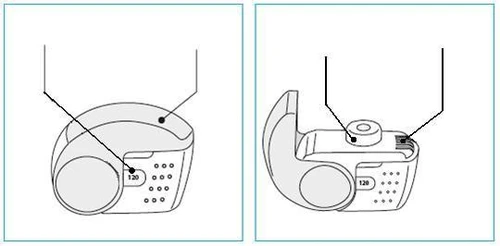

air
Taking a dose from the Nexthaler inhaler requires only three simple steps: Opening, Inhaling, Closing
D. Before using a new Nexthaler inhaler
- Open the pouch and remove the inhaler.
- Do not use the inhaler if the pouch is not sealed or is damaged – return it to the supplier and obtain a new one.
- Use the adhesive label on the pack to write the date of first opening of the pouch.
- Check the inhaler.
- If the inhaler appears broken or damaged, return it to the supplier and obtain a new one.
- Check the dose counter window. If the inhaler is new, the number “120” should appear in the dose counter window.
6
- Do not use a new inhaler if the number shown is less than “120” – return it to the supplier and obtain a new one.
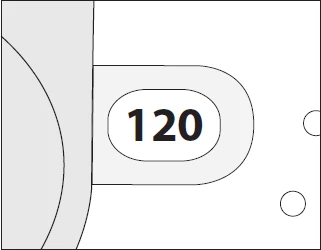
E. How to use the Nexthaler inhaler
- If you are unsure whether you are receiving the dose correctly, contact your pharmacist or doctor.
- If you are unsure whether the number shown on the dose counter has decreased by one after inhalation, wait until your next scheduled dose and take it as normal. Do not take a double dose.
E.1 Opening
1. Hold the inhaler firmly in an upright vertical position.
2. Check the number of doses remaining: any number between “1” and “120” indicates that doses are still available.
- If the dose counter window shows “0”, this means no doses remain – the inhaler must be disposed of and a new one obtained.
3. Fully open the cap.
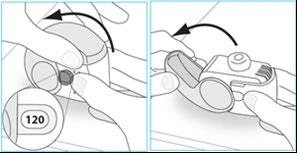
4. Before inhaling, breathe out as much as possible.
o Do not breathe through the inhaler.
E.2 Inhalation
Whenever possible, remain standing or sit in an upright position during inhalation.
- Lift the inhaler, bring it to mouth level, and close your lips around the mouthpiece.
o Do not cover the air inlet while holding the inhaler.
o Do not inhale through the air inlet.
2. Breathe in quickly and deeply through your mouth.
o You may perceive a taste in your mouth while inhaling the dose.
o You may hear or feel a "click" while inhaling the dose.
o Do not inhale through your nose.
7
o Do not remove your lips from the inhaler during inhalation.
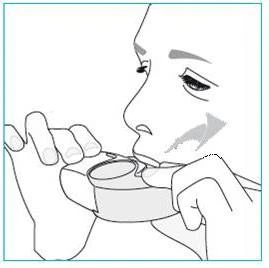
3. Remove the inhaler from your mouth.
4. Hold your breath for 5 to 10 seconds, or for as long as is comfortable for you.
5. Breathe out slowly.
o Do not breathe out through the inhaler.
E.3 Closing
1. Place the inhaler upright and completely close the cap.
2. Check that the dose counter has decreased by one number.
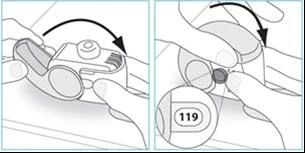
3. If you need to take another dose, repeat the steps from point E.1 to point
E.3.
F. Cleaning
- Normally, there is no need to clean the inhaler.
- If necessary, you can keep the inhaler clean after use by wiping the device with a dry cloth or dry tissue paper.
- Do not clean the inhaler with water or other liquids. Always keep the device dry. G. Storage and disposal For information on storage conditions and disposal instructions, see section 5.
4. Possible side effects
Like all medicines, this medicine can cause side effects, although not everybody will experience them.
As with other inhaled treatments, there is a risk of worsening breathlessness, coughing, and wheezing immediately after using INUVER, and this event is known as paradoxical bronchospasm. If this occurs, you must STOP using INUVER IMMEDIATELY and use your rapid-acting “rescue” inhaler as soon as possible to treat the symptoms. You must contact your doctor immediately.
Inform your doctor immediately if allergic reactions occur, including skin allergies, skin itching, skin rash, redness of the skin, swelling of the skin or mucous membranes, particularly of the eyes, face, lips, and throat.
Below are other possible side effects of INUVER listed by frequency.
Common (may affect up to 1 in 10 people):
- tremor
Uncommon (may affect up to 1 in 100 people):
- cold-like symptoms, sore throat
- fungal infections (of the mouth and throat). Rinsing the mouth or gargling with water and brushing teeth immediately after inhalation may help prevent these side effects
- worsening of asthma symptoms, breathing difficulties
- hoarseness
- cough
- unusually fast heartbeat
- unusually slow heartbeat
- tightness in the chest
- headache
- feeling unwell
- feeling of tiredness or nervousness
- changes in electrocardiogram (ECG)
- low cortisol levels in urine or blood
- high potassium levels in blood
- high blood glucose levels
- high blood fat levels
Not known (frequency cannot be estimated from the available data):
- blurred vision
Side effects observed with similar inhaled medicines containing beclometasone dipropionate and/or formoterol are the following:
- palpitations
- irregular heartbeat
- taste disturbances or altered taste
- muscle pain and muscle cramps
- restlessness, dizziness
- feeling of anxiety
- sleep disorders
- decrease in blood potassium levels
- increase/decrease in blood pressure
9
The use of inhaled corticosteroids at high doses and over long periods of time may cause systemic effects, including:
- adrenal gland function disorders (adrenal suppression)
- thinning of the bones
- growth retardation in children and adolescents
- increased eye pressure (glaucoma), cataract
- rapid weight gain, particularly in the face and trunk
- sleep disorders, depression or feelings of worry, agitation, nervousness, hyperexcitability, or irritability. These effects are more likely to occur in children
- abnormal behaviour
Reporting of side effects
If you experience any side effect, including those not listed in this leaflet, talk to your doctor, pharmacist, or nurse. You can also report side effects directly via the national reporting system at www.aifa.gov.it/content/segnalazioni-reazioni-avverse. By reporting side effects, you can help provide more information on the safety of this medicine.
5. How to store INUVER
Keep this medicine out of the sight and reach of children.
Do not use this medicine after the expiry date stated on the carton, the pouch, and the label after Exp. The expiry date refers to the last day of that month.
Store in the original packaging to protect the medicine from moisture. Remove the inhaler from its protective pouch only immediately before first use.
Before first opening the pouch:
This medicine requires no special storage temperature.
After first opening the pouch:
Do not store above 25°C.
After first opening the pouch, the medicine must be used within 6 months.
Use the label on the carton to write down the date the pouch was opened.
Do not dispose of any medicine via wastewater or household waste. Ask your pharmacist how to dispose of medicines you no longer use. This will help protect the environment.
6. Package contents and other information
What INUVER contains
The active substances are: beclometasone dipropionate anhydrous and formoterol fumarate dihydrate.
Each metered dose contains 200 micrograms of anhydrous beclometasone dipropionate and 6
micrograms of formoterol fumarate dihydrate. This corresponds to an inhaled dose delivered
10
through the mouthpiece of 158.8 micrograms of anhydrous beclometasone dipropionate and 4.9
micrograms of formoterol fumarate dihydrate.
The other components are: monohydrate lactose and magnesium stearate.
Description of the appearance of INUVER and contents of the pack
INUVER is a white or almost white inhalation powder contained in a plastic inhaler called Nexthaler.
Each pack contains one, two or three inhalers, each providing 120 inhalations.
Each inhaler is packaged in a sealed protective pouch.
Not all pack sizes may be marketed.
Marketing Authorization Holder
CHIESI FARMACEUTICI S.p.A.
Via Palermo 26/A
43122 Parma
Italy
Manufacturer responsible for batch release:
Chiesi Farmaceutici S.p.A.
Via San Leonardo 96
43122 Parma - Italy
Alternative manufacturer responsible for batch release:
Chiesi S.A.S.
2 rue des Docteurs Alberto et Paolo Chiesi
41260 La Chaussée Saint Victor - France
Alternative manufacturer responsible for batch release:
Chiesi Pharmaceuticals GmbH
Gonzagagasse 16/16
1010 Vienna – Austria
This medicinal product is authorised in the European Economic Area Member States under the following
names:
| Belgium: Inuvair NEXThaler | Greece: Inuvair NEXThaler |
| Bulgaria: Foster NEXThaler | Italy: Inuver |
| Cyprus: Foster NEXThaler | Ireland: Fostair Nexthaler |
| Denmark: Innovair Nexthaler | Latvia: Foster NEXThaler |
| Estonia: Foster NEXThaler | Lithuania: Foster |
| Finland: Innovair nexthaler | Luxembourg: Inuvair NEXThaler |
| France: Formodual NEXThaler | Norway: Inuxair |
| Germany: KANTOS MASTER NEXThaler Microgram/6 Microgram per Inhalation Powder | Romania: Foster NEXThaler |
| Inhalation | |
| Spain: Formodual NEXThaler | Sweden: Innovair nexthaler |
Updated and detailed information about this product is available by scanning with a smartphone or other device the QR code included in the Package Leaflet and on the outer packaging.

The same information is also available at the following URL:
https://qrco.de/Nexthaler200-6-120.
12