Intesticort
Italy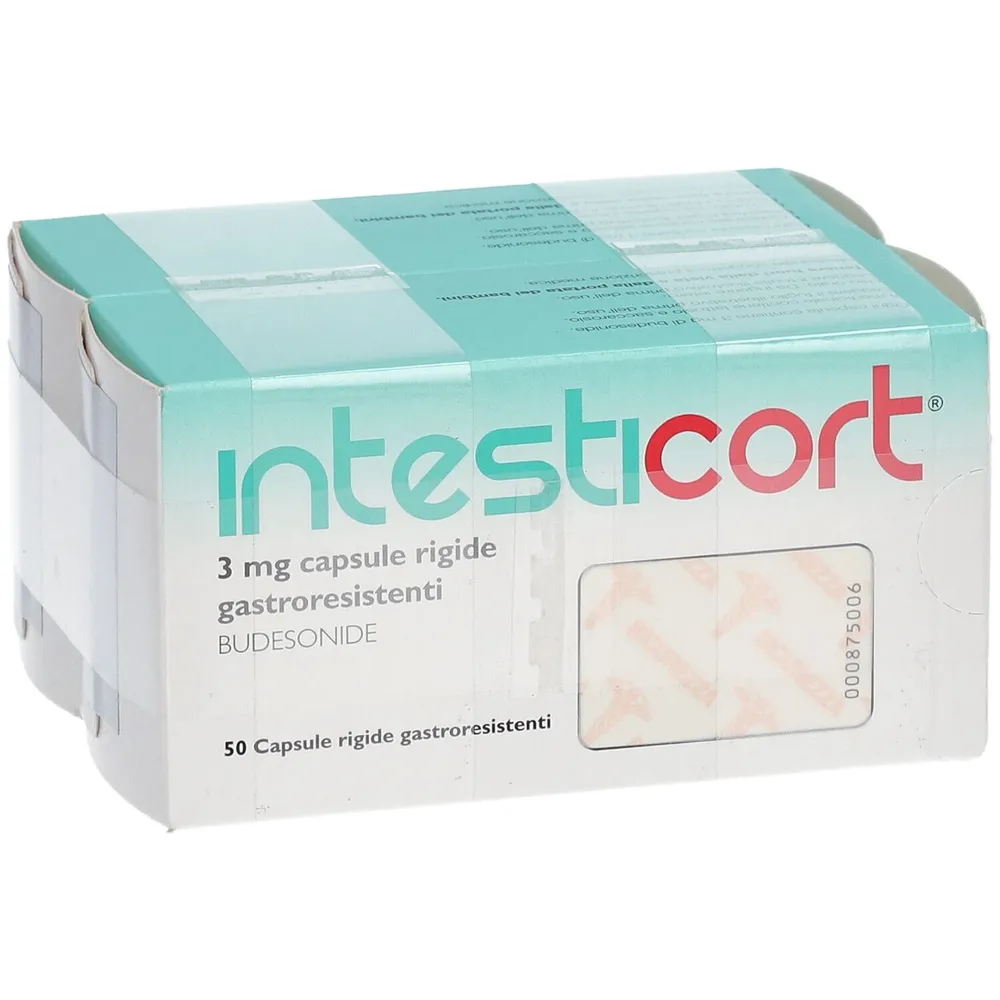
Table of Contents
- Patient Information Leaflet: Information for the User
- Intesticort 3 mg gastro-resistant capsules
- 1. What Intesticort 3 mg capsules are and what they are used for
- 6. Package contents and other information
- Package leaflet: information for the user
- Intesticort 2 mg/dose rectal foam
- 1. What Intesticort rectal foam is and what it is used for
- 2. What you need to know before using Intesticort rectal foam
- 3. How to use Intesticort rectal foam
- 4. Possible side effects
- 5. How to store Intesticort rectal foam
- 6. Package contents and other information
Patient Information Leaflet: Information for the User
Intesticort 3 mg gastro-resistant capsules
Budesonide
Please read this leaflet carefully before taking this medicine because it contains important information for you.
- Keep this leaflet. You may need to read it again.
- If you have any questions, ask your doctor or pharmacist.
- This medicine has been prescribed for you only. Do not give it to other people, even if their symptoms are the same as yours, as it may be harmful.
- If you experience any side effects, including those not listed in this leaflet, inform your doctor or pharmacist. See section 4.
Contents of this leaflet:
- What Intesticort 3 mg capsules are and what they are used for
- What you need to know before taking Intesticort 3 mg capsules
- How to take Intesticort 3 mg capsules
- Possible side effects
- How to store Intesticort 3 mg capsules
- Contents of the pack and other information
1. What Intesticort 3 mg capsules are and what they are used for
Intesticort 3 mg capsules contain the active substance budesonide, a type of locally-acting steroid used in the treatment of chronic inflammatory diseases of the intestine and liver.
Intesticort 3 mg capsules are used for the treatment of:
- Crohn’s disease: mild to moderate acute flare-ups of chronic intestinal inflammation affecting the terminal part of the small intestine (ileum) and/or the upper part of the large intestine (ascending colon).
- Acute forms of collagenous colitis (a disease with chronic inflammation of the large intestine, characterised by chronic watery diarrhoea).
- Autoimmune hepatitis (a disease with chronic inflammation of the liver).
- What you need to know before taking Intesticort 3 mg capsules
Do NOT take Intesticort 3 mg capsules if:
- you are allergic to budesonide or to any of the other ingredients of this medicine (listed in section 6)
- you have severe liver disease (hepatic cirrhosis)
Warnings and precautions
Talk to your doctor before taking Intesticort 3 mg capsules if you suffer from:
- tuberculosis
- high blood pressure
- diabetes, or if diabetes has been diagnosed in your family
- bone fragility (osteoporosis)
- stomach or duodenal ulcers (peptic ulcer)
- increased pressure inside the eye (glaucoma) or eye problems such as clouding of the lens (cataract), or if glaucoma has been diagnosed in your family
- severe liver problems
Intesticort 3 mg capsules are not indicated for patients with Crohn’s disease affecting the upper gastrointestinal tract. Sometimes, the disease may cause symptoms outside the intestine (e.g. affecting the skin, eyes, and joints) that do not respond easily to this medicine. Typical corticosteroid effects may occur, which can affect all parts of the body, especially if Intesticort 3 mg capsules are taken at high doses and for a long time (see section 4. Possible side effects).
Additional precautions during treatment with Intesticort:
- Inform your doctor if you have an infection. Symptoms of some infections may be unusual or less pronounced.
- Avoid contact with people who have chickenpox or shingles (herpes zoster), if you have never had these diseases, as they could seriously affect you. Contact your doctor immediately if you come into contact with someone with chickenpox or shingles.
- Inform your doctor if you have never had measles.
- Consult your doctor before receiving any vaccination.
- Inform your doctor that you are taking Intesticort 3 mg capsules before undergoing surgery.
- If you have previously taken a more potent corticosteroid before starting treatment with Intesticort 3 mg capsules, symptoms may reappear when switching medications. In this case, consult your doctor.
- In cases of autoimmune hepatitis, your doctor will regularly perform liver function tests and periodically adjust the dosage of this medicine.
- Contact your doctor if you experience blurred vision or other visual disturbances.
For athletes: using this medicine without therapeutic need constitutes doping and may lead to a positive anti-doping test.
Other medicines and Intesticort 3 mg capsules
Tell your doctor or pharmacist if you are taking, have recently taken, or might take any other medicines. In particular:
- cardiac glycosides such as digoxin (medicines used to treat heart conditions)
- diuretics (to eliminate excess fluid from the body)
- ketoconazole or itraconazole (used to treat fungal infections)
- antibiotics used to treat infections (such as clarithromycin)
- carbamazepine (used to treat epilepsy)
- rifampicin (used to treat tuberculosis)
- estrogens or oral contraceptives
- cimetidine (used to inhibit stomach acid production)
Some medicines may increase the effects of Intesticort 3 mg capsules, and your doctor may decide to monitor you closely if you are taking these medicines (including some HIV treatments: ritonavir, cobicistat).
If you take cholestyramine (for hypercholesterolaemia and also for diarrhoea treatment) or antacids (for indigestion) in addition to Intesticort 3 mg capsules, these medicines should be taken at least 2 hours apart.
Intesticort 3 mg capsules may interfere with tests performed by your doctor or in hospital. Before undergoing any test, inform your doctor that you are taking Intesticort 3 mg capsules.
Intesticort with food and drinks
Do NOT drink grapefruit juice when taking this medicine, as it may alter its effect.
Pregnancy and breastfeeding
If you are pregnant, think you may be pregnant, are planning to become pregnant, or are breastfeeding, consult your doctor before taking this medicine.
Take Intesticort 3 mg capsules during pregnancy only if prescribed by your doctor.
Budesonide passes into breast milk in small amounts. If you are breastfeeding, take Intesticort 3 mg capsules only if prescribed by your doctor.
Driving and using machines
Intesticort 3 mg capsules should not impair your ability to drive or use machinery.
Intesticort 3 mg capsules contain sucrose and lactose
Each capsule contains 240 mg of sucrose and 12 mg of monohydrate lactose. If your doctor has diagnosed you with an intolerance to certain sugars, contact him/her before taking this medicine.
- How to take Intesticort 3 mg capsules
Take this medicine exactly as your doctor has told you. If you are unsure, consult your doctor or pharmacist.
Recommended dose
Crohn’s disease
Adults (over 18 years)
Take three capsules once daily in the morning, or one capsule three times daily (morning, midday, and evening), unless otherwise prescribed by your doctor.
Collagenous colitis
Adults (over 18 years)
Take three capsules once daily in the morning, unless otherwise prescribed by your doctor.
Autoimmune hepatitis
Adults (over 18 years)
Treatment of acute inflammation
Unless otherwise prescribed by your doctor, take one capsule three times daily (morning, midday, and evening). Depending on laboratory test results, your doctor will decide how long you should continue taking three capsules daily.
Maintenance treatment
Unless otherwise prescribed by your doctor, take one capsule twice daily (morning and evening). Depending on laboratory test results, your doctor will decide how long you should continue taking two capsules daily.
Please note that in most cases your doctor will prescribe Intesticort 3 mg capsules together with azathioprine, a medicine that works by reducing the body’s immune response.
Use in children (all indications)
Intesticort 3 mg capsules must NOT be used in children under 12 years of age.
There is only limited experience with the use of this medicine in children over 12 years of age.
Method of administration
Intesticort 3 mg capsules are for oral use only.
Swallow the capsules whole with a glass of water, approximately half an hour before meals. Do not chew the capsules.
Duration of treatment
Your doctor will decide how long you should continue treatment, depending on your health condition.
Crohn’s disease and collagenous colitis
Treatment usually lasts about 8 weeks.
Autoimmune hepatitis
Depending on blood and liver tissue laboratory test results, your doctor will decide how long you should take this medicine and how many capsules per day.
If you take more Intesticort 3 mg capsules than you should
If you have taken too much medicine at one time, take the next dose as prescribed. Do not take a lower amount. If in doubt, contact your doctor, who will decide what to do; if possible, bring the pack and this leaflet with you.
If you forget to take Intesticort 3 mg capsules
If you miss a dose, simply continue your treatment as prescribed. Do not take a double dose to make up for the missed dose.
If you stop taking Intesticort 3 mg capsules
If you wish to stop or end treatment early, consult your doctor. It is important not to stop the medicine abruptly, as this could harm you. Continue taking the medicine until your doctor tells you to stop, even if you start feeling better.
Your doctor will likely gradually reduce the dose: first from three to two capsules daily for one week (one in the morning and one in the evening), then to one capsule daily in the final week of treatment (taken in the morning).
If you have any doubts about how to use this medicine, consult your doctor or pharmacist.
- Possible side effects
Like all medicines, this medicine can cause side effects, although not everybody gets them.
If you experience any of the following symptoms after taking this medicine, contact your doctor immediately:
- infection
- headache
- behavioural changes such as depression, irritability, euphoria, agitation, anxiety, or aggression
The following side effects have also been reported:
Common: may affect up to 1 in 10 people
- Cushing's syndrome – for example, round face, weight gain, reduced glucose tolerance, increased blood glucose, high blood pressure, fluid retention in tissues (e.g. swollen legs), increased potassium excretion (hypokalaemia), menstrual irregularities in women, increased unwanted hair growth in women, impotence, abnormal laboratory results (reduced adrenal function), red stretch marks on the skin (striae), acne.
- indigestion, irritable stomach (dyspepsia), stomach ache
- increased risk of infections
- muscle and joint pain, muscle weakness, muscle cramps
- bone fragility (osteoporosis)
- headache
- mood changes such as depression, irritability, or euphoria
- skin reactions due to hypersensitivity, red spots from bleeding under the skin, delayed wound healing, local skin reactions such as contact dermatitis
Uncommon: may affect up to 1 in 100 people
- stomach or duodenal ulcers
- restlessness with increased physical activity, anxiety
Rare: may affect up to 1 in 1,000 people
- blurred vision
- inflammation of the pancreas
- bone loss due to poor blood supply (osteonecrosis)
- aggression
- bruising
Very rare: may affect up to 1 in 10,000 people
- growth retardation in children
- constipation
- increased pressure in the brain, possibly with increased eye pressure (papilloedema) in adolescents
- increased risk of blood clotting, inflammation of blood vessels (associated with discontinuation of corticosteroids after long-term therapy)
- fatigue, general feeling of malaise
These side effects are typical of steroid therapy, and most of them may also occur with treatment using other steroids. They may appear depending on the dose, duration of treatment, current or previous treatment with other corticosteroids, and individual susceptibility.
If you have previously taken a more potent corticosteroid before starting treatment with Intesticort 3 mg capsules, your symptoms may reappear when switching medicines.
Reporting of side effects
If you experience any side effect, including those not listed in this leaflet, contact your doctor or pharmacist. You can also report side effects directly via the national reporting system at:
https://www.aifa.gov.it/content/segnalazioni-reazioni-avverse
By reporting side effects, you help provide more information on the safety of this medicine.
- How to store Intesticort 3 mg capsules
Keep this medicine out of the sight and reach of children.
This medicine does not require any special storage conditions.
Do not use this medicine after the expiry date stated on the carton and blister pack. The expiry date refers to the last day of that month.
Do not dispose of medicines via wastewater or household waste. Ask your pharmacist how to dispose of medicines no longer used. This will help protect the environment.
6. Package contents and other information
What Intesticort 3 mg capsules contain
The active substance is budesonide. Each gastro-resistant pellet-filled capsule contains 3
mg of budesonide.
The excipients are ammonium methacrylate copolymer (type A) (Eudragit RL), ammonium
methacrylate copolymer (type B) (Eudragit RS), lactose monohydrate, maize starch, methacrylic acid-methyl methacrylate copolymer (1:1) (Eudragit L 100), methacrylic acid-methyl methacrylate copolymer (1:2) (Eudragit S 100), povidone K25, purified water,
sucrose, talc, triethyl citrate, gelatin, erythrosine (E127), titanium dioxide (E171), iron oxide red and black (E172), sodium lauryl sulfate (for further important information on
lactose and sucrose, see also the end of Section 2).
Description of the appearance of Intesticort and the contents of the pack
The Intesticort 3 mg capsules are pink-coloured, gastro-resistant, hard capsules, supplied in blister strips.
Intesticort 3 mg capsules are available in packs of 10, 50, 90, 100 or 120 capsules. Not all pack sizes may be marketed.
Marketing Authorization Holder
Dr. Falk Pharma GmbH
Leinenweberstr. 5
79108 Freiburg
Germany
Tel.: +49 (0) 761/1514-0
Fax: +49 (0) 761/1514-321
E-mail: [email protected]
Marketing Authorization Holder in Italy
Sofar S.p.A. – Via Firenze 40, 20060 Trezzano Rosa (MI)
This medicinal product is authorized in the European Economic Area countries under the following names:
Denmark, Finland, Ireland, Sweden, United Kingdom: Budenofalk
France: Mikicort
Italy: Intesticort
Spain: Intestifalk
Package leaflet: information for the user
Intesticort 2 mg/dose rectal foam
Budesonide
Please read this leaflet carefully before using this medicine because it contains
important information for you.
- Keep this leaflet. You may need to read it again.
- If you have any questions, ask your doctor or pharmacist.
- This medicine has been prescribed for you only. Do not give it to others, even if their symptoms are the same as yours, because it could be harmful.
- If you experience any side effects, including those not listed in this leaflet, consult your doctor or pharmacist. See section 4.
Contents of this leaflet:
- What Intesticort rectal foam is and what it is used for
- What you need to know before using Intesticort rectal foam
- How to use Intesticort rectal foam
- Possible side effects
- How to store Intesticort rectal foam
- Contents of the pack and other information
1. What Intesticort rectal foam is and what it is used for
Intesticort rectal foam contains the active substance budesonide, a type of steroid with local action used for the treatment of inflammatory bowel disease.
Intesticort rectal foam is used to treat:
- inflammation of the rectum and lower part of the colon (sigmoid), known medically as ulcerative colitis.
2. What you need to know before using Intesticort rectal foam
Do not use Intesticort rectal foam
- if you are allergic to budesonide or to any of the other ingredients of this medicine (listed in section 6)
- if you have severe liver disease (hepatic cirrhosis).
Warnings and precautions
Talk to your doctor before using Intesticort rectal foam if you suffer from:
- tuberculosis
- high blood pressure
- diabetes, or if diabetes has been diagnosed in your family
- bone fragility (osteoporosis)
- stomach or duodenal ulcers (peptic ulcer)
- increased pressure inside the eye (glaucoma) or eye problems such as clouding of the lens (cataract), or if glaucoma has been diagnosed in your family
- severe liver problems
Typical corticosteroid-related effects may occur, which can affect any part of the body, especially if you use Intesticort rectal foam at high doses and for a prolonged period (see section 4. Possible side effects).
Additional precautions during treatment with Intesticort rectal foam
- Inform your doctor if you have an infection. Symptoms of some infections may be atypical or less pronounced.
- Avoid contact with people who have chickenpox or shingles (herpes zoster), if you have never had these diseases, as they could seriously affect you. Contact your doctor immediately if you come into contact with someone affected by chickenpox or shingles.
- Inform your doctor if you have never had measles.
- Consult your doctor before receiving any vaccination.
- Inform your doctor that you are using Intesticort rectal foam before undergoing surgery.
- If you have previously been treated with a more potent corticosteroid, symptoms may reappear when switching to Intesticort rectal foam. In such a case, consult your doctor.
- Contact your doctor if you experience blurred vision or other visual disturbances.
For athletes: using this medicine without a therapeutic need constitutes doping and may lead to a positive anti-doping test.
Other medicines and Intesticort rectal foam
Inform your doctor or pharmacist if you are taking, have recently taken, or might take any other medicines. In particular:
- cardiac glycosides such as digoxin (medicines used to treat heart conditions)
- diuretics (to eliminate excess fluid from the body)
- ketoconazole or itraconazole (used to treat fungal infections)
- antibiotics used to treat infections (such as clarithromycin)
- carbamazepine (used to treat epilepsy)
- rifampicin (used to treat tuberculosis)
- estrogens or oral contraceptives
Some medicines may increase the effects of Intesticort rectal foam, and your doctor may wish to monitor you closely if you are taking these medicines (including certain HIV treatments: ritonavir, cobicistat).
Intesticort rectal foam may interfere with test results performed by your doctor or in hospital. Before undergoing any test, inform your doctor that you are taking Intesticort rectal foam.
Intesticort rectal foam with food and drinks
Do not drink grapefruit juice while taking this medicine, as it may alter its effect.
Pregnancy and breastfeeding
If you are pregnant, think you may be pregnant, planning a pregnancy, or breastfeeding, consult your doctor before using this medicine.
Use Intesticort rectal foam during pregnancy only if prescribed by your doctor.
Budesonide passes into breast milk in small amounts. If you are breastfeeding, use Intesticort rectal foam only if prescribed by your doctor.
Driving and using machines
Intesticort rectal foam should not impair your ability to drive or operate machinery.
Intesticort rectal foam contains propylene glycol, cetyl alcohol and cetostearyl alcohol
This medicine contains 600.3 mg of propylene glycol per single application of Intesticort rectal foam. Propylene glycol may cause skin irritation.
Cetyl alcohol and cetostearyl alcohol (components of the emulsifying wax) may cause local skin reactions (e.g. contact dermatitis).
3. How to use Intesticort rectal foam
Always use this medicine exactly as directed by your doctor. If you have any doubts,
consult your doctor or pharmacist.
Recommended dose:
Adults over 18 years of age
The usual dose is 1 spray per day, in the morning or before going to bed.
Best results are achieved by emptying the bowel before using Intesticort rectal foam.
Use in children and adolescents
Intesticort rectal foam must not be used in children under 18 years of age,
because experience with Intesticort rectal foam in this age group is very limited.
Method of administration
This medicine is for rectal use only, that is, inserted into the anus. It is not
intended for oral use. Do not swallow.
Diagram of the pressurized canister:
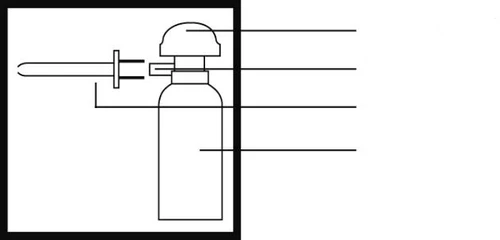
dosing head
nozzle
applicator
pressurized canister
The applicators are provided in a separate pouch. Hold the pouch firmly
and pull out the applicator with a firm motion.
Preparation for use of the foam
Firmly attach the applicator by pressing it onto the nozzle of the
pressurized canister.
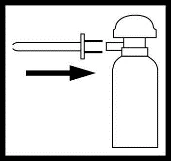
Shake the pressurized canister for about 15 seconds to mix the contents.
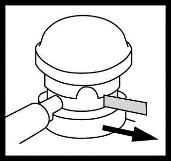
Before first use, remove the safety seal (plastic ring) located under the
dosing head.
Rotate the dosing head at the top of the pressurized canister until the
semicircular notch at the base of the applicator is aligned.
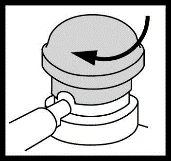
The pressurized canister is now ready for use.
How to use the foam
Place your index finger on the dosing head and turn the canister upside down. Remember that
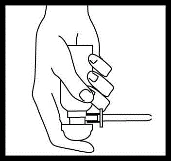
the pressurized canister works properly only when the dosing head is pointing
downwards in the most vertical position possible.
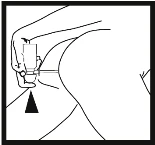
Place one foot on a chair or stool, or lie on your side, keeping the lower leg straight and bending the other to maintain balance.
Insert the applicator into the anus and push it as far as possible into the rectum. Press the dosing head down fully and release it slowly; the foam is dispensed from the pressurized canister when the dosing head is released. Keep the applicator in place for 10–15 seconds before removing it, to ensure complete delivery of the dose into the rectum and to prevent leakage of foam.
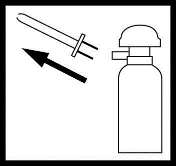
After administering the foam, remove the applicator and dispose of it in household waste using the plastic bag provided. Use a new applicator for each subsequent application.
To prevent accidental leakage of foam from the pressurized canister between administrations, rotate the dosing head so that the semicircular notch is positioned on the side opposite the nozzle.
- Wash your hands and try not to empty your bowel until the following morning.
- If you need to go to hospital or consult another doctor or a dentist, inform them that you are using this medicine.
Duration of treatment
The length of time you should use this medicine depends on your medical condition. Your doctor will decide how long you need to take the medicine.
Acute episodes of inflammatory bowel disease (ulcerative colitis) generally resolve after 6–8 weeks.
If you think the effect of Intesticort rectal foam is too strong or too weak, inform your doctor.
If you use more Intesticort rectal foam than you should
If you have used too much medicine at one time, continue with the next dose as prescribed. Do not reduce the amount. If in doubt, consult your doctor, who will decide what to do; if possible, bring the package and this leaflet with you.
If you forget to use Intesticort rectal foam
If you forget to use a dose, simply continue your treatment as prescribed. Do not use a double dose to make up for the missed dose.
If you stop using Intesticort rectal foam
If you wish to stop or end your treatment early, consult your doctor. It is important not to stop the medicine abruptly, as this could harm you. Continue using the medicine until your doctor tells you to stop, even if you start to feel better.
If you have any questions about how to use this medicine, consult your doctor or pharmacist.
4. Possible side effects
Like all medicines, this medicine can cause side effects, although not everybody gets them.
If you experience any of the following symptoms after taking this medicine, contact your doctor immediately:
- infection
- headache
- changes in behaviour, such as depression, irritability, euphoria, agitation, anxiety or aggression
The following side effects have also been reported:
Common: may affect up to 1 in 10 people
- burning or pain in the rectum
- Cushing's syndrome – for example, rounded face, weight gain, reduced glucose tolerance, increased blood glucose, high blood pressure, fluid retention in tissues (e.g. swollen legs), increased potassium excretion (hypokalaemia), menstrual irregularities in women, increased unwanted hair growth in women, impotence, abnormal laboratory test results (reduced adrenal function), red stretch marks on the skin (striae), acne
- indigestion, irritable stomach (dyspepsia)
- increased risk of infections
- muscle and joint pain, muscle weakness, muscle spasms
- fragile bones (osteoporosis)
- headache
- mood changes, such as depression, irritability or euphoria
- skin rashes due to hypersensitivity reactions, petechiae, delayed wound healing, local skin reactions such as contact dermatitis
Uncommon: may affect up to 1 in 100 people
- increased appetite
- blood disorders (increased erythrocyte sedimentation rate, increased white blood cell count)
- nausea, abdominal pain, flatulence, abdominal tingling or numbness, anal fissures, mouth ulcers, urgent need to empty the bowel, rectal bleeding
- stomach or small intestine ulcers
- liver function abnormalities
- pancreatic function disorders, changes in adrenergic hormones
- urinary tract infections
- dizziness, disturbances in smell
- insomnia, agitation with increased physical activity, anxiety
- increased sweating, weakness
Rare: may affect up to 1 in 1,000 people
- blurred vision
- inflammation of the pancreas
- bone loss due to poor blood supply (osteonecrosis)
- aggression
- bruising
Very rare: may affect up to 1 in 10,000 people
- slowed growth in children
- constipation
- increased pressure in the brain, possibly with increased eye pressure (optic disc swelling) in adolescents
- increased risk of blood clotting, inflammation of blood vessels (associated with discontinuation of corticosteroids after long-term therapy)
- fatigue, general feeling of malaise
These side effects are typical of steroid therapy, and most of them may also occur with treatment using other steroids. They may occur depending on the dose, duration of treatment, any current or previous treatments with other corticosteroid preparations, and individual susceptibility.
Some of these side effects have been observed only after prolonged use of oral budesonide.
In general, the risk of side effects with Intesticort rectal foam is lower than that with systemic-acting corticosteroid preparations (which affect the whole body), due to its local action.
If you have previously been treated with a more potent corticosteroid, your symptoms may reappear when switching to Intesticort rectal foam.
Reporting of side effects
If you experience any side effect, including those not listed in this leaflet, contact your doctor or pharmacist. You can also report side effects directly via the national reporting system at www.aifa.gov.it/content/segnalazioni-reazioni-avverse. By reporting side effects, you can help provide more information on the safety of this medicine.
5. How to store Intesticort rectal foam
Keep this medicine out of the sight and reach of children.
Do not use this medicine after the expiry date stated on the carton and on the
pressurized container. The expiry date refers to the last day of that month.
The contents of the container should be used within 4 weeks after first opening.
Do not store above 25°C.
Do not refrigerate or freeze!
The container is under pressure and contains flammable propellants. Do not expose to
temperatures above 50°C, and protect from direct sunlight. Do not pierce or burn the
container, even if it is empty.
Do not dispose of any medicine via wastewater or household waste. Ask your pharmacist
how to dispose of medicines no longer required. This will help protect the environment.
6. Package contents and other information
What Intesticort rectal foam contains
The active substance is budesonide. Each foam dose contains 2 mg of budesonide.
The other ingredients are cetyl alcohol, emulsifying wax, purified water, disodium
edetate, macrogol stearil ether, propylene glycol, monohydrate citric acid, and n-butane,
isobutane and propane as propellants.
Description of the appearance of Intesticort rectal foam and contents of the pack
Intesticort rectal foam is a solid, creamy foam, white to off-white in colour, contained in a pressurised container.
Intesticort rectal foam is available in packs containing 1 pressurised container, 14 applicators and 14 plastic disposal bags, or in packs containing 2 pressurised containers, 28 applicators and 28 plastic disposal bags for hygienic disposal of the applicators.
Not all pack sizes may be marketed.
Marketing Authorisation Holder and Manufacturer
Dr. Falk Pharma GmbH
Leinenweberstr. 5
79108 Freiburg
Germany
Tel. +49 (0) 761/1514-0
E-mail: [email protected]
Marketing Authorisation Holder in Italy
Sofar S.p.A. – Via Firenze 40, 20060 Trezzano Rosa (MI)
This medicinal product is authorised in the Member States of the European Economic Area under the following names:
Denmark, Finland, Greece, Ireland, United Kingdom, Romania and Sweden: Budenofalk
Austria: Budo-San
Italy: Intesticort
Spain: Intestifalk