Interpril
Italy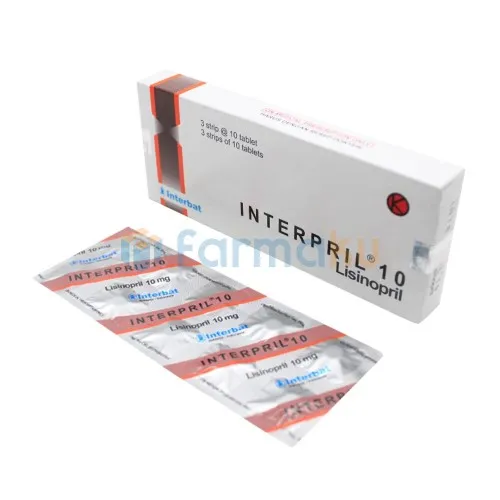
Table of Contents
PACKAGE LEAFLET: INFORMATION FOR THE USER
INTERPRIL 30mg/12.5 mg film-coated tablets
zofenopril calcium/hydrochlorothiazide
Equivalent medicine
Please read all of this leaflet carefully before taking this medicine because it contains important information for you.
- Keep this leaflet. You may need to read it again.
- If you have any questions, ask your doctor or pharmacist.
- This medicine has been prescribed for you only. Do not give it to other people, even if their symptoms are the same as yours, as it may be harmful.
- If you experience any side effect, including those not listed in this leaflet, contact your doctor or pharmacist. See section 4.
Contents of this leaflet:
- What Interpril is and what it is used for
- What you need to know before taking Interpril
- How to take Interpril
- Possible side effects
- How to store Interpril
- Contents of the pack and other information
1. WHAT INTERPRIL IS AND WHAT IT IS USED FOR
Interpril contains 30 mg of zofenopril calcium and 12.5 mg of hydrochlorothiazide as active substances.
- Zofenopril calcium is a cardiovascular medicine belonging to a group of drugs that lower blood pressure, known as angiotensin-converting enzyme (ACE) inhibitors.
- Hydrochlorothiazide is a diuretic that works by increasing the amount of urine produced.
Interpril is used to treat mild to moderate high blood pressure (hypertension) when it cannot be controlled by taking zofenopril medicine alone.
2. WHAT YOU SHOULD KNOW BEFORE TAKING INTERPRIL
Do not take Interpril if:
- you are allergic to zofenopril calcium or hydrochlorothiazide or to any of the other ingredients of this medicine (listed in section 6 Interpril);
- you are allergic to other sulfonamide-derived substances (such as hydrochlorothiazide, which is a sulfonamide-derived product);
- you are more than three months pregnant (it is better to avoid taking Interpril even in the early stages of pregnancy – see section “Pregnancy”);
- you have had previous allergic reactions to another ACE inhibitor such as captopril or enalapril;
- you have a history of severe swelling and itching around the face, nose, and throat (angioedema) associated with prior therapy with ACE inhibitors, or if you suffer from hereditary/idiopathic angioedema (rapid swelling of the skin, tissues, gastrointestinal tract, and other organs);
- you have taken or are currently taking sacubitril/valsartan, a medicine used to treat chronic heart failure in adults, as this increases the risk of angioedema (rapid swelling under the skin, for example in the throat);
- you have severe liver or kidney problems;
- you have narrowing of the renal arteries;
- you have diabetes or impaired kidney function and are being treated with a blood pressure-lowering medicine containing aliskiren.
Warnings and precautions
Talk to your doctor or pharmacist before taking Interpril.
Tell your doctor if:
-
you have problems with your liver or kidneys;
-
you have high blood pressure due to a kidney problem or narrowing of the artery supplying the kidneys (renovascular hypertension);
-
you have recently undergone a kidney transplant;
-
you are on dialysis;
-
you are receiving LDL apheresis (a procedure similar to kidney dialysis that removes harmful cholesterol from your blood);
-
you have abnormally high levels of the hormone aldosterone in your blood (primary hyperaldosteronism) or low levels of aldosterone (hypoaldosteronism);
-
you have narrowing of the heart valve (aortic stenosis) or thickening of the heart walls (hypertrophic cardiomyopathy);
-
you have or have had psoriasis (a skin disease characterized by scaly pink patches);
-
you are undergoing desensitization therapy (“allergy shots”) for insect stings;
-
you suffer from systemic lupus erythematosus (an immune system disorder, your body’s defense system);
-
you tend to have low potassium levels in your blood, especially if you have long QT syndrome (a type of ECG abnormality) or if you are taking digitalis (to help heart pumping);
-
you have diabetes;
-
you suffer from angina or conditions affecting the brain, as low blood pressure may lead to heart attack or stroke;
-
you are taking any of the following medicines used to treat high blood pressure:
- an “angiotensin II receptor antagonist” (AIIRA), also known as sartans (e.g., valsartan, telmisartan, irbesartan), particularly if you have kidney problems related to diabetes;
- aliskiren;
-
you are taking any of the following medicines, as the risk of angioedema (rapid subcutaneous swelling, e.g., in the throat) is increased:
- Racecadotril, a medicine used to treat diarrhea;
- Medicines used to prevent rejection of transplanted organs and to treat cancer (such as tacrolimus, sirolimus, everolimus);
- Vildagliptin, a medicine used to treat diabetes;
-
you have previously had skin cancer or are developing unexpected skin lesions during treatment. Treatment with hydrochlorothiazide, especially long-term use at high doses, may increase the risk of certain types of non-melanoma skin cancer and lip cancer. Protect your skin from exposure to sunlight and UV radiation while taking Interpril;
-
you experience vision disturbances or eye pain. These could be symptoms of fluid accumulation in the vascular layer of the eye (choroidal effusion) or increased intraocular pressure, which may occur from a few hours to several weeks after taking Interpril. If untreated, this increase may lead to permanent vision loss. If you previously had an allergy to penicillin or sulfonamides, your risk of developing this condition may be higher;
-
you have had respiratory or lung problems (including inflammation or fluid in the lungs) after taking hydrochlorothiazide in the past. If you develop shortness of breath or severe breathing difficulties after taking Interpril, consult a doctor immediately.
Your doctor may monitor your kidney function, blood pressure, and blood electrolyte levels (e.g., potassium) at regular intervals.
See also the information in the section “Do not take Interpril”.
The hydrochlorothiazide contained in Interpril may cause increased skin sensitivity to sunlight or artificial UV light. Discontinue Interpril and inform your doctor if you develop a rash, itchy areas, or sensitive skin during treatment (see also section 4).
For athletes: using this medicine without therapeutic need constitutes doping and may result in a positive anti-doping test.
If your blood pressure becomes too low during treatment with Interpril, especially after the first dose (this is more likely if you are also taking other diuretics, are dehydrated, on a low-salt diet, or have an illness or diarrhea). If this occurs, inform your doctor immediately, then lie down on your back (see also section 4).
If you are scheduled for surgery, inform your anesthetist that you are taking Interpril before receiving anesthesia. This will help the anesthetist manage your blood pressure and heart rate during the procedure.
You must inform your doctor if you think you are (or might be) pregnant. Use of Interpril is not recommended during early pregnancy and must not be taken after the third month of pregnancy, as the medicine may cause serious harm to your baby if used at this stage (see section “Pregnancy”).
Children and adolescents
The use of Interpril is not recommended in children and adolescents under 18 years of age, as its safety has not been established.
Other medicines and Interpril
Inform your doctor or pharmacist if you are taking, have recently taken, or might take any other medicines.
In particular, inform your doctor if you are taking:
- Potassium supplements (including salt substitutes), potassium-sparing diuretics, and other medicines that may increase blood potassium levels (such as trimethoprim and cotrimoxazole for bacterial infections; cyclosporine, an immunosuppressant used to prevent organ transplant rejection; and heparin, a medicine used to thin the blood and prevent clotting);
- Other medicines affecting blood chemical levels (adrenocorticotropic hormone – ACTH – used to stimulate the body’s production of certain hormones; intravenous amphotericin B; carbenoxolone; stimulant laxatives);
- Lithium (used to treat mood disorders);
- Anesthetics;
- Narcotic medicines (such as morphine);
- Antipsychotic medicines (used to treat schizophrenia and similar conditions);
- Tricyclic antidepressants, e.g., amitriptyline and clomipramine;
- Barbiturates (used to treat anxiety, insomnia, and seizure disorders);
- Other blood pressure medicines and vasodilators (including beta-blockers, alpha-blockers, and diuretics such as hydrochlorothiazide, furosemide, torasemide).
Your doctor may consider it necessary to adjust the dose and/or take other precautions:
- if you are taking an angiotensin II receptor antagonist (AIIRA) or aliskiren (see also the sections “Do not take Interpril” and “Warnings and precautions”);
- nitroglycerin and other nitrates used for chest pain (angina);
- antacids including cimetidine (used to treat heartburn and stomach ulcers);
- cyclosporine (used after organ transplantation) and other immunosuppressants (medicines that suppress your body’s immune defenses);
- medicines used for gout (e.g., probenecid, sulfinpyrazone, allopurinol);
- insulin and other oral antidiabetic medicines;
- cytostatic agents (used in cancer treatment or immune system disorders);
- corticosteroids (potent anti-inflammatory medicines);
- procainamide (used to control irregular heartbeat);
- non-steroidal anti-inflammatory drugs (NSAIDs, such as aspirin or ibuprofen);
- sympathomimetic medicines (acting on the nervous system, including some medicines used to treat asthma, hay fever, and pressor amines such as adrenaline);
- calcium salts;
- digitalis (used to help heart pumping);
- cholestyramine and colestipol resins (used to lower cholesterol);
- medicines used to relax muscles (e.g., tubocurarine);
- amantadine (an antiviral medicine);
- racecadotril (a medicine used to treat diarrhea), medicines used to prevent rejection of transplanted organs and to treat cancer (such as temsirolimus, sirolimus, everolimus), and vildagliptin (a medicine used to treat diabetes). The risk of angioedema may be increased.
Interpril with food, drinks, and alcohol
Interpril can be taken with or without food, but always with water.
Alcohol enhances the hypotensive effect (lowering of blood pressure) of Interpril; ask your doctor for further advice about alcohol consumption while taking this medicine.
Pregnancy and breastfeeding
Pregnancy
If you are pregnant, suspect you may be pregnant, or are planning a pregnancy, consult your doctor before taking this medicine. Your doctor will usually advise you to stop taking Interpril before or as soon as pregnancy is confirmed and will recommend an alternative medicine. Interpril is not recommended during early pregnancy and must not be taken after the third month of pregnancy, as the medicine may cause serious harm to your baby if used beyond the third month of pregnancy.
Breastfeeding
If you are breastfeeding or planning to breastfeed, consult your doctor before taking this medicine. Interpril is not recommended for breastfeeding mothers, and your doctor may choose another suitable medicine if you wish to continue breastfeeding, especially if you are nursing a newborn or a premature infant.
Driving and using machines
This medicine may cause dizziness or fatigue. If you experience these symptoms, do not drive or operate machinery.
Interpril contains lactose
If your doctor has diagnosed you with an intolerance to certain sugars, contact your doctor before taking this medicine.
3. HOW TO TAKE INTERPRIL
Take this medicine exactly as directed by your doctor. If you have any doubts, consult your doctor.
The recommended dose is one tablet per day.
Interpril can be taken with or without food. It is preferable to take the tablet with water.
If you are over 65 years old and have impaired renal function, Interpril may not be the appropriate medicine for you (see section 2).
Use in children and adolescents
The use of this medicine is not recommended in children and adolescents under 18 years of age.
The score line on the tablet is only intended to help you divide the tablet if you have difficulty swallowing it whole.
If you take more Interpril than you should
If you accidentally take more tablets than you should, contact your doctor or the nearest emergency department immediately (take the remaining tablets, the packaging or this leaflet with you, if possible). The most common symptoms and signs of overdose include low blood pressure with fainting (hypotension), very slow heartbeat (bradycardia), disturbances in blood chemistry (electrolytes), kidney dysfunction, excessive urination leading to dehydration, nausea and drowsiness, muscle spasms, and heart rhythm disorders (particularly if you are taking digitalis or other medicines for heart rhythm problems).
If you forget to take Interpril
If you forget to take a dose, take it as soon as you remember. However, if it is almost time for your next scheduled dose, skip the missed dose and take the next dose at the regular time. Do not take a double dose to make up for the forgotten tablet.
If you stop taking Interpril
Always consult your doctor before stopping treatment with Interpril.
If you have any questions about the use of Interpril, consult your doctor or pharmacist.
4. POSSIBLE ADVERSE EFFECTS
Like all medicines, Interpril may cause adverse effects, although not everyone experiences them.
The following adverse effects have been reported in clinical studies with zofenopril calcium/hydrochlorothiazide:
Common adverse effects (may affect up to 1 in 10 people):
- Dizziness;
- Headache;
- Cough.
Uncommon adverse effects (may affect up to 1 in 100 people):
- Rapid onset of swelling, particularly of the lips, cheeks, eyelids, tongue, palate, larynx, possibly leading to sudden breathing difficulty (angioedema). If you experience any of these symptoms, this means you have a severe allergy to Interpril. You may require urgent medical treatment or hospitalization;
- Infections;
- Bronchitis;
- Sore throat;
- Increased cholesterol and/or other blood lipids, increased blood glucose, potassium, uric acid, creatinine, and liver enzymes;
- Decreased potassium in the blood;
- Insomnia;
- Drowsiness, fainting, increased muscle tone (hypertonia);
- Angina, myocardial infarction, atrial fibrillation, palpitations;
- Hot flushes, low blood pressure, high blood pressure;
- Nausea, indigestion, gastritis, gum inflammation, dry mouth, stomach pain;
- Skin disorders characterized by scaly pink patches (psoriasis), acne, dry skin, itching, urticaria;
- Back pain;
- Increased urine output (polyuria);
- Generalized weakness (asthenia), influenza-like symptoms, peripheral swelling (usually around the ankles);
- Impotence.
The following side effects have not been reported in clinical studies with zofenopril calcium/hydrochlorothiazide, but have been reported with zofenopril calcium and/or other ACE inhibitors, and therefore may also occur with the use of Interpril:
- Fatigue. Severely low blood pressure at the beginning of treatment or when the dose is increased, with dizziness, visual disturbances, fainting; low blood pressure in the upright position;
- Chest pain, muscle pain and/or cramps;
- Altered mental status, sudden dizziness, sudden blurring of vision or weakness and/or loss of sensation on one side of the body (transient ischemic attack or stroke);
- Reduced kidney function, changes in daily urine output, presence of protein in the urine (proteinuria);
- Vomiting, diarrhea, constipation;
- Allergic skin reactions with peeling, redness, blistering and eruptions of the skin (toxic epidermal necrolysis), worsening of psoriasis, hair loss (alopecia);
- Increased sweating;
- Mood changes, depression, sleep disturbances;
- Altered skin sensations such as burning, tingling, itching (paresthesia);
- Balance disorders, confusion, ringing in the ears (tinnitus), taste disturbances, blurred vision;
- Difficulty breathing, narrowing of the airways in the lungs (bronchospasm), sinusitis, stuffy or runny nose (rhinitis), inflammation of the tongue (glossitis);
- Yellowing of the skin (jaundice), inflammation of the liver or pancreas (hepatitis, pancreatitis), intestinal obstruction (ileus);
- Changes in blood tests, red blood cell count, white blood cell count or platelets, or a reduction in the number of all blood cells (pancytopenia). Contact your doctor if you notice easy bruising or unexplained sore throat or fever;
- Increased levels of bilirubin and urea in the blood;
- Anemia due to breakdown of red blood cells (hemolytic anemia), which may occur if you have G6PD (glucose-6-phosphate dehydrogenase) deficiency.
The following side effects have not been reported in clinical studies with zofenopril/hydrochlorothiazide, but have been reported with hydrochlorothiazide, and therefore may also occur with the use of Interpril:
- Impaired production of new blood cells by the bone marrow (bone marrow failure);
- Fever, systemic allergic reaction (anaphylactic reaction);
- Altered levels of body fluids (dehydration) and blood chemicals (electrolytes), gout, diabetes, metabolic alkalosis;
- Apathy, nervousness, restlessness;
- Seizures, decreased level of consciousness, coma, paresis;
- Yellow vision (xanthopsia), worsening of myopia, decreased tear production, sudden onset of nearsightedness (acute myopia), decreased vision or eye pain due to increased pressure (possible signs of fluid accumulation in the vascular layer of the eye (choroidal effusion) or acute angle-closure glaucoma);
- Dizziness (sensation of spinning);
- Heart rhythm disturbances (arrhythmias), changes in the electrocardiogram;
- Formation of blood clots in veins (thrombosis) and embolism, circulatory collapse (shock);
- Respiratory distress, lung inflammation (pneumonia), formation of fibrous tissue in the lungs (interstitial lung disease), fluid accumulation in the lungs (pulmonary edema);
- Thirst, loss of appetite (anorexia), absence of intestinal movement (paralytic ileus), excessive gas in the stomach, inflammation of the salivary glands (sialadenitis), increased amylase in the blood (a pancreatic enzyme, hyperamylasemia), inflammation of the gallbladder (cholecystitis);
- Purple-colored spots on the skin (purpura), increased skin sensitivity to sunlight, rash (especially facial) and/or patchy redness that may lead to scarring (cutaneous lupus erythematosus), inflammation of blood vessels leading to tissue necrosis (necrotizing vasculitis);
- Acute kidney failure (with reduced urine output and increased fluid and waste products in the body), inflammation of the connective tissue inside the kidneys (interstitial nephritis), sugar in the urine;
- Frequency “not known”: skin and lip cancer (non-melanoma skin cancer);
- Frequency “very rare”: Acute respiratory distress (symptoms include severe shortness of breath, fever, weakness, and confusion).
Reporting of adverse effects
If you experience any adverse effect, including those not listed in this leaflet, talk to your doctor or pharmacist.
You can also report adverse effects directly via the national reporting system at https://www.aifa.gov.it/content/segnalazioni-reazioni-avverse.
By reporting adverse effects, you can help provide more information on the safety of this medicine.
5. HOW TO STORE INTERPRIL
Keep this medicine out of the sight and reach of children.
Do not store Interpril at temperatures above 30°C.
Do not use Interpril after the expiry date stated on the outer carton and on the blister after "Exp". The expiry date refers to the last day of that month.
Always keep the tablets in the original packaging.
Do not dispose of any medicine via wastewater. Ask your pharmacist how to dispose of medicines you no longer use. This will help protect the environment.
6. PACK CONTENTS AND OTHER INFORMATION
What Interpril contains
The active substances are zofenopril calcium 30 mg and hydrochlorothiazide 12.5 mg.
The other components are:
- Tablet core: microcrystalline cellulose, lactose monohydrate, maize starch, hypromellose, anhydrous colloidal silica, magnesium stearate.
- Coating: Opadry Pink 02B24436 (composed of hypromellose, titanium dioxide (E 171), polyethylene glycol 400 (E1521), red iron oxide (E172)) (see section 2).
Description of the appearance of Interpril and pack sizes
Interpril 30 mg/12.5 mg tablets are pinkish, round, biconvex, film-coated tablets with a break line. The scored line on the tablet is intended to facilitate breaking for easier swallowing and is not intended to divide the tablet into equal doses. The tablets are available in packs of 28 tablets in white PVC/PVDC/Aluminum blisters.
Marketing Authorization Holder
S.F. Group S.r.l.
Via Tiburtina, 1143
00156 Rome, Italy
Manufacturer
Special Product’s Line S.p.A.
Via Fratta Rotonda Vado Largo, 1
03012 Anagni (Frosinone) – Italy