Ibifen
Italy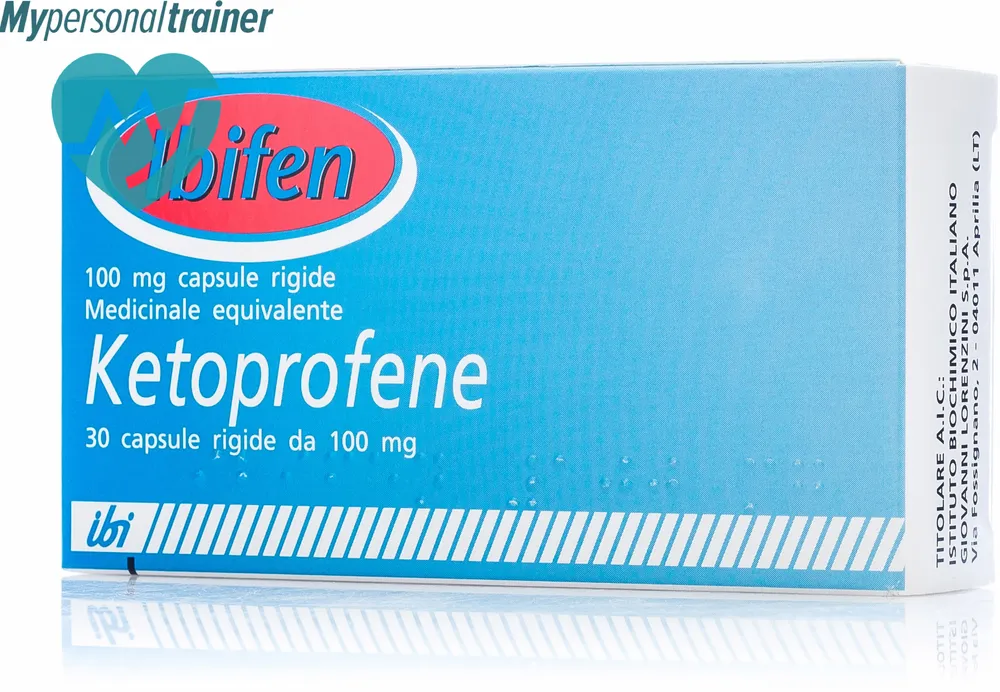
Table of Contents
- Patient Information Leaflet: Important Information for the User
- Ibifen 50 mg Effervescent Granules
- 1. What Ibifen is and what it is used for
- 2. What you need to know before taking Ibifen
- 3. How to take Ibifen
- 4. Possible side effects
- 5. How to store Ibifen
- 6. Package contents and other information
- Package leaflet: Information for the user
- Ibifen 50 mg hard capsules, 100 mg hard capsules, 200 mg prolonged-release tablets
- 1. What Ibifen is and what it is used for
- 2. What you should know before taking Ibifen
- 3. How to take Ibifen
- 4. Possible side effects
- 5. How to store Ibifen
- 6. Pack contents and other information
- Package leaflet: information for the user
- Ibifen 25 mg/ml oral drops solution
- 1. What Ibifen is and what it is used for
- 2. What you should know before taking Ibifen
- 3. How to take Ibifen
- 4. Possible side effects
- 5. How to store Ibifen
- 6. Package contents and other information
- Ibifen 100 mg/2.5 ml injectable solution for intramuscular use, 100 mg/5 ml injectable solution for intravenous use
- 1. What Ibifen is and what it is used for
- 2. What you should know before taking Ibifen
- 3. How to take Ibifen
- 4. Possible side effects
- 5. How to store Ibifen
- 6. Package contents and other information
- Ibifen 50 mg/g gel
- 1. What Ibifen is and what it is used for
- 2. What you need to know before using Ibifen
- 3. How to use Ibifen
- 4. Possible side effects
- 5. How to store Ibifen
- 6. Package contents and other information
Patient Information Leaflet: Important Information for the User
Ibifen 50 mg Effervescent Granules
Ketoprofen
Please read this leaflet carefully before taking this medicine because it contains important information for you.
- Keep this leaflet. You may need to read it again.
- If you have any questions, consult your doctor or pharmacist.
- This medicine has been prescribed for you only. Do not give it to other people, even if they have the same symptoms as you, because it may be harmful.
- If you experience any side effects, including those not listed in this leaflet, contact your doctor or pharmacist. See section 4.
Contents of this leaflet:
- What Ibifen is and what it is used for
- What you need to know before taking Ibifen
- How to take Ibifen
- Possible side effects
- How to store Ibifen
- Package contents and other information
1. What Ibifen is and what it is used for
Ibifen contains the active substance ketoprofene.
Ketoprofene belongs to a class of medicines called non-steroidal anti-inflammatory and antirheumatic drugs (NSAIDs), which have various actions, including an important role in pain control.
Ibifen effervescent granules are used to treat pain due to:
- chronic progressive inflammation of the joints (rheumatoid arthritis)
- chronic inflammatory disease mainly affecting the spinal vertebrae (ankylosing spondylitis)
- acute inflammation with pain, redness and swelling of the joints caused by deposition of crystals of an acid called uric acid (acute gout)
- degenerative joint disease (osteoarthritis) at various sites
- irritation with pain of a nerve called sciatic nerve (sciatica)
- inflammation of the nerves emerging from the vertebrae (radiculitis)
- muscle pain (myalgia) and inflammation of the joints (bursitis, synovitis, capsulitis), tendons (tendinitis), and tendon sheaths (tenosynovitis)
- bruises
- sprains
- dislocations
- muscle tears
- inflammation of veins (phlebitis) and presence of a blood clot in a superficial vein (superficial thrombophlebitis)
- disease of the lymphatic vessels (lymphangitis)
- painful inflammation of the teeth, mouth, nose, and throat
- inflammation of the organs producing urine
- inflammation of the lungs.
2. What you need to know before taking Ibifen
Do not take Ibifen
- if you are allergic to ketoprofen or to any of the other ingredients of this medicine (listed in section 6)
- if you are allergic to other medicines belonging to the same class as ketoprofen, especially other non-steroidal anti-inflammatory drugs (NSAIDs)
- if you have a history of allergic reactions such as bronchospasm, asthma attacks, rhinitis, skin rashes with or without itching (urticaria), or other allergic-type reactions to the active substance of Ibifen, ketoprofen, to other medicines of the same class (NSAIDs), or to aspirin (acetylsalicylic acid). In such cases, you may experience severe, sudden allergic reactions (severe anaphylactic reactions), rarely fatal
- if you have severe heart failure
- if you have an ulcerative lesion in the inner lining of the stomach or intestine that periodically recurs and may bleed (active or recurrent peptic ulcer/hemorrhage, two or more distinct episodes of confirmed ulceration or bleeding)
- if you previously experienced bleeding or perforation of the stomach or intestine related to prior treatment with medicines of the same class as ketoprofen (NSAIDs)
- if you have a tendency to bleed easily (hemorrhagic diathesis)
- if you have liver problems (hepatic insufficiency, liver cirrhosis, severe hepatitis)
- if you have severe kidney failure
- if you are currently undergoing intensive diuretic therapy (to significantly increase urine production)
- if you have long-standing digestive difficulties (chronic dyspepsia) or inflammation of the stomach (gastritis)
- if you have low counts of certain blood cells (leukopenia and thrombocytopenia) or are experiencing active bleeding (hemorrhages)
- if you are taking blood-thinning medicines (anticoagulants)
- if you suffer from a bowel disease (Crohn’s disease or ulcerative colitis)
- if you are in the third trimester of pregnancy
- if you are a child
Warnings and precautions
Talk to your doctor or pharmacist before taking Ibifen:
- if you are planning to become pregnant, as this medicine may reduce female fertility and is not recommended for women who are trying to become pregnant, have difficulty conceiving, or are undergoing fertility investigations
- if you have kidney problems (conditions of renal hypoperfusion, kidney diseases, nephrosis, chronic renal failure)
- if you are taking diuretics
- if you have heart problems (heart failure, congestive heart failure, confirmed ischemic heart disease)
- if you have high blood pressure (hypertension) or blood vessel problems (peripheral arterial disease)
- if you have cerebrovascular diseases
- if you have liver problems (mild to moderate hepatic insufficiency, cirrhosis)
- if you are elderly, as you have a higher risk of developing adverse reactions such as gastrointestinal bleeding and perforation, which may be fatal
- if you are elderly or have a history of stomach or intestinal injury, especially if complicated by bleeding or perforation (see “Do not take Ibifen”), the risk of gastrointestinal bleeding, injury, or perforation is higher with high doses of non-steroidal anti-inflammatory drugs (NSAIDs). In such cases, your doctor will start treatment with the lowest available dose and may consider concomitant use of medicines that protect the stomach (misoprostol or proton pump inhibitors)
- if you require long-term treatment with this medicine and have risk factors for cardiovascular diseases (such as high blood pressure (hypertension), high blood lipids (hyperlipidemia), diabetes (mellitus), or smoking)
- if you need to take Ibifen together with other anti-inflammatory medicines (including selective cyclooxygenase-2 inhibitors)
- if you have a history of gastrointestinal toxicity, especially if you are elderly, you should report any unusual symptoms (particularly gastrointestinal bleeding) especially during the initial stages of treatment
- if you are taking medicines together with Ibifen that could increase the risk of gastrointestinal injury or bleeding, such as other anti-inflammatory drugs (oral corticosteroids), blood thinners (anticoagulants such as warfarin or antiplatelet agents such as aspirin), or antidepressants (selective serotonin reuptake inhibitors)
- if you have a chronic inflammatory bowel disease (ulcerative colitis or Crohn’s disease)
- if you have an infection – Ibifen may mask typical signs of infection progression such as fever
- if you have impaired liver function or a liver disease
- if you suffer from asthma, asthma associated with chronic cold (chronic rhinitis), chronic sinusitis and/or nasal polyps (growths inside the nose), as in this case you have a higher risk of allergy to aspirin and/or NSAIDs compared to the general population. Administration of Ibifen may cause asthma attacks or bronchospasm, especially if you are allergic to aspirin or non-steroidal anti-inflammatory drugs (NSAIDs)
- if you have low body weight, as in such cases the risk of gastrointestinal bleeding increases after taking Ibifen. If gastrointestinal bleeding or injury (ulcer) occurs, you must stop treatment immediately
- if you are diabetic or take medicines that increase urination (potassium-sparing agents), see “Other medicines and Ibifen” – your doctor may prescribe blood tests to monitor potassium levels
- if you have an infection – see the section “Infections” below.
Infections
Ibifen may mask symptoms of infections such as fever and pain. Therefore, Ibifen could delay appropriate treatment of the infection, potentially increasing the risk of complications. This has been observed in bacterial pneumonia and varicella-related bacterial skin infections. If you take this medicine while having an infection and infection symptoms persist or worsen, contact your doctor immediately.
If you use Ibifen, especially at high doses and for prolonged treatments, you may have a modestly increased risk of heart attack (myocardial infarction) or cerebrovascular events (stroke).
Do not exceed the recommended dose or duration of treatment.
If you have heart problems, a history of stroke, or think you may be at risk for these conditions (e.g., high blood pressure, diabetes, high cholesterol, or smoking), discuss your treatment with your doctor or pharmacist.
During treatment with all NSAIDs, gastrointestinal bleeding, ulceration, and perforation have been reported, which may occur at any time, with or without warning symptoms, and may be fatal.
Some evidence suggests that medicines containing ketoprofen may be associated with a higher risk of severe gastrointestinal toxicity compared to other NSAIDs, especially at high doses. If gastrointestinal bleeding or injury occurs, your doctor will discontinue treatment with Ibifen.
Severe skin reactions, some of which have been fatal (exfoliative dermatitis, Stevens-Johnson syndrome, and toxic epidermal necrolysis), have very rarely been reported in association with medicines of the same class as Ibifen (NSAIDs) (see “Undesirable effects”). Patients appear to be at higher risk during the initial stages of therapy; onset of such reactions usually occurs within the first month of treatment. If you develop symptoms of these serious skin reactions, contact your doctor immediately. Your doctor will discontinue Ibifen.
If you take Ibifen, you may experience visual disturbances such as blurred vision. In such cases, you should stop treatment.
Undesirable effects can be minimized if your doctor prescribes the lowest effective dose for the shortest possible duration needed to control symptoms.
Children
Ibifen is contraindicated in children under 15 years of age.
Other medicines and Ibifen
Inform your doctor or pharmacist if you are taking, have recently taken, or might take any other medicines.
In particular, inform your doctor if you are taking any of the following medicines, as they may interact with Ibifen or be affected by it:
- lithium-containing medicines (for treatment of certain mental illnesses), as blood levels of lithium may become too high
- acetylsalicylic acid or other non-steroidal anti-inflammatory drugs (including selective COX-2 inhibitors), as they increase the risk of gastrointestinal injury and bleeding (ulcers and gastrointestinal bleeding), and their concomitant use with Ibifen is not recommended
- heparin, warfarin, ticlopidine, clopidogrel (blood-thinning medicines), as they increase the risk of bleeding
- methotrexate (for cancer treatment and autoimmune diseases), as it may remain in the body longer, increasing its toxicity
- diuretics (to increase urine output), as they may worsen kidney damage
- ACE inhibitors and angiotensin II receptor antagonists (for high blood pressure treatment), as they may worsen kidney damage
- corticosteroids (anti-inflammatory hormones), as they increase the risk of gastrointestinal injury (ulceration) or bleeding (see “Warnings and precautions”)
- pentoxifylline (a medicine to improve blood flow), as it increases the risk of bleeding
- beta-blockers, angiotensin-converting enzyme inhibitors, diuretics (for high blood pressure treatment), as their effectiveness may be reduced
- thrombolytics (for treatment of blood clots), as they increase the risk of bleeding
- selective serotonin reuptake inhibitors (for depression treatment), as they increase the risk of gastrointestinal bleeding (see “Warnings and precautions”)
- potassium-sparing diuretics (to increase urine output), angiotensin-converting enzyme inhibitors, angiotensin II receptor blockers (for high blood pressure), NSAIDs (for inflammation), low molecular weight or unfractionated heparins (to thin the blood), cyclosporine and tacrolimus (to suppress the immune system), and trimethoprim (for bacterial infections), as their ability to increase blood potassium levels may be enhanced by Ibifen
- tirofiban, eptifibatide, abciximab, and iloprost (to thin the blood), as they increase the risk of bleeding
- tenofovir, for HIV therapy, as it may increase the risk of kidney failure
- probenecid (for gout treatment), as it increases the amount and duration of Ibifen in the body
- gemeprost, a medicine acting on the uterus, as co-administration reduces the effectiveness of gemeprost
- quinolone antibiotics, as patients taking NSAIDs and quinolones may have an increased risk of seizures
- cyclosporine and tacrolimus (to suppress the immune system), as they may increase the risk of kidney damage, especially in elderly patients
- intrauterine contraceptive devices (IUDs), as their effectiveness may be reduced, potentially leading to pregnancy.
Pregnancy, breastfeeding, and fertility
If you are pregnant, suspect you may be pregnant, planning a pregnancy, or breastfeeding, consult your doctor or pharmacist before taking this medicine.
Pregnancy
Do not use Ibifen during the last trimester of pregnancy, as it may cause problems for your baby and during delivery (see section “Do not use Ibifen”). It may cause kidney and heart problems in the fetus. It may affect your and your baby’s tendency to bleed and may delay or prolong labor beyond normal.
You should not take Ibifen during the first 6 months of pregnancy unless strictly necessary and under medical advice. If treatment is needed during this period or while trying to conceive, the lowest possible dose should be used for the shortest possible time.
If taken for more than a few days from week 20 of pregnancy onwards, Ibifen may cause kidney problems in the fetus, leading to low levels of amniotic fluid surrounding the baby (oligohydramnios) or narrowing of a blood vessel (ductus arteriosus) in the baby’s heart. If treatment for more than a few days is needed, your doctor may recommend additional monitoring.
Non-steroidal anti-inflammatory drugs (NSAIDs) increase the risk of miscarriage and malformations if taken during early pregnancy. The use of Ibifen is not recommended during the first and second trimesters of pregnancy. This medicine may be used during these periods only if absolutely necessary and under strict medical supervision.
Breastfeeding
Do not use Ibifen while breastfeeding.
Fertility
Ibifen may cause fertility problems in women and is therefore not recommended for women planning pregnancy. Inform your doctor if you have fertility problems and are planning a pregnancy or undergoing fertility testing.
Driving and using machines
Ibifen may cause visual disturbances, drowsiness, dizziness, or seizures. If this occurs, do not drive or operate machinery.
Ibifen effervescent granules contain lactose and sodium
If your doctor has diagnosed you with an intolerance to certain sugars, consult them before taking this medicine.
This medicine contains 177.8 mg of sodium (a main component of table salt) per sachet. Talk to your doctor or pharmacist if you need to take 2 or more sachets per day and/or for a prolonged period, especially if you have been advised to follow a low-sodium diet.
3. How to take Ibifen
Take this medicine exactly as directed by your doctor or pharmacist. If
you have any doubts, consult your doctor or pharmacist.
The lowest effective dose for the shortest duration necessary to relieve symptoms should be used.
If you have an infection, contact your doctor immediately if symptoms (such as fever and
pain) persist or worsen (see section 2).
Adults and adolescents over 15 years
The maximum recommended daily dose is 200 mg.
Undesirable effects can be minimized by using the lowest effective dose for the shortest duration
necessary to control symptoms.
The recommended dose is: 3 sachets per day.
Take the contents of one sachet by pouring and mixing it into half a glass of water.
Elderly patients and patients with renal impairment
For treatment of elderly patients and patients with impaired kidney function, dosage must be carefully
determined by the doctor, who will consider whether a reduction of the above-mentioned doses is necessary.
Use in children
Ibifen is contraindicated in pediatric patients under 15 years of age.
If you take more Ibifen than you should
In case of accidental ingestion/overdose of Ibifen effervescent granules,
contact your doctor immediately or go to the nearest hospital.
In most cases, the observed symptoms have been mild and limited to lethargy, drowsiness,
nausea, vomiting, and stomach pain.
If you forget to take Ibifen
If you forget to take a dose, take it as soon as you remember, unless it is almost time for your next dose.
Do not take a double dose to make up for the forgotten dose.
If you stop taking Ibifen
If you have any doubts about using this medicine, consult your doctor or pharmacist.
4. Possible side effects
Like all medicines, this medicine can cause side effects, although not everybody will experience them.
The most commonly observed adverse events are gastrointestinal ulcers, perforations or bleeding, sometimes fatal, particularly in the elderly (see "Warnings and precautions").
The following adverse reactions have been reported in adults:
Common (may affect up to 1 in 10 people)
- Indigestion (dyspepsia), nausea, abdominal pain, vomiting
Uncommon (may affect up to 1 in 100 people)
- Headache, dizziness, somnolence, vertigo
- Constipation, diarrhoea, passage of gas from the anus (flatulence), inflammation of the stomach (gastritis)
- Skin rash, pruritus
- Swelling (oedema)
- Feeling of fatigue
Rare (may affect up to 1 in 1,000 people)
-
A disease affecting red blood cells (haemorrhagic anaemia)
-
Altered sensation (paraesthesia)
-
Blurred vision
-
Ringing in the ears (tinnitus)
-
Asthma
-
Inflammation of the mouth (stomatitis)
-
Stomach and intestinal lesions (peptic ulcer)
-
Inflammation of part of the intestine (colitis)
-
Inflammation of the liver (hepatitis), increased liver function test values (transaminases and bilirubin), yellowing of the skin and sclera and mucous membranes (jaundice)
-
Decrease in white blood cells (leucopenia)
-
Weight gain
Frequency not known (frequency cannot be estimated from the available data)
- Presence of blood clots in arteries (e.g. myocardial infarction or stroke), especially at high doses and with long-term use of non-steroidal anti-inflammatory drugs (NSAIDs)
- Reduction or absence of certain blood cells (agranulocytosis, thrombocytopenia)
- Inadequate production of blood cells (bone marrow failure)
- Sudden and severe allergic reactions (anaphylactic reactions, including shock)
- Mood alterations
- Inflammation of the membrane surrounding the brain (aseptic meningitis)
- Seizures
- Distortion of taste sensation (dysgeusia)
- Confusional state
- Heart failure
- Increased heart rate (tachycardia, atrial fibrillation), palpitations
- Increased blood pressure (hypertension)
- Inflammation of blood vessels (vasculitis)
- Vasodilation
- Bronchospasm (particularly in patients with known hypersensitivity to aspirin and other non-steroidal anti-inflammatory drugs (NSAIDs))
- Nasal congestion (rhinitis)
- Breathing difficulty (dyspnoea)
- Worsening of inflammation of part of the intestine (colitis) and of chronic bowel disease (exacerbation of Crohn's disease)
- Bleeding and perforations in the stomach and intestine, dark-coloured stools due to presence of blood (melena), blood in vomit (haematemesis)
- Rapid swelling of the skin (angioedema)
- Increased sensitivity of the skin to light (photosensitivity)
- Hair loss (alopecia)
- Itchy skin rash (urticaria, worsening of chronic urticaria)
- Blistering skin rashes (including Stevens-Johnson syndrome and toxic epidermal necrolysis)
- Kidney dysfunction (acute renal failure, tubulo-interstitial nephritis, nephrotic syndrome)
- Pancreatitis
- Low sodium levels in the blood (hyponatraemia) and high potassium levels in the blood (hyperkalaemia)
- Erythema (skin disorders)
- Cutaneous exanthema (skin disorders)
- Depression
- Hallucination
Reporting of side effects
If you experience any side effect, including those not listed in this leaflet, talk to your doctor or pharmacist. You can also report side effects directly via the national reporting system at the following website:
By reporting side effects, you can help provide more information on the safety of this medicine.
5. How to store Ibifen
This medicine does not require any special storage conditions.
Keep this medicine out of the sight and reach of children.
Do not use this medicine after the expiry date stated on the packaging after "Expiry".
The expiry date refers to the last day of that month.
Do not dispose of any medicine via wastewater or household waste. Ask your pharmacist how to
dispose of medicines you no longer use. This will help protect the environment.
6. Package contents and other information
What Ibifen contains
Ibifen 50 mg effervescent granules
Each sachet contains
- The active substance is ketoprofen 50 mg
- The other components are sodium bicarbonate, tartaric acid, citric acid, trisodium citrate dihydrate, lactose, sodium carbonate, orange tetrarome flavour, sodium saccharin
Description of the appearance of Ibifen and contents of the pack
50 mg effervescent granules in packs of 30 sachets
Marketing Authorization Holder
Istituto Biochimico Italiano Giovanni Lorenzini S.p.A.
Via Fossignano, 2 – 04011 Aprilia (LT)
e-mail: [email protected]
Manufacturer
Special Product's Line S.p.A.
Via Fratta Rotonda, Vado Largo 1
03012 Anagni (FR)
Package leaflet: Information for the user
Ibifen 50 mg hard capsules, 100 mg hard capsules, 200 mg prolonged-release tablets
Ketoprofen
Please read this entire leaflet carefully before taking this medicine, as it contains
important information for you.
• Keep this leaflet. You may need to read it again.
• If you have any questions, ask your doctor or pharmacist.
• This medicine has been prescribed for you only. Do not give it to others, even if their symptoms are the same as yours, as it could be harmful.
• If you experience any adverse reaction, including those not listed in this leaflet, contact your doctor or pharmacist. See section 4.
Contents of this leaflet
- What Ibifen is and what it is used for
- What you need to know before taking Ibifen
- How to take Ibifen
- Possible side effects
- How to store Ibifen
- Contents of the pack and other information
1. What Ibifen is and what it is used for
Ibifen contains the active substance ketoprofene.
Ketoprofene belongs to a class of medicines called non-steroidal anti-inflammatory and anti-rheumatic drugs (NSAIDs), which have multiple actions, with an important role in pain control.
Ibifen hard capsules and prolonged-release tablets are used to treat pain due to:
- chronic progressive inflammation of the joints (rheumatoid arthritis)
- chronic inflammatory disease mainly affecting the spinal vertebrae (ankylosing spondylitis)
- acute inflammation with pain, redness and swelling of the joints caused by the deposition of crystals of an acid called uric acid (acute gout)
- degenerative joint disease (osteoarthritis) at various sites
- irritation with pain of a nerve called sciatic nerve (sciatica)
- inflammation of the nerves emerging from the vertebrae (radiculitis)
- muscle pain (myalgia) and inflammation of joints (bursitis, synovitis, capsulitis), tendons (tendinitis), and tendon sheaths (tenosynovitis)
- contusions
- sprains
- dislocations
- muscle tears
- inflammation of veins (phlebitis) and presence of a blood clot in a superficial vein (superficial thrombophlebitis)
- disease of the lymphatic vessels (lymphangitis)
- painful inflammation of the teeth, mouth, nose, and throat
- inflammation of the organs that produce urine
- inflammation of the lungs
2. What you should know before taking Ibifen
Do not take Ibifen
- if you are allergic to ketoprofen or to any of the other ingredients of this medicine (listed in section 6)
- if you are allergic to other medicines belonging to the same class as ketoprofen, particularly to other non-steroidal anti-inflammatory drugs (NSAIDs)
- if you have a history of allergic reactions such as bronchospasm, asthma attacks, nasal congestion (rhinitis), skin rashes with or without itching (urticaria), or other allergic-type reactions to the active substance in Ibifen, ketoprofen, to other medicines in the same class (NSAIDs), or to aspirin (acetylsalicylic acid). In such cases, you may experience severe sudden allergic reactions (severe anaphylactic reactions), rarely fatal
- if you have severe heart failure
- if you have a lesion in the inner lining of the stomach and intestine that recurs periodically and may bleed (active or recurrent/hemorrhagic peptic ulcer, two or more distinct episodes of documented ulceration or bleeding)
- if you have previously experienced bleeding or perforation of the stomach or intestine related to prior treatment with medicines of the same class as ketoprofen (NSAIDs)
- if you have a tendency to bleed easily (hemorrhagic diathesis)
- if you have liver problems (hepatic insufficiency, liver cirrhosis, severe hepatitis)
- if you have severe kidney failure
- if you are currently undergoing therapy to significantly increase urine production (intensive diuretic therapy)
- if you have long-standing digestive difficulties (chronic dyspepsia) and stomach inflammation (gastritis)
- if you have a low count of certain blood cells (leukopenia and thrombocytopenia) or are currently experiencing bleeding (hemorrhages)
- if you are taking blood-thinning medicines (anticoagulants)
- if you suffer from a disease of part of the intestine (Crohn’s disease or ulcerative colitis)
- if you are in the third trimester of pregnancy
- if you are of pediatric age
Warnings and precautions
Talk to your doctor or pharmacist before taking Ibifen:
-
if you are planning to become pregnant, as this medicine may reduce female fertility and is not recommended for women who are planning to become pregnant, who have difficulty conceiving, or who are undergoing fertility investigations
-
if you have kidney problems (states of renal hypoperfusion, kidney diseases, nephrosis, chronic renal failure)
-
if you are on diuretic therapy
-
if you have heart problems (heart failure, congestive heart failure, confirmed ischemic heart disease)
-
if you have high blood pressure (hypertension), or blood vessel problems (peripheral arterial disease)
-
if you have cerebrovascular diseases
-
if you have liver problems (mild to moderate hepatic insufficiency, cirrhosis)
-
if you are elderly, as you have a higher risk of developing adverse reactions such as bleeding and perforation of the stomach and intestine, which can be fatal
-
if you are elderly or have a history of stomach and intestinal injury, especially if complicated by bleeding or perforation (see "Do not take Ibifen"), the risk of gastrointestinal bleeding, injury, or perforation is higher with high doses of non-steroidal anti-inflammatory drugs (NSAIDs). In such cases, the doctor will start treatment with the lowest available dose and may consider concomitant use of medicines that protect the stomach (misoprostol or proton pump inhibitors)
-
if you are a patient requiring long-term treatment with this medicine and have risk factors for cardiovascular diseases (such as high blood pressure (hypertension), high blood lipids (hyperlipidemia), diabetes (mellitus), or smoking)
-
if you need to take Ibifen together with other anti-inflammatory medicines (including selective cyclooxygenase-2 inhibitors)
-
if you have a history of gastrointestinal toxicity, particularly if you are elderly, you should report any unusual symptoms (especially bleeding from the stomach or intestine), especially during the initial stages of treatment
-
if you are taking medicines together with Ibifen that could increase the risk of injury or bleeding in the stomach and intestine, such as other anti-inflammatory medicines (oral corticosteroids), blood thinners (anticoagulants such as warfarin or antiplatelet agents like aspirin), and antidepressants (selective serotonin reuptake inhibitors)
-
if you have a chronic inflammatory disease of part of the intestine (ulcerative colitis or Crohn’s disease)
-
if you have an infection — Ibifen may mask the usual signs of infection progression such as fever
-
if you have impaired liver function or a liver disease
-
if you suffer from asthma, asthma associated with chronic nasal congestion (chronic rhinitis), chronic sinusitis and/or nasal polyposis (growths inside the nose), as in this case you have a higher risk of allergy to aspirin and/or anti-inflammatory medicines (NSAIDs) compared to the general population. Administration of Ibifen may cause asthma attacks or bronchospasm, particularly if you are allergic to aspirin or non-steroidal anti-inflammatory drugs (NSAIDs)
-
if you have low body weight, as under these circumstances the risk of gastrointestinal bleeding increases following Ibifen intake. If bleeding or stomach injury (ulcer) occurs, you must stop treatment immediately
-
if you are diabetic or take medicines that increase urine output (potassium-sparing agents), see "Other medicines and Ibifen", your doctor may prescribe blood tests to monitor potassium levels
-
if you have an infection — see section "Infections" below.
Infections
Ibifen may mask symptoms of infections such as fever and pain. Therefore, Ibifen could delay appropriate treatment of the infection, potentially increasing the risk of complications. This has been observed in bacterial pneumonia and bacterial skin infections associated with chickenpox. If you take this medicine while having an infection and infection symptoms persist or worsen, contact your doctor immediately.
If you use Ibifen, especially at high doses and for prolonged treatment, you may have a modestly increased risk of heart attack (myocardial infarction) or damage to brain blood vessels (stroke).
Do not exceed the recommended dose or duration of treatment.
If you have heart problems, a history of stroke, or think you may be at risk for these conditions (e.g., if you have high blood pressure, diabetes, high cholesterol, or smoke), discuss your treatment with your doctor or pharmacist.
During treatment with all NSAIDs, gastrointestinal bleeding, ulceration, and perforation have been reported, which may occur at any time, with or without warning symptoms, and may be fatal.
Some evidence suggests that medicines containing ketoprofen may be associated with a higher risk of severe gastrointestinal toxicity compared to other anti-inflammatory drugs of the same class (NSAIDs), especially at high doses. If gastrointestinal bleeding or injury occurs, your doctor will discontinue treatment with Ibifen.
Severe skin reactions, some of which have been fatal (exfoliative dermatitis, Stevens-Johnson syndrome, and toxic epidermal necrolysis), have been reported very rarely in association with medicines of the same class as Ibifen (NSAIDs) (see "Undesired effects"). Patients appear to be at higher risk during the initial stages of therapy; onset of the reaction typically occurs within the first month of treatment. If you develop symptoms of these severe skin reactions, contact your doctor immediately. Your doctor will discontinue Ibifen.
If you take Ibifen, you may experience visual disturbances such as blurred vision. In such cases, you must stop treatment.
Undesired effects can be minimized if your doctor prescribes the lowest effective dose for the shortest possible duration needed to control symptoms.
Children
Ibifen is contraindicated in children under 15 years of age.
Other medicines and Ibifen
Inform your doctor or pharmacist if you are taking, have recently taken, or might take any other medicines.
In particular, inform your doctor if you are taking any of the following medicines, as they may affect or be affected by Ibifen:
-
lithium-containing medicines (for the treatment of certain mental illnesses), as blood levels of lithium may become too high
-
acetylsalicylic acid or other non-steroidal anti-inflammatory drugs (including selective COX-2 inhibitors), as they increase the risk of gastrointestinal injury and bleeding (ulcers and gastrointestinal bleeding), and their concomitant use with Ibifen is not recommended
-
heparin, warfarin, ticlopidine, clopidogrel (medicines that thin the blood), as they increase the risk of bleeding
-
methotrexate (for cancer treatment and immune system disorders), as it may remain in the body longer, increasing its potential toxicity
-
diuretics (to increase urine output), as they may worsen kidney damage
-
ACE inhibitors and angiotensin II antagonists (for high blood pressure treatment), as they may worsen kidney damage
-
corticosteroids (anti-inflammatory hormones), as they increase the risk of gastrointestinal injury (ulceration) or bleeding (see "Warnings and precautions")
-
pentoxifylline (a medicine to improve blood flow in vessels), as it increases the risk of bleeding
-
beta-blockers, angiotensin-converting enzyme inhibitors, diuretics (for high blood pressure treatment), as their effect may be reduced
-
thrombolytics (for treating blood clots), as they increase the risk of bleeding
-
selective serotonin reuptake inhibitors (for depression treatment), as they increase the risk of gastrointestinal bleeding (see "Warnings and precautions")
-
potassium-sparing diuretics (to increase urine output), angiotensin-converting enzyme inhibitors, angiotensin II receptor blockers (for high blood pressure treatment), NSAIDs (for inflammation treatment), low molecular weight or unfractionated heparins (to thin the blood), cyclosporine and tacrolimus (to suppress the immune system), and trimethoprim (for bacterial infections), as their ability to increase blood potassium levels may be enhanced by Ibifen
-
tirofiban, eptifibatide, abciximab, and iloprost (to thin the blood), as they increase the risk of bleeding
-
tenofovir, for HIV therapy, as it may increase the risk of kidney failure
-
probenecid (for gout treatment), as it increases the amount and duration of Ibifen in the body
-
gemeprost, a medicine acting on the uterus, as co-administration reduces the effectiveness of gemeprost
-
quinolone antibiotics, as patients taking NSAIDs and quinolones may have an increased risk of developing seizures
-
cyclosporine and tacrolimus (to suppress the immune system), as they may increase the risk of kidney damage, especially in elderly patients
-
intrauterine contraceptive devices (IUDs), as their effectiveness may be reduced, potentially leading to pregnancy.
Pregnancy, breastfeeding, and fertility
If you are pregnant, think you may be pregnant, are planning a pregnancy, or are breastfeeding, consult your doctor or pharmacist before taking this medicine.
Pregnancy
Do not use Ibifen during the last trimester of pregnancy as it may cause problems for your baby and during childbirth (see section "Do not use Ibifen"). It may cause kidney and heart problems in the fetus. It may affect your tendency and your baby's tendency to bleed and may delay or prolong labor more than expected.
You should not take Ibifen during the first 6 months of pregnancy unless strictly necessary and under medical advice. If treatment is needed during this period or while trying to conceive, the lowest possible dose for the shortest possible time should be used.
If taken for more than a few days from the 20th week of pregnancy onwards, Ibifen may cause kidney problems in the fetus, leading to low levels of amniotic fluid surrounding the baby (oligohydramnios) or narrowing of a blood vessel (ductus arteriosus) in the baby's heart. If treatment is needed for more than a few days, your doctor may recommend additional monitoring.
Non-steroidal anti-inflammatory drugs (NSAIDs) increase the risk of miscarriage and malformations if taken during early pregnancy. The use of Ibifen is not recommended during the first and second trimesters of pregnancy. This medicine may be used during these periods only if absolutely necessary and under strict medical supervision.
Breastfeeding
Do not use Ibifen while breastfeeding.
Fertility
Ibifen may cause fertility problems in women and is therefore not recommended for women planning pregnancy. Inform your doctor if you have fertility issues and are planning a pregnancy or undergoing fertility testing.
Driving and using machines
Ibifen may cause visual disturbances, drowsiness, dizziness, or seizures. If this occurs, do not drive or operate machinery.
Ibifen hard capsules contain lactose
If your doctor has diagnosed you with an intolerance to certain sugars, contact them before taking this medicine.
3. How to take Ibifen
Take this medicine exactly as your doctor or pharmacist has told you. If
you have any doubts, consult your doctor or pharmacist.
The lowest effective dose for the shortest duration necessary to relieve symptoms should be used.
If you have an infection, contact your doctor immediately if symptoms (for example fever and
pain) persist or worsen (see section 2).
Adults and adolescents over 15 years of age
The maximum recommended daily dose is 200 mg.
Undesirable effects can be minimized by using the lowest effective dose for the shortest duration
necessary to control symptoms.
Ibifen 50 mg hard capsules
The recommended dose is: 2 – 4 capsules per day, taken after meals.
Ibifen 100 mg hard capsules
The recommended dose is: 1 – 2 capsules per day, taken after meals.
Ibifen 200 mg prolonged-release tablets
The recommended dose is: 1 tablet per day, taken immediately after meals.
Elderly patients and patients with renal impairment
For treatment of elderly patients and patients with impaired kidney function, the dosage must be
carefully determined by the doctor, who may consider reducing the doses indicated above.
Use in children
Ibifen is contraindicated in children under 15 years of age.
If you take more Ibifen than you should
In case of accidental ingestion or overdose of Ibifen hard capsules or prolonged-release tablets,
contact your doctor immediately or go to the nearest hospital.
In most cases, the observed symptoms have been mild and limited to lethargy, drowsiness,
nausea, vomiting, and stomach pain.
If you forget to take Ibifen
If you forget to take a dose, take it as soon as you remember, unless it is almost time for your next dose.
Do not take a double dose to make up for the forgotten dose.
If you stop taking Ibifen
If you have any doubts about using this medicine, consult your doctor or pharmacist.
4. Possible side effects
Like all medicines, this medicine can cause side effects, although not everyone experiences them.
The most commonly observed adverse events are gastrointestinal ulcers, perforations or bleeding in the stomach and intestine, sometimes fatal, particularly in the elderly (see "Warnings and precautions").
The following adverse reactions have been reported in adults:
Common (may affect up to 1 in 10 people)
- indigestion (dyspepsia), nausea, abdominal pain, vomiting
Uncommon (may affect up to 1 in 100 people)
- headache, dizziness, drowsiness, vertigo
- constipation, diarrhoea, passing wind (flatulence), inflammation of the stomach (gastritis)
- skin rash, itching
- swelling (oedema)
- feeling of fatigue
Rare (may affect up to 1 in 1,000 people)
-
a disease affecting red blood cells (haemorrhagic anaemia)
-
altered sensation (paraesthesia)
-
blurred vision
-
ringing in the ears (tinnitus)
-
asthma
-
inflammation of the mouth (stomatitis)
-
stomach and intestinal damage (peptic ulcer)
-
inflammation of part of the intestine (colitis)
-
liver inflammation (hepatitis), increased liver function test values (transaminases and bilirubin), yellowing of the skin and sclera and mucous membranes (jaundice)
-
decrease in white blood cells (leucopenia)
-
weight gain
Not known (frequency cannot be estimated from the available data)
- formation of blood clots in arteries (e.g. myocardial infarction or stroke), especially at high doses and with long-term use of non-steroidal anti-inflammatory drugs (NSAIDs)
- reduction/absence of certain blood cells (agranulocytosis, thrombocytopenia)
- inadequate production of blood cells (bone marrow failure)
- sudden and severe allergic reactions (anaphylactic reactions, including shock)
- mood alterations
- inflammation of the membrane surrounding the brain (aseptic meningitis)
- seizures
- distortion of taste sensation (dysgeusia)
- confusion
- heart failure
- increased heart rate (tachycardia, atrial fibrillation), palpitations
- increased blood pressure (hypertension)
- inflammation of blood vessels (vasculitis)
- vasodilation
- bronchospasm, particularly in patients with known hypersensitivity to aspirin and other non-steroidal anti-inflammatory drugs (NSAIDs)
- runny nose (rhinitis)
- breathing difficulty (dyspnoea)
- worsening of inflammation in part of the intestine (colitis) and of a chronic intestinal disease (exacerbation of Crohn's disease)
- bleeding and perforations in the stomach and intestine, dark-coloured stools due to presence of blood (melena), blood in vomit (haematemesis)
- rapid swelling of the skin (angioedema)
- increased sensitivity of the skin to light (photosensitivity)
- hair loss (alopecia)
- itchy skin rash (urticaria, worsening of chronic urticaria)
- blistering rashes (including Stevens-Johnson syndrome and toxic epidermal necrolysis)
- impaired kidney function (acute renal failure, tubulo-interstitial nephritis, nephrotic syndrome)
- pancreatitis
- decreased sodium levels in the blood (hyponatraemia) and increased potassium levels in the blood (hyperkalaemia)
- erythema (skin disorders)
- skin eruption (skin disorders)
- depression
- hallucination
Reporting of side effects
If you experience any side effect, including those not listed in this leaflet, talk to your doctor or pharmacist. You may also report side effects directly via the website https://www.aifa.gov.it/content/segnalazioni-reazioni-avverse.
By reporting side effects, you can help provide more information on the safety of this medicine.
5. How to store Ibifen
This medicine does not require any special storage conditions.
Keep this medicine out of the sight and reach of children.
Do not use this medicine after the expiry date stated on the packaging after "Expiry".
The expiry date refers to the last day of that month.
Do not dispose of medicines via wastewater or household waste. Ask your pharmacist how to dispose of medicines you no longer use. This will help protect the environment.
6. Pack contents and other information
What Ibifen contains
Ibifen 50 mg hard capsules
Each capsule contains
- The active substance is ketoprofen 50 mg
- The other components are lactose, magnesium stearate, polyvinylpyrrolidone, titanium dioxide, red iron oxide, yellow iron oxide, gelatin
Ibifen 100 mg hard capsules
Each capsule contains
- The active substance is ketoprofen 100 mg
- The other components are lactose, magnesium stearate, polyvinylpyrrolidone, gelatin, titanium dioxide
Ibifen 200 mg prolonged-release tablets
Each tablet contains
- The active substance is ketoprofen 200 mg
- The other components are hypromellose, mannitol, polyvinylpyrrolidone, colloidal silicon dioxide, magnesium stearate, methacrylic acid-ethyl acrylate copolymer (1:1), triacetin
Description of the appearance of Ibifen and pack contents
30-unit pack of 50 mg hard capsules
30-unit pack of 100 mg hard capsules
30-unit pack of 200 mg prolonged-release tablets
Ibifen hard capsules
Marketing Authorization Holder and Manufacturer
Istituto Biochimico Italiano Giovanni Lorenzini S.p.A.
Via Fossignano, 2 – 04011 Aprilia (LT)
e-mail: [email protected]
Ibifen prolonged-release tablets
Marketing Authorization Holder
Istituto Biochimico Italiano Giovanni Lorenzini S.p.A.
Via Fossignano, 2 – 04011 Aprilia (LT)
e-mail: [email protected]
Manufacturer
Special Product's Line S.p.A.
Via Fratta Rotonda, Vado Largo 1
03012 Anagni (FR)
Package leaflet: information for the user
Ibifen 25 mg/ml oral drops solution
Ketoprofen
Please read this leaflet carefully before taking this medicine because it contains
important information for you.
Always take this medicine exactly as described in this leaflet or as your doctor or
pharmacist has instructed you.
- Keep this leaflet. You may need to read it again.
- If you have any questions, consult your doctor or pharmacist.
- This medicine has been prescribed for you only. Do not give it to others, even if their symptoms are the same as yours, as it may be harmful.
- If you experience any adverse reactions, including those not listed in this leaflet, contact your doctor or pharmacist. See section 4.
Contents of this leaflet
- What Ibifen is and what it is used for
- What you need to know before taking Ibifen
- How to take Ibifen
- Possible side effects
- How to store Ibifen
- Contents of the pack and other information
1. What Ibifen is and what it is used for
Ibifen contains the active substance ketoprofen.
Ketoprofen belongs to a class of medicines called non-steroidal anti-inflammatory and anti-rheumatic drugs (NSAIDs), which have various actions and play an important role in pain control.
Ibifen oral drops solution is used for the treatment of pain of various origin and nature:
- headache
- toothache
- nerve pain (neuralgia)
- bone and joint pain
- muscle pain
- menstrual pain
2. What you should know before taking Ibifen
Do not take Ibifen
- if you are allergic to ketoprofen or to any of the other ingredients of this medicine (listed in section 6)
- if you are allergic to other medicines belonging to the same class as ketoprofen, particularly to other non-steroidal anti-inflammatory drugs (NSAIDs)
- if you have a history of allergic reactions such as bronchospasm, asthma attacks, runny nose (rhinitis), itchy skin rashes (urticaria), or other allergic-type reactions to
the active ingredient in Ibifen, ketoprofen, to other medicines of the same class (NSAIDs), or to aspirin (acetylsalicylic acid). In such cases, you may experience severe sudden allergic reactions (severe anaphylactic reactions), rarely fatal
- if you have severe heart failure
- if you have an internal lesion in the stomach or intestinal wall that periodically recurs and may bleed (active or recurrent/hemorrhagic peptic ulcer, two or more distinct episodes of proven ulceration or bleeding)
- if you have previously experienced gastrointestinal bleeding or perforation related to prior treatment with medicines of the same class as ketoprofen (NSAIDs)
- if you are prone to bleeding easily (hemorrhagic diathesis)
- if you have liver problems (hepatic insufficiency, liver cirrhosis, severe hepatitis)
- if you have severe kidney failure
- if you are undergoing intensive diuretic therapy to significantly increase urine production
- if you have long-standing digestive difficulties (chronic dyspepsia) and inflammation of the stomach (gastritis)
- if you have a reduced number of certain blood cells (leucopenia and thrombocytopenia) or active bleeding (hemorrhages)
- if you are taking blood-thinning medicines (anticoagulants)
- if you suffer from a disease of part of the intestine (Crohn’s disease or ulcerative colitis)
- if you are in the third trimester of pregnancy
- if you are of pediatric age
Warnings and precautions
Talk to your doctor or pharmacist before taking Ibifen:
- if you intend to become pregnant, as this medicine may reduce female fertility and is not recommended for women who are planning to become pregnant, who have difficulty conceiving, or who are undergoing fertility investigations
- if you have kidney problems (conditions of renal hypoperfusion, kidney diseases, nephrosis, chronic renal failure)
- if you are being treated with diuretics
- if you have heart problems (heart failure, congestive heart failure, confirmed ischemic heart disease)
- if you have high blood pressure (hypertension) or blood vessel problems (peripheral arterial disease)
- if you have cerebrovascular diseases
- if you have liver problems (mild to moderate hepatic insufficiency, cirrhosis)
- if you are elderly, as you have a higher risk of developing adverse reactions such as gastrointestinal bleeding and perforation, which may be fatal
- if you are elderly or have a history of stomach and intestinal lesions, especially if complicated by bleeding or perforation (see "Do not take Ibifen"), the risk of gastrointestinal bleeding, lesions, or perforation is higher with high doses of non-steroidal anti-inflammatory drugs (NSAIDs). In such cases, the doctor will start treatment with the lowest available dose and may consider concomitant use of medicines that protect the stomach (misoprostol or proton pump inhibitors)
- if you are a patient requiring long-term treatment with this medicine and have risk factors for cardiovascular diseases (such as high blood pressure (hypertension), high blood lipids (hyperlipidemia), diabetes (mellitus), and smoking)
- if you need to take Ibifen together with other anti-inflammatory medicines (including selective cyclooxygenase-2 inhibitors)
- if you have a history of gastrointestinal toxicity, particularly if you are elderly, you should report any unusual symptoms (especially gastrointestinal bleeding) especially during the initial stages of treatment
- if you are taking medicines together with Ibifen that could increase the risk of gastrointestinal lesions or bleeding, such as other anti-inflammatory medicines (oral corticosteroids), blood thinners (anticoagulants such as warfarin or antiplatelet agents such as aspirin), and antidepressants (selective serotonin reuptake inhibitors)
- if you have a chronic inflammatory bowel disease (ulcerative colitis or Crohn’s disease)
- if you have an infection – Ibifen may mask the usual signs of infection progression, such as fever
- if you have impaired liver function or a liver disease
- if you suffer from asthma, asthma associated with chronic cold (chronic rhinitis), chronic sinusitis and/or nasal polyps (growths inside the nose), as in this case you have a higher risk of allergy to aspirin and/or anti-inflammatory medicines (NSAIDs) compared to the general population. Administration of Ibifen may cause asthma attacks or bronchospasm, especially if you are allergic to aspirin or NSAIDs
- if you have low body weight, as in these circumstances the risk of gastrointestinal bleeding increases after taking Ibifen. If bleeding or stomach lesion (ulcer) occurs, you must stop treatment immediately
- if you are diabetic or taking medicines that increase urination (potassium-sparing agents, see "Other medicines and Ibifen"), your doctor will prescribe blood tests to monitor potassium levels
- if you have an infection – see section "Infections" below
Infections
Ibifen may mask symptoms of infections such as fever and pain. Therefore, Ibifen could delay appropriate treatment of the infection, potentially increasing the risk of complications. This has been observed in bacterial pneumonia and varicella-related bacterial skin infections. If you take this medicine while having an infection and infection symptoms persist or worsen, contact your doctor immediately.
If you use Ibifen, especially at high doses and for prolonged treatments, you may have a modestly increased risk of heart attack (myocardial infarction) or cerebrovascular injury (stroke).
Do not exceed the recommended dose or duration of treatment.
If you have heart problems, a history of stroke, or think you may be at risk for these conditions (e.g., if you have high blood pressure, diabetes, high cholesterol, or smoke), discuss your treatment with your doctor or pharmacist.
During treatment with all NSAIDs, gastrointestinal bleeding, ulceration, and perforation have been reported, which may occur at any time, with or without warning symptoms, and may be fatal.
Some evidence suggests that medicines containing ketoprofen may be associated with a higher risk of severe gastrointestinal toxicity compared to other anti-inflammatory drugs of the same class (NSAIDs), especially at high doses. If gastrointestinal bleeding or lesions occur, your doctor will discontinue treatment with Ibifen.
Severe skin reactions, some of which are fatal (exfoliative dermatitis, Stevens-Johnson syndrome, and toxic epidermal necrolysis), have been reported very rarely in association with medicines of the same class as Ibifen (NSAIDs) (see "Undesired effects"). Patients appear to be at higher risk during the early stages of therapy: the reaction usually occurs within the first month of treatment. If you develop symptoms of these severe skin reactions, contact your doctor immediately. Your doctor will discontinue Ibifen.
If you take Ibifen, you may experience visual disturbances such as blurred vision. In such cases, you must stop treatment.
Undesired effects can be minimized if your doctor prescribes the lowest effective dose for the shortest duration necessary to control symptoms.
Children
Ibifen is contraindicated in children under 15 years of age.
Other medicines and Ibifen
Inform your doctor or pharmacist if you are taking, have recently taken, or might take any other medicines.
In particular, inform your doctor if you are taking any of the following medicines, as their effects may interact with Ibifen or be affected by it:
- lithium-containing medicines (for the treatment of certain mental illnesses), as blood lithium levels may become too high
- acetylsalicylic acid or other non-steroidal anti-inflammatory drugs (including selective COX-2 inhibitors), as they increase the risk of gastrointestinal lesions and bleeding (ulcers and gastrointestinal bleeding), and their concomitant use with Ibifen is not recommended
- heparin, warfarin, ticlopidine, clopidogrel (blood-thinning medicines), as they increase the risk of bleeding
- methotrexate (for cancer treatment and immune system disorders), as it may remain in the body longer, increasing its toxicity
- diuretics (to increase urine output), as they may worsen kidney damage
- ACE inhibitors and angiotensin II antagonists (for high blood pressure treatment), as they may worsen kidney damage
- corticosteroids (anti-inflammatory hormones), as they increase the risk of gastrointestinal lesions (ulceration) or bleeding (see "Warnings and precautions")
- pentoxifylline (a medicine to improve blood flow in blood vessels), as it increases the risk of bleeding
- beta-blockers, angiotensin-converting enzyme inhibitors, diuretics (for high blood pressure treatment), as their effects may be reduced
- thrombolytics (for treating blood clots), as they increase the risk of bleeding
- selective serotonin reuptake inhibitors (for depression treatment), as they increase the risk of gastrointestinal bleeding (see "Warnings and precautions")
- potassium-sparing diuretics (to increase urine output), angiotensin-converting enzyme inhibitors, angiotensin II receptor blockers (for high blood pressure treatment), NSAIDs (for inflammation treatment), low molecular weight or unfractionated heparins (to thin blood), cyclosporine and tacrolimus (to suppress the immune system), and trimethoprim (antibacterial), as their ability to increase blood potassium levels may be enhanced by Ibifen
- tirofiban, eptifibatide, abciximab, and iloprost (blood-thinning medicines), as they increase the risk of bleeding
- tenofovir, for HIV therapy, as it may increase the risk of kidney failure
- probenecid (for gout treatment), as it increases the amount and duration of Ibifen in the body
- gemeprost, a medicine acting on the uterus, as co-administration reduces gemeprost's effectiveness
- quinolone antibiotics, as patients taking NSAIDs and quinolones may have an increased risk of developing seizures
- cyclosporine and tacrolimus (to suppress the immune system), as they may increase the risk of kidney damage, especially in elderly patients
- intrauterine contraceptive devices (IUDs), as their effectiveness may be reduced, potentially leading to pregnancy
Ibifen oral drops solution contains ethanol and may alter or enhance the effect of other medicines taken concomitantly.
Pregnancy, breastfeeding, and fertility
If you are pregnant, suspect you may be pregnant, planning a pregnancy, or breastfeeding, consult your doctor or pharmacist before taking this medicine.
Pregnancy
Do not use Ibifen during the last trimester of pregnancy, as it may cause problems for your baby and during childbirth (see section "Do not use Ibifen"). It may cause kidney and heart problems in the fetus. It may affect your tendency and that of your baby to bleed and may delay or prolong labor beyond normal.
You should not take Ibifen during the first 6 months of pregnancy unless strictly necessary and under medical advice. If treatment is needed during this period or while trying to conceive, the lowest possible dose for the shortest possible time should be used.
If taken for more than a few days from week 20 of pregnancy onwards, Ibifen may cause kidney problems in the fetus, leading to low levels of amniotic fluid surrounding the baby (oligohydramnios) or narrowing of a blood vessel (ductus arteriosus) in the baby’s heart. If treatment is needed for more than a few days, your doctor may recommend additional monitoring.
Non-steroidal anti-inflammatory drugs (NSAIDs) increase the risk of miscarriage and malformations if taken during early pregnancy. The use of Ibifen is not recommended during the first and second trimesters of pregnancy. This medicine may be used in these cases only if absolutely necessary and under strict medical supervision.
Breastfeeding
Do not use Ibifen while breastfeeding.
Fertility
Ibifen may cause fertility problems in women and is therefore not recommended for women planning a pregnancy. Inform your doctor if you have fertility problems and are planning a pregnancy or undergoing fertility tests.
Driving and using machines
Ibifen may cause visual disturbances, drowsiness, dizziness, or seizures. If this occurs, do not drive or operate machinery.
Ibifen oral drops solution contains ethanol, methyl p-hydroxybenzoate, propylene glycol, and sodium
This medicine contains 2360 mg of alcohol (ethanol) in each 20 ml, equivalent to 118 mg/ml. The amount in 25 drops of this medicine is equivalent to less than 3 ml of beer or 2 ml of wine. The small amount of alcohol in this medicine will not produce significant effects.
The product contains methyl p-hydroxybenzoate, which may cause allergic reactions (including delayed reactions).
This medicine contains 530 mg of propylene glycol per 25 drops (1 ml), equivalent to 7.57 mg/kg/ml.
This medicine contains less than 1 mmol (23 mg) of sodium per dose, i.e., essentially 'sodium-free'.
3. How to take Ibifen
Take this medicine exactly as directed by your doctor or pharmacist. If
you have any doubts, consult your doctor or pharmacist.
The lowest effective dose for the shortest necessary duration should be used to relieve symptoms.
If you have an infection, contact your doctor immediately if symptoms (such as fever and
pain) persist or worsen (see section 2).
Adults and adolescents over 15 years of age
The maximum recommended daily dose is 75 mg.
Do not exceed the recommended doses.
Adverse effects can be minimized by using the lowest effective dose for the shortest duration possible needed to control symptoms.
Ibifen 25 mg/ml oral drops solution
The recommended dose is: 25 drops, 2–3 times daily (25 drops = 1 ml).
The drops should be taken in a small amount of water, preferably during meals.
Elderly patients and patients with renal impairment
In treating elderly patients or patients with impaired kidney function, dosage must be carefully determined by the doctor, who will assess whether a reduction of the above-mentioned doses is necessary.
Use in children
Ibifen is contraindicated in children under 15 years of age.
If you take more Ibifen than you should
In case of accidental ingestion/overdose of Ibifen oral drops solution,
inform your doctor immediately or go to the nearest hospital.
In case of massive overdose, immediate hospitalization is required.
If you forget to take Ibifen
If you forget to take a dose, take it as soon as you remember, unless it is almost time for the next dose. Do not use a double dose to make up for the missed dose.
If you stop taking Ibifen
If you have any questions about the use of this medicine, consult your doctor or pharmacist.
4. Possible side effects
Like all medicines, this medicine can cause side effects, although not everybody will experience them.
The most commonly observed adverse events are gastrointestinal ulcers, perforations or bleeding in the stomach and intestine, sometimes fatal, particularly in the elderly (see "Warnings and precautions").
The following adverse reactions have been reported in adults.
Common (may affect up to 1 in 10 people)
- indigestion (dyspepsia), nausea, abdominal pain, vomiting
Uncommon (may affect up to 1 in 100 people)
- headache, dizziness, drowsiness, vertigo
- constipation, diarrhoea, passage of gas from the anus (flatulence), inflammation of the stomach (gastritis)
- skin rash, itching
- swelling (oedema)
- feeling of fatigue
Rare (may affect up to 1 in 1,000 people)
-
a disease affecting red blood cells (haemorrhagic anaemia)
-
altered sensation (paraesthesia)
-
blurred vision
-
ringing in the ears (tinnitus)
-
asthma
-
inflammation of the mouth (stomatitis)
-
injury to the stomach and intestine (peptic ulcer)
-
inflammation of part of the intestine (colitis)
-
inflammation of the liver (hepatitis), increased liver function test values (transaminases and bilirubin), yellowing of the skin and sclera and mucous membranes (jaundice)
-
decrease in white blood cells (leucopenia)
-
weight gain
Not known (frequency cannot be estimated from the available data)
- presence of blood clots in arteries (e.g. myocardial infarction or stroke), especially at high doses and with long-term use of non-steroidal anti-inflammatory drugs (NSAIDs)
- reduction/absence of certain blood cells (agranulocytosis, thrombocytopenia)
- inadequate production of blood cells (bone marrow failure)
- sudden and severe allergic reactions (anaphylactic reactions, including shock)
- mood alterations
- inflammation of the membrane surrounding the brain (aseptic meningitis)
- seizures
- distortion of taste sensation (dysgeusia)
- confusion
- heart failure
- increased heart rate (tachycardia, atrial fibrillation), palpitations
- increased blood pressure (hypertension)
- inflammation of blood vessels (vasculitis)
- vasodilation
- bronchospasm, particularly in patients with known hypersensitivity to aspirin and other non-steroidal anti-inflammatory drugs (NSAIDs)
- runny nose (rhinitis)
- breathing difficulty (dyspnoea)
- worsening of inflammation in part of the intestine (colitis) and of a chronic bowel disease (exacerbation of Crohn's disease)
- bleeding and perforations in the stomach and intestine, dark-coloured stools due to presence of blood (melena), blood in vomit (haematemesis)
- rapid swelling of the skin (angioedema)
- increased sensitivity of the skin to light (photosensitivity)
- hair loss (alopecia)
- skin rash with itching (urticaria, worsening of chronic urticaria)
- blistering skin rashes (including Stevens-Johnson syndrome and toxic epidermal necrolysis)
- impaired kidney function (acute renal failure, tubulo-interstitial nephritis, nephrotic syndrome)
- water/sodium retention with possible swelling (oedema), increased potassium in the blood (hyperkalaemia), decreased sodium in the blood (hyponatraemia)
- pancreatitis
- erythema (skin disorders)
- skin exanthema (skin disorders)
- depression
- hallucination
Reporting of side effects
If you experience any side effect, including those not listed in this leaflet, talk to your doctor or pharmacist. You can also report side effects directly via the website: https://www.aifa.gov.it/content/segnalazioni-reazioni-avverse By reporting side effects, you can help provide more information on the safety of this medicine.
5. How to store Ibifen
This medicine does not require any special storage conditions.
Keep this medicine out of the sight and reach of children.
Do not use this medicine after the expiry date stated on the packaging after "Expiry". The expiry date refers to the last day of that month.
The medicine should be used within 6 months after first opening the bottle.
Do not dispose of any medicine via wastewater or household waste. Ask your pharmacist how to dispose of medicines you no longer use. This will help protect the environment.
6. Package contents and other information
What Ibifen 25 mg oral drops solution contains
Each 20 ml bottle contains
- The active substance is ketoprofen 500 mg
- The other components are sodium hydroxide, propylene glycol, 96° ethyl alcohol, methyl p-hydroxybenzoate, ammonium glycyrrhizinate, blackcurrant flavour, water.
Description of the appearance of Ibifen and contents of the pack
25 mg/ml oral drops solution in 20 ml bottle
Marketing Authorization Holder and Manufacturer
Istituto Biochimico Italiano Giovanni Lorenzini S.p.A.
Via Fossignano, 2 – 04011 Aprilia (LT)
e-mail: [email protected]
Patient Information Leaflet
Ibifen 100 mg/2.5 ml injectable solution for intramuscular use, 100 mg/5 ml injectable solution for intravenous use
Ketoprofen
Please read this leaflet carefully before using this medicine, as it contains
important information for you
- Keep this leaflet. You may need to read it again.
- If you have any questions, ask your doctor, pharmacist, or nurse.
- This medicine has been prescribed for you only. Do not give it to others, even if their symptoms are the same as yours, as it could be harmful.
- If you experience any adverse reaction, including those not listed in this leaflet, contact your doctor, pharmacist, or nurse. See section 4.
Contents of this leaflet:
- What Ibifen is and what it is used for
- What you need to know before using Ibifen
- How to use Ibifen
- Possible side effects
- How to store Ibifen
- Package contents and other information
1. What Ibifen is and what it is used for
Ibifen contains the active substance ketoprofene.
Ketoprofene belongs to a class of medicines called non-steroidal anti-inflammatory and anti-rheumatic drugs (NSAIDs), which have multiple actions, with an important role in pain control.
Ibifen for injectable use is used for the treatment of acute painful symptoms caused by:
- inflammation of muscles and the skeletal system
2. What you should know before taking Ibifen
Do not take Ibifen
- if you are allergic to ketoprofen or to any of the other ingredients of this medicine (listed in section 6)
- if you are allergic to other medicines belonging to the same class as ketoprofen, particularly other non-steroidal anti-inflammatory drugs (NSAIDs)
- if you have a history of allergic reactions such as bronchospasm, asthma attacks, nasal congestion (rhinitis), itchy skin rashes (urticaria), or other allergic-type reactions to the active substance of Ibifen, ketoprofen, to other medicines in the same class (NSAIDs), or to aspirin (acetylsalicylic acid). In such cases, you may experience severe sudden allergic reactions (severe anaphylactic reactions), rarely fatal
- if you have severe heart failure
- if you have a lesion in the inner lining of the stomach and intestine that periodically recurs and may bleed (active or recurrent/hemorrhagic peptic ulcer, two or more distinct episodes of proven ulceration or bleeding)
- if you have previously experienced gastrointestinal bleeding or perforation related to prior treatment with medicines of the same class as ketoprofen (NSAIDs)
- if you have a tendency to bleed easily (hemorrhagic diathesis)
- if you have liver problems (hepatic insufficiency, liver cirrhosis, severe hepatitis)
- if you have severe kidney failure
- if you are undergoing intensive diuretic therapy to significantly increase urine production
- if you have long-standing digestive problems (chronic dyspepsia) and inflammation of the stomach (gastritis), if you have low levels of certain blood cells (leukopenia and thrombocytopenia), or if you have active bleeding (hemorrhage)
- if you have cerebrovascular bleeding or any other ongoing bleeding
- if you are taking blood-thinning medicines (anticoagulants)
- if you suffer from a bowel disease (Crohn’s disease or ulcerative colitis)
- if you are in the third trimester of pregnancy
- if you are of pediatric age
Ibifen injectable solution for intramuscular use or Ibifen injectable solution for intravenous use is
contraindicated in cases of cerebral hemorrhage (cerebrovascular bleeding) or any other ongoing
bleeding. Ibifen for intramuscular use is contraindicated if you have disorders in blood clotting processes
(hemostasis) or are undergoing treatment with blood-thinning medicines (anticoagulants).
Warnings and precautions
Talk to your doctor, pharmacist, or nurse before taking Ibifen:
- if you are planning to become pregnant, as this medicine may reduce female fertility and is not recommended for women who are planning to become pregnant, who have difficulty conceiving, or who are undergoing fertility investigations
- if you have kidney problems (conditions of renal hypoperfusion, kidney diseases, nephrosis, chronic renal failure)
- if you have heart problems (heart failure, congestive heart failure)
- if you have high blood pressure (hypertension)
- if you have liver problems (mild to moderate hepatic insufficiency, cirrhosis)
- if you have cerebrovascular diseases
- if you are elderly, as you may have a higher risk of developing adverse reactions such as gastrointestinal bleeding and perforation, which can be fatal
- if you are elderly or have a history of gastrointestinal lesions, especially if complicated by bleeding or perforation (see "Do not take Ibifen"), the risk of gastrointestinal bleeding, injury, or perforation is higher with high doses of non-steroidal anti-inflammatory drugs (NSAIDs). In such cases, your doctor will start treatment with the lowest available dose and may consider concomitant use of medicines that protect the stomach (misoprostol or proton pump inhibitors)
- if you are a patient requiring long-term treatment with this medicine and have cardiovascular risk factors (such as high blood pressure (hypertension), high blood lipids (hyperlipidemia), diabetes (mellitus), or smoking)
- if you need to take Ibifen together with other anti-inflammatory medicines (including selective COX-2 inhibitors)
- if you have a history of gastrointestinal toxicity, particularly if you are elderly, you should report any unusual symptoms (especially gastrointestinal bleeding) especially during the initial stages of treatment
- if you are taking medicines together with Ibifen that could increase the risk of gastrointestinal injury or bleeding, such as other anti-inflammatory medicines (oral corticosteroids), blood thinners (anticoagulants such as warfarin or antiplatelet agents such as aspirin), and antidepressants (selective serotonin reuptake inhibitors)
- if you have a chronic inflammatory bowel disease (ulcerative colitis or Crohn’s disease)
- if you have an infectious disease – Ibifen may mask typical signs of infection progression such as fever
- if you have impaired liver function or have a liver disease
- if you suffer from asthma, asthma associated with chronic nasal congestion (chronic rhinitis), chronic sinusitis and/or nasal polyps (growths inside the nose), as in this case you have a higher risk of allergy to aspirin and/or anti-inflammatory medicines (NSAIDs) compared to the general population. Administration of Ibifen may cause asthma attacks or bronchospasm, particularly if you are allergic to aspirin or to non-steroidal anti-inflammatory drugs (NSAIDs)
- if you have low body weight, as under these circumstances the risk of gastrointestinal bleeding increases following Ibifen intake. If gastrointestinal bleeding or injury (ulcer) occurs, you must stop treatment immediately
- if you are diabetic or taking potassium-sparing diuretics, see "Other medicines and Ibifen" – your doctor will prescribe blood tests to monitor potassium levels
- if you have severe pain, Ibifen intravenous injectable solution may be used in combination with morphine derivatives
- if you have an infection – see section "Infections" below.
Infections
Ibifen may mask symptoms of infections such as fever and pain. Therefore, Ibifen may delay appropriate treatment of the infection, potentially increasing the risk of complications. This has been observed in bacterial pneumonia and bacterial skin infections related to chickenpox. If you take this medicine while having an infection and infection symptoms persist or worsen, contact your doctor immediately.
If you use Ibifen, especially at high doses and for prolonged treatment, you may have a modestly increased risk of heart attack (myocardial infarction) or cerebrovascular damage (stroke).
Do not exceed the recommended dose or duration of treatment.
If you have heart problems, a history of stroke, or think you may be at risk for these conditions (e.g., if you have high blood pressure, diabetes, high cholesterol, or smoke), discuss your treatment with your doctor or pharmacist.
Gastrointestinal bleeding, ulceration, and perforation have been reported during treatment with all NSAIDs, which may occur at any time, with or without warning symptoms, and may be fatal.
Some evidence suggests that medicines containing ketoprofen may be associated with a higher risk of severe gastrointestinal toxicity compared to other anti-inflammatory drugs of the same class (NSAIDs), especially at high doses. If gastrointestinal bleeding or injury occurs, your doctor will discontinue treatment with Ibifen.
Severe skin reactions, some of which have been fatal (exfoliative dermatitis, Stevens-Johnson syndrome, and toxic epidermal necrolysis), have been very rarely reported in association with medicines of the same class as Ibifen (NSAIDs) (see "Undesired effects"). Patients appear to be at higher risk in the early stages of therapy: the reaction typically occurs within the first month of treatment. If you experience symptoms of these severe skin reactions, contact your doctor immediately. Your doctor will discontinue Ibifen administration.
If you take Ibifen, you may experience visual disturbances such as blurred vision. In such cases, you should stop treatment.
If you take Ibifen for a long period, your doctor will arrange for blood tests (blood cell counts, liver and kidney function tests).
The use of injectable Ibifen must occur under strict medical supervision, and once the acute painful episode has passed, it is advisable to switch to non-injectable formulations, which, although producing qualitatively similar side effects, are less likely to cause severe reactions.
The injectable solution must be used immediately after reconstitution, and injections must be performed in strict adherence to hygiene standards.
Intramuscular solutions must not be injected intravenously.
Prolonged use of intramuscular injectable Ibifen solution is permitted only in hospitals and care facilities.
Undesired effects can be minimized if your doctor prescribes the lowest effective dose for the shortest possible duration needed to control symptoms.
Children
Ibifen is contraindicated in children under 15 years of age.
Other medicines and Ibifen
Inform your doctor or pharmacist if you are taking, have recently taken, or might take any other medicine.
In particular, inform your doctor if you are taking any of the following medicines, as the effects of Ibifen may be affected or may affect these medicines.
- lithium-containing medicines (for the treatment of certain mental illnesses), as blood lithium levels may become too high
- acetylsalicylic acid or other non-steroidal anti-inflammatory drugs (including selective COX-2 inhibitors), as they increase the risk of stomach injury and bleeding (ulcers and gastrointestinal bleeding), and their concomitant use with Ibifen is not recommended
- heparin, warfarin, ticlopidine, clopidogrel (blood-thinning medicines), as they increase the risk of bleeding
- methotrexate (for cancer treatment and autoimmune diseases), as it remains in the body longer, increasing its toxicity. Allow at least 12 hours between stopping or starting ketoprofen treatment and methotrexate administration
- diuretics (to increase urine output), as they may worsen kidney damage
- ACE inhibitors and angiotensin II antagonists (for high blood pressure treatment), as they may worsen kidney damage
- beta-blockers, angiotensin-converting enzyme inhibitors, diuretics (for high blood pressure treatment), as the effect of these medicines may be reduced
- thrombolytics (for blood clot treatment), as they increase the risk of bleeding
- selective serotonin reuptake inhibitors (for depression treatment), as they increase the risk of gastrointestinal bleeding (see "Warnings and precautions")
- potassium-sparing diuretics (to increase urine output), angiotensin-converting enzyme inhibitors, angiotensin II receptor blockers (for high blood pressure treatment), NSAIDs (for inflammation treatment), low molecular weight or unfractionated heparins (for blood thinning), cyclosporine and tacrolimus (to suppress the immune system), and trimethoprim (for bacterial infections), as their ability to increase blood potassium levels may be enhanced by Ibifen
- tirofiban, eptifibatide, abciximab, and iloprost (for blood thinning), as they increase the risk of bleeding
- corticosteroids, as they may increase the risk of gastrointestinal ulceration or bleeding
- pentoxifylline (for chronic venous ulcers), as it may increase bleeding time
- tenofovir (for HIV therapy), as it may increase the risk of kidney failure
- probenecid, an antibiotic, as concomitant administration may significantly reduce the plasma clearance of ketoprofen
- gemeprost, a medicine acting on the uterus, as co-administration reduces the effectiveness of gemeprost
- quinolone antibiotics, as patients taking NSAIDs and quinolones may have an increased risk of developing seizures
- cyclosporine and tacrolimus (to suppress the immune system), as they may increase the risk of kidney damage, particularly in elderly patients
- intrauterine contraceptive devices (IUDs), as their effectiveness may be reduced, leading to pregnancy.
Pregnancy, breastfeeding, and fertility
If you are pregnant, suspect you may be pregnant, planning a pregnancy, or breastfeeding, consult your doctor or pharmacist before taking this medicine.
Pregnancy
Do not use Ibifen during the last trimester of pregnancy as it may cause problems for your baby and during childbirth (see section "Do not use Ibifen"). It may cause kidney and heart problems in the fetus. It may affect your and your baby’s tendency to bleed and delay or prolong labor more than expected.
You should not take Ibifen during the first 6 months of pregnancy unless strictly necessary and under medical advice. If treatment is needed during this period or while trying to conceive, the lowest possible dose for the shortest possible time should be used.
If taken for more than a few days from week 20 of pregnancy onwards, Ibifen may cause kidney problems in the fetus, leading to low levels of amniotic fluid surrounding the baby (oligohydramnios) or narrowing of a blood vessel (ductus arteriosus) in the baby’s heart. If treatment is needed for more than a few days, your doctor may recommend additional monitoring.
Non-steroidal anti-inflammatory drugs (NSAIDs) increase the risk of miscarriage and malformations if taken during early pregnancy. The use of Ibifen is not recommended during the first and second trimesters of pregnancy. This medicine may be used only if absolutely necessary and under strict medical supervision.
Breastfeeding
Do not use Ibifen while breastfeeding.
Fertility
Ibifen may cause fertility problems in women and is therefore not recommended for women planning pregnancy. Inform your doctor if you have fertility problems and are planning a pregnancy or if you are undergoing fertility testing.
Driving and using machines
Ibifen may cause visual disturbances, drowsiness, dizziness, or seizures. If this occurs, do not drive or operate machinery.
Ibifen 100 mg/2.5 ml injectable solution for intramuscular use contains benzyl alcohol 30 mg per ml
This medicine must not be given to premature infants or newborns.
It may cause toxic and allergic reactions in children up to 3 years of age.
This medicine contains 75 mg of benzyl alcohol per vial, equivalent to 30 mg/ml.
Benzyl alcohol may cause allergic reactions.
Benzyl alcohol has been associated with the risk of serious adverse effects, including respiratory problems (gasping syndrome), in young children. Do not administer to neonates up to 4 weeks of age unless otherwise recommended by the doctor. Do not use for more than one week in young children (under 3 years of age) unless otherwise recommended by the doctor or pharmacist (see sections "Do not take Ibifen" and "Warnings and precautions"). Consult your doctor or pharmacist if you are pregnant, breastfeeding, or have liver or kidney disease. This is because large amounts of benzyl alcohol may accumulate in the body and cause adverse effects (such as metabolic acidosis) (see sections "Do not take Ibifen", "Warnings and precautions", and "Pregn游戏副本
3. How to take Ibifen
Take this medicine exactly as your doctor or pharmacist has told you. If
you have any doubts, consult your doctor or pharmacist.
The lowest effective dose for the shortest duration necessary to relieve symptoms should be used.
If you have an infection, contact your doctor immediately if symptoms (for example, fever and
pain) persist or worsen (see section 2).
Adults and adolescents over 15 years
The maximum recommended daily dose is 200 mg.
Adverse effects can be minimized by using the lowest effective dose for the shortest duration possible needed to control symptoms.
Ibifen 100 mg/2.5 ml injectable solution for intramuscular use
Recommended dose: 100 mg 1-2 times daily
Ibifen 100 mg/5 ml injectable solution for intravenous use
Recommended dose: 100 mg 1-2 times daily
Elderly patients and patients with renal impairment
For elderly patients and patients with impaired kidney function, dosage must be carefully determined by the doctor, who will consider whether a reduction of the above doses is necessary.
Before administration, injectable medicines must be inspected to exclude the presence of suspended particles or other changes in normal appearance that could make the product unsuitable for use.
The solution must be injected immediately after reconstitution; any unused portion must be discarded.
The injectable solution must not be mixed with acidic solvents, such as solutions containing lidocaine.
Use in children
Ibifen is contraindicated in pediatric patients under 15 years of age.
If you take more Ibifen than you should
In case of accidental ingestion/overdose of Ibifen, contact your doctor immediately or go to the nearest hospital.
In adults, the main signs of overdose are headache, dizziness, drowsiness, nausea, vomiting, diarrhoea, and abdominal pain. In cases of severe intoxication, low blood pressure (hypotension), respiratory depression, and gastrointestinal bleeding have been observed.
In case of overdose, immediate transfer to a specialized hospital is required.
If you forget to take Ibifen
If you forget to take a dose, take it as soon as you remember, unless it is almost time for your next dose. Do not take a double dose to make up for a forgotten dose.
If you stop taking Ibifen
If you have any doubts about using this medicine, consult your doctor, pharmacist, or nurse.
4. Possible side effects
Like all medicines, this medicine can cause side effects, although not everyone gets them.
The most commonly observed adverse events are gastrointestinal ulcers, perforations or gastrointestinal bleeding, sometimes fatal, particularly in the elderly (see "Warnings and precautions").
The following adverse reactions have been reported in adults:
Common (may affect up to 1 in 10 people)
- indigestion (dyspepsia), nausea, abdominal pain, vomiting
Uncommon (may affect up to 1 in 100 people)
- headache, dizziness, somnolence, vertigo
- constipation, diarrhoea, flatulence (passing wind), inflammation of the stomach (gastritis)
- skin rash, itching
- swelling (oedema)
Rare (may affect up to 1 in 1,000 people)
-
a blood disorder affecting red blood cells (haemorrhagic anaemia)
-
altered sensation (paraesthesia)
-
blurred vision
-
ringing in the ears (tinnitus)
-
asthma
-
inflammation of the mouth (stomatitis)
-
stomach and intestinal damage (peptic ulcer)
-
inflammation of part of the intestine (colitis)
-
inflammation of the liver (hepatitis), increased liver function test values (transaminases and bilirubin), yellowing of the skin and sclera and mucous membranes (jaundice)
-
decrease in white blood cells (leucopenia)
-
weight gain
Frequency not known (frequency cannot be estimated from the available data)
- formation of blood clots in arteries (e.g. myocardial infarction or stroke), especially at high doses and with long-term use of non-steroidal anti-inflammatory drugs (NSAIDs)
- reduction/absence of certain blood cells (agranulocytosis, thrombocytopenia)
- inadequate production of blood cells (bone marrow failure)
- sudden and severe allergic reactions (anaphylactic reactions, including shock)
- mood changes
- convulsions
- inflammation of the membrane surrounding the brain (aseptic meningitis)
- altered sense of taste (dysgeusia)
- confusion
- heart failure
- increased heart rate (tachycardia, atrial fibrillation), palpitations
- increased blood pressure (hypertension)
- inflammation of blood vessels (vasculitis), including leukocytoclastic vasculitis
- bronchospasm, particularly in patients with known hypersensitivity to aspirin and other non-steroidal anti-inflammatory drugs (NSAIDs)
- runny nose (rhinitis)
- breathing difficulties (dyspnoea)
- bleeding and perforations in the stomach and intestine, dark-coloured stools due to presence of blood (melena), blood in vomit (haematemesis)
- worsening of inflammation in part of the intestine (colitis) and of a chronic bowel disease (exacerbation of Crohn's disease), increased sensitivity of the skin exposed to light (photosensitivity)
- hair loss (alopecia)
- itchy skin rash (urticaria, worsening of chronic urticaria)
- rapid swelling of the skin (angioedema)
- blistering rashes (including Stevens-Johnson syndrome and toxic epidermal necrolysis)
- kidney dysfunction (acute renal failure, tubulo-interstitial nephritis, nephrotic syndrome)
- water/sodium retention with possible swelling (oedema), increased potassium in the blood (hyperkalaemia), decreased sodium in the blood (hyponatraemia)
- kidney damage (which could lead to acute renal failure; isolated cases of acute tubular necrosis and renal papillary necrosis have been reported)
- pain and burning sensation at the injection site
- pancreatitis
- erythema (skin disorders)
- skin exanthema (skin disorders)
- depression
- hallucination
Reporting of side effects
If you experience any side effect, including those not listed in this leaflet, talk to your doctor, pharmacist or nurse. You can also report side effects directly via
https://www.aifa.gov.it/content/segnalazioni-reazioni-avverse
By reporting side effects, you can help provide more information on the safety of this medicine.
5. How to store Ibifen
Store below 25°C.
Keep this medicine out of the sight and reach of children.
Do not use this medicine after the expiry date stated on the pack after “Expiry”. The expiry date refers to the last day of that month.
Do not dispose of any medicine via wastewater or household waste. Ask your pharmacist how to dispose of medicines no longer in use. This will help protect the environment.
6. Package contents and other information
What Ibifen contains
Ibifen 100 mg/2.5 ml injectable solution for intramuscular use
Each vial contains
- The active substance is ketoprofen 100 mg
- The other components are sodium hydroxide, citric acid, glycine, benzyl alcohol, water for injectable preparations
Ibifen 100 mg/5 ml injectable solution for intravenous use
Each vial contains
- The active substance is ketoprofen 100 mg
- The other components are sodium hydroxide, citric acid, glycine, water for injectable preparations
Description of the appearance of Ibifen and contents of the pack
100 mg injectable solution for intramuscular use, pack containing 5 or 6 vials of 2.5 ml
100 mg injectable solution for intravenous use, pack containing 5 or 6 vials of 5 ml
Marketing Authorization Holder
Istituto Biochimico Italiano Giovanni Lorenzini S.p.A.
Via Fossignano, 2 – 04011 Aprilia (LT)
e-mail: [email protected]
Manufacturer
S.A.L.F. S.p.A.
Via Marconi, 2 - 24069 Cenate Sotto (Bergamo)
Package leaflet: information for the user
Ibifen 50 mg/g gel
Ketoprofen
Please read this leaflet carefully before using this medicine because it contains important information for you
- Keep this leaflet. You may need to read it again.
- If you have any questions, ask your pharmacist.
- This medicine has been prescribed for you only. Do not give it to other people, even if their symptoms are the same as yours, because it could be harmful.
- If you experience any side effect, including those not listed in this leaflet, contact your doctor or pharmacist. See section 4.
Contents of this leaflet
- What Ibifen is and what it is used for
- What you need to know before using Ibifen
- How to use Ibifen
- Possible side effects
- How to store Ibifen
- Contents of the pack and other information
1. What Ibifen is and what it is used for
Ibifen contains the active ingredient ketoprofene.
Ketoprofene belongs to a class of medicines called non-steroidal anti-inflammatory and anti-rheumatic drugs (NSAIDs), which play an important role in pain control.
Ibifen is used for the local treatment of pain and inflammation of rheumatic or traumatic origin:
- muscle pain (myalgia)
- muscle strains
- bruises
- sprains
- dislocations
- inflammation of the joints (bursitis), tendons (tendinitis), and tendon sheaths (tenosynovitis)
Ibifen gel is also indicated as supportive (adjunct) therapy in the treatment of:
- inflammation of the veins (phlebitis) and presence of a blood clot in a vein (superficial thrombophlebitis)
- disease of the lymphatic vessels (lymphangitis)
2. What you need to know before using Ibifen
Do not use Ibifen
- if you are allergic to the active substance or to any of the other ingredients of this medicine (listed in section 6)
- if you have previously experienced an allergic (hypersensitivity) reaction such as asthma symptoms, cold-like symptoms (rhinitis), or other allergic-type reactions to ketoprofen, fenofibrate, tiaprofenic acid, acetylsalicylic acid (contained in aspirin), or other NSAIDs
- if you have previously experienced light sensitivity reactions (photosensitivity) of any kind
- if you have a history of prior allergy to ketoprofen, tiaprofenic acid (NSAIDs), fenofibrate (used to reduce blood fats), UV sunscreens, or perfumes
- if you have skin disorders such as inflamed, itchy skin (eczema) or acne, infections, or open wounds
- if you are in the third trimester of pregnancy
Do not expose treated areas to sunlight, even on cloudy days, or to UV light from sunbeds, throughout the duration of treatment and for two weeks after stopping treatment.

Warnings and precautions
Talk to your doctor or pharmacist before using Ibifen:
- if you have heart failure, or reduced liver or kidney function
- if you have asthma, obstructive airway disease, or asthma associated with long-term colds (chronic rhinitis), chronic sinusitis and/or nasal polyps (growths inside the nose), as you may have a higher risk of allergy to aspirin and/or Ibifen compared to the general population.
Exposure to sunlight (even when the sky is overcast) or to UVA lamps on areas treated with Ibifen may cause potentially serious skin reactions (photosensitization). You must: - protect treated areas from sunlight by covering them with clothing throughout treatment and for two weeks after stopping treatment, to avoid any risk of light-related reactions (photosensitization)
- wash your hands thoroughly after each application of Ibifen
- stop treatment immediately if you develop any skin reaction following application of Ibifen, including skin reactions that occur when using products containing octocrylene at the same time (octocrylene is an excipient found in various cosmetic and personal hygiene products such as shampoos, aftershaves, shower and bath gels, skin creams, lipsticks, anti-aging creams, makeup removers, hair sprays, used to prevent their photodegradation)
- not use occlusive dressings (such as gauze or other materials that further increase skin absorption)
- not apply the medicine to ulcers or open wounds, but only to intact skin. Avoid contact with eyes and mucous membranes
- not apply the gel in contact with mucous membranes or eyes
Prolonged use of the medicine, especially if extended, may lead to allergic reactions (sensitization) or local irritation (see "Possible side effects"). In such cases, you must stop treatment and your doctor will prescribe appropriate therapy.
Treatment over a prolonged period should not cover too large a body surface area.
The recommended duration of treatment should not be exceeded due to the risk of developing skin inflammation (contact dermatitis) and light sensitivity reactions (photosensitivity), which may increase over time.
Children
The safety and efficacy of Ibifen gel in children have not been established.
Other medicines and Ibifen
Inform your doctor or pharmacist if you are currently using, have recently used, or might use any other medicines.
If you are taking blood-thinning medicines (coumarins), you will be monitored carefully by your doctor.
No interactions with other medicines have been reported.
Pregnancy and breastfeeding
If you are pregnant, suspect you may be pregnant, planning a pregnancy, or breastfeeding, consult your doctor or pharmacist before using this medicine.
Pregnancy
Ibifen gel is not recommended during pregnancy.
You must not use Ibifen gel during the last trimester of pregnancy. You must not use Ibifen gel during the first 6 months of pregnancy unless strictly necessary and advised by your doctor.
If treatment is needed during this period, the lowest possible dose for the shortest possible time should be used (see section "Do not use Ibifen").
Oral formulations (e.g. tablets) of ketoprofen may cause adverse effects on the fetus. It is not known whether ketoprofen poses the same risk when applied to the skin.
Breastfeeding
Do not use Ibifen during breastfeeding (see section "Do not use Ibifen").
Driving and using machines
No effects on the ability to drive or use machinery are known.
Ibifen 5% gel contains parahydroxybenzoic acid esters, which may cause allergic reactions (including delayed reactions).
3. How to use Ibifen
Use this medicine exactly as directed by your doctor or pharmacist. If you have
any doubts, consult your doctor or pharmacist.
The recommended dose is:
- one or two times a day, applied to the skin (3–5 cm or more, depending on the size of the affected area), gently massaged to promote absorption. For treatments lasting longer than 7 days, it is advisable to seek medical advice. Wash your hands thoroughly and for a prolonged period after each use. If you use more Ibifen than you should Overdose is unlikely to result from cutaneous administration; if it should occur, no symptoms of toxicity are expected following excessive use of the product. Nevertheless, in such a case, it is recommended to wash the affected skin area with water. If you accidentally ingest the gel or cutaneous solution, it may produce adverse effects on the whole body (systemic effects), depending on the amount ingested. In case of accidental ingestion/overdose of Ibifen, contact your doctor immediately or go to the nearest hospital. If you forget to use Ibifen If you forget to apply a dose, do so as soon as you remember, unless it is almost time for the next dose. Do not apply a double dose to make up for the missed dose. If you stop using Ibifen If you have any questions about using this medicine, consult your doctor or pharmacist.
4. Possible side effects
Like all medicines, this medicine can cause side effects, although not everybody will experience them.
The following adverse reactions have been reported:
Uncommon (may affect 1 in 100 people)
- skin irritation with redness (erythema)
- skin inflammation with itching (eczema)
- itching
- burning sensations on the skin
Rare (may affect 1 in 1,000 people)
- reaction to light (photosensitization)
- itchy or non-itchy skin rashes (urticaria)
- skin reaction with blisters (bullous eczema) or vesicles (dyshidrotic eczema), which may spread beyond the application site or become generalized
Very rare (may affect 1 in 10,000 people)
- worsening of pre-existing kidney insufficiency
Not known (frequency cannot be estimated from the available data)
- sudden, severe allergic reaction (anaphylactic shock)
- rapid swelling of the face, mouth, and throat (angioedema)
- allergic reactions (hypersensitivity)
- bullous dermatitis
In addition, skin allergic reactions and inflammatory skin reactions due to contact (contact dermatitis and contact eczema) may also occur.
The frequency and severity of such effects are significantly reduced by avoiding exposure to sunlight, including sunbeds, during treatment and for two weeks afterwards.
Isolated cases of kidney disorders have also been reported.
Following the instructions provided in this leaflet reduces the risk of side effects.
Reporting of side effects
If you experience any side effects, including those not listed in this leaflet, please consult your doctor or pharmacist. You can also report side effects directly via the national reporting system at the following website:
https://www.aifa.gov.it/content/segnalazioni-reazioni-avverse
By reporting side effects, you can help provide more information on the safety of this medicine.
5. How to store Ibifen
This medicine does not require any special storage temperature.
Keep this medicine out of the sight and reach of children.
Do not use this medicine after the expiry date stated on the packaging after "Expiry".
The expiry date refers to the last day of that month.
Do not dispose of any medicine via wastewater or household waste. Ask your pharmacist how to
dispose of medicines you no longer use. This will help protect the environment.
6. Package contents and other information
What Ibifen 50 mg/g gel contains
- 1 g of gel contains 50 mg of ketoprofen
- The other components are: carbomer, ethyl alcohol, p-hydroxybenzoic acid esters, neroli essence, lavender essence, triethanolamine, purified water.
Description of the appearance of Ibifen and package contents
Topical gel, 1 tube of 50 g of gel containing 50 mg/g
Marketing Authorization Holder
Istituto Biochimico Italiano Giovanni Lorenzini S.p.A.
Via Fossignano, 2 – 04011 Aprilia (LT)
e-mail: [email protected]
Manufacturer
Special Product's Line S.p.A.
Via Fratta Rotonda, Vado Largo 1
03012 Anagni (FR)