Holoxan
Italy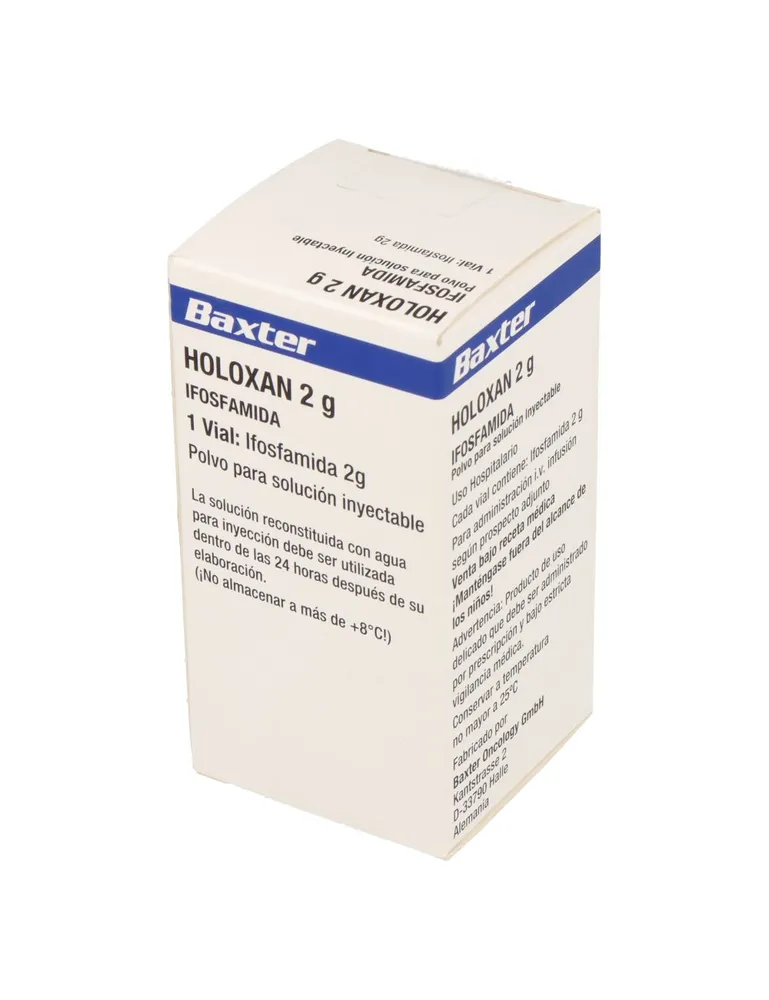
Table of Contents
- Package leaflet: Information for the patient
- HOLOXAN 1 g powder for solution for infusion, 2 g powder for solution for infusion
- 1. What Holoxan is and what it is used for
- 2. What you should know before you are given Holoxan
- 3. How Holoxan is administered to you
- 4. Possible side effects
- 5. How to store Holoxan
- 6. Package contents and other information
Package leaflet: Information for the patient
HOLOXAN 1 g powder for solution for infusion, 2 g powder for solution for infusion
Ifosfamide
Please read this leaflet carefully before you are given this medicine because it contains important information for you.
- Keep this leaflet. You may need to read it again.
- If you have any questions, ask your doctor or pharmacist.
- If you get any side effects, including those not listed in this leaflet, talk to your doctor or pharmacist. See section 4.
Important things to know about Ifosfamide
Your doctor has prescribed Ifosfamide because you have cancer that can be treated.
Ifosfamide is a medicine that kills cancer cells, but as a result, it also attacks normal cells. Therefore, it may cause a number of side effects. Your doctor will not give you Ifosfamide unless they consider that the risk posed by your cancer is greater than any potential side effect. Your doctor will monitor you regularly and, where possible, treat any side effects.
Ifosfamide:
- will reduce the number of blood cells, which may make you feel tired and increase your risk of getting infections.
- may affect the kidneys and bladder. You may be given another medicine called Mesna to help prevent possible damage. If you notice blood in your urine, inform your doctor immediately.
- may cause mental problems, such as confusion, unusual drowsiness, and more seriously, seizures and loss of consciousness. If you experience these symptoms, inform your doctor immediately.
- like most anticancer or chemotherapy medicines, may cause hair loss (ranging from thinning to complete loss), although hair should begin to regrow once treatment is completed. It may also make you feel sick or be sick. Your doctor can give you advice or medicines to help.
- men and women must not have children during treatment with Ifosfamide or for at least 6–12 months after treatment. You should use an effective contraceptive. Ask your doctor for advice.
Now read the rest of this package leaflet. It includes other important information about the use of Ifosfamide that may be particularly important for you.
Contents of this leaflet:
- What Holoxan is and what it is used for
- What you need to know before you are given Holoxan
- How to take Holoxan
- Possible side effects
- How to store Holoxan
- Contents of the pack and other information
1. What Holoxan is and what it is used for
Holoxan contains the active substance ifosfamide.
Holoxan is a medicine used to treat tumours (cytotoxic medicine) which works by killing tumour cells (treatment known as "chemotherapy") in malignant tumours that cannot be surgically removed (e.g. tumours of the lung, ovaries, testicles, breast, pancreas (an organ involved in digestive processes), blood, soft tissues, kidneys).
2. What you should know before you are given Holoxan
Do not take Holoxan
- if you are allergic to ifosfamide or to any of the other ingredients of this medicine (listed in section 6),
- if you have an obstruction in the flow of urine,
- if you have inflammation of the bladder causing painful urination and blood in the urine (acute hemorrhagic cystitis),
- if you have severe kidney disease,
- if you are pregnant or breastfeeding (see section Pregnancy and breastfeeding),
- if you currently have any infection,
- if your bone marrow is not functioning properly (especially if you have previously undergone chemotherapy or radiotherapy),
- if you have difficulty urinating (vesical atony).
Warnings and precautions
Talk to your doctor before you are given Holoxan.
Inform your doctor:
- if you suffer from liver or kidney disease. Your doctor will regularly monitor, through blood and urine tests, whether your liver or kidneys are functioning properly;
- if you consume alcohol;
- if you have diabetes. Your doctor will regularly check your blood sugar levels;
- if you have undergone or are currently undergoing radiotherapy or chemotherapy, including with a medicine called busulfan;
- if you have heart disease or have recently undergone radiotherapy;
- if you have recently had an infection or currently have a urinary tract infection;
- if you have a weakened immune system (body's defense system);
- if you have undergone surgery to remove the adrenal glands, glands located above the kidneys;
- if you have received or are receiving treatment with cisplatin before or during ifosfamide therapy. Your doctor will regularly perform blood tests.
Alopecia
Treatment with Holoxan may cause hair loss, leading to baldness.
Hair should regrow after treatment with the medicine, or even during treatment, although it may differ in texture and color.
Nausea and vomiting
Treatment with Holoxan may cause nausea and vomiting, which may be worsened by alcohol consumption. Your doctor will administer appropriate therapy to prevent and manage nausea and vomiting.
Treatment with Holoxan may cause inflammation of the mucous lining of the oral cavity (stomatitis). Maintain careful oral hygiene to prevent this.
Encephalopathy
- Ifosfamide may have toxic effects on the brain and spinal cord and may cause encephalopathy (non-inflammatory brain disease). Inform your doctor immediately if you experience any of the following symptoms, which may be signs of brain or spinal cord toxicity: confusion, drowsiness, unconsciousness/coma, hallucinations/delirium, blurred vision, perceptual disturbances, extrapyramidal symptoms (such as continuous spasms, muscle contractions, motor restlessness, slowness of movement, irregular movements), loss of bladder control, or seizures.
- Your doctor or nurse may monitor for signs and symptoms of brain and spinal cord toxicity.
Effects on kidneys and urinary tract
- Treatment with Holoxan may inflame or severely damage the bladder and urinary tract, causing blood in the urine. If you notice blood in your urine or other urinary problems during treatment with Holoxan, inform your doctor immediately. Secondary bladder tumors may also develop. Your doctor is aware of this possibility and will take appropriate measures, possibly interrupting treatment if necessary.
- Your doctor may prescribe appropriate mesna therapy or intensive hydration to significantly reduce the frequency and severity of bladder damage. Empty your bladder at regular intervals.
- Treatment with Holoxan may also severely damage your kidneys. If you have kidney disease, your doctor will closely monitor you during treatment with Holoxan. Your risk of experiencing these adverse effects is higher if:
- you have kidney disease,
- you have been or are being treated with medicines that may damage the kidneys,
- you are a child under 5 years of age,
- you have a kidney tumor and have undergone radiation therapy or surgical removal of a kidney.
Effects on the heart
- Heart disease may develop during treatment with cyclophosphamide, which may weaken the heart, especially if you have kidney disease (renal failure), have previously undergone radiotherapy to the area around the heart, and/or are taking medicines that are harmful to the heart.
Effects on the lungs
- Treatment with Holoxan may cause harmful effects on the lungs, sometimes even fatal.
Secondary tumors
- As with other anticancer therapies, treatment with Holoxan carries a risk of secondary tumors. Secondary tumors may develop several years after discontinuation of treatment.
Effects on the liver
- Treatment with Holoxan may cause progressive closure of blood vessels in the liver, impairing liver function.
Allergic reactions
- Treatment with Holoxan may trigger allergic reactions.
Impaired wound healing
- Holoxan may interfere with the normal wound healing process.
Other medicines and Holoxan
Inform your doctor or pharmacist if you are taking, have recently taken, or might take any other medicine.
In particular, inform your doctor or pharmacist if you are taking any of the following medicines:
- oral diabetes medicines belonging to the group called sulfonylureas, as they may lower your blood sugar levels more than usual when taken with Holoxan,
- medicines used to treat gout such as allopurinol, or high blood pressure such as hydrochlorothiazide, as they may increase the adverse effects of Holoxan,
- bupropion, a medicine used to help you stop smoking,
- medicines used to treat tumors (busulfan, docetaxel, irinotecan, sorafenib, anthracyclines, tamoxifen, carboplatin, cisplatin),
- medicines used to treat infections (antibiotics such as aminoglycosides and rifampicin),
- medicines used to treat fungal infections (fluconazole, itraconazole, ketoconazole, amphotericin B) and viral infections (acyclovir),
- medicines used to make the blood thinner (coumarins, such as warfarin),
- chloral hydrate, a medicine used to treat insomnia,
- disulfiram, a medicine used to help you stop drinking alcohol,
- medicines used to treat epilepsy, a disease characterized by uncontrollable body movements and loss of consciousness (phenobarbital, carbamazepine, phenytoin, primidone),
- medicines used to treat depression (benzodiazepines, St. John's wort, also known as Hypericum perforatum),
- medicines used to treat inflammation (corticosteroids),
- medicines used to treat high blood pressure (belonging to the group called ACE inhibitors, or the group called thiazide diuretics),
- natalizumab, a medicine used to treat Multiple Sclerosis (MS), a disease causing brain inflammation that damages nerve cells,
- chlorpromazine, a medicine used to treat mental illnesses,
- triiodothyronine, a medicine used to treat thyroid diseases (a gland in the neck),
- radiotherapy in the area of the heart or bladder,
- medicines used to treat heart rhythm disorders (amiodarone),
- G-CSF or GM-CSF (granulocyte-macrophage colony-stimulating factor and granulocyte colony-stimulating factor), medicines used to increase the number of white blood cells, thereby enhancing the body's ability to fight infections,
- vaccines,
- suxamethonium (anesthetic),
- medicines with effects on the brain such as those for nausea and vomiting, sleeping pills, certain painkillers (opioids), or antihistamines for allergies.
Holoxan with food, beverages, and alcohol
Since grapefruit contains a compound that may reduce the effectiveness of Holoxan, do not consume grapefruit or grapefruit juice.
Alcohol consumption may reduce the effectiveness of Holoxan and may increase gastrointestinal side effects such as nausea and vomiting; therefore, avoid alcohol during treatment.
Pregnancy, breastfeeding, and fertility
If you are pregnant, suspect you may be pregnant, plan to become pregnant, or are breastfeeding, consult your doctor or pharmacist before taking this medicine.
If you are a woman
During treatment with Holoxan, avoid pregnancy.
You should use effective contraception during this time. Ask your doctor for advice.
Do not breastfeed during treatment.
If you are a man
During treatment with Holoxan and for 6 months after its discontinuation, avoid fathering a child.
You should use effective contraception during this time. Ask your doctor for advice.
Since Holoxan may negatively affect fertility, potentially causing sterility, ask your doctor about the possibility of sperm preservation before starting treatment.
Driving and using machines
Some of the adverse effects due to treatment with Holoxan may impair your ability to drive or operate machinery. Your doctor will decide whether it is safe for you to drive vehicles or operate machinery.
3. How Holoxan is administered to you
This medicine will always be administered to you by a doctor or qualified healthcare professional. If you have any doubts, consult your doctor.
Your doctor will administer Holoxan into a vein.
The dose of Holoxan you require and the intervals between doses will depend on:
- your age,
- the type of disease you have,
- your general health condition,
- the concurrent administration of other antitumour medicines.
If you are given more Holoxan than you should
It is unlikely that you will be given an excessive dose of Holoxan.
In case of accidental ingestion/overdose of Holoxan, your doctor will treat any symptoms with appropriate therapy.
4. Possible side effects
Like all medicines, this medicine can cause side effects, although not everybody will experience them.
Immediately inform your doctor if you notice any of the following serious side effects:
Very common (may affect more than 1 in 10 people)
- Bone marrow does not produce enough blood cells (myelosuppression); particularly white blood cells (leucopenia and neutropenia)
- Brain disease (encephalopathy)
- Drowsiness
- Nausea, vomiting
- Loss of hair and body hair (alopecia)
- Presence of blood in the urine, even if not visible to the naked eye (haematuria, microhaematuria)
- Kidney disease (renal dysfunction, kidney structural damage)
- Fever
Common (may affect up to 1 in 10 people)
- Infections
- Low platelet count in the blood (thrombocytopenia)
- High levels of acids in the blood (metabolic acidosis)
- Liver toxicity
- Urinary tract infection with presence of blood in the urine
- Kidney diseases (nephropathies, tubular dysfunction)
- Visible blood in the urine (macrohaematuria)
- Reduced spermatogenesis (the process by which the body produces sperm cells)
- Decreased muscle strength
- Feeling of fatigue and weakness
- Malaise
- Fever due to reduced white blood cells
- Inflammation of veins (phlebitis)
Uncommon (may affect up to 1 in 100 people)
- Inflammation of the lungs (pneumonitis)
- Blood infection (sepsis)
- Secondary tumours
- Tumour of the urinary tract
- Bone marrow disorder leading to insufficient production of blood cells such as red blood cells, white blood cells, and platelets (myelodysplastic syndrome)
- Blood cancer (acute leukaemia)
- Irreversible ovulation disorders (the process occurring once per menstrual cycle involving the release of an egg cell)
- Loss of appetite
- Hallucinations
- Mental illness (depressive psychosis)
- Disorientation
- Restlessness
- Confusion
- Drowsiness
- Unconsciousness/coma
- Forgetfulness
- Dizziness
- Heart toxicity
- Changes in normal heart rhythm (arrhythmias)
- Weakened heart that may lead to death (the heart is unable to pump enough blood to meet the body’s needs)
- Bleeding
- Diarrhoea
- Constipation
- Liver disorders
- Inability to retain urine (incontinence)
- Difficult urination
- Changes in frequency of urination
- Bladder irritation
- Persistent absence of menstruation
- Reduced levels of female sex hormones
- Increased levels of transaminases (sGOT and sGPT), gamma-glutamyl transferase (gamma GT), alkaline phosphatase, bilirubin detectable in blood tests
Rare (may affect up to 1 in 1,000 people)
- Electrolyte imbalance (substances present in the blood)
- Low levels of haemoglobin, the protein that carries oxygen, in the blood (anaemia)
- Allergic reactions
- Condition characterised by fluid retention and low sodium levels in the blood due to abnormal secretion of the antidiuretic hormone “ADH” (inappropriate ADH secretion syndrome)
- Dehydration
- Fluid retention
- Low sodium levels in the blood (hyponatraemia)
- Brain disease (cerebellar syndrome)
- Blurred vision
- Perception disorders
- Extrapyramidal symptoms (such as continuous spasms, muscle contractions, motor restlessness, slowness of movement, irregular movements)
- Low blood pressure
- Lung disorders
- Cough
- Shortness of breath and chest tightness making breathing difficult (dyspnoea)
- Inflammation of the mucosa lining the mouth (stomatitis)
- Inability to retain faeces
- Skin disorders (rash; papular rash, dermatitis)
- Cramps
- Kidney diseases (glomerular dysfunction, tubular acidosis, acute and chronic renal failure)
- Protein in the urine
- Inability to retain urine (incontinence)
- Persistent reduction in sperm volume and/or persistent absence of sperm in the semen
- Inflammation of the oral mucosa
- Reactions at the injection/infusion site
- Presence of phosphates in the urine
- Presence of amino acids in the urine
Very rare (may affect up to 1 in 10,000 people)
- A group of diseases affecting blood and kidneys (haemolytic uraemic syndrome)
- Widespread presence of numerous blood clots that may lead to bleeding (disseminated intravascular coagulation)
- Severe allergic reaction (anaphylactic shock)
- Low potassium levels in the blood
- Coma
- Seizures
- Nerve disease (polyneuropathy)
- Vision disorders (visual impairment)
- Heart attack
- Cardiac arrest
- Blockage of a blood vessel (thromboembolism)
- Inflammation of the lungs (interstitial pneumonitis)
- Lung scarring
- Scarring of the tissue lining the lungs (chronic interstitial pulmonary fibrosis)
- Lung diseases (respiratory failure)
- Fluid accumulation around the lungs caused by inhalation or ingestion of toxic substances (toxic allergic pulmonary oedema)
- Pancreatitis
- Toxic skin reactions
- Bone diseases (rickets, osteomalacia)
- Muscle tissue breakdown (rhabdomyolysis)
- Kidney disease (Fanconi syndrome)
- Death
- Radiation reaction
Not known (frequency cannot be estimated from available data)
- Blockage of one of the vessels carrying blood to the lungs (pulmonary embolism)
- Development of tumours including: blood cancers (acute lymphocytic leukaemia), lymphoma (including fatal lymphoma of the lymphatic system – non-Hodgkin’s lymphoma), sarcoma (connective tissue tumour); kidney tumours; thyroid tumour (a gland in the neck), worsening of existing tumours
- Blood toxicity
- Severe reduction in white blood cells in the blood (e.g. reduced number of white blood cells and lymphocytes)
- Decreased production of bone marrow cells, presenting with fever and severe infections (febrile aplasia of the bone marrow)
- Reduced haemoglobin in the blood due to destruction of red blood cells (haemolytic anaemia)
- Reduced haemoglobin in newborns (neonatal anaemia)
- Presence of methaemoglobin in the blood
- Swelling of face, throat, and hands due to an allergic reaction
- Reduced immune system activity
- Hives
- Complications following cancer therapy (tumour lysis syndrome)
- Low levels of calcium and phosphate in the blood
- High blood sugar levels
- Intense thirst (polydipsia)
- Panic attacks
- Physical immobility and behavioural abnormalities (catatonia)
- Mental disorders (mania, paranoia, fixation, delirium, changes in mental state)
- General slowing of mental functions (bradyphrenia)
- Mutism
- Word repetition (echolalia)
- Continuous flow of words (logorrhoea)
- Tendency to repeatedly and monotonously utter the same word or phrase (perseveration)
- Memory loss (amnesia)
- Central nervous system diseases due to toxicity (peripheral neuropathy, reversible posterior leucoencephalopathy syndrome, leucoencephalopathy)
- Extrapyramidal disorders
- Difficulty articulating words (dysarthria)
- Condition characterised by uncontrolled body movements and loss of consciousness (convulsive and non-convulsive epileptic status)
- “Flapping” tremor (asterixis)
- Movement disorders
- Sensory disturbance causing abnormal reactions to stimuli (dysaesthesia)
- Reduced sensation (hypoesthesia)
- Numbness (paraesthesia)
- Nerve disease-related pain (neuralgia)
- Walking difficulties
- Inability to retain faeces (faecal incontinence)
- Conjunctivitis
- Eye irritation
- Deafness
- Hearing loss (hypoacusis)
- Dizziness
- Ringing in the ears
- Heart rhythm disorders (ventricular fibrillation, atrial fibrillation, atrial flutter)
- Abnormal heartbeats (ventricular extrasystoles, supraventricular extrasystoles, premature atrial contractions)
- Accelerated or slowed heartbeat
- Heart unable to pump sufficient blood to meet the body’s needs (cardiogenic shock)
- Severe disturbance in the heart’s electrical impulses (cardiac block)
- Bleeding in the heart area
- Chest pain (angina pectoris)
- Weakness of the left side of the heart (left ventricular failure)
- Heart muscle disease
- Inflammation of the heart muscle (myocarditis)
- Fluid accumulation around the heart
- Weakened heart
- Palpitations
- Reduced amount of blood pumped by the heart (ejection fraction)
- Changes in electrocardiogram (ECG), a test measuring the heart’s electrical activity
- Blockage of a vein in the arm or leg (deep vein thrombosis)
- Blood disorder (capillary leak syndrome)
- Inflammation of blood vessels (vasculitis)
- Increased or decreased blood pressure
- Hot flushes
- Constriction of the bronchi making breathing difficult (bronchospasms)
- Inflammation of the lungs (pneumonitis)
- Fluid accumulation around the lungs
- Lung disease causing reduced oxygen concentration in the blood, which does not improve even with direct oxygen administration (acute respiratory distress syndrome – ARDS)
- Lack of oxygen in the body (hypoxia)
- Increased blood pressure in the lungs (pulmonary hypertension)
- Lung inflammation caused by inhaling a substance to which one is allergic
- Inflammation of the intestine (caecitis, colitis, enterocolitis)
- Intestinal obstruction (ileus)
- Severe intestinal bleeding
- Mucosal ulceration
- Abdominal pain
- Increased saliva production (hypersalivation)
- Severe liver inflammation (fulminant hepatitis)
- Disease of small liver blood vessels (hepatic veno-occlusive disease)
- Blockage of a major liver vein (portal vein thrombosis)
- Liver inflammation leading to destruction of liver cells (cytolytic hepatitis)
- Bile flow blockage, a substance important for digestion (cholestasis)
- Severe skin reactions (toxic epidermal necrolysis, Stevens-Johnson syndrome)
- Syndrome characterised by redness, peeling, and tingling of palms and soles (palmar-plantar erythrodysesthesia)
- Inflammation of skin previously exposed to radiation (radiation recall dermatitis)
- Skin death
- Facial swelling
- Small red spots on the skin (petechiae)
- Macular skin rash
- Itching
- Erythema
- Dark spots on the skin (hyperpigmentation)
- Sweating
- Nail disorders
- Growth delay
- Muscle and bone pain
- Pain in arms and legs
- Kidney disease (tubulointerstitial nephritis)
- Diabetes caused by kidney disease (nephrogenic diabetes insipidus)
- Frequent urination
- Sensation of residual urine
- Infertility
- Ovaries not producing egg cells (ovarian failure)
- Premature menopause
- Disorders in the egg cell production cycle (ovulation)
- Syndrome characterised by failure of multiple organs (multiorgan failure)
- General physical deterioration
- Chest pain
- Swelling
- Pain
- Chills
- Fetal growth delay
Reporting of side effects
If you experience any side effect, including those not listed in this leaflet, please contact your doctor, pharmacist, or nurse.
You can also report side effects directly via the website https://www.aifa.gov.it/content/segnalazioni-reazioni-avverse.
By reporting side effects, you can help provide more information on the safety of this medicine.
5. How to store Holoxan
Do not store above 25°C.
Keep this medicine out of the sight and reach of children.
Do not use this medicine after the expiry date stated on the packaging after EXP.
The expiry date refers to the last day of that month.
Do not dispose of any medicine via wastewater or household waste. Ask your pharmacist how to
dispose of medicines no longer in use. This will help protect the environment.
6. Package contents and other information
What Holoxan contains
Holoxan 1 g Powder for solution for infusion
- The active substance is ifosfamide 1 g.
- No other components are present.
Holoxan 2 g Powder for solution for infusion
- The active substance is ifosfamide 2 g.
- No other components are present.
Description of the appearance of Holoxan and contents of the pack
Holoxan is a white powder.
It is available in the following pack sizes:
- Holoxan 1 g Powder for solution for infusion: 1 glass vial
- Holoxan 2 g Powder for solution for infusion: 1 glass vial
It is possible that not all pack sizes are marketed.
Marketing Authorisation Holder and Manufacturer
Marketing Authorisation Holder
Baxter S.p.A.
Via del Serafico, 89 00142 ROMA
Manufacturer
Baxter Oncology GmbH
Kantstrasse 2
D-33790 Halle/Westfalen (Germany)
The following information is intended exclusively for physicians or healthcare professionals:
PRECAUTIONS FOR USE
Paravenous administration
Since the cytostatic effect of ifosfamide begins only after its activation in the liver, there is no risk of tissue damage in the case of accidental paravenous administration of ifosfamide in solution. However, in case of extravasation, it is recommended to immediately stop the infusion, aspirate the leaked solution by inserting a needle locally, irrigate the affected tissue with physiological saline, and immobilize the limb.
SPECIAL WARNINGS
Myelosuppression, Immunosuppression, Infections
Treatment with ifosfamide may cause myelosuppression and significant suppression of the immune response, which can lead to severe infections. Cases of ifosfamide-associated myelosuppression with fatal outcome have been reported.
Ifosfamide-induced myelosuppression may cause leucopenia, neutropenia, thrombocytopenia (associated with an increased risk of bleeding events), and anaemia.
Administration of ifosfamide is typically followed by a reduction in white blood cell count. The nadir of white blood cell count tends to occur approximately during the second week after administration. Subsequently, the white blood cell count increases again.
Particularly in patients previously treated with and/or currently receiving chemotherapeutic/hematotoxic agents, immunosuppressants, and/or radiotherapy, severe myelosuppression and immunosuppression should be expected (see Interactions).
Where indicated, the use of haematopoietic growth factors (colony-stimulating factors and erythropoiesis-stimulating agents) may be considered to reduce the risk of myelosuppressive complications and/or to support the planned dosing schedule. See section Interactions for information on potential interactions with G-CSF and GM-CSF (granulocyte colony-stimulating factor, macrophage-granulocyte colony-stimulating factor).
The risk of myelosuppression is dose-dependent and increases with administration of a high single dose compared to fractionated dosing.
The risk of myelosuppression is higher in patients with reduced renal function.
Severe immunosuppression has led to serious, sometimes fatal, infections. Cases of infection with ifosfamide have been reported, including pneumonia as well as other bacterial, fungal, viral, and parasitic infections. Cases of sepsis and septic shock have also been reported.
Latent infections may be reactivated. Cases of various viral infections have been reported in patients treated with ifosfamide.
Therefore, careful monitoring of haematological parameters is recommended. Before each administration, and at appropriate intervals, if necessary daily, white blood cell count, platelet count, and haemoglobin levels should be checked. Unless considered essential, ifosfamide should not be administered to patients with a white blood cell count below 2,500/μl. In case of fever and/or leucopenia, prophylactic administration of antibiotics and/or antifungals is advised.
Patients with a weakened immune system (e.g. patients with diabetes mellitus or hepatic or renal dysfunction) should be closely monitored.
Encephalopathy and Central Nervous System (CNS) Toxicity
Administration of ifosfamide may cause encephalopathy and other neurotoxic effects.
Ifosfamide-induced CNS toxicity may manifest within a few hours to a few days after administration and in most cases resolves within 48–72 hours after discontinuation of ifosfamide treatment. Symptoms may persist for a longer period. Occasionally, recovery has been incomplete. Fatal cases of CNS toxicity have been reported. If CNS toxicity develops, administration of ifosfamide must be discontinued.
Symptoms may include the following: confusion, somnolence, coma, hallucinations, blurred vision, psychotic behaviour, extrapyramidal symptoms, urinary incontinence, and seizures.
CNS toxicity appears to be dose-dependent. Risk factors for the development of ifosfamide-associated encephalopathy include hypoalbuminemia, impaired renal function, poor performance status, pelvic disease (e.g. presence of tumour in the lower abdomen, bulky abdominal disease), and previous or concomitant nephrotoxic treatments including cisplatin.
Due to the potential for additive effects, medicinal products acting on the central nervous system (such as antiemetics, tranquillisers, narcotics, or antihistamines) or substances (such as alcohol) affecting the Central Nervous System (CNS) should be used with particular caution in cases of ifosfamide-induced encephalopathy or, if necessary, their administration should be discontinued.
Patients treated with ifosfamide should be closely monitored for symptoms of encephalopathy, especially if patients are at higher risk of encephalopathy.
The use of methylene blue may be considered for the treatment and prophylaxis of ifosfamide-associated encephalopathies.
Renal and urothelial toxicity
Ifosfamide is both nephrotoxic and urotoxic.
Glomerular and tubular renal function must be assessed and monitored before the start of therapy, as well as during and after treatment.
Urinary sediment should be regularly checked for the presence of erythrocytes and other signs of uro/nephrotoxicity.
Careful monitoring of serum and urine values is recommended, including phosphorus, potassium, and other laboratory parameters appropriate to identify nephrotoxicity and urothelial toxicity.
Nephrotoxic effects
Nephrotoxicity with fatal outcome has been documented.
Renal parenchyma damage and tubular necrosis have been reported in patients treated with ifosfamide.
Renal function disorders (glomerular and tubular) following ifosfamide administration are very common (see Undesirable effects). Symptoms include a decrease in glomerular filtration rate and an increase in serum creatinine, proteinuria, enzymuria, cylindruria, aminoaciduria, phosphaturia, and glycosuria, as well as renal tubular acidosis. Fanconi syndrome, renal rickets, and growth retardation in children, as well as osteomalacia in adults, have also been reported.
Development of a syndrome similar to SIADH (syndrome of inappropriate antidiuretic hormone secretion) has also been reported with ifosfamide use.
Tubular damage may occur during therapy or months or years after discontinuation of therapy.
Glomerular or tubular dysfunction may resolve over time, remain stable, or progress over months or years even after discontinuation of ifosfamide treatment. Acute tubular necrosis, acute renal failure, and chronic renal failure have been reported following ifosfamide treatment (see Undesirable effects).
The risk of developing clinical symptoms of nephrotoxicity increases with:
- High cumulative doses of ifosfamide
- Pre-existing renal dysfunction
- Previous or concomitant treatment with potentially nephrotoxic agents
- Young children (particularly children up to 5 years of age)
- Reduced renal functional reserve, as in patients with renal tumours, or who have undergone renal irradiation or unilateral nephrectomy. The risks and expected benefits of ifosfamide therapy must be carefully evaluated in patients with pre-existing renal dysfunction or reduced renal functional reserve.
Urothelial effects
Administration of ifosfamide is associated with urotoxic effects, which can be reduced by prophylactic use of mesna.
Haemorrhagic cystitis requiring blood transfusions has been reported during ifosfamide therapy.
The risk of haemorrhagic cystitis depends on the dosage regimen and increases with administration of a high single dose compared to fractionated dosing.
Haemorrhagic cystitis has been reported after a single dose of ifosfamide.
Before starting therapy, any urinary tract obstruction must be excluded or corrected (see Contraindications).
During or immediately after administration, adequate amounts of fluids must be ingested or infused to force diuresis, in order to reduce the risk of urinary tract toxicity.
Ifosfamide must be used in combination with mesna for prophylaxis of haemorrhagic cystitis.
Ifosfamide should be used with caution, if at all, in patients with active urinary tract infections.
Concurrent or subsequent radiation of the bladder or treatment with busulfan may increase the risk of haemorrhagic cystitis.
Cardiotoxicity, use in patients with cardiac dysfunction
Cardiotoxicity associated with ifosfamide, with fatal outcome, has been reported. The risk of developing cardiotoxic effects is dose-dependent and increases in patients previously or concurrently treated with other cardiotoxic agents or cardiac radiation, or in patients with renal insufficiency.
Particular caution is required when ifosfamide is used in patients with risk factors for cardiotoxicity and in patients with pre-existing cardiac dysfunction.
Symptoms of cardiotoxicity reported with ifosfamide therapy (see Undesirable effects) include:
- Supraventricular and ventricular arrhythmias, including atrial and supraventricular tachycardia, atrial fibrillation, pulseless ventricular tachycardia
- Reduction in QRS voltage and ST segment and T wave changes
- Toxic cardiomyopathy leading to heart attack with congestion and hypotension
- Pericardial effusion, fibrinous pericarditis, and epicardial fibrosis
Pulmonary toxicity
Cases of pulmonary toxicity leading to respiratory failure and with fatal outcome have been reported. Interstitial pneumonia and pulmonary fibrosis have been reported during ifosfamide therapy.
Secondary tumours
Treatment with ifosfamide, as with all cytotoxic therapies, carries the risk of secondary tumours and their precursors. Secondary tumours may develop years after discontinuation of chemotherapy.
There is an increased risk of myelodysplastic changes, which may sometimes progress to acute leukaemia. Other tumours reported after or during ifosfamide therapy include lymphoma, thyroid cancer, and sarcomas.
Tumours have also been reported after in utero exposure to cyclophosphamide, another cytotoxic agent belonging to the oxazaphosphorine family.
Hepatic veno-occlusive disease
Cases of hepatic veno-occlusive disease have been reported with chemotherapy including ifosfamide.
This is also a known complication with the use of cyclophosphamide, another cytotoxic agent belonging to the oxazaphosphorine family.
Genotoxicity
See section 4.6 Pregnancy and Lactation.
Effects on fertility
See section 4.6 Pregnancy and Lactation.
Women
Cases of amenorrhoea have been reported in patients treated with ifosfamide. Oligomenorrhoea has also been reported with cyclophosphamide, another cytotoxic agent belonging to the oxazaphosphorine family.
The risk of chemotherapy-induced permanent amenorrhoea is higher in older women.
Girls treated with ifosfamide during prepuberty may develop normal secondary sexual characteristics and have regular cycles.
Girls treated with ifosfamide during prepuberty have subsequently conceived children.
Girls who retain ovarian function after completion of treatment have an increased risk of developing premature menopause.
Men
Men treated with ifosfamide may develop oligospermia or azoospermia.
Sexual function and libido generally remain unchanged in these patients.
Boys treated with ifosfamide during prepuberty may develop normal secondary sexual characteristics but may have oligospermia or azoospermia.
Testicular atrophy to varying degrees may occur.
Azoospermia may be reversible in some patients, although reversibility may occur even several years after discontinuation of therapy.
Men treated with ifosfamide have subsequently fathered children.
Anaphylactic/anaphylactoid reactions, Cross-sensitivity
Anaphylactic/anaphylactoid reactions have been reported in association with ifosfamide.
Cross-sensitivity has been reported between cytotoxic agents belonging to the oxazaphosphorine family.
Interference with wound healing
Ifosfamide may interfere with the normal wound healing process.
DOSAGE, METHOD AND TIME OF ADMINISTRATION
HOLOXAN must be administered only by physicians experienced with this medicinal product.
Dosage must be individualised. Doses and duration of treatment and/or treatment intervals depend on therapeutic indications, combination therapy regimen, general health and organ function of the patient, and laboratory monitoring results.
Generally, a total dose of 250–300 mg/kg per treatment cycle is desirable. The usual dosing regimen is 50–60 mg/kg i.v. for 5 consecutive days.
Whenever a lower daily dose and/or a longer period for fractionation of the total dose is required, HOLOXAN should be administered every 2 days (day 1, 3, 5, 7, and 9) or 20–30 mg/kg daily i.v. for 10 consecutive days. In resistant cases, administration of 80 mg/kg daily for 2–3 consecutive days may be considered.
The treatment-free interval must not be less than three weeks. This interval also depends on the haematological status, resolution of any adverse effects, or concomitant manifestations (see Undesirable effects).
During or immediately after administration, adequate amounts of fluids must be ingested or infused to force diuresis in order to reduce the risk of urothelial toxicity (see Special Warnings).
For prophylaxis of haemorrhagic cystitis, ifosfamide must be used in combination with mesna.
Parenteral medicinal products must be visually inspected for particulate matter or discoloration before administration.
Before parenteral administration, the substance must be completely dissolved.
Ifosfamide and its metabolites are dialysable. In patients requiring dialysis, an adequate interval between ifosfamide administration and dialysis should be considered.
Elderly:
In general, dosage for elderly patients should be carefully determined, taking into account the higher frequency of impaired hepatic, renal, or cardiac function, concomitant diseases, or other pharmacological therapies.
Instructions for preparation and handling
For the preparation and handling of HOLOXAN, all applicable safety recommendations for handling cytotoxic agents must be observed (e.g. reconstituted solution should be prepared in facilities equipped with appropriate fume hoods).
In this regard, unused portions of solution, empty vials, and any other medicinal waste must be properly disposed of. Parenteral medicinal products must be visually inspected for particulate matter or discoloration before administration. Before parenteral administration, the substance must be completely dissolved.
Ensure that the ready-to-use ifosfamide solution does not exceed a concentration of 4%.
To prepare an isotonic ready-to-use solution at a concentration of 2%, dissolve the powder in water for injections:
- HOLOXAN 1 g in 50 ml of water for injections
- HOLOXAN 2 g in 100 ml of water for injections
To prepare an isotonic ready-to-use solution at a concentration of 4%, dissolve the powder in water for injections: - HOLOXAN 1 g in 25 ml of water for injections
- HOLOXAN 2 g in 50 ml of water for injections
The substance dissolves easily if the vials are shaken vigorously for half to one minute after adding water. If the substance does not dissolve immediately, allow the solution to stand for several minutes until it becomes clear.
For infusion purposes, it is recommended to dilute the above-described HOLOXAN solution with 5% glucose solution, 0.9% sodium chloride solution, or Ringer's solution.
The following instructions can be used as guidelines: dilute the medicinal product to a volume of 250 ml for infusions lasting 30 to 60 minutes; dilute the medicinal product to a volume of 500 ml for infusions lasting 1 to 2 hours. For continuous infusions over 24 hours and higher doses of the medicinal product, it is recommended to dilute the total dose of HOLOXAN infusion solution (e.g. 5 g/m²) in three litres of 5% glucose solution or 0.9% sodium chloride solution.
For reasons of microbiological purity, it is recommended to use reconstituted and/or diluted solutions immediately after preparation.
If such solutions are not used immediately after preparation, the user must responsibly follow the instructions regarding shelf life and storage after reconstitution, bearing in mind that storage must not exceed 24 hours at temperatures between 2 and 8°C (in the refrigerator) (see Expiry and storage).
OVERDOSE
The most serious consequences of overdose include symptoms of dose-dependent toxicity such as CNS toxicity, nephrotoxicity, myelosuppression, and mucositis. See Special Warnings.
Patients who have received an overdose should be closely monitored for the development of toxicity.
Since no specific antidote for ifosfamide is available, special caution is recommended in the use of this medicinal product.
Management of overdose should include general supportive measures to sustain the patient whenever toxicity occurs.
Ifosfamide is dialysable in vitro. Therefore, rapid haemodialysis is indicated whenever treating any overdose or accidental or suicidal intoxication, especially in patients with renal insufficiency. In case of overdose, myelosuppression, primarily in the form of leucopenia, may be expected among other adverse reactions. The severity and duration of myelosuppression depend on the degree of overdose. Frequent blood tests and close patient monitoring are required. If neutropenia occurs, prophylactic measures to prevent infections should be taken, and infections should be appropriately treated with antibiotics. If thrombocytopenia occurs, platelet replacement should be provided as needed. To prevent urotoxicity, uroprotection with mesna is absolutely necessary.
UNDESIRABLE EFFECTS
Like all medicines, HOLOXAN can cause adverse effects, although not everyone will experience them.
Depending on individual sensitivity and the type of disease and dosage, adverse effects of varying severity may occur. These require appropriate preventive and therapeutic measures.
In patients prescribed chemotherapy with ifosfamide as the sole medicinal product, the dose-limiting toxicities are myelosuppression and urotoxicity. Administration of a uroprotective agent such as mesna, adequate hydration, and fractionation of ifosfamide doses can significantly reduce the incidence of haematuria, especially macrohaematuria, associated with haemorrhagic cystitis. Leucopenia, when it occurs, is usually mild to moderate. Other significant adverse effects include alopecia, nausea, vomiting, and central nervous system toxicity.
EXPIRY AND STORAGE
The reconstituted and/or diluted solution is chemically and physically stable for 24 hours at a temperature between 2°C and 8°C (in the refrigerator); from a microbiological standpoint, the solution should be used immediately after reconstitution/dilution; stability depends on the method of reconstitution/dilution and remains the responsibility of the user.