Hizentra
Italy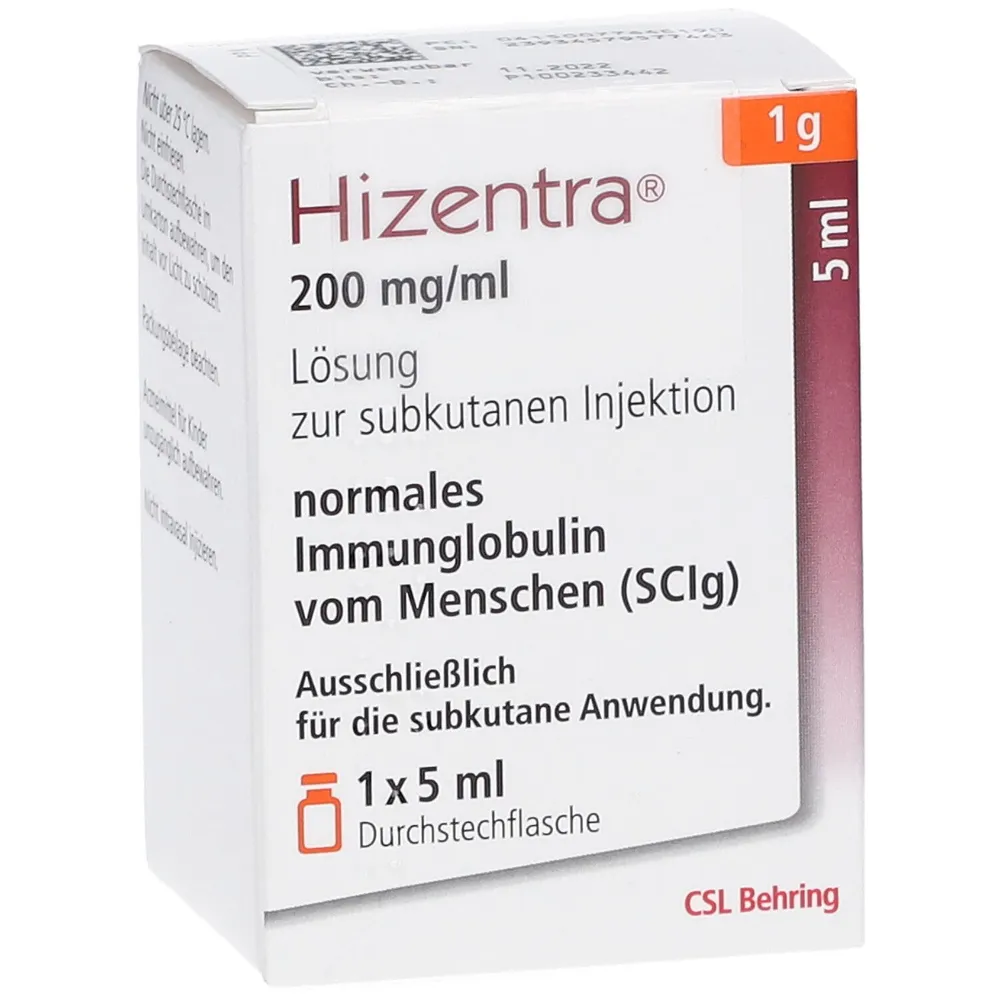
Table of Contents
- Package leaflet: Information for the user
- Hizentra 200 mg/ml solution for subcutaneous injection
- 1. What Hizentra is and what it is used for
- 2. What you need to know before using Hizentra
- 3. How to use Hizentra
- 4. Possible side effects
- 5. How to store Hizentra
- 6. Package contents and other information
- Package leaflet: information for the user
- Hizentra 200 mg/ml solution for subcutaneous injection in a pre-filled syringe
- 1. What Hizentra is and what it is used for
- 2. What you need to know before using Hizentra
- 3. How to use Hizentra
- 4. Possible side effects
- 5. How to store Hizentra
- 6. Package contents and other information
Package leaflet: Information for the user
Hizentra 200 mg/ml solution for subcutaneous injection
Normal human immunoglobulin (SCIg = subcutaneous immunoglobulin)
Please read all of this leaflet carefully before you start using this medicine because it contains important information for you.
- Keep this leaflet. You may need to read it again.
- If you have any questions, ask your doctor or healthcare professional.
- This medicine has been prescribed for you only. Do not pass it on to other people, even if their symptoms are the same as yours, because it may be harmful.
- If you experience any side effects, including those not listed in this leaflet, tell your healthcare professional. See section 4.
Contents of this leaflet
- What Hizentra is and what it is used for
- What you need to know before you use Hizentra
- How to use Hizentra
- Possible side effects
- How to store Hizentra
- Contents of the pack and other information
1. What Hizentra is and what it is used for
What Hizentra is
Hizentra belongs to a class of medicines known as normal human immunoglobulins.
Immunoglobulins are also called antibodies and are blood proteins that help the body
fight infections.
How Hizentra works
Hizentra contains immunoglobulins prepared from the blood of healthy individuals. Immunoglobulins are
produced by the human body's immune system. They help your body fight infections caused by bacteria and viruses or maintain the balance of your immune system (an action known as immunomodulation). The medicine works exactly like the immunoglobulins naturally present in the body.
What Hizentra is used for
Replacement therapy
Hizentra is used to increase abnormally low levels of immunoglobulins in the blood to normal values (replacement therapy). The medicine is used in adults and children (0 – 18 years) in the following situations:
- Treatment of patients born with reduced or absent ability to produce immunoglobulins (primary immunodeficiencies), including conditions such as:
- low levels of immunoglobulins (hypogammaglobulinaemia) or absence of immunoglobulins (agammaglobulinaemia) in the blood
- combination of low immunoglobulin levels, frequent infections, and inability to produce adequate antibody levels after vaccinations (common variable immunodeficiency)
- combination of low levels or absence of immunoglobulins and absence or malfunction of immune cells (severe combined immunodeficiency)
- deficiency of certain subclasses of immunoglobulin G causing recurrent infections.
- Treatment of patients with low or dysfunctional immunoglobulin levels in acquired conditions (secondary immunodeficiency) who experience severe or recurrent infections due to a weakened immune system caused by other conditions or treatments.
Immunomodulatory therapy in CIDP patients
Hizentra is also used in patients with chronic inflammatory demyelinating polyneuropathy (CIDP),
a form of autoimmune disease. CIDP is characterized by chronic inflammation of the peripheral
nerves, causing muscle weakness and/or numbness, primarily in the legs and arms.
It is believed that the attack on the body’s own defences underlies this inflammation, and that the immunoglobulins present in Hizentra help protect the nerves from such attack (immunomodulatory therapy).
2. What you need to know before using Hizentra
DO NOT infuse Hizentra:
► if you are allergic to human immunoglobulins, polysorbate 80, or L-proline.
Before treatment, inform your doctor or healthcare provider if you have previously experienced
intolerance to any of these components.
► if you have hyperprolinaemia (a genetic disorder causing high levels of the amino acid
proline in the blood).
► into a blood vessel.
Warnings and precautions
➔ Speak to your doctor or healthcare provider before using Hizentra.
You may be allergic (hypersensitive) to immunoglobulins without knowing it. However, true allergic
reactions are rare. They may occur even if you have previously received human immunoglobulins and
tolerated them well. This possibility is particularly relevant if you have insufficient levels of
immunoglobulin A (IgA) in your blood (IgA deficiency).
Inform your doctor or healthcare providers before treatment if you have an immunoglobulin A
(IgA) deficiency. Hizentra contains trace amounts of IgA which may cause an allergic reaction.
In these rare cases, allergic reactions such as sudden drop in blood pressure or shock may occur (see also section 4 “Possible side effects”).
If you notice these reactions during Hizentra infusion, stop the infusion immediately and contact your
doctor or go to the nearest hospital without delay.
Inform your doctor if you have previously had heart or blood vessel diseases or blood clots, if your blood is thick, or if you have been immobile for a prolonged period. These factors may increase the
risk of blood clot formation after using Hizentra. Also inform your doctor about any medicines you are currently taking, as some medicines, for example those containing the hormone estrogen (e.g., contraceptive pills), may increase the risk of blood clot formation. Seek immediate medical attention if, after receiving Hizentra, you experience symptoms such as shortness of breath, chest pain, limb pain and swelling, weakness, or numbness on one side of the body.
Contact your doctor if any of the following signs or symptoms occur: severe headache, neck stiffness, drowsiness, fever, photophobia, nausea, and vomiting, after receiving Hizentra.
Your doctor will decide whether further tests are needed and whether Hizentra treatment should continue.
Healthcare professionals will avoid potential complications by ensuring that:
► You are not sensitive to normal human immunoglobulins.
The medicine should initially be infused slowly. The recommended infusion rate, indicated in section 3 “How to use Hizentra”, must be strictly followed.
► You are closely monitored for any symptoms throughout the entire infusion, especially if:
- You are receiving normal human immunoglobulin for the first time
- You have previously been treated with another medicine
- A long interval (more than eight weeks) has passed since the previous infusion. In these cases, you should be closely observed throughout the first infusion and for at least one hour after the infusion. If the above points do not apply to you, monitoring for at least 20 minutes after administration is recommended.
Other medicines and Hizentra
Inform your doctor or healthcare provider if you are currently using, have recently used, or might use any other medicines.
Do not mix other medicines with Hizentra.
Before vaccination, inform the doctor administering the vaccine that you are being treated with Hizentra.
Hizentra may reduce the effectiveness of certain vaccines containing live viruses, such as measles, rubella, mumps, and varicella. Therefore, after taking this medicine, you may need to postpone vaccination with live attenuated vaccines for up to 3 months. For measles, reduced vaccine efficacy may persist for up to 1 year.
Pregnancy, breastfeeding, and fertility
Inform your doctor or healthcare providers if you are pregnant, planning a pregnancy, or breastfeeding. Your doctor will decide whether Hizentra can be administered during pregnancy or breastfeeding.
No clinical studies with Hizentra have been conducted in pregnant women. However, medicines containing immunoglobulins have been used for years in pregnant or breastfeeding women without any harmful effects observed on pregnancy or the newborn.
If you are breastfeeding and receive Hizentra, the immunoglobulins contained in the medicine may also be detected in breast milk. Therefore, the newborn may be protected against certain infections.
Driving and using machines
During treatment with Hizentra, patients may experience sensations such as dizziness or nausea, which may affect their ability to drive or operate machinery. If this occurs, do not drive or operate machinery until these effects have disappeared.
Hizentra contains proline
You should avoid Hizentra if you have hyperprolinaemia (see also section 2 “What you need to know before using Hizentra”). Inform your doctor before treatment.
Other important information about Hizentra
Blood tests
After administration of Hizentra, results of certain blood tests (serological tests) may be altered for a period of time.
Before any blood test, inform your doctor that you are being treated with Hizentra.
Information about the components of Hizentra
Hizentra is made from human blood plasma (plasma is the liquid part of blood). For medicines derived from human blood or plasma, certain safety measures must be taken to prevent transmission of infections to patients. Safety measures include:
- careful selection of plasma and blood donors to exclude individuals who may carry infections, and
- testing of each donation and pooled plasma from multiple donors to detect signs of viruses/infections.
During the manufacturing process of blood and plasma, manufacturers also include steps for inactivation or removal of potential viruses. Despite these measures, when administering medicines derived from human blood or plasma, the risk of transmitting infections cannot be completely excluded. This applies even to unknown or new viruses or other types of infections.
The measures taken are considered effective against enveloped viruses such as human immunodeficiency virus (HIV, the AIDS virus), hepatitis B virus, and hepatitis C virus (liver inflammation), and against non-enveloped viruses such as hepatitis A virus and parvovirus B19.
Each time you receive a dose of Hizentra, we strongly recommend recording the name and batch number of the medicine to keep track of the batches used (see section 3 "How to use Hizentra").
Hizentra contains sodium
This medicine contains less than 1 mmol of sodium (23 mg) per vial/syringe, i.e., essentially “sodium-free”.
3. How to use Hizentra
Use this medicine exactly as your doctor has instructed you. If you have any doubts, consult your
doctor.
Dosage
Your doctor will calculate the correct dose for you, taking into account your body weight and response to
treatment.
The dose or dosing interval must not be changed without consulting your doctor.
If you think you should receive Hizentra more or less frequently, please discuss this with your doctor.
If you think you have missed a dose, speak with your doctor as soon as possible.
Replacement therapy
Your doctor will determine whether you require a loading dose (for adults and children) of at least 1–
2.5 ml/kg body weight, divided over several days. After this loading dose, maintenance doses may be administered at repeated intervals, ranging from daily to once every two
weeks, to achieve a cumulative monthly dose of approximately 2–4 ml/kg body weight.
The healthcare provider may adjust the dose according to your response to treatment.
Immunomodulatory therapy
Your doctor will start treatment with Hizentra 1 week after the last intravenous immunoglobulin
infusion, administering subcutaneously (via subcutaneous route) a weekly dose of 1.0 to 2.0
ml/kg body weight. Your doctor will determine your weekly dose of Hizentra. Maintenance weekly doses may be divided into smaller doses and administered more frequently
during the week. For administration every two weeks, your doctor will double the weekly dose
of Hizentra. Your doctor may adjust the dose according to your response to treatment.
Method and route of administration
Home treatment will be initiated by a healthcare professional experienced in the treatment
of immunodeficiency/CIDP with SCIg and in training patients for home therapy.
You will receive instructions and training on:
- aseptic infusion techniques
- how to maintain a treatment diary, and
- measures to take in case of serious adverse reactions.
Infusion sites
- Administer Hizentra subcutaneously only.
- You may infuse Hizentra at sites such as the abdomen, thigh, upper arm, and lateral hip. If high doses (> 50 ml) are administered, try to distribute the infusion across multiple sites.
- You may use an unlimited number of injection sites simultaneously. Injection sites must be at least 5 cm apart from each other.
- If using a device-assisted infusion technique (e.g., pump-assisted infusion), it is possible to use multiple infusion devices simultaneously.
- If using manual push infusion with a syringe, only one infusion site per syringe may be used. If an additional syringe of Hizentra needs to be administered, a new sterile injection needle must be used and the infusion site must be changed.
- The volume of product infused at a given site may vary.
Infusion rate
Your doctor will determine the appropriate infusion technique and infusion rate for you, taking into
account your individual dosage, frequency of administration, and product tolerability.
Infusion with infusion device
The recommended initial infusion rate should not exceed 20 ml/h/site. If well tolerated, the rate may be gradually increased to 35 ml/h/site for the next two infusions.
Subsequently, the infusion rate may be further increased based on your tolerability.
Manual push infusion
The recommended initial infusion rate is up to 0.5 ml/min/site (30 ml/hour/site). If well
tolerated, the infusion rate may be increased up to 2.0 ml/min/site (120 ml/hour/site) for subsequent infusions. Subsequently, the infusion rate may be further increased according to your tolerability.
Instructions for use
| Follow the instructions below and use aseptic techniques when administering Hizentra | |
| 1 | Clean the surfaceThoroughly clean the table or another flat surface using a disinfectant wipe |
| 2 | Assemble the devicesPlace Hizentra and all other necessary infusion equipment on a clean, flat surface |
| 3 | Wash and thoroughly dry hands |
| 4 | Inspect the vialsBefore administering Hizentra, visually inspect the Hizentra solution for particles or discoloration, and check the expiration date. Do not use solutions that are cloudy or contain particles. Do not use solutions that have been frozen. Administer the solution at room or body temperature. Once a vial has been opened, use the solution immediately. |
| 5 | Preparing Hizentra for infusionClean the vial stopper – Remove the protective cap from the vial to expose the central portion of the rubber stopper. Clean the stopper with an alcohol-impregnated swab or antiseptic solution and allow it to dry.Transfer Hizentra into the infusion syringe – In aseptic conditions, connect a transfer device or a sterile syringe needle. If using a transfer device (vented spike/spike with air vent), follow the manufacturer's instructions. If using a needle, pull back the plunger to draw air into the syringe equal to the amount of Hizentra to be withdrawn. Then, insert the needle into the center of the vial stopper and, to avoid foaming, inject the air into the headspace of the vial (not into the liquid). Finally, withdraw the desired volume of Hizentra. When using multiple vials to achieve the required dose, repeat this step.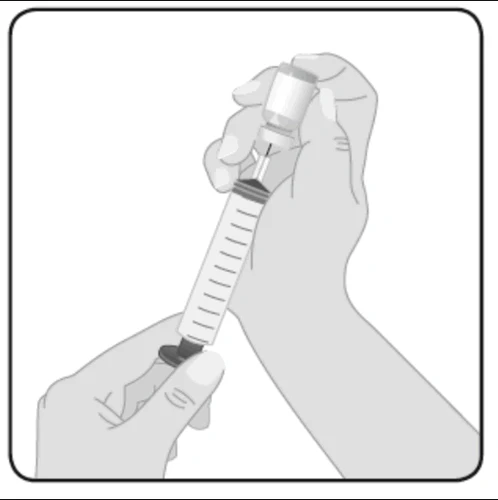 |
| When using multiple vials to achieve the required dose, repeat this step. | |
| 6 | Prepare the infusion lineConnect the infusion line or injection set to the syringe. Prime the infusion line to remove all remaining air. |
| 7 | Prepare the infusion site(s)Select the infusion site(s) – The number and location of infusion sites depend on the total dose volume. Each infusion site must be at least 5 cm apart from the others.An unlimited number of sites may be used simultaneously.Clean the infusion site(s) using a skin antiseptic solution. Allow each site to dry before proceeding.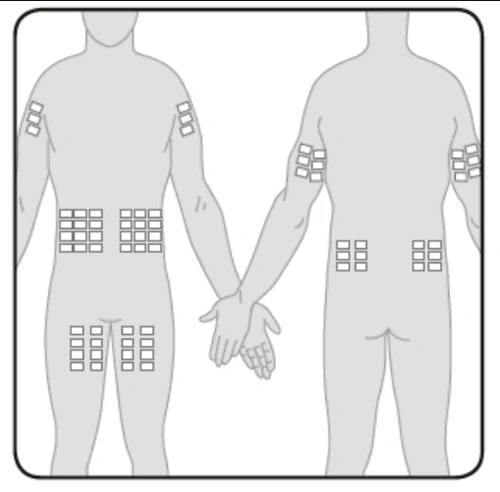 |
| 8 | Insert the needlePinch the skin between two fingers and insert the needle into the subcutaneous tissue.Secure the needle to the skin – If necessary, use gauze and adhesive tape or a transparent dressing to keep the needle in place. |
| 9 | Infuse HizentraBegin the infusion.If using an infusion pump, follow the manufacturer's instructions.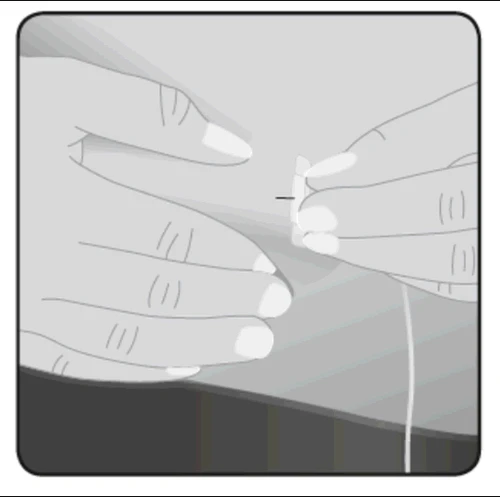 |
| 10 | Record the infusionRecord the following information in the treatment diary:• date of administration,• product batch number, and• infused volume, infusion rate, number and location of infusion sites. |
| 11 | Clean upAfter administration, dispose of any unused product and all administration devices in accordance with local regulations. |
If you have any doubts about using this medicine, consult your doctor or healthcare professionals.
If you use more Hizentra than you should
If you think you have used too much Hizentra, contact your doctor as soon as possible.
If you forget to use Hizentra
If you think you have missed a dose, contact your doctor as soon as possible.
4. Possible side effects
Like all medicines, this medicine can cause side effects, although not everyone will experience them.
► In rare cases, you may be allergic (hypersensitive) to immunoglobulins and allergic reactions may occur, such as a sudden drop in blood pressure or shock (for example, you may experience mental confusion, dizziness, weakness when standing up, cold hands and feet, irregular heartbeat or chest pain, or blurred vision).
► In rare cases, you may experience pain and/or swelling in one arm or leg, with a feeling of warmth in the affected area, skin discoloration of the arm or leg, unexplained shortness of breath, chest pain or discomfort that worsens with deep breathing, unexplained rapid pulse, numbness or weakness on one side of the body, sudden confusion, or difficulty speaking or understanding; these may all be signs of blood clot formation.
► In rare cases, you may experience a severe headache with nausea, vomiting, neck stiffness, fever, and sensitivity to light, which may be signs of aseptic meningitis syndrome (AMS), a temporary, reversible, non-infectious inflammation of the membranes surrounding the brain and spinal cord.
If you notice any of these signs during Hizentra infusion, stop the infusion immediately and go to the nearest hospital without delay.
See also section 2 of this leaflet regarding the risk of allergic reactions, blood clots, and AMS.
The side effects observed in controlled clinical studies are listed below in decreasing order of frequency. Side effects observed after marketing authorization have unknown frequency:
The following side effects are very common (occur in more than 1 in 10 patients):
- Headache
- Rash
- Infusion site reactions
The following side effects are common (occur in 1 to 10 in 100 patients):
- Dizziness
- Migraine
- Increased blood pressure (hypertension)
- Diarrhea
- Abdominal pain
- Feeling unwell (nausea)
- Vomiting
- Itching (pruritus)
- Hives (urticaria)
- Muscle and bone pain (musculoskeletal pain)
- Joint pain (arthralgia)
- Fever
- Fatigue, including general malaise
- Chest pain
- Influenza-like symptoms
- Pain
The following side effects are uncommon (occur in 1 to 10 in 1,000 patients):
- Hypersensitivity
- Involuntary movements in one or more parts of the body (tremor, including psychomotor hyperactivity)
- Rapid heartbeat (tachycardia)
- Flushing
- Muscle spasms
- Muscle weakness
- Chills, including low body temperature
- Abnormal blood test results that may indicate reduced liver and kidney function
In rare cases, ulcers or a burning sensation at the infusion site may occur.
A slow infusion rate of Hizentra may help reduce possible side effects.
These side effects may occur even if you have previously received human immunoglobulins and tolerated them well.
See also section 2, “What you need to know before using Hizentra,” for further details on circumstances that increase the risk of side effects.
Reporting of side effects
If you experience any side effect, including those not listed in this leaflet, please inform your doctor or healthcare professional. You may also report side effects directly via the national reporting system at https://www.aifa.gov.it/content/segnalazioni-reazioni-avverse .
By reporting side effects, you can help provide more information on the safety of this medicine.
5. How to store Hizentra
- Keep this medicine out of the sight and reach of children.
- Do not use this medicine after the expiry date stated on the outer carton and on the vial label, after Exp.
- Since the solution does not contain preservatives, it should be used/infused as soon as possible after opening the vial.
- Do not store above 25°C.
- Do not freeze.
- Keep the vial in the outer packaging to protect the medicine from light.
- Do not dispose of any medicine via wastewater or household waste. Ask your healthcare provider how to dispose of medicines you no longer use. This will help protect the environment.
6. Package contents and other information
What Hizentra contains
- The active substance is human normal immunoglobulin. 1 ml contains 200 mg of human normal immunoglobulins, of which at least 98% are immunoglobulins of the G type (IgG). The approximate percentage distribution of the IgG subclasses is as follows: IgG1 69%
IgG2 26%
IgG3 3%
IgG4 2%
The medicine contains traces of IgA (not more than 50 micrograms/ml).
- The other components (excipients) are: L-proline, polysorbate 80 and water for injections.
Description of the appearance of Hizentra and contents of the pack
Hizentra is a solution for subcutaneous injection (200 mg/ml). The colour may vary from pale yellow
to light brown.
Hizentra is available in 5, 10, 20 or 50 ml vials.
Hizentra is also available in pre-filled syringes of 5, 10 and 20 ml.
Pack sizes
Packs containing 1, 10 or 20 vials
Hizentra is also available in packs containing 1, 10 or 20 pre-filled syringes.
Please note that alcohol swabs, needles and other devices or accessories are not included in the pack.
Not all pack sizes may be marketed.
Marketing Authorisation Holder and Manufacturer
CSL Behring GmbH
Emil-von-Behring-Strasse 76
D-35041 Marburg
Germany
For further information about this medicine, please contact the local representative of the Marketing Authorisation Holder:
België/Belgique/Belgien Luxembourg/Luxemburg
CSL Behring NV CSL Behring NV
Tél/Tel: +32 15 28 89 20 Tél/Tel: +32 15 28 89 20
България Magyarország
МагнаФарм България ЕАД CSL Behring Kft.
Тел: +359 2 810 3949 Tel: +36 1 213 4290
Česká republika Malta
CSL Behring s.r.o. AM Mangion Ltd.
Tel: +420 702 137 233 Tel: +356 2397 6333
Danmark Nederland
CSL Behring AB CSL Behring BV
Tel: +46 8 544 966 70 Tel: +31 85 111 96 00
Deutschland Norge
CSL Behring GmbH CSL Behring AB
Tel: +49 69 30584437 Tlf: +46 8 544 966 70
Eesti Österreich
CentralPharma Communications OÜ CSL Behring GmbH
Tel: +372 6015540 Tel: +43 1 80101 2463
Ελλάδα Polska
CSL Behring ΕΠΕ CSL Behring Sp. z o.o.
Τηλ: +30 210 7255 660 Tel: +48 22 213 22 65
España Portugal
CSL Behring S.A. CSL Behring Lda
Tel: +34 933 67 1870 Tel: +351 21 782 62 30
France România
CSL Behring SA Prisum Healthcare S.R.L.
Tél: +33 1 53 58 54 00 Tel: +40 21 322 01 71
Hrvatska Slovenija
Marti Farm d.o.o EMMES BIOPHARMA GLOBAL s.r.o. -
Tel: +385 1 5588297 podružnica v Sloveniji
Tel: +386 41 42 0002
Ireland
CSL Behring GmbH Slovenská republika
Tel: +49 69 305 17254 CSL Behring Slovakia s.r.o.
Tel: +421 911 653 862
Ísland Suomi/Finland
CSL Behring AB CSL Behring AB
Sími: +46 8 544 966 70 Puh/Tel: +46 8 544 966 70
Italia Sverige
CSL Behring S.p.A. CSL Behring AB
Tel: +39 02 34964 200 Tel: +46 8 544 966 70
Κύπρος United Kingdom (Northern Ireland)
CSL Behring ΕΠΕ CSL Behring GmbH
Τηλ: +30 210 7255 660 Tel: +49 69 305 17254
Latvija
CentralPharma Communications SIA
Tel: +371 6 7450497
Lietuva
CentralPharma Communications UAB
Tel: +370 5 243 0444
More detailed information on this medicine is available on the European Medicines Agency website: http://www.ema.europa.eu.
Package leaflet: information for the user
Hizentra 200 mg/ml solution for subcutaneous injection in a pre-filled syringe
Normal human immunoglobulin (SCIg = subcutaneous immunoglobulin)
Please read this leaflet carefully before using this medicine because it contains important information for you.
- Keep this leaflet. You may need to read it again.
- If you have any questions, consult your doctor or healthcare professional.
- This medicine has been prescribed for you only. Do not give it to other people, even if their symptoms are the same as yours, because it could be harmful.
- If you experience any side effects, including those not listed in this leaflet, contact your healthcare professional. See section 4.
Contents of this leaflet
- What Hizentra is and what it is used for
- What you need to know before using Hizentra
- How to use Hizentra
- Possible side effects
- How to store Hizentra
- Contents of the pack and other information
1. What Hizentra is and what it is used for
What Hizentra is
Hizentra belongs to a class of medicines known as normal human immunoglobulins.
Immunoglobulins are also called antibodies and are blood proteins that help the body fight infections.
How Hizentra works
Hizentra contains immunoglobulins prepared from the blood of healthy individuals. Immunoglobulins are naturally produced by the human immune system. They help your body fight infections caused by bacteria and viruses or maintain the balance of your immune system (an action known as immunomodulation). The medicine works in the same way as the immunoglobulins naturally present in the body.
What Hizentra is used for
Replacement therapy
Hizentra is used to increase abnormally low levels of immunoglobulins in the blood to normal values (replacement therapy). The medicine is used in adults and children (0–18 years) in the following conditions:
-
Treatment of patients born with reduced or absent ability to produce immunoglobulins (primary immunodeficiencies), including conditions such as:
- low levels of immunoglobulins (hypogammaglobulinaemia) or absence of immunoglobulins (agammaglobulinaemia) in the blood
- combination of low immunoglobulin levels, frequent infections, and inability to produce adequate antibody levels after vaccinations (common variable immunodeficiency)
- combination of low or absent immunoglobulin levels and absence or malfunction of immune cells (severe combined immunodeficiency)
- deficiency of certain subclasses of immunoglobulin G causing recurrent infections.
-
Treatment of patients with low or dysfunctional immunoglobulin levels in acquired conditions (secondary immunodeficiency) who experience severe or recurrent infections due to a weakened immune system caused by other conditions or treatments.
Immunomodulatory therapy in CIDP patients
Hizentra is also used in patients with chronic inflammatory demyelinating polyneuropathy (CIDP), a form of autoimmune disease. CIDP is characterized by chronic inflammation of the peripheral nerves, causing muscle weakness and/or numbness, primarily in the legs and arms.
It is believed that the body's immune system attacks its own defenses, leading to this inflammation, and that the immunoglobulins in Hizentra help protect the nerves from such attack (immunomodulatory therapy).
2. What you need to know before using Hizentra
DO NOT infuse Hizentra:
► if you are allergic to human immunoglobulins, polysorbate 80, or L-proline.
➔ Before treatment, inform your doctor or healthcare provider if you have previously experienced intolerance to any of these components.
► if you have hyperprolinemia (a genetic disorder causing high levels of the amino acid proline in the blood).
► into a blood vessel.
Warnings and precautions
➔ Talk to your doctor or healthcare provider before using Hizentra.
You may be allergic (hypersensitive) to immunoglobulins without knowing it. However, true allergic reactions are rare. They may occur even if you have previously received human immunoglobulins and tolerated them well. This possibility is particularly relevant if you have insufficient levels of immunoglobulin A (IgA) in your blood (IgA deficiency).
Inform your doctor or healthcare provider before treatment if you have an immunoglobulin A (IgA) deficiency. Hizentra contains trace amounts of IgA that may trigger an allergic reaction.
In these rare cases, allergic reactions such as a sudden drop in blood pressure or shock may occur (see also section 4 “Possible side effects”).
➔ If you notice these reactions during Hizentra infusion, stop the infusion immediately and contact your doctor or go to the nearest hospital.
➔ Inform your doctor if you have previously had heart or blood vessel diseases, blood clots, thick blood, or if you have been immobile for a prolonged period. These factors may increase the risk of blood clot formation after using Hizentra. Also inform your doctor about any medications you are currently taking, as some medicines—such as those containing the hormone estrogen (e.g., contraceptive pills)—may increase the risk of blood clots. Seek immediate medical attention if you experience symptoms such as shortness of breath, chest pain, pain and swelling in a limb, weakness, or numbness on one side of the body after receiving Hizentra.
➔ Contact your doctor if you develop any of the following signs and symptoms after receiving Hizentra: severe headache, neck stiffness, drowsiness, fever, photophobia, nausea, or vomiting. Your doctor will determine whether further tests are needed and whether Hizentra therapy should continue.
Healthcare professionals will avoid potential complications by ensuring that:
► You are not sensitive to normal human immunoglobulins.
The medicine should initially be injected slowly. The recommended infusion rate, indicated in section 3 “How to use Hizentra”, must be strictly followed.
► You are closely monitored for any symptoms throughout the entire infusion, especially if:
- You are receiving normal human immunoglobulin for the first time
- You have previously been treated with another medicine
- A long interval (more than eight weeks) has passed since your last infusion.
In these cases, you should be closely observed throughout the first infusion and for at least one hour after the infusion. If the above points do not apply to you, monitoring for at least 20 minutes after administration is recommended.
Other medicines and Hizentra
Inform your doctor or healthcare provider if you are currently using, have recently used, or might use any other medicines.
Do not mix other medicines with Hizentra.
Before vaccination, inform the healthcare provider administering the vaccine that you are being treated with Hizentra.
Hizentra may reduce the effectiveness of certain live virus vaccines, such as those for measles, rubella, mumps, and varicella. Therefore, after receiving this medicine, you may need to postpone vaccination with live attenuated vaccines for up to three months. For measles, reduced vaccine efficacy may persist for up to one year.
Pregnancy, breastfeeding, and fertility
Inform your doctor or healthcare provider if you are pregnant, planning to become pregnant, or breastfeeding. Your doctor will decide whether Hizentra can be administered during pregnancy or breastfeeding.
No clinical studies with Hizentra have been conducted in pregnant women. However, medicines containing immunoglobulins have been used for years in pregnant and breastfeeding women, without any harmful effects observed on pregnancy or the newborn.
If you are breastfeeding and receive Hizentra, the immunoglobulins contained in the medicine may also be present in breast milk. Therefore, the newborn may be protected against certain infections.
Driving and using machines
Patients may experience sensations such as dizziness or nausea during treatment with Hizentra, which may affect their ability to drive or operate machinery. If this occurs, do not drive or use machinery until these effects have disappeared.
Hizentra contains proline
You should avoid Hizentra if you have hyperprolinemia (see also section 2 “What you need to know before using Hizentra”). Inform your doctor before treatment.
Other important information about Hizentra
Blood tests
After administration of Hizentra, the results of certain blood tests (serological tests) may be altered for a period of time.
➔ Before any blood test, inform your doctor that you are being treated with Hizentra.
Information about Hizentra’s components
Hizentra is made from human blood plasma (plasma is the liquid part of blood). For medicines derived from human blood or plasma, certain safety measures must be taken to prevent transmission of infections to patients. These safety measures include:
- careful selection of plasma and blood donors to exclude individuals who may carry infections, and
- testing of each donation and pooled plasma from multiple donors for signs of viruses/infections.
During the manufacturing process of blood and plasma, manufacturers also include steps to inactivate or remove potential viruses. Despite these measures, when administering medicines derived from human blood or plasma, the risk of transmitting infections cannot be completely ruled out. This applies even to unknown or new viruses or other types of infections.
The measures taken are considered effective against enveloped viruses such as the human immunodeficiency virus (HIV, the AIDS virus), hepatitis B virus, and hepatitis C virus (liver inflammation), as well as against non-enveloped viruses such as hepatitis A and parvovirus B19.
➔ Each time you receive a dose of Hizentra, we recommend recording the name and batch number of the medicine to keep track of the batches used (see section 3 “How to use Hizentra”).
Hizentra contains sodium
This medicine contains less than 1 mmol of sodium (23 mg) per vial/syringe, i.e., essentially “sodium-free”.
3. How to use Hizentra
Use this medicine exactly as instructed by your doctor. If you have any doubts, consult your
doctor.
Dosage
Your doctor will determine the correct dose for you, taking into account your body weight and response to
treatment.
The dose or administration interval must not be changed without consulting your doctor.
If you think you should receive Hizentra more or less frequently, please discuss this with your doctor.
If you think you have missed a dose, speak with your doctor as soon as possible.
Replacement therapy
Your doctor will decide whether you require a loading dose (for adults and children) of at least 1 –
2.5 ml/kg body weight, divided over several days. After this loading dose, maintenance doses may be administered at repeated intervals, ranging from daily to once every two
weeks, to achieve a cumulative monthly dose of approximately 2 – 4 ml/kg body weight.
The healthcare provider may adjust the dose based on your response to treatment.
Immunomodulatory therapy
Your doctor will start treatment with Hizentra 1 week after the last intravenous immunoglobulin
infusion, administering it subcutaneously at a weekly dose of 1.0 to 2.0 ml/kg
body weight. Your doctor will determine your weekly dose of Hizentra. Maintenance weekly doses may be divided into smaller doses and administered more frequently during the
week. For administration every two weeks, your doctor will double the weekly dose of
Hizentra. Your doctor may adjust the dose based on your response to treatment.
Method and route of administration
Home treatment will be initiated by a healthcare professional experienced in treating
immunodeficiency/CIDP with SCIg and in training patients for home therapy.
You will receive instructions and training on:
- aseptic infusion techniques
- how to maintain a treatment diary, and
- measures to take in case of serious adverse reactions.
Infusion sites
- Administer Hizentra only subcutaneously.
- You may infuse Hizentra at sites such as the abdomen, thigh, upper arm, and lateral hip. If high doses (> 50 ml) are administered, try to deliver them at multiple sites.
- You may use an unlimited number of simultaneous injection sites. Injection sites must be at least 5 cm apart from each other.
- If using a device-assisted infusion technique (e.g., pump-assisted infusion), it is possible to use multiple infusion devices simultaneously.
- If using manual push infusion with a syringe, only one infusion site may be used per syringe. If an additional syringe of Hizentra needs to be administered, a new sterile injection needle must be used and the infusion site changed.
- The volume of product infused at a given site may vary.
Infusion rate
Your doctor will determine the appropriate infusion technique and infusion rate for you, taking into
account your individual dosage, frequency of administration, and product tolerability.
Infusion with an infusion device:
The recommended initial infusion rate should not exceed 20 ml/h/site. If well tolerated, the rate may be gradually increased to 35 ml/h/site for the next two infusions.
Subsequently, the infusion rate may be further increased based on your tolerability.
Manual push infusion:
The recommended initial infusion rate is up to 0.5 ml/min/site (30 ml/hour/site). If well
tolerated, the infusion rate may be increased up to 2.0 ml/min/site (120 ml/hour/site) for subsequent infusions. Subsequently, the infusion rate may be further increased according to your tolerability.
Instructions for use
| Follow the instructions below and use aseptic technique when administering Hizentra | ||
| 1 | Clean the surface Thoroughly clean the table or another flat surface using a disinfectant wipe | |
| 2 | Assemble the devices Place Hizentra and all other necessary infusion supplies on a clean, flat surface | |
| 3 | Wash and thoroughly dry hands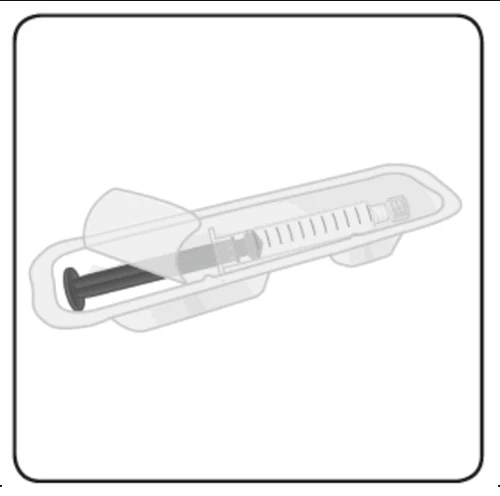 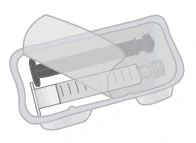  | |
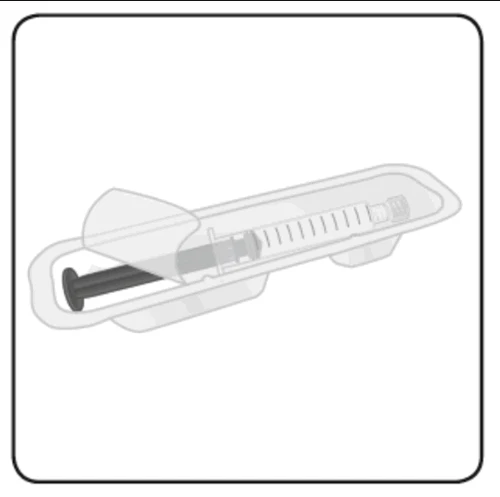
| 4 | Inspect the pre-filled syringe packaging Visually inspect the Hizentra solution for the presence of particles or discoloration, and check the expiration date before administering Hizentra. Do not use solutions that appear cloudy or contain particles. Do not use solutions that have been frozen. Administer the solution at room temperature or body temperature. Once the pre-filled syringe packaging has been opened, use the solution immediately. Please dispose of the oxygen-absorbing packet (located beneath the syringe). | |
5 Preparation of Hizentra for infusion
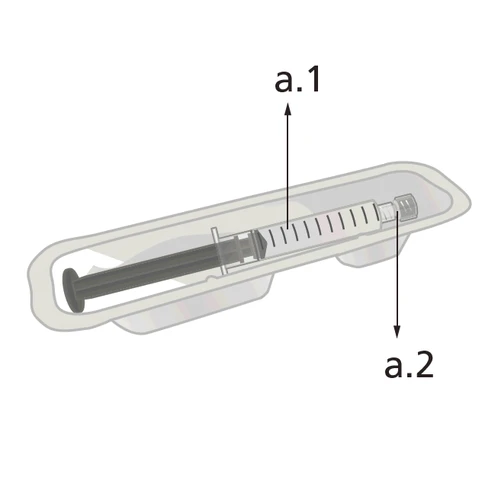
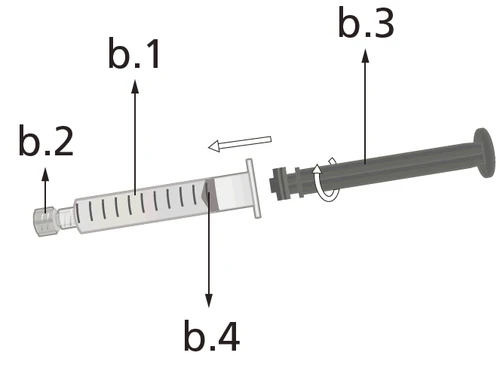
The 5 ml, 10 ml and 20 ml pre-filled syringes are supplied ready
for use. The 5 ml and 10 ml pre-filled syringes (a.1) are
completely assembled.
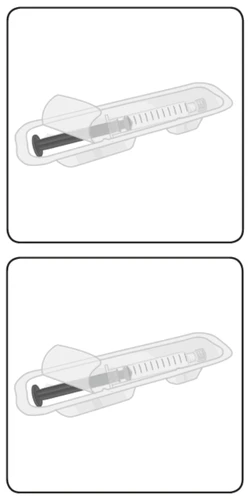
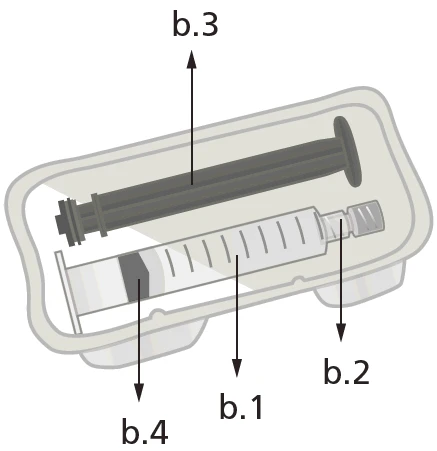
For the 20 ml pre-filled syringes (b.1), before use,
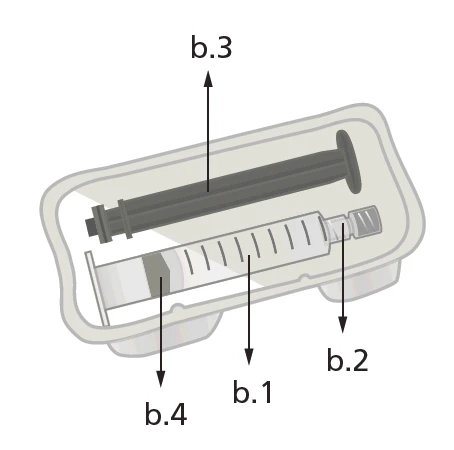
screw the plunger rod (b.3) onto the pre-filled syringe stopper
with internal thread (b.4).
All pre-filled syringes have a standard luer lock (a.2 and
b.2), which is a threaded connection at the tip of the syringe that
ensures a leak-free seal.
If using a syringe pump, the Hizentra pre-filled syringes can be
placed directly into the syringe pump if the syringe size meets the
pump's requirements.
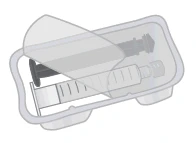
If the pre-filled syringe can be placed directly into the pump,
then proceed to step 6.
If the size of the Hizentra pre-filled syringe does not match the
pump requirements, then the contents of the pre-filled syringe
may be transferred to another syringe of a size compatible with
the pump.
6 Prepare the infusion line
Connect the infusion line or injection set to the syringe. Prime the infusion line to remove all remaining air.
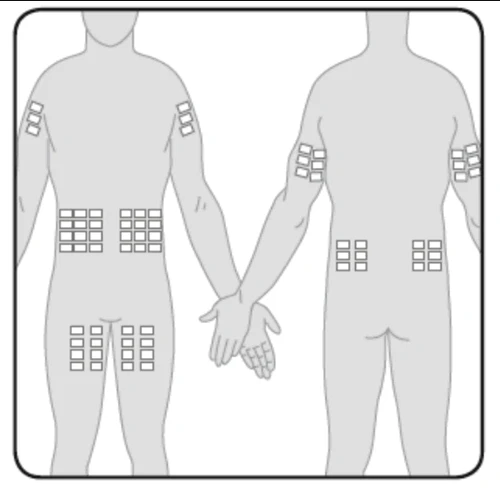
7 Prepare the infusion site(s)
Choose the infusion site(s) – The number and location of infusion sites depend on the total dose volume. Each infusion site must be at least 5 cm apart from the others.
An unlimited number of sites may be used simultaneously.
Clean the infusion site(s) using a skin disinfectant solution. Allow each injection site to dry before proceeding.
8 Insert the needle
Grasp the skin between two fingers and insert the needle into the subcutaneous tissue.
Secure the needle to the skin – If necessary, use gauze and adhesive tape or a transparent dressing to keep the needle in place.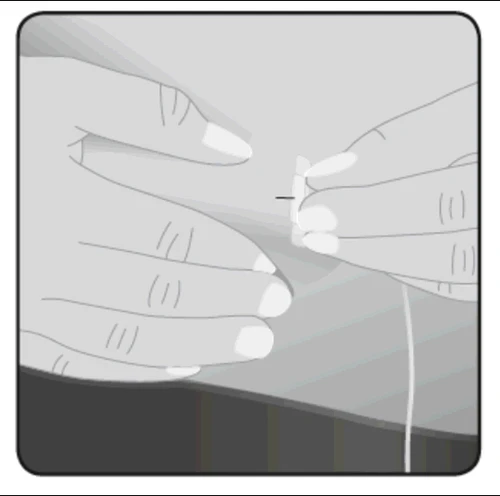 | |
| 9 | Administer HizentraBegin the infusion.If using an infusion pump, follow the manufacturer's instructions. |
| 10 | Record the infusionRecord the following information in your treatment diary:•the administration date,•the medicinal product batch number, and•the infused volume, infusion rate, number and location of infusion sites. |
| 11 | Clean upAfter administration, dispose of any unused product and all used administration devices, including the oxygen-absorbing pad, in accordance with local regulations. |
If you have any doubts about using this medicine, consult your doctor or healthcare professionals.
If you use more Hizentra than you should
If you think you have used too much Hizentra, consult your doctor as soon as possible.
If you forget to use Hizentra
If you think you have missed a dose, consult your doctor as soon as possible.
4. Possible side effects
Like all medicines, this medicine can cause side effects, although not everybody gets them.
► In rare cases, you may be allergic (hypersensitive) to immunoglobulins and allergic reactions may occur, such as a sudden drop in blood pressure or shock (for example, you may feel dizzy, lightheaded, weak when standing up, cold hands and feet, irregular heartbeat or chest pain, or blurred vision).
► In rare cases, you may experience pain and/or swelling in one arm or leg with a feeling of warmth in the affected area, skin discoloration of the arm or leg, unexplained shortness of breath, chest pain or discomfort that worsens with deep breathing, unexplained rapid pulse, numbness or weakness on one side of the body, sudden confusion, or difficulty speaking or understanding—these may be signs of a blood clot.
► In rare cases, you may experience a severe headache with nausea, vomiting, stiff neck, fever, and sensitivity to light, which could be signs of aseptic meningitis syndrome (AMS): a temporary, reversible, non-infectious inflammation of the membranes surrounding the brain and spinal cord.
If you notice any of these symptoms during Hizentra infusion, stop the infusion immediately and go to the nearest hospital.
See also section 2 of this leaflet regarding the risk of allergic reactions, blood clots, and AMS.
The side effects observed in controlled clinical studies are listed below in decreasing order of frequency. Side effects observed after marketing authorization have an unknown frequency:
The following side effects are very common (occur in more than 1 in 10 patients):
- Headache
- Rash
- Infusion site reactions
The following side effects are common (occur in 1 to 10 in 100 patients):
- Dizziness
- Migraine
- Increased blood pressure (hypertension)
- Diarrhea
- Abdominal pain
- Malaise (nausea)
- Vomiting
- Itching (pruritus)
- Hives (urticaria)
- Muscle and bone pain (musculoskeletal pain)
- Joint pain (arthralgia)
- Fever
- Fatigue, including general malaise
- Chest pain
- Flu-like symptoms
- Pain
The following side effects are uncommon (occur in 1 to 10 in 1,000 patients):
- Hypersensitivity
- Involuntary movements in one or more parts of the body (tremor, including psychomotor hyperactivity)
- Rapid heartbeat (tachycardia)
- Flushing
- Muscle spasms
- Muscle weakness
- Chills, including low body temperature
- Abnormal blood test results indicating reduced liver and kidney function
In rare cases, ulcers at the infusion site or a burning sensation may occur.
Possible side effects may be reduced by infusing Hizentra slowly.
These side effects may occur even if you have previously received human immunoglobulins and tolerated them well.
See also section 2, “What you need to know before using Hizentra,” for further details on circumstances that increase the risk of side effects.
Reporting of side effects
If you experience any side effect, including those not listed in this leaflet, talk to your doctor or healthcare professional. You can also report side effects directly via the national reporting system at https://www.aifa.gov.it/content/segnalazioni-reazioni-avverse .
By reporting side effects, you can help provide more information on the safety of this medicine.
5. How to store Hizentra
- Keep this medicine out of the sight and reach of children.
- Do not use this medicine after the expiry date stated on the outer carton and on the label of the pre-filled syringe after Exp.
- Since the solution does not contain preservatives, it should be used/infused as soon as possible after opening the package containing the pre-filled syringe.
- Do not store above 25°C.
- Do not freeze.
- Keep the package containing the pre-filled syringe in the outer packaging to protect the medicine from light.
- Do not dispose of any medicine via wastewater or household waste. Ask your healthcare provider how to dispose of medicines no longer used. This will help protect the environment.
6. Package contents and other information
What Hizentra contains
- The active substance is human normal immunoglobulin. One ml contains 200 mg of human normal immunoglobulins, of which at least 98% are immunoglobulin G (IgG). The approximate percentage distribution of IgG subclasses is as follows: IgG1 69%, IgG2 26%, IgG3 3%, IgG4 2%. The medicinal product contains trace amounts of IgA (not more than 50 micrograms/ml).
- The other components (excipients) are L-proline, polysorbate 80, and water for injections.
Description of the appearance of Hizentra and contents of the pack
Hizentra is a solution for subcutaneous injection (200 mg/ml). The colour may vary from pale yellow to light brown.
Hizentra is available in pre-filled syringes of 5, 10 or 20 ml. Each pre-filled syringe is packaged in a blister containing an oxygen absorber packet to protect against discolouration. Please dispose of the oxygen absorber packet appropriately.
Hizentra is also available in vials of 5, 10, 20 or 50 ml.
Pack sizes
Packs containing 1, 10 or 20 pre-filled syringes.
Hizentra is also available in packs containing 1, 10 or 20 vials.
Please note that alcohol swabs, needles, and other devices or accessories are not included in the pack.
Not all pack sizes may be marketed.
Marketing Authorisation Holder and Manufacturer
CSL Behring GmbH
Emil-von-Behring-Strasse 76
D-35041 Marburg
Germany
For further information about this medicinal product, please contact the local representative of the Marketing Authorisation Holder:
België/Belgique/Belgien Luxembourg/Luxemburg
CSL Behring NV CSL Behring NV
Tél/Tel: +32 15 28 89 20 Tél/Tel: +32 15 28 89 20
България Magyarország
МагнаФарм България ЕАД CSL Behring Kft.
Тел: +359 2 810 3949 Tel: +36 1 213 4290
Česká republika Malta
CSL Behring s.r.o. AM Mangion Ltd.
Tel: +420 702 137 233 Tel: +356 2397 6333
Danmark Nederland
CSL Behring AB CSL Behring BV
Tel: +46 8 544 966 70 Tel: +31 85 111 96 00
Deutschland Norge
CSL Behring GmbH CSL Behring AB
Tel: +49 69 30584437 Tlf: +46 8 544 966 70
Eesti Österreich
CentralPharma Communications OÜ CSL Behring GmbH
Tel: +3726015540 Tel: +43 1 80101 2463
Ελλάδα Polska
CSL Behring ΕΠΕ CSL Behring Sp. z o.o.
Τηλ: +30 210 7255 660 Tel: +48 22 213 22 65
España Portugal
CSL Behring S.A. CSL Behring Lda
Tel: +34 933 67 1870 Tel: +351 21 782 62 30
France România
CSL Behring SA Prisum Healthcare S.R.L.
Tél: +33 1 53 58 54 00 Tel: +40 21 322 01 71
Hrvatska Slovenija
Marti Farm d.o.o EMMES BIOPHARMA GLOBAL s.r.o. -
Tel: +385 1 5588297 podružnica v Sloveniji Tel: +386 41 42 0002
Ireland Slovenská republika
CSL Behring GmbH CSL Behring Slovakia s.r.o.
Tel: +49 69 305 17254 Tel: +421 911 653 862
Ísland Suomi/Finland
CSL Behring AB CSL Behring AB
Sími: +46 8 544 966 70 Puh/Tel: +46 8 544 966 70
Italia Sverige
CSL Behring S.p.A. CSL Behring AB
Tel: +39 02 34964 200 Tel: +46 8 544 966 70
Κύπρος United Kingdom (Northern Ireland)
CSL Behring ΕΠΕ CSL Behring GmbH
Τηλ: +30 210 7255 660 Tel: +49 69 305 17254
Latvija
CentralPharma Communications SIA
Tel: +371 6 7450497
Lietuva
CentralPharma Communications UAB
Tel: +370 5 243 0444
More detailed information on this medicinal product is available on the European Medicines Agency website: http://www.ema.europa.eu.