Gliboral
Italy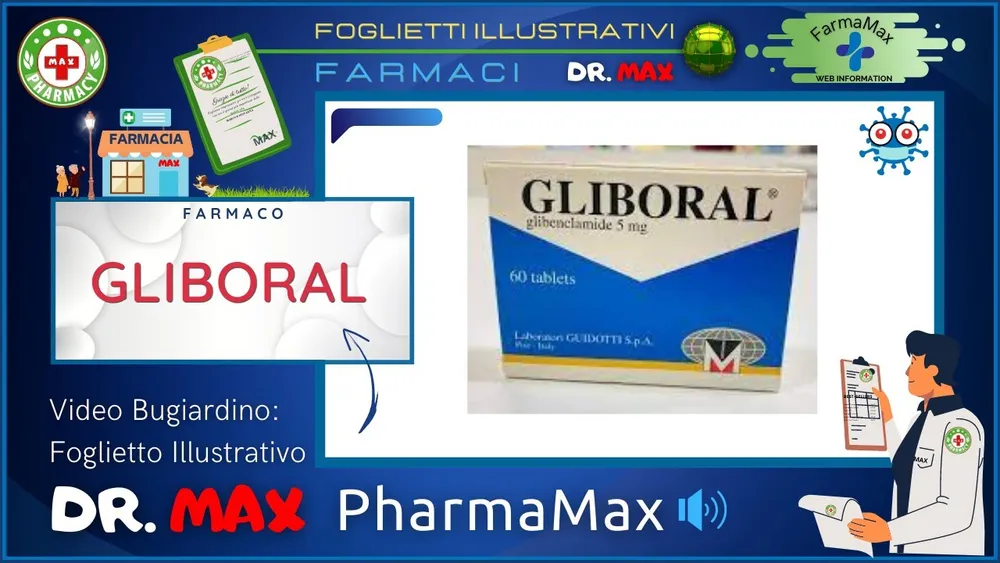
Table of Contents
Package leaflet: Information for the user
GLIBORAL 5 mg tablets
Glibenclamide
Please read this leaflet carefully before taking this medicine because it contains
important information for you.
- Keep this leaflet. You may need to read it again.
- If you have any questions, ask your doctor or pharmacist.
- This medicine has been prescribed for you only. Do not give it to others, even if they have the same symptoms as you, because it could be harmful.
- If any adverse reaction occurs, including those not listed in this leaflet, contact your doctor or pharmacist. See section 4.
Contents of this leaflet:
- What GLIBORAL is and what it is used for
- What you need to know before taking GLIBORAL
- How to take GLIBORAL
- Possible side effects
- How to store GLIBORAL
- Contents of the pack and other information
1. What GLIBORAL is and what it is used for
GLIBORAL contains the active substance glibenclamide, belonging to the class of sulfonylureas,
substances capable of lowering blood sugar levels by stimulating insulin release from the pancreas.
GLIBORAL is used in adults for the treatment of diabetes, a chronic metabolic disorder characterized by high levels of glucose in the blood due to insufficient insulin production by the body and/or abnormalities in insulin action. In particular, it is indicated for the treatment of non-juvenile symptomatic diabetes, non-ketotic (without the presence of ketone bodies in the blood causing a drop in pH to highly acidic values), in sthenic-obese subjects.
2. What you should know before taking GLIBORAL
Do not take GLIBORAL
- if you are allergic to glibenclamide, sulfonylureas in general, or to any of the other ingredients of this medicine (listed in section 6).
- if you have insulin-dependent diabetes (a specific form of the disease in which the pancreas is no longer able to produce insulin, the substance regulating blood glucose levels, which therefore must be administered from outside) and have developed an accumulation of substances called ketone bodies in the blood (diabetic ketoacidosis)
- if you are in a state of diabetic ketoacidosis, diabetic coma or pre-coma (alterations in consciousness that are complications of diabetes mellitus that may endanger your life)
- if you suffer from severe kidney problems
- if you suffer from severe liver problems
- in case of adrenal insufficiency (severe reduction in adrenal gland function)
- if you are pregnant or breastfeeding (see "Pregnancy and breastfeeding")
- if you suffer from insufficient natural corticosteroid production by the adrenal glands, glands located above the kidneys (adrenal insufficiency)
- if you are being treated with bosentan, a medicine used to treat high blood pressure in the lungs (see "Other medicines and GLIBORAL").
Warnings and precautions
Talk to your doctor or pharmacist before taking GLIBORAL.
You may take oral hypoglycemic agents of the sulfonylurea group (such as GLIBORAL) only if
you have symptomatic, non-ketotic diabetes that cannot be controlled by diet alone and
if insulin administration is not indicated for you.
To achieve the therapeutic goal of GLIBORAL – namely optimal control of blood sugar levels (glycemia) – in addition to regular intake of GLIBORAL, equally important factors include a proper diet, sufficient and regular physical exercise, and, if necessary, weight reduction.
At the beginning of treatment, your doctor will inform you about the effects and risks of GLIBORAL and the importance of adopting appropriate dietary measures, physical activity, and adequate cooperation during treatment with GLIBORAL.
Medical examinations
During treatment with GLIBORAL, your doctor will prescribe certain tests, including regular monitoring of sugar levels in blood and urine, and periodic checks of glycated hemoglobin, a test that allows monitoring of your diabetic condition. This way, your doctor can assess how your therapy is progressing.
Low blood sugar level (hypoglycemia)
During treatment with GLIBORAL, you may experience hypoglycemia (see section "Possible side effects"). Symptoms of hypoglycemia may occur especially:
- if you do not carefully follow the instructions provided by your doctor; this aspect is particularly important if you are elderly
- if you have inadequate nutrition, eat meals irregularly, or skip meals
- if your physical activity is not balanced with the amount of sugar you consume, or vice versa
- if you have changed your eating habits or lifestyle
- if you have kidney problems and/or severe liver problems
- if you have taken an excessive dose of GLIBORAL (see section "If you take more GLIBORAL than you should")
- if you suffer from diseases affecting sugar metabolism or hypoglycemia, such as:
- certain thyroid disorders, a gland located at the base of the neck
- insufficient natural corticosteroid production by the adrenal glands, glands located above the kidneys (adrenal insufficiency), or by the pituitary gland, a small gland at the base of the brain (hypopituitarism)
- if you are simultaneously taking certain medicines with GLIBORAL (see section "Other medicines and GLIBORAL")
- if GLIBORAL treatment is not suitable for you.
If any of the above situations apply to you or if you experience hypoglycemia or other illnesses during treatment with GLIBORAL, inform your doctor immediately, who will carry out appropriate tests. If necessary, your doctor may adjust the dose of GLIBORAL or change your entire treatment.
If you experience symptoms of hypoglycemia (e.g., reduced concentration, alertness, and reaction time, tremors, sweating. See section 4 "Possible side effects"):
- First, take sugar, for example one or more sugar cubes/packets or sugared tea or fruit juice. For this reason, it is important that you always carry at least 20 grams of sugar (approximately 4 sugar cubes/packets) with you. Do not take artificial sweeteners (e.g., acesulfame, aspartame, saccharin) because they are ineffective in controlling hypoglycemia.
- INFORM YOUR DOCTOR IMMEDIATELY, because hypoglycemia, even if it resolves temporarily after sugar intake, may recur and medical observation may be necessary. Indeed, in cases of severe hypoglycemia or prolonged episodes, immediate medical evaluation and treatment may be required, and in some cases hospitalization.
- Rest.
- If you are seen by a doctor who is not your usual physician (e.g., during hospitalization, after an accident, or due to illness during holidays), inform the doctor about your diabetic condition and previous and current treatments.
- In case of trauma, surgery, infectious or febrile illnesses, your doctor may temporarily prescribe insulin therapy.
Taking GLIBORAL may expose you to a higher risk of fatal heart and blood vessel diseases (cardiovascular mortality), especially if you also have heart artery disorders (coronary heart disease), compared to treatment with other diabetes medicines such as metformin or gliclazide.
In patients treated with sulfonylureas (like GLIBORAL), possible onset of certain signs or symptoms should be considered: skin flushing, increased heart rate, shortness of breath, nausea, vomiting, headache, visual disturbances, mental confusion, circulatory collapse (known as antabuse-like reaction) when taken together with alcoholic beverages.
Additionally, inform your doctor:
- if you have increased frequency of urination, intense thirst, dry mouth and skin, as you may have high blood sugar levels (hyperglycemia)
- if you are allergic to sulfonamide derivatives (antibiotics, medicines used to treat infections), as you may also experience allergic reactions to glibenclamide
- if you suffer from a disease due to deficiency of an enzyme called glucose-6-phosphate dehydrogenase (G6PD). In this case, your doctor will consider an alternative therapy.
Children and adolescents
In these patients, the safety and efficacy of this medicine have not yet been established; therefore, this medicine is not indicated for children and adolescents.
Other medicines and GLIBORAL
Inform your doctor or pharmacist if you are taking, have recently taken, or might take any other medicine.
If you start or stop any treatment with another medicine during treatment with GLIBORAL, inform your doctor, as it may alter blood sugar control and cause unwanted effects.
MEDICINES NOT TO BE TAKEN WITH GLIBORAL
- bosentan, a medicine used to treat high blood pressure in the lungs (see section "Do not take GLIBORAL"), as it may increase certain substances produced by the liver (liver enzymes and bile salts) that can cause adverse effects.
MEDICINES TO BE TAKEN ONLY AFTER CONSULTING YOUR DOCTOR
- The following medicines that may increase the effect of GLIBORAL and thus cause too low blood sugar levels (hypoglycemia):
- insulin and other medicines for treating diabetes (oral antidiabetics). In particular, if you switch from GLIBORAL treatment to treatment with another oral antidiabetic (such as carbutamide, chlorpropamide, etc.), your doctor must determine the appropriate interval between the two treatments
- ACE inhibitors, medicines used to treat heart conditions or high blood pressure
- anabolic steroids, medicines used to increase muscle mass
- male sex hormones (e.g., testosterone and derivatives), medicines used to treat diseases due to lack of hormone production
- antibiotics (chloramphenicol, quinolones, sulfonamides, clarithromycin, tetracyclines), medicines used to treat infections
- cyclophosphamide, ifosfamide, and trofosfamide, medicines used to treat tumors
- disopyramide, a medicine used to treat heart rhythm disorders
- fenfluramine, previously used to treat obesity
- pheniramidol, a medicine previously used to treat pain
- fibrates, medicines used to reduce blood fat levels
- fluoxetine and MAO inhibitors, medicines used to treat depression
- miconazole, an antibiotic used to treat fungal infections
- para-aminosalicylic acid, an antibacterial agent used to treat infections
- pentoxifylline (when administered by injection and at high doses), a medicine used to improve blood flow
- phenylbutazone, azapropazone, oxyphenbutazone, medicines used to treat inflammation and pain
- probenecid, a medicine used to treat gout, a disease causing joint inflammation and pain
- salicylates, medicines used to treat inflammation
- sulfinpyrazone, a medicine used for prevention after a heart attack
- medicines such as beta-blockers (used to treat high blood pressure) and guanethidine (previously used to treat high blood pressure)
- tritoqualine, a medicine previously used for allergies.
- The following medicines that may decrease the effect of GLIBORAL and thus cause increased blood sugar levels:
- acetazolamide, a medicine used to reduce blood pressure
- barbiturates and phenytoin, medicines used to treat epilepsy
- corticosteroids (anti-inflammatory agents)
- diazoxide, a medicine used to correct hypoglycemia
- diuretics, medicines used to treat high blood pressure
- epinephrine and similar drugs (sympathomimetics), generally used to treat severe allergic reactions, cardiac arrest, and low blood pressure
- glucagon, a medicine used to increase blood sugar levels
- laxatives (after prolonged use)
- nicotinic acid (at high doses), previously used to lower cholesterol
- estrogens and progestins, birth control pill
- phenothiazines, medicines used to treat mental disorders such as schizophrenia
- thyroid hormones, used to treat thyroid disorders, a gland located at the base of the neck
- rifampicin, an antibiotic.
- The following medicines may increase or decrease the effect of GLIBORAL:
- H2 receptor antagonists, medicines used to treat gastritis and ulcers
- clonidine, a medicine used to reduce blood pressure
- reserpine, a medicine previously used to reduce blood pressure and in certain mental illnesses.
- Glibenclamide may:
- increase or reduce the effect of coumarin derivatives, medicines used to make blood less likely to clot; therefore, it is necessary to consult your doctor before taking these medicines
- increase the toxicity of cyclosporine, used, for example, after organ transplantation; therefore, your doctor will monitor you and adjust the dose of cyclosporine
- colesevelam, a medicine used to lower cholesterol in the blood, reduces the absorption of glibenclamide; therefore, take glibenclamide at least 4 hours before colesevelam.
GLIBORAL and alcohol
The hypoglycemic effect of glibenclamide may be enhanced by simultaneous alcohol consumption.
After drinking alcoholic beverages, be aware of the possibility of reactions such as general malaise, breathing difficulties, palpitations, headache, nausea, vomiting (see "Warnings and precautions" and section 4 "Possible side effects").
Pregnancy and breastfeeding
Do not take GLIBORAL if you are pregnant or breastfeeding (see section 2 "Do not take GLIBORAL").
During pregnancy and breastfeeding, diabetes should not be treated with glibenclamide; therefore, your doctor will prescribe an appropriate alternative therapy to reduce the risk of fetal malformations.
Driving and using machines
During treatment with GLIBORAL, you may experience low blood sugar (hypoglycemia) or high blood sugar (hyperglycemia), which may reduce alertness and reaction time. This may affect your ability to drive vehicles or operate machinery.
GLIBORAL contains lactose. If your doctor has diagnosed you with an intolerance to certain sugars (e.g.: lactase deficiency, galactosemia, or glucose/galactose malabsorption syndrome), contact your doctor before taking this medicine.
3. How to take GLIBORAL
Take this medicine exactly as directed by your doctor or pharmacist.
If you have any doubts, consult your doctor or pharmacist.
Always strictly follow the doctor's instructions regarding dosage, method of administration, and diet to be followed during treatment with this medicine.
Treatment with GLIBORAL must be continuously monitored by your doctor.
The recommended dose, method and duration of treatment must be specifically determined by your doctor based on metabolic tests performed.
The usual initial dose is half a tablet (2.5 mg) daily.
Only after medical evaluation may the daily dose be gradually increased by half a tablet at a time. Daily doses exceeding 3 tablets generally do not result in an increased effect.
Method of administration
Take the tablets without chewing, with a little water.
If you are switching from another oral antidiabetic therapy to GLIBORAL, inform your doctor about the dosage of the antidiabetic drugs you previously took; your doctor will take this into account, considering also your overall metabolic condition.
If you take more GLIBORAL than you should
Symptoms
If you have taken more GLIBORAL than you should, a severe, prolonged reduction in blood sugar levels (hypoglycaemia) may occur, which can be life-threatening. In particular, in severe cases, symptoms such as loss of consciousness or other brain disturbances may appear. These symptoms constitute a medical emergency and require immediate treatment and hospitalization.
Treatment
If you have taken more GLIBORAL than you should, take sugar (for example, one or more sugar cubes or packets, or sweetened tea or fruit juices) and immediately contact your doctor or go to the nearest hospital.
Your doctor will provide appropriate supportive treatment and will keep you under close medical supervision. Hospitalization may be necessary.
If you forget to take GLIBORAL
Do not take a double dose to make up for the missed dose.
Do not stop treatment with GLIBORAL without first consulting your doctor.
If you have any doubts about how to use this medicine, consult your doctor or pharmacist.
4. Possible adverse effects
Like all medicines, this medicine can cause adverse effects, although not everyone experiences them.
If you experience any of the following adverse effects/symptoms while taking GLIBORAL, inform your doctor immediately:
- Low blood sugar levels (hypoglycaemia), sometimes prolonged, which can be life-threatening, especially in elderly patients. Symptoms of hypoglycaemia usually disappear once it is corrected, and include:
- headache
- uncontrollable hunger
- nausea
- vomiting
- fatigue
- disturbed sleep
- restlessness
- agitation
- aggression
- decreased concentration, alertness, and reaction time
- depression
- confusion
- speech disorders (aphasia)
- visual disturbances
- tremors
- paralysis
- sensory disturbances
- dizziness
- feelings of helplessness
- loss of self-control
- delirium
- seizures
- drowsiness
- loss of consciousness up to coma
- shallow breathing
- reduced heart rate, i.e. number of heartbeats per minute (bradycardia)
- sweating
- moist skin
- anxiety
- increased (or sensation of increased) heart rate or irregular heartbeat (palpitations, tachycardia, and cardiac arrhythmia)
- high blood pressure (hypertension)
- chest pain (angina pectoris)
- skin redness accompanied by itching (urticaria). This reaction may progress to severe reactions, potentially life-threatening, causing breathing difficulties (dyspnoea) and a drop in blood pressure, sometimes worsening into shock (loss of consciousness).
Additionally, the following adverse effects have been reported during treatment with GLIBORAL:
Eye disorders
- Temporary visual disturbances due to changes in blood sugar levels (glycaemia) may occur at the beginning of treatment.
Gastrointestinal disorders
- Stomach and intestinal disturbances such as:
- nausea
- vomiting
- sensation of pressure or fullness in the upper abdomen
- abdominal pain
- diarrhoea. These symptoms often disappear during treatment and usually do not require discontinuation of GLIBORAL.
Hepatic disorders
- increased levels of certain substances produced by the liver (liver enzymes), which may indicate liver damage
- liver disorders such as:
- cholestasis (liver disorder generally causing digestive disturbances, stomach pain, nausea, vomiting)
- jaundice (yellowing of the skin and whites of the eyes)
- inflammation of the liver (hepatitis). These effects may resolve after discontinuation of GLIBORAL, but may lead to reduced liver function (hepatic failure), which can be life-threatening.
Blood and lymphatic system disorders
- blood disorders that may be life-threatening and include:
- reduction in the number of platelets in the blood (thrombocytopenia), mild to severe, for example presenting as purpura (red skin spots due to abnormal blood accumulation)
- disease caused by destruction of red blood cells (haemolytic anaemia)
- reduction in red blood cells in the blood (erythrocytopenia)
- reduction in white blood cells in the blood (leucopenia, granulocytopenia, agranulocytosis)
- reduction in all types of blood cells (pancytopenia), for example due to myelosuppression (reduction or suppression of bone marrow activity, the organ responsible for producing blood cells).
These reactions generally resolve upon discontinuation of GLIBORAL.
Disorders affecting various body systems
- allergic reactions, for example:
- itching
- skin irritation
- inflammation of blood vessels (allergic vasculitis), which in some cases may be life-threatening
- reduced levels of sodium in the blood.
Skin and subcutaneous tissue disorders
- changes in skin colour and appearance associated with skin irritation or swelling (rash) and skin redness (erythema)
- skin disorders characterised by: widespread or generalised, persistent inflammatory skin redness, accompanied by dry desquamation of the epidermis (exfoliative dermatitis); and: "target-like" skin lesions and mucosal erosions (especially in the mouth) with papules and/or blisters, accompanied by fever, joint and muscle pain (erythema multiforme)
- severe swelling due to fluid accumulation in tissues (oedema) of the skin or mucous membranes (angioedema)
- appearance of blisters on the skin (bullous reactions) and spots and papules (maculopapular eruptions)
- photosensitivity (increased skin sensitivity to light)
Investigations
- weight gain
Following the instructions provided in this leaflet reduces the risk of adverse effects.
Reporting of adverse effects
If you experience any adverse effect, including those not listed in this leaflet, contact your doctor or pharmacist. You may also report adverse effects directly via the national reporting system at
www.agenziafarmaco.gov.it/content/come-segnalare-una-sospetta-reazione-avversa. By reporting adverse effects, you can help provide more information on the safety of this medicine.
5. How to store GLIBORAL
Keep this medicine out of the sight and reach of children.
Do not use this medicine after the expiry date stated on the packaging. The expiry date refers to the last day of that month and to the product in its original, unopened packaging stored correctly.
This medicine does not require any special storage precautions.
Do not dispose of medicines via wastewater or household waste. Ask your pharmacist how to dispose of medicines you no longer use. This will help protect the environment.
6. Package contents and other information
What GLIBORAL contains
Each tablet contains:
Active substance: Glibenclamide 5 mg.
Other components: Lactose, starch, precipitated silica, talc, magnesium stearate.
Description of the appearance of GLIBORAL and contents of the pack
White, round, flat tablets with a break line on one side. Pack containing 30 tablets in a rigid blister pack and presented in a cardboard carton.
Marketing Authorization Holder
Laboratori Guidotti S.p.A. - Via Livornese, 897 – PISA – La Vettola.
Manufacturer
A. Menarini Manufacturing Logistics and Services srl – Località Campo di Pile, L’Aquila.
Menarini – Von Heyden GmbH - Leipziger Strasse, 7 – 13 - Dresden – Germany.