Glibomet
Italy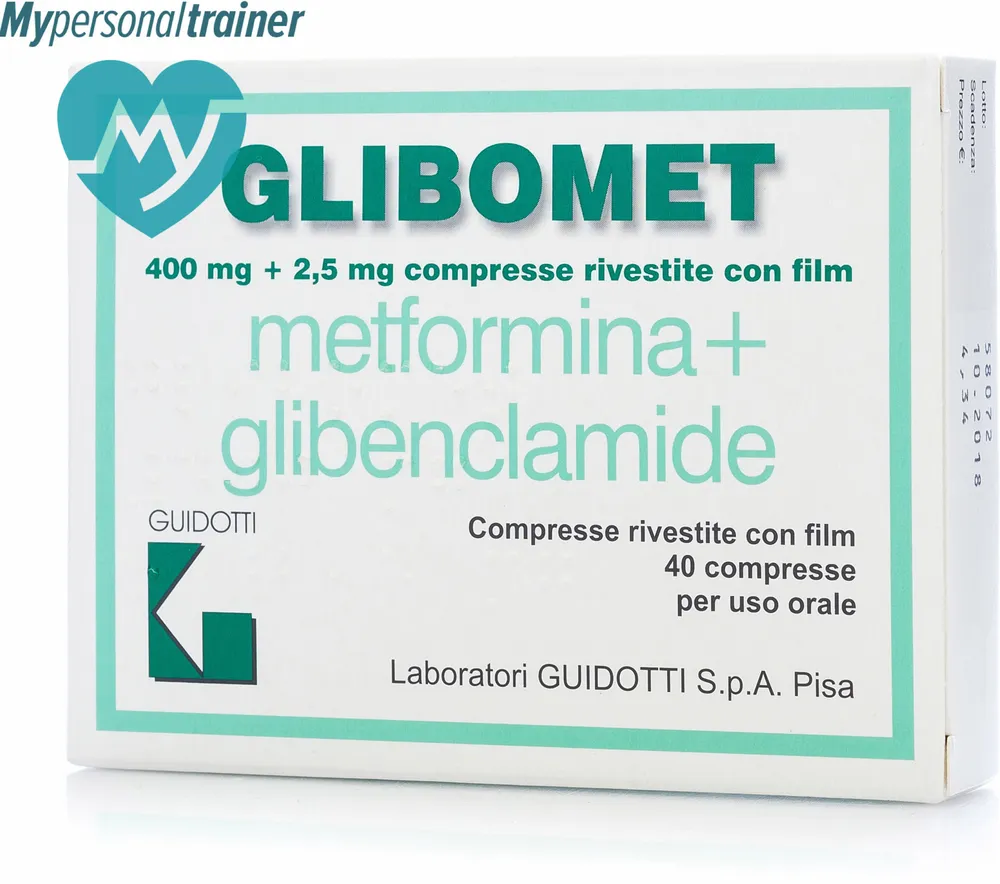
Table of Contents
- Package leaflet: Information for the user
- GLIBOMET 400 mg + 2.5 mg film-coated tablets
- 1. What GLIBOMET is and what it is used for
- 2. What you need to know before taking GLIBOMET
- 3. How to take GLIBOMET
- 4. Possible side effects
- 5. How to store GLIBOMET
- 6. Package contents and other information
- Package leaflet: information for the user
- GLIBOMET 400 mg + 5 mg film-coated tablets
- 2. What GLIBOMET is and what it is used for
- 2. What you need to know before taking GLIBOMET
- 3. How to take GLIBOMET
- 4. Possible side effects
- 5. How to store GLIBOMET
- 6. Package contents and other information
Package leaflet: Information for the user
GLIBOMET 400 mg + 2.5 mg film-coated tablets
metformin hydrochloride + glibenclamide
Read this leaflet carefully before taking this medicine because it contains
important information for you.
- Keep this leaflet. You may need to read it again.
- If you have any questions, ask your doctor or pharmacist.
- This medicine has been prescribed for you only. Do not give it to other people, even if they have the same symptoms as you, because it could be harmful.
- If you experience any side effect, including those not listed in this leaflet, talk to your doctor or pharmacist. See section 4.
Contents of this leaflet:
- What Glibomet is and what it is used for
- What you need to know before taking Glibomet
- How to take Glibomet
- Possible side effects
- How to store Glibomet
- Contents of the pack and other information
1. What GLIBOMET is and what it is used for
GLIBOMET contains glibenclamide (a medicine belonging to the sulphonylurea group) and
metformin (which belongs to the biguanide class).
GLIBOMET is indicated for the treatment of type 2 diabetes mellitus, a condition characterized by
high blood glucose levels due to reduced insulin production by the
pancreas.
GLIBOMET is indicated when diet alone, or diet combined with treatment with sulphonylureas or biguanides, does not provide adequate blood glucose control (amount of sugar in the blood).
2. What you need to know before taking GLIBOMET
Do not take GLIBOMET
- If you are allergic to metformin hydrochloride, glibenclamide, or other sulfonylureas, or to any of the other ingredients of this medicine (listed in section 6).
- If you have diabetes that developed during pregnancy (gestational diabetes).
- If you have Type 1 diabetes (insulin-dependent diabetes).
- If you have uncontrolled diabetes, for example with severe hyperglycemia (high blood glucose levels), nausea, vomiting, diarrhea, rapid weight loss, lactic acidosis (see below “Risk of lactic acidosis”) or ketoacidosis. Ketoacidosis is a condition in which substances called 'ketone bodies' accumulate in the blood and
can lead to a diabetic pre-coma. Symptoms include stomach pain,
rapid and deep breathing, drowsiness, or breath with an unusually fruity odor.
- If your liver function is impaired.
- If you have severely reduced kidney function.
- If you are being treated with other medicines such as diuretics or antihypertensives that may affect kidney function.
- If you have had serious heart or circulatory diseases (heart failure, cardiogenic or septic shock, recent myocardial infarction, unstable angina pectoris, peripheral arterial circulation disorders).
- If you suffer from severe respiratory diseases.
- If you have reduced adrenal function (i.e., reduced hormone production by the adrenal glands, organs located above the kidneys).
- If you consume large amounts of alcohol.
- If you are on a low-calorie diet, especially if you are fasting.
- In acute conditions that may affect kidney function, such as dehydration (e.g., due to severe and persistent diarrhea or repeated vomiting), severe and acute blood loss, or serious infections (e.g., respiratory or urinary tract infections).
- If you suffer from severe dystrophic diseases.
- If you have porphyria.
- In case of shock.
- In case of gangrene (a pathological condition characterized by tissue death due to lack of blood supply, often complicated by bacterial superinfection).
- In case of diabetic coma or pre-coma.
- If you are pregnant or breastfeeding.
- If you are using miconazole, even locally (a medicine for fungal infections). Do not use GLIBOMET within two days before or after surgery or diagnostic procedures requiring the use of iodinated contrast media (see “Other medicines and GLIBOMET”).
Warnings and precautions
Talk to your doctor or pharmacist before taking GLIBOMET.
Administration of glibenclamide, compared to treatment with metformin or gliclazide, has been associated with an increased risk of cardiovascular mortality based on results from epidemiological studies. An increased risk of cardiovascular mortality has been observed especially in patients with coronary diseases.
Always strictly follow your doctor's instructions regarding dosage, method of administration, diet, and physical activity during treatment with this medicine.
Risk of lactic acidosis
GLIBOMET may cause a very rare but very serious adverse effect called lactic acidosis, particularly if the kidneys are not functioning properly. The risk of developing lactic acidosis is higher in the presence of uncontrolled diabetes, severe infections, prolonged fasting, alcohol consumption, dehydration (see below for further information), liver problems, or any other medical condition characterized by reduced oxygen supply to part of the body (such as severe heart disease).
If you have any of the medical conditions listed above, consult your doctor for further advice.
Temporarily stop taking GLIBOMET if you develop a medical condition that may be associated with dehydration (significant loss of body fluids), such as severe vomiting, diarrhea, fever, heat exposure, or if you are drinking less fluid than usual. Consult your doctor for further instructions.
If you experience any of the symptoms of lactic acidosis, stop taking GLIBOMET and contact your doctor or go to the nearest hospital immediately, because lactic acidosis can lead to coma.
Symptoms of lactic acidosis include:
-
vomiting,
-
stomach pain (abdominal pain),
-
muscle cramps,
-
a general feeling of malaise associated with severe fatigue,
-
difficulty breathing,
-
reduced body temperature and slower heartbeat. Lactic acidosis is a medical emergency and must be treated in hospital. Kidney function During treatment with GLIBOMET, your doctor will check your kidney function at least once a year, or more frequently if you are elderly and/or if kidney function worsens. Hypoglycemia When using this product, it is very important to maintain a regular eating pattern (including breakfast), because otherwise there is a risk of low blood sugar levels (hypoglycemia). Regular intake of carbohydrates is important because the risk of low blood sugar increases with delayed meals, or insufficient or unbalanced carbohydrate intake. Low blood sugar levels are more likely to occur:
-
If you are elderly,
-
If you have an irregular diet, or your diet contains insufficient or unbalanced carbohydrates,
-
If you exercise more than usual,
-
If you drink alcohol,
-
If you are already taking other medicines that lower blood sugar (see section 2, “Other medicines and GLIBOMET”),
-
If you have liver or kidney disorders or certain hormonal disorders,
-
If your medicine dose is too high.
Patients aged 65 years or older are particularly sensitive to the hypoglycemic action of glibenclamide and are therefore at higher risk of hypoglycemia. In elderly patients, low blood sugar levels may be somewhat difficult to recognize. The initial and maintenance doses of glibenclamide must be carefully determined by your treating physician to avoid hypoglycemic reactions.
If you experience symptoms of hypoglycemia (e.g., headache, hunger, nausea, vomiting, fatigue, fainting, concentration disturbances, sleep disturbances, nervousness, aggression, decreased concentration and reaction ability, depression, confusion, speech disturbances, visual disturbances, tremor, paralysis, sensory disturbances such as tingling and prickling sensations (paresthesia), dizziness, delirium (altered consciousness), seizures, stupor, loss of consciousness, shallow breathing, and slowed heartbeat. sweating, cold and pale skin, feeling of fear and anxiety, rapid heartbeat, hypertension, palpitations, chest pain (angina pectoris), and cardiac rhythm disturbances.):
- First, take carbohydrates (honey, candies, biscuits, fruit juice).
- INFORM YOUR DOCTOR IMMEDIATELY, as in cases of severe hypoglycemia, which may lead to loss of consciousness, coma, or neurological symptoms, hospitalization may be necessary to restore blood glucose control. If you suffer from liver failure or severe renal failure, the effects in case of hypoglycemia may be prolonged. General advice: inform your family, friends, and colleagues to turn you on your side and ensure immediate medical assistance if you lose consciousness. If you lose consciousness, do not administer food or drinks, as this could cause choking. Possible metabolic decompensation If you have a wound, an infectious disease, fever, or are about to undergo surgery, or if you anticipate another stressful condition for your body, inform your doctor, who may consider temporary insulin therapy to maintain adequate metabolic control. Other warnings You must follow a special diet, with regular carbohydrate intake throughout the day. If you are overweight, continue with your weight-reducing diet. Regular physical activity is as important as taking GLIBOMET. Your doctor will regularly monitor certain blood parameters (blood glucose, HbA1c) and kidney function. Also inform your doctor: If you have a disease due to deficiency of an enzyme called glucose-6-phosphate dehydrogenase. Treatment with GLIBOMET may lead to anemia caused by destruction of red blood cells (hemolytic anemia). If you have infectious or febrile diseases, such as influenza, respiratory or urinary tract infections.
Treatment with GLIBOMET may cause decreased vitamin B12 levels in the blood: this may cause nerve disorders (peripheral neuropathy). If you have symptoms of reduced or low vitamin B12 levels in the blood, such as extreme tiredness (fatigue), painful and red tongue (glossitis), tingling (paresthesia), or pale or yellow skin (see "Possible side effects"), your doctor will check your blood vitamin B12 levels.
Children and adolescents
The use of this medicine in children and adolescents under 18 years of age is not recommended.
Other medicines and GLIBOMET
Inform your doctor or pharmacist if you are taking, have recently taken, or might take any other medicines.
Inform your doctor if you are being treated with:
- Miconazole, isavuconazole, fluconazole (medicines used to treat fungal infections),
- Phenylbutazone, corticosteroids (medicines used to treat inflammatory conditions),
- Cotrimoxazole, levofloxacin, clarithromycin, rifampicin, trimethoprim (antibiotics used for bacterial infections),
- Cyclophosphamide (a medicine used in the treatment of tumors and autoimmune immune system diseases),
- Pheniramidol (a muscle relaxant that reduces muscle tone),
- Danazol (a medicine that inhibits sex hormone production),
- Chlorpromazine (a medicine used to treat mental disorders),
- Tetracosactide (a medicine that stimulates the production of certain hormones),
- Adrenaline (a medicine that stimulates the heart),
- Perhexiline, captopril, enalapril, verapamil, diuretics, clonidine, reserpine, guanethidine, bosentan (medicines used to lower blood pressure),
- Cimetidine (a medicine used to treat ulcers, a stomach lesion),
- Dolutegravir (a medicine used to treat HIV),
- Ranolazine (a medicine used to treat heart disorders),
- Vandetanib, crizotinib, olaparib (medicines used to treat tumors),
- NSAIDs and coxibs (medicines used to treat inflammation, pain, and fever),
- Desmopressin (used to treat a type of diabetes and certain blood disorders),
- Colesevelam (a medicine that reduces cholesterol);
- Iodinated contrast media (a substance used in certain diagnostic tests).
GLIBOMET and alcohol
Avoid excessive alcohol consumption during treatment with GLIBOMET, as this may increase the risk of lactic acidosis and hypoglycemia (see section “Warnings and precautions”).
Consuming alcoholic beverages during treatment with GLIBOMET may cause a feeling of discomfort characterized by headache, low blood pressure, abdominal cramps, nausea, vomiting, flushing, and hypoglycemia (Antabuse-like effect).
This also applies to medicines containing alcohol.
Therefore, talk to your doctor about alcohol consumption during GLIBOMET therapy.
Pregnancy and breastfeeding
If you are pregnant, suspect you may be pregnant, plan to become pregnant, or are breastfeeding, consult your doctor before taking this medicine.
GLIBOMET must not be used during pregnancy or while breastfeeding (see section 2 “Do not take GLIBOMET”).
Driving and using machines
When using GLIBOMET, hypoglycemia may occur, which can lead to drowsiness and reduced ability to concentrate and react, as well as blurred vision (especially at the beginning of treatment). Before driving or operating machinery, consider these possibilities. Do not drive or operate machinery if you experience blurred vision or think hypoglycemia symptoms are starting.
GLIBOMET contains sodium
This medicine contains less than 1 mmol (23 mg) of sodium per tablet, i.e., essentially 'sodium-free'.
3. How to take GLIBOMET
Take this medicine exactly as directed by your doctor or pharmacist.
If you have any doubts, consult your doctor or pharmacist.
Dosage
The dosage must be individualized based on laboratory test results (blood glucose and HbA1c).
Adults with normal renal function
The recommended starting dose is 1 tablet with each of the two main meals.
The dosage may be gradually increased until blood glucose control is achieved. Thereafter, the dosage of GLIBOMET may be gradually reduced to the lowest effective dose required to maintain glycaemic control.
The maximum recommended daily dose is 6 tablets per day.
Renal impairment
Renal function should be assessed before starting treatment with medicines containing metformin and at least once a year thereafter. If there is a higher risk of progression of renal impairment, renal function should be monitored more frequently (e.g. every 3–6 months).
If you have reduced kidney function, your doctor may prescribe a lower dose.
Elderly
The recommended starting dose is 1 tablet.
Dosage must be adjusted according to renal function, which should be monitored regularly (see “Warnings and precautions”).
Maintenance dosage should be carefully adjusted to reduce the risk of hypoglycaemia.
If necessary, dose increases should be gradual. Treatment should be initiated and titrated using the lowest available dose (see “Warnings and precautions”).
Children and adolescents
The safety and efficacy of GLIBOMET in children and adolescents have not been established.
Method of administration
The tablets should be taken with meals, must not be chewed, and should be taken with sufficient liquid.
The score line on the tablet is intended to facilitate breaking the tablet if you have difficulty swallowing it whole.
The tablet cannot be divided into equal parts.
Consumption of food containing adequate amounts of sugar should follow each dose of the medicine to prevent the occurrence of hypoglycaemia.
If you take more GLIBOMET than you should
If you take more tablets than prescribed, lactic acidosis and hypoglycaemia (symptoms described in section 2: Lactic acidosis and Hypoglycaemia) may occur, as well as gastrointestinal disturbances.
Contact your doctor immediately.
Taking an excessive dose of Glibomet may lead to blood glucose levels becoming too low, resulting in symptoms of hypoglycaemia as described above in section 2 “What you need to know before taking Glibomet”. If symptoms of hypoglycaemia occur, immediately consume sugary foods and/or drinks. In more severe cases, intravenous glucose infusions will be required. Therefore, inform your doctor if you have taken more Glibomet than prescribed. Gastrointestinal adverse effects and symptoms of lactic acidosis may also occur (see section “What you need to know before taking Glibomet”).
If you forget to take GLIBOMET
Do not take a double dose to make up for the forgotten tablet.
If you stop taking GLIBOMET
If you stop taking Glibomet, your blood glucose levels may rapidly become too high, leading to worsening of diabetes symptoms such as marked hunger, excessive thirst, excessive urination, fatigue, and dry mouth.
Always consult your doctor before stopping treatment with GLIBOMET.
Consult your doctor before stopping treatment, as discontinuation should be gradual.
If you have any doubts about how to use this medicine, consult your doctor or pharmacist.
4. Possible side effects
Like all medicines, this medicine can cause side effects, although not everybody gets them.
The most common side effects occurring at the beginning of treatment are gastrointestinal disorders such as nausea, vomiting, diarrhoea, abdominal pain and loss of appetite.
In most cases, these effects resolve with continued treatment.
Low blood glucose levels at the beginning of treatment may result in transient visual disturbances.
GLIBOMET may cause a very rare (may affect up to 1 in 10,000 people) but very serious side effect called lactic acidosis (see section “Warnings and precautions”). If this condition occurs, you must stop taking GLIBOMET and contact your doctor or go immediately to the nearest hospital, because lactic acidosis can lead to coma.
Concomitant use of alcohol may contribute to the development of lactic acidosis.
The frequency of the side effects listed below is defined according to the following conventions:
Very common: may affect more than 1 in 10 people treated:
- Gastrointestinal disorders such as nausea, vomiting, diarrhoea, abdominal pain and loss of appetite.
Common: may affect up to 1 in 10 people treated
- Headache
- Taste disturbances
- Visual disturbances (transient)
- Reduced or low levels of vitamin B12 in the blood [symptoms may include extreme tiredness (fatigue), red and painful tongue (glossitis), tingling sensations (paraesthesias), or pale or yellowish skin]. Your doctor may prescribe some tests to determine the cause of your symptoms, as some of these may also be caused by diabetes or other unrelated health problems.
Uncommon: may affect up to 1 in 100 people treated
- Porphyria (impaired porphyrin metabolism, manifesting as excessive sensitivity of the skin to sunlight)
- Abnormal levels of urea and creatinine in the blood, affecting changes in kidney function
Rare: may affect up to 1 in 1,000 people treated
- Hypoglycaemia: hypoglycaemic events may occur, especially in elderly, weakened patients, during unusual physical stress, irregular eating habits, consumption of alcoholic beverages, or in case of impaired renal and/or hepatic function (see also “Warnings and precautions”)
- Itching, urticaria, maculopapular rash
- Reduction in white blood cell count (leucopenia), decreased platelet count (thrombocytopenia)
Very rare: may affect up to 1 in 10,000 people treated
- Lactic acidosis, alcohol intolerance (accompanied by symptoms such as general malaise, facial flushing, rapid heartbeat). Lactic acidosis may be favoured by concomitant alcohol ingestion.
- Reduction in the number of white blood cells – granulocytes in the blood (agranulocytosis), anaemia due to destruction of red blood cells (haemolytic anaemia), absence or insufficient production of new red blood cells in the bone marrow (bone marrow aplasia), reduction in the count of all types of blood cells (pancytopenia), acute destruction of red blood cells in patients with glucose-6-phosphate dehydrogenase deficiency (usually reversible).
- Low sodium levels.
- Allergic granulomatous angiitis (an autoimmune disease with allergy and bronchial asthma symptoms leading to inflammation of blood vessels), erythema multiforme (acute blistering disease of the skin and mucous membranes), exfoliative dermatitis (skin disease with blister formation), increased sensitivity of the skin to sunlight, urticaria, which may progress to shock.
- Inflammation of the liver (hepatitis), alterations in liver function tests.
Elderly
- Symptoms of low blood glucose levels may occur, especially in weakened patients, during unusual physical stress, with irregular eating habits, consumption of alcohol, or if kidney and/or liver function is impaired (see section “Warnings and Precautions”).
Reporting of side effects
If you experience any side effects, including those not listed in this leaflet, talk to your doctor or pharmacist. You can also report side effects directly via the national reporting system at the website
https://www.aifa.gov.it/content/segnalazioni-reazioni-avverse.
By reporting side effects, you can help provide more information on the safety of this medicine.
5. How to store GLIBOMET
Keep this medicine out of the sight and reach of children.
Do not use this medicine after the expiry date stated on the packaging. The expiry date (Exp) refers to the last day of that month. This medicine requires no special storage conditions.
Do not dispose of any medicine via wastewater or household waste. Ask your pharmacist how to dispose of medicines you no longer use. This will help protect the environment.
6. Package contents and other information
What GLIBOMET contains
Each film-coated tablet contains:
Active substances: Glibenclamide 2.5 mg and metformin hydrochloride 400 mg
Other components: Anhydrous colloidal silica, microcrystalline cellulose, macrogol 6000, povidone,
sodium croscarmellose, glyceryl dibehenate, magnesium stearate, Opadry White (hypromellose, titanium dioxide, talc, macrogol 6000).
Description of the appearance of GLIBOMET and package contents
Film-coated tablets, white to almost white, round, biconvex, with a score line on one side. The number "2.5" is printed on the smooth side; on one half of the side with the score line the letter "B" is printed, and on the other half the number "1".
Pack sizes of 40 and 60 film-coated tablets in opaque blisters.
Marketing Authorization Holder
Laboratori Guidotti S.p.A. - Via Livornese, 897 – PISA – La Vettola
Manufacturer
Berlin Chemie AG - Glienicker Weg 125 - 12489 Berlin – Germany.
A. Menarini Manufacturing Logistics and Services srl - Campo di Pile, L’Aquila.
Menarini – Von Heyden GmbH - Leipziger Strasse, 7 – 13 - Dresden – Germany.
Package leaflet: information for the user
GLIBOMET 400 mg + 5 mg film-coated tablets
metformin hydrochloride + glibenclamide
Please read this leaflet carefully before taking this medicine because it contains
important information for you.
- Keep this leaflet. You may need to read it again.
- If you have any questions, ask your doctor or pharmacist.
- This medicine has been prescribed for you only. Do not give it to others, even if their symptoms are the same as yours, as it could be harmful.
- If you experience any side effect, including those not listed in this leaflet, contact your doctor or pharmacist. See section 4.
Contents of this leaflet:
- What Glibomet is and what it is used for
- What you need to know before taking Glibomet
- How to take Glibomet
- Possible side effects
- How to store Glibomet
- Contents of the pack and other information
2. What GLIBOMET is and what it is used for
GLIBOMET contains glibenclamide (which belongs to the sulphonylurea group) and metformina (which belongs to the biguanide class). GLIBOMET is indicated for the treatment of type 2 diabetes mellitus, a condition characterized by high blood glucose levels due to reduced insulin production by the pancreas.
GLIBOMET is indicated when diet alone, or diet combined with treatment with sulphonylureas or biguanides, does not provide adequate blood glucose control (amount of sugar in the blood).
2. What you need to know before taking GLIBOMET
Do not take GLIBOMET
- If you are allergic to metformin hydrochloride, glibenclamide, or other sulfonylureas, or to any of the other ingredients of this medicine (listed in section 6).
- If you have diabetes that developed during pregnancy (gestational diabetes).
- If you have Type 1 diabetes (insulin-dependent diabetes).
- If you have uncontrolled diabetes, for example with severe hyperglycemia (high blood glucose levels), nausea, vomiting, diarrhea, rapid weight loss, lactic acidosis (see below "Risk of lactic acidosis") or ketoacidosis. Ketoacidosis is a condition in which substances called 'ketone bodies' accumulate in the blood and may lead to diabetic pre-coma. Symptoms include stomach pain, deep and rapid breathing, drowsiness, or breath with an unusually fruity odor.
- If your liver function is impaired.
- If you have severely reduced kidney function.
- If you are being treated with other medicines such as diuretics or antihypertensives that may affect kidney function.
- If you have had serious heart or circulatory conditions (heart failure, cardiogenic or septic shock, recent myocardial infarction, unstable angina pectoris, peripheral arterial circulation disorders).
- If you suffer from severe respiratory diseases.
- If you have reduced adrenal function (i.e., reduced hormone production by the adrenal glands, organs located above the kidneys).
- If you consume large amounts of alcohol.
- If you are on a low-calorie diet and especially if you are fasting.
- During acute conditions that may affect kidney function, such as dehydration (e.g., as a result of severe and persistent diarrhea or repeated vomiting), severe and acute blood loss, or serious infections (e.g., respiratory or urinary tract infections).
- If you suffer from severe dystrophic diseases.
- If you have porphyria.
- In case of shock.
- In case of gangrene (a pathological condition characterized by tissue death due to lack of blood supply, often complicated by bacterial superinfection).
- In case of diabetic coma or pre-coma.
- If you are pregnant or breastfeeding.
- If you are using miconazole, even locally (a medicine for fungal infections). Do not use GLIBOMET within two days before or after surgery or diagnostic procedures requiring the use of iodinated contrast media (see "Other medicines and GLIBOMET").
Warnings and precautions
Talk to your doctor or pharmacist before taking GLIBOMET.
Administration of glibenclamide, compared to treatment with metformin or gliclazide, has been associated with an increased risk of cardiovascular mortality according to epidemiological study results. An increased risk of cardiovascular mortality has been observed especially in patients with coronary artery disease.
Always strictly follow your doctor's instructions regarding dosage, method of administration, diet, and physical activity during treatment with this medicine.
Risk of lactic acidosis
GLIBOMET may cause a very rare but very serious side effect called lactic acidosis, particularly if the kidneys are not functioning properly. The risk of developing lactic acidosis is higher in the presence of uncontrolled diabetes, severe infections, prolonged fasting or alcohol consumption, dehydration (see below for further information), liver problems, or any other medical condition characterized by reduced oxygen supply to part of the body (such as severe heart disease).
If you have any of the above-mentioned medical conditions, consult your doctor for further instructions.
Temporarily stop taking GLIBOMET if you develop a medical condition that may be associated with dehydration (significant loss of body fluids), such as severe vomiting, diarrhea, fever, heat exposure, or if you are drinking less fluid than usual. Consult your doctor for further instructions.
If you experience any symptoms of lactic acidosis, stop taking GLIBOMET and contact your doctor or go to the nearest hospital immediately, because lactic acidosis can lead to coma.
Symptoms of lactic acidosis include:
- vomiting,
- stomach pain (abdominal pain),
- muscle cramps,
- a general feeling of malaise associated with severe fatigue,
- difficulty breathing,
- reduced body temperature and slower heart rate.
Lactic acidosis is a medical emergency and must be treated in hospital.
Kidney function
During treatment with GLIBOMET, your doctor will check your kidney function at least once a year, or more frequently if you are elderly and/or if kidney function worsens.
Hypoglycemia
When using this product, it is very important to maintain a regular eating schedule (including breakfast), as otherwise there is a risk of low blood sugar levels (hypoglycemia). Regular intake of carbohydrates is important because the risk of low blood sugar increases with delayed meals, insufficient or unbalanced carbohydrate intake. Low blood sugar levels are more likely to occur:
- If you are elderly,
- If you have an irregular diet, or your diet contains insufficient or unbalanced carbohydrates,
- If you exercise more than usual,
- If you drink alcohol,
- If you are already taking other medicines that lower blood sugar (see section 2, "Other medicines and GLIBOMET"),
- If you have liver or kidney disorders or certain hormonal disorders,
- If your medicine dose is too high.
Patients aged 65 years or older are particularly sensitive to the hypoglycemic effect of glibenclamide and are therefore at higher risk of hypoglycemia. In the elderly, low blood sugar levels may be somewhat difficult to recognize. The initial and maintenance doses of glibenclamide must be carefully determined by your treating physician to avoid hypoglycemic reactions.
If you experience symptoms of hypoglycemia (e.g., headache, hunger, nausea, vomiting, fatigue, fainting, concentration difficulties, sleep disturbances, nervousness, aggression, reduced concentration and reaction speed, depression, confusion, speech disturbances, visual disturbances, trembling, paralysis, sensory disturbances such as tingling or prickling sensations (paraesthesia), dizziness, delirium (altered consciousness), seizures, numbness, loss of consciousness, shallow breathing, and slowed heartbeat, sweating, cold and pale skin, feeling of fear and anxiety, rapid heartbeat, hypertension, palpitations, chest pain (angina pectoris), and heart rhythm disturbances):
- First, take carbohydrates (honey, candies, biscuits, fruit juice).
- INFORM YOUR DOCTOR IMMEDIATELY, as in cases of severe hypoglycemia, which may lead to loss of consciousness, coma, or neurological symptoms, hospitalization may be necessary to restore blood glucose control. If you suffer from liver failure or severe renal failure, the effects of hypoglycemia may be prolonged.
General advice: Inform your family, friends, and colleagues to turn you on your side and ensure immediate medical assistance if you lose consciousness. If you lose consciousness, do not give food or drinks, as this could cause choking.
Possible metabolic decompensation
If you have a wound, an infectious disease, fever, or are about to undergo surgery, or expect another stressful condition for your body, inform your doctor, who may consider temporary insulin therapy to maintain adequate metabolic control.
Other warnings
You must follow a special diet, with regular carbohydrate intake throughout the day. If you are overweight, continue your weight-reducing diet. Regular physical activity is as important as taking GLIBOMET. Your doctor will regularly monitor certain blood parameters (blood glucose, HbA1c) and kidney function. Also inform your doctor:
If you have a disease due to deficiency of an enzyme called glucose-6-phosphate dehydrogenase. Treatment with GLIBOMET may lead to anemia caused by destruction of red blood cells (hemolytic anemia).
If you have infectious or febrile diseases, such as influenza, respiratory or urinary tract infections.
Treatment with GLIBOMET may cause decreased vitamin B12 levels in the blood: this may lead to nerve disorders (peripheral neuropathy). If you have symptoms of low or reduced vitamin B12 levels in the blood, such as extreme fatigue (tiredness), painful and red tongue (glossitis), tingling (paresthesia), or pale or yellowish skin (see "Possible side effects"), your doctor will check your blood vitamin B12 levels.
Children and adolescents
The use of this medicine in children and adolescents under 18 years of age is not recommended.
Other medicines and GLIBOMET
Inform your doctor or pharmacist if you are taking, have recently taken, or might take any other medicines.
Inform your doctor if you are being treated with:
- Miconazole, isavuconazole, fluconazole (medicines used to treat fungal infections),
- Phenylbutazone, corticosteroids (medicines used to treat inflammatory conditions),
- Cotrimoxazole, levofloxacin, clarithromycin, rifampicin, trimethoprim (antibiotics used for bacterial infections),
- Cyclophosphamide (a medicine used in the treatment of tumors and autoimmune immune system diseases),
- Pheniramidol (a muscle relaxant that reduces muscle tone),
- Danazol (a medicine that inhibits sex hormone production),
- Chlorpromazine (a medicine used to treat mental disorders),
- Tetracosactide (a medicine that stimulates the production of certain hormones),
- Adrenaline (a medicine that stimulates the heart),
- Perhexiline, captopril, enalapril, verapamil, diuretics, clonidine, reserpine, guanethidine, bosentan (medicines used to lower blood pressure),
- Cimetidine (a medicine used to treat ulcers, stomach lesions),
- Dolutegravir (a medicine used to treat HIV),
- Ranolazine (a medicine used to treat heart disorders),
- Vandetanib, crizotinib, olaparib (medicines used to treat tumors),
- NSAIDs and coxibs (medicines used to treat inflammation, pain, and fever),
- Desmopressin (used to treat a type of diabetes and certain blood disorders),
- Colesevelam (a medicine that reduces cholesterol),
- Iodinated contrast media (a substance used in certain diagnostic tests).
GLIBOMET and alcohol
Avoid excessive alcohol consumption during treatment with GLIBOMET, as this may increase the risk of lactic acidosis and hypoglycemia (see section "Warnings and precautions").
Consumption of alcoholic beverages during treatment with GLIBOMET may cause a feeling of discomfort characterized by headache, low blood pressure, abdominal cramps, nausea, vomiting, flushing, and hypoglycemia (Antabuse-like effect).
This also applies to medicines containing alcohol.
Therefore, talk to your doctor about alcohol consumption during treatment with GLIBOMET.
Pregnancy and breastfeeding
If you are pregnant, suspect you may be pregnant, plan to become pregnant, or are breastfeeding, consult your doctor before taking this medicine.
GLIBOMET must not be used during pregnancy or while breastfeeding (see section 2 "Do not take GLIBOMET").
Driving and using machines
When using GLIBOMET, hypoglycemia may occur, which can lead to drowsiness and reduced ability to concentrate and react, as well as blurred vision (especially at the beginning of treatment). Before driving or operating machinery, consider these possibilities. Do not drive or operate machinery if you experience blurred vision or if you feel symptoms of hypoglycemia starting.
GLIBOMET contains sodium
This medicine contains less than 1 mmol (23 mg) of sodium per tablet, i.e., essentially 'sodium-free'.
3. How to take GLIBOMET
Take this medicine exactly as directed by your doctor or pharmacist.
If you have any doubts, consult your doctor or pharmacist.
Dosage
The dosage must be individualized based on laboratory test results (blood glucose and HbA1c).
Adults with normal renal function
The recommended starting dose is 1 tablet with each of the two main meals.
The dosage may be gradually increased until blood glucose control is achieved. Afterwards, the dosage of GLIBOMET may be gradually reduced to the lowest effective dose required to maintain glycemic control.
The maximum recommended daily dose is 3 tablets.
Renal impairment
Renal function should be assessed before starting treatment with medicines containing metformin and at least once a year thereafter. If there is an increased risk of worsening renal impairment, renal function should be monitored more frequently (e.g., every 3–6 months).
If you have reduced kidney function, your doctor may prescribe a lower dose.
Elderly
The recommended starting dose is 1 tablet.
Dosage must be adjusted according to renal function, which should be monitored regularly (see “Warnings and precautions”).
Maintenance dosage should be carefully adjusted to reduce the risk of hypoglycemia.
If necessary, dose increases should be gradual. Treatment should be initiated and titrated starting with the lowest available dose (see “Warnings and precautions”).
Children and adolescents
The safety and efficacy of GLIBOMET in children and adolescents have not been established.
Method of administration
The tablets should be taken with meals, must not be chewed, and should be taken with sufficient fluid.
The score line on the tablet is intended to facilitate breaking the tablet if you have difficulty swallowing it whole.
The tablet cannot be divided into equal parts.
After each dose, you should consume food containing sufficient carbohydrates to prevent the onset of hypoglycemia.
If you take more GLIBOMET than you should
If you take more tablets than prescribed, you may develop lactic acidosis and hypoglycemia (symptoms described in section 2 under “Lactic acidosis” and “Hypoglycemia”), as well as gastrointestinal disturbances.
Contact your doctor immediately.
Taking an excessive dose of Glibomet may lead to very low blood glucose levels, causing symptoms of hypoglycemia as described above in section 2 “What you should know before taking Glibomet”. If symptoms of hypoglycemia occur, take sugary food and/or drinks immediately; in more severe cases, intravenous glucose infusions will be required. Therefore, inform your doctor if you have taken more Glibomet than prescribed. Gastrointestinal adverse effects and symptoms of lactic acidosis may also occur (see section “What you should know before taking Glibomet”).
If you forget to take GLIBOMET
Do not take a double dose to make up for the forgotten tablet.
If you stop taking GLIBOMET
If you stop taking GLIBOMET, your blood glucose levels may soon become too high, leading to worsening of diabetes symptoms such as marked hunger, excessive thirst, frequent urination, fatigue, and dry mouth.
Always consult your doctor before stopping treatment with GLIBOMET.
Before stopping treatment, consult your doctor, as discontinuation should be gradual.
If you have any questions about how to use this medicine, ask your doctor or pharmacist.
4. Possible side effects
Like all medicines, this medicine can cause side effects, although not everybody gets them.
The most common side effects occurring at the beginning of treatment are gastrointestinal disorders such as nausea, vomiting, diarrhoea, abdominal pain, and loss of appetite.
In most cases, these effects resolve with continued treatment.
Low blood glucose levels at the beginning of treatment may result in transient visual disturbances.
GLIBOMET may cause a very rare (may occur in up to 1 in 10,000 people) but very serious side effect called lactic acidosis (see section “Warnings and precautions”). If this condition occurs, you must stop taking GLIBOMET and contact your doctor or go immediately to the nearest hospital, because lactic acidosis can lead to coma.
Concomitant use of alcohol may contribute to the development of lactic acidosis.
The frequency of the side effects listed below is defined according to the following conventions:
Very common: may occur in more than 1 in 10 treated patients:
- Gastrointestinal disorders such as nausea, vomiting, diarrhoea, abdominal pain, and loss of appetite.
Common: may occur in up to 1 in 10 treated patients
- Headache
- Taste disturbances
- Visual disturbances (transient)
- Reduced or low levels of vitamin B12 in the blood [symptoms may include extreme tiredness (fatigue), red and painful tongue (glossitis), tingling sensations (paraesthesias), or pale or yellowish skin]. Your doctor may prescribe some tests to determine the cause of your symptoms, as some of these may also be caused by diabetes or other unrelated health problems.
Uncommon: may occur in up to 1 in 100 treated patients
- Porphyria (impaired porphyrin metabolism resulting in excessive sensitivity of the skin to sunlight)
- Abnormal levels of urea and creatinine in the blood, affecting changes in kidney function
Rare: may occur in up to 1 in 1,000 treated patients
- Hypoglycaemia: hypoglycaemic events may occur, especially in elderly debilitated patients, during unusual physical stress, irregular eating habits, consumption of alcoholic beverages, or in case of impaired renal and/or hepatic function (see also “Warnings and precautions”)
- Itching, urticaria, maculopapular rash
- Reduction in the number of white blood cells (leucopenia), decreased platelet count (thrombocytopenia).
Very rare: may occur in up to 1 in 10,000 treated patients
- Lactic acidosis, alcohol intolerance (accompanied by symptoms such as general malaise, facial flushing, rapid heartbeat). Lactic acidosis may be favoured by concomitant ingestion of alcohol.
- Reduction in the number of white blood cells - granulocytes in the blood (agranulocytosis), anaemia due to destruction of red blood cells (haemolytic anaemia), absence or insufficient production of new red blood cells in the bone marrow (aplastic anaemia), reduction in all types of blood cells (pancytopenia), acute destruction of red blood cells in patients with glucose-6-phosphate dehydrogenase deficiency (usually reversible).
- Low sodium levels.
- Allergic granulomatous angiitis (an autoimmune disease with allergy and bronchial asthma symptoms leading to inflammation of blood vessels), erythema multiforme (an acute blistering disease of the skin and mucous membranes), exfoliative dermatitis (a skin disease with blister formation), increased sensitivity of the skin to sunlight, urticaria, which may progress to shock.
- Inflammation of the liver (hepatitis), changes in liver function tests.
Elderly
- Symptoms of low blood glucose levels may occur, especially in debilitated patients, during unusual physical exertion, with irregular eating habits, consumption of alcohol, or in case of impaired kidney and/or liver function (see section “Warnings and Precautions”).
Reporting of side effects
If you experience any side effects, including those not listed in this leaflet, talk to your doctor or pharmacist. You may also report side effects directly via the national reporting system at the website
https://www.aifa.gov.it/content/segnalazioni-reazioni-avverse.
By reporting side effects, you can help provide more information on the safety of this medicine.
5. How to store GLIBOMET
Keep this medicine out of the sight and reach of children.
Do not use this medicine after the expiry date stated on the packaging. The expiry date (Exp) refers to the last day of that month. This medicine requires no special storage conditions.
Do not dispose of medicines via wastewater or household waste. Ask your pharmacist how to dispose of medicines you no longer use. This will help protect the environment.
6. Package contents and other information
What GLIBOMET contains
Each film-coated tablet contains:
Active substances: Glibenclamide 5 mg and metformin hydrochloride 400 mg.
Other components: Anhydrous colloidal silica, macrogol 6000, povidone, sodium croscarmellose, microcrystalline cellulose, glycerol dibehenate, magnesium stearate, Opadry White (hydroxypropyl methylcellulose, titanium dioxide, talc, macrogol 6000).
Description of the appearance of GLIBOMET and package contents
Film-coated tablets, white to almost white, round, biconvex, with a score line on one side. On the smooth side, the number “5” is printed; on one half of the side with the score line the letter “B” is printed, and on the other half the number “3” is printed.
Pack sizes of 40 and 60 film-coated tablets in opaque blisters.
Marketing Authorization Holder
Laboratori Guidotti S.p.A. - Via Livornese, 897 – PISA – La Vettola
Manufacturer
Berlin Chemie AG - Glienicker Weg 125 - 12489 Berlin – Germany.
A. Menarini Manufacturing Logistics and Services srl - Campo di Pile, L’Aquila.
Menarini – Von Heyden GmbH - Leipziger Strasse, 7 – 13 - Dresden – Germany.