Gliben
Italy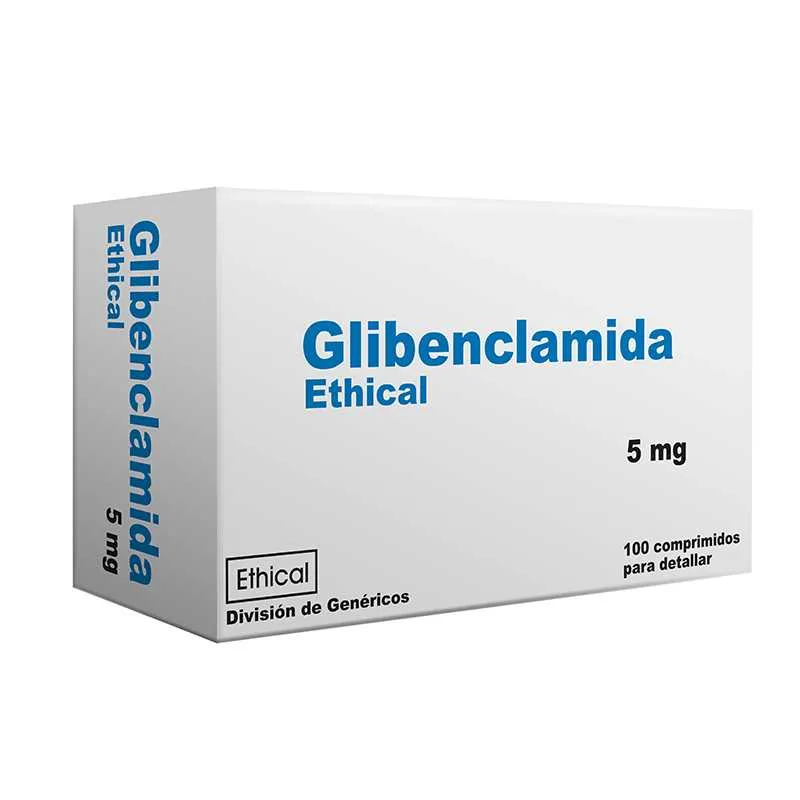
GLIBEN 5 mg tablets
GLIBENCLAMIDE
Pharmacotherapeutic category
Oral hypoglycaemic
Therapeutic indications
Symptomatic diabetes mellitus in adults
Contraindications
Gliben is contraindicated:
- In patients with hypersensitivity to the active substance or to any of the excipients.
- In patients with insulin-dependent diabetes, type 1 (e.g. diabetics with a history of ketoacidosis)
- In the treatment of diabetic ketoacidosis
- In the treatment of diabetic coma or pre-coma
- In patients with severe renal dysfunction
- In patients with severe hepatic dysfunction
- During pregnancy (see "Pregnancy and lactation")
- During lactation (see "Pregnancy and lactation")
- In patients with adrenal insufficiency
- In patients treated with bosentan (see "Interactions").
Precautions for use
The use of oral hypoglycaemic agents of the sulphonylurea group should be limited to patients with symptomatic adult-onset, non-ketotic diabetes mellitus not controlled by diet alone, and in whom insulin administration is not indicated.
Clinical signs of hyperglycaemia include: increased frequency of urination, intense thirst, dry mouth and dry skin.
To achieve the therapeutic goal with Gliben – namely optimal control of glycaemia – in addition to regular intake of Gliben, equally important factors include a proper diet, sufficient and regular physical exercise, and, if necessary, body weight reduction.
During Gliben therapy, blood and urine glucose levels should be monitored regularly. Periodic assessment of glycated haemoglobin concentration is also recommended.
Monitoring of blood and urine glucose levels also serves to identify therapeutic failure – either primary or secondary.
At the beginning of therapy, the patient must be informed about the effects and risks of Gliben and its interaction with dietary measures and physical exercise; the importance of adequate cooperation should also be emphasized.
Therefore, when treating with any hypoglycaemic drug, both the patient and the physician must be aware of the risk of hypoglycaemia.
Factors favouring hypoglycaemia include:
- Lack of willingness or, more frequently in elderly patients, inability of the patient to cooperate;
- Inadequate nutrition, irregular meal times or skipped meals;
- Imbalance between physical exertion and carbohydrate intake;
- Changes in diet;
- Impaired renal function;
- Severe hepatic dysfunction;
- Overdose (of Gliben);
- Uncompensated endocrine disorders affecting carbohydrate metabolism or counter-regulation of hypoglycaemia (e.g. certain thyroid disorders, pituitary or adrenal insufficiency);
- Concomitant administration of certain drugs (see "Interactions");
- Treatment with Gliben without proper indication.
The patient must inform the physician of such factors and of hypoglycaemic episodes, as these indicate the need for particularly careful monitoring. If necessary, the dosage of Gliben or the entire therapy should be modified. This also applies in cases of intercurrent illnesses or changes in the patient's lifestyle.
Symptoms of hypoglycaemia due to adrenergic counter-regulation (see "Undesirable effects") may be milder or absent when hypoglycaemia develops slowly, in the presence of autonomic neuropathy, or when the patient is receiving beta-blockers, clonidine, reserpine, guanethidine or other sympatholytic drugs.
In case of hypoglycaemic manifestations (see "Undesirable effects"), administer carbohydrates (glucose or sugar, e.g. as sugar cubes, sweetened tea or fruit juices); in more severe cases, which rarely may progress to loss of consciousness, a slow intravenous infusion of glucose solution is required.
For this reason, the patient must always carry at least 20 grams of glucose. Patients may require assistance from others to avoid complications.
Artificial sweeteners are not effective in controlling hypoglycaemia.
Hypoglycaemia may recur despite successful initial countermeasures. Therefore, patients must remain under observation.
Severe hypoglycaemia, or a prolonged episode of hypoglycaemia that is only temporarily controlled with normal amounts of sugar, requires immediate treatment and monitoring by a physician and, in some cases, hospitalization.
If patients are treated by a physician other than their usual one (e.g. during hospitalization, after an accident, or due to illness during holidays), they must inform the physician of their diabetic condition and previous therapy.
In concomitance with trauma, surgical procedures, infectious or febrile illnesses, temporary insulin therapy may be necessary to maintain adequate metabolic control.
ELDERLY
Patients aged 65 years or older are particularly sensitive to the hypoglycaemic action of glibenclamide and are therefore at higher risk of hypoglycaemia. In the elderly, low blood sugar levels may be difficult to recognize. The initial and maintenance doses of glibenclamide must be carefully determined by the physician to avoid hypoglycaemic reactions.
It is known that the drug is primarily excreted by the kidneys, and the risk of toxic reactions to this drug may be greater in patients with impaired renal function. Since elderly patients may have reduced renal function, care should be taken in dose selection, and monitoring of renal function may be useful (see "Dosage, method and timing of administration").
Interactions
Combinations not recommended
Bosentan:
An increased incidence of elevated liver enzymes has been observed in patients receiving concomitant bosentan and glibenclamide.
Both glibenclamide and bosentan inhibit the bile salt transport pump, leading to intracellular accumulation of cytotoxic bile salts. Therefore, this combination must not be used.
To be considered
Patients who start or stop therapy while being treated with Gliben may experience changes in glycaemic control.
An enhanced hypoglycaemic effect, and thus in some cases hypoglycaemia, may occur during concomitant therapy with other drugs such as:
insulin and other oral antidiabetics, ACE inhibitors, anabolic steroids and male sex hormones, chloramphenicol, coumarin derivatives, cyclophosphamide, disopyramide, fenfluramine, pheniramidol, fibrates, fluoxetine, ifosfamide, MAO inhibitors, miconazole, para-aminosalicylic acid, pentoxifylline (parenterally at high doses), phenylbutazone, azapropazone, oxyphenbutazone, probenecid, quinolones, salicylates, sulfinpyrazone, sulfonamides, sympatholytic drugs such as beta-blockers and guanethidine, clarithromycin, tetracyclines, tritoqualine, trofosfamide.
A reduced hypoglycaemic effect, and thus increased glycaemia, may occur during concomitant administration of other drugs such as:
acetazolamide, barbiturates, corticosteroids, diazoxide, diuretics, adrenaline and other sympathomimetic drugs, glucagon, laxatives (after prolonged use), nicotinic acid (at high doses), oestrogens and progestogens, phenothiazines, phenytoin, thyroid hormones, rifampicin.
H2-antagonists, clonidine and reserpine may lead to either enhancement or reduction of the hypoglycaemic effect.
Occasional or chronic alcohol consumption may unpredictably enhance or reduce the hypoglycaemic effect of glibenclamide.
Glibenclamide may enhance or reduce the effect of coumarin derivatives.
Glibenclamide may increase plasma concentrations of cyclosporine and potentially lead to increased toxicity. Therefore, monitoring and dose adjustment of cyclosporine are recommended when both drugs are administered concomitantly.
Colesevelam binds to glibenclamide and reduces its absorption from the gastrointestinal tract. No interaction was observed when glibenclamide was taken at least 4 hours before colesevelam. Therefore, glibenclamide should be administered at least 4 hours before colesevelam.
In patients treated with sulphonylureas, antabuse-like reactions after ingestion of alcoholic beverages should be considered.
Special warnings
Treatment with sulphonylureas in patients with G6PD deficiency may lead to haemolytic anaemia.
Therefore, glibenclamide should be used with caution in such patients and alternative therapeutic options should be considered.
Individuals allergic to other sulphonamide derivatives may also experience allergic reactions to glibenclamide.
ELDERLY
Age 65 years or older has been identified as a risk factor for hypoglycaemia in patients treated with sulphonylureas. Hypoglycaemia may be difficult to recognize in the elderly. The initial and maintenance doses of glibenclamide must be carefully determined by the physician to avoid hypoglycaemic reactions (see "Precautions for use").
The medicine contains lactose; therefore, in case of diagnosed sugar intolerance, contact your physician before taking the medicine.
Pregnancy and lactation
Gliben must not be administered during pregnancy.
The patient must switch to insulin therapy during pregnancy.
Patients planning pregnancy must inform their physician. Insulin therapy is recommended for such patients.
Malformations have been observed in children of women treated with glibenclamide during pregnancy.
A causal relationship with glibenclamide cannot be excluded. In this context, it must be emphasized that it is known that the incidence of malformations is increased in cases of uncontrolled diabetes – regardless of the type of therapy used.
To prevent possible exposure via breast milk, Gliben must not be administered to women during lactation. If necessary, the patient must switch to insulin therapy or discontinue breastfeeding.
Effects on ability to drive and use machines
Vigilance and reaction ability may be impaired by episodes of hypoglycaemia or hyperglycaemia, particularly at the beginning of treatment, after changes in therapeutic regimen, or when the drug is not taken regularly. This may affect the ability to drive vehicles or use machinery.
Dosage, method and timing of administration
Gliben is supplied as 5 mg tablets, divisible in half. Dosage must be established and adjusted by the treating physician.
Generally, treatment is started with one tablet per day. However, if the patient has never previously been treated with other oral hypoglycaemics, it is advisable to start with half a tablet. In any case, subsequent increases in daily dose should only be made after a new clinical evaluation.
When replacing Gliben with other sulphonylureas, note that the effect of one tablet (5 mg) corresponds approximately to that of 1 g of tolbutamide. Tablets should be taken 30 minutes before meals with some water.
Doses up to two tablets per day may be taken at once, with the first breakfast; if breakfast is small, they may be taken at lunch. For higher doses, the remainder should be taken with the evening meal.
Elderly
Patients aged 65 years or older: initial and maintenance doses of glibenclamide must be carefully adjusted to reduce the risk of hypoglycaemia. Treatment should be initiated with the lowest available dose and gradually increased if necessary (see "Precautions for use").
Overdose
Signs and symptoms
Acute overdose, as well as long-term therapy with excessively high doses of glibenclamide, may lead to severe, prolonged hypoglycaemia that may endanger the patient's life.
Treatment
When an overdose is identified, it is important to immediately inform a physician. The patient must immediately ingest sugar, preferably as glucose, unless a physician has already taken responsibility for managing the overdose.
Careful monitoring is essential until the physician considers the patient out of danger. It should be noted that hypoglycaemia and its symptoms may recur even after initial recovery.
Hospitalization may sometimes be necessary, even as a precaution. In particular, a significant overdose and severe reactions with symptoms such as loss of consciousness or other neurological disturbances constitute a medical emergency and require immediate treatment and hospitalization.
For example, if a patient is unconscious, intravenous administration of a concentrated glucose solution is indicated (e.g. for adults, starting with 40 mL of a 20% solution). Alternatively, glucagon administration may be considered, e.g. at doses of 0.5 to 1 mg i.v., s.c. or i.m.
In particular, treatment of hypoglycaemia in neonates and children requires careful adjustment of the administered glucose dose to avoid dangerous hyperglycaemia, with constant monitoring of blood glucose levels.
For patients who have ingested dangerous amounts of Gliben, drug detoxification is required (e.g. gastric lavage or activated charcoal).
After acute administration of glucose, a glucose infusion at lower concentrations is usually required to prevent recurrence of hypoglycaemia. The patient's blood glucose must be closely monitored for 24 hours. In severe cases with prolonged hypoglycaemia, or risk of recurrence, hypoglycaemia may persist for several days.
Undesirable effects
Hypoglycaemia
Hypoglycaemic phenomena may occur, although rarely, during therapy with sulphonylureas, especially in debilitated individuals, the elderly, during unusual physical exertion, irregular eating habits or consumption of alcoholic beverages, or in cases of impaired renal and/or hepatic function.
The first symptoms of hypoglycaemia are generally headache, irritability and nervous depression, sleep disturbances, tremor, profuse sweating. In such cases, the physician should be promptly informed, who must also be informed in case of intercurrent febrile illnesses or digestive disturbances.
As a consequence of the hypoglycaemic effect of Gliben, hypoglycaemia may occur, sometimes prolonged, endangering the patient's life. This occurs when there is an imbalance between the dosage of Gliben, carbohydrate intake in the diet, physical exercise and other factors affecting metabolism.
Elderly patients are particularly sensitive to the blood glucose-lowering action of hypoglycaemic drugs (see "Precautions for use").
Possible symptoms of hypoglycaemia include: headache, uncontrollable hunger, nausea, vomiting, fatigue, disturbed sleep, agitation, aggression, impaired concentration, vigilance and reaction ability, depression, confusion, speech disturbances, aphasia, visual disturbances, tremor, paresis, sensory disturbances, dizziness, feeling of helplessness, loss of self-control, delirium, cerebral seizures, drowsiness and loss of consciousness up to coma, shallow breathing and bradycardia.
Additionally, signs of adrenergic counter-regulation may be present, such as sweating, moist skin, anxiety, tachycardia, hypertension, palpitations, angina pectoris and cardiac arrhythmias.
The clinical picture of a severe hypoglycaemic attack may resemble that of a stroke.
Symptoms of hypoglycaemia almost always disappear with correction of hypoglycaemia.
Eye disorders
Especially at the beginning of therapy, temporary visual disturbances may occur due to changes in glycaemia. This is caused by a temporary alteration in the turgidity, and thus refractive index, of the lens, dependent on blood glucose levels.
Gastrointestinal disorders
Occasionally, gastrointestinal disturbances such as nausea, vomiting, sensation of epigastric fullness or pressure, abdominal pain and diarrhoea may occur.
However, despite continuation of therapy, these symptoms often disappear and generally do not require discontinuation of Gliben treatment.
In isolated cases, there may be an increase in liver enzymes and also impaired liver function (e.g. with cholestasis and jaundice) and hepatitis, which may resolve after discontinuation of Gliben, although they may lead to hepatic failure endangering the patient's life.
Haematopoietic and lymphatic system disorders
Changes in blood parameters that may endanger the patient's life may occur. These may include, rarely, mild to severe thrombocytopenia (e.g. presenting as purpura) and, in isolated cases, haemolytic anaemia, erythrocytopenia, leucopenia, granulocytopenia, agranulocytosis and pancytopenia (e.g. due to myelosuppression). In principle, such reactions are reversible upon discontinuation of Gliben.
Immune system disorders
Occasionally, allergic or pseudoallergic reactions may occur, e.g. as pruritus or skin rash. In isolated cases, mild reactions such as urticaria and angioedema may progress to severe, life-threatening reactions with dyspnoea and hypotension, sometimes progressing to shock. Therefore, in case of urticaria and angioedema, the physician must be informed immediately.
A hypersensitivity reaction may be due to glibenclamide, but may also be caused by one of the excipients. An allergy to sulphonamide derivatives may also be responsible for an allergic reaction to glibenclamide.
In isolated cases, allergic vasculitis may occur, which in some cases may endanger the patient's life. In isolated cases, photosensitivity of the skin may occur and serum sodium concentrations may decrease.
Skin and subcutaneous tissue disorders
Rash, pruritus, urticaria, angioedema, erythema, maculopapular eruptions, bullous reactions, erythema multiforme and exfoliative dermatitis may occur, frequency not known.
Following the instructions contained in this leaflet reduces the risk of undesirable effects.
It is important to inform the physician or pharmacist of any undesirable effect not described in this leaflet.
Expiry date and storage
Expiry date: see date on the packaging.
The expiry date indicated refers to the product in intact packaging, correctly stored.
ATTENTION: do not use the medicine after the expiry date stated on the packaging.
Medicines must not be disposed of via wastewater or household waste. Ask your pharmacist how to dispose of medicines no longer in use. This will help protect the environment.
Keep the medicine out of the sight and reach of children.
Composition
Each tablet contains:
Active substance
Glibenclamide 5 mg
Excipients
Maize starch, microcrystalline cellulose, monohydrate lactose, magnesium stearate, talc.
Pharmaceutical form and content
Tablets. 30 tablets
Marketing Authorization Holder and Manufacturer
ABIOGEN PHARMA S.p.A.
Via Meucci, 36 – Ospedaletto - Pisa