Gentamicin sulfate Fisiopharma
Italy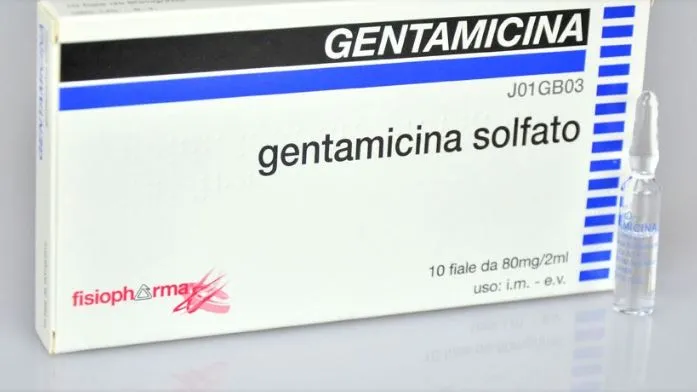
Table of Contents
- Package leaflet: Information for the user
- GENTAMICIN SULFATE FISIOPHARMA 40 mg/2 ml injectable solution, 80 mg/2 ml injectable solution
- 1. What GENTAMICINA SOLFATO FISIOPHARMA is and what it is used for
- 2. What you need to know before using GENTAMICINA SOLFATO FISIOPHARMA
- 3. How to use GENTAMICIN SULFATE FISIOPHARMA
- 4. Possible side effects
- 5. How to store GENTAMICIN SULFATE FISIOPHARMA
- 6. Package contents and other information
Package leaflet: Information for the user
GENTAMICIN SULFATE FISIOPHARMA 40 mg/2 ml injectable solution, 80 mg/2 ml injectable solution
Gentamicin sulfate
Equivalent medicine
Please read this leaflet carefully before using this medicine because it contains important information for you.
- Keep this leaflet. You may need to read it again.
- If you have any questions, ask your doctor, pharmacist, or nurse.
- This medicine has been prescribed for you only. Do not give it to other people, even if their symptoms are the same as yours, as it may be harmful.
- If you experience any adverse reactions, including those not listed in this leaflet, contact your doctor, pharmacist, or nurse. See section 4.
Contents of this leaflet:
- What GENTAMICIN SULFATE FISIOPHARMA is and what it is used for
- What you need to know before using GENTAMICIN SULFATE FISIOPHARMA
- How to use GENTAMICIN SULFATE FISIOPHARMA
- Possible side effects
- How to store GENTAMICIN SULFATE FISIOPHARMA
- Contents of the pack and other information
1. What GENTAMICINA SOLFATO FISIOPHARMA is and what it is used for
GENTAMICINA SOLFATO FISIOPHARMA contains the active substance gentamicin sulfate, which belongs to a group of medicines called aminoglycoside antibiotics, used against bacterial infections.
This medicine is used to treat infections of:
- the respiratory tract, bronchi, lungs, and lung lining (bronchitis, bronchopneumonia, lobar pneumonia, pleurisy, empyema);
- the urinary tract (cystitis, pyelitis, cystopyelitis, pyelonephritis, urethritis, prostatitis, vesiculitis, infected calculi of the renal pelvis, ureter, and bladder);
- spreading into the bloodstream and throughout the entire organism (bacteraemia, septicaemia, septopyaemia, neonatal sepsis);
- the nervous system (meningitis, meningoencephalitis);
- those occurring during surgical procedures (abscesses, phlegmons, osteomyelitis, traumatic infections);
- the throat, ear, nasal cavities, and tonsils (suppurative otitis media, sinusitis, mastoiditis, tonsillitis, pharyngotonsillitis);
- the female genital tract (septic abortion, metritis, parametritis, salpingitis, salpingo-oophoritis, pelvic peritonitis) and breast (mastitis);
- those that may occur following severe skin burns or during skin grafts.
GENTAMICINA SOLFATO FISIOPHARMA may be considered a first-choice medicine when the infection is caused by bacteria known as Gram-negative organisms. If a very serious and life-threatening infection is present, your doctor may prescribe this medicine in combination with another antibiotic (a beta-lactam antibiotic, for example carbenicillin or similar agents in Pseudomonas aeruginosa infections, and a penicillin-type antibiotic in endocarditis caused by Group D Streptococci).
2. What you need to know before using GENTAMICINA SOLFATO FISIOPHARMA
Do not use GENTAMICINA SOLFATO FISIOPHARMA
- if you are allergic to gentamicin or to any of the other ingredients of this medicine (listed in section 6);
- if you have previously experienced allergic or toxic reactions after using antibiotic medicines belonging to the same class as GENTAMICINA SOLFATO FISIOPHARMA, as you may also be allergic to this medicine (cross-allergenicity);
- if you suffer from severe myasthenia gravis;
- if you are pregnant or breastfeeding (see section “Pregnancy and breastfeeding”).
Warnings and precautions
Talk to your doctor, pharmacist, or nurse before using GENTAMICINA SOLFATO FISIOPHARMA.
If you have kidney problems (advanced renal impairment) or ear disorders (previous inner ear deafness), your doctor will prescribe gentamicin only if considered essential. Your doctor may reduce the frequency or dose if you have impaired renal function (see section “3. How to use GENTAMICINA SOLFATO FISIOPHARMA”).
Renal failure, such as reduced glomerular filtration, occurs in approximately 10% of patients treated with gentamicin and is usually reversible. The main risk factors are high total dose, prolonged therapy, and elevated serum levels (high trough levels); additional risk factors include age, hypovolemia, and shock. Clinical signs of kidney damage include: proteinuria, cylindruria, hematuria, oliguria, and increased serum creatinine and urea concentrations. In isolated cases, acute renal failure may occur (see also section “4. Possible Side Effects”).
For treatment of severe infections lasting longer than 7–10 days or for treatments with high doses of GENTAMICINA SOLFATO FISIOPHARMA, monitoring of kidney function and blood electrolyte levels (serum electrolytes) is recommended in both adults and children.
Like other aminoglycosides, injectable Gentamicin solution is potentially nephrotoxic. The risk of nephrotoxicity increases in patients with impaired renal function and in those receiving high doses or prolonged therapy.
Elderly patients may have reduced renal function, which may not be evident with routine laboratory tests such as blood urea nitrogen or serum creatinine. Measurement of creatinine clearance may be more useful. It is particularly important to monitor renal function during gentamicin treatment in these patients, as with other aminoglycosides.
A Fanconi-like syndrome with aminoaciduria and metabolic acidosis has been reported in some adults and children treated with gentamicin.
To prevent adverse events, continuous monitoring (before, during, and after treatment) of renal function (serum creatinine, creatinine clearance), vestibular and cochlear function, as well as hepatic and laboratory parameters, is recommended.
Patients receiving aminoglycosides must remain under close clinical supervision due to the potential toxicity associated with their use.
Since elderly patients and children may be particularly at risk, close clinical monitoring is advised.
In patients with significant obesity, monitoring of serum gentamicin concentrations and dose reduction are recommended.
Damage to the vestibulocochlear nerve (eighth cranial nerve) may occur, potentially affecting balance and hearing. The most common ototoxic reaction is vestibular damage. Hearing loss initially presents as reduced hearing acuity at high frequencies and is usually irreversible. Important risk factors include pre-existing kidney function impairment or a history of damage to the eighth cranial nerve; the risk also increases proportionally with total and daily dose levels or when combined with potentially ototoxic substances. Symptoms of ototoxic effects include dizziness, ringing or roaring sounds in the ear (tinnitus), vertigo, and less commonly, hearing loss.
The vestibular mechanism may be affected by gentamicin if trough levels exceed 2 µg/ml. This is usually reversible if detected promptly and the dose is adjusted (see also section “4. Possible Side Effects”).
Urine should be examined for possible reduction in specific gravity, increased protein excretion, and presence of cells or precipitates. Blood urea nitrogen, non-protein nitrogen, serum creatinine, or creatinine clearance should be determined periodically. When feasible, serial audiograms are recommended, especially in high-risk patients. If overt ototoxicity (confusion, vertigo, tinnitus, ear ringing, or hearing loss) or nephrotoxicity occurs, dosage should be modified or the drug discontinued.
As with other aminoglycosides, rare cases of altered renal function or eighth cranial nerve dysfunction may appear only after completion of therapy.
Whenever possible, serum concentrations of aminoglycosides should be monitored to ensure adequate levels and to avoid potentially toxic levels. When peak gentamicin concentrations are monitored, doses should be adjusted to avoid prolonged levels above 12 mcg/ml. When trough concentrations are monitored, doses should be adjusted to avoid levels above 2 mcg/ml.
Excessively high peaks and/or elevated serum aminoglycoside concentrations may increase the risk of renal or eighth cranial nerve toxicity.
In patients with extensive burns, altered pharmacokinetics may lead to reduced serum aminoglycoside concentrations. In such patients treated with gentamicin, serum concentration monitoring is recommended as a basis for dose adjustment.
As with other aminoglycosides, concomitant and/or sequential systemic or topical administration of other nephrotoxic and/or neurotoxic drugs should be avoided.
Concomitant and/or sequential systemic or topical use of other potentially neurotoxic and/or nephrotoxic drugs should be avoided (see section “Other medicines and GENTAMICINA SOLFATO FISIOPHARMA”). If such combinations are necessary, renal function should be closely monitored with appropriate laboratory tests. Advanced age and dehydration are additional factors that may increase the risk of toxicity.
Neuromuscular blockade and respiratory paralysis have been reported in cats treated with high doses (40 mg/kg) of gentamicin. The possibility of such effects in humans should be considered when gentamicin is administered by any route to patients receiving neuromuscular blocking agents such as succinylcholine, tubocurarine, or decamethonium, anesthetics, or massive blood transfusions containing citrate as an anticoagulant. If neuromuscular blockade occurs, administration of calcium salts may reverse the effect.
Aminoglycosides should be used with caution in patients with neuromuscular disorders such as myasthenia gravis, parkinsonism, or infantile botulism, as these drugs may theoretically worsen muscle weakness due to their potential curare-like effect at neuromuscular junctions.
Cross-allergenicity among aminoglycosides has been demonstrated.
During treatment, patients should maintain adequate fluid intake.
Gentamicin therapy may lead to overgrowth of microorganisms insensitive to the drug. If this occurs, appropriate therapy should be initiated.
Very rarely, Stevens-Johnson syndrome and toxic epidermal necrolysis have been reported following the use of aminoglycosides, including gentamicine.
Diarrhea and pseudomembranous colitis have been observed when gentamicin is used in combination with other antibiotics. These diagnoses should be considered in any patient who develops diarrhea during or immediately after treatment. Gentamicin should be discontinued if severe and/or bloody diarrhea occurs during treatment, and appropriate therapy should be initiated. Drugs that inhibit peristalsis should not be administered (see section “4. Possible Side Effects”).
Inform your doctor or pharmacist if you are using, have recently used, or might use any other medicine.
Avoid using GENTAMICINA SOLFATO FISIOPHARMA if you are already taking the following medicines, as they may increase the risk of kidney problems (nephrotoxicity) and hearing problems (ototoxicity):
- other antibiotics (polymyxin B, colistin, streptomycin, vancomycin, viomycin, other aminoglycosides, and certain cephalosporins);
- a medicine used to treat certain types of cancer (cisplatin);
- medicines used to promote fluid elimination from the body (potent diuretics such as ethacrynic acid and furosemide), as these diuretics have their own ototoxic potential. Moreover, when administered intravenously, diuretics may increase aminoglycoside toxicity by altering their serum and tissue concentrations. With cisplatin-containing drugs, note that gentamicin nephrotoxicity may increase even 3–4 weeks after administration of these substances. If use of the above-mentioned medicines is necessary, your doctor should closely monitor kidney function. Neurotoxic and nephrotoxic antibiotics may be absorbed in significant amounts through body surfaces after local application or irrigation. The potential toxicity of antibiotics administered in this way must be considered. Although no cases of neuromuscular blockade have been reported in clinical practice with gentamicin or other aminoglycosides, the neuromuscular blocking activity of aminoglycosides is enhanced by ether and muscle relaxants such as succinylcholine or tubocurarine, or during massive transfusions of citrated blood; if gentamicin is administered during or immediately after surgery, neuromuscular blockade may be amplified and prolonged when non-depolarizing muscle relaxants are used. These interactions may cause neuromuscular blockade and respiratory paralysis. Due to the increased risk, such patients should be monitored particularly closely; if blockade occurs, it may be reversed by administration of calcium salts. Concomitant administration—even topical, especially intracavitary—of other potentially nephrotoxic and ototoxic antibiotics may increase the risk of such effects. Aminoglycosides may enhance the kidney-damaging effects of methoxyflurane. When used concomitantly, extremely severe nephropathies may occur. The anesthesiologist must be informed of aminoglycoside use prior to surgery. In vitro, combination of an aminoglycoside with a beta-lactam antibiotic (penicillins or cephalosporins) may result in mutual inactivation. Even when an aminoglycoside and a penicillin-like antibiotic have been administered via different routes, reduced half-life or plasma levels of the aminoglycoside have been observed in patients with renal impairment and even in some subjects with normal renal function. A reduction in the plasma half-life of gentamicin has been observed in patients with severe renal failure receiving concomitant carbenicillin.
In neonates, indomethacin may increase plasma concentrations of gentamicin.
Concomitant use with oral anticoagulants may increase hypoprothrombinemic effects.
Concomitant administration with bisphosphonates may increase the risk of hypocalcemia.
Gentamicin administered concomitantly with botulinum toxin may increase the risk of toxicity due to neuromuscular blockade.
Neostigmine and pyridostigmine antagonize the effect of gentamicin.
Pregnancy and breastfeeding
If you are pregnant, suspect you may be pregnant, planning a pregnancy, or are breastfeeding, ask your doctor or pharmacist for advice before using this medicine.
This medicine crosses the placenta and may harm the fetus. Cases of irreversible bilateral congenital deafness have been reported in children whose mothers received aminoglycosides, including Gentamicin, during pregnancy.
If Gentamicin is administered during pregnancy or if a patient becomes aware of pregnancy while taking Gentamicin, the patient should be informed of the potential risk to the fetus. In case of exposure to gentamicin during pregnancy, monitoring of the newborn's renal and hearing function is recommended.
In breastfeeding women, Gentamicin is excreted in breast milk in small amounts. The breastfed infant may develop diarrhea and fungal infections of mucous membranes, which may require discontinuation of breastfeeding. Sensitization should also be considered. Due to the potential for serious adverse reactions associated with aminoglycosides, a decision must be made whether to discontinue breastfeeding or discontinue the treatment, taking into account the importance of the drug for the mother.
Driving and using machines
This medicine may impair the ability to drive vehicles and operate machinery because it may cause dizziness, vertigo, hearing loss, and reduced reflexes (lethargy).
GENTAMICINA SOLFATO FISIOPHARMA contains hydroxybenzoates and sodium metabisulfite
This medicine contains hydroxybenzoates which may cause allergic reactions (including delayed reactions) and, rarely, bronchospasm.
This medicine contains sodium metabisulfite which may rarely cause severe hypersensitivity reactions and bronchospasm.
3. How to use GENTAMICIN SULFATE FISIOPHARMA
This medicine will be administered to you by a doctor or nurse, into a muscle (intramuscular route) or into a vein (intravenous route). Intravenous administration of GENTAMICIN SULFATE FISIOPHARMA is preferred only when the intramuscular route is not possible (e.g., in patients in shock, with hemorrhagic manifestations, hematological disorders, severe burns or reduced muscle mass, or with myeloproliferative conditions).
Prolonged intravenous administration (infusion over 1–2 hours) is recommended, using the same doses as those indicated for intramuscular administration.
GENTAMICIN SULFATE FISIOPHARMA must not be mixed in the same syringe with other medicines.
The duration of treatment is 7–10 days but may be extended in more severe cases. In such cases, the risk of adverse effects increases; therefore, the doctor must monitor kidney function and hearing.
It is recommended to continue treatment with GENTAMICIN SULFATE FISIOPHARMA for at least 48 hours after fever has resolved.
Before administering GENTAMICIN SULFATE FISIOPHARMA, the contents of the vial must be diluted in 100–200 ml of physiological saline or 5% dextrose solution. In children, a smaller volume of diluent should be used.
A concentration exceeding 1 mg/ml (0.1%) should be avoided.
The doctor will adjust the dose according to age, type, and severity of the infection.
Use in adults
The recommended dose is 3 mg per kg of body weight, given in 2 or 3 divided doses per day.
If you are overweight, the doctor will adjust the dose accordingly.
Use in children
In early infancy, this product should be administered only when strictly necessary and under direct medical supervision.
Children weighing 11–20 kg: the recommended dose is 40 mg, 2 or 3 times daily.
Children weighing 5–10 kg: the recommended dose is 2 to 4 mg per kg of body weight, 2 or 3 times daily.
Use in infants from one month of age
The recommended dose in infants (weighing 3.5–5 kg) is 2 to 2.8 mg per kg of body weight, given twice daily.
Use in patients with kidney problems
If you have kidney problems, the dose must be reduced.
The frequency of administration will be determined by the doctor based on renal function (creatinine clearance, serum creatinine, blood urea nitrogen).
Use in patients undergoing hemodialysis
If you undergo blood filtration treatments (hemodialysis), the recommended dose at the end of each dialysis session is 1 to 1.7 mg per kg of body weight, depending on the severity of the infection.
If a child undergoes hemodialysis, the recommended dose is 2 to 2.5 mg per kg of body weight.
If you use more GENTAMICIN SULFATE FISIOPHARMA than you should
In case of accidental ingestion/overdose of GENTAMICIN SULFATE FISIOPHARMA, inform your doctor immediately or go to the nearest hospital.
If you have any doubts about the use of GENTAMICIN SULFATE FISIOPHARMA, consult your doctor or pharmacist.
This medicine will be administered by a doctor or nurse, so overdose is unlikely. However, if you think you have been given too much of this medicine, inform your doctor immediately or go to the nearest hospital.
Treatment of overdose may include mechanical blood filtration (hemodialysis) to remove the medicine from the body.
In cases of overdose in neonates, treatment may include blood transfusion.
The percentage of drug removal is considerably lower with peritoneal dialysis. These procedures are particularly important in patients with renal failure.
Treatment of neuromuscular blockade:
In case of neuromuscular blockade (usually caused by drug interactions, see section "Other medicines and GENTAMICIN SULFATE FISIOPHARMA"), administration of calcium chloride is recommended and, if necessary, artificial ventilation should be initiated.
If you forget to use GENTAMICIN SULFATE FISIOPHARMA
Do not take a double dose to make up for a missed dose.
If you have any doubts about using this medicine, consult your doctor, pharmacist, or nurse.
4. Possible side effects
Like all medicines, this medicine can cause side effects, although not everybody will experience them.
There are insufficient data available to determine the frequency of the individual side effects listed below.
The following side effects may occur:
- presence of protein in the urine (proteinuria), impaired renal function, acute renal failure (very rare), hyperphosphaturia, increased blood urea nitrogen (reversible), high levels of phosphate and amino acids in the urine, very rare (so-called Fanconi-like syndrome, associated with administration of high doses over long periods). Abnormalities in laboratory test values may sometimes be associated with related clinical symptoms.
- hearing problems presenting as tinnitus, hearing loss (which may be irreversible), vestibular damage, irreversible hearing loss, deafness, Ménière's disease, perception of ringing in the ear (tinnitus), vertigo.
Seizures, hallucinations, dizziness, epileptic seizures, tinnitus, reduced reflexes (numbness), tingling sensations in arms and/or legs (paraesthesias), involuntary muscle contractions (fasciculations), other muscle disorders (myasthenia gravis-like syndrome), fever, headache, polyneuropathies, encephalopathy, neuromuscular blockade, dizziness.
Confusion, depression, acute organic brain syndrome, hallucinations.
-
breathing problems (respiratory depression), pulmonary fibrosis.
-
visual disturbances.
-
decreased appetite (anorexia) and body weight, nausea, vomiting, excessive salivation (sialorrhoea), fungal infection of the mouth (stomatitis), changes in liver size (transient hepatomegaly), pseudomembranous colitis.
-
changes in blood pressure (hypertension, hypotension).
Hypersensitivity reactions of varying severity, from skin rash and itching, drug fever, to severe acute hypersensitivity reactions (anaphylaxis) up to anaphylactic shock.
- changes in laboratory test results (increased serum transaminases (AST, ALT), lactate dehydrogenase (LDH), alkaline phosphatase and bilirubin; decreased serum levels of calcium, magnesium, potassium and sodium); changes in renal function tests.
- changes in white blood cell levels (leucopenia, granulocytopenia, transient agranulocytosis, eosinophilia).
- changes in red blood cell levels (anaemia, increased or decreased reticulocytes).
- decreased platelet levels (thrombocytopenia), blood dyscrasia. Joint pain.
Fever, headache, injection site pain, subcutaneous atrophy or signs of local irritation.
Superinfection (by germs resistant to gentamicin).
Various types of skin rashes of allergic or idiosyncratic origin, laryngeal oedema, anaphylactic manifestations, erythema multiforme, Stevens-Johnson syndrome, toxic epidermal necrolysis, purpura, alopecia.
Reporting of side effects
If you experience any side effects, including those not listed in this leaflet, talk to your doctor or pharmacist. You can also report side effects directly via the national reporting system at https://www.aifa.gov.it/content/segnalazioni-reazioni-avverse.
By reporting side effects, you can help provide more information on the safety of this medicine.
5. How to store GENTAMICIN SULFATE FISIOPHARMA
Keep this medicine out of the sight and reach of children.
Do not use this medicine after the expiry date stated on the packaging after “Exp.”. The expiry date refers to the last day of that month.
Store in the original packaging to protect the medicine from light.
Do not store above 30°C.
Do not dispose of any medicine via wastewater or household waste. Ask your pharmacist how to dispose of medicines no longer in use. This will help protect the environment.
6. Package contents and other information
What GENTAMICIN SULFATE FISIOPHARMA contains
GENTAMICIN SULFATE FISIOPHARMA 40 mg/2 ml solution for injection
- The active substance is Gentamicin sulfate. Each vial contains 40 mg of gentamicin.
- The other components are methyl p-hydroxybenzoate, propyl p-hydroxybenzoate, sodium metabisulfite, water for injection.
GENTAMICIN SULFATE FISIOPHARMA 80 mg/2 ml solution for injection – The active substance is
gentamicin sulfate. Each vial contains 80 mg of gentamicin.
- The other components are methyl p-hydroxybenzoate, propyl p-hydroxybenzoate, sodium metabisulfite, water for injection.
Description of the appearance of GENTAMICIN SULFATE FISIOPHARMA and contents of the pack
GENTAMICIN SULFATE FISIOPHARMA 40 mg/2 ml solution for injection: pack of 1, 10, 50 and
100 vials
GENTAMICIN SULFATE FISIOPHARMA 80 mg/2 ml solution for injection: pack of 1, 10, 50 and
100 vials
MARKETING AUTHORISATION HOLDER AND MANUFACTURER
Fisiopharma Srl – Nucleo Industriale 84020 Palomonte (SA) Italy
DOSAGE AND ADMINISTRATION
GENTAMICIN SULFATE may be administered by intramuscular or intravenous route. The dosage is
the same.
The intravenous route is recommended when intramuscular administration is not feasible (patients
in shock, with hemorrhagic manifestations, hematological disorders, severe burns or reduced muscle
mass, patients with myeloproliferative conditions).
Intravenous administration should preferably be performed by infusion over 1-2 hours, using the
same doses indicated for intramuscular administration. Each single dose must be diluted in 100-200 ml
of physiological saline or 5% dextrose solution; in children, the volume of diluent should be reduced.
In any case, the concentration of GENTAMICIN SULFATE should not exceed 1 mg/ml (0.1%).
GENTAMICIN SULFATE has also been administered intravenously without dilution (this method,
however, should be reserved for exceptional cases only).
A) Patients with normal renal function
Adults: the recommended dose for the treatment of systemic infections is 3 mg/kg/day (1 mg/kg every 8 hours
or 1.5 mg/kg every 12 hours).
For life-threatening infections, a dosage of up to 5 mg/kg/day administered in 3 or 4 divided doses is recommended during the first 2-3 days of treatment; thereafter, the dose should be reduced to 3 mg/kg/day.
For urinary tract infections and moderate extra-urinary infections, 2 mg/kg/day in two divided doses may be sufficient.
Guideline dosage regimen for patients weighing over 50 kg:
- 80 mg three times daily.
- 80 mg twice daily for urinary tract infections and moderate extra-urinary infections.
Children: in the earliest infancy, the product should be administered only when strictly necessary and under direct medical supervision. The recommended dose varies according to age, as follows:
Total Daily Dose | Single Dose
---|---
Premature infants and full-term neonates up to 1 week of age | 5-6 mg/kg/day | 2.5–3 mg/kg every 12 hours
Infants and neonates over 1 week of age | 7.5 mg/kg/day | 2.5 mg/kg every 8 hours
Children | 6-7.5 mg/kg/day | 2–2.5 mg/kg every 8 hours
Practical dosing scheme:
Full-term neonates (3.5 – 5 kg): 2.8 mg/kg – 2 mg/kg every 12 hours.
Children from 5 to 10 kg: 4 – 2 mg/kg every 8 – 12 hours.
Children from 11 to 20 kg: 40 mg every 8 – 12 hours.
Dosage adjustments should be made according to the patient's age, type and severity of infection.
In obese patients, dosage should be calculated based on ideal body weight.
The usual duration of treatment is 7–10 days. In severe or complicated infections, a longer treatment may be necessary. In such cases, the risk of adverse effects may increase; therefore, particular attention should be paid to monitoring renal, auditory, and vestibular function. Therapy should generally continue for at least 48 hours after defervescence.
B) Patients with impaired renal function
As with all drugs that are predominantly eliminated via the renal route, the dosing frequency should be adjusted according to renal function, as follows:
| Dose | Creatinine clearance (ml/min) | Serum creatinine (mg %) | Blood urea nitrogen (BUN) (mg %) | Administration | |
| 1-1.7 mg/kg for adults | >70 | <1.4 | <18 | every 8 hours | |
| 35 - 70 | 1.4-1.9 | 18 - 29 | every 12 hours | ||
| 2-2.5 mg/kg for children | 24 - 34 | 2.0 - 2.8 | 30 - 39 | every 18 hours | |
| 16 - 23 | 2.9 - 3.7 | 40 - 49 | every 24 hours | ||
| 10 - 15 | 3.8 - 5.3 | 50 - 74 | every 36 hours | ||
| 5 - 9 | 5.4 - 7.2 | 75 - 100 | every 48 hours |
The frequency of administrations can be approximately calculated by multiplying the serum creatinine
by 8, according to the following formula:
mg/100 ml serum creatinine × 8 = interval between two consecutive administrations (in hours).
Hemodialysis. In adult patients with renal failure undergoing hemodialysis, the amount of gentamicin
removed from plasma may vary depending on several factors, including the dialysis method employed.
A 6-hour hemodialysis session may reduce plasma gentamicin levels by approximately 50%.
Recommended doses at the end of each dialysis range between 1–1.7 mg/kg, depending on the severity
of the infection. In children, doses of 2–2.5 mg/kg may be administered. Aminoglycoside antibiotics
are removed from the blood during peritoneal dialysis, but to a lesser extent than during hemodialysis.
In vitro, the combination of an aminoglycoside with a beta-lactam antibiotic (penicillins or cephalosporins)
may result in mutual inactivation.
The medicinal product must not be mixed in the same syringe with other drugs.
Incompatibility with dopamine hydrochloride has also been reported; therefore, mixtures with this medicinal product
must be avoided.
Please refer to the Summary of Product Characteristics for further prescribing information.