Genisia
Italy
Table of Contents
PACKAGE LEAFLET
Package leaflet: Information for the user
GENISIA 1 mg/g ophthalmic gel in single-dose container
Timolol
Equivalent medicine
Please read this leaflet carefully before using this medicine as it contains important information for you.
- Keep this leaflet. You may need to read it again.
- If you have any questions, ask your doctor, pharmacist, or nurse.
- This medicine has been prescribed for you only. Do not give it to others, even if their symptoms are the same as yours, as it could be harmful.
- If you experience any side effect, including those not listed in this leaflet, contact your doctor, pharmacist, or nurse. See section 4.
Contents of this leaflet:
- What GENISIA is and what it is used for
- What you need to know before using GENISIA
- How to use GENISIA
- Possible side effects
- How to store GENISIA
- Contents of the pack and other information
1. What GENISIA is and what it is used for
GENISIA is a beta-blocking medicine administered by eye.
GENISIA is used to treat certain eye conditions that cause high intraocular pressure (glaucoma and ocular hypertension).
2. What you need to know before using GENISIA
Do not use GENISIA
- if you are allergic to timolol maleate, beta-blockers, or any of the other ingredients of this medicine (listed in section 6),
- if you currently have or have previously had respiratory disorders such as asthma or severe chronic obstructive pulmonary disease (COPD) (a serious lung condition that may cause shortness of breath, breathing difficulties, and/or persistent cough),
- if you have a slow heartbeat, heart failure, or heart rhythm disorders (irregular heartbeats),
- in case of untreated pheochromocytoma (severe high blood pressure caused by elevated levels of a hormone),
- in case of corneal dystrophies (degenerative corneal diseases).
Warnings and precautions
Talk to your doctor or pharmacist before using GENISIA.
Do not stop treatment suddenly without consulting your doctor.
Do not inject, do not swallow.
If you are using GENISIA, you must undergo regular checks of intraocular pressure and corneal health.
Before using this medicine, inform your doctor if you currently have or have previously had:
- coronary heart disease (symptoms may include chest pain or tightness, shortness of breath, or suffocation), heart failure, low blood pressure,
- heart rhythm disorders, such as slow heartbeat,
- respiratory disorders, asthma, or chronic obstructive pulmonary disease (COPD) (a serious lung condition that may cause shortness of breath, breathing difficulties, and/or persistent cough),
- peripheral arterial circulation disorders (such as Raynaud's disease or Raynaud's syndrome),
- diabetes, as timolol maleate may mask signs and symptoms of low blood sugar,
- overactive thyroid gland, as timolol maleate may mask its signs and symptoms,
- treated pheochromocytoma,
- psoriasis,
- corneal disease,
- metabolic disorders.
Precautions regarding contact lens use
Avoid wearing contact lenses during treatment, as tear secretion may decrease; this is generally associated with the use of beta-blocking medicines.
If you are scheduled for surgery, inform your doctor that you are using GENISIA, as timolol maleate may affect the effects of certain drugs used during anesthesia.
Other medicines and GENISIA
Inform your doctor or pharmacist if you are currently using, have recently used, or might use any other medicines.
If your doctor has prescribed another eye drop, you should instill that eye drop 15 minutes before using GENISIA.
GENISIA may interact with or be affected by other medicines you are taking, including other eye drops used to treat glaucoma.
Inform your doctor if you are using or might use medicines to lower blood pressure, heart medications, diabetes treatments, quinidine (used to treat heart conditions and certain types of malaria), or antidepressants such as fluoxetine and paroxetine.
Pregnancy and breastfeeding
If you are pregnant or breastfeeding, or suspect you might be pregnant or are planning to become pregnant, consult your doctor or pharmacist before taking this medicine.
Do not use GENISIA during pregnancy unless your doctor considers it necessary.
Do not use GENISIA while breastfeeding. Timolol maleate may be excreted in breast milk.
Consult your doctor before taking any medicine during breastfeeding.
Driving and using machines
After administration of GENISIA, temporary blurred vision may occur. If this happens, do not drive or operate machinery until your vision has cleared.
GENISIA may also cause other side effects (such as dizziness and fatigue) that could impair your ability to drive or operate machinery. If in doubt, consult your doctor.
Sports
For individuals engaged in sports: using this medicine without therapeutic need constitutes doping and may result in a positive anti-doping test.
3. How to use GENISIA
Use this medicine exactly as your doctor has told you. If you are unsure, consult your doctor or pharmacist.
The recommended dose is one drop into the affected eye(s) once daily in the morning. Each single-dose container contains enough gel to treat both eyes.
Use in children and adolescents
There is no experience in children and adolescents. The use of this ophthalmic gel is therefore not recommended in these patients.
Method of administration
This medicine is for ophthalmic use (in the eye).
For single use only.
- Wash/disinfect your hands.
- Open the aluminum sachet containing the single-dose containers.
- Separate one single-dose container from the strip and return the remaining sealed containers to the aluminum sachet.
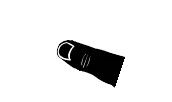
- Check that the single-dose container is intact before use.
- Turn the single-dose container upside down and gently shake it back and forth.
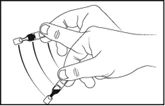
- Open by twisting and pulling off the top. After opening, do not touch the tip of the single-dose container.
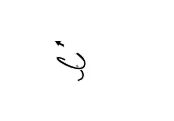
- Instil one drop of the gel into the pouch between the eye and the eyelid by gently squeezing the container. To avoid contamination, ensure that the tip of the container does not touch any surface.
After using GENISIA ophthalmic gel, press a finger against the corner of the treated eye near the nose for 2 minutes. This helps prevent timolol maleate from being absorbed into the rest of the body. - Discard the single-dose container after use.
If you use more GENISIA than you should
Among other effects, you may feel dizzy, have difficulty breathing, or feel that your heartbeat is slower than normal.
Contact your doctor or pharmacist immediately.
If you forget to use GENISIA
Do not use a double dose to make up for the missed dose. Instil the missed dose as soon as possible. However, if it is almost time for your next dose, simply skip the missed dose.
If you stop using GENISIA
The pressure inside your eye may increase and damage your vision.
Do not stop treatment suddenly without consulting your doctor.
If you have any doubts about how to use this medicine, ask your doctor or pharmacist.
4. Possible side effects
Like all medicines, this medicine can cause side effects, although not everybody gets them.
You can usually keep using the gel unless the side effects are severe. If you are concerned, speak to your doctor or pharmacist. Do not stop using GENISIA without talking to your doctor first.
As with other eye medicines, timolol maleate may be absorbed into the bloodstream. This may cause side effects similar to those seen with beta-blockers administered intravenously and/or orally. The incidence of side effects after topical ophthalmic administration is lower than when medicines are taken by mouth or injected.
The side effects listed include reactions observed within the class of beta-blockers used to treat eye disorders. The frequency of each listed side effect cannot be determined from the available data:
- Systemic lupus erythematosus, systemic allergic reactions including generalized swelling under the skin (which may occur in areas such as the face and limbs, and may block the airways, causing difficulty in swallowing or breathing), urticaria (or itchy rash), localized and generalized skin rash, pruritus, sudden severe life-threatening allergic reaction.
- Low blood glucose levels.
- Sleep disorders (insomnia), depression, nightmares, memory loss, hallucinations.
- Fainting, stroke, reduced blood supply to the brain, worsening of signs and symptoms of myasthenia gravis (a muscle disorder), dizziness, altered sensation (tingling), and headache.
- Signs and symptoms of eye irritation (e.g. burning, pain, itching, tearing, redness), conjunctival redness, conjunctivitis, eyelid inflammation, corneal inflammation, blurred vision, and detachment of the layer beneath the retina containing blood vessels following filtering surgery, which may cause visual disturbances; reduced corneal sensitivity, dry eyes, corneal erosion (damage to the front layer of the eyeball), drooping of the upper eyelid (causing the eye to be half-closed), double vision, changes in refraction (sometimes due to discontinuation of miotic eye drop therapy).
- Slowed heart rate, chest pain, palpitations, edema (fluid accumulation), changes in heart rhythm or rate, congestive heart failure (heart disease with breathlessness and swelling of feet and legs due to fluid accumulation), heart rhythm disorders, heart attack, heart failure, leg cramps and/or leg pain when walking (claudication).
- Low blood pressure, Raynaud's phenomenon, cold hands and feet.
- Constriction of the pulmonary airways (mainly in patients with pre-existing lung disease), breathing difficulties, cough.
- Taste disturbances, nausea, indigestion, diarrhea, dry mouth, abdominal pain, vomiting.
- Hair loss, skin rashes with silvery appearance (psoriasiform rash) or worsening of psoriasis, skin rash.
- Muscle pain not caused by physical exercise.
- Sexual dysfunction, decreased libido, impotence.
- Muscle weakness / fatigue.
- Positive antinuclear antibody test results.
Reporting of side effects
If you experience any side effect, including those not listed in this leaflet, please inform your doctor, pharmacist, or nurse. You can also report side effects directly via the national reporting system at https://www.aifa.gov.it/content/segnalazioni-reazioni-avverse. By reporting side effects, you can help provide more information on the safety of this medicine.
5. How to store GENISIA
Keep this medicine out of the sight and reach of children.
Do not use this medicine after the expiry date stated on the carton, sachet and on the single-dose containers after EXP. The expiry date refers to the last day of that month, provided the product is unopened and stored correctly.
Do not store above 25°C.
Keep the single-dose containers in the sachet and carton to protect them from light.
This product does not contain preservatives. GENISIA must be used immediately after opening; any remaining content should be discarded.
After opening the sachet: use the single-dose containers within 1 month.
Do not dispose of any medicine via waste water. Ask your pharmacist how to dispose of medicines you no longer use. This will help protect the environment.
6. Package contents and other information
What GENISIA contains
- The active substance is timolol. Each gram of gel contains 1 mg of timolol as timolol maleate.
- The other components are sorbitol (E 420), polyvinyl alcohol, carbomer 974 P, trihydrate sodium acetate, monohydrate L-lysine, purified water.
Description of the appearance of GENISIA and contents of the pack
GENISIA is an opalescent ophthalmic gel, colourless to slightly yellow, contained in 5 single-dose units inserted into an aluminium/polyester/polyethylene sachet within a cardboard box.
Each single-dose unit contains 0.4 g of ophthalmic gel.
Each pack contains 10, 30 or 90 single-dose units.
Not all pack sizes may be marketed.
Marketing Authorisation Holder and Manufacturer
SIFI S.p.A.
Via Ercole Patti, 36
95025 Aci Sant’Antonio (CT)
Italy
This leaflet was last revised on
Detailed and updated information about this product is available by scanning the QR code shown on the package leaflet and product packaging with a smartphone/device.
The same information is also available at the following URL: https://qr.sifigroup.com/1G103700/
[QRcode]