Furosemide Teva
Italy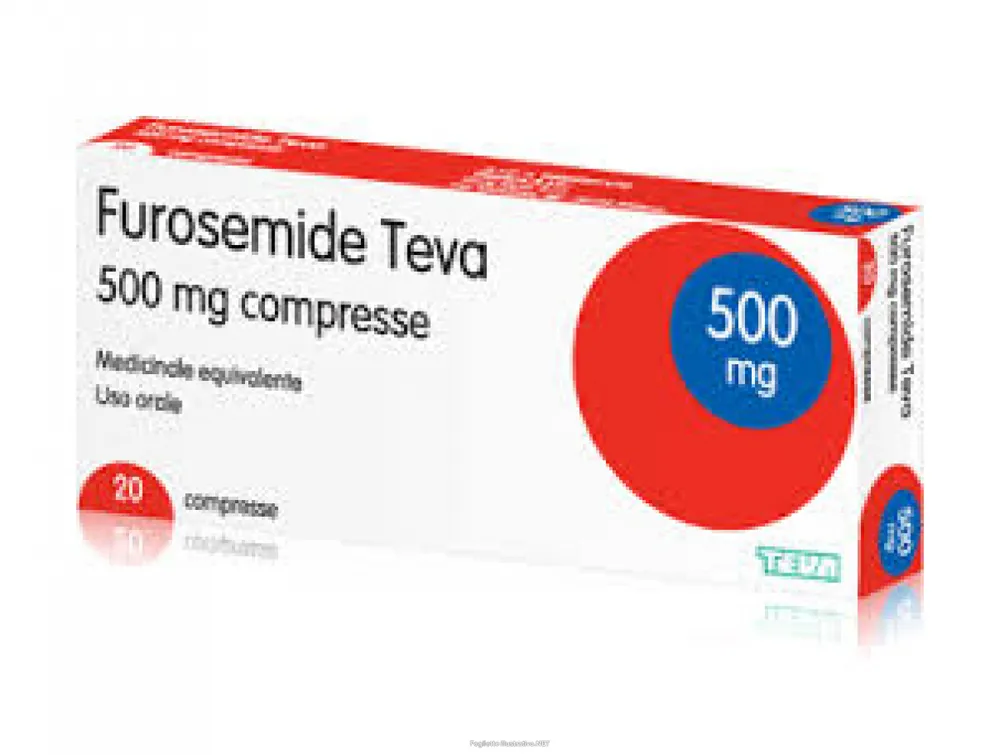
Table of Contents
- Package leaflet: Information for the user
- Furosemide Teva 500 mg tablets
- 1. What Furosemide Teva is and what it is used for
- 2. What you need to know before taking Furosemide Teva
- 3. How to take Furosemide Teva
- 4. Possible side effects
- 5. How to store Furosemide Teva
- 6. Package contents and other information
Package leaflet: Information for the user
Furosemide Teva 500 mg tablets
Generic medicine
Please read this leaflet carefully before taking this medicine because it contains important information for you.
Keep this leaflet. You may need to read it again.
If you have any questions, ask your doctor or pharmacist.
This medicine has been prescribed for you only. Do not give it to other people, even if their symptoms are the same as yours, as it may be harmful.
If you experience any adverse reaction, including those not listed in this leaflet, contact your doctor or pharmacist. See section 4.
Contents of this leaflet
- What Furosemide Teva is and what it is used for
- What you need to know before taking Furosemide Teva
- How to take Furosemide Teva
- Possible side effects
- How to store Furosemide Teva
- Contents of the pack and other information
1. What Furosemide Teva is and what it is used for
Furosemide Teva belongs to a group of medicines known as diuretics.
You should use this high-dose formulation only if your kidney function is
severely impaired (glomerular filtration rate (GFR) < 20 ml/min.).
Furosemide Teva is used for the treatment of reduced urine production (oliguria)
in chronic renal failure.
2. What you need to know before taking Furosemide Teva
Do not take Furosemide Teva
If you are allergic to furosemide or to any of the other ingredients of this medicine
(listed in section 6).
If you are allergic to certain drugs that inhibit bacterial growth (sulfonamide antibiotics)
or to drugs used for diabetes (sulfonylureas),
If you have normal or mildly to moderately reduced kidney function with a GFR
greater than 20 ml/min, due to the risk of severe loss of fluids and salts (electrolytes).
If you suffer from kidney failure and your kidneys produce no urine at all (anuria).
If you suffer from liver failure with disturbances of consciousness (hepatic coma or precoma).
If you have a potassium deficiency.
If you have a sodium deficiency.
If you have too little blood (hypovolemia) or water in your body (dehydration).
If you are breastfeeding (see the section below “Pregnancy and breastfeeding”).
If you have cardiac glycoside intoxication. Cardiac glycosides (e.g. digoxin and
digitoxin) are medicines used for heart failure and heart rhythm disorders.
Warnings and precautions
Furosemide Teva may be used in advanced or end-stage kidney failure (when dialysis is or may become necessary), with fluid retention (edema) and/or hypertension, and to preserve remaining urine production (with regular monitoring).
Talk to your doctor or pharmacist before taking Furosemide Teva:
if you suffer from hypotension;
if you have or suspect you have diabetes: in this case, regular monitoring of blood sugar levels is necessary;
if you suffer from gout: in this case, regular monitoring of blood uric acid levels is necessary;
if you have a urinary tract obstruction (e.g. enlarged prostate; urine accumulation in the kidneys; narrowing of the ureter, the tube connecting the kidney and bladder; kidney stones or bladder disorders): in this case, your doctor will need to monitor your condition;
if you have low levels of protein in the blood (hypoproteinemia), for example if you suffer from nephrotic syndrome (protein loss, altered fat metabolism, and fluid retention): in this case, your doctor must carefully adjust the dose and you must follow their instructions exactly;
if you suffer from liver cirrhosis (tiredness, weakness, fluid retention, nausea or vomiting, weight loss or loss of appetite, yellowing of the skin or eyes, itching) and your kidney function is impaired;
if you have circulatory problems in the brain (cerebrovascular circulatory disorders) or in the heart's blood vessels (coronary artery disease): in this case, the risks associated with a possible drop in blood pressure are higher;
if you are elderly, if you are taking other medicines that can lower blood pressure, or if you suffer from other conditions that carry a risk of low blood pressure.
Your doctor will monitor you and may require regular blood tests while you are taking this medicine.
Careful monitoring is necessary if you are at high risk of developing electrolyte imbalances (e.g. if you have liver cirrhosis, are taking corticosteroid medicines, take many laxatives, or follow a controlled diet) or if you lose large amounts of fluids (e.g. due to severe vomiting, diarrhea, or excessive sweating). Any loss of blood or fluids (hypovolemia or dehydration), electrolyte imbalance, or acid-base imbalance must be corrected; for this reason, your doctor may need to temporarily stop your treatment with Furosemide Teva.
When high doses of furosemide are used, monitoring of thyroid hormone levels is recommended.
Regardless of the amount of urine produced, your body weight should not decrease by more than 1 kg per day due to the increased urine production caused by Furosemide Teva.
Your doctor may need to periodically assess the effect of treatment with Furosemide Teva by temporarily interrupting therapy.
If you are taking another medicine called risperidone together with Furosemide Teva, it is very important to avoid dehydration. In clinical studies conducted in elderly patients with dementia, more patients treated with risperidone and furosemide died compared to patients treated with only one of the two medicines.
Inform your doctor if you are scheduled for a radiographic examination with contrast medium.
Children
Furosemide Teva may cause calcium deposits or kidney stones in premature newborns and increase the risk that a fetal blood vessel called the ductus arteriosus remains open after birth instead of closing normally in premature infants with respiratory problems. Therefore, your doctor must monitor the child very closely.
Athletes
Furosemide Teva may cause positive results in doping tests.
The use of Furosemide Teva as a doping agent may endanger health.
For those engaged in sports: using this medicine without a therapeutic need constitutes doping and may result in a positive anti-doping test.
Other medicines and Furosemide Teva
Inform your doctor or pharmacist if you are taking, have recently taken, or might take any other medicines.
The following medicines may alter the effect of Furosemide Teva:
Glucocorticoids (“cortisone”), carbenoxolone, high alcohol consumption, or laxative abuse may increase potassium loss and, consequently, the risk of potassium deficiency;
Non-steroidal anti-inflammatory drugs (NSAIDs, e.g. indometacin and acetylsalicylic acid) may reduce the effect of Furosemide Teva and increase the risk of acute kidney failure in case of blood or fluid loss (hypovolemia or dehydration);
Probenecid (for gout), methotrexate (for arthritis and immunosuppression), and other medicines excreted by the kidneys may reduce the effect of Furosemide Teva;
Phenytoin (for epilepsy and certain pain conditions) may reduce the effect of Furosemide Teva;
Carbamazepine (for epilepsy and certain psychiatric conditions) may increase sodium loss and, consequently, the risk of sodium deficiency;
Sucralfate (an antacid) reduces the intestinal absorption of Furosemide Teva and may therefore weaken its effect; for this reason, sucralfate and furosemide should be taken at least 2 hours apart.
Aliskiren (used to treat high blood pressure) may reduce the effect of Furosemide Teva.
Furosemide Teva may alter the effect of the following medicines:
Some heart medicines (glycosides) may have a stronger effect due to potassium and magnesium deficiency that may be caused by Furosemide Teva. Medicines affecting heart rhythm (e.g. terfenadine for allergies and certain medicines used to treat heart rhythm disorders) have a higher risk of causing heart rhythm abnormalities when taken together with Furosemide Teva or in case of electrolyte imbalances;
Undesirable effects of high-dose salicylates (for pain) may worsen due to Furosemide Teva;
Undesirable effects of certain medicines on the kidneys may worsen (e.g. antibiotics such as aminoglycosides, cephalosporins, and polymyxins). Together with high doses of certain cephalosporins, Furosemide Teva may cause worsening of kidney function;
Furosemide Teva may worsen the undesirable effects of certain medicines (e.g. aminoglycosides such as kanamycin, gentamicin, and tobramycin) on hearing. These side effects are not always reversible; therefore, Furosemide Teva must not be used together with these medicines;
The risk of hearing damage may increase if Furosemide Teva is administered together with cisplatin (used to treat tumors). Caution is required as cisplatin’s side effects on the kidneys may also worsen;
Undesirable effects of lithium (used for certain forms of depression) on the heart and nervous system may be worse if taken together with Furosemide Teva. Your doctor must monitor your blood lithium levels if you are taking these medicines together;
Blood pressure may decrease if you take Furosemide Teva together with other medicines that lower blood pressure, such as other diuretics. In particular, medicines known as ACE inhibitors and angiotensin II receptor blockers may cause a marked drop in blood pressure, potentially leading to collapse, and may worsen kidney function (in isolated cases, leading to kidney failure) when starting treatment or increasing the dose. Your doctor may ask you to stop taking Furosemide Teva for at least 3 days before starting an ACE inhibitor or angiotensin II receptor blocker or before increasing the dose of these medicines;
Furosemide Teva may reduce the kidney elimination of probenecid, methotrexate, or other medicines; this may lead to increased blood levels of these drugs and possible side effects;
The effect of theophylline (for asthma) or curare-type muscle relaxants may increase when taken together with Furosemide Teva;
Antidiabetic medicines and blood pressure-raising agents (pressor amines, e.g. adrenaline and noradrenaline) may not work properly when taken together with Furosemide Teva;
Extreme caution is required when using risperidone together with Furosemide Teva (see “Warnings and precautions”).
When Furosemide Teva is taken together with ciclosporin A, joint inflammation and gout may occur.
Kidney-related side effects caused by contrast media used in certain radiographic examinations may worsen with Furosemide Teva.
In isolated cases, the use of chloral hydrate within 24 hours after intravenous administration of furosemide has caused flushing, sweating, agitation, nausea, and rapid heartbeat. Chloral hydrate must not be used together with Furosemide Teva.
Furosemide Teva with food and drinks
During treatment with Furosemide Teva, you should not consume large amounts of liquorice, as liquorice may increase your potassium loss.
Pregnancy and breastfeeding
If you are pregnant, think you may be pregnant, planning to become pregnant, or are breastfeeding, consult your doctor or pharmacist before taking this medicine.
Furosemide Teva must not be taken during pregnancy unless your doctor considers treatment essential, as Furosemide Teva crosses the placenta.
You must not take Furosemide Teva if you are breastfeeding, as the medicine is excreted in breast milk and inhibits milk production. To take Furosemide Teva, you must stop breastfeeding.
Consult your doctor or pharmacist before taking any medicine.
Driving and using machines
Furosemide Teva may impair reaction ability to an extent that may affect your ability to drive and use machines. This is particularly likely at the beginning of treatment, when the dose is increased, when changing medicines, or if you consume alcohol during treatment.
Furosemide Teva contains lactose
If your doctor has diagnosed you with an intolerance to certain sugars, contact them before taking this medicine.
3. How to take Furosemide Teva
Take this medicine exactly as directed by your doctor or pharmacist.
If you have any doubts, consult your doctor or pharmacist.
Your doctor will determine the correct dose for you, primarily based on your response to
treatment. The dose should correspond to the lowest dose that produces the desired
effect.
Adults
The initial dose of Furosemide Teva is half a tablet (250 mg of furosemide).
Your doctor will gradually adjust the dose in increments of half a tablet (250 mg), with intervals of
4–6 hours, up to a usual maximum dose of 2 tablets (1000 mg). Your doctor will periodically
monitor your urine output and fluid and electrolyte balance.
If you have chronic kidney damage, your doctor will carefully adjust the dose to reduce fluid
retention (oedema).
Use in children and adolescents
The 500 mg dose is not recommended in children and adolescents under 18 years of age due to
limited data available on the safety and efficacy of the product. Other pharmaceutical forms or
dosages may be more appropriate for administration to these patients.
Elderly patients and patients with hepatic impairment
Your doctor will carefully adjust the dose according to your response to treatment.
Method of administration
The tablets should be taken in the morning, without food, without chewing, and with a sufficient
amount of liquid (e.g. a glass of water).
Your doctor will decide how long you should take Furosemide Teva based on the nature and
severity of your condition.
If you take more Furosemide Teva than you should
If you take an excessive amount of Furosemide Teva or suspect an overdose, contact your doctor
immediately. Signs of acute overdose are related to loss of salts and fluids: hypotension, dizziness or
lightheadedness when standing up (orthostatic regulation problems), electrolyte disturbances (low
levels of potassium, sodium, and chloride), or increased blood pH (alkalosis). Severe fluid loss may
lead to dehydration and collapse due to reduced blood volume, as well as blood concentration and
increased risk of blood clots. Rapid loss of fluids and electrolytes may cause confusion and delirium.
If you forget to take Furosemide Teva
Continue taking your usual dose at the usual time. Do not take a double dose to make up for a
missed dose.
If you stop taking Furosemide Teva
Do not stop taking Furosemide Teva unless instructed by your doctor, otherwise the treatment may
not be effective.
If you have any questions about the use of this medicine, consult your doctor or pharmacist.
4. Possible side effects
Like all medicines, this medicine can cause side effects, although not everybody gets them.
Very common side effects (may affect more than 1 in 10 people)
Electrolyte or fluid imbalances, which may lead to:
- sodium deficiency (hyponatremia), mainly characterized by apathy, leg cramps, loss of appetite, weakness, drowsiness, vomiting, and confusion;
- potassium deficiency (hypokalemia), mainly characterized by muscle weakness, tingling, mild paralysis, vomiting, constipation, flatulence, frequent urination, excessive thirst, heart rhythm abnormalities, and, in severe cases, intestinal obstruction or disturbances of consciousness including coma;
- calcium deficiency, sometimes resulting in muscle spasms and cramps (tetany);
- magnesium deficiency, which in rare cases may cause muscle spasms and cramps (tetany) or heart rhythm abnormalities;
- significant loss of fluids, which may cause circulatory disturbances mainly associated with headache, dizziness, visual disturbances, dry mouth, and thirst, hypotension, and dizziness or lightheadedness when standing up (orthostatic regulation problems), especially in elderly people and children; severe fluid loss may lead to dehydration and collapse due to reduced blood volume, as well as blood concentration and increased risk of blood clots;
- increased creatinine and triglyceride levels.
Common side effects (may affect up to 1 in 10 people)
Blood thickening.
Reduction in minerals (sodium, chloride and/or potassium) in the blood, gout attacks.
Cerebral disturbances characterized, for example, by seizures and loss of consciousness due to impaired liver function (hepatic encephalopathy).
Feeling unwell.
Increased cholesterol in the blood, increased uric acid in the blood, increased urine volume.
Uncommon side effects (may affect up to 1 in 100 people)
Low platelet count in the blood (thrombocytopenia).
Itching and skin and mucous membrane reactions: redness, blistering, peeling (e.g., bullous rash, urticaria, purpura, erythema multiforme, bullous pemphigoid, exfoliative dermatitis), increased sensitivity to light (photosensitivity).
Hearing disturbances, deafness (sometimes irreversible).
Increased blood urea levels.
Rare side effects (may affect up to 1 in 1,000 people)
High or low white blood cell count (eosinophilia or leucopenia).
Fever.
Inflammation of blood vessels (vasculitis).
Kidney inflammation (interstitial nephritis).
Severe allergic reaction (anaphylactic shock): early signs include skin reactions with flushing or hives, restlessness, headache, sweating, nausea, and bluish discoloration of the skin (cyanosis).
Tingling (paraesthesia), a life-threatening form of unconsciousness (hyperosmolar coma).
Hearing disturbances and/or ringing or buzzing in the ears (tinnitus), generally reversible.
Digestive problems (e.g., nausea or vomiting, diarrhoea).
Some severe skin reactions (Stevens-Johnson syndrome, toxic epidermal necrolysis).
Very rare side effects (may affect up to 1 in 10,000 people)
Anaemia due to reduced red blood cell count (haemolytic anaemia) or reduced production (aplastic anaemia), very low levels of certain white blood cells with increased risk of infection and severe systemic symptoms (agranulocytosis).
Inflammation of the pancreas, inhibition of bile flow (intrahepatic cholestasis), increased liver function test results (transaminases).
Not known (frequency cannot be estimated from available data)
Decreased calcium and/or magnesium in the blood, increased blood pH (metabolic alkalosis), Pseudo-Bartter syndrome which may cause fluid retention in body tissues.
Thrombosis.
- Acute Generalized Exanthematous Pustulosis (AGEP) (acute febrile drug eruption). Drug Rash with Eosinophilia and Systemic Symptoms (DRESS) (drug-induced hypersensitivity syndrome).
- Lichenoid reactions characterized by small, itchy, red-purple, polygonal lesions on the skin, genitals, or in the mouth.
- Dizziness, fainting, and loss of consciousness (caused by symptomatic hypotension), headache.
- Blood glucose levels may increase during treatment with Furosemide Teva; this may result in worsening control of diabetes, or the clear manifestation of previously silent diabetes.
- Sudden urinary retention in the bladder due to inadequate bladder emptying in patients with partial urinary tract obstruction, renal failure.
- Calcium deposits or kidney stones in premature newborns.
- Increased risk of failure of closure of the ductus arteriosus (fetal aorta) after birth in premature newborns with certain respiratory disorders (respiratory distress syndrome).
Symptoms of urinary tract obstruction (e.g., enlarged prostate or ureteral narrowing, the tract connecting kidney and bladder) may develop or worsen, with risk of urine retention and associated complications.
If you experience any of these side effects, contact your doctor as soon as possible. If a side effect occurs suddenly or worsens, consult a doctor immediately, as under certain circumstances, some side effects may be potentially life-threatening.
You must stop taking Furosemide Teva at the first signs of an allergic reaction (hypersensitivity).
Reporting of side effects
If you experience any side effects, including those not listed in this leaflet, talk to your doctor or pharmacist. You can also report side effects directly via the national reporting system at https://www.aifa.gov.it/content/segnalazioni-reazioni-avverse. Reporting side effects can help provide more information on the safety of this medicine.
5. How to store Furosemide Teva
- Keep this medicine out of the sight and reach of children.
- Do not use this medicine after the expiry date stated on the cartons and blister pack after "EXP". The expiry date refers to the last day of that month.
- Store in the original packaging to protect the medicine from light.
- Do not dispose of any medicine via wastewater or household waste. Ask your pharmacist how to dispose of medicines you no longer use. This will help protect the environment.
6. Package contents and other information
What Furosemide Teva contains
The active substance is furosemide. Each tablet contains 500 mg of furosemide.
The other components are: monohydrate lactose, maize starch, anhydrous colloidal silicon dioxide, talc,
magnesium stearate and yellow iron oxide (E172).
Description of the appearance of Furosemide Teva and contents of the pack
Circular, flat tablets, 13 mm in diameter, light yellow in colour, with bevelled edges, marked with the inscription “FUS” on one side and score lines in quarters on the other.
The tablet can be divided into equal halves or quarters.
Furosemide Teva is available in packs of 20, 28, 30, 50, 60, 90 and 100 tablets. Not all pack sizes may be marketed.
Marketing Authorisation Holder and Manufacturer
Teva Italia S.r.l. – Piazzale Luigi Cadorna, 4 - 20123 Milan, Italy
Manufacturers
TEVA Pharmaceutical Works Private Limited Company
Pallagi út 13, 4042 Debrecen (Hungary)
Pharmachemie BV
Swensweg 5, 2031 GA Haarlem (The Netherlands)
Teva Czech Industries s.r.o.
Ostravska 29, c.p. 305, 747 70 Opava-Komarov (Czech Republic)