Fungizone
Italy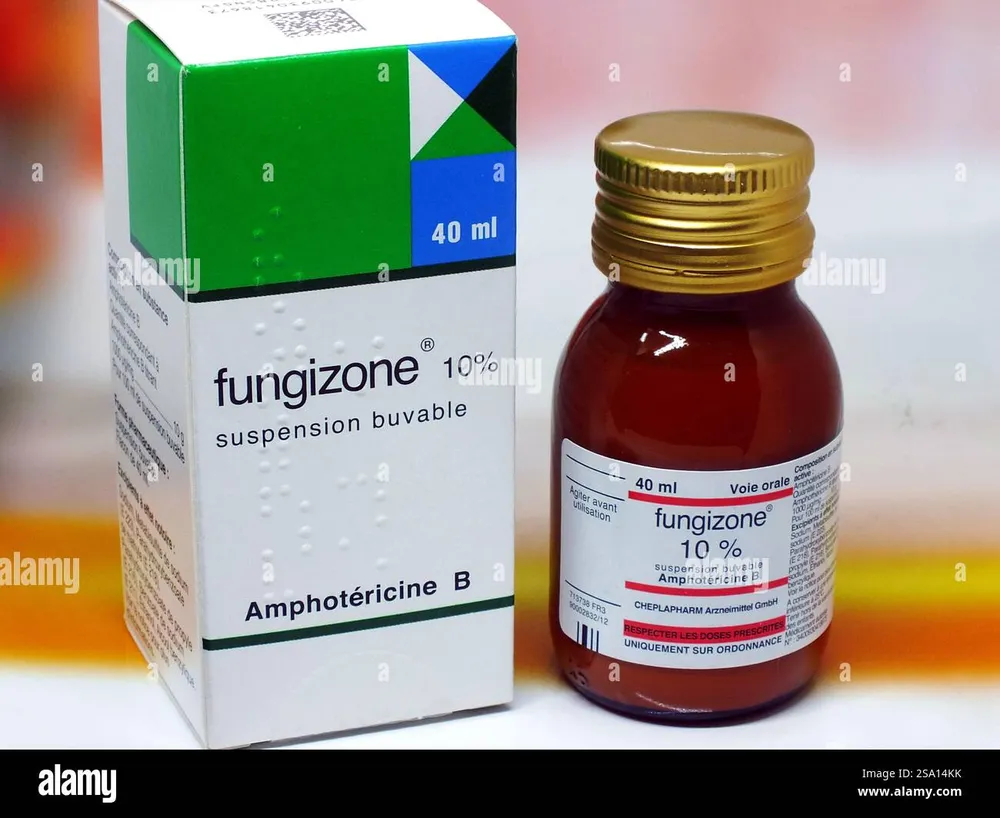
FUNGIZONE 50 mg powder for solution for infusion
Amphotericin B
Pharmacotherapeutic category
Systemic antifungals. Antibiotics.
Therapeutic indications
FUNGIZONE (amphotericin B) is specifically indicated for the treatment of disseminated fungal infections that are potentially severe and progressive (it should not be used for non-invasive mycoses), including coccidioidomycosis, cryptococcosis (torulosis), disseminated moniliasis, histoplasmosis, South American leishmaniasis (as second-line treatment), and North and South American blastomycosis.
Contraindications
The product is contraindicated in patients with hypersensitivity to the active substance or to any of the excipients, unless, in the physician’s judgment, the disease to be treated is life-threatening and can only be treated with amphotericin B therapy.
Precautions for use
This may be the only available treatment for certain potentially fatal fungal infections; however, the potential benefit must be weighed against the risk of adverse reactions, some of which may be potentially life-threatening. Amphotericin B should be administered intravenously only in hospitalized patients or under close clinical supervision, and its use should be limited to cases where a diagnosis of progressive and potentially severe fungal infection responsive to this antibiotic has been established, preferably by positive culture or histological examination.
Rapid intravenous infusion lasting less than 1 hour, especially in patients with renal impairment, has been associated with hyperkalemia and arrhythmia, and should therefore be avoided.
Leukoencephalopathy has been reported following administration of amphotericin B in patients undergoing total body irradiation.
Renal function should be monitored frequently during therapy. It is advisable to regularly monitor liver function, electrolytes (particularly magnesium and potassium), and blood counts. Results of these tests should guide any necessary dose adjustments.
Neurological events such as arachnoiditis, myelopathy, paresis, and paralysis have been associated with intrathecal administration (see section "Dosage, method and duration of administration").
If administration of the drug is interrupted for more than 7 days, therapy should be restarted at the minimum dose of 0.25 mg/kg body weight, gradually increasing to the optimal dosage according to the instructions described under "Dosage, method and duration of administration".
Care must be taken to prevent unintentional overdose of FUNGIZONE, which may cause potentially fatal cardiac or cardiorespiratory arrest. It is important to verify, prior to administration, that the name and dosage of the medicine are correct (see sections "Dosage, method and duration of administration" and "Overdose").
Interactions
Inform your doctor or pharmacist if you have recently taken any other medicines, including those without a prescription.
The following drugs may cause interactions when administered concomitantly with amphotericin B:
- Other nephrotoxic agents: e.g., cisplatin, pentamidine, aminoglycosides, and cyclosporine, which may increase renal toxicity. These should therefore be used in combination with FUNGIZONE with extreme caution.
- Corticosteroids and corticotropin (ACTH) may increase amphotericin B-induced hypokalemia.
- Agents whose effects or toxicity are increased by hypokalemia: e.g., digitalis glycosides, neuromuscular blocking agents, and antiarrhythmics.
- Flucytosine: combined use with amphotericin B may increase flucytosine toxicity, likely by enhancing cellular uptake and/or impairing renal excretion.
- Leukocyte transfusions: although not observed in all studies, acute pulmonary reactions have been reported in patients who received amphotericin B during or immediately after leukocyte transfusions. Therefore, it is advisable to separate these infusions as much as possible and monitor pulmonary function.
Special warnings
Pregnancy and breastfeeding
Reproductive studies in animals have not shown risks to the fetus due to injectable amphotericin B. Systemic fungal infections have been effectively treated in pregnant women without notable effects on the fetus, but the number of reported cases is low. Since animal studies are not always predictive of human response, and due to the lack of adequate and well-controlled studies in pregnant women, the use of FUNGIZONE during pregnancy should be reserved for cases of absolute necessity and only if the potential benefits to the mother outweigh the potential risks to the fetus.
It is not known whether amphotericin B is excreted in human milk. Given the potential toxicity of amphotericin B, it is prudent to advise the patient to discontinue breastfeeding.
FUNGIZONE contains sodium
This medicine contains less than 1 mmol (23 mg) of sodium per vial, i.e., essentially ‘sodium-free’.
Dosage, method and duration of administration
FUNGIZONE (amphotericin B) must be administered by slow intravenous infusion over a period of approximately 2 to 6 hours (depending on the dose administered), with the usual precautions observed for intravenous therapy. The recommended concentration for infusion is 0.1 mg/ml (1 mg/10 ml).
Since tolerance to amphotericin B varies among individuals, the dosage should be determined according to the individual patient's needs (site of infection, causative agent, etc.). Treatment should be initiated with a daily dose of 0.25 mg/kg body weight (administered over 2–6 hours), gradually increasing to an optimal dosage. Although not proven to be a reliable method for detecting intolerance, administration of an initial test dose (1 ml in 20 ml of 5% dextrose solution) intravenously over 20–30 minutes is recommended. Temperature, pulse, respiration, and blood pressure should be monitored every 30 minutes for 2–4 hours. Patients with good cardiopulmonary status and severe, rapidly progressing fungal infection who tolerate the test dose without severe reactions may receive 0.3 mg/kg of amphotericin B intravenously over 2–6 hours. A second smaller dose (e.g., 5–10 mg) is recommended for patients with cardiopulmonary dysfunction or who experience a severe reaction to the test dose.
The dosage may then be increased by 5–10 mg per day until the final dosage of 0.5–1 mg/kg is reached. The total daily dose generally ranges around 1 mg/kg body weight (or 1.5 mg/kg on alternate days) in severe infections caused by less susceptible pathogens.
Warning: different parenteral formulations of amphotericin B are available. Verify the name and dosage of the medicine. FUNGIZONE contains non-liposomal amphotericin B. Follow the dosing instructions provided above. Under no circumstances should the total daily dosage exceed 1.5 mg/kg body weight. Overdose of amphotericin B may result in potentially fatal cardiac or cardiorespiratory arrest (see sections "Precautions for use" and "Overdose").
Treatment of deep mycoses may last from 6 to 12 weeks or longer.
Moniliasis
For disseminated or deep infections, usual doses range from 0.4 to 0.6 mg/kg/day for 4 weeks or more. Depending on the severity of infection, doses up to 1 mg/kg/day may be required. Treatment continues until clinical improvement, and cumulative doses of 2–4 g may be necessary in adults. Lower doses (0.3 mg/kg/day) may be used in special circumstances, e.g., in resistant Candida esophagitis and when used concomitantly with other antifungals.
Cryptococcosis
Treatment of cryptococcosis with FUNGIZONE in non-immunocompromised patients typically requires doses of 0.3 mg/kg/day for about 4–6 weeks or until weekly cultures are negative for one month. In immunosuppressed patients and/or those with meningitis, amphotericin B may be given in combination with other antifungals for 6 weeks, with dosage increases in severely ill patients or those receiving the drug alone.
In AIDS patients with cryptococcal meningitis, higher doses (0.7–0.8 mg/kg/day) and longer treatment duration (up to 12 weeks) may be required. In AIDS patients with negative cultures after a treatment cycle, chronic suppressive therapy may be considered, e.g., 1 mg/kg once weekly.
Coccidioidomycosis
For primary coccidioidomycosis requiring treatment, FUNGIZONE should be used at doses of 1 mg/kg/day up to a maximum of 1.5 mg/kg/day, with a cumulative dose of 0.5 to 2.5 g in adults, depending on infection severity. In coccidioidal meningitis, systemic or intrathecal administration may be required as described in standard references.
Blastomycosis
In severely ill patients with blastomycosis, FUNGIZONE is recommended at doses of 0.3 to 1 mg/kg/day until a total dose of 1.5–2.5 g is reached in adults.
Histoplasmosis
For chronic pulmonary or disseminated histoplasmosis, doses of 0.5 to 1 mg/kg/day are recommended until a total dose of 2–2.5 g is reached in adults.
Paediatric use
The safety and efficacy in paediatric patients have not been established by adequate and well-controlled studies. Systemic fungal infections have been treated in paediatric patients without reports of specific adverse effects.
Duration of treatment
As prescribed by the physician.
Instructions for use and handling
FUNGIZONE (amphotericin B) must be administered by slow intravenous infusion over a period of approximately 2 to 6 hours (depending on the dose administered), with the usual precautions observed for intravenous therapy. The recommended concentration for infusion is 0.1 mg/ml (1 mg/10 ml).
Preparation of solutions
Prepare an initial concentration of 5 mg of amphotericin B per ml by adding 10 ml of sterile, apyrogenic distilled water without bacteriostatic agents to the dry powder in the vial, and shaking the vial until a clear colloidal solution is obtained.
To obtain the solution for infusion (concentration: 0.1 mg amphotericin B per ml), further dilute the initial solution with 5% dextrose solution with a pH greater than 4.2. The pH of each container of dextrose solution should be checked before use. Commercial dextrose solutions usually have a pH above 4.2; however, if the pH is lower, add 1 or 2 ml of buffer to the dextrose solution before using it to dilute the concentrated amphotericin B solution. The recommended buffer has the following composition: disodium phosphate (anhydrous) 1.59 g, monosodium phosphate (anhydrous) 0.96 g, sterile apyrogenic distilled water up to 100 ml. Before adding to the dextrose solution, the buffer must be sterilized by filtration through a microorganism-retentive filter or by autoclaving at 121°C for 30 minutes.
Warning: since no preservative or bacteriostatic agent is present in the antibiotic or in the materials used for its preparation, all operations for preparing the infusion solution must be performed under strict aseptic conditions. Use a sterile needle for withdrawing and adding diluents to the vial. Do not reconstitute the solution with saline solutions. The use of diluents other than those recommended or the presence of a bacteriostatic agent (e.g., benzyl alcohol) in the diluent may cause precipitation of the antibiotic. Do not use the initial concentrate or the infusion solution if either shows evidence of precipitation or foreign particles.
A membrane filter in-line may be used for intravenous infusion of amphotericin B; however, the average pore diameter must not be less than 1.0 micron to ensure passage of the colloidal solution.
Overdose
Excessive doses of injectable amphotericin B may cause potentially fatal cardiac or cardio-circulatory arrest.
In case of overdose (even suspected), discontinue therapy, monitor the patient's clinical status (e.g., cardiorespiratory, renal and hepatic function, hematological profile, electrolyte balance), and initiate appropriate supportive measures. Amphotericin B is not dialyzable. Before restarting injectable amphotericin B therapy, the patient’s condition must be stabilized (including correction of electrolyte imbalances, etc.).
In case of accidental ingestion of an excessive dose of FUNGIZONE, contact a doctor immediately or go to the nearest hospital.
IF YOU HAVE ANY DOUBTS ABOUT THE USE OF FUNGIZONE, CONSULT YOUR DOCTOR OR PHARMACIST.
Undesirable effects
Like all medicines, FUNGIZONE can cause undesirable effects, although not everyone experiences them.
Although some patients may tolerate the full intravenous dose of amphotericin B without difficulty, most patients experience some intolerance, particularly at the beginning of therapy.
Acute reactions such as chills, fever, anorexia, nausea, vomiting, headache, myalgia, arthralgia, and hypotension are commonly observed following intravenous administration of amphotericin B.
Tolerability may be improved by using acetylsalicylic acid, antipyretics such as paracetamol, antihistamines, or antiemetics.
During treatment with amphotericin B, meperidine (25–50 mg IV) has been used in some patients to reduce the duration or intensity of chills and fever following amphotericin B therapy.
Administration of small doses of adrenal corticosteroids before or during amphotericin B infusion may help control febrile reactions. The dosage and duration of corticosteroid use should be kept to a minimum (see Interactions).
Administration of heparin (1000 units per infusion), rotation of injection sites, use of pediatric needles for scalp veins, and alternate-day therapy may reduce the frequency of thrombophlebitis. Extravasation may cause chemical irritation.
Very common undesirable effects (may affect more than 1 in 10 people):
- hypokalemia
- chills, pyrexia
- increased blood creatinine
Common undesirable effects (may affect up to 1 in 10 people):
- anemia
- hypomagnesemia, reduced appetite
- headache
- hypotension
- dyspnea
- nausea, vomiting, diarrhea
- abnormal liver function test
- acute renal failure, azotemia
- injection site pain (with or without phlebitis or thrombophlebitis)
Uncommon undesirable effects (may affect up to 1 in 100 people):
- agranulocytosis, leukopenia, thrombocytopenia
- peripheral neuropathy
- arrhythmia (including ventricular fibrillation)
- bronchospasm
- upper abdominal pain
- jaundice
- rash
- myalgia
- renal damage
Rare undesirable effects (may affect up to 1 in 1,000 people):
- coagulopathy, eosinophilia, leukocytosis
- anaphylactoid/anaphylactic reaction
- hyperkalemia
- encephalopathy, convulsion
- blurred vision, diplopia
- hearing loss, tinnitus, vertigo
- cardiac arrest, heart failure
- hypertension, shock
- allergic alveolitis, non-cardiogenic pulmonary edema
- hemorrhagic gastroenteritis, melena, dyspepsia
- acute hepatic failure
- toxic epidermal necrolysis, Stevens-Johnson syndrome, maculopapular rash, skin exfoliation, pruritus
- arthralgia
- anuria, oliguria, nephrogenic diabetes insipidus, renal tubular acidosis, nephrocalcinosis, hyposthenuria
- flushing, malaise, pain
- weight decreased
These adverse reactions generally improve upon discontinuation of therapy; however, permanent dysfunction often develops, especially in patients receiving total amphotericin B doses exceeding 5 g. Concomitant diuretic therapy may predispose to renal damage, whereas sodium repletion or supplementation may reduce the incidence of nephrotoxicity. These reactions usually occur within 15–20 minutes after the start of treatment. See section "Precautions for use". These adverse reactions have been reported during post-marketing pharmacovigilance.
Following the instructions in the package leaflet reduces the risk of undesirable effects.
Reporting of adverse effects
If you experience any adverse effect, including those not listed in this leaflet, contact your doctor or pharmacist. Adverse effects can also be reported directly via the national reporting system at https://www.aifa.gov.it/content/segnalazioni-reazioni-avverse . Reporting adverse effects contributes to providing more information on the safety of this medicine.
Expiry and storage
Expiry date: see the date on the packaging.
The expiry date refers to the product in its original, unopened packaging, stored correctly.
Warning: do not use the medicine after the expiry date stated on the packaging.
Keep the medicine out of sight and reach of children.
Special storage precautions
FUNGIZONE vials in dry powder form must be stored at 2°C to 8°C, protected from light. The concentrated solution of 5 mg amphotericin B per ml, after reconstitution with 10 ml of sterile distilled water for injectable preparations, may be stored, protected from light, at temperatures not exceeding 25°C for 24 hours or refrigerated for one week with minimal loss of potency and clarity; after this time, it must be discarded if not used. Solutions prepared for infusion (0.1 mg or less of amphotericin B per ml) should be used immediately after preparation and protected from light during administration.
Medicines must not be disposed of via wastewater or household waste. Ask your pharmacist how to dispose of medicines no longer in use. This will help protect the environment.
Composition
Each vial contains:
Active substance: amphotericin B 50 mg.
Excipients: sodium deoxycholate, dodecasodium phosphate dodecahydrate, disodium hydrogen phosphate dihydrate.
Pharmaceutical form and content
Powder for solution for infusion.
FUNGIZONE 50 mg powder for solution for infusion – 1 vial of 10 ml
Marketing Authorization Holder
CHEPLAPHARM Arzneimittel GmbH
Ziegelhof 24, 17489 Greifswald
Germany
Manufacturer
DELPHARM SAINT REMY, Usine de Saint Remy – rue de l’Isle, Saint-Remy-Sur-Avre - France