Fluimucil influenza and cold
Italy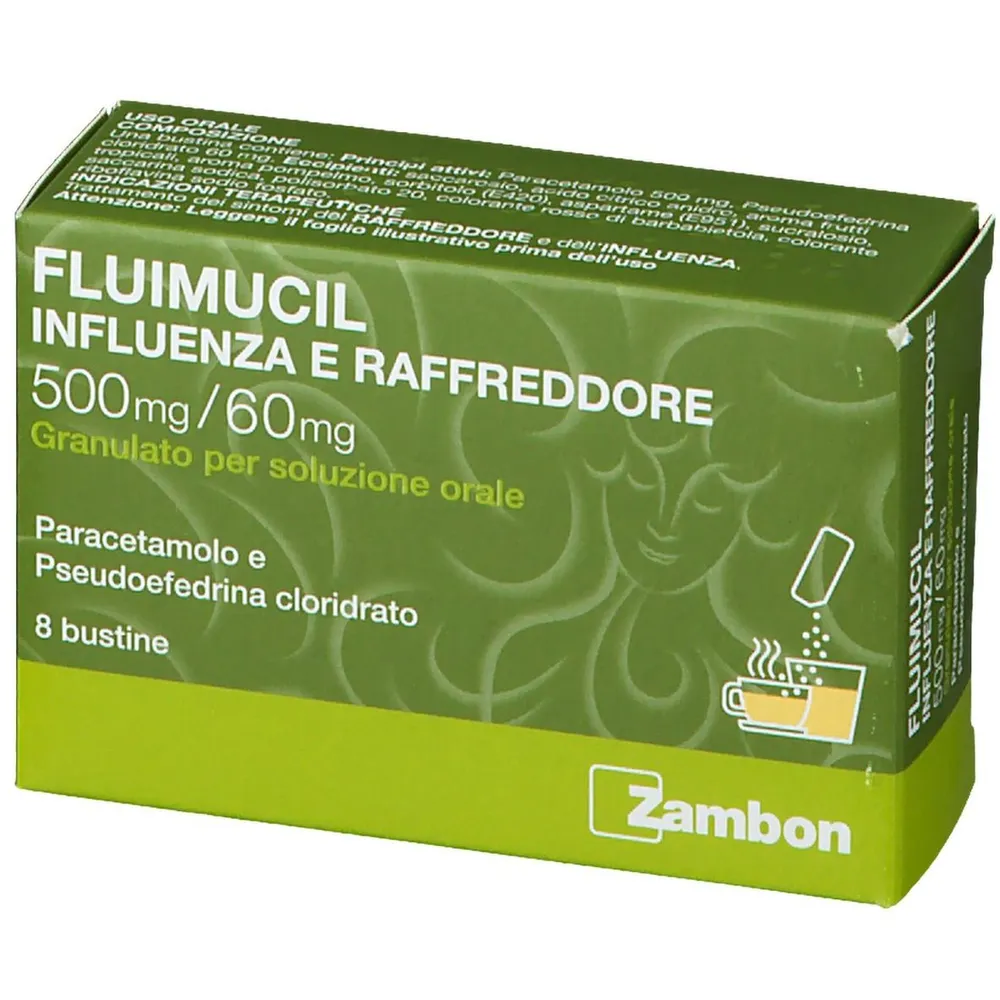
Table of Contents
- Package leaflet: Information for the patient
- FLUIMUCIL INFLUENZA E RAFFREDDORE 500 mg/60 mg granules for oral solution
- 1. What Fluimucil Influenza e Raffreddore is and what it is used for
- 2. What you need to know before taking Fluimucil Influenza and Cold
- 3. How to take Fluimucil Influenza and Cold
- 4. Possible side effects
- 5. How to store Fluimucil Influenza and Cold
- 6. Package contents and other information
- Patient Information Leaflet
- FLUIMUCIL INFLUENZA E RAFFREDDORE 500 mg/60 mg granulate for oral solution
- 1. What Fluimucil Influenza e Raffreddore is and what it is used for
- 2. What you need to know before taking Fluimucil Influenza and Cold
- 3. How to take Fluimucil Influenza e Raffreddore
- 4. Possible side effects
- 5. How to store Fluimucil Influenza and Cold
- 6. Package contents and other information
Package leaflet: Information for the patient
FLUIMUCIL INFLUENZA E RAFFREDDORE 500 mg/60 mg granules for oral solution
Paracetamol and Pseudoephedrine hydrochloride
Please read all of this leaflet carefully before taking this medicine because it contains
important information for you.
Always take this medicine exactly as described in this leaflet or as your doctor or
pharmacist has instructed you.
- Keep this leaflet. You may need to read it again.
- If you need more information or advice, consult your pharmacist.
- If you experience any side effects, including those not listed in this leaflet, contact your doctor or pharmacist. See section 4.
- Contact your doctor if you do not notice improvement or if your symptoms worsen after a short period of treatment.
Contents of this leaflet:
- What Fluimucil Influenza e Raffreddore is and what it is used for
- What you need to know before taking Fluimucil Influenza e Raffreddore
- How to take Fluimucil Influenza e Raffreddore
- Possible side effects
- How to store Fluimucil Influenza e Raffreddore
- Contents of the pack and other information
1. What Fluimucil Influenza e Raffreddore is and what it is used for
Fluimucil Influenza e Raffreddore contains two active substances: paracetamol and pseudoephedrine.
- Paracetamol belongs to a group of medicines known as analgesics and antipyretics, which work by relieving pain (analgesic action) and reducing body temperature in case of fever (antipyretic action).
- Pseudoephedrine belongs to a group of medicines called sympathomimetics, which work by clearing the nasal passages and facilitating breathing (decongestant action).
Fluimucil Influenza e Raffreddore is indicated for the treatment of cold and flu symptoms.
Consult your doctor if you do not feel better or if you feel worse after a short period of treatment.
2. What you need to know before taking Fluimucil Influenza and Cold
Do not take Fluimucil Influenza and Cold:
- if you are allergic to paracetamol, pseudoephedrine, or any of the other ingredients of this medicine (listed in section 6);
- if you are pregnant or breastfeeding (see section “Pregnancy and breastfeeding”);
- if you are under 12 years of age (see section “Children”);
- if you have a hereditary condition characterized by deficiency of the enzyme glucose-6-phosphate dehydrogenase (glucose-6-phosphate dehydrogenase deficiency);
1/18
- if you are taking antidepressant medicines belonging to the class of tricyclic antidepressants;
- if you are taking medicines for heart conditions or high blood pressure belonging to the class of beta-blockers;
- if you are taking sympathomimetic medicines used to treat low blood pressure or nasal congestion (see section “Other medicines and Fluimucil Influenza and Cold”);
- if you are taking medicines used to treat depression and Parkinson’s disease (monoamine oxidase inhibitors) or have stopped treatment with these medicines less than two weeks ago (see section “Other medicines and Fluimucil Influenza and Cold”);
- if you have very high blood pressure (severe hypertension) or uncontrolled hypertension;
- if you suffer from severe acute or chronic kidney disease or renal failure;
- if you suffer from a severe form of any of the following conditions:
- coronary heart disease (angina, previous heart attack);
- heart rhythm disorders (arrhythmias);
- liver problems (hepatic insufficiency);
- thyroid gland problems (hyperthyroidism);
- asthma;
- diabetes;
- difficulty urinating due to prostate problems (prostatic hypertrophy) or other diseases;
- eye disease characterized by increased intraocular pressure (closed-angle glaucoma);
- low levels of red blood cells in the blood (hemolytic anemia);
- adrenal gland tumor known as pheochromocytoma.
Warnings and precautions
Talk to your doctor or pharmacist before taking Fluimucil Influenza and Cold.
Talk to your doctor before taking this medicine if you are elderly or suffer from any of the
following conditions:
- coronary heart disease (angina);
- high blood pressure (hypertension);
- palpitations or irregular heartbeat (arrhythmias), rapid heartbeat (tachycardia);
- liver problems (hepatic insufficiency, acute hepatitis);
- kidney problems;
- thyroid gland problems (hyperthyroidism);
- asthma;
- diabetes mellitus;
- mental disorders (psychosis);
- chronic malnutrition and dehydration;
- glucose-6-phosphate dehydrogenase deficiency (favism);
- difficulty urinating due to prostate problems (prostatic hypertrophy) or other diseases;
2/18
- eye disease characterized by increased intraocular pressure (glaucoma);
- low levels of red blood cells in the blood (hemolytic anemia);
- alcohol dependence (alcoholism).
Do not take Fluimucil Influenza and Cold together with other medicines containing paracetamol,
as serious adverse effects may occur if paracetamol is taken in high doses. The risk of serious adverse
effects is also increased when Fluimucil Influenza and Cold is taken together with other medicines
used to relieve pain (analgesics) or reduce fever (antipyretics); therefore, avoid simultaneous use of
these medicines.
If you develop a generalized feverish erythema associated with pustules, stop taking Fluimucil
Influenza and Cold and contact your doctor or seek immediate medical assistance (see section 4
“Possible side effects”).
With Fluimucil Influenza and Cold, sudden abdominal pain or rectal bleeding due to inflammation
of the colon (ischemic colitis) may occur. If you experience these gastrointestinal symptoms, stop
using Fluimucil Influenza and Cold and contact your doctor or seek immediate medical assistance.
See section 4.
Fluimucil Influenza and Cold may cause reduced blood flow to the optic nerve. If sudden vision loss
occurs, stop taking Fluimucil Influenza and Cold and contact your doctor or a healthcare facility
immediately. See section 4.
Cases of reversible posterior encephalopathy syndrome (PRES) and reversible cerebral vasoconstriction syndrome (RCVS) have been reported following the use of medicines containing
pseudoephedrine. PRES and RCVS are rare conditions that may lead to reduced blood supply to
the brain. Stop using Fluimucil Influenza and Cold immediately and seek immediate medical
assistance if you develop symptoms that could indicate PRES or RCVS (see section 4 “Possible side effects” for symptoms).
One of the active ingredients of Fluimucil Influenza and Cold, pseudoephedrine, may cause abuse,
and high doses of pseudoephedrine can be toxic. Prolonged use may lead to taking more than the
recommended dose of Fluimucil Influenza and Cold to achieve the desired effect, increasing the
risk of overdose. The maximum recommended dose and duration of treatment must not be
exceeded (see section 3).
Inform your doctor if:
- you are taking other medicines, especially anticoagulants or medicines that may affect the liver;
- your pain or nasal congestion worsens or lasts longer than 5 days (or if symptoms do not improve within 5 days);
- your fever worsens or lasts more than 3 days;
- redness or swelling occurs or if new symptoms appear.
If you have planned a surgical procedure, stop treatment with Fluimucil Influenza and Cold a few
days before.
3/18
During treatment with Fluimucil Influenza and Cold, inform your doctor immediately if:
If you suffer from severe conditions, including severe renal impairment or sepsis (when bacteria and their toxins circulate in the blood causing organ damage), malnutrition, chronic alcoholism, or if you are also taking flucloxacillin (an antibiotic). In patients with these conditions, a serious condition called metabolic acidosis (a blood and fluid imbalance) has been reported when paracetamol is used regularly over a prolonged period or when paracetamol is taken together with flucloxacillin. Symptoms of metabolic acidosis may include: severe breathing difficulties with deep rapid breathing, drowsiness, nausea, and vomiting.
For athletes
Using this medicine without therapeutic need constitutes doping and may result in a positive anti-doping test.
Children
Fluimucil Influenza and Cold is contraindicated in children under 12 years of age (see section “Do not take Fluimucil Influenza and Cold”).
Other medicines and Fluimucil Influenza and Cold
Inform your doctor or pharmacist if you are taking:
- flucloxacillin (an antibiotic), due to a serious risk of blood and fluid imbalance (called high anion gap metabolic acidosis) that requires urgent treatment. Inform your doctor or pharmacist if you are taking, have recently taken, or might take any other medicine.
Do not take Fluimucil Influenza and Cold if you are taking the following medicines:
- monoamine oxidase inhibitors (MAOIs) used to treat depression and Parkinson’s disease (see section “Do not take Fluimucil Influenza and Cold”) or have stopped treatment with these medicines less than two weeks ago. The combination of these medicines with Fluimucil Influenza and Cold must be evaluated by a doctor, as it may trigger a severe hypertensive crisis (increased blood pressure, fever, and headache);
- other sympathomimetic medicines (used to treat low blood pressure or nasal congestion);
- medicines for heart conditions or high blood pressure belonging to the class of beta-blockers;
- antidepressant medicines belonging to the class of tricyclic antidepressants.
Take Fluimucil Influenza and Cold with extreme caution and only under strict medical supervision
if you are taking the following medicines:
- rifampicin and isoniazid, two antibiotics used to treat certain bacterial infections;
- cimetidine and ranitidine, medicines used to reduce stomach acidity and treat stomach lesions (gastric ulcers);
- phenytoin, glutethimide, phenobarbital, carbamazepine, lamotrigine, medicines used to treat seizures (epilepsy) and/or mental disorders;
- methyldopa, debrisoquin, guanethidine, reserpine, medicines used to treat high blood pressure; direct medical supervision is required in this case;
4/18
- midodrine, a medicine used to treat low blood pressure; direct medical supervision is required in this case;
- warfarin and other coumarin derivatives, medicines used to thin the blood;
- metoclopramide, a medicine used for stomach and/or intestinal problems and to treat nausea and vomiting;
- domperidone, a medicine used to treat nausea and vomiting or digestive problems;
- chloramphenicol, linezolid, two antibiotics used to treat certain bacterial infections;
- colestyramine, a medicine used to lower cholesterol;
- zidovudine, a medicine used for AIDS;
- probenecid, a medicine used to treat gout;
- busulfan, a medicine that inhibits and combats tumor development;
- halogenated anesthetics, medicines used to induce anesthesia;
- digoxin and cardiac glycosides, medicines used to treat heart problems;
- ergotamine and methysergide, medicines used to treat migraine.
Avoid combining this medicine with other sympathomimetic medicines due to the risk of hypertensive episodes, or with guanethidine, methyldopa, debrisoquin, reserpine due to the potential cancellation of antihypertensive effects.
Taking this medicine may alter the results of certain laboratory tests, such as measurements of uric acid (uricemia) or blood sugar (glycemia).
Fluimucil Influenza and Cold with beverages and alcohol
Avoid consuming alcohol during treatment with Fluimucil Influenza and Cold, as it may increase the risk of liver damage.
Inform your doctor if you have alcohol dependence, as the doctor will pay particular attention when prescribing Fluimucil Influenza and Cold to you.
During use of Fluimucil Influenza and Cold, bitter orange should not be consumed, as it may trigger a severe hypertensive crisis (high blood pressure).
Pregnancy and breastfeeding
Fluimucil Influenza and Cold is contraindicated during pregnancy, if you suspect or are planning a pregnancy, or if you are breastfeeding.
Driving and using machines
Fluimucil Influenza and Cold may cause dizziness; if this occurs, you must not drive or operate machinery.
Fluimucil Influenza and Cold contains sucrose, sorbitol, aspartame
- Sucrose: if your doctor has diagnosed you with an intolerance to certain sugars, contact them before taking this medicine.
- Sorbitol (E420): this medicine contains 95.184 mg of sorbitol per dose (sachet). Sorbitol is a source of fructose. If your doctor has told you (or the child) that you are intolerant to certain sugars, or if you have been diagnosed with hereditary fructose intolerance, a rare genetic disorder in which patients cannot properly metabolize fructose, speak with your doctor before you (or the child) take this medicine.
- Aspartame (E951): this medicine contains 45.307 mg of aspartame per dose (sachet), a source of phenylalanine. It may be harmful if you have phenylketonuria, a rare
5/18
genetic disorder causing accumulation of phenylalanine because the body cannot properly eliminate it.
- This medicine contains less than 1 mmol (23 mg) of sodium per sachet, i.e., essentially ‘sodium-free’.
3. How to take Fluimucil Influenza and Cold
Take this medicine exactly as described in this leaflet or as directed by your doctor or pharmacist.
If you have any doubts, consult your doctor or pharmacist.
Use in adults and adolescents (from 12 years of age onwards)
The recommended dose is 2–3 sachets per day.
Dissolve the contents of one sachet in a glass of water and drink the solution immediately.
You may also use warm water.
Adults: do not take this medicine for more than five days.
Adolescents (from 12 years of age): do not take this medicine for more than three days.
Children
Fluimucil Influenza and Cold is contraindicated in children under 12 years of age (see section “Do not take Fluimucil Influenza and Cold”).
If you take more Fluimucil Influenza and Cold than you should
In case of overdose, the following symptoms may occur:
- increased heart rate (tachycardia);
- increased blood pressure (hypertension);
- palpitations;
- irritability, restlessness, excitation;
- abnormal heart rhythm (cardiac arrhythmias);
- seizures;
- inflammation of the pancreas;
- tremors;
- nausea, vomiting, reduced or loss of appetite;
- pallor;
- abdominal pain;
- disturbances in sugar metabolism;
- reduction in the pH of blood plasma and other body fluids (metabolic acidosis);
- difficulty urinating;
- brain damage (encephalopathy);
- liver damage (acute hepatotoxicity);
- liver failure;
- coma;
- death;
- acute kidney failure.
In case of accidental ingestion or overdose of Fluimucil Influenza and Cold, contact your doctor immediately or go to the nearest hospital.
If you forget to take Fluimucil Influenza and Cold
Do not take a double dose to make up for the forgotten dose.
6/18
If you stop treatment with Fluimucil Influenza and Cold
If you have any doubts about using this medicine, consult your doctor or pharmacist.
4. Possible side effects
Like all medicines, this medicine can cause side effects, although not everyone gets them.
Stop Fluimucil Influenza e Raffreddore treatment immediately and contact your doctor urgently if you develop symptoms that could be signs of posterior reversible encephalopathy syndrome (PRES) and reversible cerebral vasoconstriction syndrome (RCVS). These include:
- severe headache with sudden onset
- nausea
- vomiting
- confusion
- seizures
- changes in vision
Rare side effects (may affect up to 1 in 1,000 people)
- allergic reactions, including swelling of the skin or mucous membranes (angioedema)
- nervousness, insomnia, anxiety, agitation, hallucinations, particularly in children
- dizziness
- headache
- tremors
- changes in heart rhythm (tachycardia, palpitations)
- increased blood pressure
- vomiting, nausea, dry mouth
- increased levels of certain liver enzymes, detectable by laboratory tests
- skin rash, erythema, urticaria, itching
- difficulty urinating, particularly in patients with enlarged prostate volume (prostatic hypertrophy)
Very rare side effects (may affect up to 1 in 10,000 people)
- reduced number of platelets in the blood (thrombocytopenia)
- reduced number of white blood cells in the blood (leukopenia, agranulocytosis)
- reduced number of all blood cells (pancytopenia)
Side effects with unknown frequency (frequency cannot be estimated from the available data)
- serious conditions affecting cerebral blood vessels known as posterior reversible encephalopathy syndrome (PRES) and reversible cerebral vasoconstriction syndrome (RCVS)
- severe and sudden allergic reaction (anaphylactic shock)
- severe skin reaction (Stevens-Johnson syndrome)
- severe allergic reaction affecting the skin and mucous membranes, which may also be fatal (toxic epidermal necrolysis)
- reduced blood flow to the optic nerve (ischaemic optic neuropathy)
- inflammation of the colon due to inadequate blood supply (ischaemic colitis)
- severe condition that may make the blood more acidic (called metabolic acidosis), in patients with a serious illness using paracetamol (see section 2) 7/18
Sudden onset of fever, skin redness, or numerous small pustules (possible symptoms of acute generalised exanthematous pustulosis - AGEP) may occur within the first 2 days of treatment with Fluimucil Influenza e Raffreddore (frequency not known) (see section 2 “What you need to know before taking Fluimucil Influenza e Raffreddore”).
Stop using Fluimucil Influenza e Raffreddore if you develop these symptoms and contact your doctor or seek immediate medical help.
Other side effects that may occur after taking Fluimucil Influenza e Raffreddore:
- sweating
- thirst
- chest pain in the area of the heart (precordial pain)
- difficulty urinating
- muscle weakness
- dilation of the pupils
- stomach and intestinal problems (gastrointestinal disturbances)
- severe disturbance of heart rhythm (ventricular arrhythmia)
- allergic reaction affecting the skin and mucous membranes (erythema multiforme)
- swelling of the throat (laryngeal edema)
- severe and sudden allergic reaction causing collapse, which may be fatal (anaphylactic shock)
- anaemia
- altered liver function, inflammation of the liver (hepatitis)
- altered kidney function or severe kidney failure (acute renal failure) or severe inflammation of the kidney (interstitial nephritis) or presence of blood in the urine (haematuria) or failure to pass urine (anuria)
In very rare cases, severe skin reactions have been reported.
Reporting of side effects
If you experience any side effects, including those not listed in this leaflet, talk to your doctor or pharmacist. You can also report side effects directly via the national reporting system at the website https://www.aifa.gov.it/content/segnalazioni-reazioni-avverse. By reporting side effects, you can help provide more information on the safety of this medicine.
5. How to store Fluimucil Influenza and Cold
Keep this medicine out of sight and reach of children.
Do not use this medicine after the expiry date stated on the packaging after "Exp.".
The expiry date refers to the last day of that month.
This medicine does not require any special storage conditions.
Do not dispose of any medicine via wastewater or household waste. Ask your pharmacist how to
dispose of medicines you no longer use. This will help protect the environment.
8/18
6. Package contents and other information
What Fluimucil Influenza e Raffreddore contains
- The active substances are paracetamol and pseudoephedrine hydrochloride. Each sachet contains 500 mg of paracetamol and 60 mg of pseudoephedrine hydrochloride.
- The other components are: sucrose, anhydrous citric acid, tropical fruit flavour, grapefruit flavour, sorbitol (E420), aspartame (E951), sucralose, sodium saccharin, polysorbate 20, beetroot red colour, riboflavin sodium phosphate colour.
Description of the appearance of Fluimucil Influenza e Raffreddore and the contents of the pack
Fluimucil Influenza e Raffreddore is a granulate for oral solution.
Pack contents: 8 sachets.
Marketing Authorisation Holder and Manufacturer
Marketing Authorisation Holder
Zambon Italia S.r.l. - Via Lillo del Duca 10 - 20091 Bresso (MI)
Manufacturer
E-Pharma Trento S.p.A. - Frazione Ravina - Via Provina, 2, 38123 Trento (TN)
9/18
Patient Information Leaflet
FLUIMUCIL INFLUENZA E RAFFREDDORE 500 mg/60 mg granulate for oral solution
Paracetamol and Pseudoephedrine hydrochloride
Please read this leaflet carefully before taking this medicine because it contains important information for you.
- Keep this leaflet. You may need to read it again.
- If you have any questions, ask your doctor or pharmacist.
- This medicine has been prescribed for you only. Do not give it to other people, even if they have the same symptoms as you, because it could be harmful.
- If you experience any side effect, including those not listed in this leaflet, talk to your doctor or pharmacist. See section 4.
Contents of this leaflet:
- What Fluimucil Influenza e Raffreddore is and what it is used for
- What you need to know before taking Fluimucil Influenza e Raffreddore
- How to take Fluimucil Influenza e Raffreddore
- Possible side effects
- How to store Fluimucil Influenza e Raffreddore
- Contents of the pack and other information
1. What Fluimucil Influenza e Raffreddore is and what it is used for
Fluimucil Influenza e Raffreddore contains two active substances: paracetamol and pseudoephedrine.
- Paracetamol belongs to a group of medicines known as analgesics and antipyretics, which act by relieving pain (analgesic action) and reducing body temperature in case of fever (antipyretic action).
- Pseudoephedrine belongs to a group of medicines called sympathomimetics, which act by clearing nasal passages and facilitating breathing (decongestant action).
Fluimucil Influenza e Raffreddore is indicated for the treatment of symptoms of cold and flu.
2. What you need to know before taking Fluimucil Influenza and Cold
Do not take Fluimucil Influenza and Cold:
- if you are allergic to paracetamol, pseudoephedrine, or any of the other ingredients of this medicine (listed in section 6);
- if you are pregnant or breastfeeding (see section “Pregnancy and breastfeeding”);
- if you are under 12 years of age (see section “Children”);
- if you have a hereditary condition known as glucose-6-phosphate dehydrogenase deficiency (G6PD deficiency);
- if you are taking antidepressant medicines belonging to the class of tricyclic antidepressants;
- if you are taking medicines for heart conditions or high blood pressure belonging to the class of beta-blockers;
- if you are taking sympathomimetic medicines used to treat low blood pressure or nasal congestion (see section “Other medicines and Fluimucil Influenza and Cold”); 10/18
- if you are taking medicines used to treat depression and Parkinson’s disease (monoamine oxidase inhibitors) or have stopped treatment with these medicines less than two weeks ago (see section “Other medicines and Fluimucil Influenza and Cold”);
- if you have very high blood pressure (severe hypertension) or uncontrolled hypertension;
- if you suffer from severe acute (sudden) or chronic (long-term) kidney disease or renal failure;
- if you suffer from a severe form of any of the following conditions:
- coronary heart disease (angina, previous heart attack);
- heart rhythm disorders (arrhythmias);
- liver problems (hepatic insufficiency);
- asthma;
- diabetes;
- difficulty urinating due to prostate problems (prostatic hypertrophy) or other conditions;
- eye disease characterized by increased intraocular pressure (angle-closure glaucoma);
- low levels of red blood cells in the blood (haemolytic anaemia);
- a tumour of the adrenal gland known as phaeochromocytoma.
Warnings and precautions
Talk to your doctor or pharmacist before taking Fluimucil Influenza and Cold.
Talk to your doctor before taking this medicine if you are elderly or suffer from any of the
following conditions:
- coronary heart disease (angina);
- high blood pressure (hypertension);
- palpitations or irregular heartbeat (arrhythmias), rapid heartbeat (tachycardia);
- liver problems (hepatic insufficiency, acute hepatitis);
- kidney problems;
- thyroid gland disorders (hyperthyroidism);
- asthma;
- diabetes mellitus;
- mental disorders (psychosis);
- chronic malnutrition and dehydration;
- deficiency of an enzyme known as glucose-6-phosphate dehydrogenase (favism);
- difficulty urinating due to prostate problems (prostatic hypertrophy) or other conditions;
- eye disease characterized by increased intraocular pressure (glaucoma);
- low levels of red blood cells in the blood (haemolytic anaemia);
- alcohol dependence (alcoholism).
Do not take Fluimucil Influenza and Cold together with other medicines containing
paracetamol, as serious adverse effects may occur if paracetamol is taken in high doses. The risk of serious adverse effects is also increased
11/18
when Fluimucil Influenza and Cold is taken together with other
medicines used to relieve pain (analgesics) or reduce fever
(antipyretics); therefore, avoid simultaneous use of these medicines.
If you develop a generalized feverish erythema associated with pustules, stop taking
Fluimucil Influenza and Cold and contact your doctor or seek immediate medical
assistance (see section 4 “Possible side effects”).
With Fluimucil Influenza and Cold, sudden abdominal pain or rectal bleeding may occur
due to inflammation of the colon (ischaemic colitis). If you experience
these gastrointestinal symptoms, stop using Fluimucil Influenza and Cold and contact your
doctor or seek immediate medical assistance. See section 4.
With Fluimucil Influenza and Cold, a reduction in blood flow to the optic nerve may occur. If sudden vision loss occurs, stop taking Fluimucil
Influenza and Cold and contact your doctor or a healthcare facility immediately. See section 4.
Cases of reversible posterior encephalopathy syndrome (PRES) and reversible cerebral vasoconstriction syndrome (RCVS) have been reported following the use of medicines containing
pseudoephedrine. PRES and RCVS are rare conditions that may result in reduced blood supply to the brain. Stop using Fluimucil Influenza and Cold immediately and seek immediate medical assistance if you develop symptoms that could indicate PRES or RCVS (see section 4 “Possible side effects” for symptoms).
One of the active substances in Fluimucil Influenza and Cold, pseudoephedrine, may cause abuse, and high doses of pseudoephedrine may be toxic. Continued use may lead to taking more Fluimucil Influenza and Cold than the recommended dose to achieve the desired effect, increasing the risk of overdose. The maximum recommended dose and duration of treatment must not be exceeded (see section 3).
Inform your doctor if:
- you are taking other medicines, especially if you are taking blood thinners or medicines that may affect the liver;
- your pain or nasal congestion worsens or lasts longer than 5 days (or if symptoms do not improve within 5 days);
- your fever worsens or lasts longer than 3 days;
- redness or swelling occurs, or if you develop new symptoms.
If you have planned a surgical procedure, stop treatment with Fluimucil Influenza and
Cold a few days before.
During treatment with Fluimucil Influenza and Cold, inform your doctor immediately if:
You suffer from severe conditions, including severe kidney impairment or sepsis (when bacteria and their toxins circulate in the blood causing organ damage) or malnutrition, chronic alcoholism, or if you are also taking flucloxacillin (an antibiotic). In patients in these conditions, a serious condition called metabolic acidosis (an abnormality in blood and body fluids)
12/18
has been reported when paracetamol is used regularly for a prolonged period or when paracetamol is taken in combination with flucloxacillin. Symptoms of metabolic acidosis may include: severe breathing difficulties with deep, rapid breathing, drowsiness, nausea, and vomiting.
For athletes
Using this medicine without therapeutic need constitutes doping and may result in a positive anti-doping test.
Children
Fluimucil Influenza and Cold is contraindicated in children under 12 years of age (see section “Do not take Fluimucil Influenza and Cold”).
Other medicines and Fluimucil Influenza and Cold
Inform your doctor or pharmacist if you are taking:
- flucloxacillin (an antibiotic), due to a serious risk of blood and fluid abnormalities (called high anion gap metabolic acidosis) that require urgent treatment. Inform your doctor or pharmacist if you are currently taking, have recently taken, or might take any other medicine.
Do not take Fluimucil Influenza and Cold if you are taking the following medicines:
- monoamine oxidase inhibitors (MAOIs) used to treat depression and Parkinson’s disease (see section “Do not take Fluimucil Influenza and Cold”) or have stopped treatment with these medicines less than two weeks ago. The combination of these medicines with Fluimucil Influenza and Cold must be evaluated by your doctor, as it may trigger a severe hypertensive crisis (increased blood pressure, fever, and headache);
- other sympathomimetic medicines (used to treat low blood pressure or nasal congestion);
- medicines for heart conditions or high blood pressure belonging to the class of beta-blockers;
- antidepressant medicines belonging to the class of tricyclic antidepressants.
Take Fluimucil Influenza and Cold with extreme caution and only under strict medical supervision
if you are taking the following medicines:
- rifampicin and isoniazid, two antibiotics used to treat certain bacterial infections;
- cimetidine and ranitidine, medicines used to reduce stomach acidity and treat stomach lesions (gastric ulcers);
- phenytoin, glutethimide, phenobarbital, carbamazepine, lamotrigine, medicines used to treat seizures (epilepsy) and/or mental disorders;
- methyldopa, debrisoquin, guanethidine, reserpine, medicines used to treat high blood pressure; direct medical supervision is required in this case;
- midodrine, a medicine used to treat low blood pressure; direct medical supervision is required in this case;
- warfarin and other coumarin derivatives, medicines used to thin the blood;
- metoclopramide, a medicine used for stomach and/or intestinal problems and to treat nausea and vomiting;
- domperidone, a medicine used to treat nausea and vomiting or digestive problems; 13/18
- chloramphenicol, linezolid, two antibiotics used to treat certain bacterial infections;
- colestyramine, a medicine used to lower cholesterol;
- zidovudine, a medicine used for AIDS;
- probenecid, a medicine used to treat gout;
- busulfan, a medicine that inhibits and combats tumour development;
- halogenated anaesthetics, medicines used to induce anaesthesia;
- digoxin and cardiac glycosides, medicines used to treat heart problems;
- ergotamine and methysergide, medicines used to treat migraine.
Avoid combining this medicine with other sympathomimetic medicines due to the risk of hypertensive episodes, or with guanethidine, methyldopa, debrisoquin, reserpine due to the potential cancellation of antihypertensive effects.
Taking this medicine may alter the results of certain laboratory tests, such as measurements of uric acid levels (uricemia) or blood sugar (glycaemia).
Fluimucil Influenza and Cold with beverages and alcohol
Avoid consuming alcohol during treatment with Fluimucil Influenza and Cold, as it may
increase the risk of liver damage.
Inform your doctor if you have alcohol dependence, as your doctor will pay particular attention when prescribing Fluimucil Influenza and Cold.
During use of Fluimucil Influenza and Cold, consumption of bitter orange should be avoided,
as it may trigger a severe hypertensive crisis (high blood pressure).
Pregnancy and breastfeeding
Fluimucil Influenza and Cold is contraindicated during pregnancy, if you suspect or are planning a pregnancy, or if you are breastfeeding.
Driving and using machines
Fluimucil Influenza and Cold may cause dizziness; if this occurs, you must not drive or operate machinery.
Fluimucil Influenza and Cold contains sucrose, sorbitol, aspartame
- Sucrose: if your doctor has diagnosed you with an intolerance to certain sugars, contact them before taking this medicine.
- Sorbitol (E420): this medicine contains 95.184 mg of sorbitol per dose (sachet). Sorbitol is a source of fructose. If your doctor has told you that you (or your child) are intolerant to certain sugars, or if you have been diagnosed with hereditary fructose intolerance, a rare genetic disorder in which patients cannot properly metabolize fructose, consult your doctor before you (or your child) take this medicine.
- Aspartame (E951): this medicine contains 45.307 mg of aspartame per dose (sachet), a source of phenylalanine. It may be harmful if you have phenylketonuria, a rare genetic disorder causing phenylalanine accumulation due to the body’s inability to properly eliminate it. This medicine contains less than 1 mmol (23 mg) of sodium per sachet, i.e., essentially ‘sodium-free’.
3. How to take Fluimucil Influenza e Raffreddore
14/18
Take this medicine exactly as directed by your doctor or pharmacist.
If you have any doubts, consult your doctor or pharmacist.
Use in adults and adolescents (from 12 years of age onwards)
The recommended dose is 2-3 sachets per day.
Dissolve the contents of one sachet in a glass of water and drink the solution immediately.
You may also use warm water.
- Adults: do not take this medicine for more than five days.
- Adolescents (from 12 years of age): do not take this medicine for more than three days.
Children
Fluimucil Influenza e Raffreddore is contraindicated in children under 12 years of age (see
section "Do not take Fluimucil Influenza e Raffreddore").
If you take more Fluimucil Influenza e Raffreddore than you should
In case of overdose, the following symptoms may occur:
- increased heart rate (tachycardia);
- increased blood pressure (hypertension);
- palpitations;
- irritability, restlessness, excitement;
- abnormal heart rhythm (cardiac arrhythmias);
- seizures;
- inflammation of the pancreas;
- tremors;
- nausea, vomiting, reduced or loss of appetite;
- pallor;
- abdominal pain;
- disturbances in sugar metabolism;
- reduction in the pH of blood plasma and other body fluids (metabolic acidosis);
- difficulty urinating;
- brain damage (encephalopathy);
- liver damage (acute hepatotoxicity);
- liver failure;
- coma;
- death;
- acute kidney failure.
If an excessive dose of Fluimucil Influenza e Raffreddore is accidentally ingested, contact your doctor immediately or go to the nearest hospital.
If you forget to take Fluimucil Influenza e Raffreddore
Do not take a double dose to make up for the missed dose.
If you stop treatment with Fluimucil Influenza e Raffreddore
If you have any doubts about using this medicine, consult your doctor or pharmacist.
4. Possible side effects
15/18
Like all medicines, this medicine can cause side effects, although not everybody gets them.
Stop treatment with Fluimucil Influenza e Raffreddore immediately and contact your doctor urgently if you develop symptoms that could be signs of reversible posterior encephalopathy syndrome (PRES) or reversible cerebral vasoconstriction syndrome (RCVS). These include:
- severe headache with sudden onset
- nausea
- vomiting
- confusion
- seizures
- changes in vision
Rare side effects (may affect up to 1 in 1,000 people)
- allergic reactions, including swelling of the skin or mucous membranes (angioedema)
- nervousness, insomnia, anxiety, agitation, hallucinations, particularly in children
- dizziness
- headache
- tremors
- changes in heart rate (tachycardia, palpitations)
- increased blood pressure
- vomiting, nausea, dry mouth
- increased levels of certain liver enzymes, detectable by laboratory tests
- skin rash, erythema, urticaria, itching
- difficulty urinating, particularly in patients with enlarged prostate volume (prostatic hypertrophy)
Very rare side effects (may affect up to 1 in 10,000 people)
- reduction in the number of platelets in the blood (thrombocytopenia)
- reduction in the number of white blood cells (leucopenia, agranulocytosis)
- reduction in all blood cell counts (pancytopenia)
Side effects with unknown frequency (frequency cannot be estimated from the available data)
- serious conditions affecting the brain's blood vessels known as reversible posterior encephalopathy syndrome (PRES) and reversible cerebral vasoconstriction syndrome (RCVS)
- severe and sudden allergic reaction (anaphylactic shock)
- severe skin reaction (Stevens-Johnson syndrome)
- severe allergic reaction affecting the skin and mucous membranes, which may also be fatal (toxic epidermal necrolysis)
- reduced blood flow to the optic nerve (ischaemic optic neuropathy)
- inflammation of the colon due to insufficient blood supply (ischaemic colitis)
- severe condition that may make the blood more acidic (called metabolic acidosis), in patients with severe illness using paracetamol (see section 2)
Sudden onset of fever, skin redness, or numerous small pustules (possible symptoms of acute generalized exanthematous pustulosis - AGEP) may occur within the first 2 days of treatment with Fluimucil Influenza e Raffreddore (frequency not known) (see section 2 “What you need to know before taking Fluimucil Influenza e Raffreddore”).
Stop using Fluimucil Influenza e Raffreddore if you develop these symptoms and contact your doctor or seek immediate medical assistance.
Other side effects that may occur after taking Fluimucil Influenza e Raffreddore:
- sweating
- thirst
- chest pain in the area of the heart (precordial pain)
- difficulty urinating
- muscle weakness
- dilation of the pupils
- stomach and intestinal problems (gastrointestinal problems)
- severe disturbance of heart rhythm (ventricular arrhythmia)
- allergic reaction affecting the skin and mucous membranes (erythema multiforme)
- swelling of the throat (laryngeal edema)
- severe and sudden allergic reaction causing collapse, which may be fatal (anaphylactic shock)
- anaemia
- alteration in liver function, inflammation of the liver (hepatitis)
- alteration in kidney function or severe kidney failure (acute renal failure) or severe inflammation of the kidney (interstitial nephritis) or presence of blood in the urine (haematuria) or failure to produce urine (anuria)
In very rare cases, severe skin reactions have been reported.
Reporting of side effects
If you experience any side effects, including those not listed in this leaflet, talk to your doctor or pharmacist. You can also report side effects directly via the national reporting system at https://www.aifa.gov.it/content/segnalazioni-reazioni-avverse. By reporting side effects, you can help provide more information on the safety of this medicine.
5. How to store Fluimucil Influenza and Cold
Keep this medicine out of the sight and reach of children.
Do not use this medicine after the expiry date stated on the packaging after "Exp.".
The expiry date refers to the last day of that month.
This medicine does not require any special storage conditions.
Do not dispose of medicines via wastewater or household waste. Ask your pharmacist how to
dispose of medicines you no longer use. This will help protect the environment.
6. Package contents and other information
17/18
What Fluimucil Influenza e Raffreddore contains
- The active substances are paracetamol and pseudoephedrine hydrochloride. Each sachet contains 500 mg of paracetamol and 60 mg of pseudoephedrine hydrochloride.
- The other components are: sucrose, anhydrous citric acid, tropical fruit flavour, grapefruit flavour, sorbitol (E420), aspartame (E951), sucralose, sodium saccharin, polysorbate 20, beetroot red colour, riboflavin sodium phosphate colourant.
Description of the appearance of Fluimucil Influenza e Raffreddore and contents of the pack
Fluimucil Influenza e Raffreddore is presented as granules for oral solution.
The pack contains 16 sachets.
Marketing Authorisation Holder and Manufacturer
Marketing Authorisation Holder
Zambon Italia S.r.l. - Via Lillo del Duca 10 - 20091 Bresso (MI)
Manufacturer
E-Pharma Trento S.p.A. - Frazione Ravina - Via Provina, 2, 38123 Trento (TN)
18/18