Fludara
Italy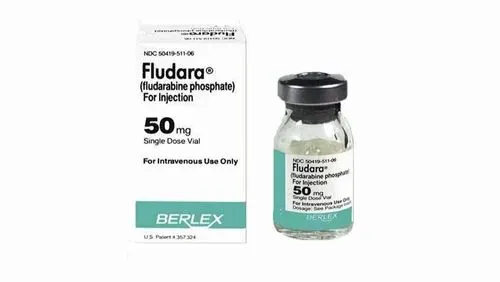
Table of Contents
- Patient Information Leaflet: Information for the User
- Fludara 10 mg film-coated tablets
- 1. What Fludara is and what it is used for
- 2. What you should know before taking Fludara
- 3. How to take Fludara
- 4. Possible side effects
- 5. How to store Fludara
- 6. Package contents and other information
- The following information is intended for healthcare professionals only:
- Package leaflet: information for the user
- Fludara 50 mg powder for solution for injection or infusion
- 1. What Fludara is and what it is used for
- 2. What you must know before taking Fludara
- 3. How to take Fludara
- 4. Possible side effects
- 5. How to store Fludara
- 6. Package contents and other information
- The following information is intended for healthcare professionals only:
Patient Information Leaflet: Information for the User
Fludara 10 mg film-coated tablets
Fludarabine phosphate
Please read this leaflet carefully before taking this medicine, as it contains important information for you.
- Keep this leaflet. You may need to read it again.
- If you have any questions, ask your doctor or pharmacist.
- This medicine has been prescribed for you personally; do not pass it on to others, even if their symptoms appear to be the same as yours, as it could be harmful.
- If you experience any side effects, including those not listed in this leaflet, please contact your doctor or pharmacist. See section 4.
Contents of this leaflet:
- What Fludara is and what it is used for
- What you need to know before taking Fludara
- How to take Fludara
- Possible side effects
- How to store Fludara
- Contents of the pack and other information
1. What Fludara is and what it is used for
Fludara contains the active substance fludarabine phosphate, which stops the growth of new tumour cells.
All cells in the body produce new identical cells through division. Fludara is taken up by tumour cells and stops their division.
In white blood cell tumours (such as chronic lymphatic leukaemia), the body produces many abnormal white blood cells (lymphocytes) and lymph nodes begin to enlarge in various parts of the body. The abnormal white blood cells cannot perform their normal disease-fighting functions and may replace healthy blood cells. This can lead to infections, a reduced number of red blood cells (anaemia), bruising, severe bleeding, or even organ failure.
Fludara is used to treat B-cell chronic lymphatic leukaemia (CLL) in patients who have sufficient production of healthy blood cells.
First-line treatment of chronic lymphatic leukaemia with Fludara should only be initiated in patients with advanced disease who have disease-related symptoms or clear evidence of disease progression.
2. What you should know before taking Fludara
Do not take Fludara:
- if you are allergic to fludarabine phosphate or to any of the other ingredients of this medicine (listed in section 6)
- if you have severe kidney problems;
- if you are breastfeeding;
- if your red blood cell count is low due to a type of anaemia (decompensated haemolytic anaemia). Your doctor will have told you if you have this condition.
Talk to your doctor before taking Fludara if you think any of these conditions may apply to you.
Page 1 of 18
Warnings and precautions
Talk to your doctor before using Fludara.
Be especially careful with Fludara:
- if your bone marrow is not functioning properly, or if you have a depressed or malfunctioning immune system, or if you have previously had serious infections.
Your doctor may decide not to give you this medicine or may take certain precautions.
- If you feel distinctly unwell, if you notice unusual bruising, increased bleeding after an injury compared to normal, or if you seem more susceptible than usual to infections.
- If during treatment your urine becomes red to brownish in colour, or if you develop a rash or any blisters on your skin.
Inform your doctor immediately.
All of these may be symptoms of a reduced number of blood cells, which can be caused by the disease itself or by treatment. This may last up to one year, regardless of whether you have previously received treatment with Fludara. During treatment with Fludara, your immune system may also attack different parts of your body or your red blood cells (these are known as “autoimmune diseases”). These conditions can be life-threatening.
In such cases, your doctor will stop your treatment and you may receive additional treatments, such as for example an infusion of irradiated blood (see below) and adrenocorticosteroids.
During treatment with Fludara, your blood will be regularly checked and you will be closely monitored.
- If you notice any unusual neurological symptoms, such as vision disturbances, headache, confusion, or seizures.
The effects of Fludara on the central nervous system when used long-term are not fully known. However, patients treated with the recommended doses were able to tolerate them for up to 26 treatment cycles.
When Fludara is used at the recommended doses, either following or concurrently with other medicines, the following adverse effects have been reported:
neurological disorders manifesting as headache, malaise (nausea) and vomiting, seizures, visual disturbances including loss of vision, changes in mental status (abnormal thoughts, confusion, altered consciousness), and occasionally neuromuscular disorders manifesting as muscle weakness in the limbs (including partial or complete irreversible paralysis) (symptoms of leukoencephalopathy, acute toxic leukoencephalopathy, or reversible posterior leukoencephalopathy syndrome (RPLS)).
In patients receiving doses four times higher than the recommended doses, blindness, coma and death have been reported.
Some of these symptoms appeared with a delay of about 60 days or more after treatment discontinuation. In some patients who received higher doses of Fludara than the recommended doses, leukoencephalopathy (LE), acute toxic leukoencephalopathy (ATL), or reversible posterior leukoencephalopathy syndrome (RPLS) have been reported. Some symptoms of LE, ATL or RPLS as described above may occur.
LE, ATL and RPLS can be irreversible, life-threatening, or fatal.
In case of suspected LE, ATL or RPLS, treatment with Fludara will be suspended for further investigations. If LE, ATL or RPLS is confirmed, your doctor will permanently discontinue treatment with Fludara.
- If you notice flank pain, blood in your urine, or a decrease in urine output.
If your disease is very severe, your body may not be able to eliminate all the waste products from cells destroyed by Fludara. This is known as tumour lysis syndrome, which may cause kidney failure and heart problems within the first week of treatment. Your doctor will be informed of this and may give you another medicine to help prevent this problem.
Your doctor may also decide that you should start treatment in hospital.
- If you need to have your stem cells collected and you are (or have been) receiving treatment with Fludara.
- If you need a blood transfusion and you are (or have been) receiving treatment with Fludara.
If you require a blood transfusion, your doctor will ensure that you receive only blood previously treated with irradiation. Serious complications and even deaths have occurred following transfusions with non-irradiated blood.
- If you notice any skin changes during or after completion of therapy.
- If you have or have had skin cancer, this may worsen or recur during treatment with Fludara or even later. You may develop skin cancer during or after treatment with Fludara.
Other considerations when being treated with Fludara:
- Fludara must not be administered during pregnancy, unless clearly indicated by your doctor.
- Women: you must not become pregnant during treatment with Fludara and must use an effective method of contraception during treatment and for 6 months after the end of treatment, as Fludara may harm the unborn child. If you become pregnant during treatment, you must inform your doctor immediately. Your doctor will decide with you whether to continue treatment with Fludara.
- Men: it is recommended not to father a child and to use an effective method of contraception during treatment and for at least 3 months after the end of treatment, and to seek advice on sperm preservation before treatment, as Fludara may impair male fertility.
- You must not breastfeed during treatment with Fludara.
- If you need vaccination, check with your doctor, as live vaccines must be avoided during and after treatment with Fludara.
- If you have kidney problems or are over 65 years of age, you will have regular blood tests and/or laboratory tests to monitor your kidney function. If your kidney problems are severe, you will definitely not be given this medicine (see sections 2 and 3).
- Fludara tablets may cause more nausea and vomiting (when you are ill or feel unwell) compared to intravenous Fludara. If this is a problem, your doctor will consider switching your treatment to intravenous Fludara.
Children and adolescents:
The safety and efficacy of Fludara have not been established in children under 18 years of age. Therefore, the use of Fludara is not recommended in children.
Elderly patients and Fludara
Patients over 65 years of age will be regularly tested to monitor kidney function (see section 3 “How to use Fludara”).
Patients over 75 years of age will be monitored with particular attention.
Other medicines and Fludara:
Tell your doctor if you are taking, have recently taken, or might take any other medicines, including those not requiring a prescription.
It is especially important to inform your doctor about:
➢ Pentostatin (deoxycoformycin), also used for the treatment of chronic lymphocytic leukaemia (CLL-B). Taking these two medicines together may lead to serious lung problems;
➢ Dipyridamole, used to prevent excessive blood clotting, or other similar products. These products may reduce the effectiveness of Fludara;
➢ Cytarabine (Ara-C), used for the treatment of chronic lymphocytic leukaemia. If Fludara is combined with cytarabine, the levels of the active form of Fludara in leukaemic cells may increase. However, no change has been observed in overall blood levels or in its elimination from the blood.
Pregnancy, breastfeeding and fertility
Pregnancy
Women: you must not become pregnant during treatment with Fludara, as animal studies and very limited human experience have shown a possible risk of fetal abnormalities, as well as early pregnancy loss or premature birth. If you become pregnant during treatment, you must inform your doctor immediately. Your doctor will decide with you whether to continue treatment with Fludara.
Breastfeeding
You must not breastfeed during treatment with Fludara.
Fertility in men and women
Women: you must use an effective method of contraception during treatment and for 6 months after the end of treatment, as Fludara may harm the unborn child.
Men: it is recommended not to father a child and to use an effective method of contraception during treatment and for at least 3 months after the end of treatment, and to seek advice on sperm preservation before treatment, as Fludara may impair male fertility.
Men and women who intend to have a child after treatment are advised to discuss this with their doctor before starting treatment with Fludara.
Driving and using machines
During treatment with Fludara, some people may feel tired or weak, experience vision disturbances, feel confused or agitated, or have seizures. Do not attempt to drive or operate machinery until you are certain you do not experience such symptoms.
Fludara tablets contain lactose
This medicine contains lactose (a type of sugar). If your doctor has diagnosed you with an intolerance to certain sugars, contact him before taking this medicine.
Fludara tablets contain sodium
This medicine contains less than 1 mmol (23 mg) of sodium per tablet, i.e. essentially “sodium-free”.
3. How to take Fludara
Take this medicine exactly as directed by your doctor. If you have any doubts, consult your doctor or pharmacist.
How many tablets to take
Your dose depends on your body surface area. This is measured in square metres (m²) and is calculated by your doctor based on your weight and height.
The recommended dose is 40 mg of fludarabine phosphate per m² of body surface area, once daily.
The usual dosage ranges between 3 and 10 tablets once daily. The exact number of tablets you must take is determined by your doctor.
How to take Fludara tablets
The tablets should be swallowed whole with water and must not be chewed or broken. You may take Fludara either on an empty stomach or with food.
How long to take Fludara
Take the dose prescribed by your doctor once daily for 5 consecutive days.
The 5-day treatment cycle will be repeated every 28 days, until your doctor determines that the optimal therapeutic effect has been achieved (usually after 6 cycles).
The duration of treatment depends on the treatment's effectiveness and how well you tolerate Fludara.
The repetition of the cycle may be delayed in case of problems due to adverse effects.
During treatment, you will have regular blood tests. Your individual dose will be carefully adjusted based on your blood cell counts and your response to therapy. If your blood cell count is too low, your next treatment may be delayed by up to two weeks, or your dose may be reduced. The dose may also be reduced in case of problems due to adverse effects.
If you have received two cycles of therapy and have not responded to treatment, but also show few signs of low blood cell counts, your doctor may decide to increase your dose.
If you have kidney problems or are over 65 years of age, you will have regular tests to monitor your kidney function. If your kidneys are not working properly, your dose of this medicine may be reduced. If your kidney function is severely impaired, you must not be given this medicine at all (see section 2).
If you take more Fludara than you should
Inform your doctor immediately if you have taken too many Fludara tablets.
High doses can lead to a severe reduction in blood cell counts.
With intravenous Fludara, overdose has been reported to cause delayed blindness, coma, and even death.
If you forget to take Fludara
Inform your doctor as soon as possible if you think you have missed a dose or if you have vomited after taking the tablets.
Do not take a double dose to make up for a missed dose.
If you stop taking Fludara
Do not stop taking Fludara without consulting your doctor.
You and your doctor may decide to discontinue treatment with Fludara if side effects become too severe.
If you have any questions about how to use this medicine, consult your doctor or pharmacist.
4. Possible side effects
Like all medicines, this medicine can cause side effects, although not everyone gets them. If you are unsure about the meaning of the side effects listed below, please ask your doctor for an explanation.
Some side effects may put the patient at risk of life-threatening conditions. Contact your doctor immediately if:
- You have difficulty breathing, cough, or chest pain, with or without fever. These may be signs of a lung infection.
- You notice unusual bruising, excessive bleeding after an injury, or if you seem more prone than usual to infections. This may be due to a reduced number of blood cells. It may also increase the risk of (serious) infections caused by organisms that normally do not cause disease in healthy people (opportunistic infections), including delayed reactivation of viruses such as herpes zoster.
- You notice pain in the side, blood in the urine, or a decrease in the amount of urine. This may be a symptom of Tumour Lysis Syndrome (see section 2).
- You develop a skin and/or mucous membrane reaction with redness, inflammation, blisters, and tearing. These may be symptoms of a severe allergic reaction (Lyell syndrome, Stevens-Johnson syndrome).
- You have palpitations (suddenly becoming aware of your heartbeat) or chest pain. These may be symptoms of heart problems.
Below are the possible side effects according to their frequency, known for Fludara when administered intravenously.
Very common side effects (may affect more than 1 in 10 people)
- infections (some severe);
- infections due to suppression of the immune system (opportunistic infections);
- lung infection (pneumonia), with possible symptoms such as difficulty breathing and/or cough, with or without fever;
- reduced number of platelets in the blood (thrombocytopenia), possibly leading to bruising and bleeding;
- decreased white blood cells (neutropenia);
- decreased red blood cells (anemia);
- cough;
- vomiting, diarrhoea, feeling unwell (nausea);
- fever;
- feeling of tiredness (fatigue);
- weakness.
Common side effects (may affect up to 1 in 10 people)
-
other types of blood cancers (myelodysplastic syndrome, acute myeloid leukaemia). Most patients with these conditions had previously been treated, either concurrently or subsequently, with other anticancer drugs (alkylating agents, topoisomerase inhibitors) or radiotherapy;
-
bone marrow suppression (myelosuppression);
-
severe loss of appetite leading to weight loss (anorexia);
-
numbness or weakness in the limbs (peripheral neuropathy);
-
vision disorders;
-
inflammation inside the mouth (stomatitis);
-
skin rash;
-
swelling due to excessive fluid retention (oedema);
-
inflammation of the mucous membranes of the digestive tract, from mouth to anus (mucositis);
-
chills;
-
general feeling of malaise.
Uncommon side effects (may affect up to 1 in 100 people)
- autoimmune diseases (see section 2);
- tumour lysis syndrome (see section 2);
- confusion;
- lung toxicity, scarring in the lungs (pulmonary fibrosis), inflammation of the lungs (pneumonitis), shortness of breath (dyspnoea);
- bleeding in the stomach and intestines;
- abnormal levels of liver or pancreatic enzymes.
Rare side effects (may affect up to 1 in 1,000 people)
- disorders of the lymphatic system due to viral infections (EBV-associated lymphoproliferative disorders);
- coma;
- seizures;
- agitation;
- blindness;
- inflammation or damage to the optic nerve (optic neuritis, optic neuropathy);
- heart failure;
- irregular heartbeat (arrhythmia);
- skin tumour;
- skin and/or mucous membrane reaction with redness, inflammation, blisters, and tearing (Lyell syndrome, Stevens-Johnson syndrome).
Frequency not known (frequency cannot be estimated from the available data)
- bleeding in the brain;
- neurological disorders presenting with headache, feeling unwell (nausea) and vomiting, seizures, visual disturbances including loss of vision, changes in mental status (abnormal thoughts, confusion, altered consciousness), and occasionally neuromuscular disorders manifesting as muscle weakness in the limbs (including partial or complete irreversible paralysis) (symptoms of leukoencephalopathy, acute toxic leukoencephalopathy, or reversible posterior leukoencephalopathy syndrome (RPLS)).
- bleeding in the lungs;
- inflammation of the bladder, which may cause pain during urination and may lead to blood in the urine (haemorrhagic cystitis).
Reporting of side effects
If you experience any side effect, including those not listed in this leaflet, talk to your doctor or pharmacist. You can also report side effects directly via the national reporting system at the following website: https://www.aifa.gov.it/content/segnalazioni-reazioni-avverse.
By reporting side effects, you can help provide more information on the safety of this medicine.
5. How to store Fludara
Keep this medicine out of the sight and reach of children.
Do not use this medicine after the expiry date stated on the vial label and on the blister after
Exp.
The expiry date refers to the last day of that month.
Fludara is a cytotoxic medicine. It must always be stored in the original child-resistant packaging.
Store below 25°C. Do not refrigerate. Keep in the original packaging to protect the medicine from moisture.
Do not dispose of any medicine via wastewater or household waste. Ask your pharmacist how to dispose of medicines you no longer use. This will help protect the environment.
Consult your doctor or pharmacist regarding unused or to-be-discarded tablets. They must be destroyed in accordance with local regulations for cytotoxic medicines.
6. Package contents and other information
The active substance is fludarabine phosphate. Each Fludara film-coated tablet contains 10 mg
of fludarabine phosphate.
- The other components are in the tablet core: cellulose (microcrystalline), lactose (monohydrate), silica (anhydrous colloidal), croscarmellose sodium, magnesium stearate; and in the coating film: hypromellose, talc, titanium dioxide (E 171), yellow iron oxide (E172), red iron oxide (E172).
Description of the appearance of Fludara and package contents:
Fludara are salmon-pink, capsule-shaped, film-coated tablets, with the code 'LN' imprinted on one side within a regular hexagon.
The tablets are supplied in blisters, each containing 5 tablets.
The blisters are made of a thermoformed sheet of polyamide/aluminium/polypropylene sealed with an aluminium foil.
The blisters are packed into a tablet container made of polyethylene, provided with a child-resistant screw cap made of polypropylene.
Fludara is available in pack sizes containing:
- 15 tablets in 3 blisters in a child-resistant bottle.
- 20 tablets in 4 blisters in a child-resistant bottle. Not all pack sizes may be marketed.
Marketing Authorization Holder
Sanofi B.V.
Paasheuvelweg 25
1105 BP Amsterdam
The Netherlands
Manufacturer responsible for batch release
HVL Pharma UK LTD.
37 Hollands Road
Haverhill,
CB9 8PU (United Kingdom)
SANOFI WINTHROP INDUSTRIE
30-36 Avenue Gustave Eiffel
37100 Tours (France)
This medicinal product is authorized in the European Economic Area countries under the following
names:
| Austria | Fludara |
| Denmark | Fludara |
| France | Fludara |
| Finland | Fludara |
| Germany | Fludara |
| Greece | Fludara |
| Ireland | Fludara |
| Iceland | Fludara |
| Italy | Fludara |
| Luxembourg | Fludara |
| Netherlands | Fludara |
| Norway | Fludara |
| Portugal | Fludara |
| Spain | Beneflur |
| Sweden | Fludara |
| United Kingdom | Fludara |
The following information is intended for healthcare professionals only:
Handling and disposal
Fludara must not be handled by personnel who are pregnant.
Proper handling procedures in accordance with local regulations for cytotoxic medicinal products must be followed.
Waste material must be disposed of by incineration.
Any unused medicinal product or waste material must be disposed of in accordance with local regulations for cytotoxic medicinal products.
Package leaflet: information for the user
Fludara 50 mg powder for solution for injection or infusion
Fludarabine phosphate
Please read this leaflet carefully before taking this medicine because it contains important information for you.
- Keep this leaflet. You may need to read it again.
- If you have any questions, consult your doctor or pharmacist.
- If you experience any side effects, including those not listed in this leaflet, please contact your doctor or pharmacist. See section 4.
Contents of this leaflet:
- What Fludara is and what it is used for
- What you need to know before taking Fludara
- How to take Fludara
- Possible side effects
- How to store Fludara
- Contents of the pack and other information
1. What Fludara is and what it is used for
Fludara contains the active substance fludarabine phosphate, which stops the growth of new tumour cells.
All cells in the body produce new identical cells through division. Fludara is taken up by tumour cells and stops their division.
In blood cancers (such as chronic lymphatic leukaemia), the body produces many abnormal white blood cells ( lymphocytes ) and lymph nodes begin to enlarge in various parts of the body. The abnormal white blood cells cannot perform their normal disease-fighting functions and may replace healthy blood cells. This may lead to infections, a decrease in the number of red blood cells ( anaemia ), bruising, severe bleeding or even organ failure.
Fludara is used to treat B-cell chronic lymphatic leukaemia (CLL) in patients with adequate bone marrow reserve.
First-line treatment with Fludara should only be initiated in patients with advanced disease who have disease-related symptoms or clear evidence of disease progression.
2. What you must know before taking Fludara
Do not take Fludara:
- if you are allergic to fludarabine phosphate or to any of the other ingredients of this medicine (listed in section 6);
- if you are breastfeeding;
- if you have severe kidney problems;
- if your red blood cell count is low due to a type of anaemia (decompensated haemolytic anaemia). Your doctor will have told you if you have this condition.
Talk to your doctor if you think any of these conditions may apply to you.
Warnings and precautions:
Talk to your doctor before using Fludara.
Be especially careful with Fludara:
- if your bone marrow is not functioning properly, or if you have a depressed or malfunctioning immune system, or if you have previously had serious infections.
Your doctor may decide not to give you this medicine or may take certain precautions.
- If you feel distinctly unwell, if you notice unusual bruising, increased bleeding after an injury compared to normal, or if you seem more prone than usual to infections.
- If during treatment your urine becomes red to brownish in colour, or if you develop a skin rash or any blisters on your skin.
Inform your doctor immediately.
All of these may be symptoms of a reduced number of blood cells, which can be caused by the disease itself or by therapy. This may last up to one year, regardless of whether you have previously received treatment with Fludara. During treatment with Fludara, your immune system may also attack different parts of your body or your red blood cells (these are known as “autoimmune diseases”). These conditions can be life-threatening.
In such cases, your doctor will stop your treatment and you may receive further treatments, such as for example an infusion of irradiated blood (see below) and adrenocorticosteroids.
During treatment with Fludara, your blood will be regularly checked and you will be closely monitored.
- If you notice any unusual neurological symptoms, such as vision problems, headache, confusion, or seizures.
The effects of Fludara on the central nervous system when used long-term are not fully known. However, patients treated with the recommended doses were able to tolerate them for up to 26 treatment cycles.
When Fludara is used at the recommended doses, following or concomitant with other medicines, the following adverse effects have been reported:
neurological disorders presenting as headache, malaise (nausea), and vomiting, seizures, visual disturbances including loss of vision, changes in mental status (abnormal thoughts, confusion, altered consciousness), and occasionally neuromuscular disorders manifesting as muscle weakness in the limbs (including partial or complete irreversible paralysis) (symptoms of leukoencephalopathy, acute toxic leukoencephalopathy, or reversible posterior leukoencephalopathy syndrome (RPLS)).
In patients receiving doses four times higher than recommended, blindness, coma, and death have been reported.
Some of these symptoms appeared with a delay of about 60 days or more after discontinuation of treatment. In some patients who received higher doses of Fludara than recommended, leukoencephalopathy (LE), acute toxic leukoencephalopathy (ATL), or reversible posterior leukoencephalopathy syndrome (RPLS) have been reported. Some of the symptoms of LE, ATL, or RPLS as described above may occur.
LE, ATL, and RPLS can be irreversible, life-threatening, or fatal.
In case of suspected LE, ATL, or RPLS, treatment with Fludara will be suspended pending further investigations. If LE, ATL, or RPLS is confirmed, your doctor will permanently discontinue treatment with Fludara.
- If you notice flank pain, blood in your urine, or a decrease in urine output.
If your disease is very severe, your body may be unable to eliminate all the waste products from cells destroyed by Fludara. This is known as tumour lysis syndrome, which may cause kidney failure and heart problems within the first week of treatment. Your doctor will be informed of this and may give you another medicine or help you prevent this problem.
- If you need to have your stem cells collected and you are (or have been) receiving Fludara treatment.
- If you need a blood transfusion and you are (or have been) receiving Fludara treatment.
If you require a blood transfusion, your doctor will ensure that you receive only blood previously treated with irradiation. Serious complications, and even deaths, have occurred following transfusions with non-irradiated blood.
- If you notice a change in your skin, either during treatment or after treatment has ended.
- If you have or have had skin cancer, this may worsen or recur during treatment with Fludara or even later. You may develop skin cancer during or after treatment with Fludara.
Other considerations when receiving Fludara:
- Fludara must not be administered during pregnancy, unless clearly indicated by your doctor.
- Women: you must not become pregnant during treatment with Fludara and must use an effective contraceptive method during and for 6 months after the end of treatment, as Fludara may harm the unborn child. If you become pregnant during treatment, you must inform your doctor immediately. Your doctor will decide with you whether to continue treatment with Fludara.
- Men: it is recommended that you do not father a child and use an effective contraceptive method during and for at least 3 months after the end of treatment, and you should seek advice on sperm preservation before treatment, as Fludara may impair male fertility.
- You must not breastfeed during treatment with Fludara.
- If you need a vaccination, check with your doctor, as vaccinations with live vaccines must be avoided during and after treatment with Fludara.
- If you have kidney problems or are over 65 years of age, you will have regular blood tests and/or laboratory tests to monitor your kidney function (see sections 2 and 3).
Children and adolescents
The safety and efficacy of Fludara have not been established in children under 18 years of age. Therefore, the use of Fludara is not recommended in children.
Elderly patients and Fludara
Patients over 65 years of age will be regularly tested to assess their kidney function (see also section 3 “How to use Fludara”).
Patients over 75 years of age will be monitored with particular attention.
Other medicines and Fludara
Inform your doctor if you are taking, have recently taken, or might take any other medicines, including those without a prescription.
It is especially important to inform your doctor about:
➢ Pentostatin (deoxycoformycin), also used to treat chronic lymphocytic leukaemia (CLL-B). Taking these two medicines together may lead to serious lung problems.
➢ Dipyridamole, used to prevent excessive blood clotting, or other similar medicines. These medicines may reduce the effectiveness of Fludara.
➢ Cytarabine (Ara-C), used to treat chronic lymphocytic leukaemia. When Fludara is combined with cytarabine, the levels of the active form of Fludara in leukaemic cells may increase. However, no change has been observed in its overall blood levels or elimination from the blood.
Pregnancy, breastfeeding, and fertility
Pregnancy
Women: you must not become pregnant during treatment with Fludara, as animal studies and very limited human experience have shown a possible risk of fetal abnormalities, as well as early pregnancy loss or premature birth. If you become pregnant during treatment, you must inform your doctor immediately. Your doctor will decide together with you whether to continue taking Fludara.
Breastfeeding
You must not breastfeed during treatment with Fludara.
Fertility in men and women
Women: you must use an effective contraceptive method during and for 6 months after the end of treatment, as Fludara may harm the unborn child.
Men: it is recommended that you do not father a child and use an effective contraceptive method during and for at least 3 months after the end of treatment, and you should seek advice on sperm preservation before treatment, as Fludara may impair male fertility.
Men and women who intend to have a child after treatment are advised to discuss this with their doctor before starting treatment with Fludara.
Driving and using machines:
During treatment with Fludara, some people feel tired or weak, experience vision disturbances, feel confused or agitated, or have seizures. Do not attempt to drive or operate machinery until you are certain you do not experience such symptoms.
Fludara contains sodium
This medicine contains less than 1 mmol of sodium per dose, i.e. essentially "sodium-free".
3. How to take Fludara
Fludara must be administered under the supervision of a qualified physician experienced in the use of antitumor therapies.
How much Fludara to take:
The dose you are given depends on your body surface area. This is measured in square meters (m²) and is calculated by your doctor based on your weight and height.
The recommended dose is 25 mg of fludarabine phosphate per m² of body surface area.
How Fludara is administered
Fludara is given as an injection solution or, more commonly, by infusion.
Infusion means that the medicine is delivered directly into the bloodstream by slow drip into a vein. An infusion takes approximately 30 minutes.
Your doctor will ensure that Fludara is not administered outside the vein (extravasation). However, if this should occur, no severe local adverse events have been reported.
How long to take Fludara
The dose will be administered once daily for 5 consecutive days.
The 5-day treatment cycle will be repeated every 28 days, until your doctor determines that the optimal therapeutic effect has been achieved (usually after 6 cycles).
The duration of treatment depends on its effectiveness and how well you tolerate Fludara.
Repetition of the cycle may be delayed if problems arise due to adverse effects.
During treatment, you will have regular blood tests. Your individual dose will be carefully adjusted based on the number of blood cells in your blood and your response to therapy.
The dose may be reduced if problems occur due to adverse effects.
If you have kidney problems or are over 65 years of age, you will have regular tests to monitor your kidney function. If your kidneys are not working properly, your dose of this medicine may be reduced. If your kidney function is severely impaired, this medicine must not be given at all (see section 2).
If Fludara solution is accidentally spilled
If the Fludara solution comes into contact with your skin or the mucous membranes of your nose or mouth, wash the affected area thoroughly with soap and water. If the solution contacts your eyes, rinse them thoroughly with plenty of tap water. Avoid inhalation exposure.
If you take more Fludara than you should
If you have received an overdose, your doctor will stop treatment and treat any symptoms.
High doses can lead to a severe reduction in blood cell counts.
For Fludara administered intravenously, overdose has been reported to cause delayed blindness, coma, and even death.
If you forget to take Fludara
Your doctor will schedule when you should receive the medicine. Inform your doctor as soon as possible if you think you have missed a dose.
If you stop taking Fludara
You and your doctor may decide to discontinue treatment with Fludara if side effects become too severe.
If you have any doubts about how to use this medicine, consult your doctor or pharmacist.
4. Possible side effects
Like all medicines, this medicine can cause side effects, although not everybody will experience them.
If you are unsure about the meaning of the side effects listed below, please ask your doctor to explain them to you.
Some side effects may put the patient at risk of life-threatening conditions. Inform your doctor immediately:
- if you have difficulty breathing, cough or chest pain, with or without fever. These may be signs of a lung infection.
- if you notice unusual bruising, bleeding more than usual after an injury, or if you seem more prone than usual to infections. This may be caused by a reduced number of blood cells. It may also lead to an increased risk of (serious) infections caused by organisms that normally do not cause disease in healthy people (opportunistic infections), including delayed reactivation of viruses such as herpes zoster.
- if you notice flank pain, blood in the urine, or a decrease in the amount of urine. This may be a symptom of tumour lysis syndrome (see section 2).
- if you notice a skin and/or mucous membrane reaction with redness, inflammation, blisters and ulceration. These may be symptoms of a severe allergic reaction (Lyell syndrome, Stevens-Johnson syndrome).
- if you have palpitations (suddenly becoming aware of your heartbeat) or chest pain. These may be symptoms of heart problems.
Below are the possible side effects according to their frequency.
Very common side effects (may affect more than 1 in 10 people)
- infections (some serious);
- infections due to suppression of the immune system (opportunistic infections);
- lung infection (pneumonia) with possible symptoms such as difficulty breathing and/or cough, with or without fever;
- reduced number of platelets in the blood (thrombocytopenia), possibly leading to bruising and bleeding;
- decrease in white blood cells (neutropenia);
- decrease in red blood cells (anaemia);
- cough;
- vomiting, diarrhoea, feeling unwell (nausea);
- fever;
- feeling of tiredness (fatigue);
- weakness.
Common side effects (may affect up to 1 in 10 people)
- other types of blood cancer (myelodysplastic syndrome, acute myeloid leukaemia). Most patients with these conditions had previously been treated, either simultaneously or subsequently, with other anticancer drugs (alkylating agents, topoisomerase inhibitors) or with radiotherapy;
- bone marrow suppression (myelosuppression);
- severe loss of appetite leading to weight loss (anorexia);
- numbness or weakness in the limbs (peripheral neuropathy);
- vision disorders;
- inflammation of the lining of the mouth (stomatitis);
- skin rash;
- swelling due to excessive fluid retention (oedema);
- inflammation of the mucous membranes of the digestive tract, from mouth to anus (mucositis);
- chills;
- general feeling of malaise.
Uncommon side effects (may affect up to 1 in 100 people)
- autoimmune diseases (see section 2);
- tumour lysis syndrome (see section 2);
- confusion;
- lung toxicity, scarring in the lungs (pulmonary fibrosis), inflammation of the lungs (pneumonitis), shortness of breath (dyspnoea);
- bleeding in the stomach and intestines;
- abnormal levels of liver or pancreatic enzymes.
Rare side effects (may affect up to 1 in 1,000 people)
- disorders of the lymphatic system due to viral infections (EBV-associated lymphoproliferative disorders);
- coma;
- seizures;
- agitation;
- blindness;
- inflammation or damage to the optic nerve (optic neuritis, optic neuropathy);
- heart failure;
- irregular heartbeat (arrhythmia);
- skin cancer;
- skin and/or mucous membrane reaction with redness, inflammation, blisters and ulceration (Lyell syndrome, Stevens-Johnson syndrome).
Frequency not known (cannot be estimated from the available data)
- bleeding in the brain;
- neurological disorders presenting with headache, feeling unwell (nausea) and vomiting, seizures, visual disturbances including loss of vision, changes in mental status (abnormal thoughts, confusion, altered consciousness), and occasionally neuromuscular disorders manifesting as muscle weakness in the limbs (including partial or complete irreversible paralysis) (symptoms of leukoencephalopathy, acute toxic leukoencephalopathy, or posterior reversible leukoencephalopathy syndrome (RPLS));
- bleeding in the lungs;
- inflammation of the bladder, which may cause pain during urination and may lead to blood in the urine (haemorrhagic cystitis).
Reporting of side effects
If you experience any side effect, including those not listed in this leaflet, talk to your doctor or pharmacist. You can also report side effects directly via the national reporting system at https://www.aifa.gov.it/content/segnalazioni-reazioni-avverse.
By reporting side effects, you can help provide more information on the safety of this medicine.
5. How to store Fludara
Keep this medicine out of the sight and reach of children.
Do not use this medicine after the expiry date which is stated on the label of the carton and vial
after "Exp".
The expiry date refers to the last day of that month.
Sealed vial
This medicine requires no special storage conditions.
Reconstituted and diluted solutions
Reconstituted Fludara must be used immediately or within 8 hours after reconstitution if stored at room temperature, or within 24 hours if stored between 2°C and 8°C.
6. Package contents and other information
What Fludara contains
The active substance is fludarabine phosphate. Each vial contains 50 mg of fludarabine phosphate. 1 ml of
reconstituted solution contains 25 mg of fludarabine phosphate.
The other components are mannitol and sodium hydroxide.
Description of the appearance of Fludara and contents of the pack
Fludara is a sterile, white powder for injectable solution or infusion supplied in 10 ml glass vials. The powder is reconstituted with water for injections and subsequently diluted.
The reconstituted solution is clear and colourless.
Fludara is available in packs containing 5 vials.
Marketing Authorization Holder
Sanofi B.V.
Paasheuvelweg 25
1105 BP Amsterdam
The Netherlands
Responsible manufacturer for batch release
HVL Pharma UK LTD, 37 Hollands Road Haverhill, CB9 8PU (United Kingdom)
Sanofi Winthrop Industrie, 30-36 Avenue Gustave Eiffel, 37100 Tours (France)
This medicinal product is authorized in the Member States of the European Economic Area under the following names:
| Austria | Fludara |
| Belgium | Fludara |
| Denmark | Fludara |
| France | Fludara |
| Finland | Fludara |
| Germany | Fludara |
| Greece | Fludara |
| Ireland | Fludara |
| Italy | Fludara |
| Luxembourg | Fludara |
| Netherlands | Fludara |
| Portugal | Fludara |
| Spain | Beneflur |
| Sweden | Fludara |
| United Kingdom | Fludara |
The following information is intended for healthcare professionals only:
Reconstitution
Fludara must be prepared for parenteral use by aseptically adding sterile water for injection.
When reconstituted with 2 ml of sterile water for injection, the powder should dissolve completely within 15 seconds or less. Each ml of the resulting solution will contain 25 mg of fludarabine phosphate, 25 mg of mannitol, and sodium hydroxide (to adjust pH to 7.7). The final product has a pH range of 7.2–8.2.
Dilution
The required dose (calculated according to the patient's body surface area) should be withdrawn into a syringe.
For intravenous bolus injection, this dose should be further diluted in 10 ml of sodium chloride 9 mg/ml (0.9%). Alternatively, for infusion, the required dose may be diluted in 100 ml of sodium chloride 9 mg/ml (0.9%) and administered over approximately 30 minutes.
In clinical studies, the product has been diluted in either 100 ml or 125 ml of 5% dextrose injection or sodium chloride 9 mg/ml (0.9%).
Inspection prior to use
The reconstituted solution is clear and colorless. It should be visually inspected before use. Only clear, colorless solutions free from particulate matter should be used. Fludara must not be used if the container is damaged.
Handling and disposal
Fludara must not be handled by pregnant personnel.
Appropriate procedures for safe handling, in accordance with local regulations for cytotoxic drugs, must be followed.
Extreme caution should be exercised during handling and preparation of Fludara solution. The use of latex gloves and safety goggles is recommended to prevent exposure in case of vial breakage or accidental spillage. If the solution comes into contact with the skin or mucous membranes, the affected area should be thoroughly washed with soap and water. If contact occurs with the eyes, they should be rinsed thoroughly with copious amounts of water. Inhalation exposure should be avoided.
The medicinal product is for single use only. Any unused medicinal product, spillage, or waste material must be disposed of in accordance with local regulations.