Fluconazole Tecnigen
Italy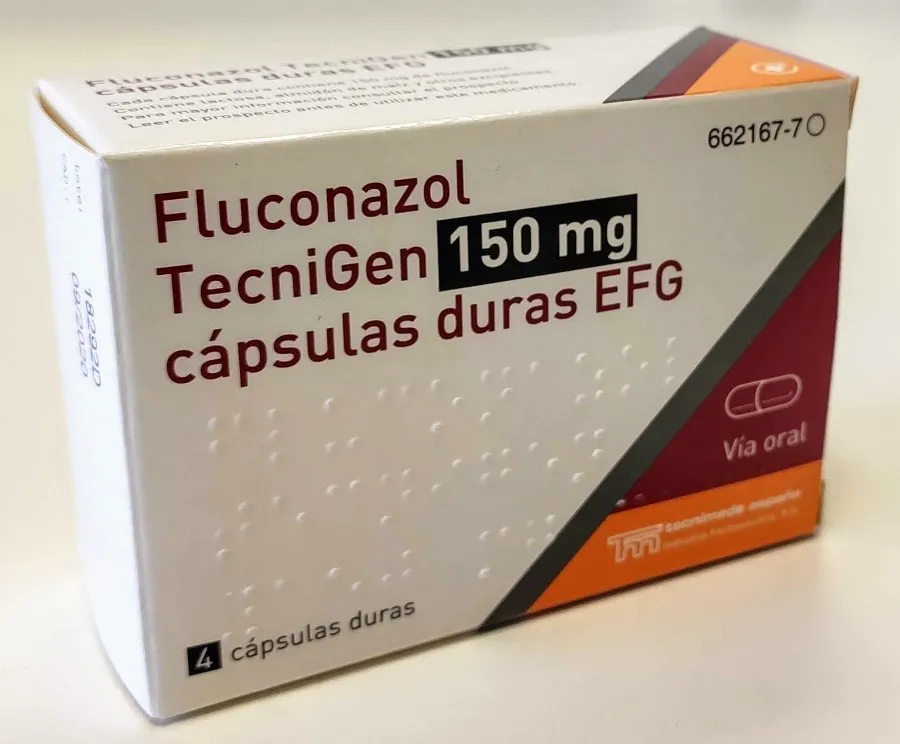
Table of Contents
- Package leaflet: Information for the user
- Fluconazole Tecnigen 50 mg hard capsules
- 1. What Fluconazolo Tecnigen is and what it is used for
- 2. What you need to know before taking it
- 3. How to take Fluconazole Tecnigen
- 4. Possible side effects
- 5. How to store Fluconazole Tecnigen
- 6. Package contents and other information
Package leaflet: Information for the user
Fluconazole Tecnigen 50 mg hard capsules
Fluconazole Tecnigen 150 mg hard capsules
Fluconazole Tecnigen 200 mg hard capsules
fluconazole
Generic medicine
Read this leaflet carefully before taking this medicine because it contains
important information for you.
- Keep this leaflet. You may need to read it again.
- If you have any questions, ask your doctor, pharmacist, or nurse.
- This medicine has been prescribed for you only. Do not give it to others, even if they have the same symptoms as you, because it could be harmful.
- If you experience any side effect, including those not listed in this leaflet, tell your doctor, pharmacist, or nurse. See section 4.
Contents of this leaflet:
- What Fluconazole Tecnigen is and what it is used for.
- What you need to know before taking Fluconazole Tecnigen.
- How to take Fluconazole Tecnigen.
- Possible side effects.
- How to store Fluconazole Tecnigen.
- Contents of the pack and other information.
1. What Fluconazolo Tecnigen is and what it is used for
Fluconazolo Tecnigen belongs to a group of medicines called "antifungals".
The active substance is fluconazole.
Fluconazolo Tecnigen is used to treat fungal infections and can also be used to prevent Candida infections. The most common cause of fungal infections is a yeast called Candida.
Adults
Your doctor may prescribe this medicine to treat the following fungal infections:
- Cryptococcal meningitis (a fungal infection of the brain);
- Coccidioidomycosis (a disease affecting the bronchopulmonary system);
- Infections caused by Candida found in the bloodstream, organs (e.g. heart, lungs) or urinary tract;
- Mucosal candidiasis (oral mucosa infection, throat infection, denture stomatitis);
- Genital candidiasis (vaginal or penile infection);
- Skin infections (e.g. athlete’s foot, ringworm, genital itching, nail infections).
Fluconazolo Tecnigen may be prescribed to:
- prevent recurrence of cryptococcal meningitis;
- prevent recurrence of mucosal candidiasis;
- reduce recurrences of vaginal candidiasis;
- prevent Candida infections (if your immune system is weak or not functioning properly).
Children and adolescents (from 0 to 17 years)
Your doctor may prescribe this medicine to treat the following fungal infections:
- Mucosal candidiasis, oral mucosa infection, throat infection;
- Infections caused by Candida found in the bloodstream, organs (e.g. heart, lungs) or urinary tract;
- Cryptococcal meningitis, a fungal infection of the brain.
Fluconazolo Tecnigen may be prescribed to:
- prevent Candida infections (if your immune system is weak or not functioning properly);
- prevent recurrence of cryptococcal meningitis.
2. What you need to know before taking it
Do not take Fluconazolo Tecnigen
- if you are allergic to fluconazole, to other medicines used to treat fungal infections, or to any of the other ingredients of this medicine (listed in section 6). Symptoms may include itching, skin redness, or difficulty breathing;
- if you are taking astemizole or terfenadine (antihistamines used to treat allergies);
- if you are taking cisapride (used to treat stomach disorders);
- if you are taking pimozide (used to treat mental disorders);
- if you are taking quinidine (used to treat cardiac arrhythmias);
- if you are taking erythromycin (an antibiotic used to treat bacterial infections).
Warnings and precautions
Talk to your doctor or pharmacist before taking Fluconazolo Tecnigen
- if you have liver or kidney problems;
- if you suffer from heart diseases, including cardiac arrhythmia;
- if you have abnormal levels of potassium, calcium, or magnesium in your blood;
- if severe skin reactions occur (such as itching, skin redness, or difficulty breathing);
- if you experience signs of 'adrenal insufficiency', where the adrenal glands do not produce adequate amounts of certain steroid hormones such as cortisol (chronic or prolonged fatigue, muscle weakness, loss of appetite, weight loss, abdominal pain);
- if you have previously developed a severe skin rash, skin peeling, blisters, and/or mouth ulcers after taking fluconazole;
- if the fungal infection does not improve, alternative antifungal therapy may be needed.
Severe skin reactions, including Drug Reaction with Eosinophilia and Systemic Symptoms (DRESS), have been reported with fluconazole treatment. Stop taking Fluconazolo Tecnigen and contact your doctor immediately if you notice any of the symptoms related to severe skin reactions described in section 4.
Talk to your doctor or pharmacist if the fungal infection does not improve, as alternative antifungal therapy may be required.
Other medicines and Fluconazolo Tecnigen
Tell your doctor or pharmacist if you are taking, have recently taken, or might take any other medicines.
Tell your doctor immediately if you are taking astemizole or terfenadine (antihistamines used to treat allergies), cisapride (used to treat stomach disorders), pimozide (used to treat mental disorders), quinidine (used to treat cardiac arrhythmias), or erythromycin (an antibiotic used to treat bacterial infections), as these must not be taken with Fluconazolo Tecnigen (see section: "Do not take Fluconazolo Tecnigen").
Some medicines may interact with Fluconazolo Tecnigen. Inform your doctor if you are taking any of the following medicines, as dose adjustment or monitoring may be necessary to ensure these medicines continue to work as intended:
- rifampicin or rifabutin (antibiotics used to treat bacterial infections);
- amiodarone (used to treat "arrhythmias", irregular heartbeats);
- abrocitinib (used to treat atopic dermatitis, also known as atopic eczema);
- hydrochlorothiazide (a diuretic);
- alfentanil, fentanyl (anesthetics);
- amitriptyline, nortriptyline (antidepressants);
- amphotericin B, voriconazole (antifungals);
- blood-thinning medicines to prevent blood clots (warfarin or similar medicines);
- benzodiazepines (midazolam, triazolam or similar medicines) used to help you sleep or for anxiety;
- carbamazepine, phenytoin (used to treat epileptic seizures);
- nifedipine, isradipine, amlodipine, verapamil, felodipine, and losartan (used to treat hypertension - high blood pressure);
- olaparib (used to treat ovarian carcinoma);
- ciclosporin, everolimus, sirolimus, or tacrolimus (used to prevent transplant rejection);
- cyclophosphamide, vinca alkaloids (vincristine, vinblastine, or similar medicines) used to treat cancer;
- halofantrine (used to treat malaria);
- statins (atorvastatin, simvastatin, fluvastatin, and similar medicines) used to lower high cholesterol levels;
- methadone (used to treat pain);
- celecoxib, flurbiprofen, naproxen, ibuprofen, lornoxicam, meloxicam, diclofenac (Non-Steroidal Anti-Inflammatory Drugs - NSAIDs);
- oral contraceptives;
- prednisone (a steroid);
- zidovudine, also known as AZT; saquinavir (used in HIV patients);
- diabetes medicines such as chlorpropamide, glibenclamide, glipizide, or tolbutamide;
- theophylline (used to control asthma);
- tofacitinib (used to treat rheumatoid arthritis);
- tolvaptan, used to treat hyponatremia (low sodium levels in the blood) or to slow the decline in kidney function;
- vitamin A (dietary supplement);
- ivacaftor (alone or in combination with other medicines used to treat cystic fibrosis);
- amiodarone (used to treat "arrhythmias", irregular heartbeats);
- hydrochlorothiazide (a diuretic);
- ibrutinib (used to treat blood cancer);
- lurasidone (used to treat schizophrenia).
Fluconazolo Tecnigen with food and drink
You may take this medicine with or without food.
Pregnancy, breastfeeding, and fertility
If you are pregnant, think you may be pregnant, are planning to become pregnant, or are breastfeeding, consult your doctor or pharmacist before taking this medicine.
If you are planning to become pregnant, you should wait one week after a single dose of fluconazole before trying to conceive.
For longer treatment cycles with fluconazole, consult your doctor to assess the need for adequate contraception during treatment, which should continue for one week after the last dose.
Do not take Fluconazolo Tecnigen if you are pregnant, think you may be pregnant, or are planning to become pregnant, unless instructed by your doctor. If you become pregnant while taking this medicine or within one week after the most recent dose, contact your doctor immediately.
Taking fluconazole during the first or second trimester of pregnancy may increase the risk of miscarriage. Taking fluconazole during the first trimester may increase the risk of congenital malformations affecting the baby's heart, bones, and/or muscles.
Cases of babies born with birth defects affecting the skull, ears, and thigh and elbow bones have been reported in women treated for three months or more with high doses (400–800 mg daily) of fluconazole for coccidioidomycosis. The link between fluconazole and these cases is not fully established.
You may continue breastfeeding after a single 150 mg dose of Fluconazolo Tecnigen.
You must not breastfeed if you are taking repeated doses of Fluconazolo Tecnigen.
Driving and using machines
Be aware that dizziness or seizures may occur while driving or operating machinery.
Fluconazolo Tecnigen contains lactose (milk sugar)
This medicine contains a small amount of lactose (milk sugar). If your doctor has informed you that you have an intolerance to certain sugars, consult your doctor before taking this medicine.
3. How to take Fluconazole Tecnigen
Take this medicine exactly as directed by your doctor. If you have any doubts, consult your doctor or pharmacist.
Swallow the capsule whole with a glass of water. It is best to take the capsules at the same time each day.
The recommended doses of this medicine, depending on the infection, are listed below:
Adults
| Condition | Dose |
| Treatment of cryptococcal meningitis | 400 mg on the first day, then 200–400 mg once daily for 6–8 weeks or longer if necessary. Sometimes doses are increased up to 800 mg. |
| Prevention of recurrence of cryptococcal meningitis | 200 mg once daily until you are told to stop. |
| Treatment of coccidioidomycosis | 200–400 mg once daily for 11 months up to 24 months or longer if necessary. Sometimes doses are increased up to 800 mg. |
| Endemic Candida fungal infections | 800 mg on the first day, then 400 mg once daily until you are told to stop. |
| Treatment of oral mucosal infections, throat infections, and denture-related stomatitis | 200–400 mg on the first day, then 100–200 mg once daily until you are told to stop. |
| Mucosal candidiasis – dose depends on site of infection | 50–400 mg once daily for 7–30 days until you are told to stop. |
| Prevention of recurrence of oral mucosal infections, throat infections | 100–200 mg once daily, or 200 mg three times weekly while at risk of infection. |
| Genital candidiasis | 150 mg as a single dose. |
| Reducing recurrences of vaginal candidiasis | 150 mg every three days for a total of 3 doses (day 1, 4, and 7), then once weekly for 6 months while at risk of infection. |
| Skin mycosis and nail infections | Depending on the site of infection: 50 mg once daily, 150 mg once weekly, or 300–400 mg once weekly for 1–4 weeks (athlete’s foot may require up to 6 weeks; treatment of nail infections continues until the infected nail is fully replaced). |
| Prevention of Candida infections (if your immune system is weakened or not functioning properly) | 200–400 mg once daily while at risk of infection. |
Adolescents from 12 to 17 years
Always take the dose prescribed by your doctor (either the adult dose or the children's dose).
Children up to 11 years
The maximum dose in children is 400 mg per day.
The dose will be based on the child's weight in kilograms.
| Condition | Daily dose |
| Oral and throat candidiasis – dosage and duration of treatment depend on the severity and site of infection | 3 mg per kg of body weight once daily (on the first day, 6 mg per kg of body weight may be administered) |
| Cryptococcal meningitis or endemic fungal infections due to Candida | From 6 mg to 12 mg per kg of body weight once daily |
| Prevention of recurrence of cryptococcal meningitis | 6 mg per kg of body weight once daily |
| Prevention of Candida infection in children (if their immune system is not functioning properly) | From 3 mg to 12 mg per kg of body weight once daily |
Use in children from 0 to 4 weeks of age
Use in children aged 3 to 4 weeks:
The same dosage described above, administered once every 2 days. The maximum dose is
12 mg per kg of body weight every 48 hours.
Use in children under 2 weeks of age:
The same dosage described above, administered once every 3 days. The maximum dose is
12 mg per kg of body weight every 72 hours.
Elderly
The same dose as recommended for adults should be used unless you have renal problems.
Patients with renal impairment
Your doctor may adjust the dosage according to kidney function.
If you take more Fluconazolo Tecnigen than you should
Taking too many capsules at once could cause you problems. Contact your doctor immediately or go to the nearest hospital.
In case of accidental overdose, symptoms may include sensing, seeing, feeling, and thinking things that are not real (hallucinations and paranoid behaviour). Symptomatic treatment may be appropriate (with adequate supportive measures and, if necessary, gastric lavage).
If you forget to take Fluconazolo Tecnigen
Do not take a double dose to make up for a forgotten dose. If you forget to take a dose, take it as soon as possible. If it is almost time for your next dose, skip the missed dose and take the next one at the regular time.
If you have any questions about the use of this medicine, consult your doctor or pharmacist.
4. Possible side effects
Like all medicines, this medicine can cause side effects, although not everyone experiences them.
Some people may experience allergic reactions, although serious allergic reactions are rare. If you experience any side effect, including those not listed in this leaflet, consult your doctor or pharmacist. If you develop any of the following symptoms, contact your doctor immediately.
- sudden breathlessness, difficulty breathing or tightness in the chest;
- swelling of the eyelids, face or lips;
- itching all over the body, skin redness or itchy red rash;
- skin rashes;
- severe skin reactions, for example rashes causing blisters (which may affect the mouth and tongue).
Fluconazolo Tecnigen may affect the liver. Symptoms of liver problems include:
- fatigue;
- loss of appetite;
- vomiting;
- yellowing of the skin and whites of the eyes (jaundice).
If you experience any of these symptoms, stop taking Duflucan and contact your doctor immediately.
Stop taking Fluconazolo Tecnigen and contact your doctor immediately if you notice any of the following symptoms:
Widespread rash, high body temperature and swollen lymph nodes (DRESS syndrome or drug hypersensitivity syndrome).
Other side effects:
If any of the side effects worsen, or if you notice any side effect not listed in this patient information leaflet, inform your doctor or pharmacist.
Common side effects (may affect up to 1 in 10 people) are:
- headache;
- stomach discomfort, diarrhoea, nausea, vomiting;
- increased liver function test values in blood tests;
- skin rashes.
Uncommon side effects (may affect up to 1 in 100 people) are:
- reduction in red blood cells, which may cause paleness, weakness or breathlessness;
- decreased appetite;
- insomnia, drowsiness;
- seizures, dizziness, vertigo, tingling, prickling or numbness, altered taste;
- constipation, indigestion, flatulence, dry mouth;
- muscle pain;
- liver damage and yellowing of the skin and eyes (jaundice);
- swelling, blisters (urticaria), itching, increased sweating;
- fatigue, general malaise, fever.
Rare side effects (may affect up to 1 in 1,000 people) are:
- lower than normal levels of white blood cells, which help defend against infections, and of platelets, which allow blood to clot;
- altered skin colouration (red or purplish), which may be caused by a reduction in platelets, other changes in blood cells;
- changes in blood chemistry (elevated levels of cholesterol, fats);
- low potassium levels in the blood;
- chills;
- abnormal electrocardiogram (ECG), changes in heart rhythm and rate;
- liver failure;
- allergic reactions (sometimes severe), including rashes with widespread blistering and peeling of the skin, severe skin reactions, swelling of the lips and face;
- hair loss.
Frequency not known, but possible (frequency cannot be estimated from the available data):
- hypersensitivity reaction with rash, fever, swollen glands, increase in a type of white blood cell (eosinophilia) and inflammation of internal organs (liver, lungs, heart, kidneys and colon) (drug reaction or rash with eosinophilia and systemic symptoms (DRESS)).
Reporting of side effects
If you experience any side effect, including those not listed in this leaflet, consult your doctor, pharmacist or nurse. You can also report side effects directly via the national reporting system at:
https://www.aifa.gov.it/content/segnalazioni-reazioni-avverse. By reporting side effects, you can help provide more information on the safety of this medicine.
5. How to store Fluconazole Tecnigen
Keep this medicine out of the sight and reach of children.
Do not use this medicine after the expiry date stated on the label after "Exp.".
The expiry date refers to the last day of that month.
Store below 30°C.
Do not dispose of any medicine via wastewater or household waste. Ask your pharmacist how to
dispose of medicines you no longer use. This will help protect the environment.
6. Package contents and other information
What Fluconazolo TecniGen contains
- The active substance is fluconazole.
- Each hard capsule contains 50 mg, 150 mg or 200 mg of fluconazole.
The other components are: monohydrate lactose, microcrystalline cellulose, pregelatinized starch,
corn starch, sodium lauryl sulfate, magnesium stearate, titanium dioxide (E171), gelatin, quinoline yellow (E104) only for the 50 mg capsules, and indigo carmine (E132) and erythrosine (E127) only for the 150 mg capsules.
Description of the appearance of Fluconazolo TecniGen and package contents
- Fluconazolo TecniGen 50 mg hard capsules are size 3 hard capsules with a yellow coating and a white core containing white to almost white powder.
- Fluconazolo TecniGen 150 mg hard capsules are size 1 hard capsules with a blue coating and a pink core containing white to almost white powder.
- Fluconazolo TecniGen 200 mg hard capsules are size 0 hard capsules with a white coating and a core containing white to almost white powder.
Fluconazolo TecniGen 50 mg hard capsules are available in packs of 7 capsules.
Fluconazolo TecniGen 150 mg hard capsules are available in packs of 2 capsules.
Fluconazolo TecniGen 200 mg hard capsules are available in packs of 7 capsules.
It is possible that not all pack sizes are marketed.
Marketing Authorization Holder and Manufacturer
Marketing Authorization Holder:
TECNIGEN S.r.l.
Viale Tunisia 50, 20124 Milan (MI), Italy
Manufacturers responsible for batch release:
Atlantic Pharma – Produções Farmacêuticas, S.A.
Rua da Tapada Grande, n.º 2, Abrunheira, 2710-089 Sintra, Portugal.
Medinfar Manufacturing, S.A.
Parque Industrial Armando Martins Tavares, Rua Outeiro da Armada, 5, 3150-194 Sebal – Portugal