Flixotide
Italy
Table of Contents
- Patient Information Leaflet: Information for the Patient
- FLIXOTIDE 50 mcg Pressurized Inhalation Suspension
- 1. What Flixotide is and what it is used for
- 2. What you should know before using Flixotide
- 3. How to use Flixotide
- 4. Possible side effects
- Patient Information Leaflet
- Flixotide 125 mcg Pressurized Inhalation Suspension, 250 mcg Pressurized Inhalation Suspension
- 1. What Flixotide is and what it is used for
- 2. What you need to know before using Flixotide
- 3. How to use Flixotide
- Instructions for use
- 4. Possible side effects
- 5. How to store Flixotide
- 6. Package contents and other information
- Package leaflet: information for the user
- Flixotide 100 mcg Inhalation Powder, 250 mcg Inhalation Powder, 500 mcg Inhalation Powder
- 1. What Flixotide is and what it is used for
- 2. What you need to know before using Flixotide
- 3. How to use Flixotide
- 4. Possible side effects
- 5. How to store Flixotide
- FLIXOTIDE 500 mcg/2 ml Nebuliser Suspension
- 1. What Flixotide is and what it is used for
- 2. What you need to know before using Flixotide
- 3. How to use Flixotide
- 4. Possible side effects
- 5. How to store Flixotide
Patient Information Leaflet: Information for the Patient
FLIXOTIDE 50 mcg Pressurized Inhalation Suspension
fluticasone propionate
Please read this leaflet carefully before using this medicine, as it contains important information for you.
- Keep this leaflet. You may need to read it again.
- If you have any questions, ask your doctor or pharmacist.
- This medicine has been prescribed for you only. Do not give it to other people, even if their symptoms are the same as yours, as it may be harmful.
- If you experience any side effects, including those not listed in this leaflet, consult your doctor or pharmacist. See section 4.
Contents of this leaflet:
- What Flixotide is and what it is used for
- What you need to know before using Flixotide
- How to use Flixotide
- Possible side effects
- How to store Flixotide
- Contents of the pack and other information
1. What Flixotide is and what it is used for
This medicinal product contains the active substance fluticasone propionate, which belongs to a group of
medicines called corticosteroids, used as anti-asthma agents (for the treatment of asthma, an inflammatory
disease characterised by reversible obstruction of the lower airways) administered by inhalation.
Fluticasone propionate reduces swelling and inflammation in the lungs (anti-inflammatory action).
This medicine is indicated for the control of asthma and conditions of bronchoconstriction (reduction in the diameter of a bronchus).
2. What you should know before using Flixotide
Do not use Flixotide
- if you are allergic to fluticasone propionate or to any of the other ingredients of this medicine (listed in section 6).
Warnings and precautions
Talk to your doctor or pharmacist before using Flixotide.
In particular, consult your doctor if:
- you have active or quiescent tuberculosis (TB, an infectious disease caused by a bacterium)
- you are diabetic
- you suffer from a respiratory disease called Chronic Obstructive Pulmonary Disease (COPD)
- you are switching from oral steroid therapy to inhaled fluticasone.
In such cases, you must be carefully monitored by your doctor, who will regularly check your adrenal function and gradually discontinue oral therapy following the initiation of inhaled treatment. It is therefore advisable to carry a medical alert card indicating that you may require additional corticosteroid therapy during periods of stress.
If you experience wheezing (bronchospasm with increased shortness of breath) after using Flixotide, stop taking the medicine and consult your doctor immediately.
Switching from systemic corticosteroid therapy to inhaled corticosteroids may trigger allergic disorders.
Asthma treatment should normally be managed within a treatment plan tailored to the severity of the disease; your response to treatment must be assessed by your doctor both clinically and through lung function tests.
The need to use your reliever medication more frequently indicates worsening asthma control; in such circumstances, your treatment plan should be reviewed and adjusted by your doctor.
Sudden worsening of asthma can be potentially life-threatening, and in such cases your doctor may consider increasing your corticosteroid dose.
Do not stop treatment with fluticasone propionate abruptly.
When inhaled glucocorticoids (such as fluticasone propionate) are used, particularly at high doses over prolonged periods, systemic effects (on the whole body) may occur. These are less likely than with oral glucocorticoid therapy.
Possible systemic effects include Cushing's syndrome (a clinical condition characterized by excess glucocorticoids in the blood, leading to obesity, facial puffiness, red skin, widespread stretch marks, and excessive hair growth, especially on the face), Cushingoid appearance (typical of Cushing's syndrome), adrenal suppression, growth retardation in children and adolescents, decreased bone mineral density, cataract (clouding of the lens inside the eye), glaucoma (a serious eye disease), and, more rarely, a range of psychological or behavioral effects including psychomotor hyperactivity, irritability, sleep disturbances, anxiety, depression, or behavioral disturbances (particularly in children) (see section 4 “Possible side effects”). It is therefore important that the dose of inhaled corticosteroid should be the lowest possible dose at which effective asthma control is maintained.
Regular monitoring of height is recommended in children receiving long-term inhaled corticosteroid therapy.
Some individuals may be more sensitive to the effects of inhaled corticosteroids than the majority of patients.
Very rare cases of acute adrenal crisis have been reported in adolescents exposed to doses higher than recommended (approximately 1,000 micrograms daily) for prolonged periods (several months or years).
Contact your doctor if you experience blurred vision or other visual disturbances, which may be caused by cataract or glaucoma.
Other medicines and Flixotide
Tell your doctor, nurse, or pharmacist if you are taking, have recently taken, or might take any other medicines, including medicines obtained without a prescription.
In particular, inform your doctor or pharmacist if you are taking any of the following medicines:
- ketoconazole, a medicine used to treat fungal infections.
- Some medicines may increase the effects of Flixotide. Your doctor may want to monitor you closely if you are taking these medicines (including some medicines used to treat HIV: ritonavir, cobicistat).
Flixotide with food and drink
Flixotide can be used at any time of day, with or without food.
Pregnancy and breastfeeding
If you are pregnant, think you may be pregnant, planning to become pregnant, or breastfeeding, consult your doctor or pharmacist before using this medicine.
Driving and using machines
It is unlikely that Flixotide will affect your ability to drive vehicles or operate machinery.
3. How to use Flixotide
Flixotide is available in three different strengths. Your doctor will decide which strength you need. Always use this medicine exactly as instructed by your doctor. If you have any doubts, consult your doctor, nurse or pharmacist.
Use of this medicine
Adults
The standard dose is 200 micrograms per day, divided into two administrations of 100 micrograms each. The dosage may be increased up to 400 micrograms per day.
The initial dose may subsequently be adjusted until disease control is achieved, or reduced to the lowest effective dose, depending on individual response.
In severe cases, a maximum dosage of 2000 micrograms per day may allow adequate disease control, reducing the need for oral steroids.
During exacerbations, dosages of 2000 micrograms per day may in some cases replace courses of oral steroids.
Children (1 to 4 years of age)
100 micrograms twice daily administered via a spacer device with a face mask (spacer device for paediatric use).
Children above 4 years of age
The standard dose is 100 micrograms per day, divided into two administrations of 50 micrograms each.
The dosage may be increased up to 200 micrograms per day.
It is recommended that the height of children treated with steroids, including Flixotide pressurised suspension, be regularly monitored by the doctor.
If you have been using high doses of an inhaled steroid for a prolonged period, it may sometimes be necessary to take additional steroid doses, for example during stressful situations such as a road accident or before surgery. Your doctor may decide to prescribe you additional steroids during such periods.
Patients who have been treated with high doses of steroids, including Flixotide pressurised suspension, for a prolonged period must not stop taking the medicine suddenly without informing their doctor. Sudden discontinuation of treatment may cause illness and symptoms such as vomiting, drowsiness, nausea, headache, fatigue, loss of appetite, low blood sugar levels (hypoglycaemia) and weight changes.
Instructions for use
Some people find it difficult to coordinate spraying the medicine with the beginning of inhalation.
The spacer device helps overcome this problem.
Your doctor, nurse or pharmacist should show you how to use the inhaler.
Do not use Flixotide pressurised suspension differently from how it has been prescribed, otherwise the medicine may not provide relief from asthma.
The medicine is contained in a pressurised canister which is inserted into a plastic holder with a mouthpiece.
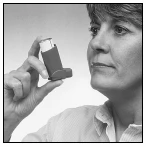
| Checking the inhaler operation When using the inhaler for the first time, test that it works. Remove the mouthpiece cap by gently pressing the sides with thumb and index finger and pulling it off. To ensure that it works, shake well, point the mouthpiece away from you and release one puff into the air. If you have not used the inhaler for one week or more, release two puffs into the air. | 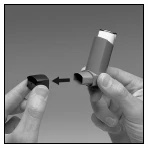 |
| Using the inhaler Before using the inhaler, it is important to start breathing in as slowly as possible. 1 When using the inhaler, remain standing or sitting in an upright position. 2 Remove the mouthpiece cap (as shown in the first image). Check inside and outside that the mouthpiece is clean and free of obstructions. | |
| 3 Shake the inhaler 4 or 5 times to ensure that any obstructions are cleared and that the contents of the inhaler are uniformly mixed. | 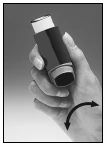 |
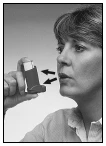
4 Hold the inhaler upright with your
thumb on the base, underneath the mouthpiece. Breathe out fully
until comfortable. Do not breathe in yet.
5 Place the mouthpiece in your mouth between your teeth.
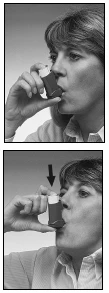
Close your lips around it without biting.
6 Breathe in through your mouth. Immediately after starting to inhale, press down on the top of the
canister to release a puff of medicine. Do this while breathing in steadily and deeply.
7 Hold your breath; remove the inhaler from your mouth and your finger from the top of the inhaler.
Continue to hold your breath for a few seconds or until comfortable.
8 If your doctor has instructed you to take two puffs, wait about half a minute before inhaling another dose, repeating steps 3 to 7.
9 After use, replace the mouthpiece cover to prevent dust from entering. Close the cover firmly by pressing until it clicks into place.
Cleaning the inhaler
To prevent the inhaler from becoming blocked, it is important to clean it at least once a week.
To clean the inhaler:
- Remove the protective cap from the mouthpiece;
- Never remove the metal canister from the plastic holder;
- Wipe the inside and outside of the mouthpiece with a dry cloth or tissue;
- Replace the protective cap on the mouthpiece. Do not immerse the pressurized metal canister in water.
If you use more Flixotide than you should
If you use more Flixotide than prescribed, consult your doctor as soon as possible.
It is important to take the dose as prescribed by your doctor. Do not increase or decrease the dose without
consulting your doctor.
If you forget to use Flixotide
- Take the next dose at the scheduled time.
- Do not take a double dose to make up for a forgotten dose.
If you stop using Flixotide
- Do not stop treatment, even if you feel better, unless your doctor tells you to. If you have any doubts about using this medicine, consult your doctor, nurse, or pharmacist.
4. Possible side effects
Like all medicines, this medicine can cause side effects, although not everyone will experience them.
If you notice any of the following serious side effects, stop using this medicine and contact a doctor immediately as
you may need urgent medical treatment:
- allergic reactions (may affect up to 1 in 100 people) – signs include skin rash, redness, itching, or hives-like blisters or hives;
- severe allergic reactions (may affect up to 1 in 10,000 people) – signs include swelling of the face, lips, mouth, tongue or throat which may cause difficulty in swallowing or breathing, itchy rash, feeling faint, dizziness and collapse;
- breathing difficulties or wheezing worsens immediately after using the inhaler.
Other side effects include:
Very common (may affect more than 1 in 10 people)
- oral and throat thrush
Common (may affect up to 1 in 10 people)
- dryness of the tongue or throat;
- hoarseness. Mouth and throat problems can be reduced by taking certain precautions immediately after inhaling the dose. These include: brushing your teeth, rinsing your mouth or gargling with water and then spitting it out. Inform your doctor if you experience these mouth or throat problems, but do not stop treatment unless instructed to do so.
In addition, in patients with chronic obstructive pulmonary disease (COPD), the following side effects have been reported:
- pneumonia and bronchitis (lung infection); inform your doctor if you experience any of the following symptoms: increased sputum production, change in sputum colour, fever, chills, increased coughing, worsening breathing problems
- bruising.
Rare (may affect up to 1 in 1,000 people)
- oesophageal thrush (candidiasis).
Very rare (may affect up to 1 in 10,000 people)
- sleep disturbances or feeling anxious, over-excited and irritable; these effects are more likely to occur in younger individuals;
- joint pain;
- indigestion;
- blood sugar (glucose) levels may increase;
- when using Flixotide, the way steroids are produced by the body may be affected. This is more likely to occur if high doses are used for a long period of time (e.g. 400 micrograms per day in children). This may cause:
- slowed growth in young people;
- so-called ‘Cushing’s syndrome’, a condition characterised by excess steroid hormones in the bloodstream, which may lead to thinning of the bones and eye problems (such as cataract and glaucoma, which is increased pressure in the eye). Your doctor will help prevent this by ensuring the lowest effective steroid dose is used to control symptoms.
Although the frequency is unknown, the following side effects may also occur:
- depression, feeling restless or nervous; these effects are more likely to occur in children;
- blurred vision;
- nosebleeds.
Contact your doctor as soon as possible if:
- after 7 days of using Flixotide, shortness of breath or breathlessness does not improve or worsens;
- after treatment with high doses of inhaled steroids, you develop a general feeling of being unwell with symptoms such as stomach pain, nausea, diarrhoea, headache and drowsiness. This may occur during an infection, such as a viral infection, or when you have stomach problems. It is important that the steroid dose is not stopped suddenly, as this could worsen asthma and may also cause problems with the body’s hormones.
Reporting of side effects
If you experience any side effects, including those not listed in this leaflet, contact your doctor or pharmacist. You can also report side effects directly via the national reporting system at: https://www.aifa.gov.it/content/segnalazioni-reazioni-avverse .
Reporting side effects helps provide more information on the safety of this medicine.
5 How to store Flixotide
- Keep this medicine out of the sight and reach of children.
- Clean the inhaler weekly as described in the 'Cleaning' section.
- Do not use this medicine after the expiry date stated on the label and the box after 'Exp'. The expiry date refers to the last day of that month.
- Do not store above 30°C. Protect from freezing and direct sunlight.
- If the inhaler is very cold, remove the metal canister from the plastic holder and warm it in your hands for a few minutes before use. Never use any other method to warm it.
- Caution: the metal canister is under pressure. Do not expose to temperatures above 50°C. Do not pierce, break or burn, even when it appears empty.
- Do not dispose of any medicine via wastewater or household waste. Ask your pharmacist how to dispose of medicines no longer in use. This will help protect the environment.
6 Contents of the pack and other information
What Flixotide contains
- The active substance is fluticasone propionate.
- The other component is HFA 134a.
This medicine contains fluorinated greenhouse gases.
Each inhaler contains 10.6 g of HFC-134a (also known as norflurane or HFA 134a) equivalent to 0.0152 tonnes of CO₂ (global warming potential GWP = 1,430).
Description of the appearance of Flixotide pressurised suspension and contents of the pack
- Flixotide pressurised suspension includes a canister, an actuator and a dust cap.
- Each canister contains 120 doses of 50 micrograms of fluticasone propionate.
Marketing Authorisation Holder and Manufacturer
Marketing Authorisation Holder
GlaxoSmithKline S.p.A. Viale dell’Agricoltura, 7 – 37135 Verona, Italy.
Manufacturer
Glaxo Wellcome Production - 23 Rue Lavoisier - Zone Industrielle, 2 - Evreux - France
Glaxo Wellcome S.A. - Avenida de Extremadura, 3 - Aranda de Duero (Burgos) – Spain
Patient Information Leaflet
Flixotide 125 mcg Pressurized Inhalation Suspension, 250 mcg Pressurized Inhalation Suspension
fluticasone propionate
Please read this leaflet carefully before using this medicine, as it contains important information for you.
- Keep this leaflet. You may need to read it again.
- If you have any questions, consult your doctor or pharmacist.
- This medicine has been prescribed for you only. Do not give it to others, even if their symptoms seem identical to yours, as it could be harmful.
- If you experience any side effects, including those not listed in this leaflet, consult your doctor or pharmacist. See section 4.
Contents of this leaflet:
- What Flixotide is and what it is used for
- What you need to know before using Flixotide
- How to use Flixotide
- Possible side effects
- How to store Flixotide
- Contents of the pack and other information
1. What Flixotide is and what it is used for
This medicine contains the active substance fluticasone propionate, which belongs to a group of
medicines called corticosteroids, medicines used as anti-asthma agents (for the treatment of asthma, an
inflammatory disease characterized by reversible obstruction of the lower airways) administered by inhalation.
Fluticasone propionate reduces swelling and inflammation in the lungs (anti-inflammatory action).
This medicine is indicated for the control of asthma and conditions of bronchoconstriction
(reduction in the diameter of a bronchus).
2. What you need to know before using Flixotide
Do not use Flixotide
- if you are allergic to fluticasone propionate or to any of the other ingredients of this medicine (listed in section 6).
Warnings and precautions
Talk to your doctor or pharmacist before using Flixotide.
In particular, talk to your doctor if:
- you have active or inactive tuberculosis (TB, an infectious disease caused by a bacterium).
- you are diabetic.
- you suffer from a respiratory disease called Chronic Obstructive Pulmonary Disease (COPD).
- you are switching from oral steroid therapy to inhaled fluticasone. In this case, you must be carefully managed by your doctor, who will need to regularly monitor your adrenal function and gradually withdraw the oral therapy after initiating inhaled treatment. It is therefore advisable to carry a medical alert card indicating that you might require additional corticosteroid therapy during periods of stress. If you experience shortness of breath (bronchospasm with increased dyspnea) after using Flixotide, stop taking the medicine and consult your doctor immediately.
Switching from systemic corticosteroid therapy to inhaled corticosteroids may trigger allergic diseases.
Asthma treatment should normally be managed within a therapeutic plan tailored to the severity of the condition; your response to treatment must be monitored by your doctor both clinically and through lung function tests.
The need to use asthma control medications more frequently indicates worsening disease control; in such cases, your treatment plan should be reviewed by your doctor.
Sudden worsening of asthma may be life-threatening, and in such cases your doctor should consider increasing the dose of corticosteroids.
Do not stop treatment with fluticasone propionate abruptly.
With the use of inhaled glucocorticoids (such as fluticasone propionate), particularly when prescribed at high doses for prolonged periods, systemic effects (affecting the whole body) may occur. These are less likely than with oral glucocorticoid therapy.
Possible systemic effects include Cushing's syndrome (a clinical condition characterized by excess glucocorticoids in the blood, leading to obesity, expressionless face, red skin, widespread stretch marks, and excessive hair growth, especially on the face), Cushingoid appearance (typical of Cushing's syndrome), adrenal suppression, growth retardation in children and adolescents, decreased bone mineral density, cataract (clouding of the lens inside the eye), glaucoma (a serious eye disease), and, less commonly, a range of psychological or behavioral effects including psychomotor hyperactivity, irritability, sleep disturbances, anxiety, depression, or behavioral disturbances (particularly in children) (see section 4 "Possible side effects"). It is therefore important that the dose of inhaled corticosteroid should be the lowest possible dose at which effective asthma control is maintained.
Regular monitoring of height is recommended in children receiving long-term inhaled corticosteroid therapy.
Some individuals may be more sensitive to the effects of inhaled corticosteroids than the majority of patients.
Very rare cases of acute adrenal crisis have been reported in adolescents exposed to doses higher than recommended (approximately 1,000 micrograms daily) for prolonged periods (several months or years).
Contact your doctor if you experience blurred vision or other visual disturbances, which may be caused by cataract or glaucoma.
Other medicines and Flixotide
Tell your doctor, nurse, or pharmacist if you are taking, have recently taken, or might take any other medicines, including medicines obtained without a prescription.
In particular, inform your doctor or pharmacist if you are taking any of the following medicines:
- ketoconazole, a medicine used to treat fungal infections.
- Some medicines may increase the effects of Flixotide. Your doctor may want to monitor you closely if you are taking these medicines (including certain medicines for the treatment of HIV: ritonavir, cobicistat).
Flixotide with food and drink
Flixotide can be used at any time of day, with or without food.
Pregnancy and breastfeeding
If you are pregnant, think you may be pregnant, are planning to become pregnant, or are breastfeeding, consult your doctor or pharmacist before using this medicine.
Driving and using machines
It is unlikely that Flixotide will affect your ability to drive or use machinery.
3. How to use Flixotide
Adults
The standard dose is 200 micrograms per day, divided into two administrations of 100 micrograms each.
The dosage may be increased up to 400 micrograms per day.
The initial dose may subsequently be adjusted until control is achieved, or reduced to the lowest effective dose, depending on individual response.
In severe cases, a maximum dosage of 2,000 micrograms per day may provide adequate disease control, reducing the need for oral steroids.
During exacerbations, dosages of 2,000 micrograms per day may in some cases replace courses of oral steroids.
Children (1 to 4 years of age)
100 micrograms twice daily administered via a spacer device equipped with a facial mask (paediatric spacer device).
The maximum authorised dose in children is 200 micrograms twice daily.
Children over 4 years of age
The standard dose is 100 micrograms per day, divided into two administrations of 50 micrograms each.
The dosage may be increased up to 200 micrograms per day.
It is recommended that the height of children treated with steroids, including Flixotide pressurised suspension, be regularly monitored by the physician.
If you have been using high doses of an inhaled steroid for a long time, it may sometimes be necessary to use additional steroid doses, for example during stressful situations such as a road accident or before surgery. Your doctor may decide to prescribe additional steroid treatment during such periods.
Patients who have been treated with high doses of steroids, including Flixotide pressurised suspension, for a prolonged period should not stop taking the medicine abruptly without consulting their doctor. Sudden discontinuation of treatment may cause malaise and symptoms such as vomiting, drowsiness, nausea, headache, fatigue, loss of appetite, low blood sugar levels (hypoglycaemia), and weight changes.
Instructions for use
Some people find it difficult to spray the medicine immediately after starting to inhale.
The spacer device helps overcome this problem.
The doctor, nurse or pharmacist should show how to use the inhaler. Do not use Flixotide
pressurised suspension differently from as prescribed, otherwise the medicine may not provide
relief from asthma.
The medicine is contained in a pressurised canister that is inserted into a plastic holder with a mouthpiece.
| Checking the inhaler's operation When using the inhaler for the first time, test that it works. Remove the mouthpiece cap by gently pressing the sides with thumb and forefinger and pulling it off. To ensure it works, shake the inhaler well, point the mouthpiece away from you, and release one puff into the air. If the inhaler has not been used for one week or more, release two puffs into the air. | 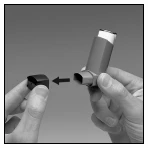 |
| Using the inhaler Before using the inhaler, it is important to begin breathing in as slowly as possible. 1 When using the inhaler, remain standing or sitting in an upright position. 2 Remove the mouthpiece cap (as shown in the first image). Check inside and outside to ensure the mouthpiece is clean and free of obstructions. | |
| 3 Shake the inhaler 4 or 5 times to ensure any blockages are cleared and the contents are uniformly mixed. | 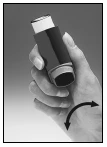 |
| 4 Hold the inhaler upright with your thumb on the base, below the mouthpiece. Breathe out fully, but do not inhale yet. | 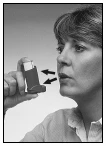 |
| 5 Place the mouthpiece in your mouth between your teeth. Close your lips around it without biting. | |
| 6 Breathe in slowly and deeply through your mouth. Immediately after starting to inhale, press down on the canister to release one puff of medicine. Do this while inhaling steadily and deeply. | 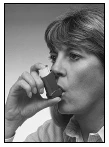 |
| 7 Hold your breath; remove the inhaler from your mouth and your finger from the top of the inhaler. Continue holding your breath for a few seconds, or longer if comfortable. | 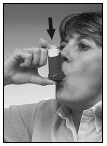 |
| 8 If your doctor has instructed you to take two puffs, wait approximately half a minute before inhaling the second dose, repeating steps 3 to 7. | |
9 After use, replace the mouthpiece cap to prevent dust from entering. Close the cap firmly by pressing until it clicks into place.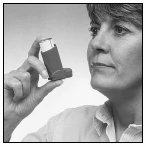 | |
Cleaning the inhaler
To prevent the inhaler from becoming blocked, it is important to clean it at least once a week.
To clean the inhaler:
- remove the mouthpiece protective cap;
- never remove the metal canister from the plastic holder;
- clean the inside and outside of the mouthpiece with a dry cloth or tissue;
- replace the protective cap on the mouthpiece. Do not immerse the pressurized metal container in water.
If you use more Flixotide than you should
If you use more Flixotide than prescribed, consult your doctor as soon as possible.
It is important to take the dose as prescribed by your doctor. Do not increase or decrease the dose without
consulting your doctor.
If you forget to use Flixotide
- Take the next dose at the usual scheduled time.
- Do not take a double dose to make up for a forgotten dose.
If you stop using Flixotide
- Do not stop treatment even if you feel better, unless your doctor tells you to do so. If you have any doubts about using this medicine, consult your doctor, nurse, or pharmacist.
4. Possible side effects
Like all medicines, this medicine can cause side effects, although not everybody gets them.
If you experience any of the following serious side effects, stop using this medicine and contact a doctor
immediately, as you may need urgent medical treatment:
- allergic reactions (may affect up to 1 in 100 people) – signs include rash, redness, itching, or blistering or hives;
- severe allergic reactions (may affect up to 1 in 10,000 people) – signs include swelling of the face, lips, mouth, tongue or throat which may cause difficulty in swallowing or breathing, itchy rash, feeling faint, dizziness and collapse;
- breathing difficulties or wheezing get worse immediately after using the inhaler.
Other side effects include:
Very common (may affect more than 1 in 10 people)
- oral and throat thrush.
Common (may affect up to 1 in 10 people)
- dryness of the tongue or throat;
- hoarseness. Mouth and throat problems can be reduced by taking certain precautions immediately after inhaling the dose. These include: brushing your teeth, rinsing your mouth or gargling with water and then spitting it out. Inform your doctor if you have these mouth or throat problems, but do not stop treatment unless told to do so.
Additionally, in patients with Chronic Obstructive Pulmonary Disease (COPD), the following side effects have been reported:
- pneumonia and bronchitis (lung infection). Inform your doctor if you experience any of the following symptoms: increased sputum production, change in sputum colour, fever, chills, increased coughing, worsening breathing problems;
- bruising.
Rare (may affect up to 1 in 1,000 people)
- oesophageal thrush (candidiasis).
Very rare (may affect up to 1 in 10,000 people)
- sleep disturbances or feeling anxious, over-excited and irritable; these effects are more likely to occur in younger individuals;
- joint pain;
- indigestion;
- blood sugar (glucose) levels may increase;
- when using Flixotide, the way steroids are produced by the body may be affected. This is more likely to occur if high doses are used for a long time (e.g. 400 micrograms per day in children). This may cause:
- slowed growth in young people;
- so-called 'Cushing's syndrome', a condition characterised by an excess of steroid hormones in the bloodstream, which may lead to thinning of the bones and eye problems (such as cataract and glaucoma, which is increased pressure in the eye). Your doctor will help prevent this by ensuring you use the lowest effective steroid dose needed to control your symptoms.
Although the frequency is not known, the following side effects may also occur:
- depression, feeling restless or nervous. These effects are more likely to occur in children;
- blurred vision;
- nosebleeds.
Contact your doctor as soon as possible if:
- after 7 days of using Flixotide, shortness of breath or breathlessness does not improve or worsens;
- after treatment with high doses of inhaled steroids, you feel unwell with symptoms such as stomach pain, nausea, diarrhoea, headache and drowsiness. This may occur during an infection, such as a viral infection, or when you have stomach upset. It is important not to stop the steroid dose suddenly, as this could worsen asthma and may also cause problems with your body's hormones.
Reporting of side effects
If you get any side effects, including ones not listed in this leaflet, talk to your doctor or pharmacist. You can also report side effects directly via the national reporting system at: https://www.aifa.gov.it/content/segnalazioni-reazioni-avverse .
By reporting side effects, you can help provide more information on the safety of this medicine.
5. How to store Flixotide
- Keep this medicine out of the sight and reach of children.
- Clean the inhaler weekly as described in the 'Cleaning' section.
- Do not use this medicine after the expiry date which is stated on the label and box after 'Exp'. The expiry date refers to the last day of that month.
- Do not store above 30°C. Protect from freezing and direct sunlight.
- If the inhaler is very cold, remove the metal canister from the plastic holder and warm it in your hands for a few minutes before use. Never use any other source of heat to warm it.
- Warning: The metal canister is under pressure. Do not expose to temperatures above 50°C. Do not pierce, break or burn, even when it appears to be empty.
- Do not dispose of any medicine via wastewater or household waste. Ask your pharmacist how to dispose of medicines you no longer use. This will help protect the environment.
6. Package contents and other information
What Flixotide contains
- The active substance is fluticasone propionate.
- The other component is HFA 134a. This medicine contains fluorinated greenhouse gases. Each inhaler contains 12 g of HFC-134a (also known as norflurane or HFA 134a) which corresponds to 0.0172 tonnes of CO2 equivalent (global warming potential GWP = 1,430).
Description of the appearance of Flixotide pressurised suspension and contents of the pack
- Flixotide Pressurised Suspension for Inhalation consists of a pressurised canister, an actuator and a dust cap.
- Each canister contains 120 doses of 125 or 250 micrograms of fluticasone propionate.
Marketing Authorisation Holder and Manufacturer
Marketing Authorisation Holder
GlaxoSmithKline S.p.A., Viale dell’Agricoltura, 7 - 37135 Verona, Italy
Manufacturer
Glaxo Wellcome Production - 23 Rue Lavoisier - Zone Industrielle, 2 - Evreux - France
Glaxo Wellcome S.A. - Avenida de Extremadura, 3 - Aranda de Duero (Burgos) – Spain
Package leaflet: information for the user
Flixotide 100 mcg Inhalation Powder, 250 mcg Inhalation Powder, 500 mcg Inhalation Powder
fluticasone propionate
Please read this leaflet carefully before using this medicine because it contains
important information for you.
- Keep this leaflet. You may need to read it again.
- If you have any questions, ask your doctor or pharmacist.
- This medicine has been prescribed for you only. Do not give it to others, even if their symptoms are the same as yours, as it may be harmful.
- If you experience any side effects, including those not listed in this leaflet, consult your doctor, pharmacist, or nurse. See section 4.
Contents of this leaflet:
- What Flixotide is and what it is used for
- What you need to know before using Flixotide
- How to use Flixotide
- Possible side effects
- How to store Flixotide
- Package contents and other information
1. What Flixotide is and what it is used for
This medicinal product contains the active substance fluticasone propionate, which belongs to a group of medicines called corticosteroids. These medicines are used as anti-asthma agents (for the treatment of asthma, an inflammatory disease characterised by reversible obstruction of the lower airways) administered by inhalation.
Fluticasone propionate reduces swelling and inflammation in the lungs (anti-inflammatory action).
This medicine is indicated for the control of asthma and conditions involving bronchoconstriction (reduction in the diameter of a bronchus).
2. What you need to know before using Flixotide
Do not use Flixotide
- if you are allergic to fluticasone propionate or to any of the other ingredients of this medicine (listed in section 6).
Warnings and precautions
Talk to your doctor or pharmacist before taking Flixotide.
In particular, consult your doctor if:
- you have active or quiescent tuberculosis (TB, an infectious disease caused by a bacterium).
- you are a diabetic patient.
- you suffer from a respiratory disease called chronic obstructive pulmonary disease (COPD).
- you are switching from oral steroid therapy to inhaled fluticasone. In this case, you must be carefully managed by your doctor, who will regularly monitor your adrenal function and gradually discontinue the oral therapy following the initiation of inhaled treatment. It is therefore advisable to carry a medical alert card indicating that you might require additional corticosteroid therapy during periods of stress. If you experience breathlessness (bronchospasm with increased dyspnea) after using Flixotide, stop taking the medicine and consult your doctor immediately.
Switching from systemic corticosteroid therapy to inhaled corticosteroids may trigger allergic disorders.
Asthma treatment should normally be carried out within a therapeutic plan tailored to the severity of the disease; your response to treatment must be monitored by your doctor both clinically and through lung function tests.
The need to use your reliever medication more frequently indicates worsening asthma control; in such circumstances, your treatment plan should be reviewed by your doctor.
Sudden worsening of asthma may be potentially life-threatening, and in such cases your doctor must consider increasing the dose of corticosteroids.
Do not stop treatment with fluticasone propionate abruptly.
When inhaled glucocorticoids (such as fluticasone propionate) are used, particularly at high doses over prolonged periods, systemic effects (on the whole body) may occur. These are less likely than with oral glucocorticoid therapy.
Possible systemic effects include Cushing's syndrome (a clinical condition characterized by excess glucocorticoids in the blood, leading to obesity, expressionless face, red skin, extensive stretch marks, and excessive hair growth, especially on the face), Cushingoid appearance (typical of patients with Cushing's syndrome), adrenal suppression (reduced adrenal function), growth retardation in children and adolescents, decreased bone mineral density, cataract (clouding of the lens inside the eye), glaucoma (a serious eye disease), and, more rarely, a range of psychological or behavioral effects including psychomotor hyperactivity, irritability, sleep disturbances, anxiety, depression, or behavioral disorders (particularly in children) (see section 4 “Possible side effects”). It is therefore important that the dose of inhaled corticosteroid be the lowest possible dose that maintains effective asthma control.
Regular monitoring of growth in children receiving long-term inhaled corticosteroid therapy is recommended.
Some individuals may be more sensitive to the effects of inhaled corticosteroids than the majority of patients.
Very rare cases of acute adrenal crisis have been reported in children exposed to doses higher than recommended (approximately 1,000 micrograms daily) for prolonged periods (several months or years).
Contact your doctor if you experience blurred vision or other visual disturbances, which may be caused by cataract or glaucoma.
Other medicines and Flixotide
Tell your doctor, nurse, or pharmacist if you are taking, have recently taken, or might take any other medicines, including medicines obtained without a prescription.
In particular, inform your doctor or pharmacist if you are taking any of the following medicines:
- ketoconazole, a medicine used to treat fungal infections.
- Some medicines may increase the effects of Flixotide. Your doctor may want to monitor you closely if you are taking these medicines (including some HIV treatments: ritonavir, cobicistat).
Flixotide with food and drink
Flixotide can be used at any time of day, with or without food.
Pregnancy and breastfeeding
If you are pregnant, think you may be pregnant, planning to become pregnant, or are breastfeeding, consult your doctor or pharmacist before using this medicine.
Driving and using machines
It is unlikely that Flixotide will affect your ability to drive or operate machinery.
Flixotide contains lactose
If your doctor has diagnosed you with an intolerance to certain sugars, contact your doctor before using this medicine.
3. How to use Flixotide
Use this medicine exactly as directed by your doctor or pharmacist. If you have any doubts,
consult your doctor or pharmacist.
It may take 4–7 days for this medicine to take effect, and it is very important that you use it
regularly.
You should be aware that treatment with this medicine is preventive in nature and the medicine must
be taken regularly even in the absence of symptoms.
Your doctor will prescribe the dosage appropriate for you after assessing the severity
of your asthma and your individual response. Your doctor may gradually reduce your
dosage if your respiratory function becomes stabilized.
Adults
The standard dose is 200 micrograms per day, divided into two 100 microgram doses
twice daily. The dose may be increased up to 400 micrograms per day.
The initial dose may subsequently be adjusted until control is achieved, or reduced to the
lowest effective dose, depending on individual response.
In severe cases, a maximum dose of 2000 micrograms per day may allow adequate
control of the disease, reducing the need for oral steroids.
During exacerbations, doses of 2000 micrograms per day may in some cases replace
courses of oral steroids.
Children above 4 years of age
The standard dose is 100 micrograms per day, divided into two 50 microgram doses
twice daily. Flixotide inhalation powder is not suitable for delivering this dose.
The dose may be increased up to 200 micrograms twice daily.
Flixotide Diskus 250 micrograms and Flixotide Diskus 500 micrograms are not recommended for
children aged between 1 and 4 years.
It is recommended that the height of children treated with steroids, including Flixotide inhalation powder,
be regularly monitored by a doctor.
If you have been using high doses of an inhaled steroid for a long time, it may sometimes be
necessary to use additional steroid doses, for example during stressful situations such as a
road traffic accident or before surgery. Your doctor may decide to prescribe additional
steroids during such periods.
Patients who have been treated with high doses of steroids, including Flixotide inhalation powder, for
a prolonged period should not stop taking the medicine suddenly without informing their doctor.
Sudden discontinuation of treatment may cause discomfort and symptoms such as
vomiting, drowsiness, nausea, headache, fatigue, loss of appetite, low blood sugar levels
(hypoglycaemia) and weight changes.
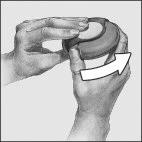
Instructions on how to use the inhaler are provided as a step-by-step guide.
Flixotide inhalation powder must be administered exclusively by inhalation using a special inhaler called the Diskus.
The Diskus is a plastic device containing a foil strip with individual blisters (pouches) arranged in 28- or 60-dose packs.
Each blister contains 100, 250 or 500 micrograms of the active substance fluticasone propionate.
Flixotide is available in three different strengths. Your doctor will decide which strength you need. Use this
medicine exactly as directed by your doctor. If you have any doubts, consult your doctor or
pharmacist.
Instructions for use
- Your doctor or pharmacist should show you how to use the inhaler. Not using Flixotide Diskus correctly or as prescribed may result in the medicine not providing the expected relief from asthma.
- The Diskus is supplied in a sealed package. The package protects the device from moisture and should only be opened when you are ready to use it for the first time. Once the package is opened, it should be discarded.
- The medicine is contained in a pressurized canister placed inside a plastic casing with a mouthpiece.
- The Diskus device contains blisters filled with Flixotide as a powder.
- A dose counter on the top of the Diskus displays the number of doses remaining. It counts down backwards to 0. The numbers from 5 to 0 will appear in red to warn you when only a few doses remain. Once the counter reaches 0, the inhaler will be empty.
Do not use the inhaler more often than your doctor has instructed. Inform your doctor if the medicine
does not seem to work as well as before, since your chest problems may be worsening and you
may need a different medicine.
Your doctor may have instructed you to increase the dose if breathlessness and breathing worsen, as
an emergency treatment. It is important to follow your doctor's instructions carefully regarding how many blisters
to take and how often to use the inhaler.
Using the inhaler
|  |
| 3. Hold the Diskus with the mouthpiece facing toward you. You may hold it in either your left or right hand. Push the lever forward as far as possible. You will hear a click. This action loads a dose of medicine into the mouthpiece. Each time the lever is moved forward, a blister is opened inside the device, making the powder available for inhalation. Use the lever only when you are ready to inhale your medication to avoid wasting the medicine. | 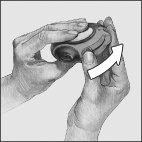 |
| 4. Hold the Diskus away from your mouth and breathe out fully until you feel comfortable. Never breathe into the Diskus. Do not inhale yet. | |
| 5. Place the mouthpiece between your lips. Breathe in steadily and deeply through your mouth—do not breathe through your nose—through the Diskus. Remove the Diskus from your mouth. Hold your breath for about 10 seconds, or as long as comfortable. Then breathe out slowly. | 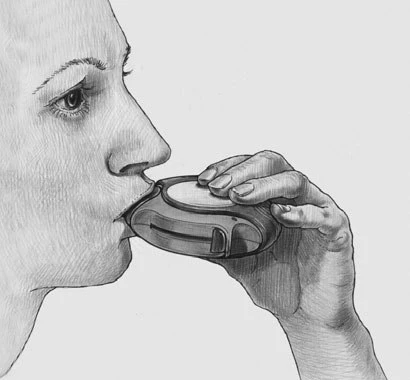 |
| 6. To close the Diskus, place your thumb on the designated thumb grip and slide it backward until it stops. You will hear a click. The lever will return to its original position. The Diskus is now ready for the next use. | 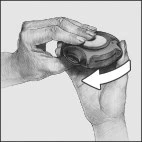 |
If you use more Flixotide than you should
In case of accidental ingestion or overdose of Flixotide, contact your doctor immediately or go to the nearest hospital.
Acute inhalation of Flixotide in doses higher than recommended may lead to temporary suppression of adrenal function (for symptoms, see "Warnings and precautions").
Emergency interventions are not required, as adrenal function returns to normal within a few days.
However, if doses higher than recommended are used for prolonged periods, some degree of adrenal suppression may occur. Your doctor may carry out tests to assess the level of adrenal gland function.
If you forget to use Flixotide
- Do not use a double dose to make up for the missed dose.
If you stop using Flixotide
- Do not stop treatment, even if you feel better, unless your doctor tells you to. If treatment needs to be stopped, do not stop Flixotide abruptly.
If you have any questions about the use of this medicine, ask your doctor or pharmacist.
4. Possible side effects
Like all medicines, this medicine can cause side effects, although not everybody gets them.
Stop taking the medicine and contact your doctor immediately if you experience any of the following
symptoms after taking Flixotide:
• allergic reactions characterised by skin rash (skin hypersensitivity);
- swelling of the face, lips, mouth, tongue or throat which may cause difficulty in swallowing (angioedema);
- breathing difficulties (dyspnoea and/or bronchospasm, paradoxical bronchospasm).
Other side effects include:
Very common (may affect more than 1 in 10 people)
- oral and throat thrush (raised, painful, cream-coloured patches)
Common (may affect up to 1 in 10 people)
- bruising
- hoarseness (dysphonia). Mouth and throat problems can be reduced by taking certain precautions, such as brushing your teeth or rinsing your mouth with water immediately after inhaling the dose. In addition, pneumonia (lung infection) has been reported in patients with chronic obstructive pulmonary disease (COPD).
Very rare (may affect up to 1 in 10,000 people)
- oesophageal thrush (candidiasis);
- anxiety, sleep disorders and behavioural disturbances, including hyperactivity and irritability (mainly in children);
- increased blood sugar levels (hyperglycaemia);
- slowed growth in children and adolescents;
- Cushing's syndrome, a condition characterised by an excess of steroid hormones in the bloodstream, manifesting as a rounded facial appearance;
- thinning of the bones;
- eye problems such as cataract (clouding of the eye's lens) and glaucoma (increased pressure inside the eye);
- effects on the adrenal gland (a small gland located next to the kidney).
Not known (frequency cannot be estimated from the available data):
- depression, aggression. These effects are more likely to occur in children;
- blurred vision;
- nosebleeds.
Reporting of side effects
If you get any side effects, including those not listed in this leaflet, talk to your doctor or pharmacist. You can also report side effects directly via the national reporting system at: http://www.agenziafarmaco.gov.it/content/come-segnalare-una-sospetta-reazione-avversa. By reporting side effects, you can help provide more information on the safety of this medicine.
5. How to store Flixotide
- Keep this medicine out of the sight and reach of children.
- Store this medicine in a dry place to protect it from moisture.
- Keep the Diskus in its laminated foil pouch until first use. After opening, the laminated foil pouch must be discarded.
- Do not use this medicine after the expiry date stated on the label and carton after 'EXP'. The expiry date refers to the last day of that month.
- Do not dispose of any medicine via wastewater or household waste. Ask your pharmacist how to dispose of medicines you no longer use. This will help protect the environment.
6. Contents of the pack and other information
What Flixotide contains
- The active substance is fluticasone propionate.
- The other ingredient is lactose.
Description of the appearance of Flixotide inhalation powder and contents of the pack
Flixotide inhalation powder must be administered exclusively by inhalation using a special inhaler called a Diskus. The Diskus is sealed within a protective laminated foil pouch. The Diskus contains a strip of blisters holding fluticasone propionate and lactose. The blisters protect the inhalation powder from atmospheric effects.
Each blister contains 100 micrograms, 250 micrograms or 500 micrograms of fluticasone propionate, and lactose which acts as a "carrier".
Flixotide packs of 100, 250 or 500 micrograms contain 60 blisters.
The Diskus has a dose counter which shows the number of doses remaining. It counts down from 60 to 0. When the counter shows 0, the inhaler is empty and must be discarded.
Marketing Authorisation Holder and Manufacturer
Marketing Authorisation Holder
GlaxoSmithKline S.p.A.
Via A. Fleming, 2 - Verona
Manufacturer
Glaxo Operations UK Ltd – Priory Street - Ware - United Kingdom
Glaxo Wellcome Production - 23 Rue Lavoisier - Zone Industrielle, 2 - Evreux – France
Revision of the patient information leaflet by AIFA:
Patient Information Leaflet
FLIXOTIDE 500 mcg/2 ml Nebuliser Suspension
fluticasone propionate
Please read this entire leaflet carefully before using this medicine, as it contains important information for you.
- Keep this leaflet. You may need to read it again.
- If you have any questions, consult your doctor or pharmacist.
- This medicine has been prescribed for you only. Do not give it to others, even if their symptoms appear identical to yours, as it could be harmful.
- If you experience any adverse reaction, including those not listed in this leaflet, contact your doctor, pharmacist, or nurse. See section 4.
Contents of this leaflet:
- What Flixotide is and what it is used for
- What you need to know before using Flixotide
- How to use Flixotide
- Possible side effects
- How to store Flixotide
- Contents of the pack and other information
1. What Flixotide is and what it is used for
This medicinal product contains the active substance fluticasone propionate, which belongs to a group of medicines called corticosteroids. These are used as anti-asthma agents (for the treatment of asthma, an inflammatory disease characterised by reversible obstruction of the lower airways) administered by inhalation.
Fluticasone propionate reduces swelling and inflammation in the lungs (anti-inflammatory action).
This medicine is indicated for the control of asthma and conditions involving bronchoconstriction (reduction in the diameter of a bronchus).
2. What you need to know before using Flixotide
Do not use Flixotide
- if you are allergic to fluticasone propionate or to any of the other ingredients of this medicine (listed in section 6).
Warnings and precautions
Talk to your doctor or pharmacist before using Flixotide.
In particular, speak to your doctor if:
- you have active or quiescent tuberculosis (TB, an infectious disease caused by a bacterium)
- you are diabetic
- you suffer from a respiratory disease called chronic obstructive pulmonary disease (COPD)
- you are switching from oral steroid therapy to inhaled fluticasone.
In such cases, you must be treated with particular care by your doctor, who should regularly monitor your
adrenal function and gradually discontinue oral therapy following the introduction of inhaled therapy. It is
therefore advisable to carry a medical alert tag indicating that you may require additional corticosteroid
treatment during periods of stress.
If your breathing becomes labored (bronchospasm with increased dyspnea) after using Flixotide, stop taking
the medicine and consult your doctor immediately. Indeed, fluticasone propionate administered by
nebulization is not indicated alone for treating symptoms of an acute bronchospasm attack. Flixotide
Nebuliser Suspension does not replace emergency therapy, which instead requires corticosteroids administered
orally or intravenously.
Switching from systemic corticosteroid therapy to inhaled corticosteroids may trigger allergic diseases.
Asthma treatment should normally be managed within a therapeutic plan tailored to the severity of the disease;
your response to treatment must be assessed by your doctor, both clinically and through lung function tests.
The need to use asthma control medications more frequently indicates worsening disease control; in such
cases, your therapeutic plan should be adjusted by your doctor.
Sudden worsening of asthma may be life-threatening, and in such cases your doctor should consider increasing
the dose of corticosteroids.
It is important that you take the dose exactly as prescribed by your doctor. Do not increase or decrease the
dose without consulting your doctor. Do not stop treatment with fluticasone propionate abruptly.
With the use of inhaled glucocorticoids (such as fluticasone propionate), particularly when prescribed at high
doses for prolonged periods, systemic effects (on the whole body) may occur. These effects are less likely
than with oral glucocorticoid therapy.
Possible systemic effects include Cushing's syndrome (a clinical condition characterized by excess
glucocorticoids in the blood, leading to obesity, expressionless face, red skin, widespread stretch marks, and
excessive hair growth, especially on the face), Cushingoid appearance (typical of people with Cushing's
syndrome), adrenal suppression, growth retardation in children and adolescents, decreased bone mineral
density, cataract (clouding of the lens inside the eye), glaucoma (a serious eye disease), and, more rarely, a
range of psychological or behavioral effects including psychomotor hyperactivity, irritability, sleep disorders,
anxiety, depression, or behavioral disturbances (particularly in children) (see section 4 “Possible side effects”).
It is therefore important that the dose of inhaled corticosteroid be the lowest possible dose that maintains
effective asthma control.
Regular monitoring of height is recommended in children receiving prolonged treatment with inhaled
corticosteroids.
Very rare cases of acute adrenal crisis have been reported in children exposed to doses higher than
recommended (approximately 1,000 micrograms per day) for prolonged periods (several months or years).
Contact your doctor if you experience blurred vision or other visual disturbances, which may be caused by
cataract or glaucoma.
Other medicines and Flixotide
Tell your doctor, nurse, or pharmacist if you are taking, have recently taken, or might take any other medicines, including medicines obtained without a prescription.
In particular, inform your doctor or pharmacist if you are taking any of the following medicines:
- ketoconazole, a medicine used to treat fungal infections.
- Some medicines may increase the effects of Flixotide. Your doctor may want to monitor you closely if you are taking these medicines (including some medicines for the treatment of HIV: ritonavir, cobicistat).
Flixotide with food and drink
Flixotide can be used at any time of day, with or without food.
Pregnancy and breastfeeding
If you are pregnant, think you might be pregnant, planning a pregnancy, or breastfeeding, consult your doctor or pharmacist before using this medicine.
Driving and using machines
It is unlikely that Flixotide will affect your ability to drive vehicles or operate machinery.
3. How to use Flixotide
Use this medicine exactly as your doctor has told you. If you are unsure, consult your doctor, nurse, or pharmacist.
You should be aware that treatment with this medicine is for preventive purposes and the medicine must be taken regularly, even when you have no symptoms.
It takes 4–7 days for this medicine to take effect, and it is very important that you use it regularly.
Do not inject or swallow the liquid.
Use Flixotide Nebuliser Suspension only via aerosol generated by a nebuliser.
Do not use FLIXOTIDE Nebuliser Suspension with ultrasonic nebulisers.
- The nebuliser produces a fine mist that is inhaled through a mouthpiece or a face mask.
- Each small plastic container (Nebules) contains a liquid.
- The liquid is placed into the nebuliser. The nebuliser then produces a fine mist which is inhaled through a mask or mouthpiece. Using a mouthpiece helps prevent the medicine from affecting the skin of the face, which may occur if a mask is used for prolonged periods. If you prefer to use a mask, or if you are using one for your child, you should protect the facial skin with a cream or wash the face thoroughly after treatment. If a mask is used, nasal inhalation may occur. Use the nebuliser in a well-ventilated room, as the mist released into the air may be partly inhaled by others nearby.
Your doctor will prescribe the dose of this medicine suitable for you, based on an assessment of the severity of your asthma and your individual response. Your doctor may gradually reduce your dose if your respiratory function becomes stabilised.
Adults and adolescents aged over 16 years
- The usual recommended dose is 250 mcg (½ Nebules container of 500 mcg) twice daily.
- Flixotide Nebuliser Suspension 0.5 mg/2 ml delivers a dose of 500 micrograms.
The dose should then be adjusted to achieve asthma control (500–2000 mcg twice daily), or reduced according to individual response, until the lowest effective maintenance dose is reached.
For the treatment of exacerbation episodes, a higher dose (at the upper end of the recommended dose range) is recommended for 7 days following the exacerbation.
After this, dose reduction should be considered.
Children (aged 4 to 16 years)
- The usual recommended dose is 250 mcg (½ Nebules container of 500 mcg) twice daily. Patients should be started on an initial dose of nebulised fluticasone propionate appropriate to the severity of their disease. The dose should then be adjusted to achieve asthma control, or reduced according to individual response, until the lowest effective maintenance dose is reached. For the treatment of asthma exacerbation episodes, the recommended dosage is 1 mg twice daily (2 Nebules containers of 500 mcg twice daily) for up to 7 days of treatment. Thereafter, the dose should be adjusted according to individual response. It is recommended that the height of children treated with steroids, including Flixotide Nebuliser Suspension, be regularly monitored by the doctor.
If you have been using high doses of an inhaled steroid for a long time, you may occasionally need additional steroid doses, for example during stressful situations such as a road accident or before surgery. Your doctor may decide to prescribe additional steroid treatment during such periods.
Patients who have been treated with high doses of steroids, including Flixotide Nebuliser Suspension, for a long period should not stop taking the medicine suddenly without first informing their doctor. Sudden discontinuation of treatment may cause illness and symptoms such as vomiting, drowsiness, nausea, headache, fatigue, loss of appetite, low blood sugar levels (hypoglycaemia), and weight changes.
Instructions for using the Nebules
- The Nebules container is sealed in a foil pouch. Do not open the pouch until you need to use it.
- Ensure the contents of the container are well mixed before use. Hold the container horizontally by the end with the label, tap the opposite end several times, and shake it.
Repeat this process several times until the entire contents of the container are completely mixed.
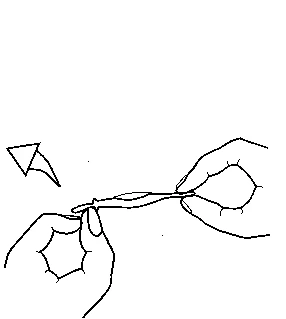
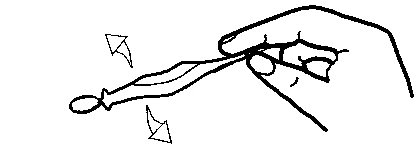
To open the container, twist off the top.
Transfer the suspension into the nebuliser according to the manufacturer’s instructions for using the nebuliser.
Dilution of Nebules suspension
Do not dilute the Nebules suspension unless your doctor has specifically instructed you to do so.
- If your doctor has told you to dilute the solution, empty the contents of the Nebules into the nebuliser chamber.
- Add the amount of physiological saline solution for injection that your doctor has instructed you to use.
If you use more Flixotide than you should
If you accidentally take/ingest too much Flixotide, contact your doctor immediately or go to the nearest hospital.
Acute inhalation of Flixotide in doses higher than recommended may lead to temporary suppression of adrenal function (for symptoms, see “Warnings and precautions”).
Emergency interventions are not required, as adrenal function returns to normal within a few days.
However, if doses higher than recommended are used for prolonged periods, some degree of adrenal suppression may occur. Your doctor may decide to carry out tests to check the function of your adrenal glands.
If you forget to use Flixotide
- Do not take a double dose to make up for a forgotten dose.
If you stop using Flixotide
- Do not stop treatment, even if you feel better, unless your doctor tells you to. In such cases, do not stop Flixotide abruptly.
If you have any doubts about how to use this medicine, ask your doctor or pharmacist.
4. Possible side effects
Like all medicines, this medicine can cause side effects, although not everyone experiences them.
Stop taking the medicine and contact your doctor immediately if you experience any of the following symptoms after taking Flixotide:
- allergic reactions characterised by skin rash (skin hypersensitivity);
- swelling of the face, lips, mouth, tongue or throat causing difficulty in swallowing (angioedema);
- breathing difficulties (dyspnoea and/or bronchospasm, paradoxical bronchospasm).
Other side effects include:
Very common (may affect more than 1 in 10 people)
- oral and throat thrush (raised, painful, cream-coloured patches)
Common (may affect up to 1 in 10 people)
- bruising
- hoarseness (hoarse voice). Mouth and throat problems may be reduced by taking certain precautions, such as brushing your teeth or rinsing your mouth with water immediately after inhaling the dose. In addition, pneumonia (lung infection) has been reported in patients with chronic obstructive pulmonary disease (COPD).
Very rare (may affect up to 1 in 10,000 people)
- thrush (candidiasis) in the oesophagus;
- anxiety, sleep disorders and behavioural disturbances, including hyperactivity and irritability (mainly in children);
- increased blood sugar (glucose) levels (hyperglycaemia);
- slowed growth in children;
Cushing's syndrome, a condition characterised by an excess of steroid hormones in the bloodstream, manifesting as a rounded facial appearance;
- thinning of the bones;
- eye problems such as cataract (clouding of the eye's lens) and glaucoma (increased internal pressure of the eye);
- effects on the adrenal gland (a small gland located next to the kidney).
Not known (frequency cannot be estimated from the available data):
- depression, aggression. These effects are more likely to occur in children;
- blurred vision;
- nosebleeds.
Reporting of side effects
If you experience any side effect, including those not listed in this leaflet, talk to your doctor or pharmacist. You can also report side effects directly via the national reporting system at: http://www.agenziafarmaco.gov.it/content/come-segnalare-una-sospetta-reazione-avversa.
By reporting side effects, you can help provide more information on the safety of this medicine.
5. How to store Flixotide
- Keep this medicine out of the sight and reach of children.
- Store Flixotide Nebules in their packaging, inside the carton.
- Do not store above 30°C. Keep the container in the outer packaging to protect it from light and frost. Store in an upright position.
- If the packaging has not been opened, do not use this medicine after the expiry date stated on the packaging after 'EXP'. The date refers to the last day of that month.
- Nebules vials removed from the packaging must be protected from light and used within 1 month.
- Opened Nebules vials must be stored in the refrigerator and used within 12 hours of opening. Do not freeze.
- Do not dispose of medicines via wastewater or household waste. Ask your pharmacist how to dispose of medicines you no longer use. This will help protect the environment.
6 Contents of the pack and other information
What Flixotide contains
- The active substance is fluticasone propionate.
- The other components are polysorbate 20, sorbitan monolaurate, monosodium dihydrogen phosphate dihydrate, disodium hydrogen phosphate anhydrous, sodium chloride (salt), water.
Description of the appearance of Flixotide Nebules and contents of the pack
Flixotide Nebules vials are packed in a strip of 5 Nebules in a foil pouch.
Each carton contains 10 Nebules vials of 2 ml.
Marketing Authorisation Holder and Manufacturer
Marketing Authorisation Holder
GlaxoSmithKline S.p.A.
Via A. Fleming, 2
Verona
Manufacturer
Aspen Bad Oldesloe GmbH - Industriestrasse, 32-36 - Bad Oldesloe – Germany
Glaxo Operations UK Limited (trading as Glaxo Wellcome Operations) - Harmire Road - Barnard Castle –
County Durham - DL12 8DT - United Kingdom
Revision of the package leaflet by AIFA: