Fastum
Italy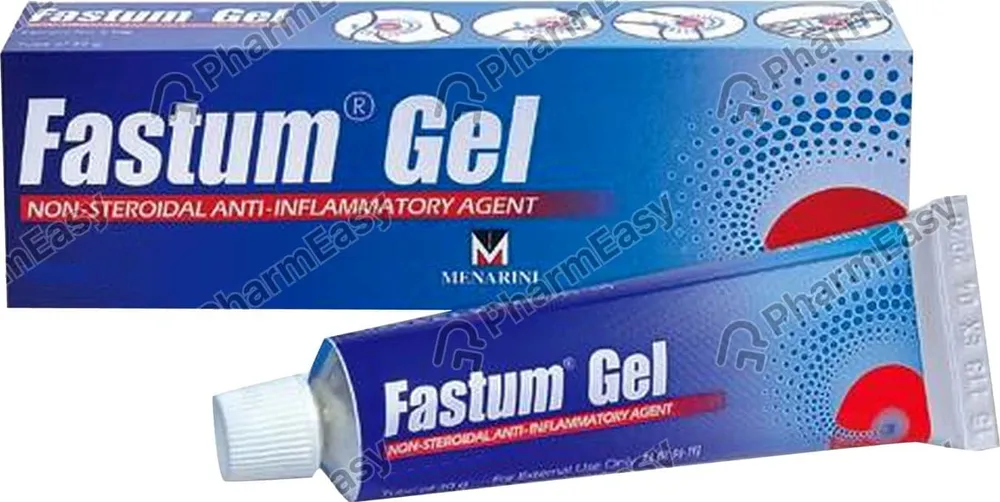
Table of Contents
Package leaflet: Information for the user
FASTUM 25 mg/g GEL
ketoprofen
Please read all of this leaflet carefully before you start using this medicine because it contains important information for you.
- Keep this leaflet. You may need to read it again.
- If you have any questions, ask your doctor or pharmacist.
- This medicine has been prescribed for you only. Do not give it to other people, even if their symptoms are the same as yours, as it may be harmful.
- If you experience any side effects, including those not listed in this leaflet, talk to your doctor or pharmacist. See section 4.
Contents of this leaflet:
- What FASTUM is and what it is used for
- What you need to know before using FASTUM
- How to use FASTUM
- Possible side effects
- How to store FASTUM
- Contents of the pack and other information
1. What FASTUM 25 mg/g GEL is and what it is used for
FASTUM contains ketoprofen and belongs to the group of anti-inflammatory and anti-rheumatic medicines (for rheumatic conditions).
FASTUM is used for the local treatment of painful conditions of the musculoskeletal system of rheumatic or traumatic origin: bruises, sprains, muscle strains, torticollis, lumbago.
Consult your doctor if you do not feel better or if you feel worse after 4–5 days.
2. What you need to know before using FASTUM
Do not use FASTUM
- If you are allergic to the active substance or to related substances such as fenofibrate, tiaprofenic acid, acetylsalicylic acid, or other NSAIDs (Non-Steroidal Anti-Inflammatory Drugs), or to any of the other ingredients of this medicine (listed in section 6).
- If you have previously experienced photosensitivity reactions (skin reactions during exposure to sunlight).
- If you have previously had allergies to ketoprofen, tiaprofenic acid, fenofibrate, UV sunscreens, or fragrances.
- On or near open wounds or skin lesions, around the eyes, or on skin areas with abnormalities such as dermatosis, acne, or eczema.
- If you are in the last three months of pregnancy (see "Pregnancy and breastfeeding").

Do not expose treated areas to sunlight or UV lamps from sunbeds
throughout the duration of treatment and for two weeks after stopping treatment.
Warnings and precautions
Talk to your doctor or pharmacist before using FASTUM.
The use, especially prolonged, of topical products (for local use) may lead to local skin sensitization (increased reactivity) or irritation.
Immediately discontinue the use of FASTUM if skin reactions occur, including those developing following concomitant use of products containing octocrylene (octocrylene is an excipient found in various cosmetic and personal hygiene products such as shampoo, aftershave, shower and bath gels, skin creams, lipsticks, anti-aging creams, makeup removers, hair sprays, used to prevent their degradation caused by light).
The use of large amounts of topical products may lead to systemic effects (affecting the whole body), such as hypersensitivity (exaggerated, allergy-type sensitivity to one or more substances) and asthma.
Exposure to sunlight (even when the sky is overcast) or to UVA lamps of areas treated with FASTUM may induce potentially severe skin reactions (photosensitization).
Therefore, it is necessary to:
- protect treated areas from sunlight by wearing suitable clothing throughout the duration of treatment and for two weeks after stopping treatment, in order to avoid any risk of photosensitization
- wash your hands thoroughly and for a prolonged period after each application of FASTUM
Treatment must be stopped immediately if any skin reaction occurs following application of FASTUM. Treatment should not be continued longer than prescribed: the risk of developing contact dermatitis and photosensitivity reactions increases over time.
Patients with asthma associated with chronic rhinitis (inflammation of nasal mucous membranes), chronic sinusitis, and/or nasal polyps have an increased risk of allergy to aspirin and/or NSAIDs compared to the general population.
Avoid contact with mucous membranes or eyes.
Do not use occlusive dressings (bandages or other materials), as they increase absorption through the skin.
FASTUM does not cause dependence.
Use ketoprofen gel with caution in patients with impaired cardiac, hepatic (liver), or renal function: isolated cases of systemic adverse reactions (renal disorders) have been reported.
Children
There are no data supporting the safety and efficacy of ketoprofen gel in children, and therefore its use should be avoided.
Other medicines and FASTUM
Tell your doctor or pharmacist if you are taking, have recently taken, or might take any other medicines.
No interactions between FASTUM and other drugs have been reported. However, blood monitoring is advisable in patients treated with coumarins (oral anticoagulants).
Pregnancy and breastfeeding
If you are pregnant, suspect you may be pregnant, planning a pregnancy, or breastfeeding, consult your doctor or pharmacist before taking this medicine.
- Do not use FASTUM during the last three months of pregnancy (see "Do not use FASTUM"). You should not use FASTUM during the first six months of pregnancy unless strictly necessary and under medical advice. If treatment is required during this period, the lowest possible dose for the shortest possible duration should be used. Oral formulations (e.g., tablets) of ketoprofen may cause adverse effects on the fetus. It is not known whether FASTUM poses the same risk when applied to the skin.
Breastfeeding
After systemic administration, traces of ketoprofen have been detected in breast milk. The use of ketoprofen is not recommended in women who are breastfeeding.
During the first and second trimesters of pregnancy and during breastfeeding, FASTUM should only be used after consulting your doctor and evaluating with him the risk/benefit ratio in your individual case. Consult your doctor if you suspect or are planning a pregnancy.
Driving and use of machines
FASTUM does not impair the ability to drive vehicles or operate machinery.
FASTUM contains neroli fragrance, lavandin fragrance, and ethanol
FASTUM contains neroli fragrance, which in turn contains the allergens citral, citronellol, farnesol, geraniol, d-Limonene, and linalool; and lavandin fragrance, which contains the allergens citral, citronellol, coumarin, eugenol, geraniol, d-Limonene, and linalool. These allergens may cause allergic reactions.
This medicine contains 307 mg of ethanol per gram of gel. Ethanol may cause a burning sensation on damaged skin.
3. How to use FASTUM
Use this medicine exactly as directed by your doctor or pharmacist. If you have any doubts,
consult your doctor or pharmacist.
Dosage
Warning: Do not exceed the recommended doses without medical advice.
Apply a thin layer of the gel to the affected area of skin.
Do not use occlusive dressings on the area where the medicine has been applied.
In case of allergic or other skin reactions, discontinue treatment and consult your doctor.
When and for how long
Once or twice daily.
Warning: Use only for short-term treatment.
How to use
Apply the gel and gently massage to enhance absorption. Wash your hands thoroughly after each use.
Tube with screw cap: To open the tube, unscrew the cap and pierce the aluminium seal with the tip of the inverted cap.
Tube with dispenser: To prime the tube, press the pump cap several times or push forward the bottom of the tube until the gel appears; it is recommended to use it in a horizontal position.
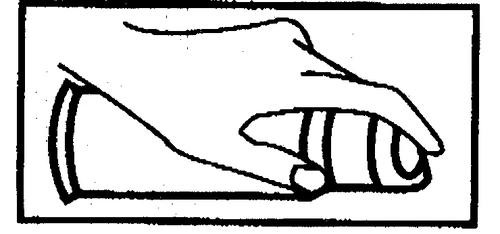
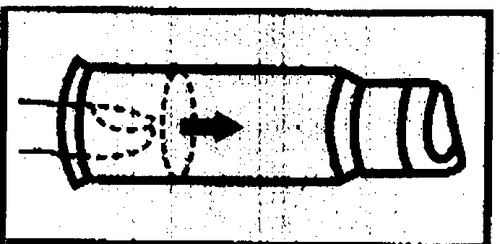
Consult your doctor if symptoms recur or if you notice any recent changes in their characteristics.
If you use more FASTUM than you should
In case of ingestion/overdose of FASTUM, contact your doctor immediately or go to the nearest hospital.
Due to the low systemic levels of FASTUM after topical application (through the skin), overdose effects—i.e., those caused by excessive intake of the medicine—are unlikely.
If you have any doubts about how to use this medicine, consult your doctor or pharmacist.
4. Possible side effects
Like all medicines, this medicine can cause side effects, although not everybody will experience them.
As with other topical medicines, skin-related side effects may occur. Cases of allergic skin reactions and severe skin reactions during exposure to sunlight (photosensitisation) have been reported. Rare cases of more serious adverse reactions have also been reported, such as bullous eczema or vesicular dermatitis (presence of fluid-filled blisters), which may extend beyond the application site or become generalised.
The frequency and severity of such effects are considerably reduced by avoiding exposure to sunlight, including sunbeds, during treatment and for two weeks afterwards.
Other systemic effects of anti-inflammatory drugs depend on the passage of the active ingredient through the skin, and therefore on the amount of gel applied, the surface area treated, the integrity of the skin, the duration of treatment, and the use of occlusive dressings (gastrointestinal and renal effects).
Possible side effects include:
Uncommon side effects (may affect up to 1 in 100 people):
- Localised skin reactions such as erythema, itching, eczema, burning sensation.
Rare side effects (may affect up to 1 in 1,000 people):
- Skin reactions, sometimes severe, during exposure to sunlight (photosensitisation reactions), blistering rashes, urticaria, rare cases of more serious skin reactions such as bullous eczema or vesicular dermatitis (presence of fluid-filled blisters), which may extend beyond the application site or become generalised.
Very rare side effects (may affect up to 1 in 10,000 people):
- Contact dermatitis (skin inflammation), peptic ulcer, gastrointestinal bleeding, diarrhoea, renal failure (new cases or worsening of pre-existing conditions). Isolated cases of systemic effects (which may affect the whole organism), such as renal disorders, have also been reported.
Side effects with unknown frequency (frequency cannot be estimated from the available data):
- Anaphylactic reactions (severe, rapidly developing allergic reactions, including anaphylactic shock), angioedema (swelling of the skin and mucous membranes), hypersensitivity reactions, bullous dermatitis (a specific type of irritation causing blisters and vesicles on the skin).
Stop treatment immediately and consult your doctor if any skin reaction occurs after applying FASTUM.
Elderly patients are particularly susceptible to adverse events associated with non-steroidal anti-inflammatory drugs.
These side effects are usually transient. However, if they occur, it is advisable to consult your doctor or pharmacist.
Reporting of side effects
If you experience any side effect, including those not listed in this leaflet, talk to your doctor or pharmacist. You can also report side effects directly via the national reporting system at http://www.aifa.gov.it/content/segnalazioni-reazioni-avverse.
By reporting side effects, you can help provide more information on the safety of this medicine.
Following the instructions in this leaflet reduces the risk of side effects.
5. How to store FASTUM
Keep this medicine out of the sight and reach of children.
Do not use this medicine after the expiry date stated on the packaging. The expiry date refers to the last day of that month.
The stated expiry date applies to the product while it remains in its original, undamaged packaging and is properly stored.
It is important to always have the medicine information available; therefore, keep both the carton and the leaflet.
This medicine does not require any special storage conditions.
Do not dispose of medicines via wastewater or household waste. Ask your pharmacist how to dispose of medicines you no longer use. This will help protect the environment.
6. Package contents and other information
What FASTUM contains
100 g of gel contain:
Active substance: ketoprofen 2.5 g.
Other components: carbomer, ethanol, neroli fragrance (containing citral, citronellol, farnesol,
geraniol, d-Limonene and linalool), lavender fragrance (containing citral, citronellol, coumarin,
eugenol, geraniol, d-Limonene and linalool), triethanolamine, purified water.
Description of the appearance of FASTUM and package contents
FASTUM is for cutaneous use and is presented as a mucilaginous, colourless or slightly yellowish,
almost transparent gel with an aromatic odour.
Aluminium tube with screw cap: tube containing 50 g of FASTUM 25 mg/g GEL.
Dispenser tube: tube containing 50 g of FASTUM 25 mg/g GEL.
Aluminium tube with screw cap: tube containing 100 g of FASTUM 25 mg/g GEL.
Marketing Authorization Holder
A. Menarini Industrie Farmaceutiche Riunite s.r.l., via Sette Santi, 3 - Florence.
Marketing Authorization Concessionaire
Montefarmaco OTC S.p.A. – via IV Novembre, 92 – 20021 Bollate, Milan
Manufacturer
A. Menarini Manufacturing Logistics and Services s.r.l., manufacturing site via Sette Santi, 3 -
Florence.