Eutirox
Italy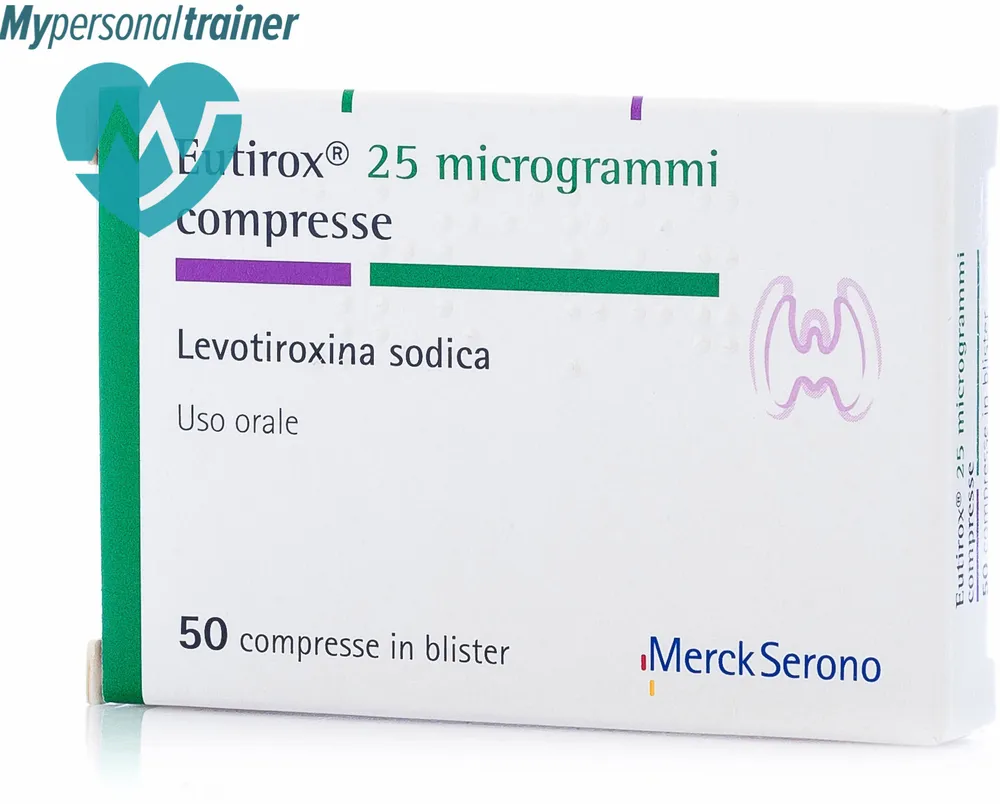
Table of Contents
- Patient Information Leaflet
- Eutirox 25 micrograms tablets, 50 micrograms tablets, 75 micrograms tablets, 88 micrograms tablets, 100 micrograms tablets, 112 micrograms tablets, 125 micrograms tablets, 137 micrograms tablets, 150 micrograms tablets, 175 micrograms tablets, 200 micrograms tablets
- 1. What Eutirox is and what it is used for
- 2. What you should know before taking Eutirox
- 3. How to take Eutirox
- 4. Possible side effects
- 5. How to store Eutirox
- 6. Package contents and other information
Patient Information Leaflet
Eutirox 25 micrograms tablets, 50 micrograms tablets, 75 micrograms tablets, 88 micrograms tablets, 100 micrograms tablets, 112 micrograms tablets, 125 micrograms tablets, 137 micrograms tablets, 150 micrograms tablets, 175 micrograms tablets, 200 micrograms tablets
levothyroxine sodium
Please read this leaflet carefully before taking this medicine because it contains
important information for you.
- Keep this leaflet. You may need to read it again.
- If you have any questions, ask your doctor or pharmacist.
- This medicine has been prescribed for you only. Do not give it to other people, even if their symptoms are the same as yours, because it could be harmful.
- If you experience any side effect, including those not listed in this leaflet, contact your doctor or pharmacist. See section 4.
Contents of this leaflet:
- What Eutirox is and what it is used for
- What you need to know before taking Eutirox
- How to take Eutirox
- Possible side effects
- How to store Eutirox
- Contents of the pack and other information
1. What Eutirox is and what it is used for
Eutirox contains the active substance sodium levothyroxine (T4). Sodium levothyroxine is a synthetic hormone, identical to the one produced by the thyroid gland.
It is synthetically produced in the laboratory and is available in tablet form.
The T4 contained in Eutirox is converted in the body into the hormone triiodothyronine (T3), which regulates numerous functions of human metabolism.
Eutirox is used to treat hypothyroidism conditions such as:
- goitre
- prophylaxis of recurrences after total or partial removal of the goitre (strumectomy)
- thyroid insufficiency
- thyroid inflammation
- during treatment with antithyroid drugs.
2. What you should know before taking Eutirox
Do not take Eutirox:
- if you are allergic to levothyroxine or any of the other ingredients of this medicine (listed in section 6)
- if you have untreated adrenal insufficiency (reduced function of the adrenal glands)
- if you have untreated overactive thyroid (untreated hyperthyroidism)
- if you have untreated pituitary disease (untreated pituitary insufficiency)
- if you have untreated thyrotoxicosis (a condition associated with high levels of thyroid hormones)
- if you have acute myocardial infarction (heart attack)
- if you have inflammation of the heart or heart muscle (pancarditis, acute myocarditis)
- if you are pregnant and are taking antithyroid medication for hyperthyroidism (see section “Pregnancy and breastfeeding”).
Warnings and precautions
Before starting treatment with Eutirox, your doctor will rule out and, if necessary,
treat the following clinical conditions:
- reduced blood supply to the heart (coronary insufficiency)
- inability of the heart to deliver adequate blood flow (heart failure)
- chest pain of cardiac origin (angina pectoris)
- inflammation of the heart muscle (myocarditis)
- death of heart tissue (myocardial infarction)
- presence of plaques in the arteries reducing blood flow (arteriosclerosis)
- high blood pressure (hypertension)
- reduced pituitary function (pituitary insufficiency)
- reduced adrenal function (adrenal insufficiency)
- uncontrolled thyroid gland function due to pituitary dysfunction (thyroid autonomy)
- epilepsy (seizures). Seizures are rarely observed at the beginning of levothyroxine treatment.
Children
Blood pressure will be monitored regularly when starting levothyroxine treatment in preterm neonates with very low birth weight, as a rapid drop in blood pressure (circulatory collapse) may occur.
If your child is given this medicine, partial hair loss may occur during the first months of therapy, but this effect is generally transient and usually resolves with subsequent regrowth.
Talk to your doctor or pharmacist before taking Eutirox.
Before prescribing Eutirox, your doctor will:
- determine the cause of secondary hypothyroidism, i.e., low production of TSH hormone, which regulates thyroid function. If necessary, your doctor may prescribe replacement therapy for compensated adrenal insufficiency
- rule out thyroid autonomy. To do this, your doctor may assess the need for specific tests (TRH test or scintigraphy during suppression).
Inform your doctor if any of the following conditions apply to you or you think they might, as your doctor will need to exercise particular caution:
- if you are elderly
- if you have heart or vascular diseases
- if you have heart problems such as coronary insufficiency, heart failure, or abnormal heart rhythm (arrhythmias); in these cases, your doctor will prescribe frequent monitoring of thyroid hormone levels
- if you have severe or long-standing hypothyroidism
- if you have psychotic disorders. In this case, your doctor will prescribe a low starting dose of levothyroxine and gradually increase it at the beginning of treatment. Inform your doctor if signs of psychotic disorders appear during treatment with Eutirox, as the dose of levothyroxine may need to be adjusted
- if you are taking weight-loss medications with thyroid hormone activity, as their combined use with Eutirox may cause serious reactions (see section “Other medicines and Eutirox”)
- if you are taking blood-thinning medications (anticoagulants) (see section “Other medicines and Eutirox”)
- if you are taking any other medicine, especially those listed in section “Other medicines and Eutirox”
- if you have pituitary gland disease (panhypopituitarism) or other conditions that may predispose to adrenal insufficiency, or if your adrenal glands do not function properly (adrenal insufficiency), as your doctor may prescribe corticosteroid therapy before starting Eutirox
- if you are a postmenopausal woman with a high risk of osteoporosis. In this case, your doctor will closely monitor thyroid function
- if you have hyperthyroidism, because Eutirox must not be used except as an adjunct during antithyroid therapy for hyperthyroidism
- if you have diabetes. During treatment with Eutirox, your doctor will monitor your TSH levels. The frequency of monitoring depends on your clinical condition, but generally your doctor will schedule checks every 6–8 weeks.
Rare cases of liver dysfunction have been reported in patients treated with thyroid preparations. Your doctor will assess whether it is necessary to reduce or discontinue Eutirox if fever, muscle weakness, or abnormal liver function tests occur during treatment. Inform your doctor if you experience these symptoms.
Thyroid imbalance may occur if Eutirox is replaced with another medicine containing levothyroxine. Talk to your doctor if you have questions about switching medicines. Close monitoring (clinical and biological) is required during the transition period. Inform your doctor if you experience side effects, as this may indicate the need to adjust the dose.
If you are scheduled for laboratory tests to monitor thyroid hormone levels, inform your doctor and/or laboratory staff that you are currently taking or have recently taken biotin (also known as vitamin H, vitamin B7, or vitamin B8). Biotin can interfere with laboratory test results. Depending on the test, results may be falsely high or falsely low due to biotin. Your doctor may ask you to stop taking biotin before undergoing laboratory tests. You should also be aware that other products you may be taking, such as multivitamin complexes or hair, skin, and nail supplements, may contain biotin. This could affect laboratory test results. Inform your doctor and/or laboratory staff if you are taking such products (refer to the information in the section “Other medicines and Eutirox”).
Other medicines and Eutirox
Inform your doctor or pharmacist if you are taking, have recently taken, or might take any other medicine.
Inform your doctor if you are taking or need to take any of the following medicines, because Eutirox may alter their effects:
- diabetes medications (insulin and oral hypoglycemics). Eutirox may reduce the effect of these medicines; therefore, at the start of Eutirox treatment, your doctor will ask you to monitor your blood glucose levels frequently and may adjust your diabetes medication dose.
- blood-thinning medications (coumarin anticoagulants). Eutirox may enhance the effect of these medicines, especially in elderly patients. At the beginning and during Eutirox therapy, your doctor will perform frequent coagulation tests and may adjust the anticoagulant dose.
- tricyclic antidepressants (such as amitriptiline, imipramine). Eutirox may accelerate the response to tricyclic antidepressants.
- digitalis preparations. Your doctor may need to adjust your digitalis dose. As treatment progresses, hyperthyroid patients may require a gradual increase in digoxin dose because they are initially relatively sensitive to digoxin.
- sympathomimetic agents. The effects of sympathomimetic agents (such as adrenaline) are enhanced. Be very careful to follow the recommended time intervals if you need to take Eutirox together with the following medicines:
- cholesterol-lowering medicines (hypolipidemics) containing colestyramine or colestipol (oral). In these cases, take Eutirox 4–5 hours before taking colestyramine or colestipol.
- medicines containing iron, aluminium (antacids, sucralfate), or calcium as active ingredients or excipients. In these cases, take Eutirox at least 2 hours before taking medicines containing iron, aluminium, or calcium.
Inform your doctor if you are taking or need to take any of the following medicines, as they may reduce the effects of Eutirox:
- orlistat (a medicine for the treatment of obesity)
- antiepileptic medicines, particularly intravenous phenytoin
- propylthiouracil (antithyroid medicine)
- glucocorticoids (steroidal anti-inflammatory agents)
- beta-blockers (medicines used to lower blood pressure and treat heart conditions)
- sertraline (antidepressant)
- chloroquine, proguanil (medicines for the treatment of malaria)
- barbiturates (sedatives, sleeping pills) and other medicines that may increase the hepatic metabolism and elimination of levothyroxine, or products containing St. John’s wort (a herbal medicine)
- oestrogen-containing medicines. If you are using oestrogen-containing contraceptives or are a postmenopausal woman receiving oestrogen replacement therapy, you may require a higher dose of levothyroxine
- sevelamer (a medicine used to treat chronic kidney failure)
- tyrosine kinase inhibitors (anti-inflammatory and anticancer medicines)
- selpercatinib (used to treat certain tumours)
- proton pump inhibitors (such as omeprazole, esomeprazole, pantoprazole, rabeprazole, and lansoprazole), which reduce stomach acid production and may decrease intestinal absorption of levothyroxine, thereby reducing its effectiveness. If you are taking levothyroxine during treatment with proton pump inhibitors, your doctor must monitor your thyroid function and may need to adjust the dose of Eutirox.
Inform your doctor if you are taking or need to take any of the following medicines, as they may enhance the effects of Eutirox:
- salicylates (anti-inflammatory agents)
- dicoumarol (anticoagulant)
- furosemide (diuretic) at high doses (250 mg)
- clofibrate (used to lower cholesterol and blood lipids).
Inform your doctor if you are taking or need to take any of the following medicines, as they may alter the effects of Eutirox:
- protease inhibitors, e.g., ritonavir, indinavir, and lopinavir
- phenytoin (antiepileptic).
Inform your doctor if you are taking amiodarone (antiarrhythmic), as this medicine may affect thyroid function.
Inform your doctor that you are taking Eutirox if you are scheduled for diagnostic tests using iodine-containing contrast agents, as they may affect thyroid function.
If you are currently taking or have recently taken biotin, inform your doctor and/or laboratory staff when undergoing laboratory tests to monitor thyroid hormone levels. Biotin can interfere with laboratory test results (see section “Warnings and precautions”).
Thyroid hormones must not be used for weight reduction. Taking thyroid hormones will not reduce your weight if your thyroid hormone levels are normal. Serious or life-threatening side effects may occur if you increase the dose without medical advice, especially if taken together with other weight-loss medicines.
Eutirox with food and drink
Soy-containing products or foods may reduce the intestinal absorption of Eutirox; therefore, inform your doctor if you consume soy-containing products or foods. If taken together, your doctor will assess whether the dose of Eutirox needs to be adjusted, especially at the beginning or end of soy product use.
If you have any doubts, consult your doctor.
Pregnancy and breastfeeding
If you are pregnant, suspect you may be pregnant, planning a pregnancy, or breastfeeding, consult your doctor before taking this medicine.
Pregnancy
Do not stop Eutirox treatment during pregnancy.
Contact your doctor if you are pregnant, suspect pregnancy, or are planning a pregnancy, as the dose of Eutirox may need to be increased during pregnancy.
Clinical experience has shown that this medicine does not cause congenital malformations and is not toxic to the human fetus at recommended therapeutic doses.
Very high doses of levothyroxine taken during pregnancy may have a negative effect on fetal development and subsequent postnatal growth.
If you are pregnant, do not take levothyroxine concomitantly with antithyroid medicines (medicines for the treatment of hyperthyroidism). The use of Eutirox may require higher doses of antithyroid medicines. Therefore, if antithyroid medicines are needed during pregnancy, they should be used alone (monotherapy with antithyroid agents). See section “Do not take Eutirox”.
Breastfeeding
Do not stop Eutirox treatment during breastfeeding.
Eutirox passes into breast milk during lactation, but the concentrations achieved at recommended therapeutic doses do not cause effects in the newborn.
Driving and using machines
No effects on the ability to drive or operate machinery are known. However, due to the possible occurrence of headache, exercise caution when driving or performing tasks requiring special alertness.
Eutirox contains sodium
Eutirox 25, 50, 75, 88, 100, 112, 125, 137, 150, 175 and 200 micrograms:
This medicine contains less than 1 mmol (23 mg) of sodium per tablet, i.e., essentially “sodium-free”.
3. How to take Eutirox
Take this medicine exactly as your doctor has instructed you. If you have any doubts,
consult your doctor.
Take Eutirox preferably with a glass of water in the morning, on an empty stomach.
Your doctor will determine the appropriate dose based on your condition.
A lower dose may be sufficient
- if you are an elderly patient,
- if you have heart problems,
- if you have severe or chronic hypothyroidism,
- if you have low body weight, or if you have a large goiter.
Treatment of goiter
Adults
The recommended dose is 100–150 (200) micrograms daily.
Children (up to 14 years)
The recommended dose is 50–100 (150) micrograms daily.
Prevention of recurrence after total or partial removal of the goiter (thyroidectomy)
The recommended dose is 100 micrograms daily.
Treatment of hypothyroidism
Adults
The recommended initial dose is 50 micrograms daily for about two weeks.
Your doctor may then increase your daily dose by 50 micrograms every 14–15 days, until reaching the maintenance dose of 100–200 (300) micrograms daily; on average, 2–2.5 micrograms/kg body weight per day.
Children
If the child was born with hypothyroidism, your doctor may recommend starting with a higher dose, as rapid replacement is important. The recommended initial dose is 10 to 15 micrograms per kg of body weight per day for the first 3 months. Afterwards, your doctor will adjust the dose individually.
If the child has acquired hypothyroidism, your doctor may recommend an initial dose of 12.5–50 micrograms daily. Afterwards, your doctor will adjust the dose individually.
Method of administration
In infants, the entire daily dose of Eutirox should be administered at least half an hour before the first meal of the day. Immediately before use, dissolve the tablet in water and mix it with additional liquid before administering the mixture to the infant.
Always prepare the mixture immediately before use.
Treatment of thyroid inflammation
The recommended dose is 100–150 micrograms daily.
During treatment with antithyroid drugs
The recommended dose is 50–100 micrograms daily.
If you take more Eutirox than you should
If you accidentally ingest an excessive dose of Eutirox, inform your doctor immediately or go to the nearest hospital.
After accidental ingestion of an excessive dose of Eutirox, you may experience:
- symptoms of sudden metabolic acceleration. In such cases, consult your doctor immediately; your doctor may advise you to stop treatment and perform appropriate tests;
- seizures, in predisposed patients;
- hyperthyroidism and symptoms of acute psychosis; these occur especially in patients at risk of psychotic disorders.
In cases of poisoning, for example in suicide attempts, doses up to 10 mg of levothyroxine have been tolerated without complications.
However, cases of sudden death due to cardiac arrest have been reported in patients who have abused this medicine for years.
If you forget to take Eutirox
If you forget to take a dose, do not take a double dose to make up for the missed dose. Instead, take your next dose as usual the following day.
If you have any doubts about how to use this medicine, consult your doctor or pharmacist.
4. Possible side effects
Like all medicines, this medicine can cause side effects, although not everyone will experience them.
Occasionally, especially if you exceed your personal tolerance limit for levothyroxine, take too much medicine, or if the levothyroxine dose is increased too rapidly at the beginning of thyroid hormone therapy, you may experience symptoms typical of hyperthyroidism such as:
- increased heart rate (tachycardia)
- palpitations
- changes in heart rhythm (cardiac arrhythmias)
- angina pectoris
- heart failure, myocardial infarction
- high blood pressure (hypertension)
- headache
- muscle weakness
- cramps in the skeletal muscles
- skull deformity due to premature closure of skull bones in infants and children (craniosynostosis)
- hot flushes
- increased appetite
- abdominal pain
- nausea
- fever
- vomiting
- shortness of breath (dyspnea)
- menstrual cycle disturbances
- pseudotumor cerebri (increased intracranial pressure)
- tremor
- restlessness
- insomnia
- excessive sweating (hyperhidrosis)
- weight loss
- diarrhoea
- agitation
- flushing
Heat intolerance and transient hair loss in children have also been reported.
Epileptic seizures have been rarely reported in association with levothyroxine therapy.
In such cases, your doctor will assess whether to reduce the daily dose or temporarily discontinue treatment with Eutirox for a few days. Once the side effects have resolved, your doctor will evaluate whether to cautiously resume treatment.
If you are hypersensitive, you may experience allergic reactions. Cases of angioedema (swelling of the skin or mucous membranes), rash (skin eruption), and urticaria have been reported with unknown frequency. In this case, consult your doctor immediately.
Reporting of side effects
If you experience any side effect, including those not listed in this leaflet, consult your doctor or pharmacist. You may also report side effects directly via the national reporting system at the following website:
https://www.aifa.gov.it/content/segnalazioni-reazioni-avverse.
By reporting side effects, you can help provide more information on the safety of this medicine.
5. How to store Eutirox
Do not use this medicine after the expiry date stated on the label. The expiry date refers to the last day of that month.
Do not store above 25°C. Keep the blisters in the original packaging to protect the medicine from light.
Keep this medicine out of the sight and reach of children.
Do not dispose of medicines via wastewater or household waste. Ask your pharmacist how to dispose of medicines you no longer use. This will help protect the environment.
6. Package contents and other information
What Eutirox contains
The active substance is levothyroxine sodium.
Each tablet contains:
- 25 micrograms - 50 micrograms - 75 micrograms - 88 micrograms - 100 micrograms - 112 micrograms - 125 micrograms - 137 micrograms - 150 micrograms - 175 micrograms - 200 micrograms of levothyroxine sodium
- The other components are: Maize starch, Citric acid, Sodium croscarmellose, Gelatin, Magnesium stearate, Mannitol (E421).
Description of the appearance of Eutirox and pack contents
Eutirox tablets are whitish, round, biconvex, with bevelled edges,
with a break line on both sides and an imprint on one side: EM 25 or EM 50 or EM 75 or EM 88 or EM 100 or EM 112 or EM 125 or EM 137 or EM 150 or EM 175 or EM 200.
Eutirox is available in blisters of 50 tablets.
Marketing Authorization Holder
Merck Serono S.p.A. - Via Casilina 125, 00176 Rome, Italy
Manufacturer
Merck Healthcare KGaA, Frankfurter Strasse 250, 64293 Darmstadt (Germany)
Corden Pharma GmbH, Otto-Hahn Straße, 68723 Plankstadt (Germany)
Famar Health Care Services Madrid, S.A.U. Avda. Leganés, 62 Alcorcón, 28923 Madrid (Spain)