Eptadone
Italy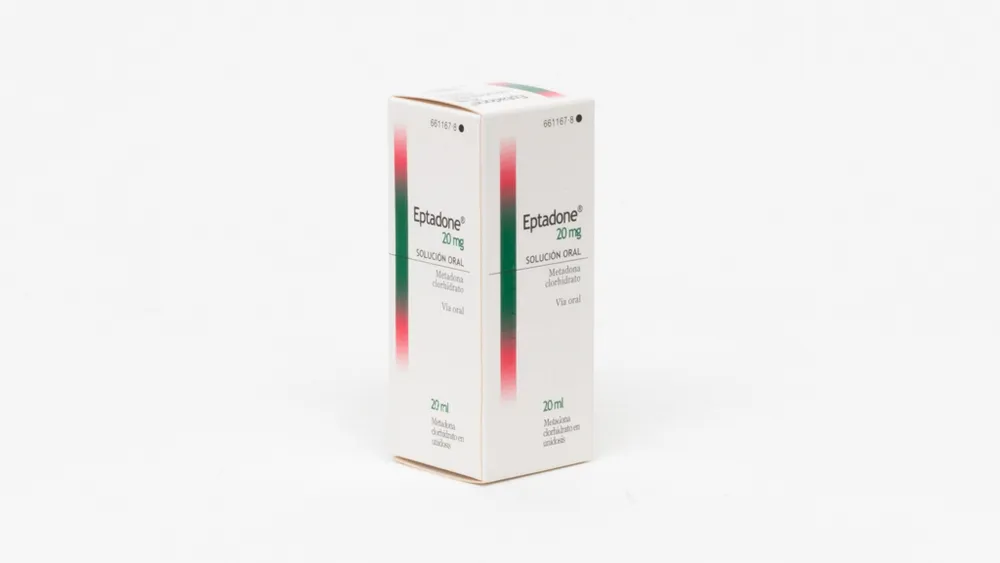
Table of Contents
- Package leaflet: Information for the patient
- EPTADONE 5 mg/20 ml syrup, 10 mg/20 ml syrup, 20 mg/20 ml syrup, 1 mg/ml syrup
- 1. What Eptadone is and what it is used for
- 2. What you should know before taking Eptadone
- 3. How to take Eptadone
- 4. Possible side effects
- 5. How to store Eptadone
- 6. Package contents and other information
- Patient Information Leaflet: Information for the patient
- EPTADONE 10 mg/1 ml solution for injection
- 1. What Eptadone is and what it is used for
- 2. What you should know before using Eptadone
- 3. How to use Eptadone
- 4. Possible side effects
- 5. How to store Eptadone
- 6. Package contents and other information
Package leaflet: Information for the patient
EPTADONE 5 mg/20 ml syrup, 10 mg/20 ml syrup, 20 mg/20 ml syrup, 1 mg/ml syrup
Hydrochloride methadone
Please read all of this leaflet carefully before taking this medicine because it contains important information for you.
- Keep this leaflet. You may need to read it again.
- If you have any questions, ask your doctor or pharmacist.
- This medicine has been prescribed for you only. Do not give it to other people, even if they have the same symptoms as you, because it could be harmful.
- If you experience any side effects, including those not listed in this leaflet, talk to your doctor or pharmacist. See section 4.
Contents of this leaflet:
- What Eptadone is and what it is used for
- What you need to know before taking Eptadone
- How to take Eptadone
- Possible side effects
- How to store Eptadone
- Contents of the pack and other information
1. What Eptadone is and what it is used for
Eptadone contains the active substance methadone hydrochloride, which belongs to a group of medicines that act on the Nervous System, the opioid analgesics.
This medicine is used for the treatment of severe pain that does not respond to other pain-relieving medicines.
2. What you should know before taking Eptadone
Do not take Eptadone
- if you are allergic to methadone or to any of the other ingredients of this medicine (listed in section 6);
- if you suffer from severe constipation;
- if you have heart problems (organic cardiopathies);
- if you have serious liver or kidney problems;
- if you have unstable blood glucose levels (uncompensated diabetes);
- if you have porphyria (a rare blood disorder);
- if you have low blood pressure (hypotension);
- if you have increased pressure inside the skull (intracranial hypertension);
- if you have head injuries (cranioencephalic trauma);
- if you suffer from acute asthma attacks or other lung diseases (chronic obstructive bronchopulmonary diseases);
- if you have respiratory problems (respiratory insufficiency);
- if you have an enlarged heart due to lung disease (cor pulmonale);
- if you have a low circulating blood volume (hypovolemia).
The use of methadone is not indicated during pregnancy, breastfeeding, or for the treatment of labor pain, as its long duration of action increases the risk of respiratory problems in the newborn.
Furthermore, the use of this medicine is not indicated in children.
Warnings and precautions
Talk to your doctor or pharmacist before taking Eptadone.
Methadone therapy may cause physical and psychological dependence and drug tolerance. This means that the dose taken will become less effective over time. Therefore, it must be prescribed and taken with the same caution as morphine.
Exercise particular care when using methadone and inform your doctor:
- if you are taking medicines that act on the central nervous system (narcotic analgesics, phenothiazines, other tranquilizers, hypnotic sedatives, tricyclic antidepressants), or substances such as alcohol, as they may cause respiratory problems (respiratory depression), low blood pressure (hypotension), profound sedation, or coma;
- if you experience anxiety during treatment. This medicine does not have anti-anxiety effects; therefore, do not increase the dose;
- if you have acute abdominal problems;
- if you have low circulating blood volume (hypovolemia) or are being treated with phenothiazines or anesthetics, as you may experience a severe drop in blood pressure;
- if you feel dizzy when standing up, due to a rapid drop in blood pressure (orthostatic hypotension);
- if you are elderly or debilitated;
- if you have thyroid dysfunction (hypothyroidism);
- if you have a disease of the adrenal glands (Addison's disease);
- if you have an enlarged prostate (prostatic hypertrophy);
- if you have difficulty urinating due to urethral narrowing;
- if you have or have had heart rhythm disorders (arrhythmias), serious heart diseases, low blood potassium and magnesium levels (hypokalemia and hypomagnesemia), a family history of sudden young death, or if you are being treated with sotalol, amiodarone, flecainide (antiarrhythmics), thioridazine, haloperidol, sertindole (antipsychotics), or erythromycin and clarithromycin (antibiotics), as these may alter heart rhythm (QT interval prolongation).
Contact your doctor or pharmacist if you experience any of the following symptoms while taking Eptadone:
weakness, fatigue, loss of appetite, nausea, vomiting, or low blood pressure. These may be signs that your adrenal glands are producing insufficient cortisol hormone, and you may need hormonal supplementation.
Long-term use may cause decreased levels of sex hormones and increased levels of prolactin hormone. Contact your doctor if you experience symptoms such as reduced libido, impotence, or absence of menstruation (amenorrhea).
If you are physically dependent on narcotics, administration of antagonists must be done cautiously, as it may trigger withdrawal symptoms.
If you are an athlete, taking Eptadone may result in a positive doping test.
Children
The use of this medicine is contraindicated in children.
Other medicines and Eptadone
Inform your doctor or pharmacist if you are currently taking, have recently taken, or might take any other medicines, including over-the-counter medicines, as Eptadone may affect how some medicines work or other medicines may affect how Eptadone works.
Concomitant use of Eptadone and sedative medicines such as benzodiazepines or related drugs increases the risk of drowsiness, breathing difficulties (respiratory depression), coma, and may be life-threatening. Therefore, concomitant use should only be considered when no other treatment options are available.
However, if your doctor prescribes Eptadone together with sedative medicines, the dose and duration of concomitant treatment must be limited by the doctor.
Inform your doctor about all sedative medicines you are taking and follow the doctor’s dosage recommendations carefully. It may be helpful to inform friends or relatives to watch for the signs and symptoms listed above. Contact your doctor if you experience such symptoms.
The risk of side effects increases if methadone is used concomitantly with antidepressants (such as citalopram, duloxetine, escitalopram, fluoxetine, fluvoxamine, paroxetine, sertraline, venlafaxine, amitriptyline, clomipramine, imipramine, nortriptyline).
Contact your doctor if you experience symptoms such as:
- changes in mental status (e.g. agitation, hallucinations, coma)
- tachycardia, blood pressure instability, fever
- exaggerated reflexes, impaired coordination, muscle rigidity
- gastrointestinal symptoms (e.g. nausea, vomiting, diarrhea)
Your doctor may decide to increase the dose of methadone to prevent withdrawal symptoms if you are taking other medicines such as:
- antiepileptic medicines like barbiturates, carbamazepine, phenytoin, phenobarbital;
- medicines for the treatment of AIDS such as nevirapine and efavirenz;
- medicines for tuberculosis such as rifampicin;
- medicines used to acidify urine such as ammonium chloride;
- medicines used for inflammation and allergies such as dexamethasone;
- medicines for depression such as Hypericum perforatum (St. John's wort);
- metamizole, a medicine used to treat pain and fever.
Your doctor may decide to reduce the dose of methadone if you are taking:
- medicines used to regulate heart rhythm (quinidine);
- medicines to lower blood pressure (verapamil);
- cannabinoids;
- antibiotics such as clarithromycin, erythromycin, and telithromycin;
- medicines for the treatment of AIDS such as delavirdine and ritonavir;
- antidepressants such as nefazodone, desipramine, and selective serotonin reuptake inhibitors like fluoxetine, fluvoxamine, paroxetine, and sertraline;
- antifungal medicines such as itraconazole, ketoconazole, and fluconazole.
Methadone may interfere with the activity of other medicines. Inform your doctor if you are taking:
- medicines for the treatment of AIDS such as didanosine, stavudine, zidovudine, amprenavir, nelfinavir, lopinavir/ritonavir, and ritonavir/saquinavir;
- medicines that affect cardiac conduction or medicines that may affect electrolyte concentrations;
- opioid antagonists, naloxone and naltrexone, used for drug and alcohol dependence;
- medicines used for pain treatment such as butorphanol, nalbuphine, pentazocine;
- medicines that exert a depressant effect on the CNS such as analgesics, tranquilizers;
- medicines used in the treatment of diarrhea such as diphenoxylate, loperamide, and octreotide;
- antimuscarinic medicines;
- medicines used for depression such as monoamine oxidase inhibitors (MAO inhibitors);
- medicines used to control heart rhythm such as sotalol, amiodarone, flecainide;
- medicines used for mental disorders (thioridazine, haloperidol, sertindole).
Eptadone with beverages and alcohol
During treatment with methadone, do not drink alcoholic beverages, as they may cause drowsiness, and avoid consuming grapefruit juice, which may interact with the activity of this medicine.
Pregnancy and breastfeeding
If you are pregnant, suspect you may be pregnant, planning a pregnancy, or breastfeeding, consult your doctor or pharmacist before taking this medicine.
Methadone is contraindicated during pregnancy due to possible effects on fetal development, and during breastfeeding.
Talk to your doctor if you are breastfeeding or planning to breastfeed while taking methadone, as it may harm the baby. Monitor your baby for unusual signs and symptoms such as increased drowsiness (more than usual), breathing difficulties, or weakness. Consult your doctor immediately if you notice any of these symptoms.
Driving and using machines
Eptadone may impair your ability to drive or operate machinery.
Eptadone contains sucrose, ethanol, and parahydroxybenzoates
Eptadone contains 13 g of sucrose per dose. This should be taken into account if you have problems with unstable blood glucose levels (diabetes mellitus). The medicine may be harmful to teeth.
This medicine contains 12% vol ethanol (alcohol), e.g., up to 1.9 g per dose, equivalent to 48 ml of beer or 20 ml of wine per dose. It may be harmful to alcoholics. This should be taken into account in pregnant or breastfeeding women, children, and high-risk groups such as people with liver disease or epilepsy.
This medicine contains parahydroxybenzoates which may cause allergic reactions (including delayed reactions).
3. How to take Eptadone
Take this medicine exactly as instructed by your doctor. If you have any doubts, consult your doctor or pharmacist.
This medicine is an oral solution to be taken by mouth (oral route); do not use it for injection.
The dosage will be appropriately adjusted by your doctor according to the severity of pain and your response to treatment.
The usual dose ranges from 5 to 20 mg one or more times daily, according to your doctor's instructions. Occasionally, in cases of exceptionally severe pain or when the usual dose proves ineffective, your doctor may prescribe a higher dose.
The packages are equipped with child-resistant closures.
To open: press down and simultaneously turn counterclockwise.
To close: press down and simultaneously turn clockwise.
If you take more Eptadone than you should
In case of accidental ingestion or overdose of Eptadone, contact your doctor immediately or go to the nearest hospital.
Overdose may cause the following symptoms:
- breathing difficulties (irregular and shallow breathing, bluish discoloration of the skin due to lack of oxygen)
- extreme drowsiness progressing to stupor or coma
- constricted pupils (miosis)
- cold and clammy skin
- muscle flaccidity
- slowed heart rate (bradycardia)
- low blood pressure (hypotension)
It may cause low blood sugar (hypoglycemia).
In severe overdose, especially following intravenous administration, the following may occur:
- cessation of breathing (apnea)
- circulatory collapse
- cardiac arrest
- death.
If you forget to take Eptadone
Do not take a double dose to make up for the missed dose.
If you stop taking Eptadone
Stopping treatment with this medicine abruptly may cause undesirable, even serious, side effects.
Follow your doctor's instructions carefully on how to gradually reduce the use of this medicine.
If you have any doubts about how to use this medicine, consult your doctor or pharmacist.
4. Possible side effects
Like all medicines, this medicine can cause side effects, although not everyone experiences them.
The side effects that may occur are listed below. There are insufficient data available to determine the frequency of the individual listed side effects.
The main risks associated with methadone are:
- severe breathing problems (respiratory depression and respiratory arrest);
- severe circulatory problems (circulatory depression);
- severe heart problems (shock and cardiac arrest);
- heart disorders that may alter heart rate (QT interval prolongation and torsades de pointes).
Other observed side effects include:
- lightheadedness, dizziness, and drowsiness;
- nausea, vomiting, sweating;
- sensation of dizziness when standing up due to a drop in blood pressure (orthostatic hypotension);
- mood disturbances (euphoria, dysphoria);
- weakness, headache, insomnia, agitation;
- disorientation and visual disturbances;
- dry mouth, loss of appetite (anorexia), weight gain, constipation, and gallbladder problems;
- facial flushing, slowed heart rate (bradycardia), awareness of heartbeat (palpitations);
- feeling faint and loss of consciousness (syncope);
- urinary retention or difficulty urinating, fluid retention;
- loss of sexual desire (libido) and/or sexual impotence, absence of menstruation (amenorrhea);
- itching, urticaria (including hemorrhagic forms), other skin reactions including transient ones (transient skin rash);
- swelling due to fluid accumulation (edema). Frequency not known: low blood sugar (hypoglycemia).
Reporting of side effects
If you experience any side effect, including those not listed in this leaflet, talk to your doctor or pharmacist. You may also report side effects directly via the national reporting system at www.aifa.gov.it/content/segnalazioni-reazioni-avverse.
By reporting side effects, you can help provide more information on the safety of this medicine.
5. How to store Eptadone
Keep this medicine out of the sight and reach of children.
Do not use this medicine after the expiry date stated on the packaging after "Exp".
The expiry date refers to the last day of that month.
Do not dispose of any medicine via wastewater or household waste. Ask your pharmacist how to dispose of
medicines you no longer use. This will help protect the environment.
6. Package contents and other information
What Eptadone contains
The active substance is methadone hydrochloride.
The other components are: glycerol, 96% ethanol, sodium methyl parahydroxybenzoate, sodium ethyl parahydroxybenzoate, sodium propyl parahydroxybenzoate, tolu balsam hydroglyceric extract, vanillin, sucrose, purified water.
Description of the appearance of Eptadone and package contents
EPTADONE 5 mg/20 ml syrup: single-dose container of 20 ml
EPTADONE 10 mg/20 ml syrup: single-dose container of 20 ml
EPTADONE 20 mg/20 ml syrup: single-dose container of 20 ml
EPTADONE 1 mg/ml syrup: 40 ml bottle
EPTADONE 1 mg/ml syrup: 80 ml bottle
Marketing Authorization Holder and Manufacturer
L. Molteni & C. dei F.lli Alitti Società di Esercizio S.p.A.,
S.S. 67, Fraz. Granatieri, Scandicci (FI).
Patient Information Leaflet: Information for the patient
EPTADONE 10 mg/1 ml solution for injection
Methadone hydrochloride
Please read this leaflet carefully before using this medicine because it contains important information for you.
- Keep this leaflet. You may need to read it again.
- If you have any questions, ask your doctor or nurse.
- If you experience any side effects, including those not listed in this leaflet, please inform your doctor or pharmacist. See section 4.
Contents of this leaflet:
- What Eptadone is and what it is used for
- What you need to know before using Eptadone
- How to use Eptadone
- Possible side effects
- How to store Eptadone
- Contents of the pack and other information
1. What Eptadone is and what it is used for
Eptadone contains the active substance methadone hydrochloride, which belongs to a group of medicines that act on the Central Nervous System, the opioid analgesics.
This medicine is used for the treatment of severe pain, especially in cases of:
- tumours (neoplastic pain)
- surgical interventions (post-operative pain)
2. What you should know before using Eptadone
Do not use Eptadone
- if you are allergic to methadone or to any of the other ingredients of this medicine (listed in section 6);
- if you suffer from severe constipation;
- if you have heart problems (organic cardiopathies);
- if you have severe liver or kidney problems;
- if you have unstable blood glucose levels (uncompensated diabetes);
- if you have porphyria (a rare blood disorder);
- if you have low blood pressure (hypotension);
- if you have increased pressure inside the skull (intracranial hypertension);
- if you have head injuries (cranioencephalic trauma);
- if you suffer from acute asthma attacks or other lung diseases (chronic obstructive bronchopulmonary diseases);
- if you have respiratory problems (respiratory insufficiency);
- if you have an enlarged heart due to lung disease (pulmonary heart);
- if you have a low volume of circulating blood (hypovolemia).
The use of methadone is not indicated during pregnancy, breastfeeding, or for labor pain relief, as its long duration of action increases the risk of respiratory problems in the newborn.
Moreover, the use of this medicine is not recommended in children.
Warnings and precautions
Talk to your doctor or nurse before Eptadone is administered to you.
Methadone therapy may cause physical and psychological dependence and drug tolerance. This means that the dose taken becomes less effective over time. Therefore, it must be prescribed and used with the same caution as morphine.
Inform your doctor if:
- you are taking medicines that act on the central nervous system (narcotic analgesics, phenothiazines, other tranquilizers, hypnotic sedatives, tricyclic antidepressants), or substances such as alcohol, as they may cause respiratory problems (respiratory depression), low blood pressure (hypotension), deep sedation, or coma;
- anxiety symptoms occur during treatment. This medicine does not have anti-anxiety effects, so higher doses should not be used;
- you have acute abdominal conditions;
- you have low circulating blood volume (hypovolemia) or are being treated with phenothiazines or anesthetics, as you may experience severe drops in blood pressure;
- you feel dizzy when standing up, due to a rapid drop in blood pressure (orthostatic hypotension);
- you are elderly or debilitated;
- you have thyroid dysfunction (hypothyroidism);
- you have an adrenal gland disorder (Addison's disease);
- you have an enlarged prostate (prostatic hypertrophy);
- you have difficulty urinating due to urethral narrowing;
- you suffer or have suffered from heart rhythm disorders (arrhythmias), serious heart diseases, low blood potassium and magnesium levels (hypokalemia and hypomagnesemia), have a family history of sudden unexplained death at a young age, or are being treated with sotalol, amiodarone, flecainide (antiarrhythmics), thioridazine, haloperidol, sertindole (antipsychotics), or erythromycin and clarithromycin (antibiotics), as these may alter heart rhythm (QT interval prolongation).
Contact your doctor or pharmacist if you experience any of the following symptoms while taking Eptadone:
weakness, fatigue, loss of appetite, nausea, vomiting, or low blood pressure. These may be signs that your adrenal glands are producing too little cortisol hormone, and you may need to take hormonal supplements.
Long-term use may cause decreased levels of sex hormones and increased levels of prolactin hormone. Contact your doctor if you experience symptoms such as reduced libido, impotence, or absence of menstruation (amenorrhea).
If you are physically dependent on narcotics, administration of antagonists must be done with caution, as it may trigger withdrawal symptoms.
If you are an athlete, taking Eptadone may result in a positive doping test.
Children
The use of this medicine is contraindicated in children.
Other medicines and Eptadone
Inform your doctor if you are currently taking, have recently taken, or might take any other medicines, including over-the-counter medicines, as Eptadone may affect how some medicines work or other medicines may affect how Eptadone works.
Concomitant use of Eptadone and sedative medicines such as benzodiazepines or related drugs increases the risk of drowsiness, breathing difficulties (respiratory depression), coma, and may be life-threatening. Therefore, concomitant use should only be considered when no other treatment options are available.
However, if your doctor prescribes Eptadone together with sedative medicines, the dose and duration of concomitant treatment must be limited by your doctor.
Inform your doctor about all sedative medicines you are taking and carefully follow the doctor's dosing recommendations. It may be helpful to inform friends or family members to watch for the signs and symptoms listed above. Contact your doctor if you experience such symptoms.
The risk of side effects increases if methadone is used together with antidepressants (such as citalopram, duloxetine, escitalopram, fluoxetine, fluvoxamine, paroxetine, sertraline, venlafaxine, amitriptyline, clomipramine, imipramine, nortriptyline).
Contact your doctor if you experience symptoms such as:
- changes in mental state (e.g. agitation, hallucinations, coma)
- tachycardia, blood pressure instability, fever
- exaggerated reflexes, impaired coordination, muscle rigidity
- gastrointestinal symptoms (e.g. nausea, vomiting, diarrhea)
Your doctor may decide to increase the methadone dose to prevent withdrawal symptoms if you are taking other medicines such as:
- antiepileptic medicines like barbiturates, carbamazepine, phenytoin, phenobarbital;
- medicines for treating AIDS such as nevirapine and efavirenz;
- medicines for tuberculosis such as rifampicin;
- medicines used to acidify urine like ammonium chloride;
- medicines used for treating inflammation and allergies such as dexamethasone;
- medicines for treating depression such as Hypericum perforatum (St. John's wort);
- metamizole, a medicine used to treat pain and fever.
Your doctor may decide to reduce the methadone dose if you are taking:
- medicines used to regulate heart rhythm (quinidine);
- medicines to lower blood pressure (verapamil);
- cannabinoids;
- antibacterial medicines such as clarithromycin, erythromycin, and telithromycin;
- medicines for treating AIDS such as delavirdine and ritonavir;
- antidepressants such as nefazodone, desipramine, and selective serotonin reuptake inhibitors like fluoxetine, fluvoxamine, paroxetine, and sertraline;
- medicines used to treat fungal infections such as itraconazole, ketoconazole, and fluconazole.
Methadone may interfere with the action of other medicines: inform your doctor if you are taking:
- medicines for HIV therapy such as didanosine, stavudine, zidovudine, amprenavir, nelfinavir, lopinavir/ritonavir, and ritonavir/saquinavir;
- medicines that affect cardiac conduction or medicines that may affect electrolyte levels;
- opioid antagonists, naloxone and naltrexone, used for drug and alcohol dependence;
- medicines used for pain treatment such as butorphanol, nalbuphine, pentazocine;
- medicines with CNS depressant effects such as analgesics, tranquilizers;
- medicines used for treating diarrhea such as diphenoxylate, loperamide, and octreotide;
- antimuscarinic medicines;
- medicines used for depression such as monoamine oxidase inhibitors (MAO inhibitors);
- medicines used to control heart rhythm such as sotalol, amiodarone, flecainide;
- medicines used for mental disorders (thioridazine, haloperidol, sertindole).
Eptadone with drinks and alcohol
During treatment with methadone, do not drink alcoholic beverages, as they may cause drowsiness, and avoid consuming grapefruit juice, as it may interact with this medicine.
Pregnancy and breastfeeding
Methadone is contraindicated during pregnancy due to possible effects on fetal development, and during breastfeeding.
Talk to your doctor if you are breastfeeding or planning to breastfeed while taking methadone, as it may harm the baby. Monitor your baby for unusual signs and symptoms such as increased drowsiness (more than usual), breathing difficulties, or weakness. Contact your doctor immediately if you notice any of these symptoms.
Driving and using machines
Eptadone may impair your ability to drive or operate machinery.
3. How to use Eptadone
This medicine will be administered to you in a hospital setting by trained medical personnel. If you have any doubts, please consult your doctor or nurse.
The dosage will be appropriately adjusted by the doctor according to the severity of pain and your response to treatment.
Adults
The recommended dose is 2.5–10 mg by intramuscular or subcutaneous injection every 3–4 hours, as needed.
Subcutaneous injection (subcutaneous administration) of Eptadone is suitable for occasional use, whereas intramuscular injection is recommended when repeated doses are required.
Occasionally, in cases of exceptionally severe pain or when the usual dose proves ineffective, the doctor may decide to administer a higher dose.
If you use more Eptadone than you should
Since this medicine will be administered by trained medical personnel, overdose is unlikely.
In case of accidental ingestion/overdose of Eptadone, contact your doctor immediately or go to the nearest hospital.
Overdose symptoms include:
- breathing difficulties (irregular and shallow breathing, bluish skin discoloration due to lack of oxygen)
- extreme drowsiness progressing to stupor or coma
- constricted pupils (miosis)
- cold and clammy skin
- muscle flaccidity
- slowed heart rate (bradycardia)
- low blood pressure (hypotension)
It may cause low blood sugar (hypoglycemia).
In severe overdose, especially following intravenous administration, the following may occur:
- cessation of breathing (apnea)
- circulatory collapse
- cardiac arrest
- death
4. Possible side effects
Like all medicines, this medicine can cause side effects, although not everyone will experience them.
The side effects that may occur are listed below. There are insufficient data available to determine the frequency of the individual side effects listed.
The main risks associated with methadone are:
- severe breathing problems (respiratory depression and respiratory arrest);
- severe circulatory problems (circulatory depression);
- severe heart problems (shock and cardiac arrest);
- heart disorders that may alter heart rate (QT interval prolongation and torsades de pointes).
Other observed side effects include:
- feeling of dizziness, vertigo, and drowsiness;
- nausea, vomiting, sweating;
- sensation of dizziness when standing up due to a drop in blood pressure (orthostatic hypotension);
- mood disturbances (euphoria, dysphoria);
- weakness, headache, insomnia, agitation;
- disorientation and visual disturbances;
- dry mouth, loss of appetite (anorexia), weight gain, constipation, and gallbladder problems;
- facial flushing, decreased heart rate (bradycardia), awareness of heartbeat (palpitations);
- feeling faint and loss of consciousness (syncope);
- urinary retention or difficulty urinating, fluid retention;
- loss of sexual desire (libido) and/or sexual impotence, absence of menstruation (amenorrhea);
- itching, urticaria (including hemorrhagic forms), other skin reactions even transient (transient skin rash);
- swelling due to fluid accumulation (edema).
Frequency not known: low blood sugar
Reporting of side effects
If you experience any side effect, including those not listed in this leaflet, talk to your doctor or pharmacist. You may also report side effects directly via the national reporting system at www.aifa.gov.it/content/segnalazioni-reazioni-avverse.
By reporting side effects, you can help provide more information on the safety of this medicine.
5. How to store Eptadone
Keep this medicine out of the sight and reach of children.
Do not use this medicine after the expiry date stated on the packaging after "Exp".
The expiry date refers to the last day of that month.
Do not dispose of medicines via wastewater or household waste. Ask your pharmacist how to dispose of
medicines no longer in use. This will help protect the environment.
6. Package contents and other information
What Eptadone contains
The active substance is methadone hydrochloride. One 1 ml vial contains 10 mg of methadone hydrochloride.
The other component is: water for injections.
Description of the appearance of Eptadone and contents of the package
1 ml vials. Pack of 5 vials.
Marketing Authorization Holder and Manufacturer
L. Molteni & C. dei F.lli Alitti Società di Esercizio S.p.A.,
S.S. 67, Fraz. Granatieri, Scandicci (FI).