Entyvio
Italy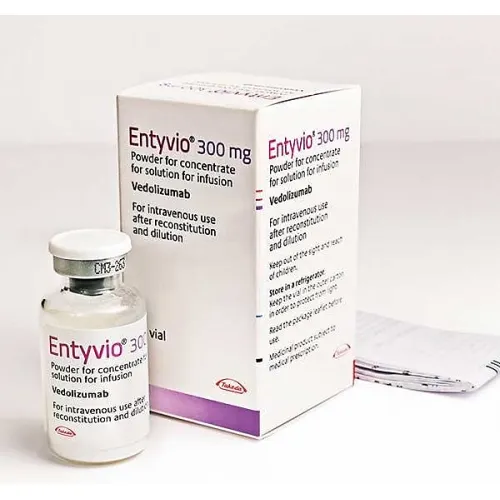
Table of Contents
- Patient Information Leaflet
- Entyvio 300 mg powder for concentrate for solution for infusion
- 1. What Entyvio is and what it is used for
- 2. What you need to know before you are given Entyvio
- 3. How Entyvio will be administered
- 4. Possible side effects
- 5. How to store Entyvio
- 6. Package contents and other information
- Patient Information Leaflet
- Entyvio 108 mg solution for injection in pre-filled syringe
- 1. What Entyvio is and what it is used for
- 2. What you need to know before using Entyvio
- 3. How to use Entyvio
- 4. Possible side effects
- 5. How to store Entyvio
- 6. Package contents and other information
- The following information is intended for healthcare professionals only:
- Instructions for use:
- Package leaflet: Information for the patient
- Entyvio 108 mg solution for injection in a pre-filled pen
- 1. What Entyvio is and what it is used for
- 2. What you need to know before using Entyvio
- 3. How to use Entyvio
- 4. Possible side effects
- 5. How to store Entyvio
- 6. Package contents and other information
- The following information is intended exclusively for healthcare professionals:
- Instructions for use:
Patient Information Leaflet
Entyvio 300 mg powder for concentrate for solution for infusion
vedolizumab
Please read all of this leaflet carefully before you start using this medicine, as it contains important information for you.
- Keep this leaflet. You may need to read it again.
- If you have any questions, ask your doctor or nurse.
- If you get any side effects, including those not listed in this leaflet, tell your doctor or nurse. See section 4.
Contents of this leaflet
- What Entyvio is and what it is used for
- What you need to know before Entyvio is given to you
- How Entyvio will be administered
- Possible side effects
- How to store Entyvio
- Contents of the pack and other information
1. What Entyvio is and what it is used for
What Entyvio is
Entyvio contains the active substance 'vedolizumab'. Vedolizumab belongs to a group of biological
medicines called monoclonal antibodies (MAb).
How Entyvio works
Entyvio works by blocking a protein found on the surface of white blood cells that causes inflammation
in ulcerative colitis, Crohn's disease, and pouchitis. This reduces the extent of inflammation.
What Entyvio is used for
Entyvio is used to treat signs and symptoms in adults with:
- moderate to severe active ulcerative colitis
- moderate to severe active Crohn's disease
- moderate to severe chronic active pouchitis.
Ulcerative colitis
Ulcerative colitis is a disease that causes inflammation of the large intestine. If you have ulcerative
colitis, you will first be prescribed other medicines. If you do not respond adequately or cannot tolerate
these medicines, your doctor may prescribe Entyvio to reduce the signs and symptoms of the disease.
Crohn's disease
Crohn's disease is a condition that causes inflammation of the digestive tract. If you have Crohn's
disease, other medicines will first be administered to you. If you do not respond adequately or cannot
tolerate these medicines, your doctor may prescribe Entyvio to reduce the signs and symptoms of the
disease.
Pouchitis
Pouchitis is a disease that causes inflammation of the inner lining of the pouch created surgically during
an operation for the treatment of ulcerative colitis. If you have pouchitis, you may first be prescribed
antibiotics. If you do not respond adequately to antibiotics, your doctor may prescribe Entyvio to reduce
the signs and symptoms of the disease.
2. What you need to know before you are given Entyvio
Do not use Entyvio
- if you are allergic to vedolizumab or to any of the other ingredients of this medicine (listed in section 6).
- if you have an active serious infection, such as TB (tuberculosis), blood infection (sepsis), severe diarrhoea and vomiting (gastroenteritis), or infection of the nervous system.
Warnings and precautions
Talk to your doctor or nurse before you are given Entyvio.
Tell your doctor or nurse immediately when you receive this medicine for the first time, during treatment, and between doses:
- if you experience blurred vision, loss of vision, double vision, difficulty speaking, weakness in one arm or leg, changes in the way you walk, balance problems, persistent numbness, reduced or loss of sensation, memory loss, or confusion. These could all be symptoms of a serious and potentially fatal brain disease called progressive multifocal leukoencephalopathy (PML).
- if you have, or think you may have, an infection: signs of infection include chills, shaking, persistent cough, or high fever. Some infections can become severe and may be life-threatening if not treated.
- if you experience signs of an allergic reaction or another infusion reaction, such as wheezing, difficulty breathing, hives, itching, swelling, or dizziness. These symptoms may occur during or after the infusion. For more detailed information, see infusion and allergic reactions in section 4.
- if you are scheduled to receive a vaccination or have recently been vaccinated. Entyvio may affect your response to vaccination.
- if you have a tumour, inform your doctor. Your doctor will determine whether you can still receive Entyvio.
- if you do not feel better, because in patients with very active Crohn’s disease, the effect of vedolizumab may take up to 14 weeks to become evident.
Children and adolescents
The use of Entyvio is not recommended in children or adolescents (under 18 years of age), due to the lack of data on the use of this medicine in this age group.
Other medicines and Entyvio
Tell your doctor or nurse if you are taking, have recently taken, or might take any other medicines.
- Entyvio should not be given together with other biological medicines that suppress the immune system, as the effects of such combination are unknown.
Inform your doctor if you have previously taken:
- natalizumab (a medicine for multiple sclerosis) or
- rituximab (a medicine for certain types of cancer and rheumatoid arthritis). Your doctor will decide whether you can still receive Entyvio.
Pregnancy and breastfeeding
If you are pregnant, think you might be pregnant, planning a pregnancy, or breastfeeding, ask your doctor for advice before taking this medicine.
Pregnancy
The effects of Entyvio in pregnant women are unknown. Therefore, this medicine is not recommended during pregnancy. You and your doctor must decide whether the benefit to you clearly outweighs the potential risk to you and the unborn child.
If you are a woman of childbearing potential, it is advised to avoid pregnancy during treatment with Entyvio. You should use an effective method of contraception during treatment and for at least 4.5 months after the last dose.
Breastfeeding
Inform your doctor if you are breastfeeding or intend to breastfeed. Entyvio passes into breast milk. There is insufficient information regarding possible effects on the infant and milk production. A decision must be made whether to discontinue breastfeeding or to discontinue therapy with Entyvio, taking into account the benefit of breastfeeding for the child and the benefit of therapy for you.
Driving and using machines
This medicine has a minor influence on the ability to drive or use tools or machines. A small number of patients have experienced dizziness after receiving Entyvio. If this occurs, do not drive or operate tools or machinery.
3. How Entyvio will be administered
How much Entyvio you will receive
The treatment with Entyvio is the same for ulcerative colitis, Crohn's disease, and pouchitis.
The recommended dose is 300 mg of Entyvio administered as follows (see the table below):
| Treatment number (infusion) | Time of treatment (infusion) | |-----------------------------|------------------------------| | Treatment 1 | Week 0 | | Treatment 2 | 2 weeks after Treatment 1 | | Treatment 3 | 6 weeks after Treatment 1 | | Further treatments | Every 8 weeks |
Your doctor may decide to modify this treatment schedule depending on how effective Entyvio is for you.
- The infusion will be administered by a doctor or nurse through an intravenous infusion (IV infusion) into a vein in your arm over a period of 30 minutes.
- For the first 2 infusions, the doctor or nurse will closely monitor you during the infusion and for approximately 2 hours after completion. For all subsequent infusions (after the first 2), you will be monitored during the infusion and for approximately 1 hour after completion.
If you forget or miss an Entyvio infusion
If you forget or miss an appointment for your infusion, schedule another appointment as soon as possible.
If you stop treatment with Entyvio
Do not stop treatment with Entyvio without first consulting your doctor.
If you have any doubts about how to use this medicine, consult your doctor or nurse.
4. Possible side effects
Like all medicines, this medicine can cause side effects, although not everyone experiences them.
Serious side effects
Tell your doctor immediately if you notice any of the following symptoms:
- allergic reactions (may affect up to 1 in 100 people). Signs of an allergic reaction include: wheezing or difficulty breathing, hives, skin itching, swelling, malaise, pain at the infusion site, skin redness;
- infections (may affect up to 1 in 10 people). Signs of infection include: chills or shivering, high fever, or skin rash.
Other side effects
Tell your doctor as soon as possible if you notice any of the following symptoms:
Very common side effects (may affect more than 1 in 10 people):
- cold
- joint pain
- headache
Common side effects (may affect up to 1 in 10 people):
- lung infection
- infection of the large intestine caused by Clostridium difficile bacteria
- fever
- chest infection
- changes in liver function, increased liver enzymes (shown by blood tests)
- fatigue
- cough
- influenza
- back pain
- sore throat
- sinusitis
- itching
- skin rash and redness
- pain in legs and/or arms
- muscle cramps
- muscle weakness
- throat infection
- gastrointestinal flu
- anal infection
- anal fissures
- hard stools
- bloated stomach
- intestinal gas
- high blood pressure
- prickling or tingling sensations
- heartburn
- haemorrhoids
- stuffy nose
- eczema
- night sweats
- acne (pimples)
- rectal bleeding
- chest discomfort
- shingles (herpes zoster)
Uncommon side effects (may affect up to 1 in 100 people):
- redness and tenderness of hair follicles
- yeast infection of the mouth and throat
- vaginal infection
- blurred vision (loss of visual sharpness)
Very rare side effects (may affect up to 1 in 10,000 people):
- sudden severe allergic reaction which may cause difficulty breathing, swelling, rapid heartbeat, sweating, low blood pressure, dizziness, loss of consciousness, and collapse (anaphylactic reaction and anaphylactic shock)
- inflammation of the liver (hepatitis). Signs and symptoms of hepatitis may include abnormal liver function tests, yellowing of the skin or whites of the eyes (jaundice), pain in the right side of the stomach area, bruising.
Not known (frequency cannot be estimated from the available data):
- lung disease causing shortness of breath (interstitial lung disease)
Reporting of side effects
If you experience any side effect, including those not listed in this leaflet, talk to your doctor or nurse.
You can also report side effects directly via the national reporting system listed in Annex V. By reporting side effects, you can help provide more information on the safety of this medicine.
5. How to store Entyvio
Keep this medicine out of the sight and reach of children.
Do not use this medicine after the expiry date stated on the carton and label after "Exp.". The expiry date refers to the last day of that month.
Entyvio is generally administered by a doctor or nurse and patients should not store or handle Entyvio.
Entyvio is for single use only.
Unopened vial: Store in a refrigerator (2 °C – 8 °C). Keep the vial in the original packaging to protect from light.
Reconstituted and diluted solutions: Use immediately. If this is not possible, the reconstituted solution in the vial may be stored for up to 8 hours at 2 °C–8 °C. The diluted solution in 9 mg/mL (0.9%) sodium chloride injection solution may be stored for up to 12 hours at room temperature not exceeding 25 °C or up to 24 hours in a refrigerator (2 °C–8 °C), or up to 12 hours at room temperature and in a refrigerator (2 °C–8 °C) for a total period of 24 hours. The 24-hour period may include up to 8 hours at 2 °C–8 °C for the reconstituted solution in the vial and up to 12 hours at 20 °C–25 °C for the diluted solution in the infusion bag, provided that the infusion bag is stored in a refrigerator (2 °C–8 °C) for the remainder of the 24-hour period. The time the reconstituted solution remains in the vial must be subtracted from the permitted duration of the solution in the infusion bag.
Do not freeze.
Do not use this medicine if you notice the presence of particles in the liquid or any change in colour (the solution should be clear or opalescent, colourless to slightly yellow) before administration.
Do not dispose of medicines via wastewater or household waste. Ask your pharmacist how to dispose of medicines no longer required. This will help protect the environment.
6. Package contents and other information
What Entyvio contains
- The active substance is vedolizumab. Each vial contains 300 mg of vedolizumab.
- The other components are L-histidine, L-histidine monohydrochloride, L-arginine hydrochloride, sucrose and polysorbate 80.
Description of the appearance of Entyvio and contents of the pack
- Entyvio is a white to off-white powder for concentrate for solution for infusion, supplied in glass vials with a rubber stopper and plastic cap.
- Each Entyvio pack contains a single vial.
Marketing Authorisation Holder
Takeda Pharma A/S
Delta Park 45
2665 Vallensbaek Strand
Denmark
Manufacturer
Takeda Austria GmbH
St. Peter-Straße 25
4020 Linz
Austria
For further information about this medicinal product, please contact the local representative of the Marketing Authorisation Holder:
België/Belgique/Belgien Lietuva
Takeda Belgium NV Takeda, UAB
Tél/Tel: + 32 2 464 06 11 Tel: +370 521 09 070
[email protected] [email protected]
България Luxembourg/Luxemburg
Takeda Bulgaria EOOD Takeda Belgium NV
Tel.: + 359 2 958 27 36 Tél/Tel: + 32 2 464 06 11
[email protected] [email protected]
Česká republika Magyarország
Takeda Pharmaceuticals Czech Republic s.r.o. Takeda Pharma Kft.
Tel: +420 234 722 722 Tel.: + 361 270 7030
[email protected] [email protected]
Danmark Malta
Takeda Pharma A/S Drugsales Ltd.
Tlf.: +45 46 77 10 10 Tel.: + 356 2141 9070
[email protected] [email protected]
Deutschland Nederland
Takeda GmbH Takeda Nederland B.V.
Tel.: + 49 (0) 800 825 3325 Tel.: + 31 20 203 5492
[email protected] [email protected]
Eesti Norge
Takeda Pharma OÜ Takeda AS
Tel.: + 372 6177 669 Tlf: +47 800 800 30
[email protected] [email protected]
Ελλάδα Österreich
TAKEDA ELLAS A.E. Takeda Pharma Ges.m.b.H.
Tel.: + 30 210 6387800 Tel.: + 43 (0) 800-20 80 50
[email protected] [email protected]
España Polska
Takeda Farmacéutica España, S.A. Takeda Pharma Sp. z o.o.
Tel.: + 34 917 90 42 22 Tel.: +48223062447
[email protected] [email protected]
France Portugal
Takeda France SAS Takeda Farmacêuticos Portugal, Lda.
Tel.: + 33 1 40 67 33 00 Tel.: + 351 21 120 1457
[email protected] [email protected]
Hrvatska România
Takeda Pharmaceuticals Croatia d.o.o. Takeda Pharmaceuticals SRL
Tel: + 385 1 377 88 96 Tel.: +40 21 335 03 91
[email protected] [email protected]
Ireland Slovenija
Takeda Products Ireland Ltd. Takeda Pharmaceuticals farmacevtska družba
Tel.: 1800 937 970 d.o.o.
[email protected] Tel.: + 386 (0) 59 082 480
[email protected]
Ísland Slovenská republika
Vistor hf. Takeda Pharmaceuticals Slovakia s.r.o.
Sími: + 354 535 7000 Tel: + 421 (2) 20 602 600
[email protected] [email protected]
Italia Suomi/Finland
Takeda Italia S.p.A. Takeda Oy
Tel.: + 39 06 502601 Puh/Tel: 0800 774 051
[email protected] [email protected]
Κύπρος Sverige
A.POTAMITIS MEDICARE LTD Takeda Pharma AB
Tel: +357 22583333 Tel: 020 795 079
[email protected] [email protected]
Latvija United Kingdom (Northern Ireland)
Takeda Latvia SIA Takeda UK Ltd
Tel: +371 67840082 Tel.: +44 (0) 3333 000 181
[email protected] [email protected]
Other sources of information
This patient information leaflet is available in formats suitable for visually impaired patients, which can be requested from the local representative of the Marketing Authorisation Holder.
More detailed information on this medicinal product is available on the website of the European Medicines Agency: http://www.ema.europa.eu .
The following information is intended for healthcare professionals only:
Traceability
To improve the traceability of biological medicinal products, the name and batch number of the administered medicinal product must be clearly documented.
Instructions for reconstitution and infusion
- Use an aseptic technique when preparing Entyvio solution for intravenous infusion.
- Remove the flip-off cap from the vial and clean with an alcohol swab. Reconstitute vedolizumab with 4.8 mL of sterile water for injection at room temperature (20 °C–25 °C), using a syringe with a 21–25 G needle.
- Insert the needle into the vial through the center of the stopper and direct the liquid flow onto the vial wall to avoid excessive foaming.
- Gently rotate the vial for at least 15 seconds. Do not shake vigorously or invert.
- Allow the vial to stand for 20 minutes at room temperature (20 °C–25 °C) to allow reconstitution and dissipation of any foam. During this time, the vial may be gently rotated and inspected to verify dissolution. If dissolution is not complete after 20 minutes, continue for an additional 10 minutes.
- Visually inspect the reconstituted solution before dilution for the presence of particulate matter and discoloration. The solution should appear transparent or opalescent, colourless to slightly yellow, and free of visible particulates. If the reconstituted solution has an unusual colour or contains particulate matter, it must not be administered.
- After complete dissolution, gently invert the vial three times.
- Immediately withdraw 5 mL (300 mg) of reconstituted Entyvio using a syringe with a 21–25 G needle.
- Add the 5 mL (300 mg) of reconstituted Entyvio to 250 mL of sterile 9 mg/mL (0.9%) sodium chloride injection solution and gently mix the infusion bag (do not remove 5 mL of 9 mg/mL (0.9%) sodium chloride injection solution from the infusion bag before adding Entyvio). Do not add other medicinal products to the prepared infusion solution or to the intravenous infusion set. Administer the infusion solution over 30 minutes.
Once reconstituted, the infusion solution should be used as soon as possible.
Storage conditions
Refrigerator (2 °C–8 °C) 20 °C–25 °C
Reconstituted solution in vial 8 hours Do not store
Diluted solution in 9 mg/mL (0.9%) 24 hours 12 hours
sodium chloride injection solution
Do not freeze. Do not store unused portions of the reconstituted solution or infusion solution for later use.
Each vial is for single use only.
Unused medicine and waste material derived from this medicine must be disposed of in accordance with local regulations.
Patient Information Leaflet
Entyvio 108 mg solution for injection in pre-filled syringe
vedolizumab
Please read this leaflet carefully before using this medicine because it contains important information for you.
- Keep this leaflet. You may need to read it again.
- If you have any questions, ask your doctor, pharmacist, or nurse.
- This medicine has been prescribed for you only. Do not give it to other people, even if they have the same symptoms as you, because it could be harmful.
- If you experience any side effects, including those not listed in this leaflet, contact your doctor, pharmacist, or nurse. See section 4.
Contents of this leaflet
- What Entyvio is and what it is used for
- What you need to know before using Entyvio
- How to use Entyvio
- Possible side effects
- How to store Entyvio
- Contents of the pack and other information
1. What Entyvio is and what it is used for
What Entyvio is
Entyvio contains the active substance 'vedolizumab'. Vedolizumab belongs to a group of biological medicines called monoclonal antibodies (MAb).
How Entyvio works
Entyvio works by blocking a protein on the surface of white blood cells that causes inflammation in ulcerative colitis and Crohn's disease. This reduces the level of inflammation.
What Entyvio is used for
Entyvio is used to treat signs and symptoms in adults with:
- moderately to severely active ulcerative colitis
- moderately to severely active Crohn's disease.
Ulcerative colitis
Ulcerative colitis is a disease that causes inflammation of the large intestine. If you have ulcerative colitis, you will first be prescribed other medicines. If you do not respond adequately or cannot tolerate these medicines, your doctor may prescribe Entyvio to reduce the signs and symptoms of the disease.
Crohn's disease
Crohn's disease is a condition that causes inflammation of the digestive tract. If you have Crohn's disease, you will first be given other medicines. If you do not respond adequately or cannot tolerate these medicines, your doctor may prescribe Entyvio to reduce the signs and symptoms of the disease.
2. What you need to know before using Entyvio
Do not use Entyvio
- if you are allergic to vedolizumab or to any of the other ingredients of this medicine (listed in section 6).
- if you have an active serious infection, such as TB (tuberculosis), blood infection (sepsis), severe diarrhoea and vomiting (gastroenteritis), or nervous system infection.
Warnings and precautions
Talk to your doctor, pharmacist, or nurse before using Entyvio.
Immediately inform your doctor, pharmacist, or nurse when using this medicine
for the first time, during treatment, and between doses:
- if you experience blurred vision, loss of vision, double vision, difficulty speaking, weakness in one arm or leg, changes in the way you walk, balance problems, persistent numbness, reduced or loss of sensation, memory loss, or confusion. These may all be symptoms of a serious and potentially fatal brain disease called progressive multifocal leukoencephalopathy ( PML ).
- if you have, or think you may have, an infection : signs of infection include chills, shaking, persistent cough, or high fever. Some infections can become serious and may lead to death if not treated.
- if you experience signs of an allergic reaction , such as wheezing, difficulty breathing, hives, itching, swelling, or dizziness. For more detailed information, see allergic reactions in section 4.
- if you are scheduled to receive a vaccination or have recently been vaccinated. Entyvio may affect your response to vaccination.
- if you have cancer, inform your doctor. Your doctor will determine whether you can still receive Entyvio.
- if you do not feel better, as in patients with very active Crohn’s disease, the effect of vedolizumab may take up to 14 weeks to become apparent.
Children and adolescents
The use of Entyvio is not recommended in children or adolescents (under 18 years of age) due to lack of data on the use of this medicine in this age group.
Other medicines and Entyvio
Inform your doctor, pharmacist, or nurse if you are taking, have recently taken, or might take any other medicines.
- Entyvio should not be administered together with other biological medicines that suppress the immune system, as the effects of such combination are unknown.
Inform your doctor if you have previously taken:
- natalizumab (a medicine for multiple sclerosis) or
- rituximab (a medicine for certain types of cancer and rheumatoid arthritis). Your doctor will determine whether you can still receive Entyvio.
Pregnancy and breastfeeding
If you are pregnant, suspect you may be pregnant, planning to become pregnant, or breastfeeding, consult your doctor before taking this medicine.
Pregnancy
The effects of Entyvio in pregnant women are unknown. Therefore, this medicine is not recommended during pregnancy. You and your doctor must decide whether the benefit to you clearly outweighs the potential risk to you and the unborn child.
If you are a woman of childbearing potential, it is advised to avoid pregnancy during treatment with Entyvio. You must use an effective method of contraception during treatment and for at least 4.5 months after the last dose.
Breastfeeding
Inform your doctor if you are breastfeeding or intend to breastfeed. Entyvio passes into breast milk. Information regarding possible effects on the infant and milk production is insufficient. A decision must be made whether to discontinue breastfeeding or to discontinue therapy with Entyvio, taking into account the benefit of breastfeeding for the child and the benefit of therapy for you.
Driving and using machines
This medicine has a minor influence on the ability to drive or use tools or machines. A small number of patients have experienced dizziness after administration of Entyvio. If this occurs, do not drive or use tools or machines.
Entyvio 108 mg solution for injection contains sodium
This medicine contains less than 1 mmol (23 mg) of sodium per dose, i.e. it is essentially ‘sodium-free’.
3. How to use Entyvio
Use this medicine exactly as instructed by your doctor or pharmacist. If you
have any doubts, consult your doctor or pharmacist.
You or your caregiver will receive appropriate training on how to administer subcutaneous
injections of Entyvio (subcutaneous injections).
How much Entyvio you will receive
The treatment with Entyvio is the same for both ulcerative colitis and Crohn's disease.
The recommended dose is 108 mg of Entyvio administered by subcutaneous injection once
every 2 weeks.
- At the beginning of treatment, your doctor will administer the initial doses of Entyvio via intravenous infusion (into a vein in your arm) over approximately 30 minutes.
- After at least 2 intravenous infusions, you can start receiving Entyvio via subcutaneous injection. The first subcutaneous injection will be given on the day scheduled for your next intravenous infusion, and then every 2 weeks thereafter.
How to inject Entyvio
Subcutaneous injections may be administered by yourself or by your caregiver, provided proper
training has been received. Instructions are available at the end of this leaflet.
If you forget or miss an injection of Entyvio
If you forget or miss a dose, administer the next dose as soon as possible, and then continue
every 2 weeks thereafter.
If you stop treatment with Entyvio
Do not stop treatment with Entyvio without first consulting your doctor.
If you have any questions about the use of this medicine, consult your doctor, pharmacist, or
nurse.
4. Possible side effects
Like all medicines, this medicine can cause side effects, although not everybody gets them.
Serious side effects
Contact your doctor immediately if you notice any of the following symptoms:
- allergic reactions (may affect up to 1 in 100 people). Signs of an allergic reaction include: wheezing or difficulty breathing, hives, skin itching, swelling, feeling unwell, skin redness;
- infections (may affect up to 1 in 10 people). Signs of infection include: chills or shaking, high fever, or skin rash.
Other side effects
Contact your doctor as soon as possible if you notice any of the following symptoms:
Very common side effects (may affect more than 1 in 10 people)
- cold
- joint pain
- headache
Common side effects (may affect up to 1 in 10 people)
- lung infection
- infection of the large intestine due to the bacterium Clostridium difficile
- fever
- chest infection
- changes in liver function, increased liver enzymes (shown by blood tests)
- fatigue
- cough
- influenza
- back pain
- sore throat
- sinusitis
- itching
- skin rash and redness
- pain in legs and/or arms
- muscle cramps
- muscle weakness
- throat infection
- gastrointestinal flu
- anal infection
- anal fissures
- hard stools
- bloated stomach
- intestinal gas
- high blood pressure
- prickling or tingling sensations
- heartburn
- haemorrhoids
- stuffy nose
- eczema
- night sweats
- acne (spots)
- injection site reactions (including pain, swelling, redness, or itching)
- shingles (herpes zoster)
Uncommon side effects (may affect up to 1 in 100 people):
- redness and tenderness of hair follicles
- yeast infection of the throat and mouth
- vaginal infection
- blurred vision (loss of visual sharpness)
Very rare side effects (may affect up to 1 in 10,000 people):
- sudden severe allergic reaction which may cause difficulty breathing, swelling, rapid heartbeat, sweating, drop in blood pressure, dizziness, loss of consciousness, and collapse (anaphylactic reaction and anaphylactic shock)
- inflammation of the liver (hepatitis). Signs and symptoms of hepatitis may include abnormal liver function tests, yellowing of the skin or the whites of the eyes (jaundice), pain in the right side of the abdominal area, bruising.
Not known (frequency cannot be estimated from the available data):
- lung disease causing shortness of breath (interstitial lung disease)
Reporting of side effects
If you get any side effects, including any not listed in this leaflet, talk to your doctor, pharmacist, or nurse. You can also report side effects directly through the national reporting system listed in Annex V. By reporting side effects, you can help provide more information on the safety of this medicine.
5. How to store Entyvio
- Keep this medicine out of the sight and reach of children.
- Do not use this medicine after the expiry date which is stated on the carton and label after “Exp”. The expiry date refers to the last day of that month.
- Entyvio is for single use only.
- Store in a refrigerator (2 °C - 8 °C). Keep the pre-filled syringe(s) in the original packaging to protect the medicine from light. If necessary, a pre-filled syringe may be kept outside the refrigerator, protected from light, at room temperature (up to 25 °C) for a maximum of 7 days. Do not use the pre-filled syringe if it has been kept outside the refrigerator for more than 7 days.
- Do not freeze. Do not expose to direct sunlight.
- Do not use this medicine if you notice the presence of particles in the solution or any change in colour (the medicine should be colourless to yellow) before administration.
- Do not dispose of any medicine via wastewater or household waste. Ask your pharmacist how to dispose of medicines you no longer use. This will help protect the environment.
6. Package contents and other information
What Entyvio contains
- The active substance is vedolizumab. Each pre-filled syringe contains 108 mg of vedolizumab.
- The other components are monohydrate citric acid, disodium citrate dihydrate, L-histidine, L-histidine monohydrochloride, L-arginine hydrochloride, polysorbate 80, and water for injections.
Description of the appearance of Entyvio and contents of the pack
- Entyvio is a solution for injection, from colourless to yellow, contained in a pre-filled glass syringe with a safety device that activates upon extension and retracts the needle into the shield after injection. The syringe is equipped with a rubber needle cap enclosed in a plastic sheath and a rubber stopper.
- Entyvio is available in packs containing 1 or 2 pre-filled syringes and in multiple packs of 6 (6x1) pre-filled syringes. Not all pack sizes may be marketed.
Marketing Authorisation Holder
Takeda Pharma A/S
Delta Park 45
2665 Vallensbaek Strand
Denmark
Manufacturer
Takeda Austria GmbH
St. Peter-Straße 25
4020 Linz
Austria
For further information about this medicinal product, please contact the local representative of the Marketing Authorisation Holder:
België/Belgique/Belgien Lietuva
Takeda Belgium NV Takeda, UAB
Tél./Tel.: + 32 2 464 06 11 Tel.: +370 521 09 070
[email protected] [email protected]
България Luxembourg/Luxemburg
Такеда България ЕООД Takeda Belgium NV
Тел.: + 359 2 958 27 36 Tél/Tel: + 32 2 464 06 11
[email protected] [email protected]
Česká republika Magyarország
Takeda Pharmaceuticals Czech Republic s.r.o. Takeda Pharma Kft.
Tel: +420 234 722 722 Tel.: + 361 270 7030
[email protected] [email protected]
Danmark Malta
Takeda Pharma A/S Drugsales Ltd
Tlf.: +45 46 77 10 10 Tel.: + 356 21419070
[email protected] [email protected]
Deutschland Nederland
Takeda GmbH Takeda Nederland B.V.
Tel.: + 49 (0) 800 825 3325 Tel.: + 31 20 203 5492
[email protected] [email protected]
Eesti Norge
Takeda Pharma OÜ Takeda AS
Tel.: + 372 6177 669 Tlf.: +47 800 800 30
[email protected] [email protected]
Ελλάδα Österreich
TAKEDA ΕΛΛΑΣ Α.Ε. Takeda Pharma Ges.m.b.H.
Τηλ.: + 30 210 6387800 Tel: + 43 (0) 800-20 80 50
[email protected] [email protected]
España Polska
Takeda Farmacéutica España, S.A. Takeda Pharma Sp. z o.o.
Tel: + 34 917 90 42 22 Tel.: +48223062447
[email protected] [email protected]
France Portugal
Takeda France SAS Takeda Farmacêuticos Portugal, Lda.
Tel: + 33 1 40 67 33 00 Tel.: + 351 21 120 1457
[email protected] [email protected]
Hrvatska România
Takeda Pharmaceuticals Croatia d.o.o. Takeda Pharmaceuticals SRL
Tel: + 385 1 377 88 96 Tel.: + 40 21 335 03 91
[email protected] [email protected]
Ireland Slovenija
Takeda Products Ireland Ltd. Takeda Pharmaceuticals farmacevtska družba
Tel.: 1800 937 970 d.o.o.
[email protected] Tel: +386 (0) 59 082 480
[email protected]
Ísland Slovenská republika
Vistor hf. Takeda Pharmaceuticals Slovakia s.r.o.
Sími: +354 535 7000 Tel.: + 421 (2) 20 602 600
[email protected] [email protected]
Italia Suomi/Finland
Takeda Italia S.p.A. Takeda Oy
Tel.: + 39 06 502601 Puh./Tel.: 0800 774 051
[email protected] [email protected]
Κύπρος Sverige
A.POTAMITIS MEDICARE LTD Takeda Pharma AB
Tηλ: +357 22583333 Tel: 020 795 079
[email protected] [email protected]
Latvija United Kingdom (Northern Ireland)
Takeda Latvia SIA Takeda UK Ltd
Tel.: + 371 67840082 Tel.: +44 (0) 3333 000 181
[email protected] [email protected]
Other sources of information
This patient information leaflet is available in formats suitable for blind or visually impaired patients, which can be requested from the local representative of the Marketing Authorisation Holder.
More detailed information on this medicinal product is available on the website of the European Medicines Agency: http://www.ema.europa.eu.
The following information is intended for healthcare professionals only:
Traceability
In order to improve the traceability of biological medicinal products, the name and batch number of the administered medicinal product must be clearly documented.
Instructions for use:
Read and follow these instructions before administering the injection. Your doctor, pharmacist, or nurse will show you how to use the Entyvio pre-filled syringe before you use it for the first time.
Your single-dose pre-filled syringe of Entyvio
Before use
Needle shield Medication Needle
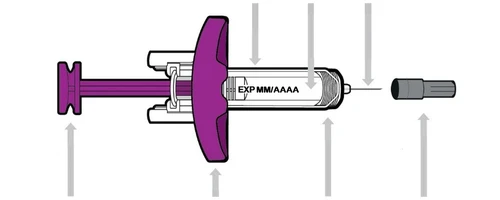
Purple plunger Finger grip Base Spring Needle cap
After use
Needle shield
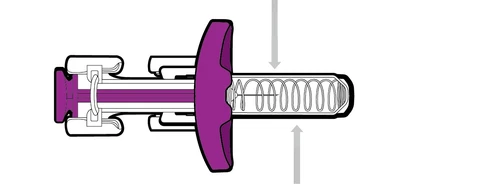
Covered needle
Each pre-filled syringe is equipped with a needle shield, which automatically covers the needle after the plunger is fully depressed and then released.
1) Prepare all necessary items for the injection on a flat, clean surface
- Take the pre-filled syringe box out of the refrigerator.
- If opening the box for the first time, check that it is sealed. Do not use the pre-filled syringe(s) if any of the seals on the box are broken or missing.
- Check the expiration date (Exp.) on the box. Do not use Wait 30 minutes after the expiration date printed on the box.
- Remove one pre-filled syringe from the box. Keep any remaining pre-filled syringes in the box in the refrigerator.
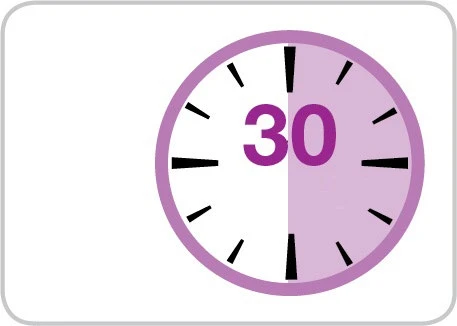
- Wait 30 minutes for the pre-filled syringe to reach room temperature.
- Do not heat the pre-filled syringe in any other way.
- Do not expose the medication to direct sunlight.
- Do not remove the pre-filled syringe from the tray until you are ready to administer the injection.
- You will also need:
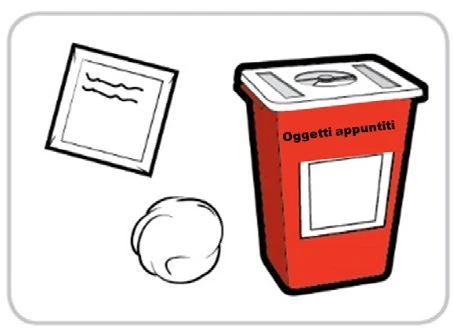
- Alcohol swab
- Cotton ball or gauze
- Sharps container
2) Open and inspect the pre-filled syringe
- Wash your hands.
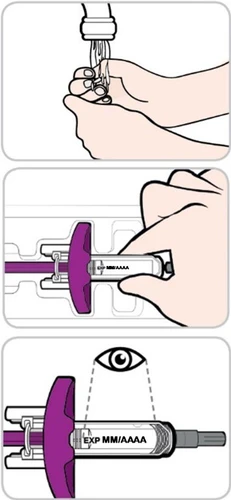
- Remove the paper lid from the tray and take out the pre-filled syringe by holding it in the middle section.
- Do not touch or remove the syringe by the purple plunger.
- Do not remove the needle cap until you are ready to administer the injection.
- Inspect the pre-filled syringe for any damage.
- Do not use the pre-filled syringe if any component is damaged.
- Check the expiration date on the pre-filled syringe.
- Do not use the pre-filled syringe after the expiration date printed on it.
- Check the medication. It should be colourless to yellow.
- Do not use the pre-filled syringe if the medication appears cloudy or if there are particles suspended in it.
- You may see air bubbles in the syringe. This is normal.
- Do not attempt to remove air bubbles from the pre-filled syringe.
- Do not shake the pre-filled syringe.
3) Prepare the injection site
- Choose an injection site on bare skin from one of the following options:
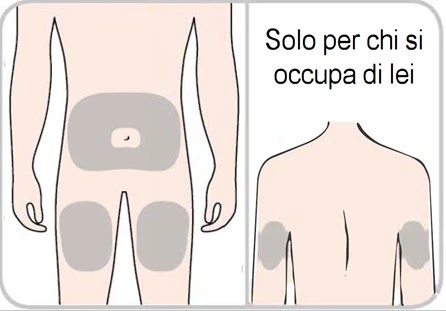
- Front of the thigh, or
- Abdominal area (stomach), except for the area within 5 cm around the navel, or
- Back of the upper arm (only if the injection is administered by a caregiver).
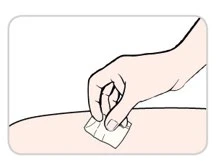
- For each injection, use a new injection site or a different area within the same injection site.
- Do not inject into moles, scars, bruises, or areas where the skin is tender, hard, red, or damaged.
- Clean the chosen site with an alcohol swab. Allow the skin to dry.
- Do not touch this area again before administering the injection.
4) Inject Entyvio
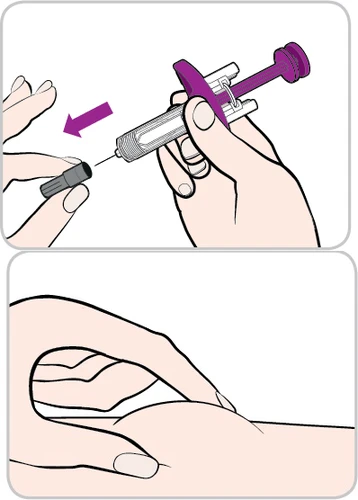
- Remove the needle cap with a straight motion.
- Do not touch or pull back the purple plunger.
- You may see a drop of liquid at the tip of the needle. This is normal.
- Do not touch the needle and do not replace the cap on the needle.
- Do not use the pre-filled syringe if it has been dropped.
- Do not use a pre-filled syringe if the needle is bent or broken.
- Discard the cap.
- Hold the pre-filled syringe in one hand and pinch a fold of skin at the injection site with the other hand.
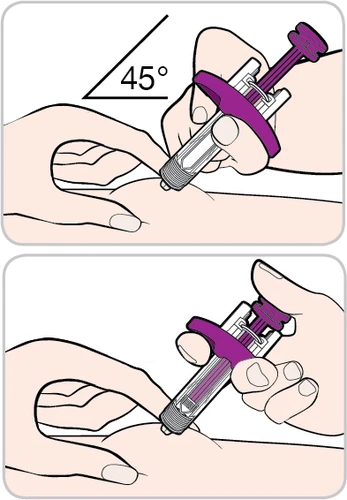
- Maintain the skin fold throughout the injection.
- Insert the needle at an angle of approximately 45 degrees, pushing it fully into the skin.
- Push the plunger all the way down to inject the entire medication.
- Remove the needle from the skin while keeping pressure on the plunger.
- Remove your thumb from the plunger to allow the safety shield to cover the needle.
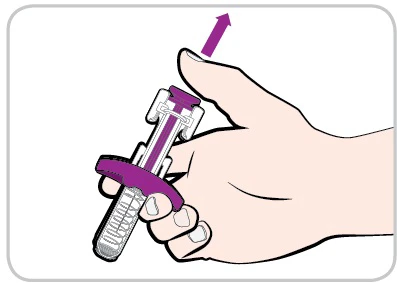
- You may see a small amount of blood at the injection site. If so, apply cotton or gauze and press gently.
5) Dispose of used materials
- Place the used pre-filled syringe immediately into a puncture-resistant container, such as a sharps container,
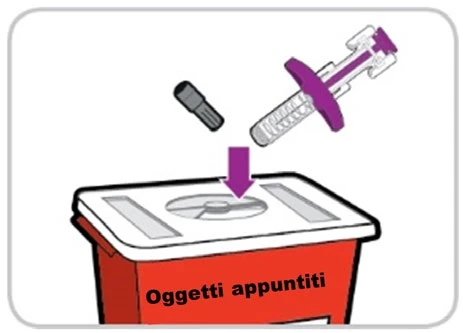
after use.
- Dispose of the sharps container according to local regulations.
- The remaining materials may be discarded in household waste.
Package leaflet: Information for the patient
Entyvio 108 mg solution for injection in a pre-filled pen
vedolizumab
Please read this leaflet carefully before using this medicine because it contains important information for you.
- Keep this leaflet. You may need to read it again.
- If you have any questions, ask your doctor, pharmacist or nurse.
- This medicine has been prescribed for you only. Do not give it to other people, even if their symptoms are the same as yours, as it may be harmful.
- If you experience any side effect, including those not listed in this leaflet, talk to your doctor, pharmacist or nurse. See section 4.
Contents of this leaflet
- What Entyvio is and what it is used for
- What you need to know before using Entyvio
- How to use Entyvio
- Possible side effects
- How to store Entyvio
- Contents of the pack and other information
1. What Entyvio is and what it is used for
What Entyvio is
Entyvio contains the active substance 'vedolizumab'. Vedolizumab belongs to a group of biological medicines called monoclonal antibodies (MAb).
How Entyvio works
Entyvio works by blocking a protein on the surface of white blood cells that causes inflammation in ulcerative colitis and Crohn's disease. This reduces the level of inflammation.
What Entyvio is used for
Entyvio is used to treat signs and symptoms in adults with:
- moderately to severely active ulcerative colitis
- moderately to severely active Crohn's disease.
Ulcerative colitis
Ulcerative colitis is a disease that causes inflammation of the large intestine. If you have ulcerative colitis, you will first be prescribed other medicines. If you do not respond adequately or cannot tolerate these medicines, your doctor may prescribe Entyvio to reduce the signs and symptoms of the disease.
Crohn's disease
Crohn's disease is a condition that causes inflammation of the digestive tract. If you have Crohn's disease, you will first be given other medicines. If you do not respond adequately or cannot tolerate these medicines, your doctor may prescribe Entyvio to reduce the signs and symptoms of the disease.
2. What you need to know before using Entyvio
Do not use Entyvio
- if you are allergic to vedolizumab or to any of the other ingredients of this medicine (listed in section 6).
- if you have an active serious infection, such as TB (tuberculosis), blood infection (sepsis), severe diarrhoea and vomiting (gastroenteritis), or nervous system infection.
Warnings and precautions
Talk to your doctor, pharmacist, or nurse before using Entyvio.
Immediately inform your doctor, pharmacist, or nurse when using this medicine for the first time, during treatment, and between doses:
- if you experience blurred vision, loss of vision, double vision, difficulty speaking, weakness in one arm or leg, changes in the way you walk, balance problems, persistent numbness, reduced or loss of sensation, memory loss, or confusion. These could all be symptoms of a serious and potentially fatal brain disease called progressive multifocal leukoencephalopathy (PML).
- if you have, or think you may have, an infection: signs of infection include chills, shaking, persistent cough, or high fever. Some infections can become serious and may lead to death if not treated.
- if you experience signs of an allergic reaction, such as wheezing, difficulty breathing, hives, itching, swelling, or dizziness. For more detailed information, see allergic reactions in section 4.
- if you are about to receive or have recently received a vaccination. Entyvio may affect your response to vaccination.
- if you have a tumour, inform your doctor. Your doctor will determine whether you can still receive Entyvio.
- if you do not feel better, as in patients with very active Crohn’s disease, the effect of vedolizumab may take up to 14 weeks to become apparent.
Children and adolescents
The use of Entyvio is not recommended in children or adolescents (under 18 years of age) due to lack of data on use of this medicine in this age group.
Other medicines and Entyvio
Inform your doctor, pharmacist, or nurse if you are taking, have recently taken, or might take any other medicines.
- Entyvio must not be administered together with other biological medicines that suppress the immune system, as the effects of such combination are unknown.
Inform your doctor if you have previously taken:
- natalizumab (a medicine for multiple sclerosis) or
- rituximab (a medicine for certain types of cancer and rheumatoid arthritis). Your doctor will determine whether you can still receive Entyvio.
Pregnancy and breastfeeding
If you are pregnant, think you might be pregnant, are planning a pregnancy, or are breastfeeding, consult your doctor before taking this medicine.
Pregnancy
The effects of Entyvio in pregnant women are unknown. This medicine is therefore not recommended during pregnancy. You and your doctor must decide whether the benefit to you clearly outweighs the potential risk to you and the baby.
If you are a woman of childbearing potential, it is advised to avoid pregnancy during treatment with Entyvio. You should use an effective method of contraception during treatment and for at least 4.5 months after the last dose.
Breastfeeding
Inform your doctor if you are breastfeeding or intend to breastfeed. Entyvio passes into breast milk. Information regarding possible effects on the infant and milk production is insufficient. A decision must be made whether to discontinue breastfeeding or to discontinue therapy with Entyvio, taking into account the benefit of breastfeeding for the infant and the benefit of therapy for you.
Driving and using machines
This medicine has a minor influence on the ability to drive and use machines. A small number of patients have experienced dizziness after administration of Entyvio. If this occurs, do not drive or use tools or machines.
Entyvio 108 mg solution for injection contains sodium
This medicine contains less than 1 mmol (23 mg) of sodium per dose, i.e. it is essentially ‘sodium-free’.
3. How to use Entyvio
Use this medicine exactly as instructed by your doctor or pharmacist. If you have any doubts, consult your doctor or pharmacist.
You or your caregiver will receive appropriate training on how to administer subcutaneous injections of Entyvio (subcutaneous injections).
How much Entyvio you will receive
Treatment with Entyvio is the same for both ulcerative colitis and Crohn's disease.
The recommended dose is 108 mg of Entyvio administered by subcutaneous injection every 2 weeks.
- At the beginning of treatment, your doctor will administer the initial doses of Entyvio via intravenous infusion into a vein in your arm over approximately 30 minutes.
- After at least 2 intravenous infusions, you can start receiving Entyvio by subcutaneous injection. The first subcutaneous injection will be given on the day scheduled for the next intravenous infusion, and then every 2 weeks thereafter.
How to inject Entyvio
Subcutaneous injections may be administered by yourself or by your caregiver, provided proper training has been received. Instructions are available at the end of this leaflet.
If you forget or miss an Entyvio injection
If you forget or miss a dose, administer the next dose as soon as possible, and then continue every 2 weeks thereafter.
If you stop treatment with Entyvio
Do not stop treatment with Entyvio without first consulting your doctor.
If you have any questions about the use of this medicine, consult your doctor, pharmacist, or nurse.
4. Possible side effects
Like all medicines, this medicine can cause side effects, although not everybody gets them.
Serious side effects
Tell your doctor immediately if you notice any of the following symptoms:
- Allergic reactions (may affect up to 1 in 100 people). Signs of an allergic reaction include: wheezing or difficulty breathing, hives, skin itching, swelling, malaise, skin redness.
- Infections (may affect up to 1 in 10 people). Signs of infection include: chills or shivering, high fever, or skin rash.
Other side effects
Tell your doctor as soon as possible if you notice any of the following symptoms:
Very common side effects (may affect more than 1 in 10 people):
- Cold
- Joint pain
- Headache
Common side effects (may affect up to 1 in 10 people):
- Lung infection
- Intestinal infection caused by the bacterium Clostridium difficile
- Fever
- Chest infection
- Changes in liver function, increased liver enzymes (shown in blood tests)
- Fatigue
- Cough
- Influenza
- Back pain
- Sore throat
- Sinusitis
- Itching
- Skin rash and redness
- Pain in legs and/or arms
- Muscle cramps
- Muscle weakness
- Throat infection
- Gastrointestinal flu
- Anal infection
- Anal fissures
- Hard stools
- Abdominal bloating
- Flatulence
- High blood pressure
- Pricking or tingling sensations
- Heartburn
- Haemorrhoids
- Nasal congestion
- Eczema
- Night sweats
- Acne (spots)
- Injection site reactions (including pain, swelling, redness, or itching)
- Shingles (herpes zoster)
Uncommon side effects (may affect up to 1 in 100 people):
- Redness and tenderness of hair follicles
- Yeast infection of the throat and mouth
- Vaginal infection
- Blurred vision (loss of visual sharpness)
Very rare side effects (may affect up to 1 in 10,000 people):
- Sudden severe allergic reaction which may cause difficulty breathing, swelling, rapid heartbeat, sweating, drop in blood pressure, dizziness, loss of consciousness, and collapse (anaphylactic reaction and anaphylactic shock)
- Inflammation of the liver (hepatitis). Signs and symptoms of hepatitis may include abnormal liver function tests, yellowing of the skin or whites of the eyes (jaundice), pain in the right side of the abdominal area, bruising.
Not known (frequency cannot be estimated from the available data):
- Lung disease causing shortness of breath (interstitial lung disease)
Reporting of side effects
If you get any side effects, including those not listed in this leaflet, talk to your doctor, pharmacist, or nurse. You can also report side effects directly through the national reporting system listed in Annex V. By reporting side effects, you can help provide more information on the safety of this medicine.
5. How to store Entyvio
- Keep this medicine out of the sight and reach of children.
- Do not use this medicine after the expiry date which is stated on the carton and label after "Exp.". The expiry date refers to the last day of that month.
- Entyvio is for single use only.
- Store in a refrigerator (2 °C - 8 °C). Keep the pre-filled pen(s) in the original packaging to protect the medicine from light. If necessary, a pre-filled pen may be kept outside the refrigerator, protected from light, at room temperature (up to 25 °C) for a maximum of 7 days. Do not use the pre-filled pen if it has been kept outside the refrigerator for more than 7 days.
- Do not freeze. Do not expose to direct sunlight.
- Do not use this medicine if you notice the presence of particles in the solution or any change in colour (the medicine should be colourless to yellow) before administration.
- Do not dispose of any medicine via wastewater or household waste. Ask your pharmacist how to dispose of medicines no longer in use. This will help protect the environment.
6. Package contents and other information
What Entyvio contains
- The active substance is vedolizumab. Each pre-filled pen contains 108 mg of vedolizumab.
- The other components are monohydrate citric acid, sodium dihydrate citrate, L-histidine, L-histidine monohydrochloride, L-arginine hydrochloride, polysorbate 80, and water for injectable preparations.
Description of the appearance of Entyvio and contents of the pack
- Entyvio is an injectable solution ranging from colourless to yellow, contained in a glass pre-filled pen with an automatic needle shield that extends and covers the needle once the device is removed from the injection site.
- Entyvio is available in cartons containing 1 or 2 pre-filled pens, and in multiple packs of 6 (6x1) pre-filled pens. Not all pack sizes may be marketed.
Marketing Authorisation Holder
Takeda Pharma A/S
Delta Park 45
2665 Vallensbaek Strand
Denmark
Manufacturer
Takeda Austria GmbH
St. Peter-Straße 25
4020 Linz
Austria
For further information about this medicinal product, please contact the local representative of the Marketing Authorisation Holder:
België/Belgique/Belgien Lietuva
Takeda Belgium NV Takeda, UAB
Tél./Tel.: + 32 2 464 06 11 Tel.: +370 521 09 070
[email protected] [email protected]
България Luxembourg/Luxemburg
Такеда България ЕООД Takeda Belgium NV
Тел.: + 359 2 958 27 36 Tél/Tel: + 32 2 464 06 11
[email protected] [email protected]
Česká republika Magyarország
Takeda Pharmaceuticals Czech Republic s.r.o. Takeda Pharma Kft.
Tel: +420 234 722 722 Tel.: + 361 270 7030
[email protected] [email protected]
Danmark Malta
Takeda Pharma A/S Drugsales Ltd
Tlf.: +45 46 77 10 10 Tel.: + 356 21 419070
[email protected] [email protected]
Deutschland Nederland
Takeda GmbH Takeda Nederland B.V.
Tel.: + 49 (0) 800 825 3325 Tel.: + 31 20 203 5492
[email protected] [email protected]
Eesti Norge
Takeda Pharma OÜ Takeda AS
Tel.: +372 6177 669 Tlf: +47 800 800 30
[email protected] [email protected]
Ελλάδα Österreich
TAKEDA ΕΛΛΑΣ Α.Ε. Takeda Pharma Ges.m.b.H.
Τηλ.: + 30 210 6387800 Tel.: + 43 (0) 800-20 80 50
[email protected] [email protected]
España Polska
Takeda Farmacéutica España, S.A. Takeda Pharma Sp. z o.o.
Tel.: + 34 917 90 42 22 Tel.: +48 22 306 2447
[email protected] [email protected]
France Portugal
Takeda France SAS Takeda Farmacêuticos Portugal, Lda.
Tel.: + 33 1 40 67 33 00 Tel.: + 351 21 120 1457
[email protected] [email protected]
Hrvatska România
Takeda Pharmaceuticals Croatia d.o.o. Takeda Pharmaceuticals SRL
Tel: + 385 1 377 88 96 Tel.: + 40 21 335 03 91
[email protected] [email protected]
Ireland Slovenija
Takeda Products Ireland Ltd. Takeda Pharmaceuticals farmacevtska družba
Tel.: 1800 937 970 d.o.o.
[email protected] Tel.: + 386 (0) 59 082 480
[email protected]
Ísland Slovenská republika
Vistor hf. Takeda Pharmaceuticals Slovakia s.r.o.
Sími: +354 535 7000 Tel.: + 421 (2) 20 602 600
[email protected] [email protected]
Italia Suomi/Finland
Takeda Italia S.p.A. Takeda Oy
Tel.: + 39 06 502601 Puh./Tel.: 0800 774 051
[email protected] [email protected]
Κύπρος Sverige
A.POTAMITIS MEDICARE LTD Takeda Pharma AB
Tηλ: +357 22583333 Tel.: 020 795 079
[email protected] [email protected]
Latvija United Kingdom (Northern Ireland)
Takeda Latvia SIA Takeda UK Ltd
Tel.: +371 67840082 Tel.: +44 (0) 3333 000 181
[email protected] [email protected]
Other sources of information
This patient information leaflet is available in formats suitable for blind or visually impaired patients, which can be requested from the local representative of the Marketing Authorisation Holder.
More detailed information on this medicinal product is available on the website of the European Medicines Agency: http://www.ema.europa.eu.
The following information is intended exclusively for healthcare professionals:
Traceability
In order to improve the traceability of biological medicinal products, the name and batch number of the administered medicinal product must be clearly recorded.
Instructions for use:
Read and follow these instructions before injecting. Your doctor, pharmacist, or nurse
will show you how to use the Entyvio pre-filled pen before you use it for the first time.
Your single-dose pre-filled pen of Entyvio
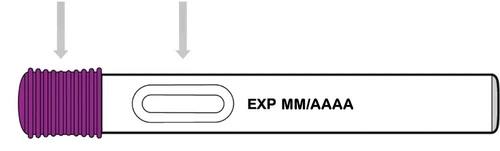
Before use
Purple cap Observation window
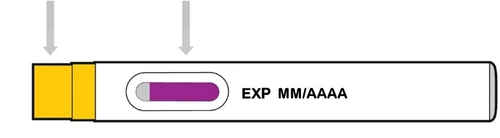
After use
Yellow needle shield Observation window
(yellow – injection completed)
1) Place everything needed for the injection on a flat, clean surface
- Take the pre-filled pen box from the refrigerator.
- If opening the box for the first time, check that it is sealed. Do not use the pre-filled pen(s) if any of the seals on the box are broken or missing.
- Check the expiry date (Exp.) on the box. Do not use after the expiry date shown on the box.
- Take one pre-filled pen out of the box. Keep any remaining pre-filled pens in the box in the refrigerator.
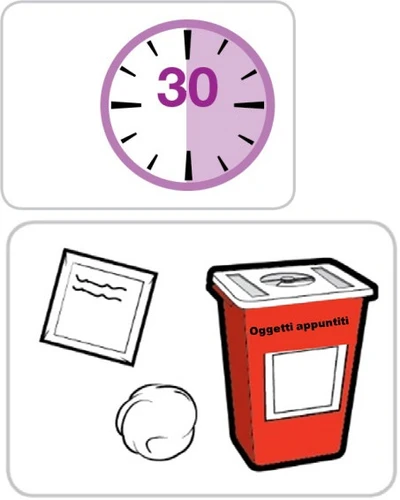
- Wait 30 minutes for the pre-filled pen to reach room temperature.
- Do not heat the pre-filled pen in any other way.
- Do not expose the medicine to direct sunlight.
- Do not remove the pre-filled pen from the tray before you are ready to inject.
- You will also need:
- An alcohol swab
- Cotton wool or gauze
- A sharps container
2) Open and check the pre-filled pen
- Wash your hands.
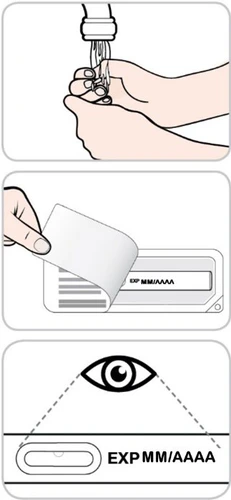
- Remove the paper film from the tray and take out the pre-filled pen.
- Inspect the pre-filled pen for any damage.
- Do not use the pre-filled pen if any part is damaged.
- Check the expiry date on the pre-filled pen.
- Do not use the pre-filled pen after the expiry date printed on it.
- Check the medicine. It should be colourless to yellow.
- Do not use the pre-filled pen if the medicine appears cloudy or contains particles.
- You may see air bubbles in the pre-filled pen. This is normal.
- Do not shake the pre-filled pen.
3) Prepare the injection site
- Choose an injection site on bare skin from one of the following options:
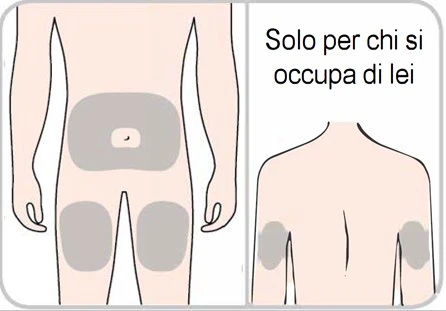
- Front of the thigh, or
- Stomach area (abdomen), except for the area within 5 cm around the navel, or
- Back of the upper arm (only if the injection is administered by someone caring for you).
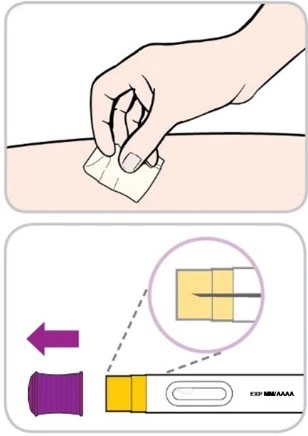
- For each injection, use a new injection site or a different area within the same injection site.
- Do not inject into moles, scars, bruises, or areas where the skin is tender, hard, red, or damaged.
- Clean the chosen site with an alcohol swab. Let the skin dry.
- Do not touch this area again before injecting.
- Remove the purple cap and discard it.
- Do not touch or press with your thumb, fingers, or hand on the yellow needle shield.
- Do not replace the cap on the pre-filled pen.
- Do not use the pre-filled pen if it has been dropped.
4) Inject Entyvio
- Hold the pre-filled pen so that you can see the observation window. PUSH
- Place the pre-filled pen at a 90-degree angle onto the injection site.
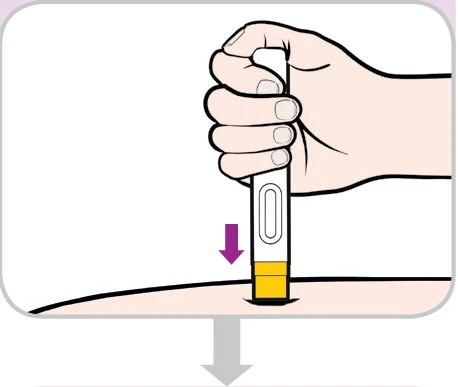
- Make sure the yellow end is facing the injection site.
- Do not push until you are ready to start the injection.
- Push the pre-filled pen fully down to start the injection. HOLD PUSHING (count to 10)
- Hold and count to 10, continuing to apply steady pressure. This ensures the full dose of medicine is injected.
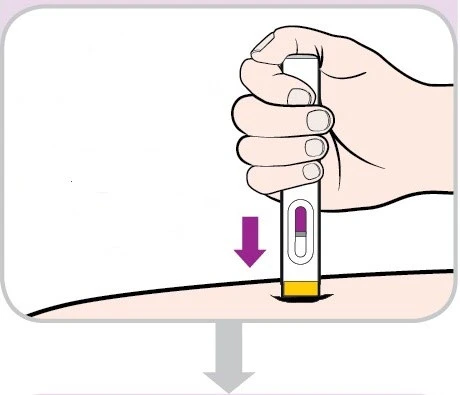
- You may hear two clicks, one at the beginning and one at the end of the injection.
- Check that the observation window has filled completely with purple colour before stopping pushing.
- You will see a small grey portion in the observation window. This is normal. CONFIRM
- Remove the pre-filled pen from the injection site.
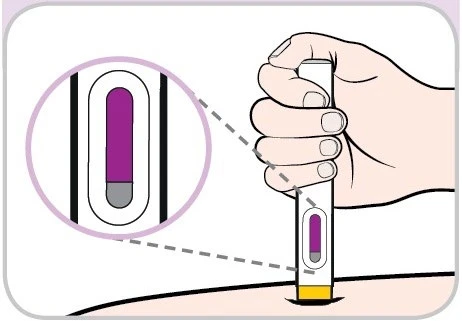
- The yellow needle shield will move down to cover the needle.
- If the observation window has not turned completely purple, contact your doctor, pharmacist, or nurse. You may not have received the full dose of medicine.
- You may see a small amount of blood at the injection site. If so, press cotton wool or gauze onto the skin.
5) Dispose of used materials
- Immediately after use, place the used pre-filled pen into a puncture-resistant container, such as a sharps container.
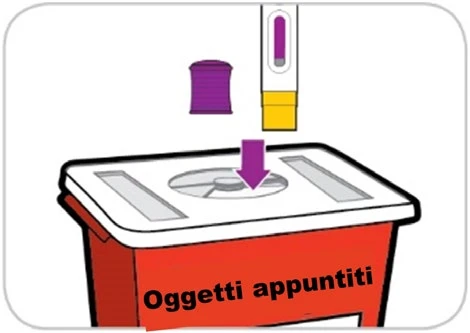
- Dispose of the sharps container according to local regulations.
- The rest of the materials may be disposed of in household waste.
ANNEX IV
SCIENTIFIC CONCLUSIONS AND REASONS FOR THE VARIATION OF THE TERMS OF THE MARKETING AUTHORISATIONS
Scientific conclusions
Based on the evaluation by the Pharmacovigilance Risk Assessment Committee (PRAC) of the Periodic Safety Update Report (PSUR) for vedolizumab, the scientific conclusions of the PRAC are as follows:
In view of the available data on hepatic injury from clinical studies, the literature, and spontaneous reports including cases with close temporal relationship, a positive dechallenge and/or rechallenge, the PRAC considers that a causal relationship between vedolizumab and increased liver enzymes and hepatitis is at least a reasonable possibility.
Hypersensitivity reactions occurred after switching from s.c. to i.v. administration in 8 spontaneous cases reported during the period of this PSUR, and 4 relevant publications were identified within a national investigation on vedolizumab conducted in France by a regional pharmacovigilance centre. These cases reported the occurrence of adverse events related to immediate hypersensitivity reactions when i.v. vedolizumab was reintroduced after s.c. treatment. Six of these cases were serious, including one case of anaphylactic reaction, and two were non-serious. The PRAC considers that the existing warning on hypersensitivity in section 4.4 of the SmPC for the i.v. formulation should mention cases occurring during such a switch, in order to reinforce the existing warning to monitor patients for signs of hypersensitivity reactions.
The PRAC concluded that the product information for medicinal products containing vedolizumab should be updated accordingly.
Having reviewed the PRAC recommendation, the Committee for Human Medicinal Products (CHMP) agrees with the general conclusions and the rationale of the recommendation.
Reasons for the variation of the terms of the marketing authorisations
Based on the scientific conclusions on vedolizumab, the CHMP considers that the benefit-risk balance of medicinal products containing vedolizumab remains favourable, subject to the proposed changes to the product information.
The CHMP recommends the variation of the terms of the marketing authorisations.