Entumin
Italy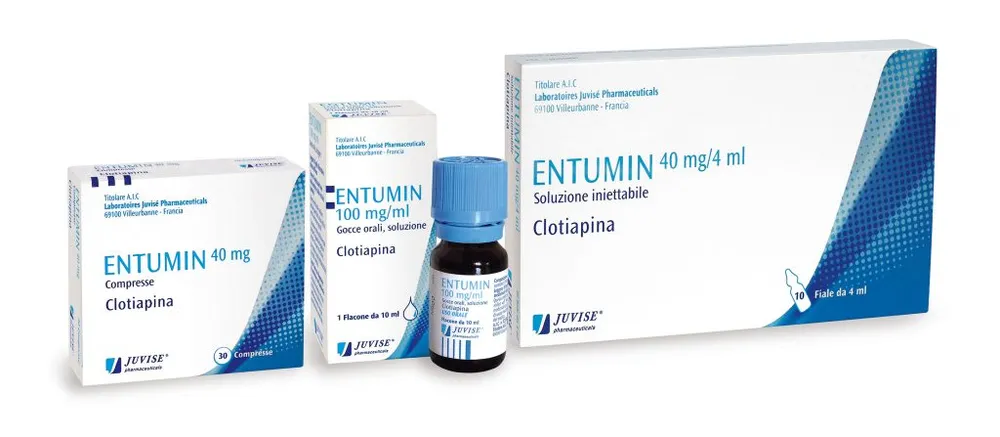

ENTUMIN 100 mg/ml oral drops, solution
ENTUMIN 40 mg tablets
ENTUMIN 40 mg/4 ml injectable solution
clotiapine
THERAPEUTIC PHARMACOLOGICAL CATEGORY
Psycholeptic – antipsychotic.
THERAPEUTIC INDICATIONS
- Acute psychoses: acute schizophrenia, delusional episodes, manic attacks, confusional states, psychomotor agitation;
- Acute relapse phases in chronic psychoses;
- Chronic psychoses: paranoid psychosis;
- Psychoreactive or neurotic syndromes, anxiety states.
CONTRAINDICATIONS
Hypersensitivity to the active substance or to any of the excipients or to other substances closely related from a chemical standpoint. Comatose states or severe central nervous system (CNS) depression caused by substances with CNS depressant activity (alcohol, barbiturates, opioids, etc.). Untreated epilepsy.
Very high doses and sudden changes in dosage are contraindicated in patients with a tendency to seizures.
The safety of clotiapine has not been established in subjects under 16 years of age; therefore, the use of ENTUMIN should be reserved, at the physician's discretion, for cases of absolute necessity.
The risk of harmful effects on the fetus and/or infant following clotiapine administration cannot be excluded; therefore, the use of ENTUMIN during pregnancy and/or breastfeeding should be reserved, at the physician's discretion, for cases of absolute necessity.
Warning: intra-arterial injection must be strictly avoided.
PRECAUTIONS FOR USE
Warning: intra-arterial injections must be absolutely avoided.
Arterial blood pressure should be carefully monitored in elderly patients.
Caution is recommended in patients with a history of thrombosis, as sedation and immobilization caused by ENTUMIN may increase the risk of thromboembolic events.
Particular caution is advised when treating patients with prostatic hypertrophy, glaucoma, paralytic ileus, epilepsy, or post-encephalitic states. Caution is also recommended in patients with a history of seizures or post-encephalitic states, as ENTUMIN may provoke convulsive crises in these individuals.
The same caution should be exercised in epileptic patients receiving anticonvulsant therapy (see "Interactions").
Caution is advised in patients with cardiovascular diseases due to the possibility that ENTUMIN may increase heart rate and/or cause hypotension. For treatment of hypotensive episodes, see the sections "Overdose" and "Interactions".
Class effects
In a population of patients with dementia treated with certain atypical antipsychotics, an increased risk of cerebrovascular adverse events has been observed. The mechanism of this increased risk is unknown.
An increased risk cannot be excluded for other antipsychotics or in other patient populations. Entumin should be used with caution in patients with risk factors for stroke.
In elderly patients with psychosis associated with dementia, the efficacy and safety of Entumin have not been studied. Observational studies suggest that elderly patients with psychosis associated with dementia who are treated with antipsychotics are at higher risk of death. In the literature, risk factors that may predispose this patient population to a higher risk of death when treated with antipsychotics include sedation, presence of cardiac conditions (e.g., cardiac arrhythmia), or pulmonary conditions (e.g., aspiration pneumonia and non-aspiration pneumonia). Prudence must be exercised when treating patients with dementia with Entumin.
Venous thromboembolism (VTE) has been reported with antipsychotics. Since patients treated with antipsychotics often present with acquired risk factors for VTE, all possible risk factors for VTE should be identified before and during treatment with Entumin, and preventive measures should be implemented.
As with other antipsychotics, use with caution in patients with cardiovascular diseases or a family history of QT prolongation, and when Entumin is prescribed with drugs known to increase the QTc interval.
Avoid concomitant therapy with other neuroleptics.
In clinical studies and/or post-marketing experience, cases of leukopenia/neutropenia temporally associated with antipsychotic agents have been reported. Agranulocytosis has also been reported. Possible risk factors for leukopenia/neutropenia include low white blood cell count (WBC) and a history of drug-induced neutropenia/leukopenia. In patients with a clinically significant history of low WBC or drug-induced neutropenia/leukopenia, a complete blood count with differential should be monitored frequently during the first months of therapy, and discontinuation of Entumin should be considered at the first sign of a clinically significant decrease in WBC in the absence of other causative factors. Patients with clinically significant neutropenia should be closely monitored for fever and other signs or symptoms of infection and promptly treated if such signs or symptoms occur. Patients with severe neutropenia (absolute neutrophil count <1000/mm³) should discontinue Entumin and monitor WBC until recovery.
ENTUMIN should be used with appropriate caution in women with mammary neoplasms.
The antiemetic effect of ENTUMIN may mask signs of overdose of other drugs or may make diagnosis of concomitant conditions, particularly of the gastrointestinal tract or CNS, more difficult, such as intestinal obstruction, brain tumors, Reye's syndrome.
Since the risk of persistent tardive dyskinesia (see "Undesirable effects") is related to the duration of treatment, chronic treatment with ENTUMIN should be reserved for patients whose conditions respond to the drug and for whom no appropriate alternative therapy is available. The doses and duration of treatment should be the minimum necessary to achieve a satisfactory clinical response. With prolonged treatment, ocular toxicity (pigmentary retinopathy) cannot be excluded; therefore, periodic ophthalmological examinations are advisable.
INTERACTIONS
Inform your doctor or pharmacist if you have recently taken any other medicine, including those without a prescription.
When neuroleptics are administered concomitantly with drugs that prolong the QT interval, the risk of cardiac arrhythmias increases.
Therefore, caution should be exercised when Entumin is prescribed with such drugs.
Do not administer concomitantly with drugs that cause electrolyte imbalances.
ENTUMIN may potentiate:
- Central effects of alcohol, sedatives, analgesics, narcotics, hypnotics, MAO inhibitors, and antihistamines;
- Hypotensive action of antihypertensive drugs;
- Lithium toxicity. Before taking any other medication in addition to ENTUMIN, consult your doctor, as many medicines interact with ENTUMIN. Any drug, whether prescription or over-the-counter, may require dosage adjustment when administered concurrently with ENTUMIN. The combination of clotiapine with anticholinergics, including those with anticholinergic action used in antiparkinsonian therapy, requires caution, as it may promote the occurrence of characteristic adverse effects such as visual disturbances (blurred vision, etc.), constipation, dry mouth, urinary retention, etc., and possible increase in intraocular pressure. The combination of ENTUMIN with Levodopa is not recommended. For treatment of hypotension, do not use adrenaline, as its use may further lower blood pressure. In epileptic patients, the use of clotiapine may necessitate adjustment of specific therapy.
SPECIAL WARNINGS
Pregnancy and breastfeeding
Consult your doctor or pharmacist before taking any medicine.
During treatment, inform your doctor if pregnancy is confirmed. You should also consult your doctor if you intend to breastfeed: a decision must be made whether to discontinue breastfeeding and start treatment, or to continue breastfeeding while avoiding administration of the medicine.
The following symptoms have been observed in newborns of mothers who took conventional or atypical antipsychotics, including ENTUMIN, during the third trimester (last three months of pregnancy): tremor, muscle rigidity and/or weakness, somnolence, agitation, respiratory problems, and feeding difficulties. If your baby shows any of these symptoms, contact your doctor.
Effects on ability to drive vehicles and use machinery
ENTUMIN may impair the ability to drive vehicles or operate machinery.
Important information about certain excipients
ENTUMIN 40 mg tablets contain lactose: if you have been diagnosed with sugar intolerance, consult your doctor before taking this medicine.
ENTUMIN 100 mg/ml oral drops, solution contains small amounts of ethanol.
For individuals engaged in sports, the use of medicines containing ethanol may result in positive anti-doping tests according to the alcohol concentration limits set by certain sports federations.
DOSAGE, ADMINISTRATION METHOD, AND DURATION
The initial phase of treatment should, if possible, be carried out in a hospital setting and always under continuous and strict medical supervision.
The product should be taken on an empty stomach, for short periods and with long intervals between such periods.
For the initial treatment of acute phases of psychosis, daily doses of 100–120 mg administered intramuscularly (i.m.) or intravenously (i.v.), or alternatively in divided oral doses, are recommended, gradually reaching this dose over 4–5 days. This dosage should be maintained for several weeks, depending on the clinical course. If necessary, especially in cases of acute agitation, the daily dose may be increased up to a maximum of 360 mg per day.
For maintenance therapy in psychosis, the dose should be gradually reduced to 40–60 mg (12–18 drops) orally per day. In many cases, a lower maintenance dosage may be effective in preventing relapses and may be continued for a very long time.
For clinical conditions of neurotic and psychoreactive nature, doses of 10–30 mg (3–9 drops) per day are sufficient.
In elderly patients, dosage must be carefully determined by the physician, who should consider a possible reduction of the above-mentioned doses.
OVERDOSE
In case of accidental ingestion of an excessive dose of ENTUMIN, contact your doctor immediately or go to the nearest hospital.
Symptoms: drowsiness, hypotension, tachycardia, arrhythmia, respiratory depression, extrapyramidal symptoms, seizures, and coma.
Treatment: gastric lavage followed by administration of activated charcoal.
For hypotension: plasma expanders. If vasopressor treatment (e.g., dopamine) is required, as may occur in resistant cases, the patient must be carefully monitored, particularly regarding cardiovascular function. Never use adrenaline, as it may cause a further drop in blood pressure.
For seizures: benzodiazepines.
UNDESIRABLE EFFECTS
Like all medicines, ENTUMIN can cause undesirable effects, although not everyone experiences them.
Adverse reactions (Table 1) are listed in decreasing order of frequency as follows: very common (≥ 1/10), common (≥ 1/100, < 1/10), uncommon (≥ 1/1,000, < 1/100), rare (≥ 1/10,000, < 1/1,000), very rare (< 1/10,000), not known (frequency cannot be determined from available data).
Table 1
Psychiatric disorders
Uncommon: Agitation, confusion
Nervous system disorders
Uncommon: extrapyramidal symptoms, dystonia, akathisia,
parkinsonism, tardive dyskinesia, sedation
Rare: Hypokinesia, tremors
Eye disorders
Uncommon: Blurred vision
Vascular disorders
Uncommon: Orthostatic hypotension
Gastrointestinal disorders
Uncommon: Dry mouth, constipation
Pregnancy, puerperium and perinatal conditions
Neonatal withdrawal syndrome, frequency not known, extrapyramidal symptoms (See section 4.6)
Class effects
Cases of leukopenia/neutropenia temporally associated with antipsychotic agents have been reported. Agranulocytosis has also been reported.
Venous thromboembolism, including cases of pulmonary embolism and deep vein thrombosis, has been reported with antipsychotic drugs – frequency not known.
Rare cases of QT prolongation, ventricular arrhythmias such as torsades de pointes, ventricular tachycardia, ventricular fibrillation, and cardiac arrest have been observed with ENTUMIN or other drugs of the same class.
Very rare cases of sudden death.
Like all other neuroleptics, ENTUMIN may induce postural hypotension, tachycardia, syncope, and anticholinergic effects such as dry mouth, visual disturbances, constipation, especially at the beginning of treatment.
Rarely, effects on the CNS may occur such as: sedation, agitation, confusion, extrapyramidal symptoms, paroxysmal dystonia, hypokinesia, tremor, rigidity, or akathisia.
Dystonia and akathisia are more frequent in children, while parkinsonism signs predominate in the elderly, especially those with organic brain lesions. Dystonia includes spasms of neck and trunk muscles up to torticollis and opisthotonus, oculogyric crisis, trismus, tongue protrusion, and carpo-pedal spasms. These reactions appear very early and disappear within 24–48 hours after discontinuation of treatment. Very rarely, dystonia may lead to laryngospasm associated with cyanosis and asphyxia.
Akathisia is characterized by motor restlessness and sometimes insomnia. More frequent in the first days of treatment, it may also appear later. Symptoms often resolve spontaneously; otherwise, they can be well controlled by reducing the dose or adding an antiparkinsonian anticholinergic. Generally, the onset and severity of many extrapyramidal symptoms (akinesia, rigidity, resting tremor, etc.) are dose-related and require administration of antiparkinson drugs. In persistent cases, dose reduction or discontinuation of treatment may be necessary. Anticholinergic antiparkinson drugs should not be routinely prescribed as a preventive measure, as they may reduce the therapeutic efficacy of ENTUMIN.
Tardive dyskinesia usually occurs during long-term therapy and with high doses, and may also appear after discontinuation of the drug. Elderly patients and women are more frequently affected. It consists of rhythmic movements of the tongue, lips, and face, less frequently of the extremities, and is usually preceded by fine vermicular movements of the tongue. Discontinuation of treatment may prevent the development of symptoms, although no specific therapy is known. Periodic reduction of neuroleptic dosage, if clinically possible, may help to detect early onset of tardive dyskinesia.
Other possible adverse effects: galactorrhea (spontaneous milk discharge from the breast), amenorrhea (cessation of menstruation), gynecomastia (breast enlargement), hyperprolactinemia.
The product may induce neurotoxic manifestations at doses higher than recommended in patients with renal insufficiency and in patients with central nervous system disorders.
As with all antipsychotic drugs, Neuroleptic Malignant Syndrome (NMS) has been reported during post-marketing experience with Entumin as a very rare adverse effect. Clinical manifestations of this syndrome include hyperthermia, muscle rigidity, akinesia, autonomic dysfunction (pulse and blood pressure irregularities, sweating, tachycardia, arrhythmias); alterations in consciousness that may progress to stupor and coma. Treatment of NMS consists of immediately discontinuing antipsychotic drugs and other non-essential medications and instituting intensive symptomatic therapy (particular care should be taken to reduce hyperthermia and correct dehydration). If antipsychotic treatment is considered essential, the patient must be closely monitored.
Following the instructions contained in this leaflet reduces the risk of undesirable effects.
If any of the undesirable effects worsens or if you notice any undesirable effect not listed in this leaflet, inform your doctor or pharmacist.
EXPIRY DATE AND STORAGE
Expiry date: see the date printed on the packaging.
The expiry date refers to the product stored in its original, unopened packaging under proper storage conditions.
Warning: do not use the medicine after the expiry date stated on the packaging.
Keep the medicine out of the reach and sight of children.
Medicines should not be disposed of via wastewater or household waste. Ask your pharmacist how to dispose of medicines no longer required. This will help protect the environment.
COMPOSITION
ENTUMIN 100 mg/ml oral drops, solution
1 ml (= 30 drops) of solution contains:
Active substance:
clotiapine ......................................................................................................... 100 mg
Excipients:
benzoic acid, saccharin, soluble lemon flavor, ethanol 96%, tartaric acid, soluble grapefruit flavor, glycerol, propylene glycol, purified water.
ENTUMIN 40 mg tablets
1 tablet contains:
Active substance:
clotiapine ................................................................................................................. 40 mg
Excipients:
corn starch, lactose monohydrate, liquid paraffin, gelatin, anhydrous colloidal silica, talc, magnesium stearate.
ENTUMIN 40 mg/4 ml injectable solution
1 ml of injectable solution contains:
Active substance:
clotiapine ................................................................................................................. 10 mg
Excipients:
concentrated hydrochloric acid, propylene glycol, water for injections.
PHARMACEUTICAL FORMS AND CONTENT
ENTUMIN 100 mg/ml oral drops, solution
1 bottle of 10 ml
ENTUMIN 40 mg tablets
30 tablets of 40 mg
ENTUMIN 40 mg/4 ml injectable solution
10 ampoules of injectable solution for intramuscular or intravenous use
MARKETING AUTHORISATION HOLDER
Laboratoires Juvisé Pharmaceuticals
69100 Villeurbanne - France
MANUFACTURER
ENTUMIN 40 mg/4 ml injectable solution:
Novartis Farma S.p.A. – Torre Annunziata - NA
ENTUMIN 40 mg tablets
ENTUMIN 100 mg/ml oral drops, solution
Mipharm S.p.A. - Milan - MI
February 2012

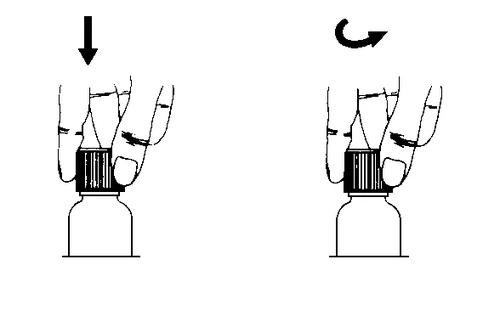
Instructions for opening the bottle:
Dropper bottle equipped with child-resistant closure. Instructions for opening.
______________________________________________________________________
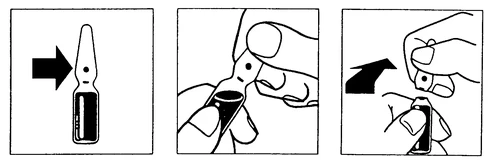
Instructions for opening ampoules:
To properly open the ampoules, follow the instructions below: