Eliquis
Italy
Table of Contents
- Package leaflet: Information for the user
- Eliquis 2.5 mg film-coated tablets
- 1. What Eliquis is and what it is used for
- 2. What you should know before taking Eliquis
- 3. How to take Eliquis
- 4. Possible side effects
- 5. How to store Eliquis
- 6. Package contents and other information
- Package leaflet: Information for the user
- Eliquis 5 mg film-coated tablets
- 1. What Eliquis is and what it is used for
- 2. What you should know before taking Eliquis
- 3. How to take Eliquis
- 4. Possible side effects
- 5. How to store Eliquis
- 6. Package contents and other information
- Package leaflet: Information for the user
- Eliquis 0.15 mg granules in openable capsules
- 1. What Eliquis is and what it is used for
- 2. What you should know before administering Eliquis
- 3. How to administer Eliquis
- 4. Possible side effects
- 5. How to store Eliquis
- 6. Package contents and other information
- INSTRUCTIONS FOR USE OF ELIQUIS 0.15 MG GRANULES IN OPENABLE CAPSULES
- Package leaflet: information for the user
- Eliquis 0.5 mg coated granules in sachet, 1.5 mg coated granules in sachet, 2 mg coated granules in sachet
- 1. What Eliquis is and what it is used for
- 2. What you should know before administering Eliquis
- 3. How to administer Eliquis
- 4. Possible side effects
- 5. How to store Eliquis
- 6. Package contents and other information
- INSTRUCTIONS FOR USE OF ELIQUIS COATED GRANULES IN SACHET
Package leaflet: Information for the user
Eliquis 2.5 mg film-coated tablets
apixaban
Please read this leaflet carefully before taking this medicine because it contains
important information for you.
- Keep this leaflet. You may need to read it again.
- If you have any questions, ask your doctor, pharmacist or nurse.
- This medicine has been prescribed for you only. Do not give it to others, even if they have the same symptoms as you, because it could be harmful.
- If you experience any side effects, including those not listed in this leaflet, tell your doctor, pharmacist or nurse. See section 4.
Contents of this leaflet
- What Eliquis is and what it is used for
- What you need to know before taking Eliquis
- How to take Eliquis
- Possible side effects
- How to store Eliquis
- Contents of the pack and other information
1. What Eliquis is and what it is used for
Eliquis contains the active substance apixaban and belongs to a group of medicines called anticoagulants. This medicine helps prevent the formation of blood clots by blocking Factor Xa, an important component in blood coagulation.
Eliquis is used in adults:
- to prevent the formation of blood clots (deep vein thrombosis [DVT]) after hip or knee replacement surgery. After surgery on the hip or knee, you may be at increased risk of developing blood clots in the veins of the legs. This can cause swelling of the legs, with or without pain. If a blood clot travels from the leg to the lungs, it can block blood flow, causing shortness of breath, with or without chest pain. This condition (pulmonary embolism) can be life-threatening and requires immediate medical attention.
- to prevent the formation of blood clots in the heart in patients with irregular heartbeats (atrial fibrillation) and at least one additional risk factor. Blood clots can break loose and travel to the brain, causing a stroke, or reach other organs, blocking normal blood flow to those organs (also known as systemic embolism). A stroke can be life-threatening and requires immediate medical attention.
- to treat blood clots in the veins of the legs (deep vein thrombosis) and in the blood vessels of the lungs (pulmonary embolism), and to prevent such blood clots from recurring in the blood vessels of the legs and/or lungs.
Eliquis is used in children aged 28 days to less than 18 years to treat blood clots and to prevent blood clots from recurring in the veins or blood vessels of the lungs.
For the recommended dose according to body weight, see section 3.
2. What you should know before taking Eliquis
Do not take Eliquis if
- you are allergic to apixaban or to any of the other ingredients of this medicine (listed in section 6);
- you have excessive bleeding;
- you have a disease in an organ of the body that increases the risk of serious bleeding (such as a recent or active ulcer of the stomach or intestine, recent bleeding in the brain);
- you have a liver disease that increases the risk of bleeding (hepatic coagulopathy);
- you are taking medicines to prevent blood clots (e.g., warfarin, rivaroxaban, dabigatran, or heparin), except when switching anticoagulant therapy, while you have a venous or arterial catheter and are receiving heparin through it to keep it open, or if a catheter is inserted into one of your blood vessels (transcatheter ablation) to treat an irregular heartbeat (arrhythmia).
Warnings and precautions
Talk to your doctor, pharmacist, or nurse before taking this medicine if you have any of the following conditions:
- an increased risk of bleeding, such as:
- bleeding disorders, including conditions that lead to reduced platelet function;
- very high blood pressure not controlled by medical treatment;
- if you are over 75 years old;
- if you weigh 60 kg or less;
- severe kidney disease or if you are on dialysis;
- liver problems or a history of liver problems;
- This medicine will be used with caution in patients showing signs of impaired liver function.
- you have had a tube (catheter) or received an injection into your spinal column (for anaesthesia or pain relief). Your doctor will instruct you to take this medicine at least 5 hours or more after removal of the catheter;
- you have a prosthetic heart valve;
- if your doctor finds that your blood pressure is unstable or if another treatment or surgical procedure to remove a blood clot from the lungs is planned.
Take special care with Eliquis
- if you know you have a condition called antiphospholipid syndrome (an immune system disorder that increases the risk of blood clots), inform your doctor, who will decide whether a change in therapy is needed.
If you are scheduled for surgery or a procedure that may cause bleeding, your doctor may ask you to temporarily stop taking this medicine for a short period. If you are unsure whether a procedure might cause bleeding, consult your doctor.
Children and adolescents
This medicine is not recommended for children and adolescents weighing less than 35 kg.
Other medicines and Eliquis
Tell your doctor, pharmacist, or nurse if you are taking, have recently taken, or might take any other medicines.
Some medicines can increase the effect of Eliquis, while others can reduce it. Your doctor will decide whether you should be treated with Eliquis when taking these medicines and how closely you should be monitored.
The following medicines may increase the effect of Eliquis and increase the risk of unwanted bleeding:
- certain medicines for fungal infections (e.g., ketoconazole, etc.);
- certain antiviral medicines for HIV/AIDS (e.g., ritonavir);
- other medicines used to reduce blood clotting (e.g., enoxaparin, etc.);
- anti-inflammatory drugs or painkillers (e.g., acetylsalicylic acid or naproxen). Particularly if you are over 75 years old and taking acetylsalicylic acid, your risk of bleeding may be higher;
- medicines for high blood pressure or heart problems (e.g., diltiazem);
- antidepressants known as selective serotonin reuptake inhibitors or serotonin-norepinephrine reuptake inhibitors.
The following medicines may reduce the effect of Eliquis in helping to prevent blood clots:
- medicines for epilepsy or seizures (e.g., phenytoin, etc.);
- St. John’s wort (a herbal remedy used for depression);
- medicines to treat tuberculosis or other infections (e.g., rifampicin).
Pregnancy and breastfeeding
If you are pregnant, think you may be pregnant, are planning to become pregnant, or are breastfeeding, consult your doctor, pharmacist, or nurse before taking this medicine.
The effect of Eliquis during pregnancy and on the unborn child is unknown. You must not take this medicine if you are pregnant. Contact your doctor immediately if you become pregnant while taking this medicine.
It is not known whether Eliquis passes into breast milk. Consult your doctor, pharmacist, or nurse before taking this medicine while breastfeeding. They will advise you whether to stop breastfeeding or to stop or not start treatment with this medicine.
Driving and using machines
Eliquis has not shown effects on the ability to drive or use machines.
Eliquis contains lactose (a type of sugar) and sodium
If your doctor has diagnosed you with an intolerance to certain sugars, contact them before taking this medicine.
This medicine contains less than 1 mmol (23 mg) of sodium per tablet, i.e., essentially ‘sodium-free’.
3. How to take Eliquis
Take this medicine exactly as prescribed by your doctor or pharmacist. If you have any doubts, consult your doctor, pharmacist, or nurse.
Dose
Swallow the tablet with some water. Eliquis can be taken with or without food.
Try to take the tablets at the same time each day to achieve the best effect from treatment.
If you have difficulty swallowing the tablet whole, ask your doctor about other ways to take Eliquis. The tablet may be crushed and mixed with water, 5% glucose in water, apple juice, or apple puree, immediately before administration.
Instructions for crushing the tablet:
- Crush the tablets using a mortar and pestle.
- Carefully transfer all the powder into a suitable container and then mix the powder with a small amount, e.g., 30 mL (2 tablespoons), of water or one of the other liquids mentioned above to prepare a mixture.
- Swallow the mixture.
- Rinse the mortar and pestle used to crush the tablet and the container with a small amount of water (e.g., 30 mL) or one of the other liquids, and swallow the rinse.
If necessary, your doctor may also administer the crushed Eliquis tablet mixed with 60 mL of water or 5% glucose in water through a nasogastric tube.
Take Eliquis as recommended:
To prevent blood clots after hip or knee replacement surgery.
The recommended dose is one 2.5 mg Eliquis tablet twice daily, for example, one in the morning and one in the evening.
You should take the first tablet 12 to 24 hours after surgery.
If you have had major surgery on the hip, you will usually take the tablets for a period of 32 to 38 days.
If you have had major surgery on the knee, you will usually take the tablets for a period of 10 to 14 days.
To prevent blood clots in the heart in patients with irregular heartbeat (atrial fibrillation) and at least one additional risk factor.
The recommended dose is one Eliquis 5 mg tablet twice daily.
The recommended dose is one Eliquis 2.5 mg tablet twice daily if:
- you have severely reduced kidney function;
- you meet two or more of the following criteria:
- blood test results suggest poor kidney function (serum creatinine level is 1.5 mg/dL (133 micromoles/L) or higher);
- you are 80 years of age or older;
- your body weight is 60 kg or less.
The recommended dose is one tablet twice daily, for example, one in the morning and one in the evening. Your doctor will decide how long you should continue treatment.
To treat blood clots in the veins of the legs and in the blood vessels of the lungs (pulmonary embolism)
The recommended dose is two tablets of Eliquis 5 mg twice daily for the first 7 days, for example, two in the morning and two in the evening.
After 7 days, the recommended dose is one tablet of Eliquis 5 mg twice daily, for example, one in the morning and one in the evening.
To prevent recurrence of blood clots after completing 6 months of treatment
The recommended dose is one Eliquis 2.5 mg tablet twice daily, for example, one in the morning and one in the evening.
Your doctor will decide how long you should continue treatment.
Use in children and adolescents
To treat blood clots and to prevent recurrence of blood clots in the veins or in the blood vessels of the lungs.
Take or administer this medicine exactly as prescribed by your doctor or the child's doctor or pharmacist. If you have any doubts, consult your doctor, the child's doctor, pharmacist, or nurse.
Try to take or administer the dose at the same time each day to achieve the best effect from treatment.
The dose of Eliquis depends on body weight and will be calculated by the doctor.
The recommended dose for children and adolescents with body weight of at least 35 kg is four tablets of Eliquis 2.5 mg twice daily for the first 7 days, for example, four in the morning and four in the evening.
After 7 days, the recommended dose is two tablets of Eliquis 2.5 mg twice daily, for example, two in the morning and two in the evening.
For parents or caregivers: observe the child to ensure the entire dose has been taken.
It is important to attend scheduled medical appointments, as the dose may need to be adjusted as body weight changes.
Your doctor may change your anticoagulant treatment as follows:
- Switching from Eliquis to another anticoagulant medicine Stop taking Eliquis. Start treatment with the anticoagulant medicine (e.g., heparin) at the time when you would have taken your next tablet.
- Switching from another anticoagulant medicine to Eliquis Stop taking the anticoagulant medicine. Start treatment with Eliquis at the time when you would have taken your next dose of the anticoagulant medicine, then continue taking it as usual.
- Switching from treatment with a vitamin K antagonist anticoagulant (e.g., warfarin) to Eliquis Stop taking the vitamin K antagonist medicine. Your doctor will need to perform blood tests and advise you when to start treatment with Eliquis.
- Switching from Eliquis to treatment with a vitamin K antagonist anticoagulant (e.g., warfarin) If your doctor tells you to start taking a vitamin K antagonist medicine, continue taking Eliquis for at least 2 days after the first dose of the vitamin K antagonist medicine. Your doctor will need to perform blood tests and advise you when to stop taking Eliquis.
Patients undergoing cardioversion
If your abnormal heartbeat needs to be restored to normal rhythm by a procedure called cardioversion, take this medicine exactly as directed by your doctor to prevent blood clots in the blood vessels of the brain and other parts of the body.
If you take more Eliquis than you should
Contact your doctor immediately if you have taken more than the prescribed dose of this medicine. Bring the medicine pack with you, even if no tablets are left.
If you take more Eliquis than recommended, you may have an increased risk of bleeding.
If bleeding occurs, you may require surgery, a blood transfusion, or other treatments that can reverse the anticoagulant activity against factor Xa.
If you forget to take Eliquis
- If you forget a morning dose, take it as soon as you remember, and you may take it together with your evening dose.
- A forgotten evening dose may be taken only on the same evening. Do not take two doses the next morning; instead, continue with the twice-daily dosing schedule as recommended the following day.
If you are unsure what to do or if you have missed more than one dose, consult your doctor, pharmacist, or nurse.
If you stop taking Eliquis
Do not stop taking this medicine without first talking to your doctor, as the risk of developing a blood clot may be higher if you stop treatment too early.
If you have any questions about how to use this medicine, speak to your doctor, pharmacist, or nurse.
4. Possible side effects
Like all medicines, this medicine can cause side effects, although not everybody gets them. Eliquis may be given for three different medical conditions. The known side effects and how frequently they occur may differ for each of these conditions and are listed separately below. For these conditions, the most common general side effect with this medicine is bleeding, which can potentially be life-threatening and requires immediate medical attention.
The following side effects are known to occur when Eliquis is taken to prevent blood clots after hip or knee replacement surgery.
Common side effects (may affect up to 1 in 10 people)
- Anaemia which may cause tiredness or pale skin;
- Bleeding, including:
- bruising and swelling;
- Nausea (feeling unwell).
Uncommon side effects (may affect up to 1 in 100 people)
- Reduction in the number of platelets in the blood (which may affect blood clotting);
- Bleeding:
- occurring after surgery, including bruising and swelling, leakage of blood or fluids from the surgical wound/incision (wound discharge) or from the injection site;
- from the stomach, intestine, or clear/red blood in the stools;
- in the urine;
- from the nose;
- from the vagina;
- Low blood pressure which may cause weakness or a rapid heartbeat;
- Blood tests may show:
- abnormalities in liver function;
- increased liver enzymes;
- increased bilirubin, a product of red blood cell breakdown, which may cause yellowing of the skin and eyes;
- Itching.
Rare side effects (may affect up to 1 in 1,000 people)
- Allergic reactions (hypersensitivity) which may cause: swelling of the face, lips, mouth, tongue and/or throat and difficulty breathing. Contact your doctor immediately if any of these symptoms occur.
- Bleeding:
- in the muscle;
- in the eyes;
- from the gums and blood in sputum when coughing;
- from the rectum;
- Hair loss.
Not known (frequency cannot be estimated from available data)
- Bleeding:
- in the brain or spinal cord;
- in the lungs or throat;
- in the mouth;
- in the abdomen or in the space behind the abdominal cavity;
- from haemorrhoids;
- tests showing blood in stools or urine;
- Skin rash which may blister and appear as small target-like spots (dark central spots surrounded by a lighter area, with a dark ring around the edge) (erythema multiforme);
- Inflammation of blood vessels (vasculitis) which may present as skin rashes or small, flat, red, round spots under the skin surface or bruising.
- Bleeding in the kidney, sometimes with blood in the urine, leading to impaired kidney function (anticoagulant-related nephropathy).
The following side effects are known to occur when Eliquis is taken to prevent blood clots in the heart in patients with irregular heartbeat and at least one additional risk factor.
Common side effects (may affect up to 1 in 10 people)
- Bleeding, including:
- in the eyes;
- in the stomach or intestine;
- from the rectum;
- in the urine;
- from the nose;
- from the gums;
- bruising and swelling;
- Anaemia which may cause tiredness or pale skin;
- Low blood pressure which may cause weakness or a rapid heartbeat;
- Nausea (feeling unwell);
- Blood tests may show:
- an increase in gamma-glutamyl transferase (GGT).
Uncommon side effects (may affect up to 1 in 100 people)
- Bleeding:
- in the brain or spinal cord;
- in the mouth or blood in sputum when coughing;
- in the abdomen or from the vagina;
- clear/red blood in the stools;
- occurring after surgery, including bruising and swelling, leakage of blood or fluids from the surgical wound/incision (wound discharge) or from the injection site;
- from haemorrhoids;
- tests showing blood in stools or urine;
- Reduction in the number of platelets in the blood (which may affect blood clotting);
- Blood tests may show:
- abnormalities in liver function;
- increased liver enzymes;
- increased bilirubin, a product of red blood cell breakdown, which may cause yellowing of the skin and eyes;
- Skin rash;
- Itching;
- Hair loss;
- Allergic reactions (hypersensitivity) which may cause: swelling of the face, lips, mouth, tongue and/or throat and difficulty breathing. Contact your doctor immediately if any of these symptoms occur.
Rare side effects (may affect up to 1 in 1,000 people)
- Bleeding:
- in the lungs or throat;
- in the space behind the abdominal cavity;
- in the muscle.
Very rare side effects (may affect up to 1 in 10,000 people)
- Skin rash which may blister and appear as small target-like spots (dark central spots surrounded by a lighter area, with a dark ring around the edge) (erythema multiforme).
Not known (frequency cannot be estimated from available data)
- Inflammation of blood vessels (vasculitis) which may present as skin rashes or small, flat, red, round spots under the skin surface or bruising.
- Bleeding in the kidney, sometimes with blood in the urine, leading to impaired kidney function (anticoagulant-related nephropathy).
The following side effects are known to occur when Eliquis is taken to treat or prevent recurrence of blood clots in the veins of the legs and in the blood vessels of the lungs.
Common side effects (may affect up to 1 in 10 people)
- Bleeding, including:
- from the nose;
- from the gums;
- in the urine;
- bruising and swelling;
- in the stomach, intestine, or from the rectum;
- in the mouth;
- from the vagina;
- Anaemia which may cause tiredness or pale skin;
- Reduction in the number of platelets in the blood (which may affect blood clotting);
- Nausea (feeling unwell);
- Skin rash;
- Blood tests may show:
- an increase in gamma-glutamyl transferase (GGT) or alanine aminotransferase (ALT).
Uncommon side effects (may affect up to 1 in 100 people)
- Low blood pressure which may cause weakness or a rapid heartbeat;
- Bleeding:
- in the eyes;
- in the mouth or blood in sputum when coughing;
- clear/red blood in the stools;
- tests showing blood in stools or urine;
- occurring after surgery, including bruising and swelling, leakage of blood or fluids from the surgical wound/incision (wound discharge) or from the injection site;
- from haemorrhoids;
- in the muscle;
- Itching;
- Hair loss;
- Allergic reactions (hypersensitivity) which may cause: swelling of the face, lips, mouth, tongue and/or throat and difficulty breathing. Contact your doctor immediately if any of these symptoms occur.
- Blood tests may show:
- abnormalities in liver function;
- increased liver enzymes;
- increased bilirubin, a product of red blood cell breakdown, which may cause yellowing of the skin and eyes.
Rare side effects (may affect up to 1 in 1,000 people)
- Bleeding:
- in the brain or spinal cord;
- in the lungs.
Not known (frequency cannot be estimated from available data)
- Bleeding:
- in the abdomen or in the space behind the abdominal cavity.
- Skin rash which may blister and appear as small target-like spots (dark central spots surrounded by a lighter area, with a dark ring around the edge) (erythema multiforme);
- Inflammation of blood vessels (vasculitis) which may present as skin rashes or small, flat, red, round spots under the skin surface or bruising.
- Bleeding in the kidney, sometimes with blood in the urine, leading to impaired kidney function (anticoagulant-related nephropathy).
Other side effects in children and adolescents
Contact the child’s doctor immediately if you notice any of these symptoms:
- Allergic reactions (hypersensitivity) which may cause: swelling of the face, lips, mouth, tongue and/or throat and difficulty breathing. The frequency of these side effects is common (may affect up to 1 in 10 people).
In general, side effects observed in children and adolescents treated with Eliquis have been similar in type to those observed in adults and have mainly been mild to moderate in severity. The side effects observed more frequently in children and adolescents have been nosebleeds and abnormal vaginal bleeding.
Very common side effects (may affect more than 1 in 10 people)
- Bleeding, including:
- from the vagina;
- from the nose.
Common side effects (may affect up to 1 in 10 people)
- Bleeding, including:
- from the gums;
- in the urine;
- bruising and swelling;
- from the intestine or rectum;
- clear/red blood in the stools;
- occurring after any surgery, including bruising and swelling, leakage of blood from the surgical wound/incision (wound discharge) or from the injection site;
- Hair loss;
- Anaemia which may cause tiredness or pale skin;
- Reduction in the number of platelets in the child’s blood (which may affect blood clotting);
- Nausea (feeling unwell);
- Skin rash;
- Itching;
- Low blood pressure which may cause the child weakness or a rapid heartbeat;
- Blood tests may show:
- abnormalities in liver function;
- increased liver enzymes;
- increased alanine aminotransferase (ALT).
Not known (frequency cannot be determined from available data)
- Bleeding:
- in the abdomen or in the space behind the abdominal cavity;
- in the stomach;
- in the eyes;
- in the mouth;
- from haemorrhoids;
- in the mouth or blood in sputum when coughing;
- in the brain or spinal cord;
- in the lungs;
- in the muscle;
- Skin rash which may blister and appear as small target-like spots (dark central spots surrounded by a lighter area, with a dark ring around the edge) (erythema multiforme);
- Inflammation of blood vessels (vasculitis) which may present as skin rashes or small, flat, red, round spots under the skin surface or bruising;
- Blood tests may show:
- increased gamma-glutamyl transferase (GGT);
- tests showing blood in stools or urine. Bleeding in the kidney, sometimes with blood in the urine, leading to impaired kidney function (anticoagulant-related nephropathy).
Reporting of side effects
If you experience any side effect, including those not listed in this leaflet, talk to your doctor, pharmacist or nurse. You can also report side effects directly via the national reporting system listed in Annex V. By reporting side effects, you can help provide more information on the safety of this medicine.
5. How to store Eliquis
Keep this medicine out of the sight and reach of children.
Do not use this medicine after the expiry date which is stated on the carton and on the blister after
Exp. or EXP. The expiry date refers to the last day of that month.
This medicine does not require any special storage conditions.
Do not dispose of medicines via wastewater or household waste. Ask your pharmacist how to
dispose of medicines you no longer use. This will help protect the environment.
6. Package contents and other information
What Eliquis contains
- The active substance is apixaban. Each tablet contains 2.5 mg of apixaban.
- The other components are:
- Tablet core: lactose (see section 2 "Eliquis contains lactose (a type of sugar) and sodium"), microcrystalline cellulose, sodium croscarmellose (see section 2 "Eliquis contains lactose (a type of sugar) and sodium"), sodium lauryl sulphate, magnesium stearate (E470b);
- Coating: monohydrate lactose (see section 2 "Eliquis contains lactose (a type of sugar) and sodium"), hypromellose (E464), titanium dioxide (E171), triacetin, yellow iron oxide (E172).
Description of the appearance of Eliquis and contents of the pack
The film-coated tablets are yellow, round (6 mm in diameter), with "893" engraved on one side and "2½" on the other.
- They are contained in blisters packed in cartons containing 10, 20, 60, 168 and 200 film-coated tablets.
- Additionally, divisible single-dose blisters are available in cartons containing 60 x 1 and 100 x 1 film-coated tablets for hospital distribution.
Not all pack sizes may be marketed.
Patient Alert Card: managing information
Inside the Eliquis package, together with the package leaflet, you will find a Patient Alert Card or your doctor may provide you with a similar one.
This Patient Alert Card includes information that may be useful to you and that alerts other doctors that you are taking Eliquis. You must always carry this card with you.
- Take the card.
- Tear off the text in your language as needed (this will be facilitated by the pre-perforated edge).
- Complete the following sections or ask your doctor to do so:
- Name:
- Date of birth:
- Indication:
- Dose: ......mg twice daily
- Doctor’s name:
- Doctor’s telephone number:
- Fold the card and always keep it with you.
Marketing Authorisation Holder
Bristol-Myers Squibb/Pfizer EEIG
Plaza 254
Blanchardstown Corporate Park 2
Dublin 15, D15 T867
Ireland
Manufacturer
CATALENT ANAGNI S.R.L.
Loc. Fontana del Ceraso snc
Strada Provinciale Casilina, 41
03012 Anagni (FR)
Italy
Pfizer Manufacturing Deutschland GmbH
Mooswaldallee 1
79108 Freiburg Im Breisgau
Germany
Swords Laboratories Unlimited Company T/A Bristol-Myers Squibb Pharmaceutical Operations,
External Manufacturing
Plaza 254
Blanchardstown Corporate Park 2
Dublin 15, D15 T867
Ireland
Pfizer Ireland Pharmaceuticals
Little Connell Newbridge
Co. Kildare
Ireland
More detailed information on this medicine is available on the website of the European Medicines Agency: https://www.ema.europa.eu.
Package leaflet: Information for the user
Eliquis 5 mg film-coated tablets
apixaban
Please read this leaflet carefully before taking this medicine because it contains
important information for you.
- Keep this leaflet. You may need to read it again.
- If you have any questions, ask your doctor, pharmacist or nurse.
- This medicine has been prescribed for you only. Do not give it to other people, even if their symptoms are the same as yours, as it may be harmful.
- If you experience any side effect, including those not listed in this leaflet, contact your doctor, pharmacist or nurse. See section 4.
Contents of this leaflet
- What Eliquis is and what it is used for
- What you need to know before taking Eliquis
- How to take Eliquis
- Possible side effects
- How to store Eliquis
- Contents of the pack and other information
1. What Eliquis is and what it is used for
Eliquis contains the active substance apixaban and belongs to a group of medicines called
anticoagulants. This medicine helps prevent the formation of blood clots by blocking Factor Xa,
which is an important component in blood coagulation.
Eliquis is used in adults:
- to prevent the formation of blood clots in the heart in patients with irregular heartbeat (atrial fibrillation) and with at least one additional risk factor. Blood clots can break loose and travel to the brain, causing stroke, or reach other organs, blocking normal blood flow to those organs (also known as systemic embolism). A stroke can be life-threatening and requires immediate medical attention.
- to treat blood clots in the deep veins of the legs (deep vein thrombosis) and in the blood vessels of the lungs (pulmonary embolism), and to prevent blood clots from recurring in the blood vessels of the legs and/or lungs.
Eliquis is used in children aged 28 days and less than 18 years to treat blood clots and to prevent blood clots from recurring in the veins or blood vessels of the lungs.
For the recommended dose according to body weight, see section 3.
2. What you should know before taking Eliquis
Do not take Eliquis if
- you are allergic to apixaban or to any of the other ingredients of this medicine (listed in section 6);
- you have excessive bleeding;
- you have a disease in a body organ that leads to an increased risk of serious bleeding (such as a recent or active ulcer of the stomach or intestine, or a recent bleed in the brain);
- you have a liver disease that leads to an increased risk of bleeding (hepatic coagulopathy);
- you are taking medicines to prevent blood clots (e.g., warfarin, rivaroxaban, dabigatran, or heparin), except when switching anticoagulant therapy, while you have a venous or arterial catheter and are receiving heparin through it to keep it open, or if a catheter is inserted into one of your blood vessels (transcatheter ablation) to treat an irregular heartbeat (arrhythmia).
Warnings and precautions
Talk to your doctor, pharmacist, or nurse before taking this medicine if you have any of the following conditions:
- an increased risk of bleeding, such as:
- bleeding disorders, including conditions leading to reduced platelet function;
- very high blood pressure not controlled by medical treatment;
- if you are over 75 years of age;
- if you weigh 60 kg or less;
- a severe kidney disease or if you are on dialysis;
- liver problems or a history of liver problems;
- This medicine will be used with caution in patients showing signs of impaired liver function.
- you have a prosthetic heart valve;
- if your doctor finds that your blood pressure is unstable, or if another treatment or surgical procedure to remove a blood clot from the lungs is planned.
Take special care with Eliquis
- if you know you have a condition called antiphospholipid syndrome (an immune system disorder that increases the risk of blood clots), inform your doctor, who will decide whether therapy needs to be changed.
If you are scheduled for surgery or a procedure that may cause bleeding, your doctor may ask you to temporarily stop taking this medicine for a short period. If you are unsure whether a procedure may cause bleeding, consult your doctor.
Children and adolescents
This medicine is not recommended for children and adolescents weighing less than 35 kg.
Other medicines and Eliquis
Tell your doctor, pharmacist, or nurse if you are taking, have recently taken, or might take any other medicines.
Some medicines can increase the effect of Eliquis, while others can reduce it. Your doctor will decide whether you should be treated with Eliquis when taking these medicines and how closely you should be monitored.
The following medicines may increase the effect of Eliquis and increase the risk of unwanted bleeding:
- some medicines for fungal infections (e.g., ketoconazole, etc.);
- some antiviral medicines for HIV/AIDS (e.g., ritonavir);
- other medicines used to reduce blood clotting (e.g., enoxaparin, etc.);
- anti-inflammatory drugs or painkillers (e.g., acetylsalicylic acid or naproxen). Particularly if you are over 75 years of age and taking acetylsalicylic acid, your risk of bleeding may be higher;
- medicines for high blood pressure or heart problems (e.g., diltiazem);
- antidepressants known as selective serotonin reuptake inhibitors or serotonin-norepinephrine reuptake inhibitors.
The following medicines may reduce the effect of Eliquis in helping to prevent blood clots:
- medicines for epilepsy or seizures (e.g., phenytoin, etc.);
- St. John’s wort (a herbal remedy used for depression);
- medicines to treat tuberculosis or other infections (e.g., rifampicin).
Pregnancy and breastfeeding
If you are pregnant, suspect you may be pregnant, plan to become pregnant, or are breastfeeding, consult your doctor, pharmacist, or nurse before taking this medicine.
The effect of Eliquis on pregnancy and the unborn child is unknown. You must not take this medicine if you are pregnant. Contact your doctor immediately if you become pregnant while taking this medicine.
It is not known whether Eliquis passes into breast milk. Consult your doctor, pharmacist, or nurse before taking this medicine during breastfeeding. They will advise you whether to stop breastfeeding or to stop or not start treatment with this medicine.
Driving and using machines
Eliquis has not shown effects on the ability to drive or use machines.
Eliquis contains lactose (a type of sugar) and sodium
If your doctor has informed you that you have an intolerance to certain sugars, contact them before taking this medicine.
This medicine contains less than 1 mmol (23 mg) of sodium per tablet, i.e., essentially ‘sodium-free’.
3. How to take Eliquis
Take this medicine exactly as instructed by your doctor or pharmacist. If you have any doubts, consult your doctor, pharmacist, or nurse.
Dose
Swallow the tablet with some water. Eliquis can be taken with or without food.
Try to take the tablets at the same time each day to achieve the best effect from treatment.
If you have difficulty swallowing the tablet whole, ask your doctor about other ways to take Eliquis. The tablet may be crushed and mixed with water, 5% glucose in water, apple juice, or apple puree, immediately before taking.
Instructions for crushing the tablet:
- Crush the tablets using a mortar and pestle.
- Carefully transfer all the powder into a suitable container and then mix the powder with a small amount, e.g., 30 mL (2 tablespoons), of water or one of the other liquids mentioned above to prepare a mixture.
- Swallow the mixture.
- Rinse the mortar and pestle used to crush the tablet and the container with a small amount of water (e.g., 30 mL) or one of the other liquids, and swallow the rinse.
If necessary, your doctor may also administer the crushed Eliquis tablet mixed with 60 mL of water or 5% glucose in water through a nasogastric tube.
Take Eliquis as recommended:
For preventing blood clots in the heart in patients with irregular heartbeat and at least one additional risk factor.
The recommended dose is one tablet of Eliquis 5 mg twice daily.
The recommended dose is one tablet of Eliquis 2.5 mg twice daily if:
- you have severely reduced kidney function;
- you meet two or more of the following conditions:
- blood test results suggest poor kidney function (serum creatinine level is 1.5 mg/dL (133 micromoles/L) or higher);
- you are 80 years of age or older;
- your body weight is 60 kg or less.
The recommended dose is one tablet twice daily, for example, one in the morning and one in the evening.
Your doctor will decide how long you should continue treatment.
For treating blood clots in the veins of the legs and in the blood vessels of the lungs
The recommended dose is two tablets of Eliquis 5 mg twice daily for the first 7 days, for example, two in the morning and two in the evening.
After 7 days, the recommended dose is one tablet of Eliquis 5 mg twice daily, for example, one in the morning and one in the evening.
For preventing recurrence of blood clots after completing 6 months of treatment
The recommended dose is one tablet of Eliquis 2.5 mg twice daily, for example, one in the morning and one in the evening.
Your doctor will decide how long you should continue treatment.
Use in children and adolescents
For treating blood clots and for preventing recurrence of blood clots in veins or blood vessels of the lungs.
Take or administer this medicine exactly as instructed by your doctor, the child’s doctor, or pharmacist. If you have any doubts, consult your doctor, the child’s doctor, pharmacist, or nurse.
Try to take or administer the dose at the same time each day to achieve the best effect from treatment.
The dose of Eliquis depends on body weight and will be calculated by the doctor.
The recommended dose for children and adolescents with body weight of at least 35 kg is two tablets of Eliquis 5 mg twice daily for the first 7 days, for example, two in the morning and two in the evening.
After 7 days, the recommended dose is one tablet of Eliquis 5 mg twice daily, for example, one in the morning and one in the evening.
For parents or caregivers: Observe the child to ensure they have taken the full dose.
It is important to attend scheduled medical appointments, as the dose may need to be adjusted as body weight changes.
Your doctor may modify your anticoagulant treatment as follows:
-
Switching from Eliquis to another anticoagulant medicine
Stop taking Eliquis. Start treatment with the anticoagulant medicine (e.g., heparin) at the time you would have taken your next tablet. -
Switching from another anticoagulant medicine to Eliquis
Stop taking the anticoagulant medicine. Start treatment with Eliquis at the time you would have taken your next dose of the anticoagulant medicine, then continue taking it as usual. -
Switching from treatment with a vitamin K antagonist (e.g., warfarin) to Eliquis
Stop taking the medicine containing the vitamin K antagonist. Your doctor will need to perform blood tests and advise you when to start treatment with Eliquis. -
Switching from Eliquis to treatment with a vitamin K antagonist (e.g., warfarin)
If your doctor tells you to start taking a medicine containing a vitamin K antagonist, continue taking Eliquis for at least 2 days after the first dose of the vitamin K antagonist medicine. Your doctor will need to perform blood tests and advise you when to stop treatment with Eliquis.
Patients undergoing cardioversion
If your abnormal heart rhythm needs to be restored to normal by a procedure called cardioversion, take this medicine exactly as your doctor instructs, to prevent blood clots in blood vessels of the brain and other parts of your body.
If you take more Eliquis than you should
Inform your doctor immediately if you have taken more than the prescribed dose of Eliquis. Bring the medicine carton with you, even if no tablets remain.
If you take more Eliquis than recommended, you may have an increased risk of bleeding.
If bleeding occurs, you may require surgery, a blood transfusion, or other treatments that can reverse the anticoagulant activity against factor Xa.
If you forget to take Eliquis
- If you forget a morning dose, take it as soon as you remember. You may take it together with your evening dose.
- A forgotten evening dose may only be taken the same evening. Do not take two doses the next morning; instead, continue with your usual twice-daily dosing schedule the following day.
If you are unsure what to do or if you have missed more than one dose, consult your doctor, pharmacist, or nurse.
If you stop taking Eliquis
Do not stop taking this medicine without first talking to your doctor, as the risk of developing a blood clot may be higher if you stop treatment too early.
If you have any doubts about how to use this medicine, consult your doctor, pharmacist, or nurse.
4. Possible side effects
Like all medicines, this medicine can cause side effects, although not everyone gets them. The most common general side effect of this medicine is bleeding, which may potentially be life-threatening and requires immediate medical attention.
The following side effects are known to occur when Eliquis is taken to prevent blood clots forming in the heart in patients with irregular heartbeat and at least one additional risk factor.
Common side effects (may affect up to 1 in 10 people)
- Bleeding, including:
- in the eyes;
- in the stomach or intestine;
- from the rectum;
- blood in the urine;
- from the nose;
- from the gums;
- bruising and swelling;
- Anaemia, which may cause tiredness or pale appearance;
- Low blood pressure, which may cause weakness or a rapid heartbeat;
- Nausea (feeling unwell);
- Blood tests may show:
- an increase in gamma-glutamyl transferase (GGT).
Uncommon side effects (may affect up to 1 in 100 people)
- Bleeding:
- in the brain or spinal cord;
- in the mouth or blood in coughed-up mucus (sputum) when coughing;
- in the abdomen or from the vagina;
- bright red blood in the stools;
- bleeding occurring after surgery, including bruising and swelling, leakage of blood or fluids from the surgical wound/incision (wound discharge) or from the injection site;
- from haemorrhoids;
- tests showing blood in the stools or urine;
- Reduction in the number of platelets in the blood (which may affect blood clotting);
- Blood tests may show:
- abnormalities in liver function;
- increase in certain liver enzymes;
- increase in bilirubin, a product of red blood cell breakdown, which may cause yellowing of the skin and eyes.
- Rash;
- Itching;
- Hair loss;
- Allergic reactions (hypersensitivity) which may cause: swelling of the face, lips, mouth, tongue and/or throat and difficulty breathing. Contact your doctor immediately if you experience any of these symptoms.
Rare side effects (may affect up to 1 in 1,000 people)
- Bleeding:
- in the lungs or throat;
- in the space behind the abdominal cavity (retroperitoneal space);
- in the muscle.
Very rare side effects (may affect up to 1 in 10,000 people)
- Rash that may blister and appears as small target-like spots (dark central spots surrounded by a paler area, with a dark ring around the edge) (erythema multiforme).
Not known (frequency cannot be estimated from available data)
- Inflammation of blood vessels (vasculitis), which may present as skin rashes or small, flat, red, round spots or bruises under the skin surface.
- Bleeding in the kidney, sometimes with blood in the urine, leading to impaired kidney function (anticoagulant-related nephropathy).
The following side effects are known to occur when Eliquis is taken to treat or prevent recurrence of blood clots in the veins of the legs and blood vessels of the lungs.
Common side effects (may affect up to 1 in 10 people)
- Bleeding, including:
- from the nose;
- from the gums;
- blood in the urine;
- bruising and swelling;
- in the stomach, intestine, or from the rectum;
- in the mouth;
- from the vagina;
- Anaemia, which may cause tiredness or pale appearance;
- Reduction in the number of platelets in the blood (which may affect blood clotting);
- Nausea (feeling unwell);
- Rash;
- Blood tests may show:
- an increase in gamma-glutamyl transferase (GGT) or alanine aminotransferase (ALT).
Uncommon side effects (may affect up to 1 in 100 people)
- Low blood pressure, which may cause weakness or a rapid heartbeat;
- Bleeding:
- in the eyes;
- in the mouth or blood in coughed-up mucus (sputum) when coughing;
- bright red blood in the stools;
- tests showing blood in the stools or urine;
- bleeding occurring after any surgery, including bruising and swelling, leakage of blood or fluids from the surgical wound/incision (wound discharge) or from the injection site;
- from haemorrhoids;
- in the muscle;
- Itching;
- Hair loss;
- Allergic reactions (hypersensitivity) which may cause: swelling of the face, lips, mouth, tongue and/or throat and difficulty breathing. Contact your doctor immediately if you experience any of these symptoms;
- Blood tests may show:
- abnormalities in liver function;
- increase in certain liver enzymes;
- increase in bilirubin, a product of red blood cell breakdown, which may cause yellowing of the skin and eyes.
Rare side effects (may affect up to 1 in 1,000 people)
- Bleeding:
- in the brain or spinal cord;
- in the lungs.
Not known (frequency cannot be estimated from available data)
- Bleeding:
- in the abdomen or in the space behind the abdominal cavity (retroperitoneal space).
- Rash that may blister and appears as small target-like spots (dark central spots surrounded by a paler area, with a dark ring around the edge) (erythema multiforme);
- Inflammation of blood vessels (vasculitis), which may present as skin rashes or small, flat, red, round spots or bruises under the skin surface.
- Bleeding in the kidney, sometimes with blood in the urine, leading to impaired kidney function (anticoagulant-related nephropathy).
Other side effects in children and adolescents
Contact the child’s doctor immediately if you notice any of the following symptoms:
- Allergic reactions (hypersensitivity) which may cause: swelling of the face, lips, mouth, tongue and/or throat and difficulty breathing. The frequency of these side effects is common (may affect up to 1 in 10 people).
In general, the side effects observed in children and adolescents treated with Eliquis have been of a similar type to those seen in adults and have mainly been mild to moderate in severity. The side effects observed more frequently in children and adolescents were nosebleeds and abnormal vaginal bleeding.
Very common side effects (may affect more than 1 in 10 people)
- Bleeding, including:
- from the vagina;
- from the nose.
Common side effects (may affect up to 1 in 10 people)
- Bleeding, including:
- from the gums;
- blood in the urine;
- bruising and swelling;
- from the intestine or rectum;
- bright red blood in the stools;
- bleeding occurring after any surgery, including bruising and swelling, leakage of blood from the surgical wound/incision (wound discharge) or from the injection site;
- Hair loss;
- Anaemia, which may cause tiredness or pale appearance;
- Reduction in the number of platelets in the child’s blood (which may affect blood clotting);
- Nausea (feeling unwell);
- Rash;
- Itching;
- Low blood pressure, which may cause the child to feel weak or have a rapid heartbeat;
- Blood tests may show:
- abnormalities in liver function;
- increase in certain liver enzymes;
- increase in alanine aminotransferase (ALT).
Not known (frequency cannot be estimated from available data)
- Bleeding:
- in the abdomen or in the space behind the abdominal cavity (retroperitoneal space);
- in the stomach;
- in the eyes;
- in the mouth;
- from haemorrhoids;
- in the mouth or blood in coughed-up mucus (sputum) when coughing;
- in the brain or spinal cord;
- in the lungs;
- in the muscle;
- Rash that may blister and appears as small target-like spots (dark central spots surrounded by a paler area, with a dark ring around the edge) (erythema multiforme);
- Inflammation of blood vessels (vasculitis), which may present as skin rashes or small, flat, red, round spots or bruises under the skin surface;
- Blood tests may show:
- an increase in gamma-glutamyl transferase (GGT);
- tests showing blood in the stools or urine.
- Bleeding in the kidney, sometimes with blood in the urine, leading to impaired kidney function (anticoagulant-related nephropathy).
Reporting of side effects
If you experience any side effect, including those not listed in this leaflet, talk to your doctor, pharmacist, or nurse. You can also report side effects directly via the national reporting system referred to in Annex V. By reporting side effects, you can help provide more information on the safety of this medicine.
5. How to store Eliquis
Keep this medicine out of the sight and reach of children.
Do not use this medicine after the expiry date stated on the carton and blister after
Exp. or EXP. The expiry date refers to the last day of that month.
This medicine requires no special storage conditions.
Do not dispose of medicines via wastewater or household waste. Ask your pharmacist how to
dispose of medicines you no longer use. This will help protect the environment.
6. Package contents and other information
What Eliquis contains
- The active substance is apixaban. Each tablet contains 5 mg of apixaban.
- The other components are:
- Tablet core: lactose (see section 2 "Eliquis contains lactose (a type of sugar) and sodium"), microcrystalline cellulose, sodium croscarmellose (see section 2 "Eliquis contains lactose (a type of sugar) and sodium"), sodium lauryl sulfate, magnesium stearate (E470b);
- Coating: monohydrate lactose (see section 2 "Eliquis contains lactose (a type of sugar) and sodium"), hypromellose (E464), titanium dioxide (E171), triacetin, iron oxide red (E172).
Description of the appearance of Eliquis and pack contents
The film-coated tablets are pink, oval-shaped (10 mm x 5 mm), with "894" engraved on one side and "5" on the other.
- The tablets are contained in blisters packed in cartons of 14, 20, 28, 56, 60, 168 and 200 film-coated tablets.
- Additionally, single-dose divisible blisters are available in cartons of 100 x 1 film-coated tablet for hospital distribution.
Not all pack sizes may be marketed.
Patient Alert Card: managing information
Inside the Eliquis package, together with the package leaflet, you will find a Patient Alert Card or your doctor may provide you with a similar one.
This Patient Alert Card includes information that may be useful to you and alerts other physicians that you are taking Eliquis. You must always carry this card with you.
- Take the card.
- Tear off the text in your language as needed (this will be facilitated by the pre-perforated edge).
- Complete the following sections or ask your doctor to do so:
- Name:
- Date of birth:
- Indication:
- Dose: ......mg twice daily
- Doctor's name:
- Doctor's telephone number:
- Fold the card and always keep it with you.
Marketing Authorization Holder
Bristol-Myers Squibb/Pfizer EEIG
Plaza 254
Blanchardstown Corporate Park 2
Dublin 15, D15 T867
Ireland
Manufacturer
CATALENT ANAGNI S.R.L.
Loc. Fontana del Ceraso snc
Strada Provinciale Casilina, 41
03012 Anagni (FR)
Italy
Pfizer Manufacturing Deutschland GmbH
Mooswaldallee 1
79108 Freiburg Im Breisgau
Germany
Swords Laboratories Unlimited Company T/A Bristol-Myers Squibb Pharmaceutical Operations,
External Manufacturing
Plaza 254
Blanchardstown Corporate Park 2
Dublin 15, D15 T867
Ireland
Pfizer Ireland Pharmaceuticals
Little Connell Newbridge
Co. Kildare
Ireland
More detailed information on this medicinal product is available on the website of the European Medicines Agency: https://www.ema.europa.eu.
Package leaflet: Information for the user
Eliquis 0.15 mg granules in openable capsules
apixaban
Please read this leaflet carefully before taking this medicine because it contains important information for you. This leaflet has been written for the patient ("you") and for the parent or caregiver who will administer the medicine to the child.
- Keep this leaflet. You may need to read it again.
- If you have any questions, consult your doctor, pharmacist, or nurse.
- This medicine has been prescribed for you only. Do not give it to other people, even if their symptoms are the same as yours, because it could be harmful.
- If you experience any side effect, including those not listed in this leaflet, consult your doctor, pharmacist, or nurse. See section 4.
Contents of this leaflet
- What Eliquis is and what it is used for
- What you need to know before taking Eliquis
- How to take Eliquis
- Possible side effects
- How to store Eliquis
- Contents of the pack and other information
1. What Eliquis is and what it is used for
Eliquis contains the active substance apixaban and belongs to a group of medicines called
anticoagulants. This medicine helps prevent the formation of blood clots by blocking Factor Xa, an important component in blood coagulation.
Eliquis is used in children aged from 28 days to less than 18 years to treat blood clots and to prevent the recurrence of blood clots in the veins or blood vessels of the lungs.
For the recommended dose according to body weight, see section 3.
2. What you should know before administering Eliquis
Do not administer Eliquis if
- the child is allergic to apixaban or to any of the other ingredients of this medicine (listed in section 6);
- the child is bleeding excessively;
- the child has a disease in an organ of the body that leads to an increased risk of serious bleeding (such as a recent or active ulcer of the stomach or intestine, or a recent bleeding in the brain);
- the child has a liver disease that leads to an increased risk of bleeding (hepatic coagulopathy);
- the child is taking medicines to prevent blood clots (e.g., warfarin, rivaroxaban, dabigatran, or heparin), except when switching anticoagulant therapy, while having a venous or arterial catheter and the child is receiving heparin through this route to keep it open, or if a catheter is inserted into a blood vessel (transcatheter ablation) to treat an irregular heartbeat (arrhythmia).
Warnings and precautions
Talk to the child's doctor, pharmacist, or nurse before administering this
medicine if the child has any of the following conditions:
- an increased risk of bleeding, such as:
- bleeding disorders, including conditions leading to reduced platelet function;
- very high blood pressure not controlled by medical treatment;
- severe kidney disease or if the child is on dialysis;
- liver problems or a history of liver problems;
- This medicine will be used with caution in patients showing signs of impaired liver function.
- the child has had a tube (catheter) or an injection in the spine (for anesthesia or pain relief). The child's doctor will advise you when to administer this medicine, at least 5 hours or more after catheter removal;
- if the child has an artificial heart valve;
- if the child's doctor finds that the child's blood pressure is unstable, or if another treatment or surgical procedure to remove a blood clot from the child's lungs is planned.
Take special care with Eliquis
- if you know the child has a condition called antiphospholipid syndrome (an immune system disorder that increases the risk of blood clots), inform the child's doctor, who will decide whether a change in therapy is needed.
If the child is due to undergo surgery or a procedure that may cause
bleeding, the child's doctor may ask you to temporarily stop, for a short
period, administering this medicine. If you are unsure whether a procedure might
cause bleeding, consult the child's doctor.
Children and adolescents
Eliquis capsule with opening granules must be used in children weighing between 4 kg and 5 kg
to treat blood clots and to prevent blood clots from re-forming in veins.
There is insufficient information on its use in children and adolescents for other
indications.
Other medicines and Eliquis
Inform the child's doctor, pharmacist, or nurse if the child is taking, has
recently taken, or might take any other medicines.
Some medicines can increase the effect of Eliquis, while others can reduce it. The
child's doctor will decide whether the child should be treated with Eliquis when taking these medicines and
how closely monitoring should be performed.
The following medicines may increase the effect of Eliquis and increase the risk of
unwanted bleeding:
- some medicines for fungal infections (e.g., ketoconazole, etc.);
- some antiviral medicines for HIV/AIDS (e.g., ritonavir);
- other medicines used to reduce blood clotting (e.g., enoxaparin, etc.);
- anti-inflammatory drugs or painkillers (e.g., acetylsalicylic acid or naproxen);
- medicines for high blood pressure or heart problems (e.g., diltiazem);
- antidepressant medicines known as selective serotonin reuptake inhibitors or serotonin-norepinephrine reuptake inhibitors.
The following medicines may reduce the effect of Eliquis in helping to prevent blood
clot formation:
- medicines for epilepsy or seizures (e.g., phenytoin, etc.);
- St. John’s wort (a herbal remedy used for depression);
- medicines for treating tuberculosis or other infections (e.g., rifampicin).
Pregnancy and breastfeeding
If the adolescent is pregnant, suspects she may be pregnant, plans to become pregnant, or is breastfeeding,
ask the adolescent's doctor, pharmacist, or nurse for advice before she takes this medicine.
The effect of Eliquis on pregnancy and the unborn child is unknown. This medicine should not be given to an adolescent who is pregnant. Contact the adolescent's doctor immediately
if the adolescent becomes pregnant while taking this medicine.
Adolescent girls who have menstrual periods may experience heavier menstrual flow with Eliquis. If you have any doubts, consult the child's doctor.
It is not known whether Eliquis passes into breast milk. If the adolescent is breastfeeding, consult
the adolescent's doctor, pharmacist, or nurse before administering this
medicine to the adolescent. They will advise whether the adolescent should stop breastfeeding during
treatment with Eliquis or whether she should stop taking this medicine.
Driving and using machines
Eliquis has not shown effects on the ability to drive or use machines.
Eliquis contains sucrose
If the child's doctor has informed you that the child has an intolerance to certain sugars, contact the doctor
before administering this medicine.
3. How to administer Eliquis
Administer this medicine to the child exactly as instructed by the child's doctor. If you have any doubts, consult the child's doctor, pharmacist, or nurse.
Dosage
Try to administer the dose at the same time each day to achieve the best effect from the treatment.
If the child has difficulty swallowing, you may have the option to administer the liquid mixture through a gastrostomy tube or nasogastric tube. Ask the doctor about other ways of administering Eliquis.
Since the dose of Eliquis is based on body weight, it is important to keep scheduled medical appointments, as the dose may need to be adjusted as body weight changes. This way, the child will receive the correct dose of Eliquis. The doctor may adjust the child's dose when necessary. The table below will be used by the doctor. Do not adjust the dose yourself.
Table 1: Recommended dose of Eliquis in children
| Days 1-7 | Day 8 and onwards | |||
| Body weight (kg) | Dosing regimen | Maximum daily dose | Dosing regimen | Maximum daily dose |
| From 4 to < 5 | 0.6 mg twice daily | 1.2 mg | 0.3 mg twice daily | 0.6 mg |
| From 5 to < 6 | 1 mg twice daily | 2 mg | 0.5 mg twice daily | 1 mg |
| From 6 to < 9 | 2 mg twice daily | 4 mg | 1 mg twice daily | 2 mg |
| Days 1-7 | Day 8 and onwards | |||
| Body weight (kg) | Dosing regimen | Maximum daily dose | Dosing regimen | Maximum daily dose |
| From 9 to < 12 | 3 mg twice daily | 6 mg | 1.5 mg twice daily | 3 mg |
| From 12 to < 18 | 4 mg twice daily | 8 mg | 2 mg twice daily | 4 mg |
| From 18 to < 25 | 6 mg twice daily | 12 mg | 3 mg twice daily | 6 mg |
| From 25 to < 35 | 8 mg twice daily | 16 mg | 4 mg twice daily | 8 mg |
| ≥ 35 | 10 mg twice daily | 20 mg | 5 mg twice daily | 10 mg |
Observe the child to ensure that the entire dose has been taken. The doctor will decide for how long
the treatment should continue.
If the child spits out the dose or vomits:
- within 30 minutes of taking the dose, repeat the dose
- more than 30 minutes after taking the dose, do not repeat the dose. Continue administering the next dose of Eliquis at the next scheduled time. Contact the doctor if the child repeatedly spits out the dose or repeatedly vomits after taking Eliquis.
The child’s doctor may change the anticoagulant treatment as follows:
- Switching from another anticoagulant medicine to Eliquis Discontinue administration of the anticoagulant medicines. Begin treatment with Eliquis at the time when the child should have taken the next dose of the anticoagulant medicine, then continue administration as usual.
- Switching from treatment with a vitamin K antagonist anticoagulant (e.g., warfarin) to Eliquis Discontinue administration of the medicine containing the vitamin K antagonist. The child’s doctor will need to perform blood tests and advise you on when to start administering Eliquis.
If you give the child more Eliquis than you should
Contact the child’s doctor immediately if you have given the child more than the prescribed dose
of this medicine. Bring the medicine carton with you, even if no medicine remains.
If you give the child more Eliquis than recommended, the child may have an increased risk of bleeding. If bleeding occurs, surgery, transfusion, or other treatments that can reverse the anti-factor Xa anticoagulant activity may be required.
If you forget to give the child Eliquis
- If you forget to give the child the morning dose, give it as soon as you remember; you may administer it together with the evening dose.
- A forgotten evening dose may only be given on the same evening. Do not give two doses the following morning; instead, continue following the twice-daily dosing schedule as recommended the next day.
If you forget to give the child more than one dose of Eliquis, consult the child’s doctor,
pharmacist, or nurse for advice.
If the child stops treatment with Eliquis:
Do not stop giving this medicine to the child without first talking to the child’s doctor, as the risk of developing a blood clot may be higher if the child stops treatment too early.
If you have any doubts about using this medicine, consult the child’s doctor, pharmacist, or nurse.
4. Possible side effects
- Tell the child's doctor immediately if you notice any of the following symptoms:
- Allergic reactions (hypersensitivity) which may cause: swelling of the face, lips, mouth, tongue and/or throat, and breathing difficulties. The frequency of these side effects is common (may affect up to 1 in 10 people).
Like all medicines, this medicine can cause side effects, although not everyone will get them. Listed below are the known side effects of apixaban when used to treat blood clots and to prevent blood clots from recurring in veins or blood. In general, the side effects observed in children and adolescents treated with Eliquis have been similar to those observed in adults and have mainly been mild to moderate in severity. The side effects observed more frequently in children and adolescents have been nosebleeds and abnormal vaginal bleeding.
Very common side effects (may affect more than 1 in 10 people)
- Bleeding, including:
- from the vagina;
- from the nose.
Common side effects (may affect up to 1 in 10 people)
- Bleeding, including:
- from the gums;
- blood in the urine;
- bruising and swelling;
- from the intestine or rectum;
- bright red/red blood in the stools;
- bleeding occurring after any surgery, including bruising and swelling, blood leakage from the surgical wound/incision (wound discharge) or from the injection site;
- Hair loss;
- Anaemia, which may cause tiredness or paleness;
- Reduction in the number of platelets in the child’s blood (which may affect blood clotting);
- Nausea (feeling unwell);
- Rash;
- Itching;
- Low blood pressure, which may cause weakness or a rapid heartbeat in the child;
- Blood tests may show:
- abnormalities in liver function;
- increase in certain liver enzymes;
- increase in alanine aminotransferase (ALT).
Frequency not known (cannot be estimated from the available data)
- Bleeding:
- in the abdomen or in the space behind the abdominal cavity;
- in the stomach;
- in the eyes;
- in the mouth;
- from haemorrhoids;
- in the mouth or blood in sputum when coughing;
- in the brain or spinal cord;
- in the lungs;
- in the muscle;
- Skin rash that may form blisters and appears as small target-like spots (dark central spots surrounded by a paler area, with a dark ring around the edge) (erythema multiforme);
- Inflammation of blood vessels (vasculitis), which may present as skin rashes or small, flat, red, round spots or bruising under the skin;
- Blood tests may show:
- increased gamma-glutamyl transferase (GGT);
- tests showing blood in the stools or urine.
- Bleeding in the kidney, sometimes with blood in the urine, leading to impaired kidney function (anticoagulant-related nephropathy).
Reporting of side effects
If the child experiences any side effects, including those not listed in this leaflet, please contact the child’s doctor, pharmacist, or nurse. You can also report side effects directly via the national reporting system listed in Annex V. By reporting side effects, you can help provide more information on the safety of this medicine.
5. How to store Eliquis
Keep this medicine out of the sight and reach of children.
Do not use this medicine after the expiry date stated on the carton and blister after
Exp. or EXP. The expiry date refers to the last day of that month.
This medicine does not require any special storage conditions.
Do not dispose of any medicine via wastewater or household waste. Ask your pharmacist how to
dispose of medicines you no longer use. This will help protect the environment.
6. Package contents and other information
What Eliquis contains
- The active substance is apixaban. Each openable capsule contains 0.15 mg of apixaban.
- The other components are:
- Granules: hypromellose (E464), sugar spheres (composed of sugar syrup, maize starch (E1450) and sucrose). See section 2 “Eliquis contains sucrose”.
- Capsule shell: gelatin (E441), titanium dioxide (E171), yellow iron oxide (E172)
Description of the appearance of Eliquis and pack contents
The granules are white to off-white in colour and are supplied in openable containers (the capsule must not be swallowed whole).
The capsule has a transparent body and an opaque yellow cap.
Eliquis is available in bottles, packed in cardboard boxes. Each bottle contains 28 openable capsules.
Patient Alert Card: information management
Inside the Eliquis package, together with the package leaflet, you will find a Patient Alert Card, or your child’s doctor may provide you with a similar one.
This Patient Alert Card includes information that may be useful to you and alerts other healthcare professionals that you are taking Eliquis. You should always carry this card with you.
- Take the card.
- Separate the text in your language as needed (this will be facilitated by the pre-perforated edge).
- Complete the following sections, or ask your doctor to do so:
- Name:
- Date of birth:
- Indication:
- Weight:
- Dose: ...... mg twice daily:
- Doctor’s name:
- Doctor’s telephone number:
- Fold the card and always keep it with you.
Marketing Authorisation Holder
Bristol-Myers Squibb/Pfizer EEIG
Plaza 254
Blanchardstown Corporate Park 2
Dublin 15, D15 T867
Ireland
Manufacturer
Swords Laboratories Unlimited Company T/A Bristol-Myers Squibb Pharmaceutical Operations,
External Manufacturing
Plaza 254
Blanchardstown Corporate Park 2
Dublin 15, D15 T867
Ireland
More detailed information on this medicine is available on the European Medicines Agency website: https://www.ema.europa.eu.
INSTRUCTIONS FOR USE OF ELIQUIS 0.15 MG GRANULES IN OPENABLE CAPSULES
Important information:
- For further information on Eliquis, see the package leaflet or consult your doctor. For children unable to swallow coated granules or tablets, the contents of the openable capsules of Eliquis may be dispersed and mixed in infant formula or water.
- For patients on fluid restrictions, the volume of infant formula or water may be reduced to no less than 2.5 mL.
Preparing the dose using granules in openable capsules

READ THE FOLLOWING INSTRUCTIONS BEFORE PREPARING AND ADMINISTERING A DOSE.
To administer this medicine, you will need a medicine scoop, an oral syringe, and a spoon (for mixing). If needed, these items can be obtained from a pharmacy.
Method for mixing the granules from openable capsules in a LIQUID
| ❏STEP 1: Prepare the required materials •Wash and dry your hands. •Clean and prepare a flat working surface. •Gather the following items: oOpenable capsules (check the prescription for the number of openable capsules to use for each dose). oSyringe for oral administration (to administer the medicine to the child). oMedicine cup (to mix the medicine). oTeaspoon. oLiquid for mixing (use infant formula or water). | Teaspoon Syringe for oral administration Medicine cup Openable capsule Liquid for mixing: use infant formula or water  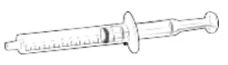 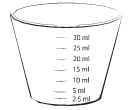 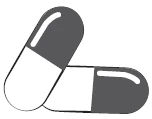 |
| ❏STEP 2: Add liquid to the medicine cup •Add approximately 5 mL (one teaspoon) of liquid to the medicine cup. Warning: To ensure the full dose is administered, DO NOT put the medicine in a baby bottle. | 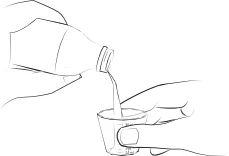 |
| ❏STEP 3: Tap the openable capsule • Hold the openable capsule with the coloured end facing upwards. • Tap the transparent end to allow the medicine to move down into it. | 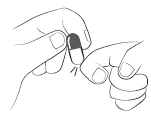 | |
| ❏STEP 4: Open the openable capsule and pour the medicine into the oral dosing cup • Hold the openable capsule over the oral dosing cup. • Twist both ends of the openable capsule and slowly pull them apart. • Pour the contents of the openable capsule into the liquid. • Check that the capsule shells are empty. | 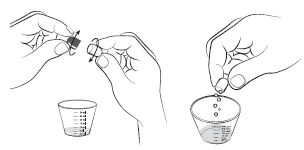 | |
| ❏STEP 5: Mix • Hold the oral dosing cup in one hand. • Stir the medicine in the liquid using a spoon. • Continue stirring until the medicine dissolves. The medicine should dissolve quickly and become cloudy. |  | |
| ❏STEP 6: Administer the medicine This is a two-part process designed to ensure that ALL the medicine is administered. Follow both Part 1 and Part 2. Part 1: Draw up ALL the liquid mixture into the oral syringe and administer all the medicine in the syringe. | ||
| gPUSH the plunger | Draw up ALL the liquid mixture so that no medicine remains in the dosing cup | Administer ALL the medicine in the syringe SLOWLY |
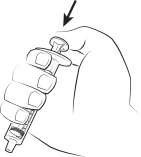 |  |  |
| Part 2: Repeat the procedure to ensure that all remaining medication is administered, as indicated below: | |
| gAdd approximately ANOTHER 5 mL (one teaspoonful) of liquid to the medicine cup Gently mix the liquid with the spoon Press the plunger Draw up ALL the liquid mixture so that no medication remains in the cup Slowly administer all the medication contained in the syringe | |
❏STEP 7: Wash •Discard the empty capsule holder •Wash the inside and outside of the syringe with water. •Wash the medicine cup and spoon.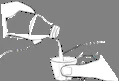   |   |
Make sure to administer the medication immediately or within a maximum of 2 hours after preparation. | |
Package leaflet: information for the user
Eliquis 0.5 mg coated granules in sachet, 1.5 mg coated granules in sachet, 2 mg coated granules in sachet
apixaban
Please read this leaflet carefully before taking this medicine as it contains important information for you. This leaflet has been written for the patient ("you") and for the parent or caregiver who will administer the medicine to the child.
- Keep this leaflet. You may need to read it again.
- If you have any questions, ask your doctor, pharmacist, or nurse.
- This medicine has been prescribed for you only. Do not give it to other people, even if their symptoms are the same as yours, as it may be harmful.
- If you experience any side effect, including those not listed in this leaflet, talk to your doctor, pharmacist, or nurse. See section 4.
Contents of this leaflet
- What Eliquis is and what it is used for
- What you need to know before taking Eliquis
- How to take Eliquis
- Possible side effects
- How to store Eliquis
- Contents of the pack and other information
1. What Eliquis is and what it is used for
Eliquis contains the active substance apixaban and belongs to a group of medicines called anticoagulants. This medicine helps prevent the formation of blood clots by blocking Factor Xa, an important component in blood clotting.
Eliquis is used in children aged 28 days to less than 18 years to treat blood clots and to prevent the recurrence of blood clots in the veins or blood vessels of the lungs.
For the recommended dose according to body weight, see section 3.
2. What you should know before administering Eliquis
Do not administer Eliquis if
- the child is allergic to apixaban or to any of the other ingredients of this medicine (listed in section 6);
- the child is bleeding excessively;
- the child has an organ disease that increases the risk of severe bleeding (such as a recent or active ulcer in the stomach or intestine, or recent bleeding in the brain);
- the child has a liver disease that increases the risk of bleeding (hepatic coagulopathy);
- the child is taking medicines to prevent blood clots (e.g., warfarin, rivaroxaban, dabigatran, or heparin), except when switching anticoagulant therapy, while having a venous or arterial catheter and the child is receiving heparin through this catheter to keep it open, or if a catheter is inserted into a blood vessel (transcatheter ablation) to treat an irregular heartbeat (arrhythmia).
Warnings and precautions
Talk to the child’s doctor, pharmacist, or nurse before administering this medicine if the child has any of the following conditions:
- an increased risk of bleeding, such as:
- bleeding disorders, including conditions leading to reduced platelet function;
- very high blood pressure not controlled by medical treatment;
- severe kidney disease or if the child is on dialysis;
- liver problems or a history of liver problems;
- This medicine will be used with caution in patients showing signs of impaired liver function.
- has a tube (catheter) or has received an injection into the spinal column (for anesthesia or pain relief). The child’s doctor will advise you when to administer this medicine, at least 5 hours or more after catheter removal;
- if the child has an artificial heart valve;
- if the child’s doctor finds that the child’s blood pressure is unstable, or if another treatment or surgical procedure to remove a blood clot from the child’s lungs is planned.
Take special care with Eliquis
- if you know the child has a condition called antiphospholipid syndrome (an immune system disorder that increases the risk of blood clots), inform the child’s doctor, who will decide whether a change in therapy is needed.
If the child is scheduled for surgery or a procedure that may cause bleeding, the child’s doctor may ask you to temporarily stop administering this medicine for a short period. If you are unsure whether a procedure may cause bleeding, consult the child’s doctor.
Children and adolescents
Eliquis granules in sachets should be used in children weighing between 5 kg and less than 35 kg to treat blood clots and to prevent blood clots from recurring in veins.
There is insufficient information on its use in children and adolescents for other indications.
Other medicines and Eliquis
Inform the child’s doctor, pharmacist, or nurse if the child is taking, has recently taken, or might take any other medicines.
Some medicines can increase the effect of Eliquis, while others can reduce it. The child’s doctor will decide whether the child should be treated with Eliquis when taking these medicines and how closely monitoring should be performed.
The following medicines may increase the effect of Eliquis and increase the risk of unwanted bleeding:
- certain antifungal medicines (e.g., ketoconazole, etc.);
- certain antiviral medicines for HIV/AIDS (e.g., ritonavir);
- other medicines used to reduce blood clotting (e.g., enoxaparin, etc.);
- anti-inflammatory drugs or painkillers (e.g., acetylsalicylic acid or naproxen);
- medicines for high blood pressure or heart problems (e.g., diltiazem);
- antidepressant medicines known as selective serotonin reuptake inhibitors or serotonin-norepinephrine reuptake inhibitors.
The following medicines may reduce the effect of Eliquis in helping to prevent blood clots:
- medicines for epilepsy or seizures (e.g., phenytoin, etc.);
- St. John’s wort (a herbal remedy used for depression);
- medicines to treat tuberculosis or other infections (e.g., rifampicin).
Pregnancy and breastfeeding
If the adolescent is pregnant, suspects she might be pregnant, plans to become pregnant, or is breastfeeding, consult the adolescent’s doctor, pharmacist, or nurse before taking this medicine.
The effect of Eliquis during pregnancy and on the unborn child is unknown. This medicine should not be given to an adolescent who is pregnant. Contact the adolescent’s doctor immediately if pregnancy occurs while taking this medicine.
Adolescents who have menstrual periods may experience heavier menstrual bleeding while taking Eliquis. If you have any concerns, consult the child’s doctor.
It is not known whether Eliquis passes into breast milk. If the adolescent is breastfeeding, consult her doctor, pharmacist, or nurse before administering this medicine. They will advise whether the adolescent should stop breastfeeding during treatment with Eliquis or whether she should stop taking this medicine.
Driving and using machines
Eliquis has not been shown to affect the ability to drive or operate machinery.
Eliquis contains lactose (a type of sugar) and sodium
If the child’s doctor has informed you that the child has an intolerance to certain sugars, contact the doctor before administering this medicine.
This medicine contains less than 1 mmol (23 mg) of sodium per coated granule, i.e., essentially ‘sodium-free’.
3. How to administer Eliquis
Administer this medicine to the child exactly as directed by the child's doctor. If you have any doubts, consult the child's doctor, pharmacist, or nurse.
Dosage
Try to administer the dose at the same time each day to achieve the best effect from the treatment.
If the child has difficulty swallowing, you may have the option to administer the liquid mixture through a gastrostomy tube or nasogastric tube. Ask the doctor about other ways of administering Eliquis.
Since the dose of Eliquis is based on body weight, it is important to keep scheduled medical appointments, as the dose may need to be adjusted as the child's body weight changes. This way, the child will receive the correct dose of Eliquis. The doctor may adjust the child's dose when necessary. The following table will be used by the doctor. Do not adjust the dose yourself.
Table 1: Recommended dose of Eliquis in children
| Days 1-7 | Day 8 and onwards | |||
| Body weight (kg) | Dosing regimen | Maximum daily dose | Dosing regimen | Maximum daily dose |
| From 4 to < 5 | 0.6 mg twice daily | 1.2 mg | 0.3 mg twice daily | 0.6 mg |
| Days 1-7 | Day 8 and onwards | |||
| Body weight (kg) | Dosing regimen | Maximum daily dose | Dosing regimen | Maximum daily dose |
| From 5 to < 6 | 1 mg twice daily | 2 mg | 0.5 mg twice daily | 1 mg |
| From 6 to < 9 | 2 mg twice daily | 4 mg | 1 mg twice daily | 2 mg |
| From 9 to < 12 | 3 mg twice daily | 6 mg | 1.5 mg twice daily | 3 mg |
| From 12 to < 18 | 4 mg twice daily | 8 mg | 2 mg twice daily | 4 mg |
| From 18 to < 25 | 6 mg twice daily | 12 mg | 3 mg twice daily | 6 mg |
| From 25 to < 35 | 8 mg twice daily | 16 mg | 4 mg twice daily | 8 mg |
| ≥ 35 | 10 mg twice daily | 20 mg | 5 mg twice daily | 10 mg |
Observe the child to ensure that the entire dose has been taken. The doctor will decide for how long
the treatment should continue.
If the child spits out the dose or vomits:
- within 30 minutes of taking the dose, repeat the dose.
- more than 30 minutes after taking the dose, do not repeat the dose. Continue administering the next dose of Eliquis at the next scheduled time. Contact the child's doctor if the child repeatedly spits out the dose or repeatedly vomits after taking Eliquis. The child's doctor may change the anticoagulant treatment as follows:
- Switching from another anticoagulant medicine to Eliquis Discontinue administration of the anticoagulant medicines. Start treatment with Eliquis at the time when the child would have taken the next dose of the anticoagulant medicine, then continue administration as usual.
- Switching from treatment with a vitamin K antagonist anticoagulant (e.g., warfarin) to Eliquis Discontinue administration of the medicine containing the vitamin K antagonist. The child's doctor will need to perform blood tests and advise you on when to start administering Eliquis.
If you give the child more Eliquis than prescribed
Inform the child's doctor immediately if you have given the child more than the prescribed dose of
this medicine. Bring the medicine pack with you, even if no medicine remains.
If you give the child more Eliquis than recommended, the child may have an increased risk of bleeding. If bleeding occurs, surgery, transfusion, or other treatments that can reverse the anti-factor Xa activity may be required.
If you forget to give the child Eliquis
- If you forget to give the child a morning dose, give it as soon as you remember; you may administer it together with the evening dose.
- A missed evening dose may only be given on the same evening. Do not give two doses the following morning; instead, continue following the twice-daily dosing schedule as recommended the next day.
If you forget to give the child more than one dose of Eliquis, consult the child's doctor, pharmacist, or nurse for advice.
If the child stops treatment with Eliquis
Do not stop giving this medicine to the child without first discussing it with the child's doctor, as the risk of developing a blood clot may be higher if the child stops treatment too early.
If you have any doubts about the use of this medicine, consult the child's doctor, pharmacist, or nurse.
4. Possible side effects
- Tell the child's doctor immediately if you notice any of these symptoms;
- Allergic reactions (hypersensitivity) which may cause: swelling of the face, lips, mouth, tongue and/or throat and difficulty breathing. The frequency of these side effects is common (may affect up to 1 in 10 people).
Like all medicines, this medicine can cause side effects, although not everybody gets them. Listed below are the known side effects of apixaban used to treat blood clots and to prevent blood clots from re-occurring in the veins or blood. In general, the side effects observed in children and adolescents treated with Eliquis have been of a similar type to those observed in adults and have mainly been mild to moderate in severity. The side effects observed most frequently in children and adolescents have been nosebleeds and abnormal vaginal bleeding.
Very common side effects (may affect more than 1 in 10 people)
- Bleeding, including:
- from the vagina;
- from the nose.
Common side effects (may affect up to 1 in 10 people)
- Bleeding, including:
- from the gums;
- blood in the urine;
- bruising and swelling;
- from the intestine or rectum;
- bright red/red blood in the stools;
- bleeding occurring after any surgery, including bruising and swelling, blood loss from the surgical wound/incision (wound secretion) or from the injection site;
- Hair loss;
- Anaemia which may cause tiredness or paleness;
- Reduction in the number of platelets in the child’s blood (which may affect clotting);
- Nausea (feeling unwell);
- Rash;
- Itching;
- Low blood pressure which may cause the child to feel weak or have a fast heartbeat;
- Blood tests may show:
- abnormalities in liver function;
- increase in some liver enzymes;
- increase in alanine aminotransferase (ALT).
Not known (frequency cannot be estimated from the available data)
- Bleeding:
- in the abdomen or in the space behind the abdominal cavity;
- in the stomach;
- in the eyes;
- in the mouth;
- from haemorrhoids;
- in the mouth or blood in sputum when coughing;
- in the brain or spinal cord;
- in the lungs;
- in the muscle;
- Skin rash which may form blisters and appears as small targets (dark central spots surrounded by a paler area, with a dark ring around the edge) (erythema multiforme);
- Inflammation of blood vessels (vasculitis) which may present as skin rashes or small, flat, red, round spots under the skin surface or bruising. Blood tests may show:
- an increase in gamma-glutamyl transferase (GGT);
- tests showing blood in the stools or urine.
- Bleeding in the kidney, sometimes with blood in the urine, leading to the kidneys being unable to function properly (anticoagulant-related nephropathy).
Reporting of side effects
If the child experiences any side effects, including those not listed in this leaflet, talk to the child’s doctor, pharmacist, or nurse. You may also report side effects directly via the national reporting system listed in Annex V.
By reporting side effects, you can help provide more information on the safety of this medicine.
5. How to store Eliquis
Keep this medicine out of the sight and reach of children.
Do not use this medicine after the expiry date which is stated on the carton and blister after
Exp. or EXP. The expiry date refers to the last day of that month.
This medicine does not require any special storage conditions.
Do not dispose of any medicine via wastewater or household waste. Ask your pharmacist how to
dispose of medicines you no longer use. This will help protect the environment.
6. Package contents and other information
What Eliquis contains
-
The active substance is apixaban. Each tablet contains 0.5 mg, 1.5 mg or 2 mg of apixaban.
-
The other components are:
- Tablet core: lactose (see section 2 “Eliquis contains lactose (a type of sugar) and sodium”), microcrystalline cellulose, sodium croscarmellose (see section 2 “Eliquis contains lactose (a type of sugar) and sodium”), sodium lauryl sulfate, magnesium stearate (E470b);
-
Coating: monohydrate lactose (see section 2 “Eliquis contains lactose (a type of sugar) and sodium”), hypromellose (E464), titanium dioxide (E171), triacetin, red iron oxide (E172).
Description of the appearance of Eliquis and contents of the pack
0.5 mg, 1.5 mg and 2 mg round, pink, coated granules in sachets
- Aluminium sachet containing one 0.5 mg coated granule
- Aluminium sachet containing three 0.5 mg coated granules
- Aluminium sachet containing four 0.5 mg coated granules
Each cardboard box contains 28 sachets.
Patient Alert Card: managing information
Inside the Eliquis package, together with the package leaflet, you will find a Patient Alert Card or the child's doctor may provide you with a similar one.
This Patient Alert Card includes information that may be helpful for the child and alerts other doctors that the child is taking Eliquis. You must always carry this card with you.
- Take the card.
- Separate the text in your language as needed (this will be facilitated by the pre-perforated edge).
- Complete the following sections or ask the child's doctor to do so:
- Name:
- Date of birth:
- Indication:
- Weight:
- Dose:......mg twice daily
- Doctor's name:
- Doctor's telephone number:
- Fold the card and always keep it with you.
Marketing Authorisation Holder
Bristol-Myers Squibb/Pfizer EEIG
Plaza 254
Blanchardstown Corporate Park 2
Dublin 15, D15 T867
Ireland
Manufacturer
Swords Laboratories Unlimited Company T/A Bristol-Myers Squibb Pharmaceutical Operations,
External Manufacturing
Plaza 254
Blanchardstown Corporate Park 2
Dublin 15, D15 T867
Ireland
More detailed information on this medicinal product is available on the website of the European Medicines Agency: https://www.ema.europa.eu.
INSTRUCTIONS FOR USE OF ELIQUIS COATED GRANULES IN SACHET
Important information:
- For further information on Eliquis, see the package leaflet or consult your doctor.
- For patients subject to fluid restrictions, the volume of formula milk or water may be reduced to no less than 2.5 mL.
Dose preparation using the sachets

READ THE FOLLOWING INSTRUCTIONS BEFORE PREPARING AND ADMINISTERING A
DOSE.
This medicine can be mixed and administered in 2 ways:
- Method using a LIQUID, with an oral administration syringe or
- Method using FOOD, with a medicine cup and a teaspoon.
To administer this medicine, you will need either a medicine cup and an oral administration syringe (mixing in a LIQUID) or a medicine cup and a teaspoon (mixing in FOOD). If needed, these items can be obtained from a pharmacy.
Mixing method in a LIQUID for the sachets
| ❏STEP 1: Prepare the required items •Wash and dry your hands. •Clean and prepare a flat working surface. •Gather the required items: •Packets (check the prescription label for the number of packets prescribed by the doctor for each dose) •Oral syringe (for administering the medicine) •Medicine measuring cup •Spoon (for mixing the medicine) •Small scissors (to open the packet) •Liquid for mixing (use infant formula, water, or apple juice). | Spoon Medicine measuring cup Oral syringe Packet Small scissors 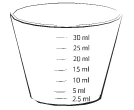 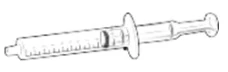  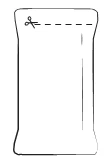 |
| ❏STEP 2: Add liquid to the medicine measuring cup •Add approximately 10 mL (2 teaspoons) of liquid into the medicine measuring cup. Warning: To ensure the full dose is administered, DO NOT mix the medicine in a baby bottle. | 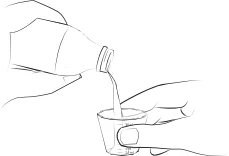  |
❏ STEP 3: Tap and open the sachet
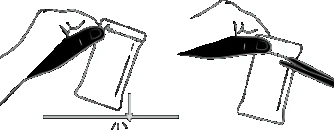
- Tap the sachet gently to move the coated granules to the bottom.
- Cut along the dotted line on the sachet to open it.
❏ STEP 4: Empty the sachet
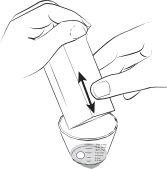

- Empty the coated granules from the sachet into the

medicine measure.
- Run your finger across the inside of the sachet to remove all

coated granules.
❏ STEP 5: Mix
5–7 minutes
- Hold the medicine measure in one hand and
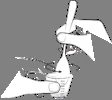
use a teaspoon to stir and dissolve the
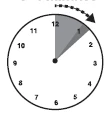
medicine.
- Stir until completely dissolved. This should take 5–7 minutes.
It is important that the medicine dissolves completely to ensure the correct dose is delivered.
❏ STEP 6: Administer the medicine
This is a two-part process designed to ensure that ALL of the medicine is administered.
Both Part 1 and Part 2 must be followed.
Part 1: Draw up ALL of the liquid mixture using the oral syringe and administer all the medicine contained in the syringe.
Draw up ALL of the
liquid mixture so that
PUSH the plunger
no mixture remains in
the medicine measure
Administer SLOWLY all
the medicine in the
syringe


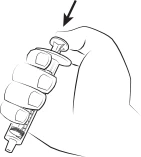
| Part 2: Repeat the procedure to ensure all remaining medication is administered, as shown below: | |
| Add approximately ANOTHER 5 mL (one teaspoonful) of liquid into the medicine cup GENTLY mix the liquid with the spoon PUSH the plunger ASPIRATE ALL the liquid mixture so that no medication remains in the cup SLOWLY administer all the medication from the syringe | |
| ❏STEP 7: wash•Dispose of the empty sachet •Wash the inside and outside of the syringe with water •Wash the medicine cup and spoon 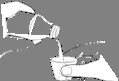   |   |
Make sure to administer the medication immediately or within a maximum of 2 hours after preparation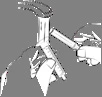 | |
Mixing method in FOOD for the sachet
| ❏STEP 1: Prepare the necessary items • Wash and dry your hands. • Clean and prepare a flat working surface. • Gather the following items: o Sachets (check the prescription for the number of sachets prescribed by the doctor for each dose). o Small bowl (for mixing the medicine) o Spoon (for mixing the medicine) o Small scissors (to open the sachet) o Apple puree | Sachet Spoon Small bowl Apple puree Small scissors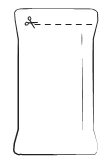  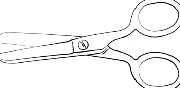 |
| ❏STEP 2: Prepare the mixture • Add approximately 1 tablespoon (15 mL) of food to a bowl. |  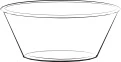  |
| ❏STEP 3: Tap and open the sachet • Tap the sachet gently to move the coated granules to the bottom. • Cut along the dotted line to open the sachet. | 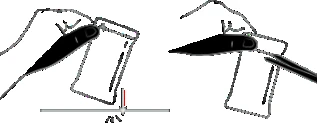 |
| ❏STEP 4: Empty the sachet • Empty the coated granules from the sachet into the bowl. • Run your finger inside the sachet to remove all the coated granules. | 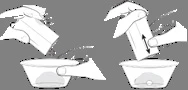 |
| ❏STEP 5: Mix • Hold the small bowl with one hand and use a spoon to mix the coated granules into the apple puree. The coated granules must not dissolve in the food. | 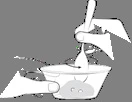 |
| ❏STEP 6: Administer the medicine • Administer the food-medicine mixture using a spoon. • Ensure that ALL the medicine and food are given so that no medicine remains in the bowl. | 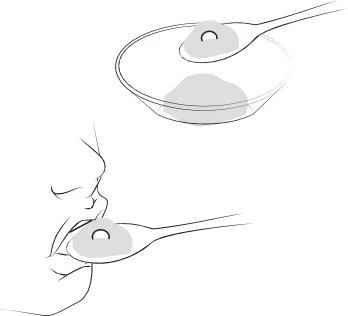 |
| ❏STEP 7: Wash • Discard the empty sachet. • Wash the measuring spoon, bowl, and spoon used for mixing. | |
Make sure to administer the medicine immediately. | |
ANNEX IV
SCIENTIFIC CONCLUSIONS AND GROUNDS FOR THE VARIATION OF THE TERMS
OF THE MARKETING AUTHORISATIONS
Scientific conclusions
Taking into account the assessment by the Pharmacovigilance Risk Assessment Committee (PRAC) of the Periodic Safety Update Reports (PSURs) for apixaban, the scientific conclusions of the PRAC are as follows:
Anticoagulant-related nephropathy (ARN): Based on the available data regarding 6 relevant cases of ARN confirmed by biopsy indicating a possible association with apixaban, a class effect (ARN has already been reported for the DOACs rivaroxaban and edoxaban), and the pathophysiological plausibility, the PRAC considers that a causal relationship between apixaban and ARN is at least a reasonable possibility. The PRAC concludes that product information for medicinal products containing apixaban should be updated accordingly.
Having reviewed the PRAC recommendation, the Committee for Human Medicinal Products (CHMP) agrees with the general conclusions and the reasoning underlying the recommendation.
Grounds for the variation of the terms of the marketing authorisations
Based on the scientific conclusions on apixaban, the CHMP considers that the benefit-risk balance of medicinal products containing apixaban remains favourable, provided that the proposed changes to the product information are implemented.
The CHMP recommends a variation to the terms of the marketing authorisations.