Effralgan for fever and nasal congestion
Italy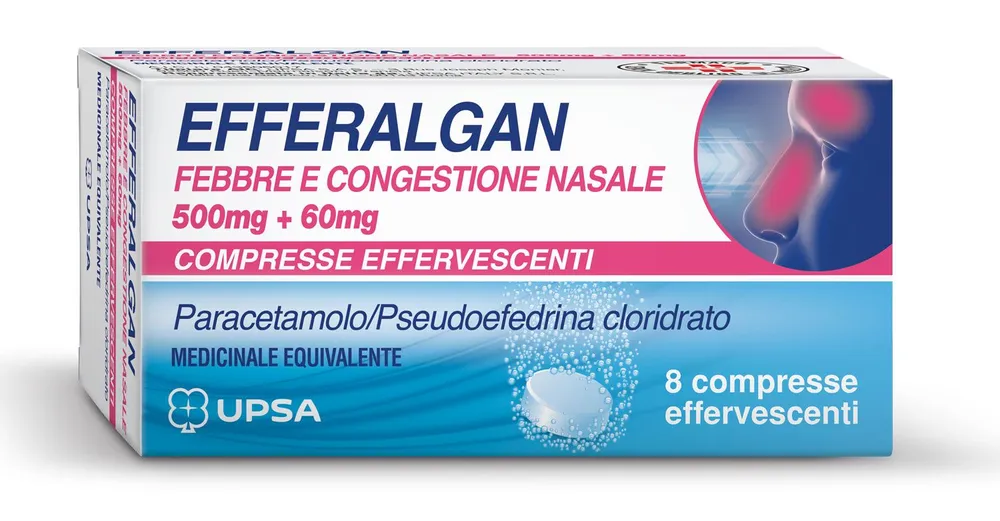
Table of Contents
- Package leaflet: Information for the patient
- EFFERALGAN FEVER AND NASAL CONGESTION
- 1. What EFFERALGAN FEVER AND NASAL CONGESTION is and what it is used for
- 2. What you need to know before taking EFFERALGAN FEVER AND NASAL CONGESTION
- 3. HOW TO TAKE EFFERALGAN FEVER AND NASAL CONGESTION
- 4. Possible side effects
- 5. How to store EFFERALGAN FEVER AND NASAL CONGESTION
- 6. Package contents and other information
- Patient Information Leaflet
- EFFERALGAN FEVER AND NASAL CONGESTION
- 1. What EFFERALGAN FEVER AND NASAL CONGESTION is and what it is used for
- 2. What you should know before taking EFFERALGAN FEVER AND NASAL CONGESTION
- 3. How to take EFFERALGAN FEVER AND NASAL CONGESTION
- 4. Possible side effects
- 5. How to store EFFERALGAN FEVER AND NASAL CONGESTION
- 6. Package contents and other information
- Patient Information Leaflet
- EFFERALGAN FEVER AND NASAL CONGESTION
- 1. What EFFERALGAN FEVER AND NASAL CONGESTION is and what it is used for
- 2. What you need to know before taking EFFERALGAN FEVER AND NASAL CONGESTION
- 3. How to take EFFERALGAN FEVER AND NASAL CONGESTION
- 4. Possible side effects
- 5. How to store EFFERALGAN FEVER AND NASAL CONGESTION
- 6. Package contents and other information
Package leaflet: Information for the patient
EFFERALGAN FEVER AND NASAL CONGESTION
500 mg + 60 mg oral granules for oral solution
paracetamol/pseudoephedrine hydrochloride
Generic medicine
Read this leaflet carefully before taking this medicine because it contains important information for you.
Take this medicine exactly as described in this leaflet or as your doctor or pharmacist has instructed you.
- Keep this leaflet. You may need to read it again.
- If you need more information or advice, consult your pharmacist.
- If you experience any side effect, including those not listed in this leaflet, contact your doctor or pharmacist. See section 4.
- Contact your doctor if you do not notice any improvement or if your symptoms worsen after 3–5 days.
Contents of this leaflet
- What EFFERALGAN FEVER AND NASAL CONGESTION is and what it is used for
- What you need to know before taking EFFERALGAN FEVER AND NASAL CONGESTION
- How to take EFFERALGAN FEVER AND NASAL CONGESTION
- Possible side effects
- How to store EFFERALGAN FEVER AND NASAL CONGESTION
- Contents of the pack and other information
1. What EFFERALGAN FEVER AND NASAL CONGESTION is and what it is used for
EFFERALGAN FEVER AND NASAL CONGESTION contains paracetamol, an analgesic that works by relieving pain and reducing fever, and pseudoephedrine, a decongestant that acts on the nasal mucosa to relieve a blocked nose.
EFFERALGAN FEVER AND NASAL CONGESTION is a pain-relieving, antipyretic and nasal decongestant medicine, used for the treatment of symptoms of cold and flu.
2. What you need to know before taking EFFERALGAN FEVER AND NASAL CONGESTION
NASAL
Do not take/give EFFERALGAN FEVER AND NASAL CONGESTION:
- if you are allergic to paracetamol, hydrochloride pseudoephedrine, or any of the other ingredients of this medicine (listed in section 6)
- during pregnancy and breastfeeding
- in children under 12 years of age
- if you have glucose-6-phosphate dehydrogenase enzyme deficiency (which may lead to destruction of red blood cells in the blood)
- if you suffer from a severe form of the following conditions:
- coronary heart disease (angina, previous myocardial infarction);
- hypertension (high blood pressure);
- if you have very high blood pressure (severe hypertension) or uncontrolled hypertension by medication;
- arrhythmias (heart rhythm or heart rate disorders);
- hepatic insufficiency (liver function abnormalities);
- renal insufficiency (kidney function abnormalities);
- if you suffer from severe acute (sudden) or chronic (long-term) kidney disease or renal failure;
- hyperthyroidism (overactive thyroid);
- asthma;
- diabetes;
- urinary disorders caused by prostate hypertrophy or other diseases;
- glaucoma and closed-angle glaucoma (increased pressure inside the eye);
- adrenal gland tumor known as pheochromocytoma;
- haemolytic anaemia (destruction of red blood cells in the blood).
- if you are being treated with dihydroergotamine or monoamine oxidase inhibitors (medicines used to treat depression), or if you have stopped such treatment less than two weeks ago due to risk of hypertensive crisis (see section “Other medicines and EFFERALGAN FEVER AND NASAL CONGESTION”). or Patients taking tricyclic antidepressants (See section “Other medicines and EFFERALGAN FEVER AND NASAL CONGESTION”). or Patients taking beta-blockers (See section “Other medicines and EFFERALGAN FEVER AND NASAL CONGESTION”). or Patients taking other sympathomimetic medicines (See section “Other medicines and EFFERALGAN FEVER AND NASAL CONGESTION”).
Warnings and precautions
During treatment with EFFERALGAN FEVER AND NASAL CONGESTION, inform your
doctor immediately if:
you suffer from serious illnesses, including severe renal impairment or sepsis (when bacteria and their toxins
circulate in the blood causing organ damage) or malnutrition, chronic alcoholism or if you are also
taking flucloxacillin (an antibiotic). In patients in these conditions, a serious condition called metabolic acidosis (a blood and fluid abnormality) has been reported when paracetamol is used at regular doses for a prolonged period or when paracetamol is taken in combination with flucloxacillin. Symptoms of metabolic acidosis may include: severe breathing difficulties with deep rapid breathing, drowsiness, nausea and vomiting.
Consult your doctor or pharmacist before taking EFFERALGAN FEVER AND NASAL CONGESTION.
With EFFERALGAN FEVER AND NASAL CONGESTION, a reduction in blood flow to the optic nerve may occur.
If sudden vision loss occurs, stop taking EFFERALGAN FEVER AND NASAL CONGESTION and consult your doctor or a healthcare facility immediately. See section 4.
With EFFERALGAN FEVER AND NASAL CONGESTION, sudden abdominal pain or rectal bleeding may occur due to inflammation of the colon (ischemic colitis). If these gastrointestinal symptoms occur, discontinue treatment with EFFERALGAN FEVER AND NASAL CONGESTION immediately and contact your doctor or seek medical advice. See section 4.
During treatment with EFFERALGAN FEVER AND NASAL CONGESTION, before taking any other medicine check that it does not contain paracetamol, since serious adverse effects may occur if this active ingredient is taken in high doses.
Hepatotoxicity (the ability of certain substances to cause liver damage) may occur with paracetamol even at therapeutic doses, after short-term treatment and in patients without pre-existing liver dysfunction.
Caution is recommended in patients with a history of sensitivity to aspirin and/or non-steroidal anti-inflammatory drugs (NSAIDs).
Medication use requires careful evaluation in elderly patients and in those who have or develop any of the following conditions:
- coronary heart disease (angina, previous myocardial infarction);
- cardiovascular disease;
- chronic malnutrition and dehydration;
- hypertension (high blood pressure);
- arrhythmias (heart rhythm or heart rate disorders);
- hepatic insufficiency and acute hepatitis (liver function abnormalities);
- renal insufficiency (kidney function abnormalities);
- hyperthyroidism (overactive thyroid);
- asthma;
- psychosis;
- diabetes;
- urinary disorders caused by prostate hypertrophy or other diseases;
- glaucoma (increased pressure inside the eye);
- haemolytic anaemia (destruction of red blood cells in the blood);
- glucose-6-phosphate dehydrogenase enzyme deficiency (which may lead to destruction of red blood cells in the blood).
One of the active substances in EFFERALGAN FEVER AND NASAL CONGESTION, pseudoephedrine,
may cause abuse and high doses of pseudoephedrine may be toxic. Continuous use may lead to taking a quantity of EFFERALGAN FEVER AND NASAL CONGESTION exceeding the recommended dose to achieve the desired effect, thereby increasing the risk of overdose. The maximum recommended dose and duration of treatment must not be exceeded (see section 3).
Cases of reversible posterior encephalopathy syndrome (PRES) and reversible cerebral vasoconstriction syndrome (RCVS) have been reported following the use of medicines containing pseudoephedrine.
PRES and RCVS are rare conditions that may result in reduced blood supply to the brain.
Stop using EFFERALGAN FEVER AND NASAL CONGESTION immediately and seek immediate medical assistance if you develop symptoms that could be signs of PRES or RCVS (see section 4 “Possible side effects” for symptoms).
Inform your doctor if:
- pain or nasal congestion worsens or lasts longer than 5 days (or if symptoms do not improve within 5 days)
- fever worsens or lasts longer than 3 days
- redness or swelling is present or new symptoms occur
If undergoing surgery, it is advisable to discontinue treatment a few days beforehand, as the risk of hypertensive crisis is increased when halogenated anaesthetics are used (see section 4.5).
Children and adolescents
EFFERALGAN FEVER AND NASAL CONGESTION is contraindicated in children under 12 years of age.
Other medicines and EFFERALGAN FEVER AND NASAL CONGESTION
Other medicines and paracetamol
Inform your doctor or pharmacist if you are taking, have recently taken or might take any other medicine.
In particular, inform your doctor or pharmacist if you are taking:
- any other medicine containing paracetamol, since serious adverse reactions may occur if this active ingredient is taken in high doses;
- analgesics, antipyretics, as concomitant use may increase the risk of serious adverse effects;
- oral anticoagulants, in which case dose reduction is advised;
- rifampicin, an antibiotic used to treat infections;
- cimetidine, a medicine used to treat gastrointestinal disorders (oesophagus, stomach and duodenum);
- antiepileptic drugs such as glutethimide, phenobarbital, carbamazepine and lamotrigine;
- flucloxacillin, an antibiotic used to treat infections, due to a serious risk of blood and fluid abnormalities (called metabolic acidosis with high anion gap) which must be treated urgently (see section 2).
- cytotoxic drugs, which inhibit and combat tumour development;
- domperidone and metoclopramide, mainly indicated for the treatment of vomiting;
- lipid-lowering agents, indicated for the treatment of high cholesterol;
- monoamine oxidase inhibitors (MAOIs), medicines used to treat depression, as a severe hypertensive reaction may occur. Concurrent use is contraindicated if you have stopped MAOI treatment less than two weeks ago;
- dihydroergotamine, as the combination may cause a dangerous increase in blood pressure;
- linezolid, an antibiotic used to treat infections, as the combination may cause an increase in blood pressure;
- isoniazid, an antibiotic used to treat tuberculosis;
- methyldopa, a medicine used to treat high blood pressure, as the antihypertensive effect of methyldopa may be reduced;
- midodrine, a medicine used to treat low blood pressure, as the hypertensive effect of midodrine may be increased;
- sympathomimetic drugs, mainly used for the treatment of asthma and asthmatic bronchitis, as hypertensive episodes may occur;
- guanethidine, a medicine used to treat high blood pressure, as the antihypertensive effect may be cancelled;
- probenecid, a medicine used to treat gout;
- chloramphenicol, an antibiotic used to treat certain bacterial infections;
- zidovudine, a medicine used for AIDS.
Hepatotoxic substances may increase the likelihood of paracetamol accumulation and overdose.
EFFERALGAN FEVER AND NASAL CONGESTION with food, drinks and alcohol
Patients taking paracetamol should avoid alcoholic beverages because alcohol increases the risk of liver damage.
During use of EFFERALGAN FEVER AND NASAL CONGESTION, consumption of grapefruit juice is not recommended, as it may trigger a severe hypertensive crisis (high blood pressure).
Pregnancy and breastfeeding
EFFERALGAN FEVER AND NASAL CONGESTION is contraindicated during pregnancy, confirmed or suspected, and during breastfeeding.
If you are pregnant, suspect you may be pregnant, are planning a pregnancy, or are breastfeeding, consult your doctor or pharmacist before taking EFFERALGAN FEVER AND NASAL CONGESTION.
Driving and use of machines
EFFERALGAN FEVER AND NASAL CONGESTION may cause dizziness; if this occurs, you must not drive or operate machinery.
EFFERALGAN FEVER AND NASAL CONGESTION contains sucrose, sorbitol,
aspartame and sodium.
This medicine contains sucrose, sorbitol and sodium. If your doctor has diagnosed you with an intolerance to certain sugars, contact him before taking this medicine.
This medicine contains sorbitol. Sorbitol is a source of fructose. If your doctor has told you that you (or the child) are intolerant to certain sugars, or if you have been diagnosed with hereditary fructose intolerance, a rare genetic condition in which patients cannot properly metabolize fructose, consult your doctor before you (or the child) take this medicine.
This medicine contains 45.307 mg of aspartame per sachet, equivalent to 0.65 mg/kg for a 70 kg man and 0.91 mg/kg for a 50 kg child. Aspartame is a source of phenylalanine. It may be harmful if you have phenylketonuria, a rare genetic disorder causing accumulation of phenylalanine because the body cannot properly eliminate it.
This medicine contains less than 1 mmol (23 mg) of sodium per sachet, i.e. essentially “sodium-free”.
For athletes: using the drug without therapeutic need constitutes doping and may result in a positive anti-doping test.
3. HOW TO TAKE EFFERALGAN FEVER AND NASAL CONGESTION
Take this medicine exactly as described in this leaflet or as instructed by your doctor or pharmacist. If you have any doubts, consult your doctor or pharmacist.
The recommended dose for adults and adolescents over 12 years of age is 2-3 sachets per day, dissolved in a glass of water. Warm water may also be used.
This product should be taken with a full stomach, after meals.
Do not exceed the recommended doses without medical advice.
Attention:
Use the medicine for a maximum of 5 days if you are an adult;
Use the medicine for a maximum of 3 days if you are administering it to an adolescent (12–18 years of age).
Use in children and adolescents
EFFERALGAN FEVER AND NASAL CONGESTION is contraindicated in children under 12 years of age.
If you take more EFFERALGAN FEVER AND NASAL CONGESTION than you should
If you accidentally take more than the recommended dose, inform your doctor immediately or go to the nearest hospital emergency department, as a paracetamol overdose may cause irreversible liver damage and, less frequently, kidney damage.
In cases of overdose, the following symptoms have been observed: hypertension, extrasystoles (premature heartbeats), tachycardia (increased heart rate), nausea and vomiting, signs of acute hepatotoxicity, mydriasis (dilation of the pupils), hypertension, agitation/anxiety, sinus arrhythmia (irregular heartbeat), hallucinations, tremors/hyperreflexia (increased nerve reflexes); less frequently, hyperglycemia (increased blood sugar), rhabdomyolysis (breakdown of muscle cells), acute renal failure.
As emergency treatment, the following are recommended: rapid gastric emptying; administration of activated charcoal.
Early administration of the paracetamol antidote (N-acetylcysteine) and diazepam as an anticonvulsant and sedative is advised.
If you have any doubts about how to use EFFERALGAN FEVER AND NASAL CONGESTION, consult your doctor or pharmacist.
If you forget to take EFFERALGAN FEVER AND NASAL CONGESTION
Do not take a double dose to make up for the missed dose.
If you stop taking EFFERALGAN FEVER AND NASAL CONGESTION
If you have any doubts about how to use EFFERALGAN FEVER AND NASAL CONGESTION, consult your doctor or pharmacist.
4. Possible side effects
Like all medicines, this medicine can cause side effects, although not everybody gets them.
Side effects due to paracetamol:
- skin reactions of various types and severity, including cases of erythema multiforme, Stevens-Johnson syndrome, toxic epidermal necrolysis, acute generalized exanthematous pustulosis;
- hypersensitivity reactions (allergy) such as angioedema (sudden swelling of the skin and mucous membranes), laryngeal edema (swelling of the vocal cords, preventing air from entering the lungs), anaphylactic shock (severe and sudden drop in blood pressure);
- thrombocytopenia (decrease in blood platelets), leukopenia (decrease in white blood cells), anemia (decrease in red blood cells), agranulocytosis (severe decrease in a group of white blood cells called granulocytes);
- liver function abnormalities and hepatitis;
- kidney-related disorders (acute renal failure, interstitial nephritis (inflammation of the kidneys), haematuria (presence of blood in urine), anuria (absence or extreme reduction in the amount of urine produced in 24 hours, about 100 cc));
- cardiac function disturbances;
- respiratory system disorders;
- gastrointestinal reactions;
- dizziness;
- severe condition that may make the blood more acidic (called metabolic acidosis), in patients affected by a serious illness who use paracetamol (see section 2), frequency not known (cannot be estimated from available data).
Side effects due to pseudoephedrine:
- dizziness;
- headache;
- nausea;
- vomiting;
- sweating;
- thirst;
- tachycardia (increased heart rate);
- changes in blood pressure;
- precordial pain (i.e. chest pain in the area of the heart);
- palpitations;
- difficulty in urination;
- muscle weakness;
- tremors;
- anxiety, restlessness, nervousness, irritability, confusion, hallucinations;
- insomnia;
- hypertension;
- dry mouth;
- mydriasis (dilation of the pupils);
- stomach (gastric) problems;
- ventricular arrhythmias;
- difficulty in urination in patients with prostatic hypertrophy; frequency not known:
- serious conditions affecting the brain's blood vessels known as reversible posterior encephalopathy syndrome (PRES) and reversible cerebral vasoconstriction syndrome (RCVS);
- inflammation of the colon due to inadequate blood supply (ischemic colitis);
- reduced blood flow to the optic nerve (ischemic optic neuropathy).
Stop treatment with EFFERALGAN FEVER AND NASAL CONGESTION immediately and contact your doctor urgently if you develop symptoms that could be signs of reversible posterior encephalopathy syndrome (PRES) or reversible cerebral vasoconstriction syndrome (RCVS).
These include:
- severe headache with sudden onset
- nausea
- vomiting
- confusion
- seizures
- changes in vision
Following the instructions contained in this leaflet reduces the risk of side effects. These side effects are generally transient.
However, if they occur, it is advisable to consult your doctor or pharmacist.
Reporting of side effects
If you experience any side effect, including those not listed in this leaflet, talk to your doctor or pharmacist. You can also report side effects directly via the national reporting system at: www.aifa.gov.it/content/segnalazioni-reazioni-avverse.
By reporting side effects, you can help provide more information on the safety of this medicine.
5. How to store EFFERALGAN FEVER AND NASAL CONGESTION
Keep this medicine out of the sight and reach of children.
Do not use this medicine after the expiry date which is stated on the label after "Exp".
The expiry date refers to the last day of that month.
The expiry date applies to the product in its original, unopened packaging, correctly stored.
This medicine does not require any special storage conditions.
Do not dispose of any medicine via wastewater or household waste. Ask your pharmacist how to
dispose of medicines no longer in use. This will help protect the environment.
It is important to always keep the medicine information available; therefore, retain both the
packaging and the leaflet.
6. Package contents and other information
What EFFERALGAN FEVER AND NASAL CONGESTION contains
- The active substances are: paracetamol and pseudoephedrine hydrochloride.
- The other components are: sucrose, anhydrous citric acid, tropical flavor, grapefruit flavor, sorbitol, aspartame, sucralose, sodium saccharin, polysorbate 20, beetroot red coloring, riboflavin coloring, sodium phosphate.
Description of the appearance of EFFERALGAN FEVER AND NASAL CONGESTION and contents of the package
EFFERALGAN FEVER AND NASAL CONGESTION is presented as granules for oral solution, packed in single-dose sachets.
Available pack: 10 sachets.
Marketing Authorization Holder
UPSA SAS – 3 Rue Joseph Monier - Rueil-Malmaison 92500, France
Represented in Italy by:
UPSA ITALY S.R.L. – Viale Luca Gaurico, 91/93 – 00143 Rome
Manufacturer
E-Pharma Trento S.p.A. – Ravina district, Via Provina 2 – 38123 Trento
Patient Information Leaflet
EFFERALGAN FEVER AND NASAL CONGESTION
500 mg + 60 mg effervescent tablets
paracetamol/pseudoephedrine hydrochloride
Generic medicine
Please read this leaflet carefully before taking this medicine because it contains important
information for you.
Always take this medicine exactly as described in this leaflet or as your doctor or
pharmacist has instructed.
- Keep this leaflet. You may need to read it again.
- If you need more information or advice, consult your pharmacist.
- If you experience any side effect, including those not listed in this leaflet, contact your doctor or pharmacist. See section 4.
- Consult your doctor if you do not notice improvement or if your symptoms worsen after 3 days.
Contents of this leaflet
- What EFFERALGAN FEVER AND NASAL CONGESTION is and what it is used for
- What you need to know before taking EFFERALGAN FEVER AND NASAL CONGESTION
- How to take EFFERALGAN FEVER AND NASAL CONGESTION
- Possible side effects
- How to store EFFERALGAN FEVER AND NASAL CONGESTION
- Contents of the pack and other information
1. What EFFERALGAN FEVER AND NASAL CONGESTION is and what it is used for
EFFERALGAN FEVER AND NASAL CONGESTION contains paracetamol, an analgesic that works by relieving pain and reducing fever, and pseudoephedrine, a decongestant that acts on the nasal mucosa to relieve nasal congestion.
EFFERALGAN FEVER AND NASAL CONGESTION is a pain-relieving, antipyretic, and nasal decongestant medicine, used for the treatment of symptoms associated with colds and influenza.
2. What you should know before taking EFFERALGAN FEVER AND NASAL CONGESTION
NASAL
Do not take/give EFFERALGAN FEVER AND NASAL CONGESTION:
- if you are allergic to paracetamol, hydrochloride pseudoephedrine, or any of the other ingredients of this medicine (listed in section 6)
- during pregnancy and breastfeeding
- in children under 12 years of age
- if you have glucose-6-phosphate dehydrogenase enzyme deficiency (which may lead to destruction of red blood cells in the blood)
- if you suffer from severe forms of the following conditions:
- coronary heart disease (angina, previous myocardial infarction);
- hypertension (high blood pressure);
- if you have very high blood pressure (severe hypertension) or uncontrolled hypertension by medication;
- arrhythmias (heart rhythm or heart rate disorders);
- hepatic insufficiency (liver function abnormalities);
- renal insufficiency (kidney function abnormalities);
- if you suffer from severe acute (sudden) or chronic (long-term) kidney disease or renal failure;
- hyperthyroidism (overactive thyroid);
- asthma;
- diabetes;
- urinary disorders caused by prostate enlargement or other diseases;
- glaucoma and closed-angle glaucoma (increased pressure inside the eye)
- adrenal gland tumor known as pheochromocytoma
- haemolytic anaemia (destruction of red blood cells in the blood).
- if you are being treated with dihydroergotamine or with monoamine oxidase inhibitors (medicines used to treat depression), or if you have discontinued such treatment less than two weeks ago due to the risk of hypertensive crisis (see section “Other medicines and EFFERALGAN FEVER AND NASAL CONGESTION”). or Patients taking tricyclic antidepressants (See section “Other medicines and EFFERALGAN FEVER AND NASAL CONGESTION”). or Patients taking beta-blocking medicines (See section “Other medicines and EFFERALGAN FEVER AND NASAL CONGESTION”). or Patients taking other sympathomimetic medicines (See section “Other medicines and EFFERALGAN FEVER AND NASAL CONGESTION”).
Warnings and precautions
During treatment with EFFERALGAN FEVER AND NASAL CONGESTION, inform your doctor immediately if:
you suffer from serious diseases, including severe renal impairment or sepsis (when bacteria and their toxins circulate in the blood causing organ damage) or malnutrition, chronic alcoholism or if you are also taking flucloxacillin (an antibiotic). In patients in these conditions, a serious condition called metabolic acidosis (an abnormality in blood and body fluids) has been reported when paracetamol is used regularly for a prolonged period or when paracetamol is taken in combination with flucloxacillin. Symptoms of metabolic acidosis may include: severe breathing difficulties with deep rapid breathing, drowsiness, nausea and vomiting.
Consult your doctor or pharmacist before taking EFFERALGAN FEVER AND NASAL CONGESTION.
With EFFERALGAN FEVER AND NASAL CONGESTION, reduced blood flow to the optic nerve may occur.
If sudden vision loss occurs, stop taking EFFERALGAN FEVER AND NASAL CONGESTION and consult your doctor or a healthcare facility immediately. See section 4.
With EFFERALGAN FEVER AND NASAL CONGESTION, sudden abdominal pain or rectal bleeding may occur due to inflammation of the colon (ischemic colitis). If these gastrointestinal symptoms occur, immediately discontinue treatment with EFFERALGAN FEVER AND NASAL CONGESTION and contact your doctor or seek medical advice. See section 4.
During treatment with EFFERALGAN FEVER AND NASAL CONGESTION, before taking any other medicine, check that it does not contain paracetamol, because serious adverse effects may occur if this active ingredient is taken in high doses.
Hepatotoxicity (the ability of certain substances to cause liver damage) may occur with paracetamol even at therapeutic doses, after short-term treatment, and in patients without pre-existing liver dysfunction.
Caution is recommended in patients with a history of sensitivity to aspirin and/or non-steroidal anti-inflammatory drugs (NSAIDs).
The use of this medicine requires careful evaluation in elderly patients and in patients who have or develop any of the following conditions:
- coronary heart disease (angina, previous myocardial infarction);
- cardiovascular disease;
- chronic malnutrition and dehydration;
- hypertension (high blood pressure);
- arrhythmias (heart rhythm or heart rate disorders);
- hepatic insufficiency and acute hepatitis (liver function abnormalities);
- renal insufficiency (kidney function abnormalities);
- hyperthyroidism (overactive thyroid);
- asthma;
- psychosis;
- diabetes;
- urinary disorders caused by prostate enlargement or other diseases;
- glaucoma (increased pressure inside the eye);
- haemolytic anaemia (destruction of red blood cells in the blood);
- glucose-6-phosphate dehydrogenase enzyme deficiency (which may lead to destruction of red blood cells in the blood).
One of the active substances in EFFERALGAN FEVER AND NASAL CONGESTION, pseudoephedrine, may cause abuse and high doses of pseudoephedrine may be toxic. Continuous use may lead to taking an amount of EFFERALGAN FEVER AND NASAL CONGESTION higher than the recommended dose to achieve the desired effect, thereby increasing the risk of overdose. The maximum recommended dose and duration of treatment must not be exceeded (see section 3).
Cases of reversible posterior encephalopathy syndrome (PRES) and reversible cerebral vasoconstriction syndrome (RCVS) have been reported following the use of medicines containing pseudoephedrine.
PRES and RCVS are rare conditions that may result in reduced blood supply to the brain.
Stop using EFFERALGAN FEVER AND NASAL CONGESTION immediately and seek immediate medical assistance if you develop symptoms that could be signs of PRES or RCVS (see section 4 “Possible side effects” for symptoms).
Inform your doctor if:
- pain or nasal congestion worsens or lasts longer than 5 days (or if symptoms do not improve within 5 days)
- fever worsens or lasts longer than 3 days
- redness or swelling is present or new symptoms occur
If surgery is planned, it is advisable to discontinue treatment a few days beforehand, because the risk of hypertensive crisis is increased if halogenated anaesthetics are used (see section 4.5).
Children and adolescents
EFFERALGAN FEVER AND NASAL CONGESTION is contraindicated in children under 12 years of age.
Other medicines and EFFERALGAN FEVER AND NASAL CONGESTION
Other medicines and paracetamol
Inform your doctor or pharmacist if you are taking, have recently taken, or might take any other medicines.
In particular, inform your doctor or pharmacist if you are taking:
- any other medicine containing paracetamol, because serious adverse reactions may occur if this active ingredient is taken in high doses;
- analgesics, antipyretics, because concomitant use may increase the risk of serious adverse effects;
- oral anticoagulants, in which case dose reduction is advised;
- rifampicin, an antibiotic used to treat infections;
- cimetidine, a medicine used to treat gastrointestinal disorders (oesophagus, stomach and duodenum);
- antiepileptic drugs such as glutethimide, phenobarbital, carbamazepine and lamotrigine;
- flucloxacillin, an antibiotic used to treat infections; due to a serious risk of blood and fluid abnormalities (called high anion gap metabolic acidosis) which must be treated urgently (see section 2).
- cytotoxic medicines, which inhibit and combat tumour development;
- domperidone and metoclopramide, mainly indicated for the treatment of vomiting;
- lipid-lowering medicines, indicated for the treatment of high cholesterol;
- monoamine oxidase inhibitors (MAOIs), medicines used to treat depression, because a severe hypertensive reaction may occur. Concurrent use is contraindicated if you have discontinued MAOI treatment less than two weeks ago;
- dihydroergotamine, because the combination may cause a dangerous increase in blood pressure;
- linezolid, an antibiotic used to treat infections, because the combination may cause an increase in blood pressure;
- isoniazid, an antibiotic used in the treatment of tuberculosis;
- methyldopa, a medicine used to treat high blood pressure, because a reduction in the antihypertensive effect of methyldopa may occur;
- midodrine, a medicine used to treat low blood pressure, because an increase in the hypertensive effect of midodrine may occur;
- sympathomimetic medicines, mainly used for the treatment of asthma and asthmatic bronchitis, because hypertensive episodes may occur;
- guanethidine, a medicine used to treat high blood pressure, because the antihypertensive effect may be cancelled;
- probenecid, a medicine used to treat gout;
- chloramphenicol, an antibiotic used to treat certain bacterial infections;
- zidovudine, a medicine used for AIDS.
Hepatotoxic substances may increase the possibility of paracetamol accumulation and overdose.
EFFERALGAN FEVER AND NASAL CONGESTION with food, drinks and alcohol
Patients taking paracetamol should avoid alcoholic beverages because alcohol increases the risk of liver damage.
During use of EFFERALGAN FEVER AND NASAL CONGESTION, consumption of grapefruit juice is not recommended, as it may trigger a severe hypertensive crisis (high blood pressure).
Pregnancy and breastfeeding
EFFERALGAN FEVER AND NASAL CONGESTION is contraindicated during confirmed or suspected pregnancy and during breastfeeding.
If you are pregnant, suspect you may be pregnant, planning a pregnancy, or breastfeeding, consult your doctor or pharmacist before taking EFFERALGAN FEVER AND NASAL CONGESTION.
Driving and using machines
EFFERALGAN FEVER AND NASAL CONGESTION may cause dizziness; if this occurs, you must not drive or operate machinery.
EFFERALGAN FEVER AND NASAL CONGESTION contains sodium, sorbitol and aspartame.
This medicine contains approximately 14 mmol (324 mg) of sodium (main component of table salt) per effervescent tablet. This corresponds to 16.20% of the maximum recommended daily dietary intake for an adult. Speak with your doctor or pharmacist if you need to take 2 or more tablets per day for a prolonged period, especially if you have been advised to follow a low-sodium diet.
This medicine contains sorbitol. Sorbitol is a source of fructose. If your doctor has told you that you (or the child) are intolerant to certain sugars, or if you have been diagnosed with hereditary fructose intolerance, a rare genetic condition in which patients cannot properly metabolize fructose, consult your doctor before you (or the child) take this medicine.
This medicine contains 20 mg of aspartame per effervescent tablet, equivalent to 0.28 mg/kg and 0.4 mg/kg in subjects weighing 70 kg and 50 kg respectively. Aspartame is a source of phenylalanine. It may be harmful if you have phenylketonuria, a rare genetic disorder causing accumulation of phenylalanine because the body cannot properly eliminate it.
For athletes: using the medicine without therapeutic need constitutes doping and may result in a positive anti-doping test.
3. How to take EFFERALGAN FEVER AND NASAL CONGESTION
Take this medicine exactly as stated in this leaflet or according to the instructions provided by your doctor or pharmacist. If you have any doubts, consult your doctor or pharmacist.
The recommended dose for adults and adolescents over 12 years of age is one effervescent tablet up to 3 times daily.
This product should be taken with food, after meals.
Dissolve the effervescent tablet in a glass of water and drink the solution immediately.
Do not exceed the recommended doses without medical advice.
Attention:
Use this medicine for a maximum of 5 days of treatment if you are an adult;
Use this medicine for a maximum of 3 days of treatment if you are administering it to an adolescent (12–18 years of age).
Use in children and adolescents
EFFERALGAN FEVER AND NASAL CONGESTION is contraindicated in children under 12 years of age.
If you take more EFFERALGAN FEVER AND NASAL CONGESTION than you should
If you accidentally take more than the recommended dose, contact your doctor immediately or go to hospital urgently, as a paracetamol overdose may cause irreversible liver damage and, less frequently, kidney damage.
In case of overdose, the following symptoms have been observed: hypertension, extrasystoles (premature heartbeats), tachycardia (increased heart rate), nausea and vomiting, signs of acute hepatotoxicity, mydriasis (pupil dilation), hypertension, agitation/anxiety, sinus arrhythmia (irregular heartbeat), hallucinations, tremors/hyperreflexia (increased nerve reflexes); less frequently hyperglycemia (increased blood sugar), rhabdomyolysis (breakdown of muscle cells), acute renal failure.
As emergency treatment, rapid gastric emptying and administration of activated charcoal are recommended.
Early administration of the paracetamol antidote (N-acetylcysteine) and diazepam as an anticonvulsant and sedative is advised.
If you have any doubts about the use of EFFERALGAN FEVER AND NASAL CONGESTION, consult your doctor or pharmacist.
If you forget to take EFFERALGAN FEVER AND NASAL CONGESTION
Do not take a double dose to make up for the forgotten dose.
If you stop treatment with EFFERALGAN FEVER AND NASAL CONGESTION
If you have any doubts about the use of EFFERALGAN FEVER AND NASAL CONGESTION, consult your doctor or pharmacist.
4. Possible side effects
Like all medicines, this medicine can cause side effects, although not everybody will get them.
Side effects due to paracetamol:
- skin reactions of various types and severity, including cases of erythema multiforme, Stevens-Johnson syndrome, toxic epidermal necrolysis, acute generalized exanthematous pustulosis;
- hypersensitivity reactions (allergy) such as angioedema (sudden swelling of the skin and mucous membranes), laryngeal edema (swelling of the vocal cords, preventing air from entering the lungs), anaphylactic shock (severe and sudden drop in blood pressure);
- thrombocytopenia (decrease in platelets in the blood), leukopenia (decrease in white blood cells), anemia (decrease in red blood cells), agranulocytosis (severe decrease in a group of white blood cells called granulocytes);
- liver function abnormalities and hepatitis;
- kidney-related disorders (acute renal failure, interstitial nephritis (inflammation of the kidneys), haematuria (presence of blood in urine), anuria (absence or extreme reduction in the amount of urine produced in 24 hours, about 100 cc));
- cardiac function disturbances;
- respiratory system disorders;
- gastrointestinal reactions;
- dizziness;
- severe condition that may make the blood more acidic (called metabolic acidosis), in patients with serious illness using paracetamol (see section 2), frequency not known (cannot be estimated from the available data).
Side effects due to pseudoephedrine:
- dizziness;
- headache;
- nausea;
- vomiting;
- sweating;
- thirst;
- tachycardia (increased heart rate);
- blood pressure changes;
- precordial pain (i.e. chest pain located over the heart);
- palpitations;
- difficulty in urination;
- muscle weakness;
- tremors;
- anxiety, restlessness, nervousness, irritability, confusion, hallucinations;
- insomnia;
- hypertension;
- dry mouth;
- mydriasis (dilation of pupils);
- stomach (gastric) problems;
- ventricular arrhythmias;
- difficulty in urination in patients with prostatic hypertrophy; frequency not known:
- serious conditions affecting the cerebral blood vessels known as reversible posterior encephalopathy syndrome (PRES) and reversible cerebral vasoconstriction syndrome (RCVS);
- inflammation of the colon due to inadequate blood supply (ischemic colitis);
- reduced blood flow to the optic nerve (ischemic optic neuropathy).
Stop treatment with EFFERALGAN FEVER AND NASAL CONGESTION immediately and contact your doctor urgently if you develop symptoms that could be signs of reversible posterior encephalopathy syndrome (PRES) or reversible cerebral vasoconstriction syndrome (RCVS). These include:
- sudden, severe headache;
- nausea;
- vomiting;
- confusion;
- seizures;
- changes in vision.
Following the instructions in this leaflet reduces the risk of side effects.
These side effects are generally temporary.
However, if they occur, it is advisable to consult your doctor or pharmacist.
Reporting of side effects
If you experience any side effects, including those not listed in this leaflet, please contact your doctor or pharmacist. You can also report side effects directly via the national reporting system at: www.aifa.gov.it/content/segnalazioni-reazioni-avverse.
By reporting side effects, you can help provide more information on the safety of this medicine.
5. How to store EFFERALGAN FEVER AND NASAL CONGESTION
Keep this medicine out of the sight and reach of children.
Do not use this medicine after the expiry date stated on the label after Exp.
The expiry date refers to the last day of that month.
The expiry date refers to the product in its original, unopened packaging, properly stored.
Do not store above 25 °C.
After first opening the container, the medicine should be used within 50 days; after this period, any remaining medicine must be discarded.
Keep the tube tightly closed. Store in the original packaging to protect the medicine from moisture.
Do not dispose of any medicine via wastewater or household waste. Ask your pharmacist how to dispose of medicines no longer in use. This will help protect the environment.
It is important to always keep the medicine information available; therefore, retain both the box and the leaflet.
6. Package contents and other information
What EFFERALGAN FEVER AND NASAL CONGESTION contains
- The active substances are paracetamol and pseudoephedrine hydrochloride.
- The other components are anhydrous citric acid, sodium bicarbonate, anhydrous sodium carbonate, sorbitol, lemon flavour, aspartame, sodium saccharin, simethicone, leucine, sodium docusate.
Description of the appearance of EFFERALGAN FEVER AND NASAL CONGESTION and contents of the pack
EFFERALGAN FEVER AND NASAL CONGESTION is available as effervescent tablets.
Pack: 1 bottle containing 8 tablets.
Marketing Authorisation Holder
UPSA SAS – 3 Rue Joseph Monier – Rueil-Malmaison 92500, France
Represented in Italy by:
UPSA ITALY S.R.L. – Viale Luca Gaurico, 91/93 – 00143 Rome
Manufacturer
E-Pharma Trento S.p.A. – Ravina hamlet, Via Provina 2 – 38123 Trento
Patient Information Leaflet
EFFERALGAN FEVER AND NASAL CONGESTION
500 mg + 60 mg effervescent tablets
paracetamol/pseudoephedrine hydrochloride
Equivalent medicine
Read this leaflet carefully before taking this medicine because it contains important information for you.
- Keep this leaflet. You may need to read it again.
- If you have any questions, ask your doctor or pharmacist.
- This medicine has been prescribed for you only. Do not give it to other people, even if their symptoms are the same as yours, as it may be harmful.
- If you experience any adverse reactions, including those not listed in this leaflet, consult your doctor or pharmacist. See section 4.
Contents of this leaflet
- What EFFERALGAN FEVER AND NASAL CONGESTION is and what it is used for
- What you need to know before taking EFFERALGAN FEVER AND NASAL CONGESTION
- How to take EFFERALGAN FEVER AND NASAL CONGESTION
- Possible side effects
- How to store EFFERALGAN FEVER AND NASAL CONGESTION
- Contents of the pack and other information
1. What EFFERALGAN FEVER AND NASAL CONGESTION is and what it is used for
EFFERALGAN FEVER AND NASAL CONGESTION contains paracetamol, an analgesic that works by relieving pain and reducing fever, and pseudoephedrine, a decongestant that acts on the nasal mucosa to relieve nasal congestion.
EFFERALGAN FEVER AND NASAL CONGESTION is an analgesic, antipyretic and nasal decongestant medicine, used for the treatment of symptoms of cold and flu.
2. What you need to know before taking EFFERALGAN FEVER AND NASAL CONGESTION
NASAL
Do not take/give EFFERALGAN FEVER AND NASAL CONGESTION:
- if you are allergic to paracetamol, hydrochloride pseudoephedrine, or any of the other ingredients of this medicine (listed in section 6)
- during pregnancy and breastfeeding
- in children under 12 years of age
- if you have glucose-6-phosphate dehydrogenase enzyme deficiency (which may lead to destruction of red blood cells in the blood)
- if you suffer from a severe form of the following conditions:
- coronary heart disease (angina, previous myocardial infarction);
- hypertension (high blood pressure);
- if you have very high blood pressure (severe hypertension) or uncontrolled hypertension by medication;
- arrhythmias (disturbances in heart rhythm or heart rate);
- hepatic insufficiency (liver function impairment);
- renal insufficiency (kidney function impairment);
- if you suffer from severe acute (sudden) or chronic (long-term) kidney disease, or renal failure;
- hyperthyroidism (overactive thyroid);
- asthma;
- diabetes;
- urinary disorders caused by prostate enlargement or other conditions;
- glaucoma and closed-angle glaucoma (increased pressure inside the eye);
- adrenal gland tumor known as pheochromocytoma;
- hemolytic anemia (destruction of red blood cells in the blood).
- if you are being treated with dihydroergotamine or monoamine oxidase inhibitors (medicines used to treat depression), or if you have discontinued such treatment less than two weeks ago due to the risk of hypertensive crisis (see section “Other medicines and EFFERALGAN FEVER AND NASAL CONGESTION”).
o Patients taking tricyclic antidepressants (See section “Other medicines and EFFERALGAN FEVER AND NASAL CONGESTION”).
o Patients taking beta-blockers (See section “Other medicines and EFFERALGAN FEVER AND NASAL CONGESTION”).
o Patients taking other sympathomimetic medicines (See section “Other medicines and EFFERALGAN FEVER AND NASAL CONGESTION”).
- if you are being treated with dihydroergotamine or monoamine oxidase inhibitors (medicines used to treat depression), or if you have discontinued such treatment less than two weeks ago due to the risk of hypertensive crisis (see section “Other medicines and EFFERALGAN FEVER AND NASAL CONGESTION”).
Warnings and precautions
During treatment with EFFERALGAN FEVER AND NASAL CONGESTION, inform your doctor immediately if:
you suffer from serious diseases, including severe kidney impairment or sepsis (when bacteria and their toxins circulate in the blood causing organ damage), malnutrition, chronic alcoholism, or if you are also taking flucloxacillin (an antibiotic). In patients with these conditions, a serious condition called metabolic acidosis (an abnormality in blood and body fluids) has been reported when paracetamol is used regularly over a prolonged period or when paracetamol is taken concomitantly with flucloxacillin. Symptoms of metabolic acidosis may include: severe breathing difficulties with deep, rapid breathing, drowsiness, nausea, and vomiting.
Consult your doctor or pharmacist before taking EFFERALGAN FEVER AND NASAL CONGESTION.
With EFFERALGAN FEVER AND NASAL CONGESTION, reduced blood flow to the optic nerve may occur.
If sudden vision loss occurs, stop taking EFFERALGAN FEVER AND NASAL CONGESTION and contact your doctor or seek immediate medical attention. See section 4.
With EFFERALGAN FEVER AND NASAL CONGESTION, sudden abdominal pain or rectal bleeding may occur due to inflammation of the colon (ischemic colitis). If you experience these gastrointestinal symptoms, immediately discontinue treatment with EFFERALGAN FEVER AND NASAL CONGESTION and contact your doctor or seek medical advice. See section 4.
During treatment with EFFERALGAN FEVER AND NASAL CONGESTION, before taking any other medicine, check that it does not contain paracetamol, as serious adverse effects may occur if this active ingredient is taken in high doses.
Hepatotoxicity (the ability of certain substances to cause liver damage) may occur with paracetamol even at therapeutic doses, after short-term treatment, and in patients without pre-existing liver dysfunction.
Caution is advised in patients with a history of sensitivity to aspirin and/or non-steroidal anti-inflammatory drugs (NSAIDs).
The use of this medicine requires careful evaluation in elderly patients and in patients who have or develop any of the following conditions:
- coronary heart disease (angina, previous myocardial infarction);
- cardiovascular disease;
- chronic malnutrition and dehydration;
- hypertension (high blood pressure);
- arrhythmias (disturbances in heart rhythm or heart rate);
- hepatic insufficiency and acute hepatitis (liver function impairment);
- renal insufficiency (kidney function impairment);
- hyperthyroidism (overactive thyroid);
- asthma;
- psychosis;
- diabetes;
- urinary disorders caused by prostate enlargement or other conditions;
- glaucoma (increased pressure inside the eye);
- hemolytic anemia (destruction of red blood cells in the blood);
- glucose-6-phosphate dehydrogenase enzyme deficiency (which may lead to destruction of red blood cells in the blood).
One of the active ingredients in EFFERALGAN FEVER AND NASAL CONGESTION, pseudoephedrine, may cause abuse, and high doses of pseudoephedrine can be toxic. Continuous use may lead to taking more EFFERALGAN FEVER AND NASAL CONGESTION than the recommended dose to achieve the desired effect, thereby increasing the risk of overdose. The maximum recommended dose and duration of treatment must not be exceeded (see section 3).
Cases of reversible posterior encephalopathy syndrome (PRES) and reversible cerebral vasoconstriction syndrome (RCVS) have been reported following the use of medicines containing pseudoephedrine. PRES and RCVS are rare conditions that may result in reduced blood supply to the brain.
Stop using EFFERALGAN FEVER AND NASAL CONGESTION immediately and seek immediate medical assistance if you develop symptoms that could indicate PRES or RCVS (see section 4 “Possible side effects” for symptoms).
Inform your doctor if:
- pain or nasal congestion worsens or lasts longer than 5 days (or if symptoms do not improve within 5 days)
- fever worsens or lasts longer than 3 days
- redness or swelling is present, or new symptoms appear
If undergoing surgery, it is advisable to discontinue treatment a few days beforehand, as the risk of hypertensive crisis is increased when halogenated anesthetics are used (see section 4.5).
Children and adolescents
EFFERALGAN FEVER AND NASAL CONGESTION is contraindicated in children under 12 years of age.
Other medicines and EFFERALGAN FEVER AND NASAL CONGESTION
Other medicines and paracetamol
Inform your doctor or pharmacist if you are taking, have recently taken, or might take any other medicine.
In particular, inform your doctor or pharmacist if you are taking:
- any other medicine containing paracetamol, as serious adverse reactions may occur if this active ingredient is taken in high doses;
- analgesics, antipyretics, as concomitant use may increase the risk of serious adverse effects;
- oral anticoagulants; in this case, dose reduction is recommended;
- rifampicin, an antibiotic used to treat infections;
- cimetidine, a medicine used to treat gastrointestinal disorders (esophagus, stomach, and duodenum);
- antiepileptic drugs such as glutethimide, phenobarbital, carbamazepine, and lamotrigine;
- flucloxacillin, an antibiotic used to treat infections; due to a serious risk of blood and fluid abnormalities (called metabolic acidosis with elevated anion gap) that require urgent treatment (see section 2)
- cytotoxic medicines, which inhibit and combat tumor development;
- domperidone and metoclopramide, primarily indicated for the treatment of vomiting;
- hypolipidemic medicines, indicated for the treatment of high cholesterol;
- monoamine oxidase inhibitors (MAOIs), medicines used to treat depression, as a severe hypertensive reaction may occur. Concurrent use is contraindicated if you have discontinued MAOI treatment less than two weeks ago;
- dihydroergotamine, as the combination may cause a dangerous increase in blood pressure;
- linezolid, an antibiotic used to treat infections, as the combination may cause an increase in blood pressure;
- isoniazid, an antibiotic used to treat tuberculosis;
- methyldopa, a medicine used to treat high blood pressure, as the antihypertensive effect of methyldopa may be reduced;
- midodrine, a medicine used to treat low blood pressure, as the hypertensive effect of midodrine may be increased;
- sympathomimetic medicines, primarily used for the treatment of asthma and asthmatic bronchitis, as hypertensive episodes may occur;
- guanethidine, a medicine used to treat high blood pressure, as the antihypertensive effect may be cancelled;
- probenecid, a medicine used to treat gout;
- chloramphenicol, an antibiotic used to treat certain bacterial infections;
- zidovudine, a medicine used for AIDS.
Hepatotoxic substances may increase the likelihood of paracetamol accumulation and overdose.
EFFERALGAN FEVER AND NASAL CONGESTION with food, drinks, and alcohol
Patients taking paracetamol should avoid alcoholic beverages because alcohol increases the risk of liver damage.
During the use of EFFERALGAN FEVER AND NASAL CONGESTION, consumption of grapefruit juice is not recommended, as it may trigger a severe hypertensive crisis (high blood pressure).
Pregnancy and breastfeeding
EFFERALGAN FEVER AND NASAL CONGESTION is contraindicated during pregnancy, confirmed or suspected, and during breastfeeding.
If you are pregnant, suspect you may be pregnant, planning a pregnancy, or breastfeeding, consult your doctor or pharmacist before taking EFFERALGAN FEVER AND NASAL CONGESTION.
Driving and using machines
EFFERALGAN FEVER AND NASAL CONGESTION may cause dizziness; if this occurs, you must not drive or operate machinery.
EFFERALGAN FEVER AND NASAL CONGESTION contains sodium, sorbitol, and aspartame.
This medicine contains approximately 14 mmol (324 mg) of sodium (main component of table salt) per effervescent tablet. This corresponds to 16.20% of the maximum recommended daily dietary intake for an adult. Speak with your doctor or pharmacist if you need to take 2 or more tablets per day for a prolonged period, especially if you have been advised to follow a low-sodium diet.
This medicine contains sorbitol. Sorbitol is a source of fructose. If your doctor has informed you (or the child) that you have an intolerance to certain sugars, or if you have been diagnosed with hereditary fructose intolerance, a rare genetic disorder in which patients cannot properly metabolize fructose, consult your doctor before taking this medicine (or giving it to the child).
This medicine contains 20 mg of aspartame per effervescent tablet, equivalent to 0.28 mg/kg and 0.4 mg/kg in subjects weighing 70 kg and 50 kg, respectively. Aspartame is a source of phenylalanine. It may be harmful if you have phenylketonuria, a rare genetic disorder causing accumulation of phenylalanine because the body cannot properly eliminate it.
For individuals engaged in sports: using this medicine without therapeutic need constitutes doping and may result in a positive anti-doping test.
3. How to take EFFERALGAN FEVER AND NASAL CONGESTION
Take this medicine exactly as directed by your doctor or pharmacist. If you
have any doubts, consult your doctor or pharmacist.
The recommended dose for adults and adolescents over 12 years of age is one effervescent tablet
up to 3 times daily.
The product should be taken with a full stomach, after meals.
Dissolve the effervescent tablet in a glass of water and drink the resulting solution immediately.
Do not exceed the recommended doses without medical advice.
Caution:
Use this medicine for a maximum of 5 days of treatment if you are an adult;
Use this medicine for a maximum of 3 days of treatment if you are administering it to an adolescent (12–18 years of age).
Use in children and adolescents
EFFERALGAN FEVER AND NASAL CONGESTION is contraindicated in children under 12
years of age.
If you take more EFFERALGAN FEVER AND NASAL CONGESTION than you should
If you accidentally take more than the recommended dose, contact your doctor immediately
or go to the hospital urgently, as an overdose of paracetamol may cause irreversible impairment of liver function and, less frequently, impairment of kidney function.
In case of overdose, the following symptoms have been observed: hypertension, extrasystoles (premature heartbeats), tachycardia (increased heart rate), nausea and vomiting, signs of acute hepatotoxicity, mydriasis (pupil dilation), hypertension, agitation/anxiety, sinus arrhythmia (irregular heartbeat), hallucinations, tremors/hyperreflexia (increased nerve reflexes); less frequently hyperglycemia (increased blood sugar), rhabdomyolysis (breakdown of muscle cells), acute kidney failure.
As emergency treatment, the following are recommended: rapid gastric emptying; administration of
activated charcoal.
Early administration of the paracetamol antidote (N-acetylcysteine) and diazepam as an anticonvulsant and sedative is advised.
If you forget to take EFFERALGAN FEVER AND NASAL CONGESTION
Do not take a double dose to make up for the forgotten dose.
If you stop taking EFFERALGAN FEVER AND NASAL CONGESTION
If you have any doubts about using EFFERALGAN FEVER AND NASAL CONGESTION, consult your
doctor or pharmacist.
4. Possible side effects
Like all medicines, this medicine can cause side effects, although not everybody gets them.
Side effects due to paracetamol:
- skin reactions of various types and severity, including cases of erythema multiforme, Stevens-Johnson syndrome, toxic epidermal necrolysis, acute generalized exanthematous pustulosis;
- hypersensitivity reactions (allergy), such as angioedema (sudden swelling of the skin and mucous membranes), laryngeal edema (swelling of the vocal cords, preventing air from entering the lungs), anaphylactic shock (severe and sudden drop in blood pressure);
- thrombocytopenia (reduced platelet count in the blood), leucopenia (reduced white blood cells), anaemia (reduced red blood cells), agranulocytosis (severe reduction in a type of white blood cells called granulocytes);
- liver function abnormalities and hepatitis;
- kidney-related disorders (acute renal failure, interstitial nephritis (inflammation of the kidneys), haematuria (presence of blood in urine), anuria (absence or extreme reduction in urine output over 24 hours, approximately 100 cc));
- cardiac function abnormalities;
- respiratory system disorders;
- gastrointestinal reactions;
- dizziness;
- severe condition that may make the blood more acidic (called metabolic acidosis), in patients with a serious illness using paracetamol (see section 2), frequency not known (cannot be estimated from available data).
Side effects due to pseudoephedrine:
- dizziness;
- headache;
- nausea;
- vomiting;
- sweating;
- thirst;
- tachycardia (increased heart rate);
- changes in blood pressure;
- precordial pain (i.e. chest pain over the heart);
- palpitations;
- difficulty urinating;
- muscle weakness;
- tremors;
- anxiety, restlessness, nervousness, irritability, confusion, hallucinations;
- insomnia;
- hypertension;
- dry mouth;
- mydriasis (dilation of the pupils);
- stomach (gastric) problems;
- ventricular arrhythmias;
- difficulty urinating in patients with prostatic hypertrophy; frequency not known:
- serious conditions affecting cerebral blood vessels known as reversible posterior encephalopathy syndrome (PRES) and reversible cerebral vasoconstriction syndrome (RCVS);
- inflammation of the colon due to inadequate blood supply (ischaemic colitis);
- reduced blood flow to the optic nerve (ischaemic optic neuropathy).
Stop treatment with EFFERALGAN FEVER AND NASAL CONGESTION IMMEDIATELY and contact your doctor urgently if you develop symptoms that could be signs of reversible posterior encephalopathy syndrome (PRES) or reversible cerebral vasoconstriction syndrome (RCVS).
These include:
- sudden, severe headache
- nausea
- vomiting
- confusion
- seizures
- changes in vision
Following the instructions in this leaflet reduces the risk of side effects.
These side effects are generally temporary.
However, if they occur, it is advisable to consult your doctor or pharmacist.
Reporting of side effects
If you experience any side effect, including those not listed in this leaflet, talk to your doctor or pharmacist.
You can also report side effects directly via the national reporting system at: www.aifa.gov.it/content/segnalazioni-reazioni-avverse.
By reporting side effects, you can help provide more information on the safety of this medicine.
5. How to store EFFERALGAN FEVER AND NASAL CONGESTION
Keep this medicine out of the sight and reach of children.
Do not use this medicine after the expiry date stated on the label after Exp.
The expiry date refers to the last day of that month.
The expiry date applies to the product in its original intact packaging, properly stored.
Do not store above 25 °C.
After first opening the container, the medicine should be used within 50 days; after this period, any remaining medicine must be discarded.
Keep the tube tightly closed. Store in the original packaging to protect the medicine from moisture.
Do not dispose of any medicine via wastewater or household waste. Ask your pharmacist how to dispose of medicines no longer used. This will help protect the environment.
It is important to always keep the medicine information available; therefore, retain both the carton and the leaflet.
6. Package contents and other information
What EFFERALGAN FEVER AND NASAL CONGESTION contains
- The active substances are: paracetamol and pseudoephedrine hydrochloride.
- The other components are: anhydrous citric acid, sodium bicarbonate, sodium carbonate anhydrous, sorbitol, lemon flavour, aspartame, sodium saccharin, simethicone, leucine, sodium docusate.
Description of the appearance of EFFERALGAN FEVER AND NASAL CONGESTION and contents of the package
EFFERALGAN FEVER AND NASAL CONGESTION is available as effervescent tablets.
Pack: 2 tubes containing 16 tablets each.
Marketing Authorization Holder
UPSA SAS – 3 Rue Joseph Monier – Rueil-Malmaison 92500, France
Represented in Italy by:
UPSA ITALY S.R.L. – Viale Luca Gaurico, 91/93 – 00143 Rome
Manufacturer
E-Pharma Trento S.p.A. – Ravina district, Via Provina 2 – 38123 Trento